Archive for the 'Art & Teaching' Category


Teen Docent Program: Loads of Fun

Every summer something special happens at the DMA.  High school students from around the DFW area lend us their free time to participate in our annual Teen Docent program.  Celebrating ten years of summer fun, the Teen Docent Program offers an invaluable experience for teenagers, ages 14-18, to learn about art, sharpen their speaking skills, and interact with younger students in the galleries.
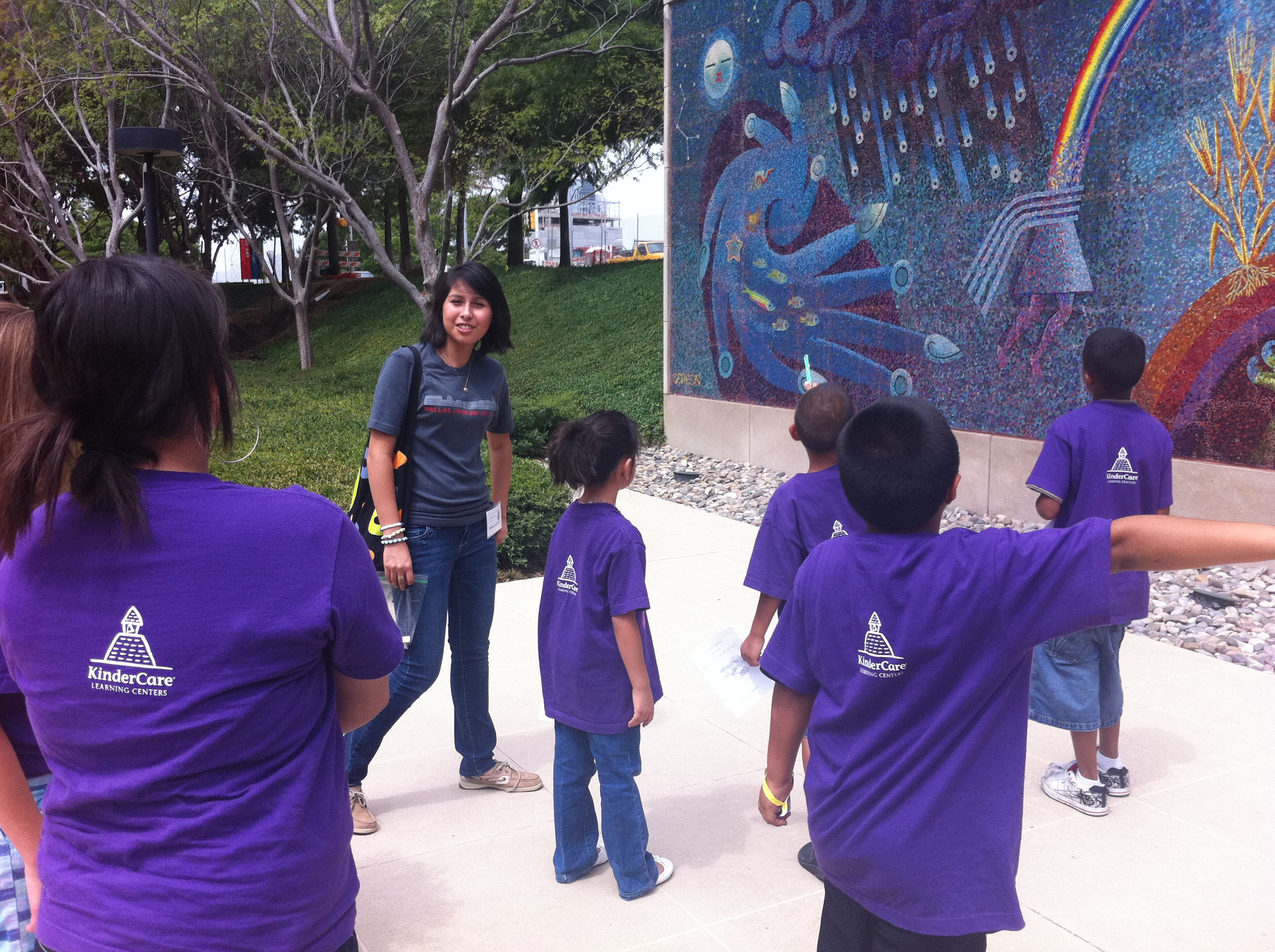
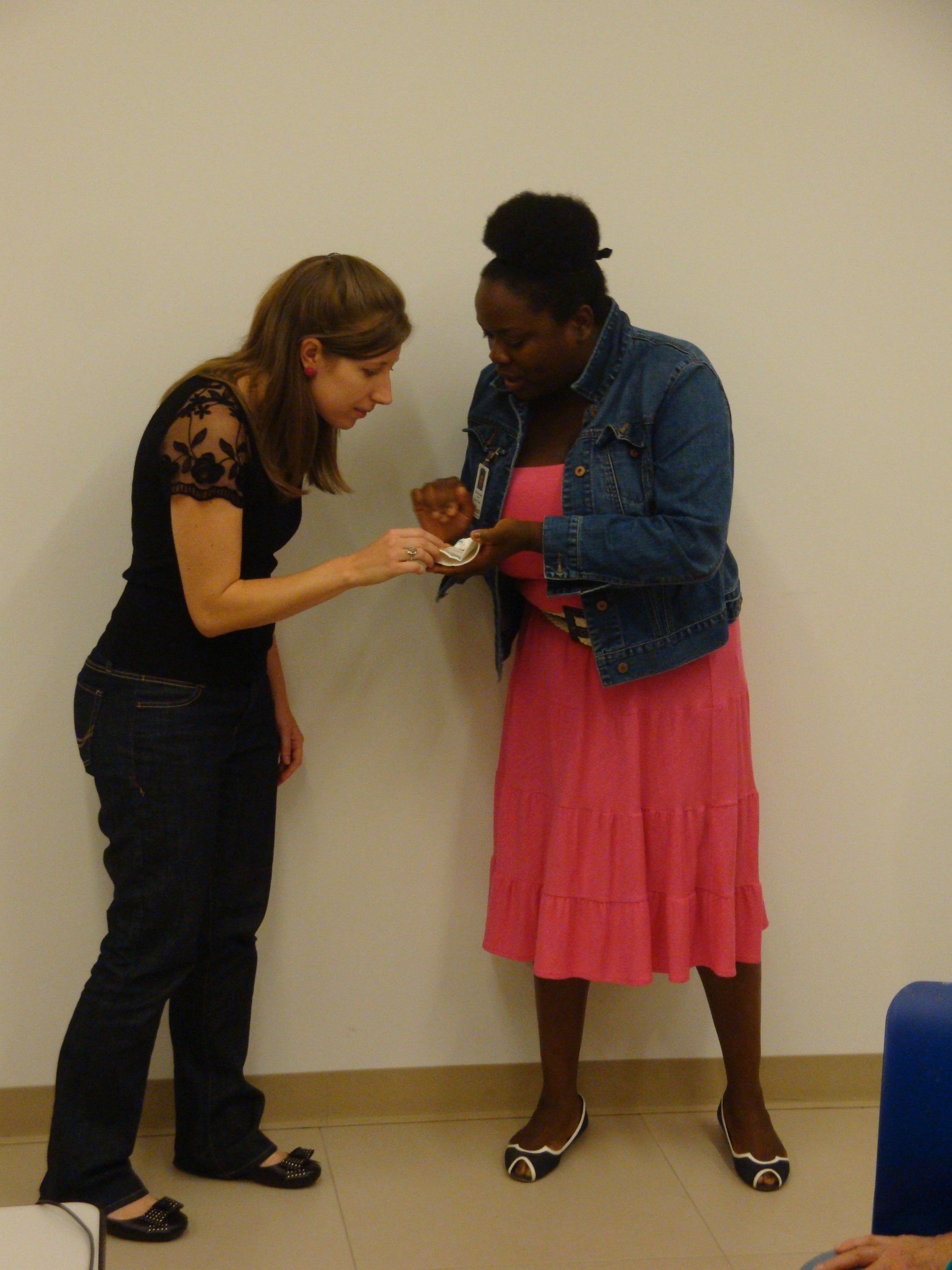
Teen docent Jennifer Mayen discussing Miguel Covarrubias's "Genesis: The Gift of Life"

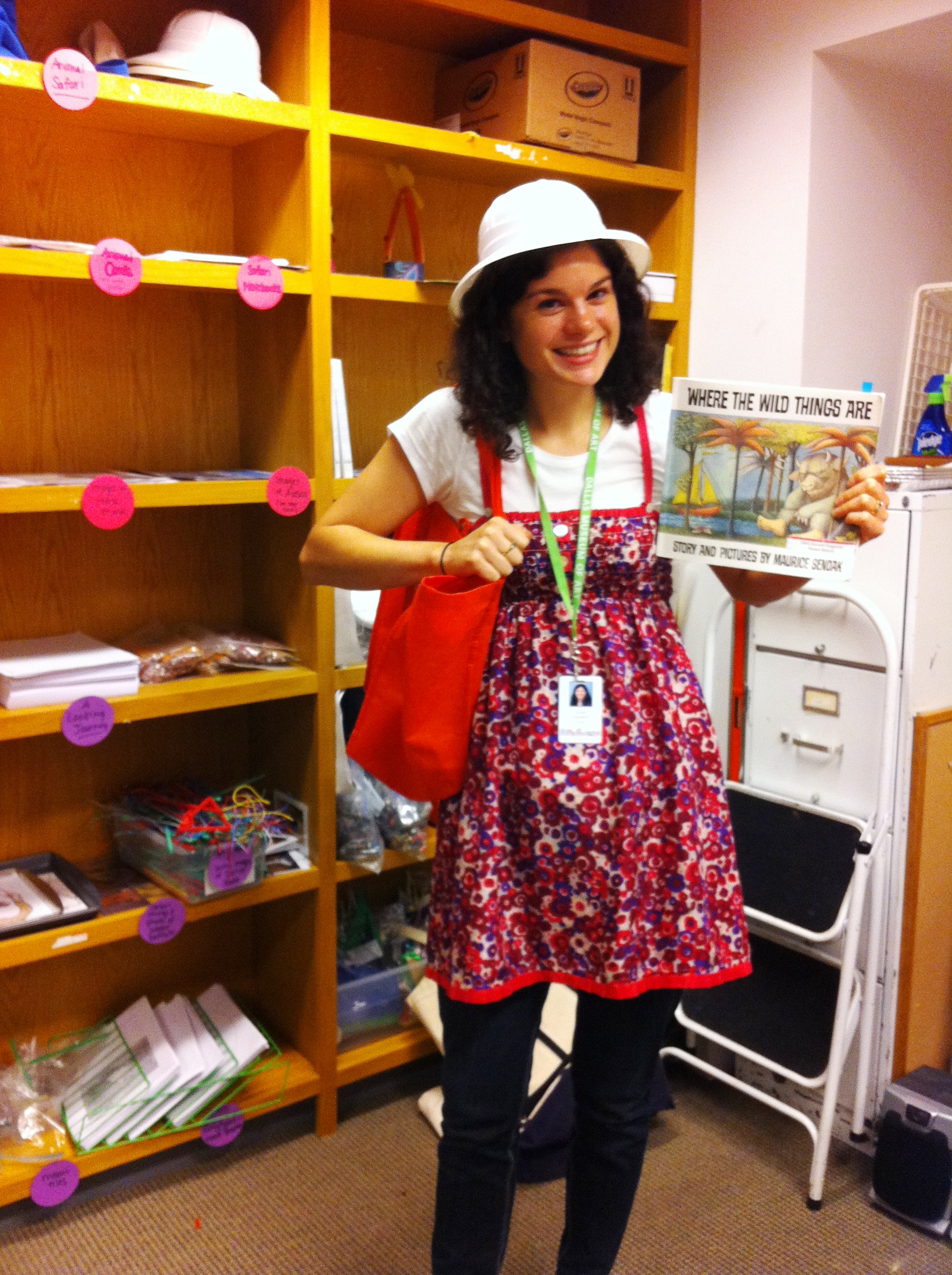
This summer we have eleven returning students and thirteen fresh faces, and it’s easy to spot all of them in their official “uniform,” which includes a gray Dallas Museum of Art t-shirt and a Teen Docent badge. 

Most often you’ll find them around the Museum carrying a docent bag full of fun supplies and guiding a group of students on an Animal Safari or A Looking Journey tour.  Other times, you may see them helping out on weekends with Family Experiences programming like Studio Creations and Collections Connections, or pitching in with program hits like First Tuesday or Late Nights.
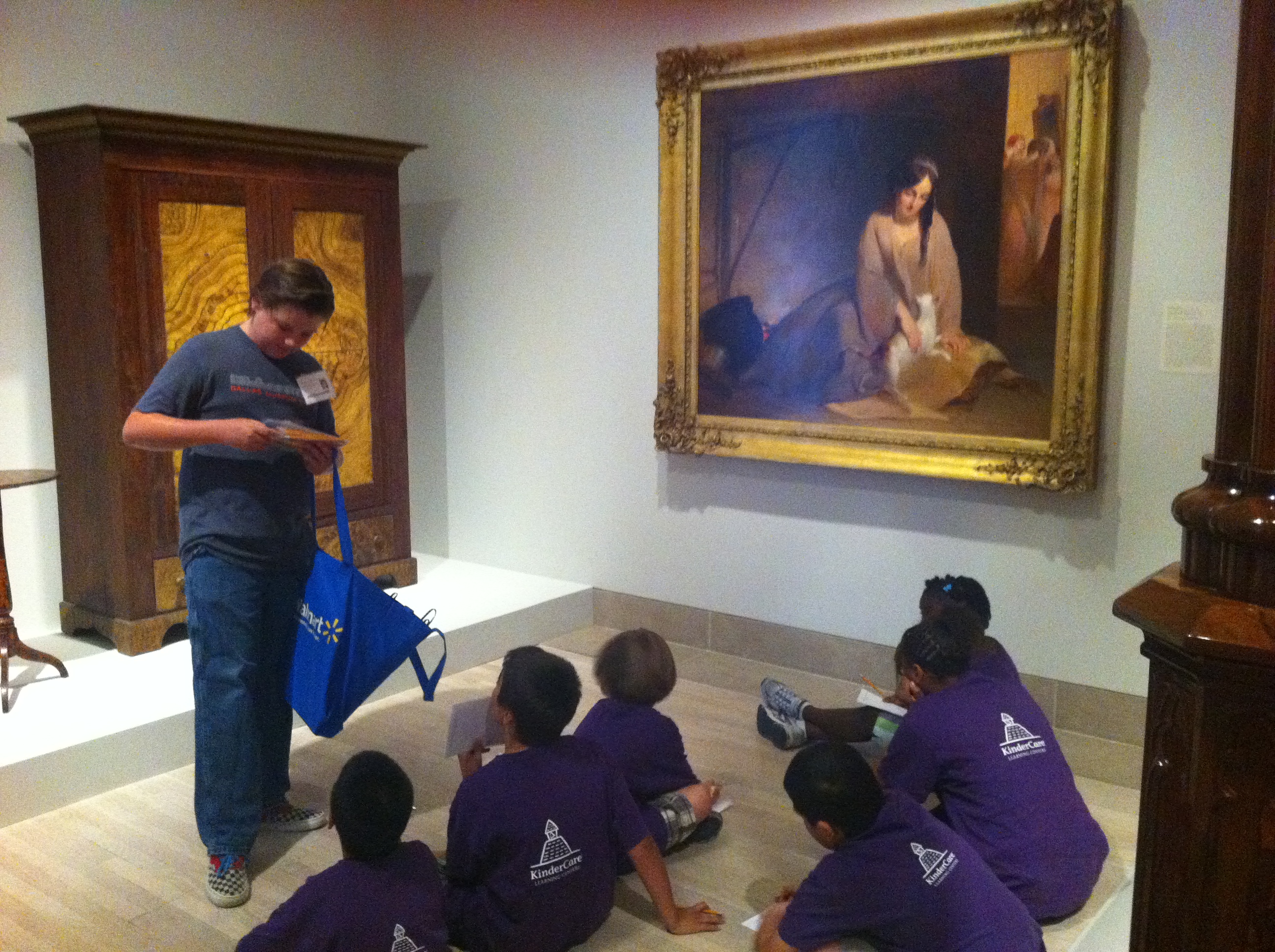
Teen docent Tennessee Bonner handing out supplies

I asked one our new teen docents, Tennessee Bonner, why he wanted to join the program. “The reason I joined the docent program was the fact that I would be able to help the museum and I would have fun doing it.”

What a great answer!  Teen docents are not only summer tour lifesavers, but they help create a fun, learning environment for younger audiences.  It is the teenagers’ willingness to learn about the Museum and share their enthusiasm with younger students that makes this program work.   
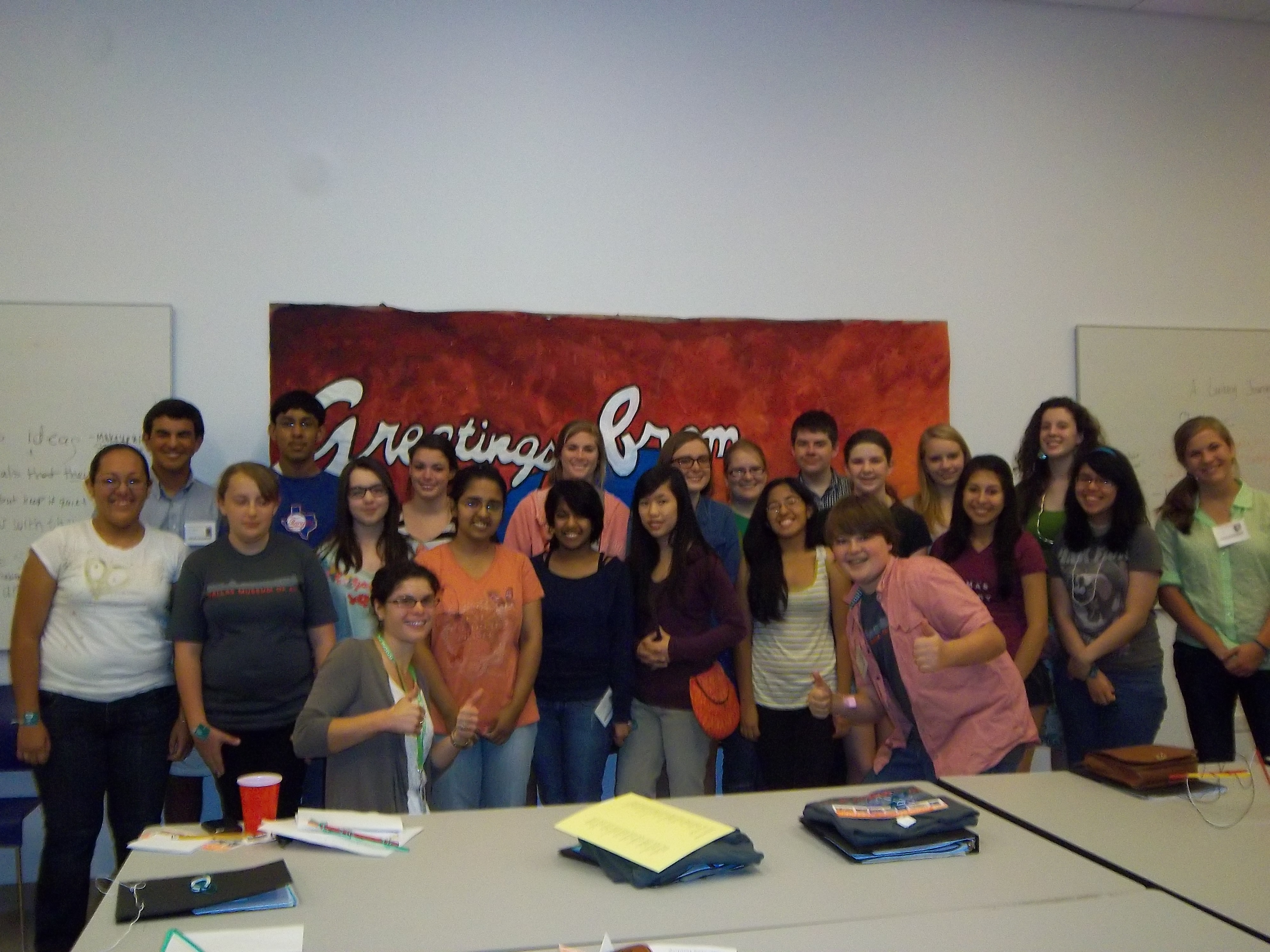
2011 Teen Docents

For the past ten years, the Teen Docent Program has become an integral part of our summer programming.  I commend all the volunteers that have donated hours of their cherished summer time, and I hope to see many of them next summer.

Loryn Leonard
Coordinator of Museum Visits
Taking Time in Silence and Time

The DMA special exhibition Silence and Time has been a great springboard for conversation on tours with students and in programs with teachers this summer.  Since we have just a month left to enjoy the installation, I thought it would be fun to share some new experiences and conversations it inspired, and some familiar activities we revisited.  Look for a blog post in mid-August about a half-day teacher workshop in Silence and Time that incorporated some of the experiences below.

Start with silence
Prime yourself for time in the galleries by sitting in silence for a few minutes.

Silence and Time was inspired by a specific few minutes of silence: American artist John Cage’s 1952 composition 4’33.”  As the introductory wall text states, “Cage’s controversial work comprises three movements…arranged for any instrument or combination of instruments. All of the movements are performed without a single note being played. The content of this composition is meant to be perceived as the sound of the environment that the listener hears while it is performed, rather than as four minutes and thirty-three seconds of silence.”

What did you notice during your 4’33” of silence?

[slideshow]

Just one minute
Take just one minute to look at an artwork.  When your time is up, turn so your back faces the artwork, and write down as many details about it as you can.  If you’re with a friend, have him or her quiz you about the artwork with your back turned.  How much were you able to notice and remember in just one minute?

Look longer
Spend fifteen minutes with just one artwork in the exhibition.  Get close, move far away, and use ideas below to help you look closely.

  • Create a log of what you see.
  • Make a sketch of the work of art.
  • Write down questions you have about the work of art.
  • Write down what you like about the work of art.
  • Write down what confuses you about the work of art.
  • Write down how the work of art makes you feel.

Tracking time
Consider all the ways time can be measured both mechanically (clocks, calendars) and naturally (changing of seasons, hair growth, erosion).  Find as many examples of ways we mark time as you can in works of art in the exhibition.

Find the time
Are there artworks that suggest suspension of time?  Time moving slowly or rapidly?  That time is cyclical or linear?  Challenge a friend to identify different representations of time manifested in artworks in the exhibition.  If you enjoy thinking about possible shapes time could take, pick up Alan Lightman’s Einstein’s Dreams, a collection of short stories that describe parallel universes where time behaves differently–sometimes in circles, sometimes backwards, etc.

Make your own artwork
Use make-shift art materials from your purse or pockets to create an artwork that will change with time.  As you’re looking for materials in your purse or pockets, consider which objects show more or less wear and tear and which objects age more or less quickly.  Then, explore the galleries looking specifically at materials the artists used.

Silence and Time is on view until August 28.

Amy Copeland
Coordinator of Go van Gogh Outreach

Music Connections to the DMA Collection

The DMA’s collection offers a number of opportunities for cross-disciplinary study. Shannon has written blogs that focus on the literary connections to Abstract Expressionist works of art and other areas of the DMA’s collection. In this post, I thought I could share a few of my favorite music-related objects.

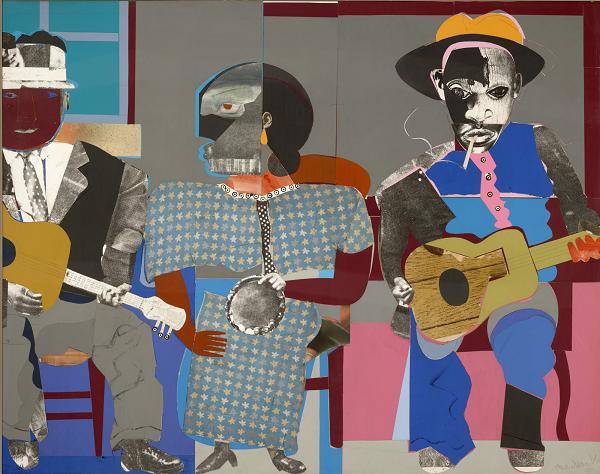
Below is a collage by Romare Bearden called Soul Three. In addition to being an accomplished artist, Romare Bearden also occasionally composed jazz music and associated with musicians such as Branford Marsalis, Duke Ellington, and Fats Waller. This musical influence appears frequently in his collages in the form of musical themes and subjects. Soul Three, for instance, shows three musicians playing guitar and tambourine.

Romare Bearden used music in many ways when he created art. Sometimes he drew while listening to music. He described this experience by saying, “[o]ne of the things I did was to listen to a lot of music. I’d take a sheet of paper and just make lines while I listened to records—a kind of shorthand to pick up the rhythm and the intervals.” Bearden also advised that, in making art, you “become a blues singer—only you sing on the canvas. You improvise—you find the rhythm and catch it good, and structure as you go along—then the song is you.”

Romare Bearden, Soul Three, 1968, Dallas Museum of Art, General Acquisitions Fund and Roberta Coke Camp Fund

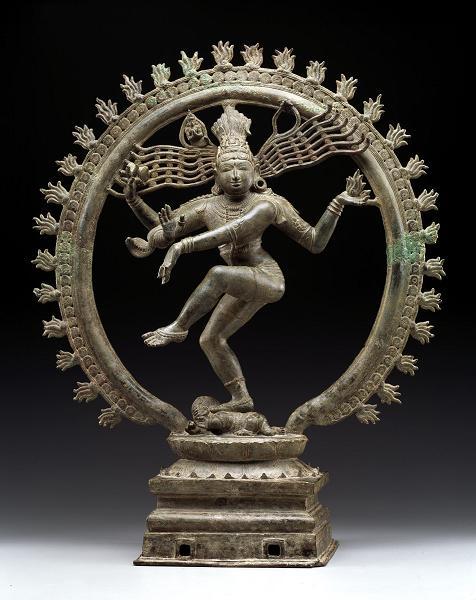
Shiva, the Hindu god of creation and destruction, is shown in the bronze sculpture below in his most transcendent state as Nataraja, or Lord of the Dance. Here, Shiva is the embodiment of cosmic energy who dances the rhythm of the universe and beats his drum in time. Music and dance, in the Hindu tradition, are considered pathways to divinity, and worshippers perform to honor the god.

Shiva Nataraja, 11th century, Dallas Museum of Art, gift of Mrs. Eugene McDermott, the Hamon Charitable Foundation, and an anonymous donor in honor of David T. Owsley, with additional funding from The Cecil and Ida Green Foundation and the Cecil and Ida Green Acquisition Fund


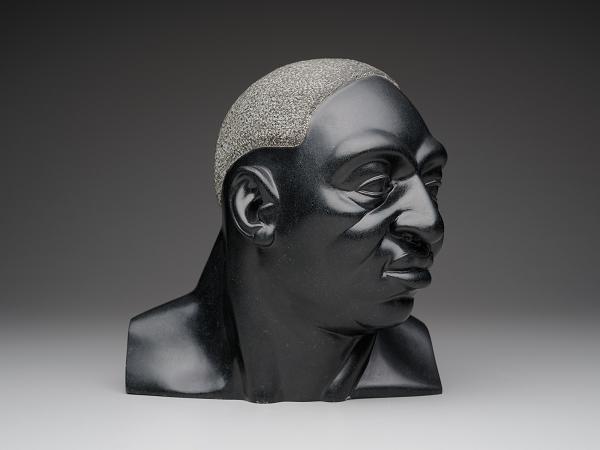
Next, this black serpentine bust of Huddie “Leadbelly” Ledbetter shows the musician as he appeared a few years before his death. Leadbelly was a troubled folk singer and two-time murderer who was reputedly pardoned for his crimes when the governor of Texas heard his music. In this bust, he is portrayed sensitively by the sculptor Michael G. Owen, Jr.

Michael G. Owen Jr., Leadbelly, 1943, Dallas Museum of Art, Mr. and Mrs. Tom Gooch Fund Purchase Prize, Twelfth Annual Texas Painting and Sculpture, 1950-1951


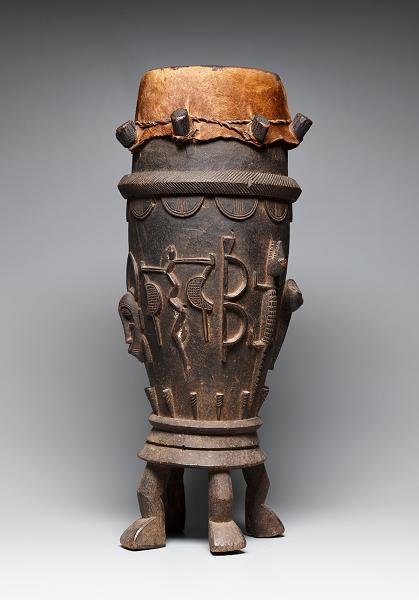
Finally, for the Senufo peoples of Côte d’Ivoire, the drum is an instrument of music and communication. Drums are used by Senufo women to accompany songs sung in a secret language to deal with gender conflicts and other frustrations, and serve as a sort of “public address system” for the Senufo community announcing important events or rituals. They are also pounded to create a rhythm which encourages competition among young men hoeing the fields.

Drum, 20th century, Dallas Museum of Art, Foundation for the Arts Collection, gift of Mr. and Mrs. Stanley Marcus


These are only a few of the many works at the DMA which celebrate music. List your favorites in the comments below.


Tom Jungerberg

IMLS Grant Coordinator

Behind the Scenes: YMCA and Boys & Girls Clubs Program

Coming into my second month at the museum, I am beginning to learn more about the different facets of our education department.  Last week, I participated in our YMCA and Boys & Girls Clubs Program, a week-long program that employs interactive gallery experiences through tours, as well as hands-on art activities based on objects explored in the Museum.  By documenting my first experience with the YMCA and Boys & Girls Clubs Program, I aim to shed some light on our summer programs at the DMA.
 

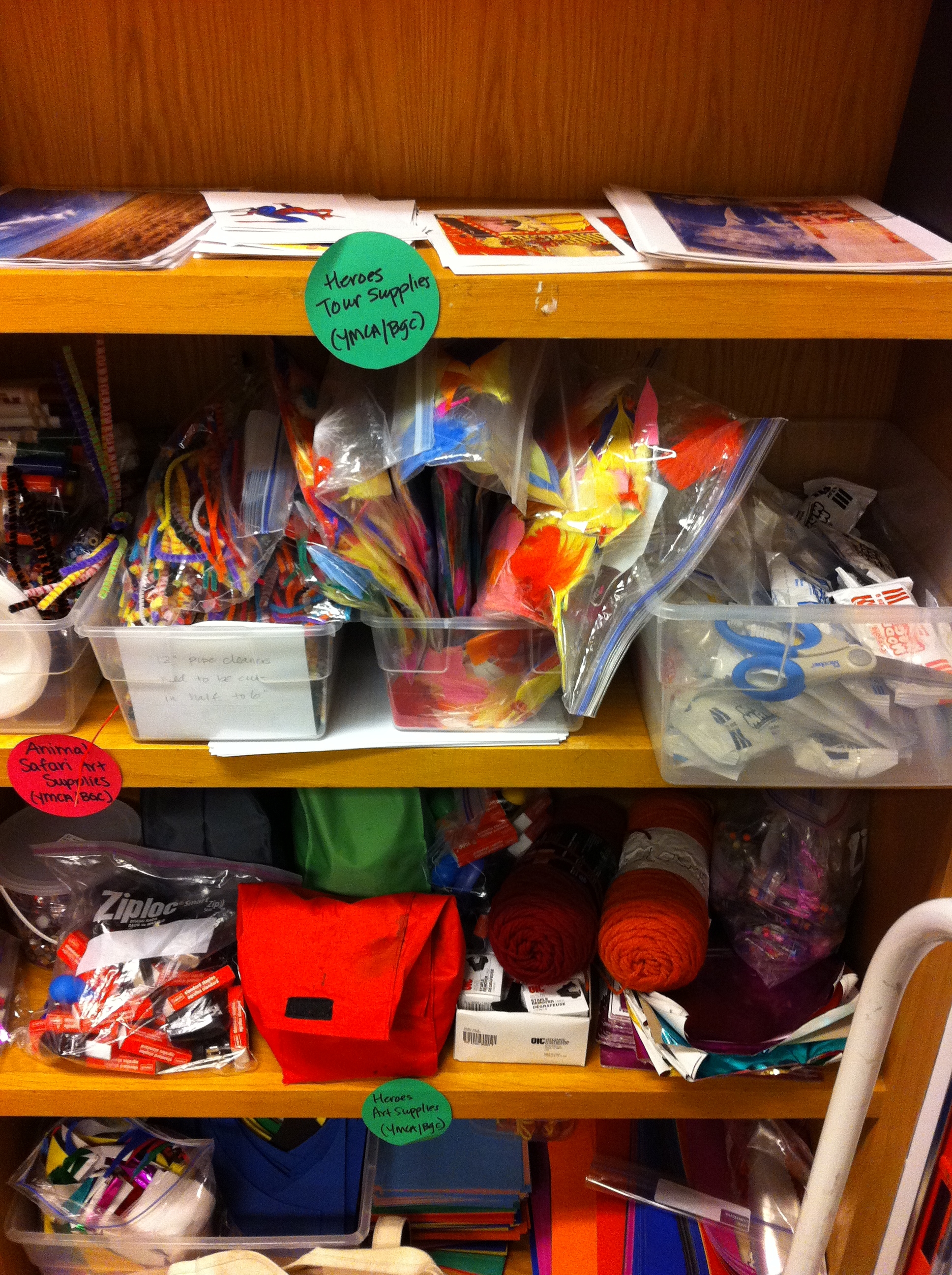
Tour supplies

Our week begins on Monday at the Grand Prairie Boys & Girls Club.  My colleague Melissa Nelson and I head out in the beloved Go van Gogh® van, armed with a bag full of art supplies.  Because it’s our first interaction with the students, we start off with introductions about us and the Museum.  As a group, we talked about the different collections the DMA has to offer and what their first visit will be like.   Finally, we ended the session with an art activity, in which the students drew their own museum filled with items they collect at home.
 

On Tuesday, the students traveled to the Museum for their first visit, and the tour theme is Animal Safari.  The Animal Safari tour is a fun and engaging tour that encourages students to look closer at the different types of animals found in artworks throughout the Museum.  Some activities I included are an animal scavenger hunt in the American silver gallery, an acrostic poem about a seal or sea otter spirit mask, and a drawing based on the sculptures of mythical animals (aso) from Indonesia.  You can find more interactive activities on our Teaching Resources page.

Preparing for an Animal Safari tour

On Wednesday, we went back to the Boys & Girls Club and reviewed some of the animals we saw on the tour.  Two objects that we asked for them to recall are the sword ornament in the form of a lion and the mythical animal (aso).  Inspired by these two objects, the students created their own animals with Model Magic clay.  It was a great way to connect the students with the artworks and spark their interest in returning to the Museum on Thursday.

On Thursday, the students returned to the DMA for a second time, ready to participate in the Heroes tour.  During the tour, students explored characteristics of heroes and what it means to be a hero in artworks from diverse cultures.  During the tour, we read Courage by Bernard Waber, drew a hero portrait, and wrote a story about heroes together as a group.

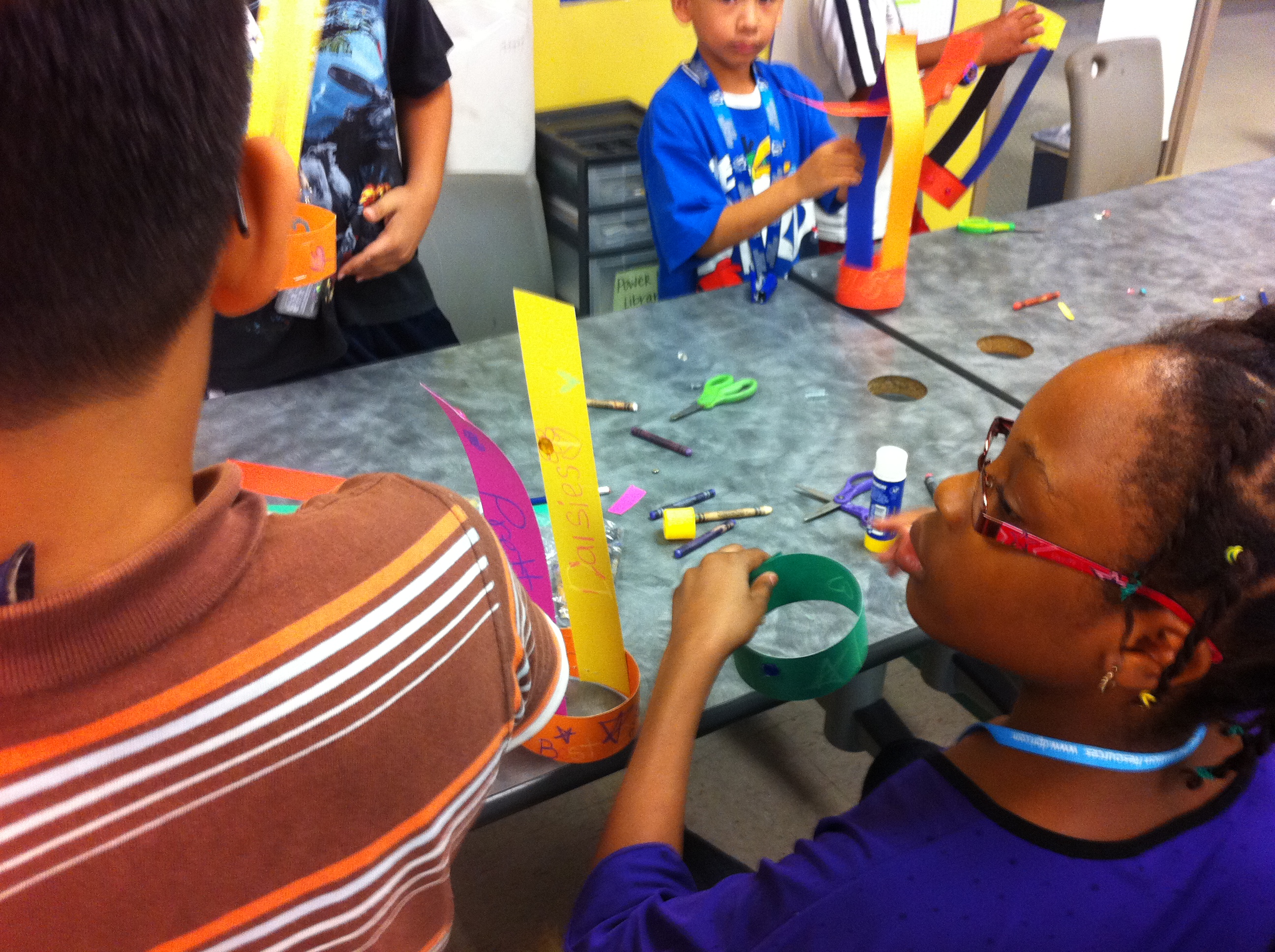
Students working hard on their trophies

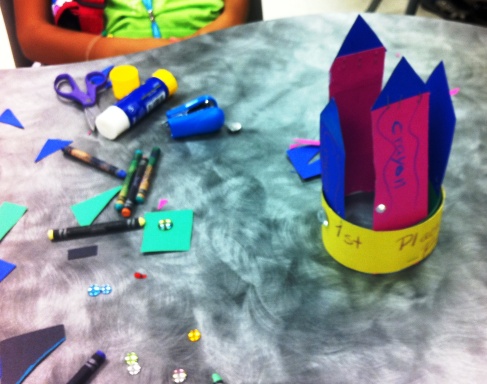
Our final meeting took place on Friday at the Boys & Girls Club.  We reviewed the different roles of a hero and talked about which artworks we liked the most.  One object that was visited was the Nautilus Centerpiece, which is a yachting trophy.  In this activity, students created their own trophy that either represented themselves as heroes, or to give to someone they consider their hero, like a family member or a friend.

Artist Trophy

My first week with the YMCA and Boys & Girls Clubs Program has been a blast!  I can’t think of a better way for students to spend their summer than having fun with art and taking the time to look, question, and create.

Loryn Leonard
Coordinator of Museum Visits
Teacher Workshop on American Indian Art

Dear teachers, we would like to invite you to participate in the last DMA teacher workshop of the summer.  This workshop will take place on Tuesday, August 9th from 9:00am-12:30pm at the Dallas Museum of Art and will explore American Indian art and belief systems presented in the Art of the American Indians: The Thaw Collection exhibition.  The workshop offers 3.5 CPE hours.  The full workshop cost is $25 or $20 for DMA members, and you can register online.

Selected works of art from the exhibition.

We look forward to seeing you at this workshop and our upcoming 2011-2012 programs throughout the school year!

Ashley Bruckbauer
Teaching Programs and Partnerships

Cruisin' in the Go van Gogh Van

You may have noticed the colorful Go van Gogh® van driving around town and wondered to yourself, “Is that van as fun to ride in as it looks?”  The answer is “Yes!”  Catching a ride in our van is easy: just sign up to be a Go van Gogh volunteer.  Volunteers are trained by Museum staff to lead interactive conversations and art activities based on works of art in the DMA’s collections and special exhibitions.  Taking these programs into classrooms throughout Dallas is a fun and rewarding experience for everyone involved, including the students, teachers, and volunteers.
 

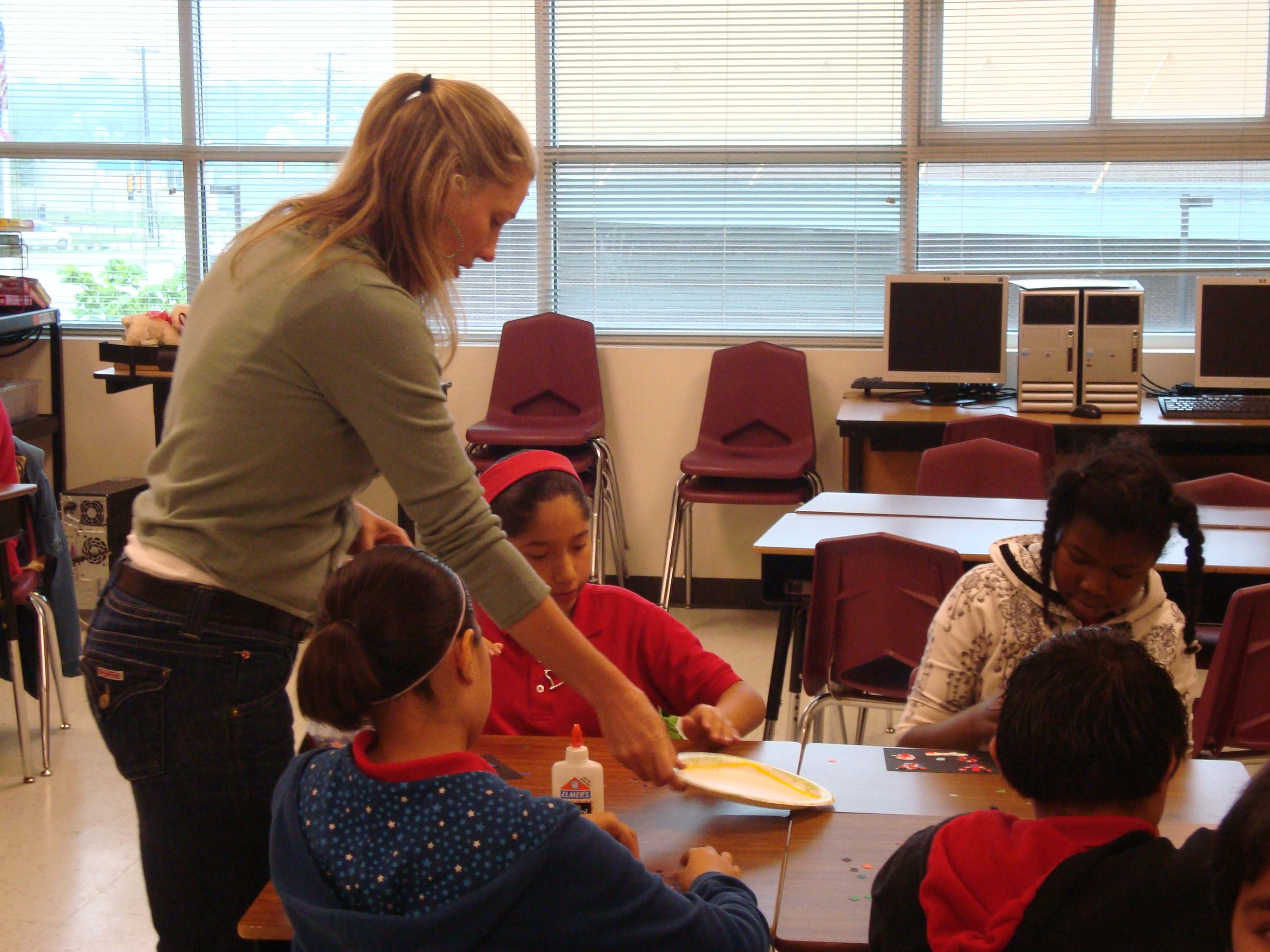
A volunteer teaches fourth graders in a Dallas ISD classroom.

But you don’t have to take it from us that volunteering with Go van Gogh is a wonderful experience.  Kari Laehr, who just completed her first year as a volunteer, recently shared this with us:

“Working with the Dallas Museum of Art’s Go van Gogh Outreach Program has been a great pleasure.  Every program that I have taught has been not only exciting for the students, but for me as well.  There is something extremely special about sharing my passion for art with youngsters, and I consider it a great honor to represent the museum in this way. I was very nervous during my first teaching session; however, having that one “light bulb” moment with a student during the art-making process makes everything worthwhile in the end. In fact, I have heard numerous times in my class, “This is the best day ever! When are you coming back?” I feel that what I am doing with the Go van Gogh Program is making an impact in Dallas classrooms and would highly recommend this experience to others.”

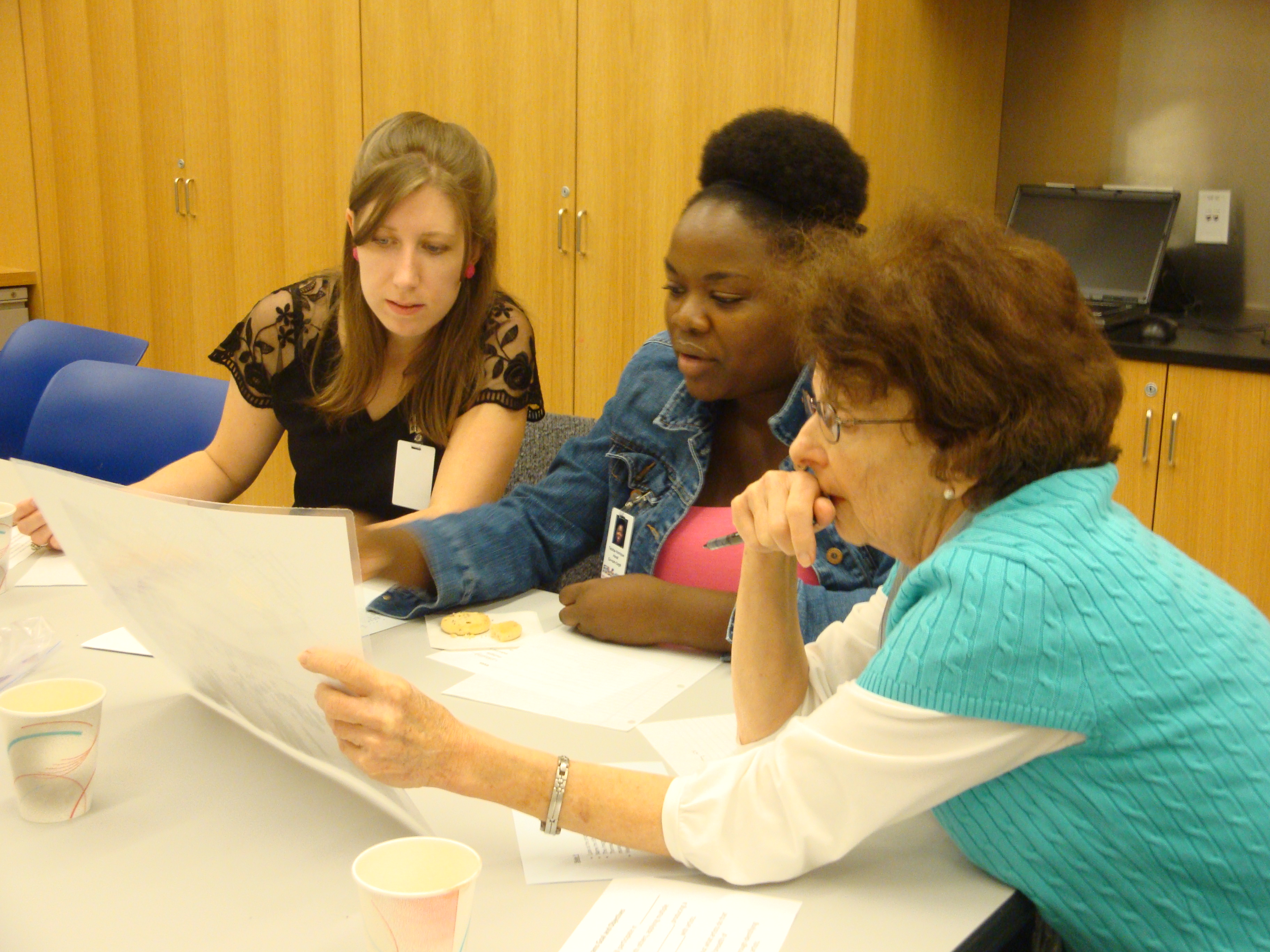
Volunteers discuss a work of art during training.

Afterward, they perform a short skit inspired by the work of art.

Do volunteers need to have teaching experience?  No.  Do they need to be art history experts?  Not at all.  The two primary requirements for our Go van Gogh volunteers are (1) an interest in sharing works of art with students in grades 1-6, and (2) a commitment to attend volunteer training at the Museum and present programs in Dallas schools during weekday mornings.

If you are interested in volunteering, please complete and return the volunteer application by Friday, August 5, 2011.  Help us spread the word to any friends who may be interested as well.  You can also contact me with questions about the programs at 214.922.1230 or MNelson@DallasMuseumofArt.org

I look forward to hearing from you!

Melissa Nelson
Manager of Teaching in the Community

See you at the library!

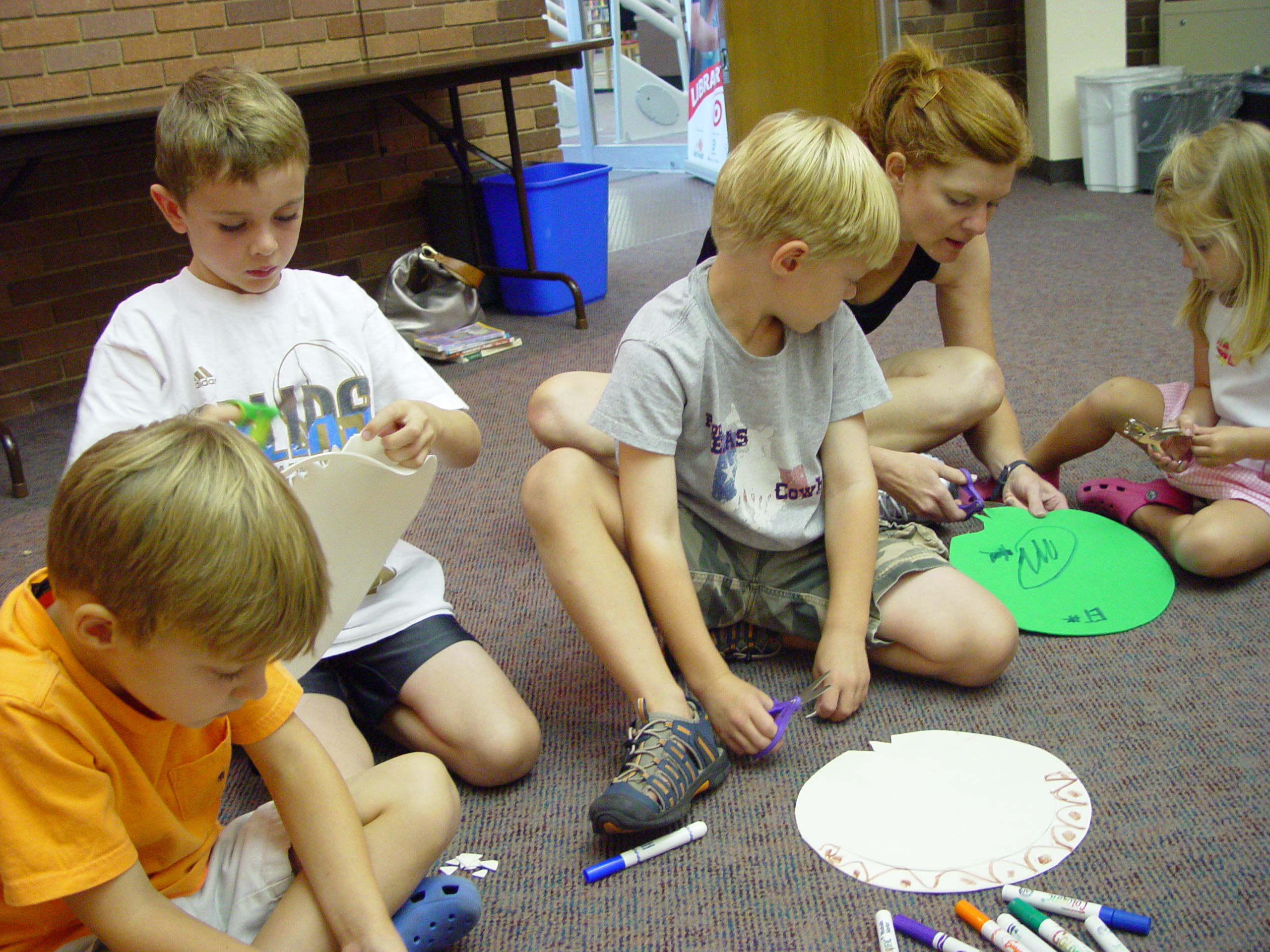
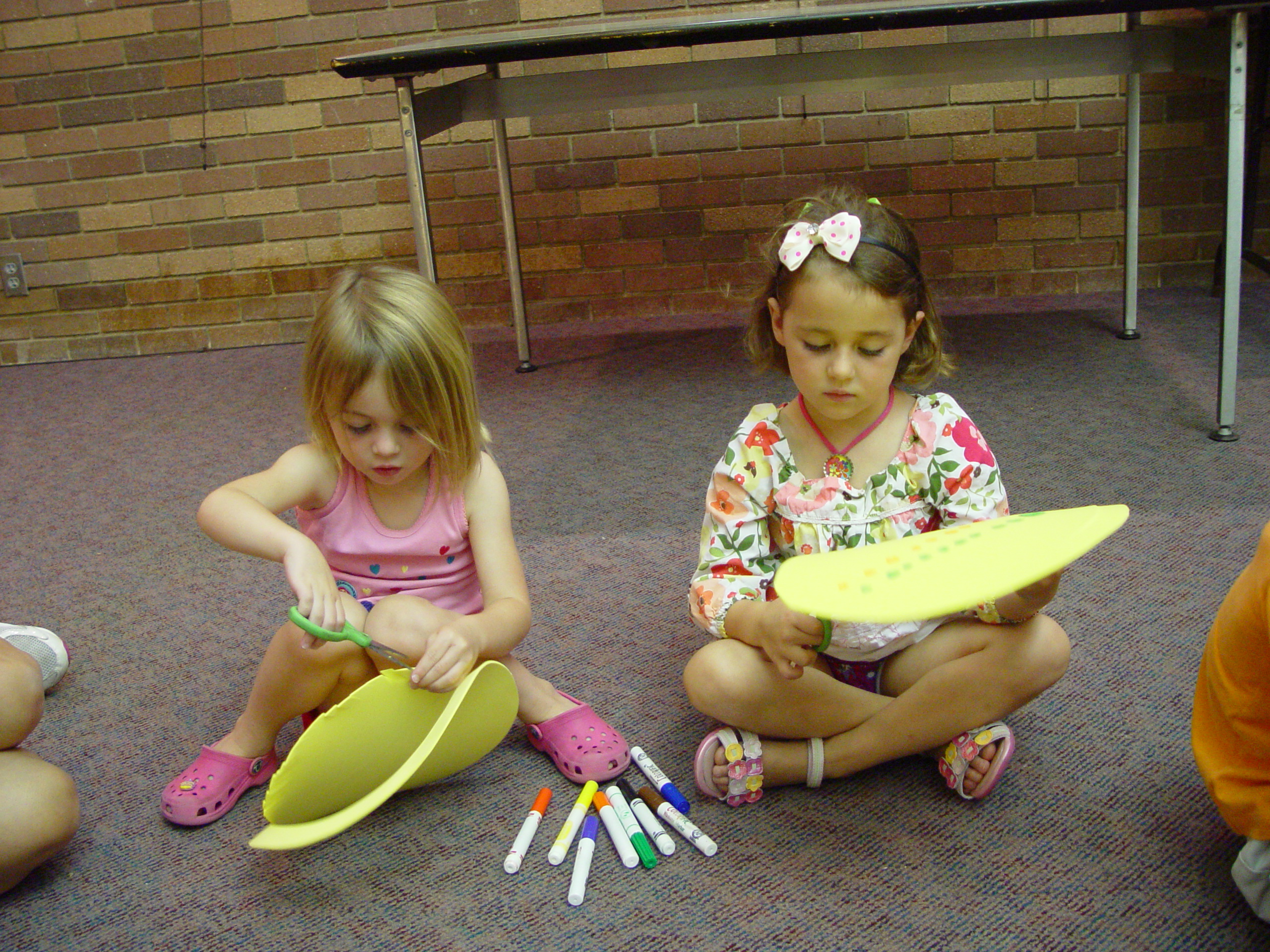
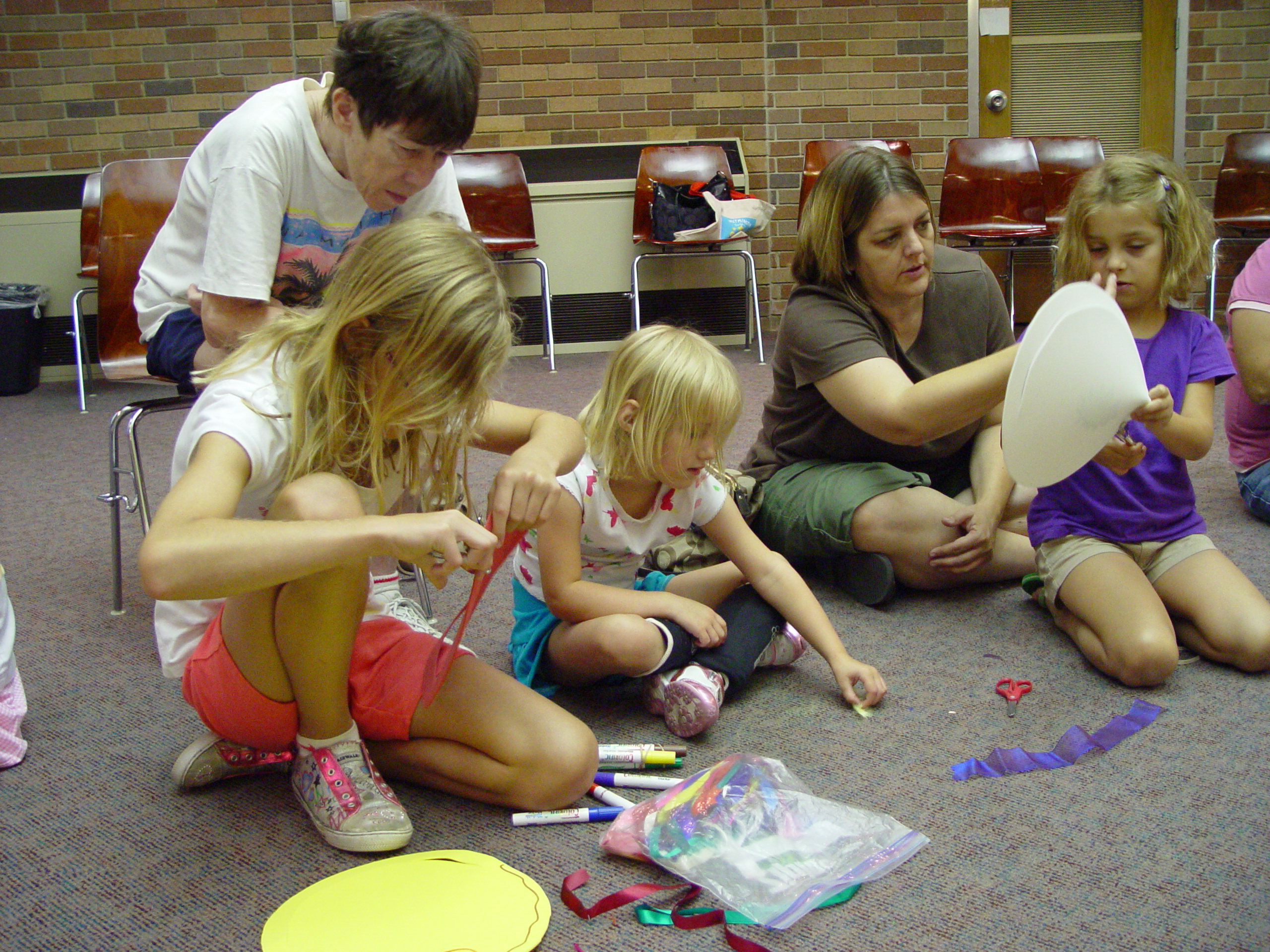
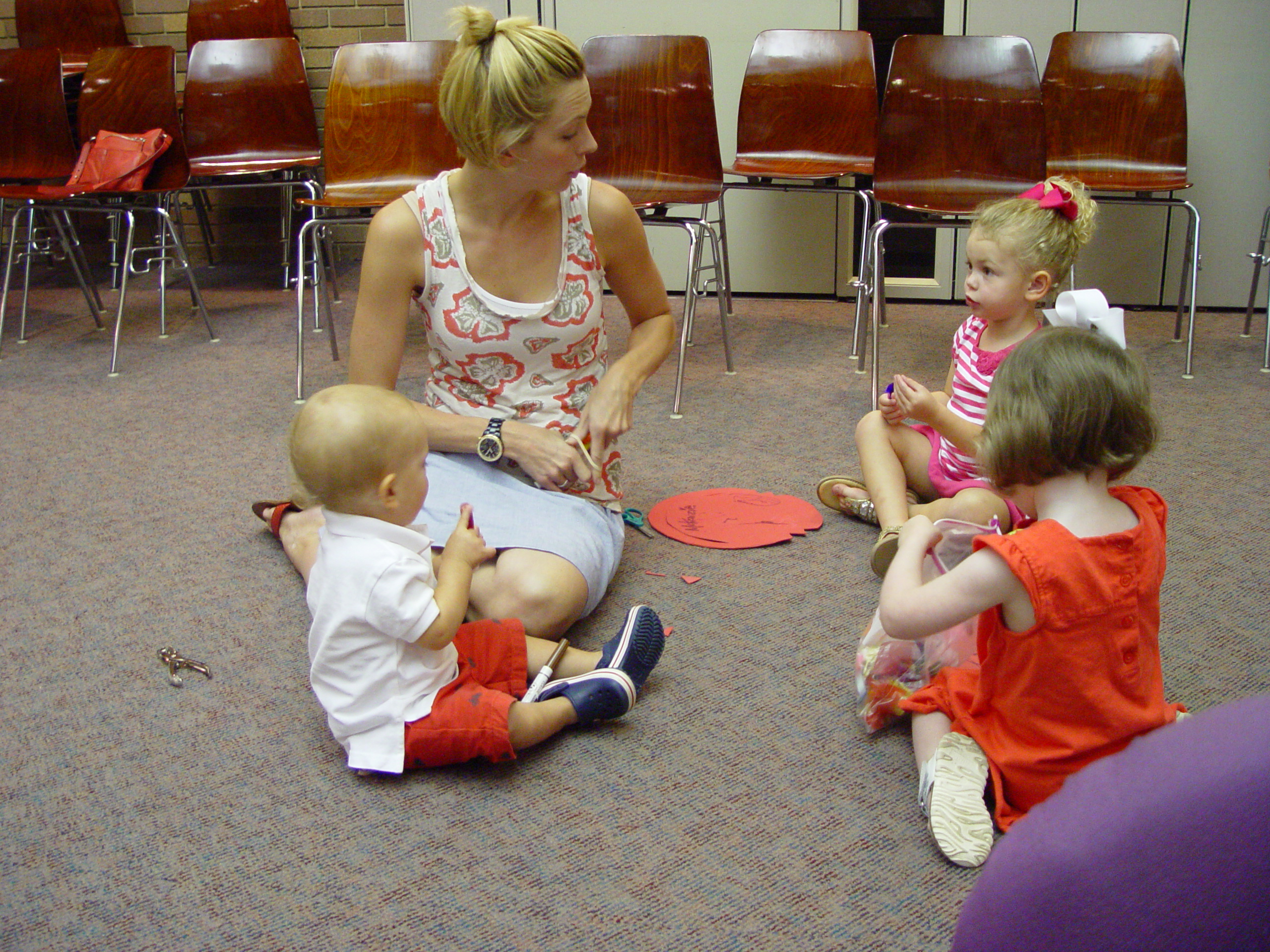
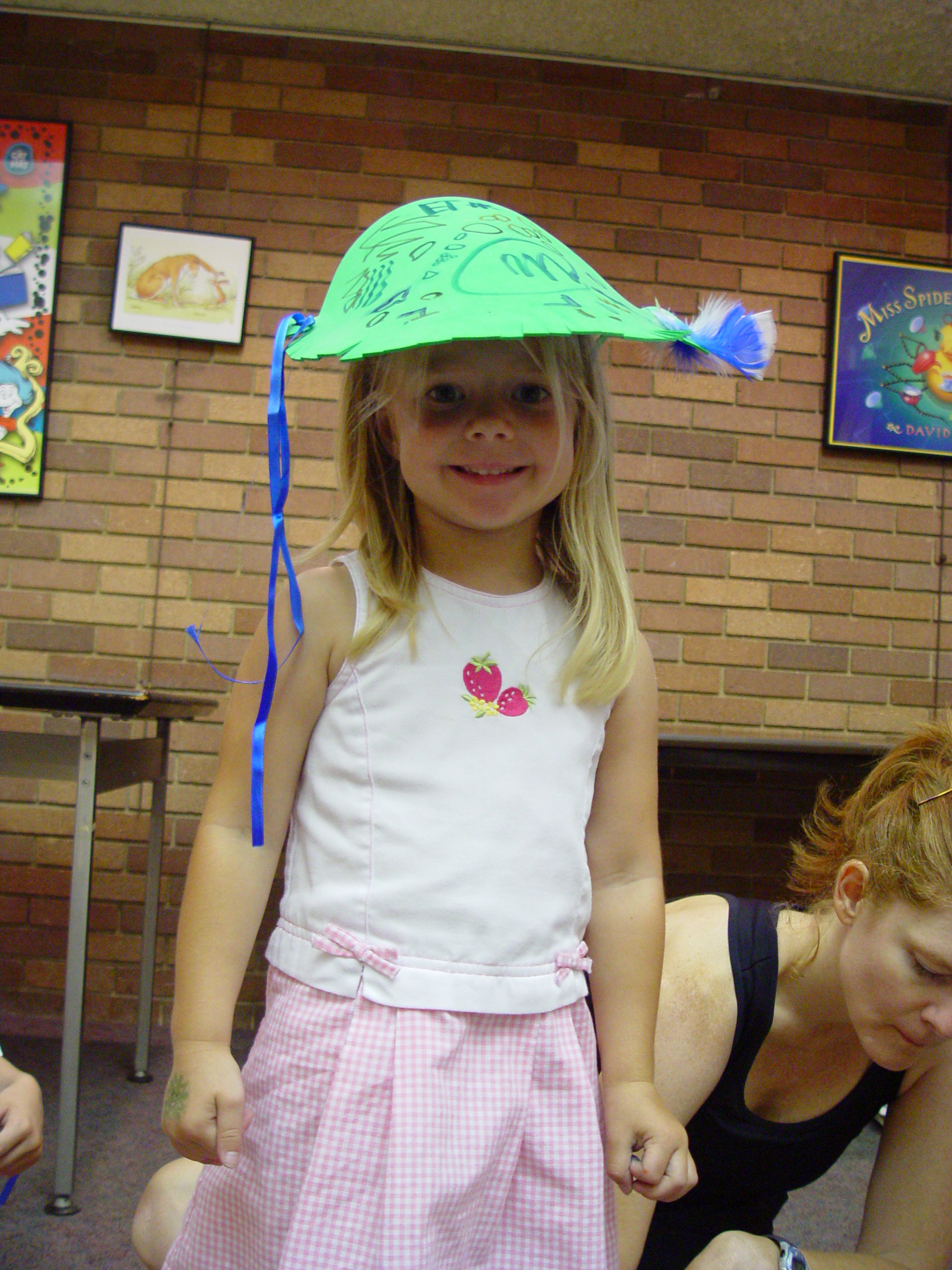
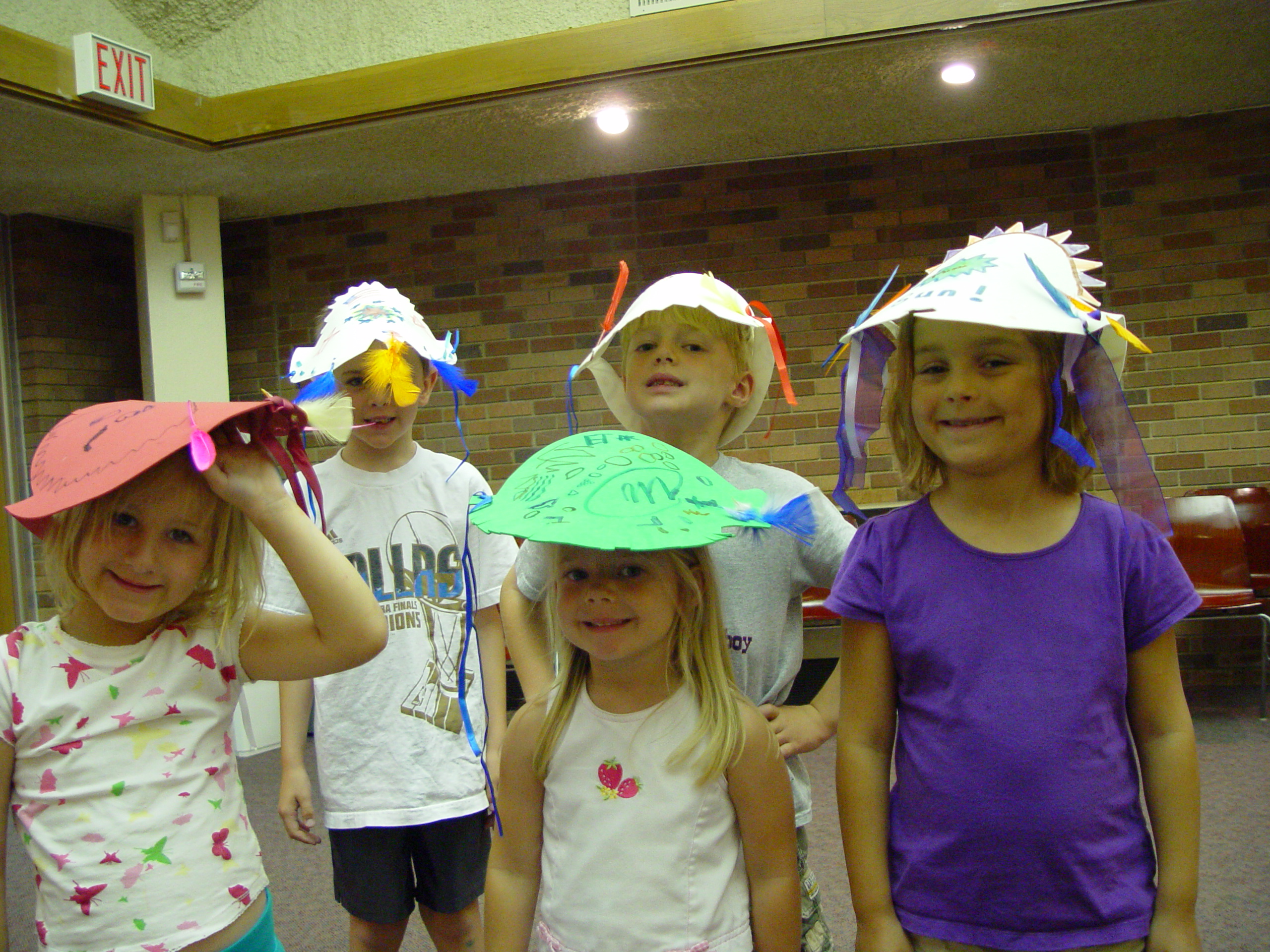
Every summer, we bring Go van Gogh programs to Dallas Public Libraries.  These one-hour programs are free and open to all ages.  Below are pictures from our visit to Preston Royal Library with the Art of the American Indians program, inspired by the DMA’s special exhibition.  Check our schedule to see when we’re visiting a library near you!

Melissa Nelson
Manager of Teaching in the Community


Moments of Epiphany: Talking Creativity with an Educational Psychologist

We were lucky at our last Educator Reading Group to have Dr. Magdalena Grohman as a guest facilitator.  Dr. Grohman is an associate director of the Center for Values in Medicine, Science, and Technology, a lecturer at the School of Behavior and Brain Sciences at the University of Texas, Dallas, and a frequent DMA collaborator.

Dr. Grohman recommended an article from Educational Psychologist titled “Why Isn’t Creativity More Important to Educational Psychologists?  Potentials, Pitfalls, and Future Directions in Creativity Research.”  The reading invited us to reconsider beliefs and ”myths” we might hold about creativity: that creativity is something you either have or you don’t, that there is a singular type of creative person (and they are often outsiders), and that creativity is enhanced within a group.  The article also teased out a definition of creativity based on content analysis of peer-reviewed business, education, and psychology journals.

During our discussion, we thought through our own myths about creativity and the theory and practice of creativity both in our programs and jobs.  How do we talk to students in our programs and classes about creativity and their creative abilities? And how is that different from what they hear from teachers in school?  How do we structure brainstorming sessions, and work in large groups on creative projects?  

We also learned about the science of creativity.  Dr. Grohman, sharing her expertise, helped us look behind our mysterious moments of creative insight to find what’s in play cognitively, that networks of concepts in the memory get flexible (usually as we relax) and we connect remote ideas with one another, metaphorizing, and generating something new.  This cognitive picture of creativity complements the first-person accounts and understandings of creative process we know best—the things we hear artists and writers say to explain their moments of epiphany–that flashes of brilliance come from nowhere, and creativity is something beyond our control. (For more on this, see Elizabeth Gilbert’s excellent TED Talk about creative genius.)

One of the things Dr. Grohman does is provide people with tools and techniques to jump start creative thinking.  She led us in a quick activity after our conversation.  We split into pairs and were asked to make a joint drawing, based on a simple prompt.  As part of the activity we weren’t allowed to talk or in any way communicate with our partner about what we were drawing.  After each pair finished, Dr. Grohman sequenced our artworks, and asked us to create a story to link them together.  Illustrations from our activity and images of participants are in the slideshow below.

Amy Copeland
Coordinator of Go van Gogh Outreach

[slideshow]

Insights from my Experiences as a McDermott Intern

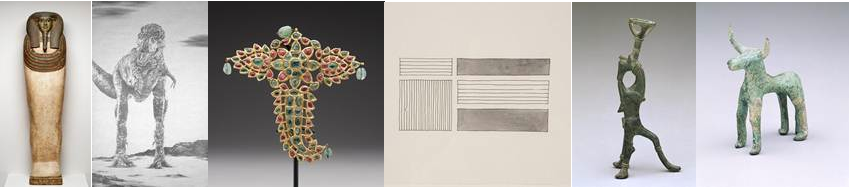
As the 2010-2011 Teaching Programs McDermott  Intern, I have had an amazing journey and wonderful experiences along the way. As it comes to an end, I want to share insights from my year as an Intern at the Dallas Museum of Art.

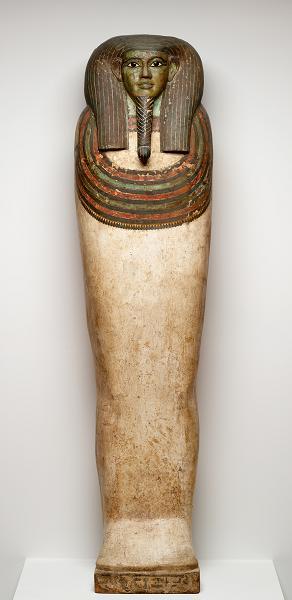
Coffin of Horankh, 700 B.C., Egypt or Thebes, wood, gesso, paint, obsidian, calcite, and bronze, Dallas Museum of Art, Cecil and Ida Green Acquisition Fund

I– I worked in the education department, leading interactive tours to K-12 students and training docents on works of art located in the Museum’s collection. I also worked with the Museum’s community outreach program, Go van Gogh, leading great discussions and art-making projects with elementary students in their classrooms.

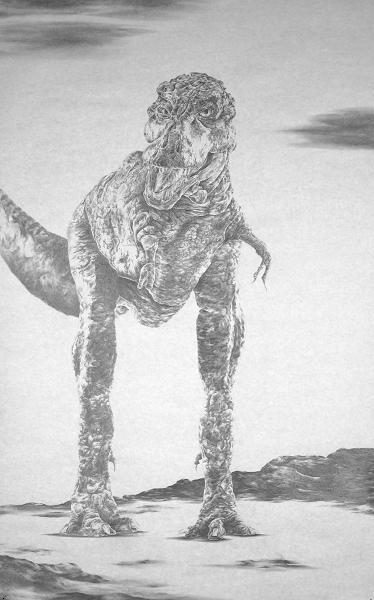
Tyrannosaurus, 2002, Robyn O'Neil, graphite on paper, Collection of Nancy and Tim Hanley and fractional gift of Mr. and Mrs. Hanley to the Dallas Museum of Art in honor of Suzanne Weaver

N– New acquisitions to research, new faces to see, and new places to travel to as I explored the galleries. I am really fortunate to have had the opportunity to encounter works of art everyday, meet people, and feel like I’ve traveled to exciting places as I learned about works of art from around the world.

Turban Ornament, 18th century, India, gold, enamel, rubies, and emeralds, Dallas Museum of Art, gift of David T. Owsley via the Alvin and Lucy Owsley Foundation

T– Thousands of artworks in our collection, hundreds of works in the galleries to view. No wonder the Museum is a fun place to visit and learn about art from the ancient world to present-day.

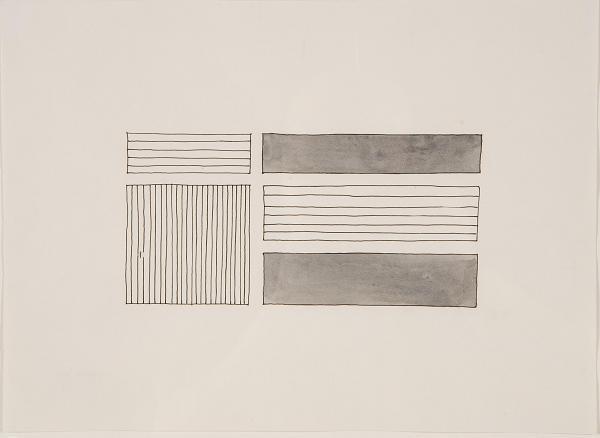
Untitled, 1988, Carlo Guaita, India ink on paper, Dallas Museum of Art, gift of Mr. and Mrs. I. C. Deal

E– Everyday was an exhilarating experience, from researching and writing materials for docents, writing for the educator blog, to creating interactive tours for students. I can’t think of a better place to have an internship that kept me on my feet and engaged at all times.

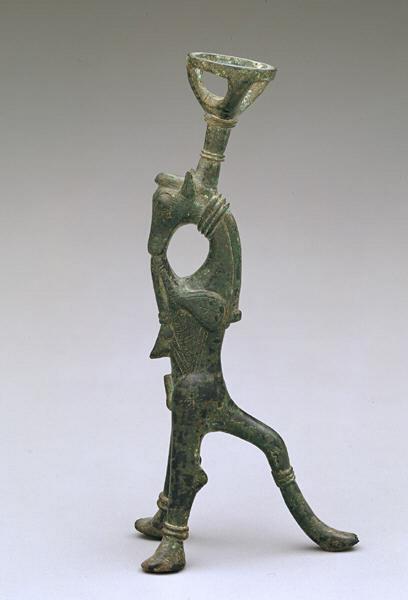
Animal Form Tripod, 7th-6th century BC, Proto-Achaemenian, bronze, Dallas Museum of Art, gift of Mr. and Mrs. Cecil H. Green

R– Small revelations always occurred in the Museum, such as watching students get excited when looking at works of art during docent-led tours, or watching our friendly staff greet visitors at the door and helping visitors navigate through the galleries.

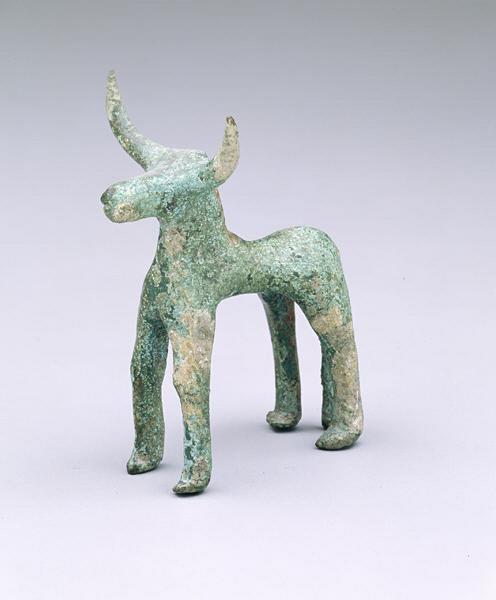
Bull, late 8th century B.C., Greek, bronze, Dallas Museum of Art, Foundation for the Arts Collection, gift of Mr. and Mrs. James H. Clark

N– As I near the end of my internship, it’s hard to say good-bye to the education staff, the docents, the curators, and those I’ve made friends with along the way. They will always have a place in my heart, and I am grateful to have worked with a talented and collaborative staff and learned from every person I came in contact with throughout my internship.

I     N     T     E     R     N

Sincerely,
Karen A. Colbert
Teaching Programs Intern

Gerald Murphy and Archibald MacLeish

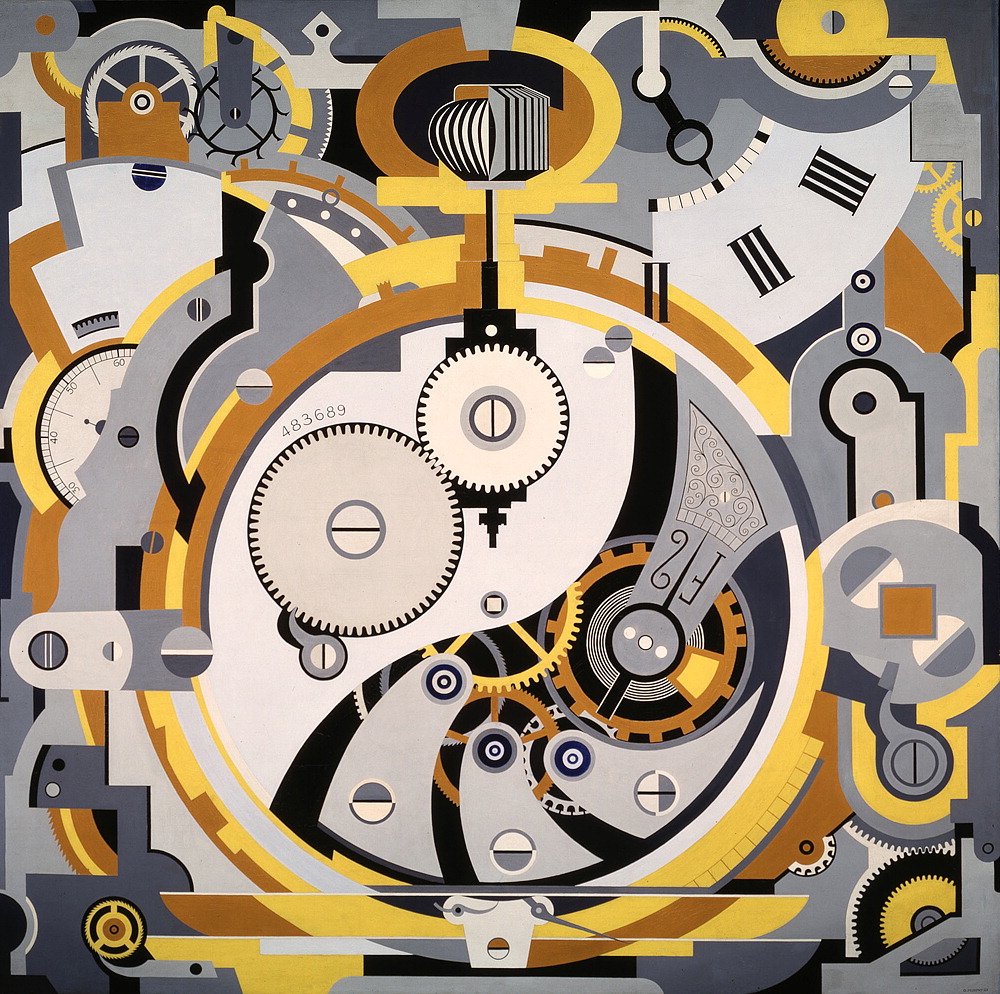
Of all the art in the DMA’s collection, I think I like Gerald Murphy’s Watch most of all. I adore how Murphy makes a complex technological system look bright and vibrant. But moreover, I appreciate how his painting explores the difficult relationship between the people and science of his time. In the 1920’s, the idea of time was changed dramatically by the widespread dissemination of Einstein’s Theory of Relativity in 1919. Suddenly, the Newtonian concept of time as a uniform absolute was invalidated. For many writers and artists of the period, Einstein’s discovery dramatically revised the way they saw the world.


Gerald Murphy, Watch, Dallas Museum of Art, Foundation for the Arts Collection, gift of the artist


Murphy’s Watch explores one man’s view of this sudden change in the perception of time, how it went from an external force outside of the comprehension or control of people to something interior, relative, and subjective. In the painting, Murphy represents his watch internally, by the gears and machinery which make it function and give it power rather than by its most familiar characteristic: its face.

Shannon Karol nicely summarizes the relationships between Murphy and Lost Generation writers. In it, she talks about Murphy’s friendships with Ernest Hemingway and F. Scott Fitzgerald. Murphy was also friends with Archibald MacLeish, a poet who shared Murphy’s fascination with time. In MacLeish’s poem “You, Andrew Marvell,” he describes the shadow of the night as it spreads over the face of Asia and Europe. The title of the poem makes reference to poet Andrew Marvell who, in his own poem “To his Coy Mistress,” speaks about the sway of time over the affairs of lovers. By naming his poem this way, MacLeish reminds readers of time’s slow and steady creep and of its great and terrible power over the lives of people.

By discussing literature and art together, one can explore thematic connections which might not be otherwise apparent. Share some literary or thematic connections you use to talk about DMA art with your students in the comment section below.

Tom Jungerberg

IMLS Grant Coordinator


Archives

Categories