Archive for the 'Art & Teaching' Category


Need some Available Space?

If you haven’t been to the Museum in a while, you’re missing out! In our Barrel Vault and surrounding galleries, we recently launched DallasSITES: Available Space in connection with the exhibition DallasSITES: Charting Contemporary Art, 1963 to Present. The project space features select artists, curators, collectives, and art educators from the community programming unique and innovative projects, including The Art FoundationHOMECOMING!Oil and CottonPerformanceSWDallasVideoFest, and Brookhaven College.

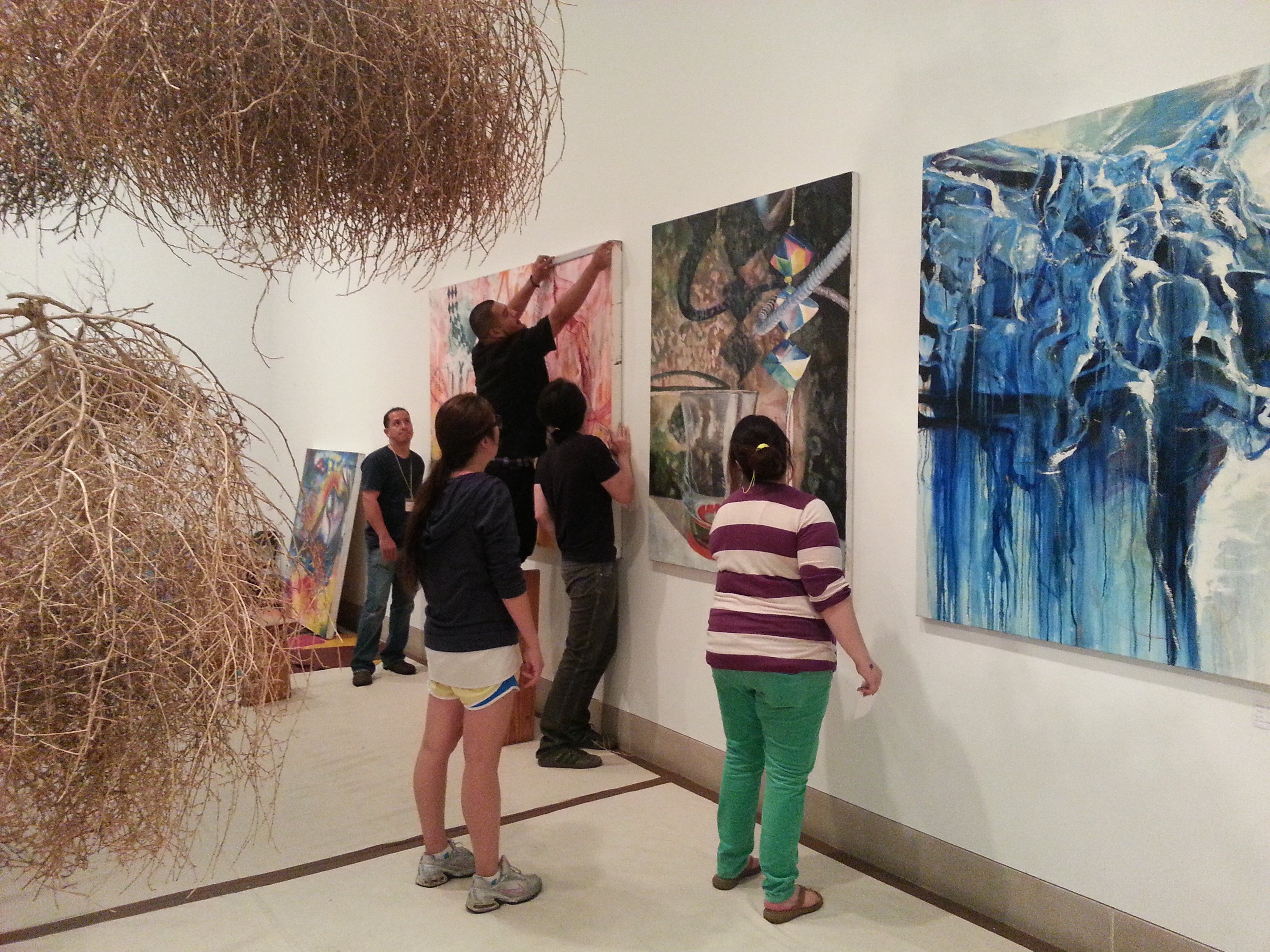
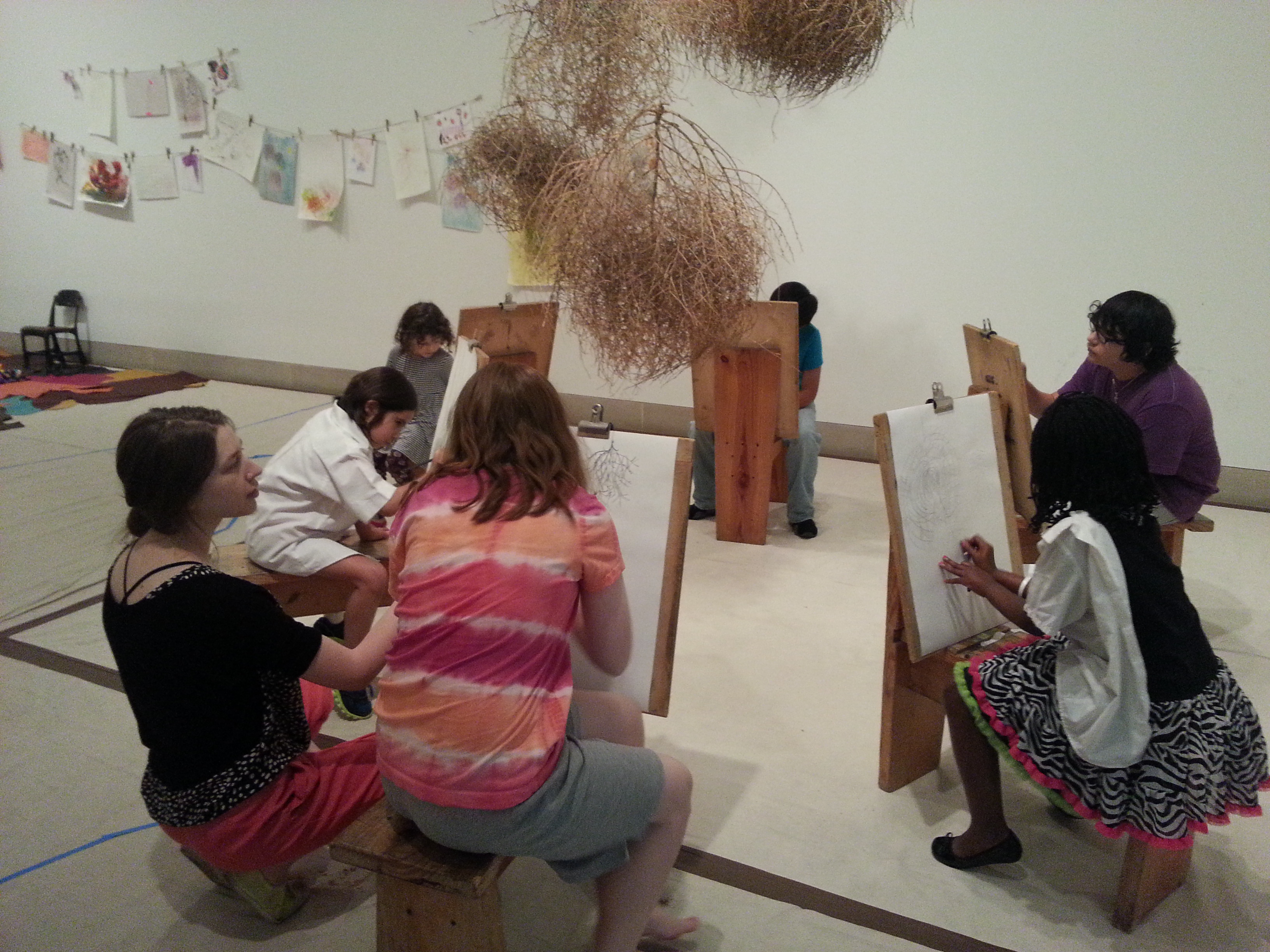
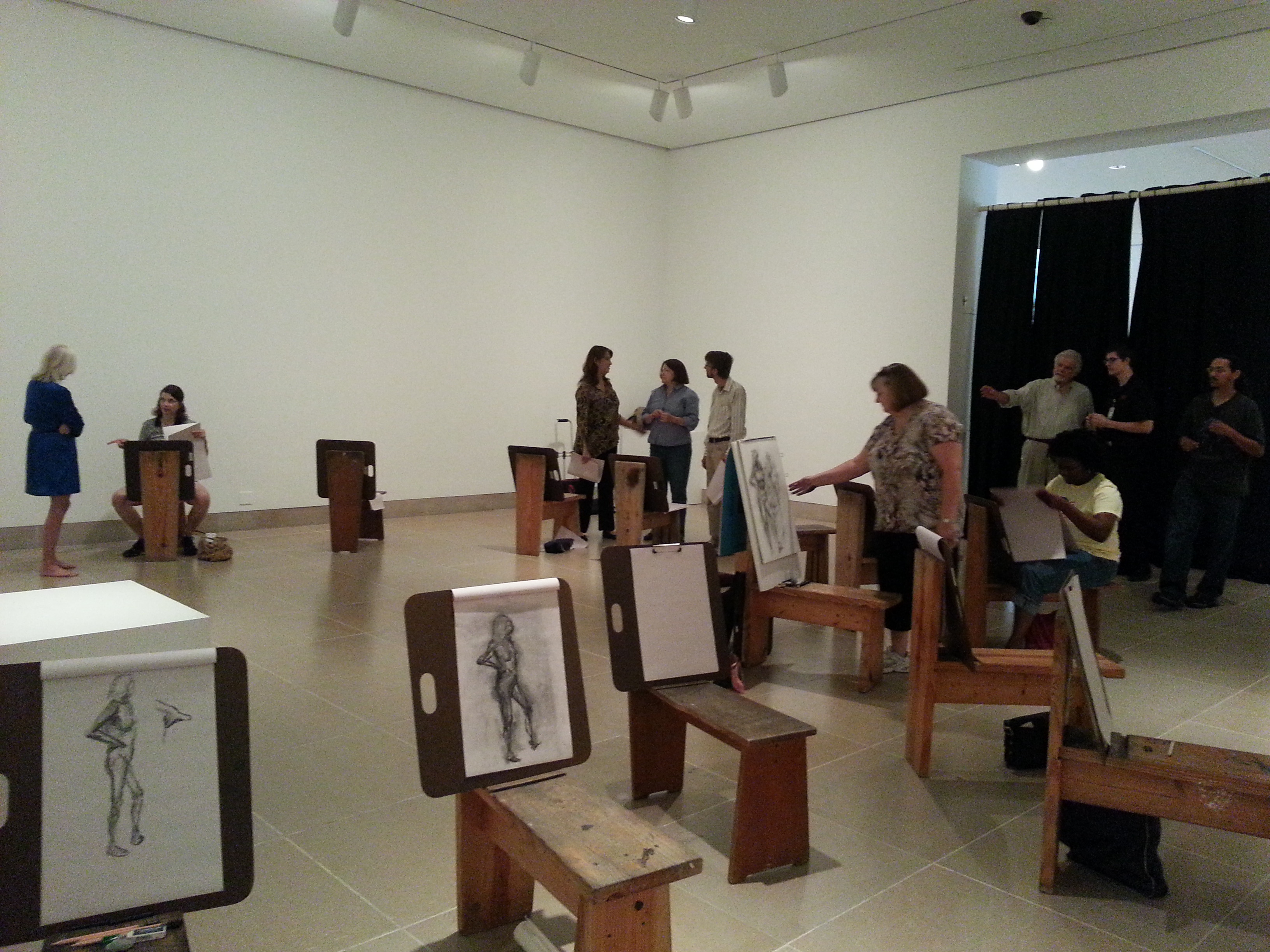
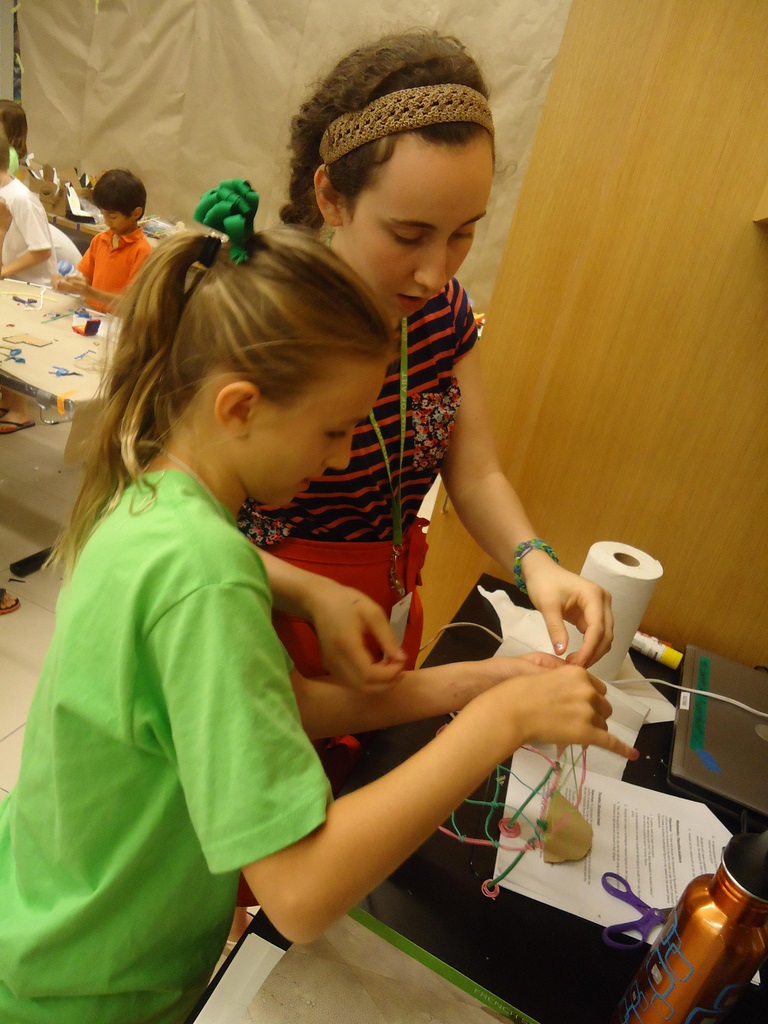
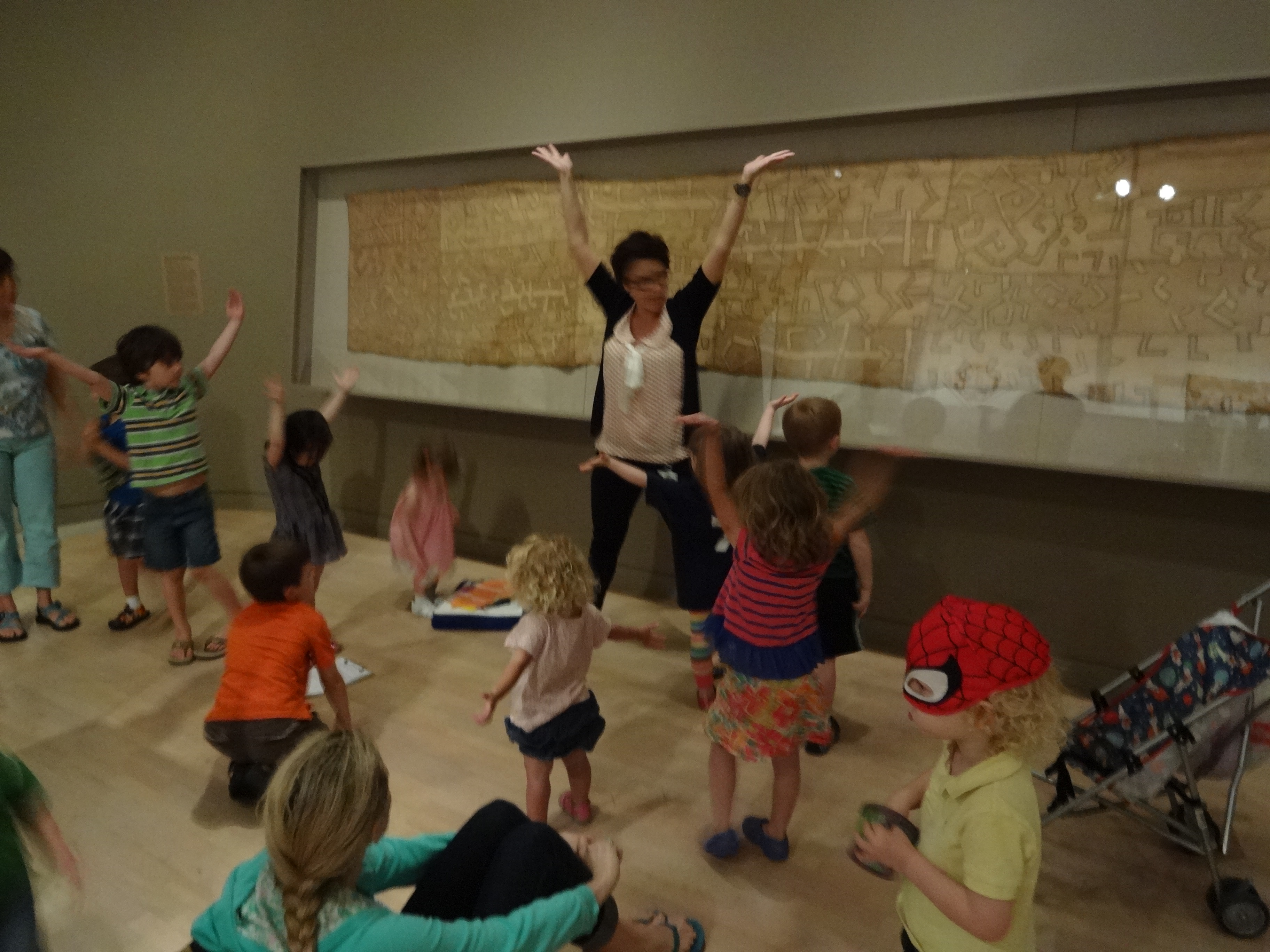
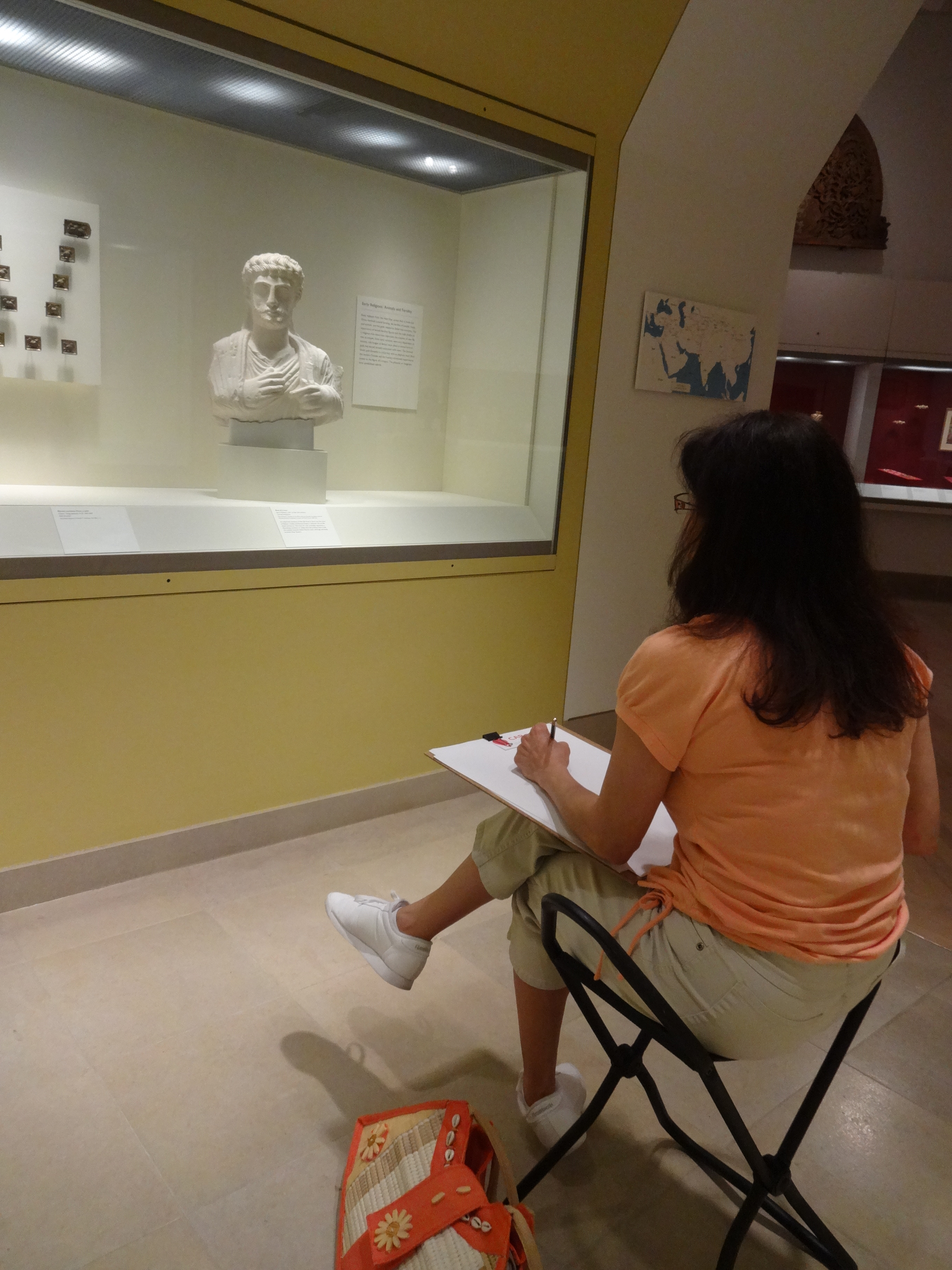
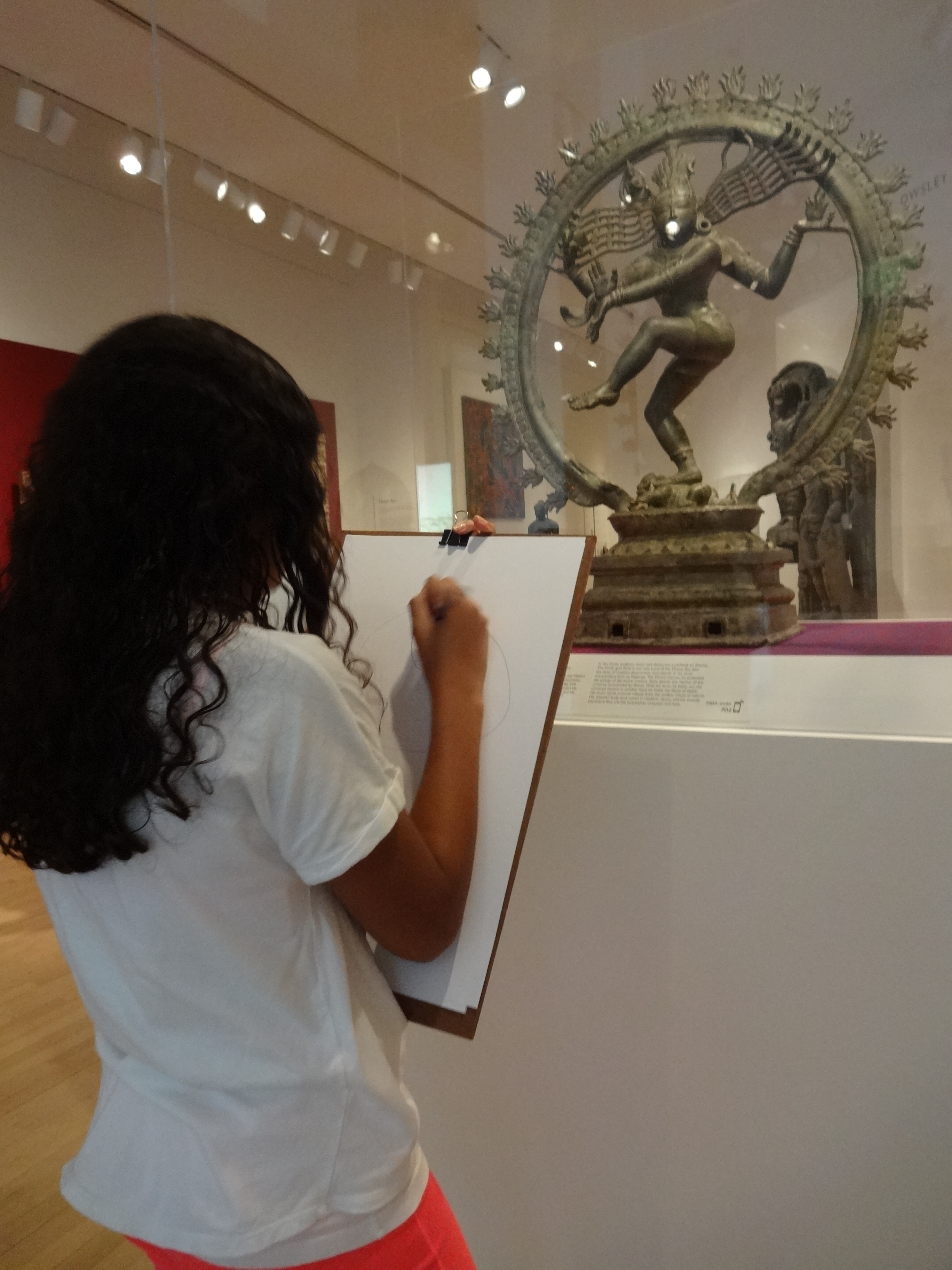
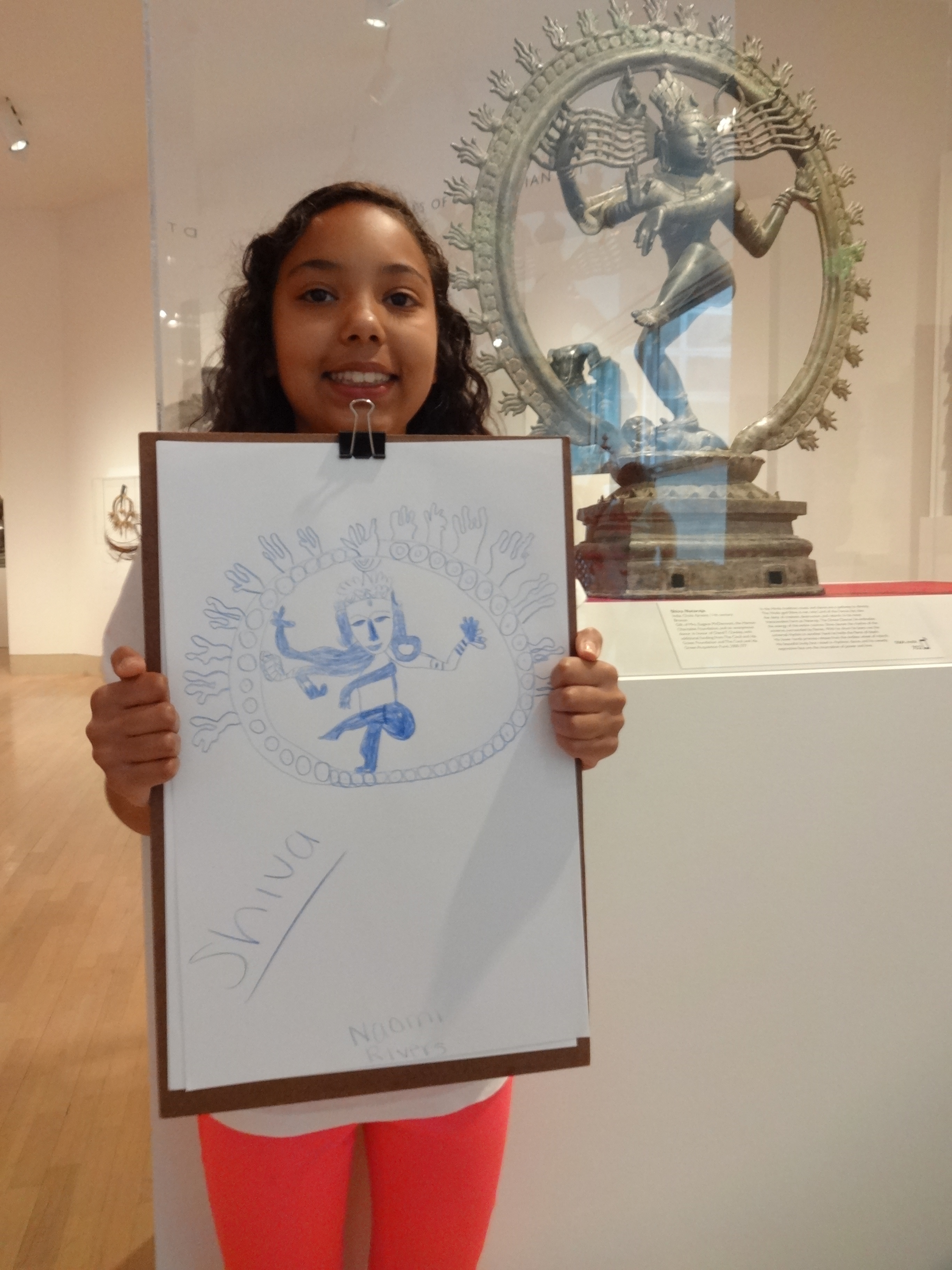
I have had the opportunity to help coordinate the Oil and Cotton space, where you can exercise your creative side with a hands-on activity almost every hour of the day (and you can find more hands-on making at the Center for Creative Connections or the Pop-Up Art Spot)! Check out some pictures from the activities we’ve done so far:

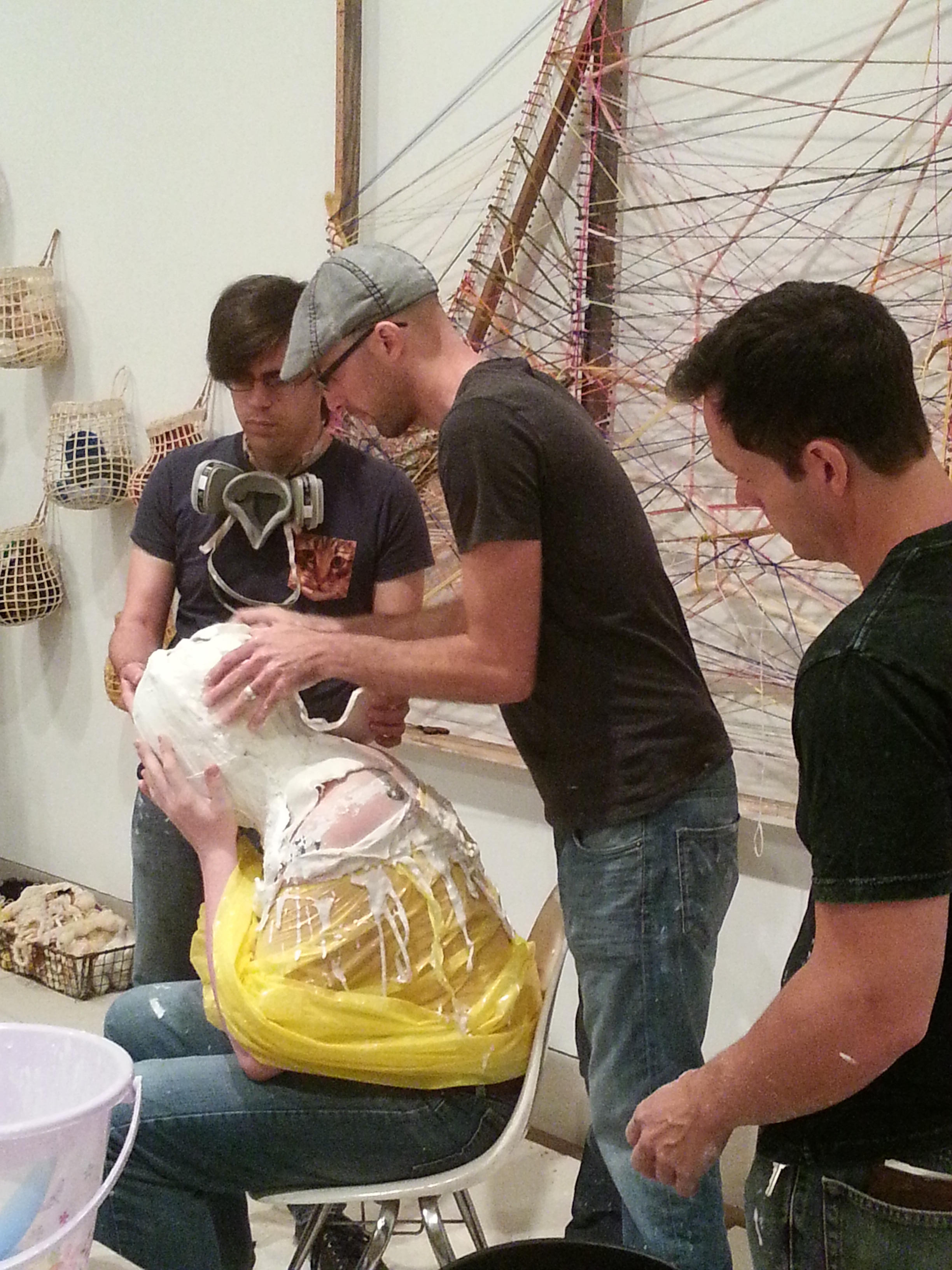
Life Casting with Nick Hutchings

Life Casting with Nick Hutchings

Drop in and Paint with Chong Chu and students from Brookhaven College

Drop in and Paint with Chong Chu and students from Brookhaven College

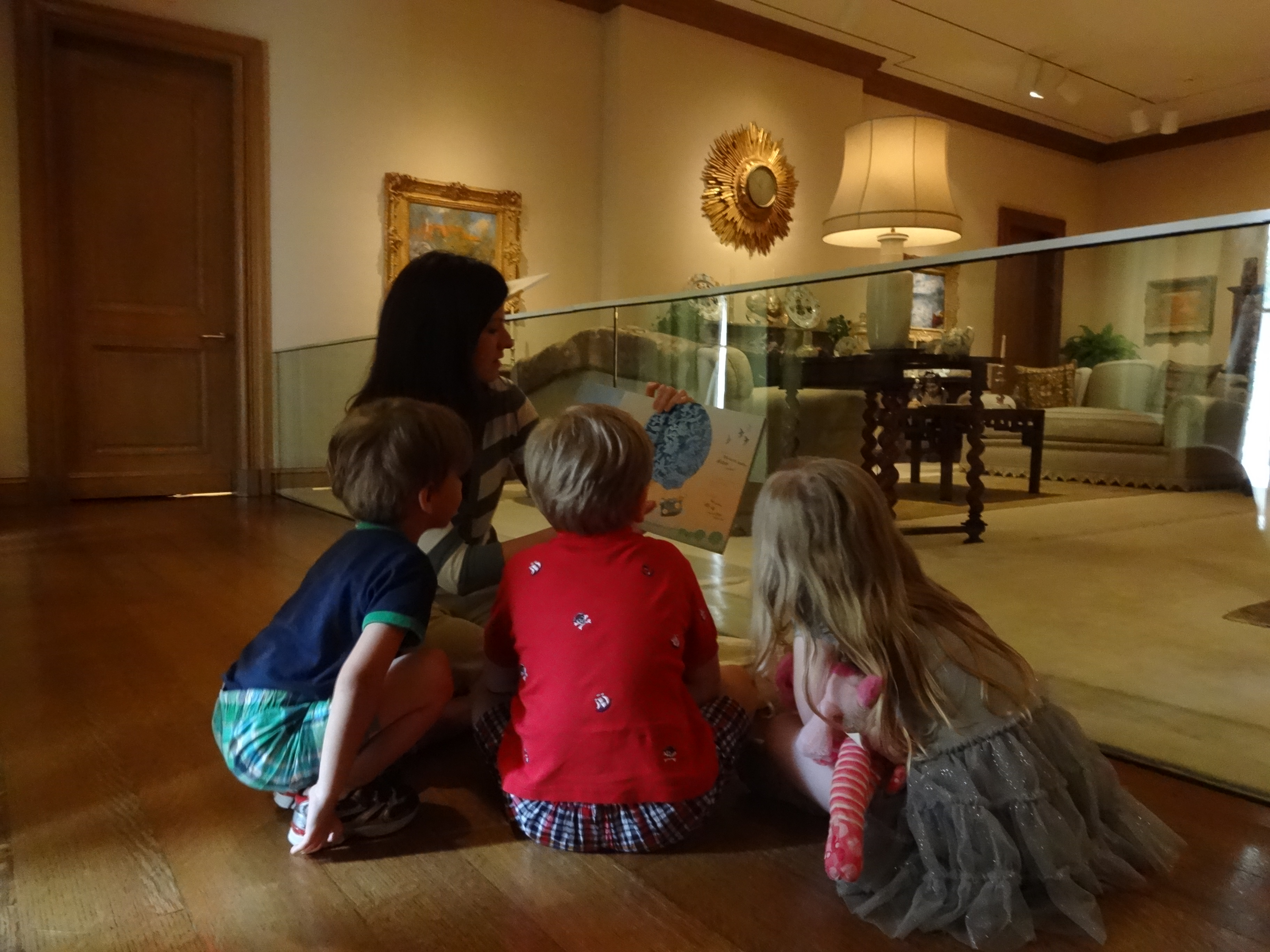
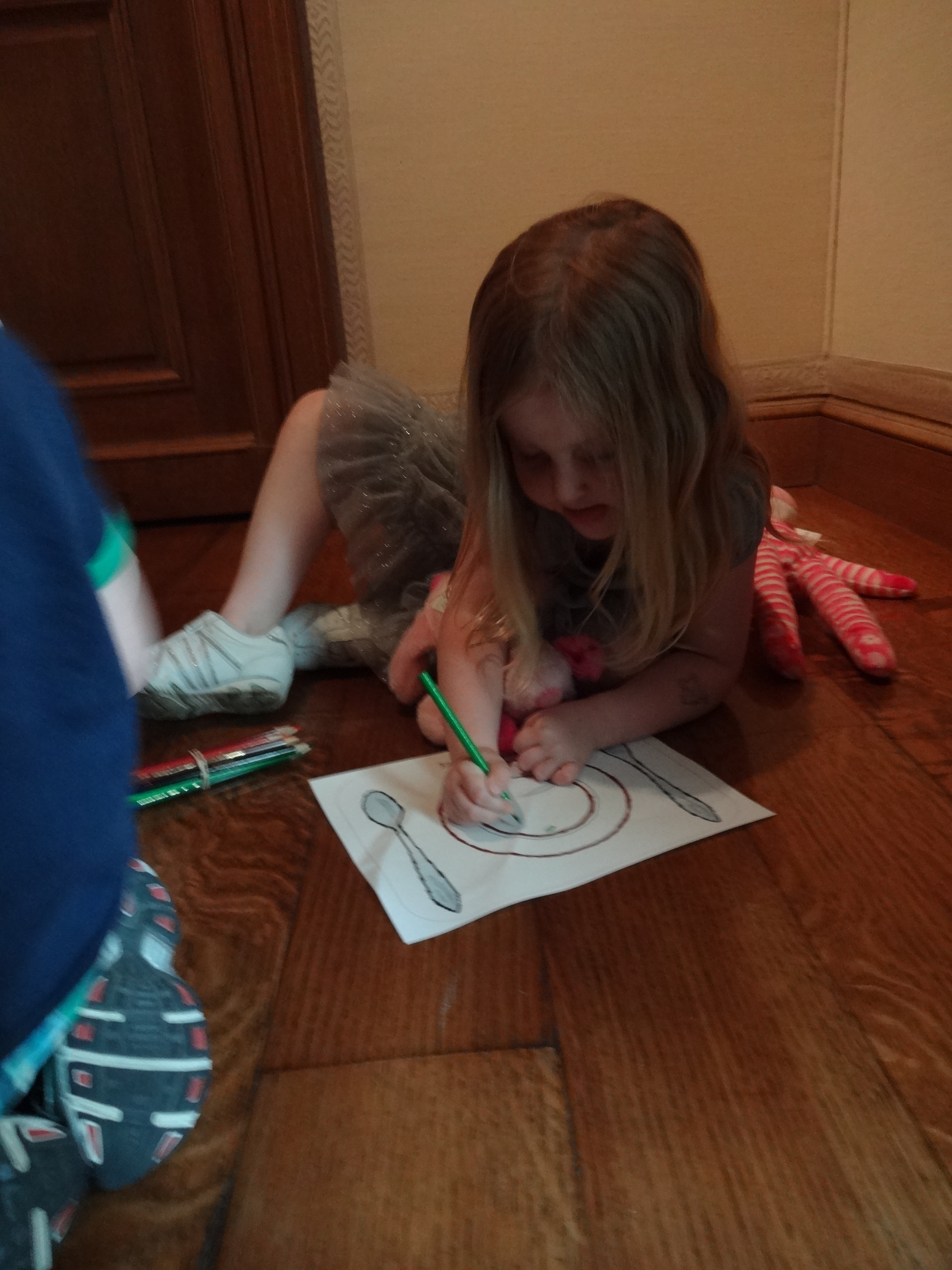
Kids Class with Jessica Sinks

Kids Class with Jessica Sinks

Life Drawing Course

Life Drawing Course

Hurry and stop by to experience this space–it’s only here until August 18th!

To see more photos from our programs CLICK HERE!

And for a complete schedule of Available Space programming CLICK HERE!

Amanda Batson
C3 Program Coordinator

Friday Photos: I Love Art

Every first day at camp starts roughly the same: the kids enter the classroom and there is a brief introduction where the students state their name, school, and a couple of things about themselves. Each time, there are more than a handful of students that say, “I love art.” You’d think it might become redundant, but honestly, it is just the opposite. With every shy, “I love art,” you can feel the passion in the room increase that much more. I am surrounded everyday by aspiring artists who not only remind me of my younger self, but also prove that creativity is abundant in the next generation.

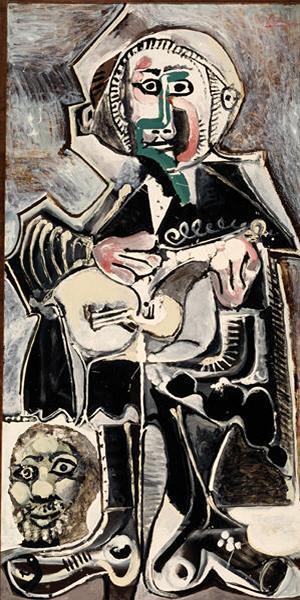
Many of the camps look at The Guitarist by Picasso because it correlates to many different lessons. I remember one specific time when the teacher had the students do a quick sketch of the painting. I was sitting on the floor, peering at all the obscure images of what these kids perceived. It didn’t matter what their final product looked like or how accurate it was to the original–what was special about each sketch was that it was a product of an eager little brain at work.

I’ve had amazing weeks at work, even though I can hardly call it work, and the worst part is on that last day of camp when I have to say, “Goodbye.”

Julia Dankberg
Summer Programs Intern

Creative Arts Center + VSA Texas

Creative Arts Center of Dallas

On Friday, July 12, Amanda Blake and I visited the Creative Arts Center of Dallas (CAC), a non-profit organization located on a two-acre campus near White Rock Lake. The CAC’s mission is to provide a “nurturing environment for people to discover, develop and express their artistic visions” through hands-on classes and workshops. The reason for our visit was to attend a training session hosted by VSA Texas, the state organization on arts and disability. VSA Texas is a member of the international network of VSA, a non-profit affiliate of The John F. Kennedy Center for the Performing Arts. Based in Austin, VSA Texas works to create a society where people with disabilities learn through, participate in, and enjoy the arts.

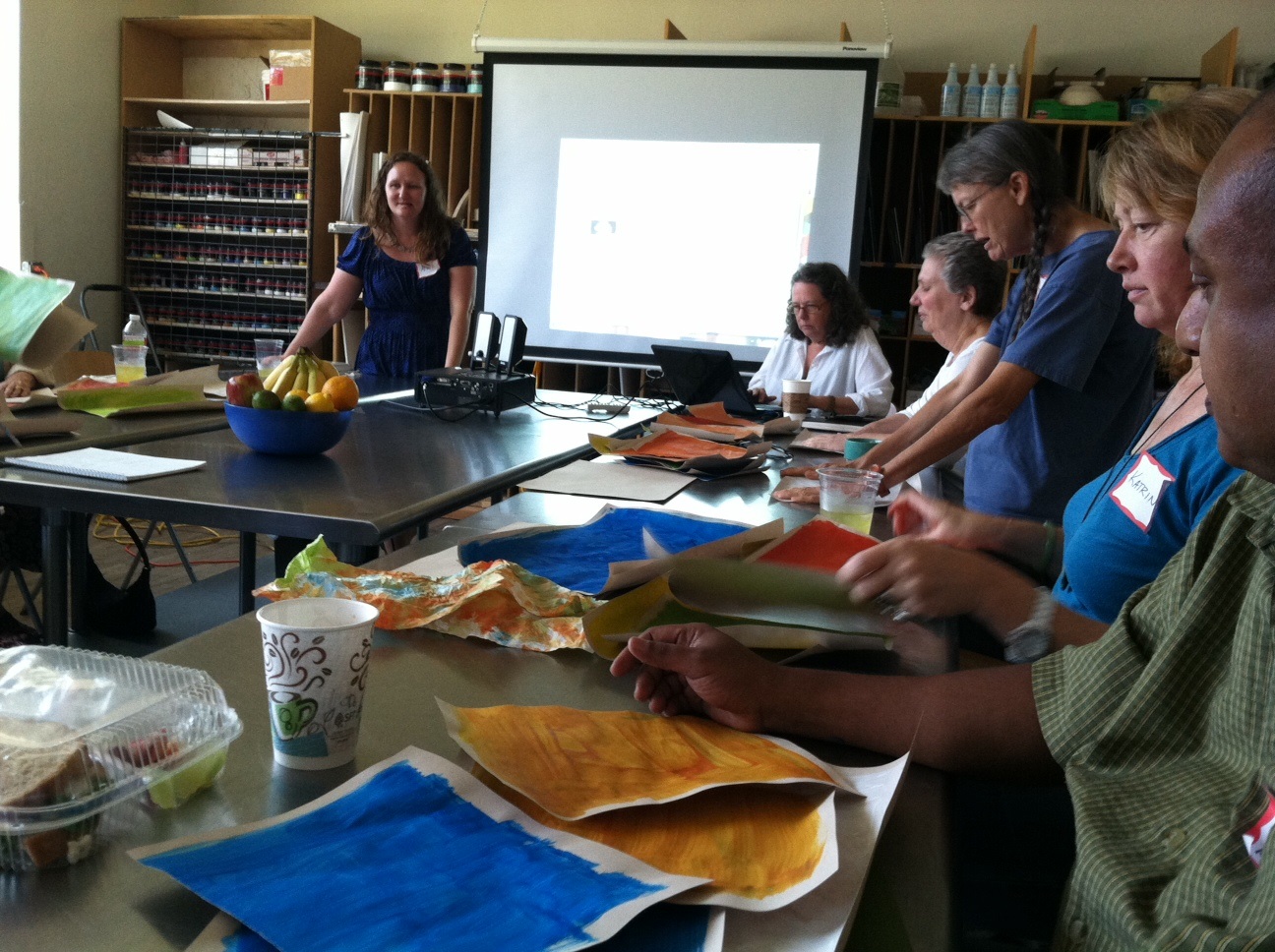
The focus of the training session was learning how to create accessible artistic environments, be they classes or workshops, for people of all cognitive and developmental abilities. Amanda and I currently lead monthly art experiences for adults with developmental disabilities through our partnership with the ARC of Dallas. Each class includes a gallery discussion, an interactive component, and an art-making activity in the Art Studio. We hoped that this hands-on training with VSA Texas would increase our skill-set and provide us with new ideas that could be introduced into our Access programs. We were joined by artists who currently lead art classes at CAC, but only teach typically developing students. This training was meant to pave the way for CAC’s new ARTability program, which would provide a variety of art making classes to the Dallas disability community.

CAC3

Oftentimes, people with disabilities have had little to no exposure to art; not as a child in school nor in their group or individual homes as adults. Celia Hughes and April Sullivan–VSA Texas Executive Director and Artworks Director respectively–led our training and explained that designing art-making opportunities for people with disabilities does not involve creating completely new lessons, but rather simplifying concepts and adapting artistic processes so that they are more accessible to a wider variety of developmental levels. “Take nothing for granted,” Hughes said, “break everything down into one step at a time.”

For example, the first step of an art lesson could be discussing paintbrushes: how to choose a brush and how to properly clean and take care of it. Though this concept could seem elementary to typically developing students, it is something that students with disabilities may have never encountered.

Hughes and Sullivan also explained that initial projects, for those just beginning to delve into art classes, should be based on perceivable concepts–something the student can physically see–rather than jumping into creating from imagination right away. This level of artistic freedom could be too much to handle for some beginning students, resulting in frustration.

A good inaugural lesson could be a simple collaged still-life: there is something concrete for the students to reference (a bowl of fruit), basic skills explored (tearing and gluing), and fundamental artistic concepts covered (composition). As a group, we completed all the steps involved in this collaged still-life lesson, all the while discussing the potential obstacles and teachable moments that could occur.

This training was an opportunity for community and museum educators to discuss the multitude of ways we can create accessible art making opportunities and engage people with disabilities. I think it also enabled us to reflect upon the importance of arts institutions bridging this artistic gap and providing access to high quality art education experiences to people of all abilities.

Danielle Schulz
Teaching Specialist

Friday Photos: Pops of Color

GraceAnne

Hi, my name is Grace Anne and I’m one of the 4 interns this summer assisting with Art Camps at the DMA. I majored in painting and drawing at Texas Woman’s University and I am most inspired by colorful artwork.

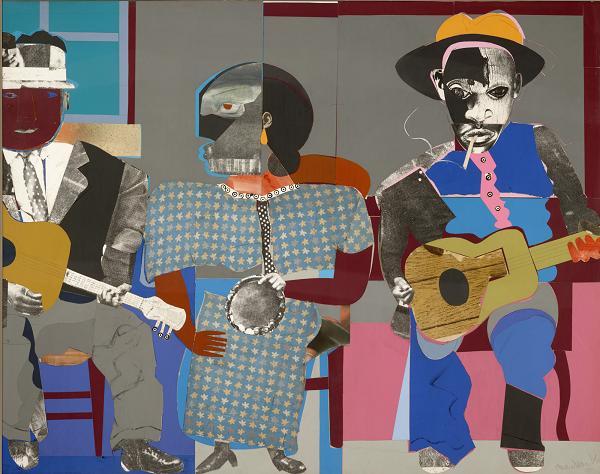
One of my favorite pieces of art at the DMA is Soul Three by Romare Bearden. I love the pops of color juxtaposed by the black and white cutouts. I’m also a huge music fan, so I love the instruments in this work. Folk art is one of my favorite genres of artwork because of the stories that lie beneath the surface of the materials.

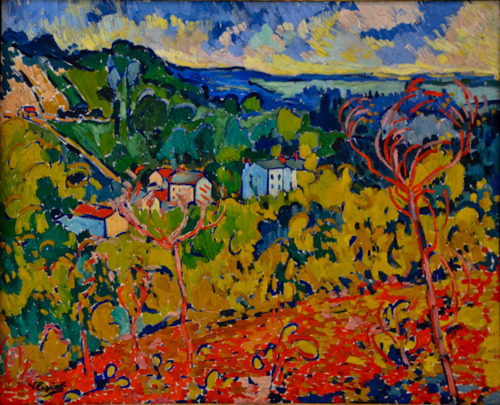
Another favorite painting is Bougival by Maurice de Vlaminck from the Museum’s Wendy and Emery Reves Collection. When I first saw this painting, I was captured by the vibrant, passionate colors. This painting is significant to me as a symbol of my desires and passions. My greatest passions are painting, serving people, art history, live music, outdoor adventures, and traveling the world. Working at the DMA has given me a chance to explore some of these passions more fully as I get to work alongside artists and kids in the galleries and classrooms at the Museum.

Watching the kids create so many amazing pieces of art is incredible–I am constantly astounded by their ideas and masterpieces. I couldn’t imagine a better place to be. We have the most fun at Art Camp!

Grace Anne Arnold
Summer Programs Intern

Imaginary Worlds for Imaginary Animals

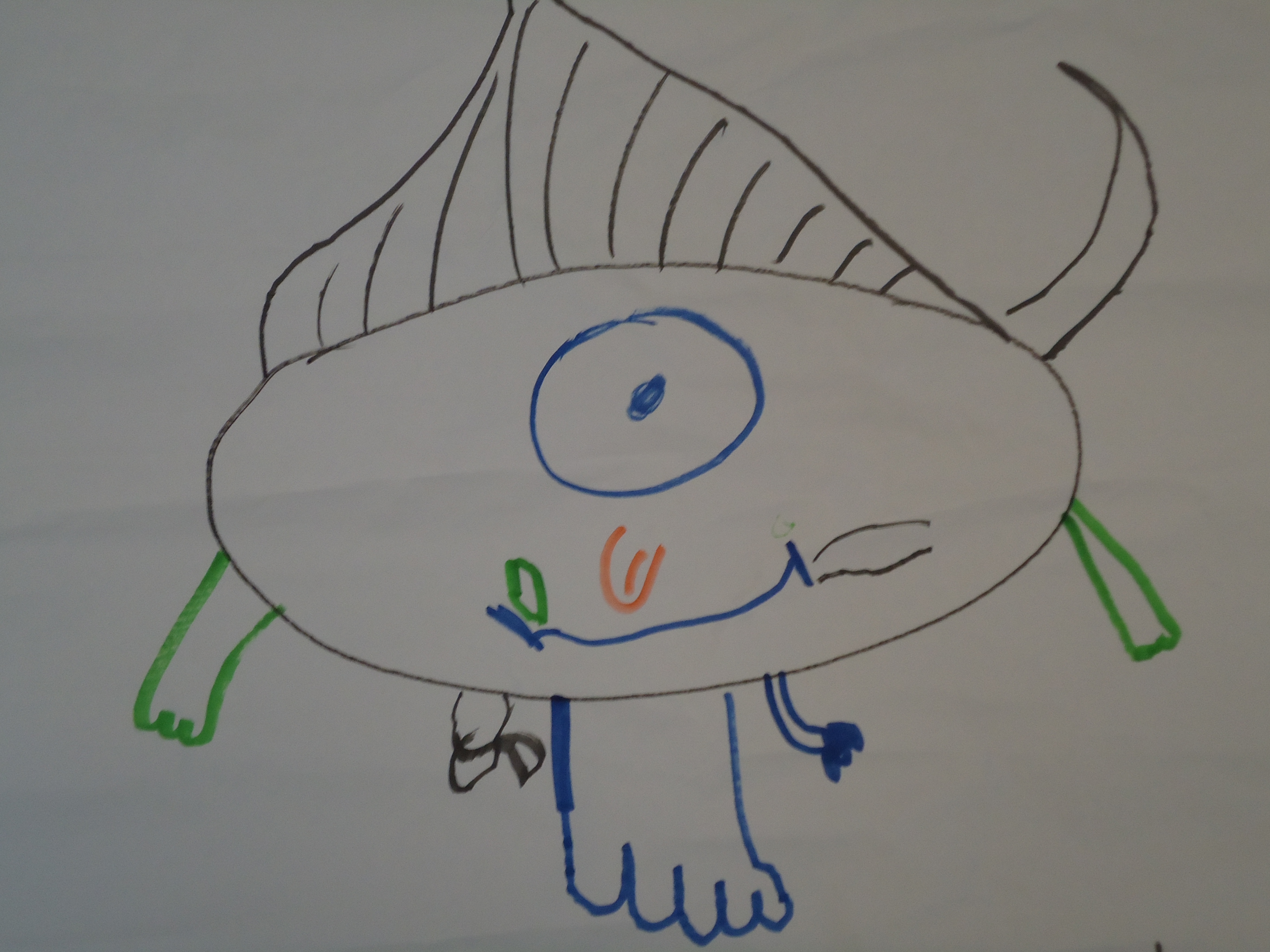
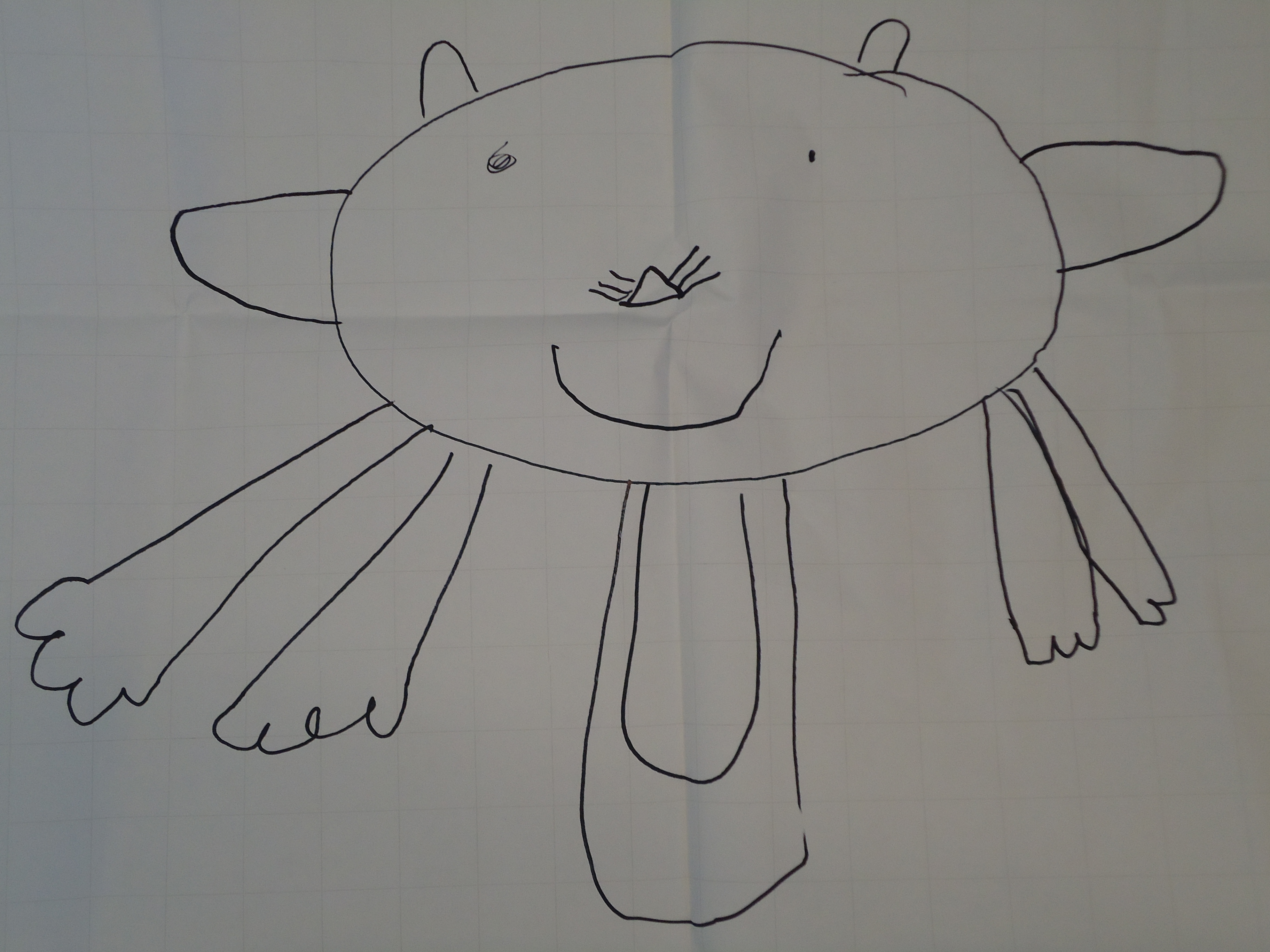
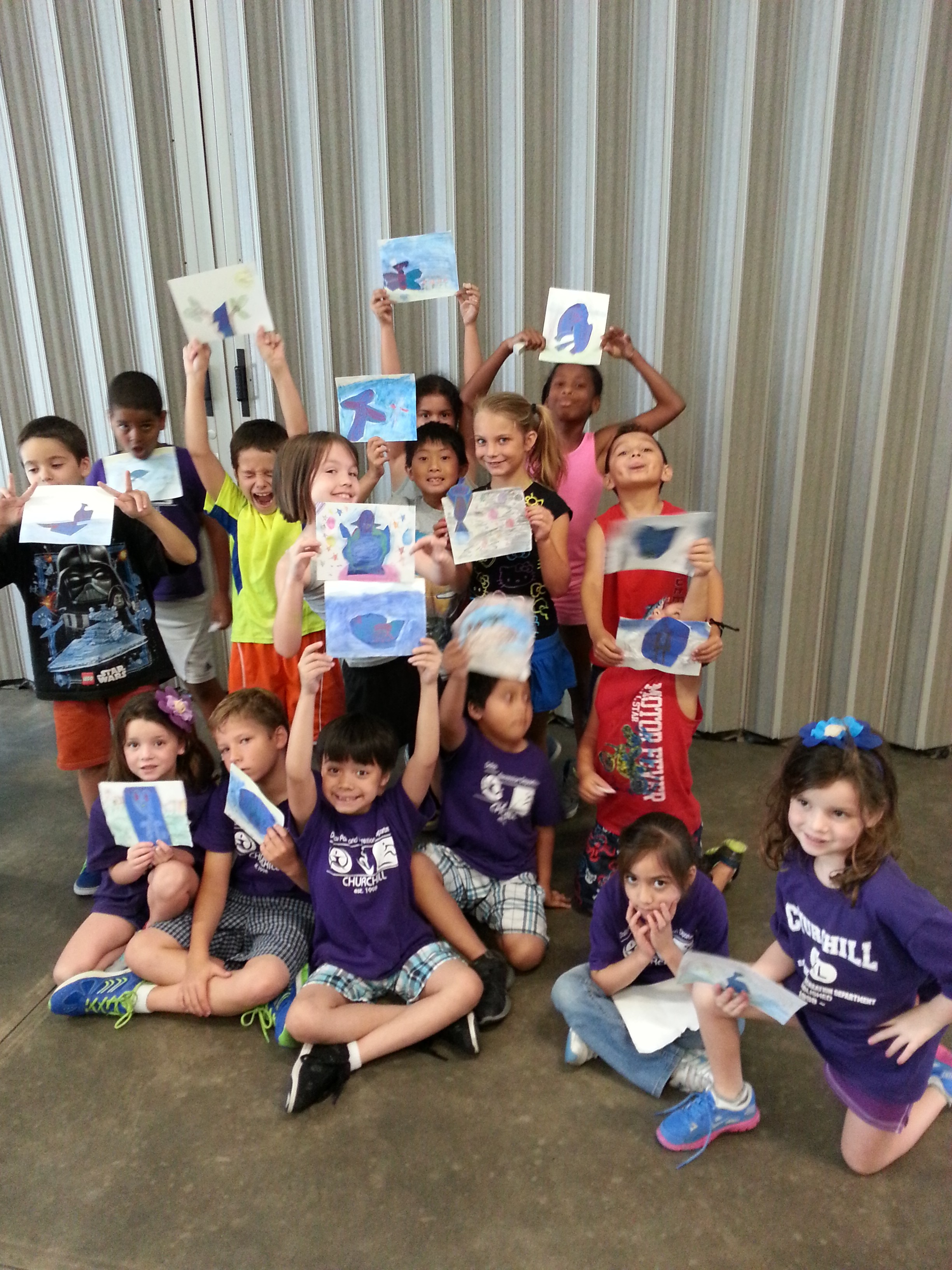
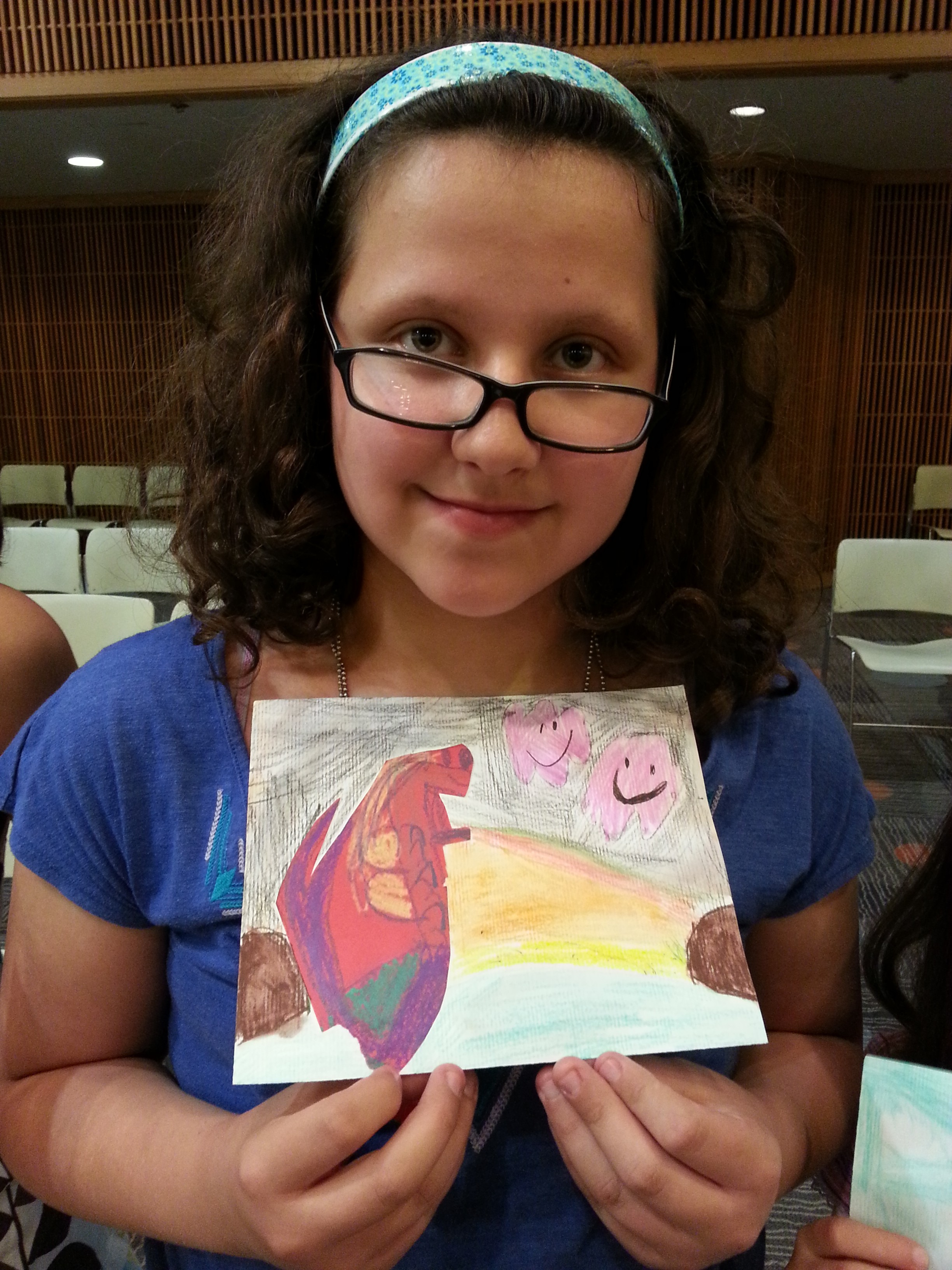
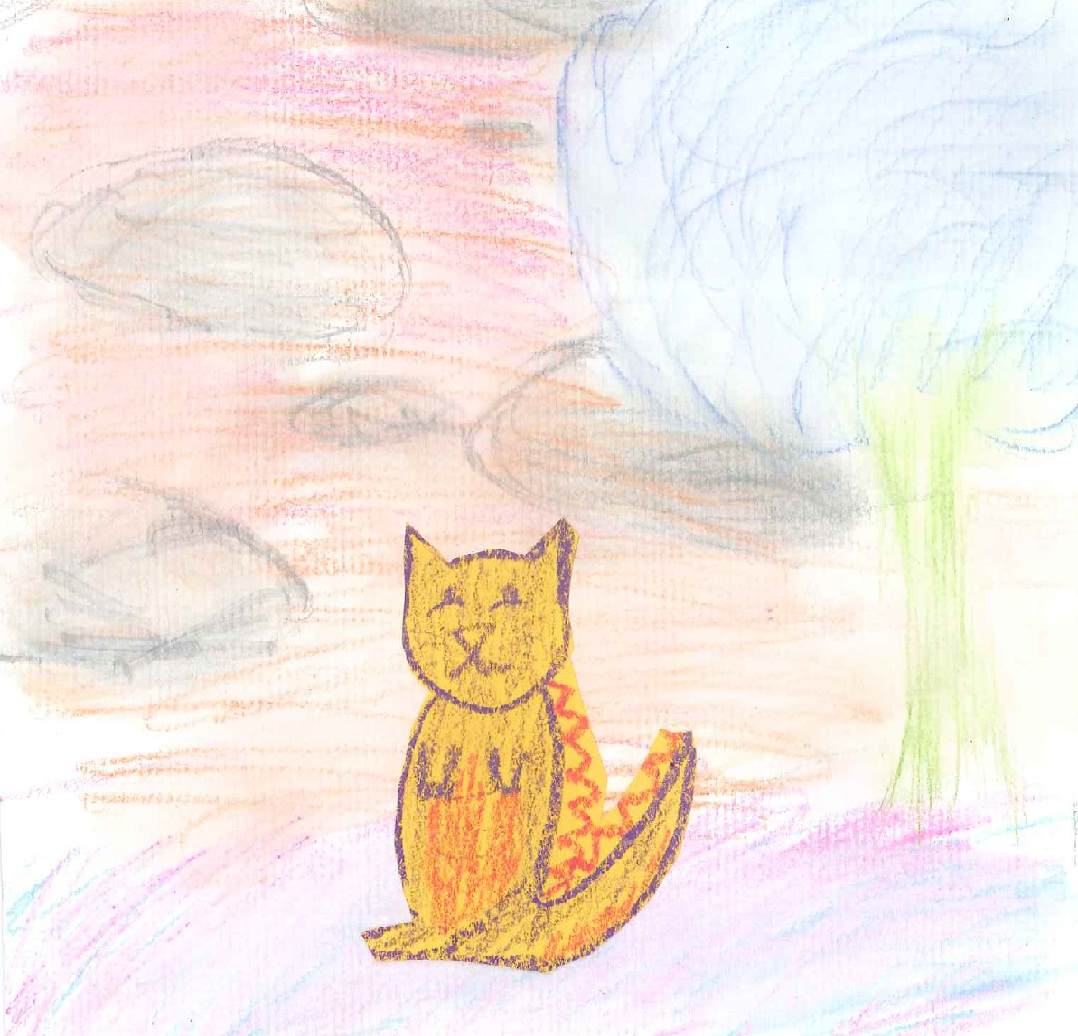
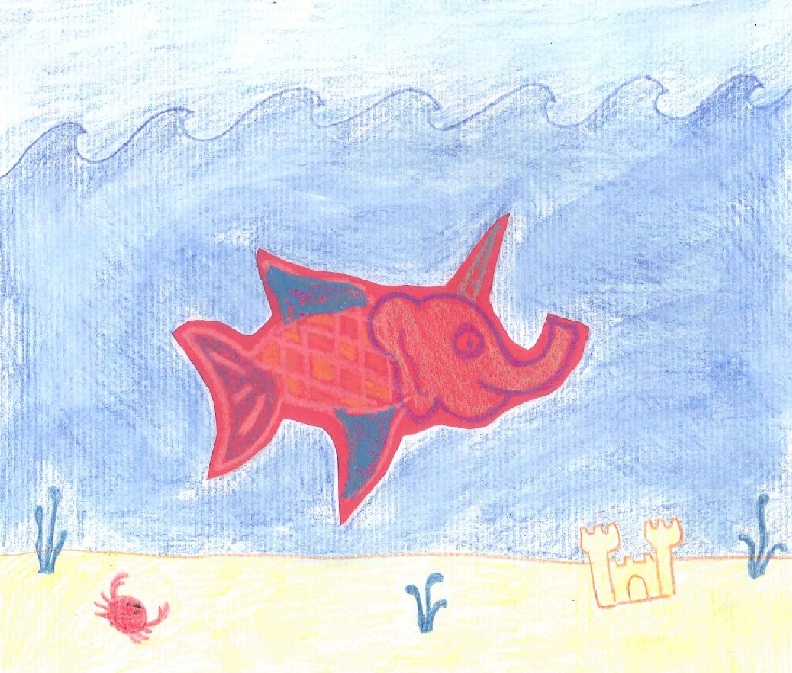
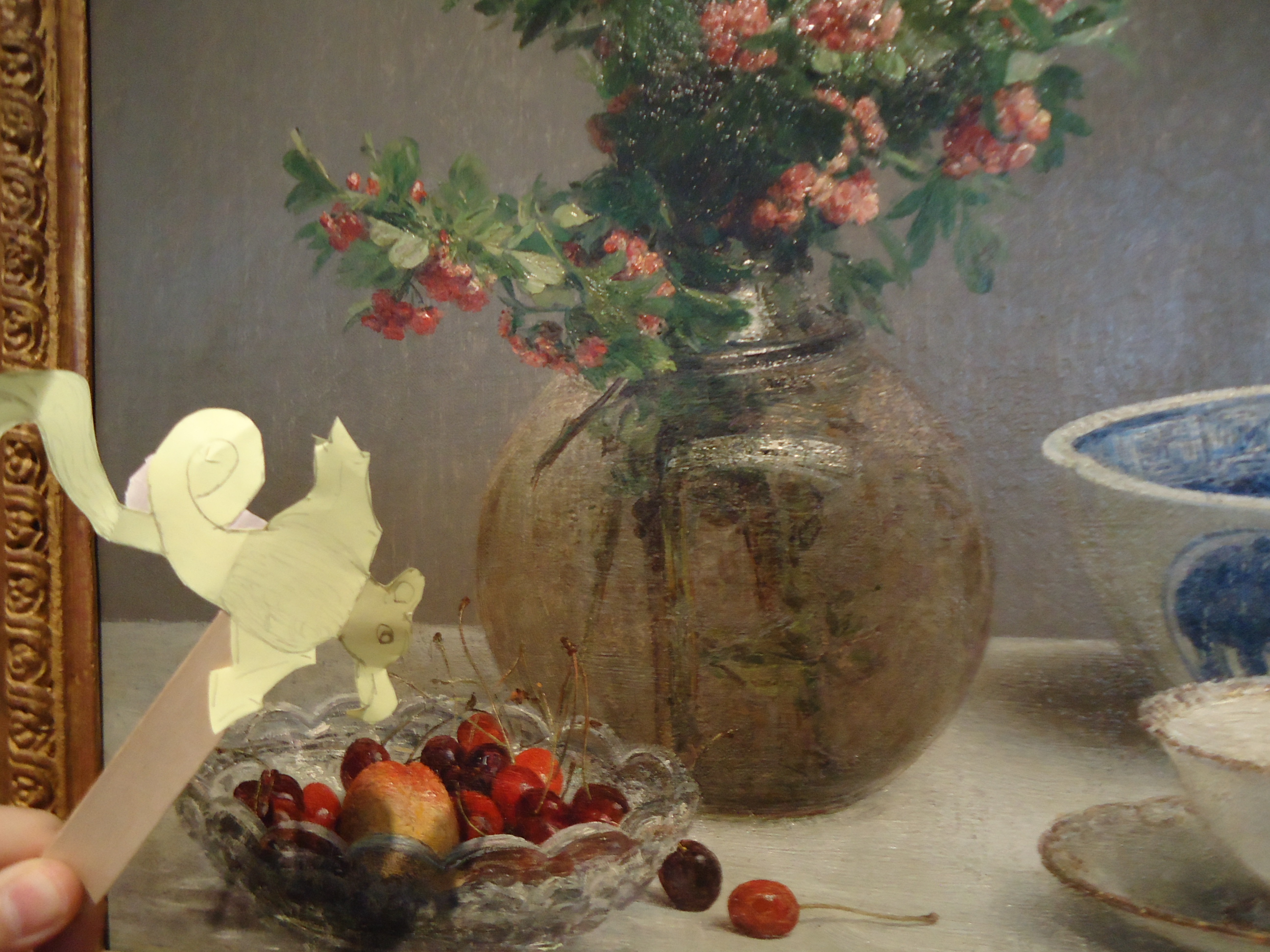
Imaginary Worlds, one of this summer’s Go van Gogh outreach programs for younger audiences, is all about the imaginary and the make-believe, or as one student told me today,”the ideas that come from my brain that maybe NOBODY has seen before.” The program, inspired by a fantastical painting by Laura Owens, asks students to dream up creatures and worlds for them to inhabit. Go van Gogh staff has enjoyed having our imaginations expand as we’ve encountered super-creative artists make things like butterfly-ant-lion-bugs, uni-chick-a-sauruses, and grumpy horned snorkaks (snorkling yaks, maybe?). Below are the steps to our project, the DMA artworks that inspired us, and some really great creations.

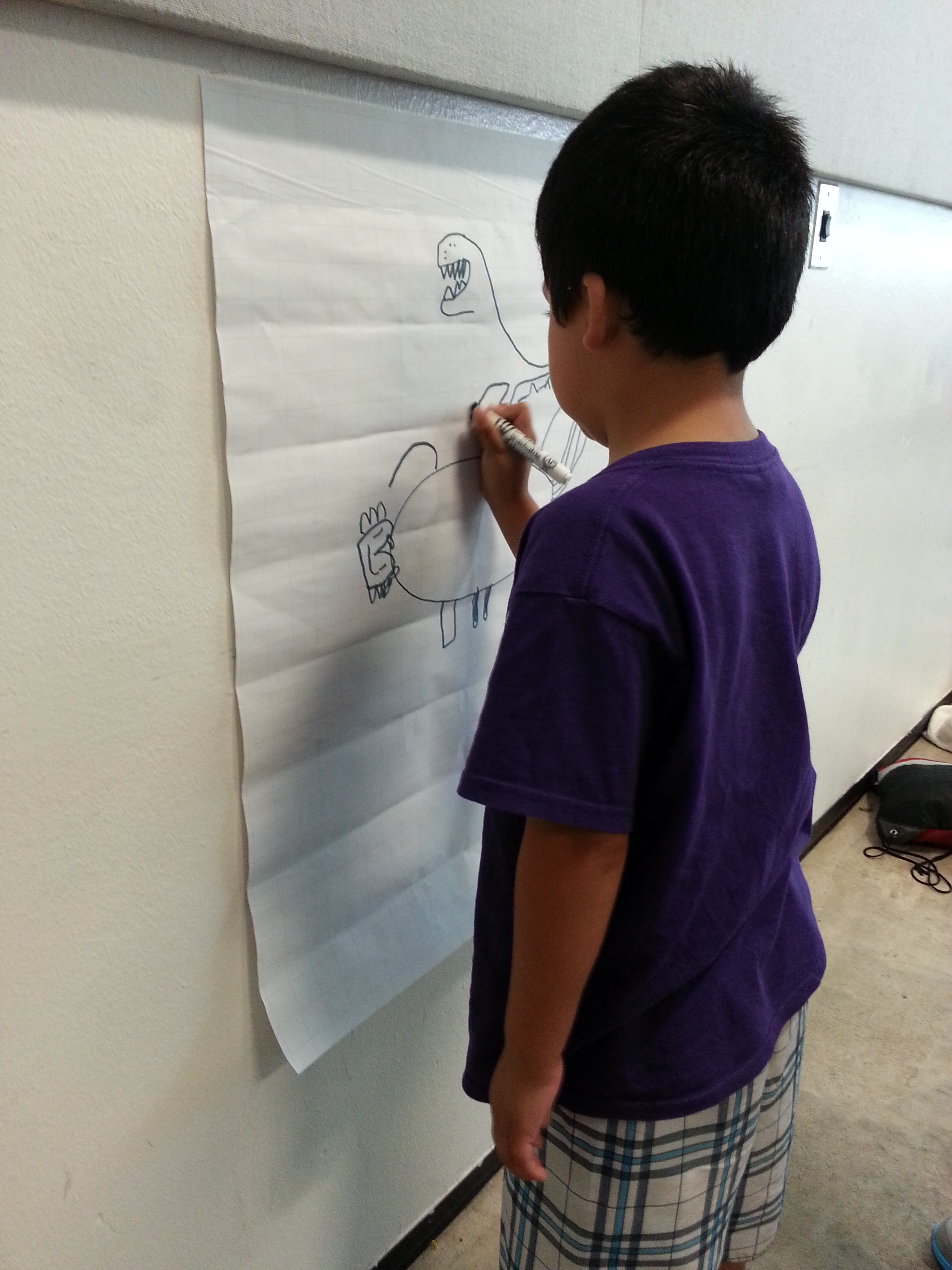
One Big Imaginary Animal!: We start the program with a quick collaborative drawing to spark imagination and get everyone thinking about animals. Volunteers stick a large Post-It on the wall, draw an oval “body” shape for an animal, and invite students to each add just one different part to the animal. Sometimes we stop to think about our favorite animals and the parts they might have—like beaks, wings, antennae, tusks, trunks, fins, curly tails, fluffy manes, and slimy bodies. We encourage students to be silly together and dream up something they’ve never seen before, and we’re always impressed by how well they take that direction!

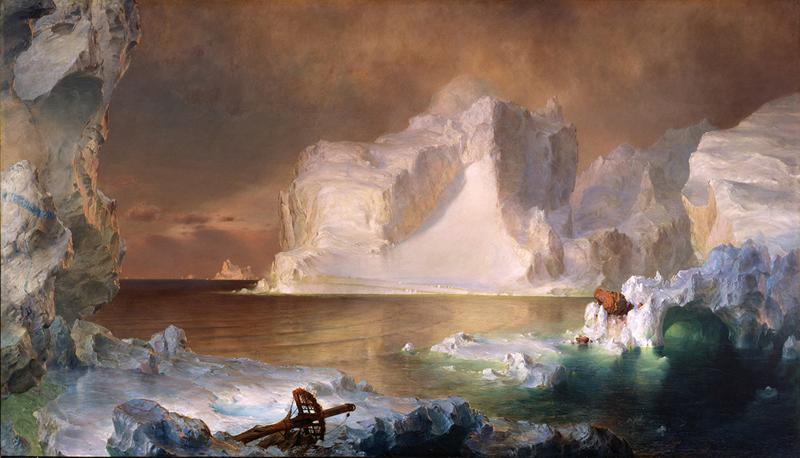
Exploring Different Worlds: After making an animal together, students make one of their own. It’s then time to think about places for the animal to live. To get inspiration, we explore landscapes from the Museum’s collection, discussing features of each landscape, the weather and vegetation we see, and what kinds of animals might be best suited to live in each place.

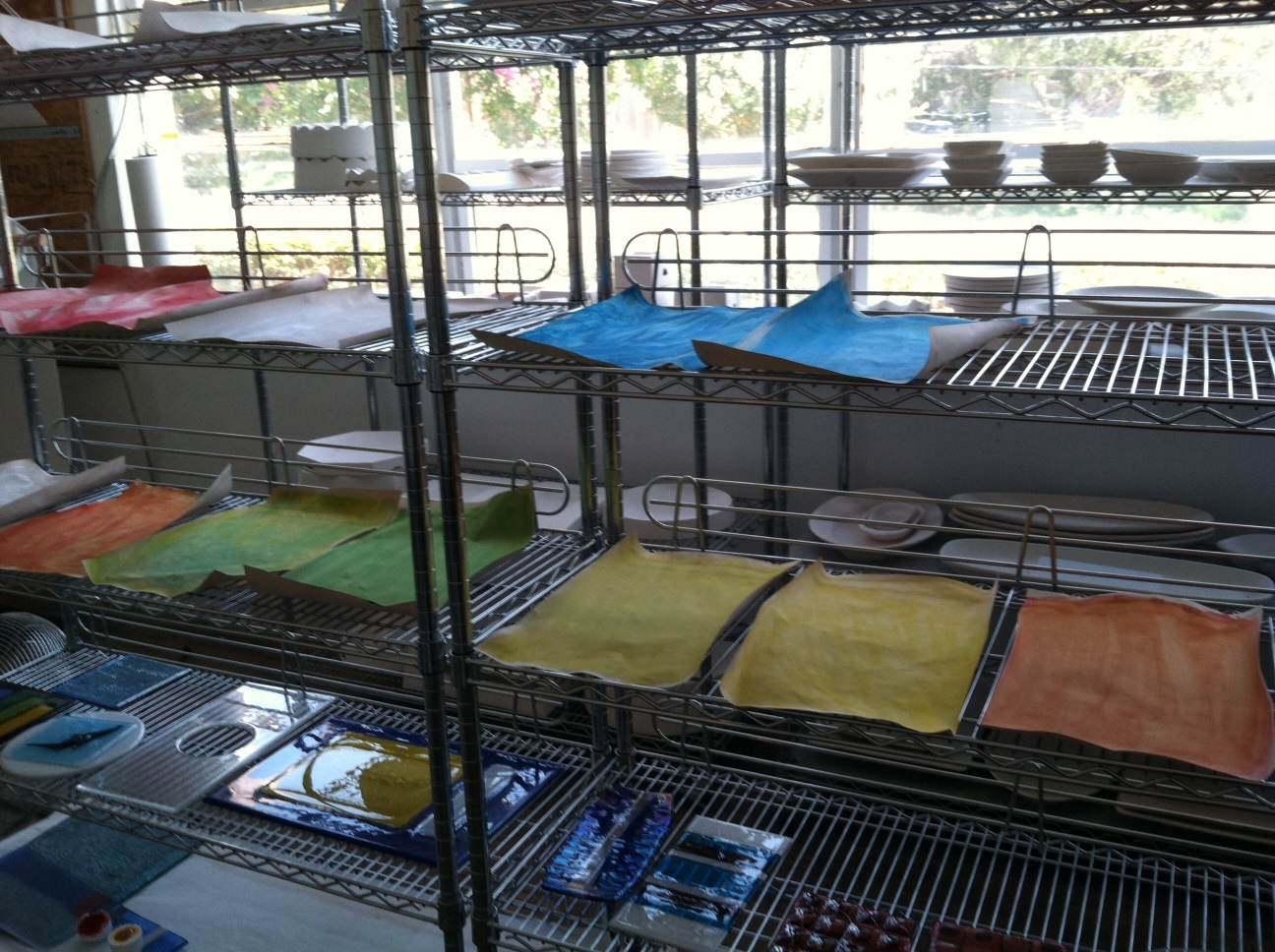
Creating Imaginary Worlds: Armed with lots of great ideas, students bring to life a world for their animal. Using watercolor pencils to draw their worlds, students add imaginary vegetation, imaginary weather, imaginary food, and most importantly, imaginary friends for their animals. In the final step of the project, we use wet sponges to add water to our watercolor worlds, blending colors to make artworks look fantastical.

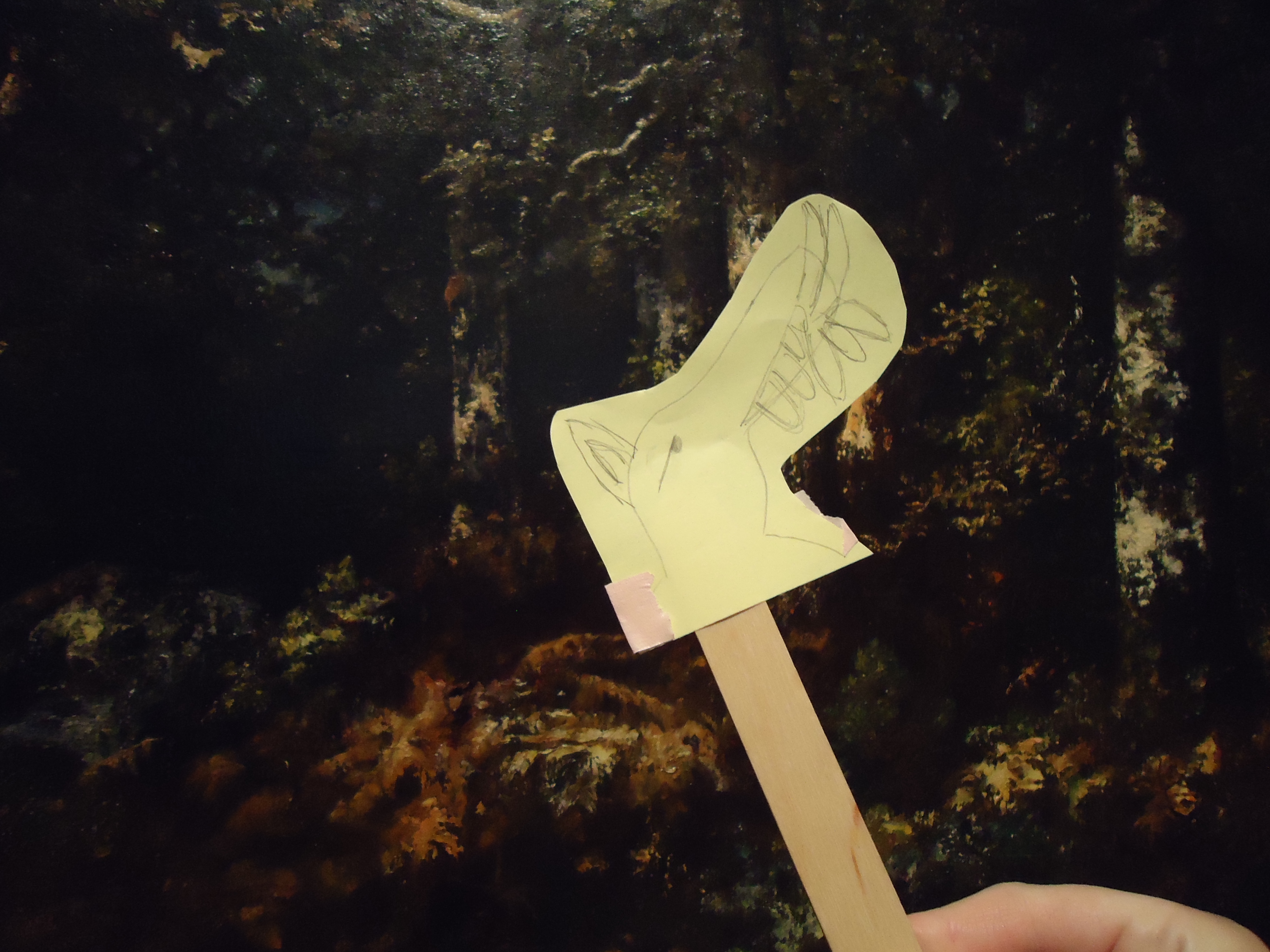
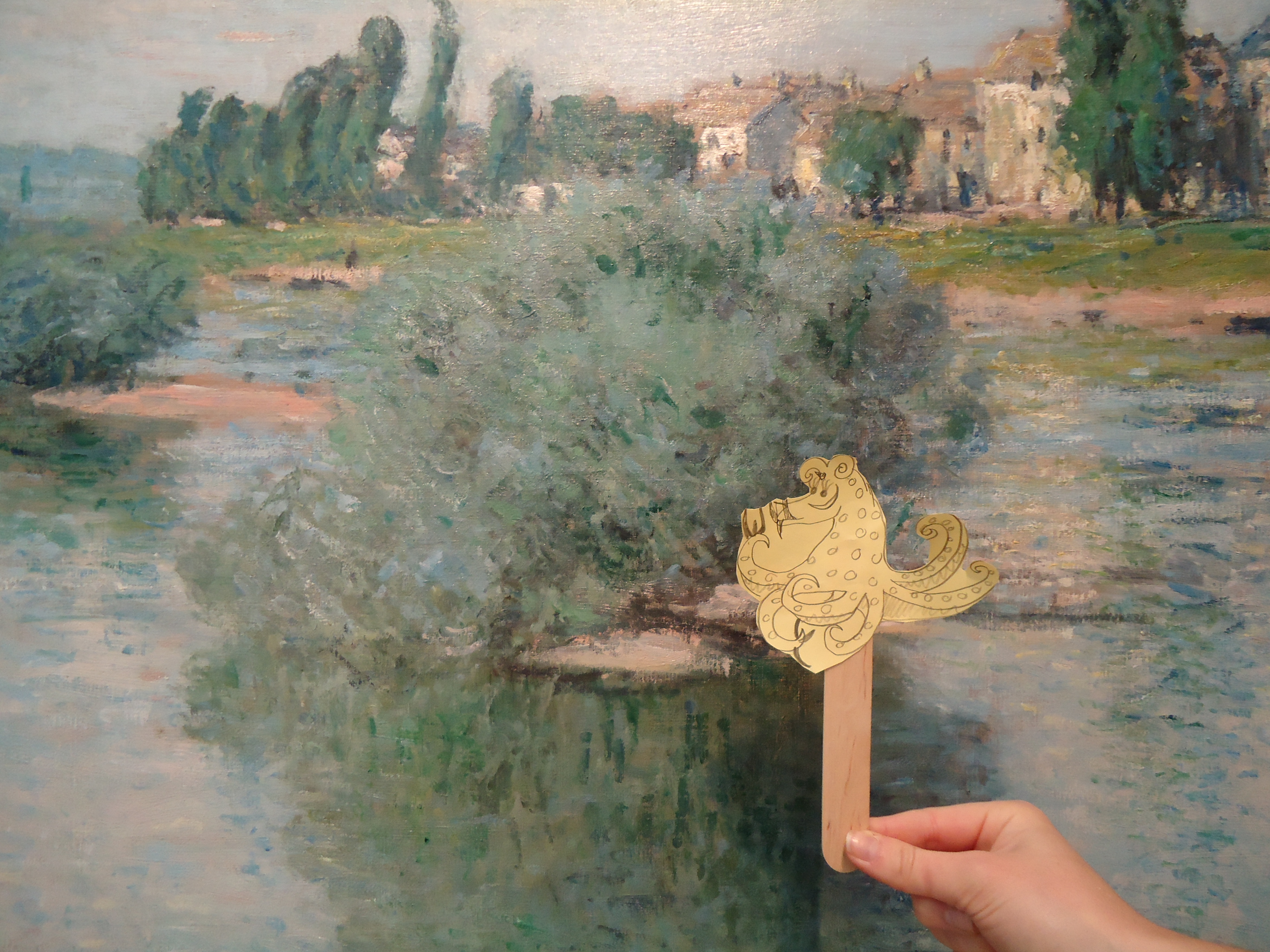
Getting Imaginations Ready: Before our summer fun started, Go van Gogh volunteers spent time doing these same activities during a training session at the Museum. As part of a warm-up activity, volunteers drew their own imaginary animals and explored paintings in our European galleries, to find a world their imaginary animal might inhabit. Below are a few of the photos volunteers took of their animals in DMA artwork habitats.

To join Go van Gogh for some imaginary fun at your local library, visit the schedule on our website.

Amy Copeland
Manager of Go van Gogh and Community Teaching Programs

Artworks Shown:

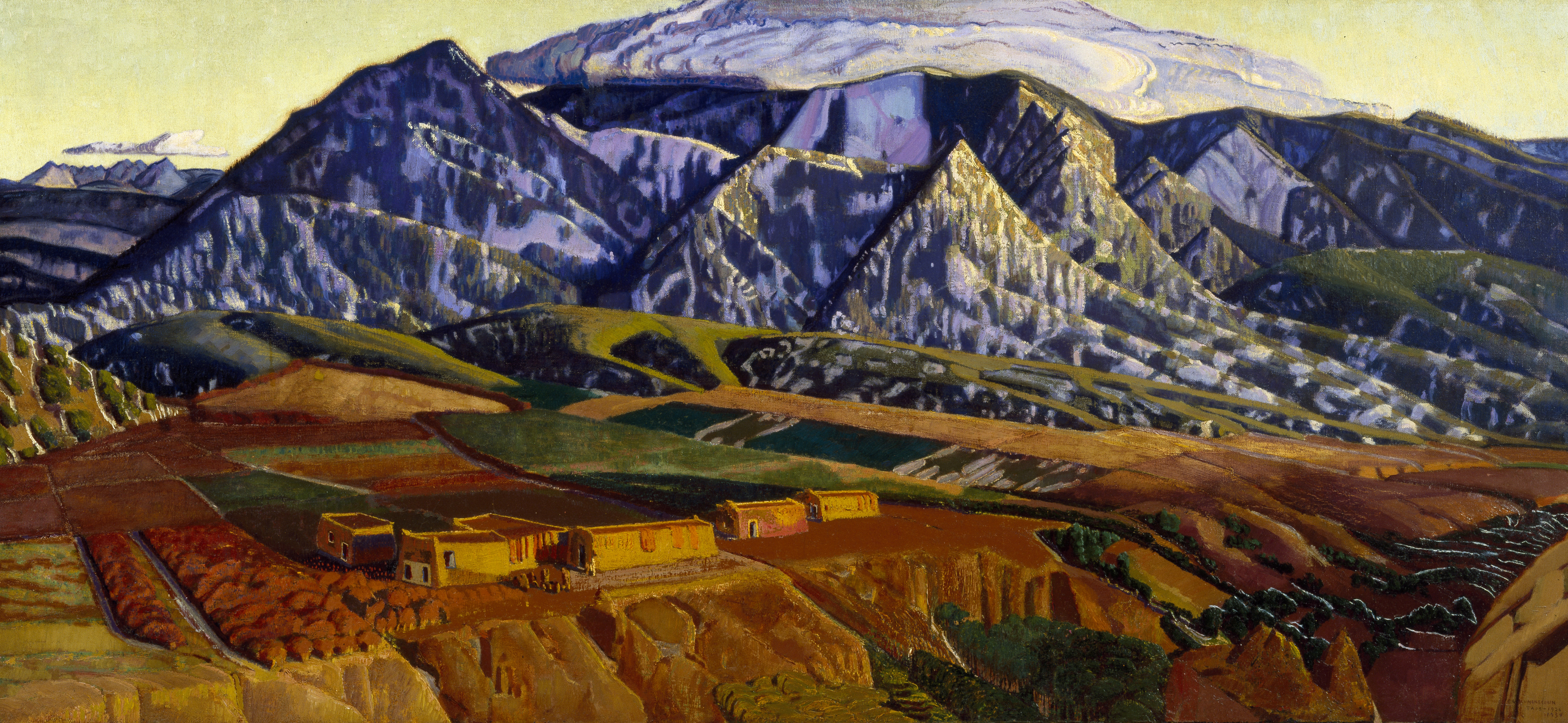
  • Ernest Blumenschein, Mountains Near Taos, 1926-1934, Dallas Museum of Art, gift of Helen Blumenschein
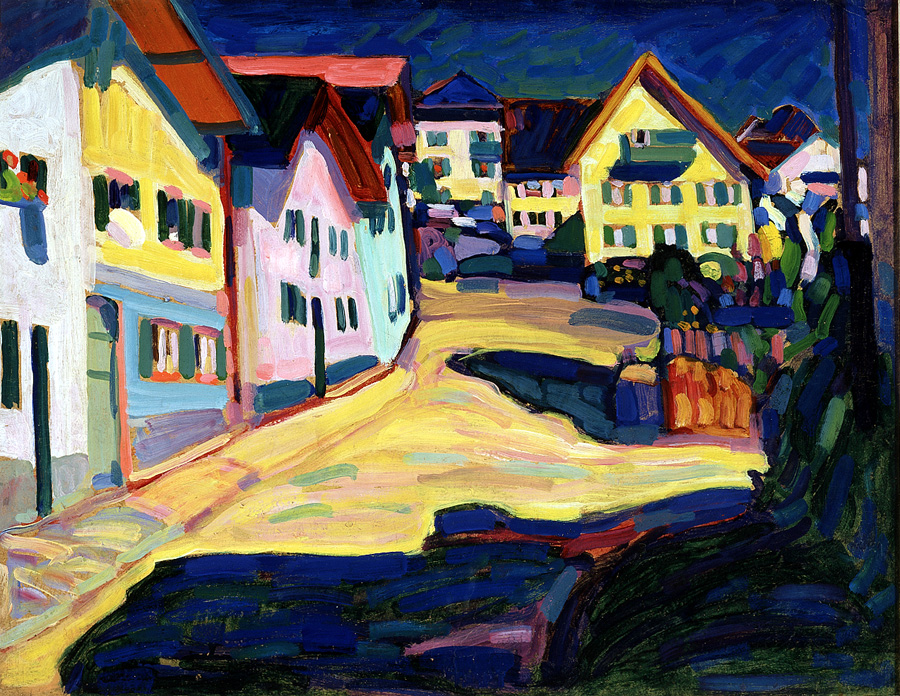
  • Wassily Kandinsky, Murnau, Burggrabenstrasse 1, 1908, 1908, Dallas Museum of Art, Dallas Art Association Purchase
  • Frederic Edwin Church, The Icebergs, 1861, Dallas Museum of Art, gift of Norma and Lamar Hunt
  • Claude Monet, The Seine at Lavacourt, 1880, Dallas Museum of Art, Munger Fund
  • Henri Fantin-Latour, Still Life with Vase of Hawthorn, Bowl of Cherries, Japanese Bowl, and Cup and Saucer, 1872, Dallas Museum of Art, Foundation for the Arts Collection, Mrs. John B. O’Hara Fund and gift of Mrs. Bruno Graf by exchange
  • Narcisse–Virgile Diaz de la Peña, Forest of Fontainebleau, 1868, Dallas Museum of Art, Munger Fund
Learning Lab: Self-Guided Tours

To cap off a fantastic school year, visual arts students at Booker T. Washington High School for the Performing and Visual Arts enrolled in our Learning Lab created self-guides for their favorite works of art at the DMA. These eleventh-grade students began many of their Learning Lab classes with a walk down Flora Street to the Museum, where they spent time looking at works of art, asking questions about them, and responding to them through group discussions, written ideas, and their own original works of art.

For their final projects, we asked students to choose four or five works of art in our collection to include in a self-guided tour, for which they decided the title and theme. They wrote a short paragraph about each artwork to explain why they chose to include it and what stood out to them. Because self-guided tours are intended to offer visitors short and interesting factoids or interpretations of a work of art, students were encouraged to be creative with their paragraphs and incorporate prompts or provocative questions that would encourage close looking and connection-making with ideas related to the work. Here are some excerpts from their fantastic finished products!

[Maternal]

“Exploring only a few examples throughout art, this guide surfaces one relationship that every individual from every culture has experienced to some degree: a mother and her child.”

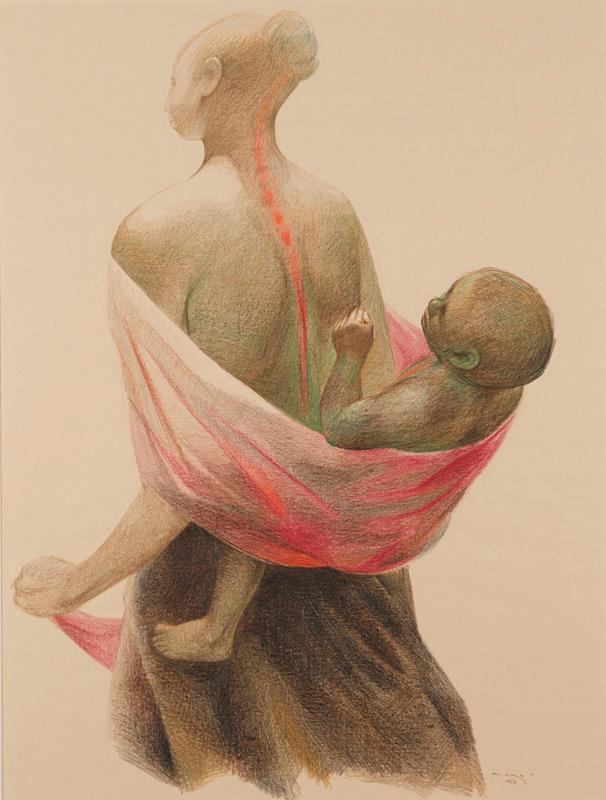
 Guillermo Meza, Mother and Child, 19531959_27

“This piece depicts a mother carrying her young child with a vibrant fleshy pink cloth, pulsing all the way though her spine, much like her love and seeming will for her child. Where do you think they are going, or rather, where are they coming from? What ties you to your mother?”


Ms.: An Introduction to Women in Art

“This self-guide illustrates the woman in her own, natural, (sometimes stereotypical) element.”

gerhard-richter-ema-akt-auf-einer-treppe-ema-nude-on-a-staircase-1361619505_b

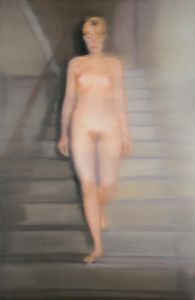
Gerhard Richter, Ema (Nude on a Staircase) (Ema [Akt auf einer Treppe]), 1992

“Ema (Nude on a Staircase) is a photograph of a paintng that was created in 1966. This image was purposely blurred to create nostalgic distance. What famous work of art by Marcel Duchamp could Ema have been inspired by?”


Texas Beauty

“When someone says “Texas,” what are the first images that pop into anyone’s head? Probably cattle, dry land, maybe some wildflower. This self-guided tour will take you “deep in the heart of Texas” and give you a true tour of this majestic land.”

1937_1

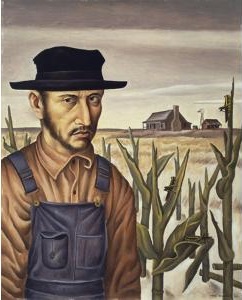
Jerry Bywaters, Share Cropper, 1937

“It is hard to drive more than 150 miles in Texas without spotting a farmer doing his work. What do you think are some stereotypes farmers have? Does this farmer display any of them?”


 American Landscape Paintings

“Have you ever wondered what it feels like to be so fully immersed in a painting that you actually feel like you are inside it? This self-guided tour will show you landscape paintings all by American artists. From cold icebergs to sunny beaches, the beautiful landscapes will take you on a journey all around the world.”

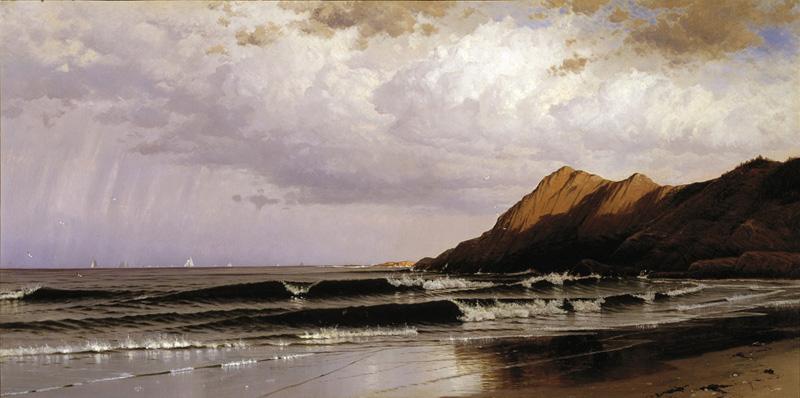
1976_40_FAAlfred Thompson Bricher, Time and Tide, 1873

“Can you feel the tide pull back and forth? Can you sense the sand crunching underneath your toes, the water touching your soles, making a shiver run down your back?  Close your eyes and let your senses take over. Listen to the crash of waves as they attach the rocks, feel the sun bathe your body, and soak it in.”

 
Works shown:

  • Guillermo Meza, Mother and Child, 1953, Dallas Museum of Art, gift of Mr. and Mrs. Richard K. Weil
  • Gerhard Richter, Ema (Nude on a Staircase) (Ema [Akt auf einer Treppe]), 1992, Dallas Museum of Art, Dallas Museum of Art League Fund, Roberta Coke Camp Fund, General Acquisitions Fund, DMA/amfAR Benefit Auction Fund, and the Contemporary Art Fund: Gift of Mr. and Mrs. Vernon E. Faulconer, Mr. and Mrs. Bryant M. Hanley, Jr., Marguerite and Robert K. Hoffman, Howard E. Rachofsky, Deedie and Rusty Rose, Gayle and Paul Stoffel, and two anonymous donors
  • Jerry Bywaters, Share Cropper, 1937, Dallas Museum of Art, Allied Arts Civic Prize, Eighth Annual Dallas Allied Arts Exhibition, 1937
  • Alfred Thompson Bricher, Time and Tide, c. 1873, Dallas Museum of Art, Foundation for the Arts Collection, gift of Mr. and Mrs. Frederick Mayer

Andrea V. Severin
Interpretation Specialist

Marfa State of Mind

marfa

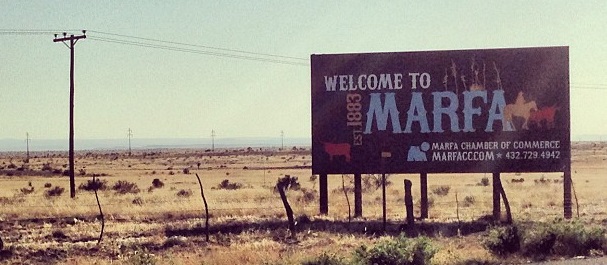
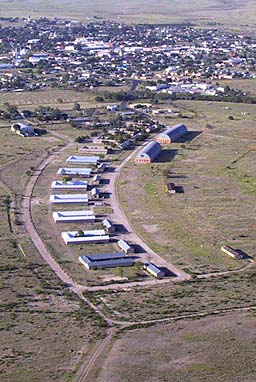
Marfa, Texas is more than just those mysterious lights (though they are pretty magical). I was lucky enough to visit the artistic oasis recently, and though I never left the state of Texas, I truly felt like I was transported to another place and time. Marfa is a small city located in the high desert of far west Texas, near Big Bend National Park. Founded in the early 1880s as a railroad stop, the town was transformed into a cultural destination thanks to artist Donald Judd. Upon relocating to Marfa from New York City in 1971, Judd acquired the decommissioned Fort D.A. Russell and began transforming the site’s buildings into exhibition spaces. His intention was to create a location in which he could permanently install his artwork and present it to the public.

It takes a great deal of time and thought to install work carefully. This should not always be thrown away. Most art is fragile and some should be placed and never moved again.” –Donald Judd

Judd’s ideas took shape as The Chinati Foundation formally opened to the public in 1986. When I first visited the museum I was struck by the absolute vastness of the space.

The Chinati Foundation

The Chinati Foundation

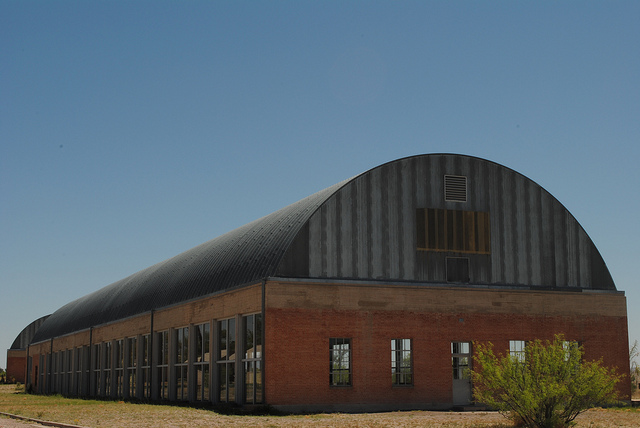
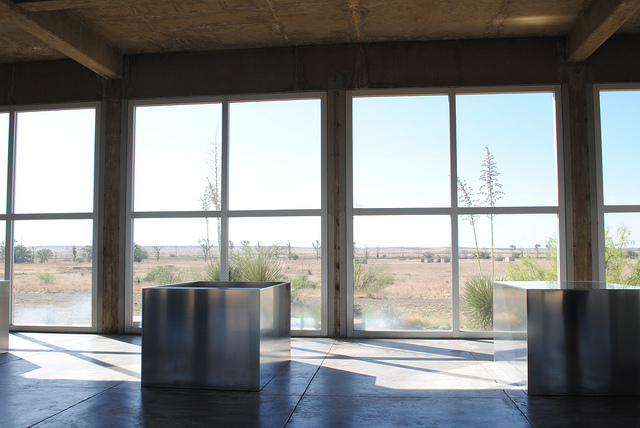
The Chinati Foundation is located on 340 acres of land. The art collection includes 15 outdoor concrete works by Donald Judd, 100 aluminum works by Judd housed in two converted artillery sheds, 25 sculptures by John Chamberlain, an installation by Dan Flavin occupying six former army barracks, and works by Carl Andre, Ingólfur Arnarsson, Roni Horn, Ilya Kabakov, Richard Long, Claes Oldenburg and Coosje van Bruggen, David Rabinowitch, and John Wesley. Each artist’s work is installed in a separate building on the museum’s grounds. When Judd renovated the buildings, he attempted to retain the integrity of the original structures as much as possible, only adding components that he deemed necessary. One of these was windows: the walls of the converted artillery sheds feature floor to ceiling windows. This alteration maximizes natural light and space and allows the surrounding landscape to meet and converse with the aluminum boxes that reside inside the sheds.

The location of The Chinati Foundation site–named after the surrounding Chinati Mountains–was extremely important to Judd, who, as a minimalist artist, believed strongly in creating works which are inextricably linked with the surrounding landscape. Judd fell in love with the desert landscape surrounding Marfa, and saw it as the perfect space for his art. “Too often,” Judd said, “the meaning of a work of art is lost as a result of a thoughtless or unsuitable placement of the work for display. The installation of my own work, for example, as well as that of others, is contemporary with its creation, and the space surrounding the work is crucial to it. Frequently as much thought has gone into the placement of a piece as into the piece itself.” (Quote from the Judd Foundation)

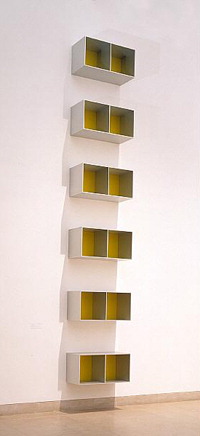
Donald Judd, Untitled, 1988 Dallas Museum of Art, Museum League Purchase Fund, General Acquisitions Fund, H. Harold Wineburgh Fund and gift of an anonymous donor

My trip to magical Marfa opened my eyes to the artistic passion and work of Donald Judd, but on a larger scale, it also invited me to reflect upon the decisions behind how works of art are displayed. I think of Judd’s Untitled piece that the DMA owns: six symmetrically divided rectangular boxes forming a column over eighteen feet high, made from cool industrial surfaces. My only experience with this work of art is seeing it displayed inside the white walls of the DMA, alongside work from other artists.

The time I spent in Marfa not only made me wonder how this particular Judd work would look exhibited alone against a desert backdrop, but furthermore, it made me question whether more works of art should be exhibited in the Judd manner–surrounded only by works from that artist and in a structure that complements its artistic intent.

I now turn this question to the public: is there a work of art in the DMA’s collection that you would like to see exhibited differently? And if so, how would you like to see it displayed?

Artwork Shown:

  • Donald Judd, Untitled, 1988, Dallas Museum of Art, Museum League Purchase Fund, General Acquisitions Fund, H. Harold Wineburgh Fund and gift of an anonymous donor
Danielle Schulz
Teaching Specialist

Summer Art Camp Fun!

Camp_2013_6_edu003

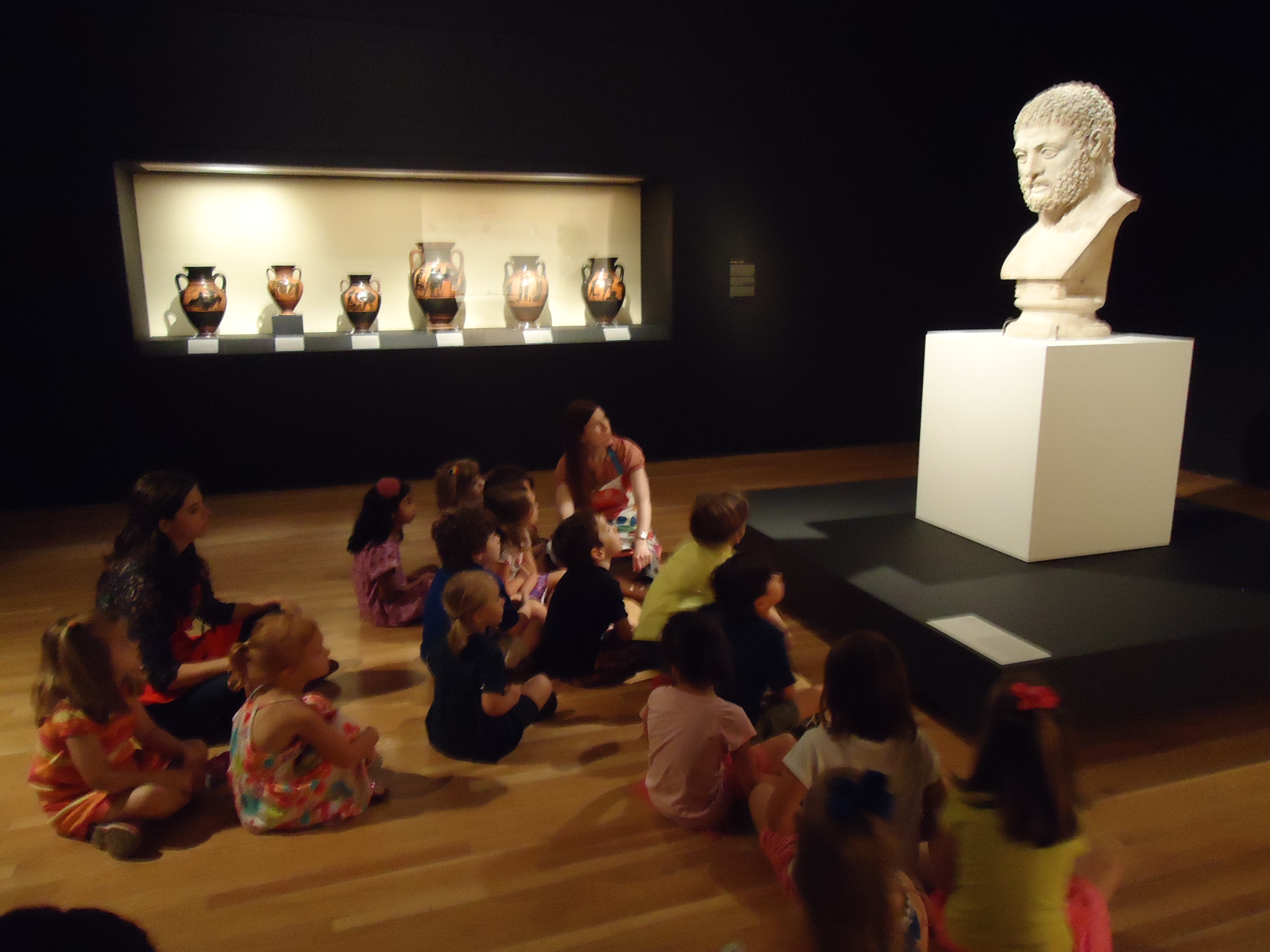
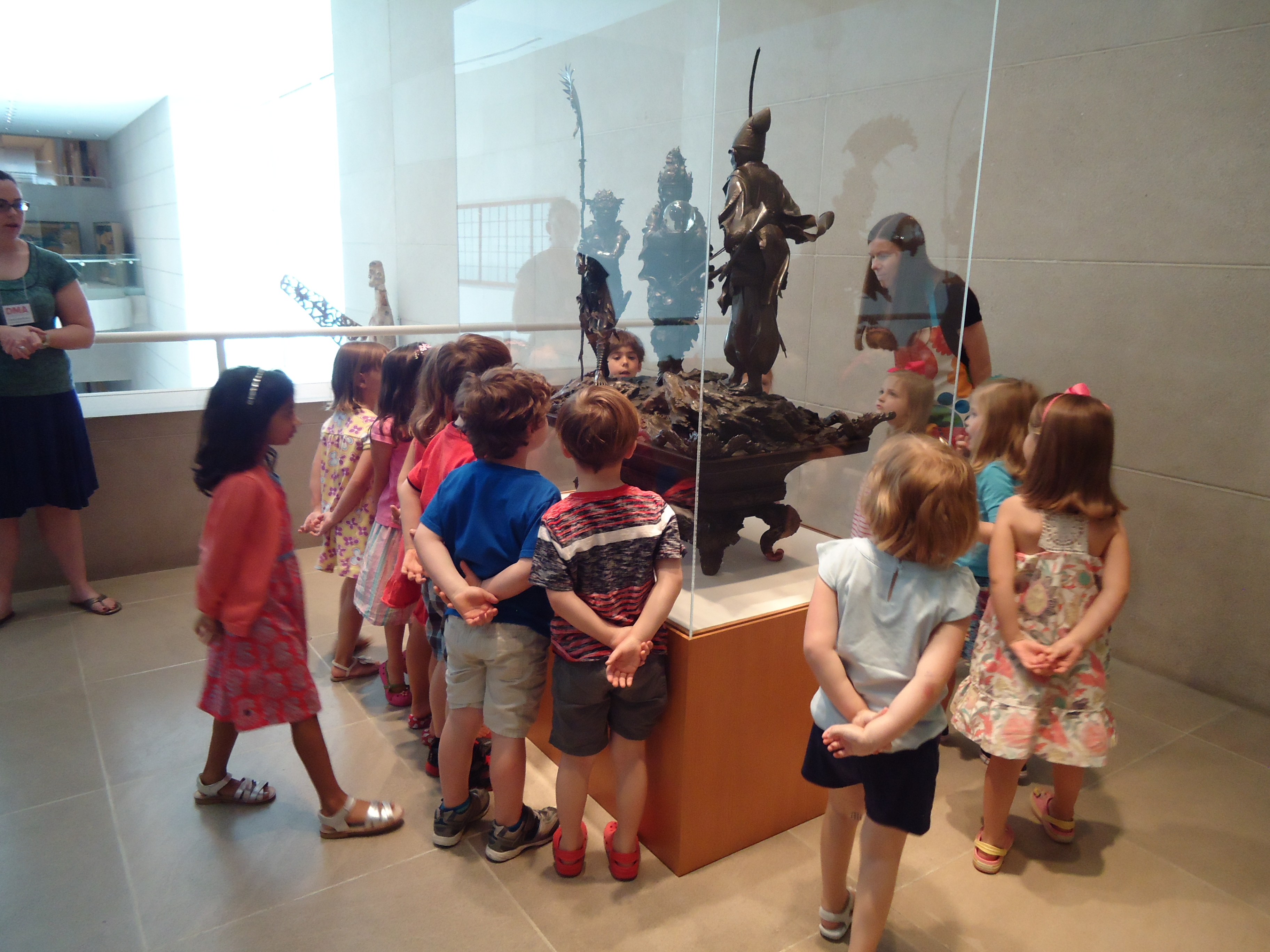
Summer campers looking closely at artwork in the galleries

The DMA galleries are filled with red apron clad kiddos as we embark on our third week of Summer Art Camps. Offered to children between the ages of four and twelve, our camps have something for everyone! From fashion design to printmaking, music to performance art, campers discover all types of media during their stay at the DMA.
Camp_2013_6_edu007

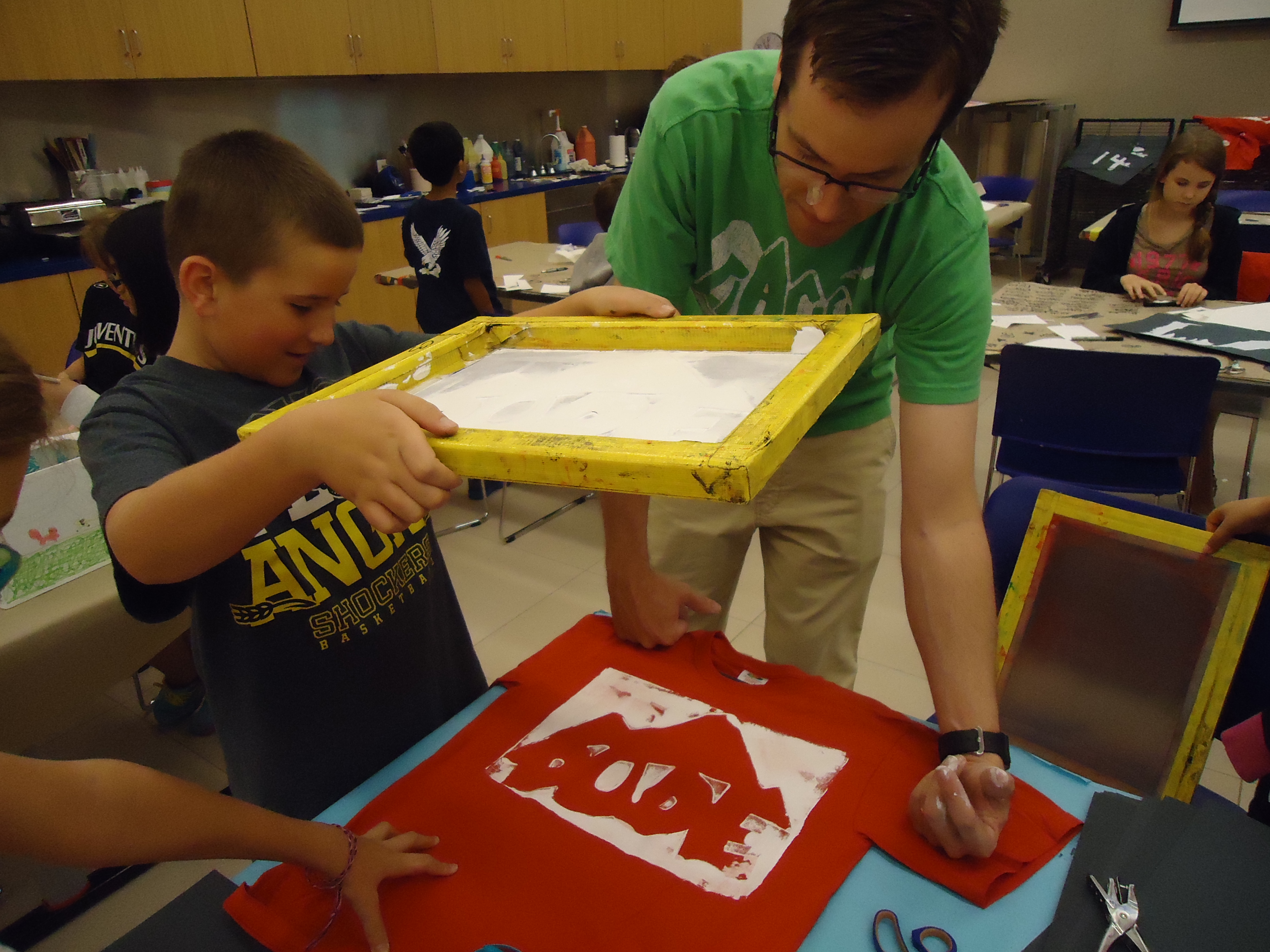
Screen-printing in Design Studio camp

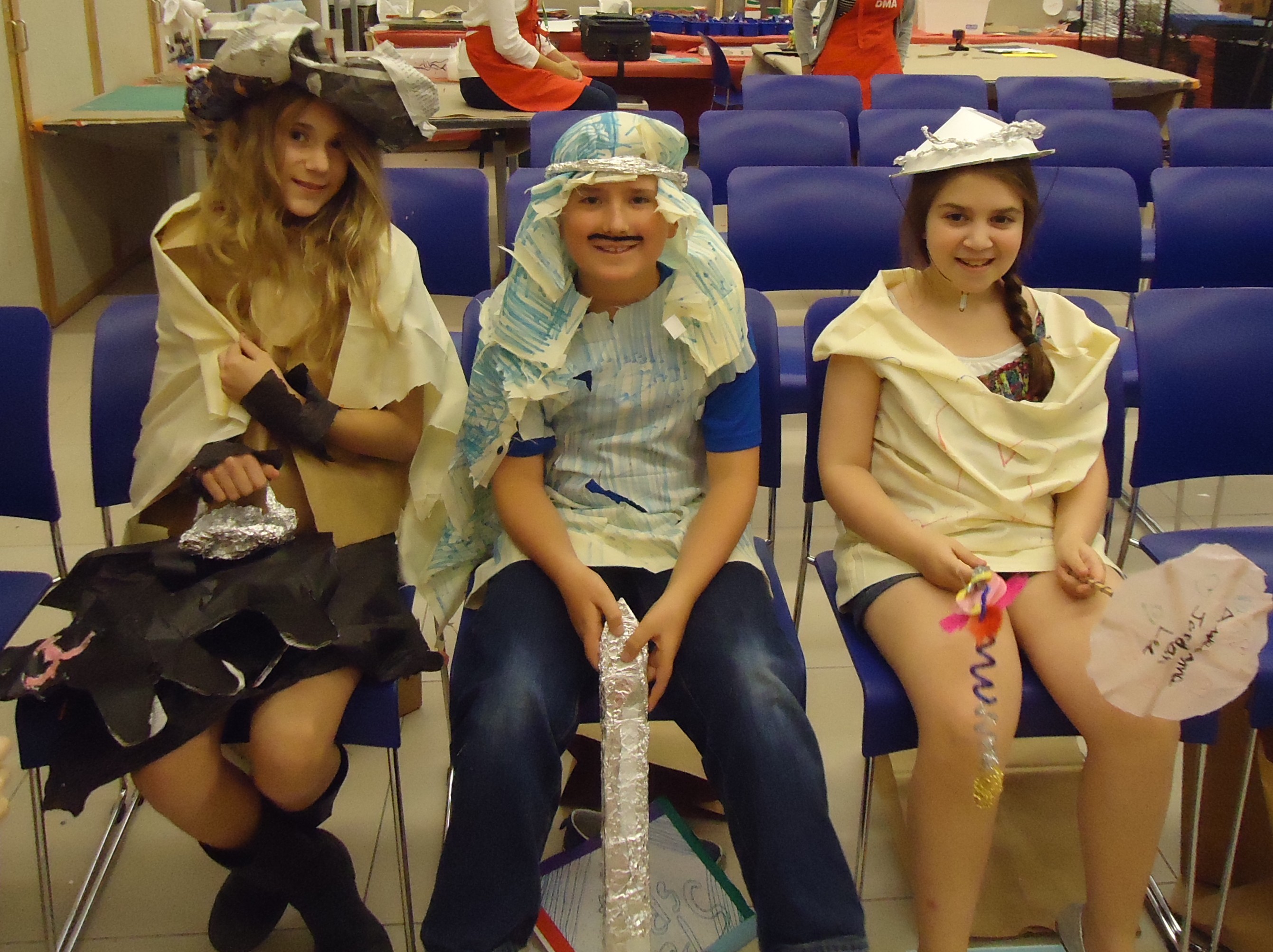
Using the DMA’s collection as inspiration, campers have painted their own Pollock-esque paintings; made storybook-inspired creations; crafted lampshades and screen-printed t-shirts; connected with great peacemakers of the world through art-making; and concocted art-centric performances–complete with costumes and stage sets!

Getting ready for the big end-of-camp performance!

Getting ready for the big end-of-camp performance!

Our camp teachers are local artists, art teachers, musicians, storytellers, and DMA staff. While each teacher introduces different projects and focuses on different themes, the one thing that unifies all camps is that they are based on works of art in our collection. Whether its an impromptu gallery performance, a direct representation of an artwork during art-making, or a conversation in reaction to a unique object, the campers creativity is certainly sparked during our time spent in the galleries.

Talking about objects from the Body Beautiful exhibition in Once Upon a Time camp

Talking about objects from the Body Beautiful exhibition in Once Upon a Time camp

Summer’s not over yet, so you can be sure we’ll keep the summer art camp fun and creativity flowing through the upcoming weeks!

Amanda Blake
Head of Family, Access, and School Experiences

C3 Artistic Encounter Field Trip!

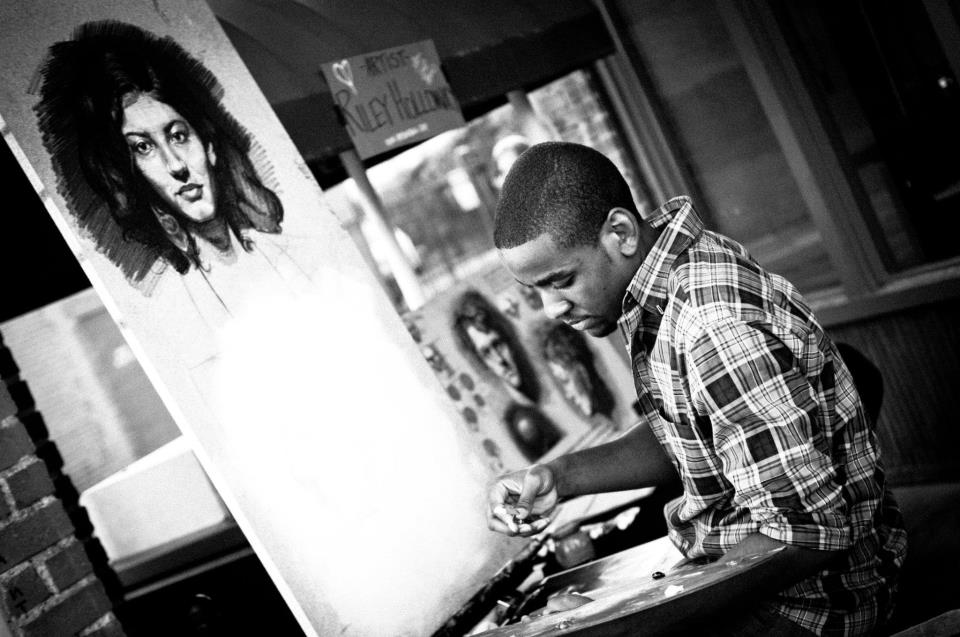
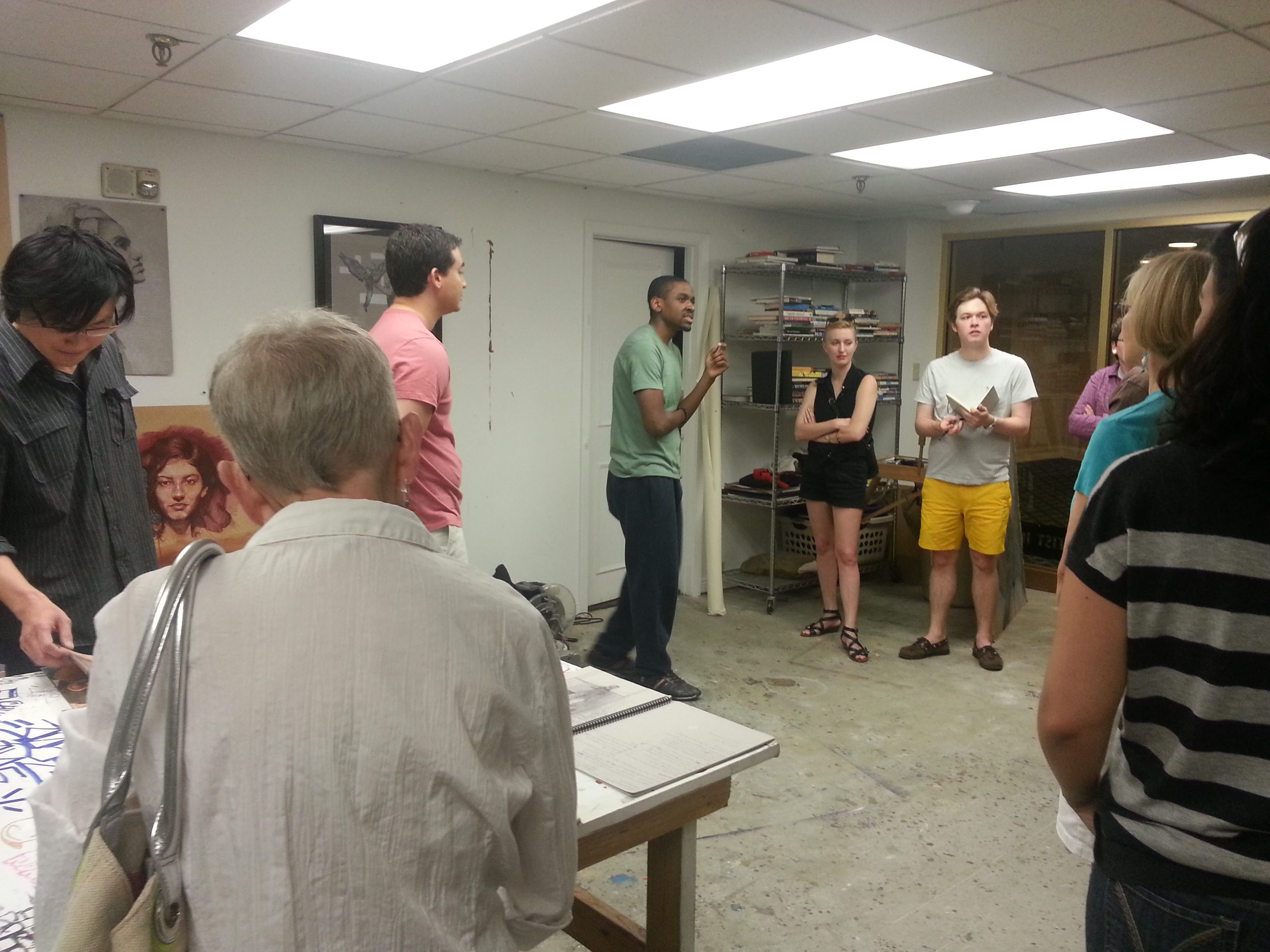
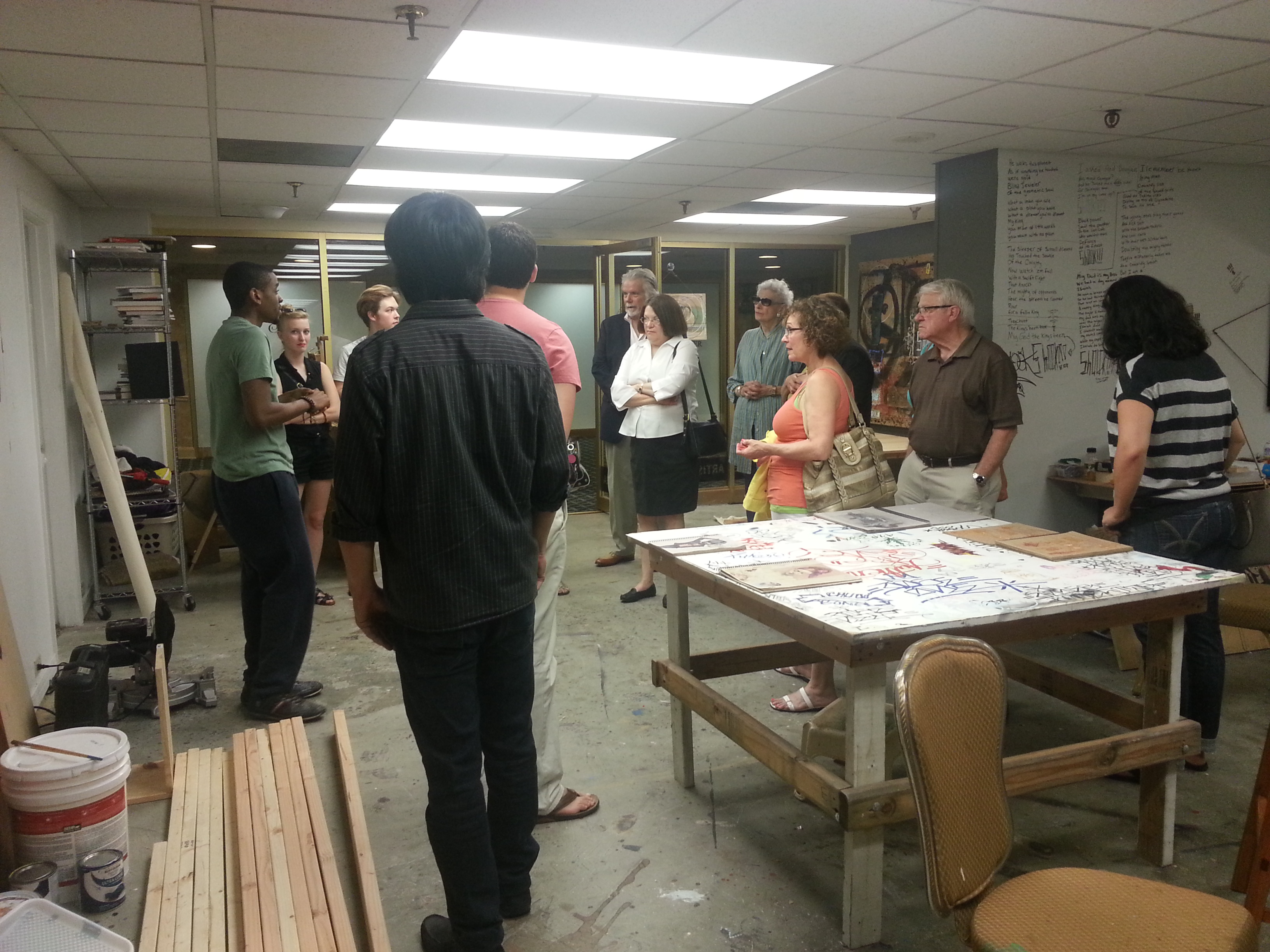
This past Sunday, we took a field trip to The Fairmont Dallas to visit artist Riley Holloway in his studio. The Artist-in-Residence program initiated by The Gallery at The Fairmont hosts artists from all over the nation for three months. During their residency, the artist works in an on-site studio on level zero of the hotel on a body of work that will then be shown in the gallery upstairs. Guests of the hotel and anyone walking through downtown are invited to stop by and visit the studio. The program was established in 2010 with the goal to support the arts community and has hosted twelve artists to date.

Riley

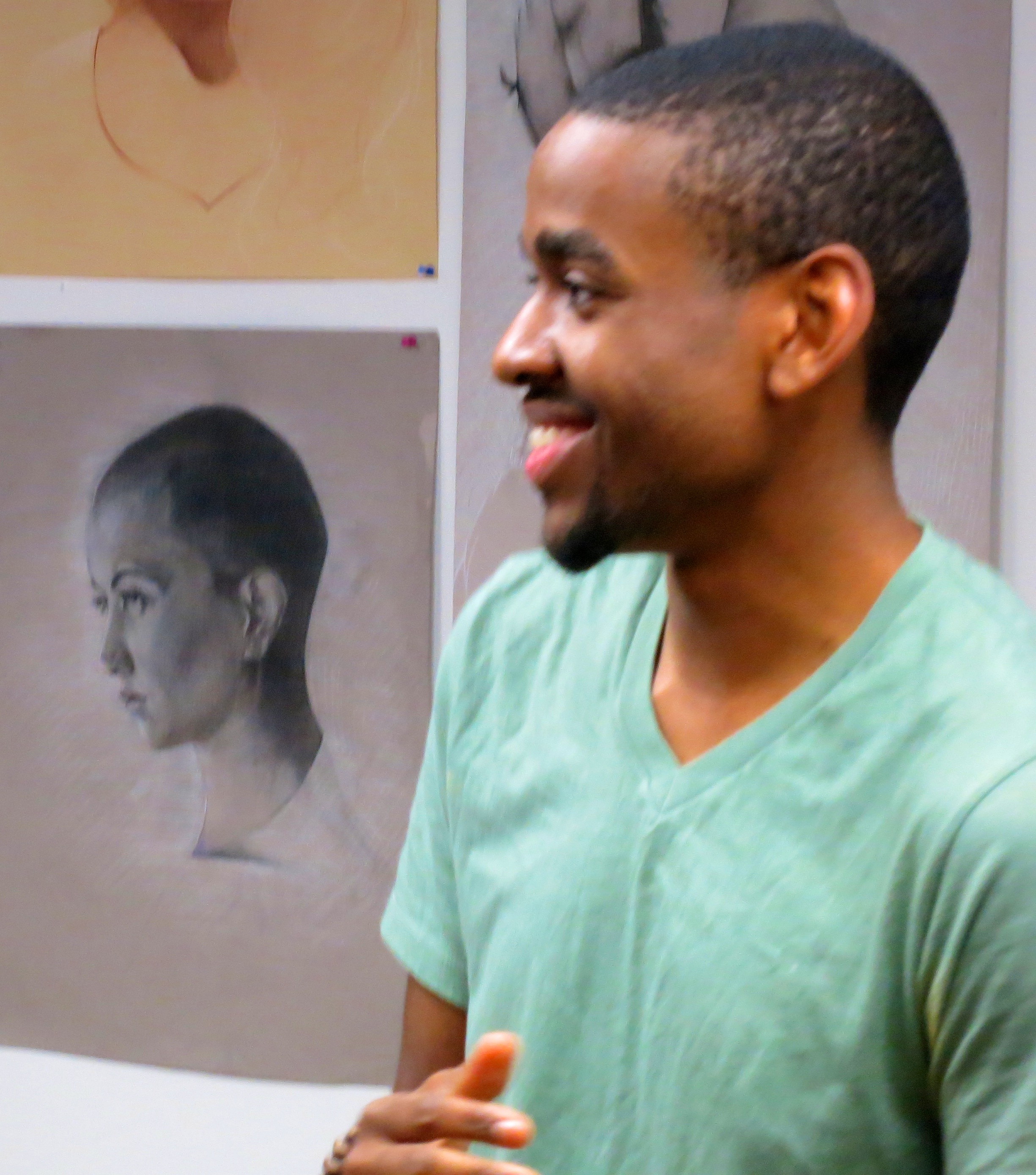
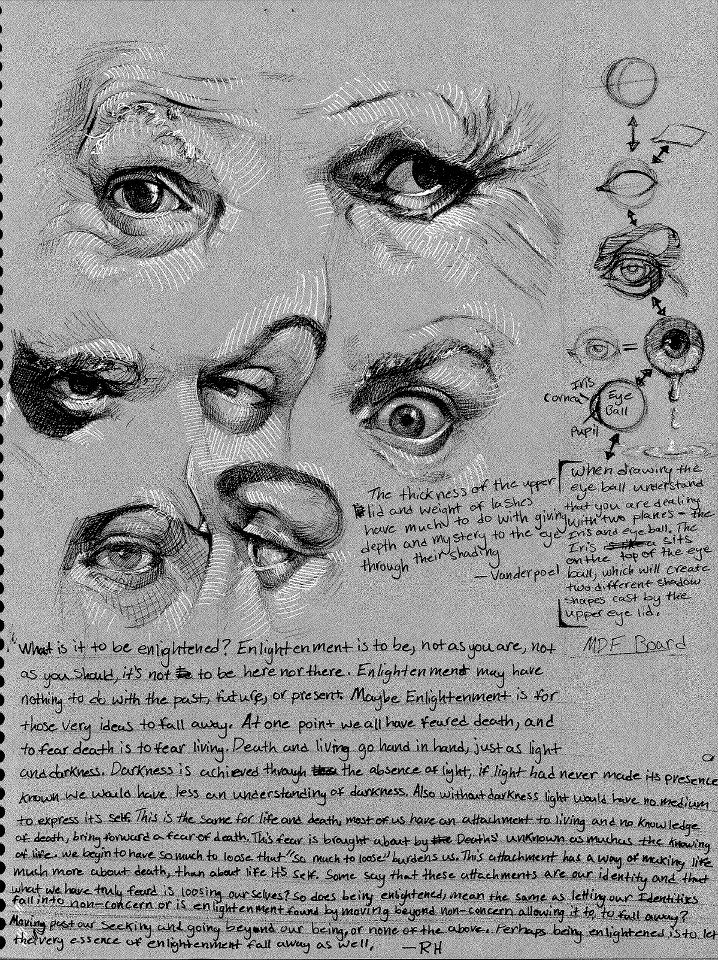
The current artist-in-residence is L.A. born and Texas raised artist Riley Holloway. Holloway developed a passion and hunger for the arts from his artist mother, who gave him magazines and tracing paper at a young age to teach him proportions. His parents believed in his dreams of becoming an artist and encouraged him to study portraiture at the Florence Academy of Art in Florence, Italy in 2011. His passion and dedication to his craft is evident in his work. Often, he can be seen exploring the collection at the DMA to inform his work.

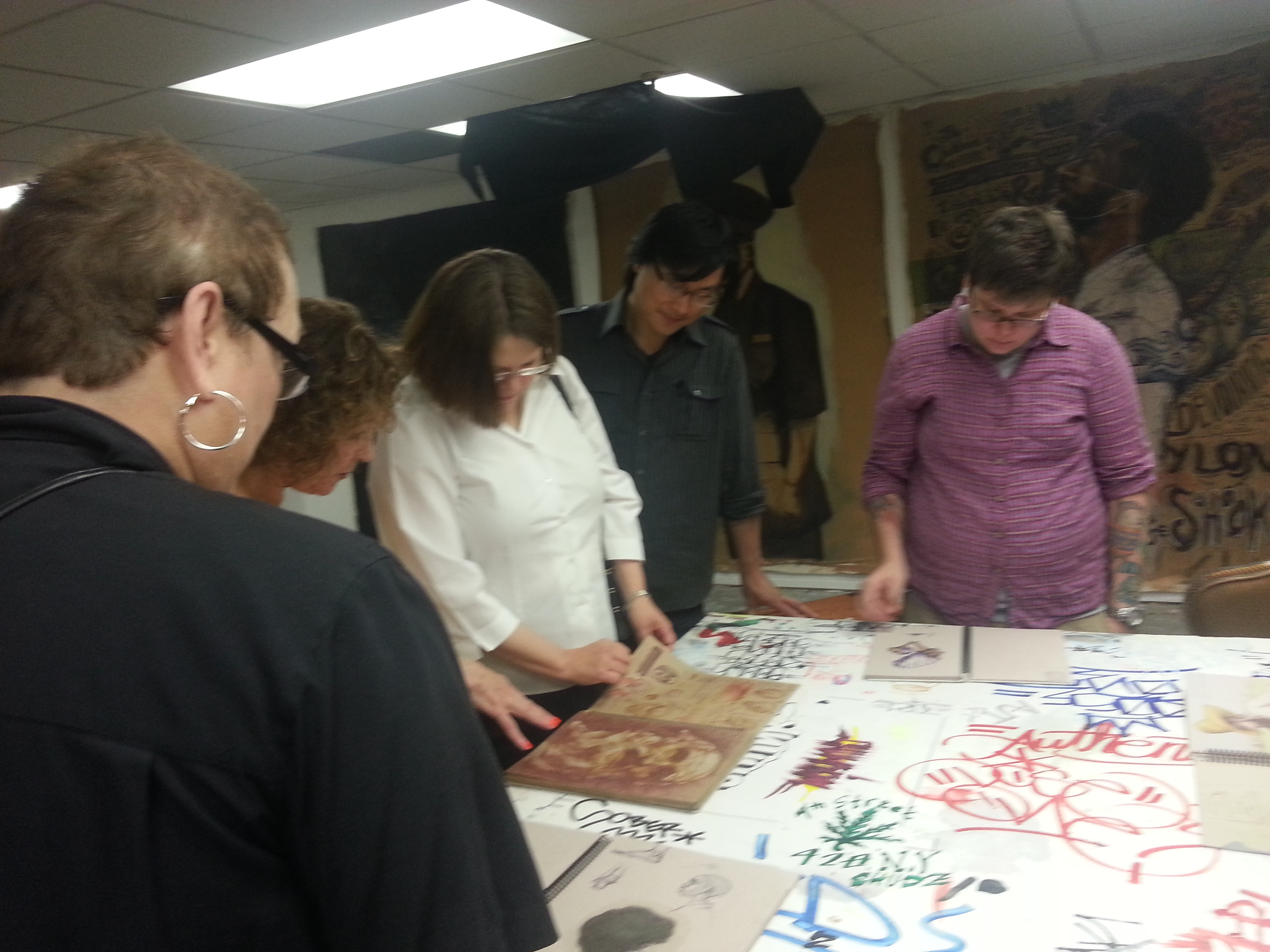
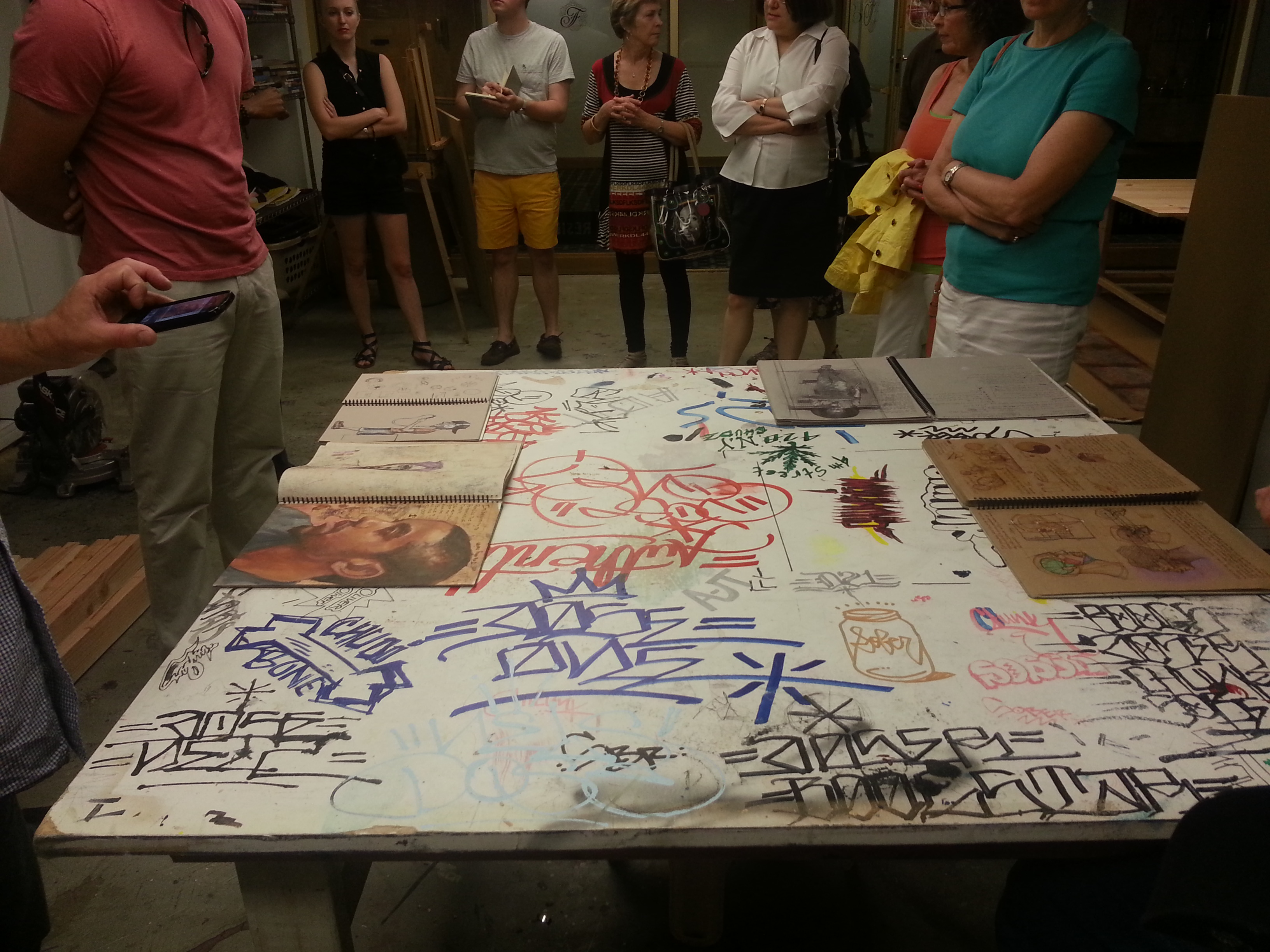
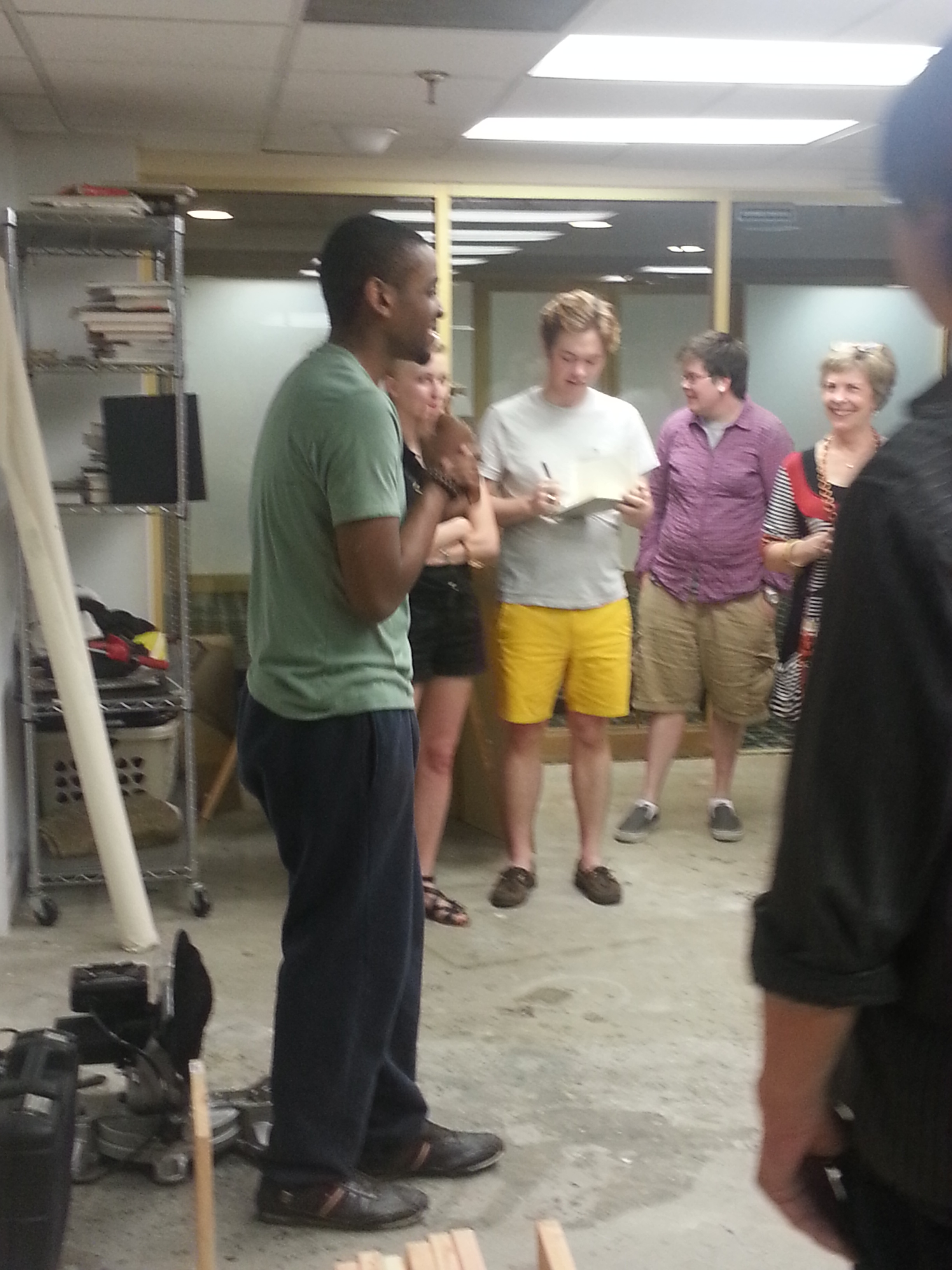
I brought a group of twenty adults from the Center for Creative Connections adult audience to Holloway’s studio to meet him, ask questions, and look at his artwork, his studies, and his incredible sketch books. They were amazed at his talent, his humility, and his ability to explain his artistic philosophy and influences. We were also very captivated by his poetry, which is written all over the studio walls and even in his latest work. Holloway will have his first-ever solo show at The Gallery at the Fairmont on June 28. To hear more about Holloway, check out this video or visit him in the studio before he leaves on the 28th.

We are excited to announce that Riley Holloway will be leading a C3 Artistic Encounter life drawing workshop on July 21st from 1:30-3:30 p.m. here at the DMA as part of our DallasSITES: Available Space programming. Click here to register for the class.

And I hope to see you at our next C3 Artistic Encounter on June 27 for lively conversation and an interesting hands-on project with guest artist Brittany Ransom.

Amanda Batson
C3 Program Coordinator

Friday Photos: Summer Programs

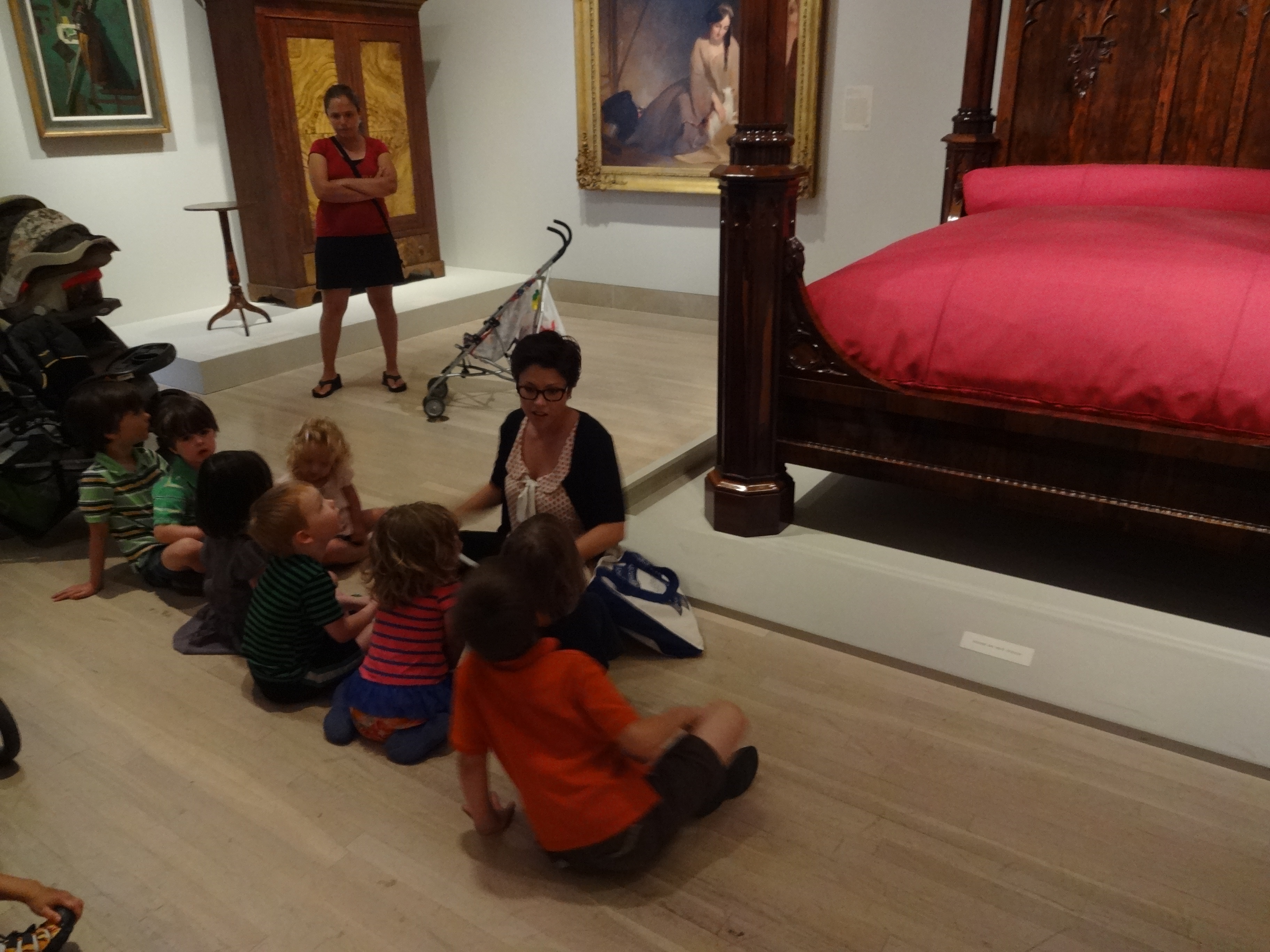
Summer is finally here! And there is no better way to spend that free time than to visit the DMA and take advantage of our engaging summer programs. Throughout June and July, visitors can explore works of art in the Museum’s galleries through sketching, family tours, story times, interactive games and more! There is no need to pre-register for these activities–just show up and enjoy them for free!

summerfamilyfun
 
And if you participate in our free DMA Friends program, you can earn the new Summer Family Fun Badge when you attend one tour, one story time, one sketching in the galleries, and one family game. We’ll see you soon for some summer family fun!
 
 
Danielle Schulz
Teaching Specialist


Archives

Categories