Archive Page 47


Visit the Museum Without Leaving Your Classroom!

Image

Self-portrait collages created by 2nd grade students at Green Elementary during a Searching for Faces Go van Gogh program

Calling all teachers!  Do your students like experimenting with art materials and exploring artworks from other times and places?  As you begin to plan your school year, we hope you’ll consider inviting the Dallas Museum of Art to your classroom for a Go van Gogh outreach program.  Here are some reasons we think Go van Gogh is a great way to spend a morning:

You can…

  • Visit the Museum without leaving your classroom!  Go van Gogh brings images of artworks from the Museum for interactive conversations.
  • Make an artwork to take home.  Go van Gogh brings all the supplies your class will need to make a take-home art project.
  • Connect to your curriculum.  Go van Gogh programs are geared for specific grade levels, and often dove-tail with subjects students are already learning.
  • Travel around the world.  Go van Gogh programs feature art from Africa, Mexico, Japan, and other far-off places.
  • Get a free pass.  Each student who participates in the Go van Gogh program receives a free family pass to visit the Museum.

Some quick facts about Go van Gogh:

  • Programs are offered to 1st-6th grade classrooms at schools within Dallas city limits.
  • Go van Gogh is free-of-charge!
  • Scheduling is first-come, first-served.  There is no limit to the number of programs you can schedule.

Visit our website to learn more about Go van Gogh program offerings and to schedule a program for your classroom.

We hope to visit your classrooms this school year!

Amy Copeland
Coordinator of Go van Gogh Outreach

Friday Photos: Plumed Serpent Teacher Workshop

Last Saturday we kicked off the first teacher workshop of the fall: Cacao, Codices, and Cross-Cultural Connections. We explored  The Legacy of the Plumed Serpent in Ancient Mexico and considered the complex trade networks and the shared artistic styles between the multilingual societies in Post-Classic Mesoamerica. We also spent quality time with the Codex Nuttall, the Mixtec picture book that tells a story without the use of a written language.

Groups of workshop participants created their own codices of popular or historical events. Groups had to guess each other’s narrative, testing the difficulty of communicating without words. Would you have been able to guess what stories their codices were telling?

[slideshow]

Join us for a Saturday teacher workshop on October 6 or November 17!

Until next time,

Andrea V. Severin
Coordinator of Teaching Programs

Back to School: From the Classroom to the DMA Collection

Now that all the kiddos are settled back into school, I began to think about how the Museum‘s collection could inspire them to keep learning outside the classroom. With the most common school subjects in mind, I decided to find works of art that might help them with their studies. Check out my pairings below.

Math

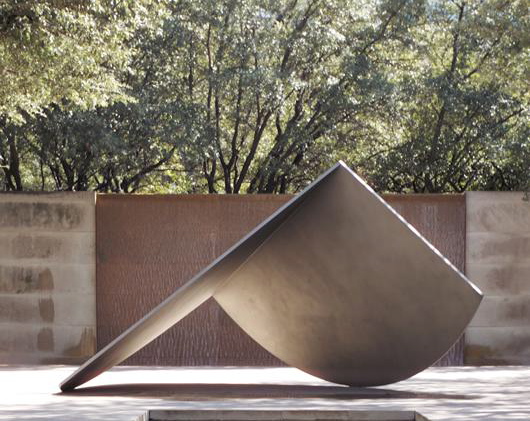
Upon first glance, it’s hard to tell if this large scale sculpture is symmetrical or asymmetrical. It takes a careful walk all the way around the work of art to find out.

Untitled, Ellsworth Kelly, 1982-1983, Dallas Museum of Art, commission made possible through funds donated by Michael J. Collins and matching grants from The 500, Inc., and the 1982 Tiffany & Company benefit opening

History

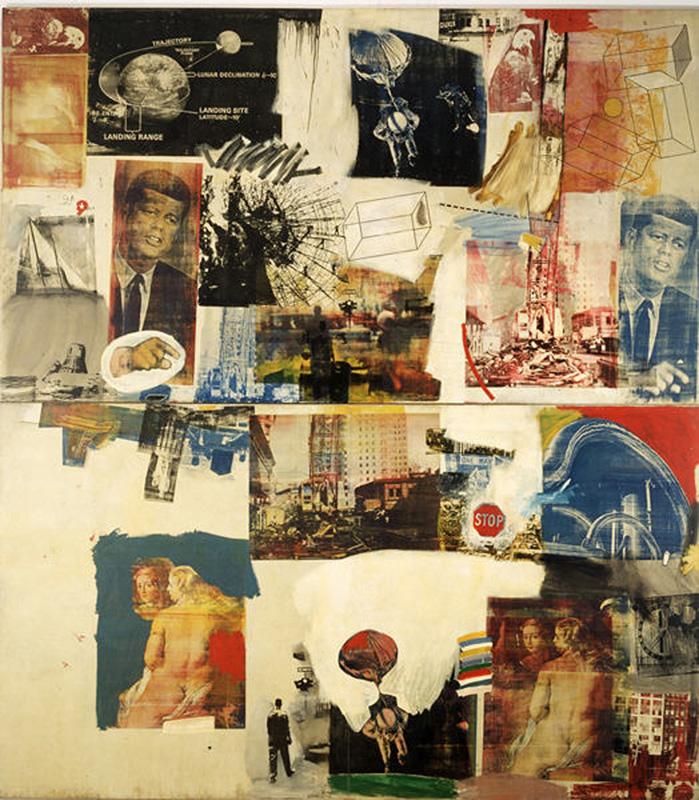
An historical figure, period, or event is often the subject of a work of art. This particular work features all three. Some of the imagery in Skyway includes President Kennedy and images of space exploration. Overall, the haphazard, overlapping composition captures the tumultuous time of change in the Sixties. What else does this colorful collage tell you about the Sixties?

Skyway, Robert Rauschenberg, 1964, Dallas Museum of Art, The Roberta Coke Camp Fund, The 500, Inc., Mr. and Mrs. Mark Shepherd, Jr. and General Acquisitions Fund

English

Some works of art are inspired by literature, like Cinderella at the Kitchen Fire. While it’s easy to find Cinderella in this beautiful work of art, it’s not as easy to tell which part of the Cinderella story is being depicted. Come to the Museum to get a closer look at all the details a photograph can’t capture, so you can guess which part of the classic fairy tale this could be. I’ll give you a big hint: there’s more than one right answer!

Cinderella at the Kitchen Fire, Thomas Sully, 1843, Dallas Museum of Art, gift of the Pauline Allen Gill Foundation

Geography

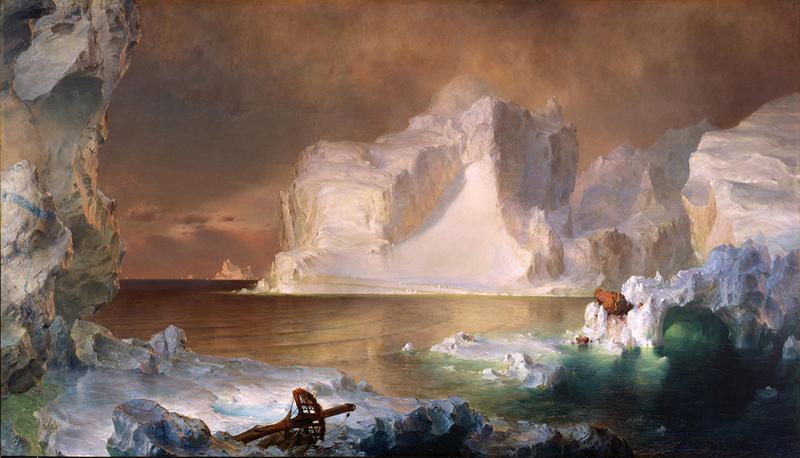
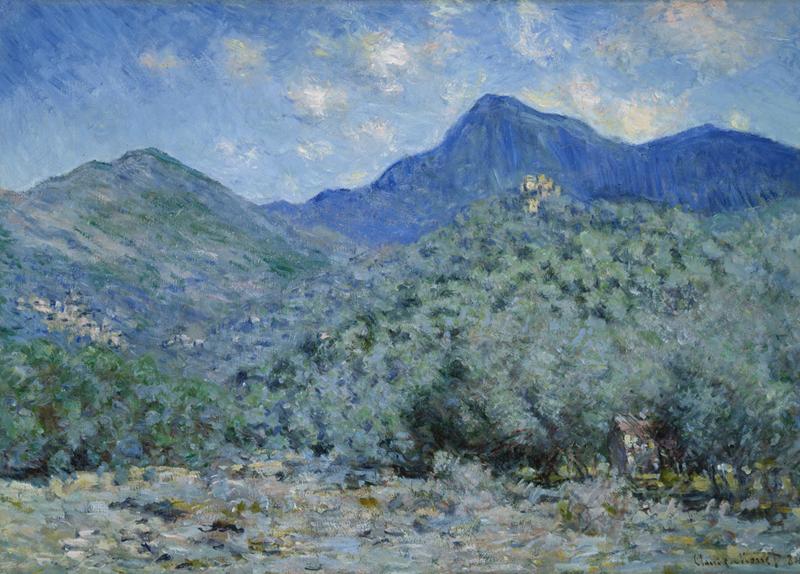
From the icy waters of the North Atlantic to the rolling hills of the French-Italian Riviera, wandering through the Museum galleries can take you on a trip around the world to a variety of climates and terrains. How many new places can you discover on your next visit?

The Icebergs, Frederic Edwin Church, 1861, Dallas Museum of Art, gift of Norma and Lamar Hunt

Valle Buona, Near Bordighera, Claude Monet, 1884, Dallas Museum of Art, gift of the Meadows Foundation Incorporated

Homework

Hopefully these collection connections will make learning in the Museum more fun for you and the kiddos than studying is for this little boy:

The First Thorns of Knowledge (Les premières épines de la science), Hugues Merle, 1864, Dallas Museum of Art, gift of the Meadows Foundation Incorporated

Hannah Burney
Community Teaching Programs Assistant

New Artworks in Variations on Theme

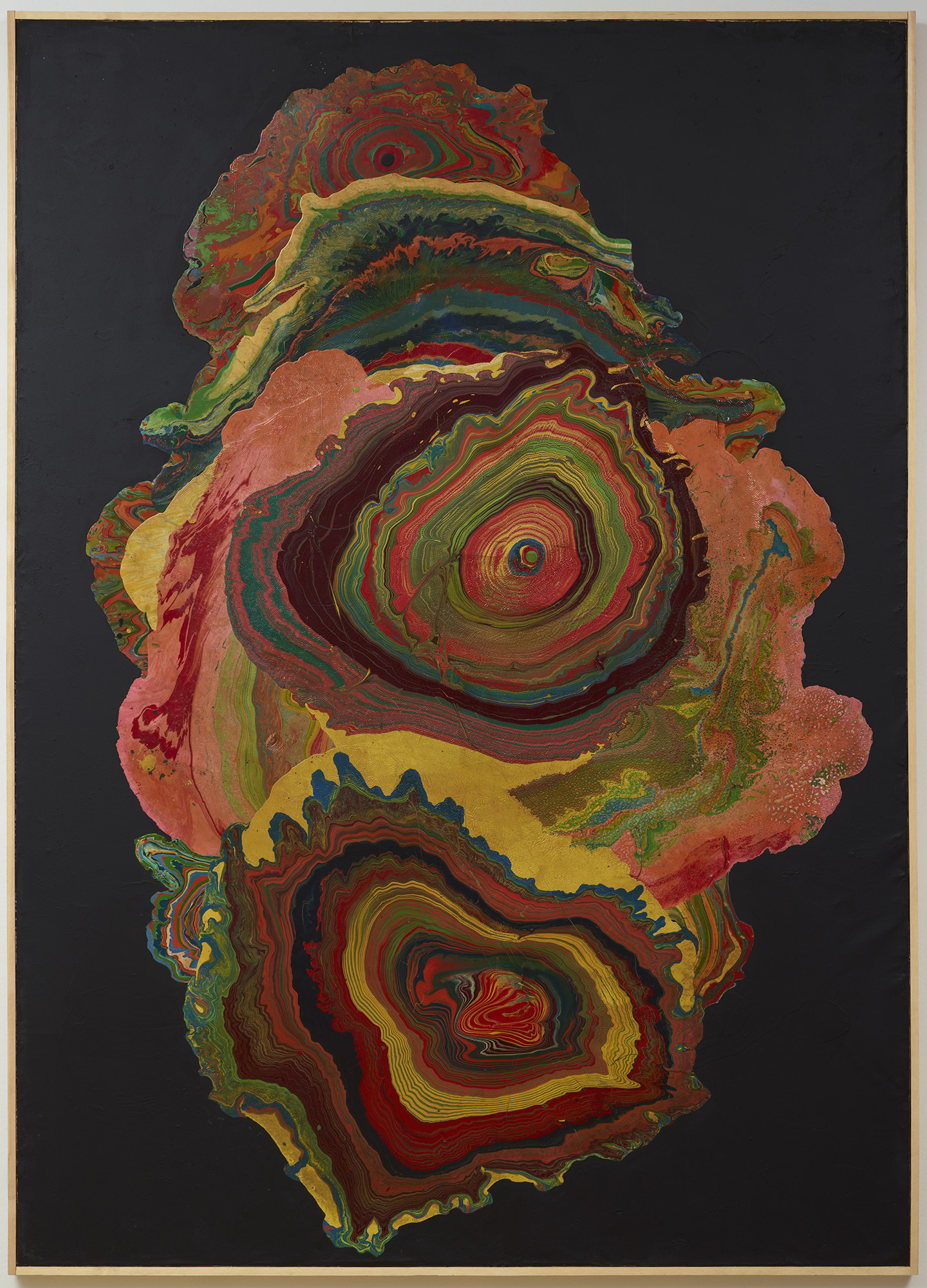
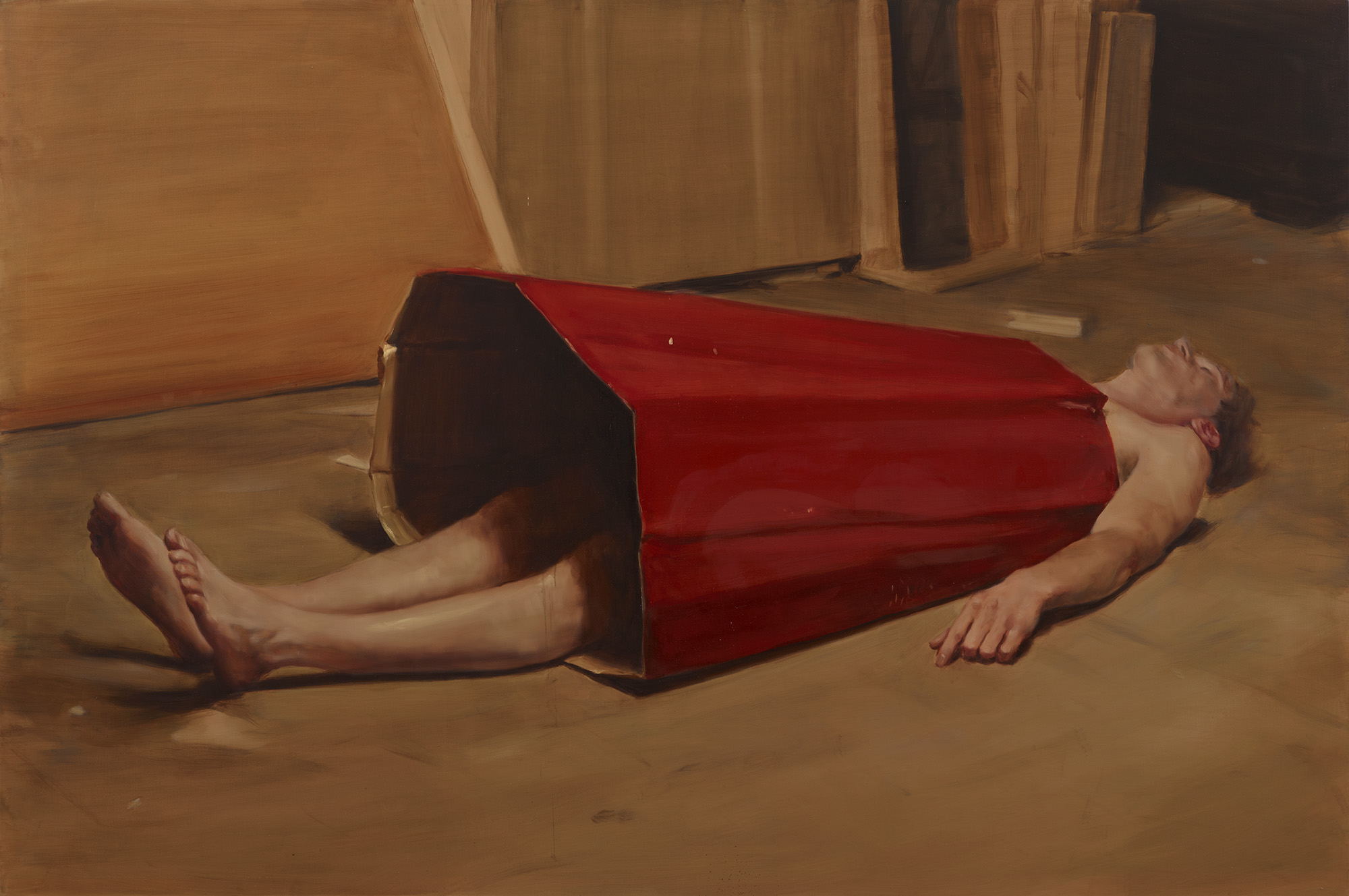
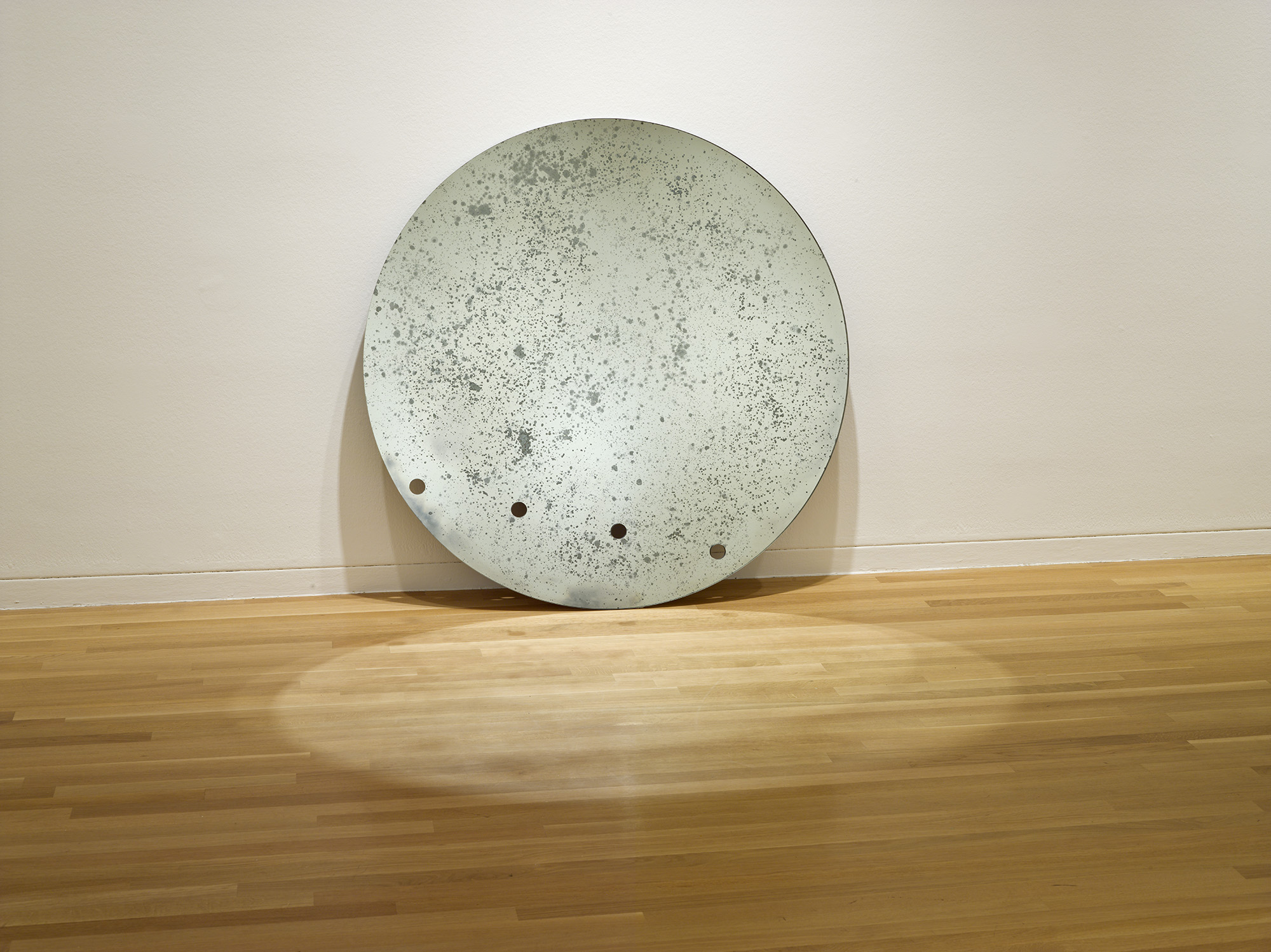
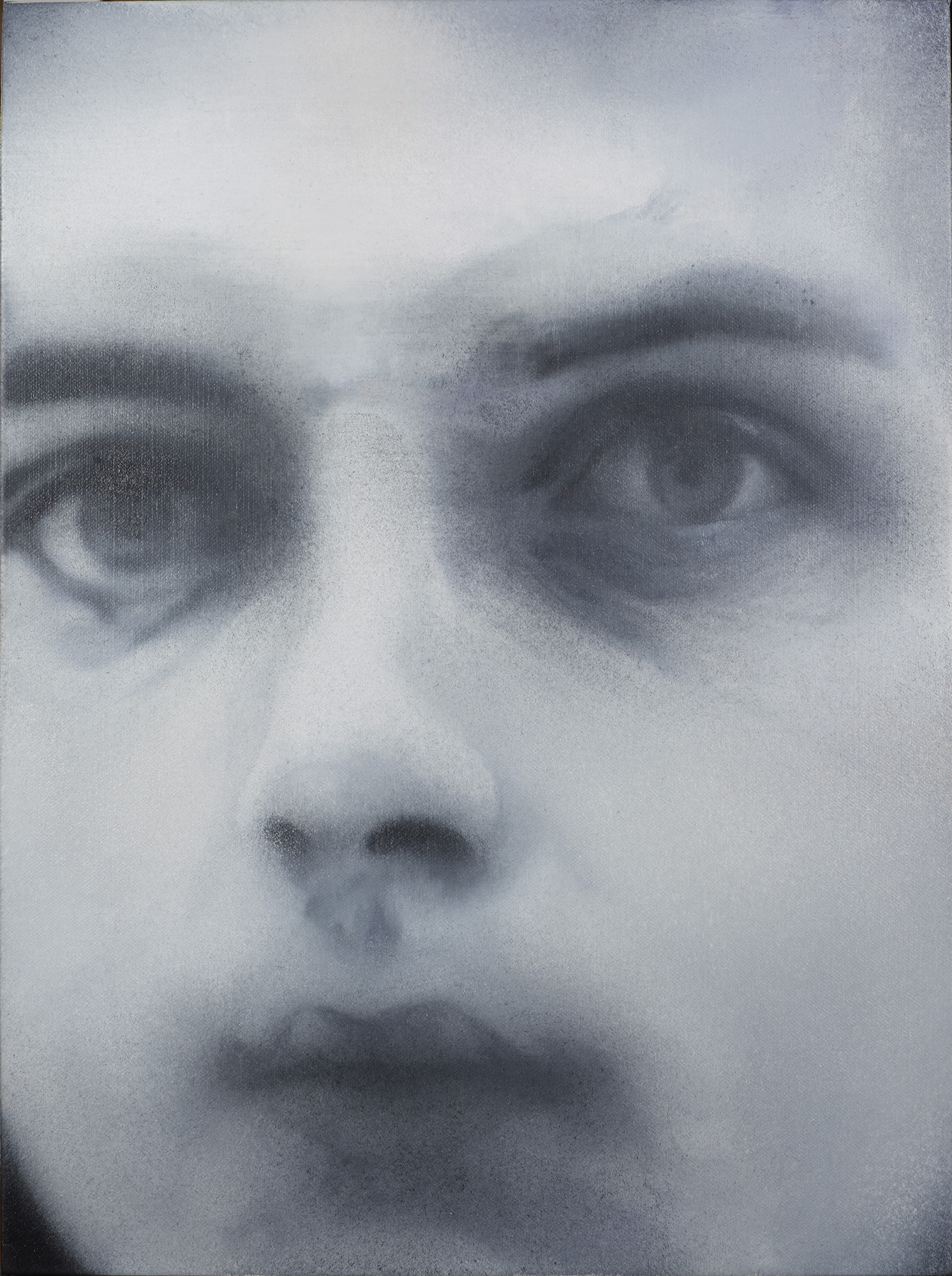
Wandering through our contemporary exhibition Variations on Theme recently, I almost forgot I was in a show of the Museum’s collections; recent acquisitions abound!  Below are just a few of the more than a dozen newly-acquired artworks in Variations on Theme.

Untitled–Whirlpool, Shozo Shimamoto, 1965, The Rachofsky Collection and the Dallas Museum of Art through the DMA/amfAR Benefit Auction Fund

The Devil’s Dress, Michaël Borremans, 2011, Dallas Museum of Art, DMA/amfAR Benefit Auction Fund

Venus Mirror (8/6/08, Copenhagen), Simon Starling, 2011, DMA/amfAR Benefit Auction Fund

Untitled (young man1), Johannes Kahrs, 2010, Gift of the Buddy Taub Foundation, Dennis A. Roach and Jill Roach

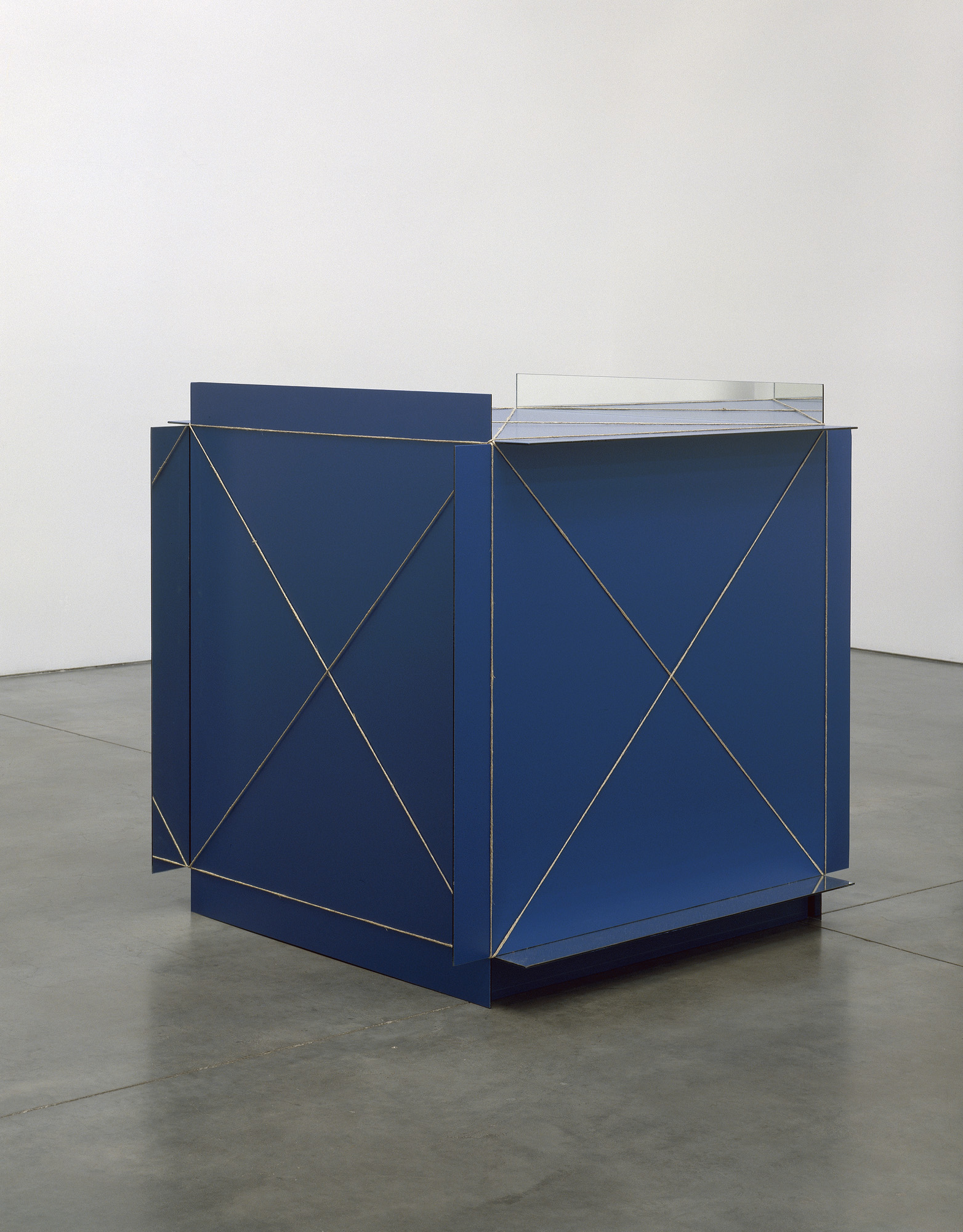
Infinity Cube (Metrocubo d’infinito) (A cubic meter of infinity), Michelangelo Pistoletto, 1966, The Rachofsky Collection and the Dallas Museum of Art through the DMA/amfAR Benefit Auction Fund

Untitled, Adam McEwen, 2011, DMA/amfAR Benefit Auction Fund

These images don’t do the artworks justice, so come see them for yourself before the exhibition closes January 27th.

Amy Copeland
Coordinator of Go van Gogh Outreach

What is Art?: Word Cloud Excercise

Today during Learning Lab, juniors at Booker T. Washington High School for the Performing and Visual Arts  explored Variations on Theme: Contemporary Art 1950s—Present. But before we dove into the artwork on the walls and our responses to it, we considered our preconceived ideas about the definitions, classifications, and limitations associated with the term art.

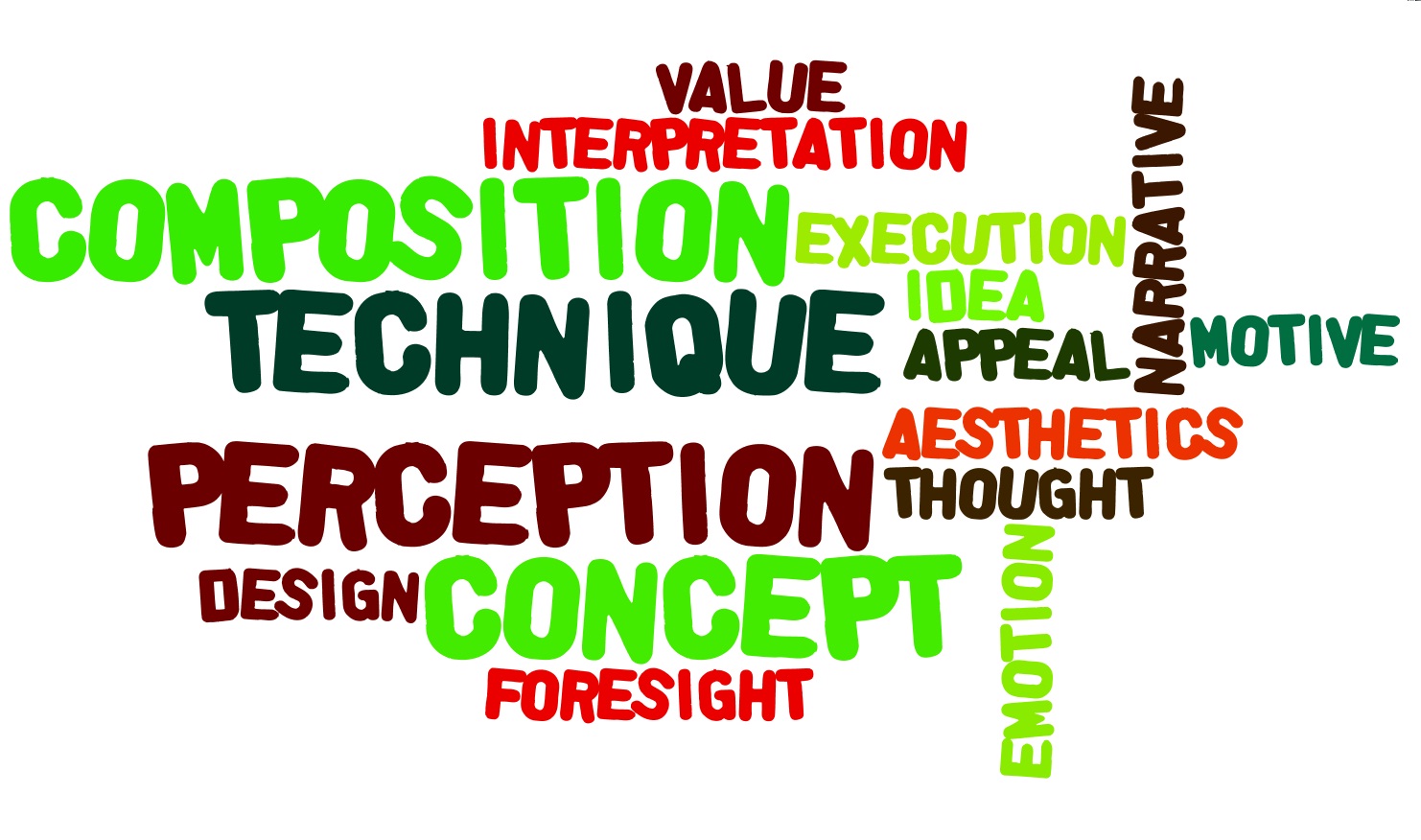
In small groups, the students defined art in five words. I used Wordle to create a word cloud with their definitions. (Wordle is a wonderful classroom resource for visually presenting textual content.) The larger, bolder words were words that multiple groups used to define art.

Composition, technique, perception, and concept stand out. Other words like value, design, and aesthetics relate to an artwork’s composition or visual elements. I loved that the students included words that reference an artist’s conceptual process, such as idea, foresight, thought, and motive. 

How do you define art?

Andrea V. Severin
Coordinator of Teaching Programs

Community Connection: Booker T. Washington Learning Lab

Being a part of the Dallas Arts District has its distinct advantages. One advantage is being located within walking distance of other arts institutions, making it easier to develop close and in-depth partnerships. For instance, we have just started the second year of our Learning Lab partnership with Booker T. Washington High School for the Performing and Visual Arts. In this partnership, DMA Education staff work with Visual Arts teachers to lead experiences and projects at the DMA and at the school (the school also partners in this way with the Dallas Theater Center and the Dallas Symphony Orchestra).

This year, Andrea and Shannon are working with Krystal Read and Leslie Eames and their junior portfolio classes.

Krystal Read

Describe this class and what you envision your students doing throughout the year.

Krystal: It’s a great opportunity since it’s taught by both a school instructor and museum educator, and students will be learning about different aspects of the art world. So, we’ll cover things like aesthetics, museum practices, and a little bit of contemporary art.  A lot of what they’ll be doing in class at school is preparing for their portfolio and getting career-ready.  I think the museum helps expose them to that type of professionalism.

Leslie: It is kind of a dual class, with two parts combined together.  One part is preparing the students for their senior year by writing resumes, making a portfolio, and all the things that come with being a senior at Booker T., such as a senior show and a portfolio day with visiting colleges.  We’re also preparing students who might want to go right into the workforce by showing them what the world has to offer them as artists.  The other half of our class is Learning Lab and working with the DMA and Shannon Karol.  Shannon visited our classroom earlier this week, and the excitement level was astounding. The students are very excited to learn about the behind-the-scenes preparation for exhibits.  Many don’t realize that you’re often not just an artist; you’re also a critic and a curator.

Leslie Eames with Gary Pierce Jr. and her son Madden

What are you most excited about or looking forward to in this partnership?

Krystal: I’m most excited about the interactive experiences and that so much of our class is taking place outside of the classroom.  I’m organizing an opportunity for them to possibly do an earth-friendly installation at Klyde Warren Park.  The students are doing something different in this class; a lot have a more classical, traditional training in art, so we’re forcing them to step outside the box.

For me, it’s also so exciting because I started off in museum education and I wanted to do more teaching.  I’m excited that those paths have finally crossed back over and somehow synced back together.

Leslie: I am excited that I get to learn as much as the students about the DMA.  I had no idea that I would be teaching this class, or that it existed.  As I met with my supervisor before school started, we went over course expectations and I just couldn’t believe what an awesome job I had and that I get to learn with the students.

What was a highlight of your summer vacation? 

Krystal: This past summer, I was overwhelmed with weddings, and I’m getting married myself. We’ve gone to so many weddings in the past few months.  We went to Houston for a wedding, and the next morning we went to The Breakfast Klub, a soul food brunch café that was amazing.  Breakfast is my favorite meal; I just love it.  As silly as it sounds, I was so excited about having good food.

Leslie: The highlight of my summer was taking a month off between my last job and this job and spending that month with my five-year-old son, which is something I’ve never been able to do.  He didn’t know what summer was; I’ve had him in Montessori up until now, so he didn’t know people had summers off.  We took a train ride to Oklahoma and a couple of different road trips, and made sure we had all the summer fun we could have.  We both learned we have summer vacation every year to look forward to.

Look for future blog posts about the fun and exciting experiences we’ll share with these students and teachers throughout the 2012-13 school year!

Melissa Nelson
Manager of Teaching in the Community

Friday Photos: Plumed Serpent Resources

Have you visited The Legacy of the Plumed Serpent in Ancient Mexico yet? I think there is wonderful opportunity for interdisciplinary exploration with this exhibition. A variety of cultures are represented, all of which were connected by a shared pictorial language that crossed geographic, ethnic, and linguistic boundaries. To learn more, check out the DMA’s online teaching materials related to the exhibition on CONNECT.

We recently added the following works of art to our exhibition resources:
[slideshow]

On September 8, 2012  the DMA will host a half-day workshop, Cacao, Codices, and Cross-Cultural Connections in Ancient Mexico. Workshop participants will investigate the exhibition The Legacy of the Plumed Serpent in Ancient Mexico and explore the artwork, narratives, and pictorial language that bridged the Toltec, Mixtec, Maya, and other disparate Mesoamerican cultures between A.D. 900 and 1521.

We would love to see you and your colleagues at this workshop or another one of our upcoming teacher workshops. You can register online or by contacting teacherprograms@DallasMuseumofArt.org

I hope everyone’s school year is off to a fabulous start!

Andrea V. Severin
Coordinator of Teaching Programs

Time to Ring in the New School Year

Last week, Go van Gogh staff and volunteers celebrated the upcoming new school year at our annual welcome back party. Generously hosted by Go van Gogh volunteer Deborah Harvey, the lively group gathered at her home for coffee, snacks, mingling and a very special private art tour. Growing up, the love of art was infectious in Deborah’s family and collecting became a beloved family tradition. Today, she has an impressive collection of exquisite original works. Deborah guided us through her home with charisma and charm relating fun facts and anecdotes about each piece. Check out pictures from the festive event in the slideshow below.

[slideshow]

I still can’t believe that summer is already coming to an end. I guess it’s true what they say, time flies when you’re having fun! But before we all get swept up into fall, I’d like to take a moment to celebrate some of the successes of this busy, yet fun, summer.

While school was out for the summer, Go van Gogh staff and volunteers traveled all over the city, bringing interactive art programs to your neighborhood libraries, YMCAs, and Boys & Girls Clubs. Through the Go van Gogh Summer Library Program we taught at over fifty venues with a staggering total of 1,393 participants. Although library programs are recommended for ages five-twelve, anyone is welcome and encouraged to participate. Reflecting back, many volunteers have expressed how much they enjoyed interacting with entire families that included children as well as parents. Receiving positive feedback from parents, volunteers, and librarians has been a highlight of this year’s program. I have provided just a couple of these such comments below.

May Shen, Children’s Librarian at Arcadia Park Branch Librar, wrote:

The children were engaged in the museum artwork, made good observations, and had a lot of fun with their own creations.  I was thrilled to see how involved the parents were as well!”

Karen Wyll, a Go van Gogh volunteer shared:

The parents were very complimentary and so pleased to be there.  Both programs were a very positive experience for everyone, I think.”

It’s been a wonderful summer, and I look forward to a fantastic new school year.

Hannah Burney
Community Teaching Programs Assistant

Urban Armor Street Art Camp with Isaac Davies

Guest Artist Isaac Daniel Davies

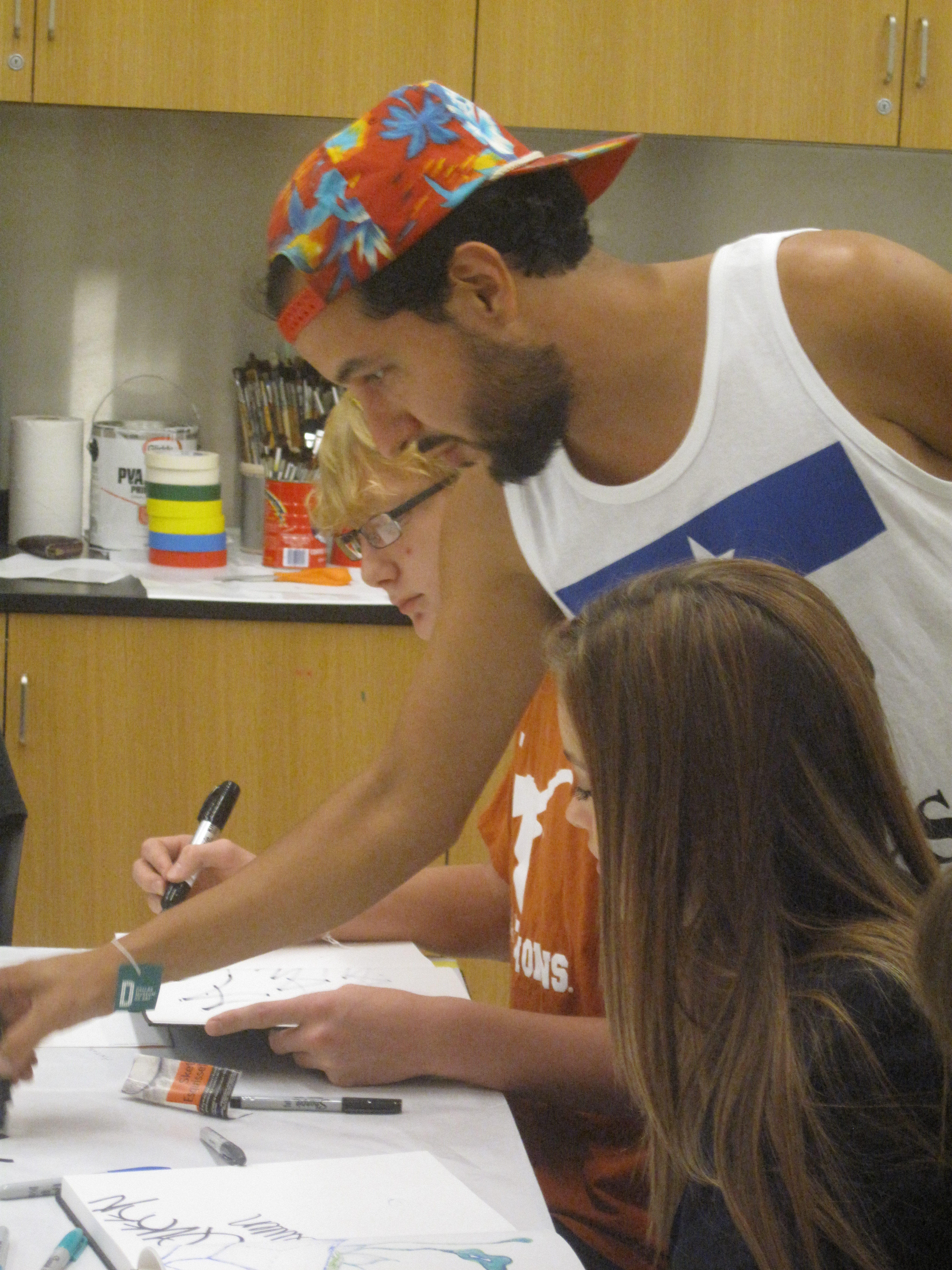
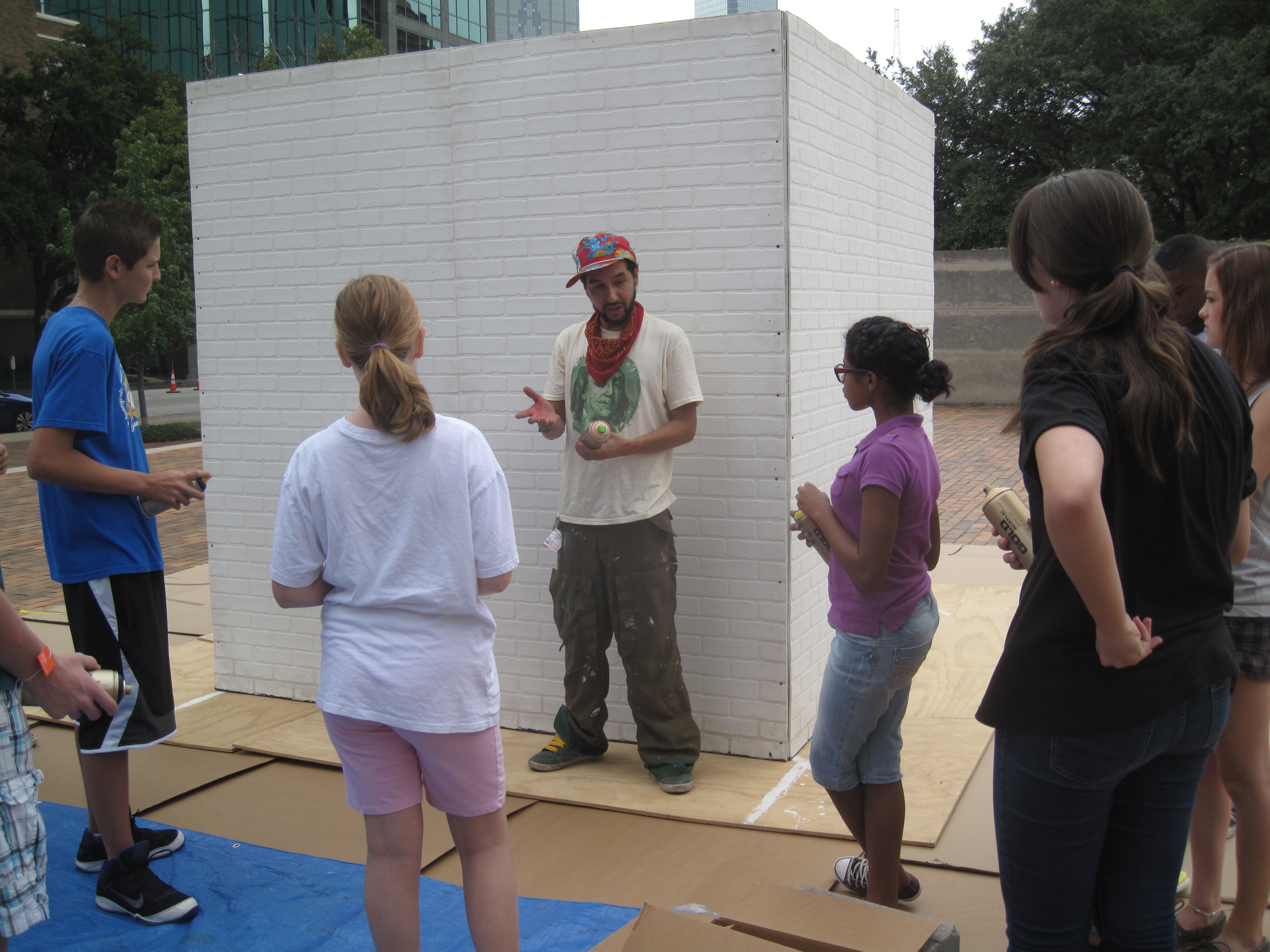
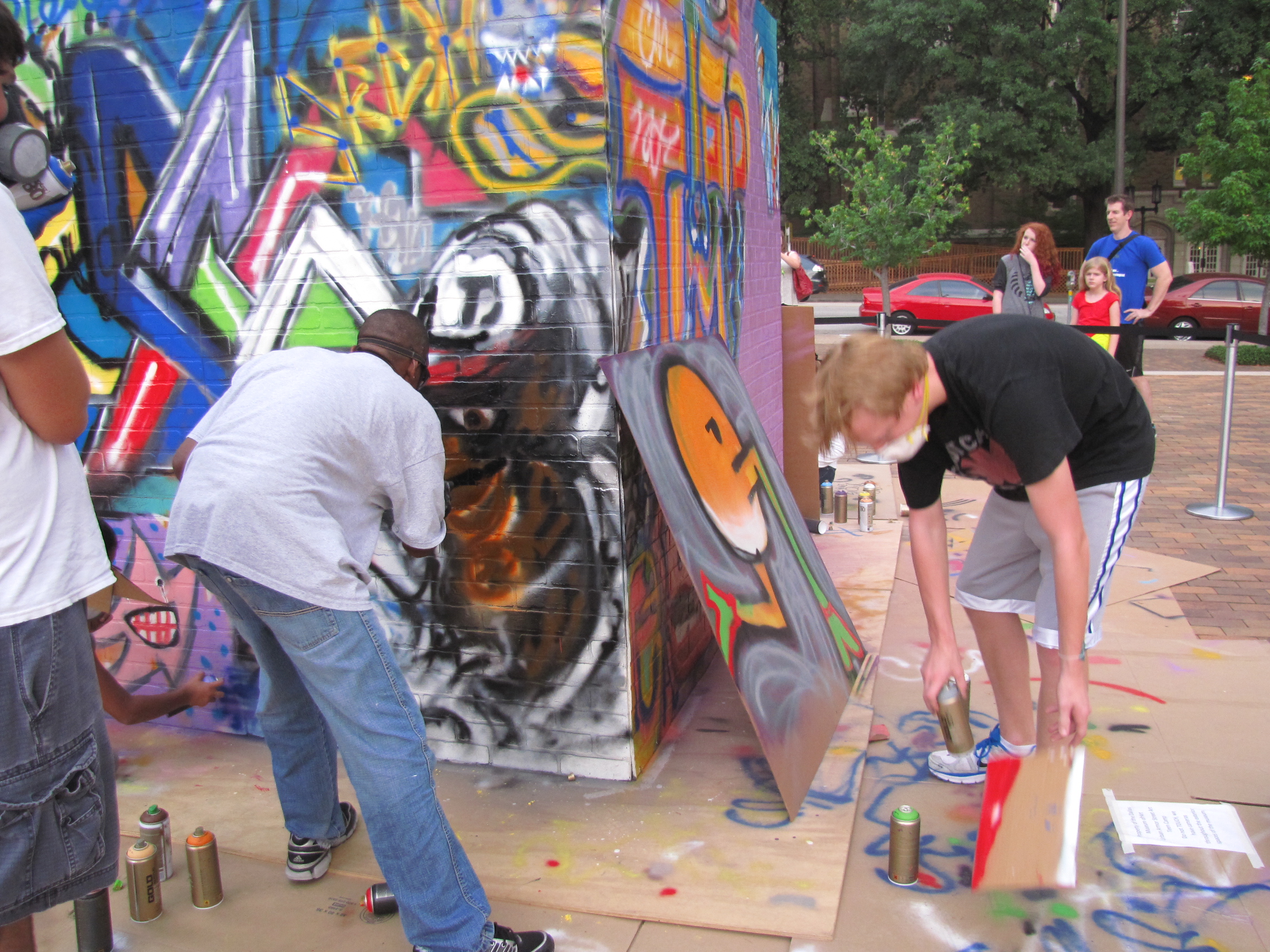
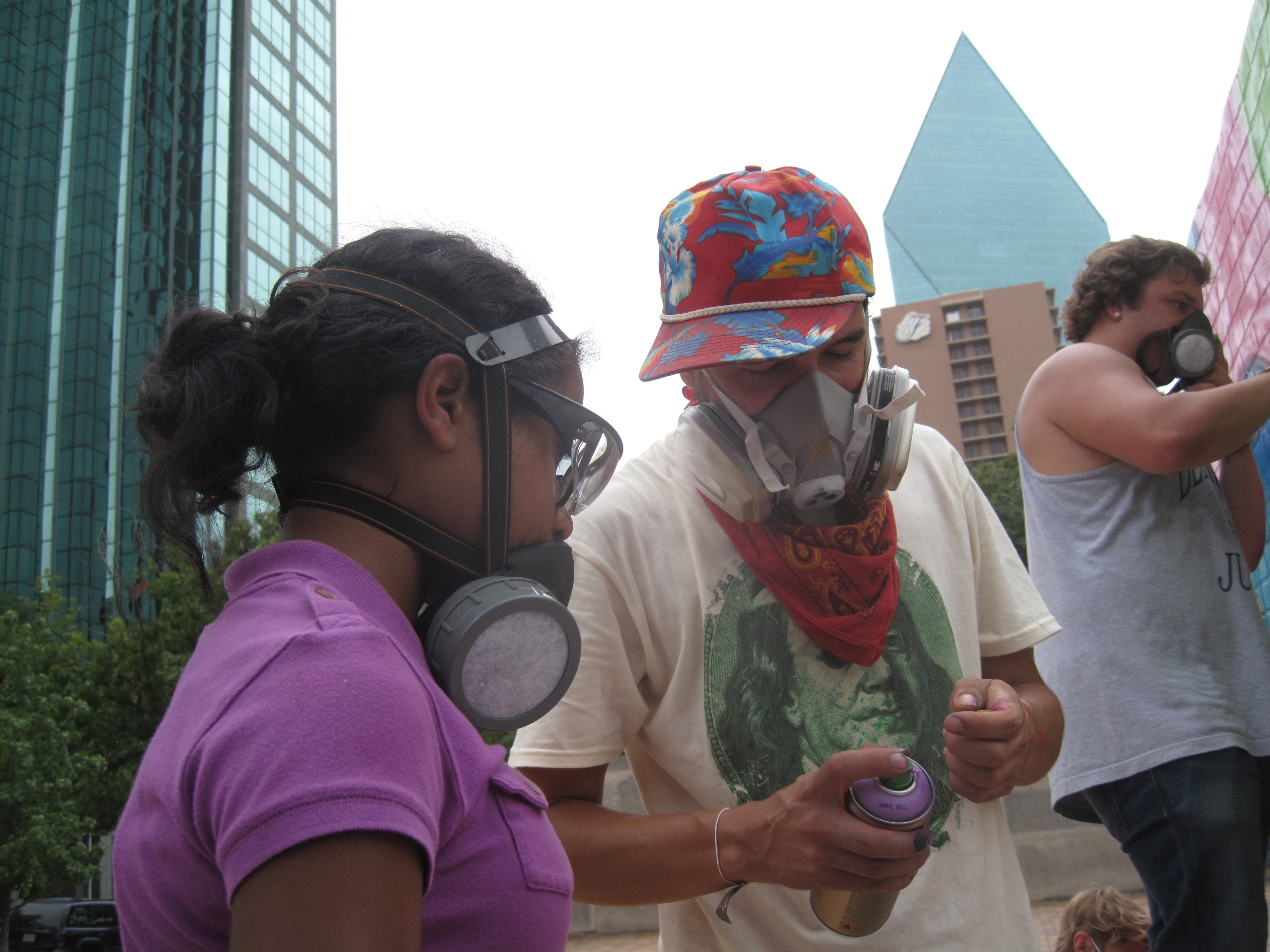
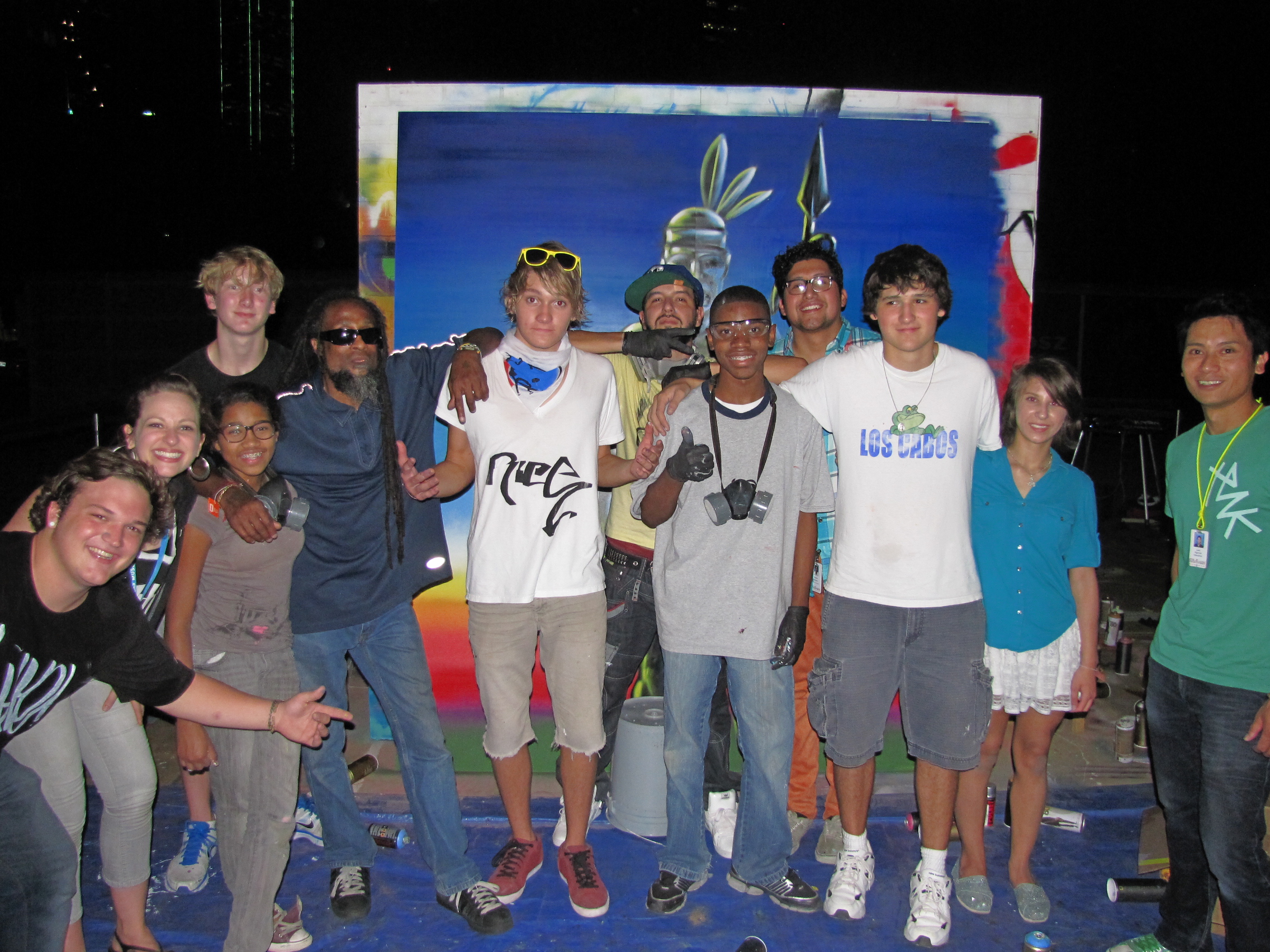
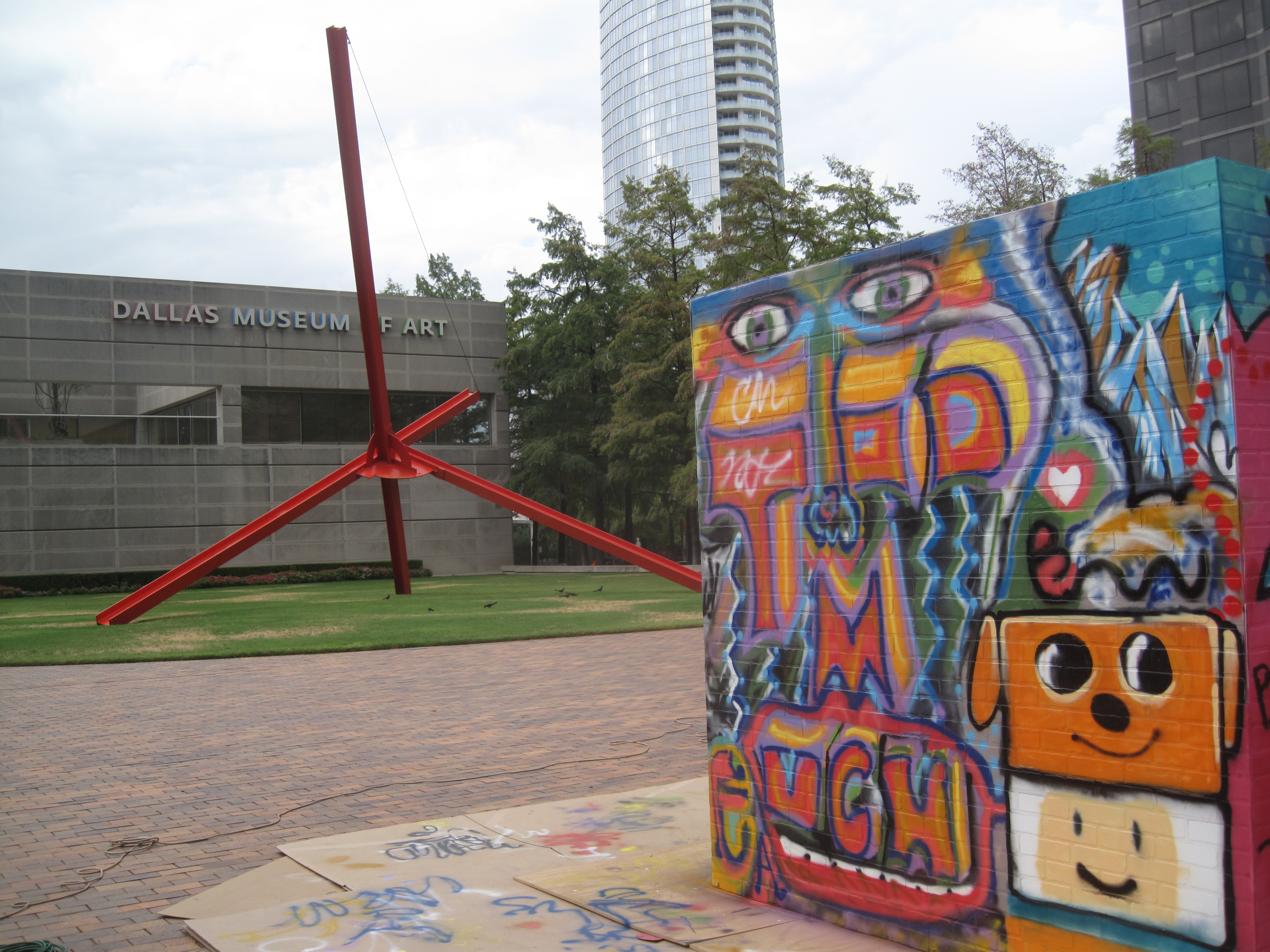
Urban Armor is the Dallas Museum of Art’s unique program for tweens and teens.  These photos highlight the first summer camp  for this age group focused on identity through street art.

During this camp, students developed new ways to express themselves with the assistance of our Urban Armor teachers Amanda Batson, JC Bigornia and guest artist Isaac Davies.

Teens Working

Isaac Daniel Davies and Urban Armor student

Late Night Camp Demo with Isaac Daniel Davies, Anthony Gonzales,  DJ EZ Eddie D, Amanda Batson, JC Bigornia, and Urban Armor students

Completed

For upcoming Urban Armor programs, please visit our website.

Amanda Batson
C3 Program Coordinator

Top Ten List of New and Upcoming Programs and Events

  1. iMuseum 2.0 Late Night:  Our September 21st Late Night is a not-to-miss night of new, experimental, and interactive programs.  Among them are a Choose Your Own Adventure tour and your chance to text a work of art with your questions.
  2. New acquisitions on viewCurrent exhibition Variations on Theme: Contemporary Art 1950s-Present features more than a dozen of the Museum’s 2011 and 2012 new acquisitions.  Check out online versions of the Museum’s Annual Reports and What’s New to keep up with our recent acquisitions, and then come see them at the Museum.
  3. Art-making in Posters of Paris. An art-making area in the upcoming Posters of Paris: Toulouse-Lautrec and His Contemporaries exhibition will provide visitors with everything they need to create their own artistic poster.  Leave a copy of your creation at the Museum (to be posted on a wall in the exhibition), and take the real thing home for the fridge!
  4. Staff Art, Staff Selections.  Visit in November to see an exhibition with artworks created by staff members.  Also on view in the Center for Creative Connections is our Personal Point of View series where a Museum staffer is invited to select and respond to an artwork for the main gallery space.
  5. Book Talk.  A book club-style event, Book Talk brings together Museum members (Sustainer level and above) for exhibition-inspired book discussions, exclusive lectures and tours, and author meet & greets.
  6. Klyde Warren Park Opening & Art Beyond Sight.  On Saturday, October 27th and Sunday, October 28th, the DMA takes art-making activities into Klyde Warren Park for their grand opening.  In honor of Art Beyond Sight Awareness month, we are focusing on experiencing art with senses other than vision. Sketch a nature scene, and then use scented paint to create your scene based on how it might smell.
  7. Karla Black: Concentrations 55:  As part of Concentrations—a series of project-based solo exhibitions by emerging artists— artist Karla Black will transform our Hoffman galleries with a sculptural installation.
  8. Urban Armor: Programs for Teens & Tweens.  As someone who discovered her love of art as a teenager, I’m pretty excited about the new suite of programs we offered are offer for a teen/tween audience. Urban Armor recently wrapped up a two-day graffiti project with a local artist and will kick off its Open Lab program this Sunday, August 26th, from 1:00-3:00pm.
  9. Arts & Letters Live presents Chris Cleave. On Tuesday, October 9th, the New York Times bestselling author of Little Bee will discuss his newest novel.  Chris Cleave’s Gold is a tale of friendship between two female cyclists and how they traverse the shifting sands of ambition, loyalty, and love on the eve of their last Olympics.
  10. Thinking Creatively Workshops.  I’m cheating a little with this one; it isn’t new to us, it’s just a great program. Starting September 13th, creativity expert Dr. Magdalena Grohman will lead a monthly Thursday evening Thinking Creatively workshop. The experience will begin with creative thinking exercises and conclude with a making activity that builds on ideas generated during the exercises. Workshops will be held on October 11th, November 8th, and December 6th, all from 6:30 p.m.-8:30 p.m. in the Center for Creative Connections.  To get a taste of what you can expect, check out our Teaching for Creativity series; many featured activities are inspired by Dr. Grohman’s past workshops.

Amy Copeland
Coordinator of Go van Gogh Outreach


Archives

Categories