Archive Page 16


Identity in Clothing and Objects: New Additions to C3

Just in time for summer, the Center for Creative Connections welcomed new works into the gallery. Communication will be the continued theme of the space, but recent additions from the DMA’s collection will bring focus to how clothing, objects, and accessories can communicate a significant narrative about ways subjects can be portrayed.

IMG_4550

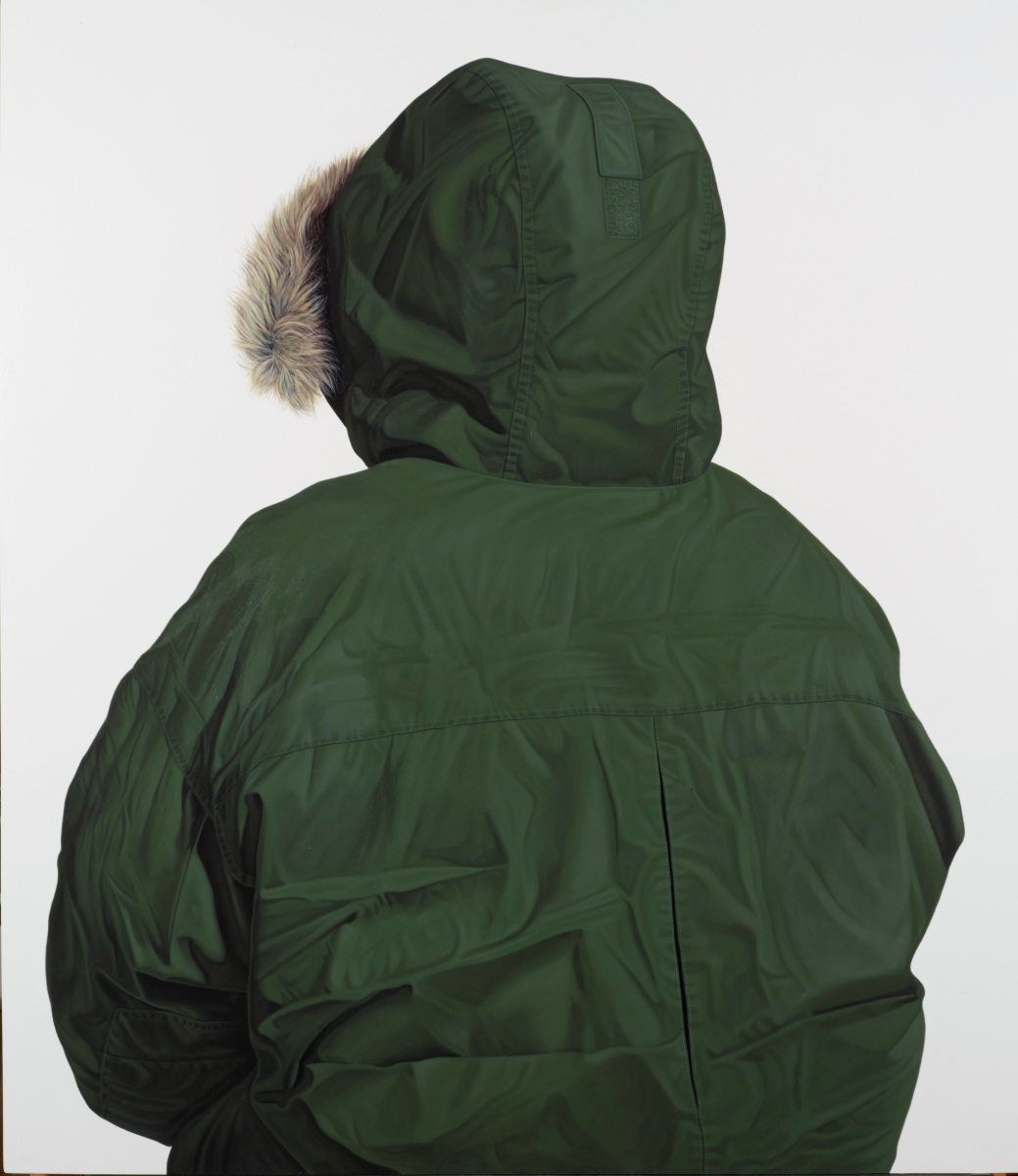
Works from our contemporary collection exemplify how objects and clothing can be used to conceal a direct identity. Karel Funk’s hyper-realistic Untitled #21 explores a portrait that was based off people he would see during cramped commutes on a New York City subway. Funk would often notice unique social codes that allow passengers to closely scrutinize each other’s appearances. The lack of identity shown here challenges us to consider how this subject’s persona could quickly change with each visitor’s interpretation.
 

2010_28_o2

Karel Funk, Untitled #21, 2006, acrylic on panel, The Rachofsky Collection and the Dallas Museum of Art through the TWO x TWO for AIDS and Art Fund, 2010.28, © Karel Funk

To the left of Untitled #21 is one of Félix González-Torres’s most prolific works, Untitled (Perfect Lovers). Two clocks are typically not what come to mind when we think of portraiture, but González-Torres was able to poignantly capture the love between he and his partner, Ross Laycock, who struggled with AIDS until his death in 1991. The piece consists of two store-bought clocks, hung side-by-side and synced to begin at the same time. Over time, the clocks naturally fall out of sync, representing the mourning of a loved one who gradually slips away from you.

2001_342_A_B_alt_o2

Félix González-Torres, Untitled (Perfect Lovers), 1987-90, wall clocks, Dallas Museum of Art, fractional gift of The Rachofsky Collection, 2001.342.a-b, © The Felix Gonzalez-Torres Foundation, courtesy of Andrea Rosen Gallery, New York

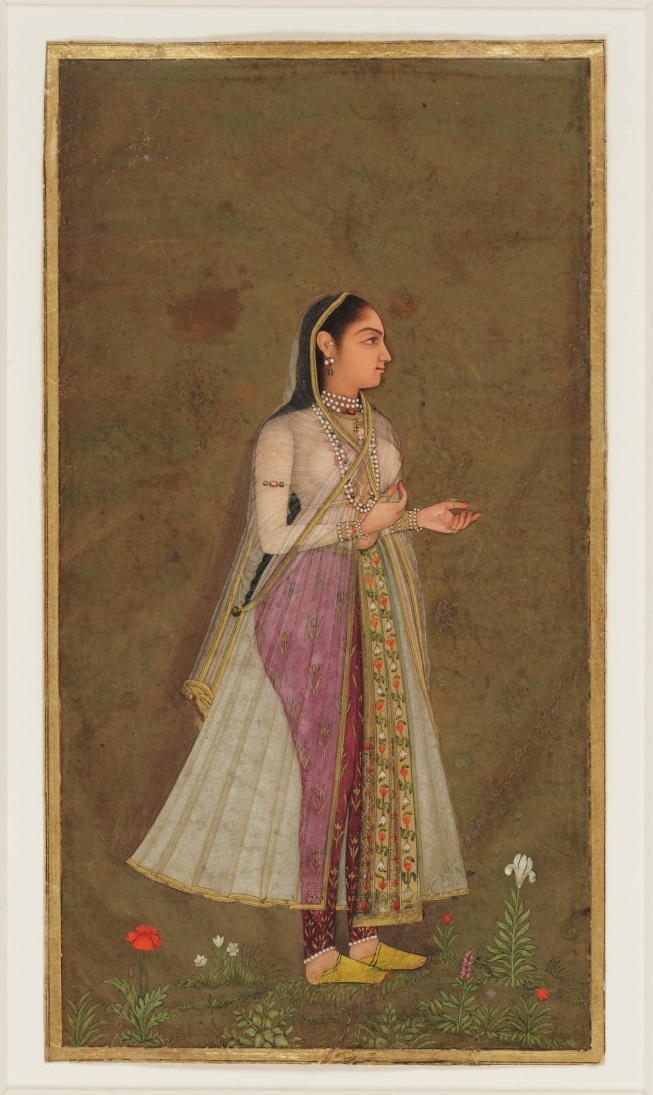
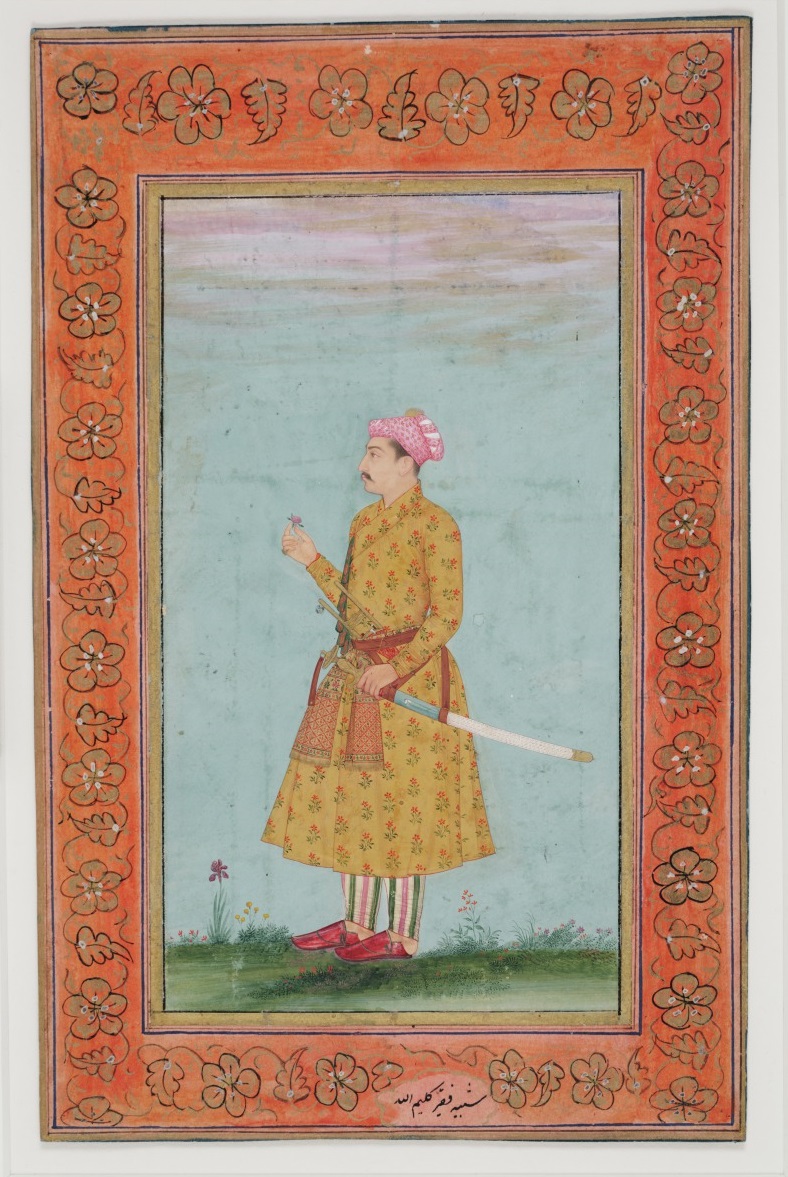
We made sure to broaden the works to encompass a more global perspective from across the collection. This helps visitors understand that for centuries art and objects from across cultures have been used to convey a ceremonial practice, style of dress, or social status. A double-breasted gown (called a jama) and jewelry made of pearls and precious gems, seen in two small watercolor works on paper from the Mughal dynasty in India in the 17th century, draw attention to the figures’ wealth and social status as nobles in the community.

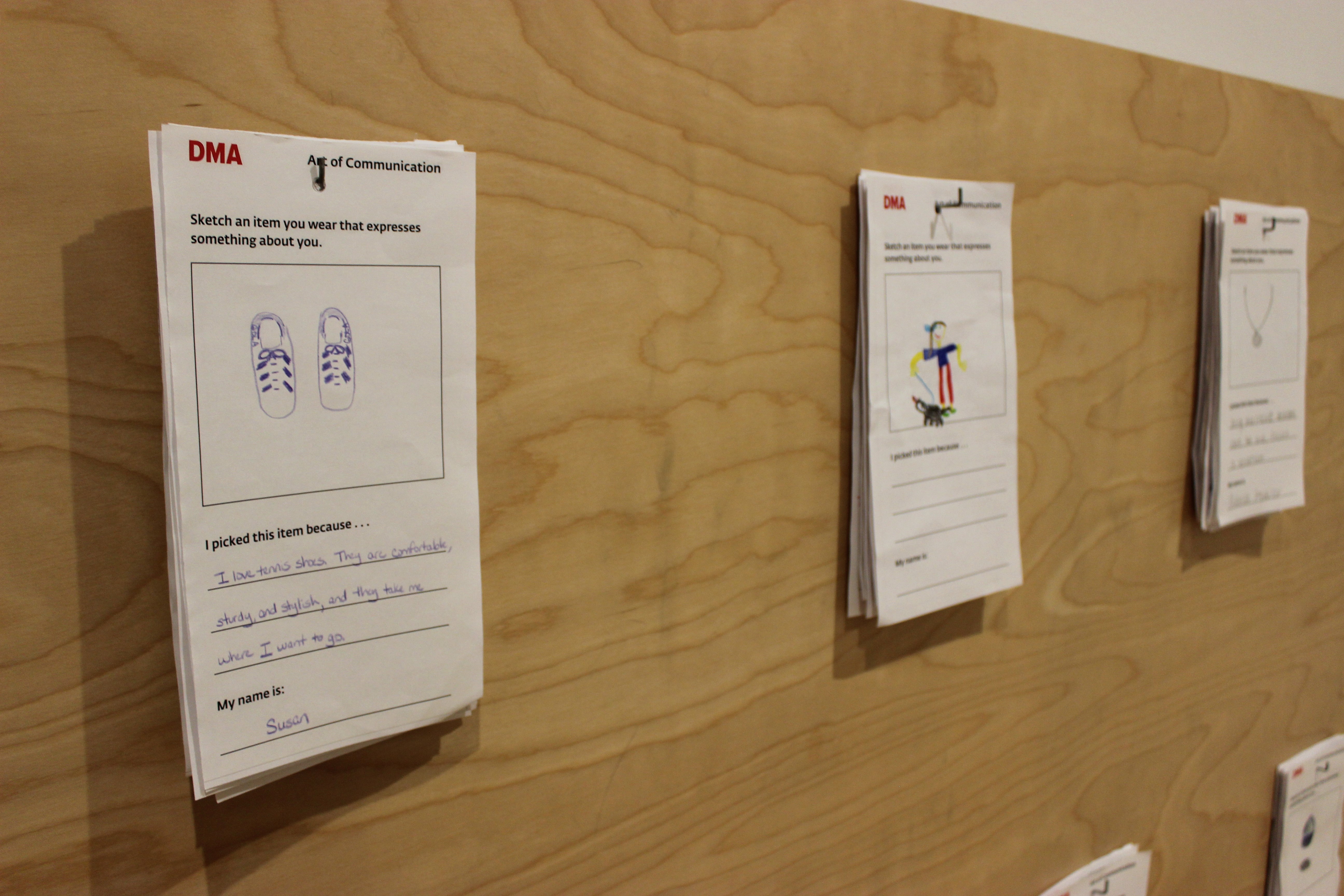
One of my personal favorite additions to the gallery are cases encompassing two personal objects belonging to DMA staff members. We had an open call to DMA staff to submit a wearable item that expressed something unique about them. Brian MacElhose, Collections Database Analyst, retired his worn-down skate shoes to express his passion for skateboarding. Carrie Schimpff, Executive Assistant to the Director of Development, chose her stunning horse-riding jacket, which was handcrafted and designed by her mother to symbolize the countless hours they spent (from ages 7 to 18) bonding while driving cross country to horse shows. Next to these cases, we are inviting visitors to draw and describe their own personal clothing and accessories that convey something important about them to display among the works.

IMG_4560

Visitors viewing Carrie Schimpff’s horse riding jacket in the C3 gallery
IMG_4567

Visitors can leave their own reflections on how personal objects convey something meaningful about them.

Be sure to venture through the Center for Creative Connections on your next visit to view these works and discover how you can see art in a new way.

Kerry Butcher is the Center for Creative Connections Education Coordinator at the DMA.
Who Are the Guerrilla Girls?

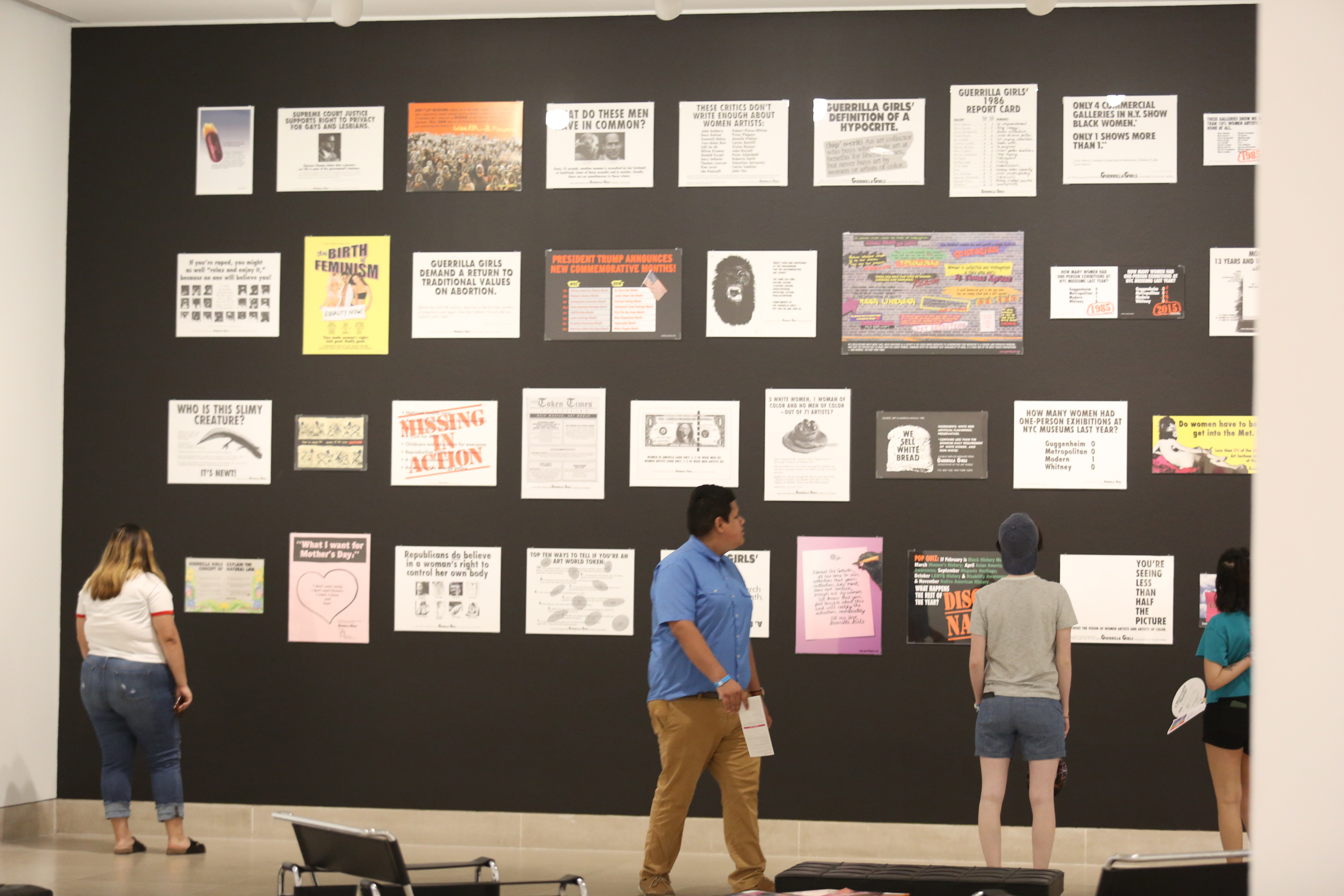
We’re excited to have selections from the Guerrilla Girls’ Portfolio Compleat on view through September 9, 2018, in the Rachofsky Quadrant Gallery. But you might be wondering “who are the Guerrilla Girls” . . .

In their own words:

The Guerrilla Girls are feminist activist artists. Over 55 people have been members over the years, some for weeks, some for decades. Our anonymity keeps the focus on the issues, and away from who we might be. We wear gorilla masks in public and use facts, humor, and outrageous visuals to expose gender and ethnic bias as well as corruption in politics, art, film, and pop culture. We undermine the idea of a mainstream narrative by revealing the understory, the subtext, the overlooked, and the downright unfair. We believe in an intersectional feminism that fights discrimination and supports human rights for all people and all genders. We have done over 100 street projects, posters, and stickers all over the world. . . . We also do projects and exhibitions at museums, attacking them for their bad behavior and discriminatory practices right on their own walls. . . . We could be anyone. We are everywhere. (guerrillagirls.com)

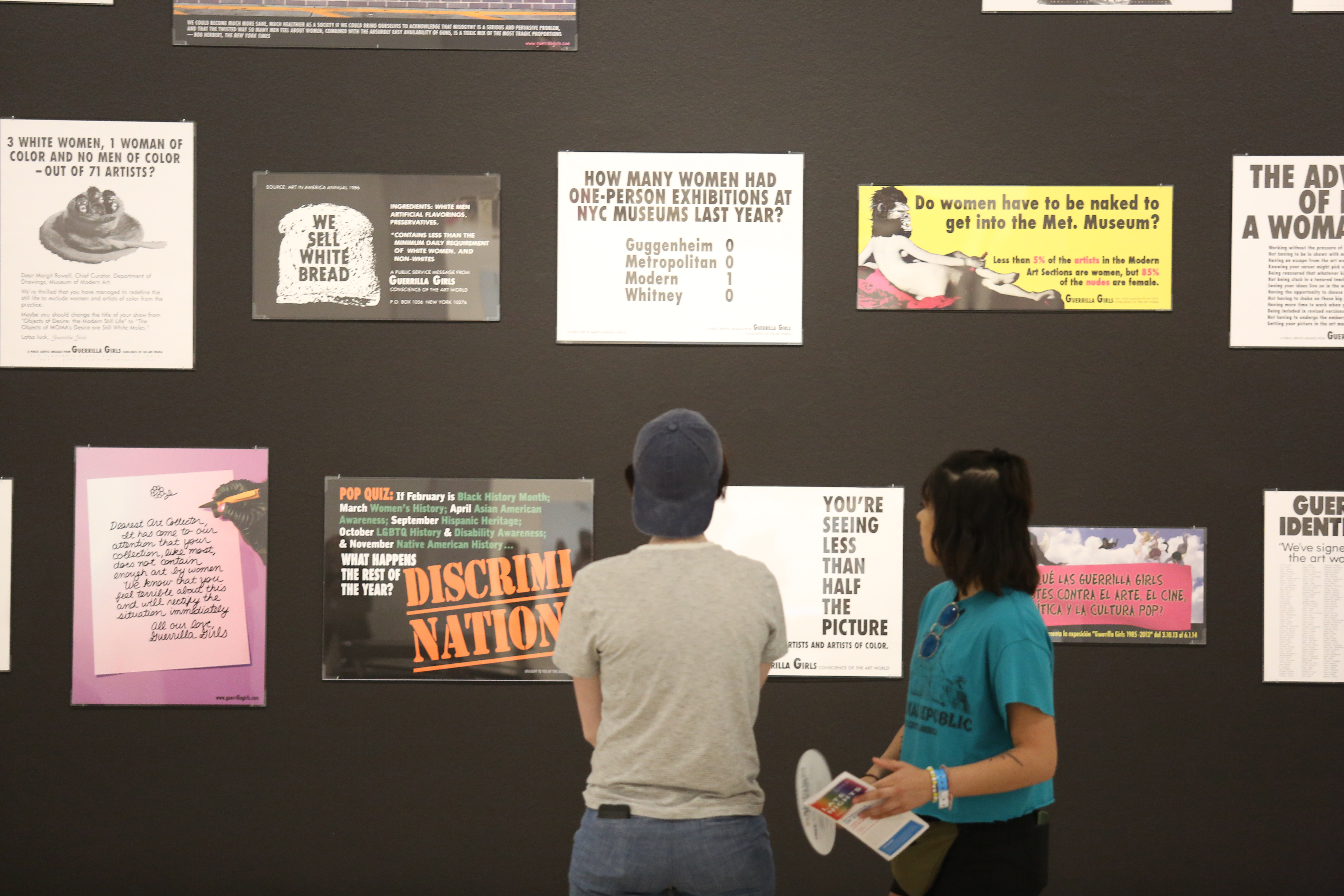
The Portfolio Compleat is a new acquisition to the DMA’s collection. The works span more than two decades, but many of them are now as relevant as ever. Since they started, the Guerrilla Girls have been prolific, accumulating a large catalogue over time. We chose to display the works as you see them below, so that visitors can read a large number of the posters and see the wide reach of their artistic complaints.

29009003548_cb01061c3d_o

The videos in this space point to issues like the lack of non-male, non-white representation within specific institutions. As a large, encyclopedic museum, the DMA could be listed among the museums under critique. In recent years, our curators have sought to be more inclusive in the works we show and collect. Currently on view are many works and multiple exhibitions by women artists. But, of course, this is an ongoing conversation with a long road ahead.

In the central seating area, we have provided books created by the Guerrilla Girls that are reminiscent of zines. Zines are self-published magazines or artist books associated with niche subcultures that are usually produced via photocopier and distributed for low to no cost. They gained popularity in the US in the 1990s as an artistic expression, but the format has long existed as a method of political dissent.

Many of the Guerrilla Girls’ works and books are available for purchase on the group’s website. They try to make them accessible to typical museum visitors rather than art collectors. This allows their viewers, and anyone who is so inclined, to become an art collector instead of perpetuating a system where the same one percent decide the direction of the art world. According to the group’s website, “Everything you buy supports our efforts to expose discrimination and corruption!”

Zines, posters, and Guerrilla-style videos are something that anyone can create for a relatively low cost. The Guerrilla Girls’ message is all about breaking down barriers to art to show that it can be cheap to create, easy to disseminate, and indiscriminate in whose message is important. This is also why they use the style of street advertising and employ humor and pop culture to get their message across.

42162936854_2a7942b3d8_o (1).jpg

The Guerrilla Girls are now internationally relevant and more active than ever. We are pleased to present this portfolio to the public and encourage its message of thoughtful and critical viewership.

Skye Malish-Olson is an Exhibition Designer at the DMA.

America the Beautiful

Happy Independence Day! Many of you likely have exciting activities on your agenda today, like proudly parading through the streets, chowing down on some backyard BBQ, watching the night sky illuminate with sparkling bursts of color, or all of the above. For those of you in need of some balance between raucous outdoor festivities and quieter, more subdued plans, today is a great time to visit the DMA and stroll through the American art in our collection. The Museum is open today from 11:00 a.m. until 5:00 p.m.

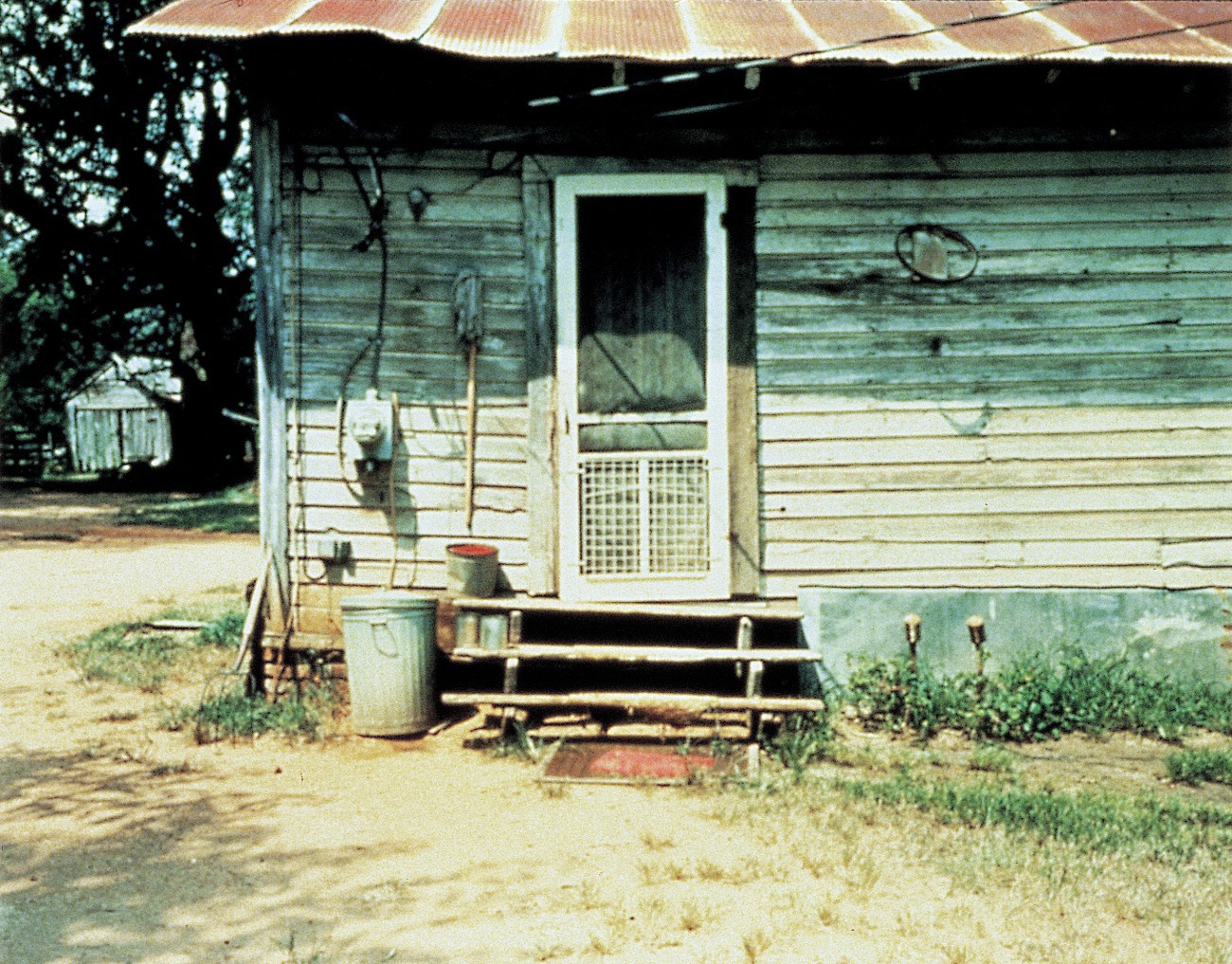
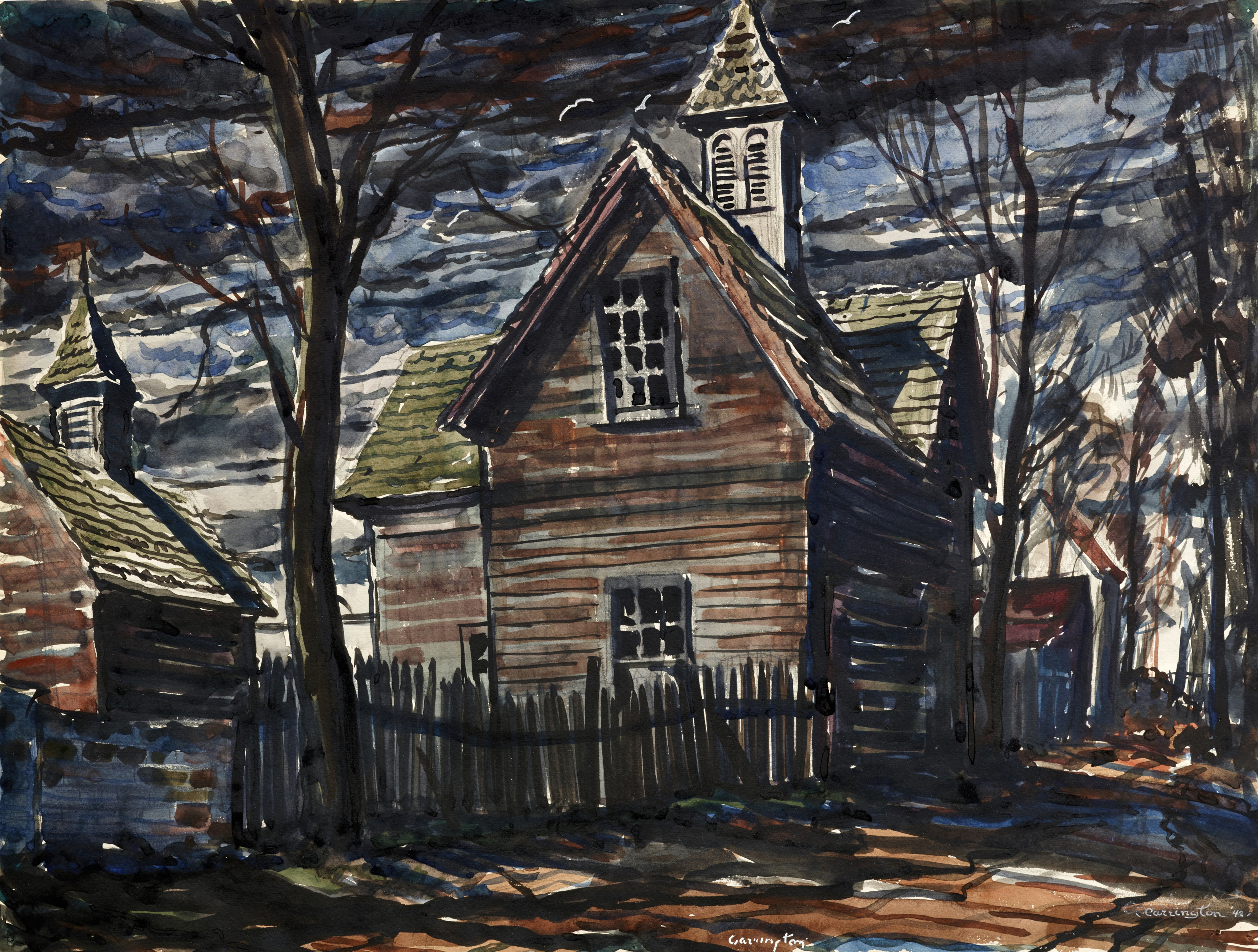
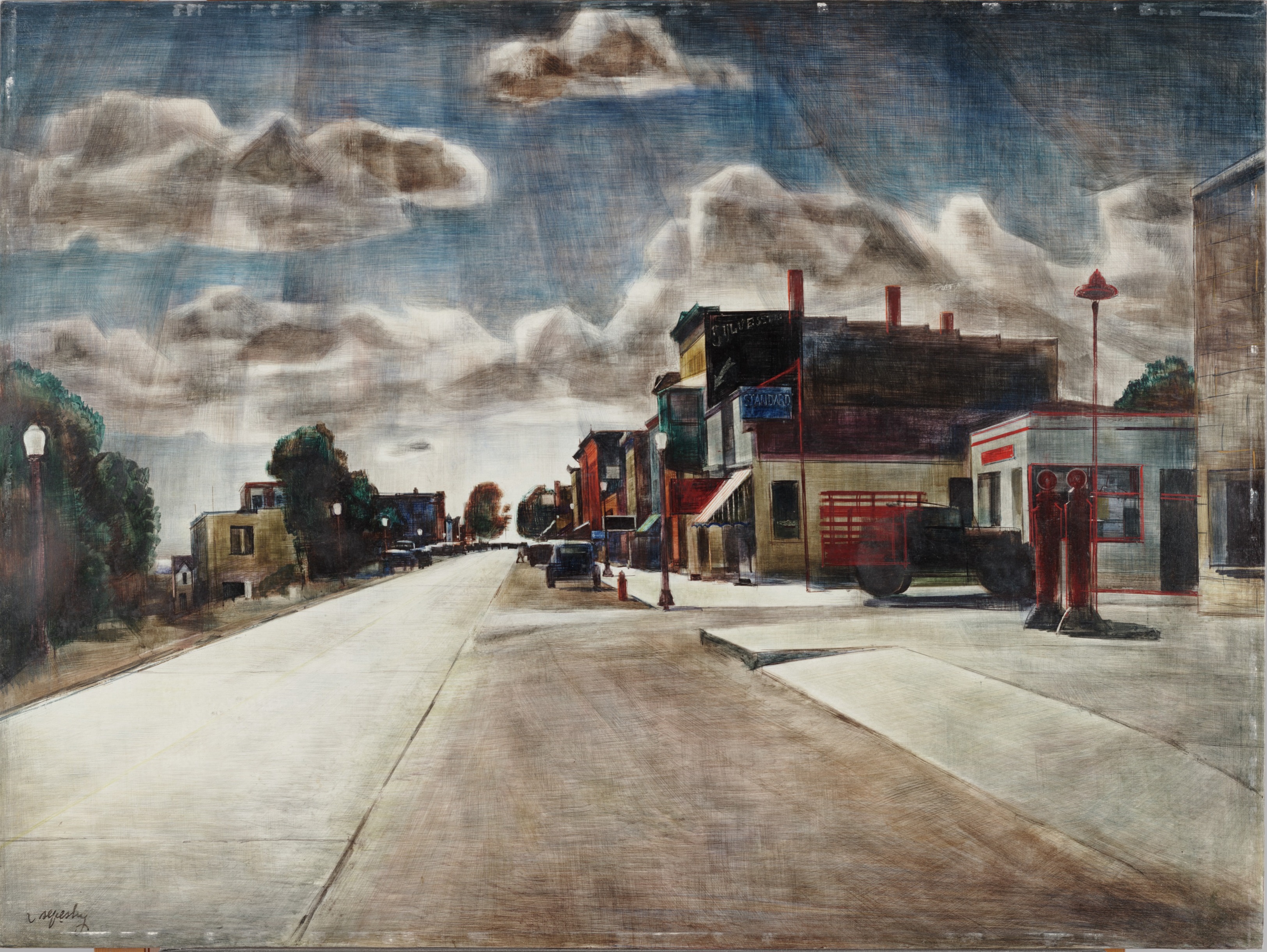
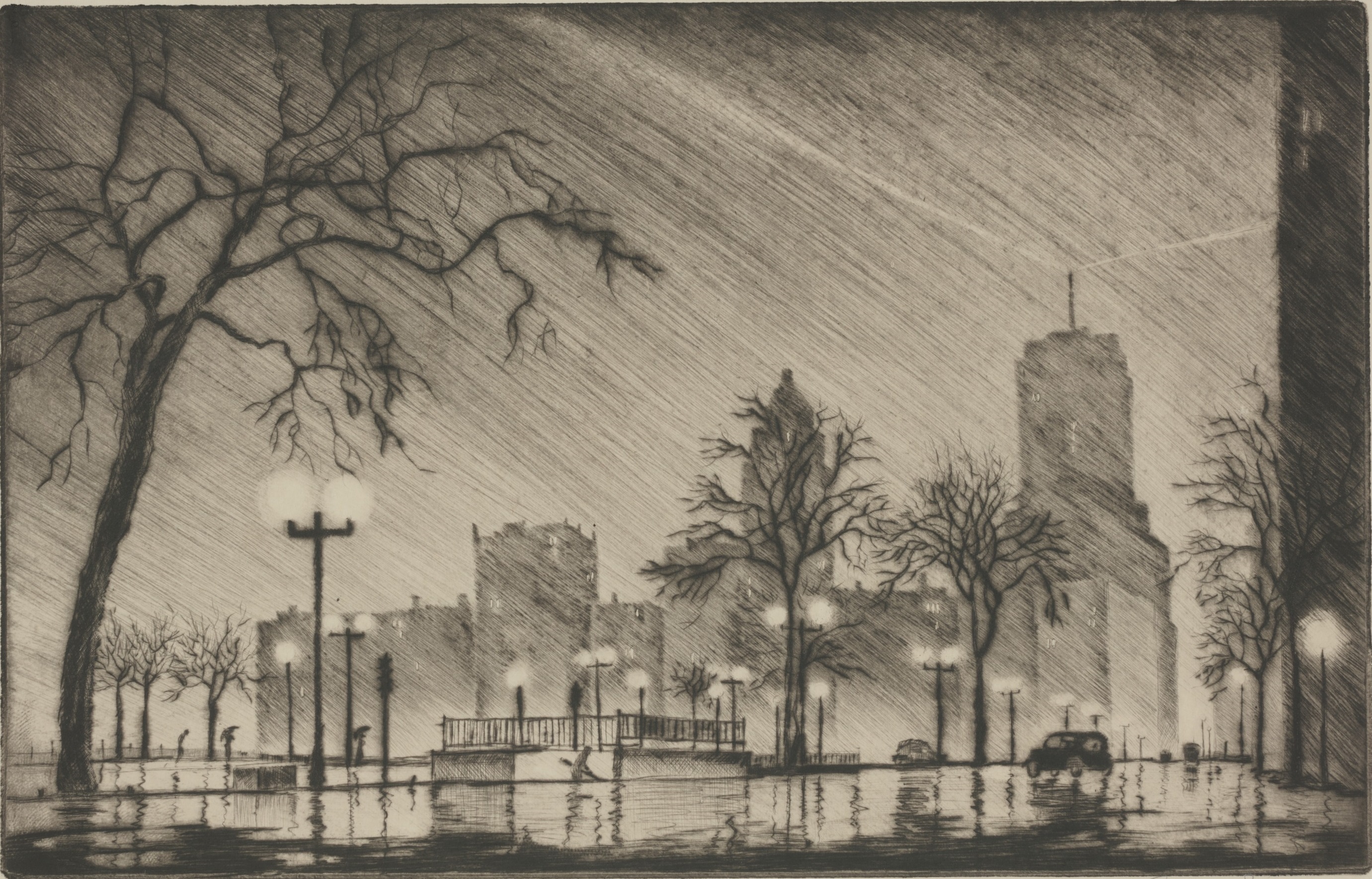
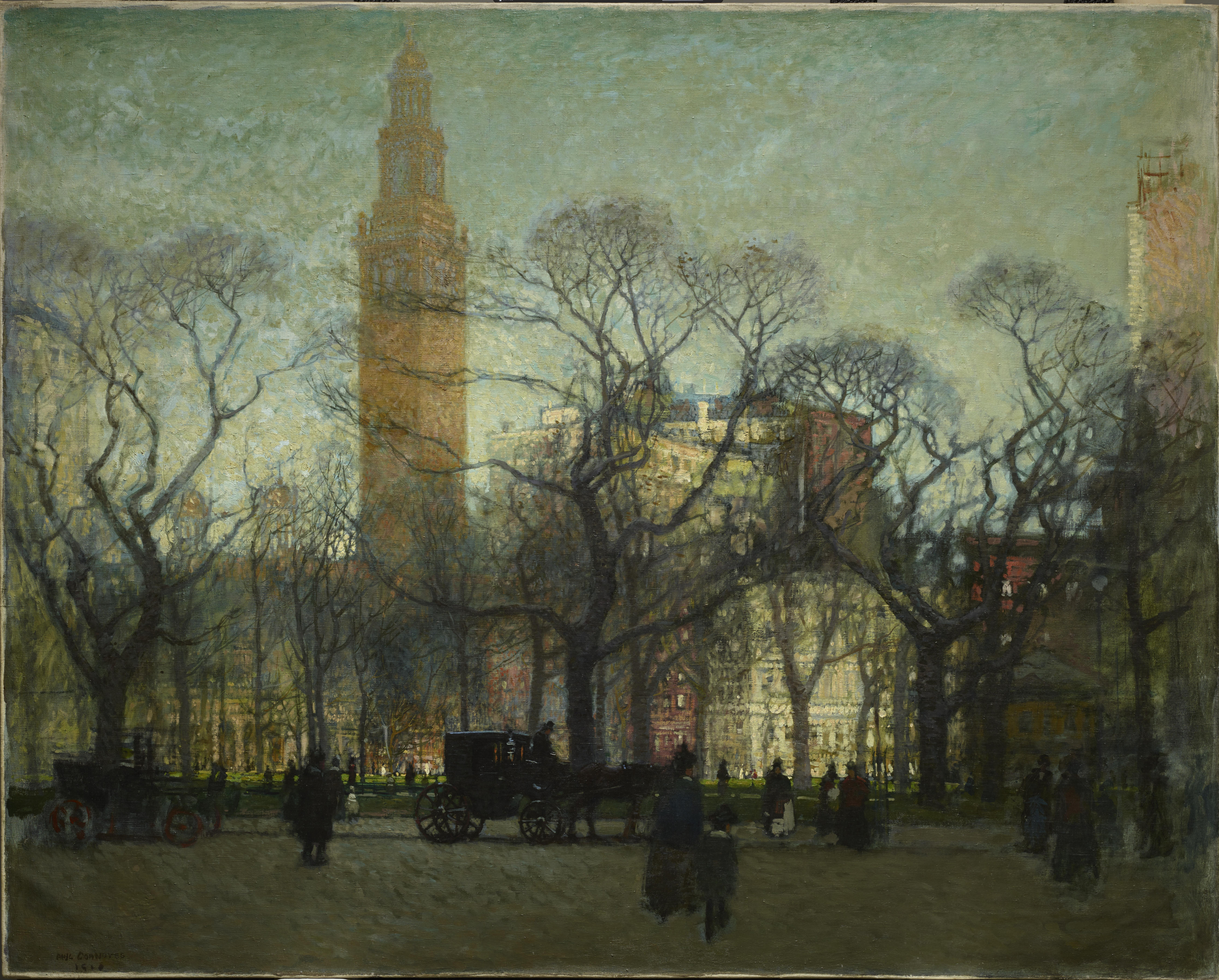
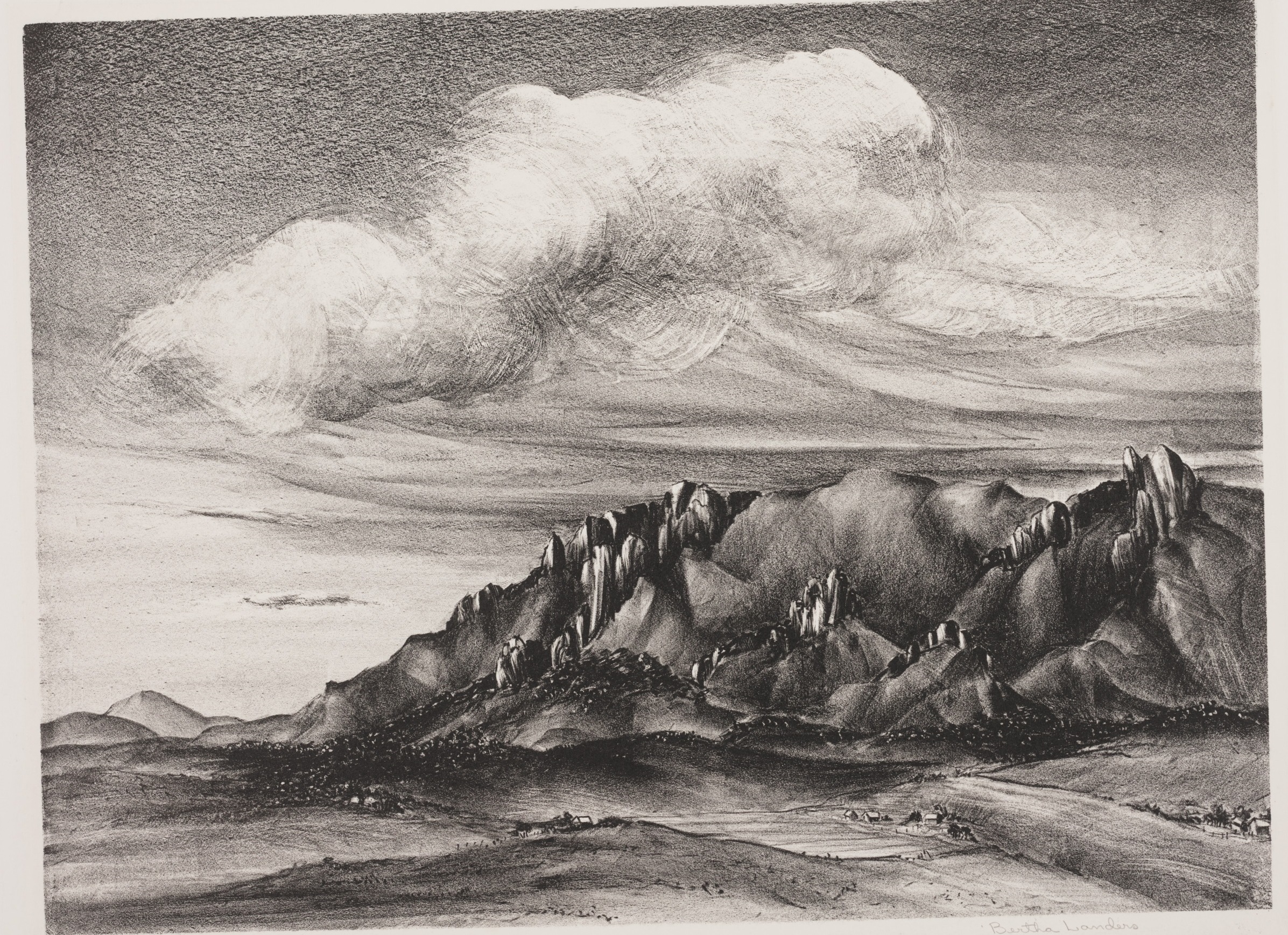
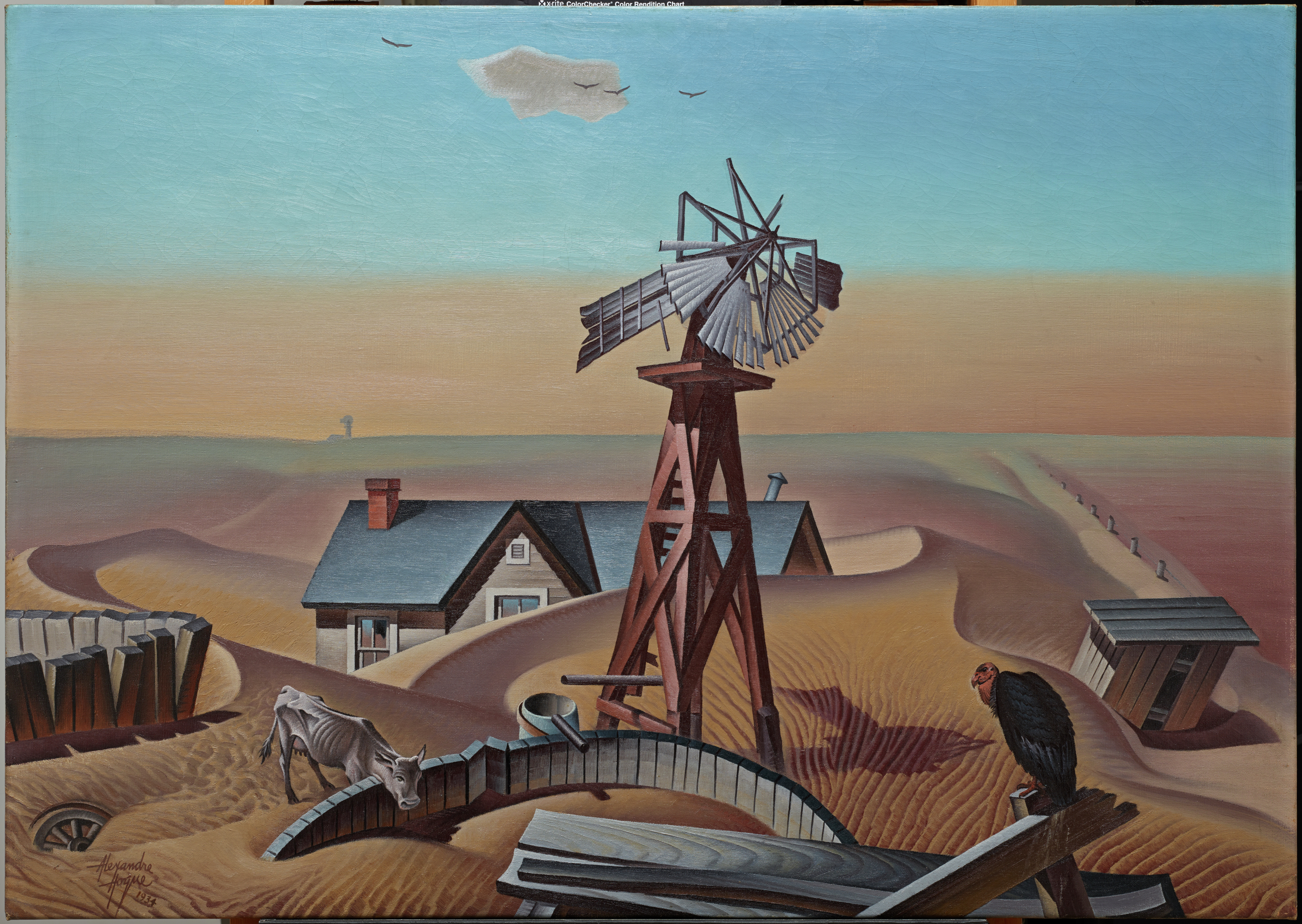
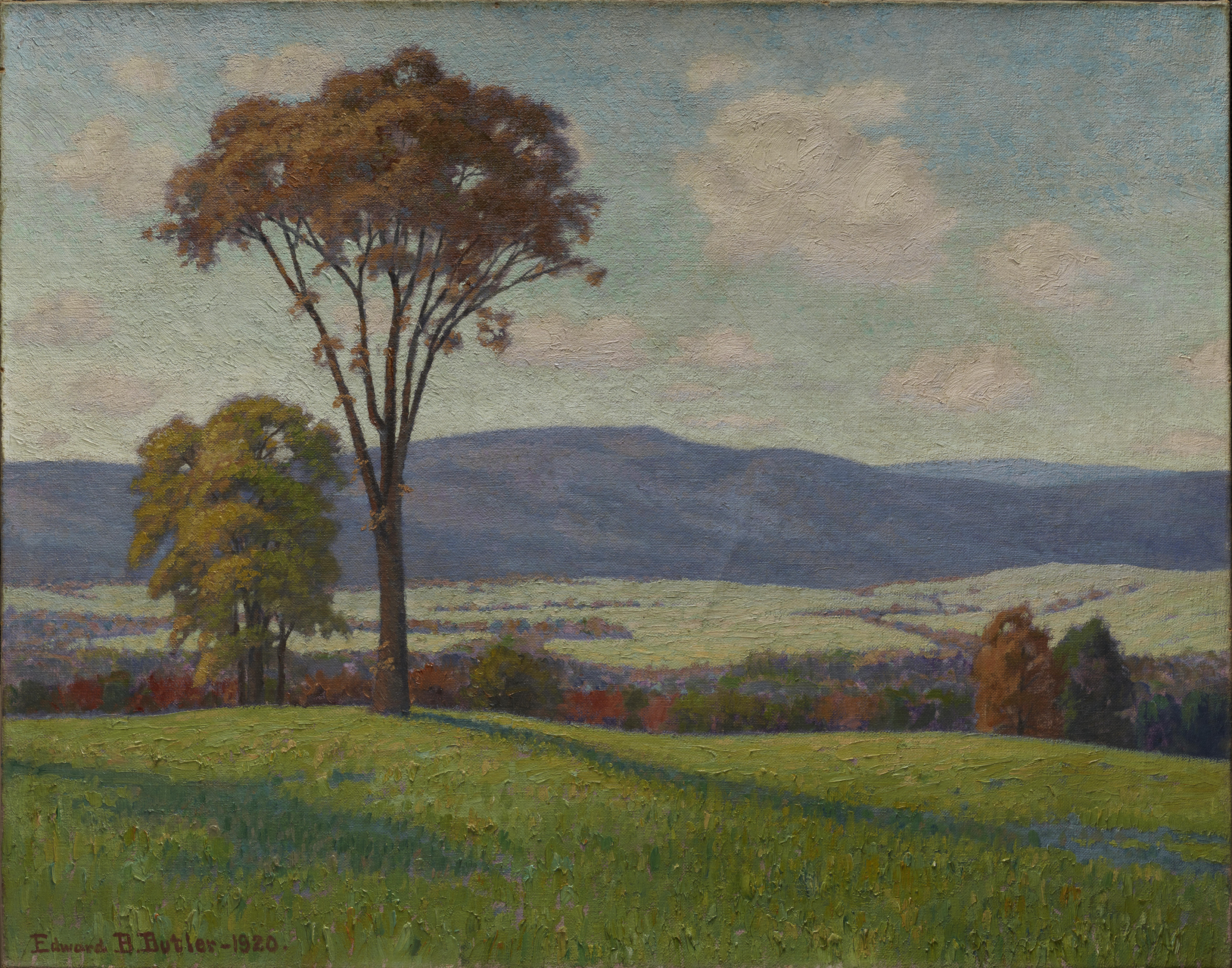
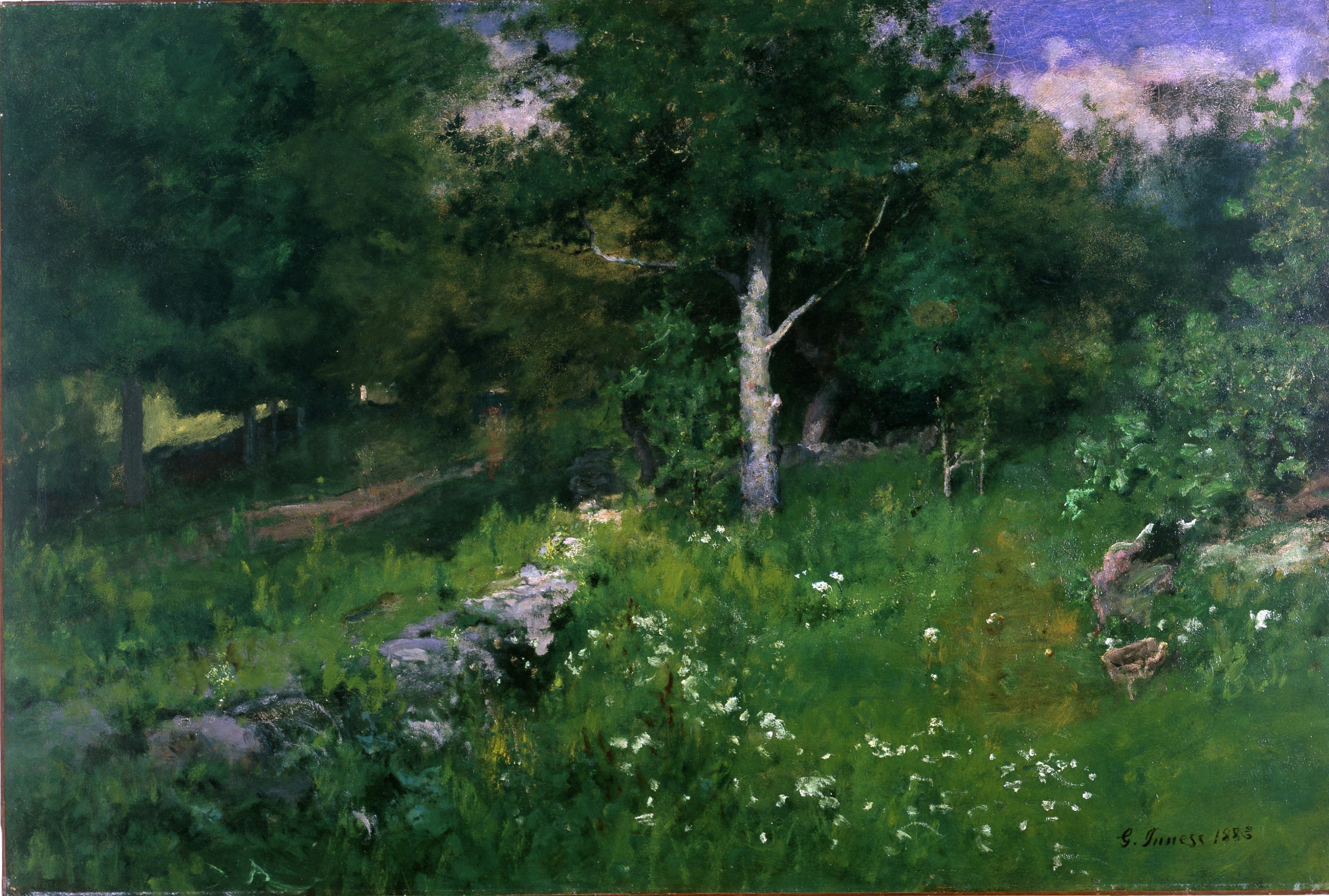
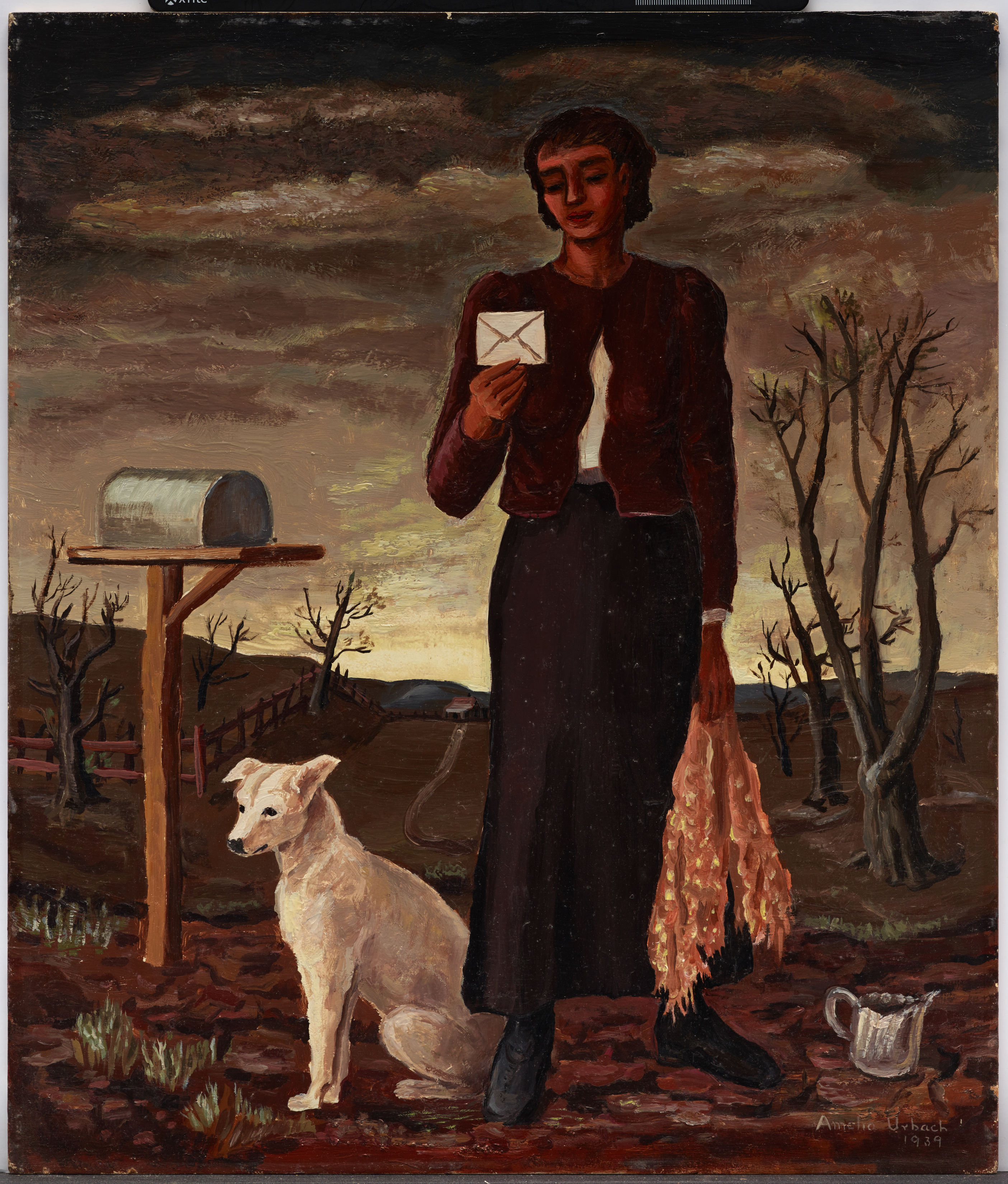
To celebrate the array of differing landscapes and perspectives that make up the United States, here are a few works from American artists that illustrate various scenes and slices of life in our country.

Small towns:


Big cities:


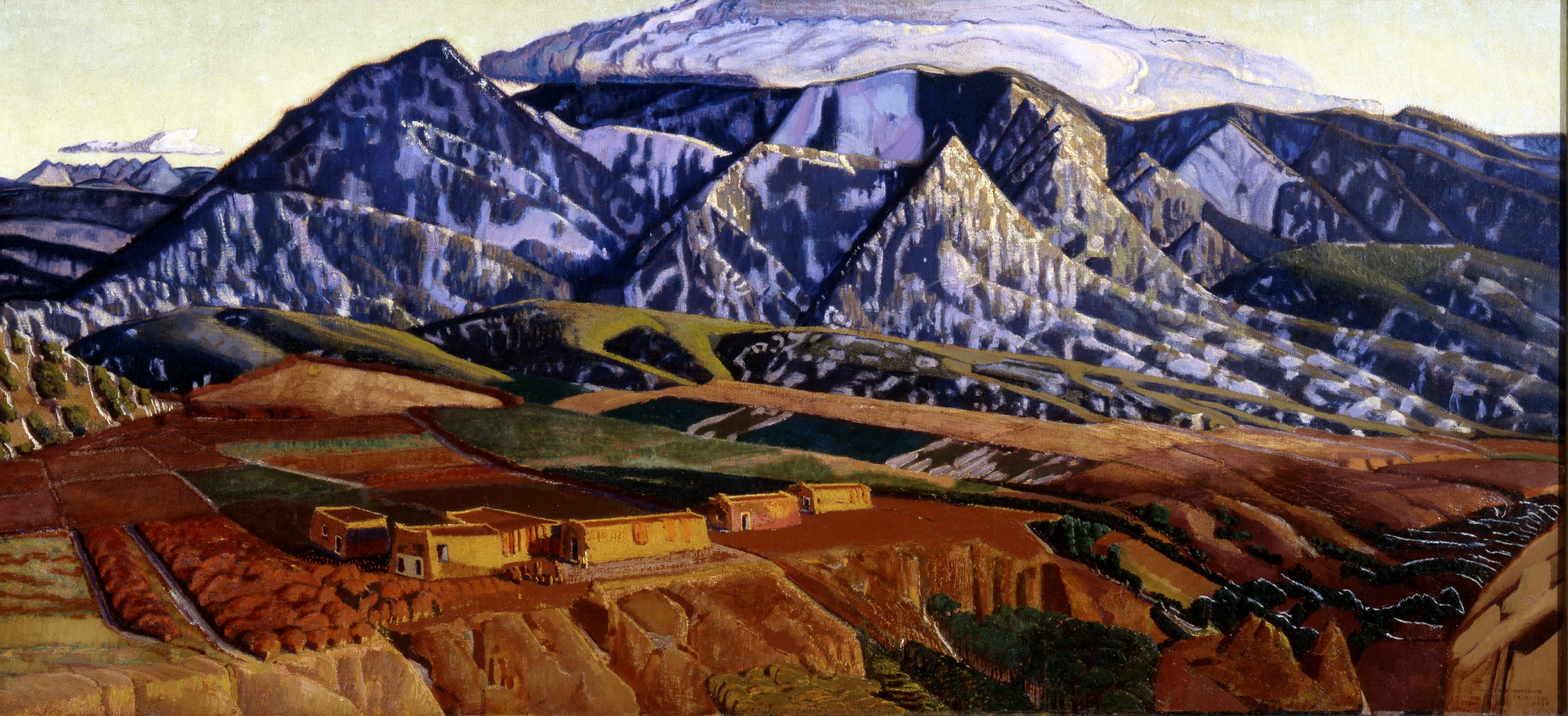
Towering mountainscapes:


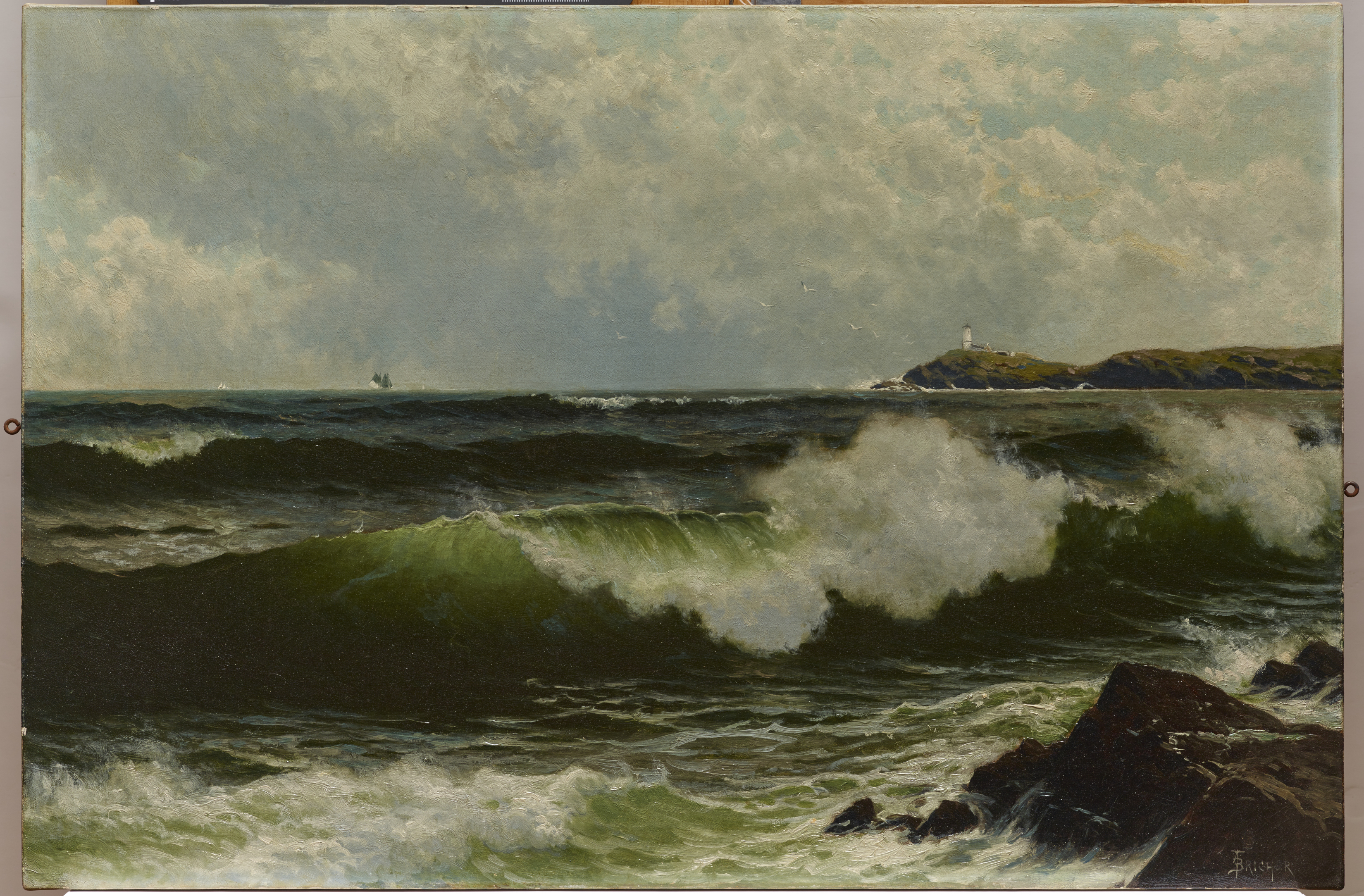
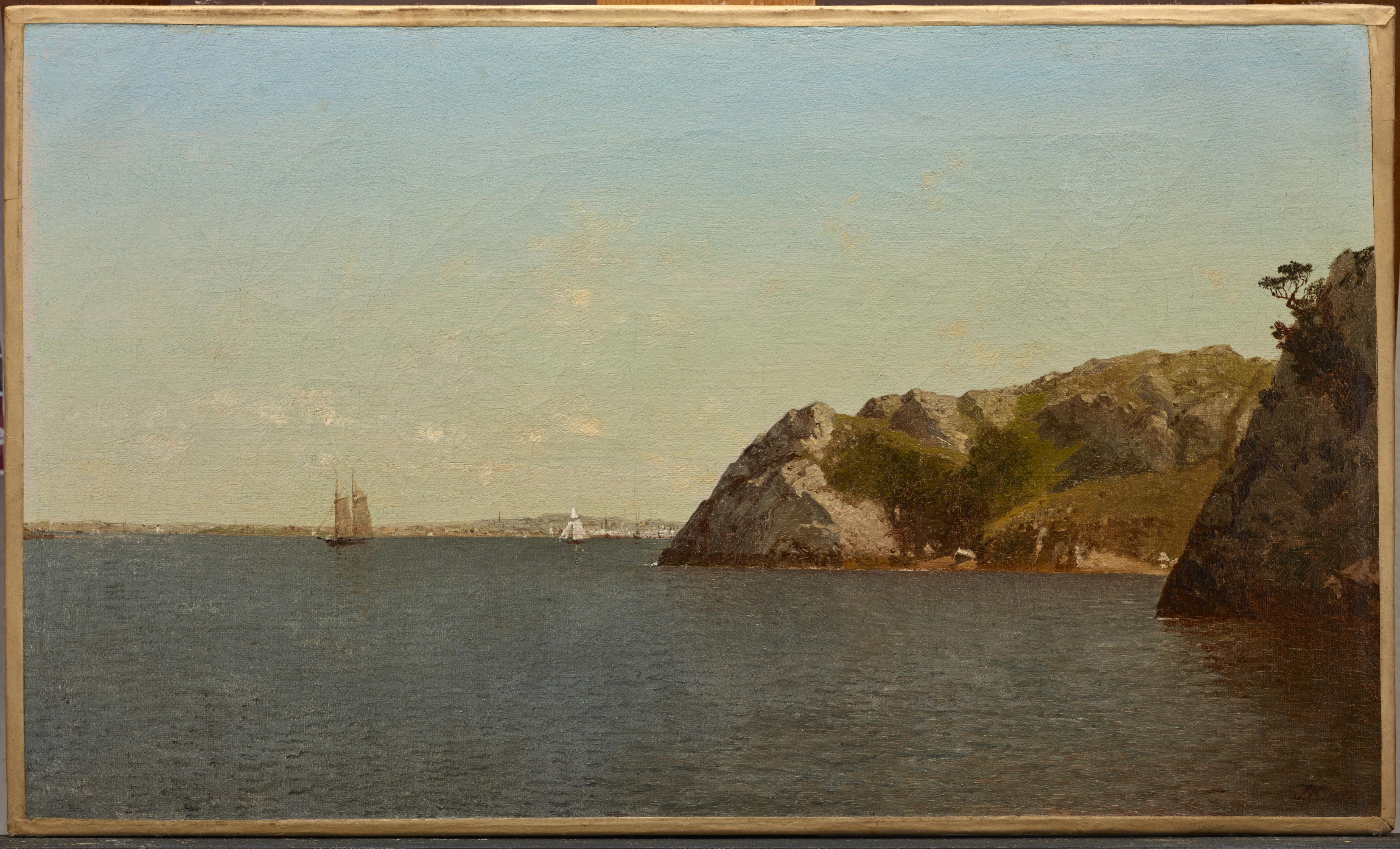
Seaside scenes:


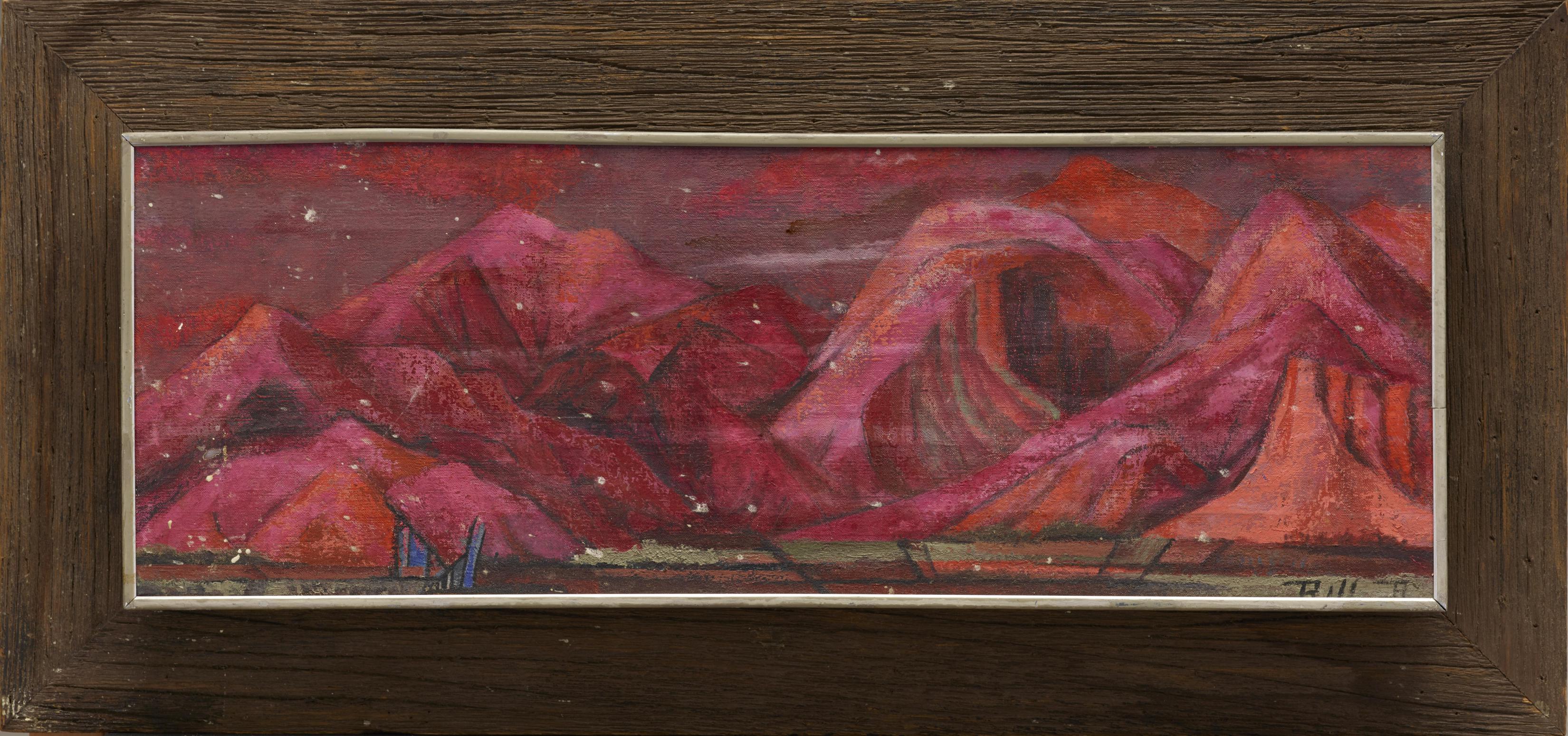
Deserts and dry lands:


Lush green views:


Everyday people:


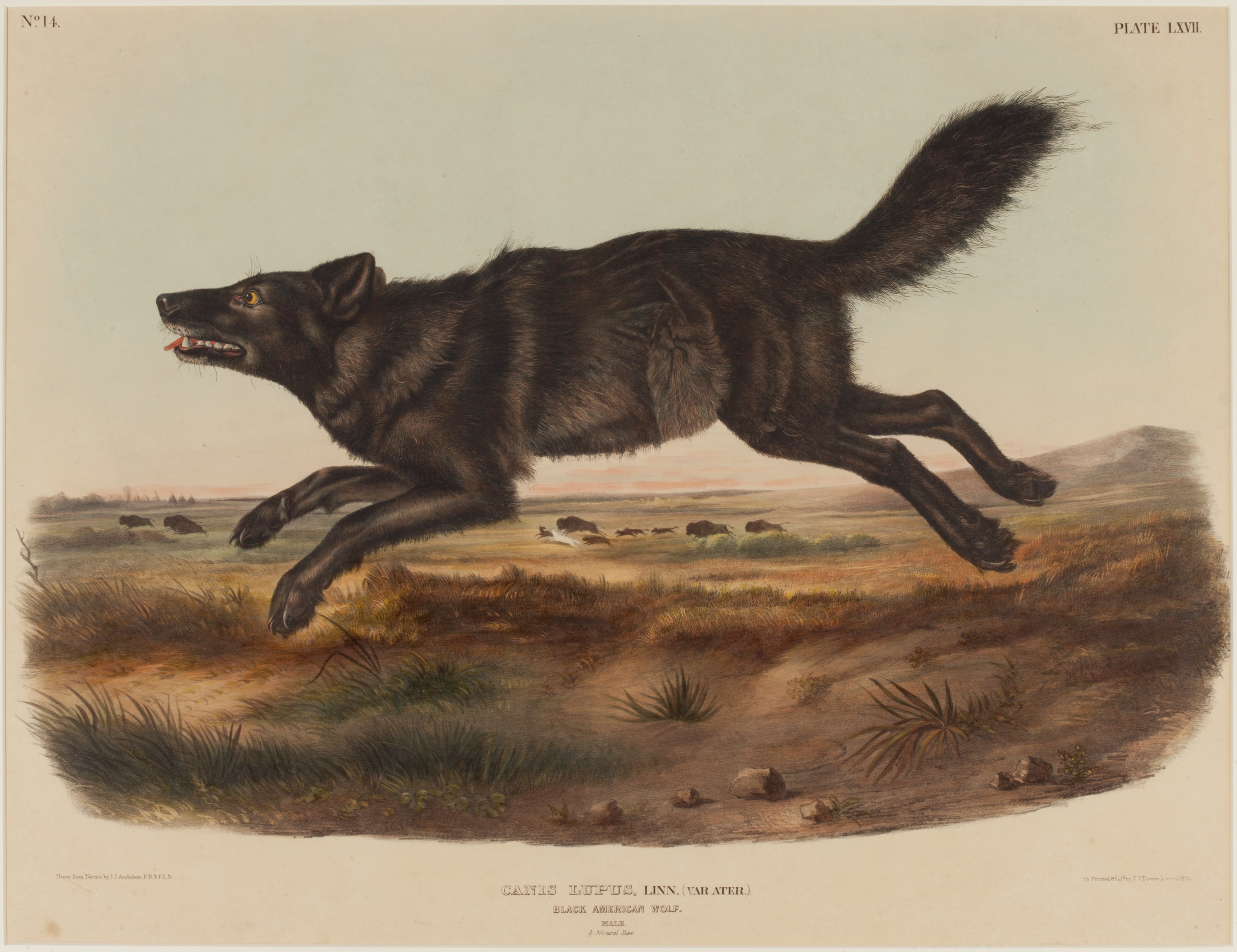
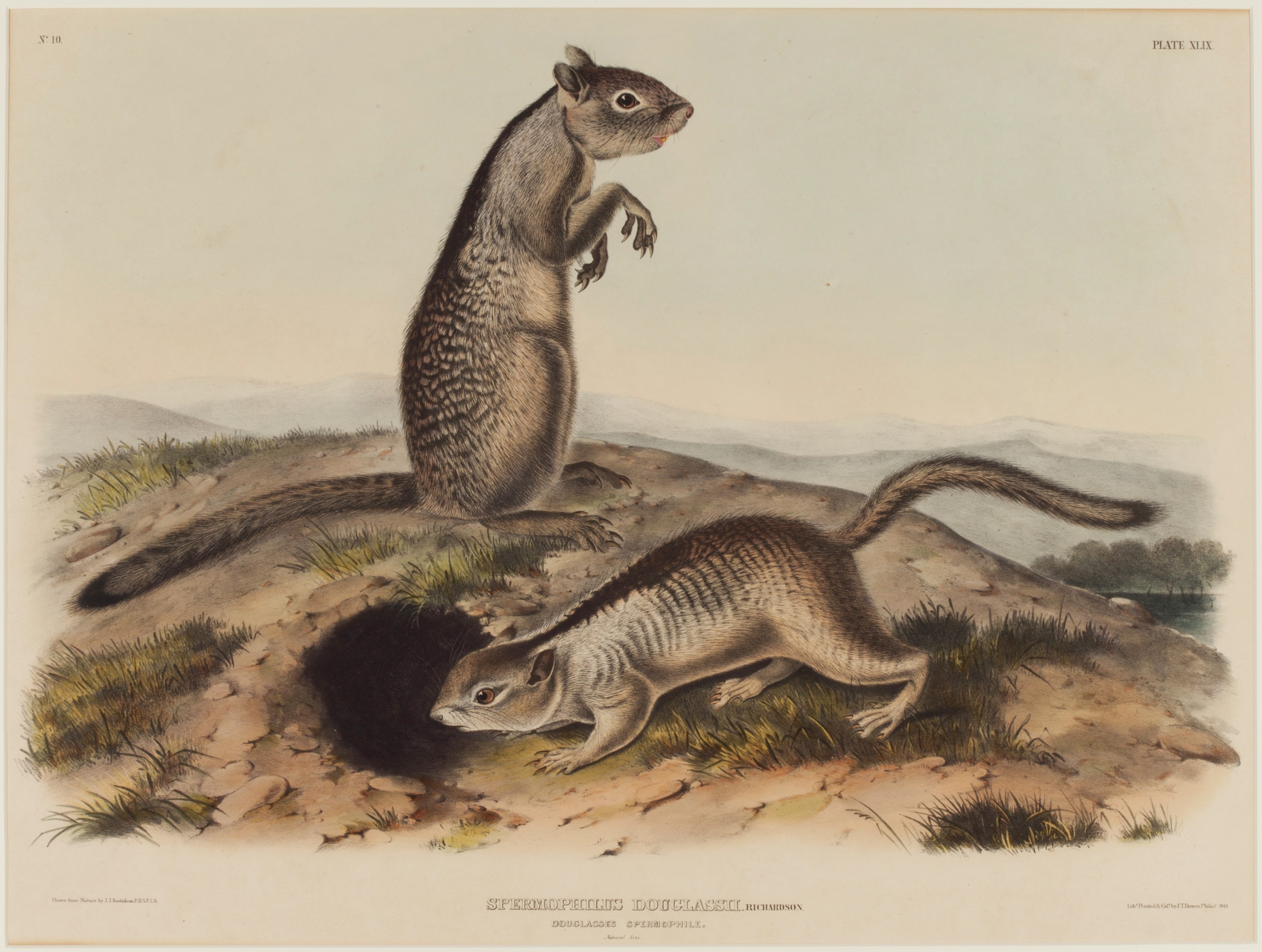
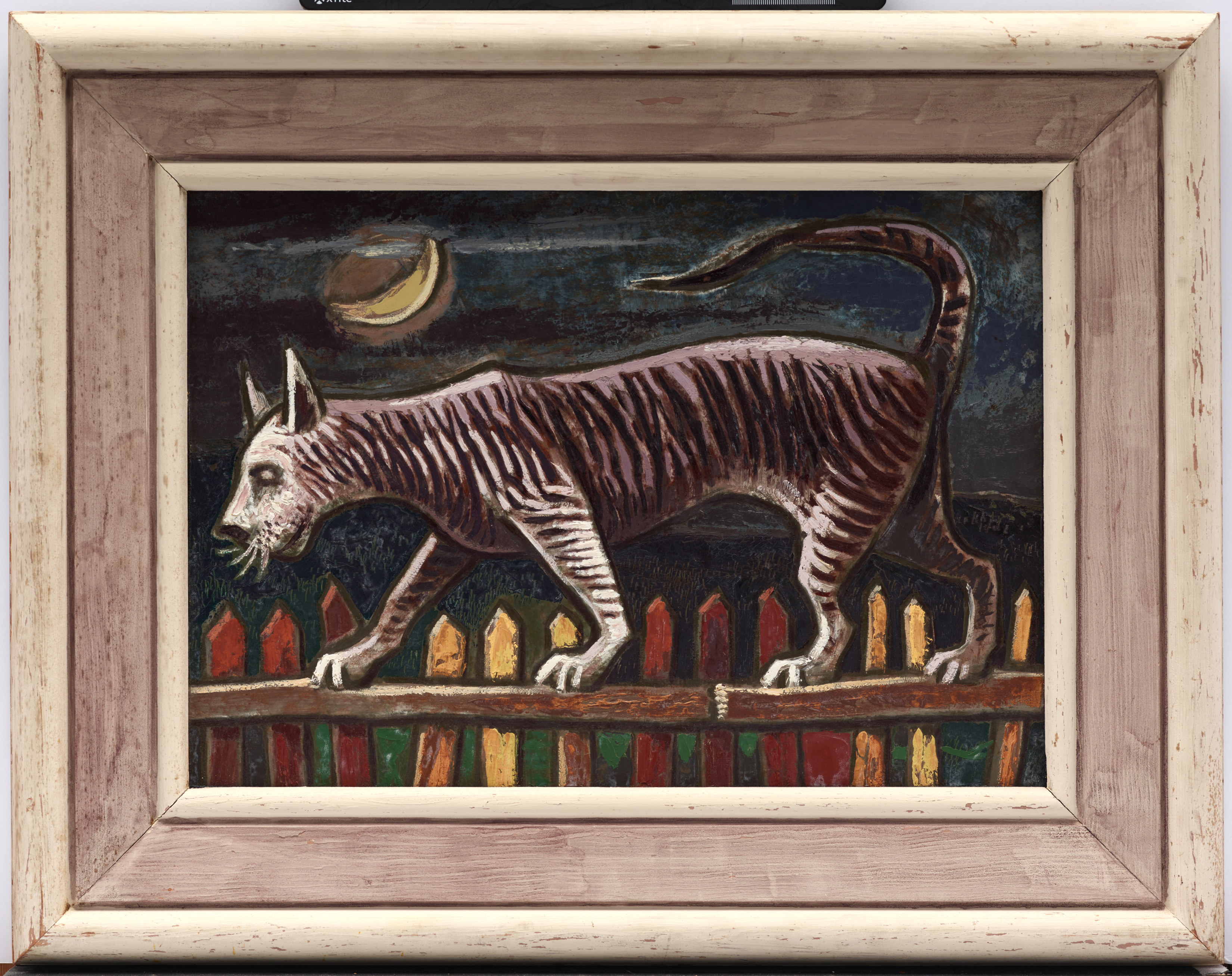
And all the critters in between:


Hayley Caldwell is the Communications and Marketing Coordinator at the DMA.

A Caribbean-Style Blast from the Past

Whenever I peruse the DMA’s photography collections in the archives, I find something unique in history that catches my eye. Sprinkle a bit of research on top, and voilà . . . I’ve uncovered something for Uncrated!

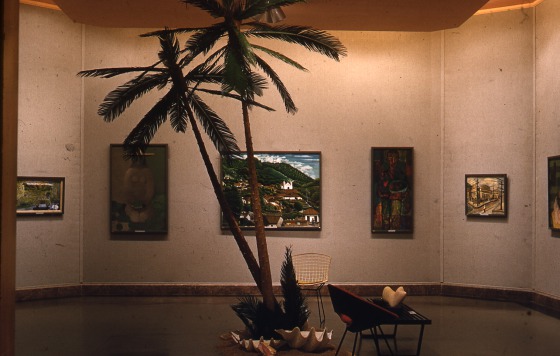
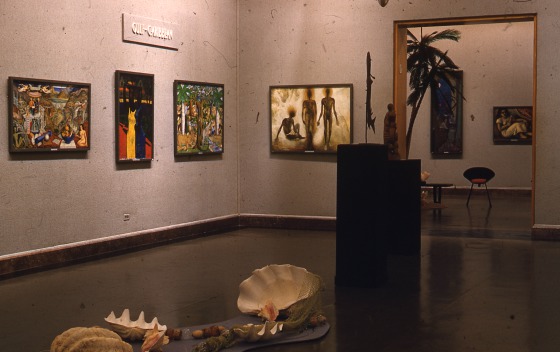
This time my interest was sparked when I saw this photo of a palm tree in the galleries. And my curiosity grew when I spied a Carmen Miranda-esque basket of fruit and oversize seashells next to it.

Gulf Caribbean International Art Exhibition, June 3–July 13, 1956
Southern Methodist University, Hamon Arts Library, Bywaters Special Collections Gift of Dr. Richard Bywaters and Mrs. Jerry Bywaters Cochran

The palm tree, and the other Caribbean-type accoutrements, added to the atmosphere of the DMFA’s installation of the Gulf Caribbean International Art Exhibition in 1956. The exhibition was organized by the Museum of Fine Arts, Houston to celebrate the work of contemporary artists living in the areas surrounding the Gulf of Mexico and the Caribbean Sea: Colombia, Costa Rica, Cuba, Dominican Republic, El Salvador, Guatemala, Haiti, Honduras, Jamaica, Mexico, Nicaragua, Panama, Puerto Rico, Surinam, Trinidad, Venezuela, Alabama, Florida, Louisiana, Mississippi, and Texas. The exhibition was large, with over 160 works, including paintings, sculpture, and ceramics.

Gulf Caribbean International Art Exhibition, June 3–July 13, 1956
Southern Methodist University, Hamon Arts Library, Bywaters Special Collections Gift of Dr. Richard Bywaters and Mrs. Jerry Bywaters Cochran

It was also sponsored by Brown & Root, Inc., a heavy engineering and construction company, which allowed for ten purchase prizes for MFA Houston. Prizes were awarded to six foreign and four American artists. The three top $1,000 prizes went to Alejandro Obregon of Colombia; Cundo Bermudez of Havana, Cuba; and Seymour Fogel of Austin, Texas (“Foreigners Take Over Art Prizes,” Dallas Morning News, April 5, 1956).

Gulf Caribbean International Art Exhibition, June 3–July 13, 1956
Southern Methodist University, Hamon Arts Library, Bywaters Special Collections Gift of Dr. Richard Bywaters and Mrs. Jerry Bywaters Cochran

The DMFA installation of the exhibition, which traveled to four other venues after it closed in Dallas, was considered to be “as invigorating a treat that has come our way in many seasons. There is creative taste in its selection (and creative display)” (“Collection Has Talent to Spare,” Dallas Morning News, June 3, 1956). The author of the article continues the compliment: “the uniformly high level of quality in the paintings [is] matched for a change in the sculpture and ceramic entries with favorites hard to come by.” The exhibition would be remembered and noted as one of the most important exhibitions of 1956 in both Seventy-five Years of Art in Dallas (1978) by Jerry Bywaters and Now / Then / Again: Contemporary Art in Dallas 1949-1989 (1989) by Richard R. Brettell.

Gulf Caribbean International Art Exhibition, June 3–July 13, 1956
Southern Methodist University, Hamon Arts Library, Bywaters Special Collections Gift of Dr. Richard Bywaters and Mrs. Jerry Bywaters Cochran

I hope you have found this 1956 visit to the Gulf and Caribbean eye-catching and interesting as well.

Hillary Bober is the Archivist at the DMA. 


Foxes and Fireflies: An Interview with Mel Remmers

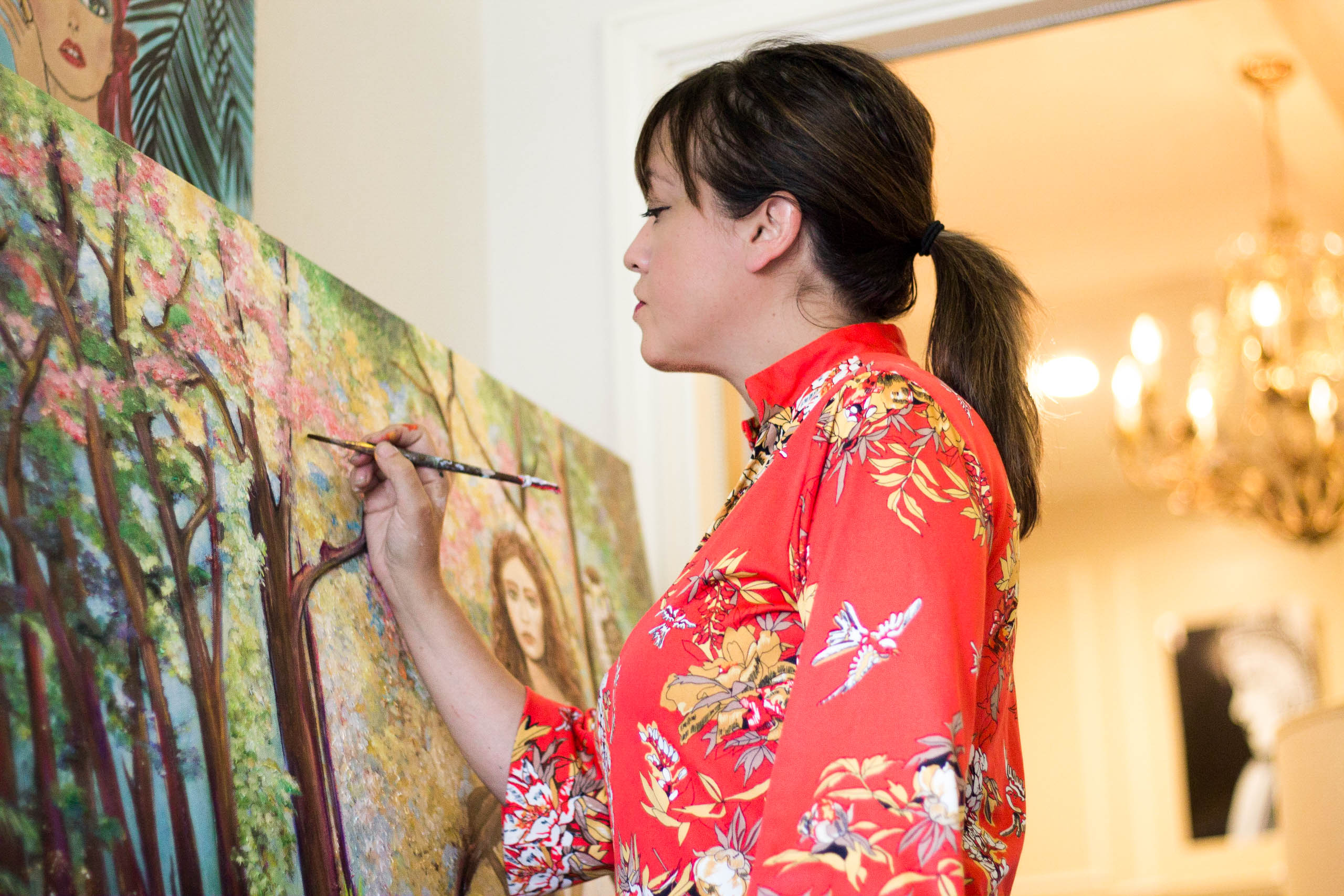
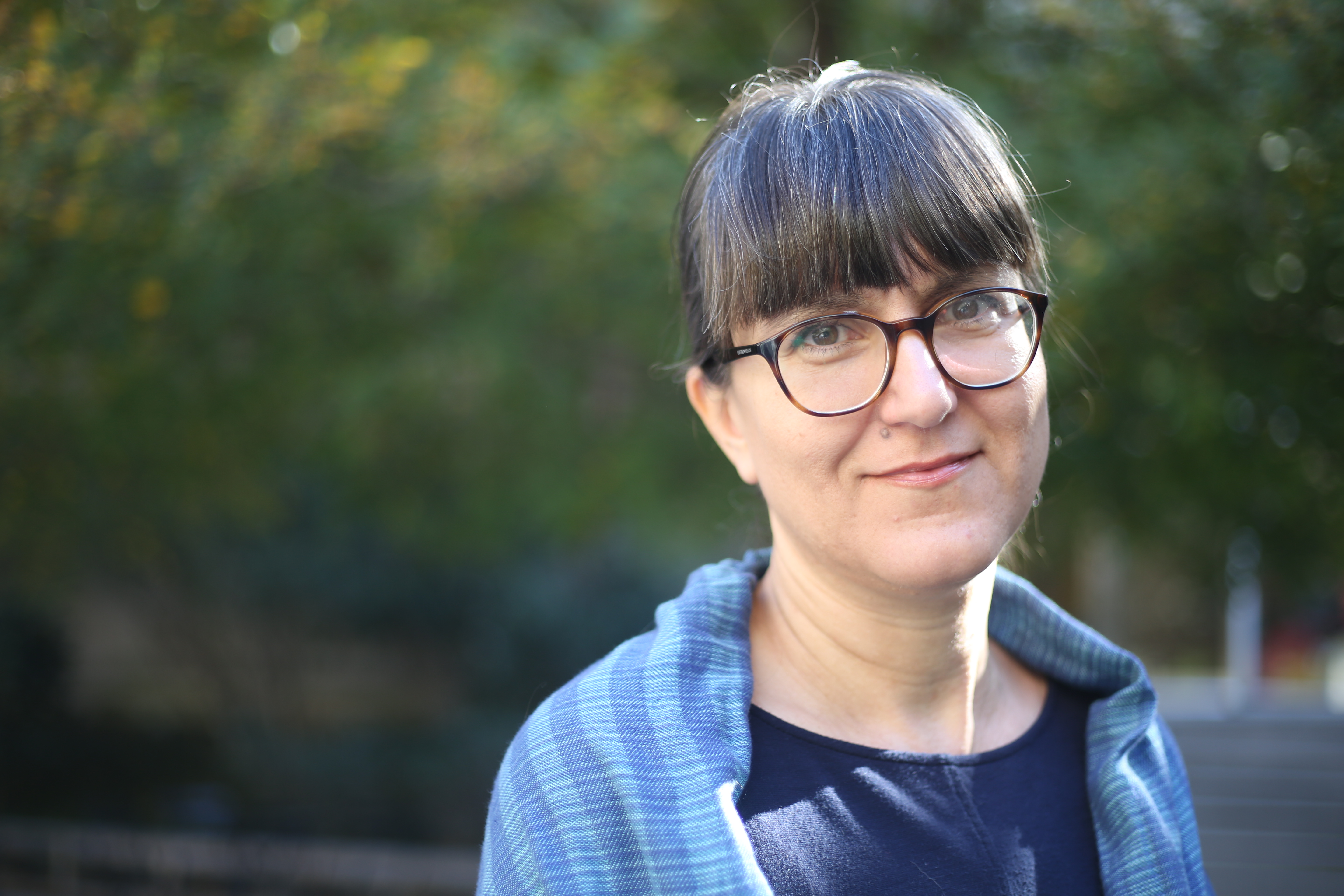
When we found local artist Mel Remmers’s Instagram account, we were drawn to her distinct artistic style. With her wide-eyed, emotionally captivating portraiture, witty captions, and some sneak peek shots sprinkled into the mix, she reveals her work and process to her growing following in an engaging and down-to-earth way. Because we noticed elements of fashion, whimsicality, nature, and experimentation with textures and colors in her work, we were eager to invite her to a viewing of our Laura Owens exhibition. Inspired by Owens’s works, the paintings Remmers created welcome you into a fantasy world of their own.


Photo Credit: Stevie Hudspeth

Check out our interview with Remmers about her process:

Tell us about yourself as an artist.
In February 2015, I bought a child’s paint set from a grocery store. Seeking to find a creative therapy after battling cancer and needing emotional repair, I posted my first attempt at painting on Instagram and I was shocked and excited by such a positive response. I was hooked! This started Instagram becoming part of the creative process. As my following grew fast, I sold my first painting after four weeks, and as of November 2017 my 400th sold.

My paintings started out as fashion-inspired female figures, and in time I added motion to them. Now I paint portraiture that provokes a mood with either dark shadows or the expressions in the eyes. I am also fascinated by light and have focused periods with black-and-white paintings as well as ink. The majority of my paintings consist of multiple mediums and tools such as gold foil and others as I have discovered them. Hand-painted wallpaper with a nature-inspired theme has become my most requested commission and my new obsession.

What was your first impression of the Laura Owens exhibition?
As I walked into the exhibit, my eyes drew on the immense scale, the bold and playful works. Then as I moved closer I was lost in the details of unexpected elements, heavily sculpted paint textures, and her no-fear use of PINK.

What did you find most inspiring about this exhibition?
Most notably, the grand scale of her work. I have a strong desire to “Go Big”—paint on walls or just use a larger canvas than usual. This connection brought that buzz to continue on that path.

Another inspiring spark was the variance of her work. The abstract collages flowing to whimsical childlike characters of animals was a delightful scene.

I was also thrilled to see her unexpected three-dimensional elements and use of materials like felt, and her beehive painting where it looked like bees were buzzing above the canvas.

What was the painting process for your pieces like?
As I walked away from the exhibit, reflecting and imagining this collaboration, I knew to go with my gut response. Fireflies were my first whisper, and I wanted to play off the forest scene where you find animals peeping throughout the painting.

Since I usually do not plan or sketch, I started with the trees and then water emerged. All of this is evolving while I am filming to Instagram, and my specific music choices have come to set the mood of where I am in the process.

RemmersDMACollection Reflections-1

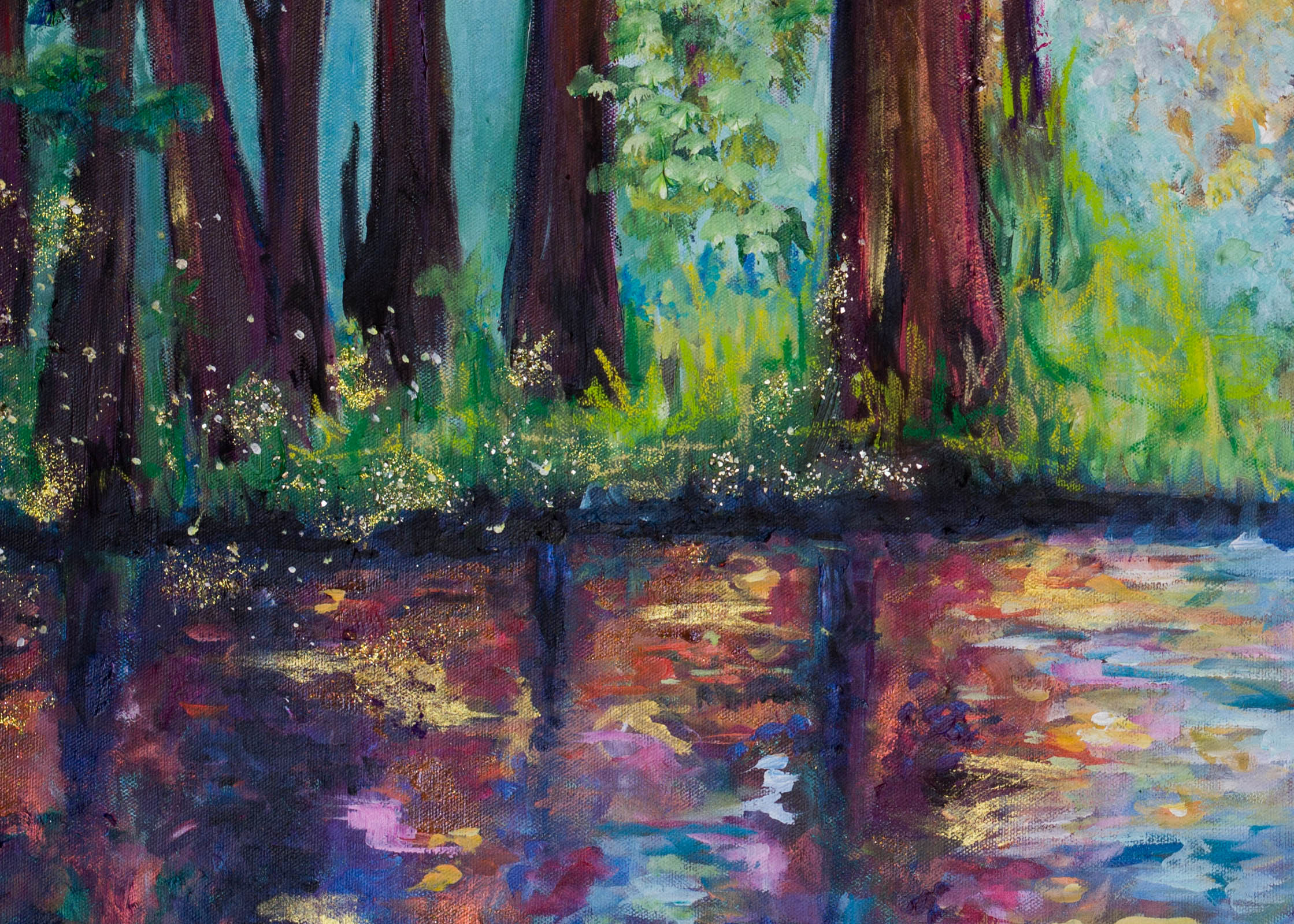
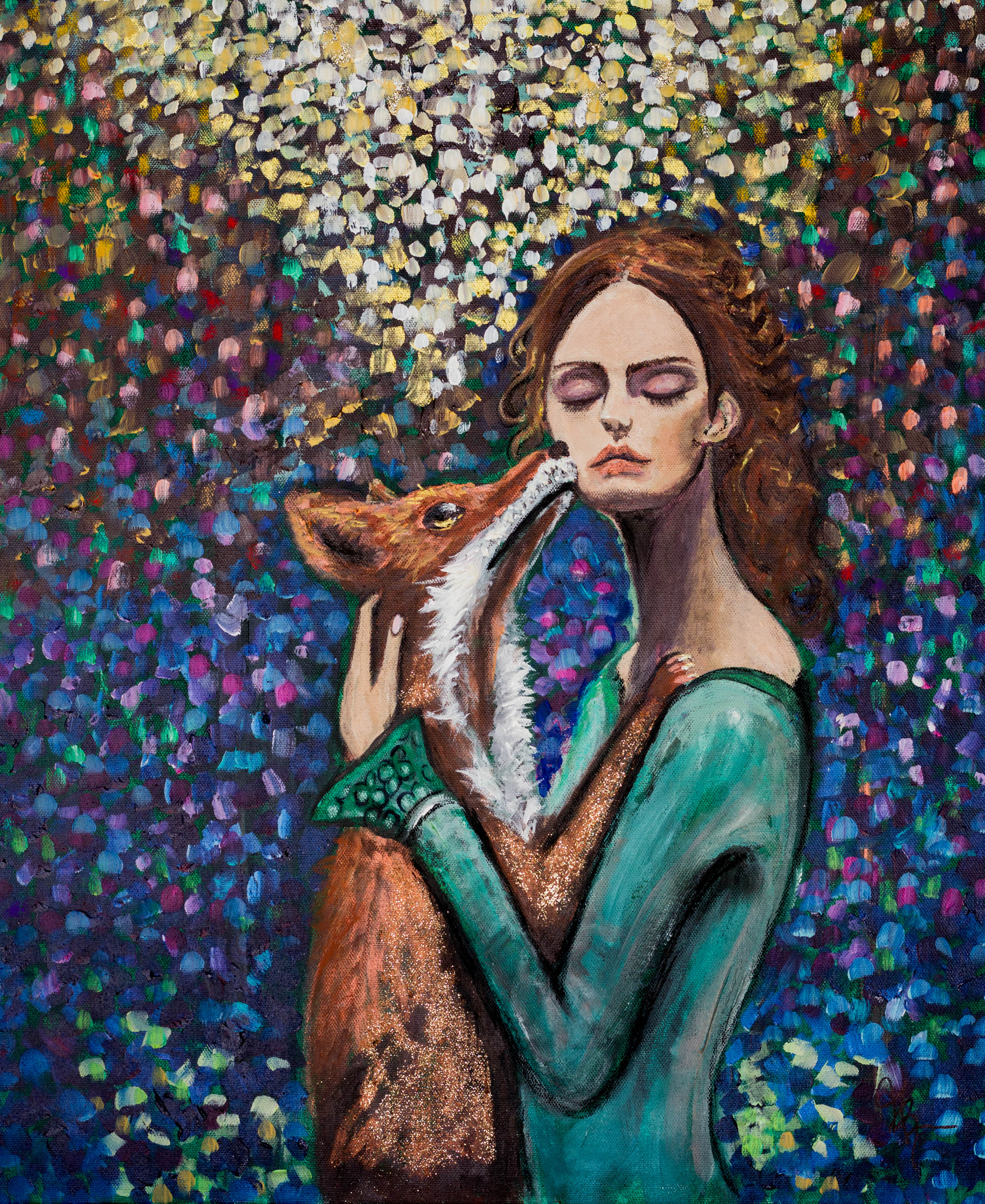
I am a fast painter so I wanted to be patient and take my time. That equaled four days of nine hours at a time, and that also included a second painting that I felt told more of the story. The water, with its intense color and light reflection of the first painting, became the continuation of the story in the second painting and introduced a new character, the glitter fox.

These paintings are made with acrylics, some oils, chalk, pastel, and ink, and the fireflies are made of tiny crystals and glitter glue.

MelRemmers ForestFinal 1

Remmers GlitterFox1

What elements or themes from Laura Owens’s work did you incorporate into your pieces?
My collaborative theme became nature. I wanted to bring a sense of belonging. I usually focus on a feminine theme, and now she became a living part of it. Her dress inspiration was taken from a large impasto glob from one of Laura’s abstracts that I found crazy good. So her dress looks like a dripping, thick waterfall floating into the water.

Do you have any other takeaways from this experience?
My takeaway is LIMITLESS. In a world where the trending word is “brand,” Laura Owens does not have a limit to her visions or exclusivity. She goes from sky high drawings of cats to a wild abstract collage. Laura’s work has calmed my doubts of risk taking, opened a larger vision, and given my creations a wider world to live in and explore. And, glitter glue IS a medium.

Hayley Caldwell is the Communications and Marketing Coordinator at the DMA.

Visions of Home: An Interview with Artist Ellie Ivanova

This summer, the Center for Creative Connections (C3) is thrilled to have C3 Visiting Artist Ellie Ivanova here to design interactive in-gallery activities in which visitors contribute their visions of home. These perspectives then become part of a larger print created independently by the artist at her studio before finally being installed back in C3. Get to know more about Ellie and her project below, and stop by the Center for Creative Connections to contribute your own drawing to the project.

Ellie portrait

Tell us about yourself.
I am an artist who uses photography, but goes beyond the print. I have lived in several countries (Bulgaria, Latin America, the United States, and Italy) and am grateful for all the people I have met in all the places where I have lived who have shaped my experience.

What motivated you to apply to the C3 Visiting Artist Project?
As a researcher pursuing a PhD in Art Education, my special interest is in public pedagogy, which is everything we learn from each other in informal ways outside of a classroom environment and everything we do when sharing experiences through art. Having changed homes myself many times, and living in between two homes right now, I found an affinity with people who are longing for a lost home or dreaming for one. I wanted to see what would happen when all our different ideas of home come together, and what better place to experiment with this than Dallas Museum of Art!

Tell us about the installation you’ve created in the Center for Creative Connections.
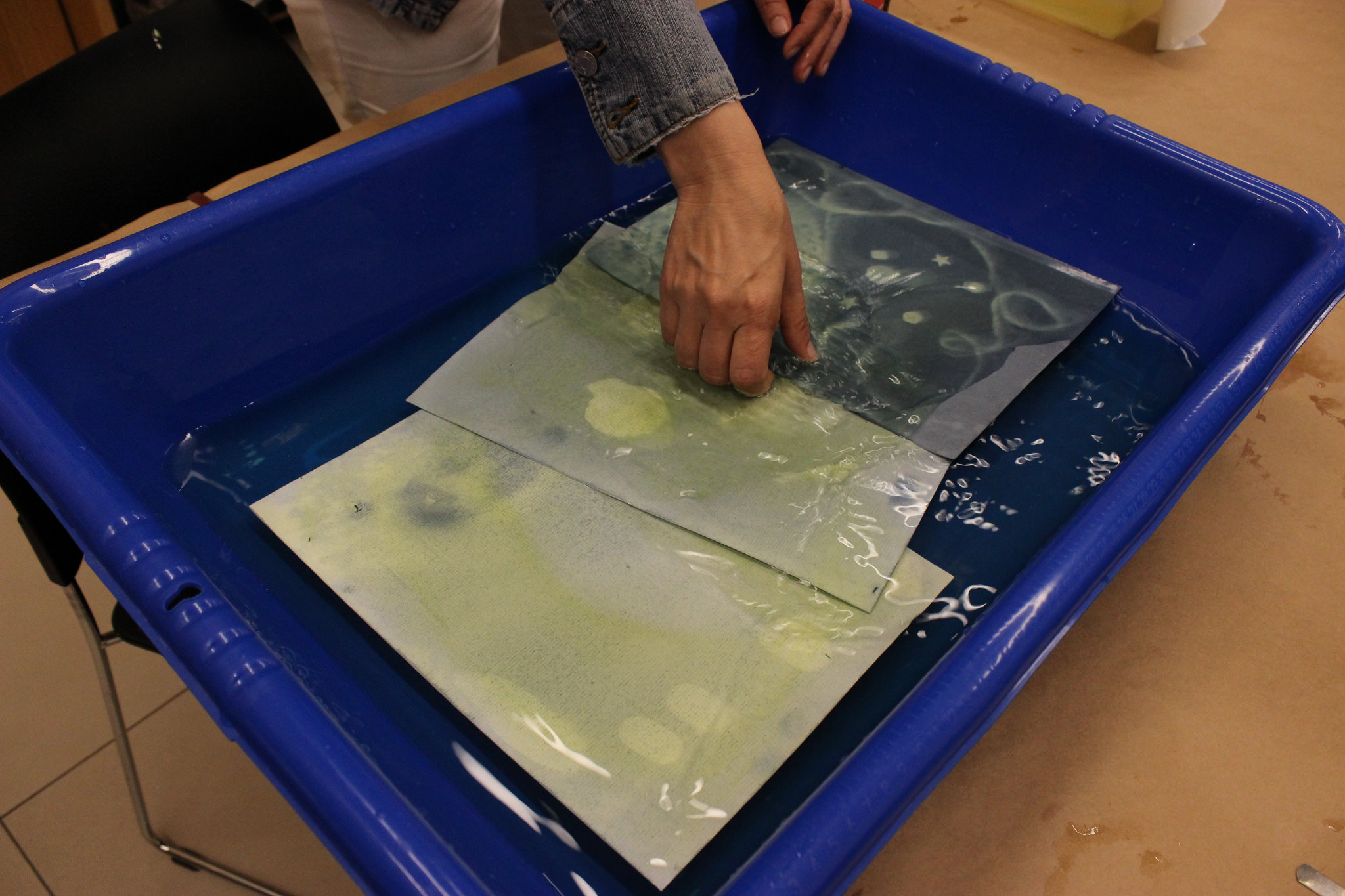
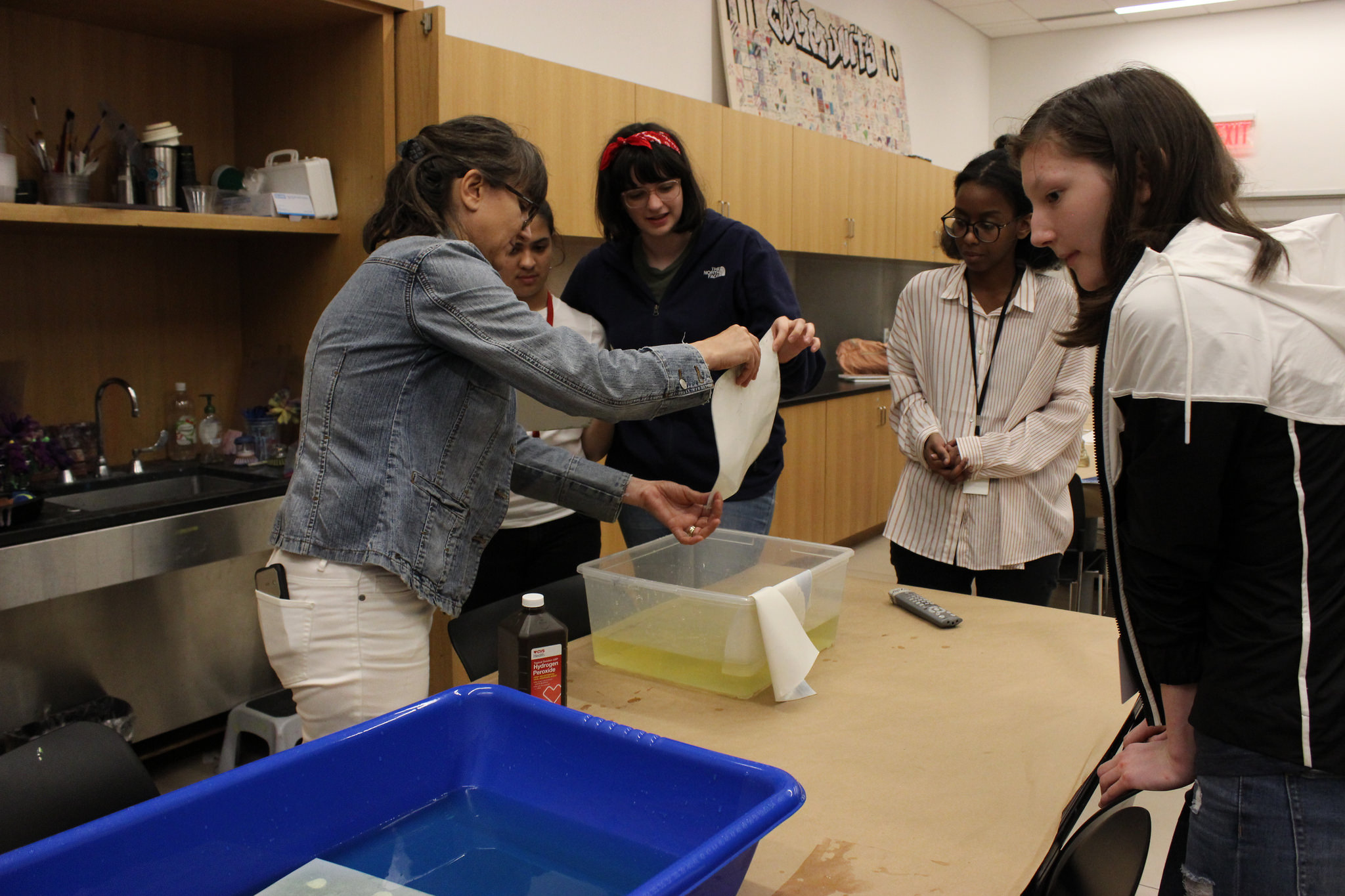
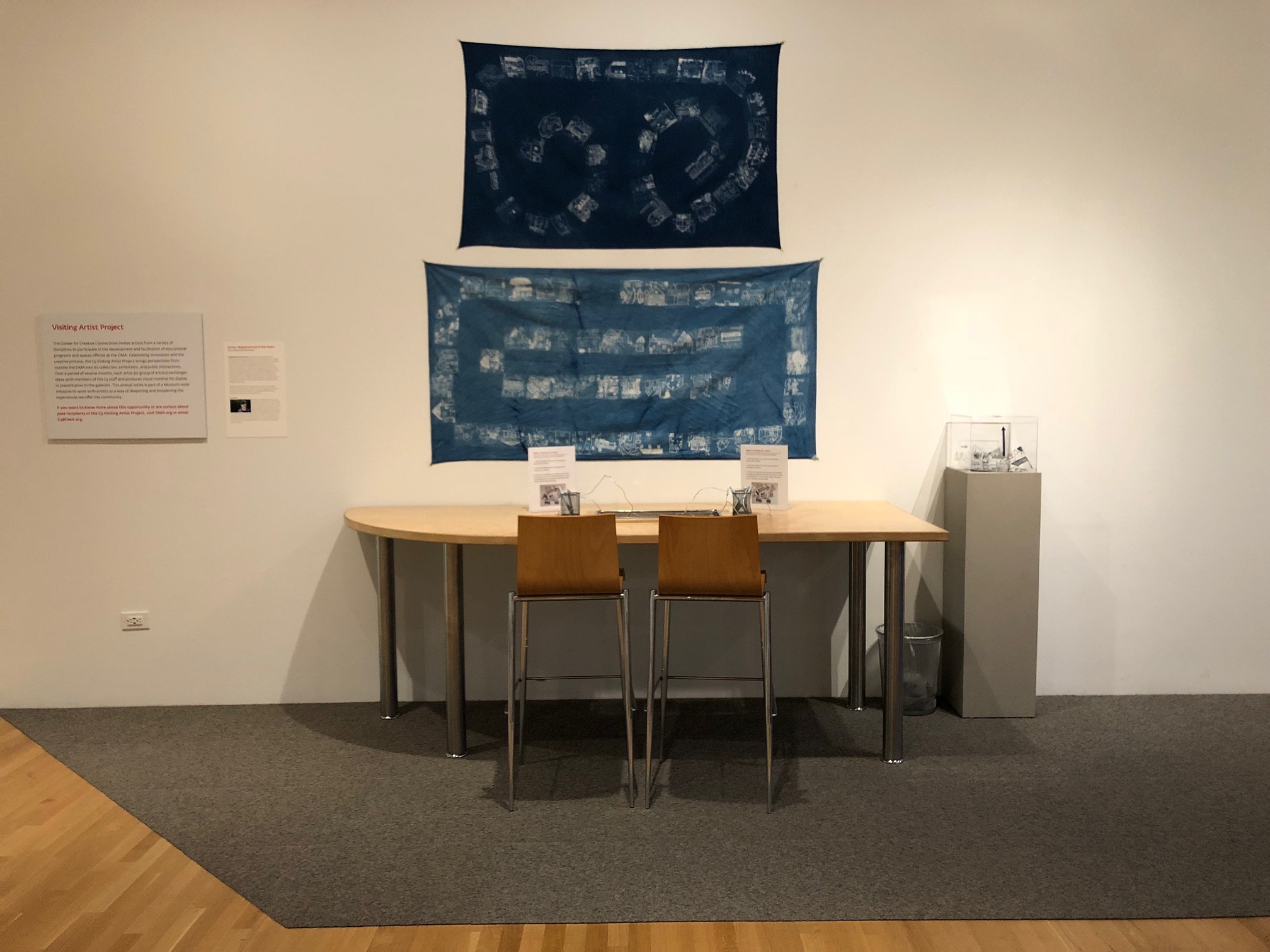
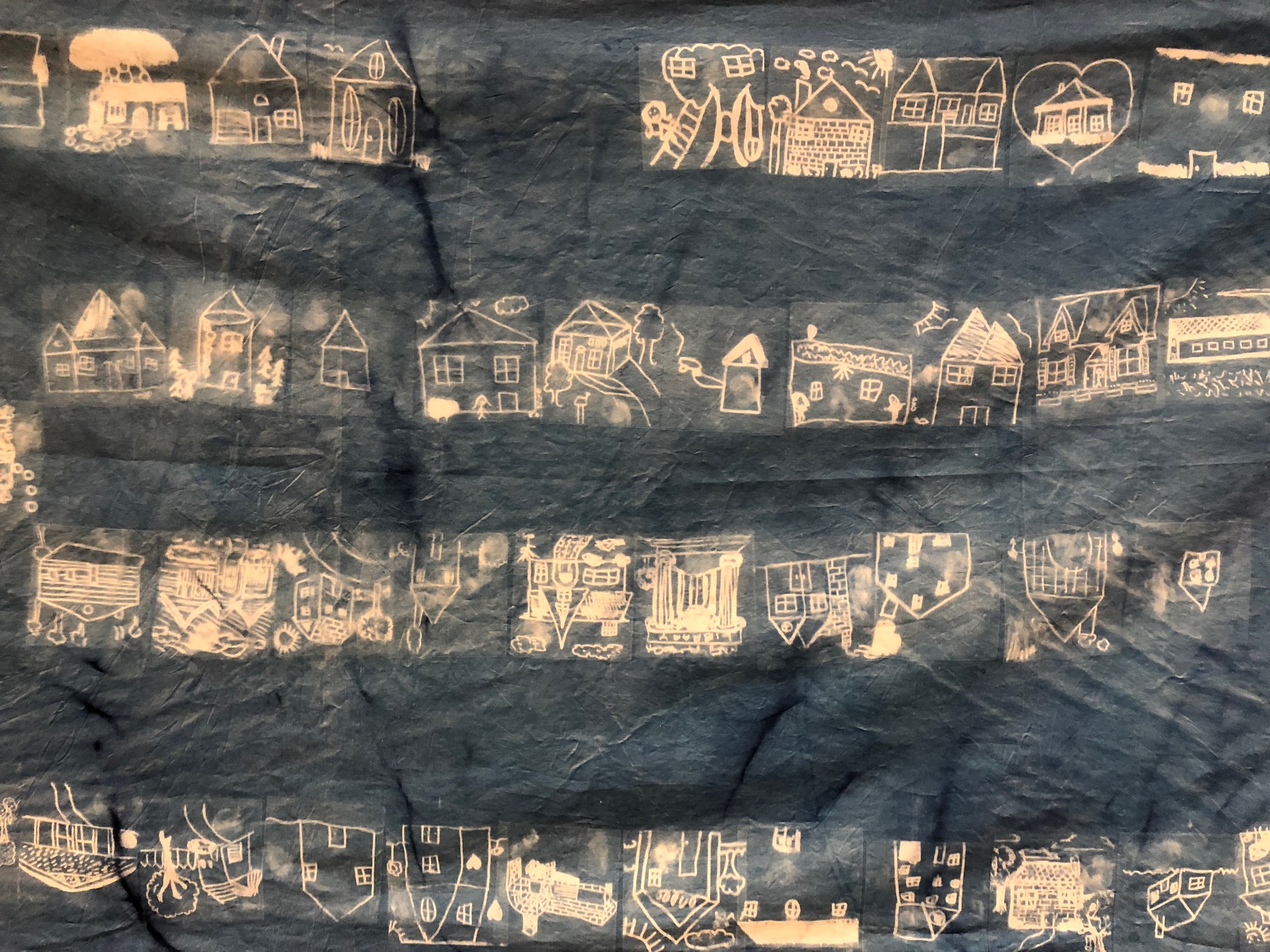
It is a participatory print, in which many different small drawings of homes—lost, dreamt, and found—are contributed by visitors on squares of transparency. Using these as photographic negatives, I put together these drawings to print a “neighborhood” of the collected homes on photo-sensitized fabric. I’m using the cyanotype process, an old photo process that has been used through the decades for scientific and architectural imaging along with creative art making. Even though a home is something personal, a place that separates us from the rest of the world, with this project we see how different or similar our ideas of home look like when they are brought together.


Ellie c3 project

C3 Visiting Artist Project Space

Do you have any favorite visitor contributions you’d like to share?
The simplest drawings have been most delightful! Of course, I enjoy the elaborate, detailed homes done by other artists or others who are invested in the process. But when we have to draw simply, the bare bones of thought show through. I enjoy seeing how our basic image of what a home is can translate into being something so creative.

fabric closeup
Kerry Butcher is the Center for Creative Connections Education Coordinator at the DMA.
Holding Up a Mirror to Texas Icons

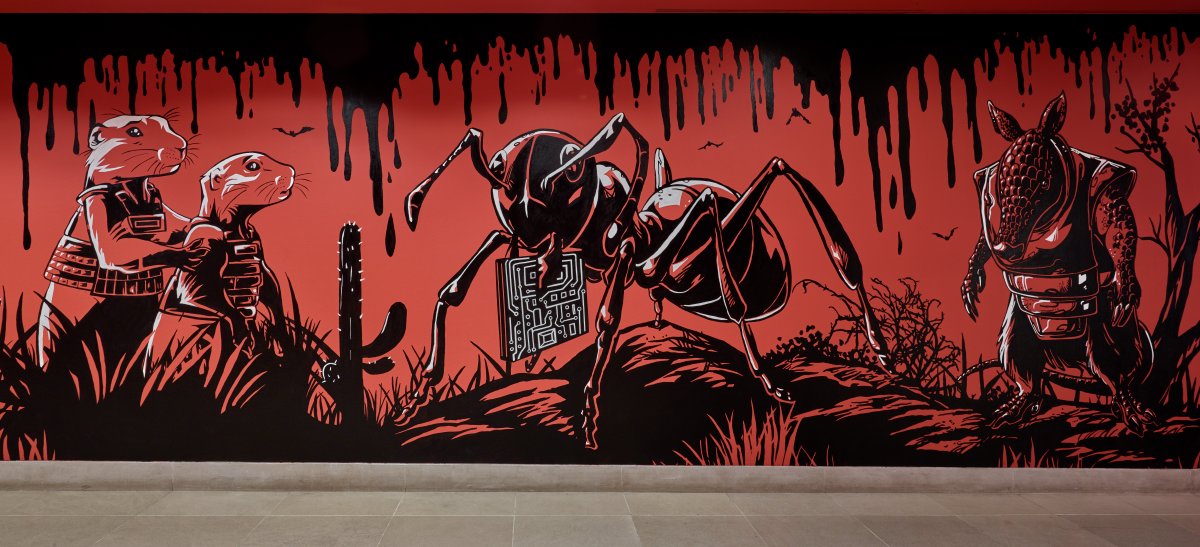
If you’ve visited the DMA lately, you likely noticed the large red mural created by Minerva Cuevas in our Concourse. For those unfamiliar with Cuevas’s art, she is known for her conceptual multi-media installations, and the way her images, language, found objects, and sculpture work together to create political critiques. Some of her projects reformat the visual language of advertisements, using it to harness advertising’s power to affect cultural narratives. For example, see Cuevas’s morbid reimagining of the Del Monte logo. What makes her work so interesting and accessible is the way it explores the relationships among socioeconomic systems, indigenous identity, and the environment with a sense of dark humor. Sometimes, as we see in Fine Lands, her work is downright playful.

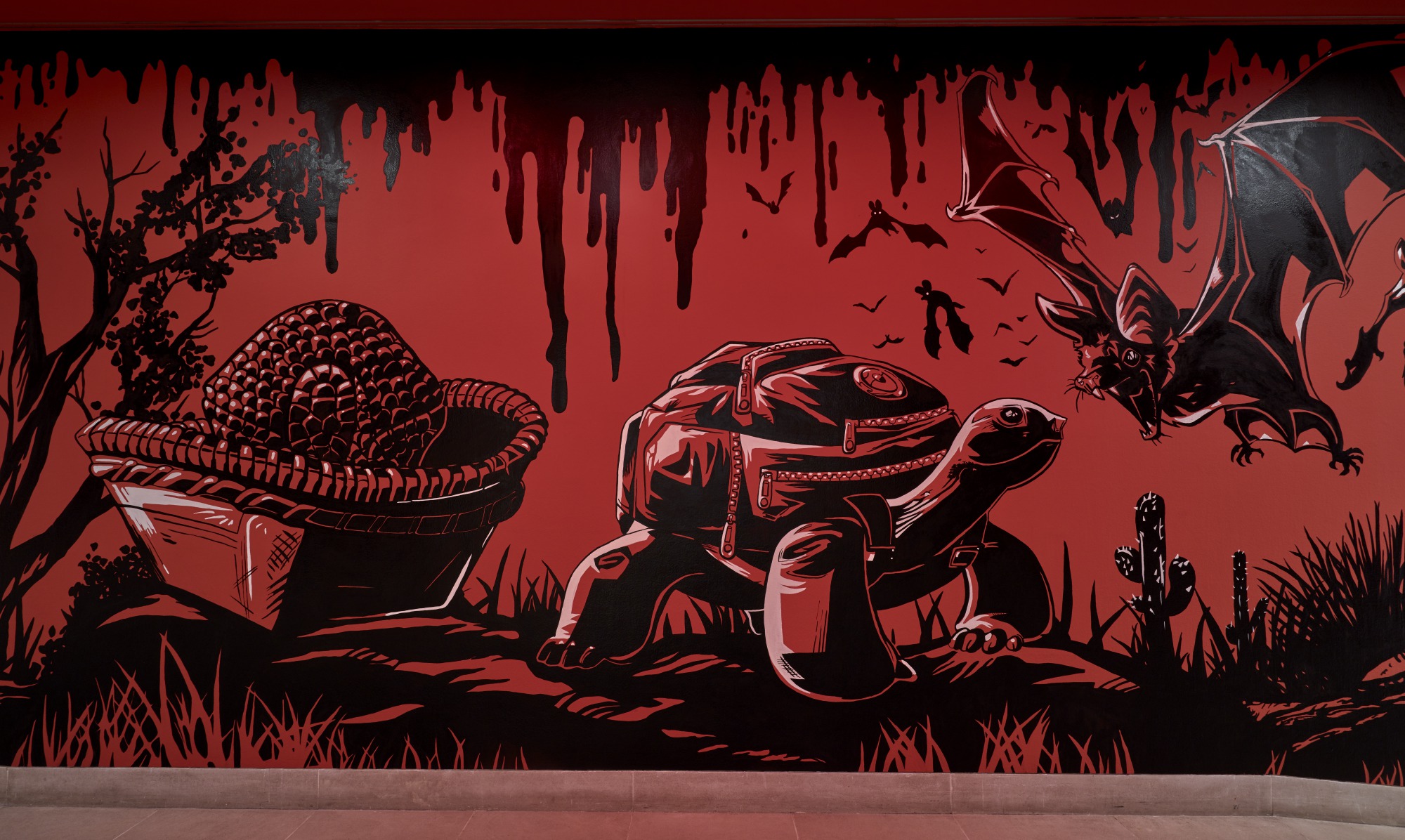
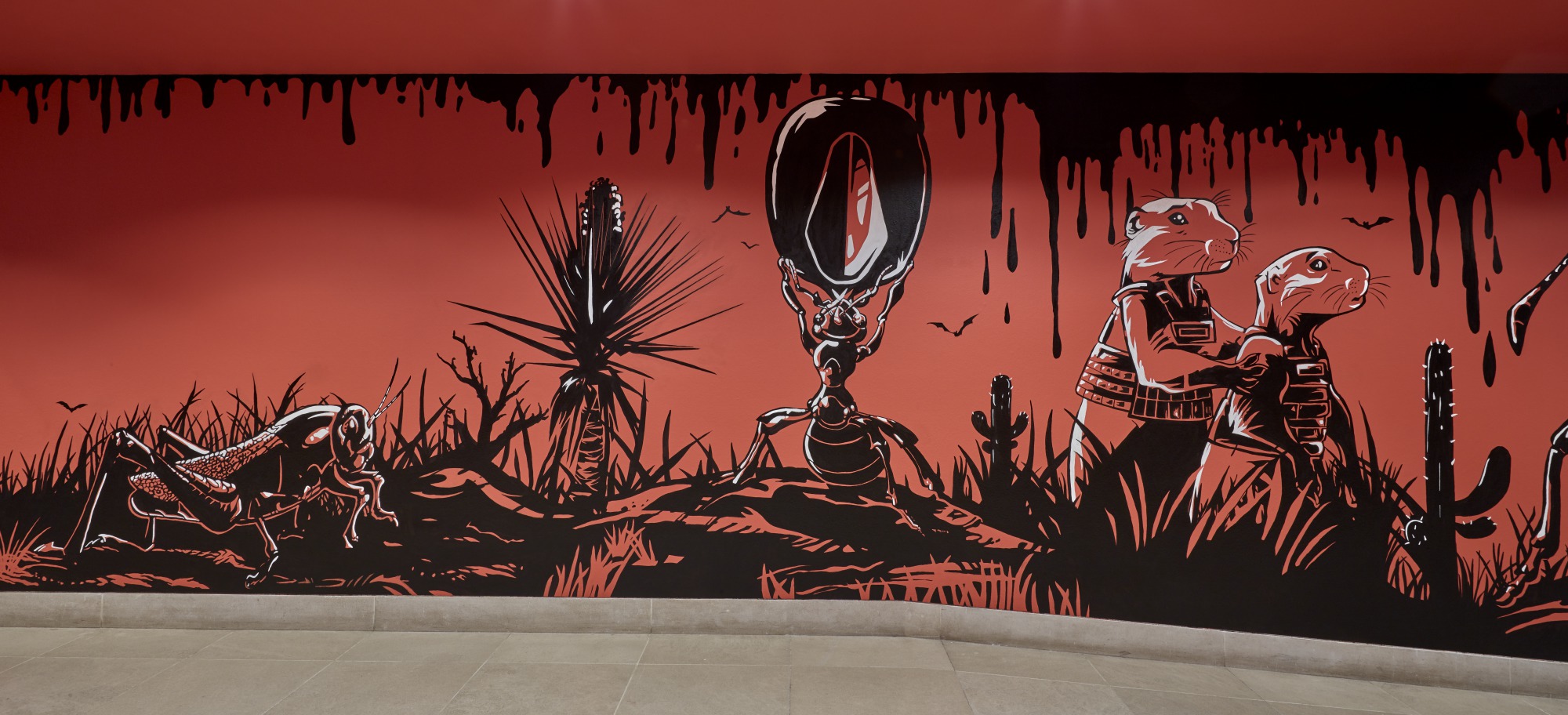
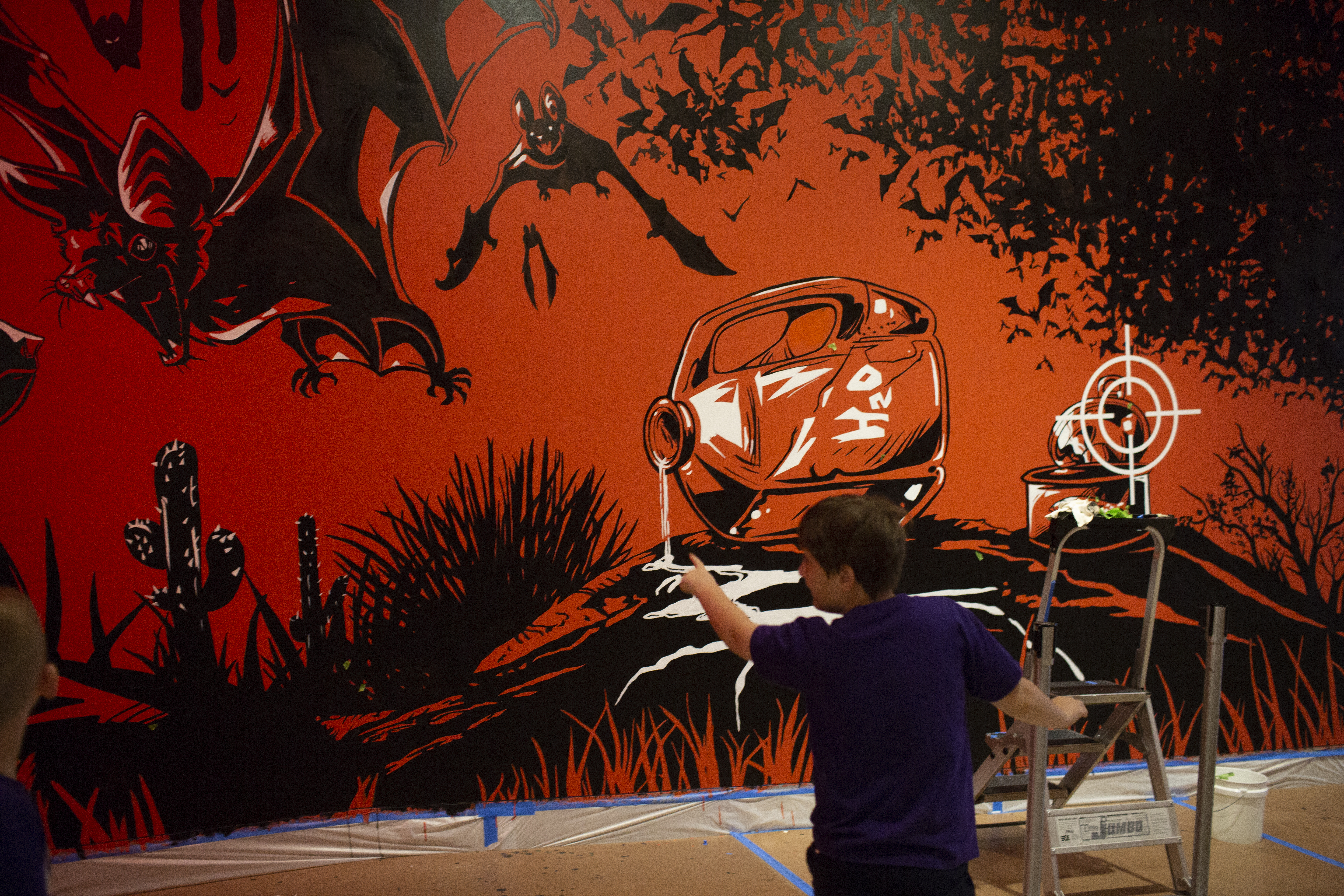
Fine Lands, on view at the DMA through September 2, transforms the Museum’s central Concourse into a dystopian Texas landscape, rendered in a powerful comic-book style. Familiar silhouettes of oil wells become menacing, insectlike forms, while crude oil spewing from a derrick morphs into a cloud of bats filling the sky.

Minerva_Cuerva_Installation_07_o3

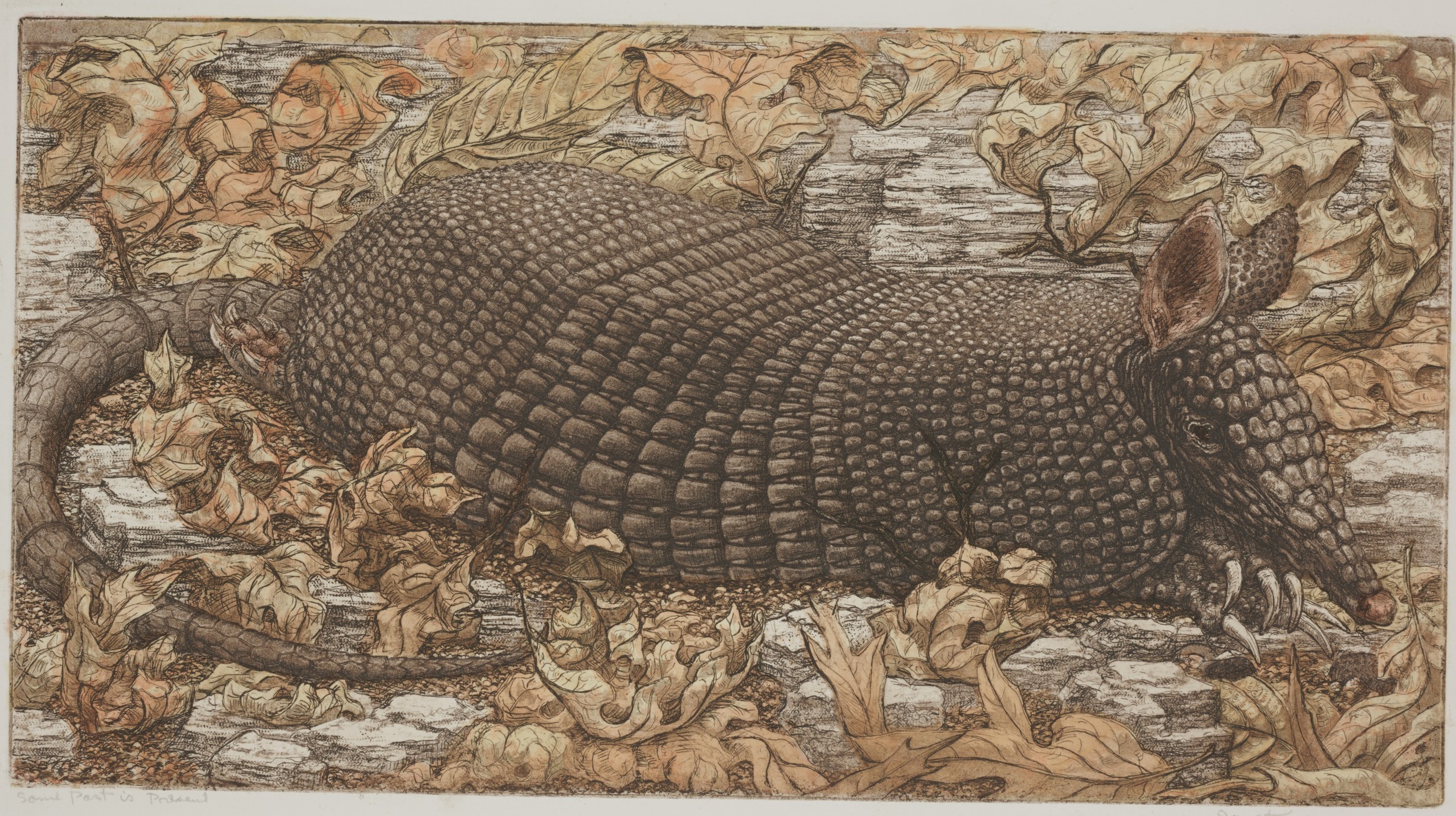
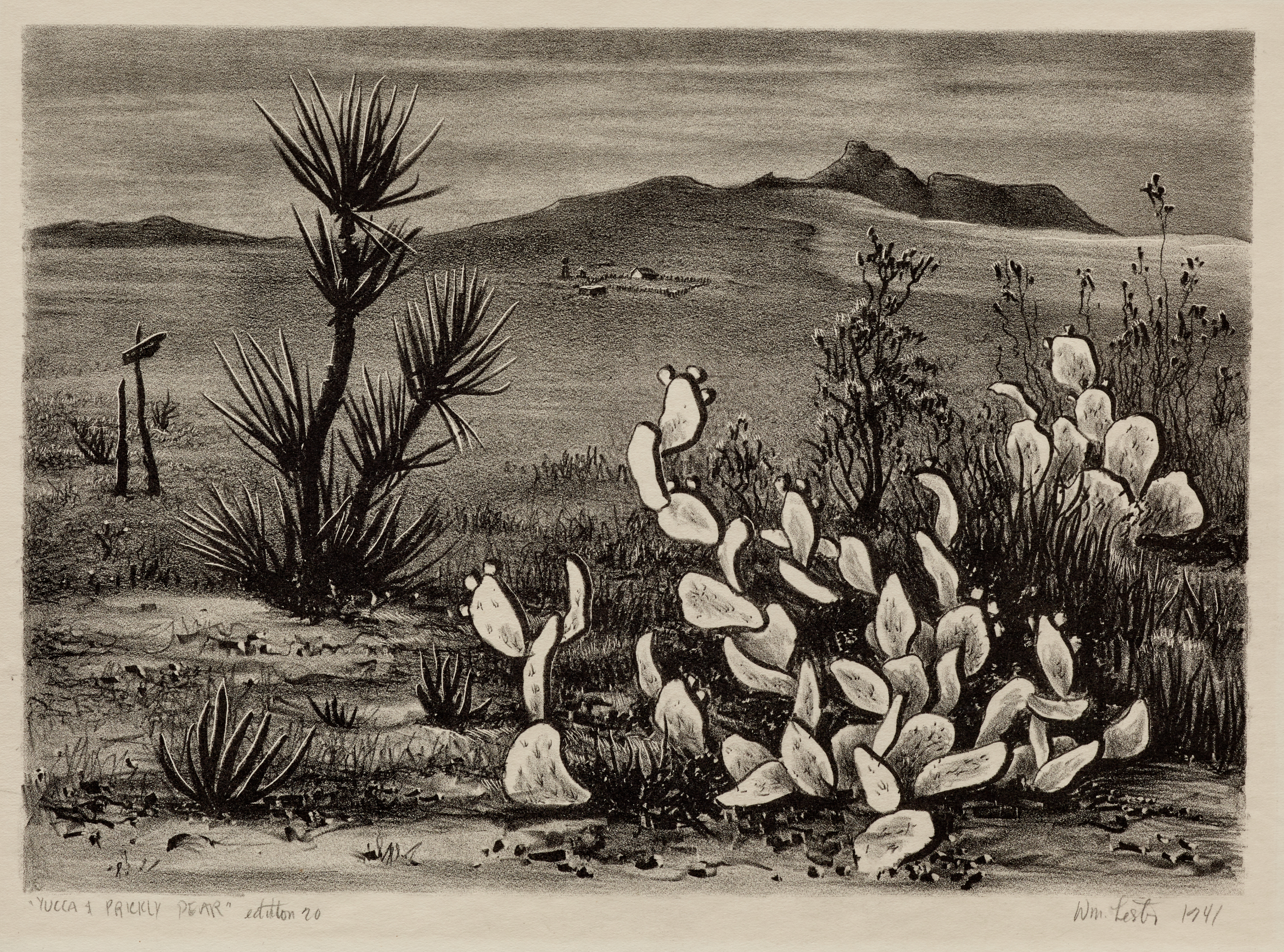
Alongside cacti and desert scrub, a tortoise’s shell is reimagined as a backpack, a reference to the northward journeys of migrants. A tough, muscled armadillo and wide-eyed prairie dogs wear bulletproof vests. It’s easy to imagine these critters as comic book characters with individual personalities.

Minerva_Cuerva_Installation_06_o2

Meanwhile, enormous ants represent industrial and agricultural labor. Echoes of the Texas State Fair’s midway evoke the quintessential cultural icons of Dallas. Framing the mural at one end of the Concourse are the words “LAND LIBERTY LIFE,” a message that is equally evocative of the American dream and of indigenous struggles for autonomy and food sovereignty.

Minerva_Cuerva_Installation_05_o3


Minerva_Cuevas_Press_Preview_3.jpg

Fine Lands Press Preview, May 11, 2018

This imagery and its layers of associations allow us to imagine unfolding narratives, or to insert our own memories of the Texas landscape. Although the mural clearly references hot-button issues such as pollution, migrant labor, and the power of the fossil fuel industry, there is no single overarching message. Rather, Cuevas holds a mirror up to Texas culture, reflecting it back to us with the added insights that creative metaphor brings. For example, she treats oil in several ways: as a natural resource, as an element of our economy (for better or worse), and as a visually fascinating substance that oozes and seeps across the landscape. More than a simple warning about the dangers of oil as a pollutant, this imagery evokes the role of fossil fuels as the bedrock of Texas industry and an important component of our deep-rooted sense of independence.

Through its examination and reframing of common cultural stereotypes surrounding our state, Fine Lands offers a new way of seeing and understanding subjects such as immigration, the politics surrounding natural resources, and ideas about Texan identity. The presence of bright white crosshairs distributed throughout the mural lends an undertone of menace. The sight of these crosshairs hovering on the wall just ahead implies an immediate threat, lurking right behind us. How we understand that implied threat, and the extent to which we participate in Cuevas’s reflection on the Texas landscape, is up to each of us.

Chloë Courtney is a Digital Collections Content Coordinator at the DMA.
Hello Again

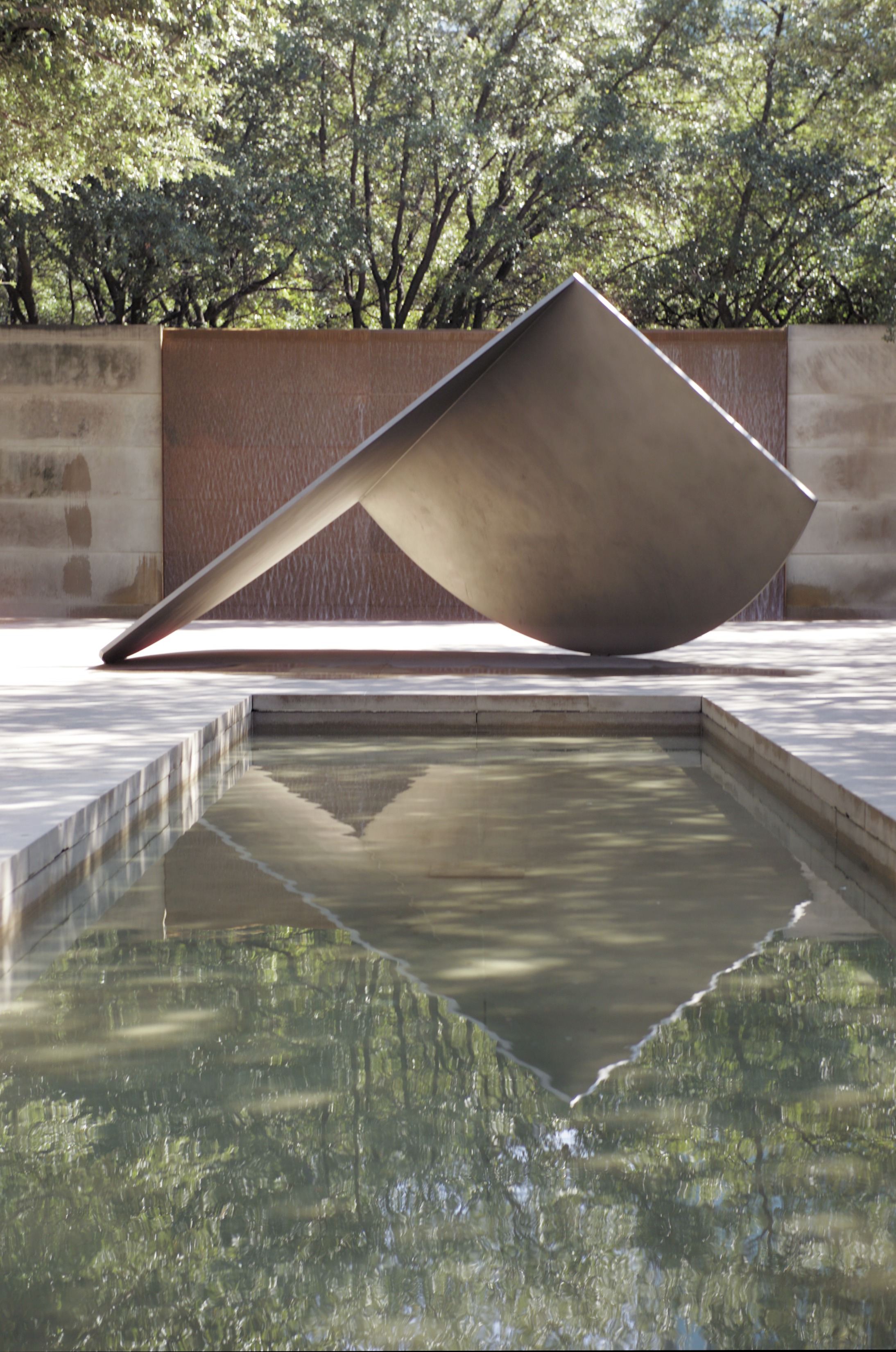
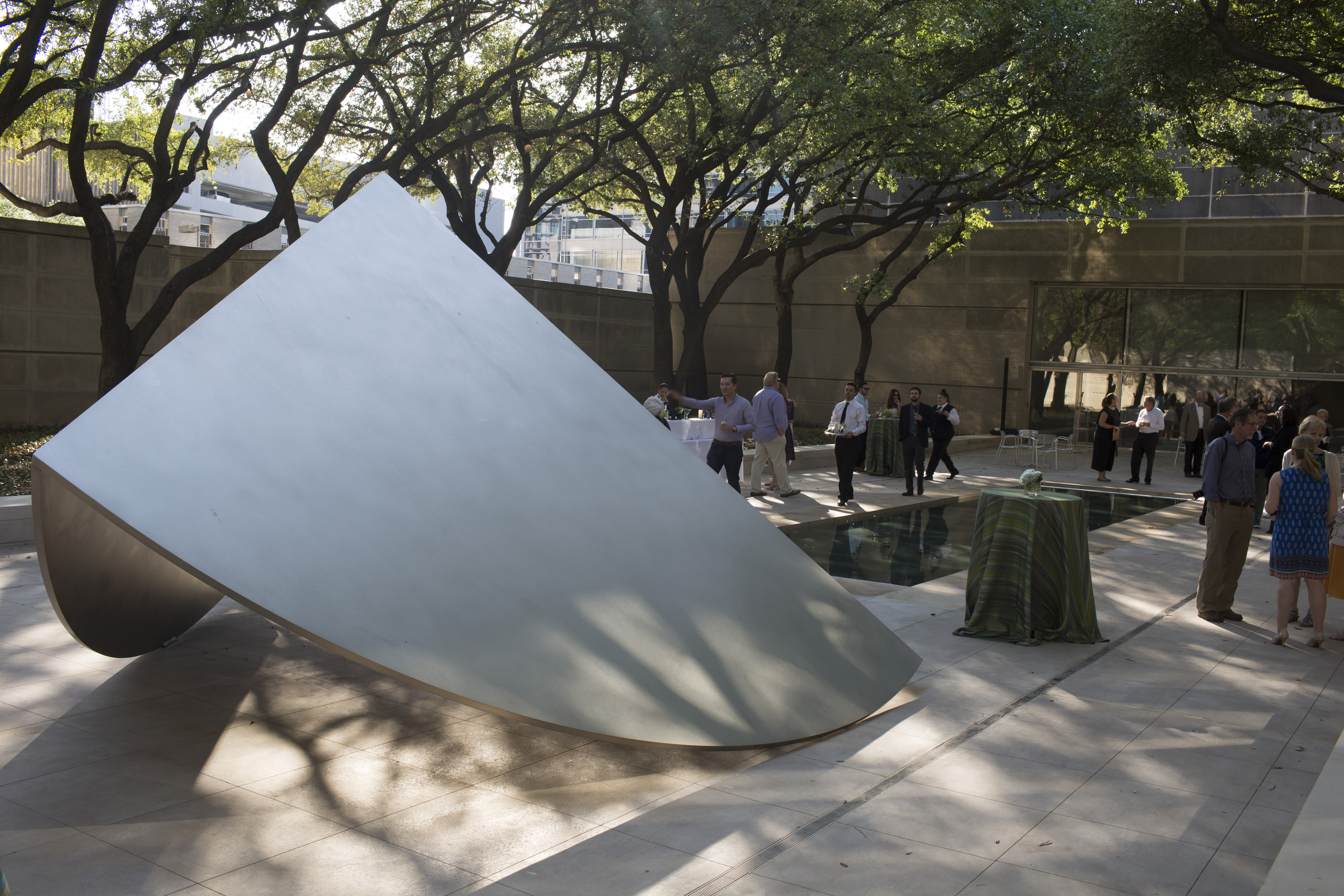
The DMA Sculpture Garden is a treasure of American urban landscape. It was designed by two giants of 20th century design: architectural pioneer Edward Larrabee Barnes and the visionary Modernist landscape architect Dan Kiley, who said of the project, “For us, setting a stage for art was as crucial as the pieces themselves.”

This courtyard, first opened 35 years ago, features the fantastic sculpture created specifically for this space by the artist Ellsworth Kelly and is the perfect stage for the art. It has been admired by countless visitors from our community and has been host to many DISD student field trip lunches through the years.

1983_56_o4

The Sculpture Garden’s iconic Ellsworth Kelly statue

After six months of renovations, it is such a pleasure to open it up again for their– and your – enjoyment!

CircleReception5-10-18_01_12

At last week’s reopening event for the Sculpture Garden, the Ellsworth Kelly statue – back in the original space that Kelly himself chose – was a popular site to behold.

The Power of Pop-Up Art Spot

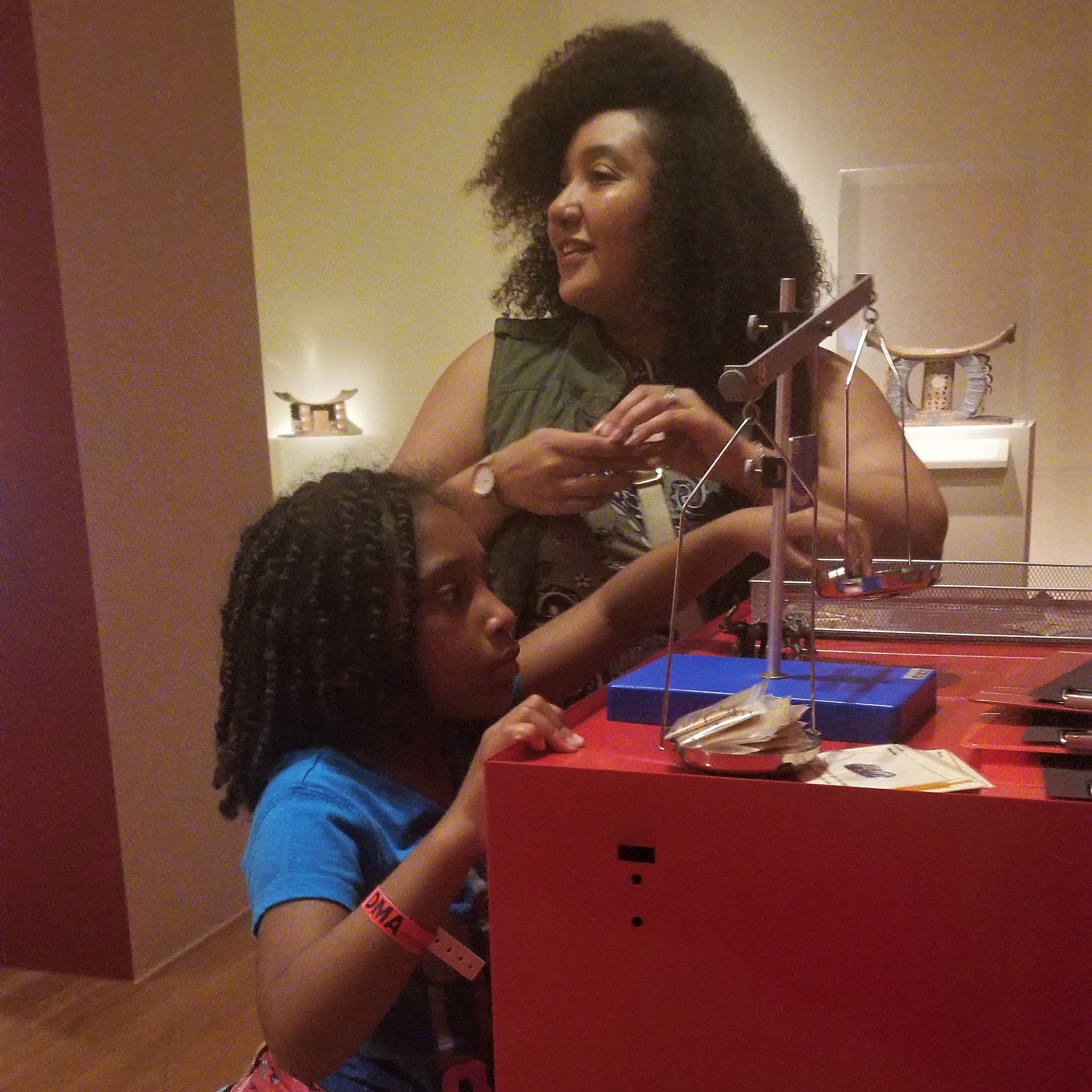
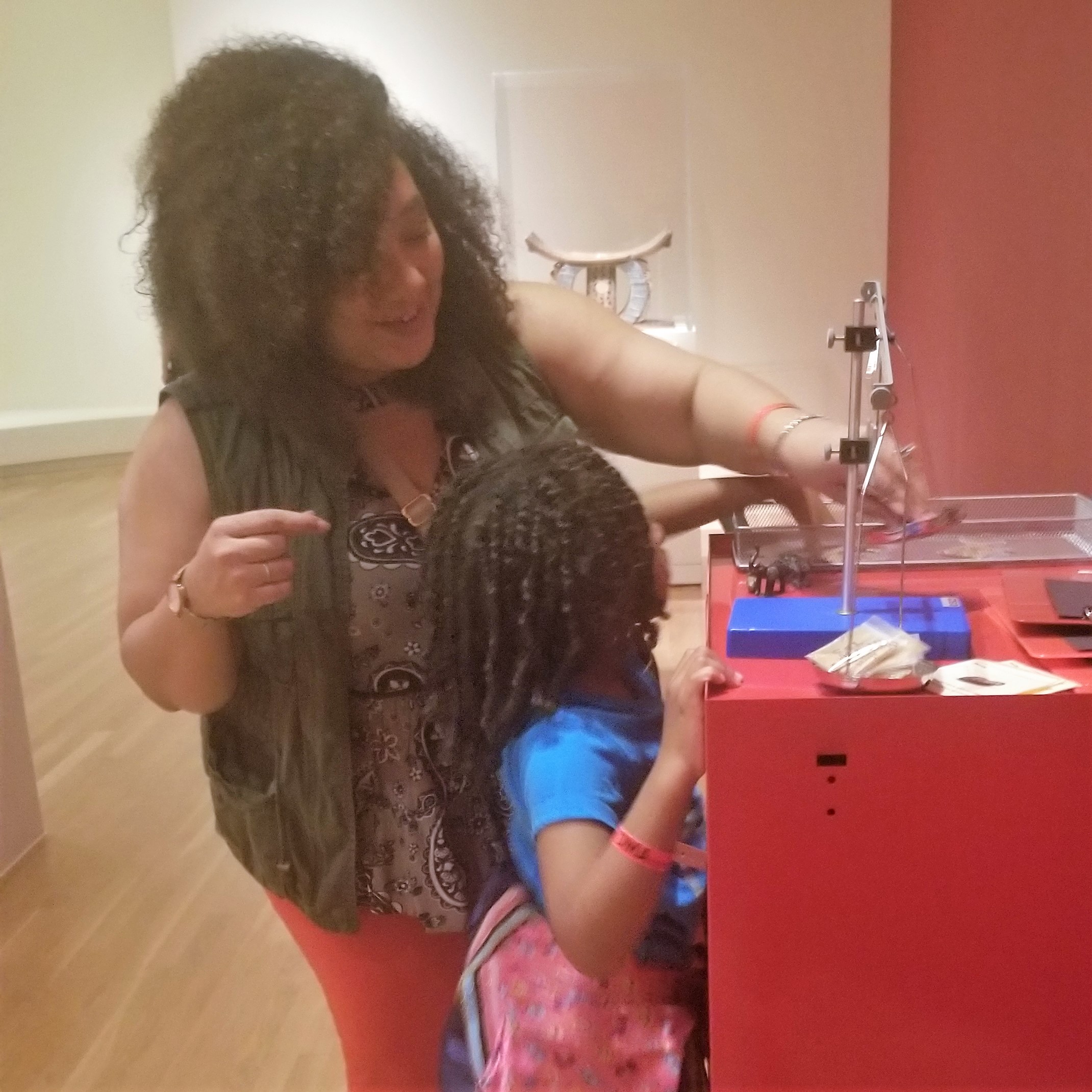
Since the debut of the Pop-Up Art Spot in 2013, this roaming activity cart has become a favorite stop for visitors of all ages. In a continued effort to make immersive activities that are inspired by nearby works of art, the Center for Creative Connections team has introduced a brand new Pop-Up Art Spot cart designed around special exhibitions. Our first focus is The Power of Gold: Asante Royal Regalia from Ghana, which features over 250 objects revealing the splendor of Asante regalia from the 19th to 21st centuries.

The Power of Gold Pop-Up Art Spot will rotate monthly between two carts of activities until the exhibition closes on August 12, 2018. At the April Late Night, visitors learned about proverbs connected to selected goldweights in the exhibition by playing a match game and making drawings.

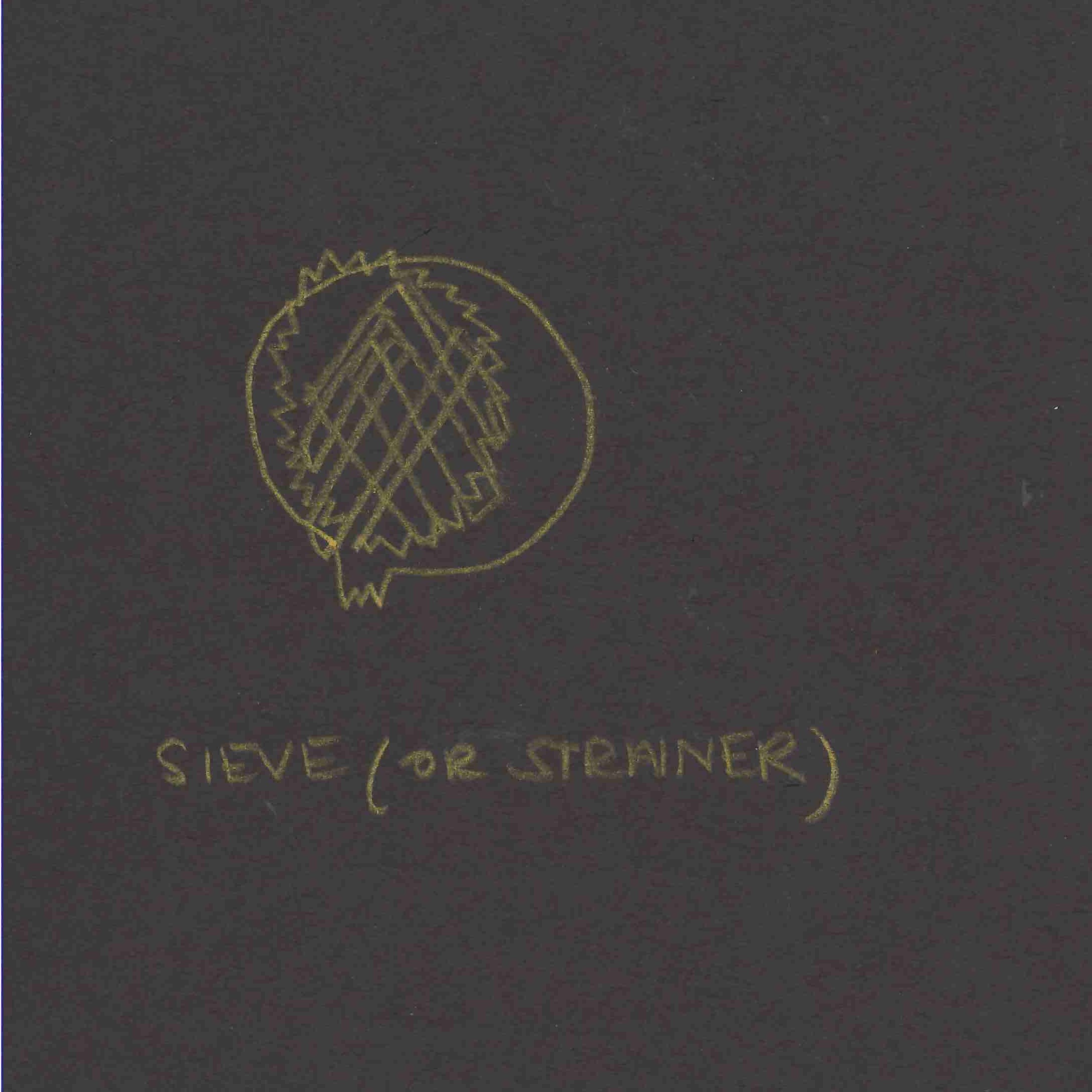
In May the cart will focus on textiles. Visitors will observe the detailed patterns in kente cloth and use silk thread to create their own weaving. They can also explore the symbols in adinkra cloth and create a rubbing using various adinkra stamps.

Come try these activities, and more,  in the Power of Gold exhibition on Saturdays from 1:00 to 4:00 p.m. and on selected Late Nights from 8:00 to 10:30 p.m. A special exhibition ticket is required.

Kerry Butcher is the Education Coordinator for the Center for Creative Connections at the DMA.
Teaching with Modern American Art

Last week, Amy W. blogged about a training session on Colonial American art that she and Jenny led for our docents.  Melissa and I recently led a follow-up session for the docents on teaching with Modern American art.  

Arts of the Americas and Colonial to Modern American Art are two of the most popular topics for docent-guided visits at the DMA.  Melissa and I deliberately selected artworks from the first half of the 20th century that docents don’t typically use on their tours.  It was our hope that by learning more about these paintings and artists, docents will have even more flexibility in selecting stops for their tours.
I started off training by looking at two American artists who were influenced by the Dutch artist Piet Mondrian: Leon Polk Smith and Ilya Bolotowsky

  • We discussed what “Boogie Woogie” means and how boogie woogie music might sound.  I even played a short clip of boogie woogie music for the docents and had them dancing in the galleries!
  • Leon Polk Smith’s painting Homage to Victory Boogie Woogie #1 is a direct reference to Mondrian’s final painting (Victory Boogie Woogie). There is an Homage to Victory Boogie Woogie #2, which is in the collection of the Modern Art Museum of Fort Worth.
  • Ilya Bolotowsky knew Piet Mondrian.  They were both members of American Abstract Artists, which was founded in New York City in 1936.  In fact, Bolotowsky was one of the founding members of the group.

Melissa invited the docents to complete a Venn Diagram comparing and contrasting two still life paintings: Survival of the Fittest by Fred Darge and On the Ranch by Jerry Bywaters.

  • This is an easy exercise to do in the Museum or in your classroom.  Encourage your students to look closely at images of these paintings and make notes about what they see in a Venn Diagram.  This resulted in a great conversation with our docents, and we think the same thing can happen in your classroom.
  • There are many similarities in the lives of Fred Darge and Jerry Bywaters as well.  Both artists lived and worked in Dallas most of their lives.  They also both took sketching trips to West Texas, where they were inspired by the vast landscape.
  • Jerry Bywaters was actually the director of the Dallas Museum of Fine Arts when Fred Darge’s Survival of the Fittest came into the collection in 1944.

We hope you’ll visit the Museum this spring to see these paintings in person.

Shannon Karol
Manager of Docent Programs and Gallery Teaching


Archives

Categories