Posts Tagged 'Dallas Museum of Art'


Community Connection: Eye-opening, Enlightening, and Fabulous

Some of our devoted Go van Gogh volunteers have participated for many years, so we design special workshops for them with the goal of making connections – with works of art, with fellow volunteers, and with personal teaching experiences – in fun and fresh ways.  These themed workshops often feature guest speakers, such as local artists or our colleagues in the education department.   

Our last workshop focused on the theme “PLAY”; you can view pictures from the workshop in our intern Karen’s photo post.  We invited Leticia Salinas, the 2009-2010 McDermott Intern for Family Experiences, to lead conversations and activities with volunteers in front of works of art entirely in Spanish.  Volunteers commented after the workshop that their experience with Leticia was “eye-opening”, “very valuable”, “helpful”, “enlightening”, and “fabulous”.
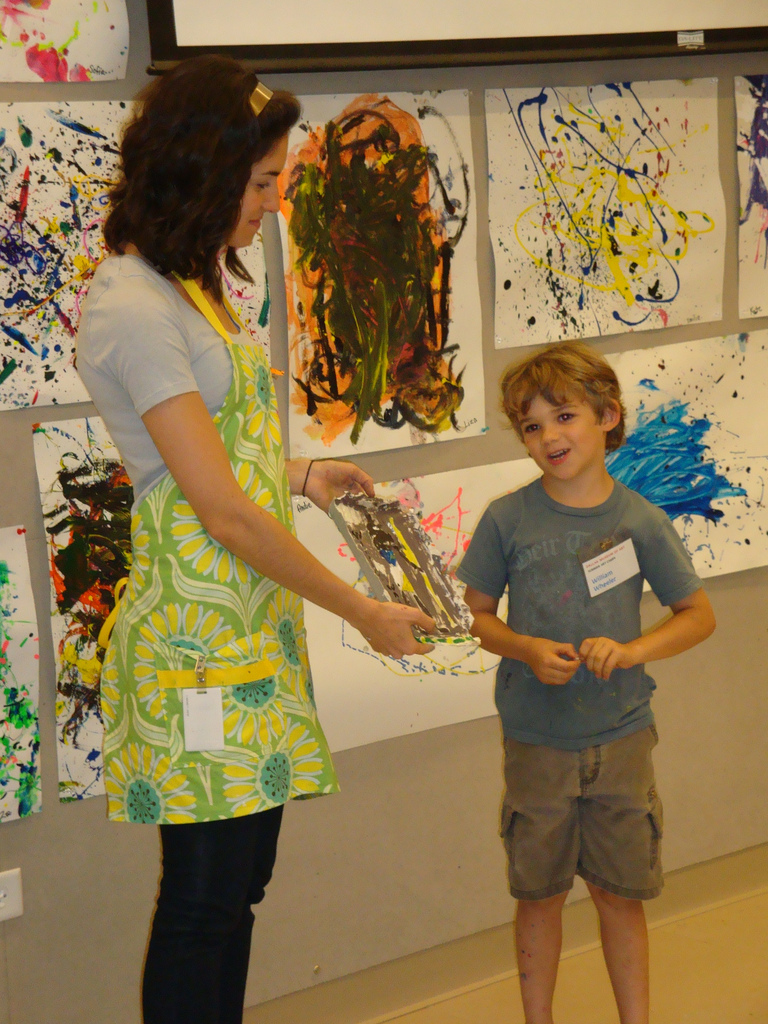
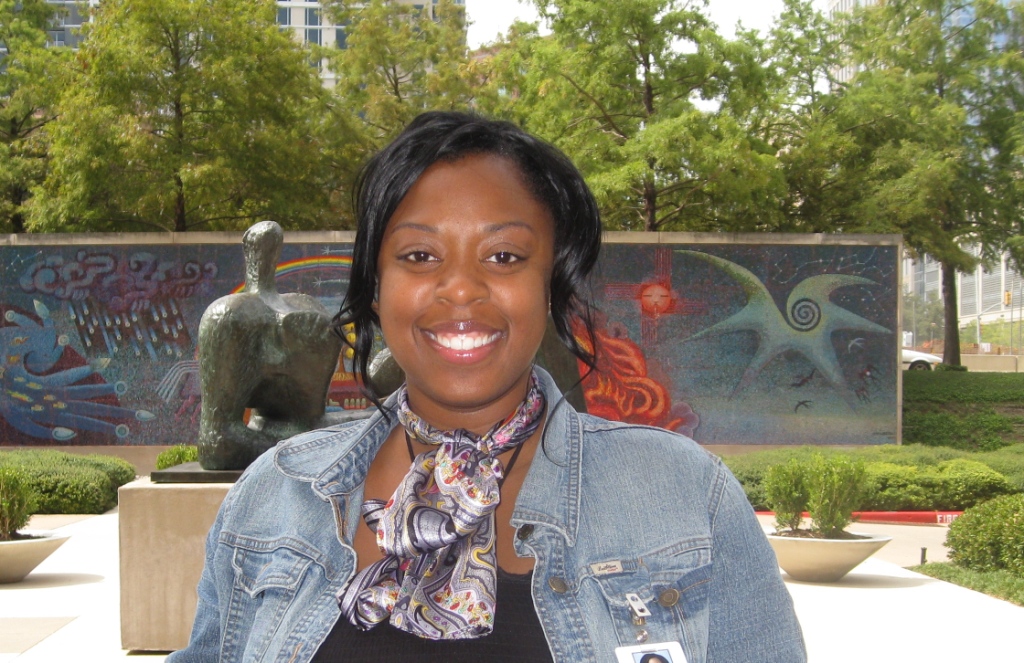
Leticia leads the Paint the Town DMA Summer Art Camp.

Tell us about your connection with the DMA.

I’ve been in Dallas for about ten years, and during college I visited the DMA every now and then and attended Late Nights.  Last year, I was the McDermott Intern in the Family Experiences department.  I continue to help during Late Nights and other special Family Experiences programs. 

What are you doing now?

I am a Special Education Bilingual Teaching Assistant at Thomas Elementary in Plano ISD.  I help teachers in classrooms with special education and/or bilingual students, primarily kindergarten through second grade. 

Describe your session with Go van Gogh volunteers.

I gave two tours in Spanish focusing on Jackson Pollock’s Cathedral and three hats in the African collection.  This helped volunteers put themselves in the position of ESL students and also showed them effective ways of teaching these learners.  Hopefully, the volunteers were able to gauge how these students feel and will be able to use that knowledge as a tool when they teach.  It was a really great experience, and I enjoyed it.  The volunteers were all very willing to participate even though it was a different language and they may have felt uncomfortable.

What do you consider important when working with ESL students, and how does this apply to teaching with works of art?

When working with ESL students, there has to be something more than language.  You have to be really creative and think of different ways to teach a subject.  This applies to all subjects.  I think art is a great way to teach ESL learners because they have a visual picture of what you’re talking about.  You can get creative and lead activities that are more hands-on and fun, playing with color and lines and movement.  All of those concepts are easy to teach to students who don’t speak English fluently.

Finish this sentence: In ten years, I’d like to be…

I hope to be at a place where I’m happy with my job and I love what I do, whether it be working in a museum or with kids or doing something totally different that I never thought I would do.  Hopefully, in ten years I’ll have it all figured out.
French Art Teacher Workshop

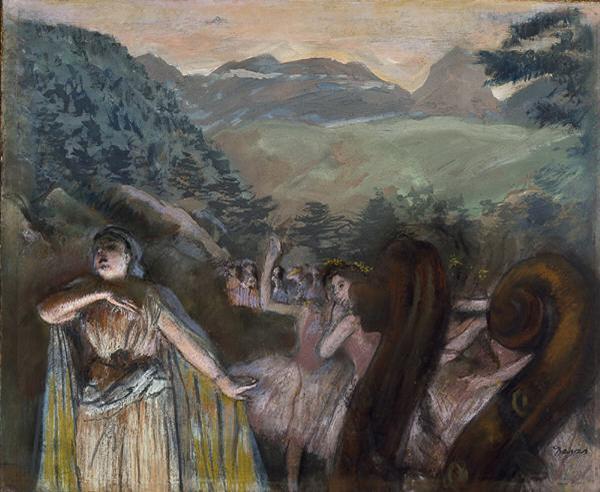
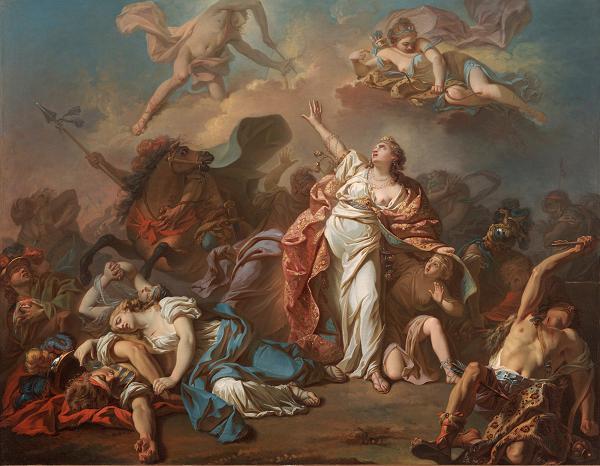
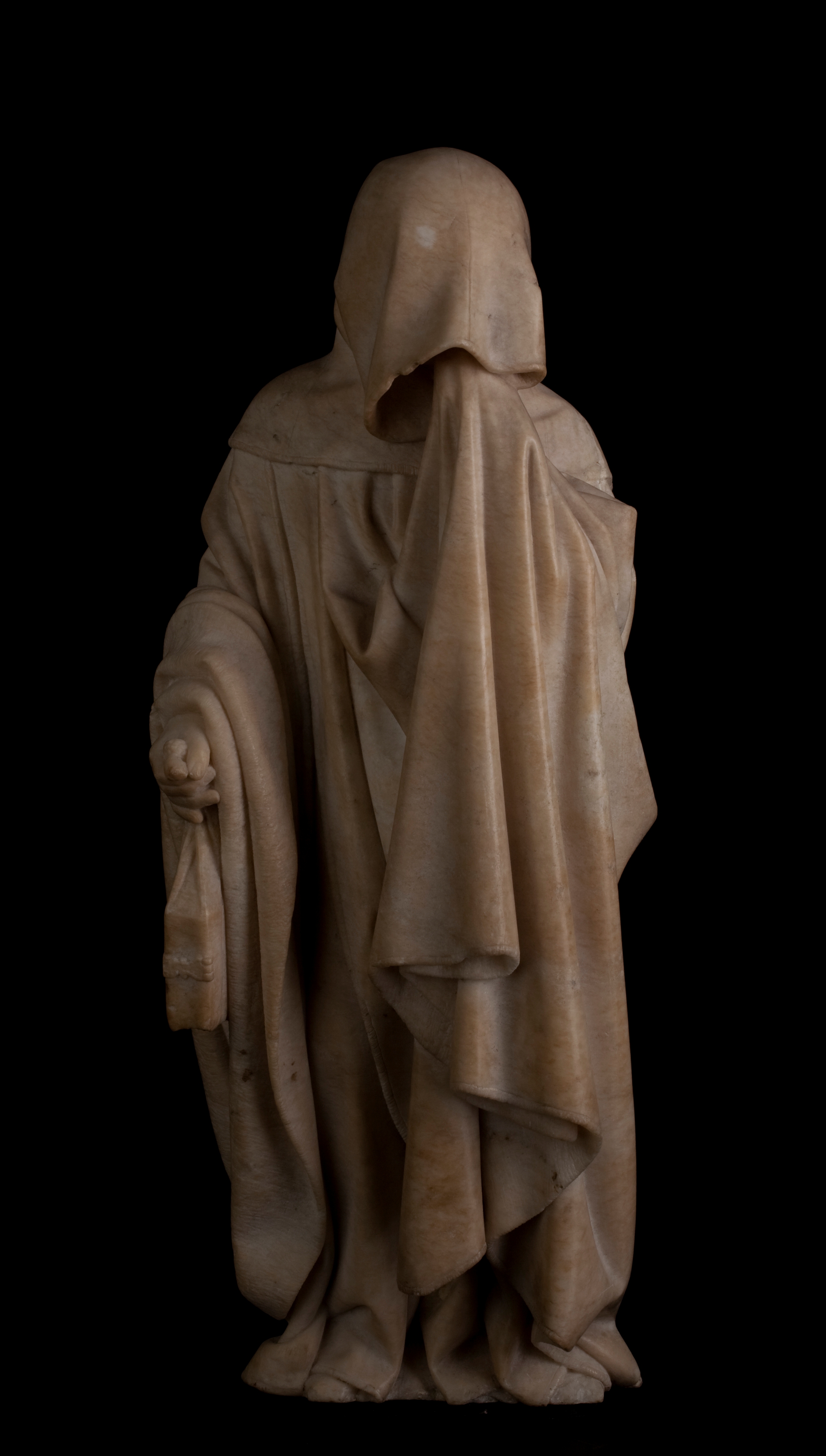
Bonjour!  I would like to invite you to travel to France through works of art at the Dallas Museum of Art on Saturday, December 4 from 9:00 to 12:30pm.    We will explore 18th–19th century French paintings and sculptures, the Reves Collection, and the special exhibition The Mourners: Tomb Sculptures from the Court of Burgundy.  


To register for this teacher workshop or to learn more about other workshops and programs offered in Spring 2011, go to DallasMuseumofArt.org/teachers

À bientôt….

Jenny Marvel
Manager of Programs and Resources for Teachers

Intern Update

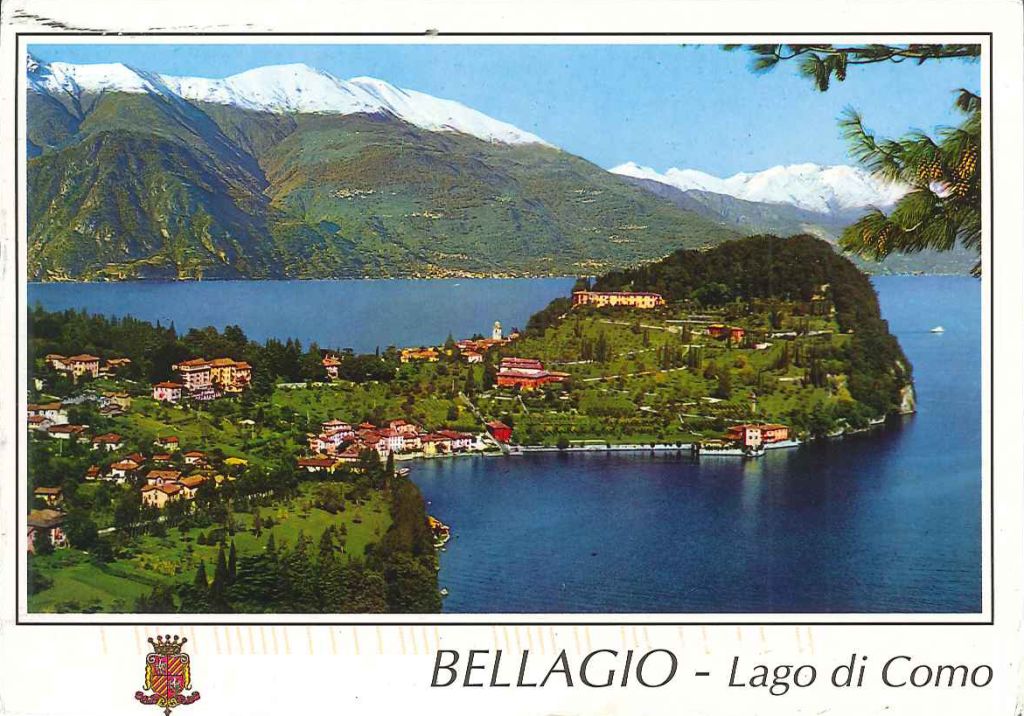
postcard from Justin Greelee's travels in Italy

 A few short months ago, we said farewell to our interns Logan Acton and Justin Greenlee, and last week we welcomed our new interns for 2010-2011, Karen Colbert and Ashley Bruckbauer.   

Logan Acton, Assistant to the Director of Education

Since wrapping up their internships, Justin and Logan have both been very busy. Justin left the States for Italy to work for a study abroad program run by his alma mater, Kenyon College.  He’s had the chance to do a lot of traveling — mostly art-related — including an amazing trip to Assisi.  

Logan completed his M.A. in Aesthetic Studies from The University of Texas at Dallas and was hired in August as a full-time DMA staffer. He is now the Assistant to the Director of Education, and we are thrilled to get to continue working with him.  

Ashley Bruckbauer, McDermott Intern

 Ashley Bruckbauer is the new McDermott Intern for Programs and Resources for Teachers. She received her B.A. from Southern Methodist University in Art History and Advertising Management. Her experiences prior to joining the DMA are graduate-level research in France, an internship at the Crow Collection of Asian Art, and teaching abroad in Shanghai, China.  

Karen Colbert, McDermott Intern

 Karen Colbert is the new McDermott Intern for Teaching Programs. She is currently completing her Master’s degree in Art Education, with a focus on museum education and arts leadership, at the University of North Texas. Before joining the DMA staff, Karen was an educator at the Women’s Museum in Dallas and an art teacher with the Dallas Independent School District. 

 We are excited to have Ashley and Karen on our team for the 2010-2011 school year! Keep an eye on this blog for upcoming posts about their experiences as DMA interns. 

Molly Kysar
Head of Teaching Programs

SLANT 45: Service Learning Adventures in North Texas

Volunteering and art make a great combination.  Add football and Super Bowl XLV to this combination and you get a power-packed project called SLANT 45.  In the football world, slant 45 references a specific play used by Daryl Johnston and Emmitt Smith when they played for the Dallas Cowboys.  Johnston, the North Texas Super Bowl XLV Host Committee, and Big Thought are giving slant new meaning in the Dallas-Fort Worth area with the SLANT 45 project, also known as Service Learning Adventures in North Texas. Sponsored by Bank of America and The Ted and Sharon Skokos Foundation, the project is an educational youth initiative promoting volunteer service in the community and providing participating youth with an opportunity to create unique artwork reflecting their service learning adventures.  It’s a great opportunity to encourage and recognize the champions of community service.  

The goal for the SLANT 45 community-wide service project is to involve at least 20,000 youth, logging in nearly 45,000 hours of volunteer work.  Wow!  After teams of youth complete their projects, the final step is the creation of a reflective artwork.  Selected works of art will be on view in the SLANT 45 Community Heroes Art Exhibition, which will be on display at various locations across North Texas before, during, and after Super Bowl XLV.

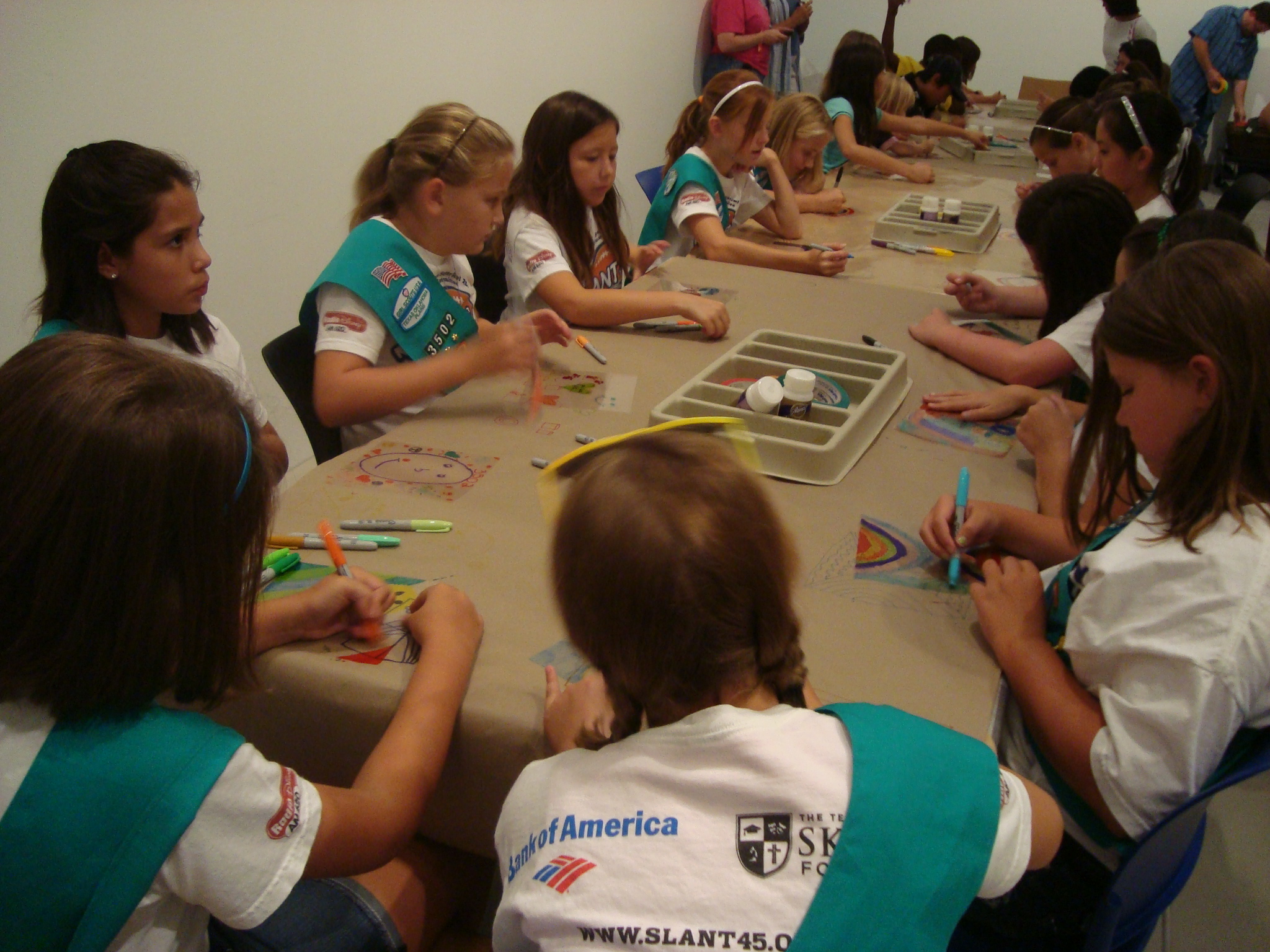
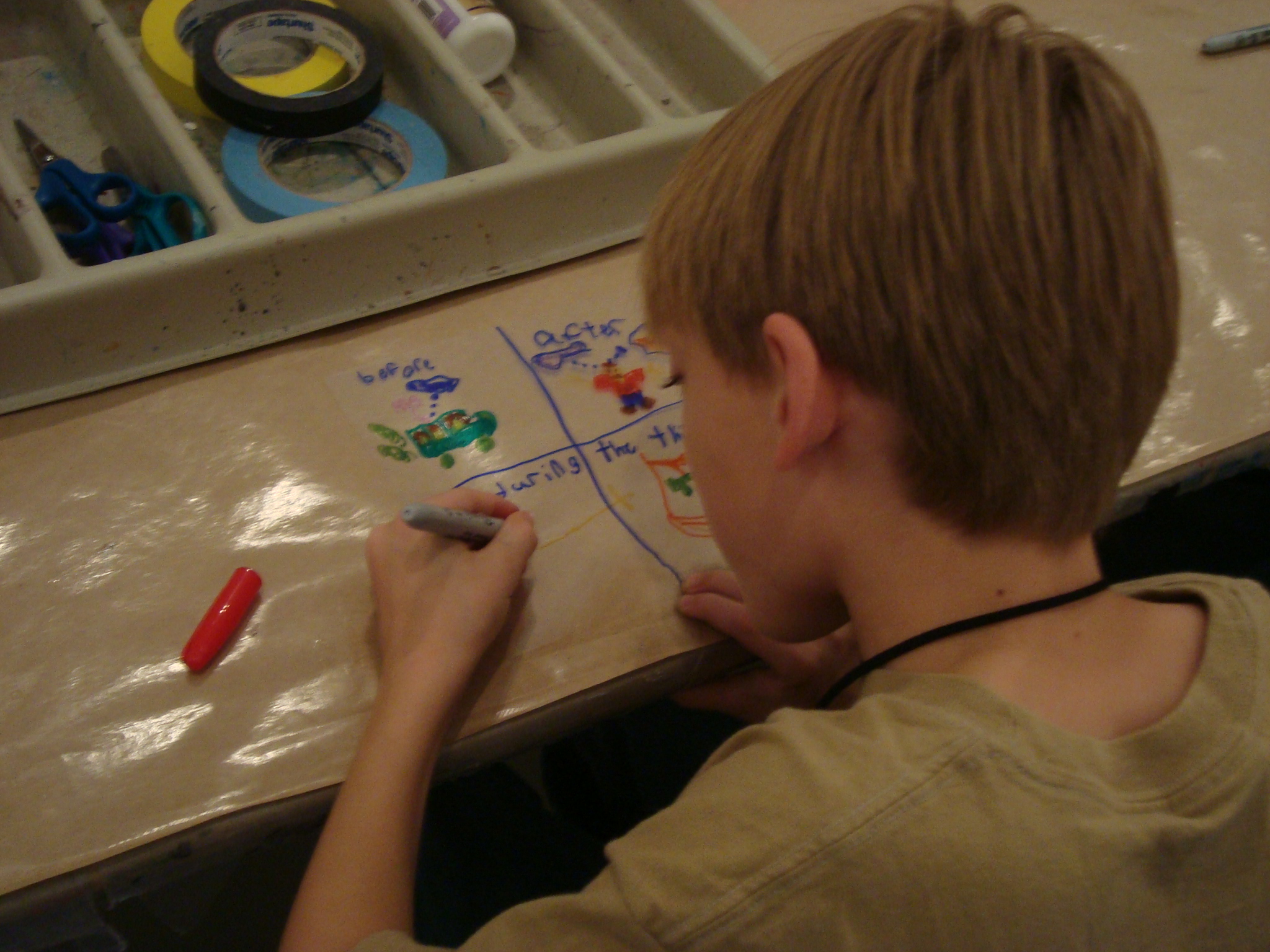
The Dallas Museum of Art is partnering with Big Thought and artists in the Dallas community to provide workshops for SLANT 45 participants.  A few North Texas youth participating in SLANT 45 visited the DMA recently to participate in a workshop with artist Sara Cardona.  Having recently completed their volunteer work at an animal shelter and a clothes closet, these boys and girls met with Sara to reflect on their projects and create works of art inspired by their service.  The youth created an artwork based on the idea of stained glass windows.  They drew words and images reflecting their community volunteer work on a transparent film, then backed the film with metallic paper, and then completed the work with a colorful frame.

More workshops are scheduled to occur at the DMA in September and October with artists Jill Foley, Adriana Martinez, Will Richey, and Ann Marie Newman.  Visit SLANT 45 for more information about how to register.

Nicole Stutzman
Director of Teaching Programs and Partnerships

September Programs for Teachers

I hope you had a fun and relaxing summer break!   The school year has just begun, and we are looking forward to seeing you and your students here at the Museum.  This will be an exceptional year for exhibitions as we celebrate Mexico’s bicentennial, investigate the meanings and functions of masks from several Sub-Saharan African countries, and explore French medieval sculptures from the tomb of John the Fearless.

Because we value you as educators, we are offering FREE admission with your educator ID on the following days this month:  September 4, 5, 25, and 26.   Below are additional opportunities to participate in programming designed for K-12 educators during September:


Arts of Mexico Teacher Workshop
Saturday, September 11, 9:00 a.m. – 12:30 p.m.

Explore the arts of Mexico in the Museum’s collections and the historical significance of artworks and artists in the exhibitions José Guadalupe Posada: The Birth of Mexican Modernism and Tierra y Gente: Modern Mexican Works on Paper


Late Night at the Dallas Museum of Art
Friday, September 17, 6:00 p.m. – midnight

Show your educator ID and get in FREE.  Visit the Educator Resource table to register for door prizes and sign up for upcoming teacher programs.


African Masks: The Art of Disguise Teacher Workshop
Saturday, September 25, 9:00 a.m.–12:30 p.m.

Experience the power and wonder of African Masks: The Art of Disguise. Investigate the functions and meanings of African masks and consider how they are used today. 

Until next time….

Jenny Marvel
Manager of Programs and Resources for Teachers

The Small Objects Collection Is Movin’ on Up!

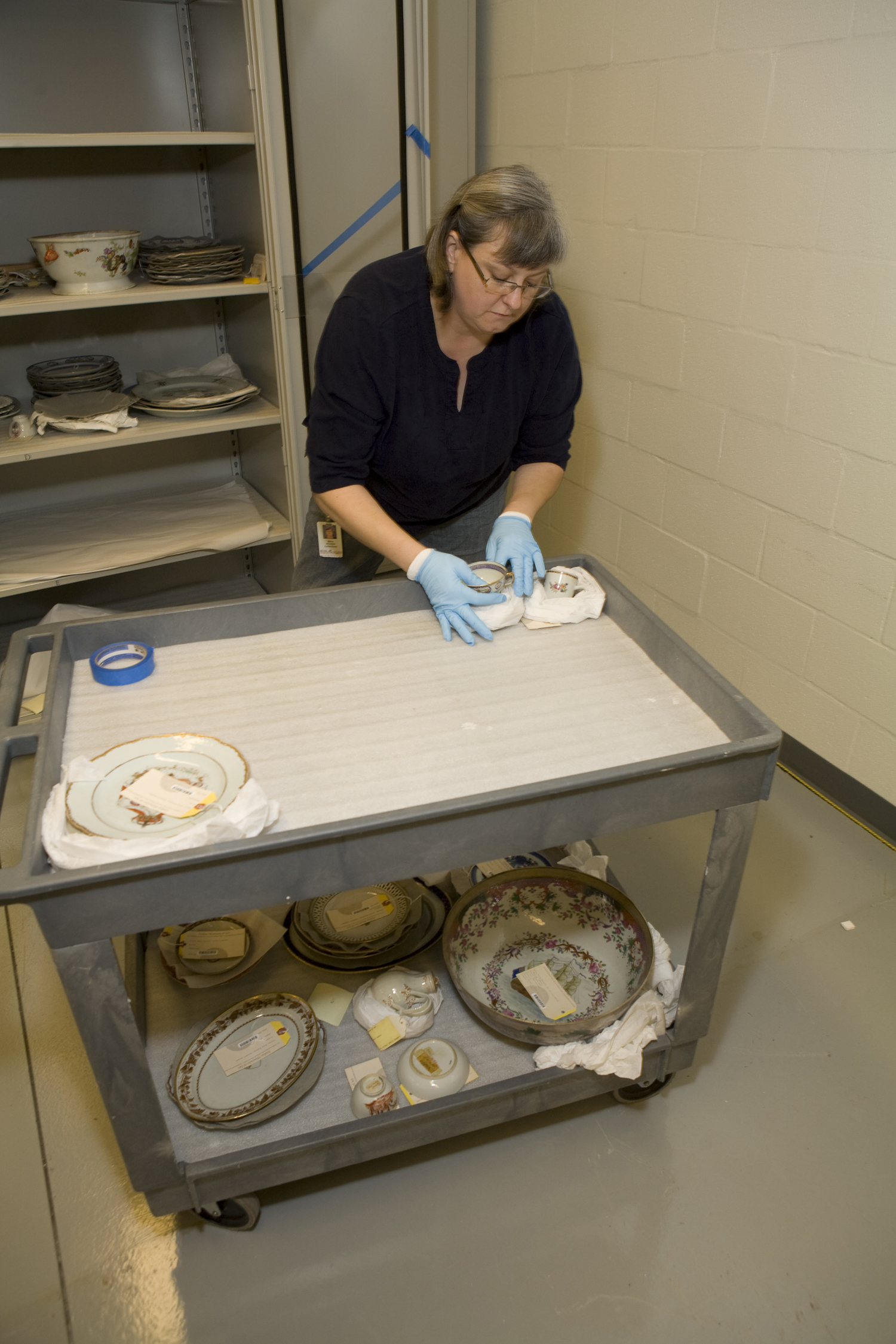
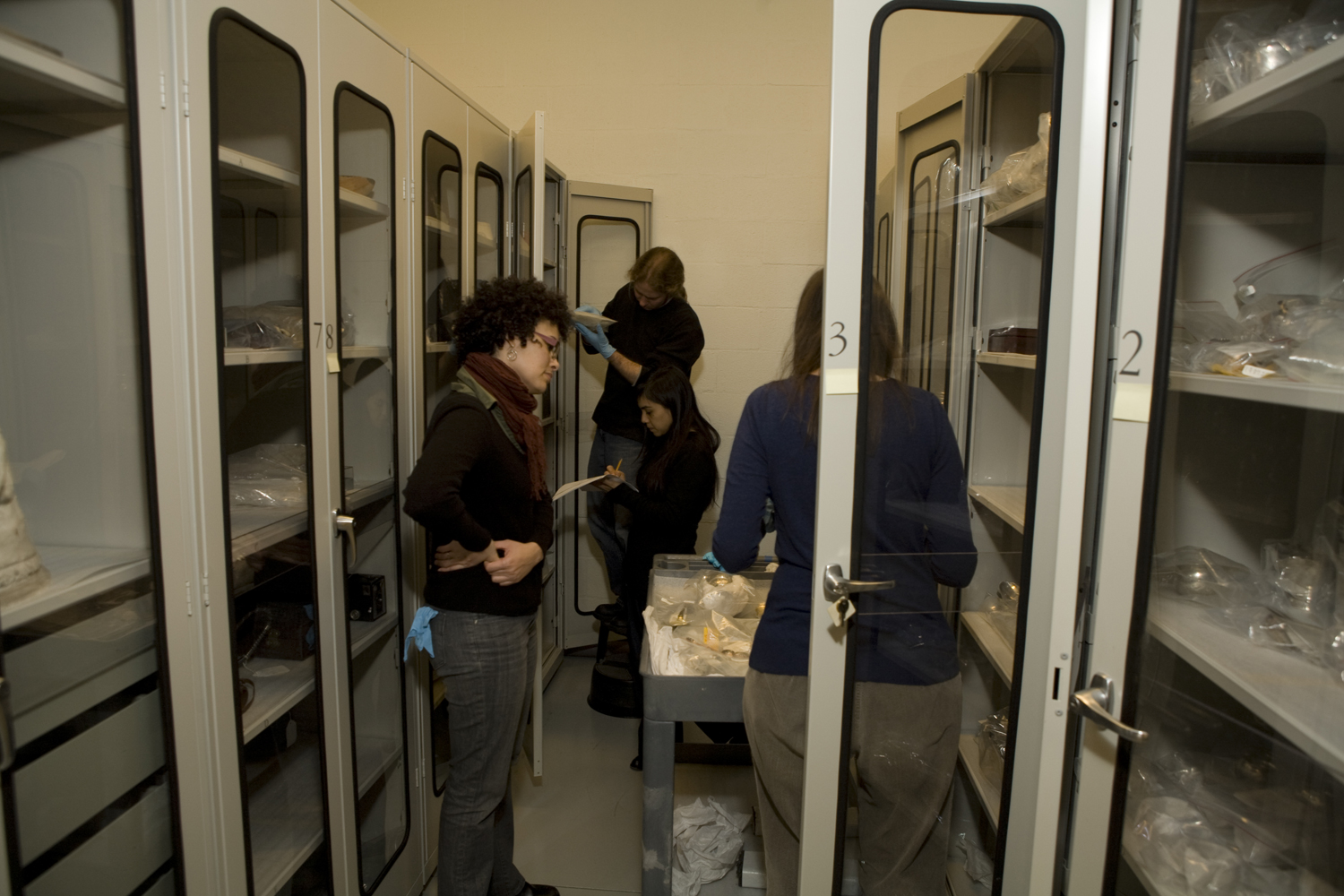
With funding provided by the National Endowment for the Humanities, the Dallas Museum of Art is currently undertaking its Museum Storage Improvement Project, which involves updating and enhancing proper storage for the Museum’s collections. A large part of this project is dedicated to the renovation of the Small Objects storage space. Small objects are works of art that are three-dimensional and small enough to fit in cabinet shelving. Our improvement project includes moving the works of art into new storage equipment and also retrofitting the older cabinets.

When we began, the Project Team decided to do an inventory of the 8,000 objects in this space. Small Objects includes works from all of the Museum’s curatorial departments–from ancient fertility figures and African beads to silver place settings and fine china. When we’re done, the new Small Objects space will have increased storage capabilities and improved environmental controls, allowing Museum staff to better care for these works of art.

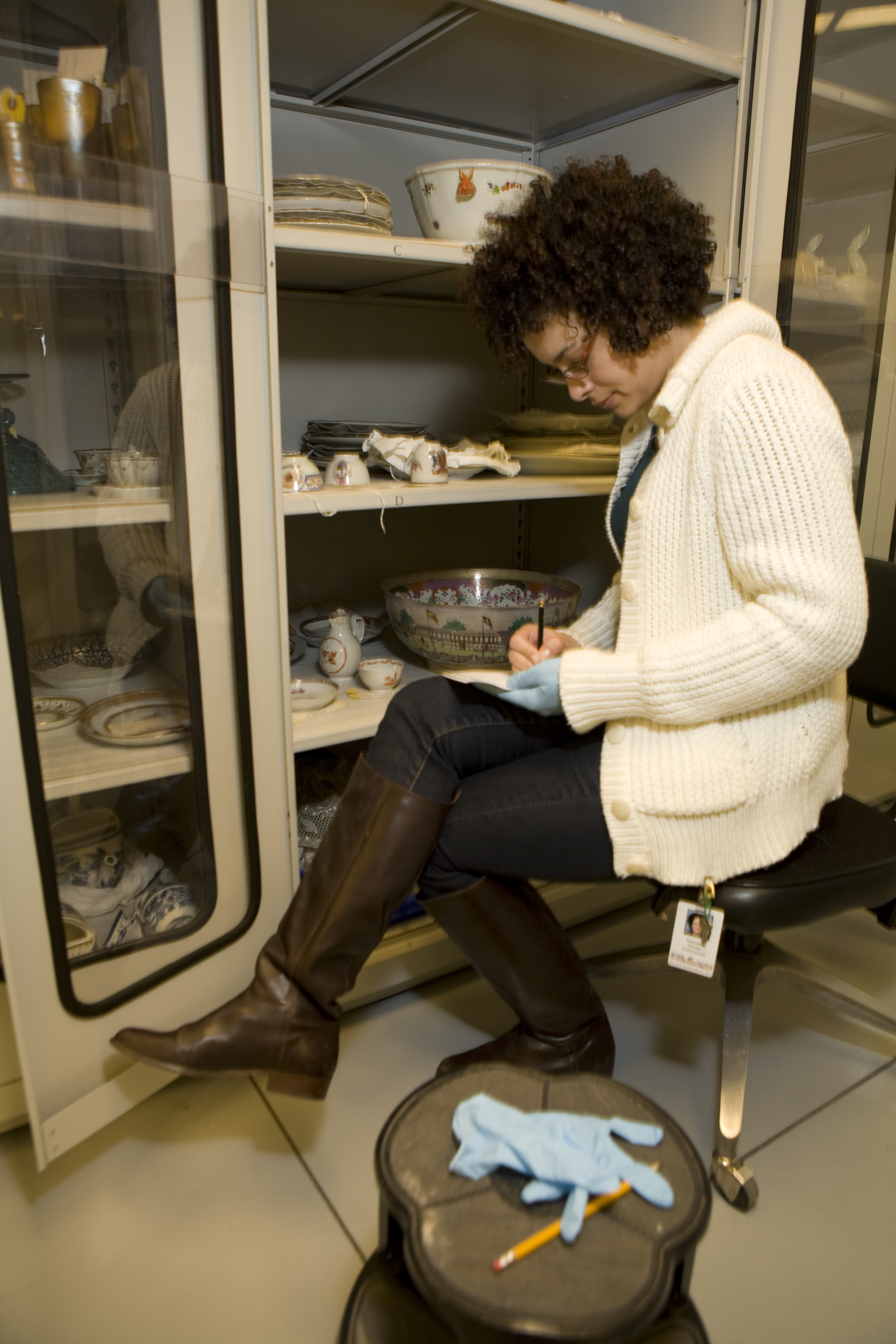
Museum Storage Improvement Coordinator Danielle Flores works on the inventory by double-checking object labels.

Danielle works with Collections Technicians Robert Hoot (center, standing) , Consuelo Gutierrez (center, seated), and Registrar Sarah Evans (right) to inventory objects from the Decorative Arts collection.

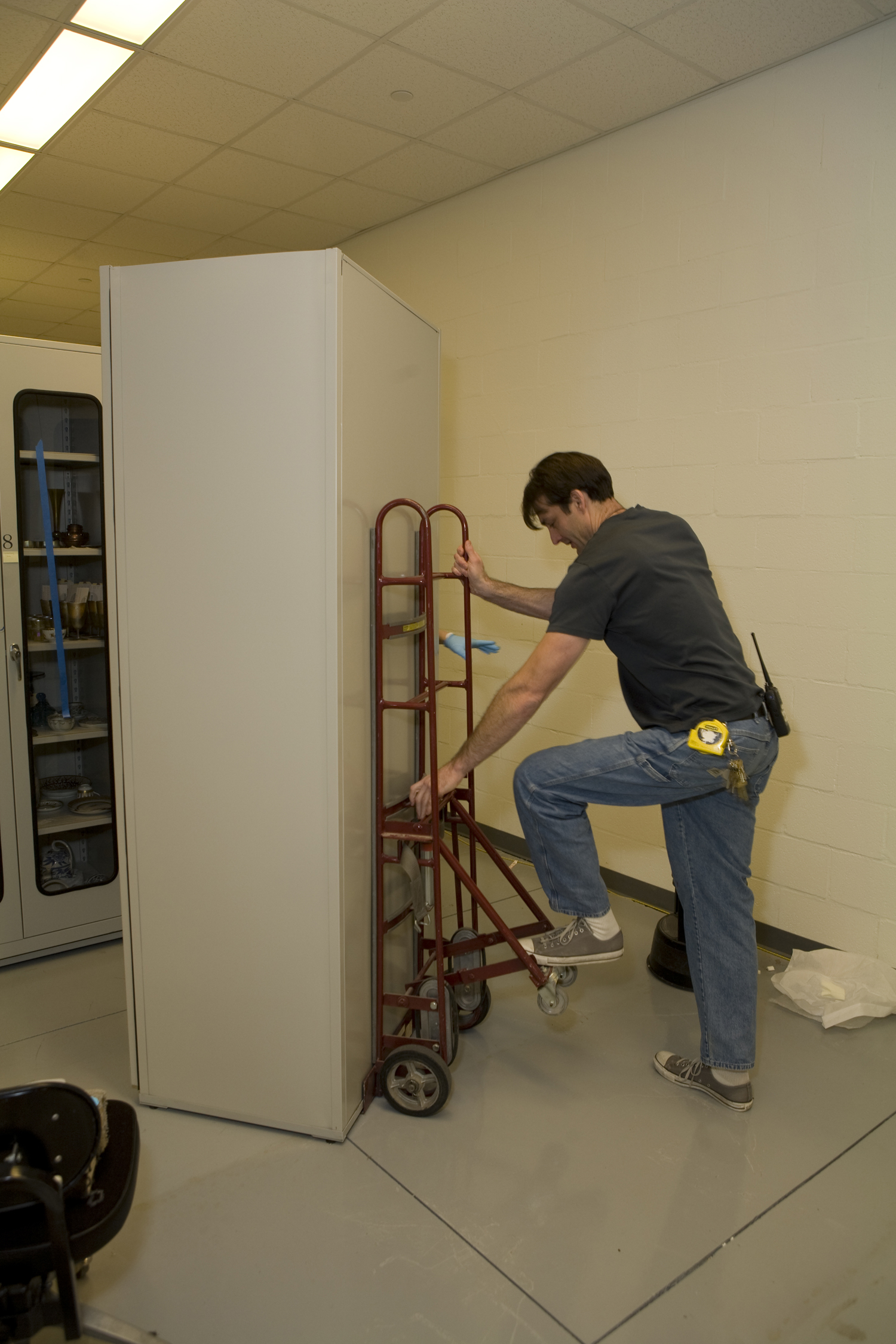
Head Preparator Vince Jones moves an older Small Objects cabinet that has been emptied.  The new Small Objects space will use retrofitted old cabinets along with newly purchased cabinets.

Preparator Mary Nicolett carefully fills up a cart.

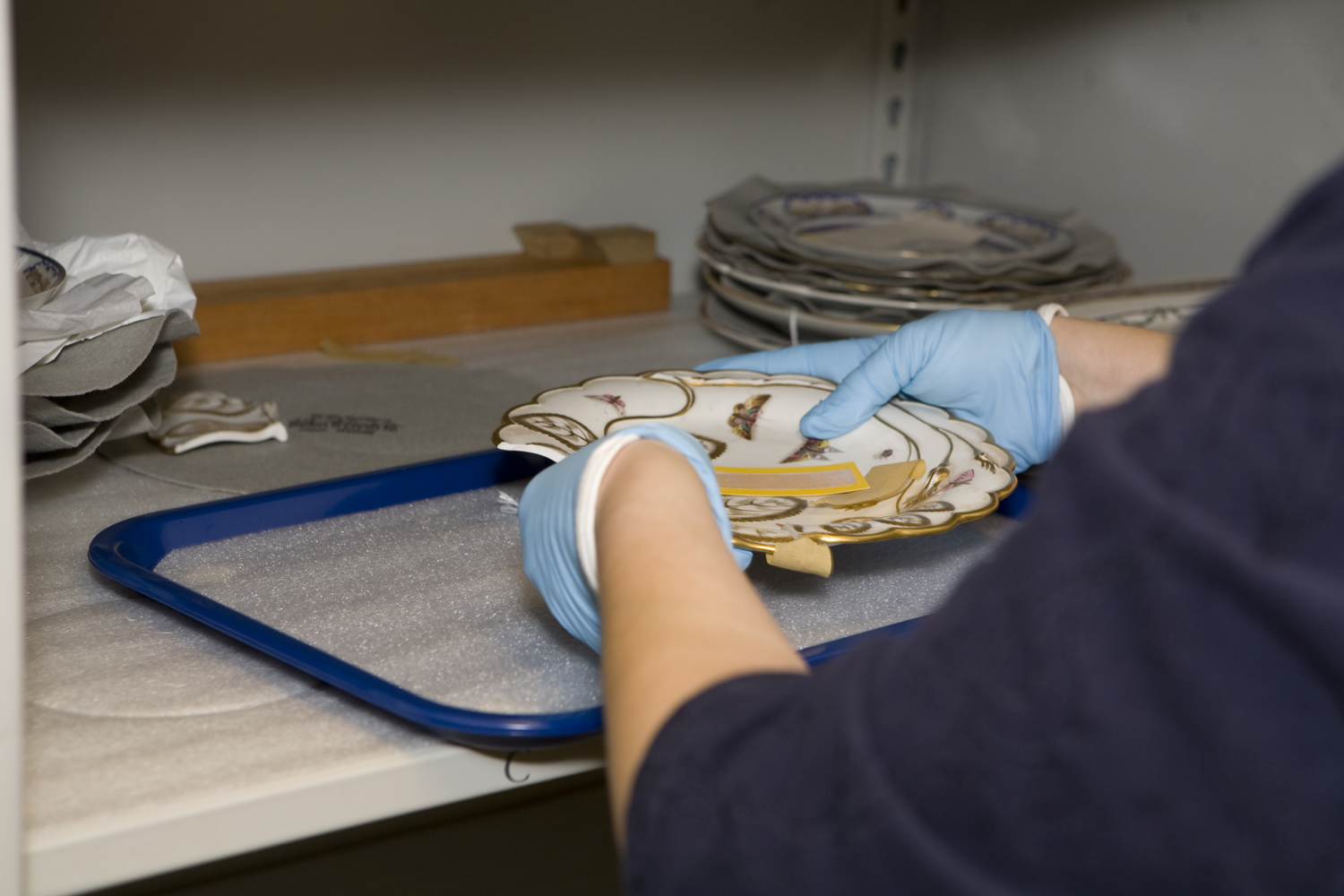
Our staff always works with gloves to protect the pieces in the collection.

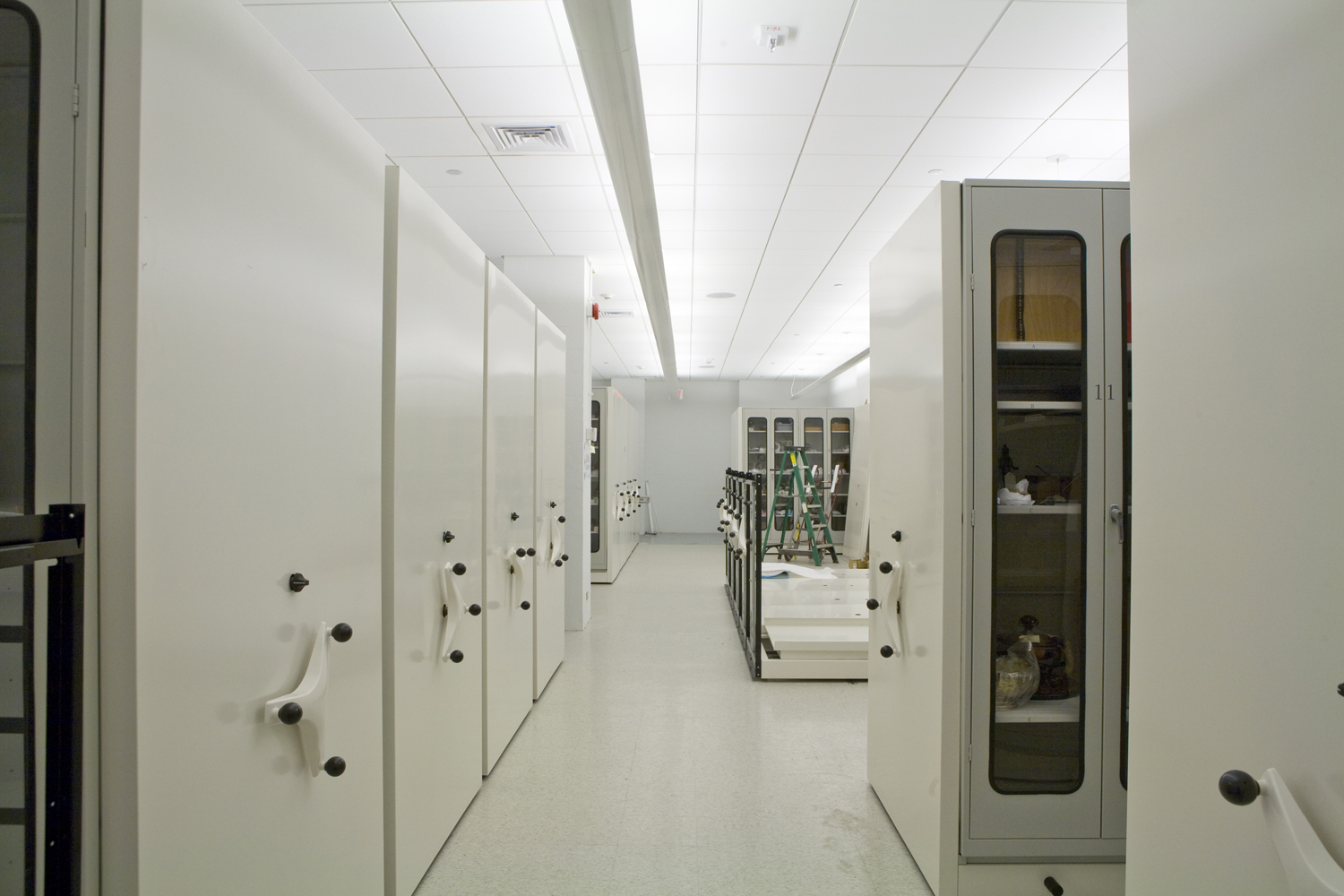
Here is a sneak peek at the almost-completed Small Obejcts space. Improved lighting and new areas for study will make it easier for Museum staff and visiting scholars to access the collections.

Members Celebrate African Masks

Last Friday we posted to our blog that it takes several weeks to install an exhibition, and they are planned many months (if not years) in advance. Once the Museum’s membership department knows when exhibitions will open, we start scheduling our preview events.

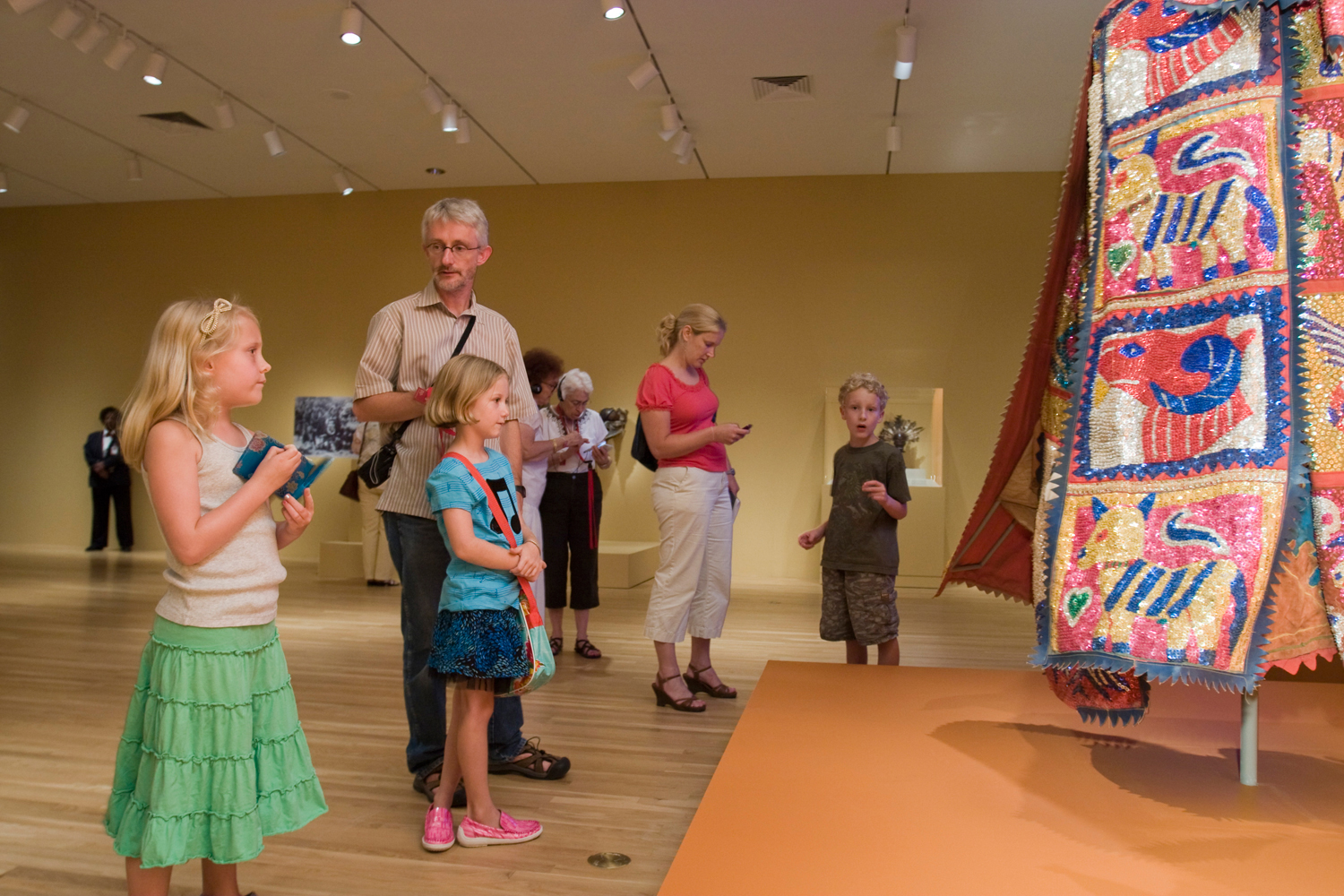
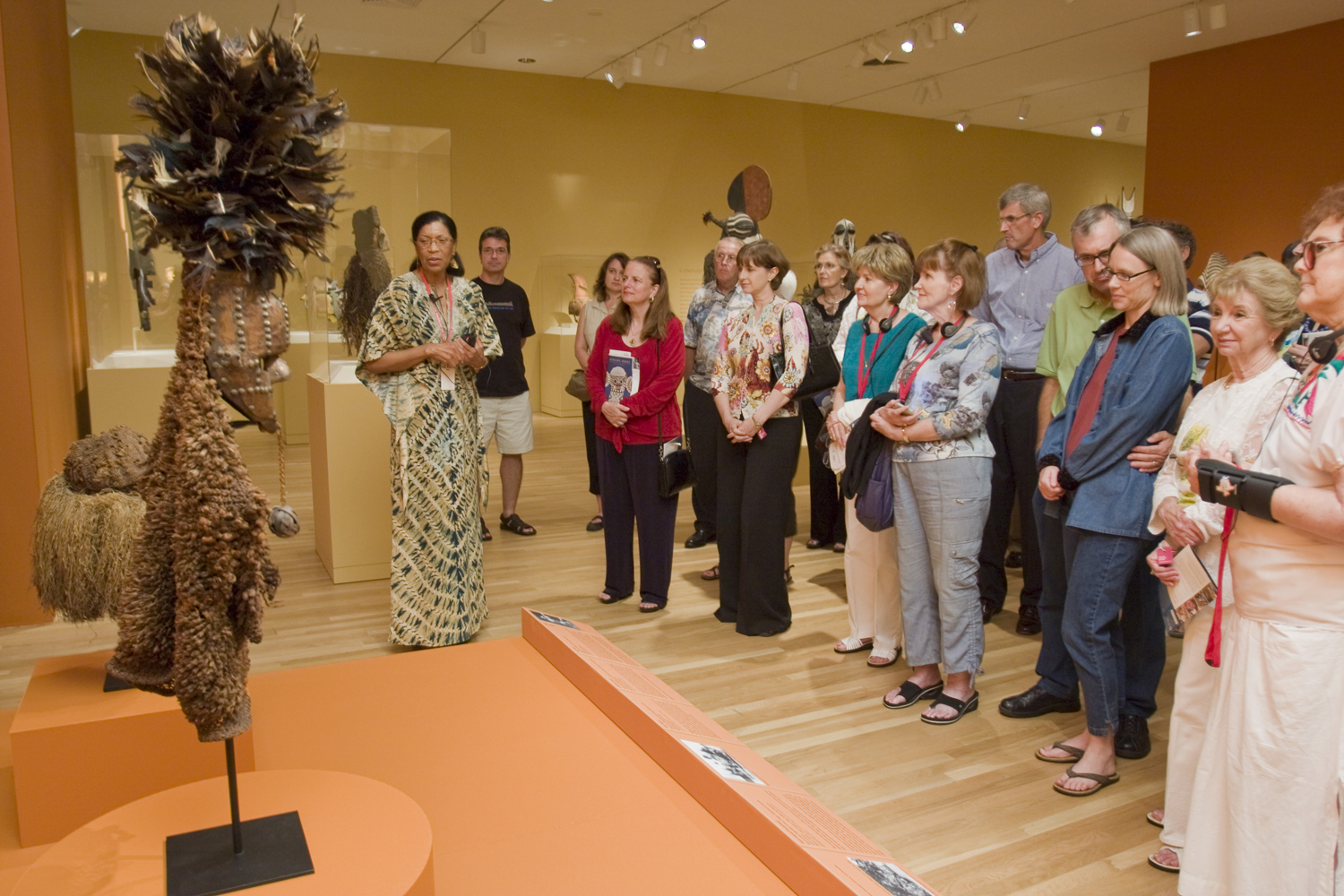
This past weekend was busy; we hosted three previews! Over 1,000 DMA members took the opportunity to tour African Masks: The Art of Disguise before opening day.

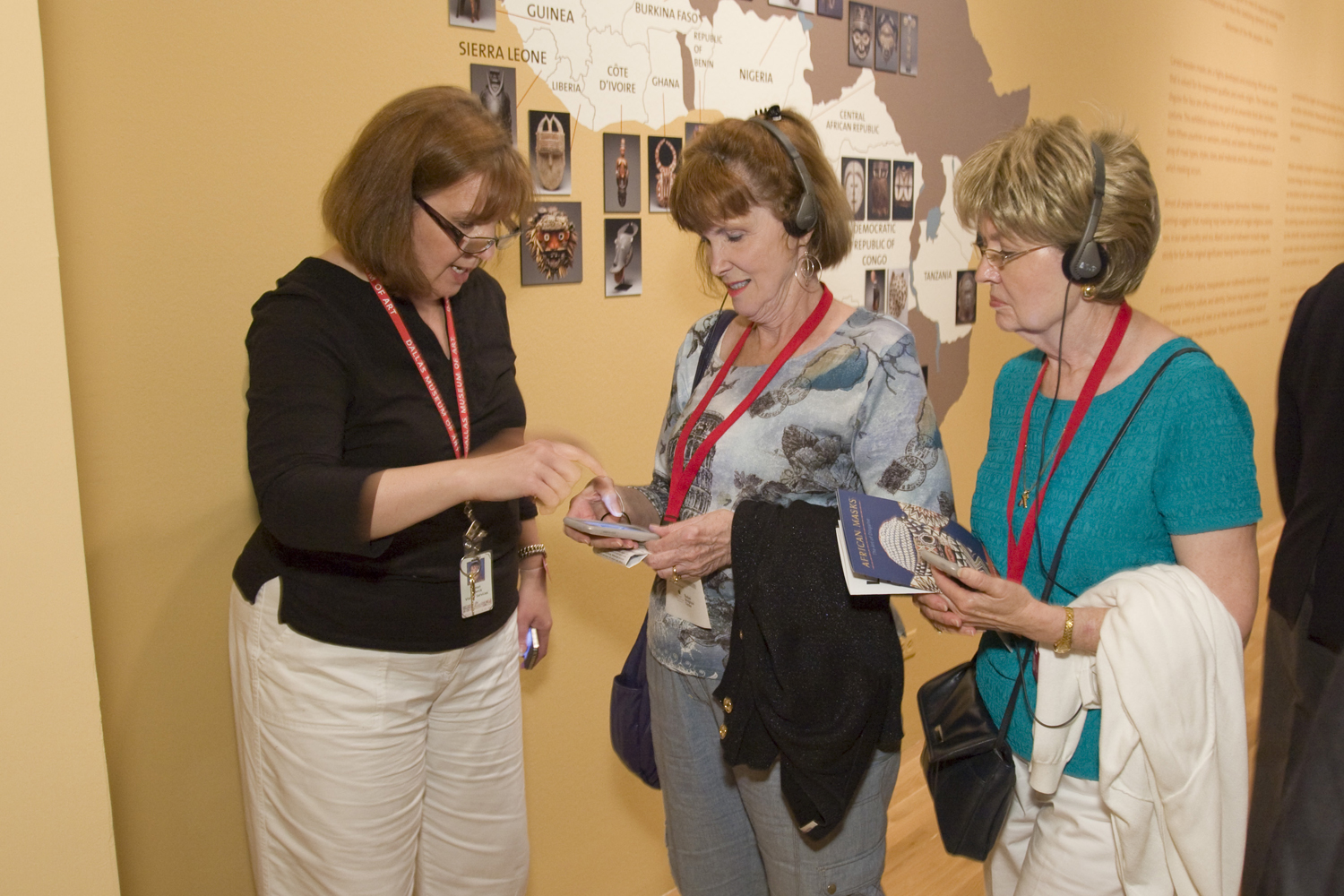
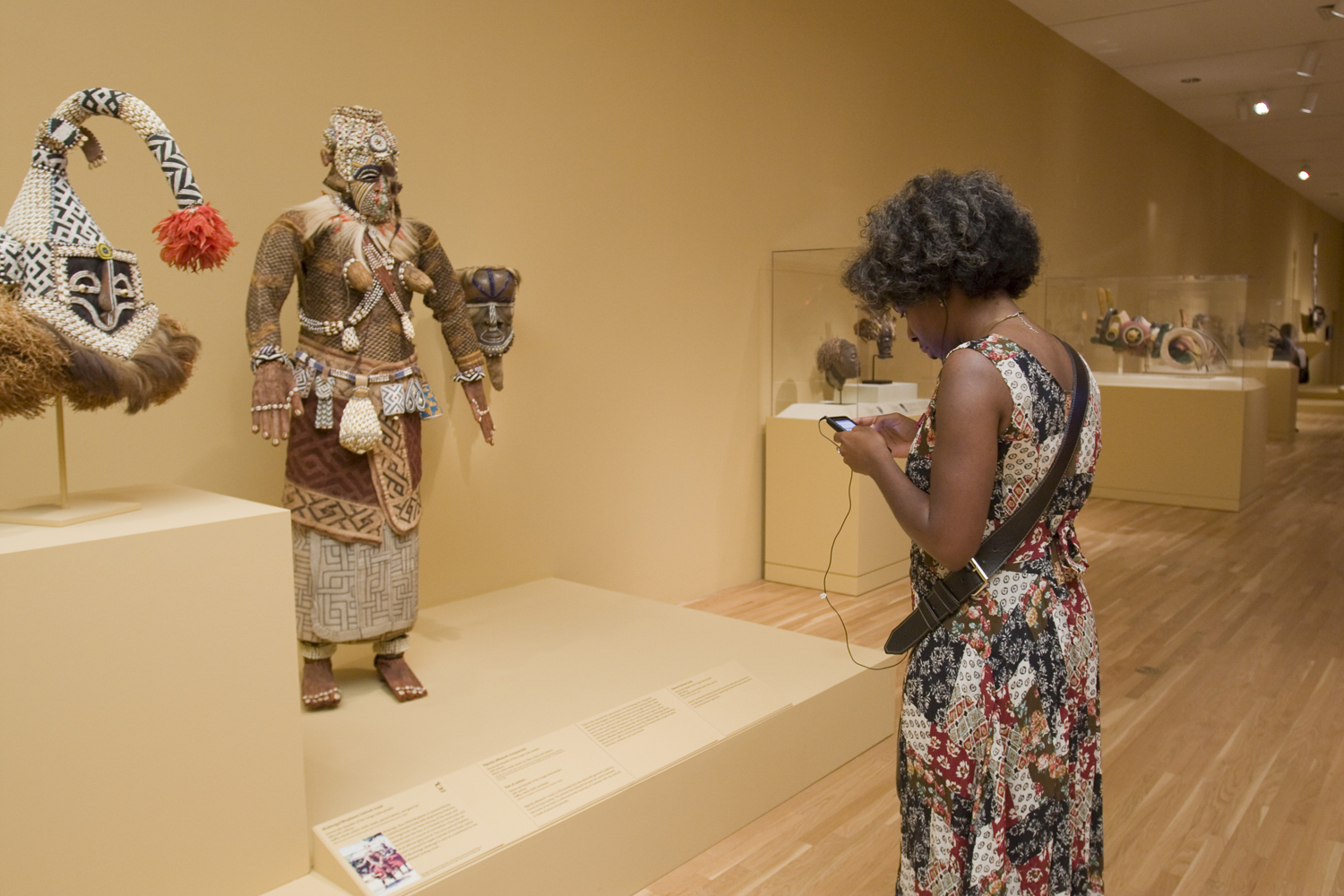
In addition to greeting members at the exhibition and assisting them with the new smARTphone tour, we hosted the first Members Lounge at Late Nights. Some of you may remember that when the we presented the King Tut exhibition, DMA members were able to take a break from the crowds in a separate lounge area. We decided to bring the concept back during Late Nights. If you are a member and plan to visit during the September Late Night, stop by the Members Lounge at Late Nights for a snack and some additional fun. And please be sure to say hello!

A Curator’s Best Days

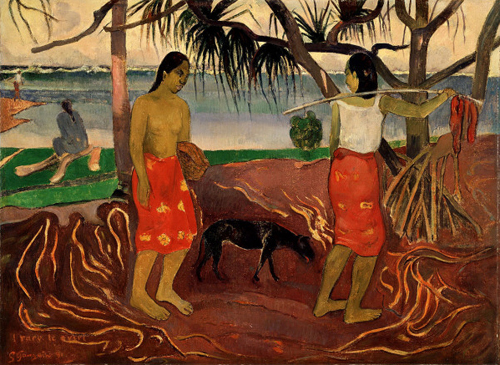
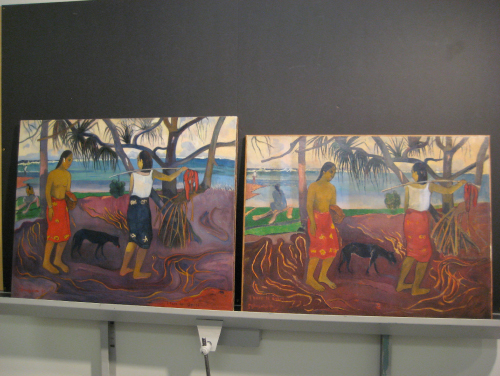
The best days in a curator’s professional life are often the days spent in the conservation lab. That’s where we get to spend quality time with works of art and talk to conservators, the fantastically knowledgeable people who can look through a microscope or infrared scope and tell you the life history of an object. I was lucky enough to spend several hours in the painting conservation lab of the Midwestern Art Conservation Center (MACC), a private conservation center housed at the Minneapolis Institute of Arts (MIA). I was there to confer with conservator David Marquis just before he begins cleaning an important painting in the DMA’s collections, Paul Gauguin’s Under the Pandanus, also known by its Maori title I Raro Te Oviri.

Gauguin painted Under the Pandanus in 1891, a few months after he arrived in Tahiti for the first time.  Sometime later, possibly the next year, he painted a second version of the composition, and that picture is now in the collection of the MIA. When I got to the MACC lab, they had brought both paintings to the lab and removed them from their frames so that we could do a thorough comparison. Ours is on the right, the MIA version on the left.

Last year we began to look closely at the condition of our painting, and earlier this summer we sent our painting to the MACC for technical analysis. Once the two versions of the painting were placed side by side, the differences become more and more obvious . . . and intriguing.

Though the technical study had just begun, David Marquis immediately pointed out how dirty the surface of the DMA canvas was, and how discolored the old layer of varnish had become. This yellowed varnish layer and surface layer of grime radically changed the appearance of the painting. MIA Associate Curator of Paintings, Sue Canterbury, described it as being like looking at the painting through a double-amber filter—not exactly what Gauguin had intended! The MIA version, which was cleaned within the last ten years, gives us a much better sense of what our painting must have looked like when it was first completed.

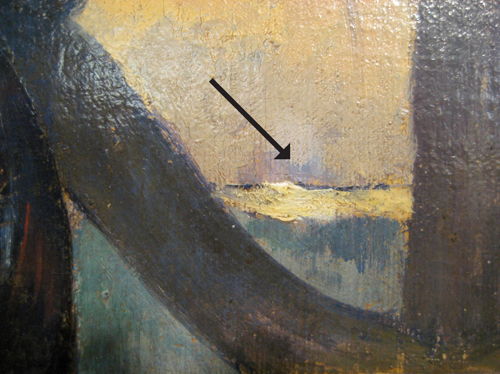
Once we decided to take off these two “amber filters,” David Marquis began by making “cleaning windows,” that is, cleaning small areas of the canvas. This is the first window he opened, in an area of the horizon near the right edge of the painting.

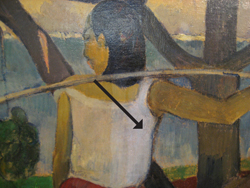
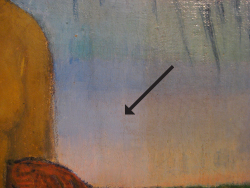
The results are pretty amazing! The white surf is actually so much brighter and cooler in tone than it appears in the dirty areas. Now that he knew what the cleaning might reveal, David opened some windows in other areas. When I got to the lab to take a look, several areas of the canvas had been cleaned, revealing a whole new palette of colors.

Once David’s cleaning of the varnish and grime is complete later this summer, we’ll have a much better sense of the choices Gauguin made while he was working on our painting, as well as how the painting has changed over time and the extent of work done by earlier conservators. We’re just at the beginning of this important project, so stay tuned for future updates about the results of our study of Under the Pandanus, and look for it to be back in the galleries, and looking better than ever, next year.

Heather MacDonald is The Lillian and James H. Clark Associate Curator of European Art at the DMA.

Calm, Yet Fierce: An Experiment in Social Tagging Works of Art

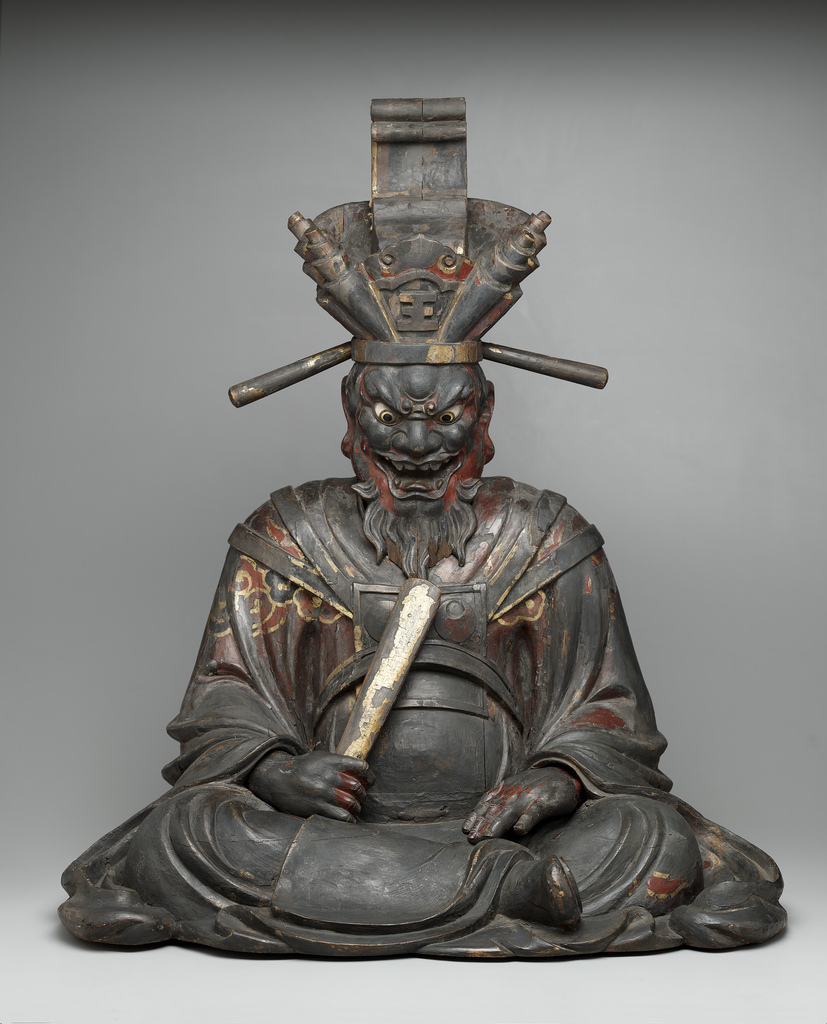
Emma-O, Japan, late 16th - early 17th century

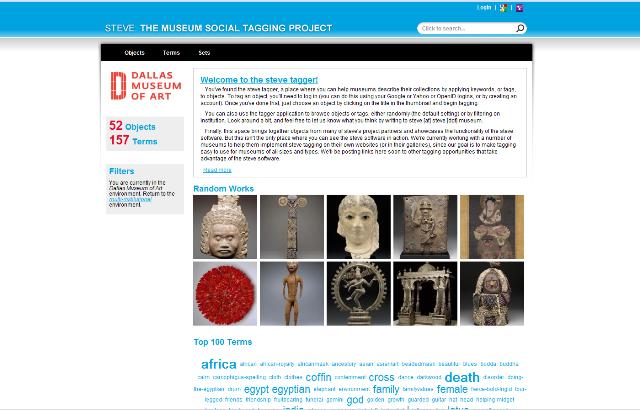
What words and phrases would you use to describe this sculpture, Emma-O?  Calm?  Fierce?  Intense?  The Dallas Museum of Art is interested in what teachers have to say about a select group of artworks from the Museum’s collection.  Visit STEVE: The Museum Social Tagging Project to “tag” one, five, or ten of the fifty-two images of artworks from the African and Asian collections.  If you are new to “social tagging”, it simply means to “tag”, or label, a work of art with a descriptive or associative word or phrase.

Why do we care about what you think?  Well, we often get very comfortable with our own vocabularies, which may or may not be interesting or accessible to everyone.  The idea behind social tagging is that you can build a more broad vocabulary around ideas or artworks and can consider new ways to describe and to think about works of art. It is also a great way to work with expert audiences–like educators.  We want to know what words and phrases you would use to describe various works of art and what we can learn from you.

This tagging project is one part of the Dallas Museum of Art’s IMLS grant, Connect: Teachers, Technology, and Art, which is focused on the redesign of online teaching materials for teachers and students.  In partnership with the New Media Consortium, the DMA is one of several museums participating in the Steve-in-Action project exploring various applications for social tagging with works of art.

We invite you to participate in this project.  Visit our tagger environment and look for a screen similar to the image below.  Create your login and then tag away.  Spend five or fifteen minutes sharing words and phrases that you feel aptly describe works of art from the Dallas Museum of Art.  It’s also fun to see what others have to say about the artworks.

Nicole Stutzman
Director of Teaching Programs and Partnerships

Friday Photo Post: Texas Space

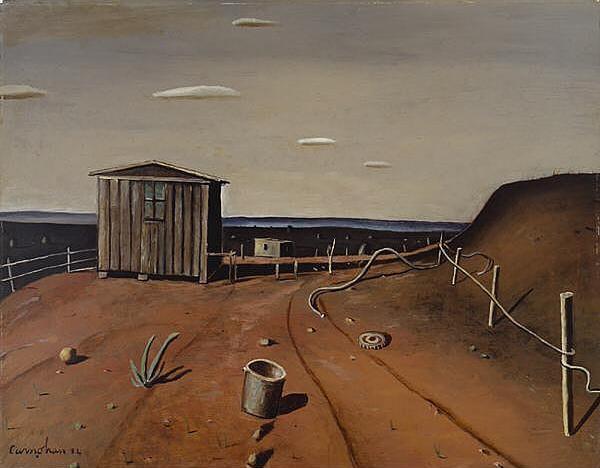
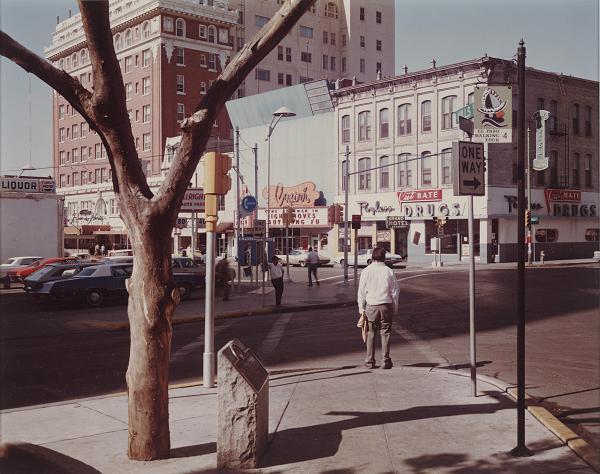
People often say that Texas has a unique quality of space, and some artists have tried to capture this sense of space.  Look at a few artist’s images of Texas in the DMA’s collections.  Then, show us your idea of Texas space in a photograph.  You are invited to contribute photographs to an interactive display that will be part of the next Center for Creative Connections exhibition Encountering Space, which opens on September 25, 2010.  Visit TEXAS SPACE on Flickr and upload your photographs.  Look below for more details about this opportunity to show off your photographs!

Dallas Skyline by George Grosz

West Texas Landscape by Harry Callahan

El Paso St., El Paso, Texas, July 5, 1975 by Stephen Shore

Guidelines for submitting photos of Texas Space:

  • Feel free to submit multiple photos.
  • Both color and B/W images are welcome.
  • The higher the resolution, the better to show off your photos.
  • It is our intention to include all images; however, the DMA staff reserves the right to omit submissions that are inappropriate in nature.
  • By submitting your photograph, you allow the DMA the right to display it on a monitor within the exhibition and on the Museum’s website. Your name will not be attached to the image.
  • Special Note: In order to have your photos appear in a Flickr Group, you must first create your own personal Flickr account, and that personal account must have at least five images uploaded on it. Please check your account, and if necessary, upload a few more images to ensure your photos are included in the C3 group.
  • To submit, upload your photos to this Flickr group: Texas Space at Flickr  http://www.flickr.com/groups/dmatexas/

Nicole Stutzman
Director of Teaching Programs and Partnerships


Archives

Categories