Posts Tagged 'Dallas Museum of Art'


Remembering September 11

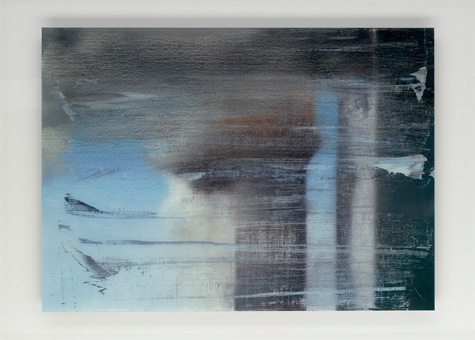
Today is the 10th anniversary of 9/11, and in memory of that day we want to share a recent addition to the DMA’s collection, September, a print by Gerhard Richter.

Gerhard Richter, September, 2009, print between glass, Dallas Museum of Art, Lay Family Acquisition Fund

Richter was on a Lufthansa flight to New York from his home in Cologne when the Twin Towers and the Pentagon were attacked. He was traveling to New York for the September 13 opening of his exhibition at the Marian Goodman Gallery; his plane was forced to land in Halifax and he was able to return to Germany a couple of days later. Richter nearly witnessed the attacks, but in the end he only experienced them, as did the rest of the world, through images.

Throughout his long career, Richter has confronted in his work the most charged and painful issues of our day. His art has always suggested that imagery, photographic imagery in particular, carries an unbearable burden of how we perceive our world. This print of Richter’s September painting provides us with minimal information to register the subject, yet a further clue is given by the title.

60 Minutes in the Dallas Museum of Art

As a child, my first museum visits were orchestrated by my parents. These all-day excursions began the moment the museum opened its doors and ended sometime after five o’clock, when a security guard shuffled us to the nearest exit. Before the day was through, we’d make it a point to see everyone’s favorite area of the museum, eventually charting its every offering.

Today trips like this are harder and harder to come by and actually, now that I work for the Dallas Museum of Art, one of the hardest parts of my job is finding the time to experience the artwork! For me, shorter more frequent trips to the Museum have helped me get to know the DMA one gallery or even one artwork at a time.

Thanks largely to the DMA’s great variety of lunchtime tours, after-hours programs, and lectures, you can broaden your knowledge of the collection nearly every week. These guided experiences are the perfect way to spend a short visit to the DMA, and hopefully they’ll encourage and equip you to do more focused exploring on your own!

With just sixty minutes to work with, you’d be surprised at the great multitude of experiences that await you. Here are some of my favorite works to get you started. They’re just a small sampling of the amazing works that will inspire you to take your time and get a closer look.
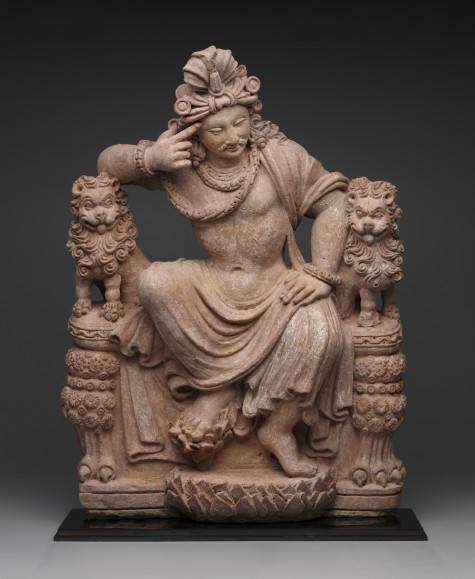
Gandharan culture, Hadda region, "Thinking Bodhisattva", 4th to 6th century A.D., Terracotta, Dallas Museum of Art, Wendover Fund, gift of David T. Owsley via the Alvin and Lucy Owsley Foundation, Cecil and Ida Green Acquisition Fund, and General Acquisitions Fund

This Buddhist sculpture, located on Level 3, represents a bodhisattva, or someone who has achieved enlightenment but delays Nirvana to help others achieve transcendence. In fact, he’s not just any bodhisattva, but the one destined to become the historic Buddha, the founder of Buddhism.

I enjoy this sculpture mostly because of its rich detail and lively gestures. When I stand before him, he seems to be not only reflecting upon his impending destiny but truly at the heels of it. At any moment he seems ready to step off his throne and into his next life as the Buddha.
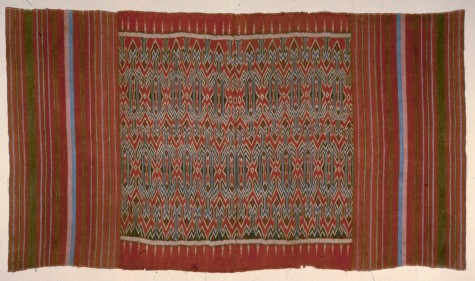
Toraja, Sulawesi, Galumpang area, Indonesia, Shroud or ceremonial hanging (sekomandi), probably late 19th century, Cotton, Dallas Museum of Art, the Steven G. Alpert Collection of Indonesian Textiles, gift of the McDermott Foundation

Of all media, I am least familiar with and most intrigued by the textiles. You can get fairly close to these objects in the galleries, and attempting to deconstruct their striking complexities by doing so can be nothing short of mesmerizing.

This example, located on Level 3, was woven by the Toraja peoples of Indonesia and exquisitely combines bold arrangements in color, pattern, and texture to reveal in its central quadrant a series of geometric and interlocking human figures believed to represent generations of beloved ancestors.
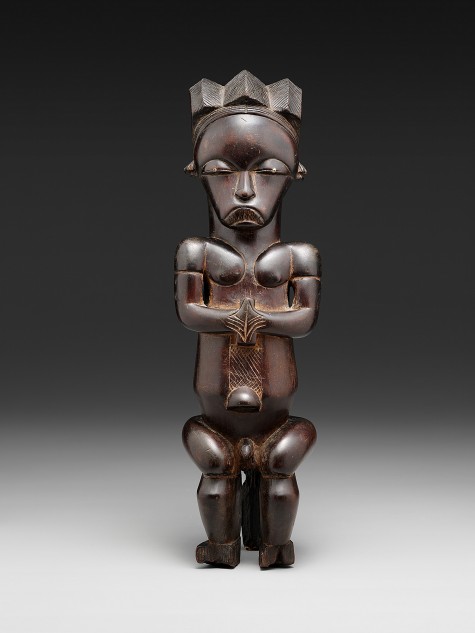
Mvaï group, Fang peoples, Ntem region, Gabon, Africa, Reliquary guardian figure, 1800-1860, wood, Dallas Museum of Art, The Eugene and Margaret McDermott Art Fund, Inc.

Predating Western notions of cubism by nearly half a century, this rare sculpture from the Fang peoples of sub-Saharan Africa is sure to stun you in your tracks. Composed of beautifully carved abstract and voluminous forms, the shining figure was probably modeled in the likeness of an ancestor and positioned protectively atop a reliquary box containing familial remains. Now I like to think of him as standing guard over the African galleries on Level 3 at the DMA, humbling our viewers and summoning their attention.
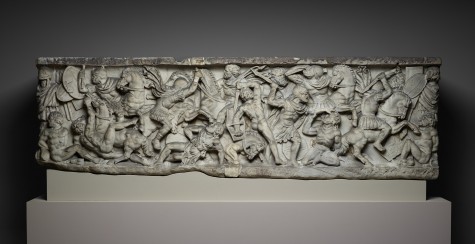
Roman, Battle sarcophagus, c. 190 A.D., marble, Dallas Museum of Art, Cecil and Ida Green Acquisition Fund and gift of anonymous donor

This sarcophagus, located on Level 2, was probably made to commemorate the military victories of a Roman general whose corpse it was intended to house. Its battle scene is deeply carved in a complex relief that reveals warriors, horses, and captives, each densely intertwined and submerged in the real chaos of war.

Every time I visit this work, I’m fascinated by the great number of unique figures and gestures captured against its surface. Every few inches reveals a new layer of intense drama.

Frederic Edwin Church, The Icebergs, 1861, oil on canvas, Dallas Museum of Art, gift of Norma and Lamar Hunt

During my first visit to the DMA, The Icebergs, located on Level 4, was the first masterpiece to truly floor me. Based on sketches made during a monthlong boat trip in the North Atlantic, it is an enthralling triumph by Frederic Edwin Church.

Its exquisite palette and sharp glow entice any viewer. I have to visit the painting time and time again, simply because each time I do, I swear, it changes. No matter how hard I try, I can never fully recall its subtle warmth and reflection of light.
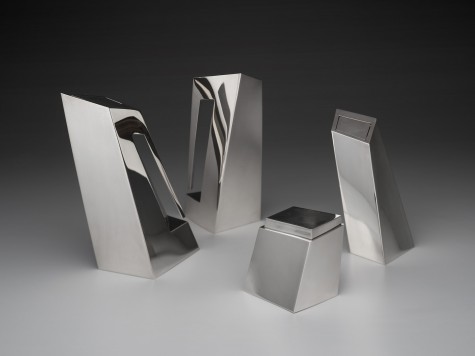
Zaha Hadid (British born Iraq, 1950), designer; Sawaya & Moroni (Italian, est. 1984), maker, Tea and coffee service, designed 1996, executed 2002, silver, Dallas Museum of Art, anonymous gift of in honor of Lela Rose and Catherine Rose

This puzzle-like tea and coffee service, located on Level 4, represents a first foray into silverware for renowned architect Zaha Hadid. When not in use, the lustrous components gather into a single architectural form that defies symmetry and cleverly disguises its function.

How cool is that?! I challenge you to stand in front of this service and try to piece it together in your head. It’s no easy feat, I assure you, but in the meantime you’ll definitely enjoy getting lost in its abundance of reflective surfaces and voids.

Auriel Garza is the Curatorial Administrative Assistant to Non-Western and Decorative Arts at the DMA.
Back to School: Student and Teacher Programs By the Numbers

Even though it’s still warm outside, it seems like fall now that school has started. Those of us in the Teaching Programs and Partnerships department spent our summer vacation getting ready for the 2011-2012 school year. We were busy planning for tours, Go van Gogh outreach programs, and teacher workshops that relate to the DMA’s collection, as well as our upcoming special exhibitions. We thought it might be fun to share with you a “by-the-numbers” look at the different programs we offer for students and teachers.

66,661—Number of K-12 students from the DFW Metroplex who had a DMA experience (museum visit, Go van Gogh program, or special partnership) during the 2010-2011 school year

51,166Number of views accumulated thus far since launching the DMA Educator Blog in September 2009

Museum Visits

48,327—Number of K-12 students who received a docent-guided or self-guided tour of the DMA in 2010-2011

3,917—Number of higher education students who visited the DMA for a tour during the 2010-2011 school year

12,568—Number of Dallas ISD 4th graders who will visit the DMA this year for docent-guided tours

34—Weeks available to schedule a tour for your students

119—Number of docents who will give tours during the 2011-2012 school year

24—Number of Teen Docents who volunteered at the DMA this past summer

Go van Gogh Classroom Outreach

8,236 – Number of students in Dallas who experienced a Go van Gogh program in 2010-2011

32 – Go van Gogh visits to Dallas Public Libraries during summer 2011

128 – Days available to schedule Go van Gogh visits during 2011-2012

10Satellite and Site-Specific Go van Gogh programs in 2011-2012, including schools in Richardson, McKinney, and Waxahachie

40 – Number of Go van Gogh volunteers in 2011-2012

14,779 – Miles on the Go van Gogh van

Programs for Teachers

34Number of online teaching material units available FREE on the DMA website

578 – Number of teachers who participated in professional development sessions at the DMA during summer 2011

3.5Number of CPE credit hours teachers will receive for attending one of seven teacher workshops this year

$5Price of admission (half off) for teachers attending the September 16 Late Night

1 – Number of nights each week that teachers receive free admission. Show your school ID between 5:00 and 9:00 p.m. on Thursday nights and gaze at art free!

$40Price of a teacher membership, which provides free admission and parking for you as well as discounts on shopping, dining, and attending teacher workshops!

All of our programs will officially begin the week of September 19, and we are currently accepting reservations for the 2011-2012 school year.  We look forward to welcoming you and your students to the Museum soon!

Shannon Karol is the Manager of Docent Programs and Gallery Teaching.

Teaching for Creativity: Chairs, Frank Gehry, and Combinatorial Thinking

Time to nurture your creativity!  Try this fun activity involving associative and combinatorial thinking by yourself or with a friend.

Step 1: Draw a chair. (any chair that comes to your mind)
Step 2: Interview this chair that you have drawn.  What questions would you ask this chair?
Step 3: Imagine this chair that you’ve drawn has a GIANT ego.  Look a second time at the interview questions you wrote.  Which of the questions best fit an egotistical chair?
Step 4: Place the word “chair” in the middle of a piece of paper.   Build a chain of associations, starting with chair.  For instance: chair – leg – foot – walk – path – journey.  Get it?  Each word in the chain is an association with the word before it.  Try to make one, two, or three more chains of association.  Let your mind open up and flow with ideas!
Step 5: Circle the last word in each of your chains.  For instance, I would circle the word “journey” in my chain above.
Step 6: Test your combinatorial thinking abilities.  Take one of the circled words (example: journey) and combine it with chair.  The goal is to make something new through the combination of two words/ideas.  In this example, we are combining JOURNEY + CHAIR to create something new, and maybe even improved.  What new associations, ideas, and creations can emerge from mixing together two seemingly different ideas?
Step 7: Draw the new object or idea that you created from the two words.  Write an advertising slogan or jingle for this new product.

[slideshow]

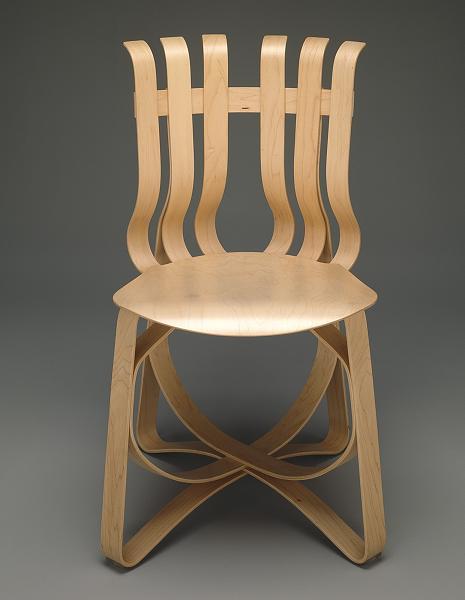
Last night, I got my creativity on by participating in the DMA’s Thursday evening C3 Artistic Encounters program with creativity expert Dr. Magdalena Grohman and architect Peter Goldstein.  After Magda led us through the thinking and drawing exercise presented above, Peter shared with us some provocative connections to the work of Pritzker Prize-winning architect Frank Gehry through a PowerPoint of Gehry’s ideas, drawings, chair designs, and architectural structures.  Encouraging us to think about “collisions of spaces,” “forms crashing together,” and “the space between” when viewing Gehry’s work, Peter also highlighted an example of combinatorial thinking in Gehry’s work.  Bentwood chairs created by Gehry are an exploration of forms inspired by bushel baskets.  Gehry even took it a step further, adding notions of hockey and the flow of players’ movements on the ice to the combination of ideas reflected in these chairs.  CHAIR + BUSHEL BASKET + HOCKEY = “HAT TRICK” SIDE CHAIR

"Hat Trick" side chair, Frank Gehry (American, born 1929), designed 1992, manufactured by Knoll International, wood and bentwood, Dallas Museum of Art, Gift of the Knoll Group

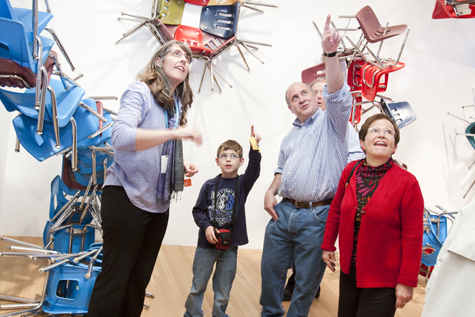
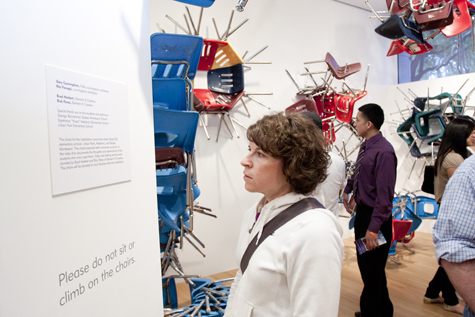
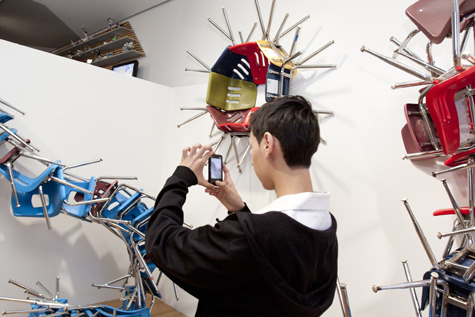
A viewing of Sculpting Space: 299 Chairs was next on the agenda.  This installation of chair clusters, created by Peter’s architecture students at Skyline High School in Dallas ISD, invited a long look for collisions of spaces and forms.  Just as he asked his students to think about the space between, Peter asked us to explore spatial intersections through sketching exercises emphasizing loose, flowing lines.

Throughout September, join us for more spatial explorations of art and architecture on Thursday evenings with  C3 Artistic Encounters.  Peter Goldstein will be back on September 15, and his Skyline High School colleague Tom Cox will be the visiting artist on September 8 and 22.  These programs, which are FREE with paid admission, occur on Thursdays from 6:30 – 8:30 p.m.  And guess what?  Educators receive FREE general admission to the DMA on Thursday evenings when they show their school ID at the visitor services desk.  What are you waiting for?  It’s time to get your creativity on!

Nicole Stutzman
Director of Teaching Programs and Partnerships


Seldom Scene: BBQ and Salad

Have a safe and happy Labor Day!

Bill Owens, "Sunday afternoon we get it together. I cook the steaks and my wife makes the salad.", 1971, Gelatin silver print, Dallas Museum of Art, Lay Family Acquisition Fund

Creativity: My first encounters and my first discoveries

Magdalena Grohman leading a class in the Center for Creative Connections

Magdalena Grohman is a creativity expert who spends the occasional Thursday evening at the DMA helping inspire visitors participating in Thursday Night Live’s Artistic Encounters. But how did Magdalena discover her own creativity? She shared that journey with us below.

I received one of my very first lessons about creativity in elementary school. I was made to believe that creativity was only for those artistically or musically talented. You were born with it or you were not. I did not possess these talents, but at the same time I enjoyed writing in my diary, sketching (especially different layouts and arrangements for my dream room), creating collages, and so on. But that wasn’t considered creative. Only art, only music, and only if you were naturally talented.

The cracks in this belief system started to appear in high school when I met students and teachers who encouraged creative expression through other domains such as dance, movement, and theater. Suddenly, I realized I could express myself, share my state of mind, tell a story, and provoke others to think in new, creative ways. The true breakthrough came when a group of professors from Jagiellonian University in Krakow came to my high school to lead a workshop that taught creative thinking. With the workshops came a new wave of thinking about creativity and my first and foremost discovery about it: creativity was in everyone and could be enhanced.

This meant you could be CREATIVE in any number of ways, be it telling stories, designing birthday cards, finding new ways to teach, writing a song, formulating hypotheses, communicating diagnosis . . . the list goes on. This also meant that you could nurture creative potential at any stage in life. “But,” the professors warned, “You need to put some work into it.” What they meant was that creativity could be honed and developed by shaping core attitudes about creativity such as open-mindedness, self-discipline, and perseverance.

So, the first step to increase your creative potential is to liberate yourself from any belief system that is detrimental to creativity. The second step is to nurture positive attitudes toward creativity. These include (according to creativity researchers and educators) sticking to your creative endeavor no matter what and being open-minded, observant, curious, and self-disciplined. With this in mind, you will see that the next steps are much, much easier.

Take the next step tomorrow night when Magdalena will lead Thursday Night Live Artistic Encounters: Think Creatively with Tom Cox and Peter Goldstein at 6:30 p.m. in the Center for Creative Connections.

Shelagh Jessop is the Center for Creative Connections Coordinator at the Dallas Museum of Art

Seldom Scene: School Dais

With school back in full swing we thought we would showcase the students from Dallas ISD’s Skyline Architecture Cluster who created Sculpting Space: 299 Chairs. See the installation in person in the Center for Creative Connections on Level 1 through mid-November.

Picture This

For many artists a picture was not finished when the paint had dried and the varnish was applied. The culminating step was framing the artwork. Only then was the project complete. Traditionally the artist had many options. He could choose a stock frame from a local cabinetmaker, or make a thoughtful selection from a skilled framer. Artists often possessed such a keen interest to frame a painting in a manner that perfectly complemented it that they designed their own.

The 18th-century British portrait painter George Romney (1734-1802) routinely joined forces with his preferred London framer William Saunders to produce frames of the artist’s design. Frame historians have studied Saunders’ detailed ledgers that record many of these collaborations. Romney’s decorative concepts coupled with Saunders carving expertise resulted in several exquisite frames. Regrettably, as a painting changed hands the new owner would often reframe it to suit prevailing tastes or to match the room where the artwork hung.

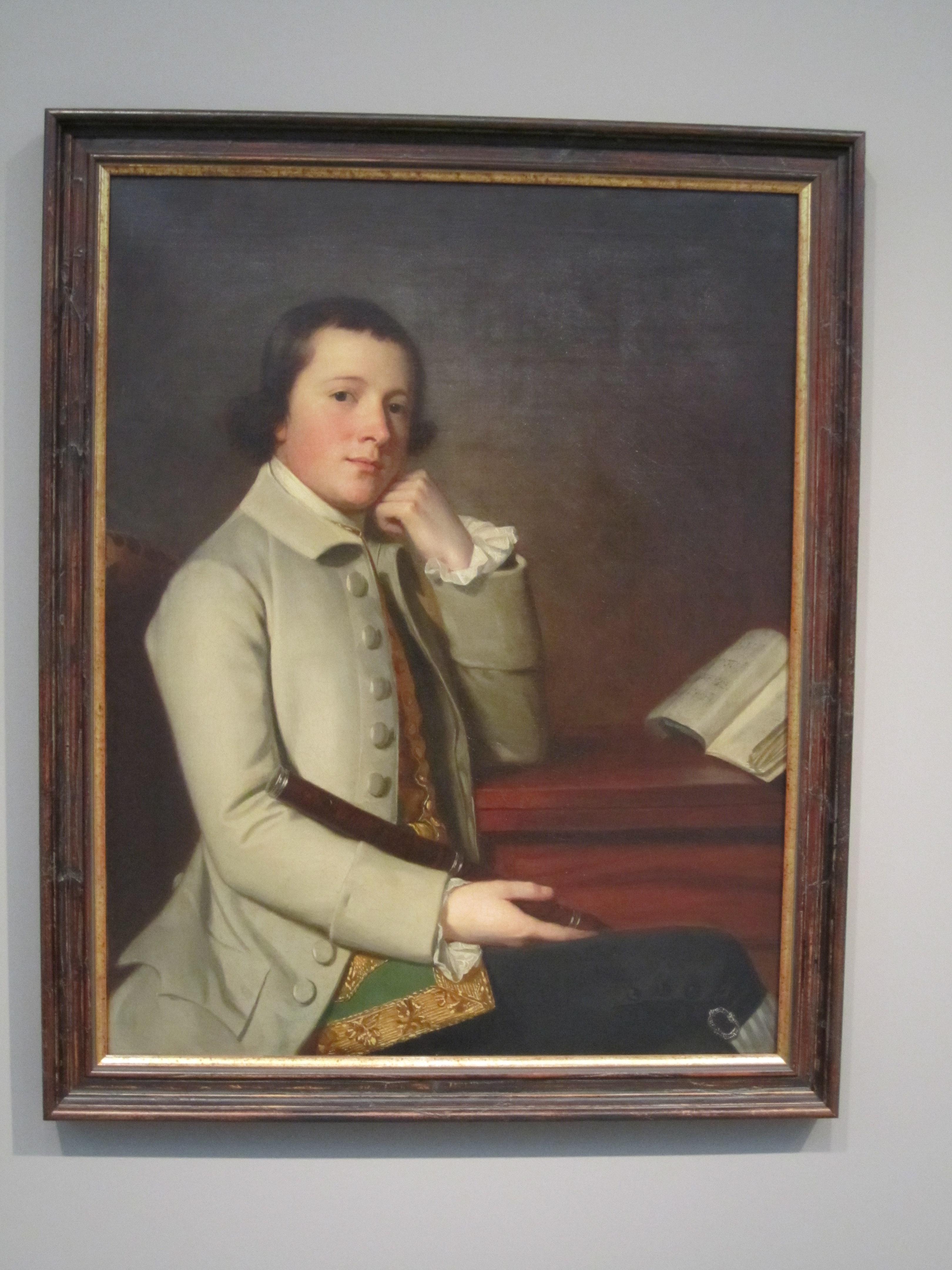
This may have been the fate of the original frame that once surrounded Romney’s Young Man with a Flute, which is now on view in the DMA’s European Galleries. Until recently, a simple wooden frame adorned with a gilt sight edge (the part of the frame closest to the canvas) surrounded the painting. That frame was more in keeping with the sparse ones typically used by artists working in colonial America.

George Romney, Young Man with a Flute, late 1760s in its simple wooden frame

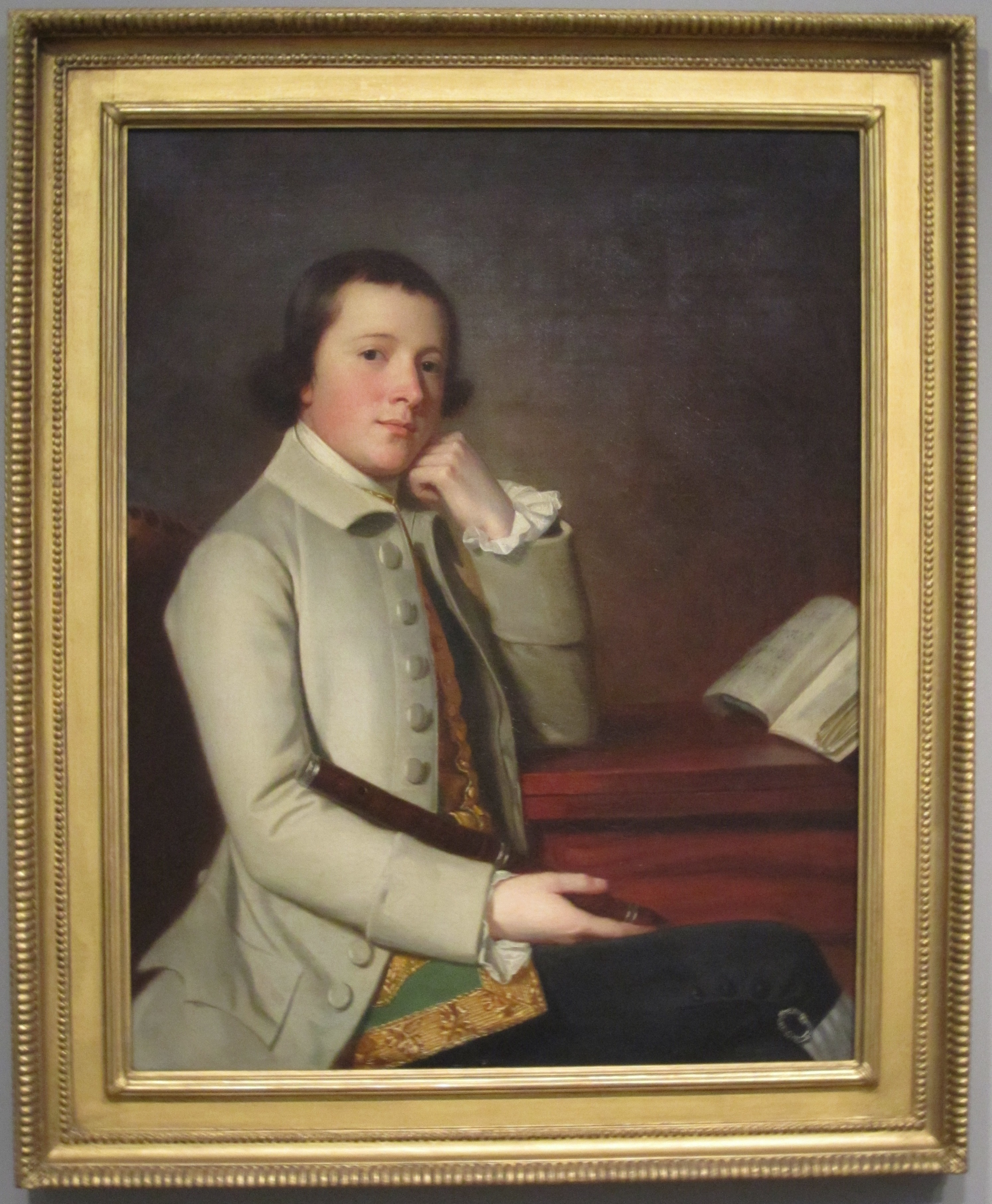
Wishing to restore the painting to Romney’s well-documented vision for his completed works, the Museum recently purchased a frame from a London dealer with an expertise in the artist’s designs. Now a “Romney Style” frame surrounds the painting. It is a faithful reproduction of the artist’s 18th-century original. The archetype became synonymous with the painter thus earning its eponymous name.

Young Man with a Flute surrounded by its “Romney Style” frame

The approximately four-inch-wide burnished gilt neoclassical frame draws the viewer’s eye into the portrait. Its decorative elements include a rope-twist back molding, superbly carved gadrooning that traverses the circumference on the outside rim, a plain frieze, a small bead course, and a delicately reeded sight edge. The reproduction “Romney Style” frame harmonizes with the painting in a manner unrivaled by its wooden unornamented predecessor.

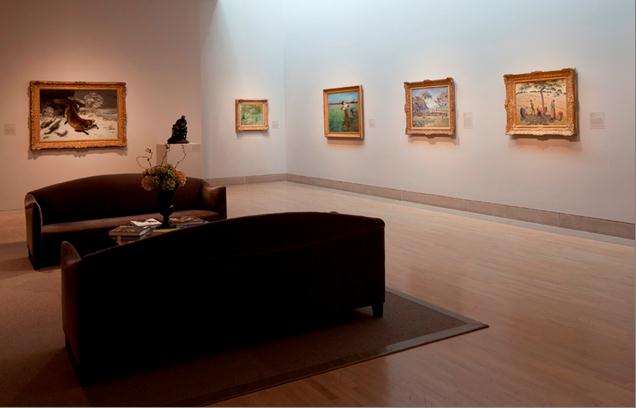
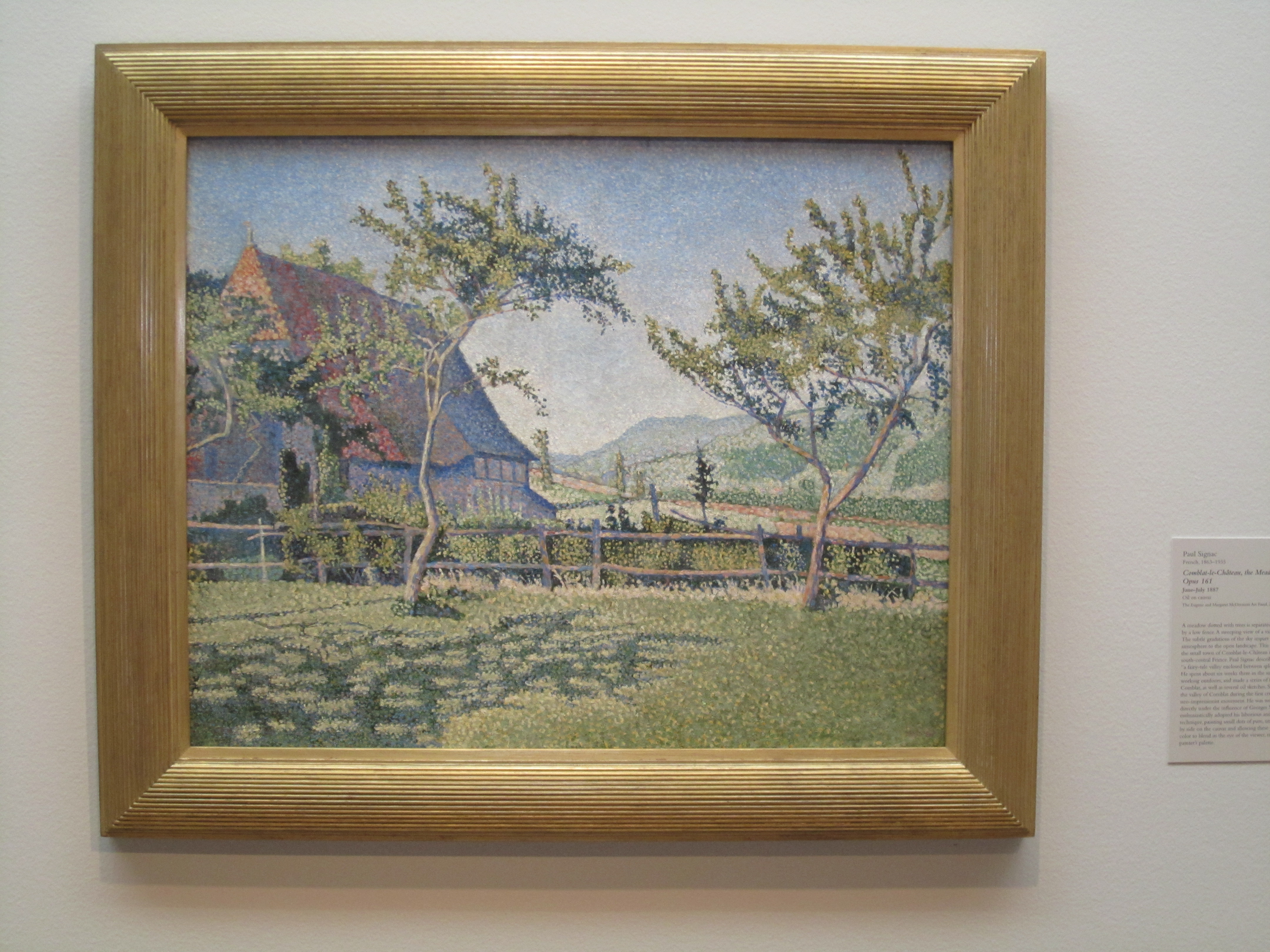
Compared to Romney, there are scant extant records of the frame choices made by the 19th-century artist Paul Signac (1863-1935). Last year, when the DMA acquired the French artist’s Comblat-le-Château, Le pré, it had a Régence Style frame that was popular very early in the 18th century.

Second from the right, Paul Signac’s Comblat-le-Château, Le Pré in its Régence style frame.

Its decorative components included a course of cross-hatching and punch work covering the entire frame. A fussy pattern of shells, fans, palmettes, C-scrolls, and foliage ornamented the center rails and corners, while a linen liner at the sight edge completed the overall design scheme. Although a lovely frame, it is not the prototypical choice made by a post-impressionist artist who worked in the wake of the pioneering painter Edgar Degas (1834-1917). Not only was Degas enormously influential to art history but he also revolutionized frame design. In fact, he believed that it was an artist’s duty to see his pictures properly framed. Earlier this year, the DMA heeded Degas’s mandate and purchased a new frame for its Signac.

Comblat-le-Château, Le Pré with its Degas style frame.

The picture’s new frame is a reproduction based on one of Degas’s most inventive designs. It features a lightly rounded profile embellished with rows of thin parallel grooves. The frame’s roundedness and fine fluting echo Degas’s “cockscomb” pattern, which he softly gilded but rarely burnished. Because of its shape, some call this format a “cushion” molding. The frame’s innovative streamlined repetitive forms do not compete with Signac’s lovely painting; rather their simplicity harmonizes with the picture to enhance it. While these before-and-after photographs illustrate the difference a frame can make, they pale when compared to seeing firsthand each striking painting now with its stylistically appropriate frame. On your next visit to the DMA, come view these superb frames and the paintings they surround.

Martha MacLeod is the Curatorial Administrative Assistant in the European and American Art Department at the Dallas Museum of Art.

Connect: Teachers, Technology, and Art

In September, the DMA will wrap up a two-year project called Connect: Teachers, Technology, and Art that focuses on the redesign and enhancement of web-based teaching materials available to K-12 educators on the DMA website. The end result of this project, which has been made possible by a generous grant from the Institute for Museum and Library Services (IMLS), will be a dynamic new model for the internal development and external presentation of online teaching materials.

There are thirty units in total on the DMA’s teaching resources website, exploring every genre of art in our expansive collection. Over the past two years, DMA staff have been working specifically on redesigning units for African and South Asian art.

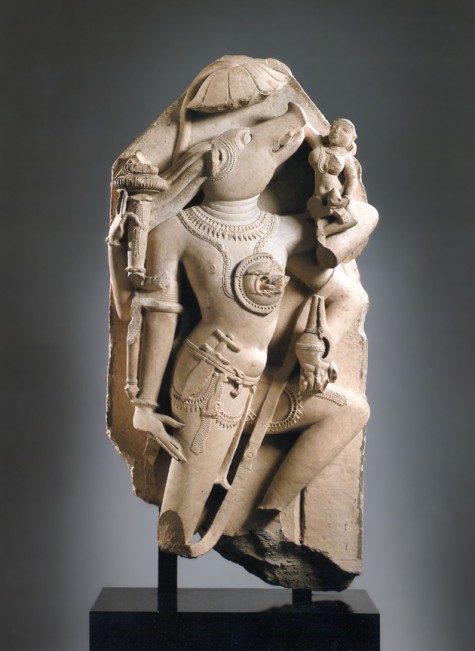
Vishnu as Varaha, India, Madhya Pradesh, 10th century, sandstone, gift of David T. Owsley via the Alvin and Lucy Owsley Foundation and the Alconda-Owsley Foundation, E. E. Fogelson and Greer Garson Fogelson Fund, General Acquisitions Fund, Wendover Fund, and gift of Alta Brenner in memory of her daughter Andrea Bernice Brenner-McMullen, 2002.25

The completed project will present over sixty artworks from the collection. Teachers will have the option to sort artworks according to religion, geography, time period, themes, and other categories.

Here’s what our teaching resource website looked like before:

 And here’s the template that will launch this fall:

We are very excited to launch this new content next month, and are extraordinary thankful for the many teachers in our community who have helped informed our work along the way. This grant truly has allowed us to transform the way we communicate with and educate our audiences.

For more information, check out our sister blog for educators.

Anne Palamara is Director of Foundation and Government Relations at the Dallas Museum of Art

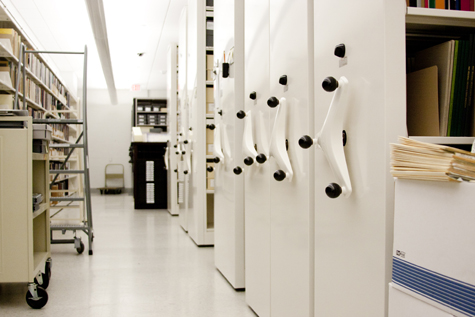
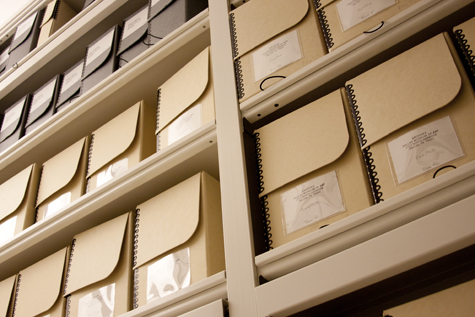
Behind Closed Doors: Archives

Go behind the Museum office doors and discover the various work spaces in the DMA. Each month we will share insight into a different department.

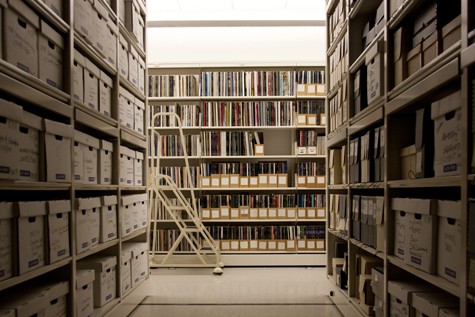
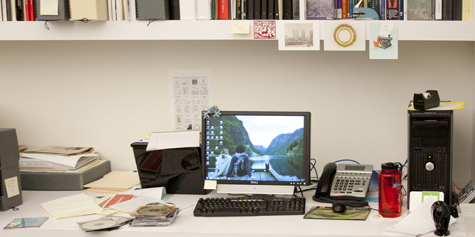
This month, Hillary Bober, Digital Archivist, shares her space with us.

Photography by Adam Gingrich, Marketing Assistant at the Dallas Museum of Art


Archives

Categories