Posts Tagged 'Dallas Museum of Art'


Painting Without the Point: Pissarro’s “Apple Harvest” Unvarnished

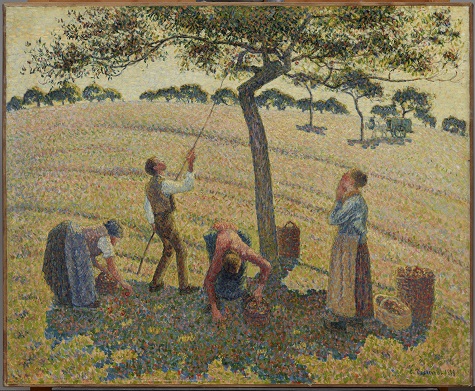
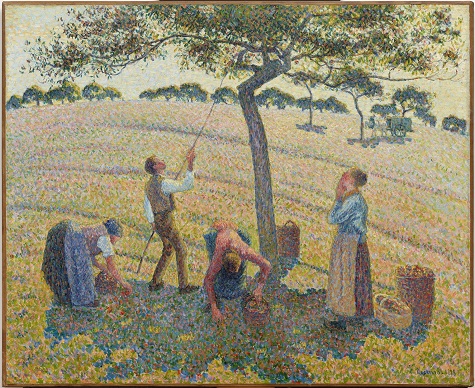
A long-time favorite in the DMA’s European galleries, Camille Pissarro’s Apple Harvest of 1888 has returned to view this month after a visit to the Painting Conservation Studio.
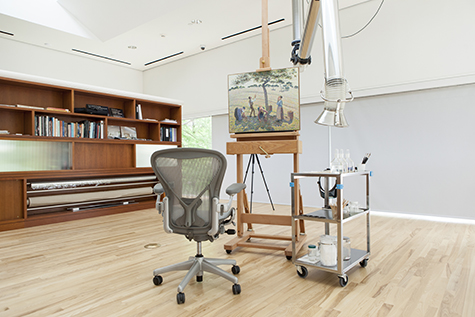
Camille Pissarro’s Apple Harvest (1888), on Mark Leonard’s easel, in the DMA’s Painting Conservation Studio

Camille Pissarro’s Apple Harvest (1888) on Mark Leonard’s easel in the DMA’s Painting Conservation Studio
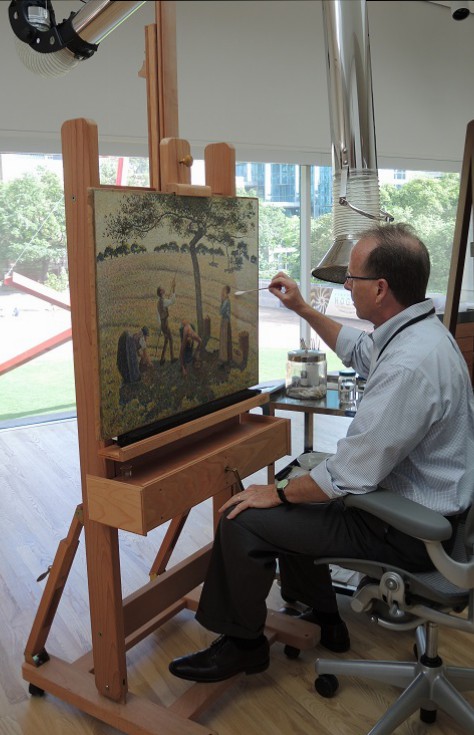
Removal of the old varnish layer began at the right side of the picture, as is seen in this image taken during the cleaning process.  Soft cotton swabs and a mild organic solvent mixture were used to remove the discolored resin.

Removal of the old varnish layer began at the right side of the picture, as is seen in this image taken during the cleaning process. Soft cotton swabs and a mild organic solvent mixture were used to remove the discolored resin.

The painting, which has been at the Museum since 1955, is in very good condition, but it was brought to Chief Conservator Mark Leonard to determine whether it was in need of cleaning. He opened a small “cleaning window” along the right side of the canvas, removing the layer of protective varnish. The bright pigments revealed by this small test confirmed that the varnish had become dark and yellowed over the past half-century, masking the true colors of the painting. It needed to be removed. The painting was carefully cleaned and its original vibrant tonality has been rediscovered.


Pissarro actually made three different paintings of this subject: a group of peasants gathering apples in the shade of an apple tree. The first version dates back to 1881, when Pissarro was one of the leaders of the impressionist group, and is painted in a classic impressionist style, with open brushwork describing the dappled sunlight that falls on the figures.
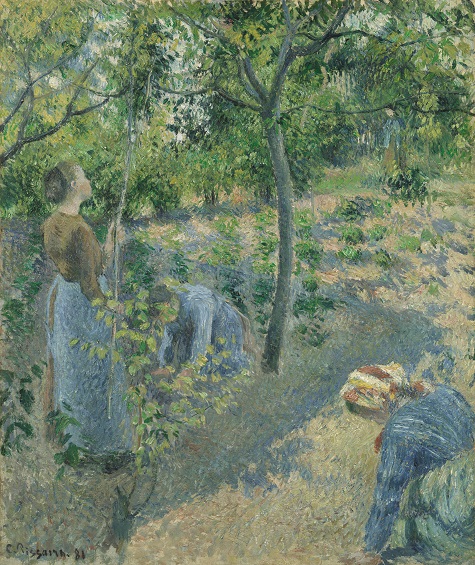
Camille Pissarro, Apple Picking, 1881, Oil on canvas, 25 5/8 x 21 ¼ in. (65 x 54 cm), Private Collection

Camille Pissarro, Apple Picking, 1881, oil on canvas, 25 5/8 x 21 ¼ in. (65 x 54 cm), Private Collection

The same year, Pissarro started another, larger version of the subject, but did not complete it until 1886, when he showed it at the eighth and final impressionist exhibition.
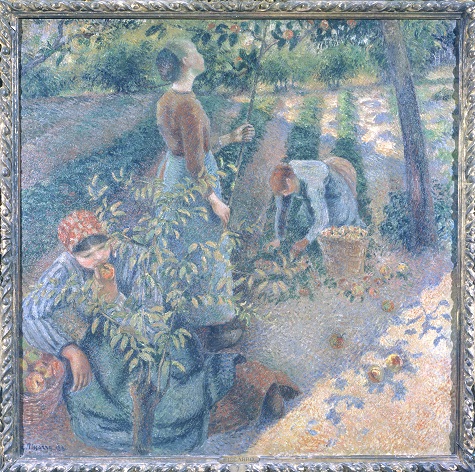
 Camille Pissarro, Apple Picking, 1881-1886, oil on canvas, 49 5/8 x 50 in. (126 x 127 cm), Ohara Museum of Art, Kurashiki, Okayama Prefecture, Japan

Camille Pissarro, Apple Picking, 1881-1886, oil on canvas, 49 5/8 x 50 in. (126 x 127 cm), Ohara Museum of Art, Kurashiki, Okayama Prefecture, Japan

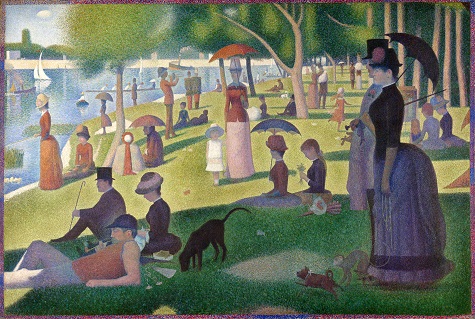
At that exhibition, Pissarro championed the participation of the young pointillist painters, Georges Seurat and Paul Signac, and Seurat showed his “manifesto painting,” A Sunday Afternoon on the Island of La Grande Jatte1884.

Georges Seurat, A Sunday Afternoon on the Island of La Grande Jatte—1884, 1884-86, oil on canvas, 81 ¾ x 121 ¼ in. (207.5 x 308.1 cm), Art Institute of Chicago, Helen Birch Bartlett Memorial Collection

Georges Seurat, A Sunday Afternoon on the Island of La Grande Jatte—1884, 1884-86, oil on canvas, 81 ¾ x 121 ¼ in. (207.5 x 308.1 cm), Art Institute of Chicago, Helen Birch Bartlett Memorial Collection

Pissarro had recently adopted Seurat’s neo-impressionist method as the approach to painting that was “in harmony with our epoch” and an evolution from the older, “romantic” impressionism of artists like Monet. When he began work the next year on the DMA’s Apple Harvest, Pissarro was returning to a familiar subject, but armed with the new, “scientific” principles he had learned from Seurat.
Pissarro prepared the painting with a number of drawings, oil studies, and a full compositional watercolor, which he squared for transfer.
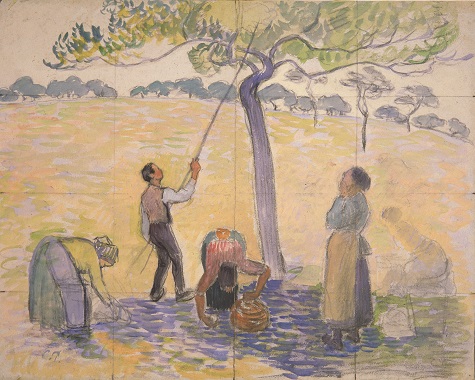
Camille Pissarro, Compositional study for Apple Harvest, c. 1888, watercolor on paper, 6 5/8 x 8 ½ in. (16.7 x 21.5 cm), Whereabouts unknown

Camille Pissarro, Compositional study for Apple Harvest, c. 1888, watercolor on paper, 6 5/8 x 8 ½ in. (16.7 x 21.5 cm), whereabouts unknown

In one drawing for the apple tree, Pissarro carefully noted the local colors he observed in the grass while sketching in the apple orchard: “yellowish red-orange,” “green,” “violet,” and “pink.”

Camille Pissarro, Study for Apple Harvest, c. 1888, graphite and colored pencil on beige paper, 7 x 9 in. (17.8 x 22.7 cm), The Eunice and Hal David Collection

Camille Pissarro, Study for Apple Harvest, c. 1888, graphite and colored pencil on beige paper, 7 x 9 in. (17.8 x 22.7 cm), The Eunice and Hal David Collection

In the final painting, these colors were evoked optically through a flurry of carefully selected and painstakingly applied flecks and dots of pure, unmixed color.
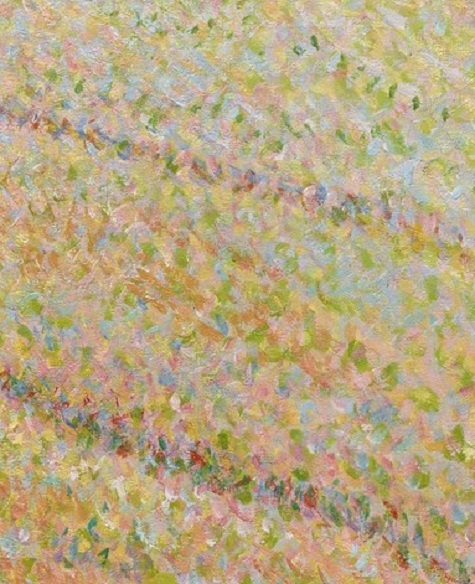
Camille Pissarro, Apple Harvest (Cuillette des pommes), 1888 (detail)

Camille Pissarro, Apple Harvest, 1888 (detail)

The pointillist method was a source of ongoing internal debate for Pissarro during these years. Despite his methodical preparatory studies, Pissarro placed a very high value on freedom and improvisation in painting. In September 1888, around the time he was completing work on Apple Harvest, he wrote to his son Lucien, a fellow neo-impressionist: “I am thinking a lot here about a way of producing without the point,” he reported. “How to attain the qualities of purity, of the simplicity of the point, and the thickness, the suppleness, the liberty, the spontaneity, the freshness of sensation of our impressionist art? That’s the question; it is much on my mind, for the point is thin, without consistency, diaphanous, more monotonous than simple.”

In Apple Harvest, Pissarro went to great lengths to avoid the monotony of pointillism, and his dots are surprisingly active and diverse, fracturing and curling to define form as well as color.

Camille Pissarro, Apple Harvest (Cuillette des pommes), 1888 (detail)

Camille Pissarro, Apple Harvest, 1888 (detail)

Robert Herbert, one of the great 20th-century historians of impressionism, described Pissarro’s complex approach to describing the deep shadow under the apple tree at the center foreground of the painting with a myriad of colored points: “The shadow has brilliant red, intense blue, intense green as well as pink, lavender, orange, some yellow, and subdued blues and greens. The pigments were not allowed to mix much together, and preserve their individuality which, because of the high intensity, results in an abrasive vibration in our eye that cannot be resolved into one tone. In order to make the contrast still sharper, Pissarro strengthens the blue around the edges of the shadow, a reaction provoked by the proximity of the strong sunlit field.”
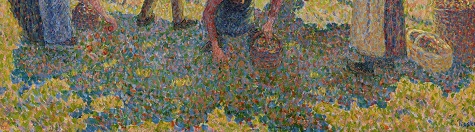
 Camille Pissarro, Apple Harvest (Cuillette des pommes), 1888 (detail)

Camille Pissarro, Apple Harvest, 1888 (detail)

By February of the next year, Pissarro informed his son that he was still “searching for a way to replace the points. Up until this moment, I haven’t found what I desire; the execution doesn’t seem to me to be quick enough and doesn’t respond simultaneously enough to sensation.” Pissarro sought nothing less than translating the immediacy of his optical sensations into the solid fact of paint on a canvas. Throughout the late 1880s, he was testing the capacity of the neo-impressionists’ methods to sustain this personal artistic goal.
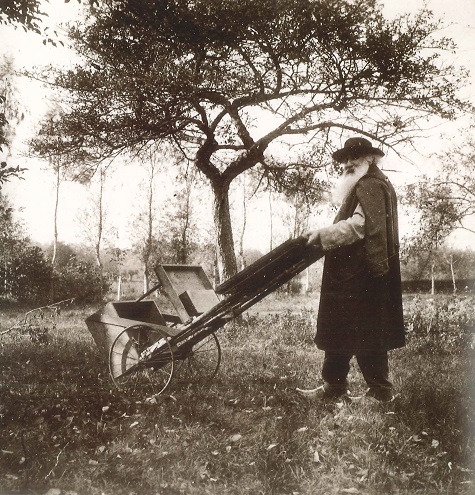
Camille Pissarro taking his rolling easel outdoors to paint near his house in Éragny, France, c. 1895

Camille Pissarro taking his rolling easel outdoors to paint near his house in Éragny, France, c. 1895

The first critics who saw Apple Harvest in 1889 and 1890, when it was shown at important exhibitions in Brussels and Paris, were profoundly impressed with how Pissarro managed to convey the experience of sunlight using the pointillist approach. One early critic wrote, “Truly, the canvases of M. Pissarro are today painted with the sun.” Later writers have agreed, pointing out how Pissarro “directed the light so that it appears to radiate from the depths of the scene, to activate with color everything along its path and then to issue forth in to the viewer’s space.”

How, then, does the painting’s recent cleaning alter our understanding of Apple Harvest? For many decades, the painting has appeared more yellow than Pissarro intended because of the darkened layer of varnish on its surface. This change has no doubt influenced viewers of the painting who noted the “warm” palette of the canvas, which “positively throbs with the heat of a late summer’s afternoon.” The intensely sunlit effect of the painting was, it seems, given an additional golden glow by the amber hue of the darkened varnish. But, the dazzling luminosity of Apple Harvest—its “powerful fiat lux,” in the words of one early critic—was no accident of time. It was apparent to viewers as soon as the painting left Pissarro’s easel, and now, 125 years later, the painting’s brilliant colors and lighting effects have been restored to their original, white-hot intensity.
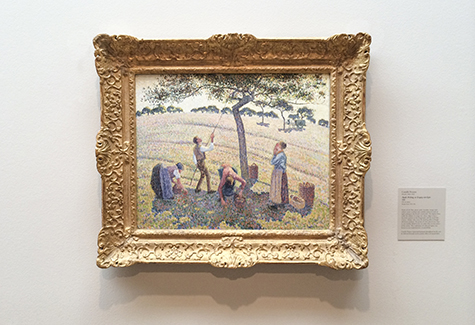
Camille Pissarro, Apple Harvest (Cuillette des pommes), 1888, oil on canvas, 24 x 29 1/8 in. (61 x 74 cm), Dallas Museum of Art, Munger Fund

Camille Pissarro, Apple Harvest, 1888, oil on canvas, 24 x 29 1/8 in. (61 x 74 cm), Dallas Museum of Art, Munger Fund

Celebrate Camille Pissarro’s birthday on July 10 with a visit to the newly conserved work on Level 2.

Heather MacDonald is The Lillian and James H. Clark Associate Curator of European Art at the DMA.
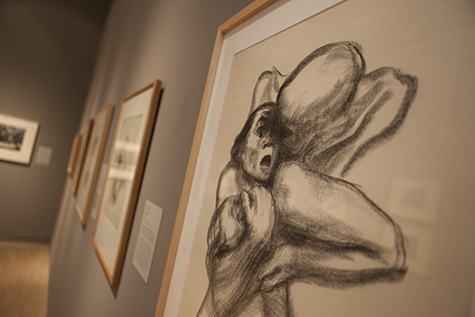
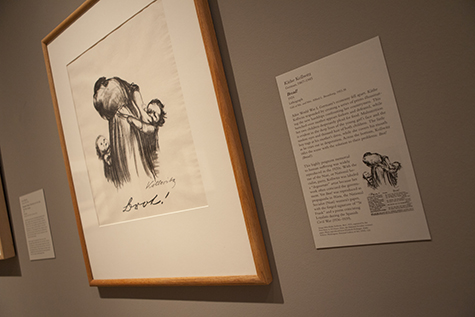
Alles Gute Zum Geburtstag Käthe Kollwitz

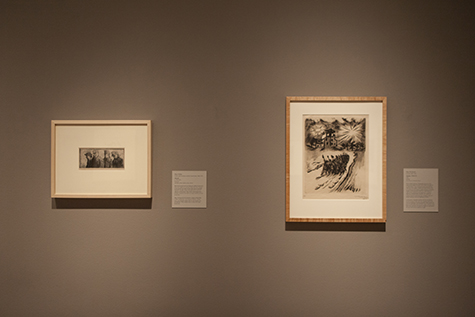
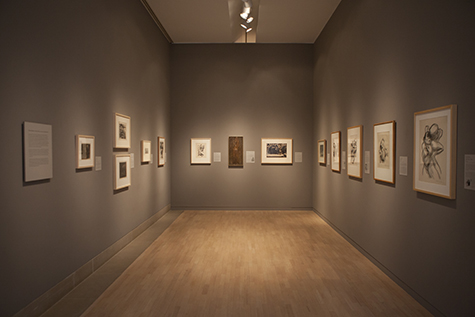
Popular throughout Europe and the United States during her career, German artist Käthe Kollwitz (1867-1945) captured images of life and the tragedy of war during the first half of the 20th century. Commemorate Kollwitz’s July 8 birthday with a visit to the free focus exhibition Käthe Kollwitz: A Social Activist in the Era of World War I in the Museum’s European Art Gallery on Level 2.


IMG_9211041


IMG_9213042


IMG_9220043


IMG_9225044


IMG_9226045


Kimberly Daniell is Manager of Communications and Public Affairs at the DMA.
DMA Snapshot: American Portraits

2014-06-14 15.14.42

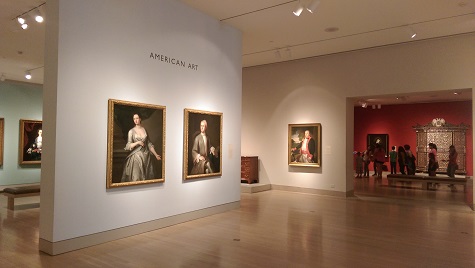
Sometimes visitors will ask me what they should see if they don’t have much time to spend in the galleries. Generally, I like to tailor my suggestions to the visitors’ preference for a particular style of art, but sometimes I just really like to show off a few of my favorites. One of the sections that I like to visit is the wonderful (and impressive) portrait collection on Level 4 in the American Art Galleries. During a quick visit  you can see celebrities such as George Washington, whose portrait was painted in 1795 by Rembrandt Peale when the artist was only seventeen years old. It wasn’t until 1823 that Peale decided to improve on the original painting.

Rembrandt Peale, George Washington, c. 1850, oil on canvas, Dallas Museum of Art, The Karl and Esther Hoblitzelle Collection, gift of the Hoblitzelle Foundation

Rembrandt Peale, George Washington, c. 1850, oil on canvas, Dallas Museum of Art, The Karl and Esther Hoblitzelle Collection, gift of the Hoblitzelle Foundation

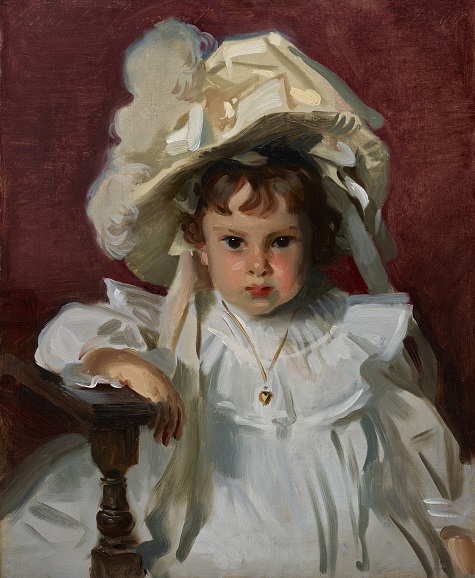
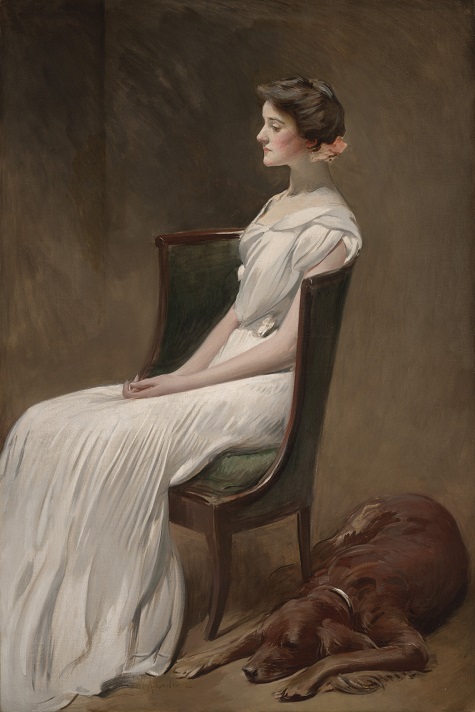
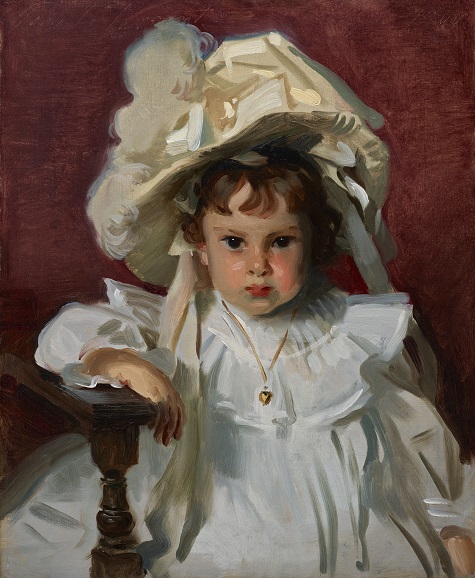
The sitter in John Singer Sargent’s Dorothy was the granddaughter of one of Sargent’s first American patrons, George Millar Williamson. Dorothy was selected to be a part of the Art Everywhere US campaign to celebrate American history and culture nationwide. Be on the lookout for her on outdoor displays this August.

John Singer Sargent, Dorothy, 1900, oil on canvas, Dallas Museum of Art, gift of the Leland Fikes Foundation, Inc.

John Singer Sargent, Dorothy, 1900, oil on canvas, Dallas Museum of Art, gift of the Leland Fikes Foundation, Inc.

You don’t want to miss the beautiful portrait of Theodore Roosevelt’s first cousin, Miss Dorothy Quincy Roosevelt (later Mrs. Langdon Geer).This portrait is stunning and perfectly exemplifies the practices of John White Alexander that put him on the map, not just as a portrait artists but also as a muralist and illustrator.

John White Alexander, Miss Dorothy Quincy Roosevelt (later Mrs. Langdon Geer), 1901-1902, oil on canvas, Dallas Museum of Art, gift of the Pauline Allen Gill Foundation in memory of Pauline Gill Sullivan

John White Alexander, Miss Dorothy Quincy Roosevelt (later Mrs. Langdon Geer), 1901-1902, oil on canvas, Dallas Museum of Art, gift of the Pauline Allen Gill Foundation in memory of Pauline Gill Sullivan

The American Art Gallery features the finest portraits and decorative arts from the 18th and 19th centuries that America had to offer and is a definite must-see. If you’re yearning for more information, visit the DMA.mobi tour to learn interesting facts about more works in the collection, like John Singleton Copley’s portraits Woodbury Langdon and Sarah Sherburne Langdon. Then don’t forget to check in to the DMA Friends program to get your points!

Maegan Hoffman is Assistant Manager of the DMA Partners Program at the DMA.
Friday Photos: Capturing Culture

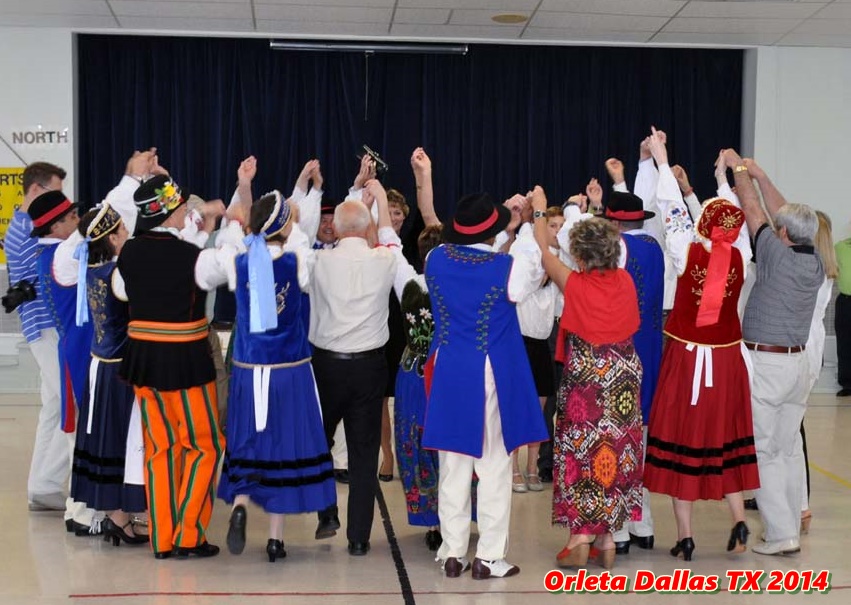
Art is often a reflection of a society’s culture; it can range from an artist’s response to a specific experience, to a cultural relic born out of a particular time and place.  The Dallas Museum of Art’s collection represents cultures from every continent over the last 5,000 years.  Help us explore the diversity within North Texas by sharing your photographs that capture culture.

Upload your photographs here: http://www.flickr.com/groups/dmaculture 

Click here for guidelines and more information.

Submitted photos will be on view in the DMA’s Center for Creative Connections starting in July.

Jessica Fuentes

C3 Gallery Coordinator

DMA Art Will Be Everywhere

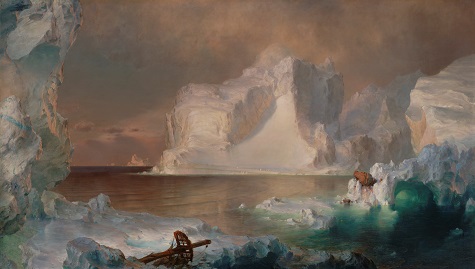
The votes are in, the results have been tallied, and the Art Everywhere US works have been chosen! The voting was so close that fifty-eight works of art made the cut (including ten works from the DMA) and will be reproduced on billboards, bus shelters, subway platforms, and more this August. Be on the lookout for The Icebergs or Dorothy on your commute and stop by the DMA to visit the works in person.

Kimberly Daniell is the Manager of Communications and Public Affairs at the DMA

Highlights of Light

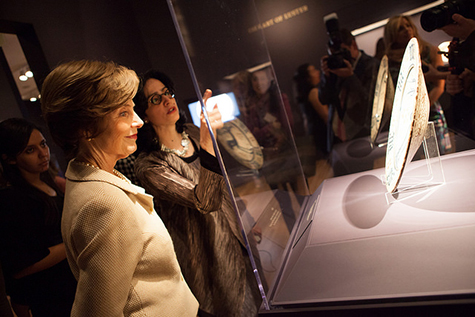
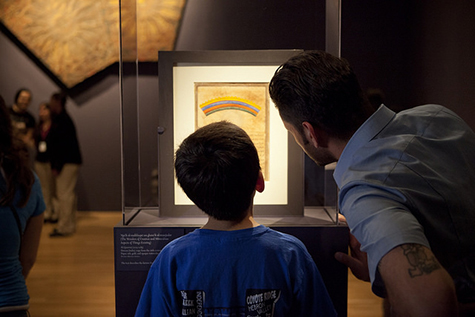
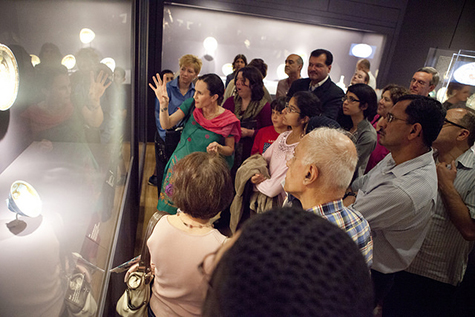
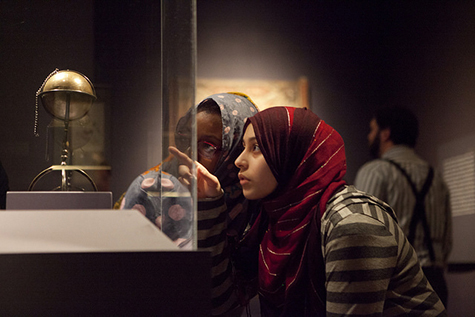
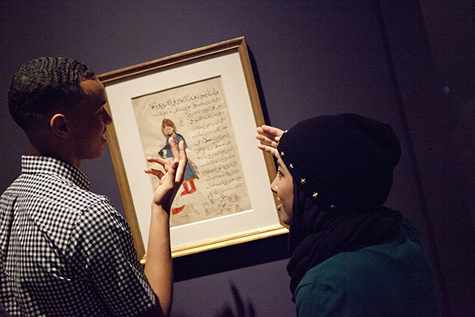
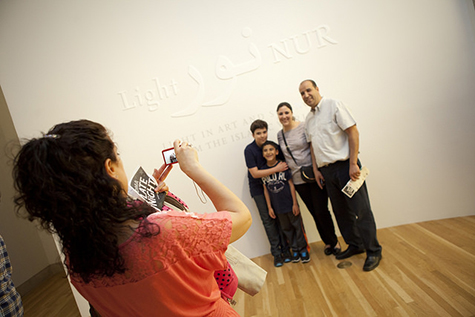
It’s the final week to visit the DMA-co-organized exhibition Nur: Light in Art and Science from the Islamic World, on view through Sunday, June 29. The acclaimed exhibition, which features more than 150 objects from ten centuries, highlights rare and beautiful examples of the rich heritage of the Islamic world and the influences and contributions it has made to cultures throughout history.


13780942833_f3bb09572b_z


13985379316_933f9b8482_z


14008961734_aa100b09d2_z


14005327201_5e396c3d31_z


14005163662_300f121d99_z


14005071511_5f0f8cd4db_z


Friday Photos: Summertime, and the Livin’ is Easy

Borrowing lyrics from Ella Fitzgerald’s Summertime tune seemed to fit with this Friday Photo post theme of Summer fun! Stumped for what to do this summer? You can take a hint from some works of art in the DMA’s collection.

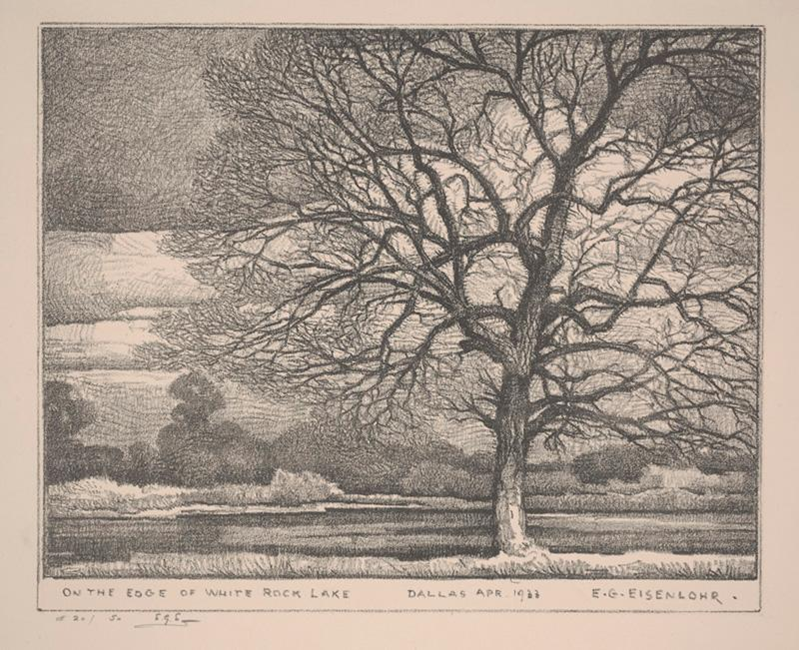
On the Edge of White Rock Lake, Edward G. Eisenlohr, 1933

On the Edge of White Rock Lake, Edward G. Eisenlohr, 1933, Dallas Museum of Art, gift of A. H. Belo Corporation and The Dallas Morning News
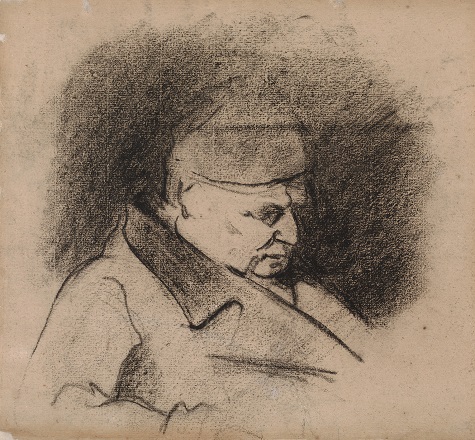
 

Why not take a run or bike ride along White Rock Lake? This urban oasis has provided inspiration to many North Texans over the years, including Edward G. Eisenlohr who documented the early twentieth-century landscape of Dallas in over 1,000 drawings, watercolors, pastels, oil paintings, and lithographs.

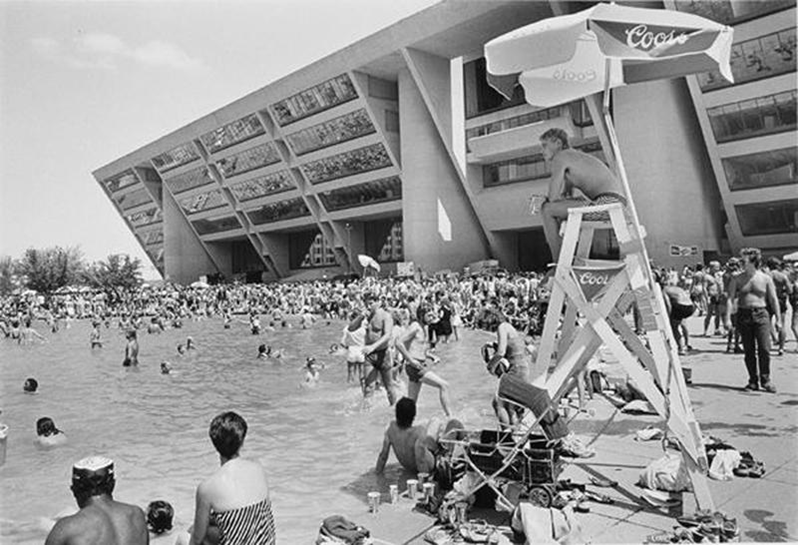
Beach Party, Dallas City Hall, Lynn Lennon, 1984

Beach Party, Dallas City Hall, Lynn Lennon, 1984, Dallas Museum of Art, Mr. and Mrs. Homer B. Jester Fund

Jump in! One of the best ways to beat the heat is taking a dip in a local swimming pool, but would you ever think you could swim at Dallas City Hall?! Well back in 1984 that dream was a reality. William H. Whyte had the idea to revitalize the area around City Hall, and these ideas took shape as a beach party! In June of 1984, the city trucked in tons of sand, and everyone grabbed their swimsuits to soak in some sun at City Hall. Luckily photographer Lynn Lennon, who was working on a project about public spaces for the Dallas Public Library, captured images of the epic event. Find out more about this quirky time in Dallas history here.

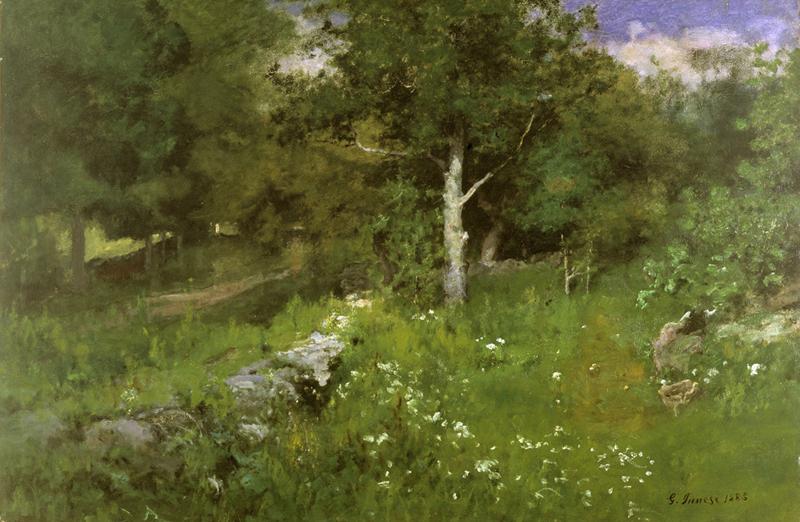
George Inness, Summer Foliage, 1883

George Inness, Summer Foliage, 1883, Dallas Museum of Art, bequest of Joel T. Howard

If the pool isn’t your scene, then take advantage of the outdoors by packing a picnic or taking a day trip to one of the wonderful Texas State Parks in the DFW area. Artist George Inness often took inspiration from the outdoors, and sought to give his viewers the experience of nature through the shifting effects of light, atmosphere and season in his work.

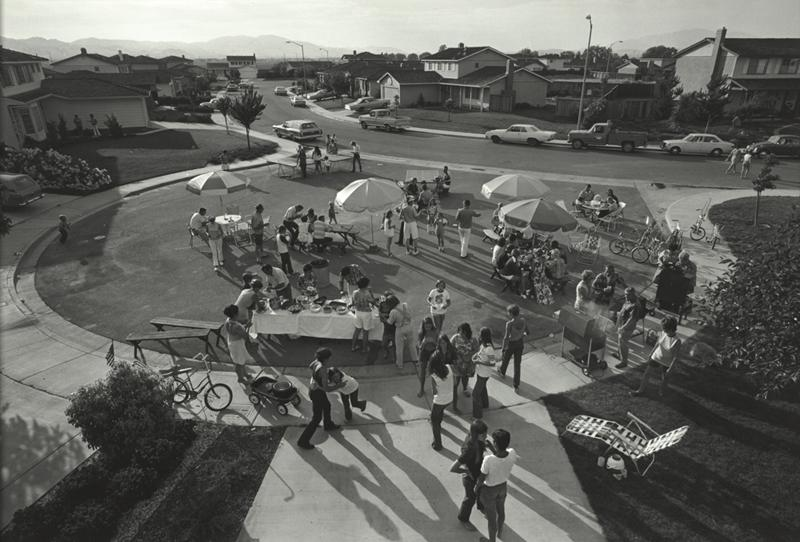
And perhaps the best summertime activity of all is the block party, where neighborhood or community members can come together to celebrate with delicious food, good music and great conversation. And it just so happens that TONIGHT is the Dallas Arts District block party! Come celebrate the summer at this annual event that brings together programs like the Crow Collection After Dark, ’til Midnight at the Nasher Sculpture Center, and of course the exciting activities of Late Nights at the DMA!


This is our second annual Fourth of July block party. This year thirty-three families came for beer, barbequed chicken, corn on the cob, potato salad, green salad, macaroni salad, and watermelon. After eating and drinking we staged our parade and fireworks., Bill Owens, 1971

This is our second annual Fourth of July block party. This year thirty-three families came for beer, barbequed chicken, corn on the cob, potato salad, green salad, macaroni salad, and watermelon. After eating and drinking we staged our parade and fireworks., Bill Owens, 1971, Dallas Museum of Art, Lay Family Acquisition Fund

Danielle Schulz
Teaching Specialist

Art’s Inspiration


Image of Art Smith photo by Arthur Mones, 1979

Image of Art Smith photo by Arthur Mones, 1979

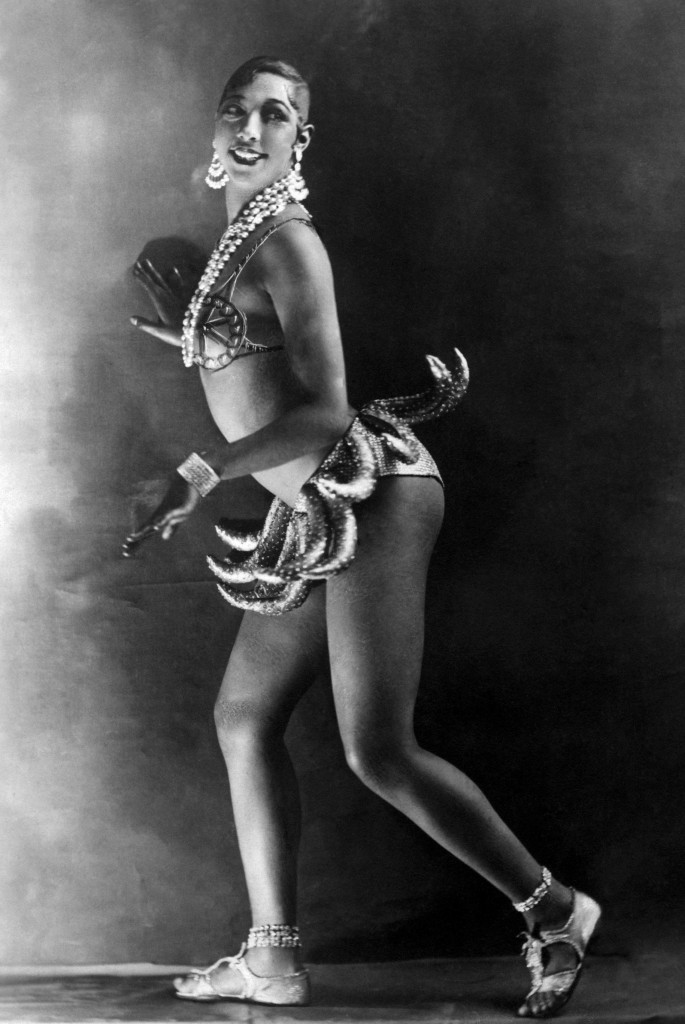
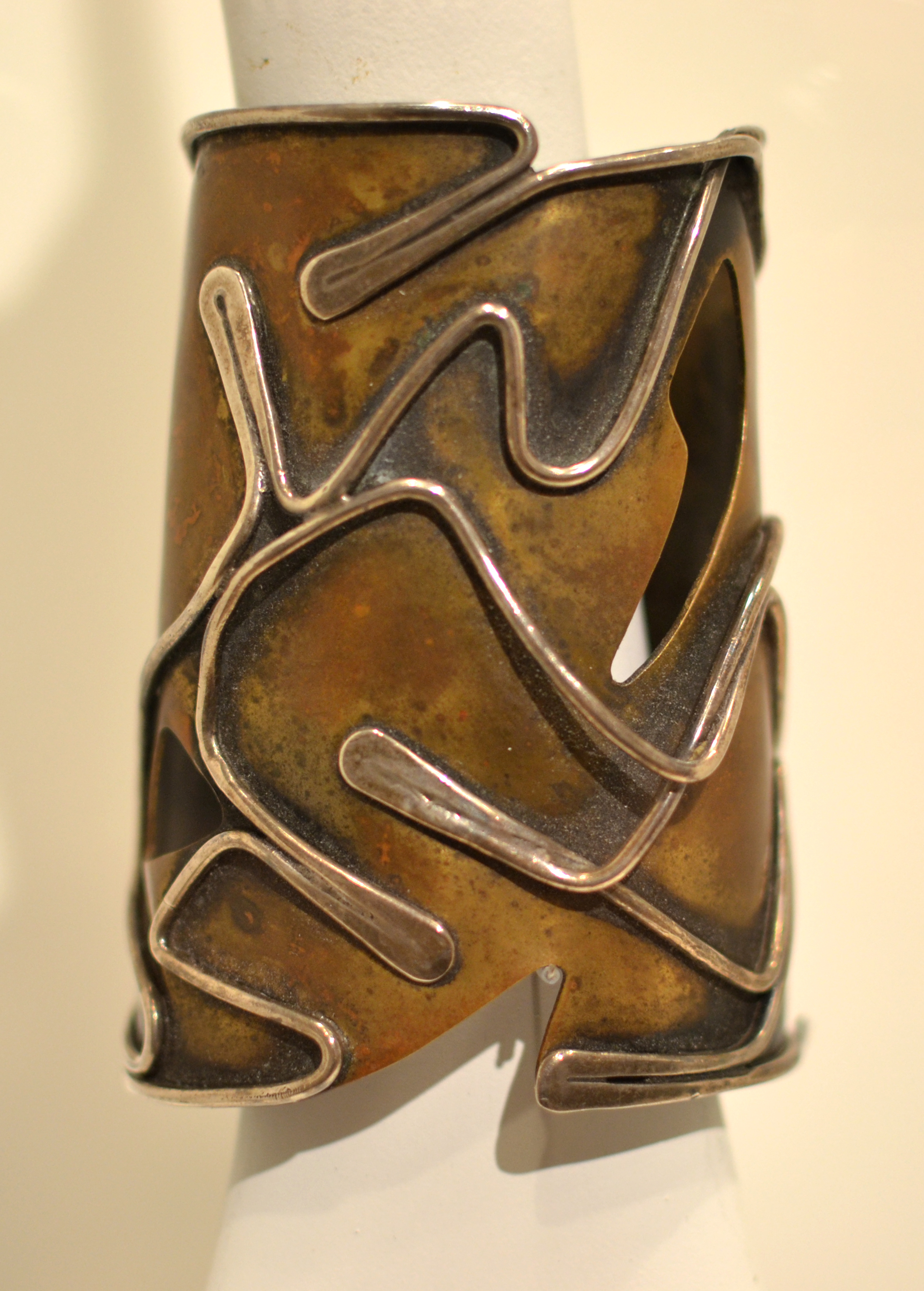
Last weekend, From Village to Vogue: The Modernist Jewelry of Art Smith opened at the Dallas Museum of Art.  In connection with this exhibition, the Center for Creative Connections is pleased to have on view a “Baker” Bracelet by Art Smith, along with a collection of tools owned by the artist.  Because a different “Baker” Bracelet is also on view in the exhibition, we faced the challenge of providing information that would expand on and not simply duplicate the information included in the exhibition.  In the months prior to installing the bracelet, I  learned that “Baker” referred to Josephine Baker.  So, naturally, my first question (and the one that I thought visitors might have) was “Who is Josephine Baker?”

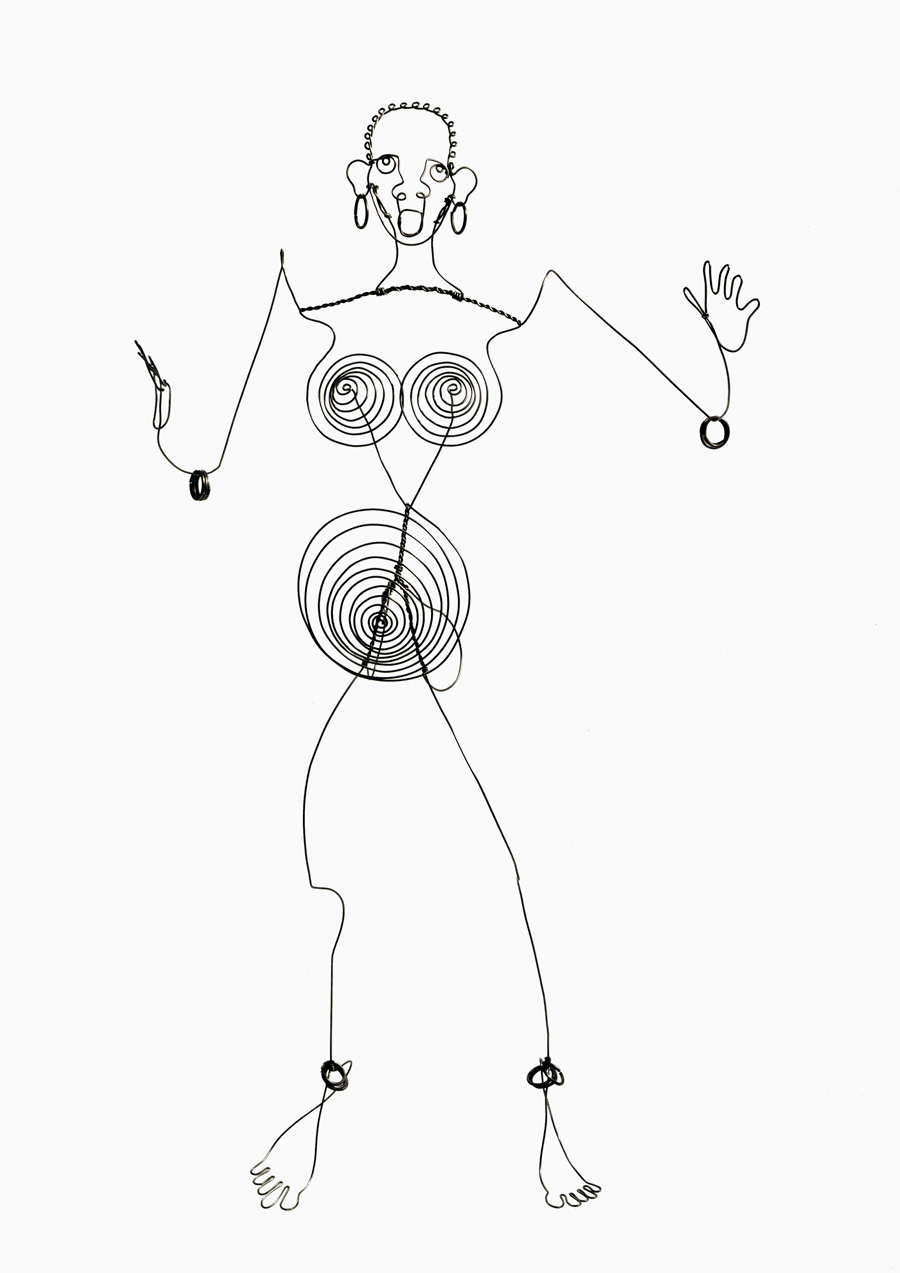
As it turns out, Josephine Baker led quite an amazing life.  Baker was an African-American dancer and singer, who rose to fame in France.  In 1926, her performance in the popular show La Folie du Jour cemented her celebrity status.  During World War II, she worked for the French Resistance both entertaining troops and smuggling hidden messages in her sheet music.  After the war she returned to the United States and was an advocate for the Civil Rights movement.  Her efforts were acknowledged by the NAACP, who named May 20th “Josephine Baker Day.”  Baker, loved for her singing, dancing, fashion and beauty, was greatly admired by artists and writers of the time such as Langston Hughes, F. Scott Fitzgerald, and Pablo Picasso.  However, what I found most intriguing was that she inspired several sculptures by Alexander Calder.  Calder is known to have been an influence on modernist jewelers like Art Smith, and so their mutual interest in Baker caught my attention.


What similarities can you notice in the lines, shapes, angles, and curves between the bracelet and the images of Josephine Baker?

Visit the Center for Creative Connections to see the “Baker” Bracelet and Art Smith’s tools and to learn more about Smith’s inspiration and process.  On view through December 7, 2014.

Jessica Fuentes
C3 Gallery Coordinator

Dad’s Day

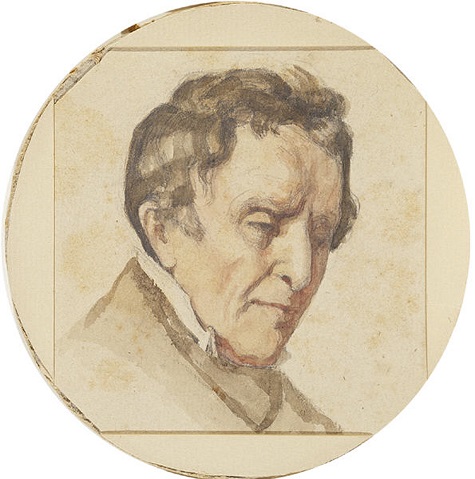
One day isn’t enough to celebrate dads, or the fathers found in the DMA collection. Artists have shown their appreciation for their old man by capturing him in paint and pen and below are a few examples from the Museum’s collection.

Paul Cezanne, Portrait of the Artist's Father, 1868-1873, charcoal, Dallas Museum of Art, The Wendy and Emery Reves Collection

Paul Cezanne, Portrait of the Artist’s Father, 1868-1873, charcoal, Dallas Museum of Art, The Wendy and Emery Reves Collection

Gustave Courbet, Portrait of Regis Courbet, the Artist's Father, 1848-1849, watercolor and pencil on wove paper, Dallas Museum of Art, The Wendy and Emery Reves Collection

Gustave Courbet, Portrait of Regis Courbet, the Artist’s Father, 1848-1849, watercolor and pencil on wove paper, Dallas Museum of Art, The Wendy and Emery Reves Collection

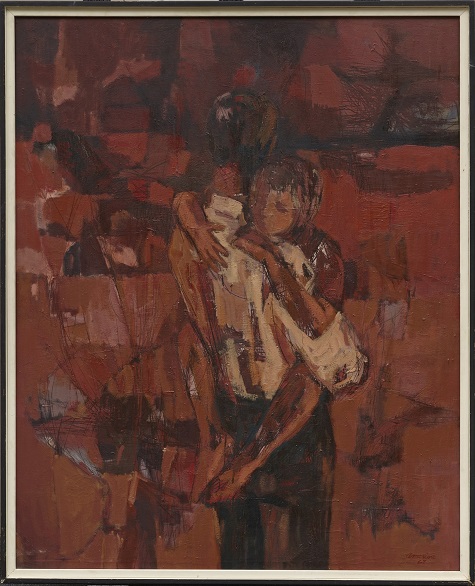
Wayne V. Amerine, Father and Child, 1962, oil on canvas, Dallas Museum of Art, Art Museum League Purchase Prize, 33rd Annual Dallas County Exhibition of Painting, Drawing and Sculpture, 1962

Wayne V. Amerine, Father and Child, 1962, oil on canvas, Dallas Museum of Art, Art Museum League Purchase Prize, 33rd Annual Dallas County Exhibition of Painting, Drawing and Sculpture, 1962

Friday Photos: Old Haunts, New Friends

Museums often seem to inspire very personal and strong emotional bonds, and it is not uncommon to hear people talk of specific works in a collection or favorite locations within a building as akin to “friends and family.”  As a former DMA Education employee who has recently returned to the Museum, I have enjoyed spending the last several weeks rediscovering some of my favorite spaces and works of art here.  Of course, along the way, I have stumbled across some new works of art and changes at the DMA that I am becoming newly acquainted with!   I thought I would share this –admittedly quirky and idiosyncratic– tour of “old haunts and new friends.”

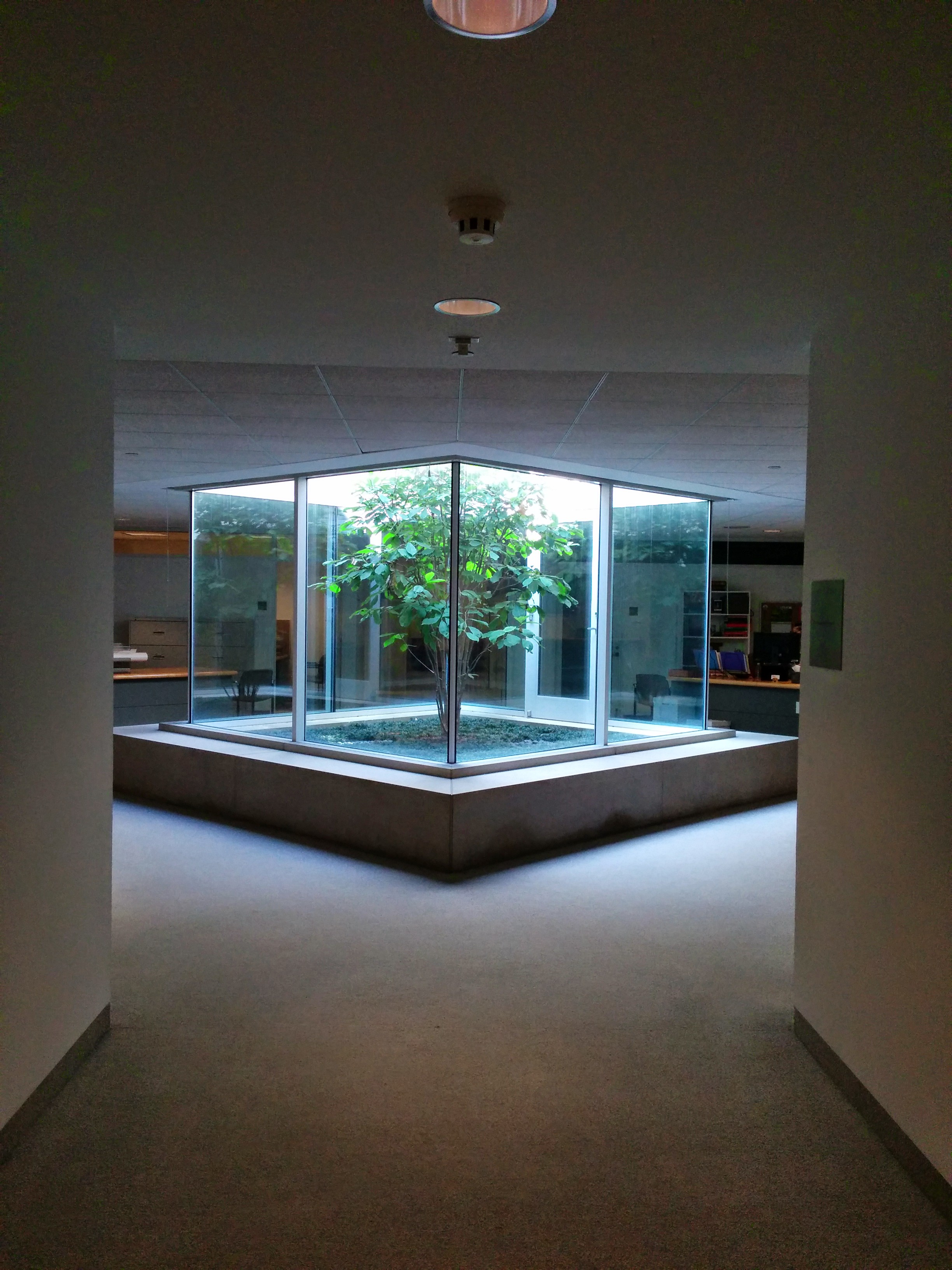
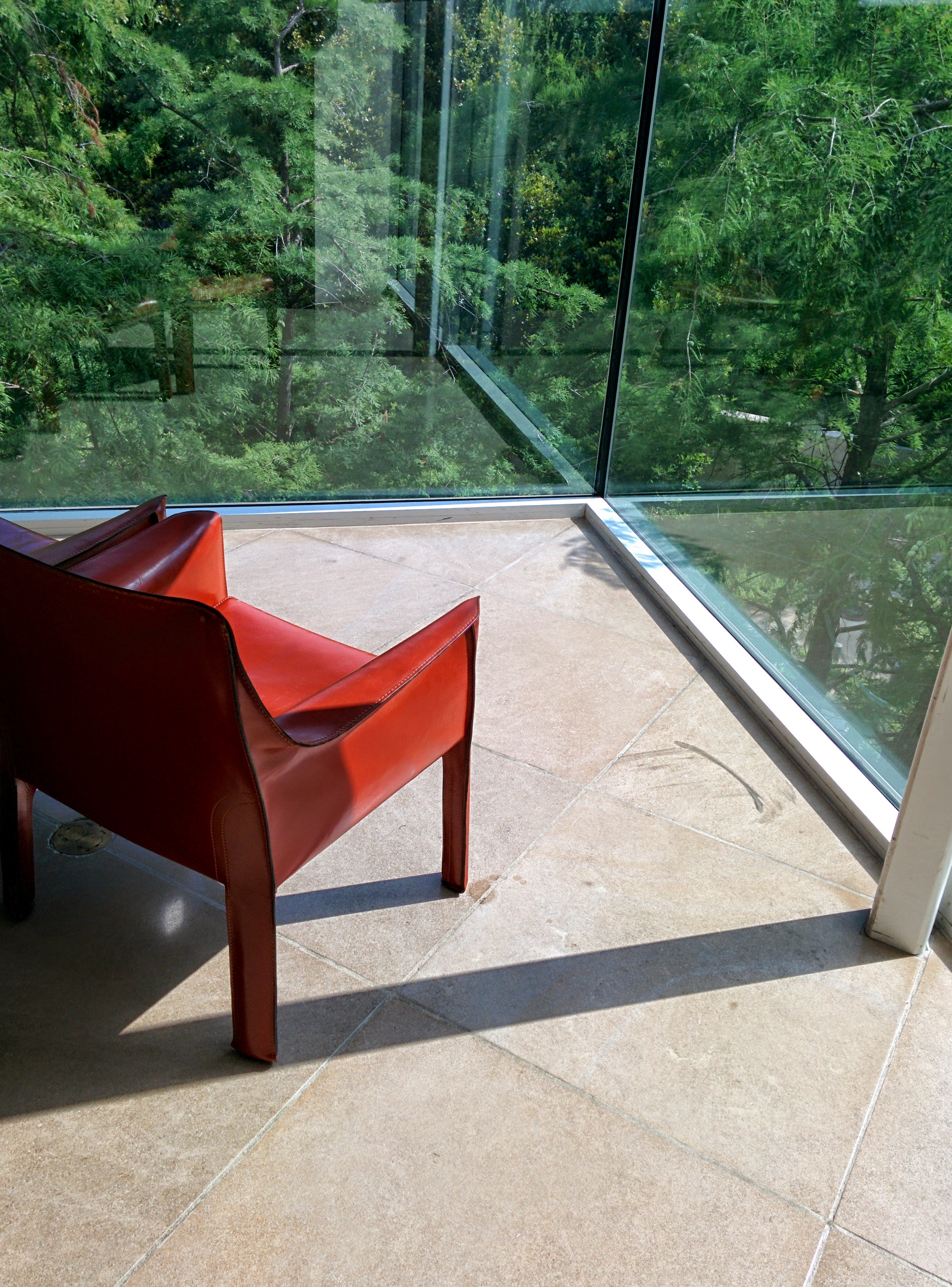
IMG_20140613_095513 IMG_20140613_095654

I have always loved the tree that grows in the middle of our upper office area, particularly when viewed from one of the hallways radiating from it.   Also, the tucked-away chairs at the corner windows on the fourth floor are my favorite place to sit and read a few pages of a book during a break, followed only by the view of Fleischner Courtyard from the Mayer Library (Did you know we have a fantastic library the public is welcome to use for research?)


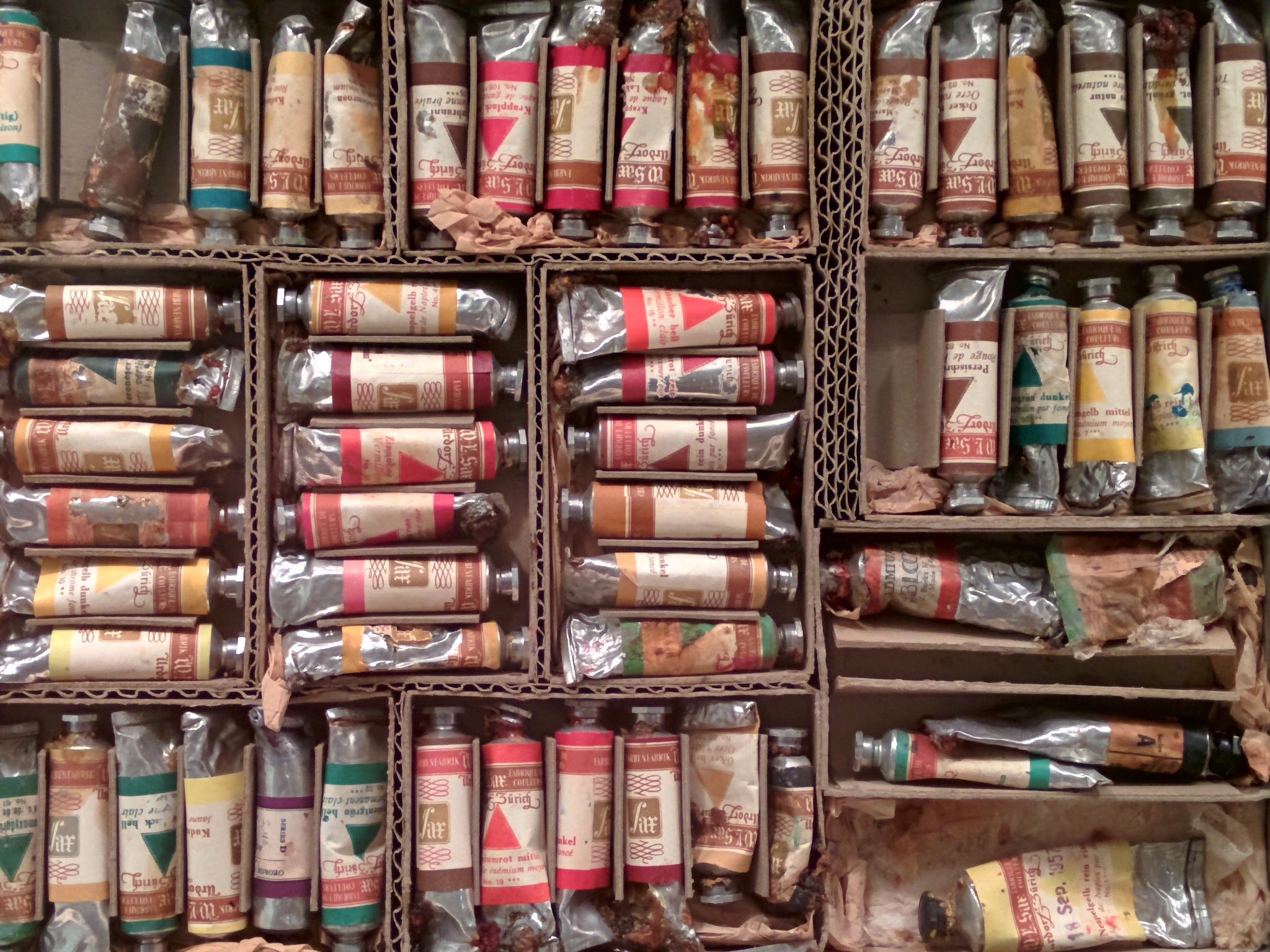
IMG_20140613_101803

Another favorite object is one of Winston Churchill’s paint sets, tucked away with a wonderful assortment of his letters, telegrams, small works on paper, and assorted memorabilia in the Wendy and Emery Reves Collection.


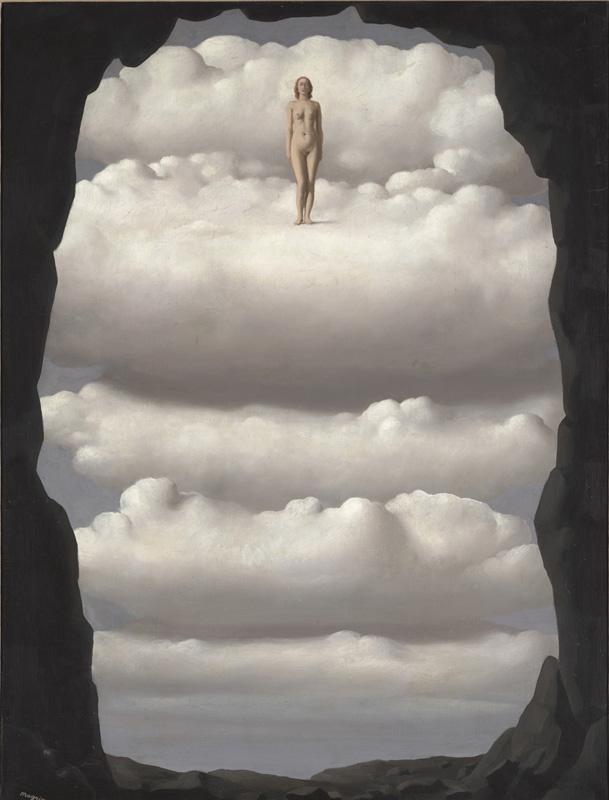
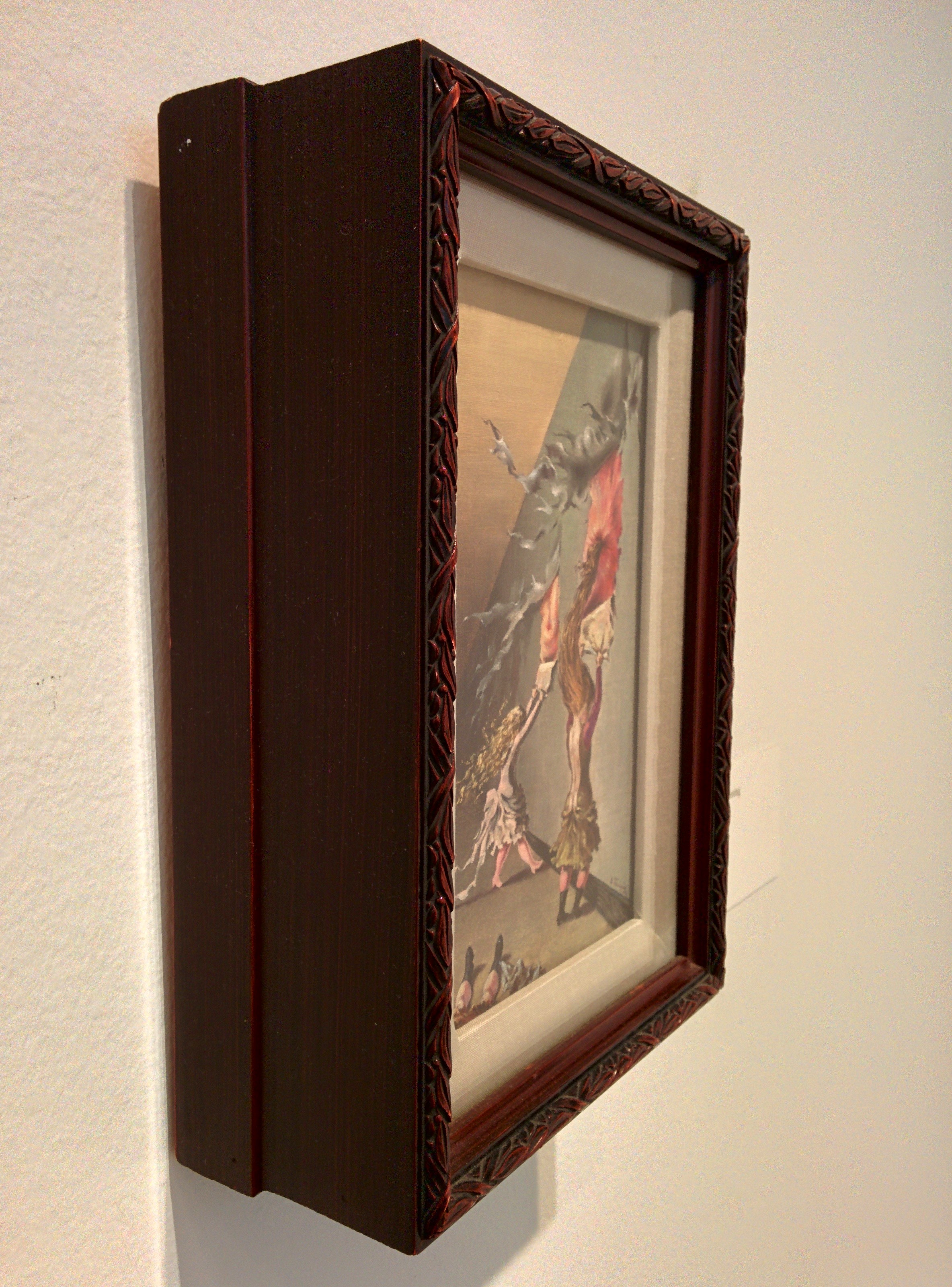
Magritte_Our Daily Bread-Le Pain Quotidien_1942 IMG_20140613_145712

As a lover and student of Surrealism, I was delighted to see two works on view that I had not previously viewed in person: René Magritte’s Our Daily Bread (Le Pain Quotidien), 1942, and Dorothea Tanning’s Jeux d’Enfants, 1942.  The deep-set frame of  the Tanning is particularly lovely, I think!


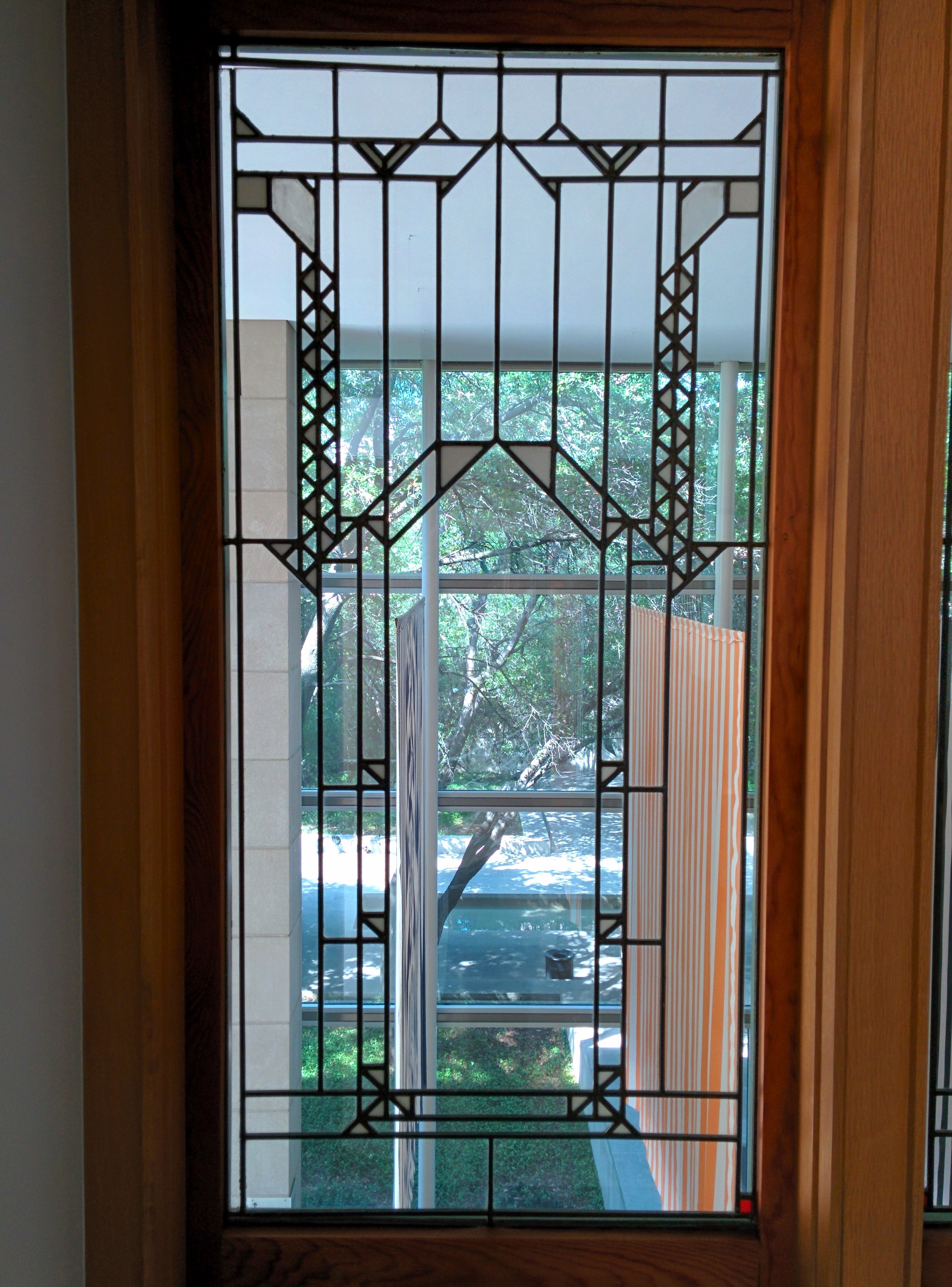
IMG_20140613_102749 IMG_20140613_105324

Nearest the Ross entrance in the Founder’s Room are a set of window panels designed by Frank Lloyd Wright, originally from the Francis W. Little House in Deephaven, Minnesota.  It was interesting viewing the geometrically-designed “grilles” in the window against one of the orange-and-white striped hanging cloth panels in Daniel Buren’s Sanction of the Museum from 1973.

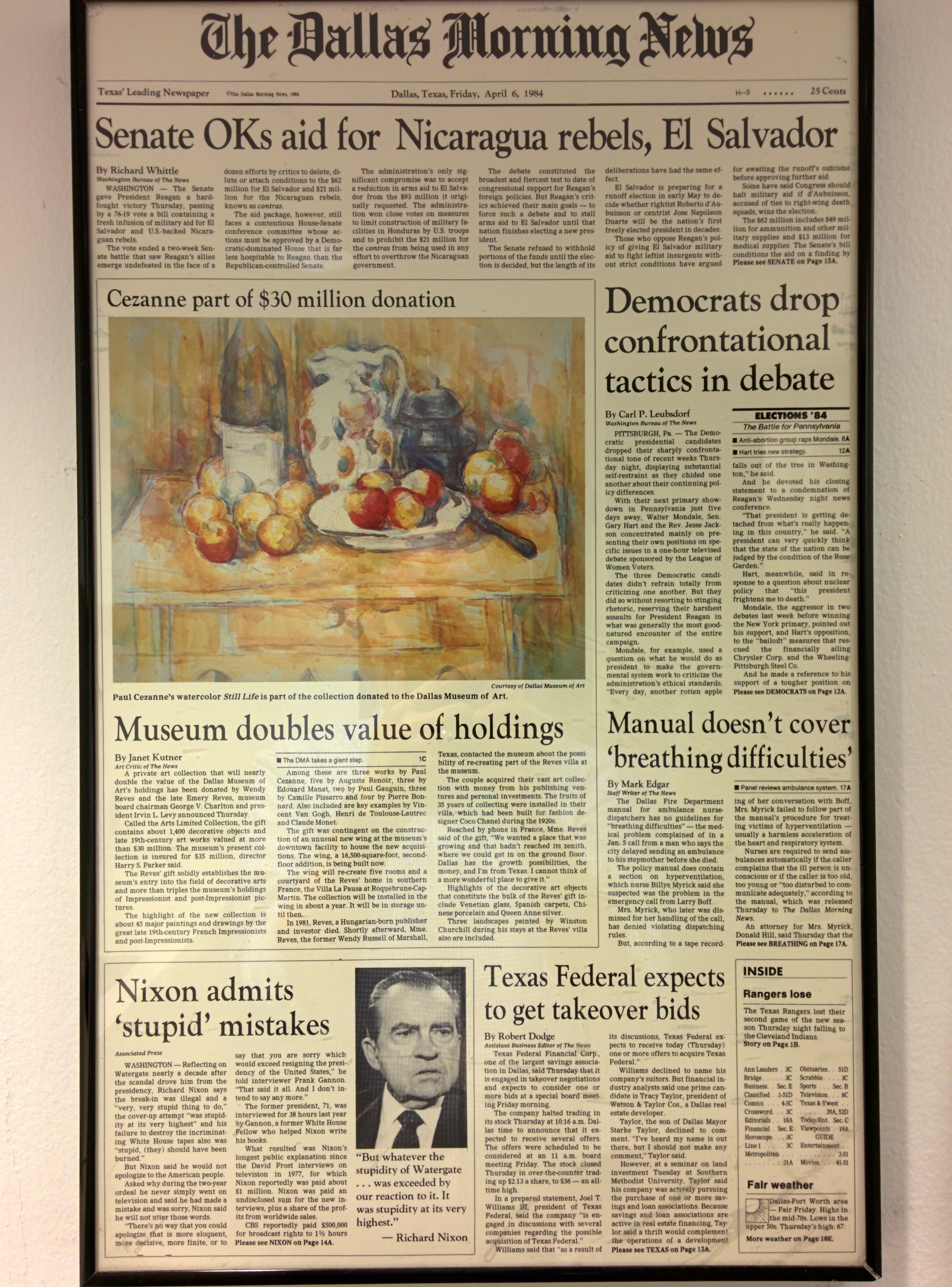
Finally, there is a little tucked away kitchenette in the Museum’s office area where I was always fascinated by a framed Dallas Morning News front page from 1984 announcing the donation of the Reves Collection, and I was pleased to discover it was still there.  I love how this is an historical artifact of the worldly context during which this important collection was added to the Museum, a preserved moment in time akin to the recreation of the Reves’ villa here.


Johan Christian Dahl_Frederiksborg Castle by Moonlight_1817 IMG_20140613_102630

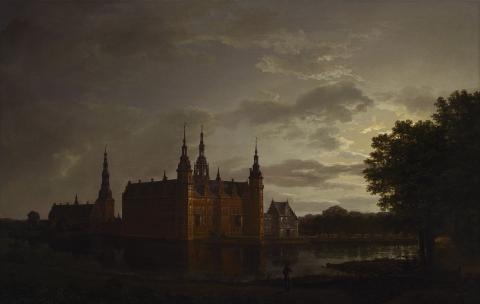
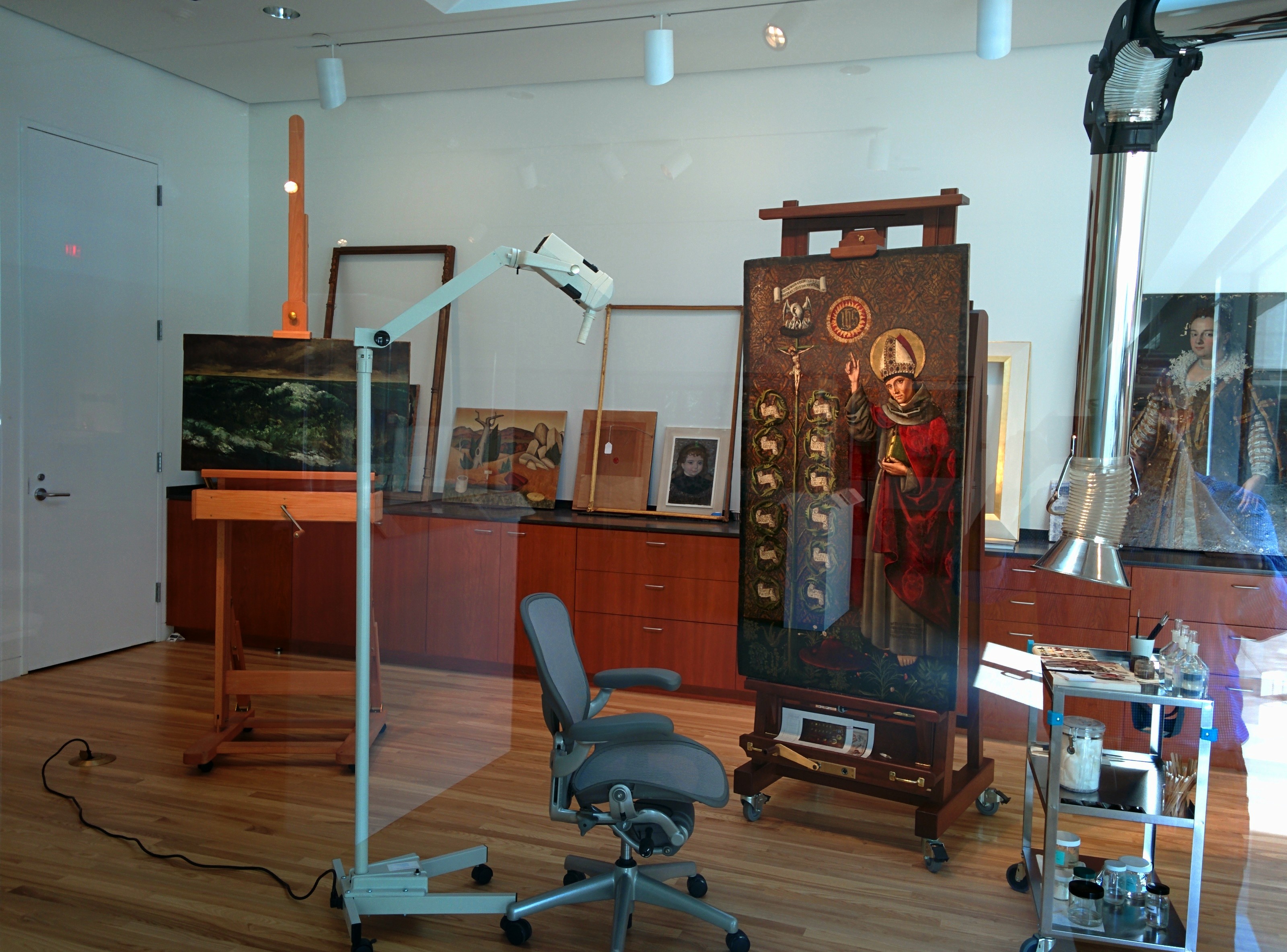
Two newer features of the Museum that I am quickly becoming quite fond of are the recently acquired painting by Norwegian Romantic painter Johan Christian DahlFrederiksborg Castle by Moonlight, and the Conservation Studio across from the Founder’s Room.  Not only is the Conservation Studio fascinating to glimpse into, but the works on display outside it offer insightful peeks into little-seen aspects of objects like gallery labels and abandoned paintings hidden by frames.  (And, if you look carefully at my reflection in the window, it appears the female figure in the painting is tapping me on the shoulder.)

What are some of your favorite works of art and tucked away places here at the Dallas Museum of Art?  Please leave your examples in the comments!


Artworks shown (in order of appearance):

  • René Magritte, Our Daily Bread (Le Pain Quotidien), 1942, Dallas Museum of Art, Gift of Nancy B. Hamon in honor of Margaret McDermott.
  • Dorothea Tanning’s Jeux d’Enfants, 1942, Lent by Private Collection.
  • Frank Lloyd Wright, Window panels from the Francis W. Little House, “Northome” in Deephaven, Minnesota, 1912-14, Gift of Dr. and Mrs. Ralph Greenlee, Jr.
  • Johan Christian Dahl, Frederiksborg Castle, 1817, oil on canvas, Dallas Museum of Art, Foundation for the Arts Collection, Mrs. John B. O’Hara Fund.


Josh Rose
Manager of Docent and Teacher Programs


Archives

Categories