Posts Tagged 'Center for Creative Connections'


Make This: Poured Paint Sculptures

20130217_151126

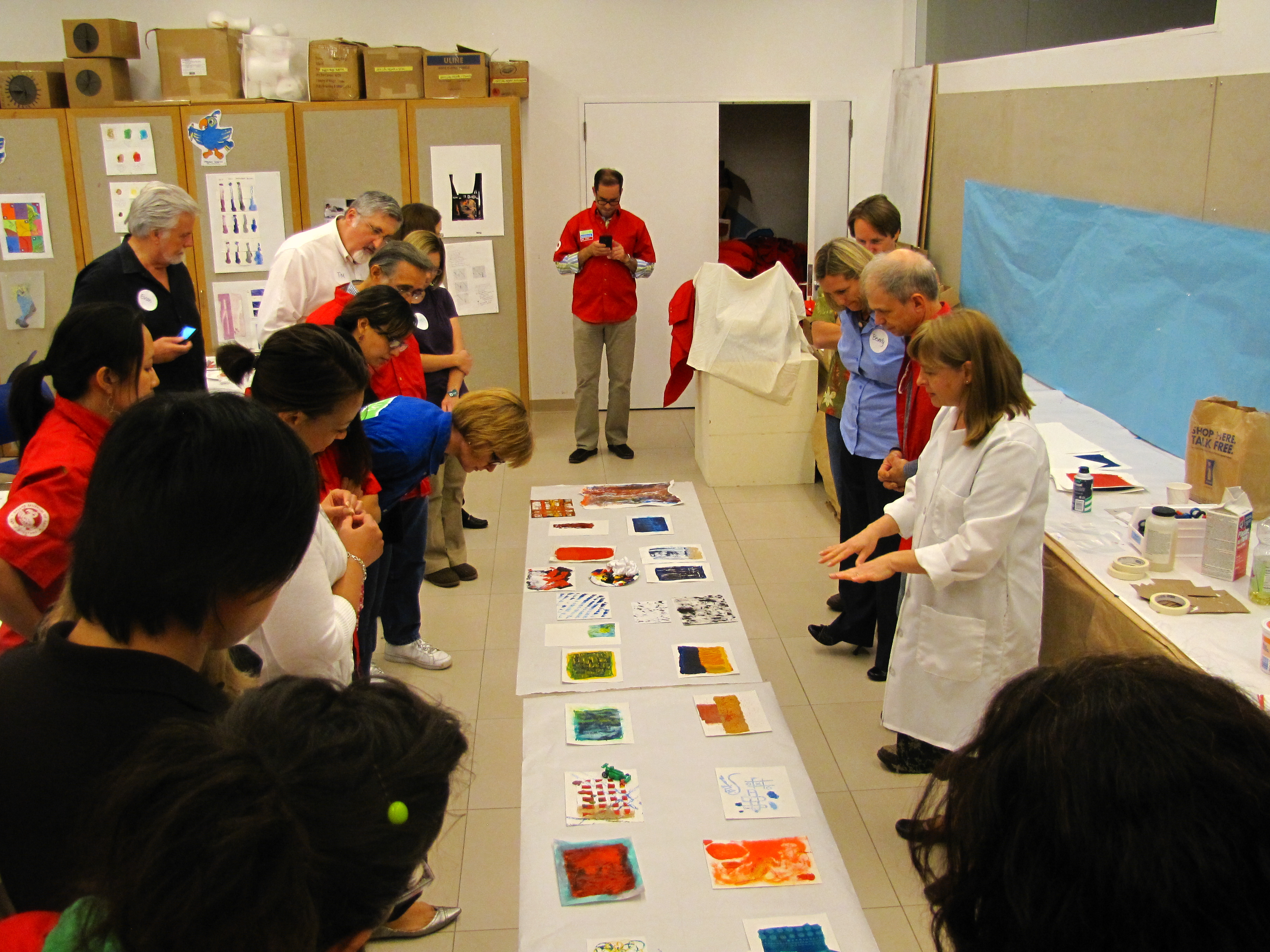
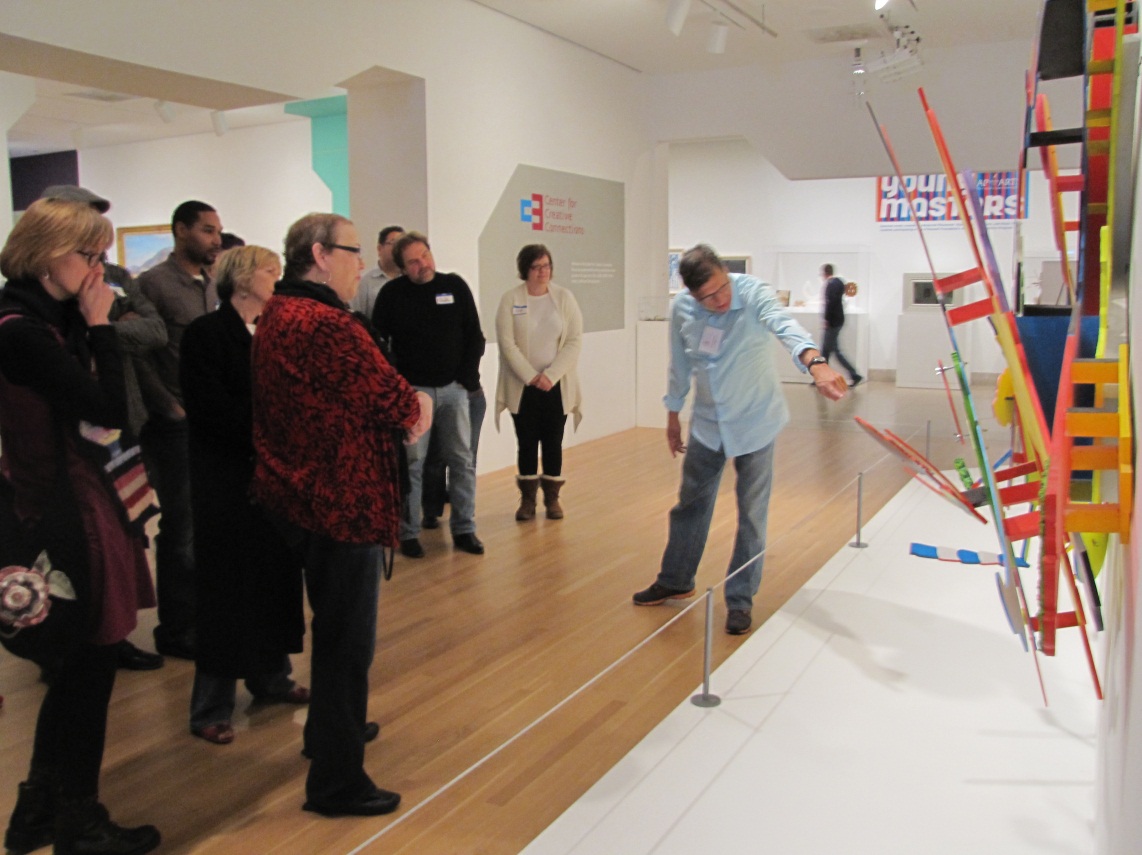
Studio Creations participants share their thoughts about Lynda Benglis’ work.

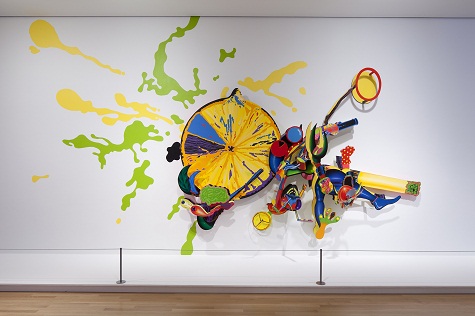
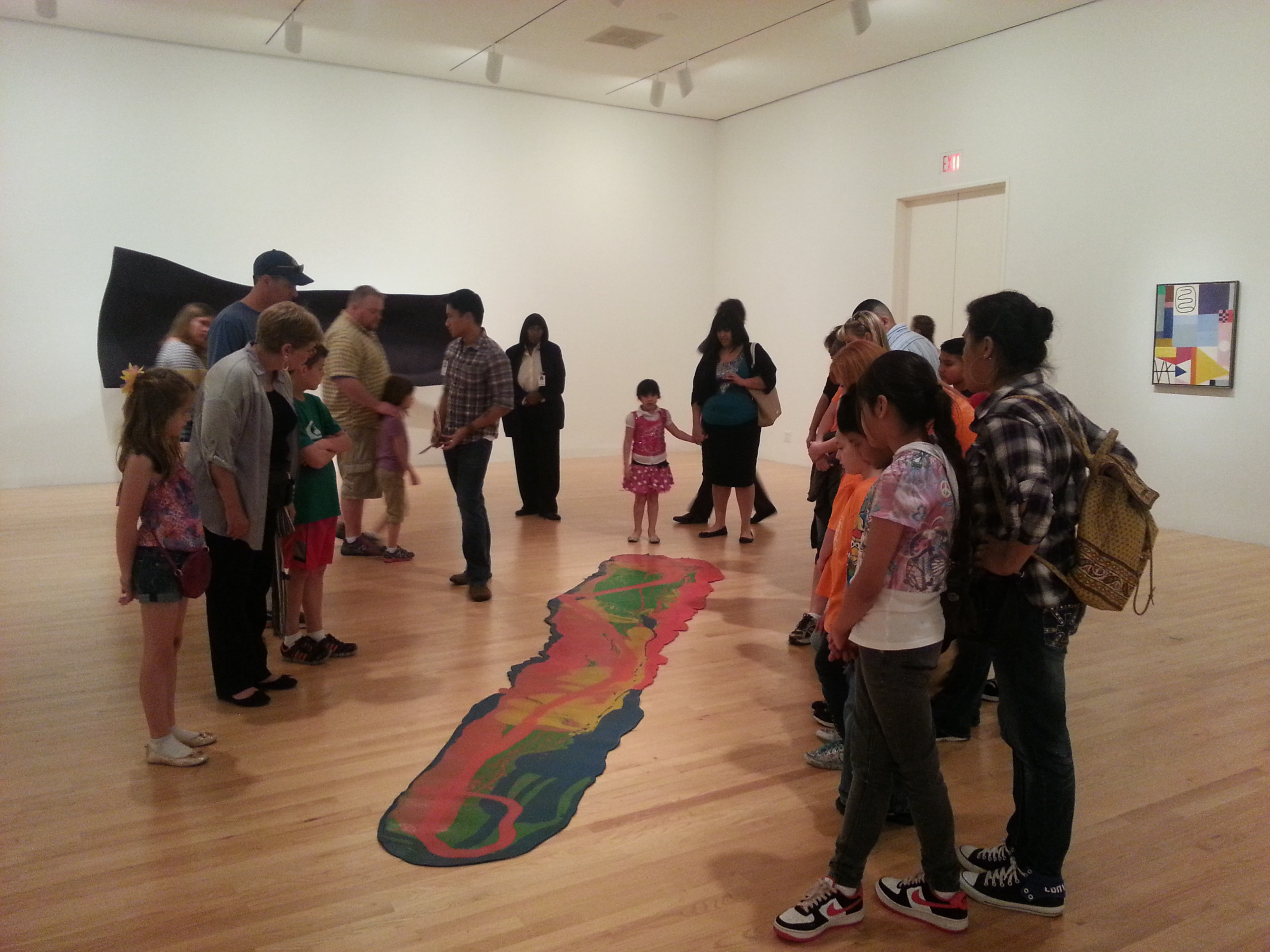
During Studio Creations this month, we looked at Lynda Benglis’ Odalisque (Hey, Hey Frankenthaler), part of the special exhibition Difference?. There are many aspects of this work of art that make it fun to talk about with people, but what I find the most interesting is the way it challenges how we define painting and sculpture. To me, it really lives between the two! This idea provided the catalyst for our Studio Creations art making activity. During each workshop, visitors created poured paintings based on chance, which, when dry, could be peeled from the painting surface and made into something sculptural. Here’s a quick tutorial for creating the project at home with your family:

Supplies

  • Gloss medium or Liquitex pouring medium (available at most art supply stores)
  • Acrylic paint (I prefer gloss acrylics, but any type will work well)
  • Painting surface: A sheet of cardboard covered with heavy plastic (or something similar)
  • Squeeze bottles or cups for dispensing paint
  • Toothpicks for adding designs (optional)

IMG_0449[1]

Plastic-covered painting surface, gloss medium, and acrylic paint in squeeze bottles

Steps

IMG_0450[1]

Squeeze a small amount of gloss medium onto the painting surface. Using your squeeze bottles or cups, drop a little bit of paint into the medium. There’s no right or wrong way to do this so feel free to experiment! Try planning it out or putting the paint in randomly.

IMG_0451[1]

Now try tilting your painting surface in different directions. The paint will start to run depending on the direction and angle that you tilt it. This is where the part about chance comes in–you only have a certain amount of control over the paint as it moves. Chance played a big role in the way that Lynda Benglis created Odalisque–she didn’t have any control over the paint after pouring it.

IMG_0453[1]

Whenever you feel like it, add more paint. But be sure to drop it into the medium–otherwise, it could break off from the rest of the painting when dry. Continue adding paint and tilting the surface until your painting almost reaches the edge.

IMG_0455[1]

When you are finished, let your painting dry for at least one day. If you added a lot of paint, it may need an extra day or two to fully dry. Afterwards, carefully peel the painting away from the painting surface–it should be plastic-like in consistency.

Now try making it into something sculptural! Your painting can easily be cut and molded. Some ideas that came up during Studio Creations were: a mask, a bowl, a mouse pad, a jacket, and a sun catcher, among others. If you’d like to share your creation with us, feel free to send an image to jbigornia@dma.org and I’ll post it on our Flickr page.

IMG_0458[1]

Finished painting

IMG_0459[1]

Almost sculptural, don’t you think?

IMG_0460[1]

Detail of paint surface

Tips

  • Your painting does not have to look a certain way. Have fun and experiment!
  • For best results, I suggest using pouring medium instead of gloss medium. It’s a little bit more expensive, and it’s only made by Liquitex, but it was designed for projects just like this one and can prevent “crazing” in the paint. For super-duper results, mix a little bit of gloss or pouring medium into your paint before you start your project. One part medium to ten parts paint should be perfect. You can also try string medium!
  • You can get different designs by letting the paint run in one direction for a while and then turning it in another direction. This is really good for making swirls, circles, etc. You can use a toothpick to create fine lines as well.
  • The medium dries clear.
  • Lots of other cool poured paint projects can be found online!
  • Further questions? Feel free to shoot me an email!

JC Bigornia
C3 Program Coordinator

C3 The Place To Be!

The Center for Creative Connections is a hands-on, interactive, experimental learning environment for people of all ages at the Dallas Museum of Art. I am honored to be part of some amazing programs for adult visitors that offer a variety of learning experiences for beginners and experts!

Thursday Night Programs

Twice a month during DMA’s Thursday Night Live, C3 offers two-hour adult workshops from 6:30-8:30 p.m. in our classrooms. During one of these Thursday evenings we bring in creativity expert Magdalena Grohman, Ph.D. from The University of Texas at Dallas, and a local art educator to lead Think Creatively. The Think Creatively program provides adults the opportunity to put creative thinking to practice and discover the power to transform the imagination. Each workshop has a different theme and focus on one of the following: associations, inquisitiveness, or transformation. To sign up for upcoming C3 Adult workshops click here.

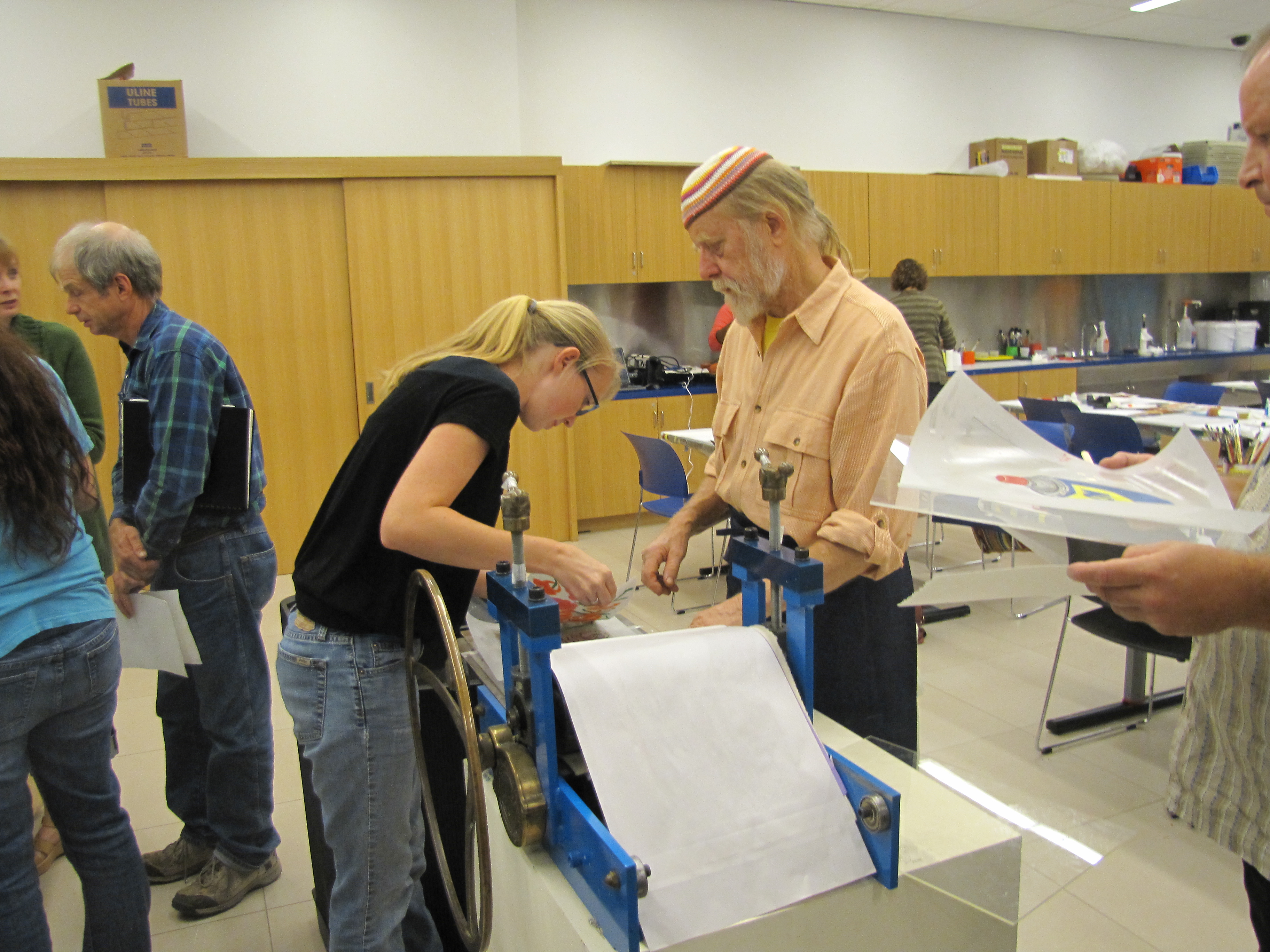
Participants discussing their work.

Participants discussing their work.

The other Thursday program offered is our C3 Artistic Encounters workshop where we invite local artists from the community in to lead art making workshops related to the DMA’s collection. In addition to that, this year we also featured an evening called C3 Digital Show and Tell where our visitors submitted their personal artwork and work they created during the C3 classes to show to everyone on the big screen!

C3AE with guest artist Juergen Strunk

C3AE with guest artist Juergen Strunk


Late Night Programs

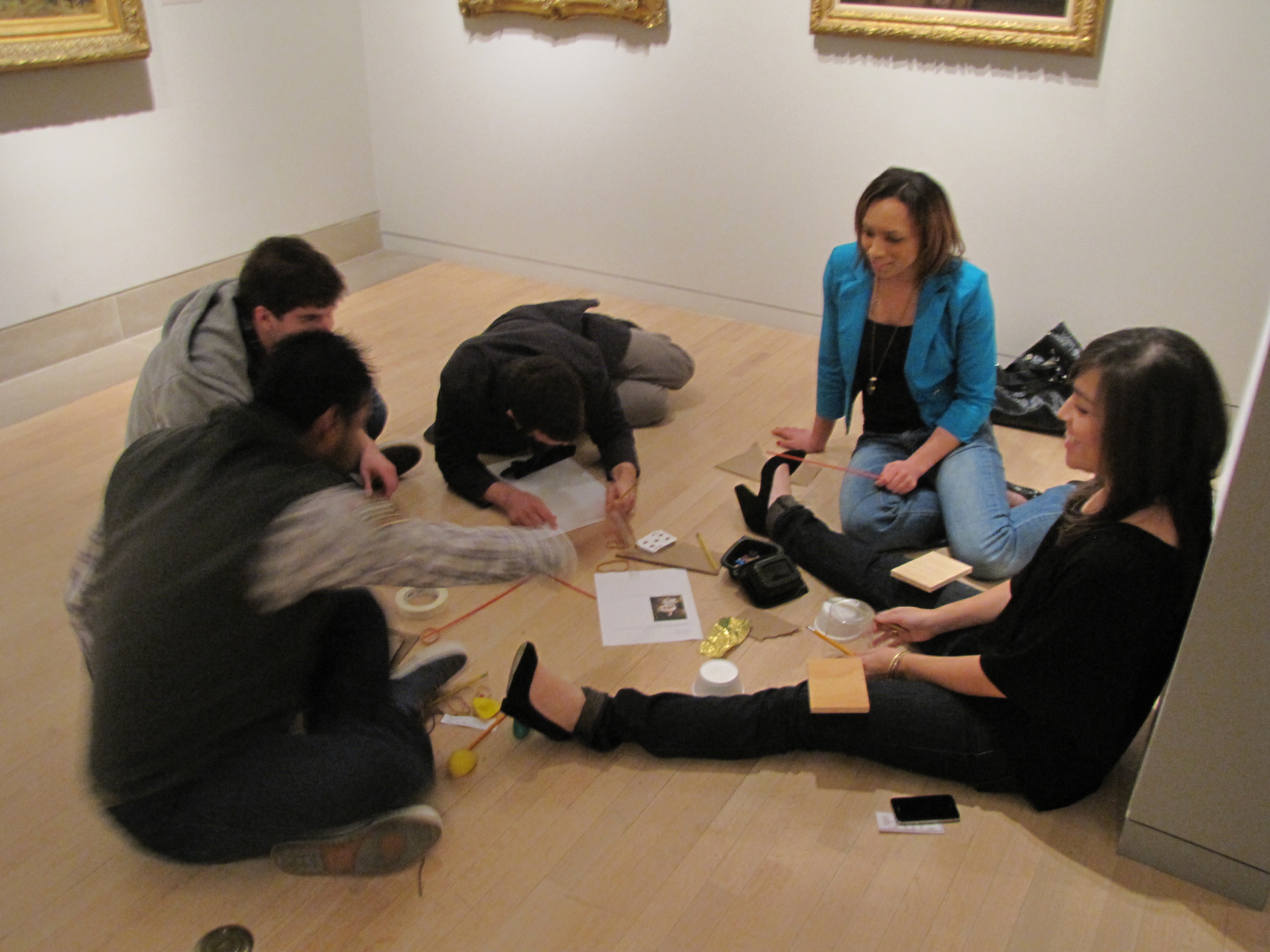
Late Night at the DMA is an incredible evening for the entire family. There is always something happening in our various theaters, stages, classrooms and galleries. One of our Late Night programs is the Creativity Challenge. Ten teams compete against time and others with limited materials in order to make unique creations inspired by works of art from our collection. These challenges are always fun, risk-free, hands-on and meant to encourage divergent thinking.

Creating love songs to works of art and musical instruments. This team is creating a one woman band!

Creating love songs to works of art and musical instruments. This team is creating a one woman band!

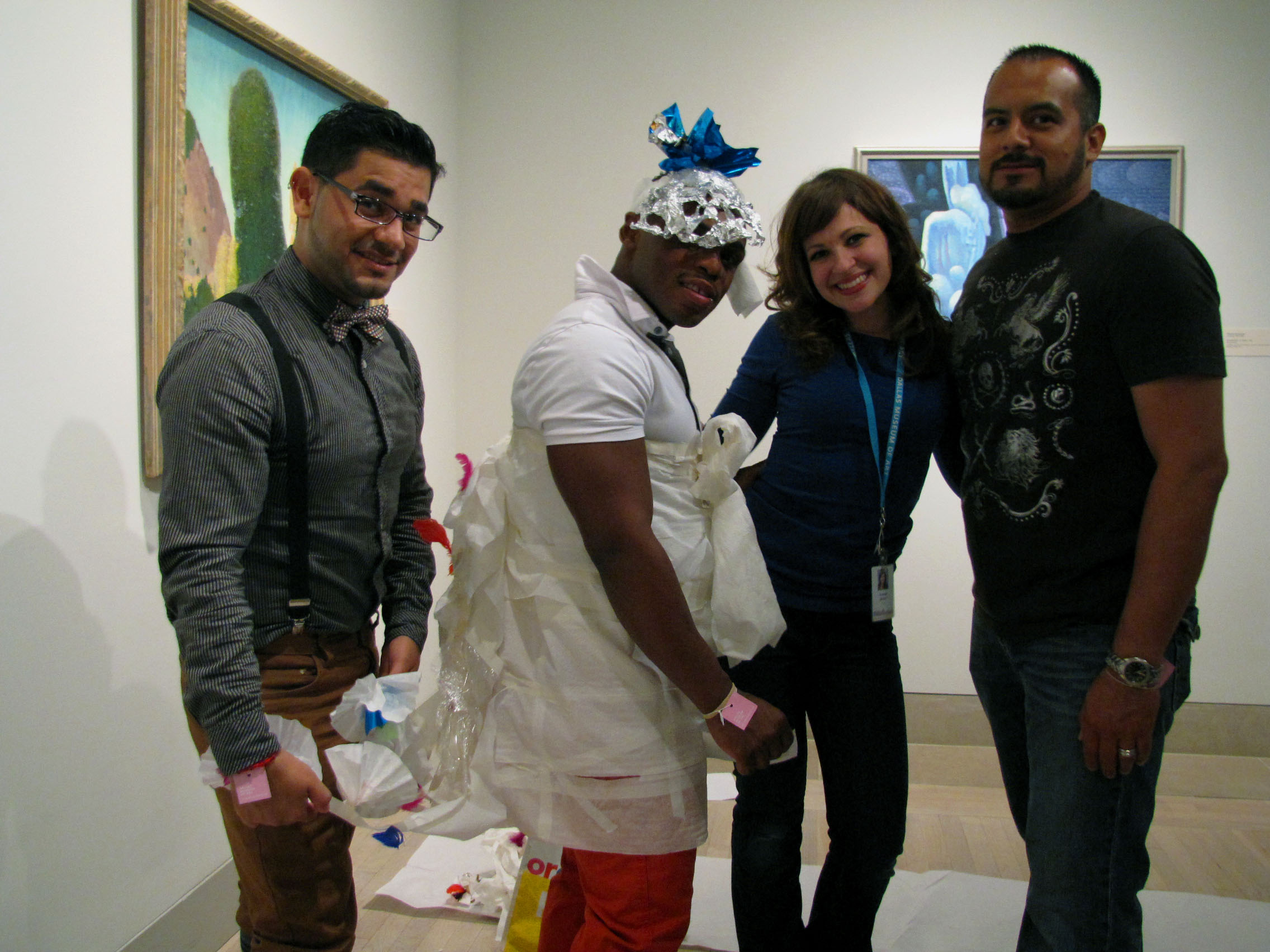
Miss DMA Creativity Challenge

Miss DMA Creativity Challenge

Our next Creativity Challenge will be during Late Night on March 15th. Bring your team and sign up with me at 9:30 p.m. in C3!

Be sure to come by and check out the exciting programming happening in C3!

Amanda Batson
C3 Program Coordinator

Friday Photos: Art Making, Anytime for Anyone

On January 21st the Dallas Museum of Art introduced Free General Admission and our Free Membership Program. That same day we also rolled out our new art cart, which allows for artistic activities in our permanent collection galleries. Each week the cart will be in a different location, stocked with a variety of activities to choose from. For the rest of this week you can find us in the 2nd Floor European Gallery. Come by, say hi, and make some art!

Jessica Fuentes
C3 Gallery Coordinator

A HI-C Avenger in C3

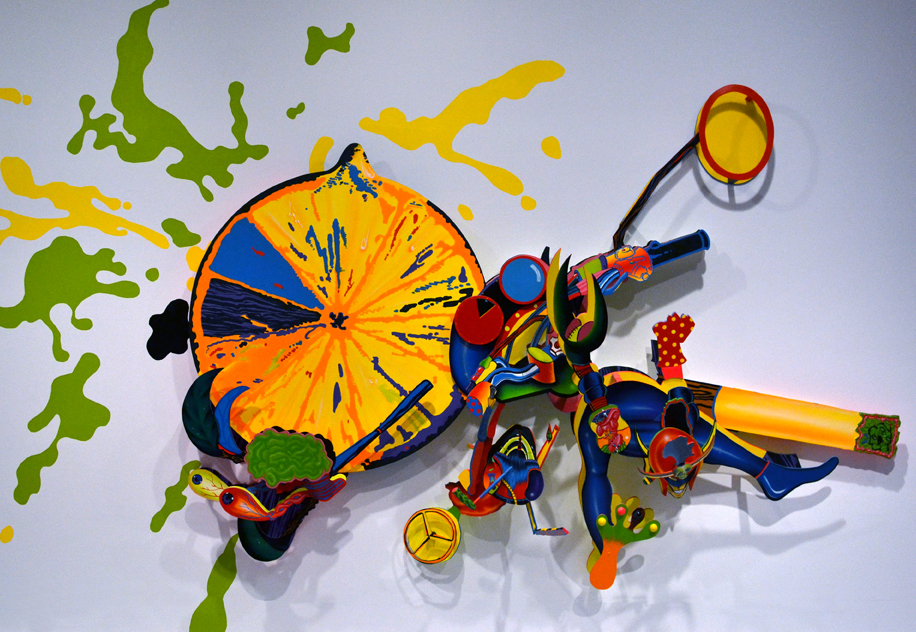
John Hernandez, HI-C Avenger, 1992, acrylic on wood, Dallas Museum of Art, Texas Artists Fund

John Hernandez, HI-C Avenger, 1992, acrylic on wood, Dallas Museum of Art, Texas Artists Fund

The Center for Creative Connections was honored to host two workshops this weekend with the artist John Hernandez. Hernandez, a well-known artist based in San Antonio, received his MFA from the University of North Texas under the tutelage of artist Vernon Fischer. His work is accessible to people of all ages, and a reminder of a pop-culture past. Our visitors were thrilled to have the opportunity to talk with Hernandez about his work and engage in a hands-on experience on Thursday evening during the C3 Artistic Encounters workshop.

Hernandez answering questions about his work

Hernandez answering questions about his work

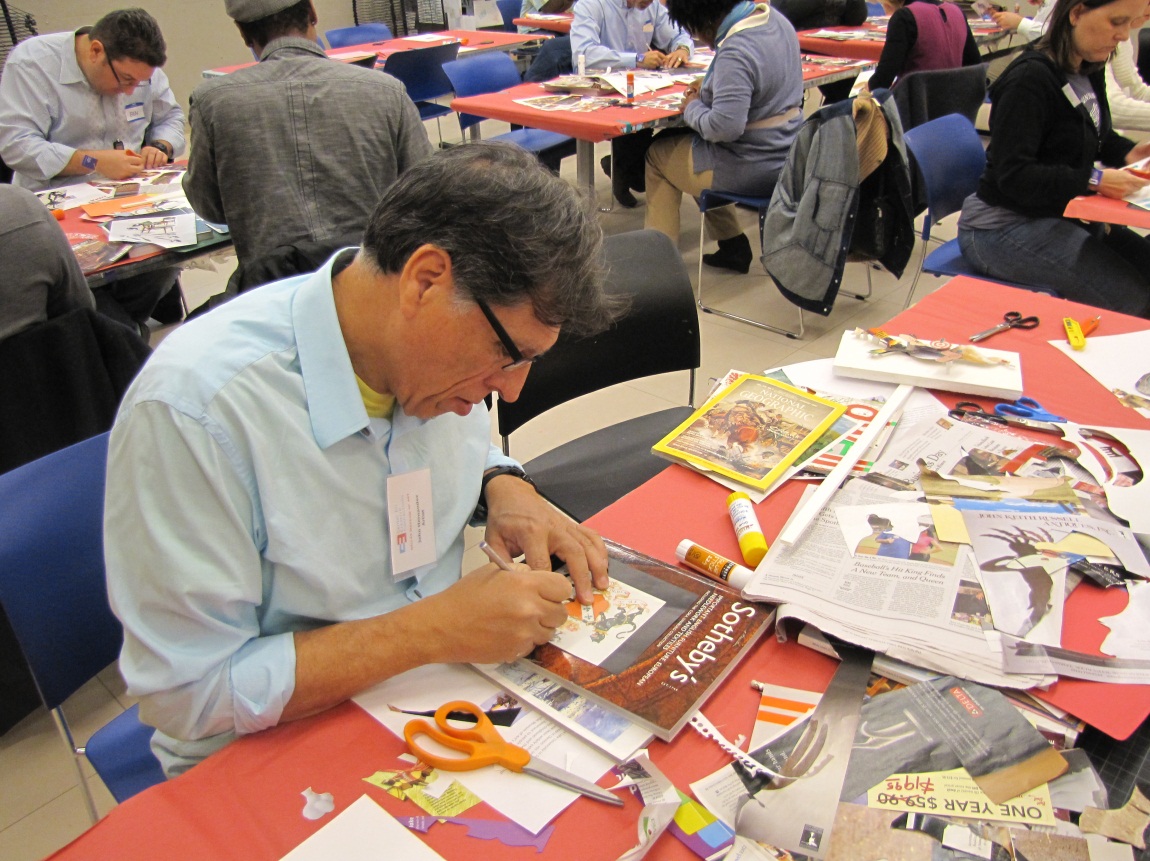
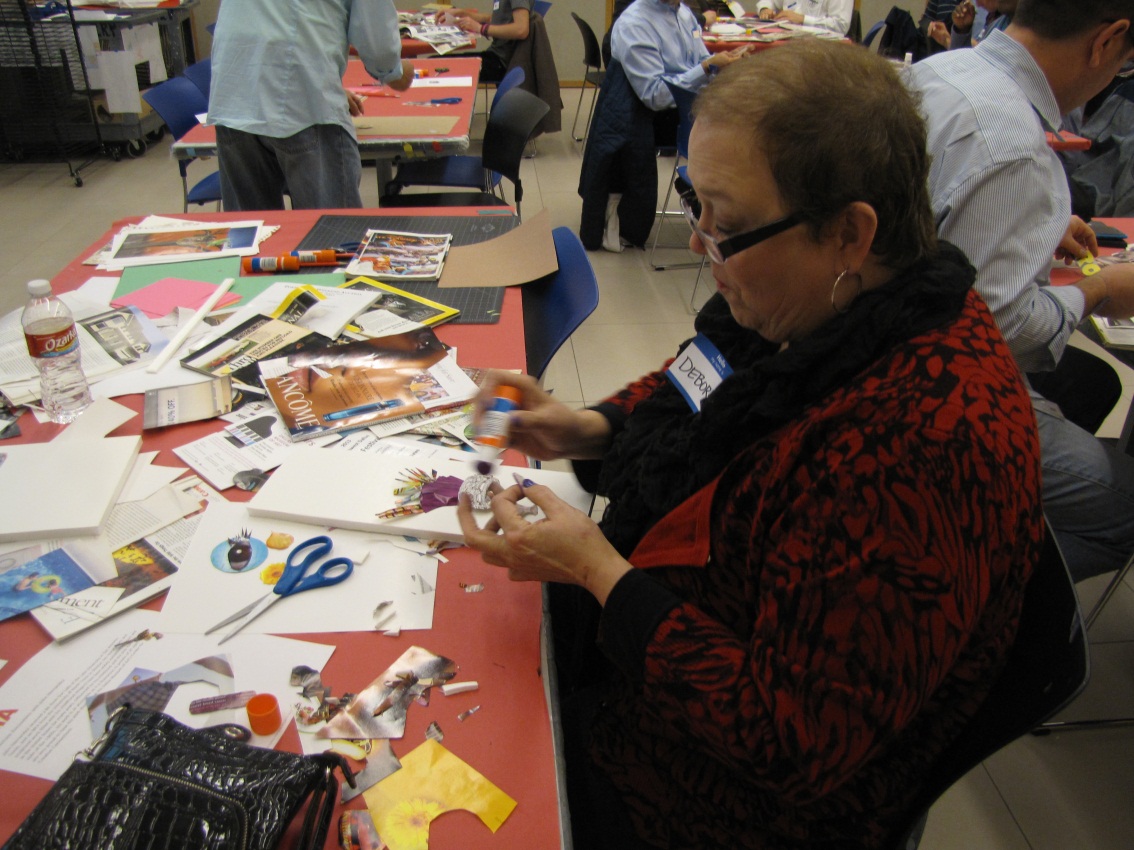
The workshop guided participants through a process Hernandez uses in his own work to design maquettes for his larger installations. Combing through magazines, participants pieced together images in a surreal way, affixed them to cardboard, and then transformed them to pop out of foam core.

John Hernandez demonstrating

John Hernandez giving a demonstration

Deborah creating her collage

Deborah creating her collage

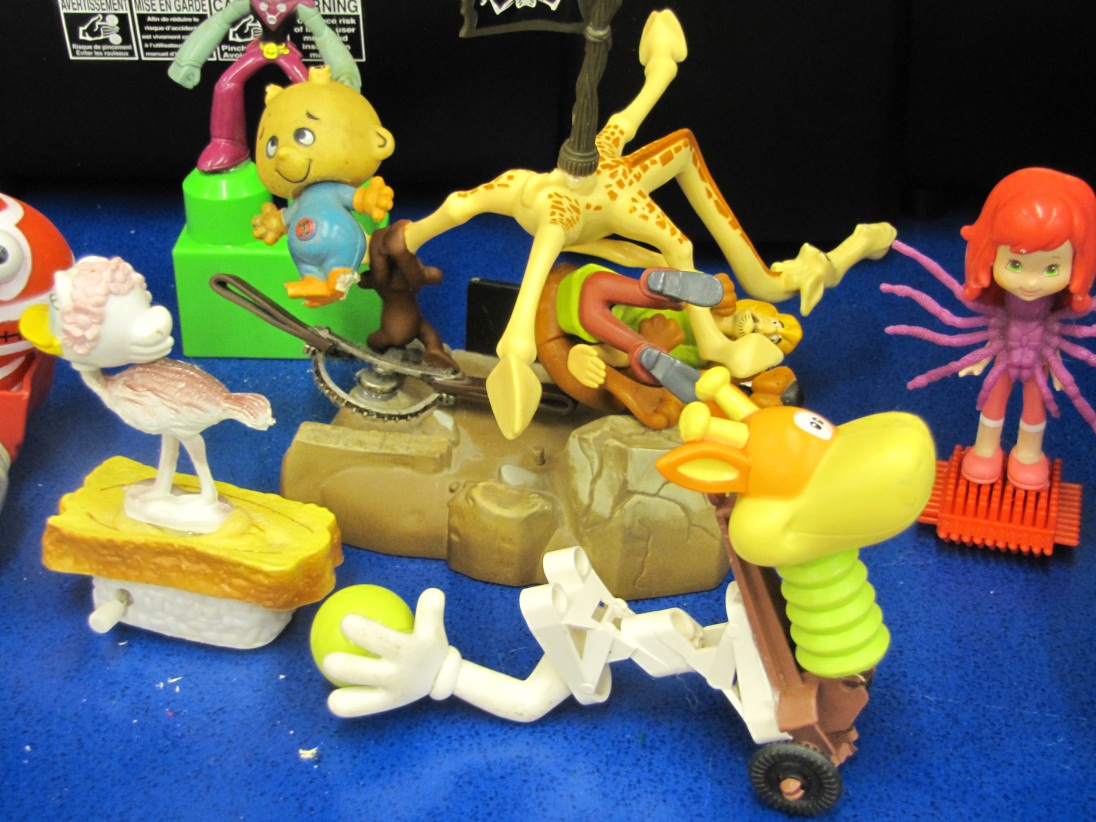
Hernandez joined us again in C3 during our Late Night on Friday evening for a toy sculpture workshop. Similar to the way in which Hernandez creates, visitors pieced together vintage toys to create new creatures of their own. Morphing one toy into another, cutting pieces of something that once was in order to create something new and different, gave visitors a closer look at the process of the guest artist.

Toy Creations

Toy creations

The next time you are in C3, stop by to admire Hi-C Avenger by John Hernandez and take a closer look! What will you see?

Amanda Batson is the C3 Program Coordinator at the Dallas Museum of Art.

Anytime Activities: Family Fun Tote Bags

Anytime_ToteBags_edu21

Family Fun Tote Bags

As part of the DMA’s return to free general admission, the Education Division is creating a host of activities that can be utilized by visitors anytime the Museum is open.  The Family Fun Tote Bag is an anytime activity we are particularly excited about and eager to share with families.

Each tote bag is centered around a specific theme, like Color or The 5 Senses, and is filled with a variety of collaborative activities that are appropriate for children of all ages.  Activities fall under four categories–Write, Make, Talk, and Play–and therefore support diverse learning styles and cater to personal interests.

WRITE – Visitors interested in observation and reflection while in the galleries are invited to…

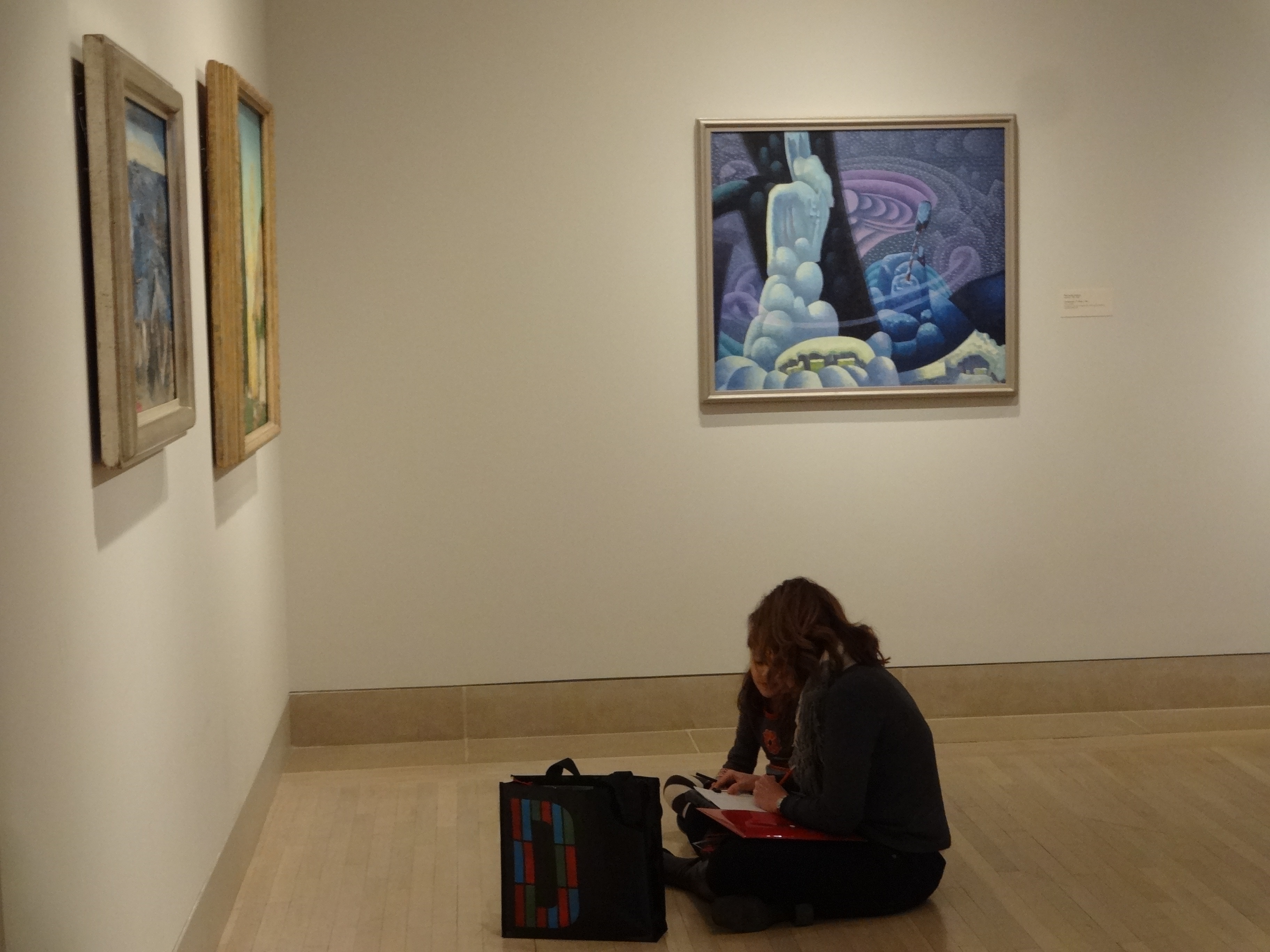
Family completing a writing activity in the American Art gallery.

Family completing a writing activity in the American Art gallery.

– Use their senses to write a poem about what they see in an artwork.

– Generate a Mad-Lib using sensory adjectives.

– Compose a postcard to a friend about a work of art.

– Create a narrative based on a work of art using story dice.


MAKE – For the family members eager for hands-on activities the tote bag encourages…

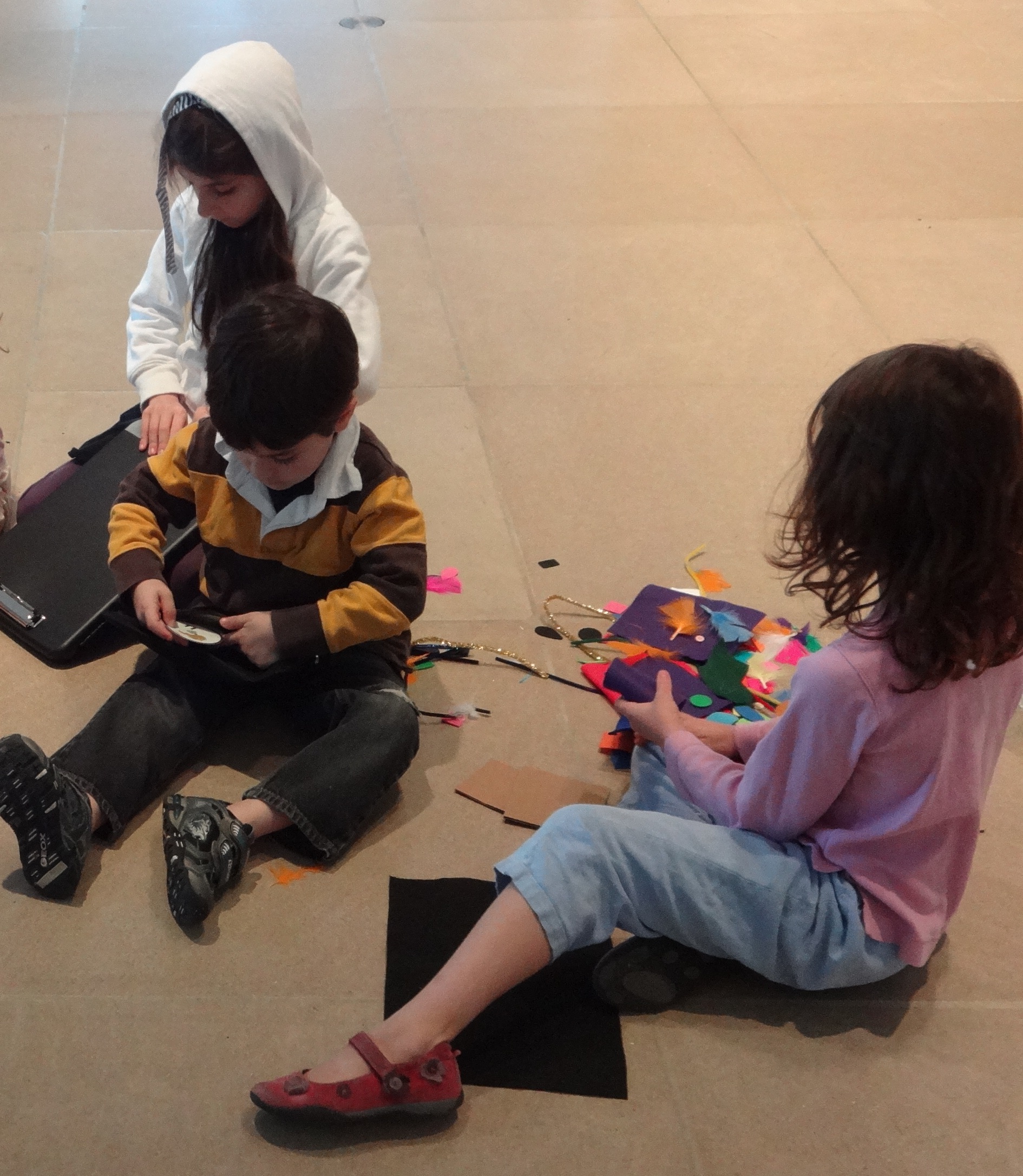
Creating with the Materials Grab Bag

– Sketching a work of art with mixed-up, wacky colors!

– Creating a 3-dimensional illustration by drawing on a styrofoam sheet.

– Using a viewfinder to focus on and sketch specific details of an artwork.

– Producing a unique, site-specific work of art in the galleries using the Materials Grab Bag.


TALK – Enthusiasts of discussion-based activities will enjoy…

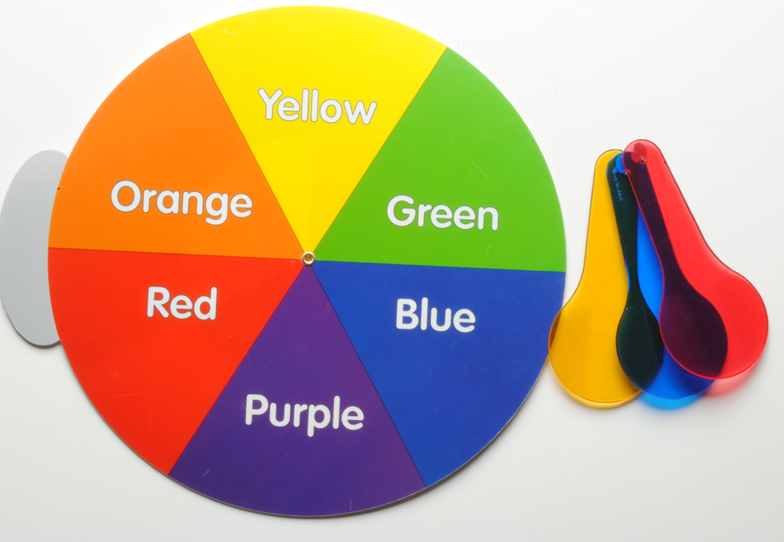
Color mixing activity

Color mixing activity

– Working as a family to talk about a work of art using as many movement words as possible.

– Searching for a favorite color in at least three different works of art and explaining what you like about each.

– Using adjectives and sensory details to describe a work of art to a family member that has been blindfolded.

– Experimenting with mixing colors together using the color paddles, and describing what you see.

PLAY – Families with active learners will enjoy…

Playing a game in the galleries

Playing a game in the galleries

– Playing the card game Memory, with a colorful twist!

– Testing one another with brainteasers.

– Staging a game of charades inspired by the surrounding works of art.

– Following their noses to find a work of art that matches a smell jar from the bag.


The beauty of the Family Fun Tote Bags is each individual family member can design their own museum experience based on personal interest!  Families can explore works of art together by participating in collective games and writing activities.  Or, for more individualized learning, each member can choose and perform a different activity while still sharing the same space.

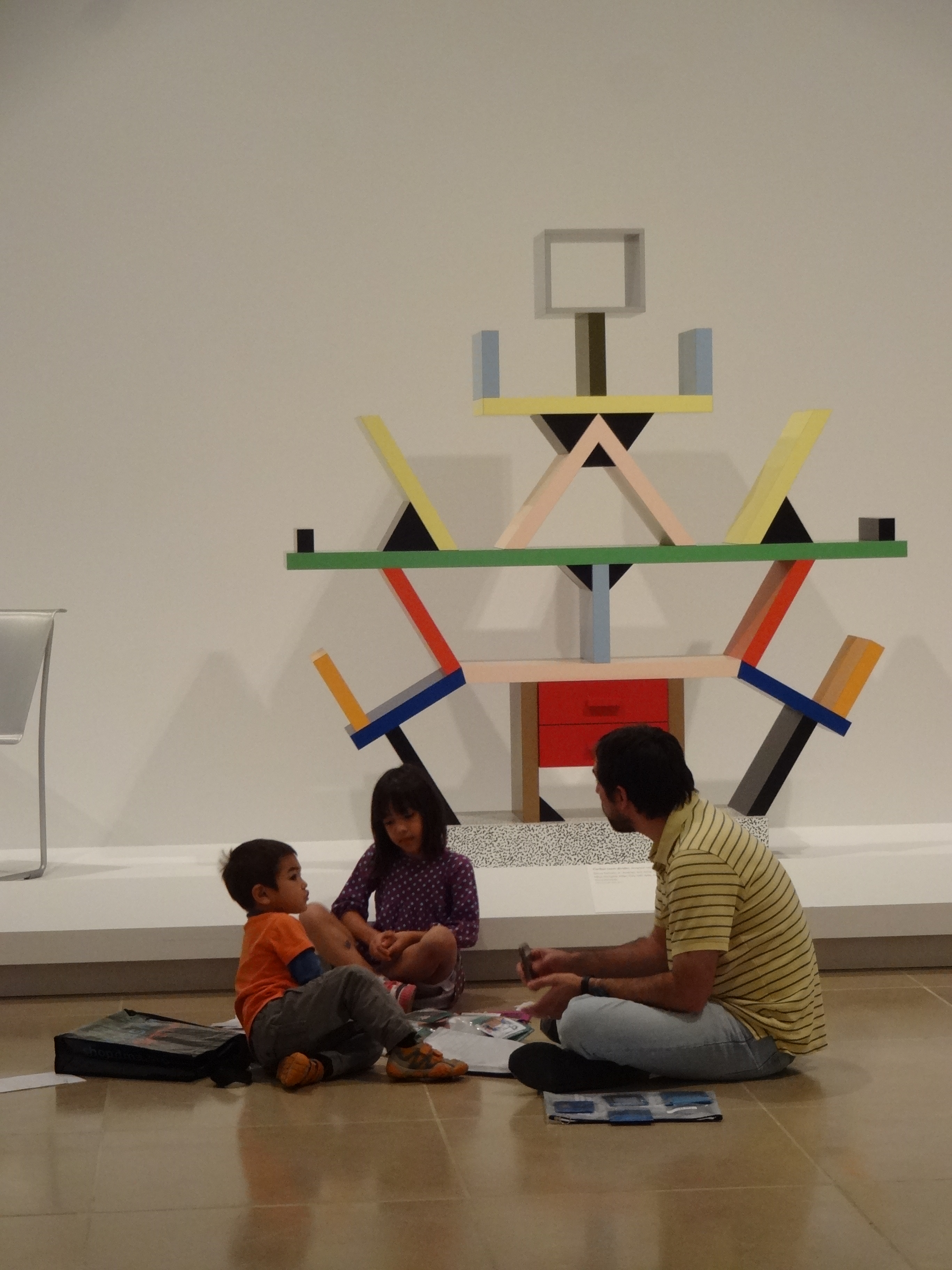
Working on separate Tote Bag activities

Working on separate Tote Bag activities

Exploring new activities together


The Family Fun Tote Bags are still in the testing phase, but they should be available soon for visitors to check out in the Center for Creative Connections–so keep an eye out for them on your next visit to the Museum!

Danielle Schulz
Teaching Specialist

Tiny Thumbs at the Dallas Museum of Art

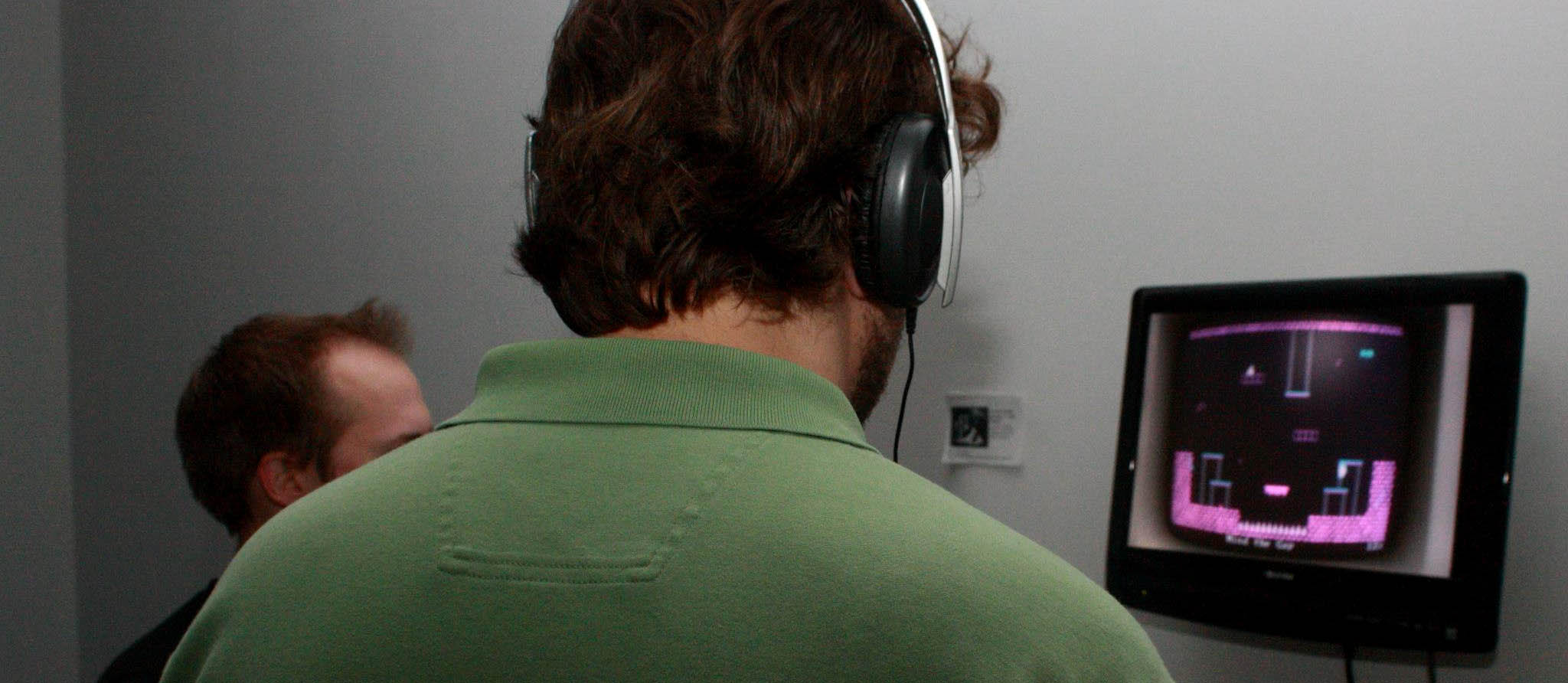
According to the Tiny Thumbs Facebook page, “Tiny Thumbs is a new organization looking to build up awareness for the indie game scene and showcase some of the best talent out there through pop-up arcades/art shows.”  In anticipation of their upcoming pop-up arcade at the DMA’s Late Night tomorrow night, I virtually sat down with Robert Frye, UT Dallas Ph.D. candidate and co-founder/co-curator of Tiny Thumbs.  As is probably most fitting, our interview took place over a series of emails:

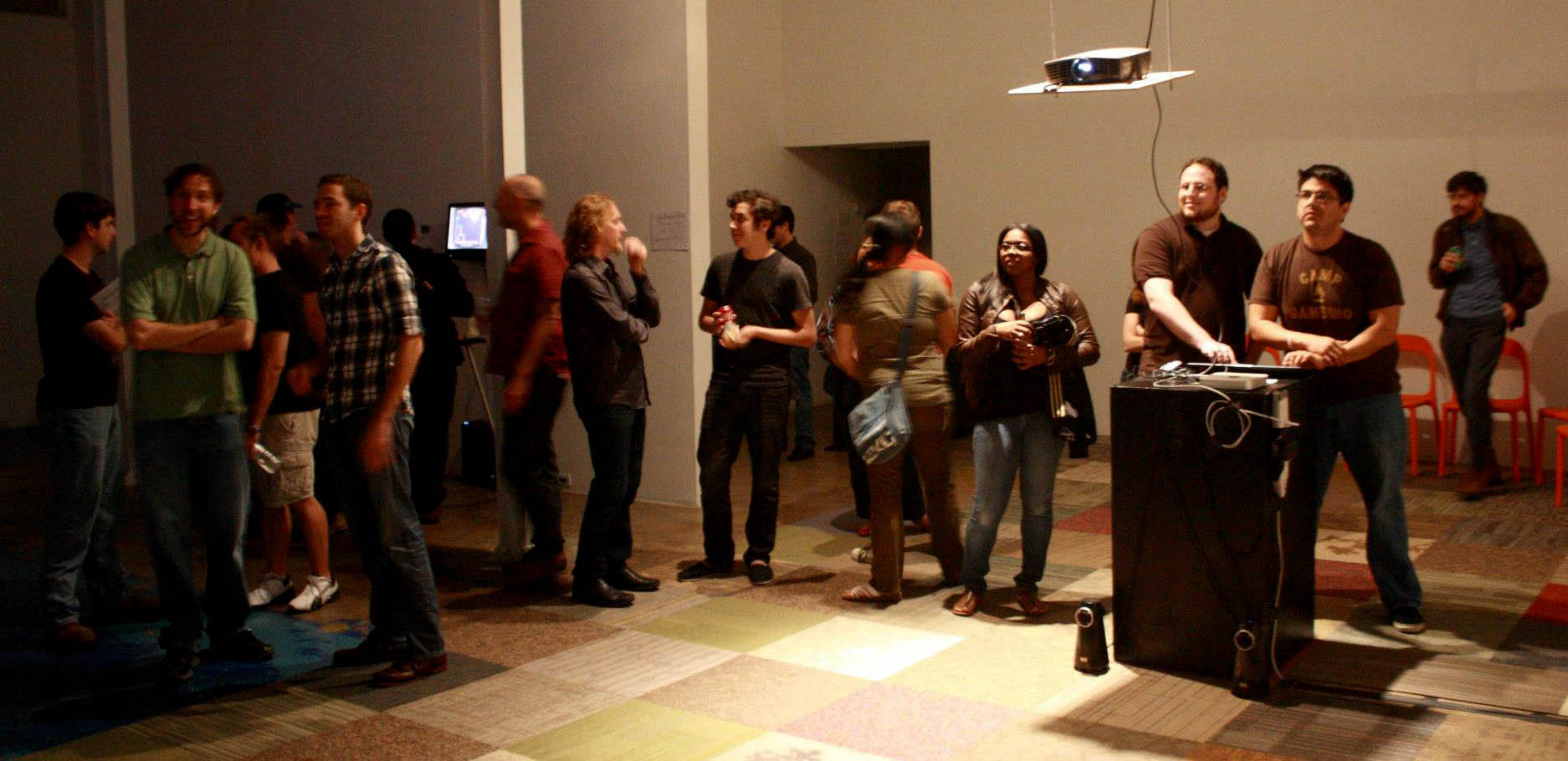
image from "Tiny Thumbs: Breaking Out"photo credit: EbonSoul Photos

image from “Tiny Thumbs: Breaking Out”
photo credit: EbonSoul Photos

I found this great description of Tiny Thumbs on your Facebook account and I think that sums up “what” Tiny Thumbs is really nicely, but my next thought is, how did Tiny Thumbs come to fruition?

The idea of Tiny Thumbs came about as[co-founder] Kyle [Kondas] was teaching a class I was involved in called “Games and Gallery Art” where we really sought to tackle the idea of how to show games in an artistic space and what is gained from doing so. We were both inspired by the work of similar shows like Baby Castles – and the idea that we really had a desire to get people off of their computers for a bit and really connect with people, and not just gamers, but we really felt like independent designers could learn so much from talking with people outside of their current circles.

In your Tiny Thumbs description, it specifically mentions the “indie game scene.” Why are indie games important?

I’ve always seen indie games as the ‘art house’ of videogames, it’s the place where people can push the boundaries of interesting design and art and help to get to the core of what makes a game a game. Of course, not all indie games have such a lofty goal, but they still give the reigns of creation to a greater variety of people and that can only lend a larger amount of voices to the field. I think it’s the ability for ANYONE to make a game, for interesting ideas and experience to show up and change how I feel and view games on a weekly basis that makes me love indie games so much. It’s people, making games because there is a spirit inside them that drives them to do it. People who HAVE to create games, made for a community that is passionate to play them.

1

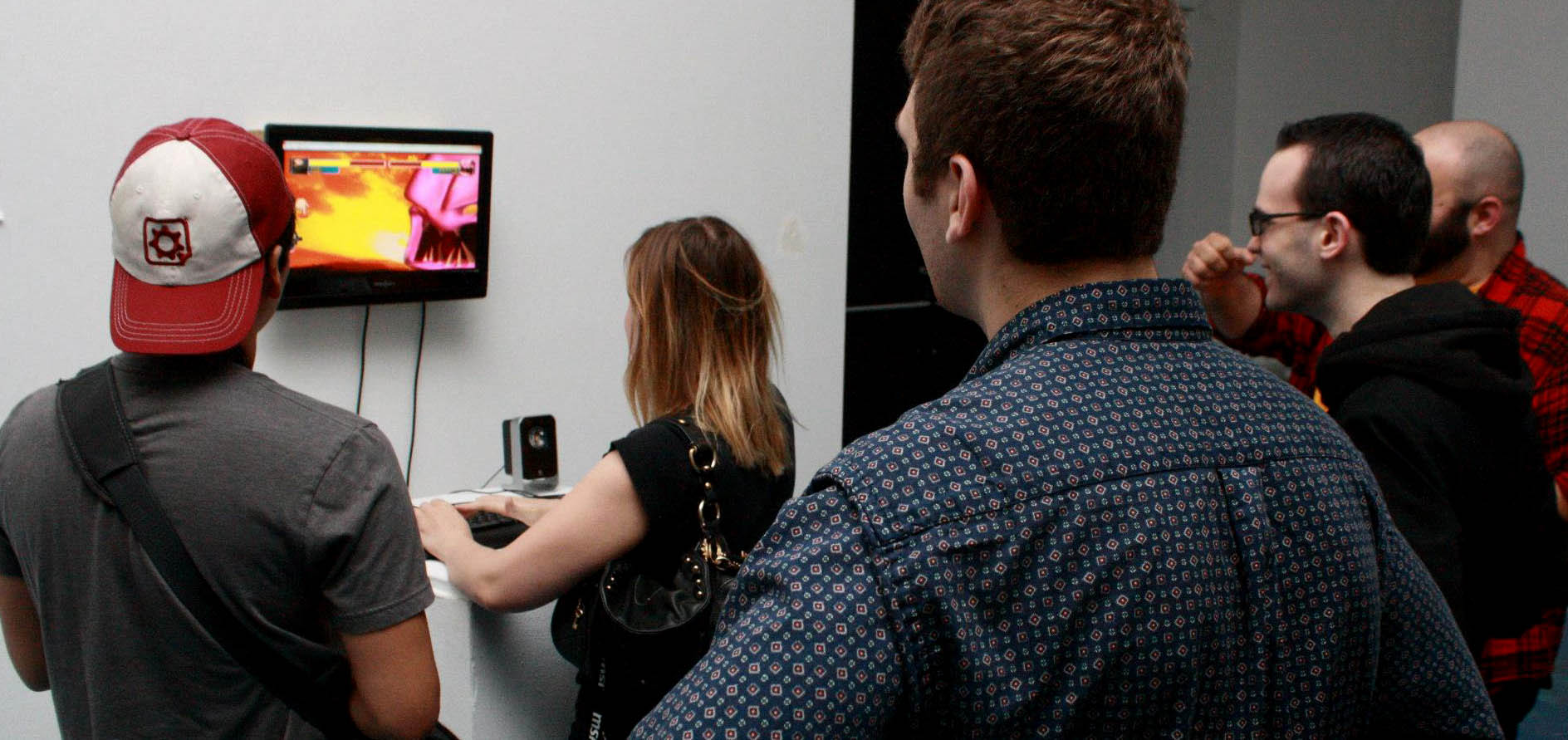
image from “Tiny Thumbs: Breaking Out”
photo credit: EbonSoul Photos

Other than being under the “indie game” umbrella, is there anything else that connects the content that you choose for your shows?

Not really! For our first few shows we wanted to take games of exceptional quality and bring them out of the “one person, one computer” context that they were sitting in. Our goal was to help spread the word in Dallas that there was a place for games of quality to be shown. Now in the future we would love to do themed shows, but for now we are picking games of interest and quality to start a dialogue and really find out what Dallas needs from our show.

Recently there have been a surge of articles asking whether video games are art. MoMA has added video games to their permanent collection, and the Smithsonian has created an exhibition about the evolution of video games as an art form, which is scheduled for a two and a half year tour around the United States. Assuming that you are on the “yes” side of the debate, can you tell me more about why you feel this way?

Are games art? Haha, this is a deceptively difficult question, as you really have to nail down why the question is being asked, what kind of information is trying to be achieved – do I think that games have the potential to have strong artistic statement? Yes. Do I think that games can have aesthetic properties that can inspire and enthrall? Very much so. Often when the question is asked, it seems to me that the real question that is trying to be asked is “can we take games seriously” and for that question I would say emphatically yes. We’ve only just begun to understand how interaction can change the stories and experience that we craft, and what games really mean to people. Video games have only been around for about 50 years (give or take) but in that time we have gone for dots moving along a screen to games like Journey which have breath taking vistas. So are games art? Perhaps, but more importantly – games NEED artists and art viewers to help them become the fullest experiences they can be.

4

image from “Tiny Thumbs: Breaking Out”
photo credit: EbonSoul Photos

Looking forward, what’s next for Tiny Thumbs?

So many things! We are currently in talks for at least two more future shows this year and are excited to have many more events in the future. If everything goes right, we would love to have a monthly show – traveling around venues in Dallas, sampling the flavors of this city and hopefully making the show something that the city can be proud of!

Stop by tomorrow night for Late Night at the DMA.  Kyle Kondas and Robert Frye’s Tiny Thumbs video arcade will be available for you to play and observe from 8pm – 11pm in the Center for Creative Connections’ Tech Lab.

Jessica Fuentes
C3 Gallery Coordinator

Theater, Play, and Creativity

Thursday evening the Center for Creative Connections was filled with thirty playful, divergent thinkers who were asked to have fun and break rules. These adults were attending a once a month program called Think Creatively taught by Dr. Magdalena Grohman and guest performer Harold Steward from the South Dallas Cultural Center.  During one portion of the evening, visitors engaged in playful theatrical activities that were developed from Steward’s theatrical background and knowledge of the practice known as Theater of the Oppressed.

During the 1970’s, Brazilian activist and actor Augusto Boal was the driving force for the creation of this theatrical practice. The goal of Boal was to use theater as a way to promote social change. Boal took inspiration from educator and theorist Paulo Freire, who is well known for his work Pedagogy of the Oppressed. In this revolutionary text, Freire argues that education should allow those who are oppressed to recapture their sense of humanity and overcome their sense of oppression. However, that oppressed person must play an active role in their own freedom. Inspired by the critical pedagogy of Freire, Boal believed that through the dialogue and interaction between actor and audience, people could free themselves; the actors and audience become active explorers and transformers of their own realities with the help of a facilitator. Theater of the Oppressed is about dialogue, playing and learning with one another to create change.

Image

As I watched Steward act as the facilitator, I was encouraged by the freedom that the participants seemed to gain with each passing moment. He had the visitors stand back to back; he then called out directions for each of them to follow. Placing one’s head to another’s hip, or positioning a knee to an elbow was really a sight to see.

After this warm-up, Steward and I demonstrated an activity together. I was directed to make a movement and was not allowed to stop moving until Harold said, “What are you doing, Amanda?” I was not allowed to respond with what my action was, but instead I had to say what I wanted him to act out. I called out the action, “Running a marathon,” and he pretended he was running the race of a lifetime. After, the visitors were roaring in laughter and running around the room, engaging in this activity. Steward had them stop and then broke all the rules that he just taught them. The pairs had to create their own guidelines and interpretations to the last activity. One pair decided that they were only allowed to sing to each other, another group determined that all of their activities to act out had to be represented in mime.

The visitors responded to the process and indicated that participating in these Theater of the Oppressed exercises was difficult for them at first because they had to overcome their initial hesitations to move, play, and be free without fear—but once they let go of all that was holding them back (or oppressing them), they were able to experience liberation and freedom from restraint.

Image

Here is another Theater of the Oppressed activity created by Augusto Boal that you can try with your friends!

The Name and Gesture Game:
The group will stand in a circle. The facilitator introduces themselves and creates a physical gesture. The whole group repeats the name and gesture. The process occurs until everyone has said their own name and preformed a gesture. Then, this process is repeated but without the name. Anyone who wishes takes a step forward and the rest of the group must say the name and preform the gesture.

I hope you’ll join us in C3 soon!

Amanda Batson
C3 Program Coordinator

Exciting Things in Store for 2013!

2013 is only two weeks old, but it is already looking to be a fantastic year!  This is a groundbreaking year for the Museum, and as always our goal is to invite everyone to have an unforgettable experience with the DMA.  This is just a sneak peak into the many exciting activities and engaging programs that will take place at the DMA this coming year.

dma_friends_partners[1]Free General Admission!! Perhaps the most exciting news of the year: the DMA will offer free general admission to everyone beginning January 21st.  We are in the midst of planning some fun opening-day activities, including tours of the collection, performances in the galleries, art-making activities and much more!  In addition to free general admission the Museum is also offering free membership which we are calling DMA Friends.  Everyone who comes to the Museum can join the DMA Friends program free of charge.  This unique approach to membership values participation and engagement, and DMA Friends will gain expanded access to Museum programming and will be rewarded for their activity within the Museum and in the local cultural community.  Stay tuned for more information about this exciting program or learn more from our Director, Maxwell L. Anderson.

Events and Programs

  • Late Nights at the DMA Every third Friday of the month the Museum stays open until midnight and offers a multitude of experiences for visitors of all ages. Join us Friday, January 18th as we celebrate the DMA’s 110th birthday! Dance the night away to the music of Brave Combo, join in on a special workshop with guest artist John Hernandez, whose work Hi-C Avenger is currently on view in the Center for Creative Connections (C3), explore our special exhibitions, compete against other teams in a Creativity Challenge, go on personal tours, and more! Check our Late Night page for a complete schedule of upcoming events.
  • Autism Awareness Family Celebration February 2nd The DMA is a leader in providing inclusive experiences for a diverse set of audiences. The Autism Awareness Family Celebration provides a safe, comfortable way to introduce the Museum to families of children with autism and show them how they can have a successful visit to the DMA with their child on the Autism Spectrum.  The Center for Creative Connections will be open and available before the Museum opens, from 9am – 11am, for parents and children to play and enjoy art together in a fun environment. Participate in staff-led gallery experiences, enjoy an interactive musical performance, and create a work of art in the studio. Pre-registration is required as space is limited.
  • First Tuesdays at the DMA The Museum arranges special, thematic programming on the first Tuesday of every month that is specifically designed for children ages five and under, but of course all ages are welcome! We invite families to enjoy thematic art-making activities, story times, performances, and gallery activities. Activities are focused on a different theme each month. February 5th: Materials Mania; March 5th: Over the Rainbow. Check our family page regularly for event updates and a complete list of activities.

Upcoming Exhibitions

9307-1[1]

Marc Chagall, Entre Chien et Loup (Between Darkness and Night), 1943, oil on canvas, private collection

Chagall: Beyond Color February 17 – May 26, 2013 This beautiful exhibition places the prolific artist’s beloved paintings alongside his works in sculpture, ceramics, and collage to explore his relationship with space and volume. The centerpiece of the exhibition will be a display of costumes made by Marc Chagall in 1942 for the production of the ballet Aleko, choreographed by Léonide Massine with music by Pyotr Ilyich Tchaikovsky. The ballet’s première took place in September 1942 in Mexico City, followed by the Ballet Theatre of New York production, and the costumes have not been seen in the U.S. since. Dallas is the only US city to secure access to this exhibition, what a treat!

9440-1[1]

Loren Mozley, Winter Fields, 1948, oil on canvas, collection of Susan and Claude Albritton III

Loren Mozley: Structural Integrity February 17 – June 30, 2013 Within the realm of Texas art, Mozley played a key role in shaping generations of young artists who received instruction from him during his tenure of thirty-seven years (1938-1975) in the art department at the University of Texas, Austin. The exhibition is the first retrospective of the artist’s work since 1978 and will bring together choice works by Mozley (1905-1989) dating from the late 1930s through the 1970s with the aim of re-visiting Loren Mozley’s bodu of work and revealing his debt to forerunners such as Cézanne, and his responses to modernist trends.

Cindy Sherman, Untitled, 1981, Type C print, Dallas Museum of Art

Cindy Sherman, Untitled, 1981, Type C print, Dallas Museum of Art

Cindy Sherman March 17 – June 9, 2013 Cindy Sherman is widely recognized as one of the most important contemporary artists of the last forty years, and is arguably the most influential artist working exclusively with photography. This traveling retrospective exhibition traces the groundbreaking artist’s career from the mid-1970s to the present and brings together more than 170 key photographs from a variety of the artist’s acclaimed bodies of work, for which she created numerous constructed characters and tableaus. This is the first comprehensive museum survey of Sherman’s career in the United States since 1997, the exhibition draws widely from public and private collections, including the DMA.

10157-1[1]

Marble statue of a discus thrower (diskobolos), Roman period, second century A.D., © The Trustees of the British Museum (2012).

The Body Beautiful in Ancient Greece May 5 – October 6, 2013 This internationally touring exhibition of more than 120 objects explores the human form through exquisite artworks exclusively from the British Museum’s famed collection of Greek and Roman sculpture. Iconic marble and bronze sculptures, vessels, funerary objects, and jewelry are among the treasures that explore the human form, some dating back to the second millennium B.C.

9583-1[1]

Gene Gordon , John F. Kennedy reaching out to crowd in Fort Worth, November 22, 1963, 1963, gelatin silver print, Amon Carter Museum of American Art

Hotel Texas: An Art Exhibition for the President and Mrs. John F. Kennedy May 26 – September 15, 2013 In commemoration of the 50th anniversary of the assassination of President John F. Kennedy, the DMA will bring together the works of art installed in the president’s suite at the Hotel Texas during his fateful trip in 1963. The original installation, orchestrated by a small group of Fort Worth art collectors, was created especially for the president and first lady in celebration of their overnight visit to the city and included paintings by Vincent van Gogh, Thomas Eakins, Lyonel Feininger, Franz Kline, and Marsden Hartley, and sculptures by Pablo Picasso and Henry Moore, among others.

9777-1[1]

Jim Hodges, With the Wind, 1997, Scarves and thread, Fuhrman, Amanda and Glenn, photo by Alan Zindman

Jim Hodges: sometimes beauty October 6, 2013 – January 12, 2014 This October, Dallas will premiere a major traveling exhibition and the first comprehensive survey to be organized in the United States on the work of contemporary American artist Jim Hodges. Co-organized by the Dallas Museum of Art and the Walker Art Center, this exhibition explores the trajectory of the artist’s twenty-five-year career, highlighting the major themes that unify his multilayered and varied practice. Comprising approximately seventy-five works produced from 1987 through the present, this exhibition examines how Hodges transforms both everyday and precious materials into poignant meditations on themes including time, loss, identity, and love.

We hope to see you soon!

Danielle Schulz
McDermott Intern for Family Experiences
Happy New Year!

Happy New Year and welcome to 2013! With a fresh year comes new resolutions for many people, and whether you are the type to keep your goals for just a week or to strictly adhere to them for an entire year, why not let the DMA help out?

Be healthy! A popular resolution is to be healthy, which may include getting fit by visiting the gym more often or even taking the stairs instead of the elevator. The DMA is agreat place to master stairs. Did you know that the Museum has over 120 stairs?  Or, bring the family to bend and twist during our Yoga for Kids during Late Night at the DMA.

Climb up and down the stiarcase near the Atrium Cafe a few times - there are 62 stairs here!

Climb up and down the staircase near the Atrium Cafe a few times – there are 62 stairs here!

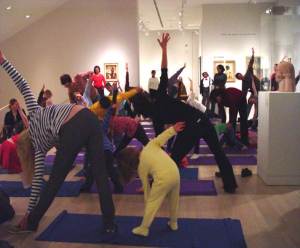
Families enjoy yoga in the galleries

Families enjoy yoga in the galleries

Save money Budgeting and spending less is often a top resolution – especially after the spending frenzy that usually takes place around the holidays. A visit to downtown Dallas might make you think of reaching for your wallet, but in a few short weeks, both general admission and membership will be FREE at the DMA!

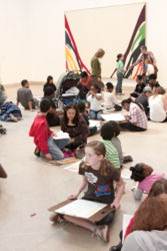
Sketching in the Galleries - one of the many things you can enjoy for free after January 21!

Sketching in the Galleries – one of the many things you can enjoy for free after January 21!

Learn something new Expand your horizons and learn all kinds of cool things at the Museum. Learning a foreign language? Visit Posters of Paris: Toulouse-Lautrec and His Contemporaries to discover how many new French words you can pick up. Attend an Arts and Letters Live event and hear an award-winning author to expand your literary expertise. Pick up an artistic skill in the Studio with a hands-on experience during a C3 Artistic Encounter. You can even meet and interact with artists in a variety of DMA programs!

Visitors exploring art materials in the Studio

Visitors exploring art materials in the Studio.

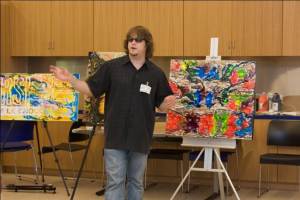
Artist John Bramblitt talks about his artwork during an Art Beyond Sight access program.

Artist John Bramblitt talks about his artwork during an Art Beyond Sight access program.

Spend more time with family and friends Spend time with family and friends while learning about works of art in the galleries and you might even learn some new about one another! Have a date night at the Museum during Jazz in the Atrium on a Thursday evening or bring the whole family and enjoy a wide variety of experiences during a Late Night at the Dallas Museum of Art.

Fun times during Late Night Studio Creations!

Fun times during Late Night Studio Creations!

Whatever your resolutions might be, having fun is one resolution that should be on everyone’s New Year list. Take time to enjoy life and appreciate the beauty around you! Happy New Year!

Amanda Blake

Head of Family, Access, and School Experiences

John Hernandez in C3

DSC_9752crop

Have you stopped by the Center for Creative Connections lately?  If the answer is no, then add it to your “to do” list because you won’t want to miss this exciting new work of art in the entryway.  John Hernandez’s bright and energetic piece, HI-C Avenger was recently installed along with an interactive component.

First, a little background on the art and artist.  John Hernandez is a San Antonio based artist who has ties to the North Texas region.  Hernandez received his MFA from the University of North Texas where he studied under Vernon Fisher.  Can you see the influence Fisher might have had on his student?

“When you have a teacher like Vernon Fisher and his paintings are like black and white… I just wanted to go to the extreme, I started doing these wild colors,” Hernandez said during an interview with David Rubin.

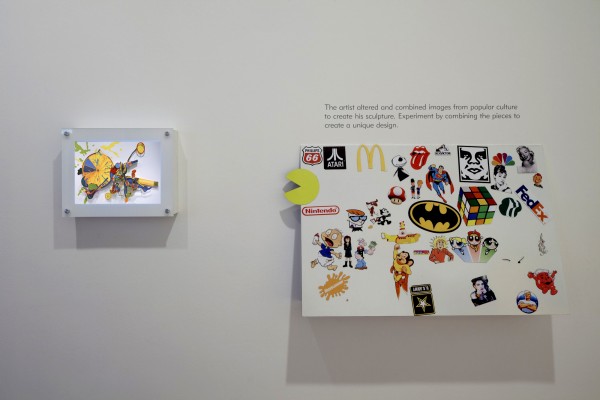
Hernandez references a wide array of influences ranging from popular culture (movies, comics, toys, and commercials) to biology and nature (plants, animals, and body parts).  He describes his process as both spontaneous and deliberate as he morphs appropriated images together to form a collage and then builds a three dimensional model to figure out the structure.  What references can you find in HI-C Avenger?

C3_Installation_11_2012_003_edit copy

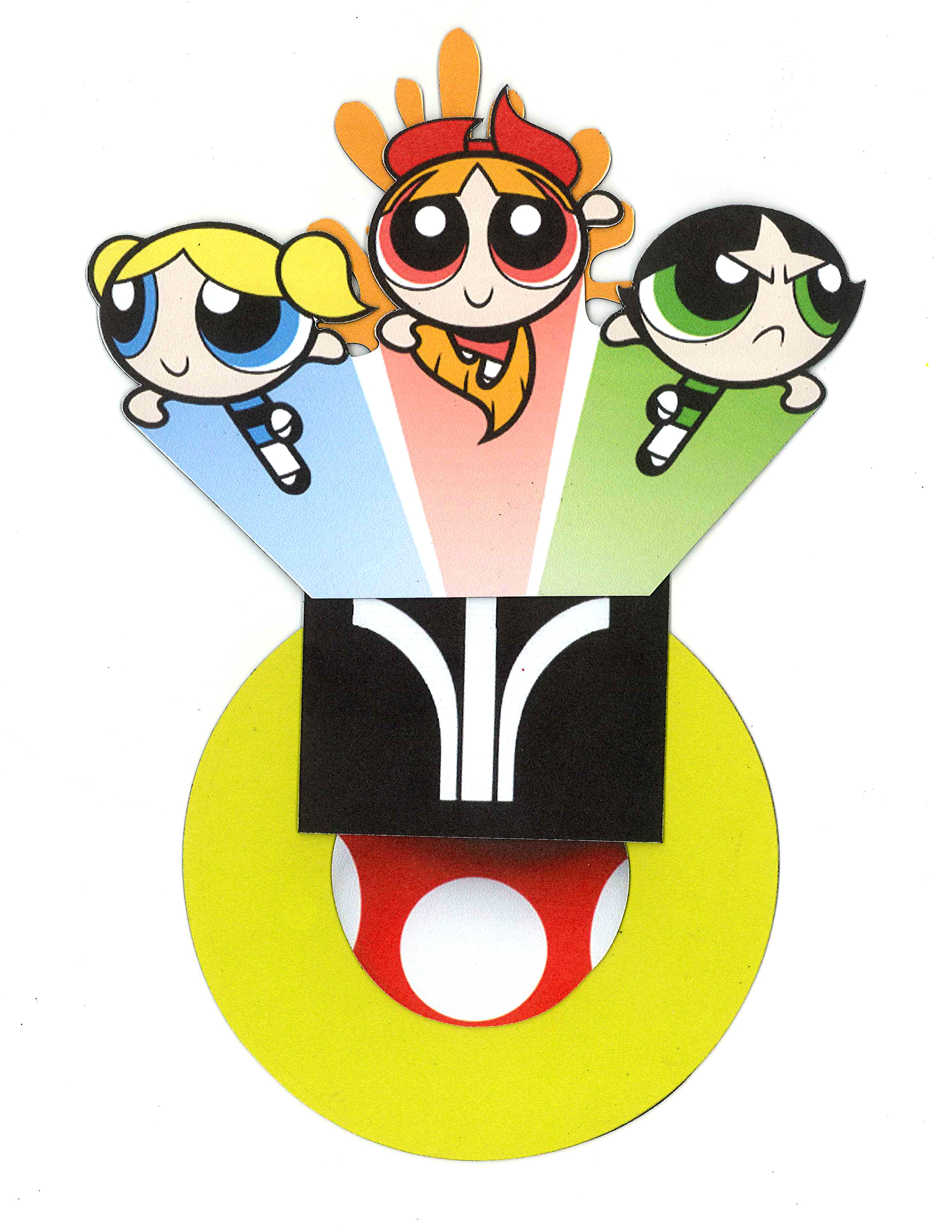
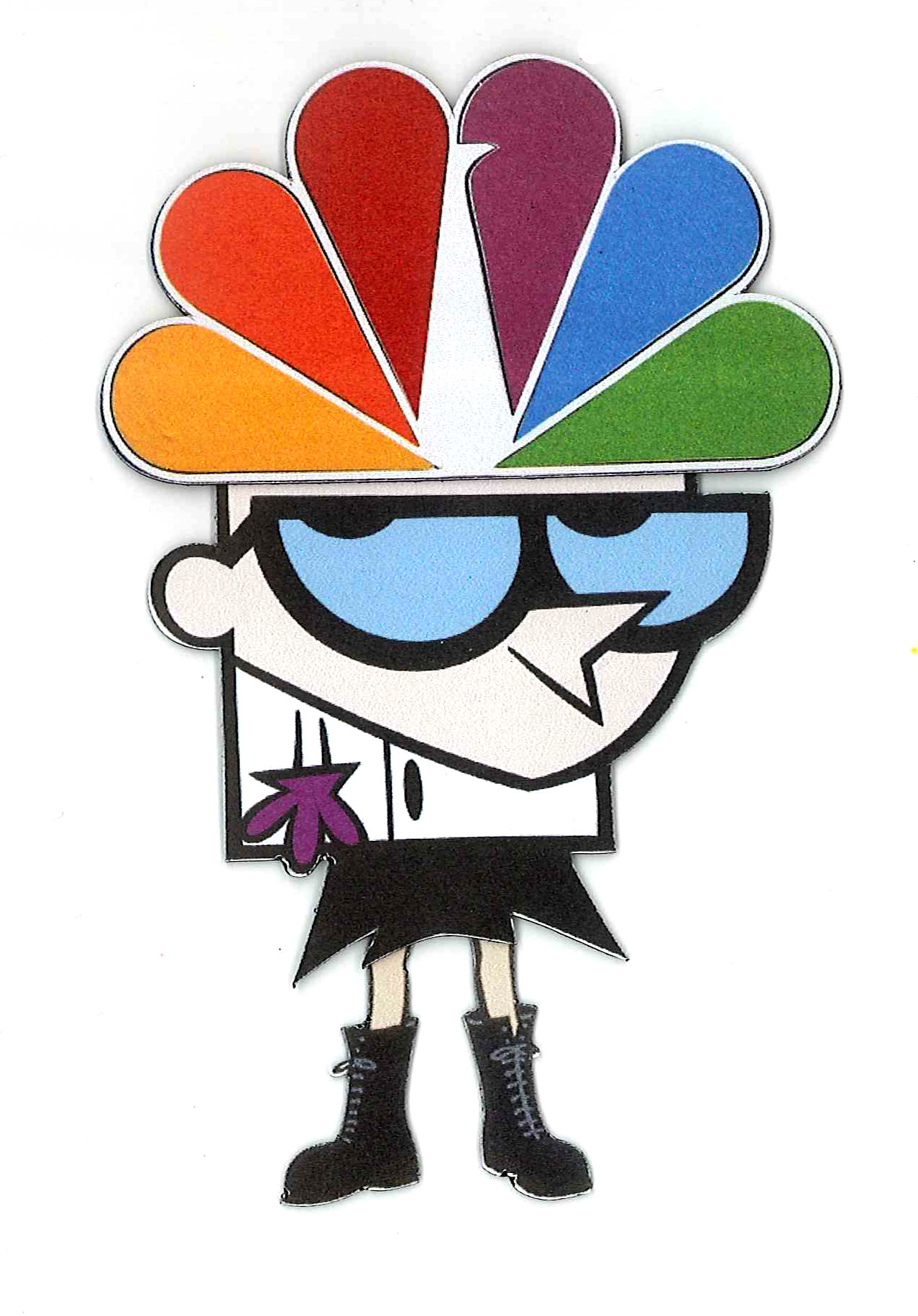
The interactive component that we have designed to supplement this work of art is two-fold.  There is a short video that plays clips and still images of some of the direct references that inspired HI-C Avenger.  Alongside this is a magnetic board filled with pop culture icons from the past and present.  Visitors can arrange the magnets, layering and combining them to create their own Hernandez-inspired creation.

Come by, see the new work, and play a while!

HernandezSample1 HernandezSample2 HernandezSample3

Also, mark your calendars for these upcoming opportunities to participate in a workshop led by John Hernandez:

Thursday, January 17, 6:30-8:30 p.m.,
Join guest artist John Hernandez as he takes us beyond collage into a mutated experience in reality. Hear about Hernandez’s work, while constructing a unique morphed creation of your own.

Late Night Creations with artist John Hernandez
6:30 p.m., 7:45 p.m., and 9:00 p.m., Art Studio, Center for Creative Connections (C3)
Join us for a special workshop with guest artist John Hernandez.  John will talk about his creative process and then guide participants in constructing sculptures using toys and other found objects.

Jessica Fuentes
C3 Gallery Coordinator


Archives

Categories