Archive Page 95

Bringing Artworks into Focus in the Most Delightful Way

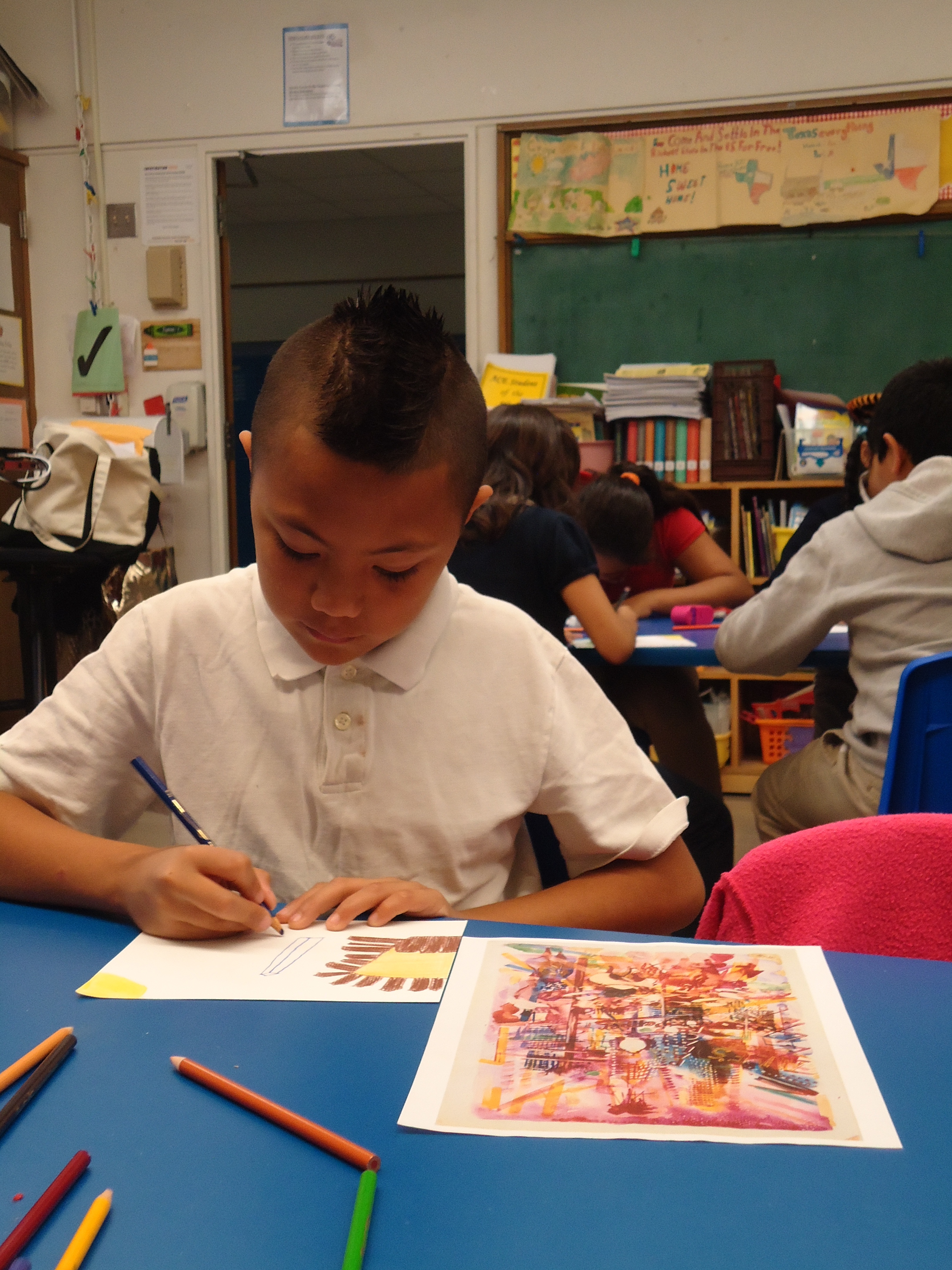
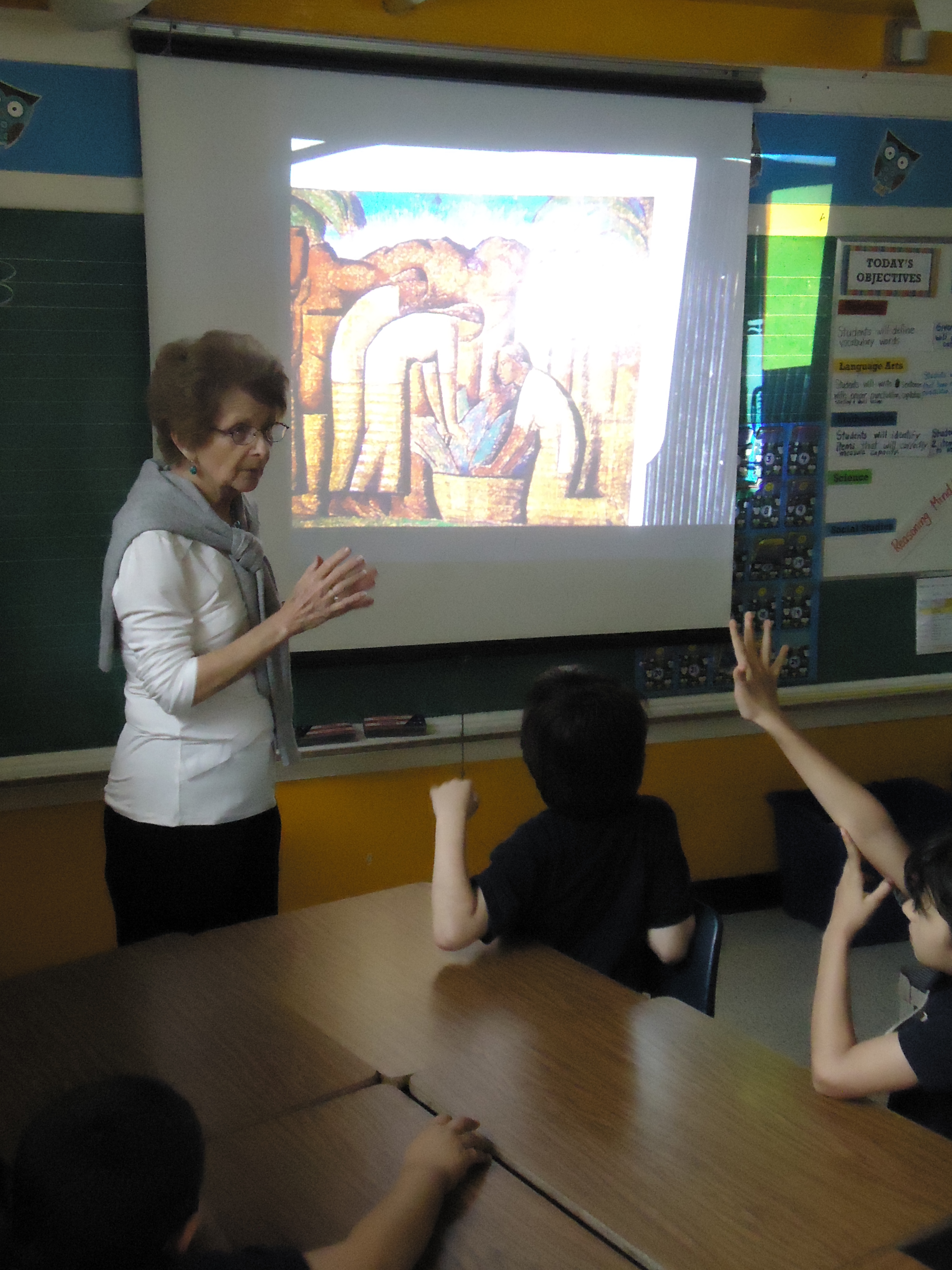
I like to think of our Go van Gogh volunteers as the Mary Poppinses of Dallas elementary schools. They’re the special guest bearing a big bag full of magical things (art supplies! stories of Museum treasures!) that promise fun, adventure, and, when you least expect it, a lesson or two. Our volunteers also happen to have cheery dispositions, so the comparison works well on several levels. In a perfectly Poppins world, we could reach into our magical outreach bags during programs and pull out real DMA artworks, large and small, bringing the Museum right into the classroom. Until we figure out how to work that final bit of enchantment, we travel to classrooms with the next best thing—reproductions of artworks and the masterful storytelling needed to bring these artworks to life.

Over the years, our bags have been filled with reproductions of all kinds. First there were large posters of artworks to roll up and carry, then we traveled with the heavy hum and whir of slide projectors, and more recently we slipped sets of bright, colorful overhead transparencies into our bags. These reproductions came in all shapes and sizes, but each allowed us to show with clarity and accuracy, the beauty of our Museum’s treasures to students who had never seen them before.
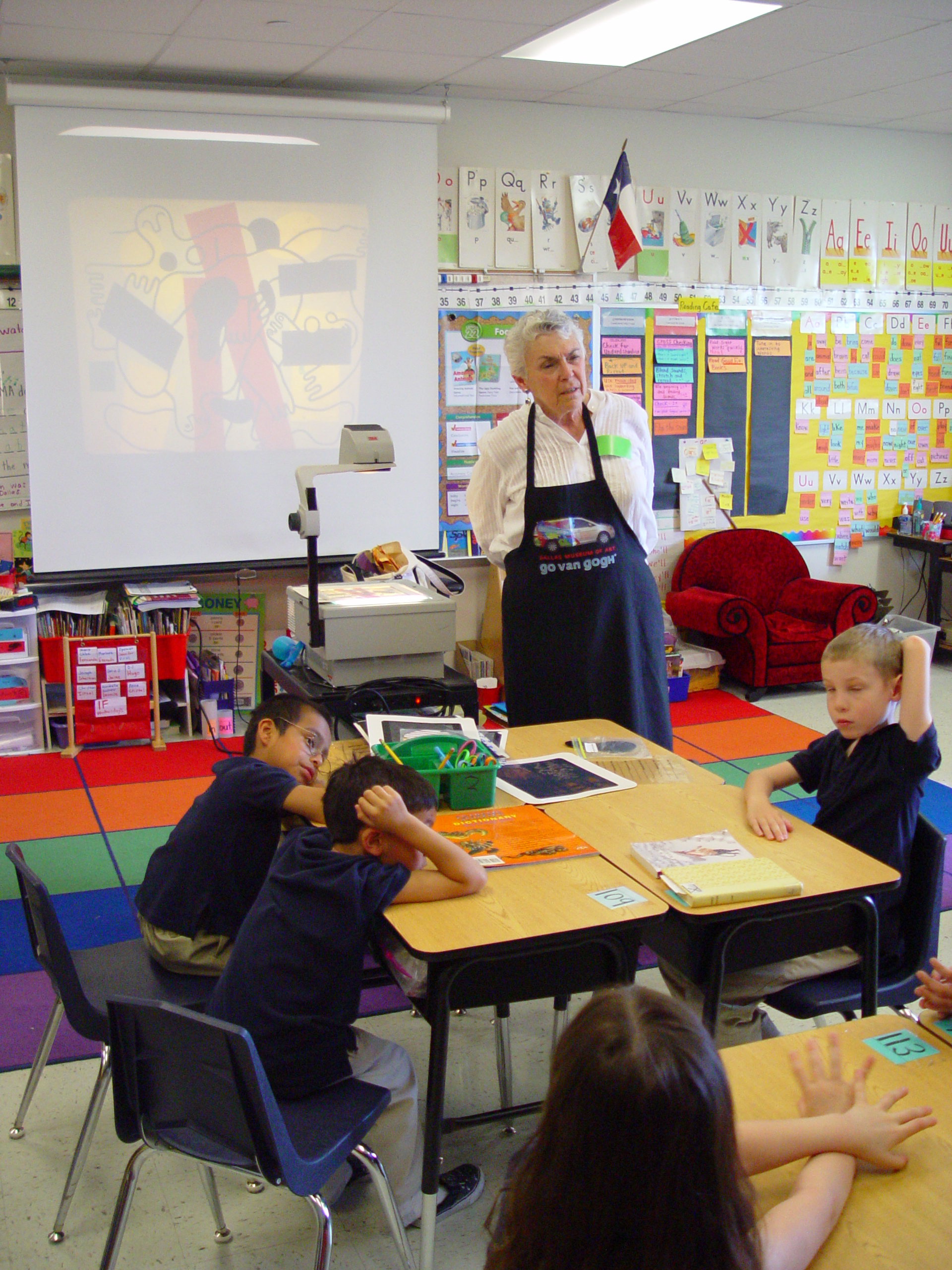
Our latest method of magic involves paper images of artworks that we project using document cameras available in classrooms. When the quirks and glitches of this classroom technology left us projecting artworks in the least delightful way, we decided it was time to fill our bags with newer things—iPads and projectors. With the great ideas and lots of hard work, DMA colleagues Danielle, Amanda, Nicole, Ted, and our friends, Emily, Shannon, Bernardo, and I spent last summer writing a proposal for the Sprint Local Grant Program and pouring our best ideas into a video to convince The Sprint Foundation that all we needed was some wind in our kite (and the help of a generous Mr. Banks) to leap into the 21st century and get back our classroom magic.

The storyboard for our video submission

The storyboard for our video submission

Late last year, Sprint gave us the happy ending we were hoping for (we’re your biggest fans, Sprint!), and we are in the process of purchasing iPads for our outreach programs. This means that the next time we teach our Arts of Mexico curriculum, we can point to a well-projected, sharply-focused image of the Mask of Tlaloc and explore precious, tiny pieces of turquoise that form a delicate mosaic. We can zoom in and in and in again on the sixty foot mural, Genesis, The Gift of Life, discussing fine details usually reserved for Museum visits and having much richer discussions for it.

We’ll finally have the tools to unpack the best quality artwork images from our magical outreach bags—images that will spark great conversation and moments of wonder, like museum experiences with real artworks do. We’ll be as close to the real Mary Poppins as we can get (I draw the line at flying into classrooms!!), and that’s pretty exciting.

Amy Copeland
Manager of Go van Gogh and Community Teaching Programs
Searching for Chanel at the DMA

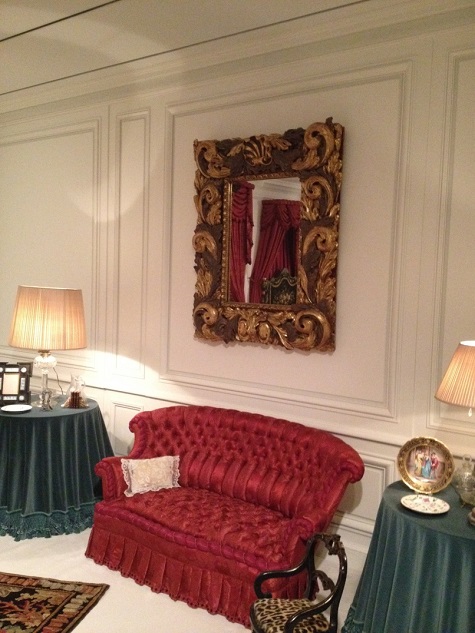
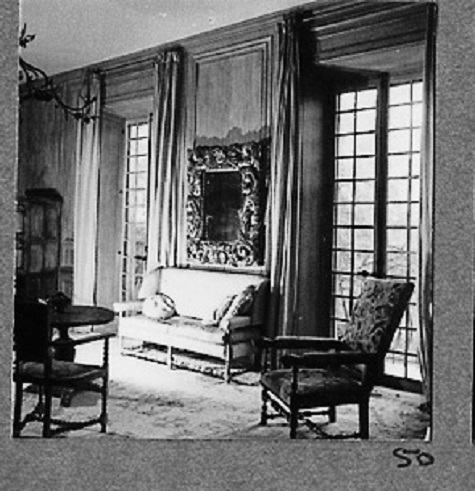
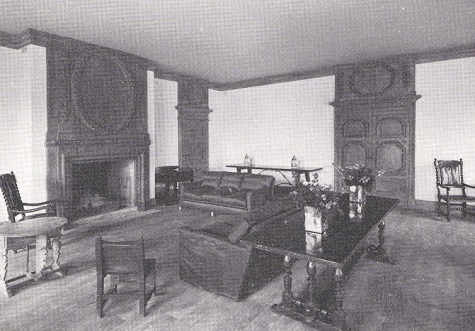
When Wendy Reves donated a massive collection of over 1,400 objects to the DMA in 1985, it was already known that a few large furniture objects, like the dining table, originally belonged to Coco Chanel. Recently, we began a new quest to see what other objects might have belonged to Mlle Chanel that are currently in the DMA’s collection. To do so, we looked at old photographs from the 1930s and 40s, when the designer lived at Villa La Pausa, in southern France, and tried to match furniture in those photos to what we have today in the Reves Collection. When we found matches, we knew that the objects were left behind by Coco Chanel when she sold La Pausa to Emery and Wendy Reves in the early 1950s. Here are a few examples so you can go see for yourself.

The Entry:
entry

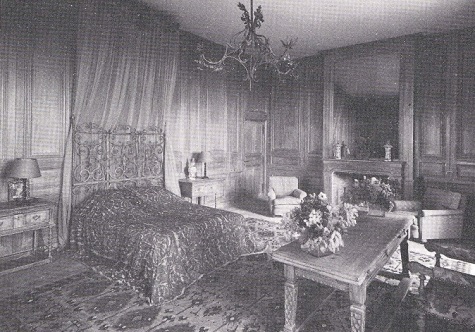
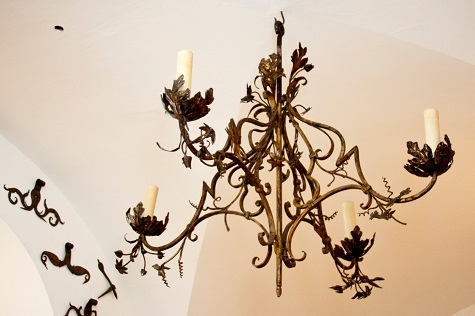
This chandelier was originally in Coco Chanel’s bedroom, hanging above her bed. Like most people who move, Mlle Chanel didn’t feel the need to take the light fixtures in her home with her. Wendy Reves, however, decided this could not stay in her new bedroom and moved it to the entryway of her home.

hanel’s Bedroom at La Pausa, with the chandelier now in the Reves entry and the desk at the right now serving as a buffet table in the Reves Dining Room.

Chanel’s bedroom at La Pausa, with the chandelier now in the Reves entry and the desk at the right, now serving as a buffet table in the Reves Dining Room

The Dining Room:
dining

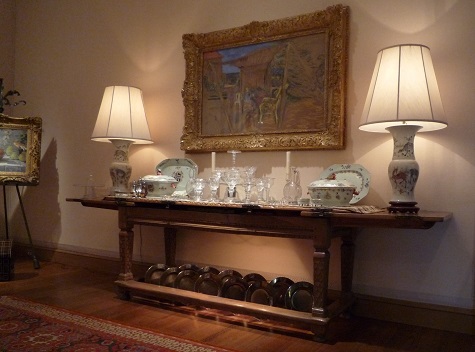
This long table was originally used by Coco Chanel as a desk; however, Wendy decided that this could be useful in another way. She unfolded the leaves and moved it into her dining room to act as a buffet table.

The Grand Hall:
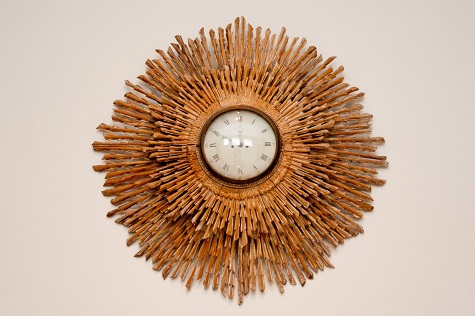
clock

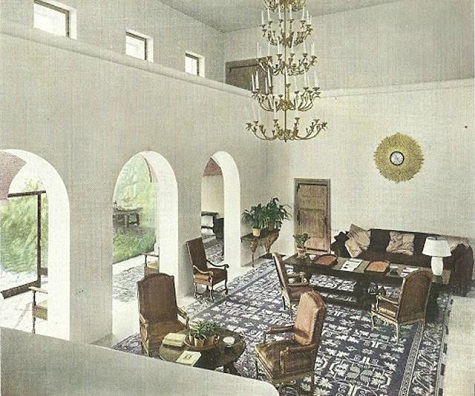
Mlle Chanel had a set of two matching clocks, this one, which is now hanging in the Grand Hall, and another that hangs above the fireplace in the Reves Salon. When Wendy and Emery Reves moved in, they enjoyed these gold clocks and kept them in their original locations before donating them to the DMA.

Coco’s Great Hall, with the same sunburst clock on the wall.

Coco’s Great Hall, with the same sunburst clock on the wall.

The Library:
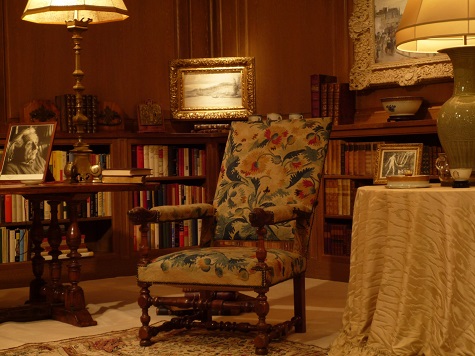
library

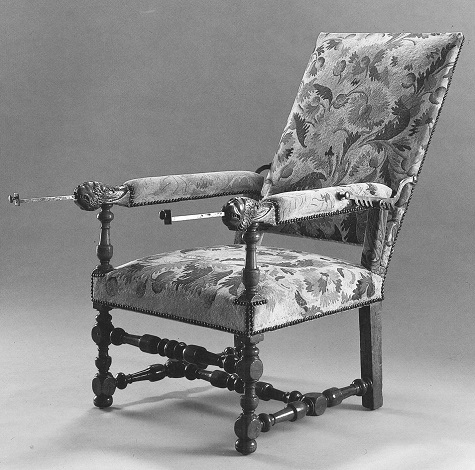
Possibly one of the coolest furniture items in the Reves Collection, this chair actually reclines using steel rods that come out of the handles. You can barely see them here, but pulling them out and pushing them in changes the recline of this chair. It is probably not as comfortable as our plush recliners today, but it was still the prototype. This early version of the recliner was originally in Mlle Chanel’s bedroom.
The Reclining Chair in the Library, shown with the rods pulled out

The reclining chair in the Library, shown with the rods pulled out

The Bedroom:
mirror

Originally in Mlle Chanel’s bedroom at La Pausa, this mirror didn’t travel far when Wendy and Emery Reves moved. They opted to keep it in their own bedroom. Interestingly, this is the only item that belonged to Coco Chanel that is in the Reves Bedroom.

The other side of Coco’s bedroom features the mirror now in the bedroom of the Reves collection as well as the reclining chair now in the library.

The other side of Coco’s bedroom features the mirror now in the Reves Bedroom as well as the reclining chair now in the Library.

The Salon:
salon

Of the many items in this room that belonged to Coco Chanel, we think that this yellow couch might have originally been covered in a darker fabric and left behind when she sold La Pausa. Wendy liked the color yellow and recovered the couch to fit her tastes. We can see the similarity between them when comparing the side views.

Chanel’s Salon at La Pausa, with the same couch seen from the side.

Chanel’s Salon at La Pausa, with the same couch seen from the side

Michael Hartman is the McDermott Intern for European Art at the DMA.

Arturo’s Magical Mail

As a child, I loved receiving letters. Each time I heard the mailman walk up my front steps, I would anxiously wait for my parents to empty the mailbox. As they rifled through bills, I prayed that there would be something with my name on it, whether it be a postcard, magazine, or even a piece of junk mail. Mail was magical to me, and I enjoyed thinking about it traveling from a foreign place to my doorstop with my name on it.

Later in life, I revisited mail as an early childhood educator. Through several mail based projects in my toddler classroom, I found that mail was indeed ‘magical’ for children in the way that it connects home, school, and other landmarks in a child’s world, promotes self expression, and creates links to people and places in other parts of the world.

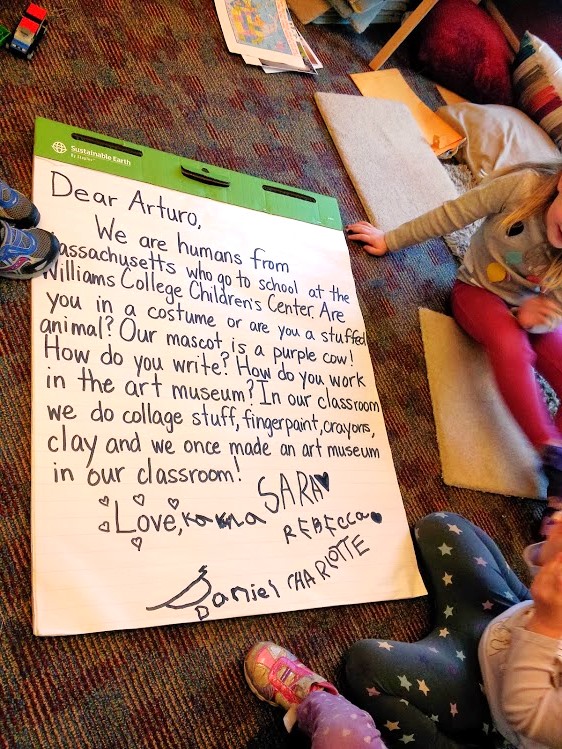
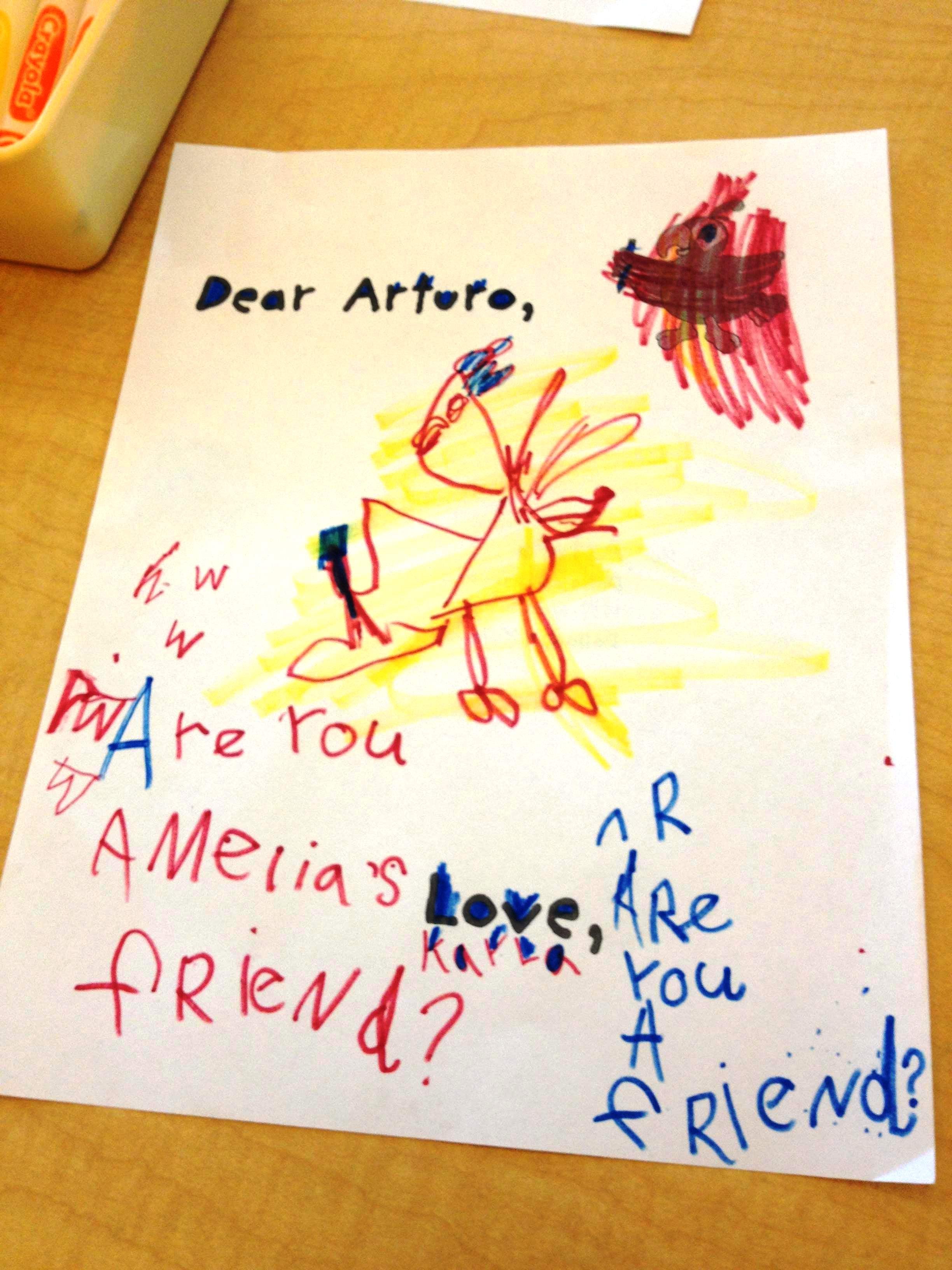
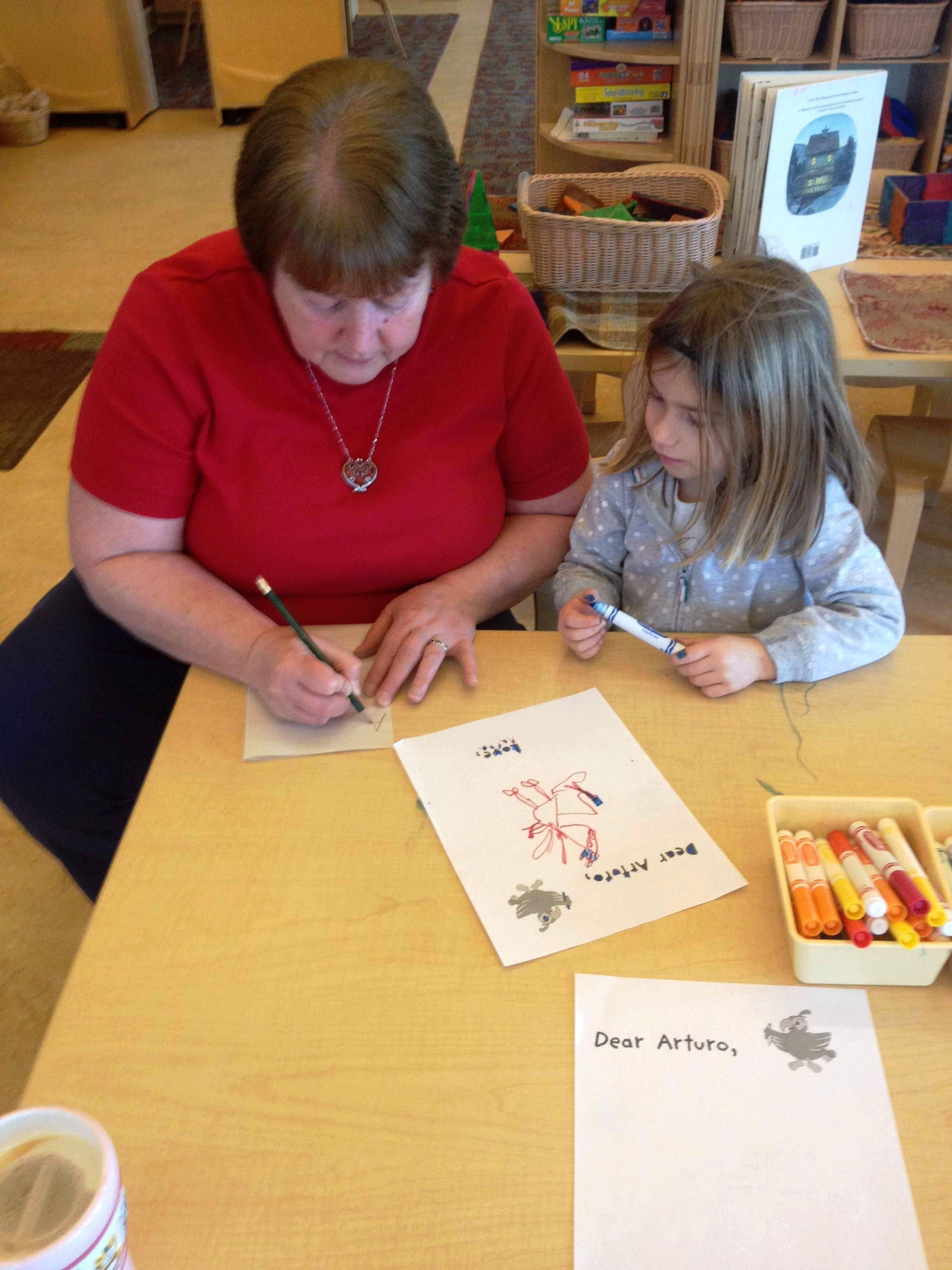
It isn’t surprising that one of the highlights of my internship at the DMA has been responding to letters children write to Arturo, the DMA’s loveable toucan mascot. When children visit Arturo’s Nest, our hands-on early learning space located in C3, they are invited to write a letter and leave it in Arturo’s mailbox. Over the past six months, I have thoroughly enjoyed receiving these letters, which feature drawings and share excitement about art and experiences at the DMA. Many children are also very curious about Arturo and his nest and ask questions that require me to come up with some creative responses. I’ve included a few of my favorite questions to Arturo below.

Dear Arturo,

Who made this place? Wut are you doing this week?

Dear Arturo,

I love art Where is your bathroom and how do you go?

Dear Arturo,

I play in your nest a lot and your babies don’t come out of your eggs. Are the babies coming?

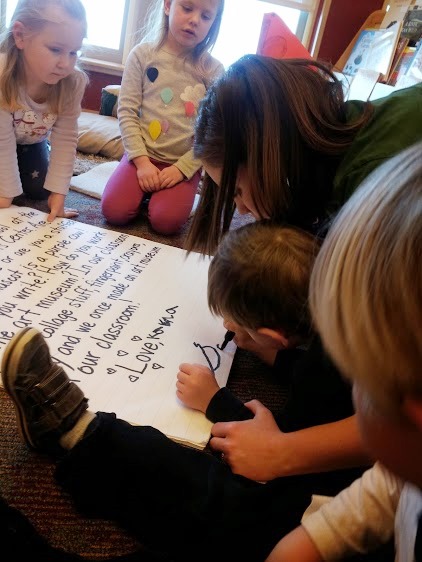
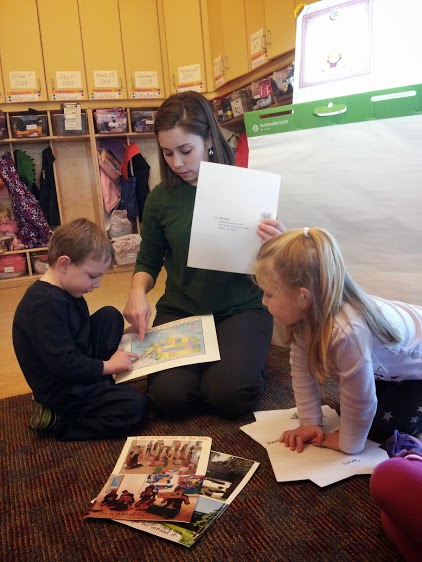
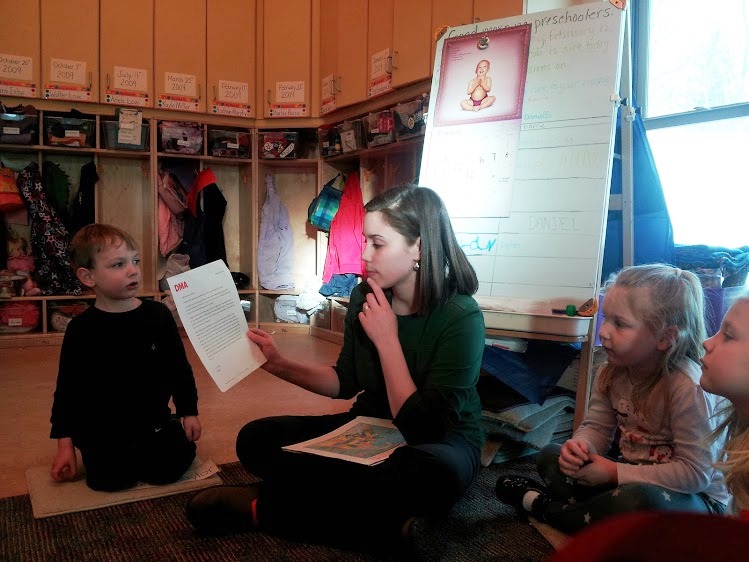
As I responded to these letters, I loved imagining the excitement as children discovered a response from Arturo in their mailbox. I decided to share this excitement with children back at home and created a mail exchange between Arturo and the children’s center where I used to work in Massachusetts. As an introduction, I sent my past students (now big preschoolers!) a letter introducing my new friend Arturo. I also included pictures from my trip to Texas, the DMA, and some silly shots of Arturo and I playing in the nest.

I was delighted to hear back from the children’s center last week and enjoyed reading the children’s questions. I look forward to continuing the mail exchange with my past students and also visiting with them during my trip home this spring.

Stay tuned for more updates about Arturo’s magical mail!

Amelia Wood
McDermott Intern for Family and Access Teaching

Rauschenberg’s President

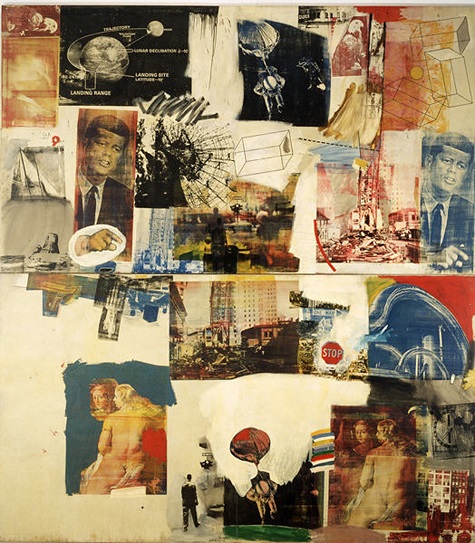
In honor of Presidents’ Day, we’re  highlighting the one who watches over the Atrium and greets visitors as they enter the Museum. President John F. Kennedy is featured in the DMA’s Robert Rauschenberg painting Skyway, along with other elements of American history in the 1960s.

Robert Rauschenberg, Skyway, 1964, oil and silkscreen on canvas, Dallas Museum of Art, The Roberta Coke Camp Fund, The 500, Inc., Mr. and Mrs. Mark Shepherd, Jr. and General Acquisitions Fund

Robert Rauschenberg, Skyway, 1964, oil and silkscreen on canvas, Dallas Museum of Art, The Roberta Coke Camp Fund, The 500, Inc., Mr. and Mrs. Mark Shepherd, Jr. and General Acquisitions Fund, (c) Rauschenberg Estate/Licensed by VAGA, New York, NY

Kimberly Daniell is the manager of communications and public affairs at the DMA.

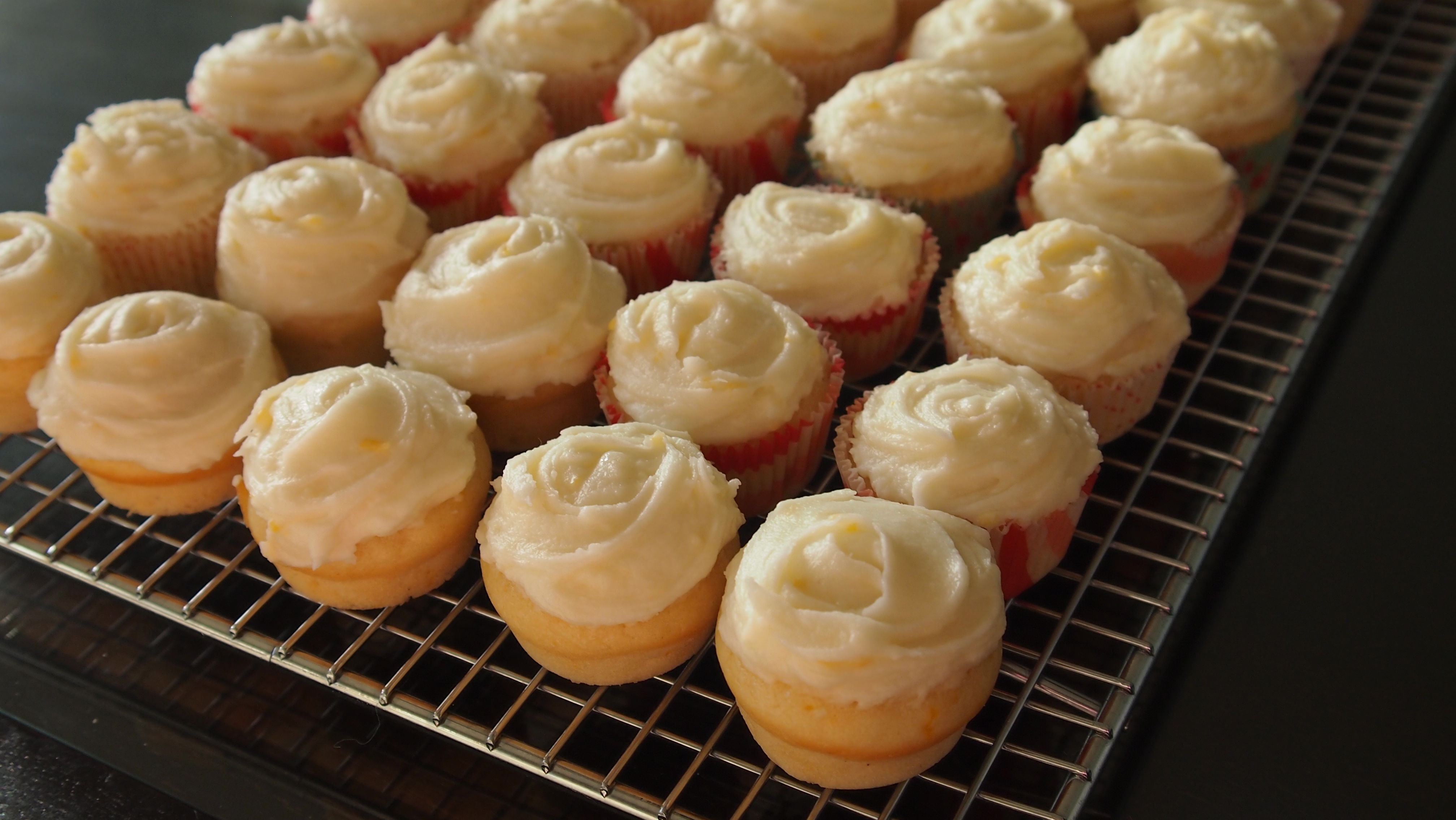
Culinary Canvas: Meyer Lemon Mini Cupcakes

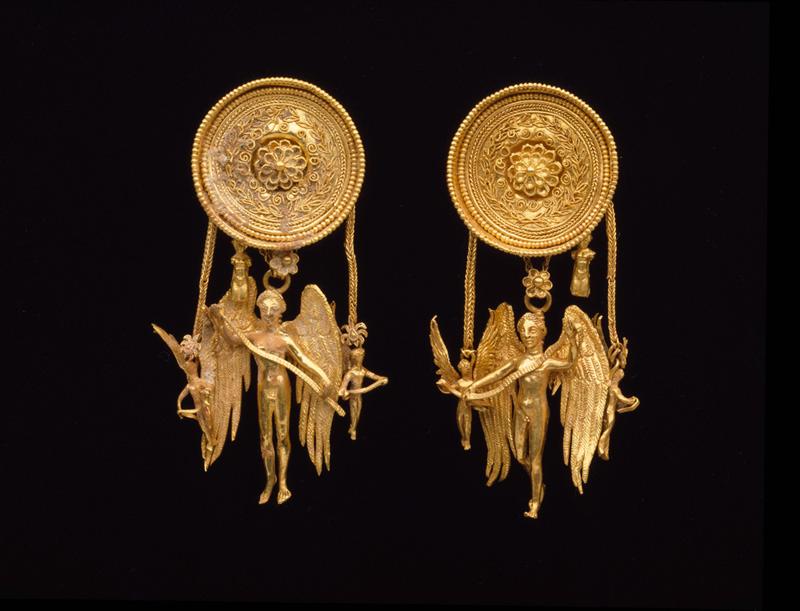
A pair of tiny gold earrings in our Ancient Mediterranean gallery was the inspiration for this month’s recipe. Of course jewelry always makes a perfect gift for Valentine’s Day, but these little beauties are particularly appropriate since they depict Eros, the Greek god and Valentine’s Day icon better known as Cupid. But if you can’t afford any ancient golden jewelry for your Valentine this year, how about whipping up some miniature golden cupcakes instead? And be sure to use Meyer lemons to make these goodies extra sweet for your sweetie!

1995_25_a_b

Eros earrings, Greek, late 4th century B.C., Dallas Museum of Art, the Cecil and Ida Green Acquisition Fund

Meyer Lemon Mini Cupcakes

Yields about 48 cupcakes
Level: Easy

Cupcakes:

½ cup (1 stick) unsalted butter, room temperature
1 cup sugar
3 large eggs, room temperature
Zest and juice of 2 Meyer lemons
6 ounces vanilla yogurt
2 cups all-purpose flour
1 teaspoon baking powder
½ teaspoon salt

Preheat oven to 350° F. Line mini muffin pan with paper liners.

In the bowl of a stand mixer fitted with paddle attachment, cream butter and sugar, beating at medium speed until light. Add lemon zest, then incorporate eggs one at a time, mixing well after each addition. Add lemon juice and yogurt and mix until fully combined.

In a separate bowl, stir together flour, baking powder, and salt. Slowly add flour mixture to mixer, mixing on low speed and scraping down sides of bowl until just incorporated.

Divide batter into muffin cups, using a tablespoon scoop to fill each cup ¾ full. Bake about 11 minutes, or until a toothpick inserted in the center comes out clean. Allow to cool completely before frosting.

Frosting:

¼ cup (½ stick) unsalted butter, room temperature
4 ounces cream cheese, room temperature
Zest and juice of 1 Meyer lemon
2 teaspoons limoncello liqueur (optional)
3 cups powdered sugar, sifted

Whip butter and cream cheese in the bowl of a stand mixer fitted with whisk attachment on medium-high speed until creamy. Continue to mix on low while adding lemon zest, limoncello, and half the powdered sugar. Squeeze in juice from half the lemon and incorporate remaining sugar, mixing on low until combined. Add additional juice to reach desired consistency for spreading or piping.


OLYMPUS DIGITAL CAMERA

Recipe adapted from Brown Eyed Baker.

Sarah Coffey
Assistant to the Chair of Learning Initiatives

Choosing Favorites

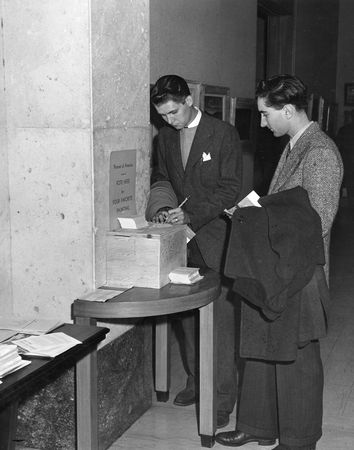
Young men voting for their favorite work in the exhibition "Portrait of America," September 30-November 5, 1945 (Photograph from the Studio of Wm. Langley)

Young men voting for their favorite work in the exhibition Portrait of America, September 30-November 5, 1945 (Photograph from the Studio of Wm. Langley)

In 1945 the Dallas Museum of Fine Arts was the seventh venue for the 150-painting traveling exhibition Portrait of America, sponsored by “Artists for Victory” and the Pepsi-Cola Company. The museum invited Dallasites to vote for their favorite work in the exhibition. The winner of the vote was Gladys Rockmore Davis’s Noel with Violin; she was awarded $100 by the manager of the local Pepsi-Cola Company bottling plant.

The DMA is once again asking you to pick your favorite, this time in the Museum’s first Art Madness tournament, inspired by the NCAA Championship game, which will take place in North Texas this April. DMA Friends are currently determining the Sweet Sixteen by participating in the DMA Friends Love a Work of Art activity. Once we have the 16 works determined in late February, the public can vote for their favorites online. Stay tuned for more information on how you can help pick the first DMA Art Madness Champion!

Hillary Bober is the digital archivist at the DMA.

Make This: Adventures in Casting

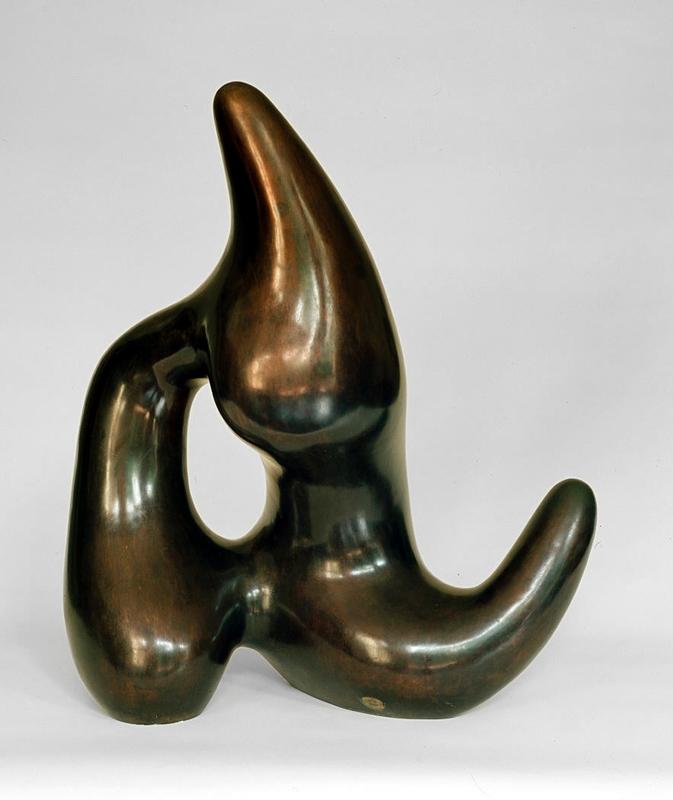
Jean Arp, "Star in a Dream (Astre en Reve)", 1958, Dallas Museum of Art, Foundation for the Arts Collection, gift of Mr. and Mrs. James H. Clark, (c) Artists Rights Society (ARS), New York/VG Bild-Kunst, Bonn

Jean Arp, Star in a Dream (Astre en Reve), 1958, Dallas Museum of Art, Foundation for the Arts Collection, gift of Mr. and Mrs. James H. Clark, (c) Artists Rights Society (ARS), New York/VG Bild-Kunst, Bonn

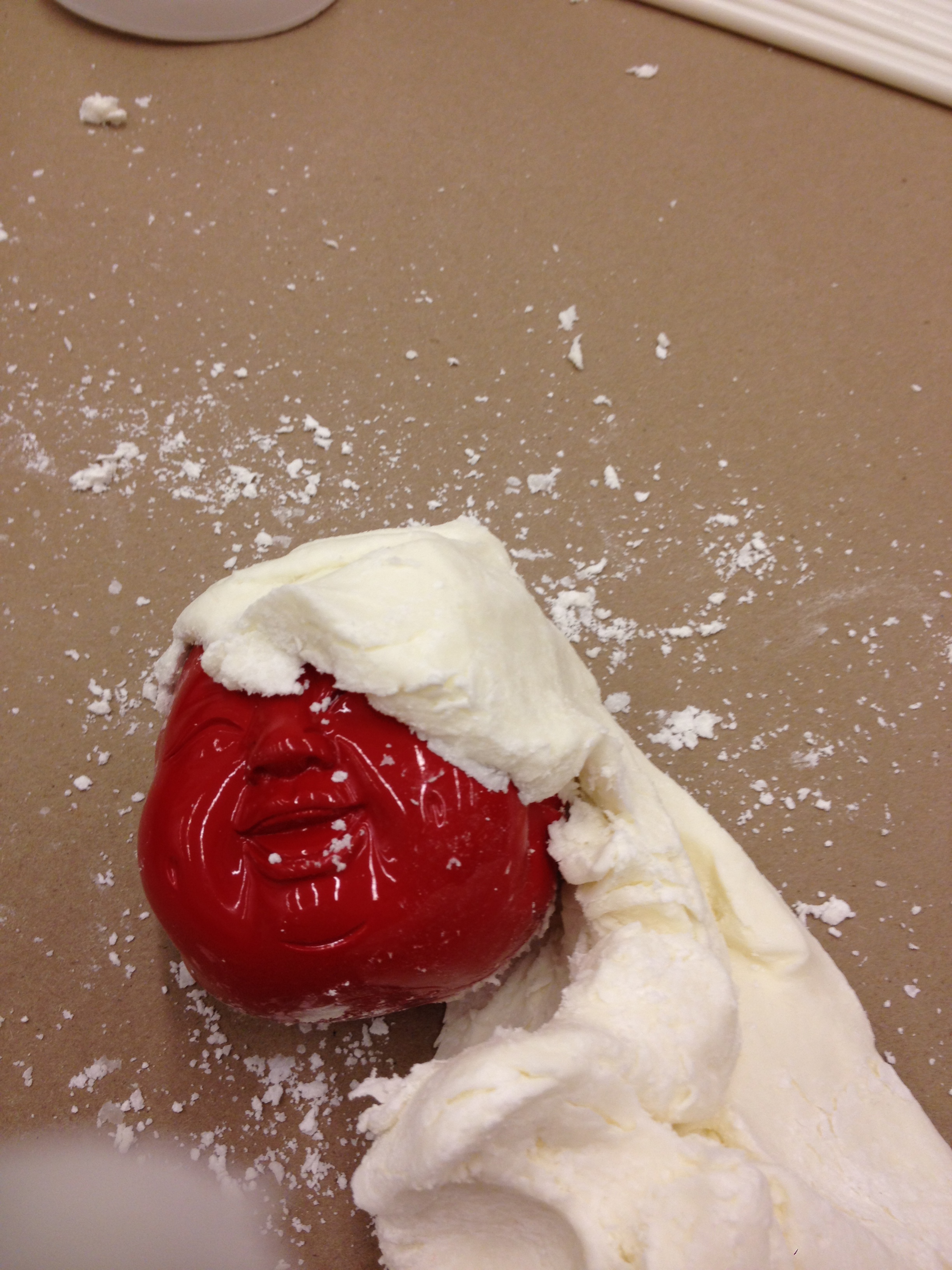
In talking with teens about what they’d like to do for upcoming classes, casting was a popular idea that I loved but had no idea how to execute. A metals casting class (see Star in a Dream, above) would be fantastic yet totally unfeasible, so I looked for alternative materials and methods that we could try. Over the past several months, I’ve been researching different techniques to meet the following needs: the project to be cost effective (i.e. cheap); the mold had to set within 45 minutes; the process had to be uncomplicated; and the results had to be pretty cool.

I finally settled on a pretty easy way of making silicone molds from inexpensive, household materials. There are many great online tutorials on how to do this, but I chose to adapt this one. Unfortunately, this silicone mold isn’t pourable, but it sets fast and is really easy to make. Alternatively, you could easily use a self-setting rubber medium like Sugru to make the mold if you’re not concerned about set time. I’m using Mod Melts as the casting material for this project to make things easier, but you could experiment with other things like resin, etc. As with any project, make sure your work area is well-ventilated and observe the safety precautions on the material labels.

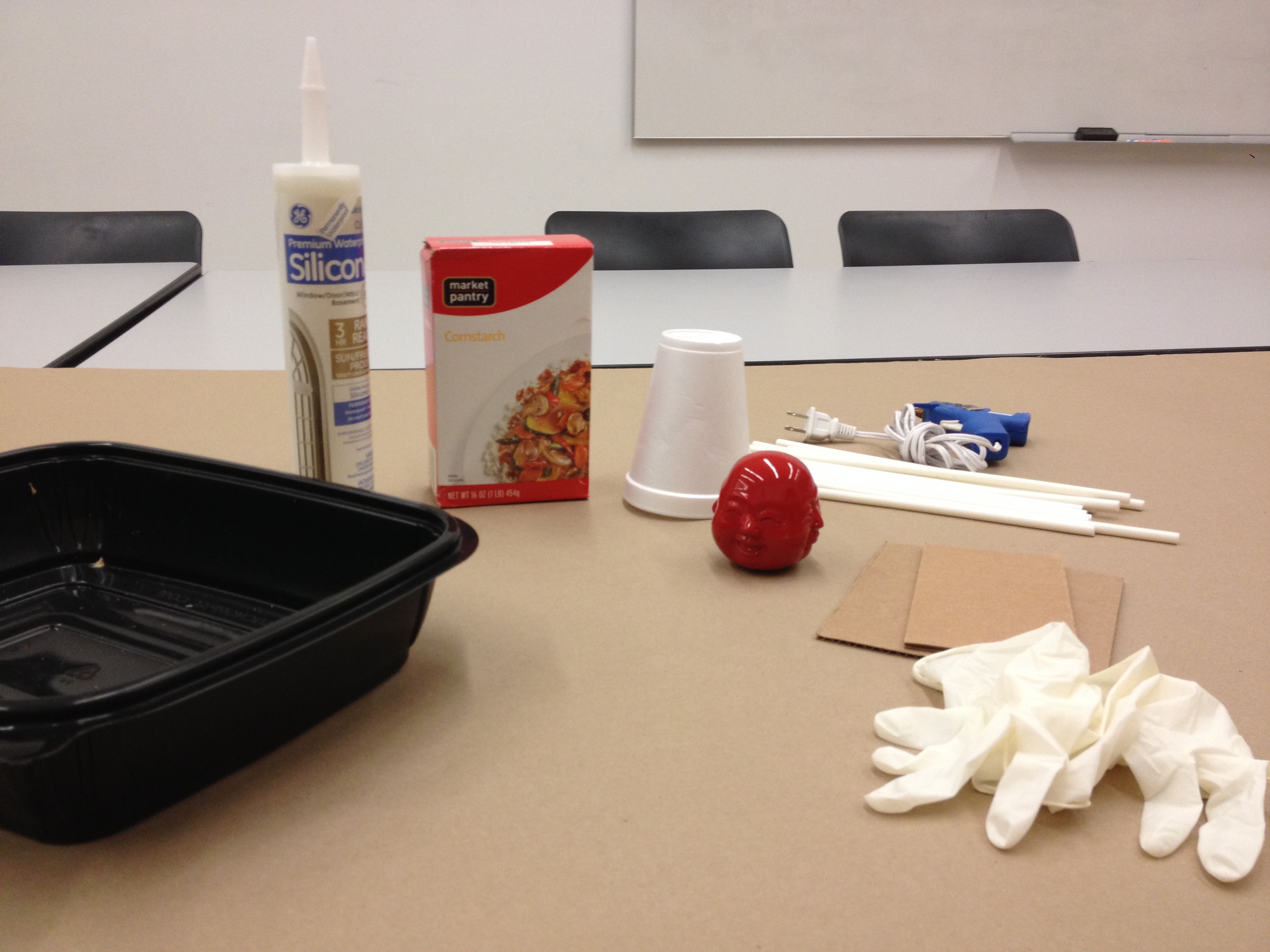
What you need (this should yield 1-2 small, 2″-4″ castings):

  • Tube of 100% silicone caulk and caulk gun (VERY important that it’s 100% silicone)
  • Cornstarch
  • Latex gloves
  • Styrofoam cup
  • Disposable plastic tray
  • Non-stick cooking spray
  • Mod Melts and hot glue gun
  • A small object to mold (you could make your own using modelling clay, etc.) that will fit into the Styrofoam cup

IMG_1510

Step 1:

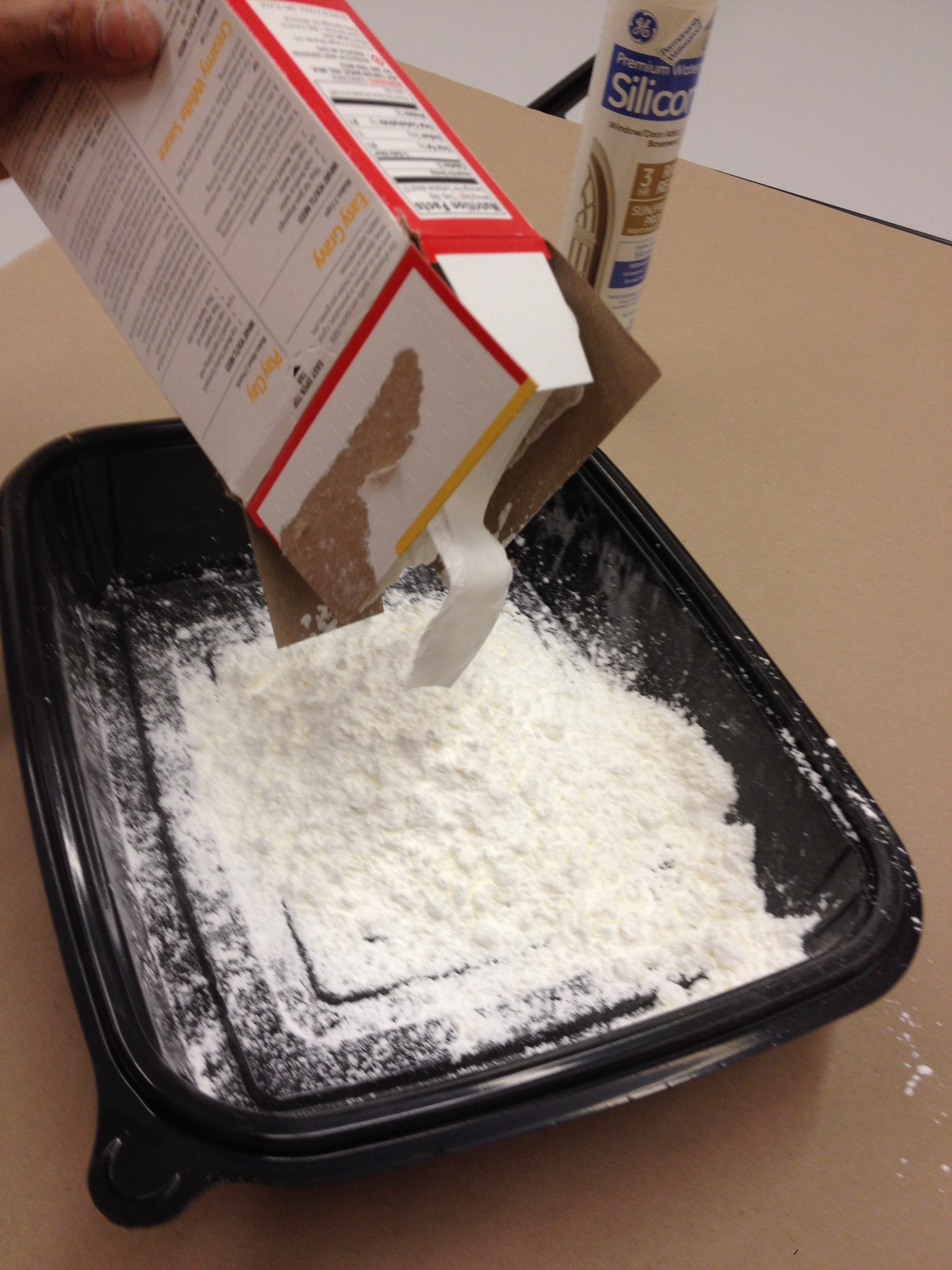
Don your gloves and pour a generous amount of cornstarch along the bottom of your plastic tray. Cut the tip off of the tube of caulk and load it into the caulk gun.

IMG_1511

Step 2:

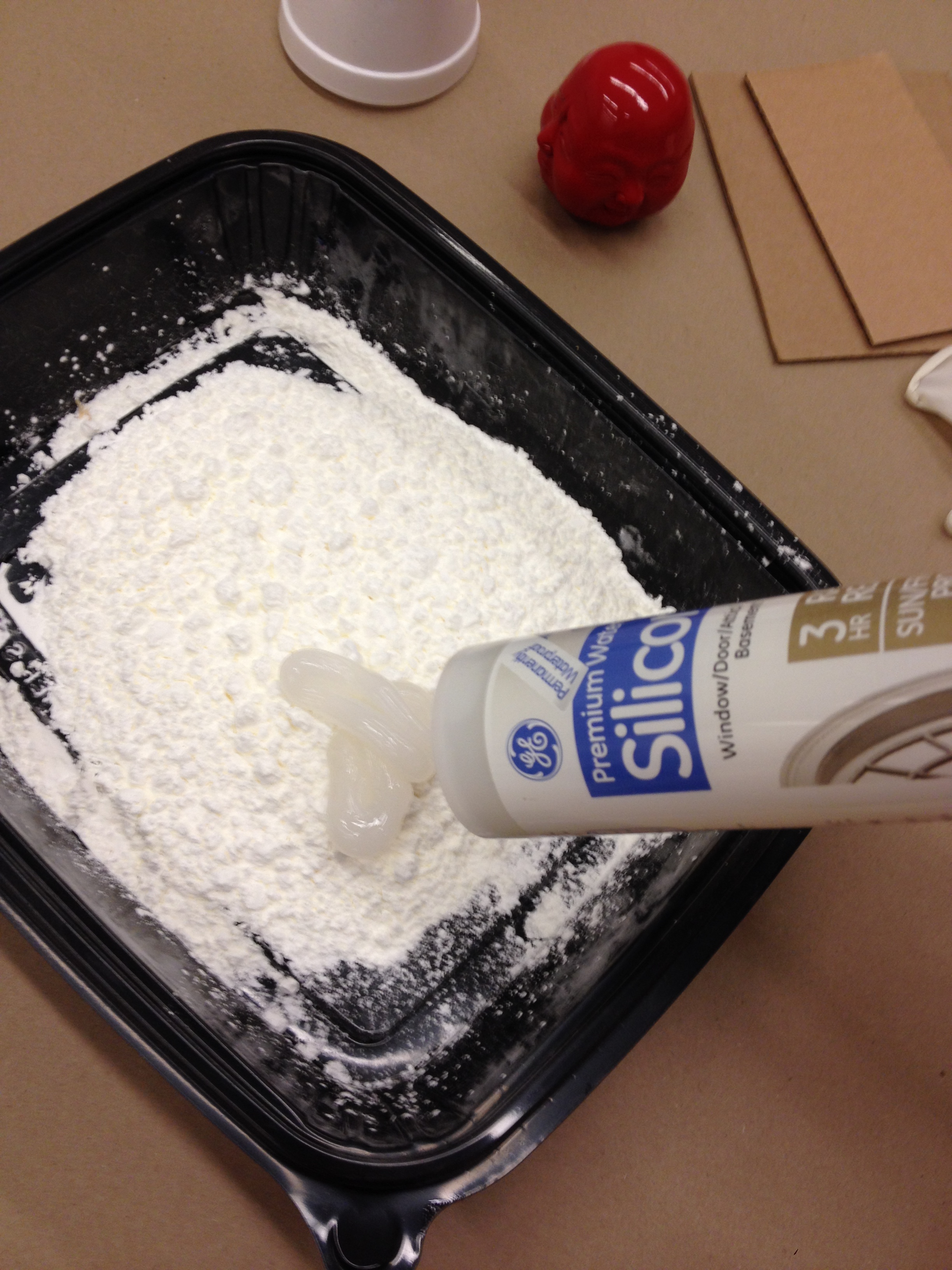
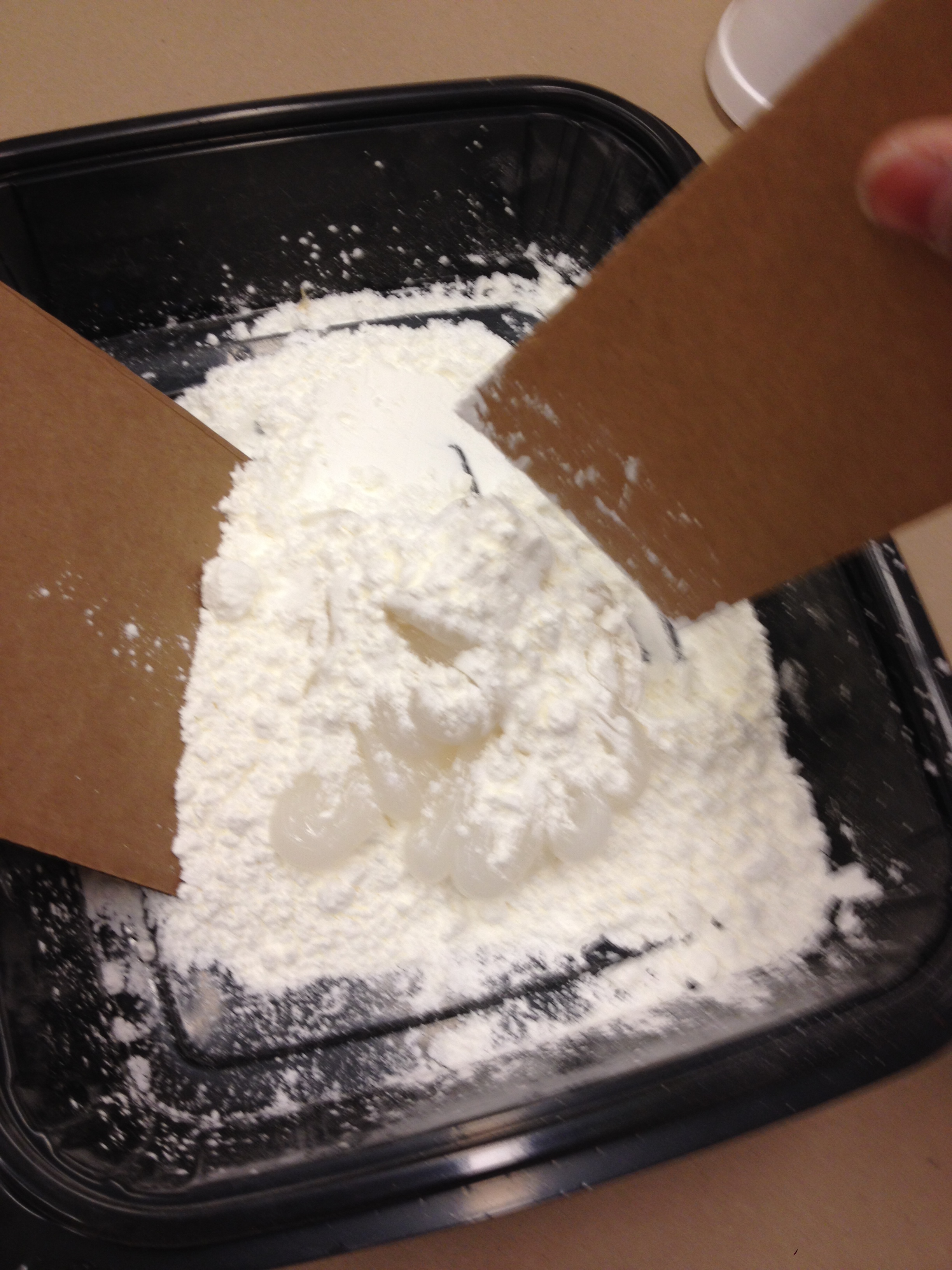
Squeeze the entire tube of caulk into the tray full of cornstarch. Begin incorporating the cornstarch into the caulk until it starts to form a loose ball. I used two pieces of scrap cardboard to toss everything together until it became a paste, then used my hands. Add more cornstarch as needed. I ended up using about 12 oz. of cornstarch.

IMG_1512

IMG_1513

Step 3:

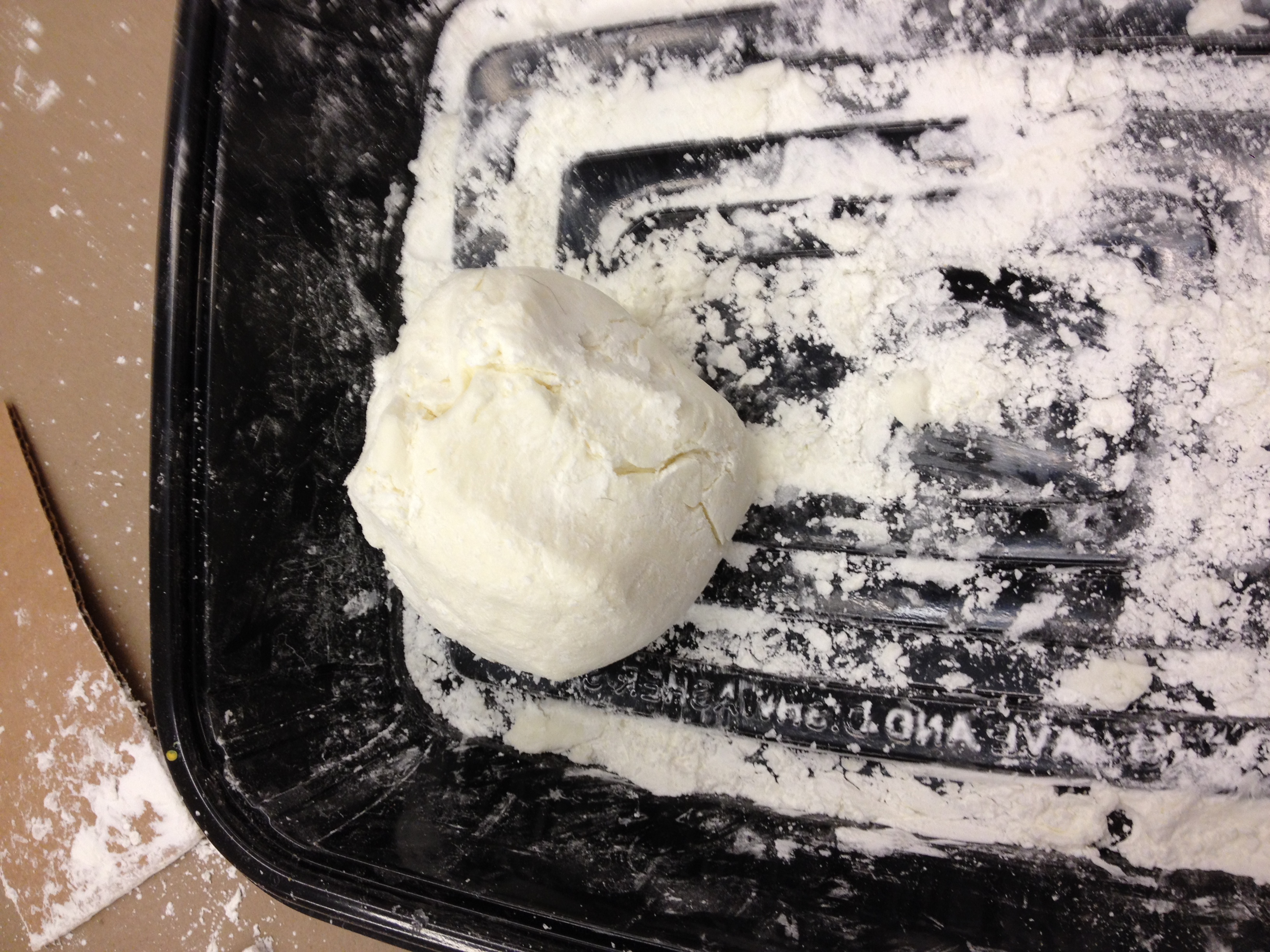
Continue kneading cornstarch into the silicone ball until it reaches a putty-like consistency and is no longer sticky to the touch.

IMG_1515

Step 4: 

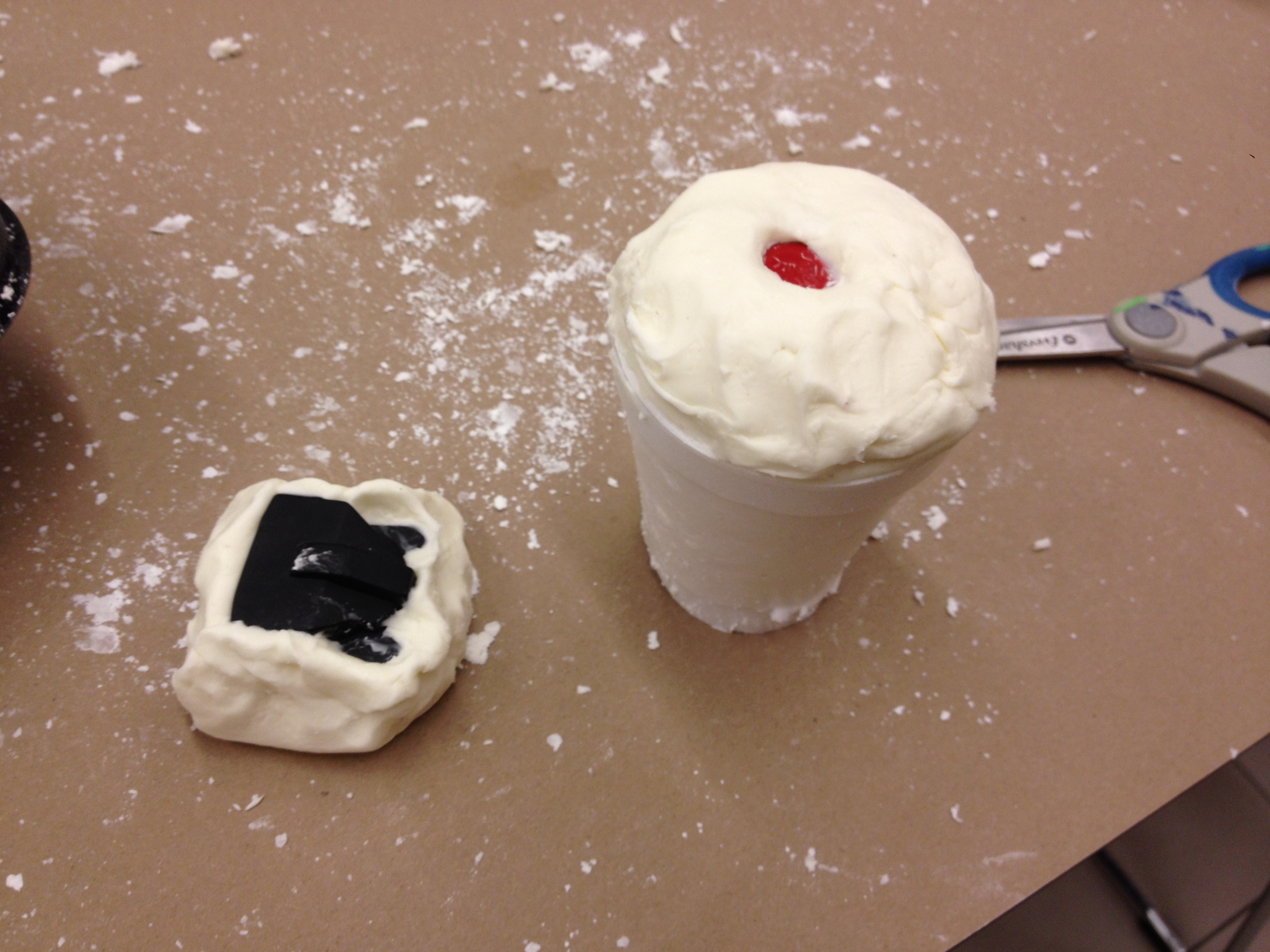
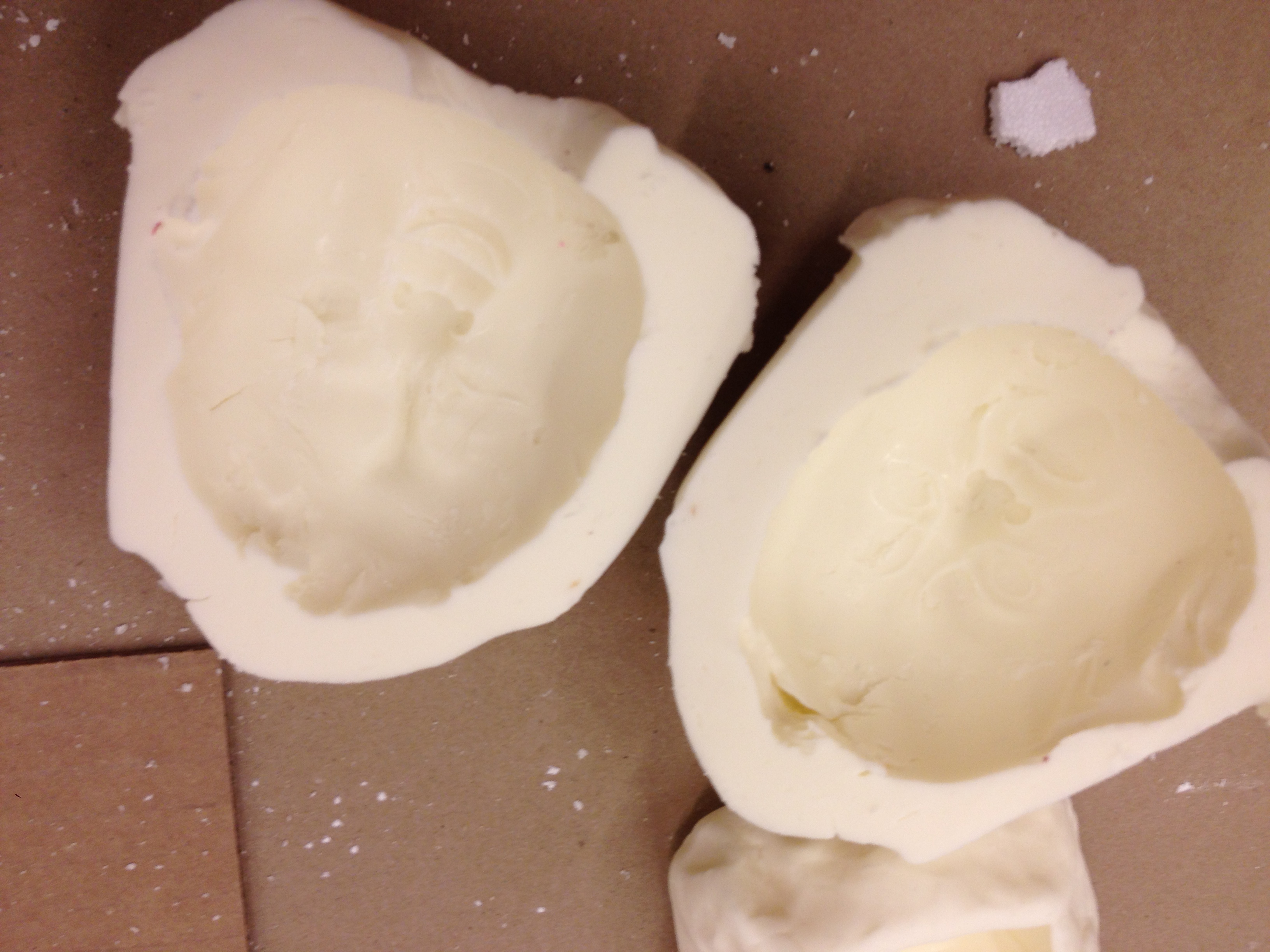
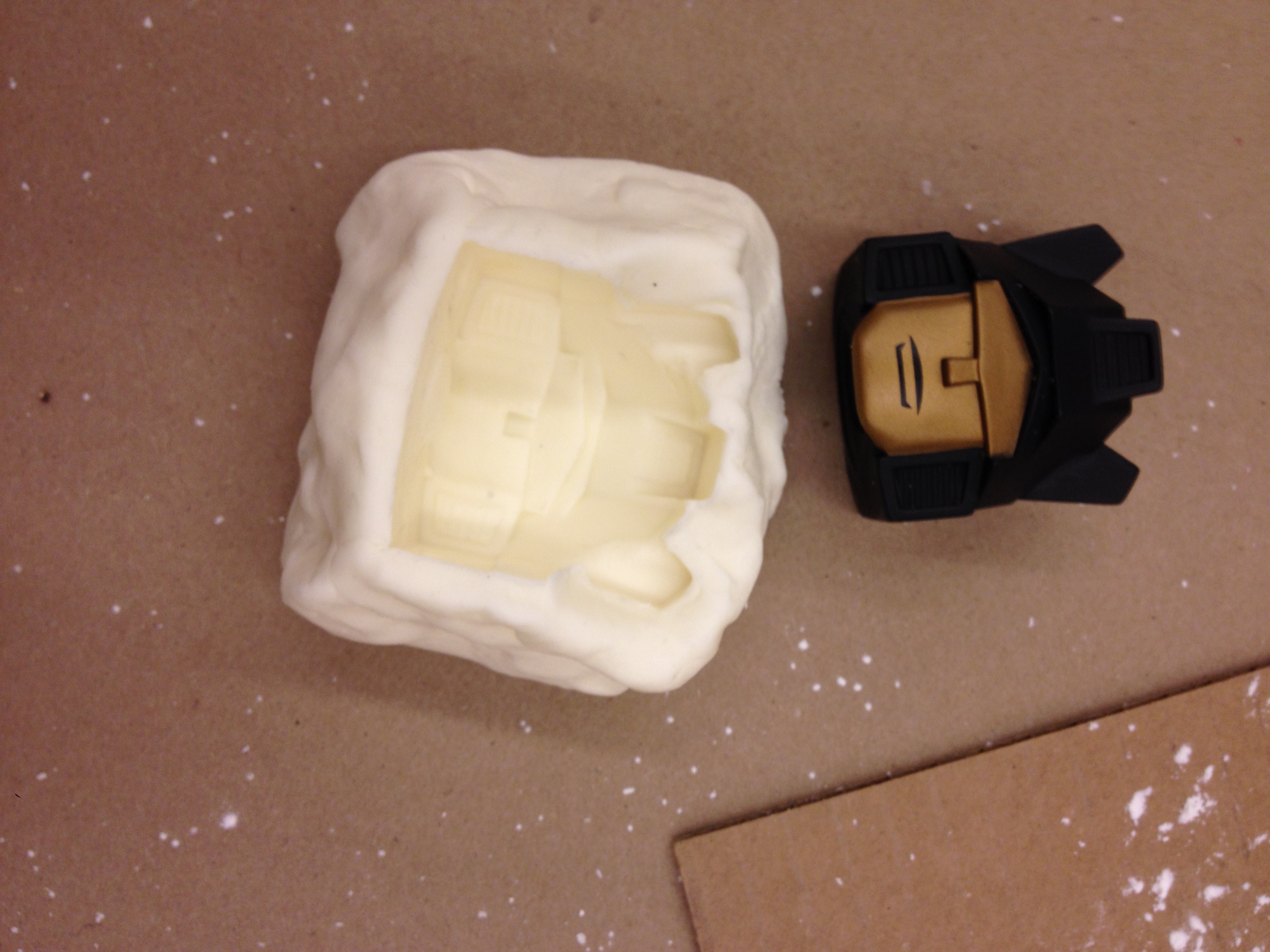
Press the silicone firmly around your object to make your mold. For best results, use an object with a simple shape that doesn’t have a lot of holes where the silicone could get trapped. Press the mold with the object inside into the Styrofoam cup and leave it to set. (Notice that I’ve left a small hole at the top of the mold where I will pour in the Mod Melts.) I had enough material to cast my object and to make a small, secondary mold.

IMG_1516

IMG_1517

Step 5: 

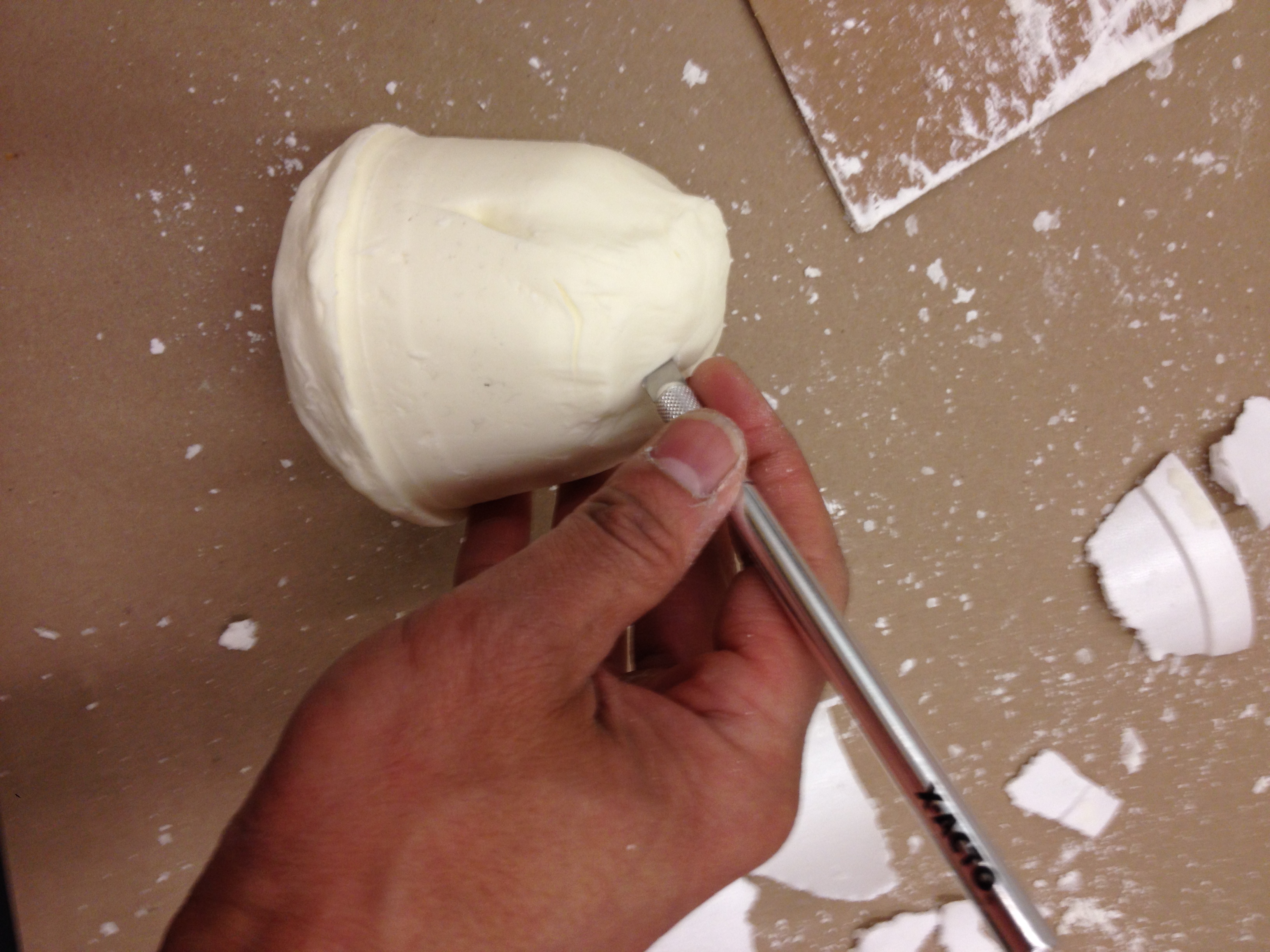
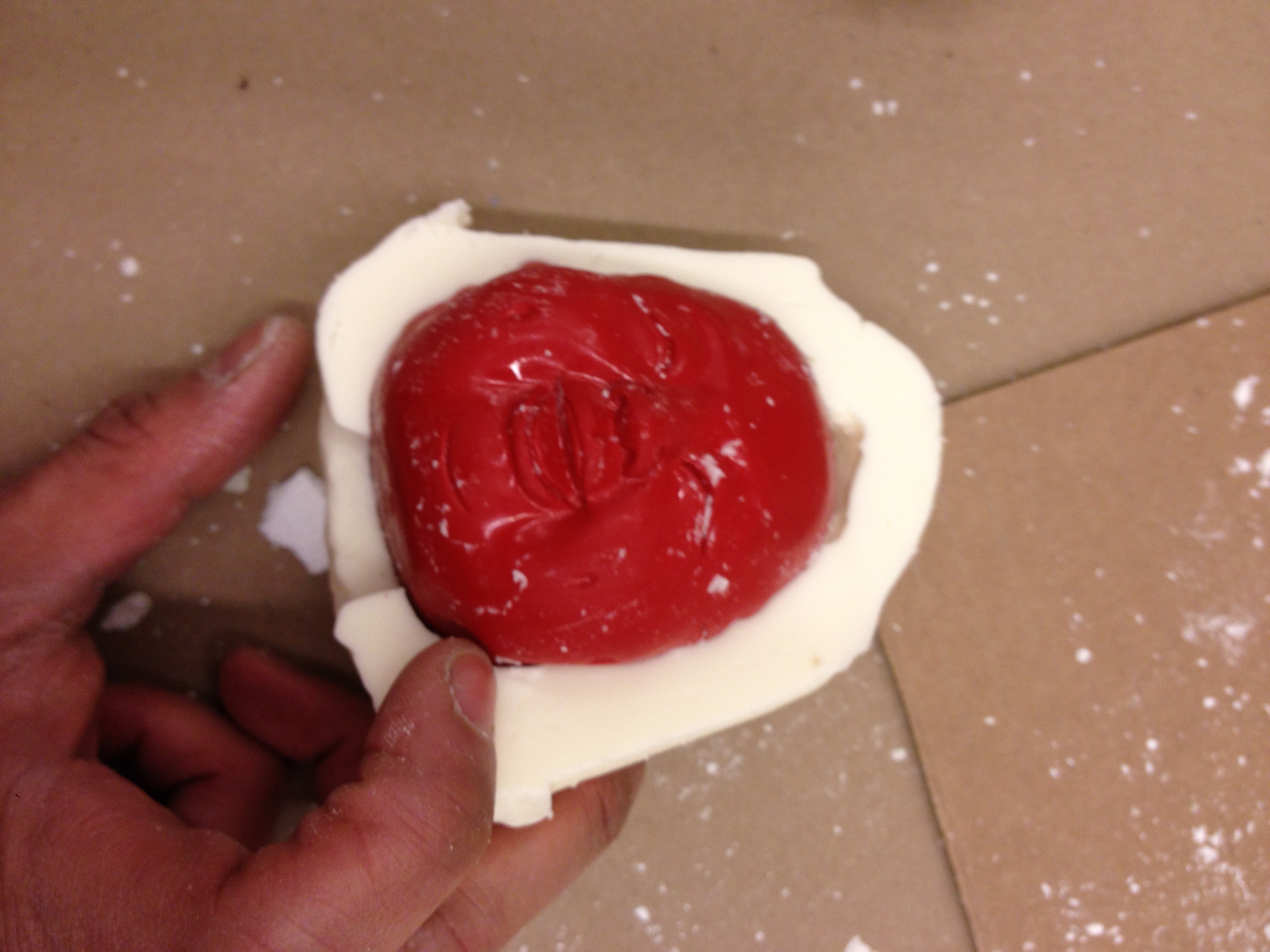
Check the mold after about 45 minutes–if it has completely set, you should be able to slide it out of the cup. Gently remove the object, taking care not to tear the mold. (You may need to carefully cut the silicone to make a two-part mold in order to do this.) You can see in my bigger mold some sections where I ran into trouble with air bubbles. To avoid that next time, I will have to press more firmly into those sections and give my mold a little more time to set.

IMG_1520

IMG_1521

IMG_1522

IMG_1519

Step 6:

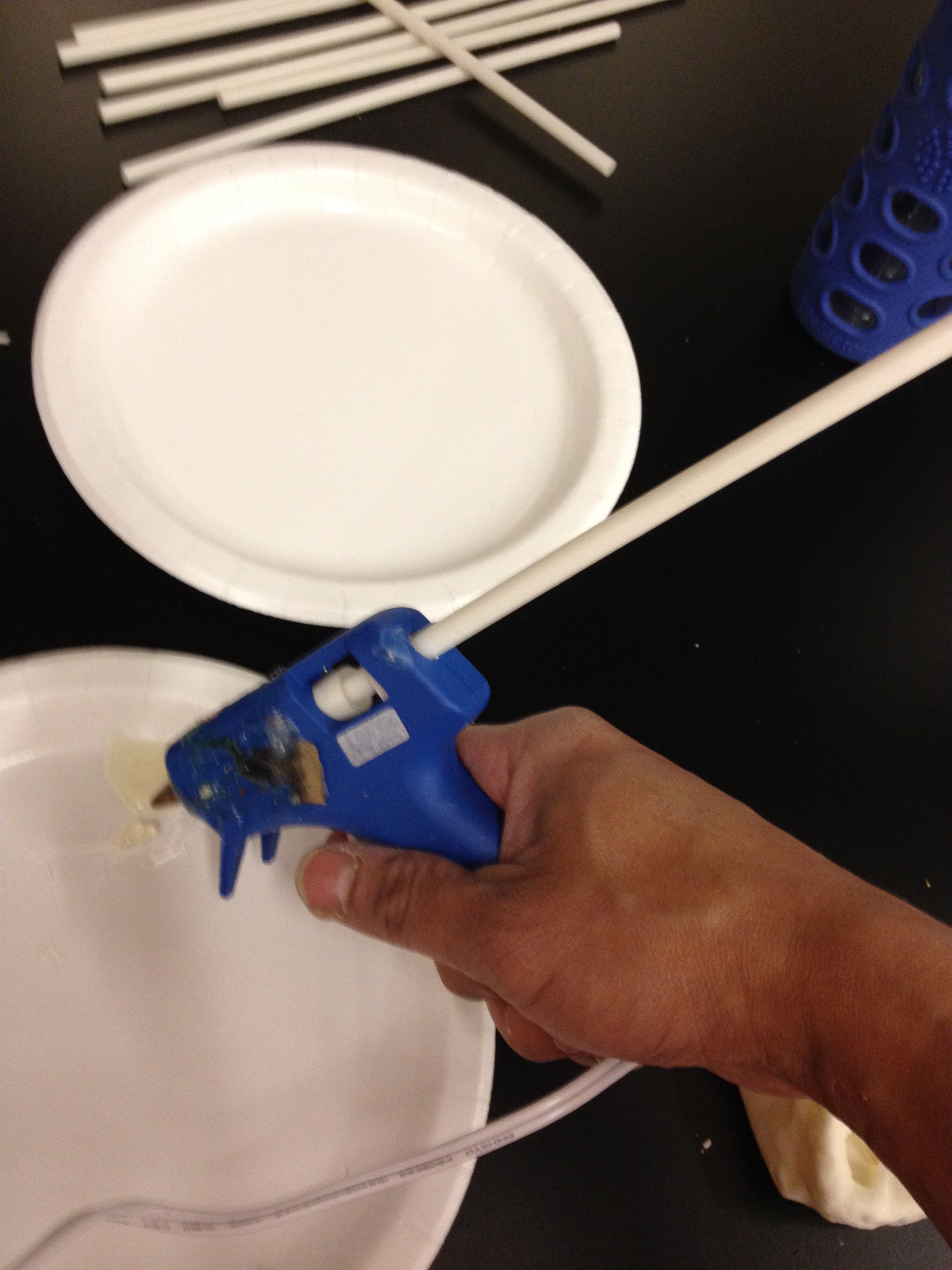
Spray the inside of your mold with non-stick spray (optional) and put it back in the Styrofoam cup. Heat your glue gun and load it with the Mod Podge Melts. For the sake of time, I will only cast the smaller mold that I made but I’ll post images of the larger cast on our Flickr page!

Step 7:

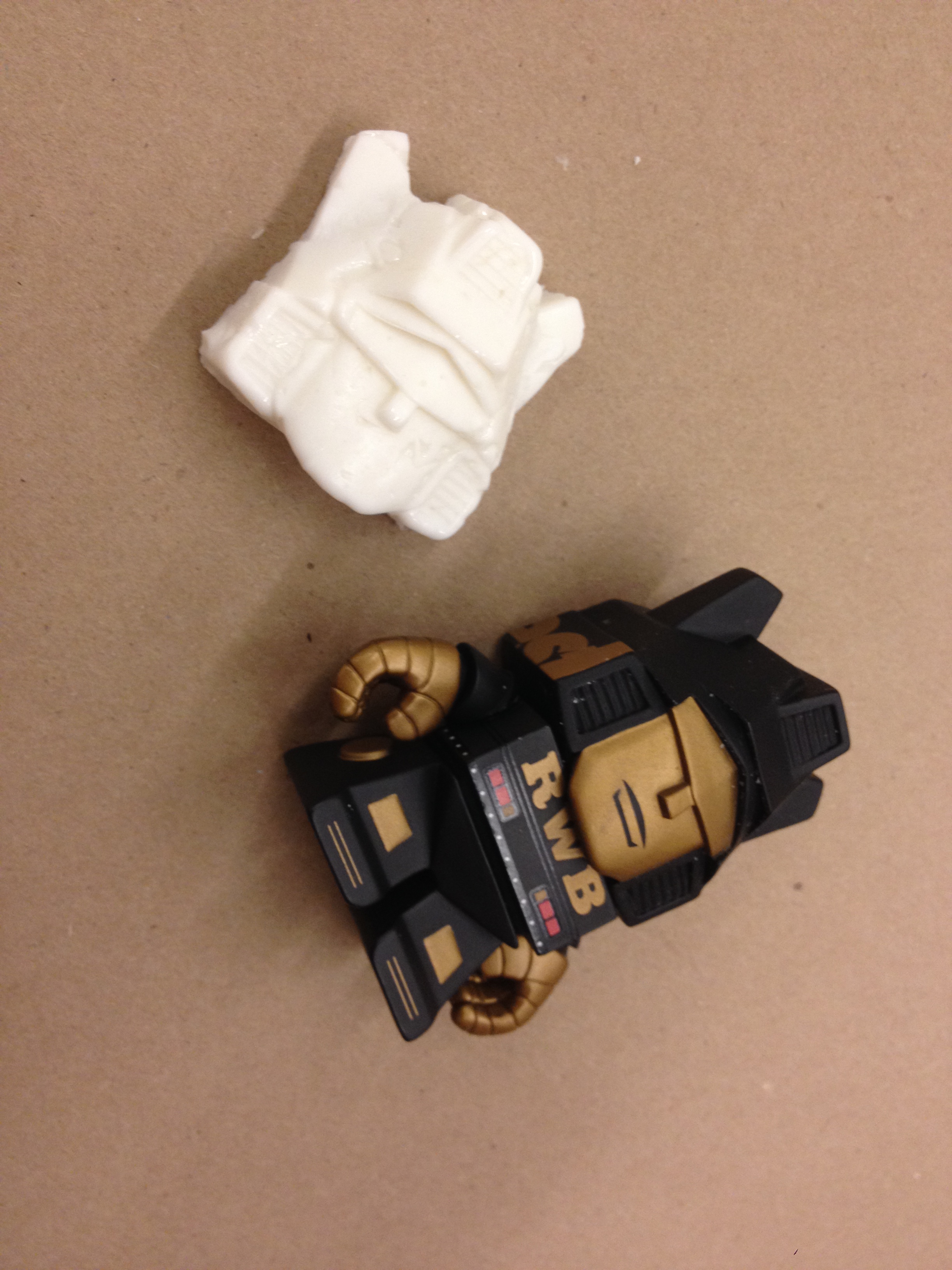
When hot, squeeze the Mod Melts into the mold. Once you’ve filled it, give the mold a gentle tap to help any air bubbles settle. Leave it to set.

Once your casting is cool, take it out of the mold. Your results may vary, but don’t worry–if the mold is still intact, you could reuse it to make another casting. And the nice thing about Mod Melts is that afterwards, you can paint your project or draw on it with Sharpie markers, etc.

IMG_1523

IMG_1524

If you know of an interested teen, have them check out our March Urban Armor workshop–we’ll be doing a similar activity but casting in plastic!

Make and be happy!

JC Bigornia
C3 Program Coordinator

Teenage Dream: Young Masters

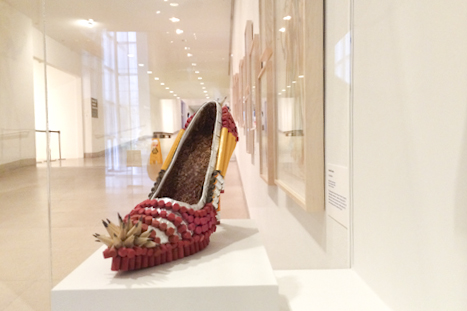
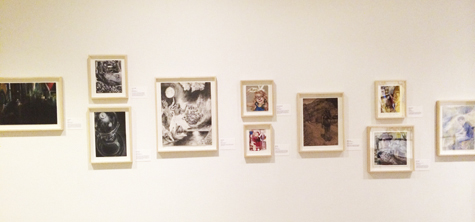
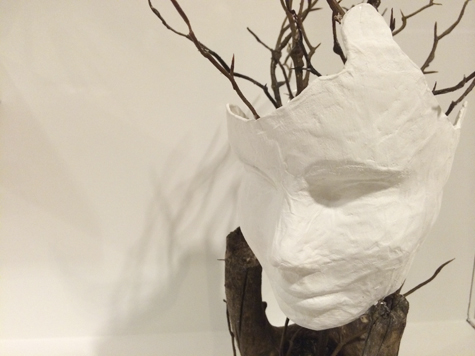
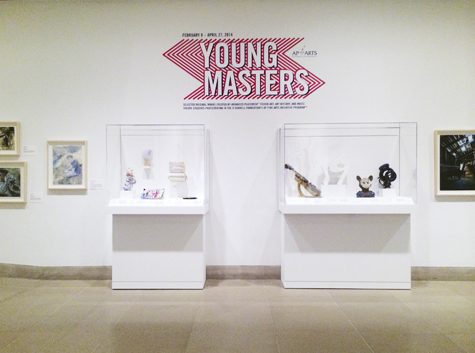
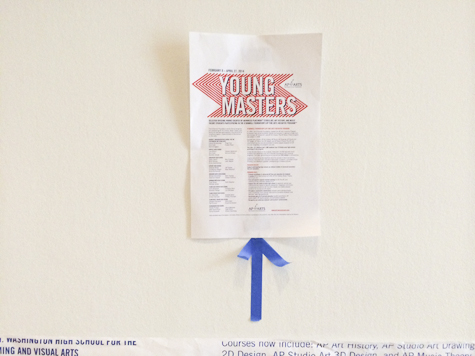
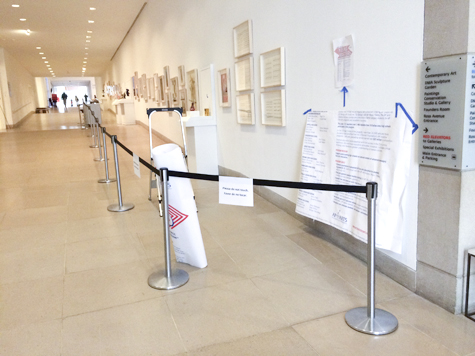
The DMA’s Concourse is filled once again with art created by area AP high school students, and that means it is time for the annual Young Masters exhibition. Since 1994 North Texas art and music students have submitted their work to the O’Donnell Foundation’s AP Arts Incentive Program for a chance to be selected for the exhibition and earn scholarships. Check out this year’s selections, on view through April 27 at the DMA.

1678

1677

1681

1684

1682

1683

Friday Photos: Festival Fun

Every time you visit the DMA, you’ll discover exciting ways to become involved with the Museum’s collection, whether taking part in a Twitter Treasure Hunt on Late Nights, going on an interactive tour during First Tuesdays, or creating your own work of art in Studio Creations. But did you know you can also find ways to get connected with the DMA outside of the Museum’s walls?

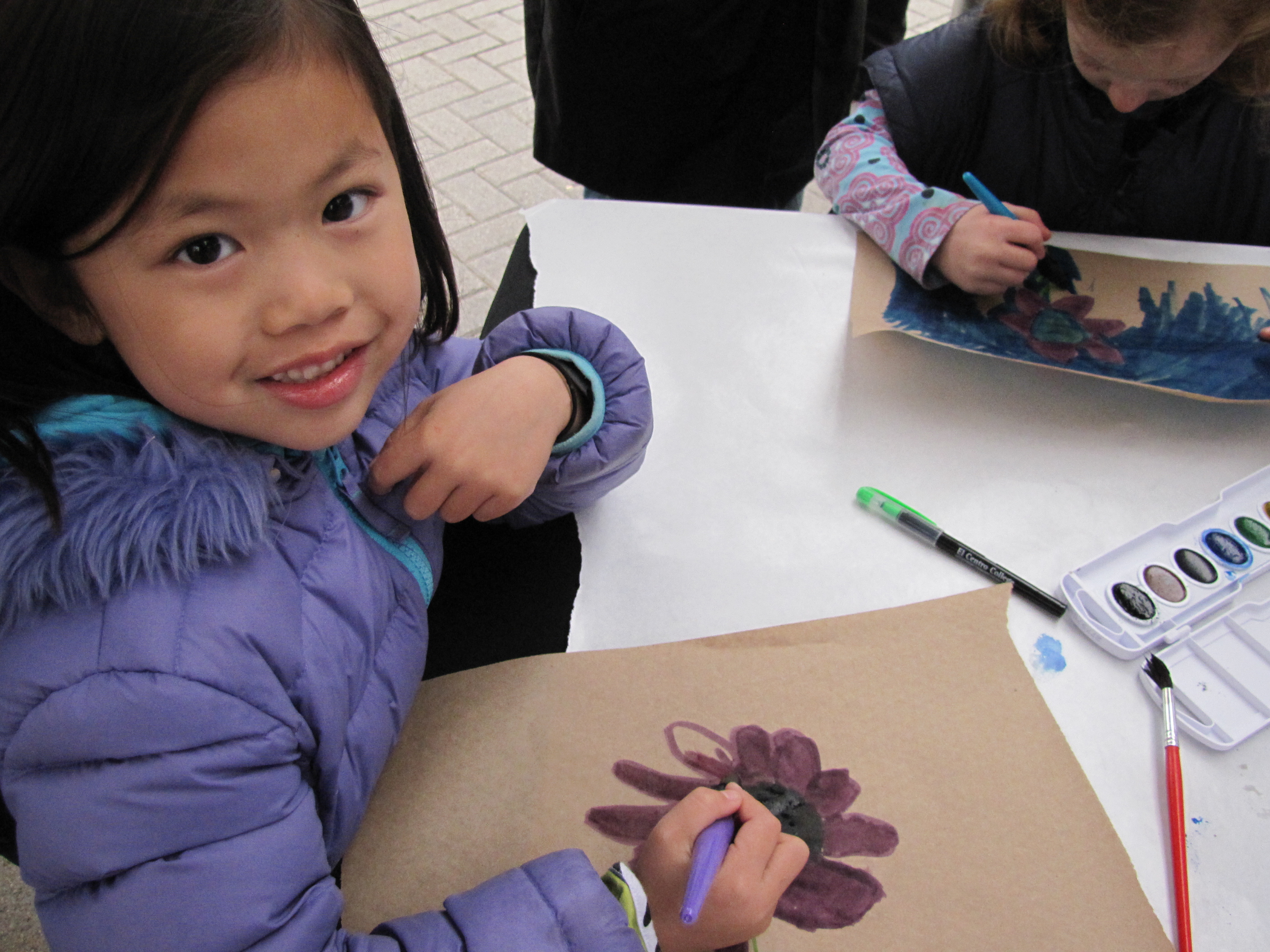
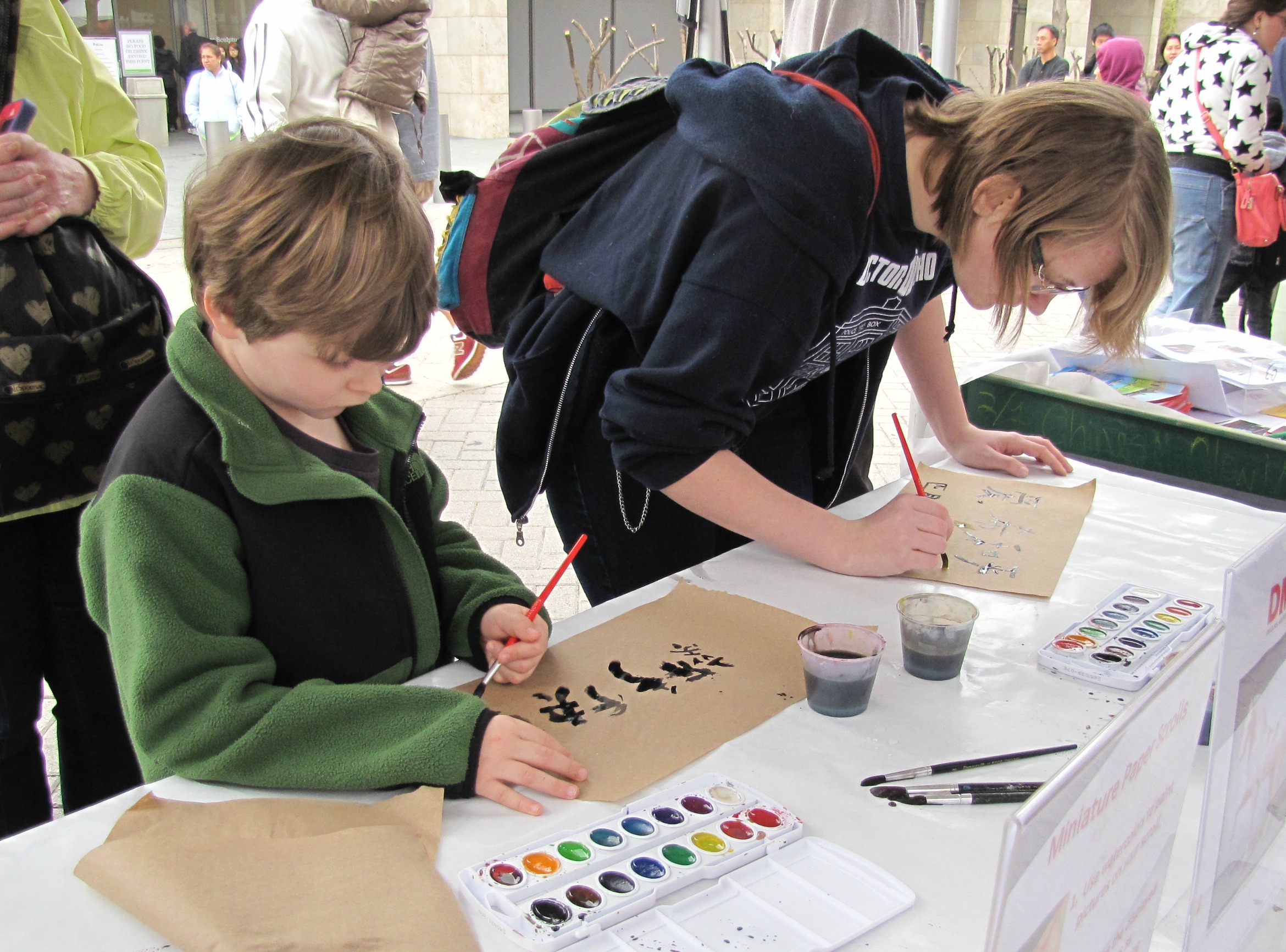
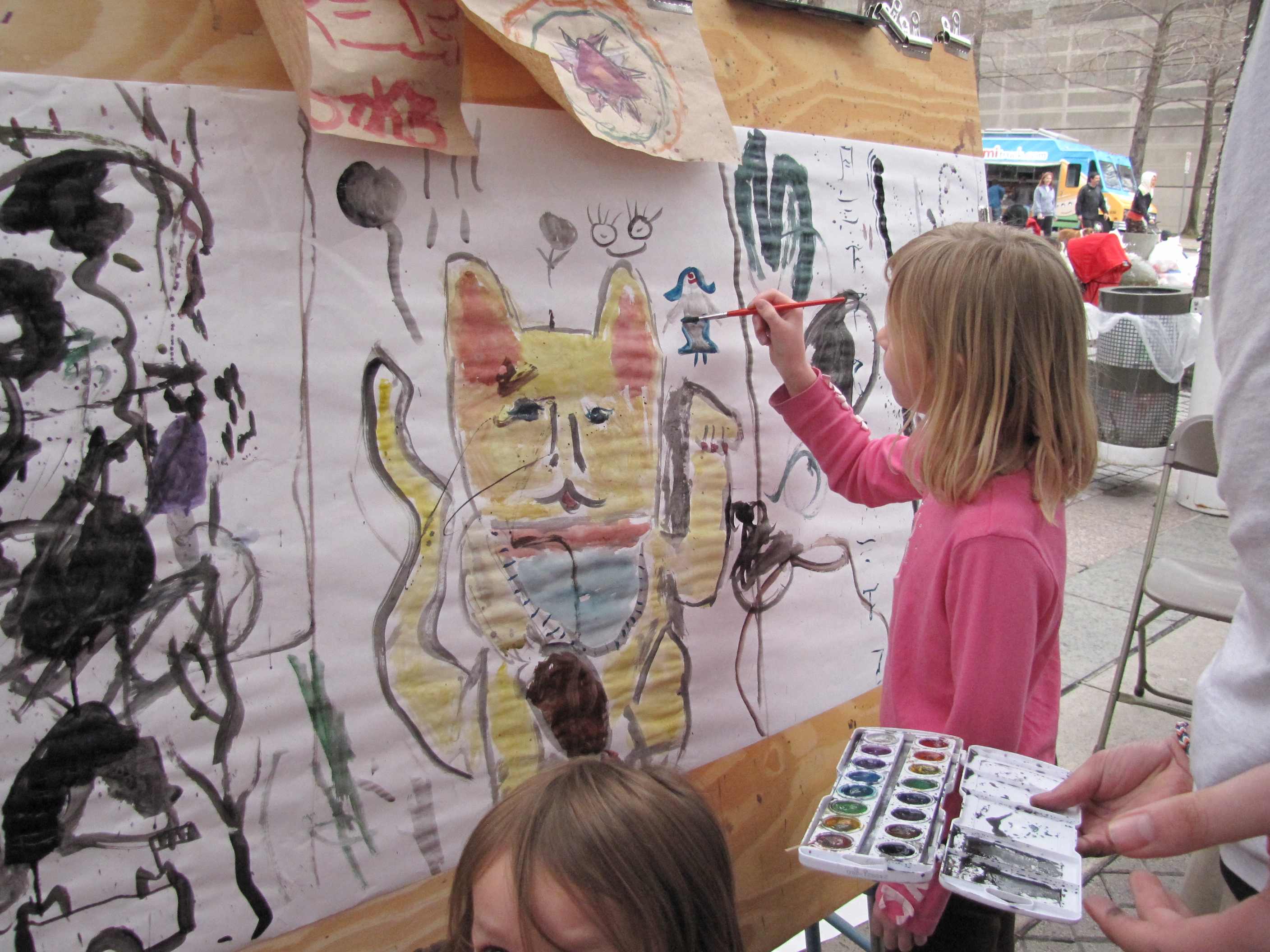
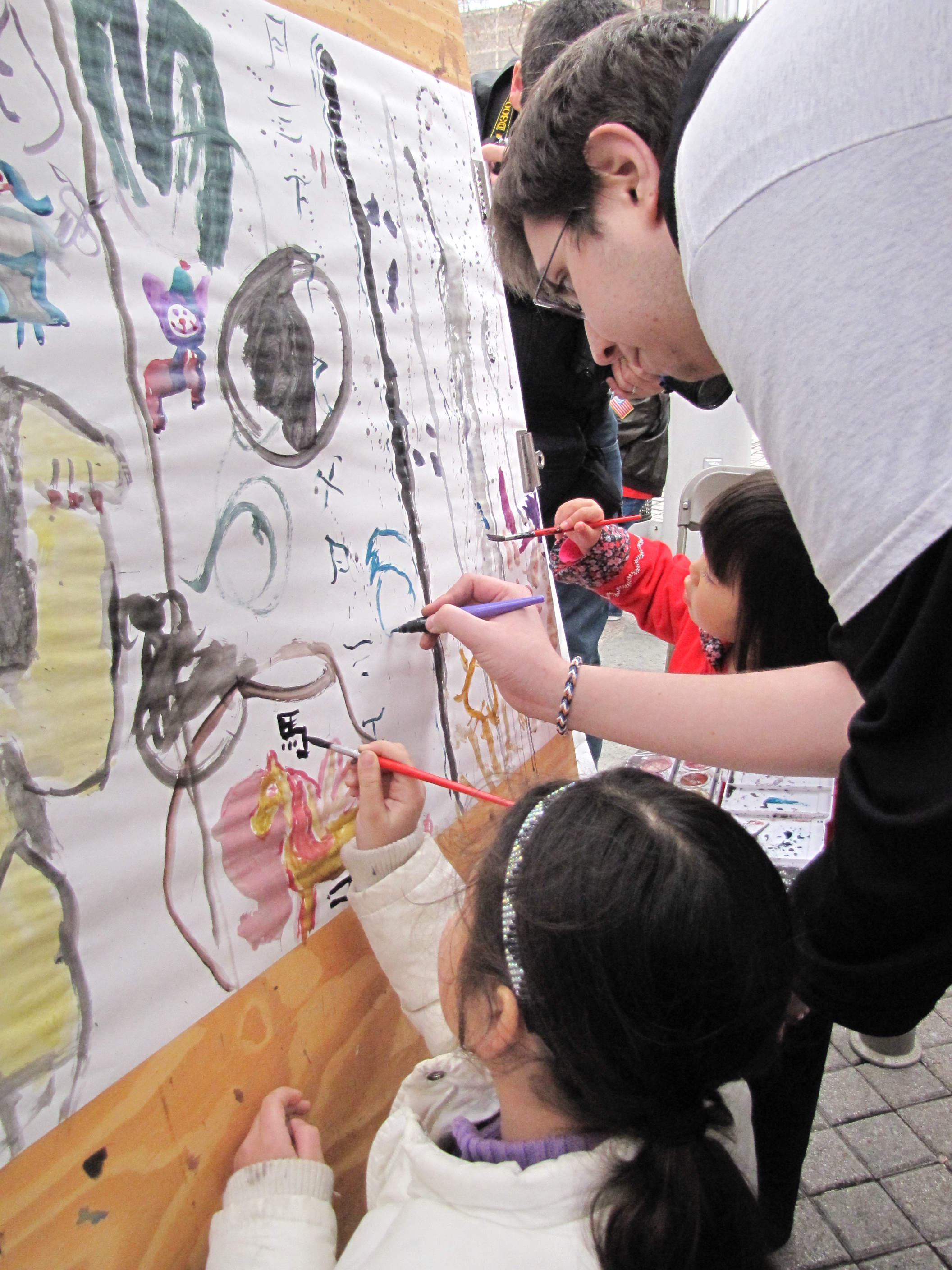
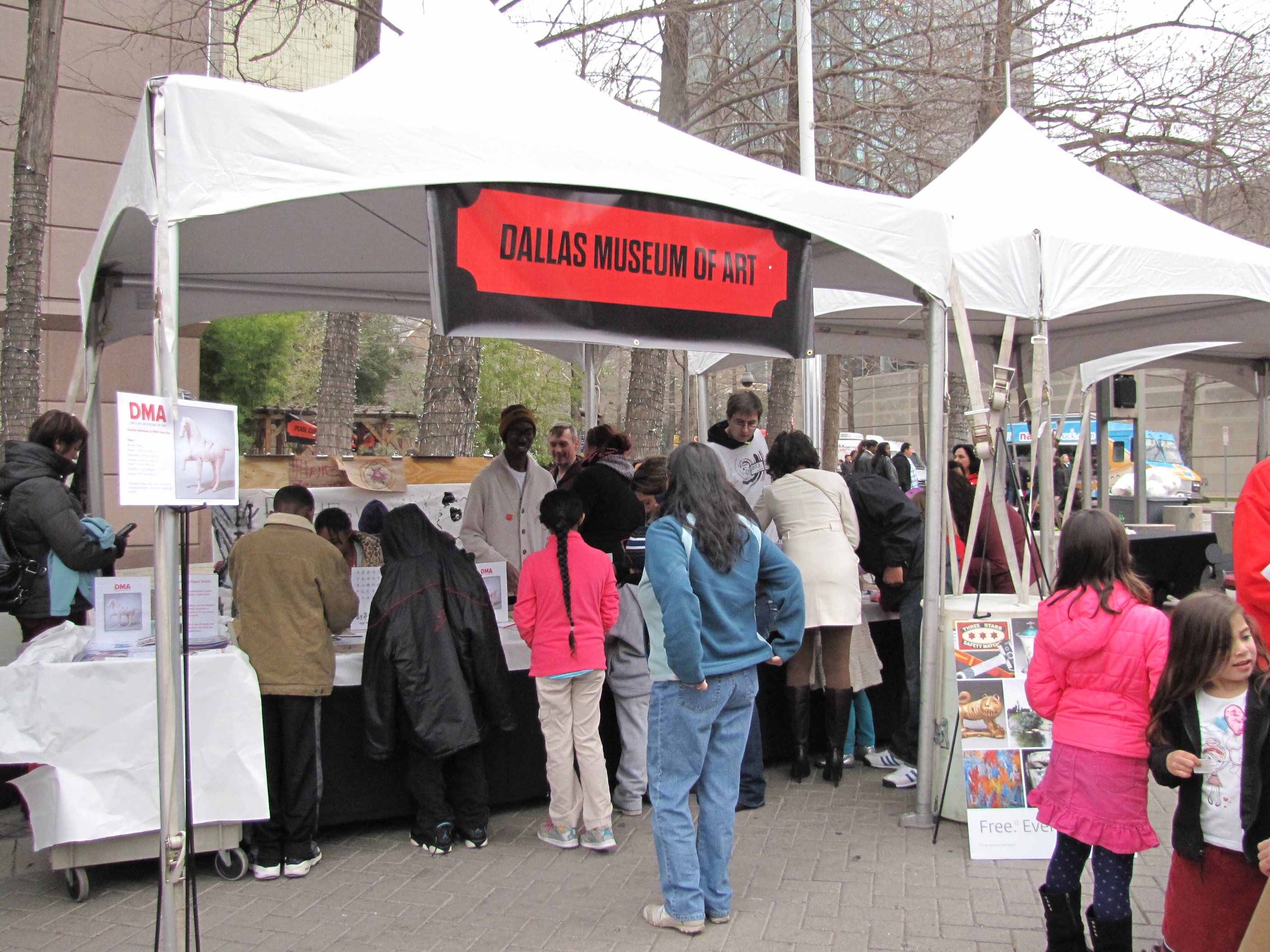
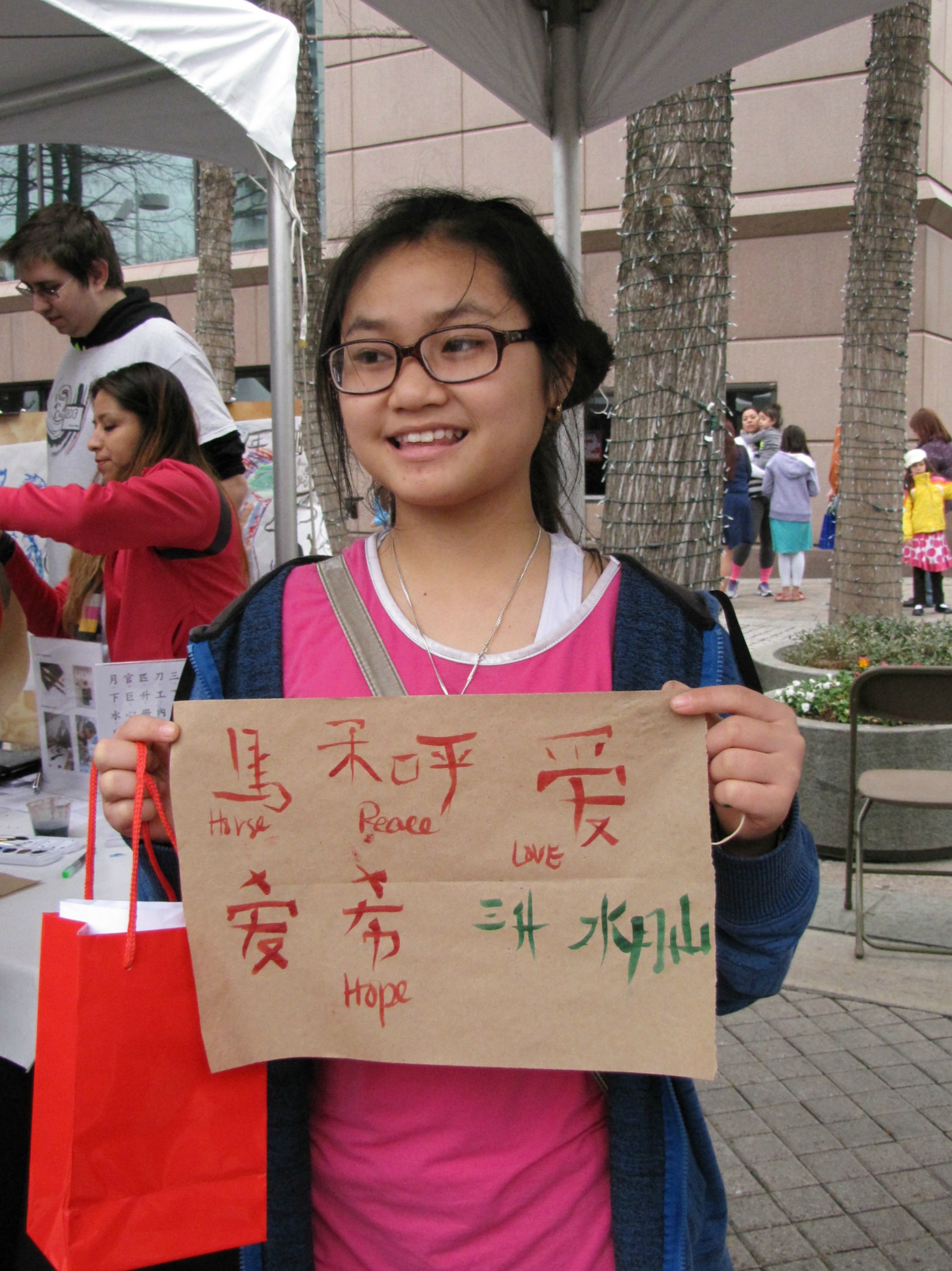
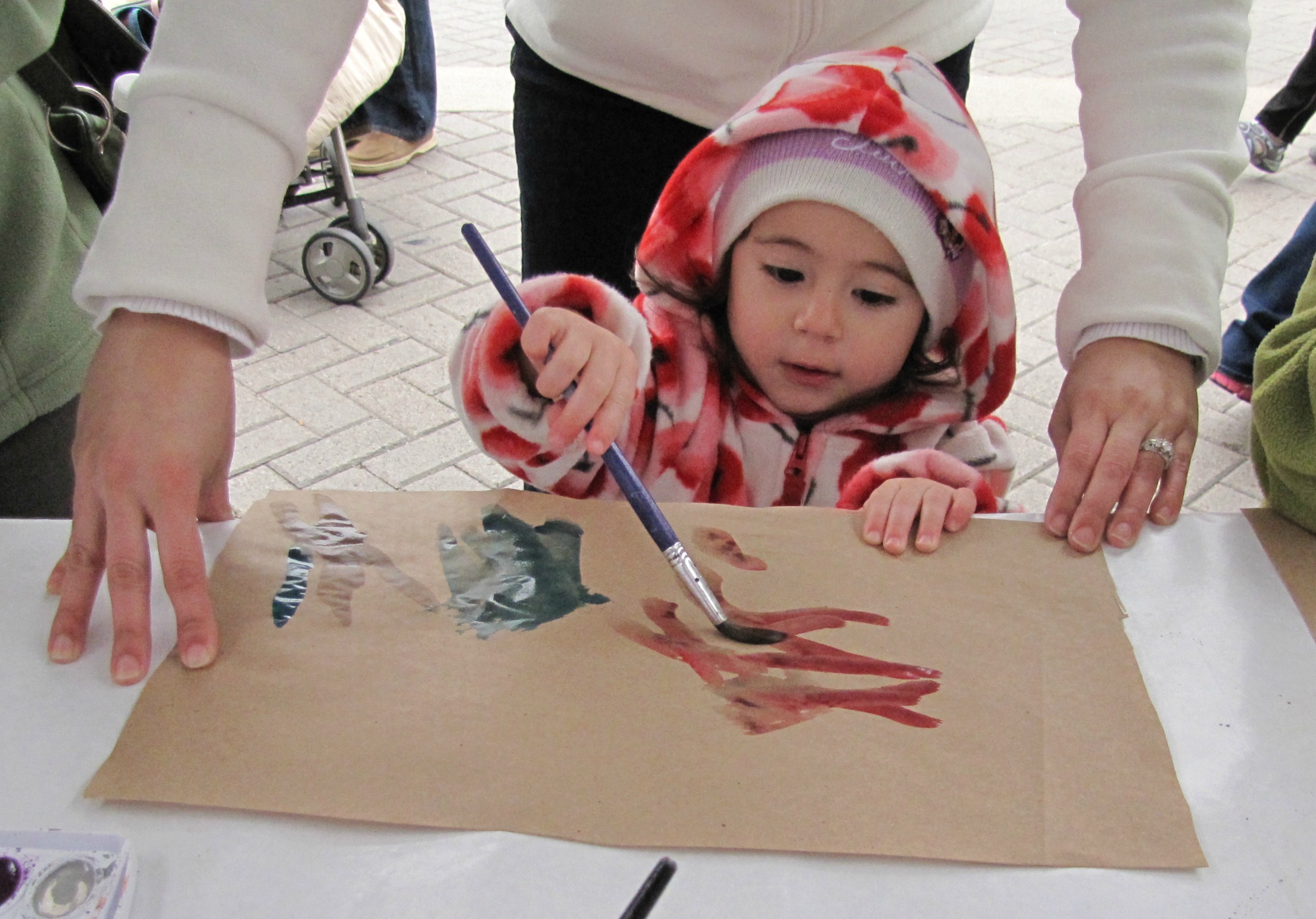
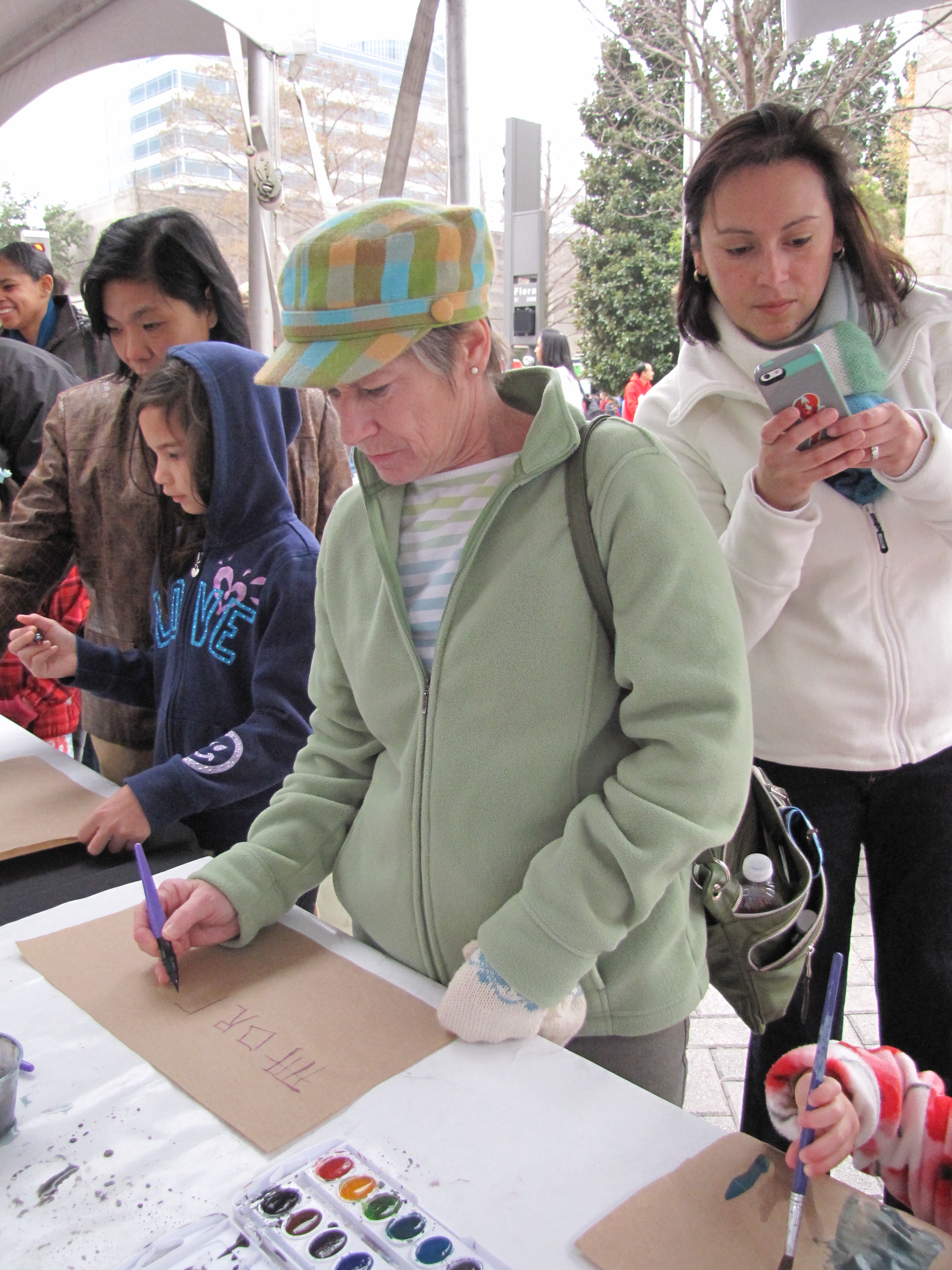
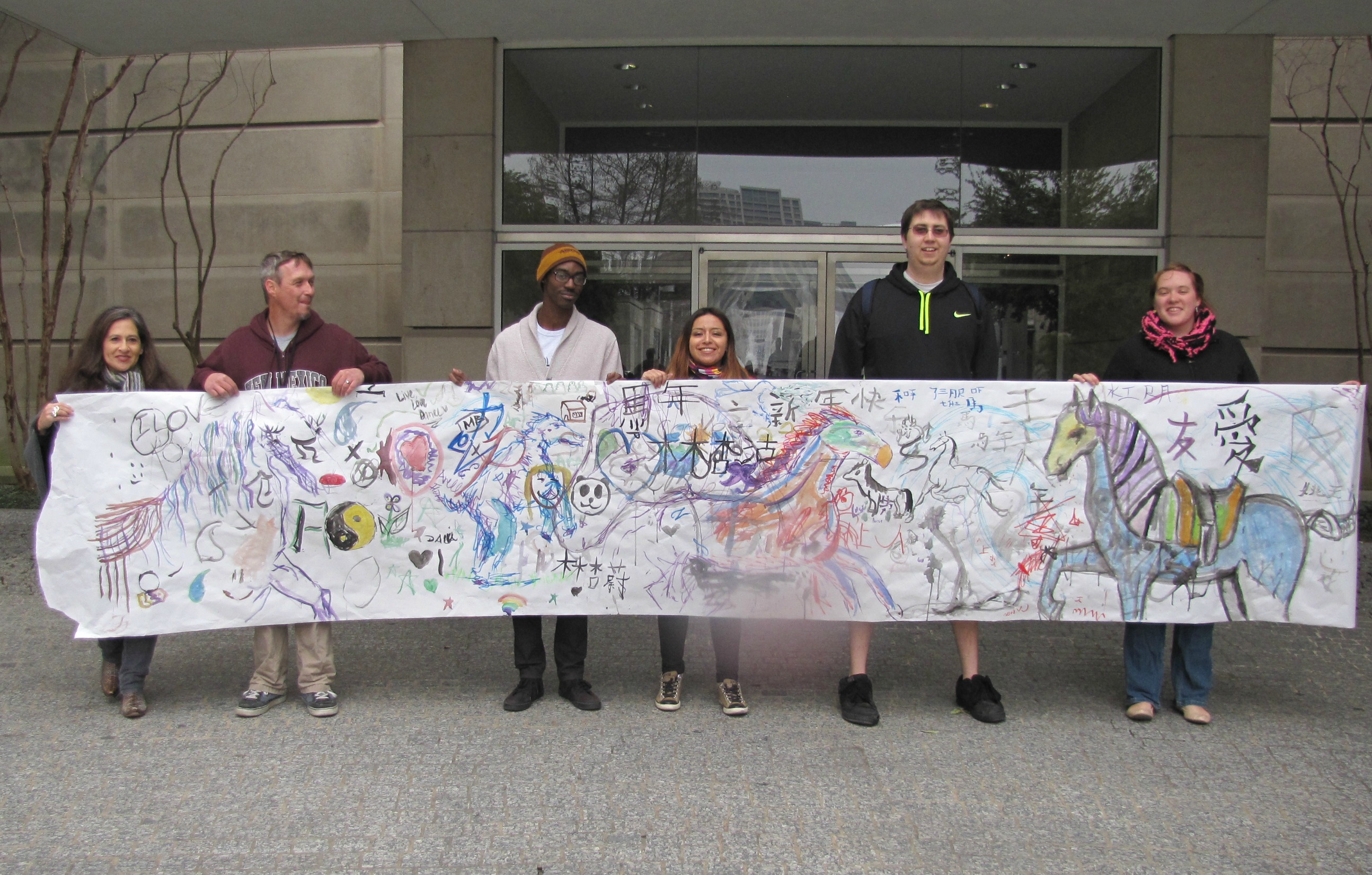
Last weekend, the DMA participated in the Crow Collection’s annual Chinese New Year Festival, an event filled with Asian-inspired music, dancing, and of course, art. Not only did the DMA contribute a booth to the lively festival, but we also collaborated with members of El Centro College’s Visual Arts Club to create an engaging experience for visitors. The art club students came up with two wonderful art-making activities–miniature scrolls and a community painting–and drew in more than 600 participants!

Check out photos from the event and keep an eye out for us as we participate in the Art + Science Festival on Saturday, April 12!

Amy Elms
McDermott Intern for Visitor Engagement

ARTifacts: Our Own Monuments Man

Did you know that a former DMA director was a Monuments Man?

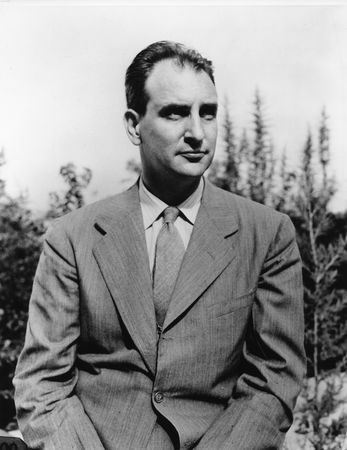
DMFA Director Richard Foster Howard (1935-1942)

DMFA Director Richard Foster Howard (1935-42)

Richard Foster Howard was director of the Dallas Museum of Fine Arts from December 1935 to May 1942. Howard arrived in Dallas to oversee the completion of the new museum in Fair Park and the grand Texas Centennial exhibition in 1936. He would go on to assemble the exhibition for the Pan-American Exposition in 1937 and start the Texas General, an annual juried exhibition of Texas artists.

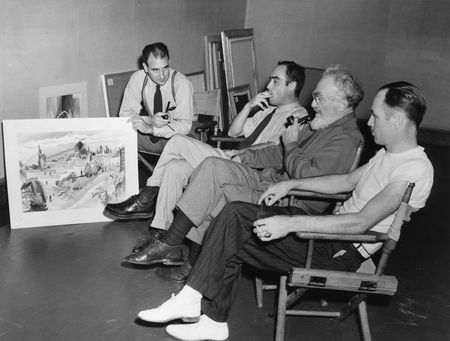
Richard Foster Howard (standing) with jurors Xavier Gonzales, Donald Bear, and Frederick Browne judging the Texas section of the "Greater Texas and Pan-American Exposition," 1937

Richard Foster Howard (standing) with jurors Xavier Gonzales, Donald Bear, and Frederick Browne judging the Texas section of the Greater Texas and Pan-American Exposition, 1937

Jurors for the 1941 Texas General exhibition: Richard Foster Howard, John McCrady, Boardman Robinson, and W. Whitzle (L to R)

Jurors for the 1941 Texas General exhibition: (L to R) Richard Foster Howard, John McCrady, Boardman Robinson, and W. Whitzle

Education was a major focus of his tenure as director. Howard started free Saturday classes for children in 1937, began the school tour program with the Dallas Independent School District in 1937-38, established the education department with the hiring of Mrs. Alexandre (Maggie Jo) Hogue as the first full-time supervisor of education in 1939, and founded the Museum’s library in 1940.

During World War II, Howard retired from the Museum to join the army and was made a captain in the Army Field Artillery. He served in the European theater with distinction and returned to Germany in July 1946 as deputy chief of monuments, fine arts, and archives for the Office of Military Government for Germany (U.S.) He served as a Monuments Man until December 1948. For his service in returning works of art removed by Germans during the war, he was awarded the Order of the White Lion of Bohemia by the Czechoslovakian government and the Star of Italian Solidarity by the Italian government.

When Howard returned from Germany, he resumed his museum career, retiring as director of the Birmingham Museum of Art in 1975.

This Friday, learn even more about this special group of men and women with the opening of The Monuments Men movie.

Hillary Bober is the digital archivist at the Dallas Museum of Art.


Archives

Categories