Archive Page 82

Calligrams & Concrete Poetry

A calligram is a word or phrase in which the design of the text is arranged to create a visual image that expresses the meaning of the words. For example, the below piece on the right (by Low-Commitment Projects) integrates words that describe a flamingo (leg, long neck, pink) into a recognizable shape that mimics the bird.


Similarly, concrete poetry, an experimental literary style that gained prominence in the 1950s, also heavily relies on the aesthetics and visual design of the words used in a piece of writing to impart overall meaning to the work. In this respect, language is image, and the physical material from which the poem or text is made is just as vital to the meaning of the work as the words that are chosen. The poem becomes an object, and the poet an artist.

During their first DMA visit of the new school year, our Booker T. Washington Learning Lab students investigated the concepts of calligrams and concrete poetry. As senior visual art students, they are understandably comfortable expressing themselves through purely visual means. But with this exercise, we wanted to challenge the students to expand their avenues of communication, and explore this hybrid visual/literary method as an alternative way to express themselves and provide insight into their personal and artistic interests.

The calligrams the students created were quiet varied, taking the shapes of animals, pop culture icons, people, and even geometric and natural forms. Getting to know the students through this unique introduction helped us as educators gain insight into their artistic and personal modes of expression, and (we hope) provided them with useful self-reflection as well. We’ll be working with these students all year long as part of our Learning Lab class partnership, so stay tuned for more exciting things to come from this group of creatives!

Danielle Schulz
Teaching Specialist

Most Likely to Succeed

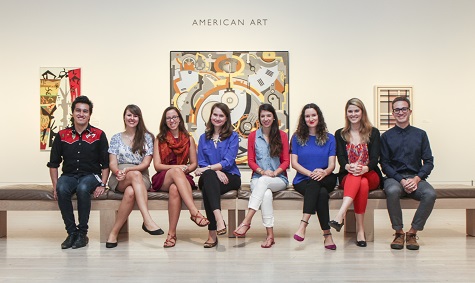
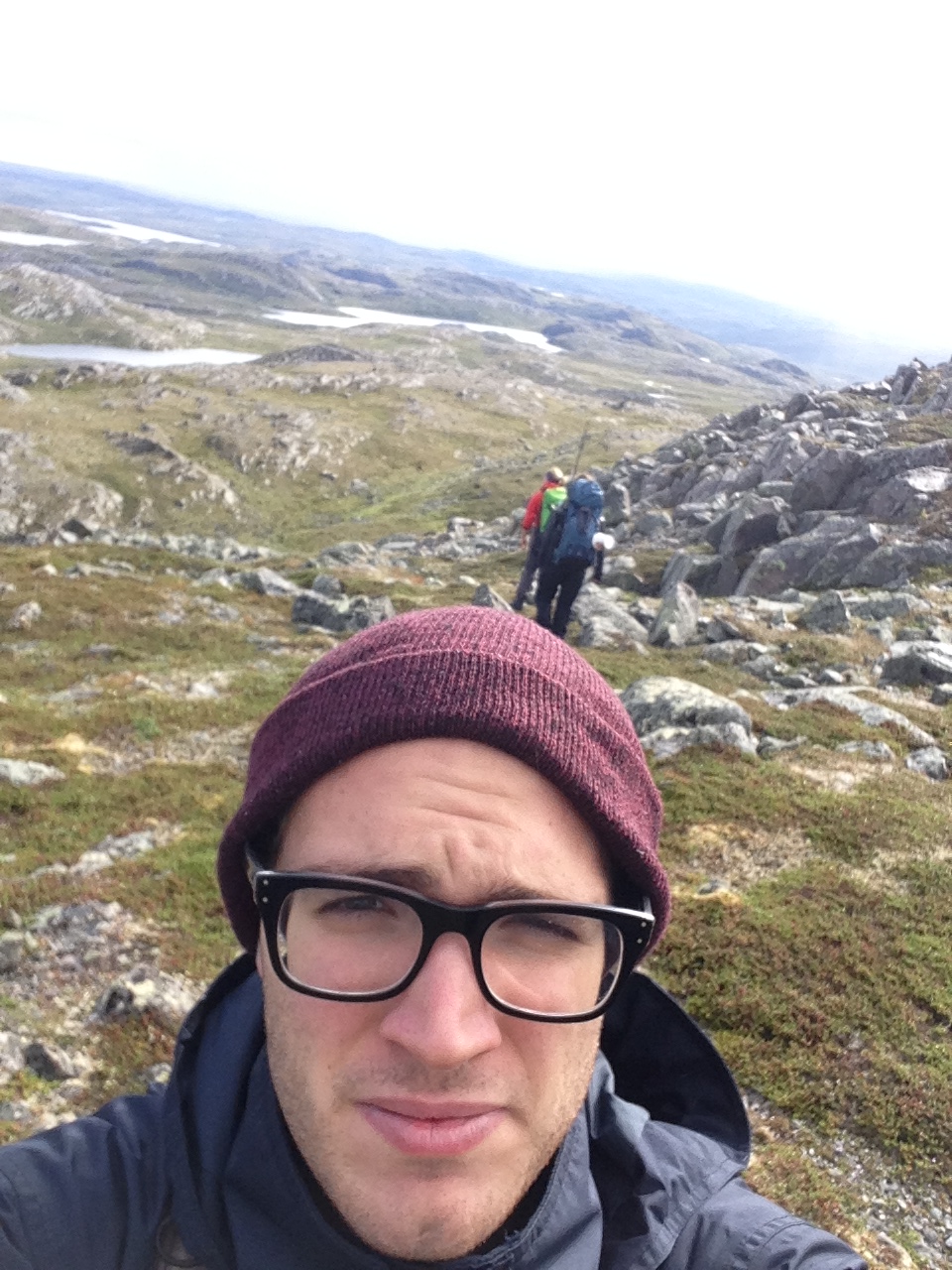
Left to right: Fabian Leyva-Barragan, Jennifer Sheppard, Taylor Jeromos, Laura Sevelis, Liz Bola, Elisabeth Seyerl, Samantha Robinson, Eliel Jones

September doesn’t usually mean cooler weather in Texas, but here at the Museum it does mean we get to welcome some cool new faces—our McDermott Interns!

This year’s class is full of enthusiasm, which you can surely see as they posed in our American  Galleries. They each bring their own distinct backgrounds, which include:

Fabian has Protanopia, which means that he is color blind—a fact he did not learn until college.
Jennifer is working on learning French, her fourth language in addition to English, Spanish, and Hebrew.
Taylor was the lead in a production of Annie while in the 5th grade in Ohio.
Laura taxidermied animals while working at the University of Wisconsin Zoological Museum.
Liz fell out of a window when she was 7 years old, but walked away unscathed.
Elisabeth studied Royal Javanese Dance at a royal palace in Java, Indonesia.
Samantha studied Nahuatl, a language spoken in central Mexico by those of Aztec descent.
Eliel spent the past summer working at a salmon fishery on a remote arctic fjord in northern Norway.

We look forward to working with this exciting bunch in the months ahead!

P.S. If you’re interested in becoming a McDermott Intern next year, check the DMA website in late January 2015 for details on how to apply!

Sarah Coffey is the Education Coordinator and former McDermott Education Intern for Adult Programming at the DMA.

Friday Photos: The Mother Load

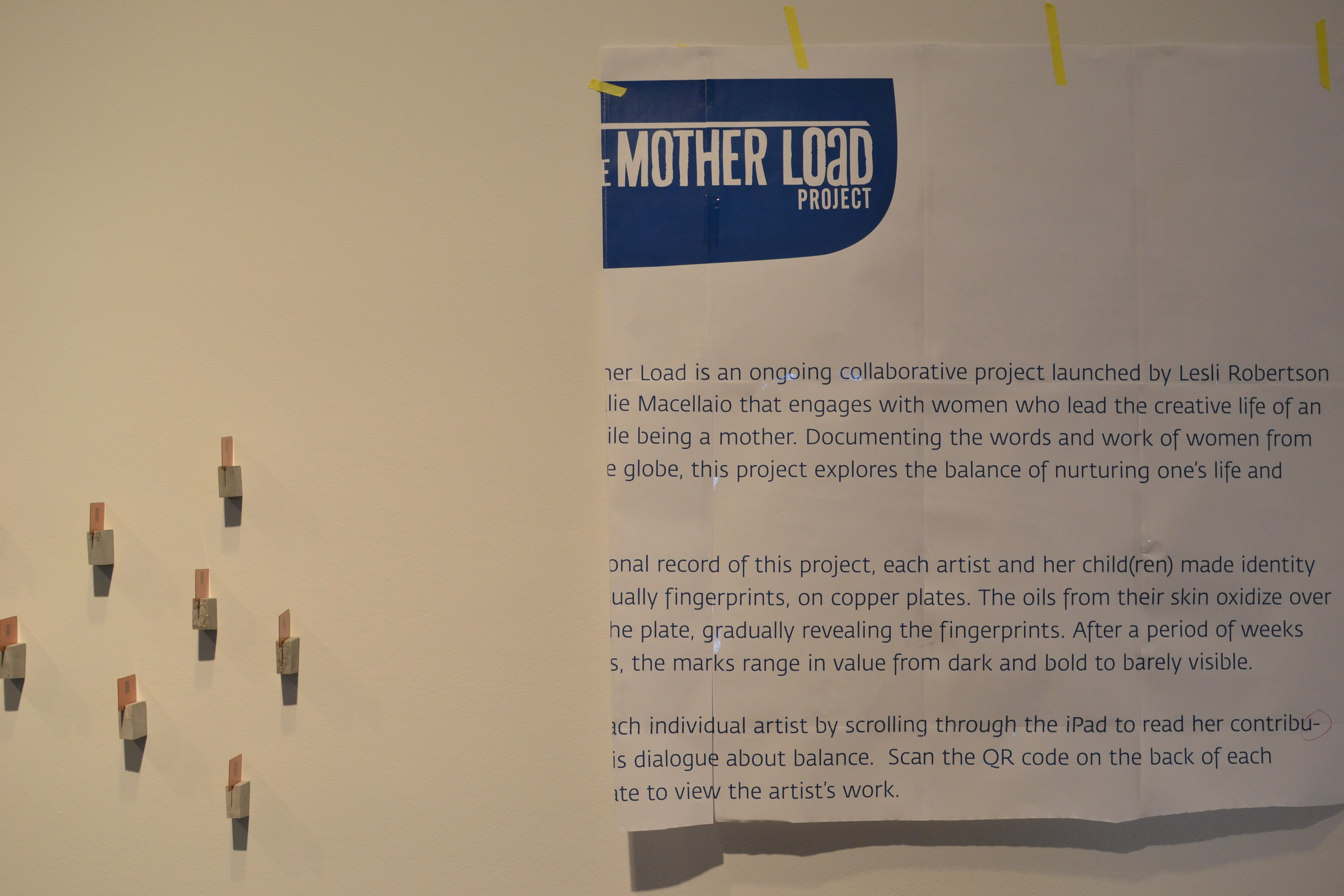
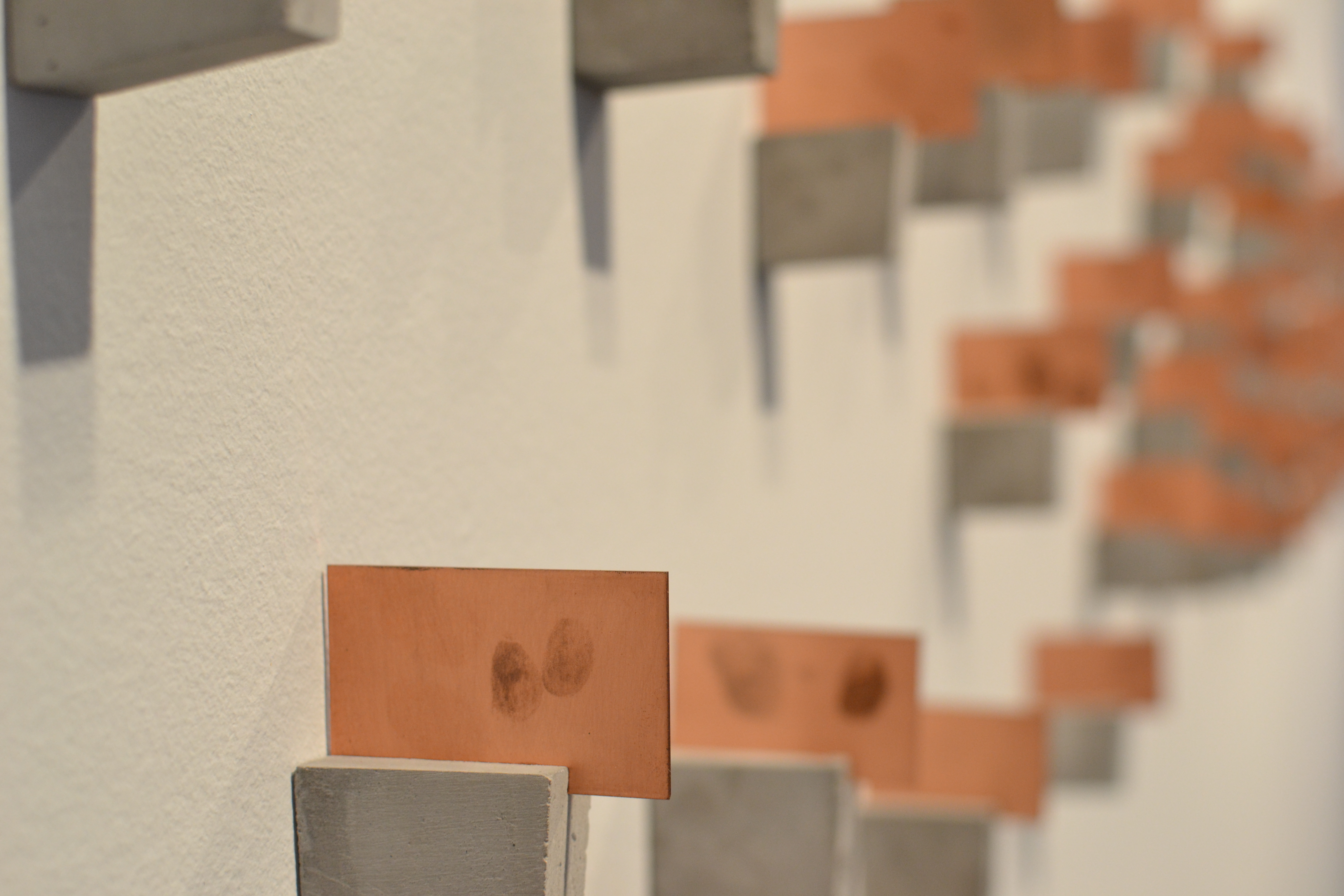
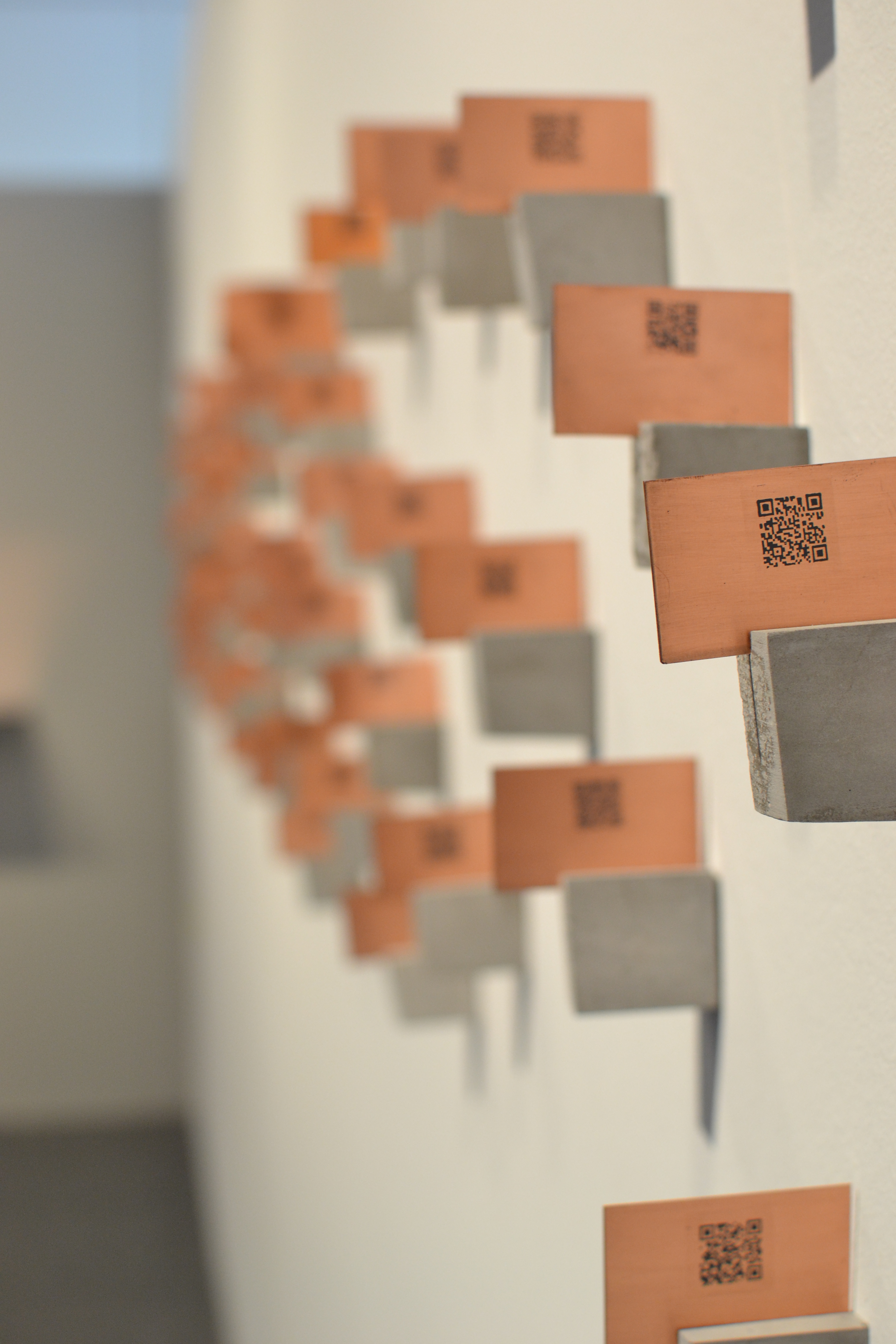
This week artists Lesli Robertson and Natalie Macellaio have been on hand in C3 installing The Mother Load Project, an interactive piece which hopes to start a dialogue with visitors about the balance of nurturing in one’s life. The collaborative project began as a way to engage with women who lead the creative life of an artist while also being a mother. As part of the project, Robertson and Macellaio are collecting fingerprints from artists and their children, recording experiences via written word and audio interviews, and documenting the ongoing process through their interactive website.

Visit C3 tonight from 7:00 pm – 9:00 pm to explore the work and speak with Robertson and Macellaio. Their piece will be on view from September 19, 2014 – March 31, 2015.

Jessica Fuentes
C3 Gallery Coordinator

I’d Like a Kristall-Weissbier with My Van Gogh, Please


Guten tag!  September 20 marks the beginning of Oktoberfest, the world’s largest beer festival, held in Munich, Germany. In honor of this annual celebration, we’ve paired German and German-style beers with works of art in the DMA’s collection. The Reinheitsgebot, or German Beer Purity Law, originated in 1487 and decreed that water, barley, and hops were the only permissible ingredients in German beer. Realizing that this was somewhat limiting, the 1993 Provisional German Beer Law expanded to allow additional components such as yeast, wheat malt, and cane sugar. The pairings below follow the more generous spirit of the later beer law.

Let’s start with Weihenstephaner Original Premium. The Weihenstephan Monastery Brewery, in the Bavarian town of Freising, originated in 1040 as the monastery brewery of Benedictine monks and is the oldest existing brewery in the world. Weihenstephaner Original Premium is a classic German lager, with clean, crisp flavors with a touch of sweetness, like a doughy bread. This beer pairs well with Munich Still Life by William Michael Harnett. Harnett, an American artist born in 1848, studied in Munich from 1881 to 1885. This painting from 1882 shows a collection of everyday objects from his Germany experience (note the beer stein and doughy bread).
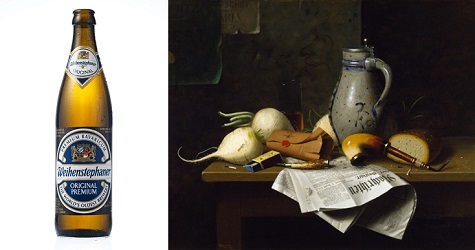
Weihenstephaner_Original Pair

Another product of Weihenstephaner is the Kristall-Weissbier. The Weissbier, or “white beer,” is one of five different types of wheat beers. The Kristall-Weissbier is named so because it is a filtered wheat beer, resulting in a crystal-clear quality (kristall is German for “crystal”). We couldn’t talk about a wheat beer without mentioning Vincent van Gogh’s Sheaves of Wheat, of course. In a letter to painter friend Emile Bernard, van Gogh wrote, “I even work in the wheat fields, in the full midday sun, without any protection . . .  I bask in it like the crickets.” Visualize, if you will, van Gogh painting in the middle of this sunny wheat field, surrounded by the yellow color of wheat that we see both in his painting and in the Kristall-Weissbier.
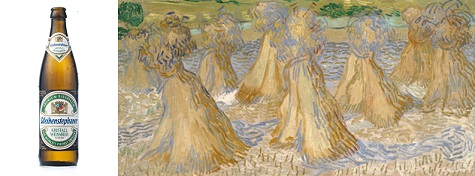
Kristall Pair

For a different type of wheat beer, try the Urweisse from Ayinger Brewery in Aying, Bavaria. The Urweisse is an example of the Dunkelweizen type of wheat beer; it is unfiltered, and a darker malt is used, which creates an amber color. Mellow in flavor, this beer has a banana scent and a mild fruity flavor. Since it is unfiltered, the yeast settles to the bottom; swirl the bottle around just before you pour it to circulate the yeast and flavor throughout each sip. Margaret Lee’s 2013 photograph titled Dots on Top comes to mind, with its fruit centerpiece and floating polka dots. Although it looks like a centerpiece of actual fruit, the artist created the banana, orange, and pear by hand, using plaster, which aptly complements the slightly artificial (in my opinion) banana scent from the Urweisse.
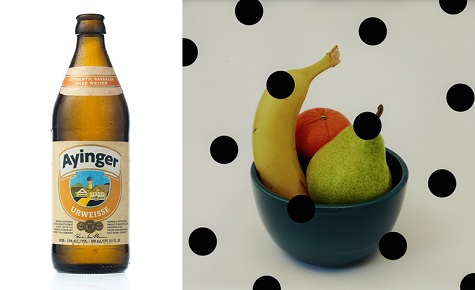
Urweisse Pair

The Aventinus Eisbock by Schneider Weisse brewery in Kelheim, Bavaria, also boasts a unique story. Traditionally, beer barrels were loaded up on carriages overnight for delivery. Legend has it that a barrel fell off a wagon during cold weather and broke, revealing a block of ice. Since alcohol does not freeze, a concentrated version of the beer remained liquid in the center, surrounded by frozen water. The stronger, undiluted beer has a sweet plum, banana, and clove flavor. Another item with a luxurious treat in the center is this ice bowl (with spoon), produced by the Gorham Manufacturing Company in the early 1870s. The ice within the bowl was admired as much as the beautiful silver container, since it had to be imported before the age of refrigeration.
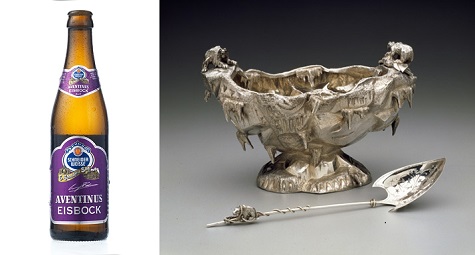
Aventinus Pair

Gasthaus & Gosebrauerei Bayerischer Bahnhof brewery in Leipzig, Germany, is known as the home of the Gose. The Gose is a dormant style of beer; first brewed in the 16th century, it disappeared several times before resurfacing again in the 1980s. The Gose originated in the north German town of Goslar. Just a few hours from the Baltic Sea, the salt and mineral quality of the water lends a saltiness to the flavor of the beer. Sipping a Gose transports you immediately to a beach with salt in the water and whipped into the air by frothy waves, as seen in Sea by German artist Gerhard Richter.
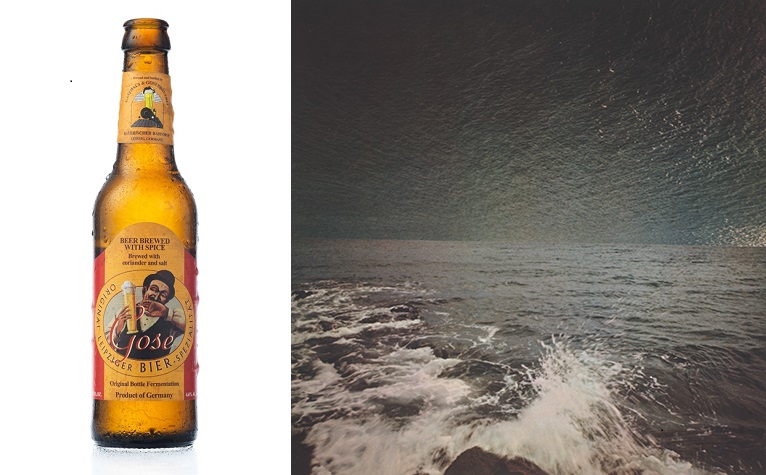
Gose Pair

Many American breweries produce German-style beers as well. Hans Pils, brewed by Real Ale Brewing Company in Blanco, Texas, is inspired by pilsner beers of northern Germany. Much like German pilsners, the Hans Pils is a drier, crisp beer. The Hans Pils takes an American interpretation by incorporating a hop finish in the flavor. Hops are also integral to the design of this silver beer pitcher by Bailey and Company, creating a decorative detail for the elegant handle made of grain.
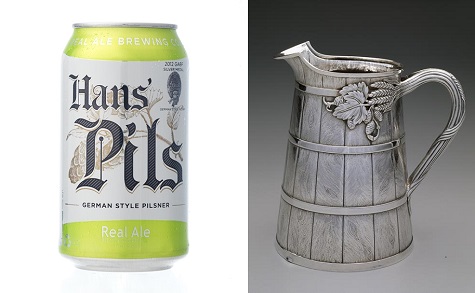
Hans Pils Pair

Last, but not least, is Pearl Snap by Austin Beerworks in Austin, Texas. Crisp and clean, the Pearl Snap is also a German-style pils (or pilsner). It is less hoppy, not as dry, and slightly more malty in flavor than the Hans Pils. The bright green and red can with its geometric design elements brings to mind Richard Anuskiewicz’s Untitled painting, date unknown (Anuskiewicz was born in 1930; his career spans the 1950s through the present).
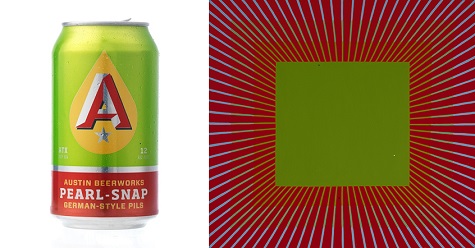
Pearl Snap Pair

Special thanks to The Meddlesome Moth and Matt Quenette, Certified Cicerone (i.e., beer guru) and Beer Director at The Meddlesome Moth. This blog post would not have been possible without Matt’s assistance and encyclopedic knowledge of beer. If you are intrigued by any of these beers, most of them can be purchased by the bottle at The Meddlesome Moth.
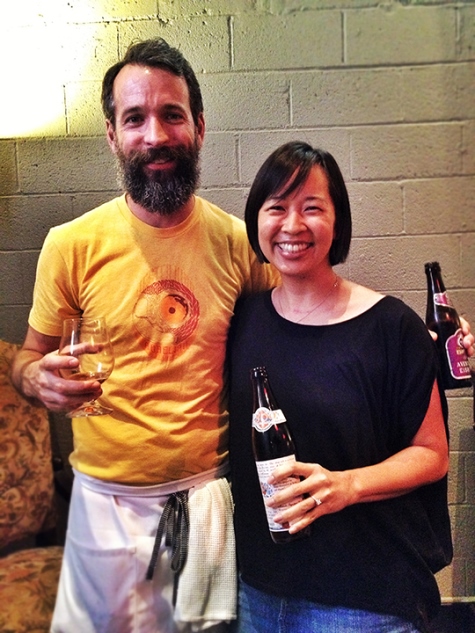
Matt Quenette and Melissa Gonzales

Thanks also to Cyndi Long, who provided these beautiful images of the different beers.

Prost! (Cheers!)

Melissa Gonzales is the C3 Gallery Manager at the DMA. Although she enjoys drinking and learning about beer, she is no way an expert; however, she IS the 2nd annual DMA Texas Beer Tasting Competition Champion.

Artworks shown, in order:

William Michael Harnett, Munich Still Life, 1882, Dallas Museum of Art, Dallas Art Association Purchase

Vincent van Gogh, Sheaves of Wheat, July 1890, Dallas Museum of Art, The Wendy and Emery Reves Collection

Margaret Lee, Dots on Top, 2013, Dallas Museum of Art through the Mary Margaret Munson Wilcox Fund; Jackson, Walker, Winstead, Cantwell, and Miller Photography Fund; and Campbell Contemporary Fund, © Margaret Lee

Ice bowl (with spoon), Gorham Manufacturing Company, c. 1871, Dallas Museum of Art, The Eugene and Margaret McDermott Art Fund, Inc.

Gerhard Richter, Sea, 1972, Dallas Museum of Art, Dallas Museum of Art League Fund, Roberta Coke Camp Fund, General Acquisitions Fund, DMA/amfAR Benefit Auction Fund, and the Contemporary Art Fund: Gift of Mr. and Mrs. Vernon E. Faulconer, Mr. and Mrs. Bryant M. Hanley, Jr., Marguerite and Robert K. Hoffman, Howard E. Rachofsky, Deedie and Rusty Rose, Gayle and Paul Stoffel, and two anonymous donors, © Gerhard Richter, Cologne, Germany

Beer pitcher, Bailey and Company, 1858-1860, Dallas Museum of Art, gift of the Professional Members League

Richard Anuszkiewicz, Untitled, n.d., Dallas Museum of Art, Foundation for the Arts Collection, gift of Mr. and Mrs. Duncan E. Boeckman, © Richard Anuszkiewicz/Licensed by VAGA, New York, NY Reproduction of this image, including downloading, is prohibited without written authorization from VAGA, 350 Fifth Avenue, Suite 2820, New York, NY 10118. Tel: 212-736-6666; Fax: 212-736-6767; e-mail: info@vagarights.com
Warm Welcome

Each September, we welcome eight new colleagues to the Museum: our wonderful and oh-so-talented McDermott Interns. Three of them will be blogging here with us for the year, so we must do proper introductions. Here’s a little bit about each of these fresh new faces:

LizBola

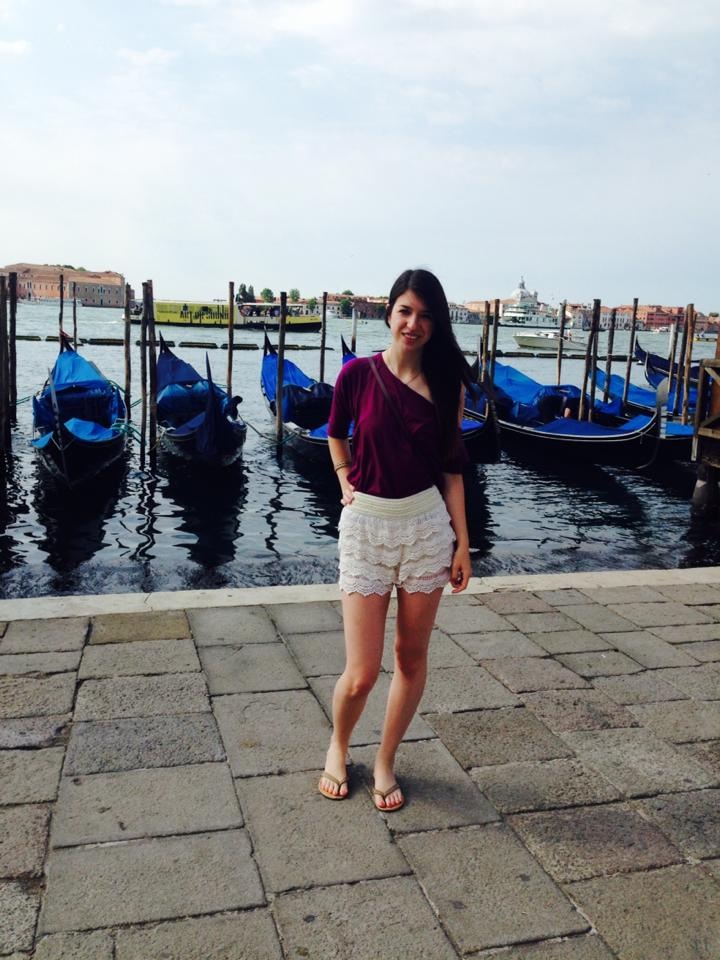
Liz visiting Venice over the summer

Liz Bola
McDermott Graduate Intern for Gallery and Community Teaching

Liz joins us from Massachusetts, where she recently earned her MA in Art History from the University of Massachusetts Amherst. Liz will be working with docents, K-12 tours, and our Go van Gogh program.
Which DMA artwork describes you best and why?

Edward Hopper, Lighthouse Hill, 1927

First of all, I studied American art in graduate school and I especially love Edward Hopper’s paintings. In addition, I grew up in Maine, about 20 minutes away from the lighthouse that Hopper depicts. This painting reminds me of visiting the Two Lights lighthouse and the nearby Lobster Shack with my family in the summer!

JenniferSheppard

Jennifer minigolfing in Massachusetts over the summer

Jennifer Sheppard
McDermott Intern for Family and Access Teaching

Jennifer is a Dallas native who recently earned her BA in Studio Art with a Painting Concentration from the University of Rochester in New York. Jennifer will be assisting with our programs for early learners, families, and access audiences.

Which DMA artwork describes you best and why?

J. T. Grant, Looking North, Fort Worth 1999, 1999

I was born and raised in Dallas, so I have a special fondness for the big, blue Texas sky (and depictions of it) to the extent that the fall semester of my junior year in college I turned in exclusively sky-themed projects for all my drawing and painting assignments. Looking North even calls to mind how I left Texas for four years to attend the University of Rochester in upstate New York. I’m happy to be home again, though!

One extra fun little connection: this painting can be found in the Mayer Library. I volunteered at my neighborhood library throughout high school, so I share the feeling of being at home among books.

Eliel worked at a fishery in Norway over the summer

Eliel worked at a fishery in Norway over the summer

Eliel Jones
McDermott Intern for Visitor Engagement

Eliel joins us from the UK, where he completed his BA in Fine Art at the University of the Creative Arts, Farnham, Surrey. Eliel will be working in C3 and assisting with our community partnerships.

Which DMA artwork describes you best and why?

Nic Nicosia, Youth, 1986

Nic Nicosia’s photograph titled Youth best encapsulates how I have been feeling for the past year. The scene depicts three youngsters having the time of their lives. Youth speaks of the beauty of being free, young and somehow unafraid, not necessarily because those things are tangible realities but more because they are concepts that go beyond truth and exist within the parameters of utopian experience and imagination.

I like to think that the characters are riding up a gallery of an art museum. I somehow always end up referencing the scene in Jules et Jim (François Truffaut, 1962) where Jules, Jim and Catherine daringly run down a bridge, a scene that was later re-interpreted in The Dreamers (Bernardo Bertulocci, 2003) where the three main characters run up a gallery of the Louvre in Paris. Both the films and Nicosia’s photograph attempt to portray what it might mean to be young: a mixture of love, faith, passion and sometimes reckless attitude. If you add art to the picture you probably end up with me!

We’re so excited to work with our new colleagues this year. The next time you catch them on the blog or in person, be sure to say hello!

Sarah Coffey
Education Coordinator


Rock On

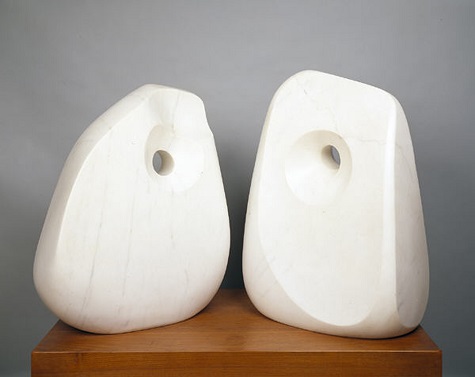
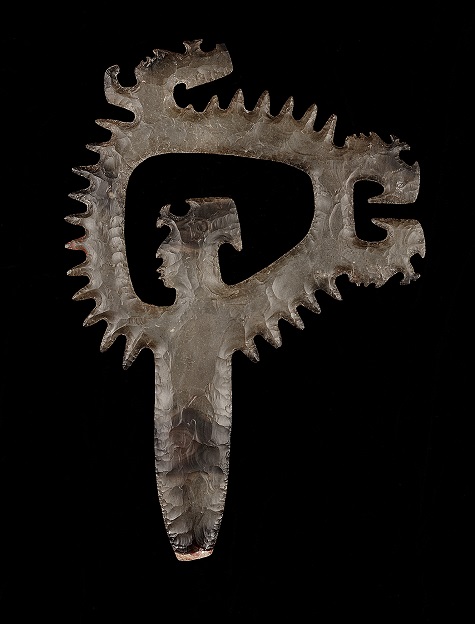
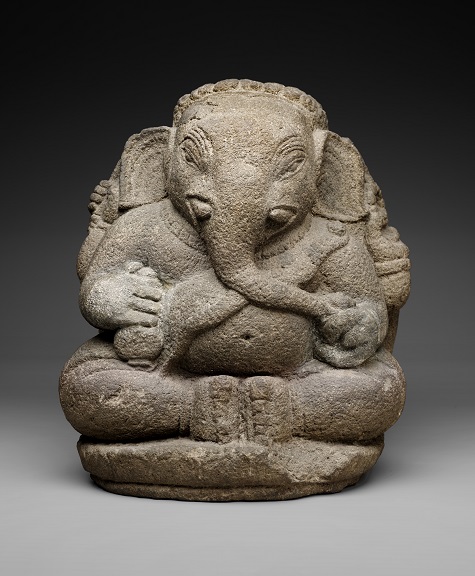
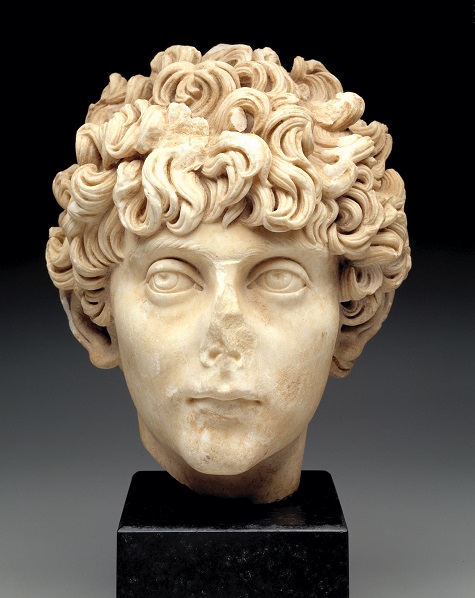
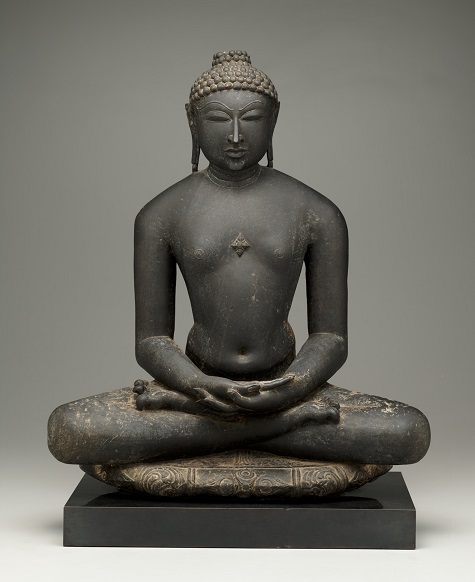
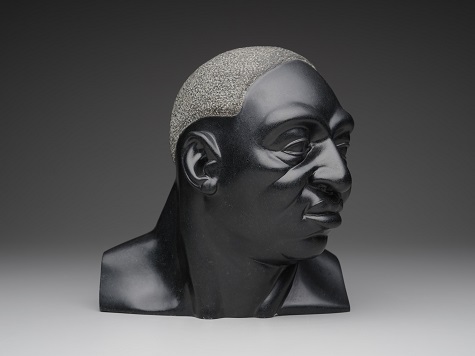
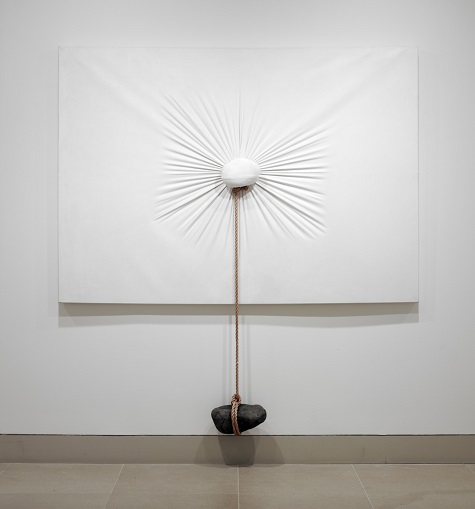
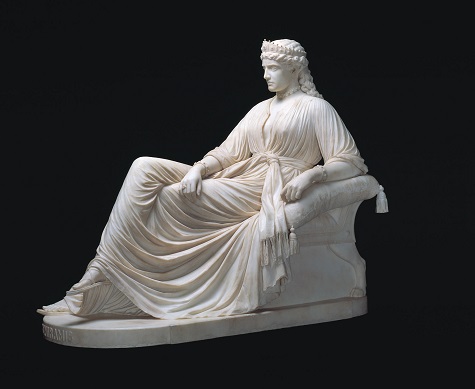
We’re well prepared for tomorrow’s “Collect Rocks Day” with a number of works in our collection made from various forms of stone. Explore some of the DMA’s rockin’ works below and add them to the “must see” list on your next visit to the Museum.

Cold Case Closed

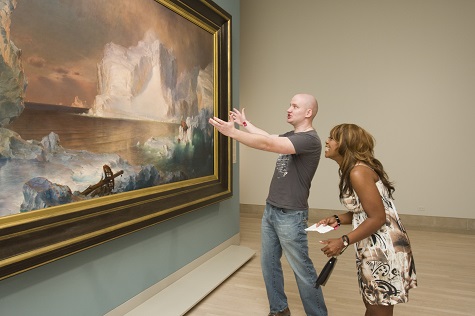
Prime Minister Stephen Harper (right) of Canada listens as Parks Canada’s Ryan Harris talks about an image showing one of two ships from the lost Franklin expedition, in Ottawa. Photo: Reuters. Website: http://www.smh.com.au/.

In news disclosed this week, history came to life and reached out to touch Frederic Edwin Church’s masterful painting The Icebergs (1861) in the DMA’s collection. The recent discovery of one of two ships submerged in the arctic waters off the Canadian coast also brings to closure one of the great mysteries of expeditionary navigation. In the trip led by Captain Sir John Franklin, two ships sailed in 1845 in a failed attempt to map and navigate the Northwest Passage. The captain and his men perished in the cold conditions. In 1863 Frederic Church would tap into this tragic tale in an attempt to make The Icebergs more appealing to British collectors. Before shipping the work to England, he added the broken mast of a ship in the foreground as a direct allusion to the doomed expedition. The opening for the painting’s exhibition in London was attended by many Arctic explorers, as well as the widowed Lady Franklin.

Learn more about the discovery of one of Franklin’s ships, including video of the discovered ship, on BBC.com.

Dallas Museum of Art_The Icebergs painting

Sue Canterbury is The Pauline Gill Sullivan Associate Curator of American Art at the DMA.

State of the Arts: Contemporary Artists

We’re kicking off our fall season with our first State of the Arts program, our collaboration with Art&Seek and KERA. Join us Thursday night at 7:00 p.m. for a discussion with three DFW artists: Devon Nowlin, Arthur Peña, and Darryl Ratcliff.
soa

Uncrated was able to ask them a few questions beforehand:
1. What is the most appealing aspect of being a working artist in Dallas?
Devon Nowlin (artist; founding member, Homecoming Committee): As an artist who also works full-time, I have had good employment opportunities in my field and see some good job prospects for artists in both Dallas and Fort Worth. Along with exhibitions, teaching opportunities, and other work-work, one can construct a patchwork of professional activities for one’s self here.
Arthur Peña (artist; founder and Director, WARE:WOLF:HAUS and VICE PALACE): The two very prominent aspects I can think of are pragmatic ones. First, it is extremely affordable to be a working artist in Dallas. It’s not unheard of to have an apartment and a studio for under $600. I don’t know what other major cities can offer that and also boast world-class museums and an established art scene. Second, the accessibility to the Dallas art world is shockingly overlooked. If one wanted, they could meet and shake hands with other artists, gallery directors, collectors, and museum directors at one gathering. And they would be cordial and welcoming. Try that in NYC and see what happens!
Darryl Ratcliff (artist; Community Engagement Associate, National Center for Arts Research & Initiative on Arts+Urbanism): Affordability and opportunity. The access one has to cheap space is truly unique in Dallas, and the general cost of living is far cheaper than in other major cities. Also, there is significant upward mobility in the art scene. There is a willingness to experiment and embrace new ideas and artists.

2. What is something you are thankful for in your art community/peers/scene and how it/they have contributed to your practice?
DN: I am very thankful for the Education Department of the Modern Art Museum of Fort Worth. I have benefited greatly from their programs both as a participant and audience member over the years, and as an artist-instructor in their programs. They give professional, and yet experimental and creative, teaching opportunities to artists in the area, and I have cherished my experiences there. So that is one of the many things in my community that I am very thankful for.
AP: Quick story: The recently retired WARE:WOLF:HAUS operated on limited funds for every show and especially the last fall season. Because of its location, security was needed on top of insurance for liability purposes. Not once did I pay out of pocket for any of that. WWH was able to operate and host shows strictly through donations from my fellow artists and supporters. People would toss whatever they had into the donation bucket, or specific people in the art community donated large funds to keep the door open and allow shows to happen. Considering that WWH was not a nonprofit art space and people were throwing down hard cash, I find this willingness to support the artists and work as a truly collaborative effort inspiring.
DR: It is cliché but I am very thankful for my fellow creatives in this city. My work is collaborative by nature, so I couldn’t have had any success without the constant support and cooperation of literally hundreds of creatives and lovers of creativity over the last five years.

3. How would you improve the Dallas art community/scene ?
DN: In Fort Worth, we are also in need of the facilities and funding that Darryl would like to bring to Dallas. What we don’t have that would really help elevate the local Forth Worth scene is more critical attention in both print and online publications. If artists here could get some press, I think it could help push the dialogue in Fort Worth in ways that I see happening in Dallas. I am encouraged by a level of interaction that is happening among artists between Dallas and Fort Worth, though it tends to be a one-way street with artists going from Fort Worth to Dallas. I’d like to see us mix things up a little more!
AP: Besides the obvious need for an influx of funds either through more grants or private donors, I’m not sure how one could improve the community other than more involvement from the community at large. There needs to be a cultural and psychic shift here in Dallas, and Texas as a whole, when it comes to the arts. Without a steady stream of interest starting at the city’s top level, the city at large will continue to view the arts as pure entrainment rather than as an agent for change and critical thought. We need more artists—not just those who make but those who have the discipline and vision to want to transform this city. I don’t think it’s about improving, rather it should be about energizing, invigorating, and giving everyone a swift kick in the a**.
DR: I would create at least 500 units of subsidized studio/living space for creatives in five geographically diverse parts of Dallas, award at least two million dollars per year in small grant funding to individual artists/projects/collectives, and create an international curator-in-residence program to help top curators become familiar with Dallas-based talent.

Be sure to join us tomorrow night to hear more from these artists.

Liz Menz is the Manager of Adult Programming at the DMA.

My Meaningful Moments at the DMA

Our educators create amazing programs for all audiences here at the Museum. Learn more about Meaningful Moments, our program for individuals with early stage dementia, on our blog Uncrated.

Showcasing 40 Years: Installing Isa Genzken

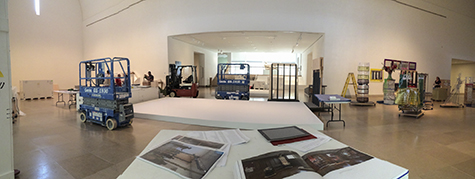
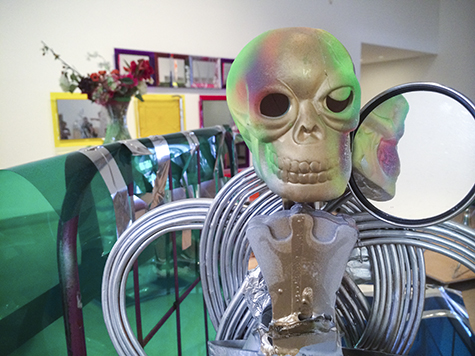
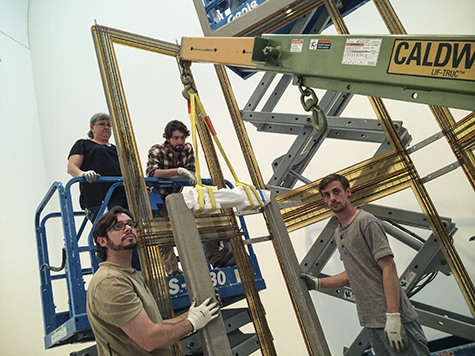
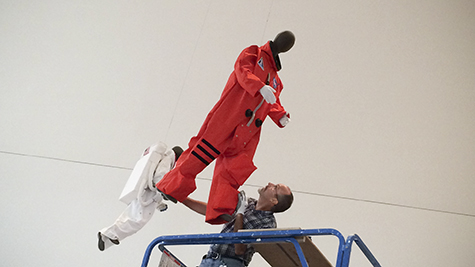
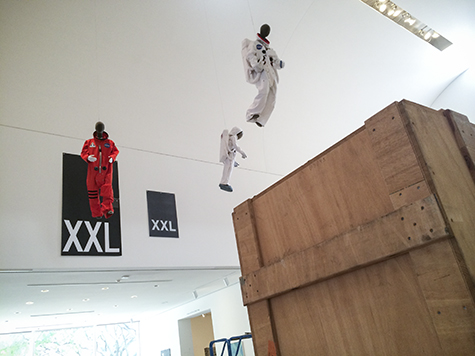
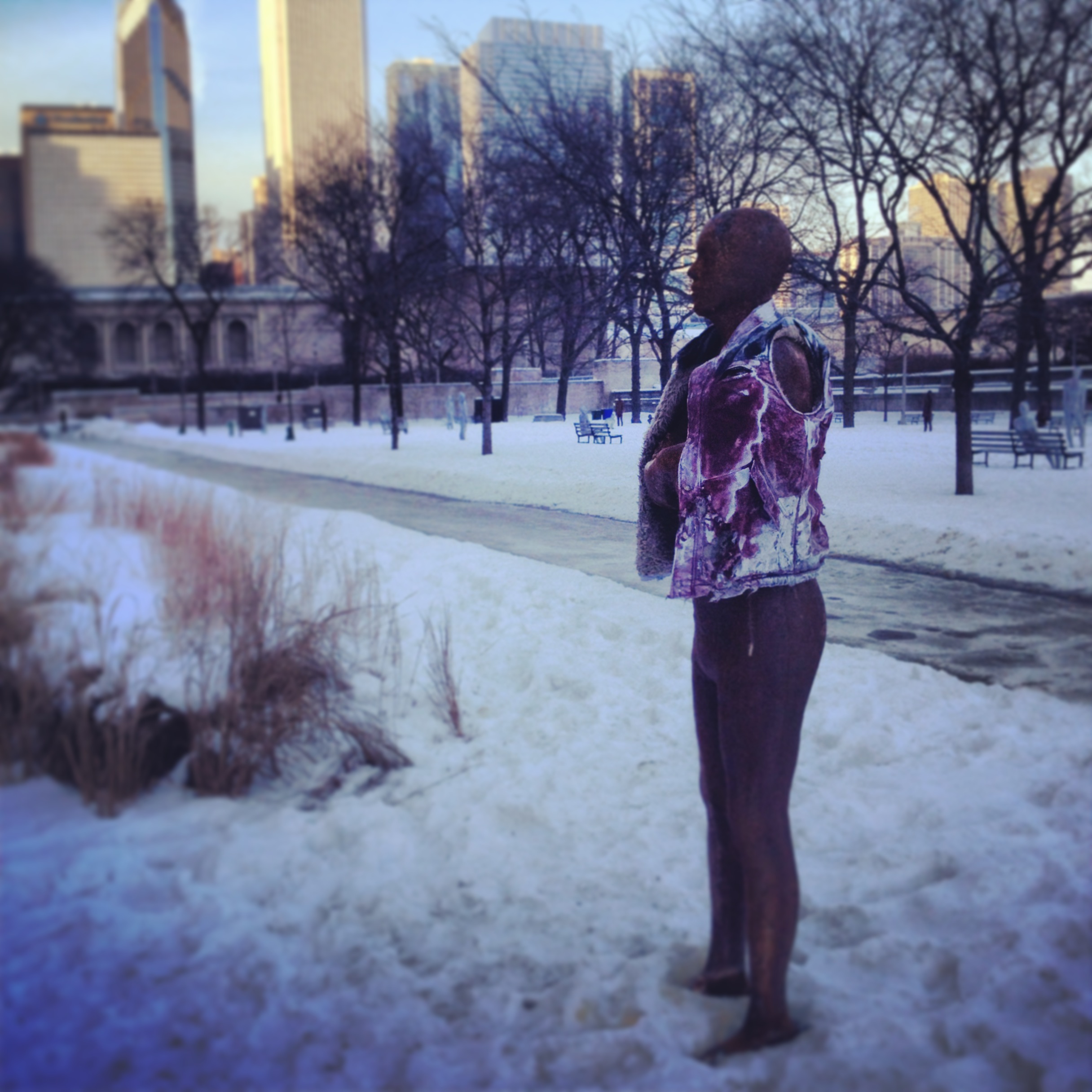
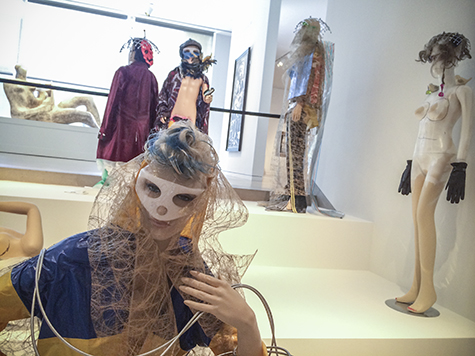
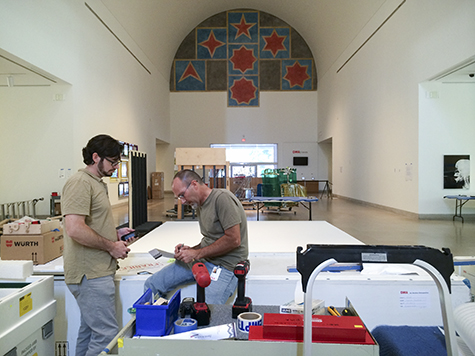
Isa Genzken: Retrospective, the DMA co-organized exhibition with the Museum of Modern Art, New York, and the Museum of Contemporary Art Chicago, will open this weekend at the DMA as part of a successful national tour that has been described as “dazzling.” The DMA is the final stop for this first major U.S. exhibition of Genzken’s remarkable career. Her work contains many elements and the DMA crew has been installing the exhibition for weeks. Get a sneak peek below and then visit the exhibition, which is included in the DMA’s free general admission and is on view beginning this Sunday, September 14, through January 4.

IzaGenzkenInstall_2014_001


IzaGenzkenInstall_2014_002


IzaGenzkenInstall_2014_005


IzaGenzkenInstall_2014_006


IzaGenzkenInstall_2014_004


IzaGenzkenInstall_2014_008


IzaGenzkenInstall_2014_007


Archives

Categories