Archive Page 106

Rewarding DMA Friends

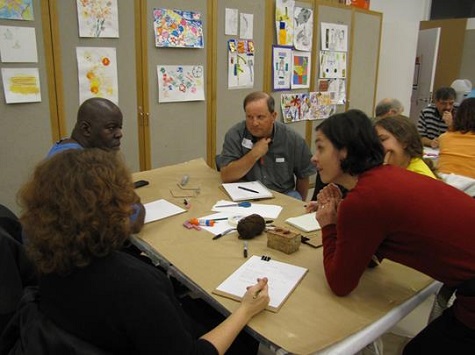
Longtime Center for Creative Connections (C3) visitor and volunteer Mary Burkhead claimed a DMA Friends reward for six of her friends to attend a small-group artist-led art-making session. Mary was one of our first DMA Friends, joining on January 21, the official “opening day” of the program. Mary and I brainstormed about possibilities for this specialized workshop, and she requested a private Think Creatively workshop with Magdalena Grohman, Ph.D., in C3. Mary loves attending the Thursday night adult workshops and was eager to have a special class just for her and the friends that she has made over the past year in the workshops. Read the interview with Mary Burkhead below. I hope she inspires you to keep collecting your DMA Friends points!
Dr. Magdalena Grohman and class in discussion

Dr. Magdalena Grohman and class in discussion

How long have you been coming to the DMA?
Since I moved to Dallas in the mid-80s.

How many DMA Friends badges have you earned?
Oh, gosh, lots! Some more than once. I hate to admit it, but I’m rather greedy about them. I’m still disappointed that I didn’t get the last code needed for the special Neil Gaiman badge. But I did get the special JFK badge!

What is your favorite way to collect points?
By seeing and doing wonderful things in the Museum, of course! Seriously, you earn badges by doing what you already love to do: going to special exhibitions, exploring the galleries, attending workshops, lectures, and special events.
Think Creatively presentation by visitor

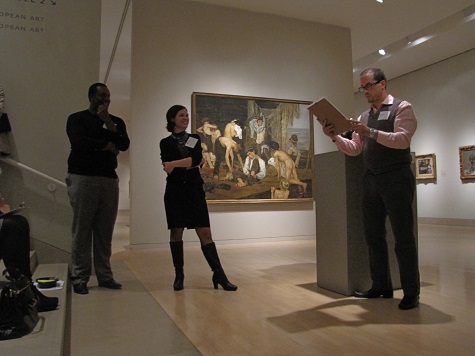
Think Creatively presentation by visitor

Why were you interested in claiming the “Small Group Art-Making Session in C3” reward?
I frequently attend the creativity workshops and the Artistic Encounters workshops. I encourage everyone to try them. I always have a wonderful time, and learn a lot. And I’ve met so many wonderful, fun, interesting people. I just loved the idea of having a special session with some of these new friends.

What is your favorite thing to do or see at the DMA?
Well, I have lots of favorites, and I hate to be limited. And the DMA is not limited! One of my favorite artworks is The Icebergs. I will be very glad to see it again when it returns home this month. But there are many other pieces that I also love. I love the workshops, of course. That’s why I selected it for my reward. I also love the Arts & Letters Live programs. I love how the DMA brings together many different types of art. And then there is Late Night! I could go on forever.
Dr. Magdalena Grohman and visitors responding to works of art

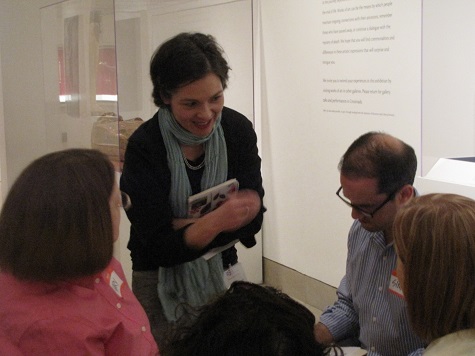
Dr. Magdalena Grohman and visitors responding to works of art

How did you choose the people that were going to participate with you in the workshop?
With great difficulty! I wanted everyone who had ever attended a workshop to come, but of course, that’s not possible. So I selected a group of folks who participate frequently and who interact well. That’s important for a group learning experience. Not to mention,  they are all fun, wonderful people!
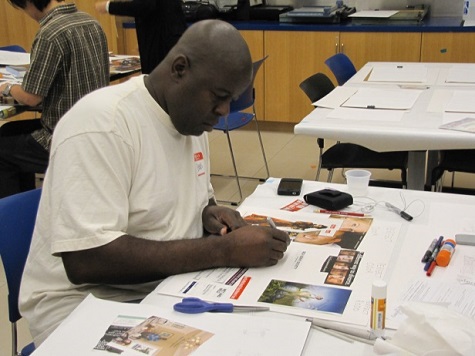
Visitor in thought

Visitor in thought

What do you value the most at the DMA?
I think the most wonderful thing about the DMA is that it is available to everyone. Art is so important to individual people and to the whole community. I’ve talked to so many people at the Museum who are having fun, experiencing new things, and exploring the possibilities of art. I love that. It’s exciting to talk to people who have come for the first time, or the first time in a long time. It’s nice to talk to out-of-towners who think our DMA is great!

Do you recall a favorite moment at the DMA?
There are so many. But one wonderful moment was being in the Museum late at night–I think it was close to midnight–on the 100th anniversary. There were so many people there, and they were all having so much fun! I’m so glad that led to the monthly Late Nights.

Are you also a DMA Partner in addition to being a DMA Friend? 
I am a Partner, and I also have memberships in several other  local museums. Financially supporting the DMA is a great value for entertainment and education, and also for our community.
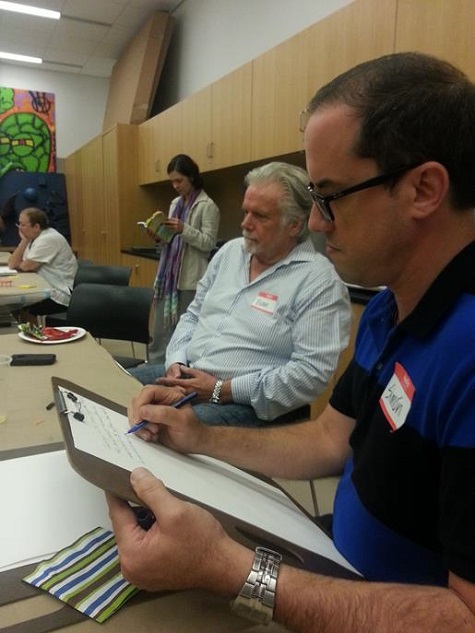
Two participants writing to music

Participants writing to music

Amanda Batson is the C3 program coordinator at the DMA.

Friday Photos: Old School

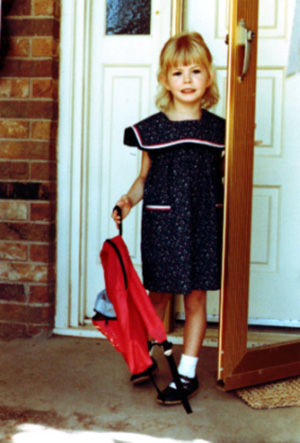
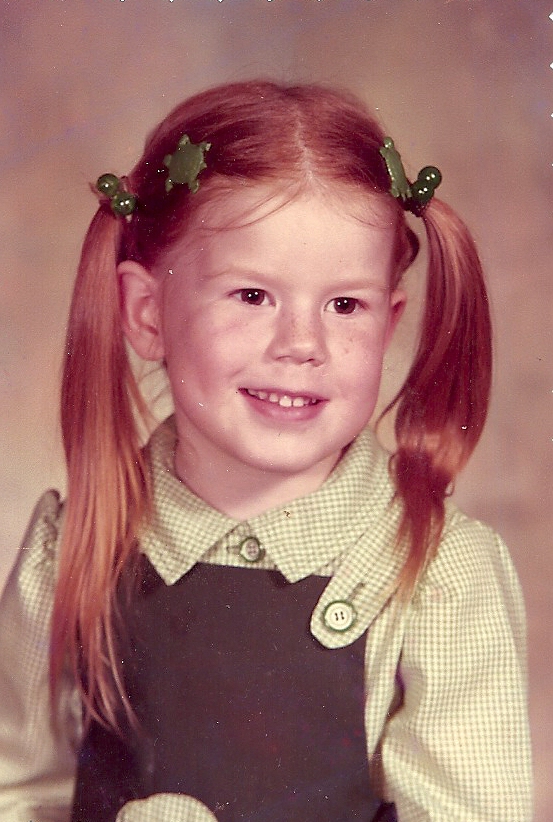
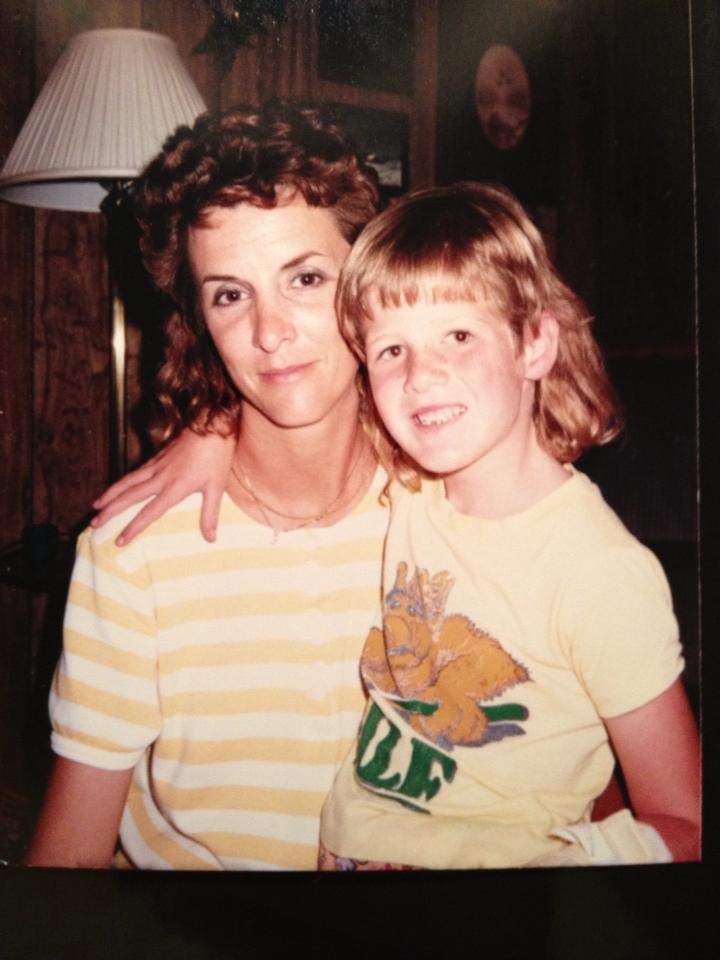
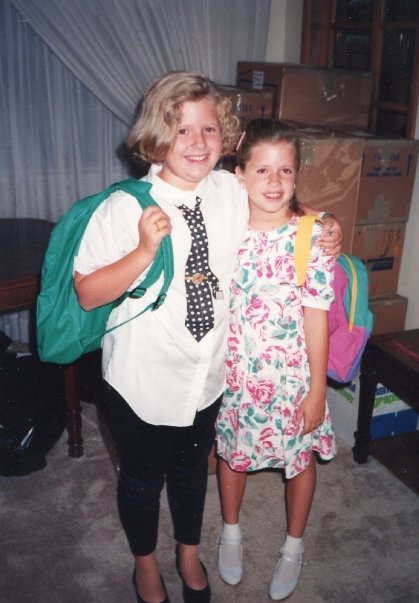
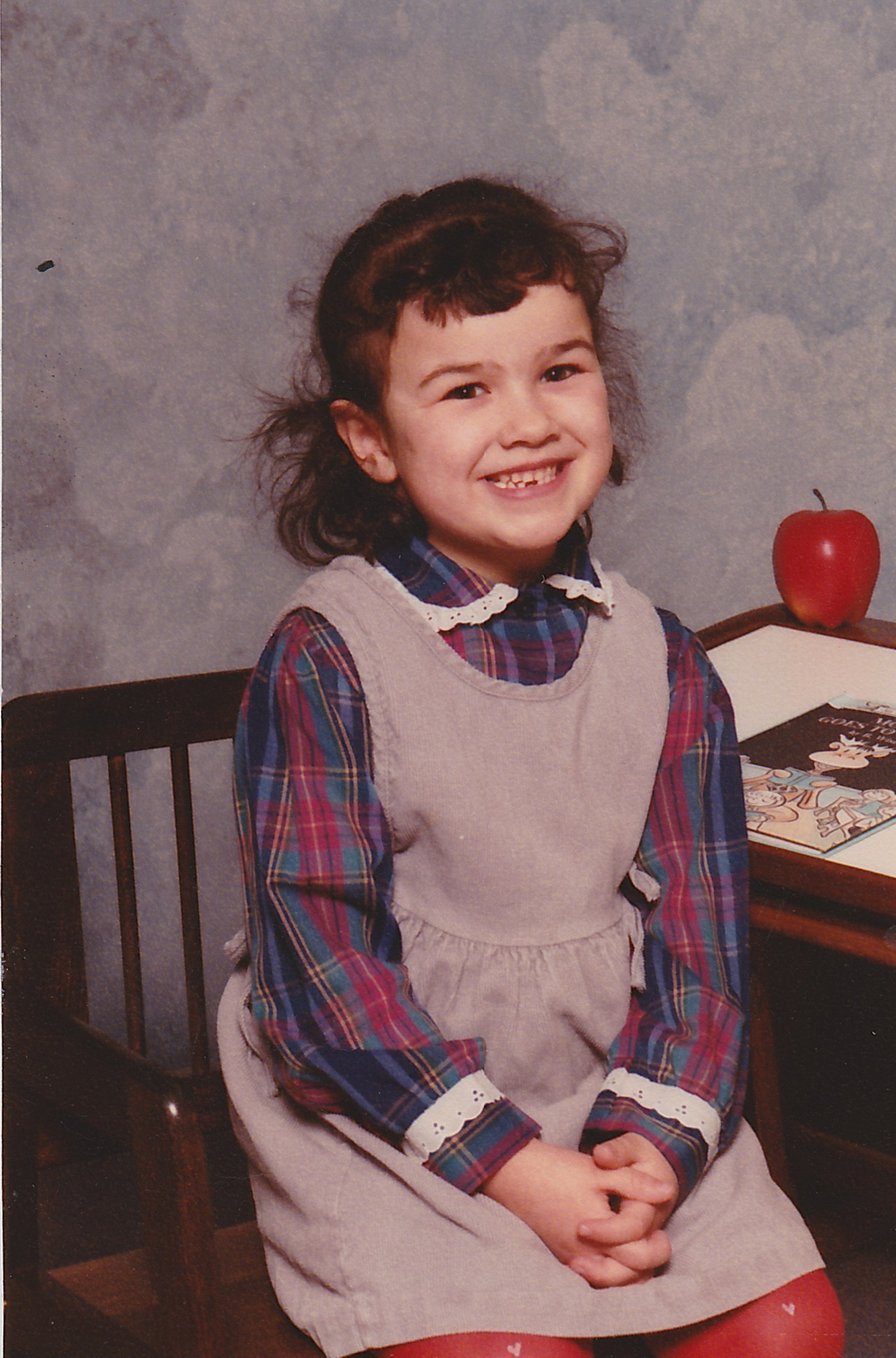
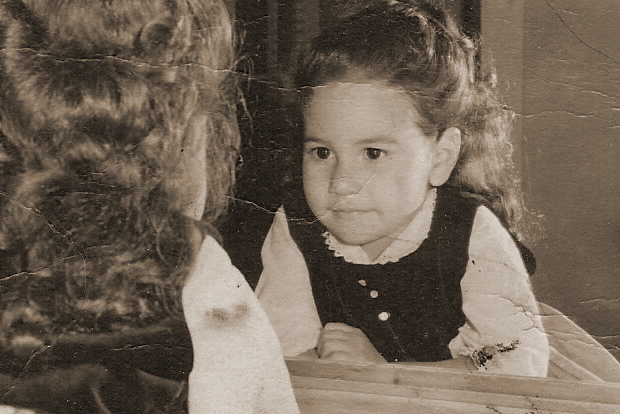
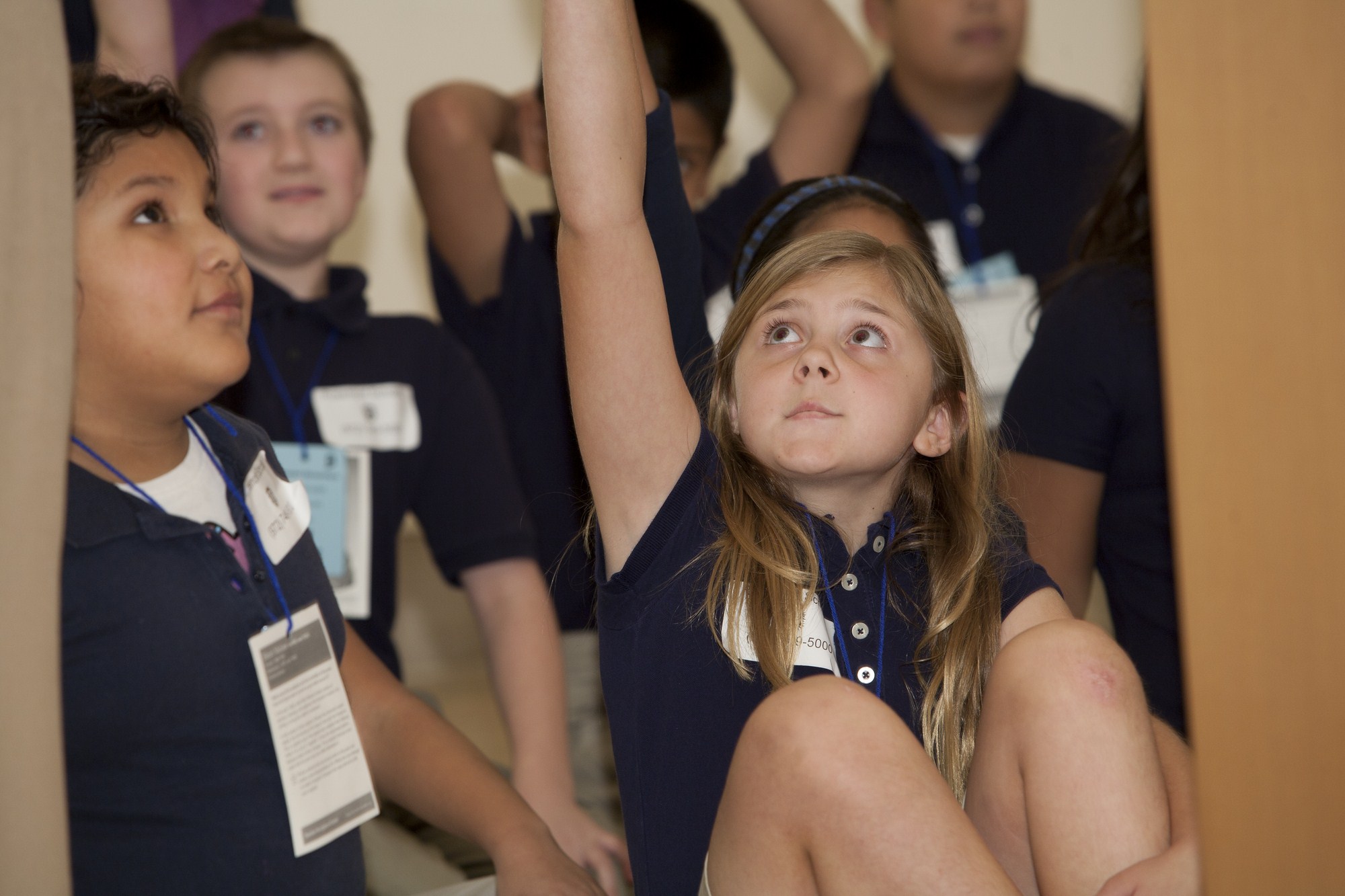
Even though I’ve been out of school for a while now, back-to-school season is always one of my favorites. Aisles of shiny new school supplies in the stores, boxes of crayons with perfectly sharpened tips, stacks of books in lockers, the excitement of seeing friends and teachers–to me, it all brings a sense of anticipation and possibility to the world.

For today’s edition of Friday Photos, I thought we’d go back in time and catch a glimpse of some of our Education staff in their back-to-school glory. Can you find a familiar face?

Wishing everyone a successful school year!

Leah Hanson
Manager of Early Learning Programs

What Does Fun Look Like at the DMA?

I have written posts in the past about our goals for docent-guided tours at the DMA. Our current goal statement was written five years ago, and I think it’s in need of a few updates. It states that we want students to feel comfortable at the Museum, as well as to begin to see their world in a fresh way. What does that mean, and how can we measure whether that happens on our tours?

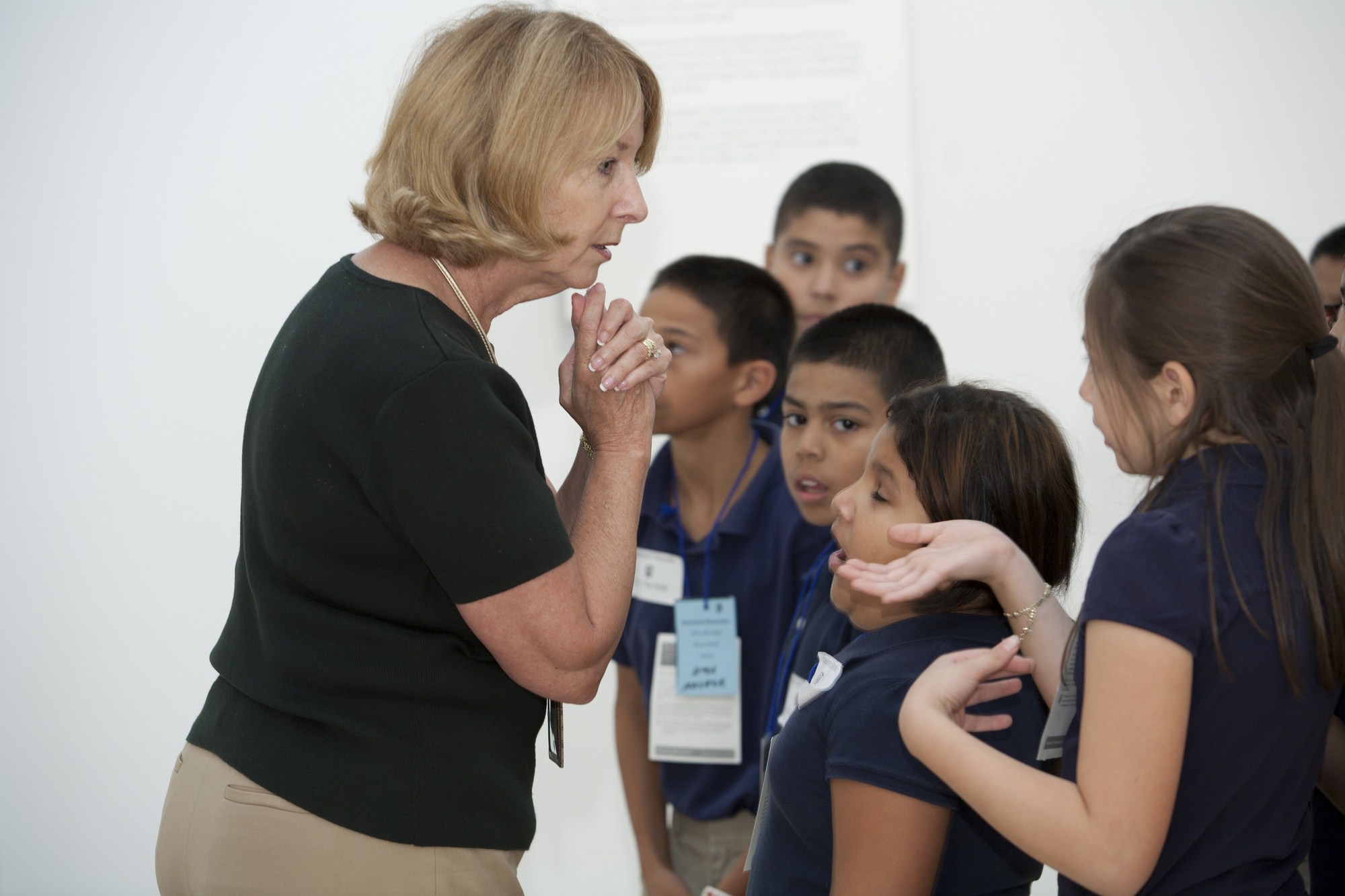
4th_Grade_Tours_11_2012_032

Over the summer, I met with small groups of docents to begin redefining our goal for tours. These docents were asked “What are your motivations and desires when planning a tour for the DMA’s visitors?” Their answers were thoughtful and really demonstrate their passion for the work that they do at the DMA.

  • My hope is that they will learn how to “look” in a museum setting and that they will want to return or visit other museums.
  • My biggest goal is to get the students to want to come back and to leave with vivid memories of what they saw.
  • My biggest hope is that even one child sees an object that excites them and makes them want to see more.
  • I want them to leave with more questions than they had when they came in so that they will be eager to come back and enjoy what this museum has to offer.
  • I want the students to feel comfortable, be inspired and amazed, learn a few things, and have fun!
  • My motivation is to share objects that are special to me so that I can bring genuine excitement to them.

4th_Grade_Tours_11_2012_105

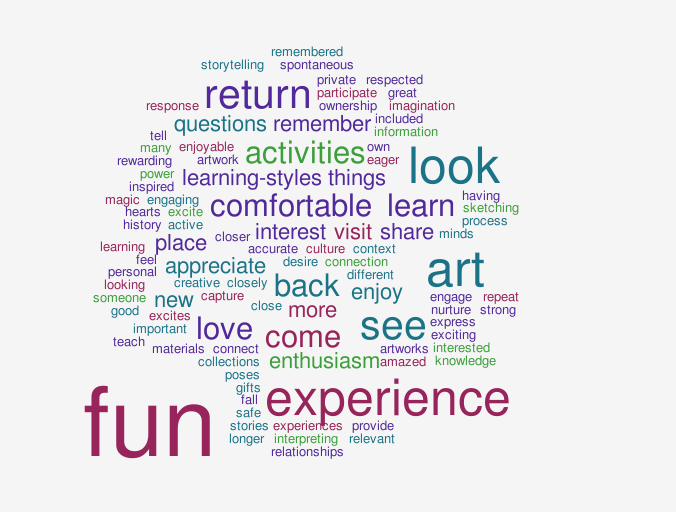
I plugged the docents’ responses into Wordle in order to easily see what words popped up repeatedly. In a word cloud, the size of a word corresponds with the number of times it was entered into Wordle. From this word cloud, it’s obvious that a “fun experience” is the top motivation for our docents when planning tours.

Docent Goal Word Cloud

As a group, the docents and I are now trying to unpack the word “fun.” Just what does a fun experience at the DMA look like? How do we know that students are having fun in our galleries? Do sketching and inventing stories about a work of art lead to a fun experience? Is laughter our best indicator that students are enjoying their tour? These are just some of the questions that we are pondering as we begin our new training year.

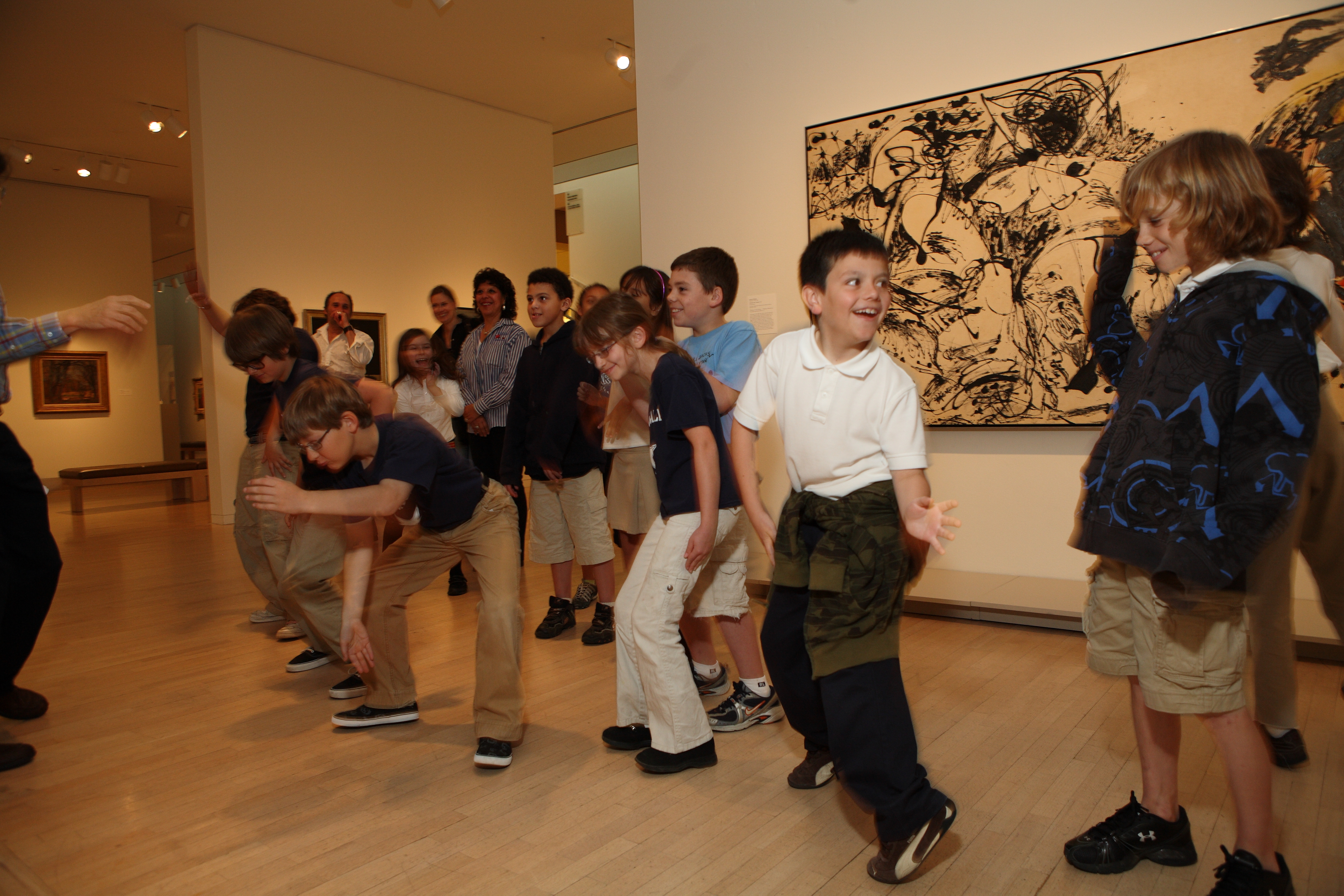
StudentVisits_ShannonKarol_02_27_2009_072

These kiddos certainly appear to be having fun on their tour

Now it’s your turn to weigh in. I would love to have your insight as we move forward with revising our goal for docent-guided tours. How do you know that your students (or children) are having fun at the DMA? What have been some of their favorite experiences here? If you’re a teacher, I am also curious to know what your motivations are when you schedule a field trip to the DMA. It will be interesting to see how your motivations overlap with those of our docents.

Please add your comments below or feel free to email me. I look forward to hearing your thoughts on having fun at the DMA!

Shannon Karol
Manager of Docent and Teacher Programs

Frozen in History

We are in the final two weeks of the DMA-organized exhibition Hotel Texas: An Art Exhibition for the President and Mrs. John F. Kennedy, but there is still time for you to visit this free exhibition and learn more from historians. This Thursday at 7:30 p.m., Dr. David Lubin, author of Shooting Kennedy: JFK and the Culture of Images and Charlotte C. Weber Professor of Art at Wake Forest University, will examine iconic photos of the Kennedys’ visit to Texas and discuss his book. Below, learn more about the history of the installation in Suite 850 from Hotel Texas catalogue contributor Scott Barker.

[youtube=http://www.youtube.com/watch?v=GZ5ADYDCczo&w=560&h=315]

Kimberly Daniell is the public relations manager at the DMA, and Ted Forbes is the interactive media developer at the DMA.
Go van Gogh-ing on a Colorful Classroom Adventure

The newest Go van Gogh program involves two things that are deeply exciting in my book: expanding outreach to a new audience and getting messy with paint!

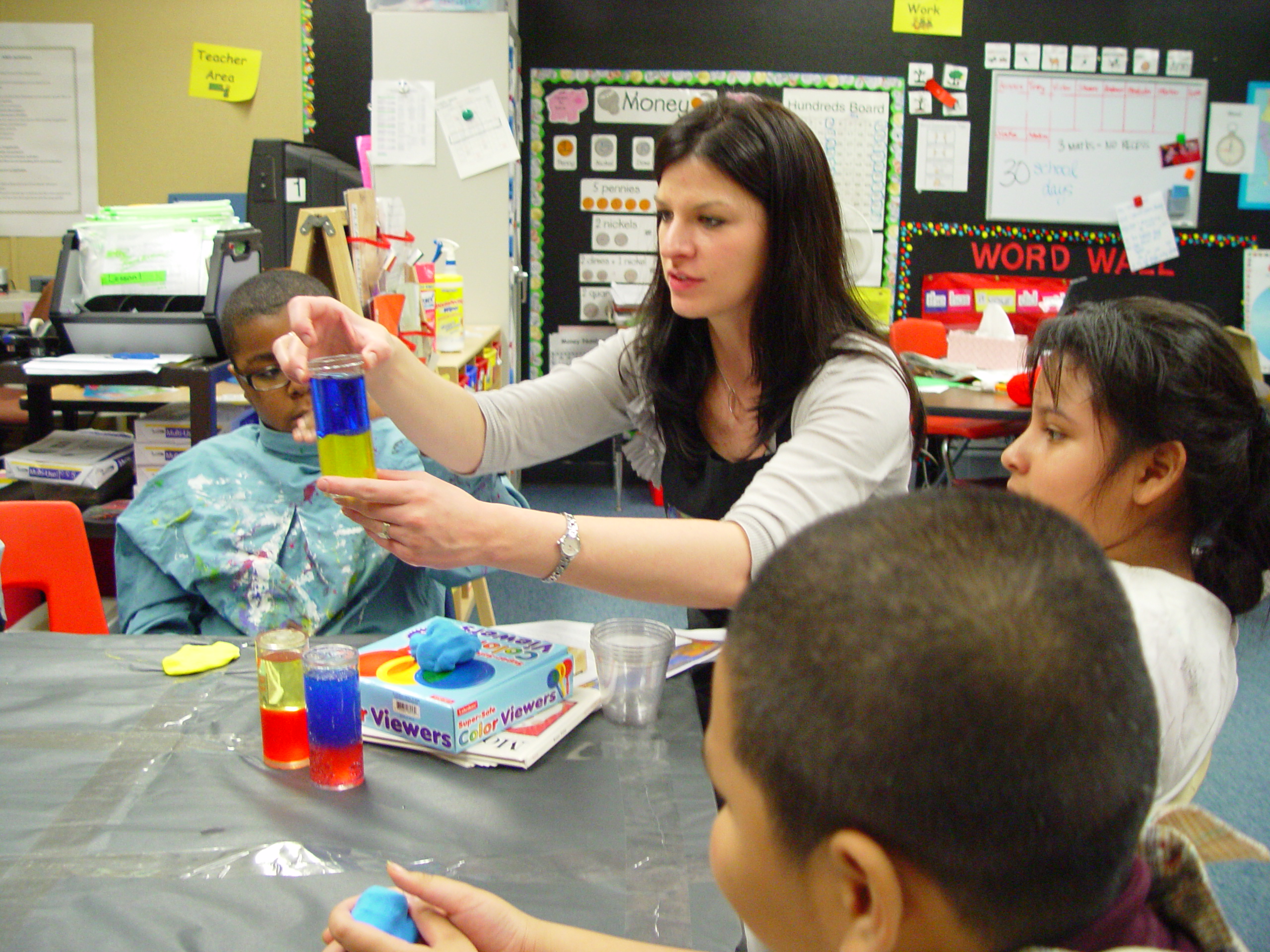
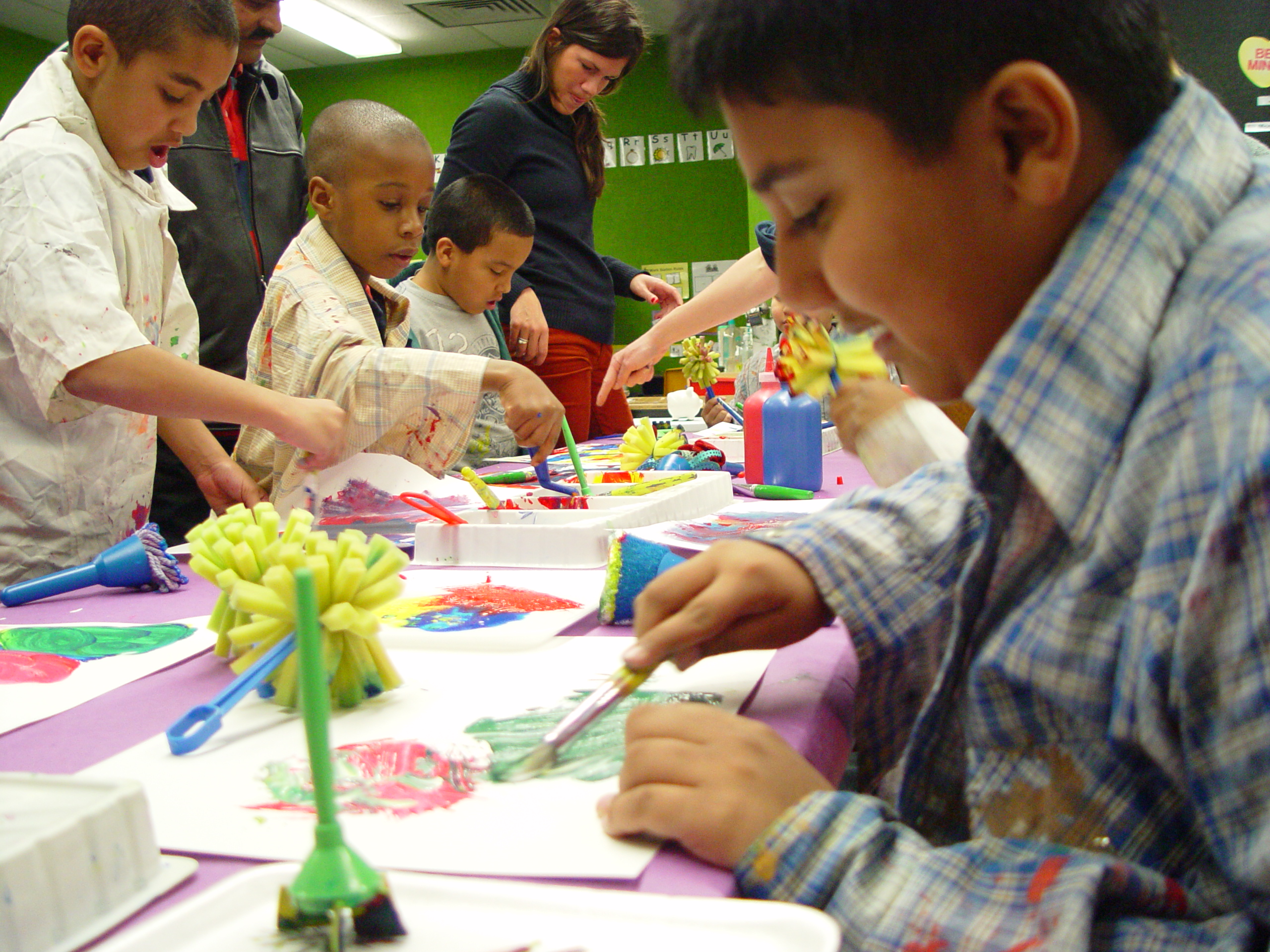
Color My World is a one-hour outreach experience for elementary students in Special Education classrooms. The program was developed by Head of Family, Access, and School Experiences Amanda Blake, and it takes the best of what we do in Museum Access programs—creating multi-sensory activities for a range of abilities—and brings it out to schools.

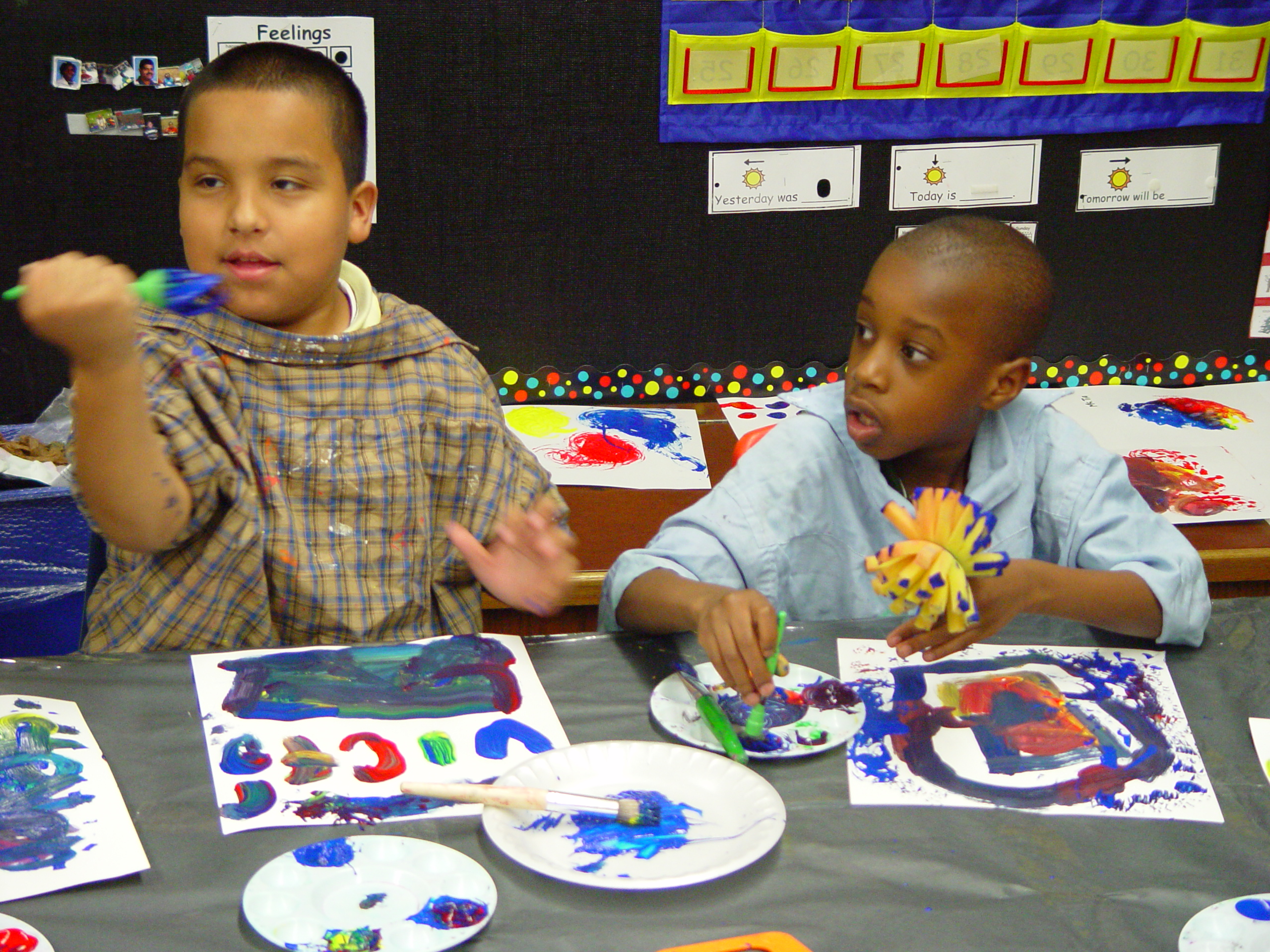
Color My World is a colorful adventure in a variety of media. Students listen to a story, watch color-mixing experiments, discuss the color wheel, and paint two artworks using a variety of ordinary (and extraordinary!) painting tools. We explore and take inspiration for our color-mixing and painting techniques from artworks in the Museum’s collection.

Color My World is offered to mixed-age Special Education classes within Dallas city limits. Programs take place on selected Monday afternoons and may begin at or after 1:00 p.m. If you are interested in requesting a program for your Special Education classroom, please email me.

And then grab a smock, ready your palette, and let’s get to painting!

Amy Copeland
Manager of Go van Gogh and Community Teaching Programs

Work vs Play on Labor Day

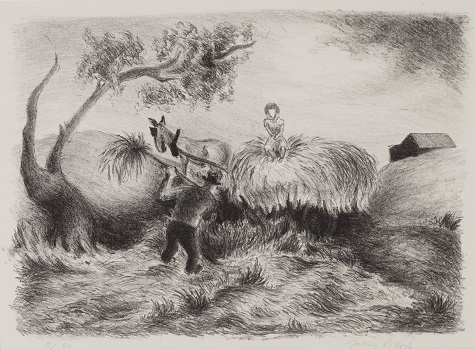
We hope your Labor Day is less like this Jackson Pollock lithograph . . .

Jackson Pollock, Hayride, 1935-1936, lithograph, Dallas Museum of Art, gift of Mrs. Arthur Kramer, Sr.

Jackson Pollock, Hayride, 1935-1936, lithograph, Dallas Museum of Art, gift of Mrs. Arthur Kramer, Sr., (c) Pollock-Krasner Foundation/Artists Rights Society (ARS), New York

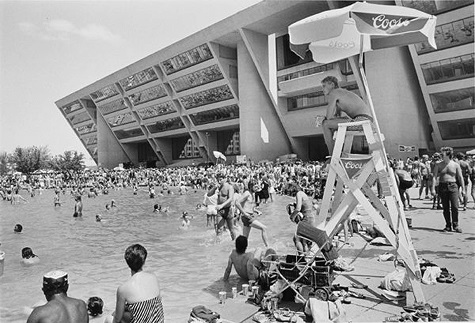
and more like this Lynn Lennon photograph.

Lynn Lennon, Beach Party, Dallas City Hall, 1984, gelatin silver print, Dallas Museum of Art, Mr. and Mrs. Homer B. Jester Fund

Lynn Lennon, Beach Party, Dallas City Hall, 1984, gelatin silver print, Dallas Museum of Art, Mr. and Mrs. Homer B. Jester Fund, (c) 1984 Lynn Lennon

The DMA is closed today, but you can enjoy free general admission every day during Museum hours (Tuesday-Sunday 11:00 a.m.-5:00 p.m.; Thursday 11:00 a.m.-9:00 p.m.; third Fridays 11:00 a.m.-midnight).

Everything is Everything

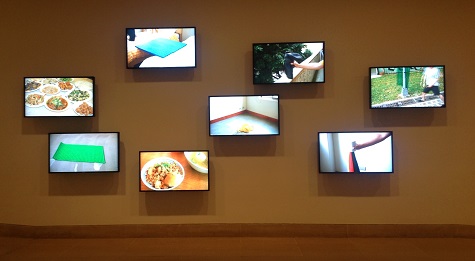
This week the DMA unveiled the work Everything is Everything (2006) by the artist Koki Tanaka, which will be on view in the Concourse for the next five months.

video

The work of Koki Tanaka takes shape primarily as video and installation that explores the relationship between objects and actions. His videos record simple gestures performed with ordinary objects—a knife cutting vegetables, beer poured into a glass, the opening of an umbrella—in which seemingly “nothing happens.” Yet, through their repetitive composition and heightened attention to detail, Tanaka’s videos compel us to take notice of the mundane phenomena of daily life. Latent patterns and geometrical forms emerge out of Tanaka’s work, and otherwise ordinary objects are transformed, providing an epiphany of sorts from moments of everyday life.

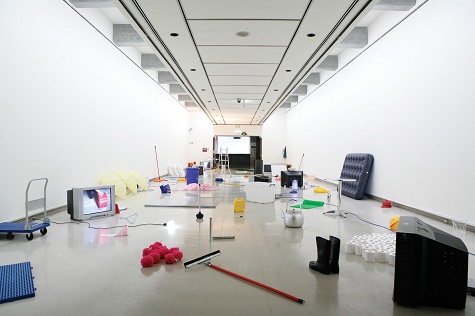
EVERYTHING IS EVERYTHING, 2006, Eight channel DVDs, color, sound and materials in everyday use, dimension variable, installed at Taipei Biennial 2006 in Taipei Fine Arts Museum. Image courtesy of the artist, Aoyama Meguro, Tokyo, and Vitamin Creative Space, Guangzhou.

Everything is Everything, 2006, eight-channel DVDs, color, sound, and materials in everyday use, installed at Taipei Biennial 2006 in Taipei Fine Arts Museum
(Image courtesy of the artist, Aoyama Meguro, Tokyo, and Vitamin Creative Space, Guangzhou)

The eight-channel video installation Everything is Everything was first created for exhibition at the 2006 Taipei Biennial. For this work, the artist and two assistants spent a total of eight days recording their interactions and interventions with readily available items, including hangers, cups, towels, an air mattress, and toilet paper, all found around the city of Taipei. The physical properties of these objects were tested (a metal hanger is stretched to its breaking point) or their uses were expanded (a level placed on two table legs becomes an impromptu hurdle). Tanaka and his assistants experimented with these objects multiple times, both indoors and in public, and their exploits were compiled into eight distinct video loops ranging in length from 1:19 to 1:50 minutes. Tanaka’s tightly cropped framing of each scene often features the performers from the neck down or removes them from the shot altogether, thus focusing the viewer’s attention on the objects and the simple, repetitive acts being performed.

[youtube=http://www.youtube.com/watch?v=JQQELlWYn4w&w=420&h=315]

In her canonical text, Passages in Modern Sculpture (1981), art historian and critic Rosalind Krauss begins the book’s final chapter with a film by Richard Serra, Hand Catching Lead (1968), in which the artist’s disembodied hand tenaciously attempts to catch pieces of falling lead. Krauss reads Serra’s film as characteristic of minimalist sculpture in the way that it “exploit[s] a kind of found object for its possibilities as an element in a repetitive structure.” The repetitive nature of the actions in Everything is Everything, combined with the use of inexpensive, mass-produced materials, highlights an affinity Tanaka’s videos share with the logic of minimalist sculpture and process art of the 1960s. Similarly, Tanaka’s repetitive use of the objects in Everything is Everything alludes to Serra’s Verb List (1967–68), in which the artist listed eighty-four verbs such as “to roll . . . to crumple . . . to drop . . . to scatter” as a means to relate actions to “oneself, material, place, and process.” Tanaka’s object-oriented work is indebted to minimalism as well as to the legacies of Mono-ha and Arte Povera, as evidenced by a shared interest in exploring the physicality and formal qualities of quotidian objects through processes of encounter and repetition.

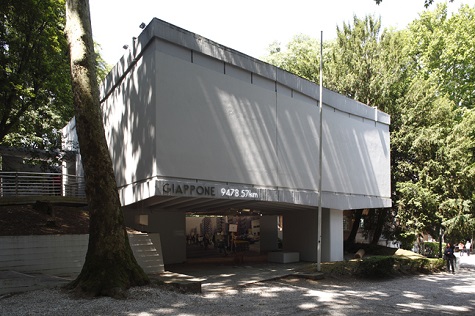
Japan Pavilion Photos: Keizo Kioku

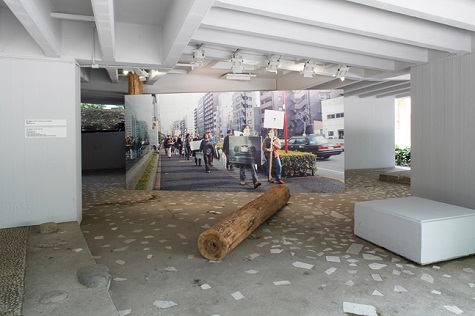
Japan Pavilion Photos: Keizo Kioku

Japan Pavilion Photos: Keizo Kioku

Japan Pavilion Photos: Keizo Kioku

Koki Tanaka was born in Tochigi, Japan, in 1975, and currently lives and works in Los Angeles. He received his MFA from Tokyo University of the Arts, Japan, in 2005 and has since been the subject of solo exhibitions at UC Irvine University Art Gallery (2012), the Yerba Buena Center for the Arts, San Francisco (2010), and the Museum of Modern Art, Gunma (2008). Recent group exhibitions include Made in L.A. at the Hammer Museum (2012), the Yokohama Triennale (2011), and Making is Thinking at the Witte de With, Rotterdam (2011). Most recently, Tanaka was selected to represent Japan in the 55th Venice Biennale, for which he received a special mention.

Gabriel Ritter is The Nancy and Tim Hanley Assistant Curator of Contemporary Art at the DMA.
Friday Photos: Lights Out

This summer, we were fortunate to have 52 fabulous Teen Docents helping us with tours, story time, Late Nights, and Summer Art Camps.  From mid-June to mid-August, our Teen Docents volunteered 751 hours of their time at the DMA!  We truly couldn’t present our summer programs without them!

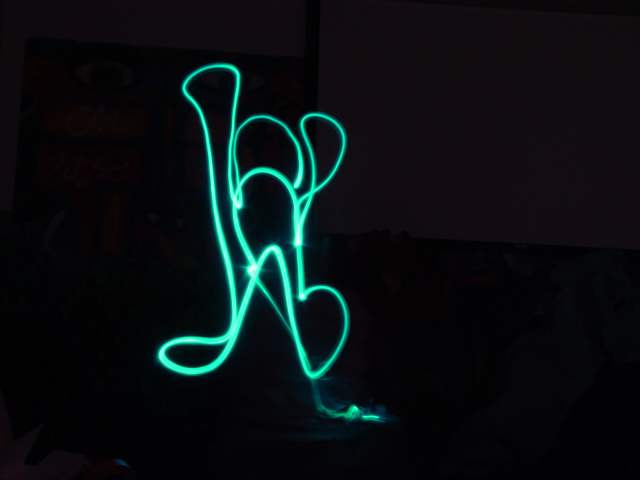
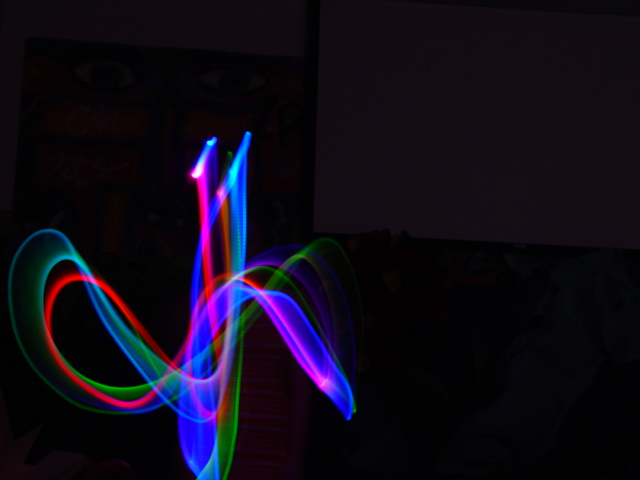
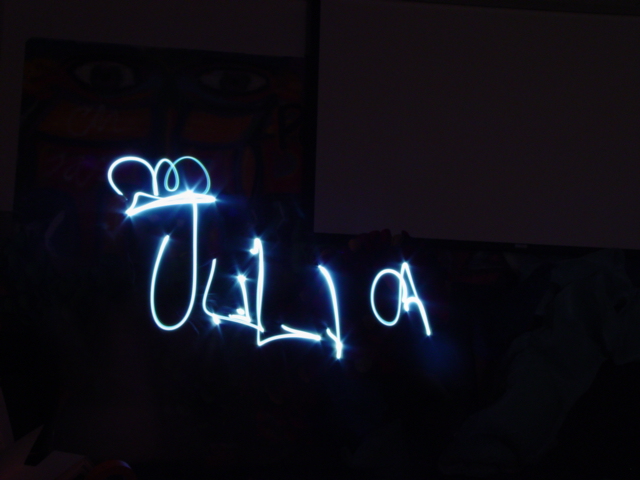
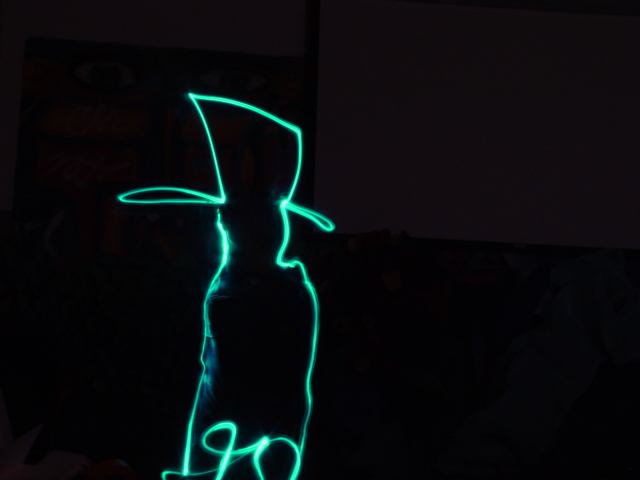
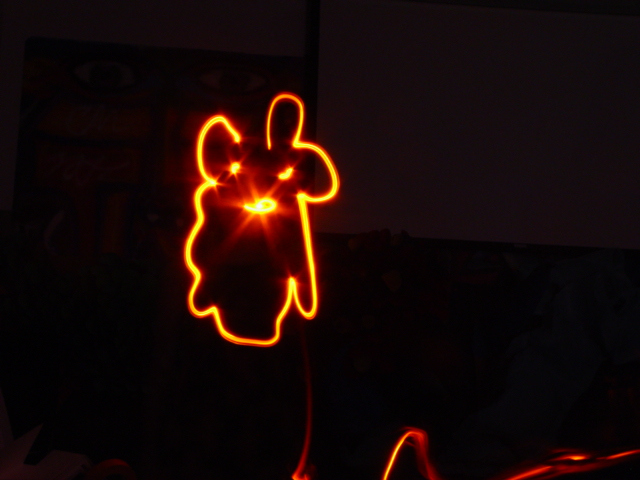
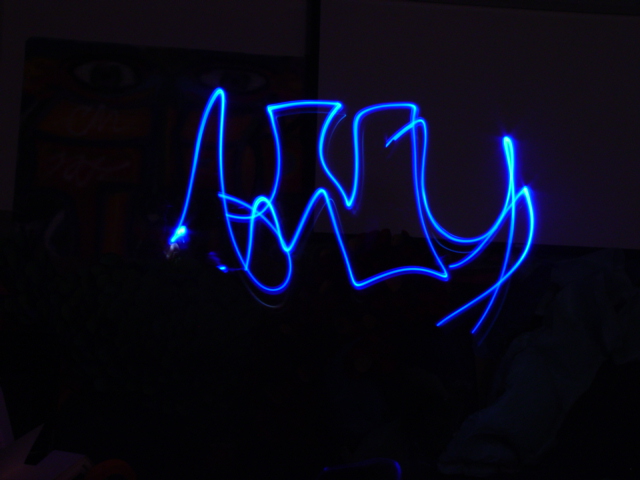
We celebrated the end of the Teen Docent season last Friday with an ice cream social and a little light graffiti.  Some of their excellent light designs are below.

Thank you to all of our Teen Docents for a great summer!

Shannon Karol
Manager of Docent and Teacher Programs

Go van Gogh, Past to Present

Go van Gogh, the DMA’s elementary school outreach program, is celebrating its 35th anniversary this year. Before we pack up the Go van Gogh van and head out to schools across the city, we thought it would be fun to take a look through all thirty-five years of the program.

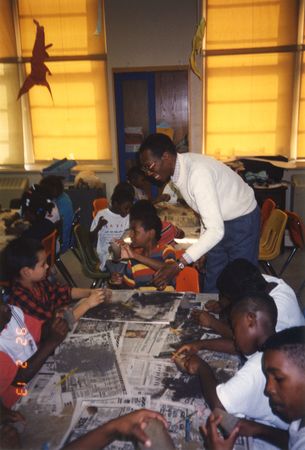
Go_Van_Go_1992

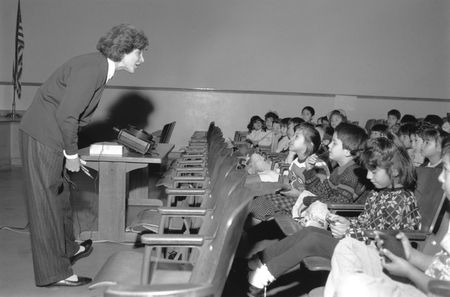
1992 Go van Gogh program led by DMA educator Phil Collins

Below are a few fun facts about Go van Gogh through the years.

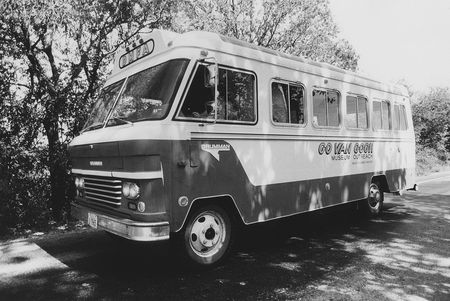
The first Go van Gogh van was actually a bus!

Go_Van_Go_1978

First Go van Gogh vehicle, 1978

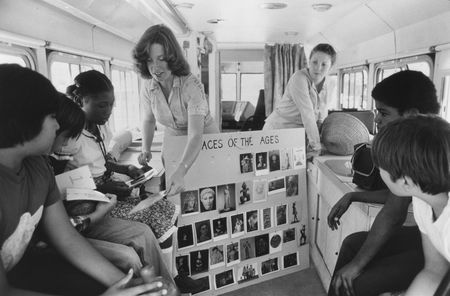
When the program began at the then Dallas Museum of Fine Arts in Fair Park in 1978, school outreach presentations could be given in classrooms or on the Museum Outreach bus itself.

Go_Van_Go_1979_Outreach_002

DMFA teaching staff member Roberta Mathew conducting an outreach program in the Go van Gogh bus in fall 1979

Go_Van_Go_1979_Outreach_001

DMFA education staffers Susan Geyer and Roberta Mathews conducting an outreach program aboard the Go van Gogh bus in fall 1979

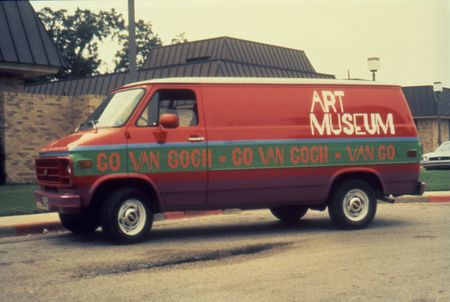
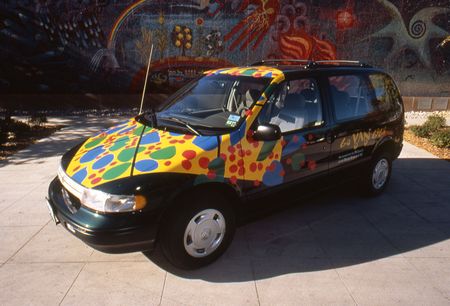
Go van Gogh vans (and buses) have always been easy to spot on the freeway.

Go_Van_Go_1981

Go van Gogh van in 1981

Go_Van_Go_c1988_001

Go van Gogh van, c. 1988

Go_Van_Go_c1988_002

Go van Gogh program, c. 1988

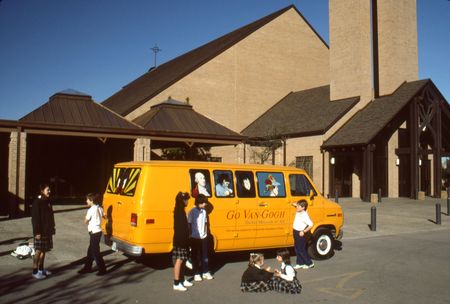
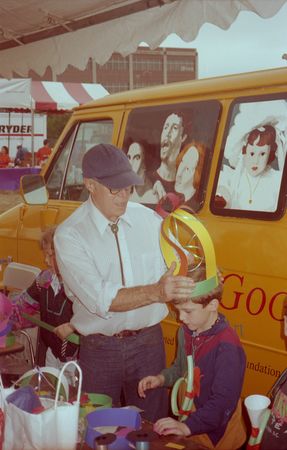
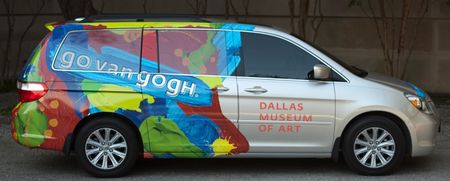
Bright and colorful, Go van Gogh vans often feature artworks from the Museum’s collection in painted or vinyl designs. The Go van Gogh van from the late 1990s included a design from Henri Matisse’s Ivy in Flower.

Go_Van_Go_1990s_002

Go van Gogh van in the 1990s

Go van Gogh van

Today’s Go van Gogh van

Go van Gogh programs have always included a visual presentation of artworks from the Museum.

Go_Van_Go_Outreach_004

Go van Gogh program using a slide projector, 1980s or 1990s

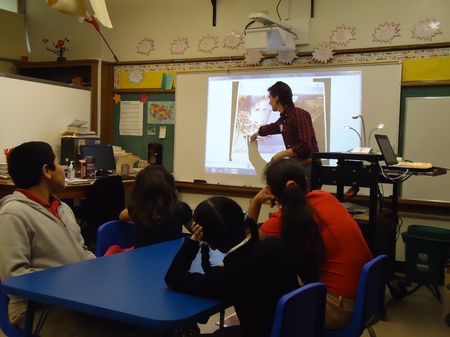
Through the years, we’ve made many updates in the technology we use to bring these artworks to life. What began with projectors and large printed posters led to overhead transparencies and laminated images.

GvG MT Reilly Elementary, 4th grade

Go van Gogh program with 4th graders at Reilly Elementary School

Later this school year, Go van Gogh will go digital: using iPads and projectors to bring images of artworks to life in the classroom.

Looking ahead to fall, we are excited to unveil a new facet of Go van Gogh outreach–a program designed for Special Education classrooms called Color My World. To learn more about the program, visit our website.

Amy Copeland is the Manager of Go van Gogh and Community Teaching Programs at the DMA.
Community Connection: Make Art with Purpose

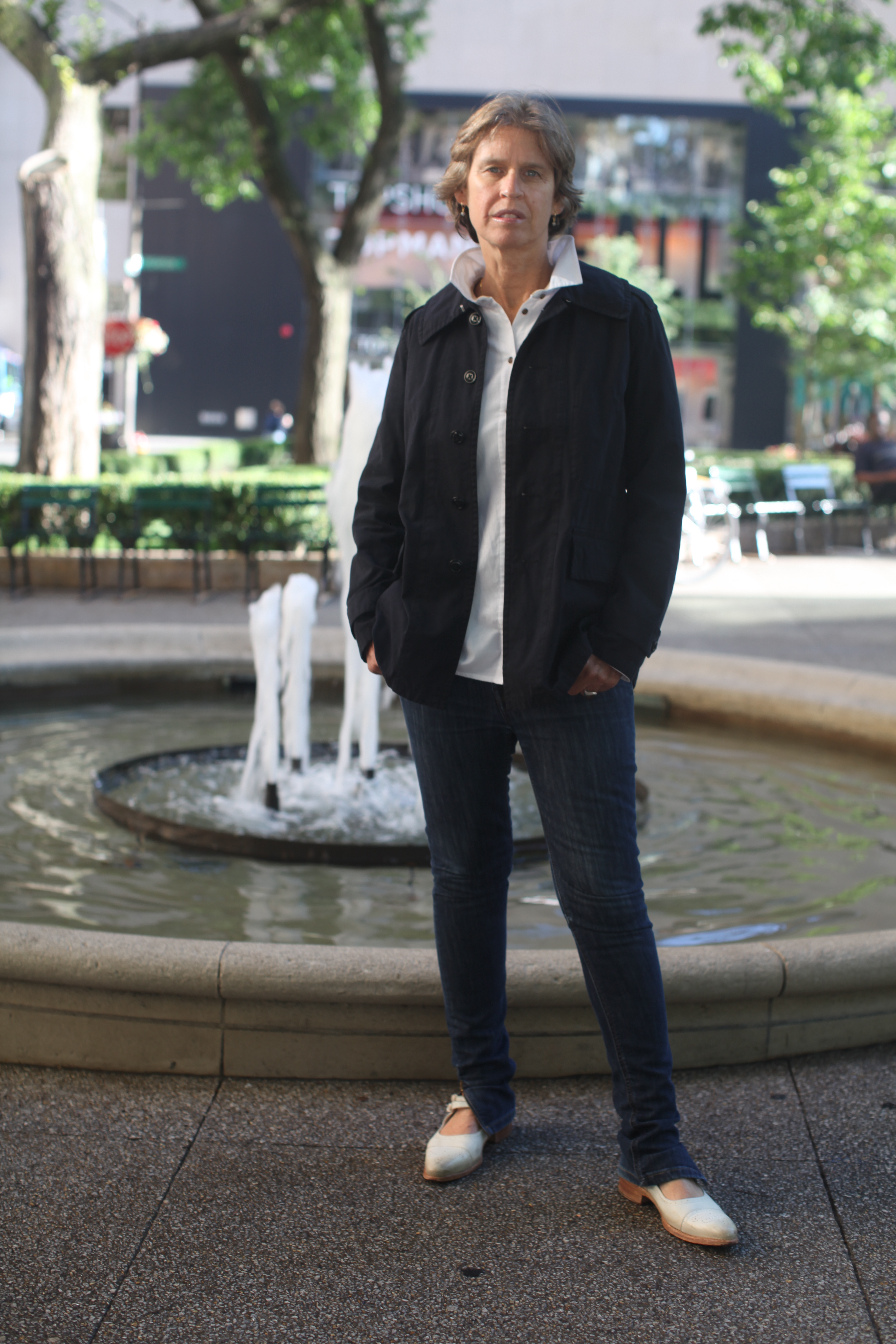
When you hear the words social change, what comes to mind? Some people think of government and politics, others think of social activists. When Janeil Engelstad envisions social change, her definition includes collaboration, working across disciplines, flexibility, and trust. Janeil is the Founding Director of Make Art with Purpose, “an organization and virtual resource center for creative projects that are shaping and transforming our world in positive ways.” These projects will be showcased during MAP 2013, a festival and exhibition occurring during October and November 2013 in the DFW Metroplex.

JaneilEngelstad_Promo_2013

Janeil Engelstad, Founding Director of Make Art with Purpose

What inspired you to begin your work with MAP?

MAP grew out of my own creative practice, working with communities and addressing social and environmental concerns for the past two decades. Beyond that, I saw a need for a grass-roots organization that promotes the work of artists and organizations who are doing this work internationally and also acts as a connector for these artists, groups, and people from other disciplines (such as scientists and community activists) who could come together through or via MAP to collaborate on a project.

What do you hope to accomplish with the festival this fall?

Producing MAP 2013 Dallas, my initial hope was to bring a handful of national and international artists, talk to local cultural, community, and civic organizations, and see what kind of impact we could have if we came together to produce projects that address concerns that are relevant both locally and globally, such as immigration and climate change. I also hoped, with this initial beginning of reaching out and bringing in, that a spark would be lit that would inspire people to come aboard and address their own needs and concerns. That has been successful beyond my wildest dreams. Local artists and organizations who have never worked this way are seeing this as an opportunity to engage their community and talk about issues that are import to Dallas, and that is inspiring – that organizations and artists are wanting to engage in a civic conversation. Additionally, there are legacy projects that leave something behind, which create something that is longer lasting than a conversation. Some examples are the DMA project, building a new garden at the Trinity River Audubon Center, and a new seating area within a natural dye garden at UNT.

Describe your project with the DMA.
This project grew out of several conversations with Susan Diachisin about the possibility of collaborating with the Center for Creative Connections. During this time, the DMA was in the process of rewriting its mission statement and returning to free general admission. This dovetails with a central part of MAP’s mission to provide access to cultural programs for communities that are often marginalized for one reason or another. Thinking about how we could bring our experience and knowledge together to create something new, I came to the idea of inviting community members to create a guide to the Museum.
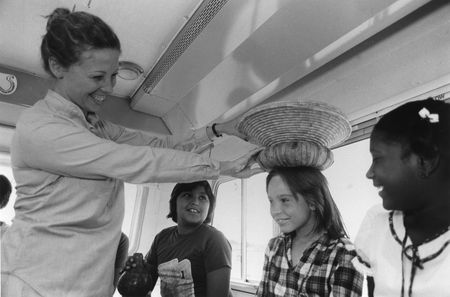
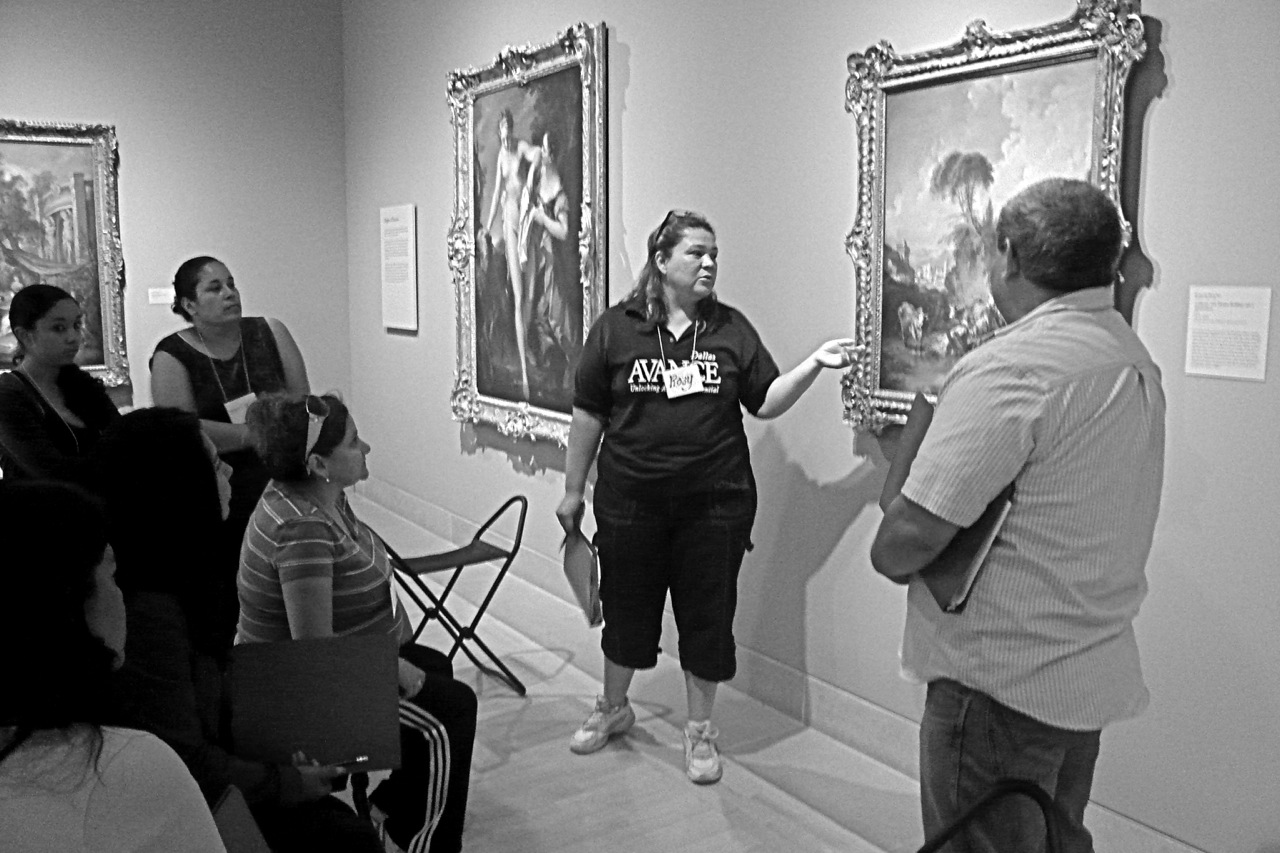
During Translating Culture…Community Voices at the DMA, twelve members of the Dallas chapter of Avance spent nine two-hour sessions at the DMA, during which they learned about the Museum’s collections and wrote their personal interpretations and connections about an artwork of their choice to be included in a printed tour for visitors in Spanish and English.

Rosy shares her insights about an 18th-century European painting during a group exercise early in the program.

Rosy shares her insights about an 18th-century European painting during a group exercise early in the program.

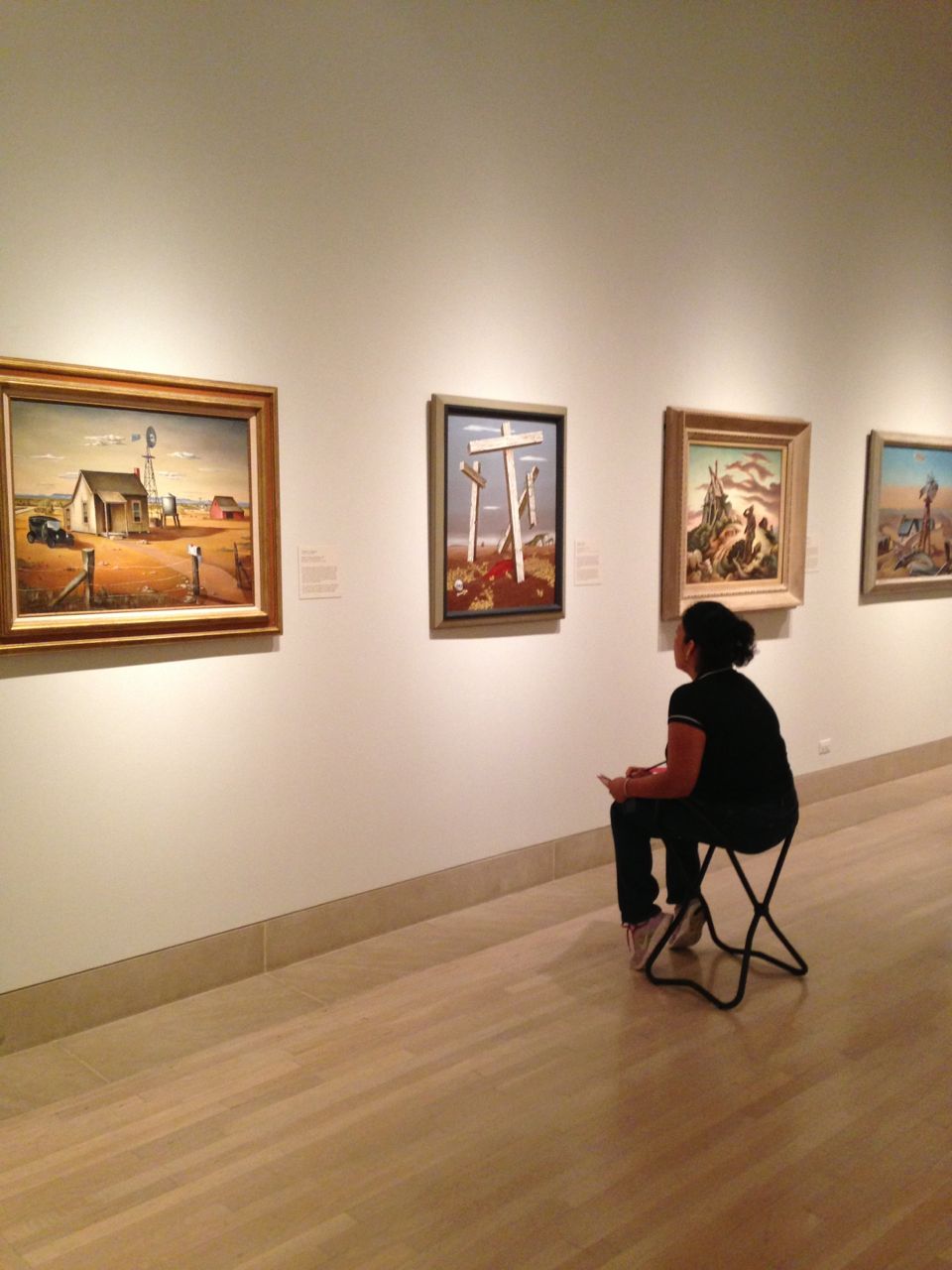
Bety contemplates a 20th-century American painting she has selected for the tour.

Bety contemplates a 20th-century American painting she has selected for the tour.

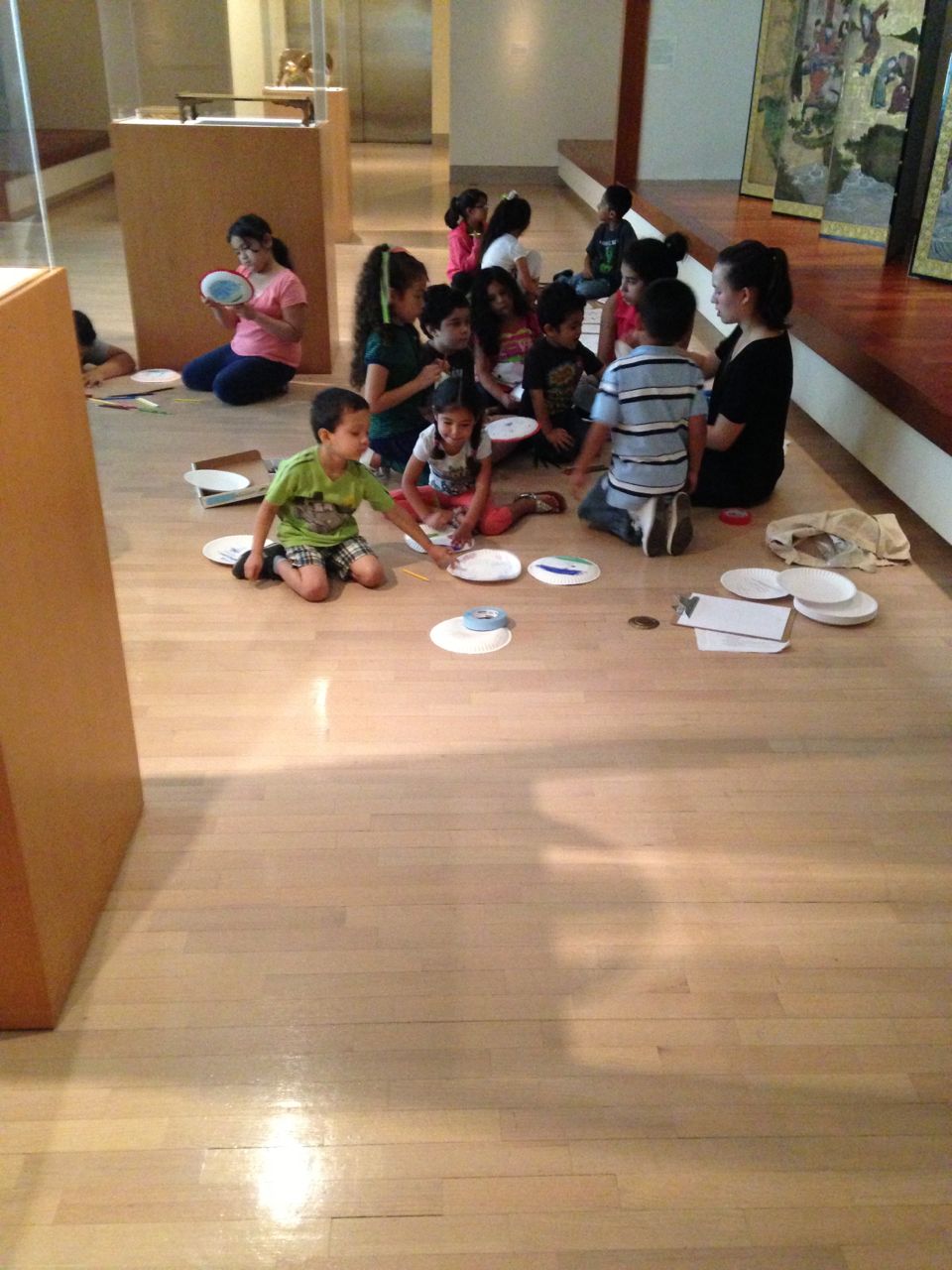
Participants were invited to bring their children, who made art projects in the Museum galleries with DMA and MAP staff.

Participants were invited to bring their children, who made art projects in the Museum galleries with DMA and MAP staff.

How do you tap into your own creativity?

It’s not a conscious thing I do; rather, it ignites when I am swimming…or I could be meditating. If I know I need to come up with a creative idea or solution for something and the seed is planted, after a day or two it will evolve. It comes from a combination of my life experiences, my teachers, my collaborators, Spirit and all the things that inspire me.

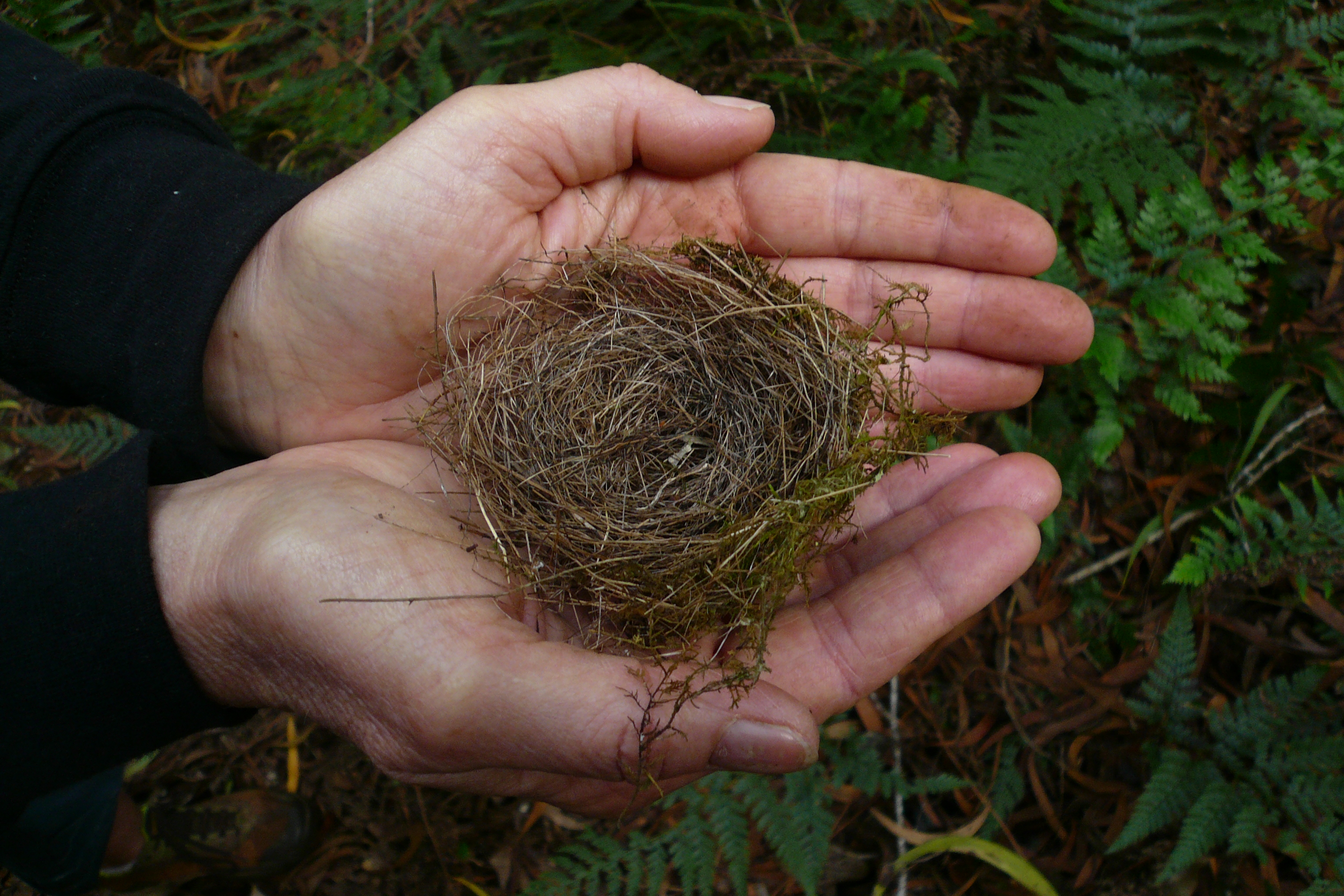
Janeil collects items from nature – such as bird nests that she discovers on the ground – by photographing the item in her hands.

Janeil collects items from nature – such as bird nests that she discovers on the ground – by photographing the item in her hands.

What will you do after the festival?

Immediately after the festival, I am working on a project in collaboration with MIT where I’m guest-producing the winter, on-line issue of ARTMargins, which will include a main article in the print edition, linking these two platforms for the first time in the history of the publication. The issue focuses on Eastern European art, ecology, and sustainability. Next year, I’m starting work on something called the Mobile Ecology Art Lab, which is a MAP project that is a retrofitted shipping container that will go around the world and be used as a platform to produce MAP environmental projects: a sort of art center, community house, and school all in one unfolding, portable structure.

For more information about MAP’s great variety of projects, visit www.makeartwithpurpose.net.

Melissa Gonzales
The Center for Creative Connections Gallery Manager


Archives

Categories