Archive for the 'Uncategorized' Category


Artists and their Mentors

Yesterday was World Teacher’s Day so we thought we would celebrate a few artists and their mentors in the DMA’s collection.

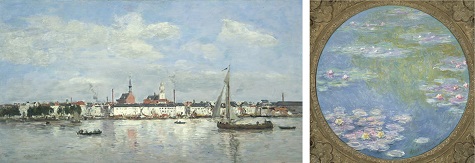
(left to right)Eugène-Louis Boudin, The Quay at Antwerp, 1874, oil on panel, Dallas Museum of Art, gift of the Meadows Foundation, Incorporated; Claude Monet, Water Lilies, 1908, oil on canvas, Dallas Museum of Art, gift of the Meadows Foundation, Incorporated

(left to right) Eugène-Louis Boudin, The Quay at Antwerp, 1874, oil on panel, Dallas Museum of Art, gift of the Meadows Foundation, Incorporated; Claude Monet, Water Lilies, 1908, oil on canvas, Dallas Museum of Art, gift of the Meadows Foundation, Incorporated

Artist Eugène-Louis Boudin played an important role in influencing Claude Monet’s work in the mid-1800s, directing Monet to landscape paintings. Visit work by Boudin and Monet in the DMA’s European Galleries on Level 2.

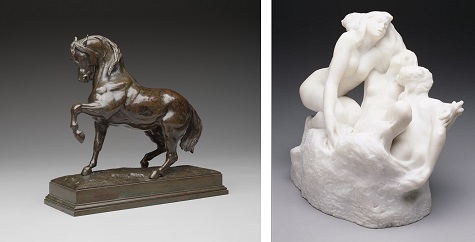
(left to right) Antoine-Louis Barye, Turkish Horse, c. 1838, bronze, Dallas Museum of Art, Foundation for the Arts Collection, Mrs. John B. O'Hara Fund; Auguste Rodin, The Sirens, c. 1888, marble, Dallas Museum of Art, The Wendy and Emery Reves Collection

(left to right) Antoine-Louis Barye, Turkish Horse, c. 1838, bronze, Dallas Museum of Art, Foundation for the Arts Collection, Mrs. John B. O’Hara Fund; Auguste Rodin, The Sirens, c. 1888, marble, Dallas Museum of Art, The Wendy and Emery Reves Collection

Auguste Rodin considered Antoine-Louis Barye an important figure in his life and said that he had learned the most from this artist than from any other. View a sculpture by Barye in the Mind’s Eye: Masterworks on Paper from David to Cézanne exhibition before visiting a few of Rodin’s works in the Museum’s Wendy and Emery Reves Collection on Level 3.

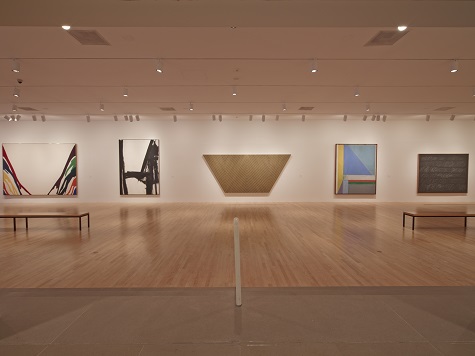
Morris far left, Stella in the center

Louis Morris’s Delta Kappa far left; Frank Stella’s Valparaiso Green in the center

Discover a number of artist connections in the current The Museum Is History exhibition, which is included in the DMA’s free general admission. Find out more about the artists and their influence on each other, including Frank Stella’s influence on Louis Morris, from DMA curator Gavin Delahunty on the DMA’s program recordings page.

Jazz and Jewelry: Celebrating Art Smith in August

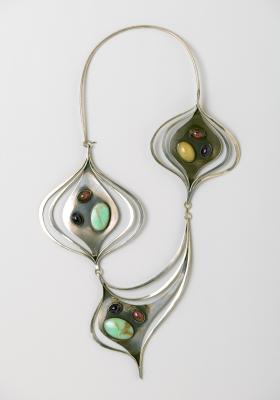
In June, the DMA opened the beautiful exhibition From the Village to Vogue: The Modernist Jewelry of Art Smith, featuring 26 dynamic pieces of silver and gold jewelry created by artist Art Smith. 


To celebrate this show, we are making August the month of all things Art Smith. You can explore the show with a metalsmith during a  Gallery Talk; stop by the Center for Creative Connections to look at Smith’s tools; listen to the jazz that inspired Smith, every Thursday evening during Jazz in the Atrium; or, if you’re a teen, sign up for the Urban Armor Maker Club to create a programmable piece of jewelry. Be sure to check out the full schedule of events for more information.


Jazz in the Atrium


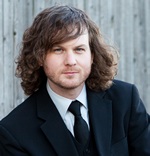
In addition to being one of the leading modernist jewelers of the mid-20th century, Smith was an avid jazz enthusiast and a supporter of early black modern dance groups. This inspired us to commission a new dance from our Arts District Neighbors, Dallas Black Dance Theatre, accompanied by a new jazz suite composed by jazz drummer Stockton Helbing.


First, we met with Nycole Ray, Artistic Director for Dallas Black Dance Theatre II, and Stockton to discuss the format of the piece—how long would the entire piece be, how many dances would comprise the whole performance, does there need to be transition music between the dances, what tempo would be best for each dance, what style of jazz would fit the feel of the piece, and more. We also agreed that a jazz trio would be best so the band and the dancers could all fit on stage together during the live performance.


Once those questions were answered, Stockton began composing an original piece of music he titled On 4th Street, after the location of Art Smith’s studio in New York. Stockton created MIDI demos of his music for Nycole to review before he went into the studio to make the final recording with other musicians.


We now have the final masters of the music, and Nycole has begun choreographing the dances and working with the dancers on the piece she titled Art on 4th Street.


Dallas Black Dance Theatre II

This dance will have its world premiere during the Friday, August 15 Late Night. In addition to Art on 4th Street, this evening will feature live jazz, jewelry making, a film screening of Paris Blues, tours, and more—all inspired by Art Smith!


Stacey Lizotte is Head of Adult Programming and Multimedia Services at the DMA.


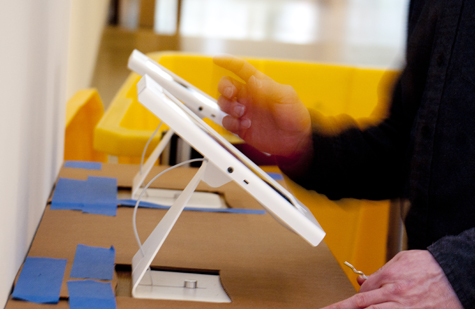
Late Night Technology Test Run


photo7

The chance to intern at the Dallas Museum of Art this summer has been incredible, and the work done in the Center for Creative Connections creates the perfect opportunity to apply my specific research interests. I’ve been studying what’s typically called “cultural capital” for several years now, and it refers to individuals’ accumulation of literacies, skills, and privileges that result from economic status, education levels, or race. This concept is thought to permeate all aspects of society, particularly in institutions as established as the museum, and holds implications for the equitable treatment of visitors and the validation of their experiences. A guiding question for my own work is: How can all visitors overcome the expectations created by cultural capital and bring their own experiences to the interpretation of works at the museum?

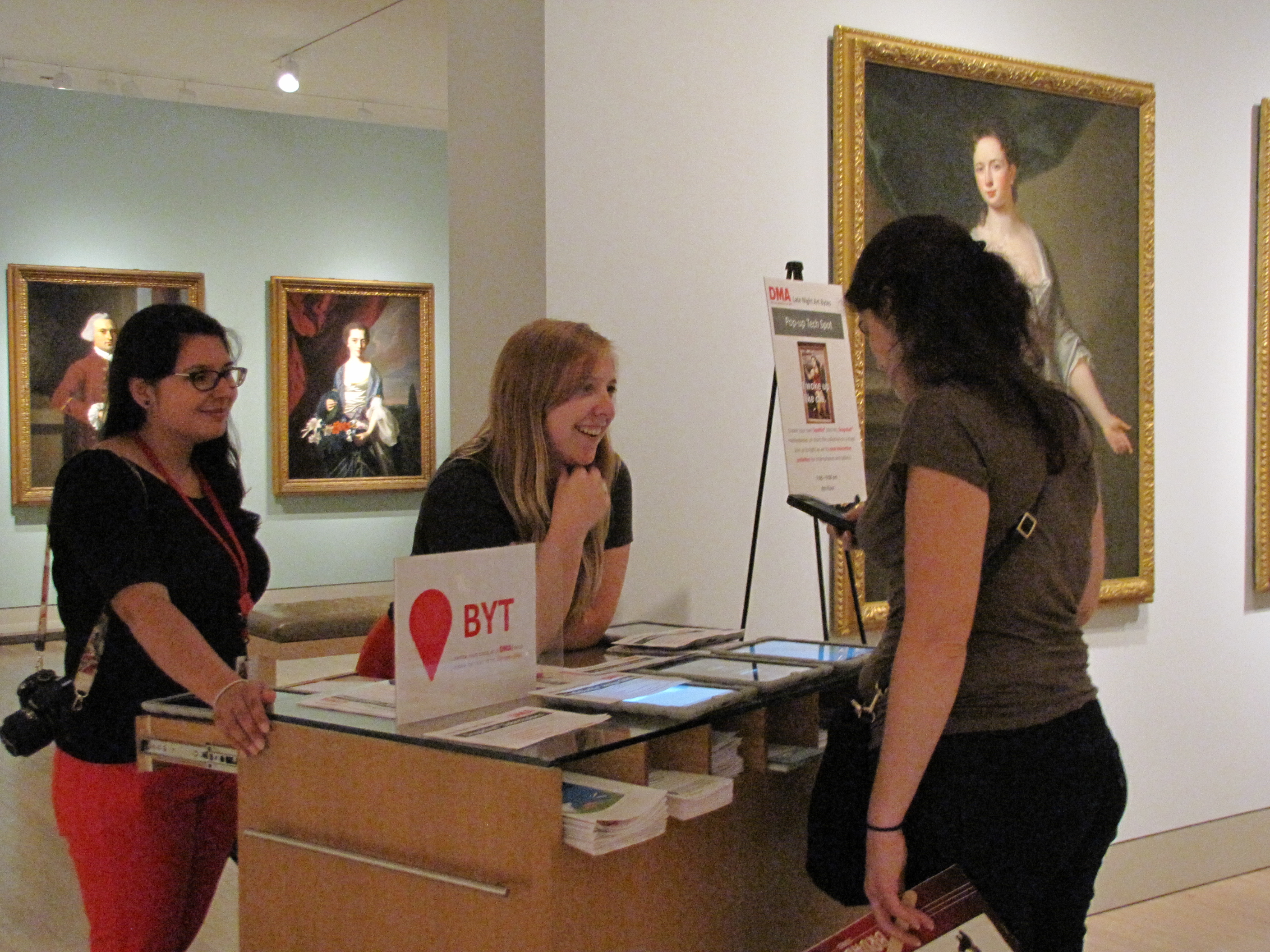
In recent years, many websites and software applications (apps) have been created to allow for unhindered cultural production by users from all walks of life. Often these programs also allow for social media interactions, creating unique communities bound by technology. If this user-friendly type of creativity could be adapted to gallery activities, it may spark the interest of underserved visitors. As part of my summer project, we held a trial run of these activities as part of a “Pop-Up Tech Spot” for 2 hours during July’s recent Late Night Art Bytes program.


Snapchat

To capitalize on smartphone technologies and trends in social media, we created a Snapchat activity that allows visitors to recontextualize the works on display at their own pace.

Snapchat 1(snapchat20

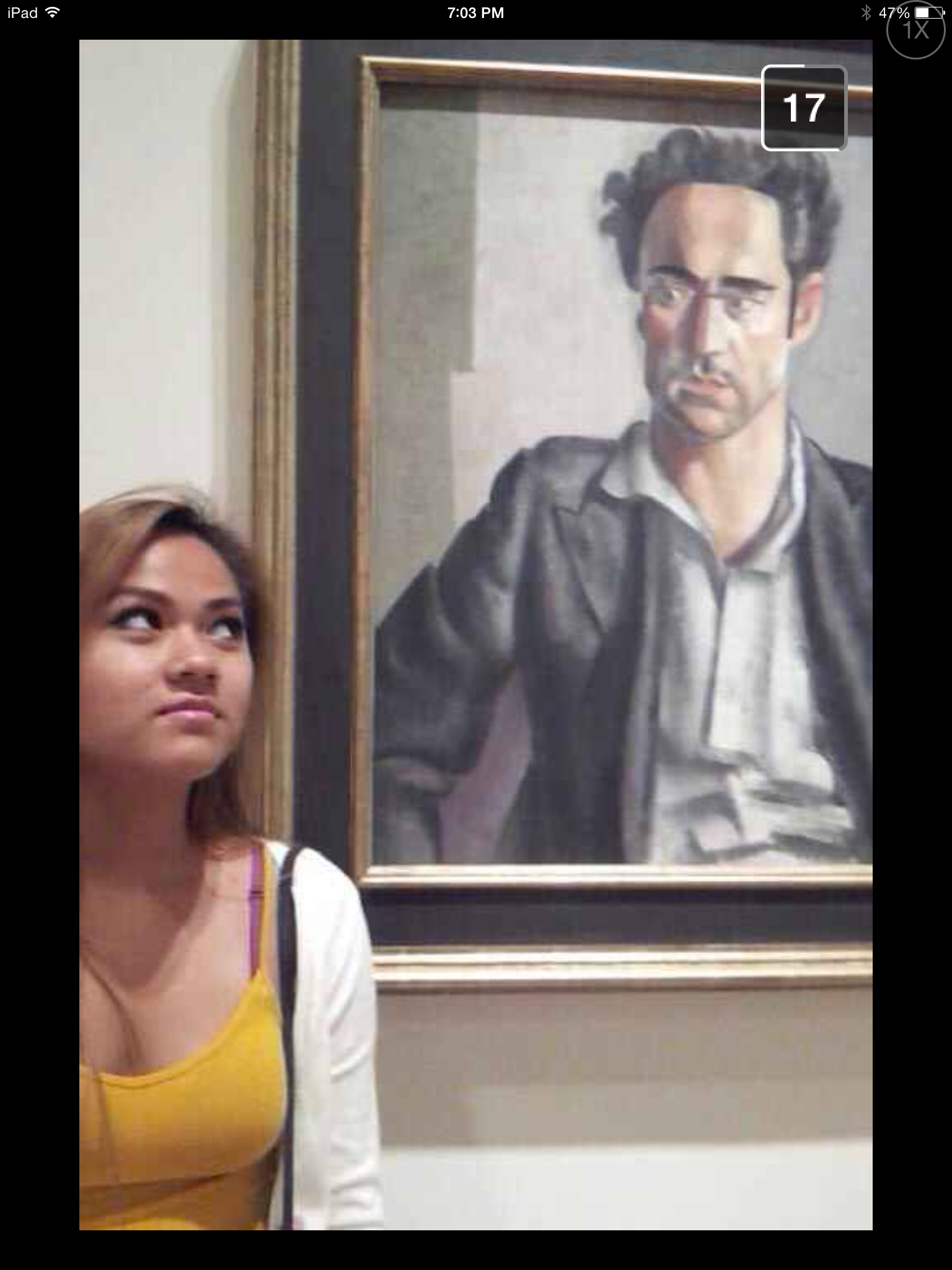
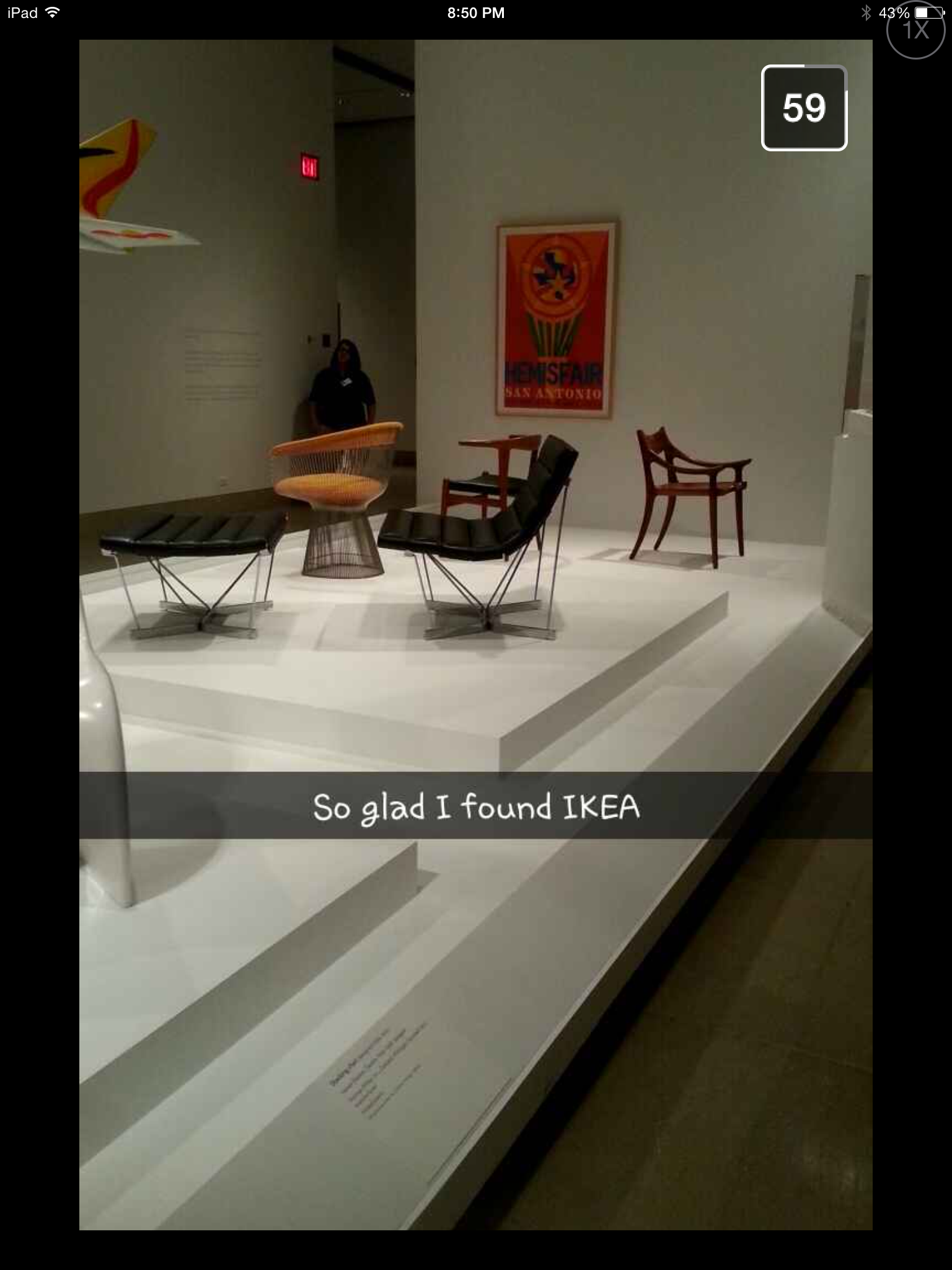
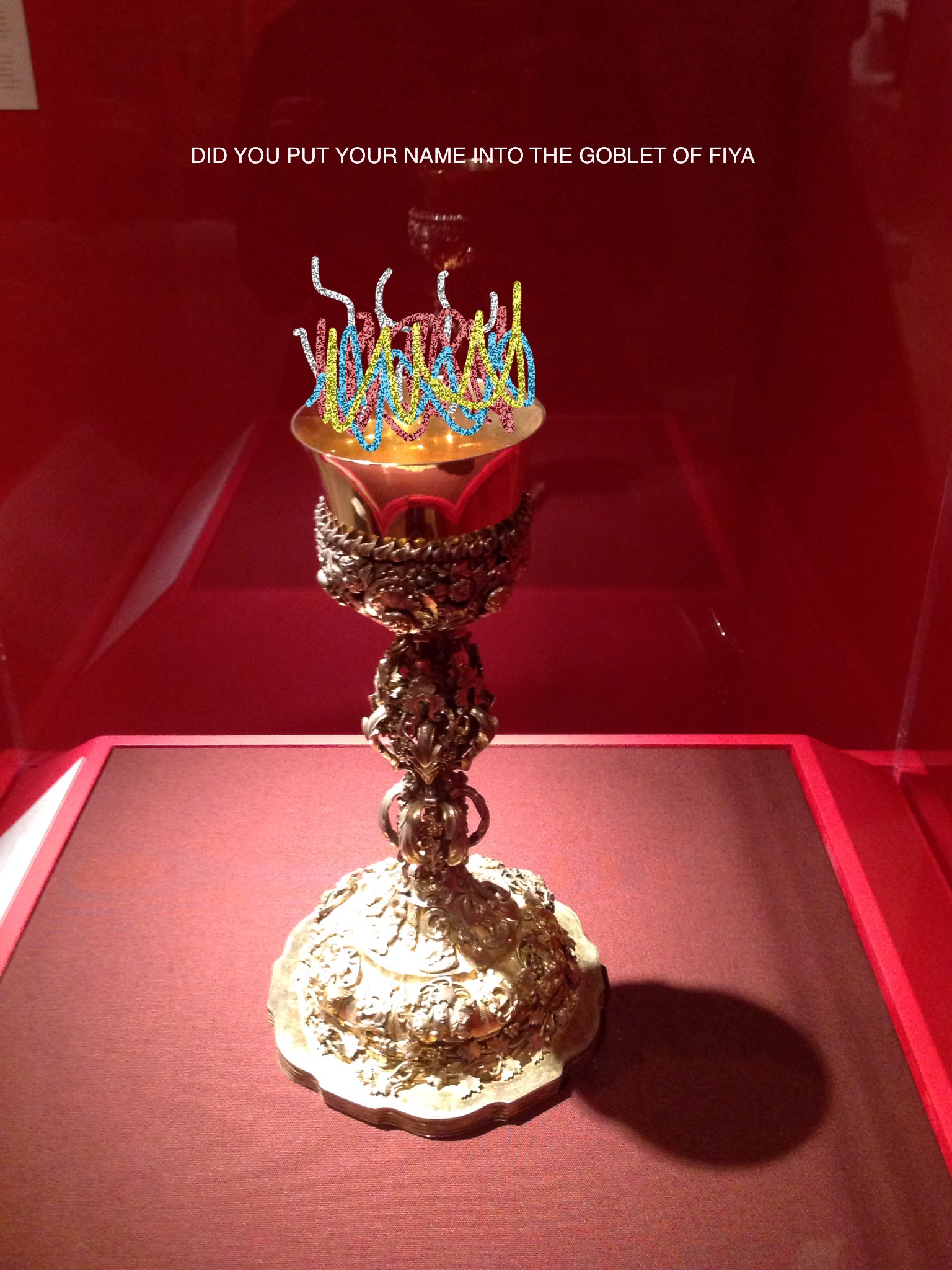
Visitors were invited to take photos with their smartphones using the app, and then to draw or type atop the images to make it their own. By setting up an account for the museum (add DallasMuseumArt as your friend), we were able to receive and save visitors’ submissions. The evening yielded 28 different photos created by 10 visitors, many of which were entertaining interpretations of the permanent collections.


DoodleBuddy

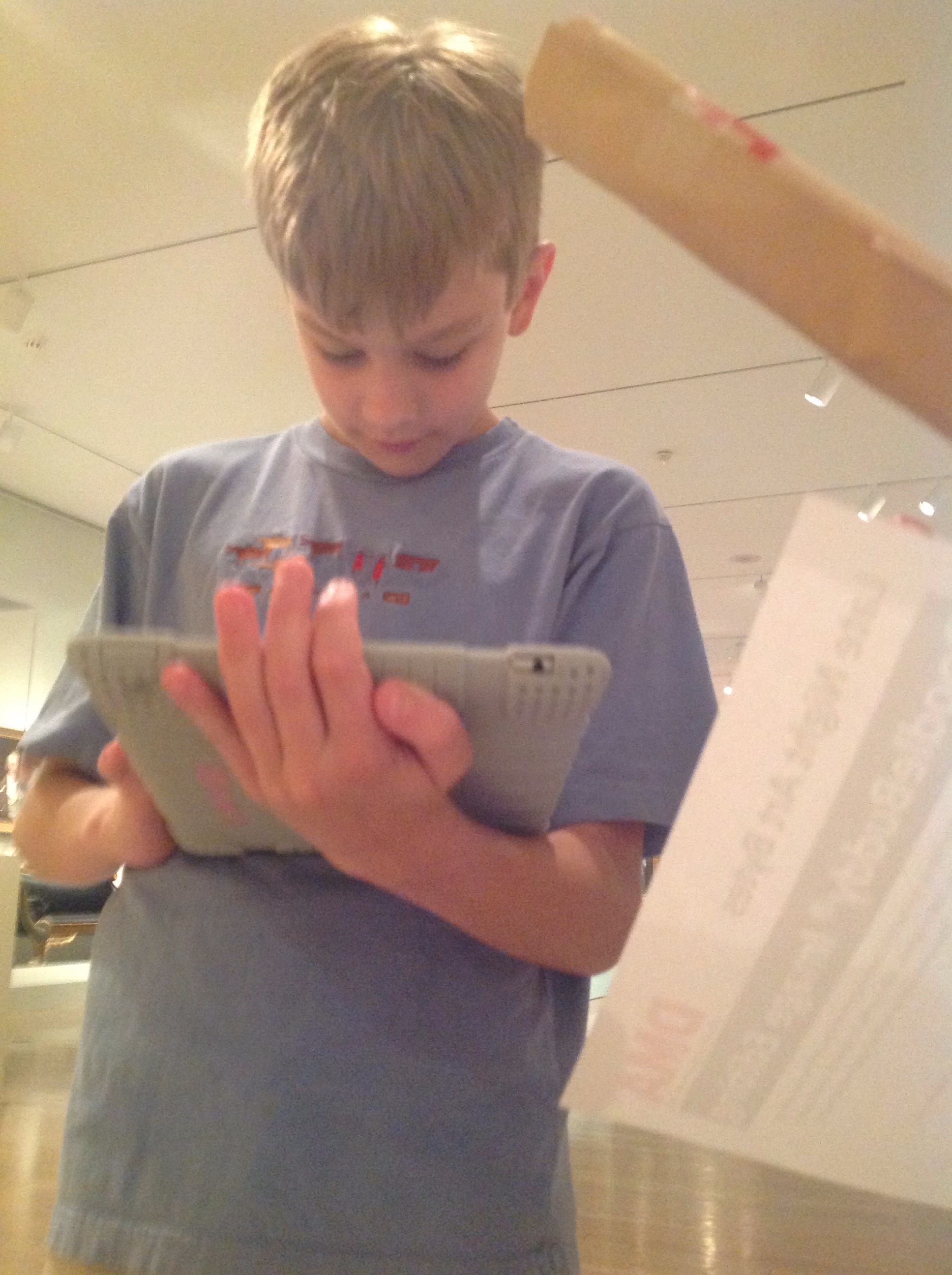
For those who were uninterested in maintaining a Snapchat account, there was an alternate option for editing photos of works on display. The DoodleBuddy app in place on the iPads was available for visitors to borrow from the activity cart, and had similar creative capabilities. Users could snap a picture and then add their own touches to a work.
db2   db7

This activity was the most popular that evening, as some 22 visitors worked individually or in pairs to create and save 14 new images. When finished, masterpieces could be saved to the museum’s iPad (to be later uploaded to Flickr) or emailed to the visitor for their own use.


Map the Collection

The least popular activity for the night was a mapping activity that utilized other capabilities of the DoodleBuddy app on the iPads. Visitors could borrow the iPads with the program, this time drawing and/or typing atop a preloaded map, to chart the works within a particular gallery. Because of its proximity to the cart’s location near the entrance to the American gallery, the trial program utilized the works from a gallery of Colonial Art of the Americas, allowing visitors to find the origins of works from Central and South America. One enthusiastic visitor was able to use the map to teach a friend about her home in Paraguay, and pointed out political and economic tensions that continue to this day.


Spotify

The use of music in the galleries is nothing new, but allowing visitors to create playlists that is accessible both within and outside of the galleries was a novel opportunity for most. Familiarity with the app was likely a hindrance for many who stopped by the activity cart, but 5 visitors decided to opt for the musical program on their smartphones or the provided iPads. When creating the playlist, users simply included “DMA Late Night” in the title to allow other Spotify members the chance to search, play, or follow playlists created in the museum. Gallery experiences translated through song can be accessed from anywhere, or even played back in the galleries to create a community of listening visitors.

photo4

Overall, the evening was a bustling hit. The activities piqued the interest of several disengaged visitors, and allowed them their own space to create something new. Passersby received handouts about the Snapchat submissions to allow their continued access to the activity, and the iPads were put to excellent use by up to 5 visitors at once. Difficulties encountered included the length of explanation required for several of the apps (many visitors were unfamiliar with Spotify), and some troubles using the DoodleBuddy camera feature. Better instructions or fewer choices should help minimize these issues.

Testing these activities also allows us to consider how–or if–these programs could be utilized in conjunction with the Pop-up Art Spots already in place in the galleries. For example, the mapping activity could easily be translated into an activity for the Indonesian galleries, while the Spotify app may be put to better use in the contemporary collection. Snapchat and DoodleBuddy image editing activities may also benefit from utilizing more focused prompts, inviting visitors to submit photos for a single object or particular theme.


July LN 1

I’ve had a blast adapting apps for gallery activities. Hopefully this is just the beginning of “share-able” cultural production used in the galleries, and I’d like to extend a huge wave of gratitude to all those who helped me get things in motion!

Brittany Garison
C3 Graduate Intern

Art + Science = Whole Brain Fun

Remember when it was all the rage to call each other left- or right-brain dominant? While these references are still popularly used today, skepticism is growing among scientists as they learn more about the brain.

Strengths in logical, analytical, and verbal thinking have been associated with the left side of the brain, and creative and intuitive thinking have been associated with the right side. Scientific and mathematical types may be labeled “left-brainers,” while artists are considered “right-brainers.”

The reality is that there’s a bit more crisscross throughout the cranial wires. Both sides of our brains may actually tackle the same problem or idea, but each may approach a solution differently. Bottom line: Te brain aims to work efficiently and this means that most of the time the whole brain is working together. How is the health of your whole brain?

Join us for a day that engages and challenges the whole brain! On Saturday, April 12, the worlds of art and science deliberately cross over and mash up at the DMA’s first Art + Science Festival, held in partnership with the Perot Museum of Nature and Science. Here are a few highlights to stimulate your neurons:

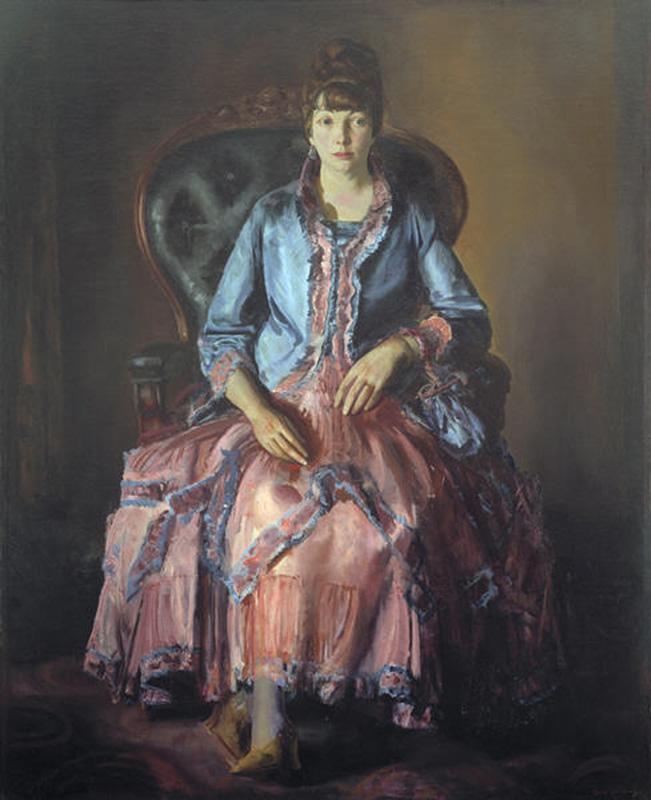
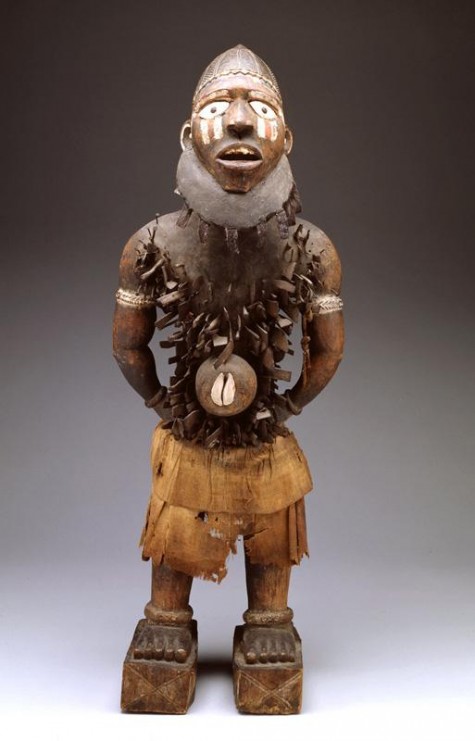
  • Stretch your mind during various 20-minute gallery talks with experts. Why might a curator use a CAT scan to learn more about an African sculpture? What can a facial recognition scientist reveal about a portrait?

Emma_1956_58

Nkisi_1996'184'FA

  • Inspect art materials and the natural world up-close using DIY digital microscopes with the DMA/Perot Teen Advisory Council.
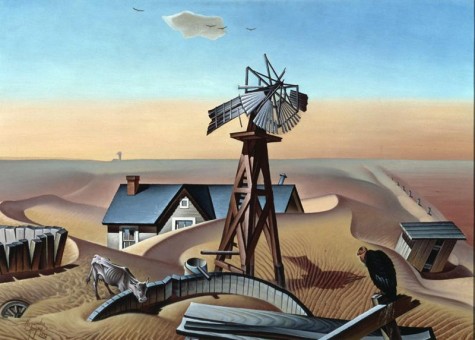
  • Sit in the Perot’s Portable Universe (only the coolest movable planetarium in town) for one of two featured presentations, The Sky at Night and The Search for Water. After the Portable Universe, marvel at the connections your brain makes as you gaze upon masterworks in two DMA exhibitions. Encounter the realm of the stars in Nur: Light in Art and Science from the Islamic World, which includes a collection of astrolabes (early astronomical computers), a celestial globe, and an astrological album. Alexandre Hogue: The Erosion Series takes an in-depth look at Hogue’s powerful images confronting the tragedies and environmental issues of the Dust Bowl era.

Drouth_Stricken_1945_6

  • Practice your mind-hand-eye coordination by making some art. Explore lines, shapes, and patterns through the creation of a string art installation with artist Amy Adelman.

Late_Night_Available_Space_TF_07_19_2013_31

All of these experiences and more await you for FREE at the DMA’s Art + Science Festival on Saturday, April 12. Come for a visit and challenge your whole brain! All ages are invited.

Nicole Stutzman Forbes is Chair of Learning Initiatives and Dallas Museum of Art League Director of Education at the DMA.

Images:
George W. Bellows, Emma in a Purple Dress, 1920-1923, oil on canvas, Dallas Museum of Art, Dallas Art Association Purchase; Standing power figure (nkisi nkondi), late 19th-early 20th century, wood, iron, raffia, ceramic, pigment, kaolin, red camwood, resin, dirt, leaves, animal skin, and cowrie shell, Dallas Museum of Art, Foundation for the Arts Collection, gift of the McDermott Foundation; Alexandre Hogue, Drouth-Stricken Area, 1934, oil on canvas, Dallas Museum of Art, Dallas Art Association Purchase, (c) Olivia Hogue Marino & Amalia Hogue

Savor the Arts: A Kitchen Adventure

This Friday, cookbook author and professor of comparative literature Dr. Mary Ann Caws will be here to discuss her book The Modern Art Cookbook during our Savor the Arts Late Night event.

The-Modern-Art-Cookbook-by-Mary-Ann-Caws1

The Modern Art Cookbook is equal parts art historic document and recipe guide, illuminating the relationship between art and food. In preparation for this event, the DMA’s programming team decided to try some recipes from the book to see what they were like (and to test their kitchen skills).

Betsy Glickman, Manager of Adult Programming:
I have always been a fan of the “breakfast for dinner” concept, so I opted to tackle an egg-based dish from the book. Armed with a minimal set of ingredients—and an even more minimal set of cooking skills—I set aside an evening to bring Pablo Picasso’s Spanish Omelette to life in my kitchen. I originally thought the dish would resemble a traditional, half-plate-sized omelette, but as I laid out the ingredients (10 eggs, 4 potatoes, 2 onions, etc.), I realized this was going to be much larger.

Betsy_1

I began by peeling and slicing the potatoes and onions. I then tossed them into a large pan and sautéed them for about 15 minutes. While they were cooking, I beat the eggs in a large mixing bowl.

Once the potatoes and onions were beginning to brown, I drained them on some paper towels to help absorb the excess moisture. I then added them to the salad bowl along with a large helping of salt and pepper.

Next it was time to make the omelette. I pulled out the best nonstick pan I own, added some olive oil and medium heat, and poured in the contents to cook for several minutes.

Betsy_2

As the edges began to firm up, I realized the hardest part of the process was yet to come: I somehow had to flip this thing over. I snagged a plate for assistance, and, in a swift movement, transferred most of the contents to the plate and back into the pan. All in all, I’d give my flip an 8 out of 10.

Betsy_3

I cooked the omelette for another 2-3 minutes. The book instructed to leave the center a little runny, but, unfortunately, I overcooked it a bit. Even so, the end result was quite tasty. Viva el Spanish Omelette!

Betsy_4

Things I learned: It’s difficult to ruin an omelette, but there are endless ways to make it better. In the future, I may try adding tomatoes, peppers, and/or salsa to this recipe.

Stacey Lizotte, Head of Adult Programming and Multimedia Services:
I decided to make Brecht’s Favorite Potato Bread because I have always been interested in mastering a bread recipe (yeast and rising dough have always been a bit of a mystery to me). This recipe called for one cube of yeast, which I should have researched before picking this recipe. I tried finding a conversion from cubed yeast to dry yeast and was not successful, so I went with one packet of dried yeast for the recipe. Because dry yeast needs to be activated with water, I reduced the amount of oil recommended.

Stacey's Ingredients

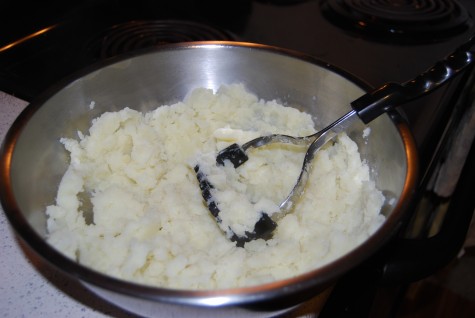
Even with that reduction, my dough was very wet. After adding an additional cup of flour it was still not the texture I thought it should be. But having little experience with bread, and thinking that the mashed potatoes probably added moisture, I thought maybe that was how it was supposed to be.

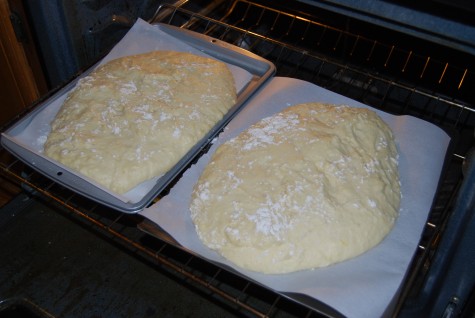
While the dough did rise, as you can see from the photos the dough did not hold its shape once formed into “loafs.”

Stacey's Recipe 4

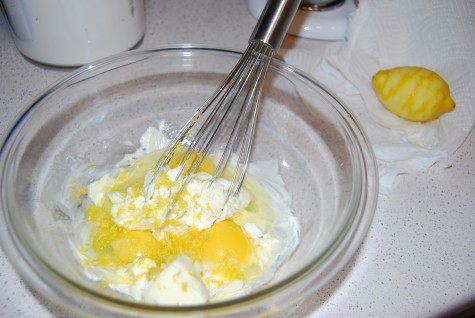
While the look of the bread left much to be desired, I found the flavor interesting, which I attribute to the lemon zest.

Things I learned: Yeast used to come in cubes. I will add lemon zest to any future bread dough recipes I try.

Liz Menz, Manager of Adult Programming:
The last time we all got together for a cooking blog, I went with soup, so this time I ventured into the realm of desserts. I decided to make Claude Monet’s Almond Cookies. The recipe is much like a shortbread recipe, so there were very few wet ingredients and (something I discovered halfway through) the dough required kneading.

photo 3

Combining the flour, confectioner’s sugar, ground almonds and lemon rind into a bowl with the eggs was the easy part. Realizing that the cubed butter was still needed, I figured out that my wooden spoon was not going to cut it, so kneading was the way to go!

photo 1

After some work (and one phone call to my mother), I realized I was doing this right, as the dough finally came together. It was on to rolling out the dough and cutting the cookies! I am a less-than-prepared baker and discovered that, in a pinch, a wine bottle doubles well as a rolling pin and wine glasses are the perfect size for cutting!

photo 4

After I sprinkled the cut cookies with sugar and sliced almonds, they went into the oven for about 20-25 minutes. They came out golden and yummy! The lemon rind really gave them a great flavor, and I decided that these cookies would be great with a cup of coffee and a book.

photo 2

Things I learned: Shortbread-type recipes are harder than they look, but worth it. Lemon rind is a great addition to cookies. Also, thanks Mom.

Don’t forget to join us on Friday as we savor the arts! And, for more fun food-inspired posts, peruse the Culinary Canvas section of our Canvas Blog.


Betsy Glickman is a manager of adult programming at the DMA.
Stacey Lizotte is head of adult programming and multimedia services at the DMA.
Liz Menz is a manager of adult programming at the DMA.
Having a Ball During DMA Spring Break

What do March Madness and the DMA have in common? If you are thinking that both are in Dallas, you are correct! This year’s NCAA Men’s Basketball Final Four and Championship games will be played right here in North Texas. But wait, there is SO much more! Here at the DMA we are celebrating Art Madness, our own version of the beloved tournament. DMA Friends picked an artsy Sweet Sixteen that you don’t need a ticket to enjoy, and we are now down to the Elite Eight. Works of art from the Museum’s collection are competing for your vote to determine which artwork is the ultimate champion. If you haven’t voted yet, it’s not too late to get in on the game.

Since basketball is on the brain here, it seemed only fitting that we spend our spring break elevating our game, and we’ve planned an action-packed week of Art Madness family fun for everyone! Enjoy story time in the galleries, family tours, art-making in the studio, family competitions and more all week long in our art and basketball mash-up. We will even have a real piece of the NCAA here at the Museum! Be sure to score a look at the NCAA Championship trophy in the Center for Creative Connections, on view March 11-16.

Can’t get enough of the Madness? Then take an overtime for fun and join us for a Family Block Party on March 14, when we’ll stay open until 9:00 p.m. Families can sketch in the galleries, take a tour of the Art Madness competitors, do some yoga in the galleries, enjoy a puppet show, design trading cards in the studio and more. Everyone will be a winner!

But don’t take our word for it. We asked a family of museum (and sports) experts to walk us through the spring break starting line-up.

b-ball storytime

Little B-ball enjoyed story time in the galleries, hearing favorite stories and looking at one of the Art Madness competitors.

b-ball tote

The entire family used the hands-on activities and games in the Art to Go Family Tote to explore color in some of their favorite paintings.

b-ball challenge

With art supplies, a healthy dose of imagination and their competitive streak, the B-ball family worked as a team to design a jersey for their Art Madness MVP in the daily Championship Challenge.

b-ball yoga 2

Mama B-ball thought yoga was very relaxing and loved finding peaceful inspiration in the art around her. (Little B-ball wasn’t quite as meditative.)

b-ball ventriloquist

Daddy B-ball couldn’t help but laugh at ventriloquist Nancy Worcester’s hilarious show in the Horchow Auditorium.

Their final conclusion: “Visiting the DMA is a slam dunk!”

Our analysis? Art + Basketball = A surefire hit for the entire family. We hope to see you here March 11-16!

Amanda Blake is the head of family, access, and school experiences at the DMA.
Leah Hanson is the manager of early learning programs at the DMA.

Seldom Scene: 160 Guises

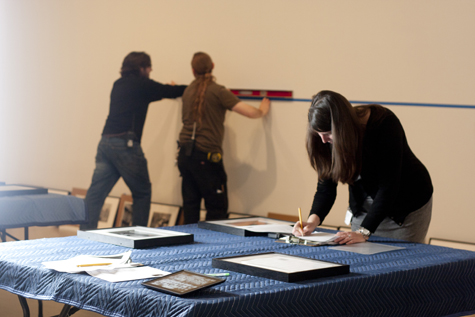
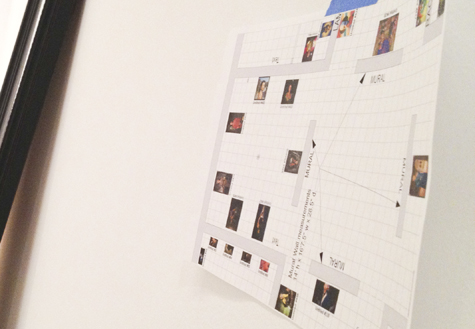
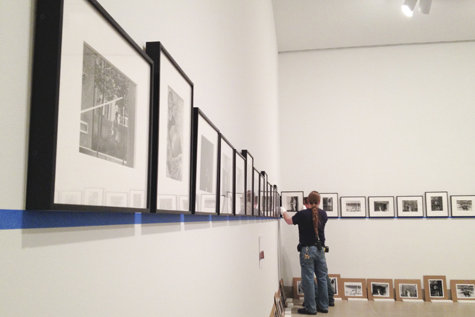
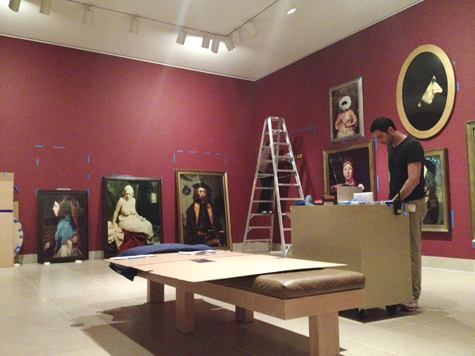
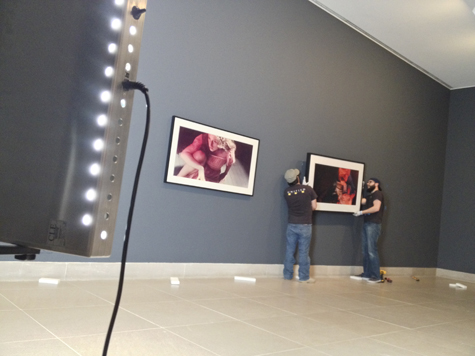
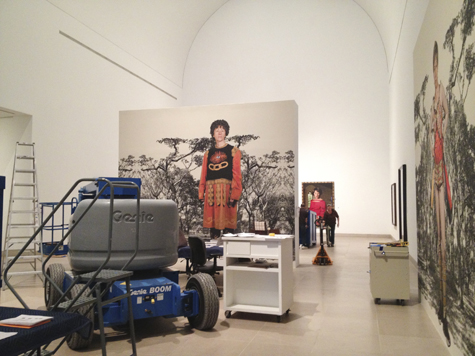
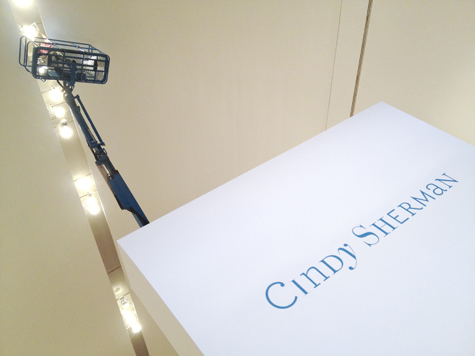
On Sunday we will open Cindy Sherman, serving as the final stop for this nationally touring exhibition featuring the work from Cindy Sherman from the 1970s to the present. For the past couple of weeks we have been installing the more than 160 photographs, ranging in size from 9.5 by 7.56 inches to over 6 by 11 feet, not to mention photographic mural standing at 14 feet. Visit through June 9 the different guises of this significant contemporary artist, who is arguably the most influential one working with photography — and check out our special programming for it here.


1353

11


4b

9

10


5


8


1354


There’s No Place Like Home…Or a Museum That’s Open Until Midnight

Next week is Spring Break and we are offering a lot for families and visitors of all ages to do at the DMA.

We will kick-off the week with our WFAA Family First Day on Saturday, March 9. Then, throughout the week you can explore our galleries with self-guided tours, stop by the Art Cart, compete in games with your family, and more!

Stop by our new Art Cart in the Museum galleries.

Stop by our new Art Cart in the Museum galleries.

And to end the weeklong celebration, we invite you to join us for our annual Spring Break Block Party on Friday, March 15. We will be open until midnight for our Late Night event, as will our neighbors in the Arts District: the Crow Collection of Asian Art, the Klyde Warren Park, and the Nasher Sculpture Center.

Each year we program the March Late Night around a fun family theme, from Where the Wild Things Are to Alice in Wonderland and the world of Dr. Seuss. This year, staff debated between Mary Poppins and The Wizard of Oz, and after some nostalgic discussions and fun brainstorming meetings, we decided to go over the rainbow and follow the yellow brick road to the wonderful world of Oz.

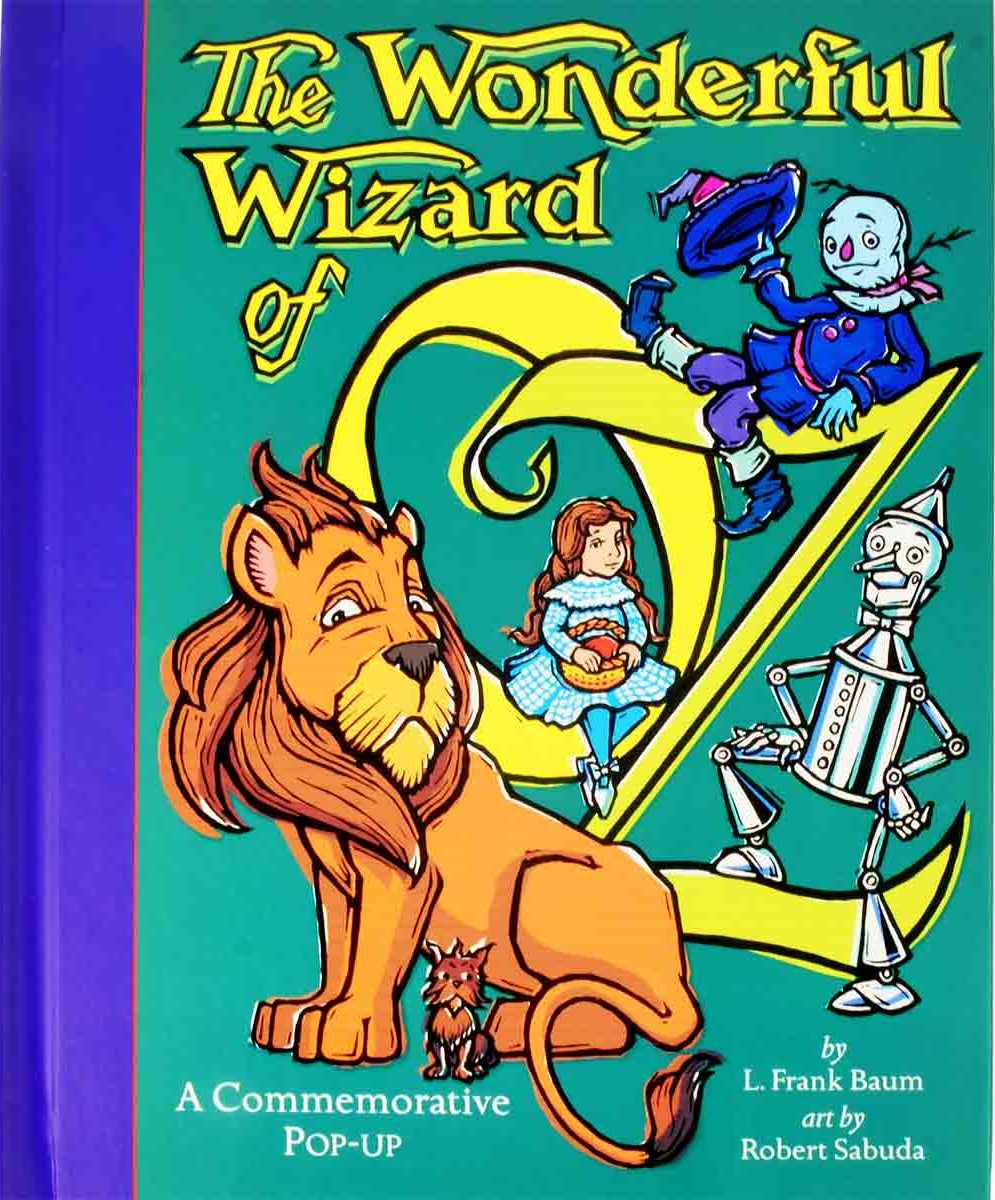
Don’t miss the “Prince of Pop-Ups,” Robert Sabuda, who will discuss his major feats of paper engineering, including his pop-up book The Wonderful Wizard of Oz.

Sabuda_Wizard of OZ

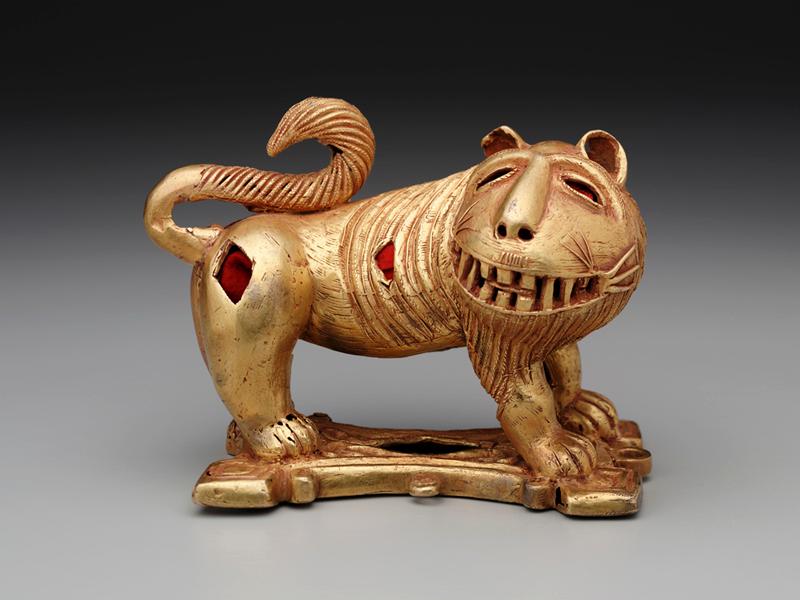
Families can explore the galleries with our Journey Through Oz Family Adventure to find courage, a heart, a brain, and a home. And if you stay late, you can take a tour that looks at the lions, tigers, and bears (oh my!) in our collection.

Sword ornament in the form of a lion, c. mid-20th century, Cast gold and felt, Dallas Museum of Art, The Eugene and Margaret McDermott Art Fund, Inc.

Sword ornament in the form of a lion, Ghana, Nsuta State, Asante peoples, c. mid-20th century, cast gold and felt, Dallas Museum of Art, The Eugene and Margaret McDermott Art Fund, Inc.

As for films, we decided we didn’t want to show the original Wizard of Oz but instead screen some interesting takes on the classic. So throughout the night you can watch Tom and Jerry’s take on the film as well as The Muppet’s version. And for adults we will screen the cult classic Return to Oz.

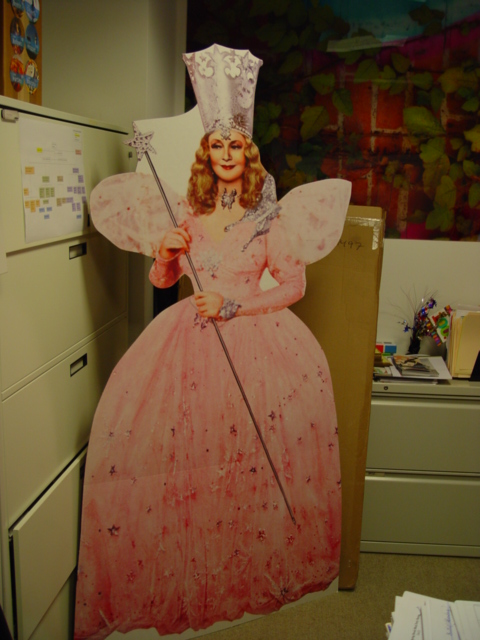
Don’t forget to bring your camera so you can take a photo with your friends and family in front of our Emerald City backdrop, accompanied by cardboard cut-out characters from The Wizard of Oz. Glinda the Good Witch is living in my office until the big day!

Glinda

And if you are a DMA Friend, come to Late Night dressed as your favorite Wizard of Oz character to earn the Midnight Masquerade Badge and 450 points! Not a DMA Friend? Be sure to sign up at the kiosks near the Visitor Services Desks when you arrive.

Stacey Lizotte is the Head of Adult Programming and Multimedia Services at the DMA.

Gung Hay Fat Choy!

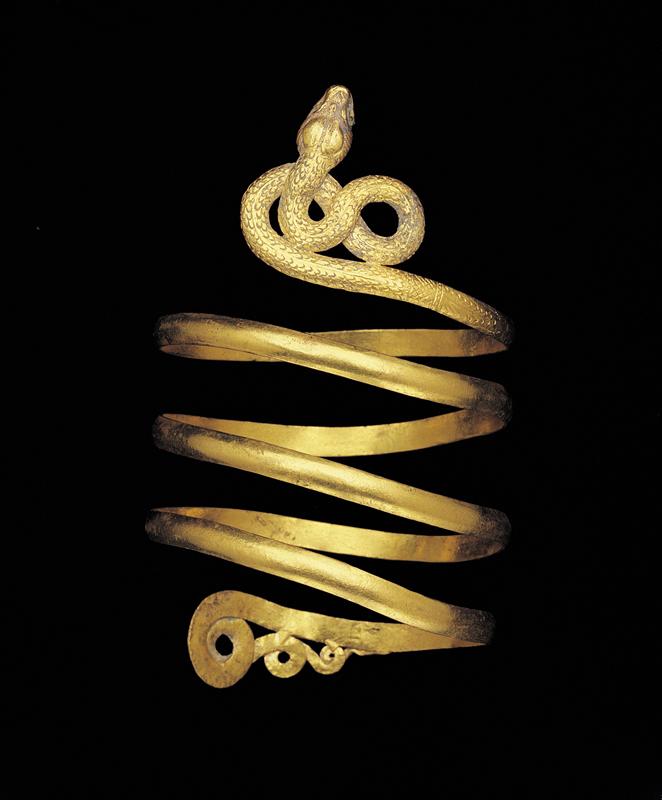
Happy Chinese New Year! Gung hay fat choy means “Wishing you a prosperous year” in Cantonese. Sunday, February 10, marked the beginning of a new year according to the lunar calendar. Chinese New Year is also known as Lunar New Year and is celebrated in many other Asian countries. It falls in the month of January or February on the first day of the first moon. In China, each year is represented by one of the twelve animals of the Zodiac. 2013 is the year of the Snake. If you were born in 2001, 1989, 1977, 1965, 1953, or 1941, then you were born in the year of the Snake (but those of you with January and February birthdays should double check!).

Celebrations range from one day to fifteen days, and traditions vary from region to region and family to family. My family celebrated by giving each other red envelopes filled with small gifts of money. These were given out by the adults to the children as a symbol of luck and good fortune. Houses are often decorated with red and gold lanterns and banners, and festivities typically include a special family meal. Noodles represent long life, while fruits, such as tangerines and kumquats, symbolize wealth. My family bought peaches, a traditional Chinese symbol of longevity.

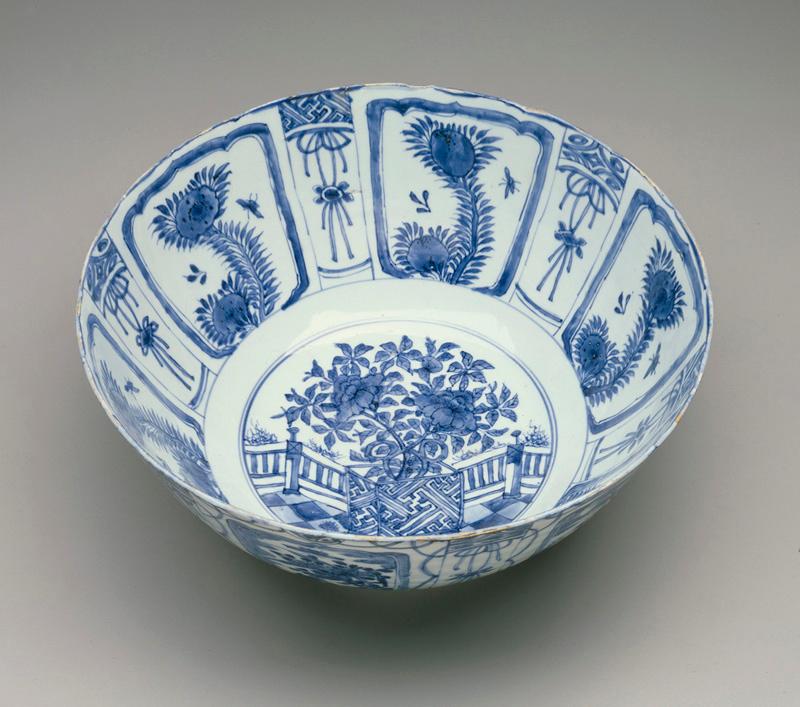
On the inner wall are six panels containing stylized peach branches. The peach is believed to ward off evil and represents springtime, marriage, and immortality.

On the inner wall are six panels containing stylized peach branches. The peach is believed to ward off evil and represents springtime, marriage, and immortality.

Celebrate the Lunar New Year with friends and family at some of these DFW area events, including a free Year of the Snake Celebration with our neighbor, The Crow Collection of Asian Art, on Late Night. Wishing you a happy and healthy new year from all of us at the DMA!

Fu is the Chinese word for good luck. Typically, it is hung upside down. The Chinese word for “upside-down” sounds like the Chinese word for “arrive.” So when the sign is hung upside-down, it wishes for good fortune to arrive soon.

Fu is the Chinese word for good luck. Typically, it is hung upside down. The Chinese word for “upside-down” sounds like the Chinese word for “arrive.” So when the sign is hung upside-down, it wishes for good fortune to arrive soon.

Works shown:

  • Roman, Single Snake Armlet, 2nd century BC, Dallas Museum of Art, Museum League Purchase Funds, The Eugene and Margaret McDermott Art Fund, Inc., and Cecil H. and Ida M. Green in honor of Virginia Lucas Nick.
  • China, Jingdezhen, Bowl, c. 1640-1650, Dallas Museum of Art, The Wendy and Emery Reves Collection.

Alex Vargo
McDermott Intern for Gallery Teaching

Countdown to DMA Friends & Partners on January 21

We have been preparing for months for the launch of DMA Friends & Partners and our return to free general admission. The DMA Friend kiosks are in place, the badges have been uploaded, and we are ready to welcome everyone to the DMA on Monday, January 21.

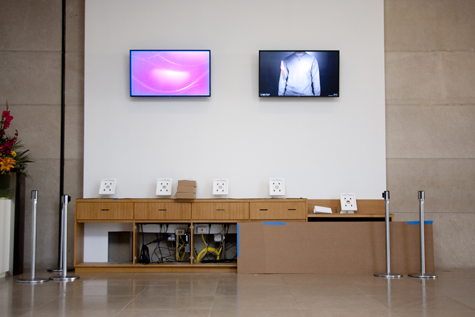
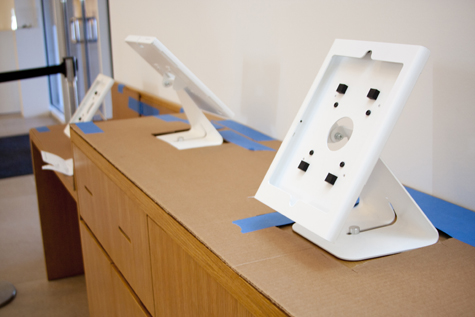
Join us on this very special day. Explore the Museum and start earning credit as you enjoy performances in the galleries, tours, art making, and more! Download the full schedule of activities here and check out a few shots of the installation process below.

49

48

51


Archives

Categories