Archive for the 'People' Category


Friday Photos: Artwork Comic Strip

Last Friday, new Go van Gogh volunteers spent time in the galleries with artworks from our 3rd grade Stories in Art program.  Stories in Art encourages students to spend time looking closely at different elements of an artwork, trying to discover a “story” behind it.

As part of the program, volunteers become storytellers, telling a story that inspired our artwork Vishnu as Varaha.  Our Vishnu sculpture illustrates just one moment in the story A Boar Saves the World, so we spent some time imagining what the rest of Vishnu’s adventure might look like and created a comic strip from our ideas.

To create our comic, each volunteer took 1-2 sentences from the story and sketched their interpretation.  Below is the resulting artwork comic strip and an image of our Vishnu as Varaha sculpture inserted in the proper place in the narrative.

Enjoy!

Amy Copeland
Manager of Go van Gogh and Community Teaching Programs

Artwork shown:

  • Vishnu as Varaha, 10th century, Dallas Museum of Art, gift of David T. Owsley via the Alvin and Lucy Owsley Foundation and the Alconda-Owsley Foundation, E.E. Fogelson and Greer Garson Fogelson Fund, General Acquisitions Fund, Wendover Fund, and gift of Alta Brenner in memory of her daughter Andrea Bernice Brenner-McMullen

Tiny Thumbs at the Dallas Museum of Art

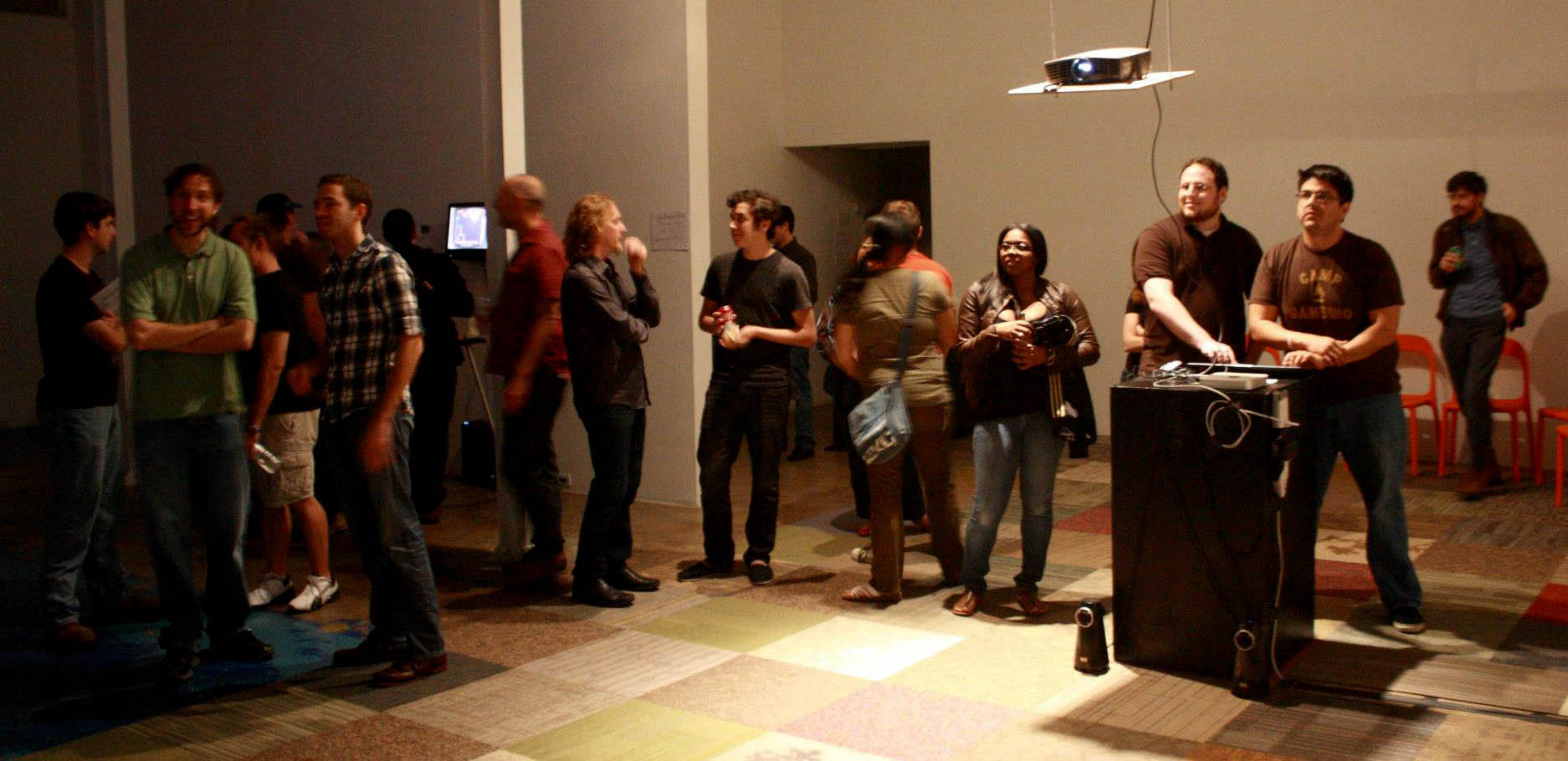
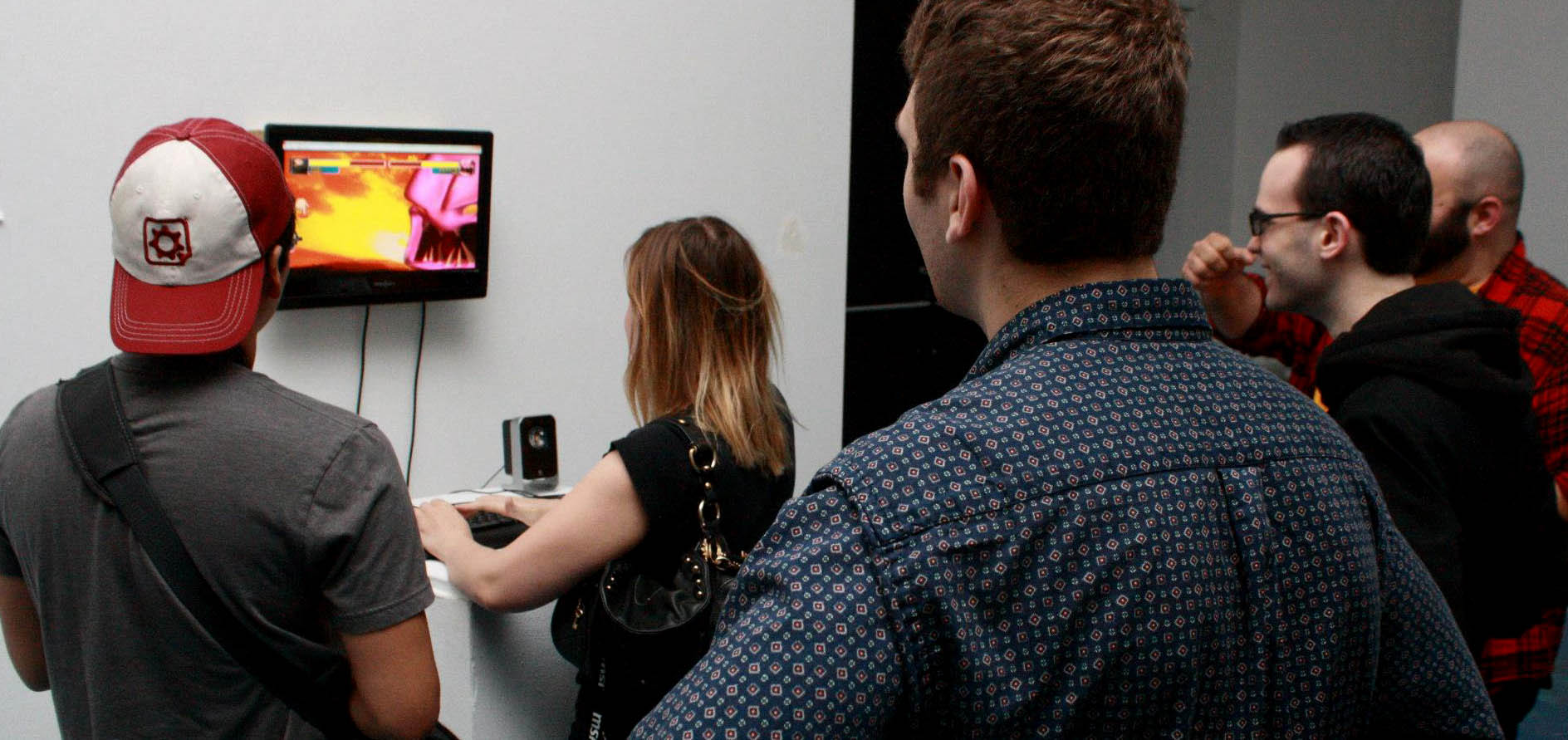
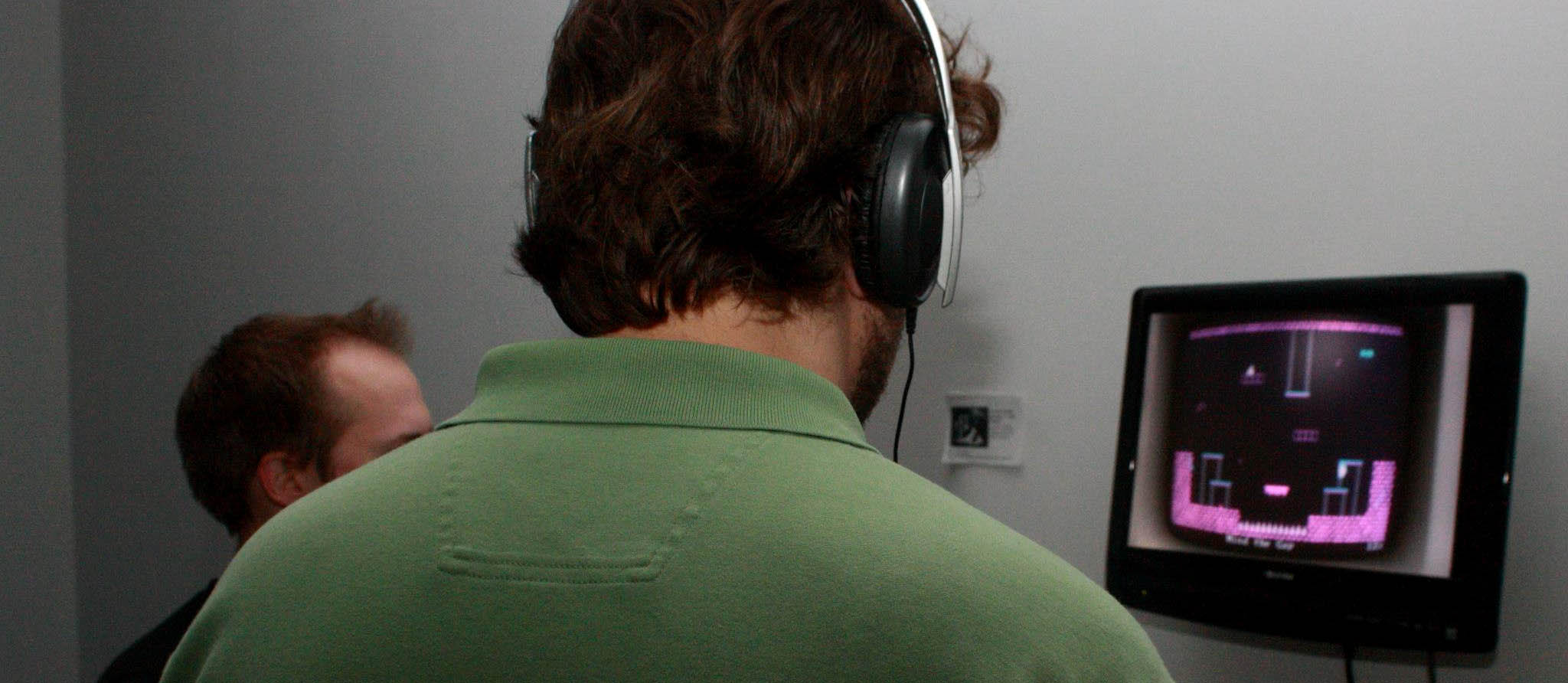
According to the Tiny Thumbs Facebook page, “Tiny Thumbs is a new organization looking to build up awareness for the indie game scene and showcase some of the best talent out there through pop-up arcades/art shows.”  In anticipation of their upcoming pop-up arcade at the DMA’s Late Night tomorrow night, I virtually sat down with Robert Frye, UT Dallas Ph.D. candidate and co-founder/co-curator of Tiny Thumbs.  As is probably most fitting, our interview took place over a series of emails:

image from "Tiny Thumbs: Breaking Out"photo credit: EbonSoul Photos

image from “Tiny Thumbs: Breaking Out”
photo credit: EbonSoul Photos

I found this great description of Tiny Thumbs on your Facebook account and I think that sums up “what” Tiny Thumbs is really nicely, but my next thought is, how did Tiny Thumbs come to fruition?

The idea of Tiny Thumbs came about as[co-founder] Kyle [Kondas] was teaching a class I was involved in called “Games and Gallery Art” where we really sought to tackle the idea of how to show games in an artistic space and what is gained from doing so. We were both inspired by the work of similar shows like Baby Castles – and the idea that we really had a desire to get people off of their computers for a bit and really connect with people, and not just gamers, but we really felt like independent designers could learn so much from talking with people outside of their current circles.

In your Tiny Thumbs description, it specifically mentions the “indie game scene.” Why are indie games important?

I’ve always seen indie games as the ‘art house’ of videogames, it’s the place where people can push the boundaries of interesting design and art and help to get to the core of what makes a game a game. Of course, not all indie games have such a lofty goal, but they still give the reigns of creation to a greater variety of people and that can only lend a larger amount of voices to the field. I think it’s the ability for ANYONE to make a game, for interesting ideas and experience to show up and change how I feel and view games on a weekly basis that makes me love indie games so much. It’s people, making games because there is a spirit inside them that drives them to do it. People who HAVE to create games, made for a community that is passionate to play them.

1

image from “Tiny Thumbs: Breaking Out”
photo credit: EbonSoul Photos

Other than being under the “indie game” umbrella, is there anything else that connects the content that you choose for your shows?

Not really! For our first few shows we wanted to take games of exceptional quality and bring them out of the “one person, one computer” context that they were sitting in. Our goal was to help spread the word in Dallas that there was a place for games of quality to be shown. Now in the future we would love to do themed shows, but for now we are picking games of interest and quality to start a dialogue and really find out what Dallas needs from our show.

Recently there have been a surge of articles asking whether video games are art. MoMA has added video games to their permanent collection, and the Smithsonian has created an exhibition about the evolution of video games as an art form, which is scheduled for a two and a half year tour around the United States. Assuming that you are on the “yes” side of the debate, can you tell me more about why you feel this way?

Are games art? Haha, this is a deceptively difficult question, as you really have to nail down why the question is being asked, what kind of information is trying to be achieved – do I think that games have the potential to have strong artistic statement? Yes. Do I think that games can have aesthetic properties that can inspire and enthrall? Very much so. Often when the question is asked, it seems to me that the real question that is trying to be asked is “can we take games seriously” and for that question I would say emphatically yes. We’ve only just begun to understand how interaction can change the stories and experience that we craft, and what games really mean to people. Video games have only been around for about 50 years (give or take) but in that time we have gone for dots moving along a screen to games like Journey which have breath taking vistas. So are games art? Perhaps, but more importantly – games NEED artists and art viewers to help them become the fullest experiences they can be.

4

image from “Tiny Thumbs: Breaking Out”
photo credit: EbonSoul Photos

Looking forward, what’s next for Tiny Thumbs?

So many things! We are currently in talks for at least two more future shows this year and are excited to have many more events in the future. If everything goes right, we would love to have a monthly show – traveling around venues in Dallas, sampling the flavors of this city and hopefully making the show something that the city can be proud of!

Stop by tomorrow night for Late Night at the DMA.  Kyle Kondas and Robert Frye’s Tiny Thumbs video arcade will be available for you to play and observe from 8pm – 11pm in the Center for Creative Connections’ Tech Lab.

Jessica Fuentes
C3 Gallery Coordinator

Home for the Holidays

With the holidays upon us, there has been a lot of talk of travel, family, and traditions. Everyone’s experience is unique, so I asked some of my fellow bloggers to choose a work of art from the DMA’s collection that reminds them of home during the holidays.

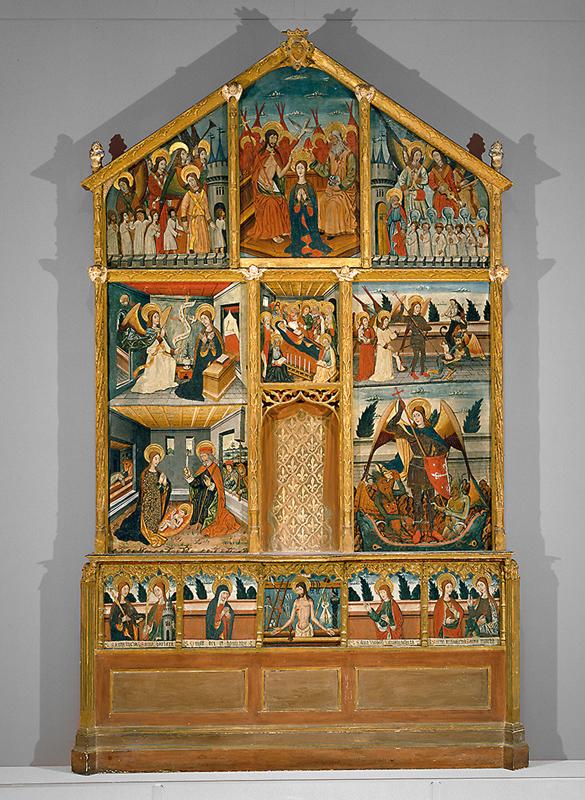
Studio of Pere Espalargues, Altarpiece, second half of 15th century, Dallas Museum of Art, gift of Leicester Busch Faust and Audrey Faust Wallace in memory of Anna Busch Faust and Edward A. Faust.

Studio of Pere Espalargues, Altarpiece, second half of 15th century, Dallas Museum of Art, gift of Leicester Busch Faust and Audrey Faust Wallace in memory of Anna Busch Faust and Edward A. Faust.

My choice is this 15th century altarpiece. It makes me think of my family’s annual visit to The Cloisters museum in New York. We’ve been going there around Christmastime since I can remember. I would always hunt down my favorite two pieces: the Merode Altarpiece from the workshop of Robert Campin and an insanely intricate rosary bead made from boxwood. Though as a kid I had to be dragged there kicking and screaming, I can now appreciate this wonderful family tradition, and I’m looking forward to returning very soon.

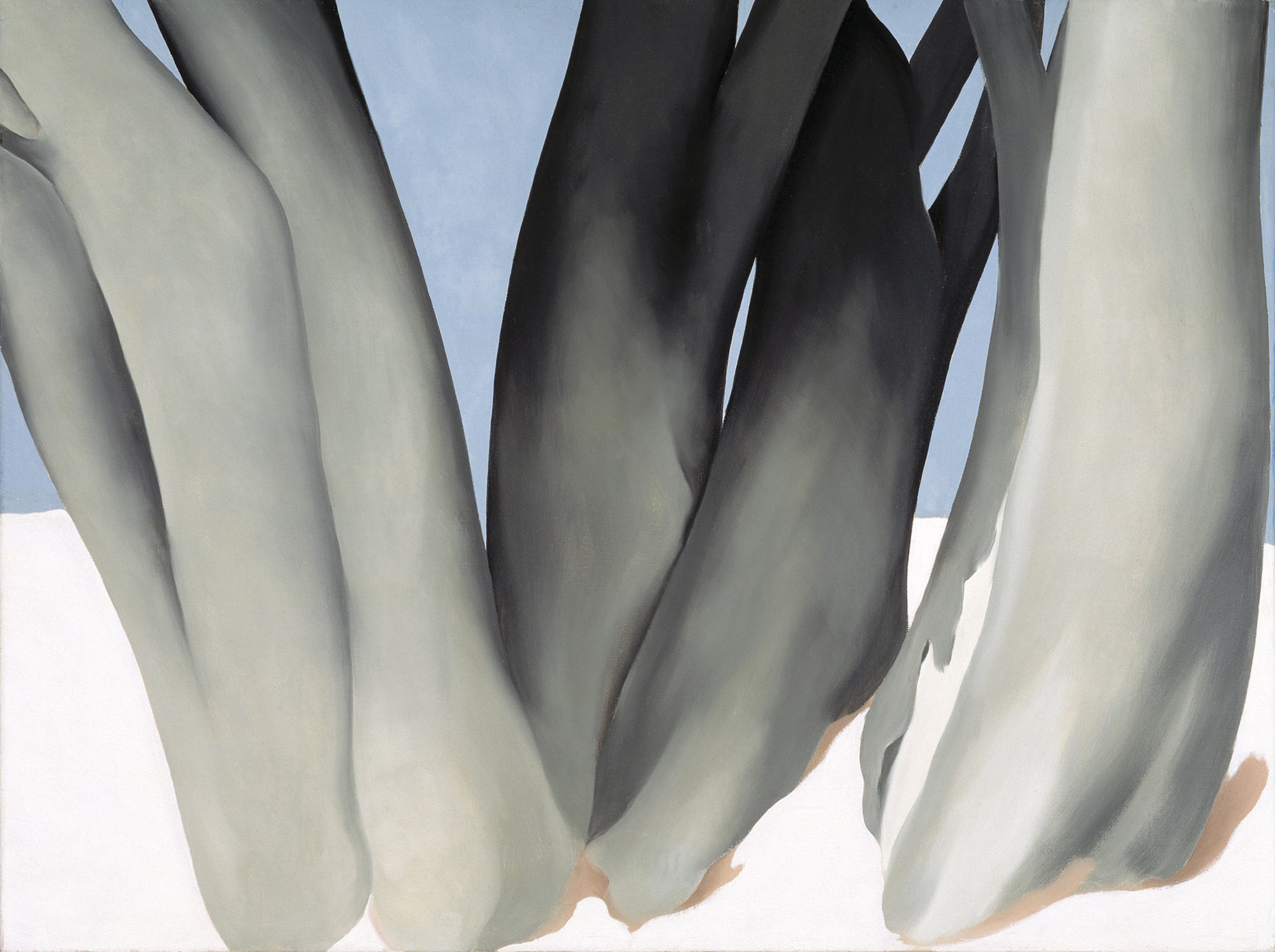
Georgia O'Keeffe, Bare Tree Trunks with Snow, 1946, Dallas Museum of Art, Dallas Art Association Purchase.

Georgia O’Keeffe, Bare Tree Trunks with Snow, 1946, Dallas Museum of Art, Dallas Art Association Purchase.

Danielle Schulz: Georgia O’Keeffe’s Bare Tree Trunks with Snow reminds me of going home to Albuquerque for the holidays. I can just imagine that these bare trees are in my mother’s backyard. The few trees that we do have in New Mexico are quite bare like the painting shows, but become so much more beautiful when it snows. When I look at this painting, all I want to do is curl up in front of the fireplace, eat some green chile stew and watch A Christmas Story on repeat!

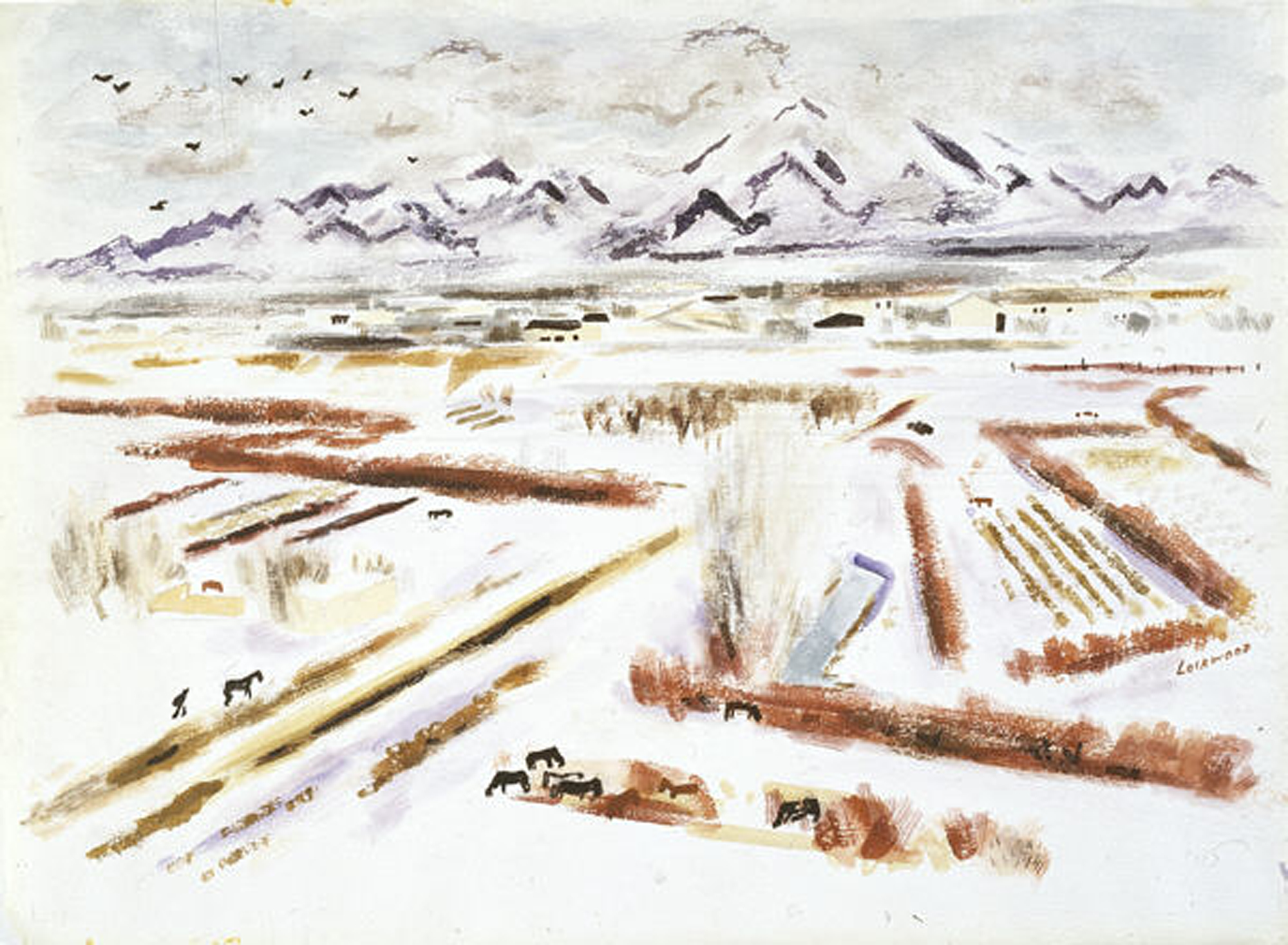
John Ward Lockwood, Magic of the Snow, 1945-1946, Dallas Museum of Art, Lida Hooe Memorial Fund.

John Ward Lockwood, Magic of the Snow, 1945-1946, Dallas Museum of Art, Lida Hooe Memorial Fund.

Pilar Wong: I chose Magic of the Snow because the colors are reminiscent of my hometown of Delta, Colorado. While snowy landscapes are dominated by shimmery whites, the blue of the mountains and tan of the shrubbery creates a winter wonderland!

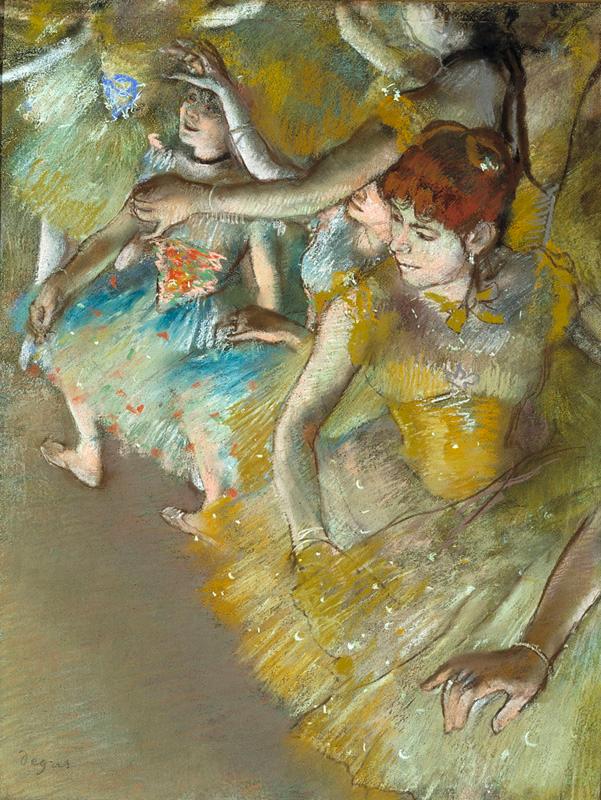
Edgar Degas, Ballet Dancers on the Stage, 1883, Dallas Museum of Art, gift of Mr. and Mrs. Franklin B. Bartholow.

Edgar Degas, Ballet Dancers on the Stage, 1883, Dallas Museum of Art, gift of Mr. and Mrs. Franklin B. Bartholow.

Leah Hanson: I would pick Edgar Degas’ Ballet Dancers on Stage. When I was little, we had a tradition of going to see The Nutcracker every year. My sister and I would get dressed up in our Christmas dresses (usually matching!), and every year it was magical to watch Clara and her Christmas tree that grows and grows and the Nutcracker who comes to life. After the show, we’d twirl around in our dresses and reenact our favorite parts – the Arabian dancers, the Russian dancers, and of course, the Sugarplum Fairy. One of my favorites!

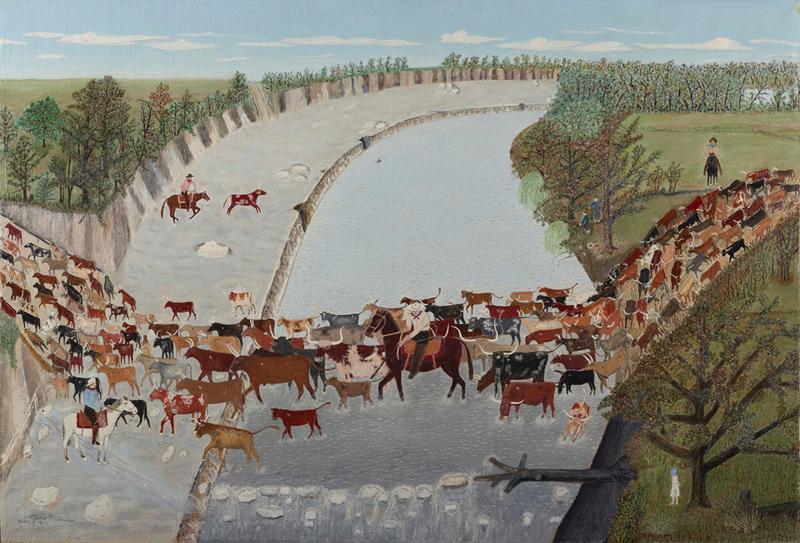
Clara McDonald Williamson, Get Along Little Dogies, 1945, Dallas Museum of Art, Ted Dealey Purchase Prize, Seventeenth Annual Dallas Allied Arts Exhibition.

Clara McDonald Williamson, Get Along Little Dogies, 1945, Dallas Museum of Art, Ted Dealey Purchase Prize, Seventeenth Annual Dallas Allied Arts Exhibition.

Amanda Blake: The work of art that reminds me of the holidays is Get Along Little Dogies by Clara McDonald Williamson because I grew up spending Christmas on farms in Oklahoma with both sets of grandparents. This painting reminds me of the view of cattle and wide-open space as we would drive from Kansas to Oklahoma.

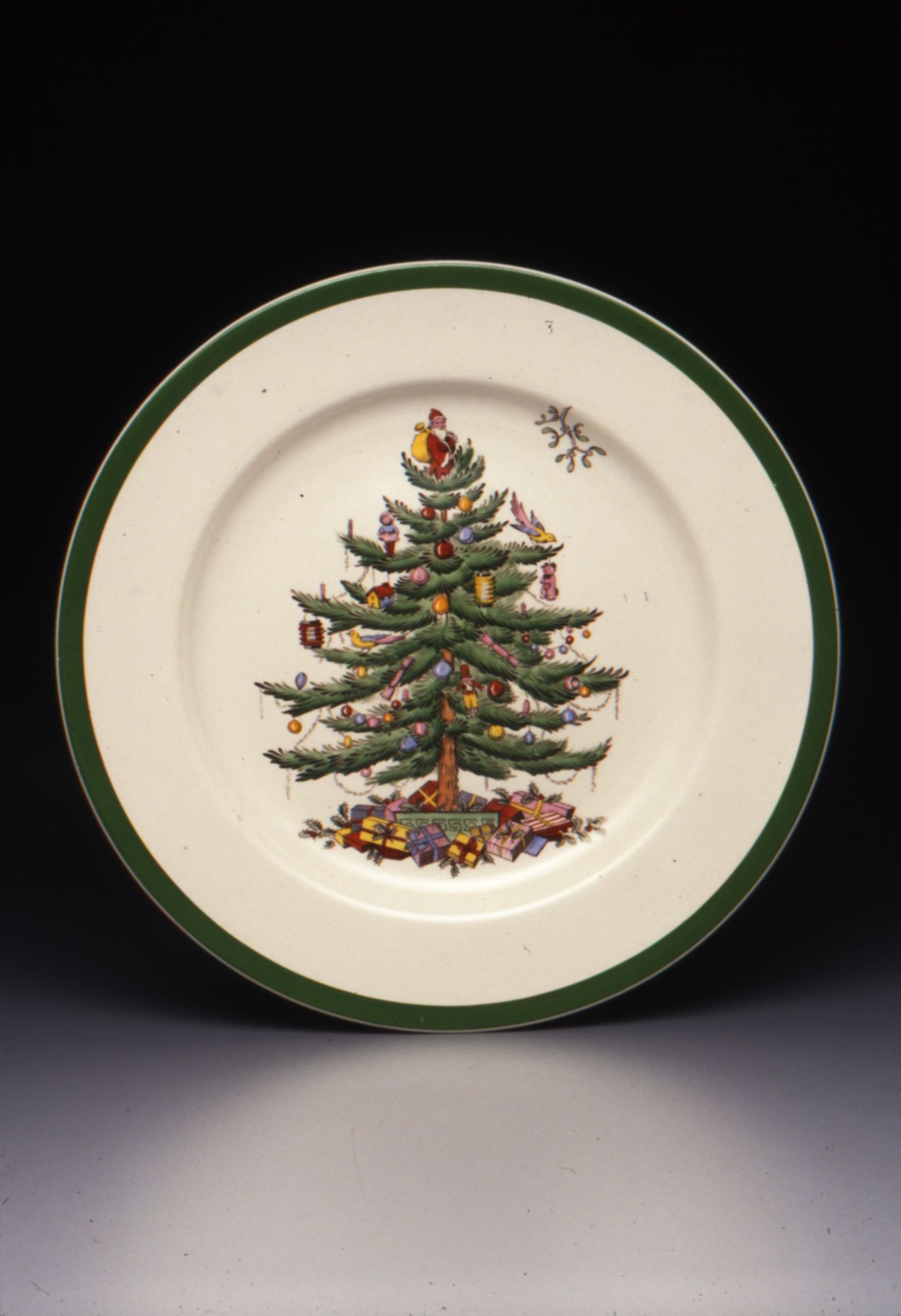
Harold Holdway (designer), Regimental Oak shape dinner plate with Christmas Tree pattern, designed 1938, Dallas Museum of Art, gift of Stephen Harrison in honor of George Roland.

Harold Holdway (designer), Regimental Oak shape dinner plate with Christmas Tree pattern, designed 1938, Dallas Museum of Art, gift of Stephen Harrison in honor of George Roland.

Amy Copeland: For me, nothing says the holidays like this pattern. My family gathers with our neighbors for holiday meals, and the bunch of us have eaten many a Christmas dinner off plates like these.

Happy Holidays from all of us at the DMA!

Alex Vargo
McDermott Intern for Gallery Teaching

Paris Calling!

DSC_8711
Calling all art enthusiasts!

We are in need of volunteers for a hands-on, art-making area in our Posters of Paris: Toulouse-Lautrec & His Contemporaries exhibition.

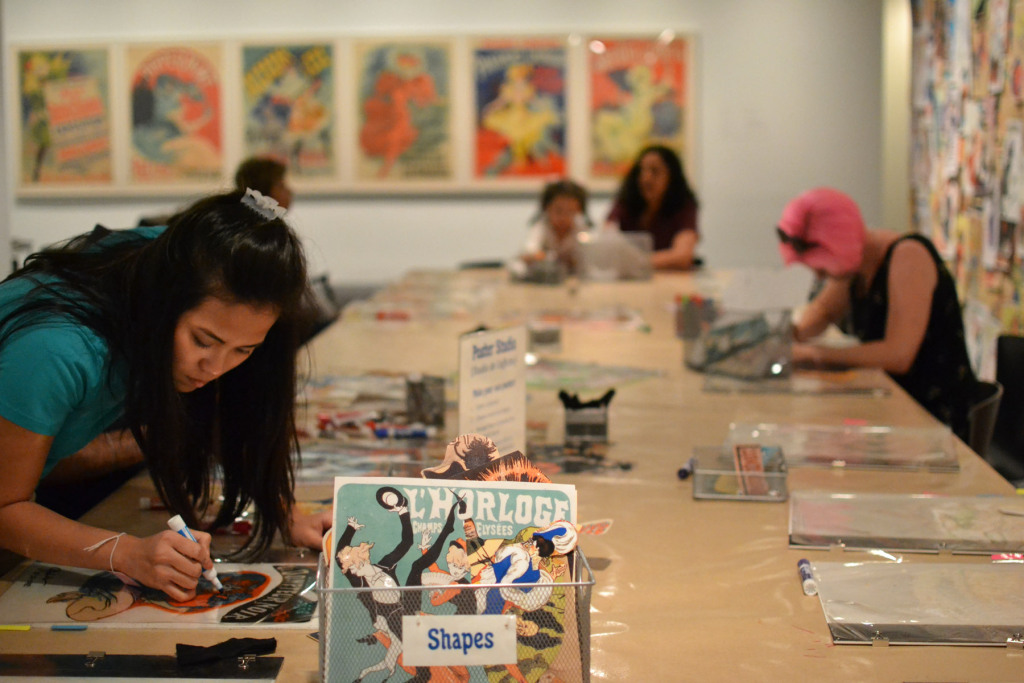
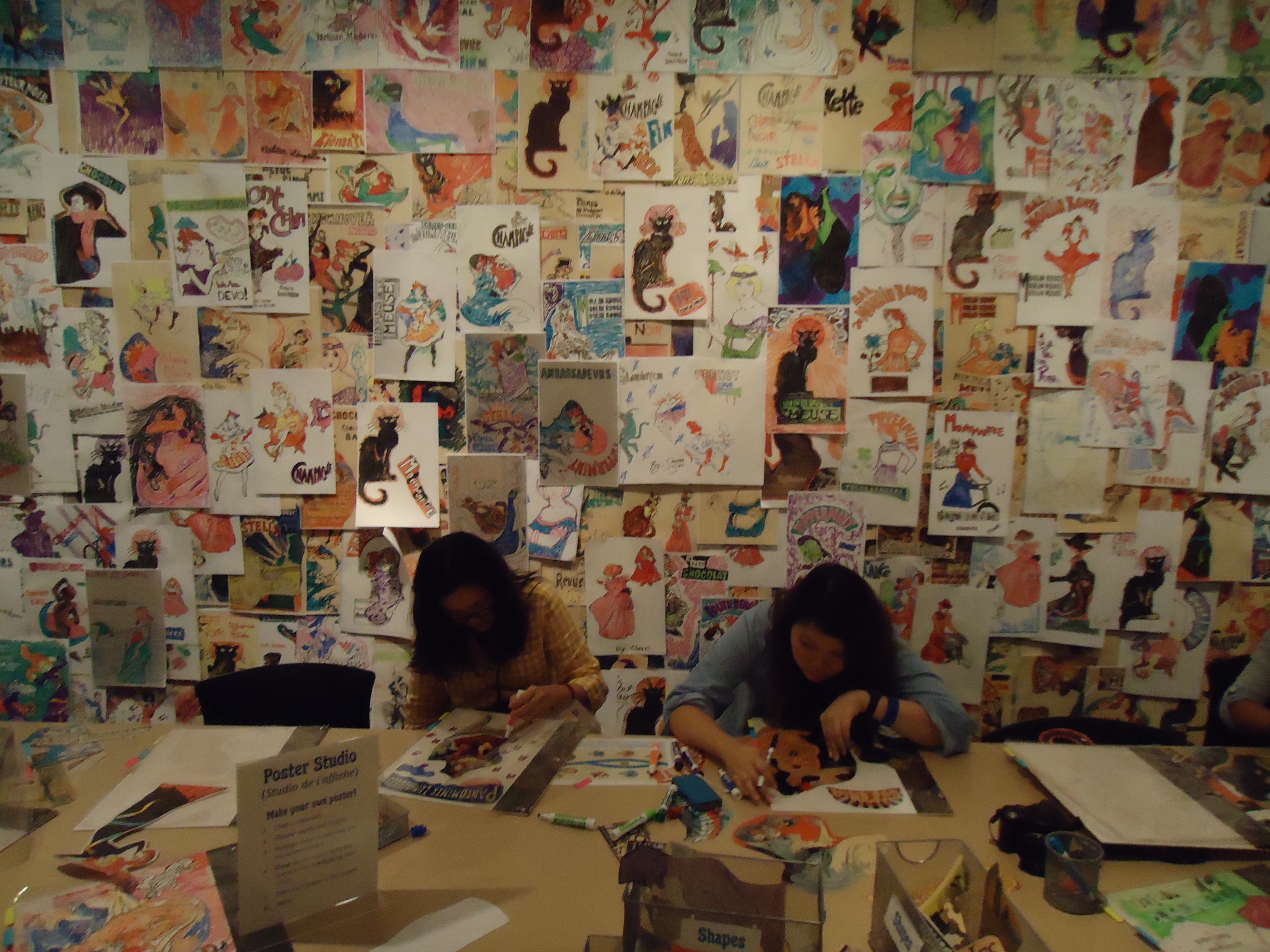
During the run of Posters of Paris: Toulouse Lautrec and His Contemporaries (on view through January 20, 2013), the Museum is offering a drop-in art-making activity within the exhibition gallery space. For the activity, visitors create their own posters using text and images from the exhibition. Poster-makers layer text and images in between layers of acetate and trace their compositions with dry erase markers. After completing poster designs, visitors bring their finished product to a volunteer, who photocopies the image, creating an 11”x17” poster.  Visitors receive a copy of their posters to take home and the Museum keeps a copy to hang in the Poster Studio space.

DSC01421
Poster Studio volunteers will be on their feet, interacting with visitors, making copies, and stapling posters onto the wall in the space.  Shifts are two-hours in length during open hours.  Volunteering in the Posters Studio is a fun way to spend two hours of your day—when I work the space, I usually have time to create a poster myself.

We are in great need of volunteers to help during the final weeks of December.  As our way of thanking you for volunteering, we will provide all volunteers with an extra ticket to the Posters of Paris exhibition.

For more information about being a Posters Studio volunteer, or to sign-up for a shift, please visit our website.

Happy Holidays,

Amy Copeland
Manager of Go van Gogh Outreach and Community Teaching

Fresh New Faces

Our Museum offices are abuzz with a group of new McDermott Interns, who began working with our Curatorial and Education Divisions last week. Two new faces who will be blogging with us over the next nine months are Alex Vargo, McDermott Education Intern for Gallery Teaching, and Pilar Wong, McDermott Education Intern for Community Teaching. In addition to the blog, they will also contribute their talent to our docent and tour programs, teacher programs, and Go van Go outreach.

Welcome to the DMA ladies! Why don’t you share with us a bit of your background.
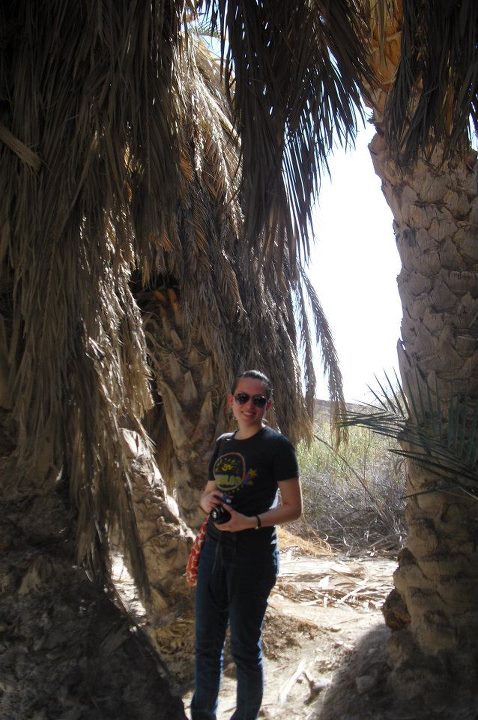
Alex exploring Big Bend National Park
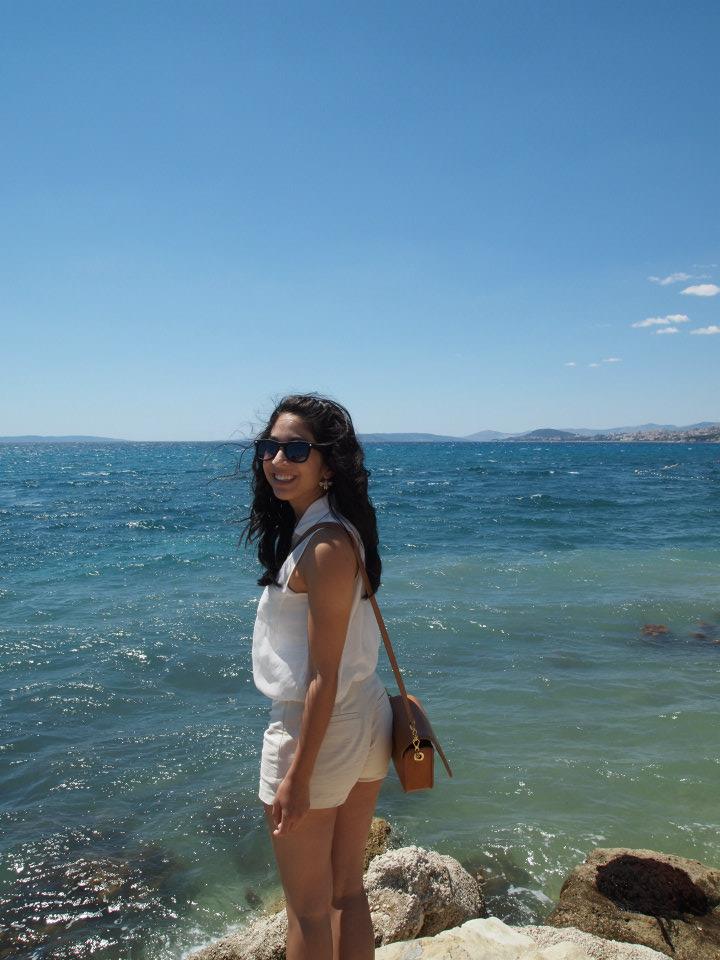
Pilar on the Mediterranean coast in Split, Croatia

Alex: I graduated in 2011 from Oberlin College in Ohio, where I studied Art History. I’m originally from a suburb of Philadelphia, where, in high school, I rowed out of boathouse row by the art museum and, yes, ran the famous Rocky steps. After college, I returned to Philly, where I worked in the Family Programs Departments of the Philadelphia Museum of Art and the Barnes Foundation. Before this internship, I had never been to Dallas, but I’m not totally new to Texas. I had been living in Marfa since February working at the Chinati Foundation. This is my first time living in a Texas city and I’m excited to explore more of the state!

Pilar: I was raised throughout the beautiful southwest in New Mexico, Arizona, and Colorado—Texas is the farthest east I’ve ever lived! I received my BA from Stanford University in Comparative Studies of Race and Ethnicity with a minor in Education. During my time at Stanford, I worked at the Cantor Arts Center which hosts the 2nd largest collection of Rodin sculptures in the world! After moving to Dallas, I volunteered at the Dallas Holocaust Museum and worked at the Dallas Heritage Village.

Now that you’ve been introduced to our collection, which artwork would be your BFF and why?

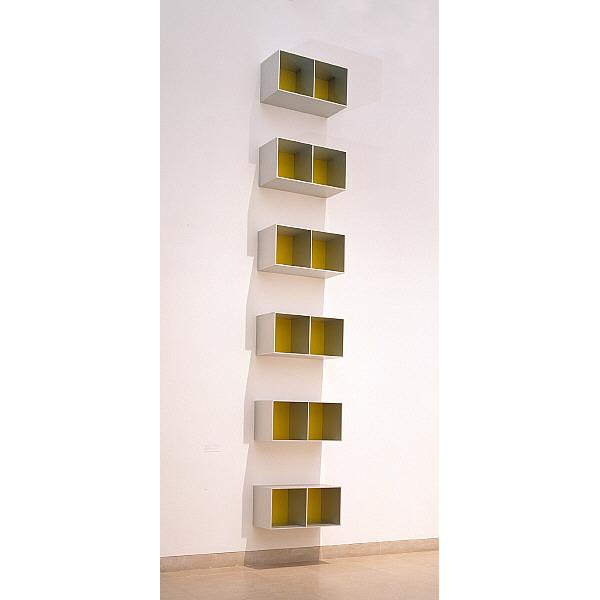
Alex: Donald Judd’s Untitled (1988). Coming from Marfa, where Judd lived and worked when he wasn’t in New York, I feel like we are old friends.
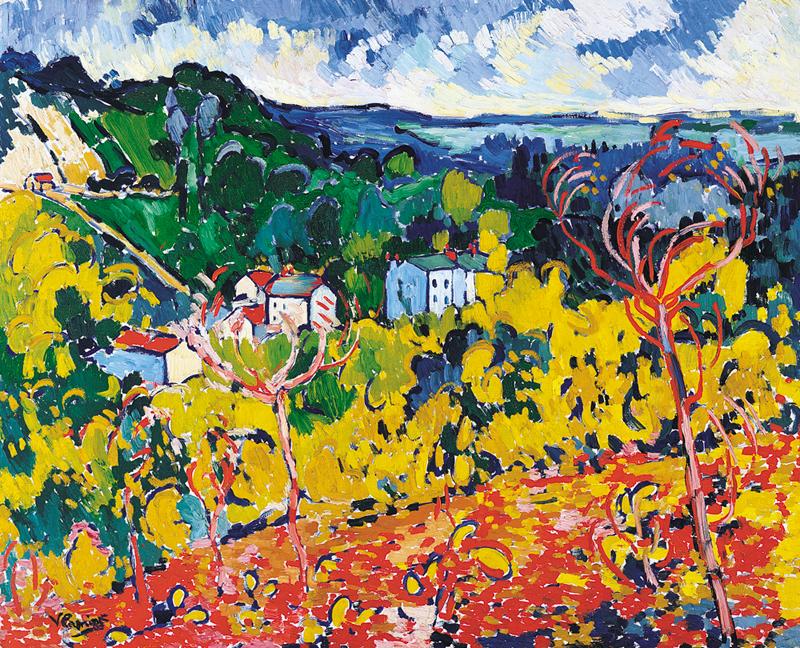
Pilar: I absolutely love Maurice de Vlaminck’s Bougival.  The vivid colors make me smile every time I see it, but the depth of the painting ensures that I would never get tired of seeing it day after day and imagining myself in the landscape.
If you could spend the night in one of our galleries, which one would you choose?

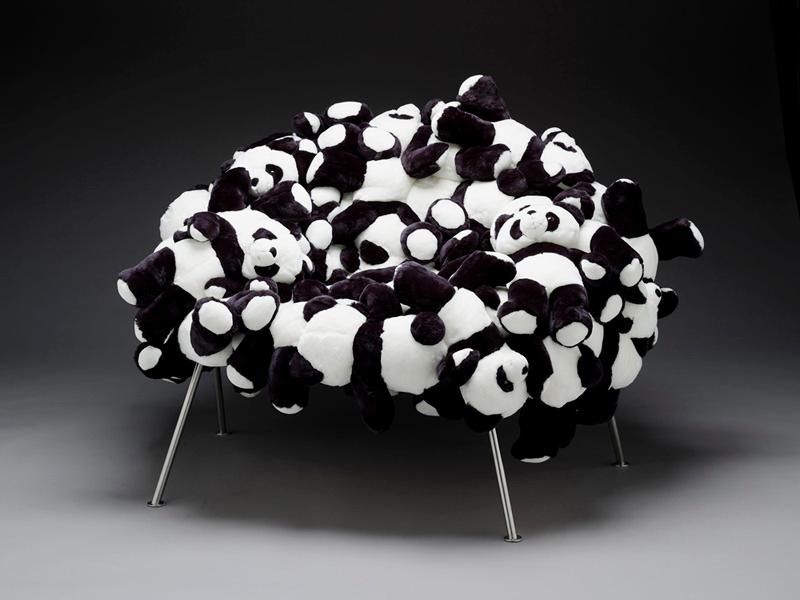
Alex: If I could spend the night in a gallery and I could touch the works of art, I would love to be on level 4 in the Form/Unformed: Design from 1960 to the Present show. The Fernando and Humberto Campana Banquete Chair with Pandas calls to me!
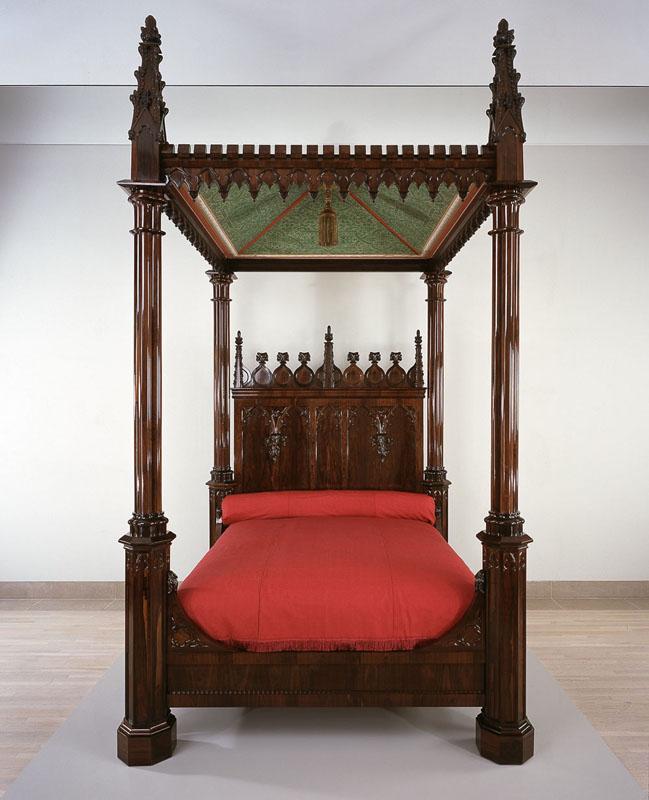
Pilar: I would definitely want to spend the night on level 4 with American Decorative Arts so I could test out the fantastic four-poster bed from the 1840’s!
What’s the strangest thing you’ve ever eaten?

Alex: Tripe. I love pho!

Pilar: I attended the State Fair of Texas last year and tried several deep fried treats including bubblegum, lemonade, beer, cheese curds, and pickles. I’m looking forward to this year’s offerings!

You might see these lovely ladies around the next time you visit the Museum or one of our programs, so be sure to give them a warm Texas welcome!

Artworks shown:

  • Donald Judd, Untitled, 1988, Dallas Museum of Art, Museum League Purchase Fund, General Acquisitions Fund, H. Harold Wineburgh Fund and gift of an anonymous donor
  • Maurice de Vlaminck, Bougival, c. 1905, Dallas Museum of Art, The Wendy and Emery Reves Collection
  • Fernando Campana and Humberto Campana, Banquete chair with pandas, designed 2006, Dallas Museum of Art, DMA/amfAR Benefit
  • Crawford Riddell, Bed, c. 1844, Dallas Museum of Art, gift of three anonymous donors, Friends of the Decorative Arts Fund, General Acquisitions Fund, Discretionary Decorative Arts Fund, and the Boshell Family Foundation

Sarah Coffey
Assistant to the Chair of Learning Initiatives
Friday Photos: Welcome, Juniper!

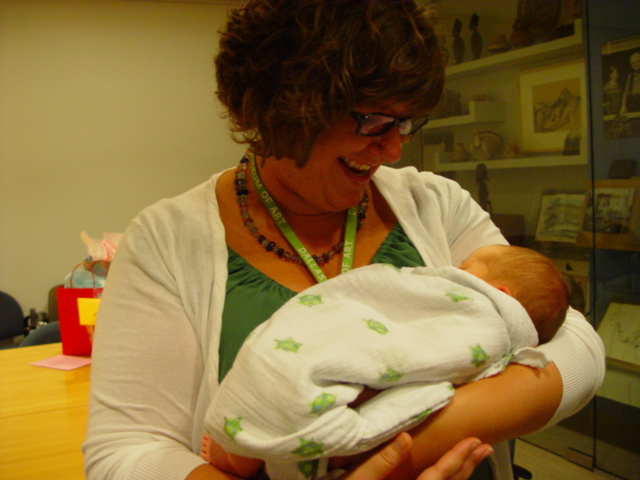
Mommy and baby Juni

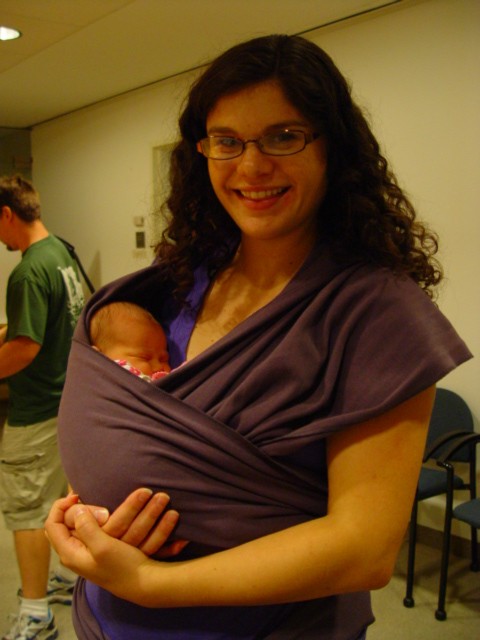
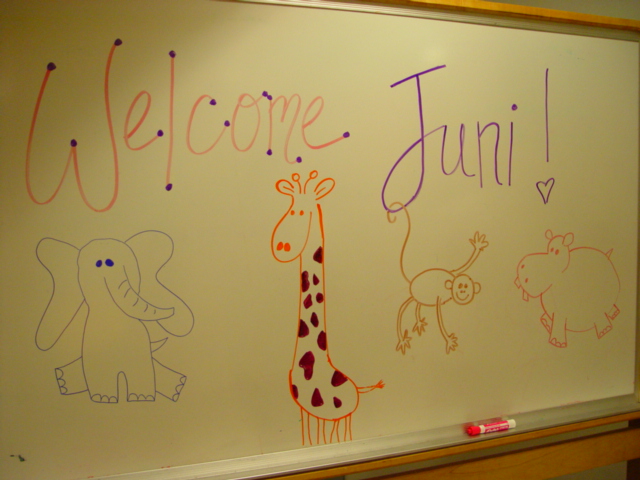
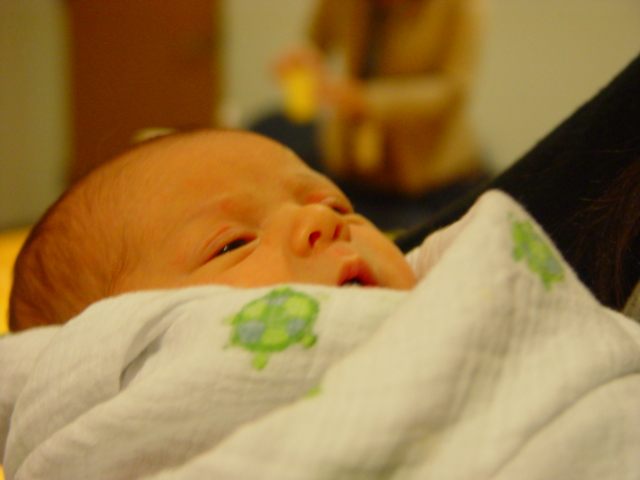
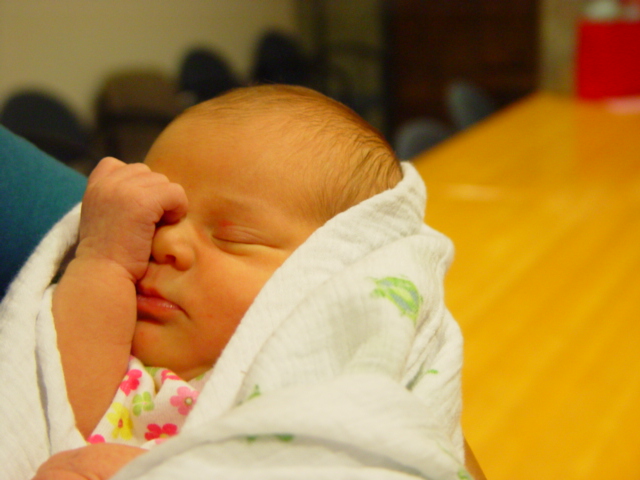
We are delighted to welcome little Juniper Leonard to the DMA community!  Juni made her debut Monday, August 6.  Loryn and baby are happy and healthy, and we were thrilled to have them visit the DMA last week.

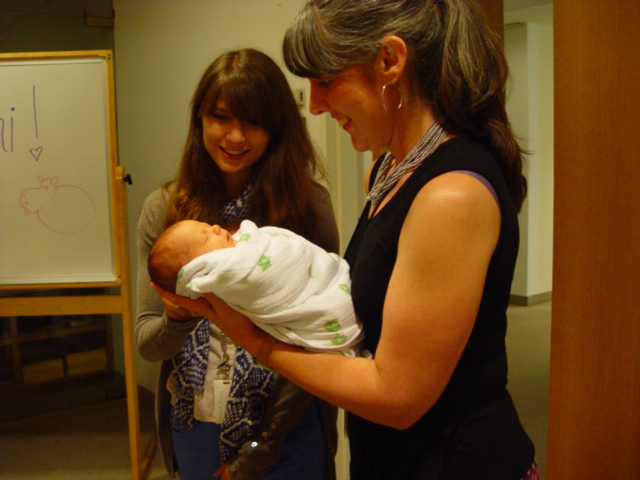
Shannon and Juni

Hannah, Nicole, and little Juni

With the arrival of Juni comes a change to our department: Loryn has resigned from her position as the DMA’s Coordinator of Museum Visits in order to take a teaching job at Howard Junior High in Waxahachie ISD.  Her new job will leave her with a one-mile commute to work, rather than a thirty-mile commute to the DMA.

Loryn began working at the DMA in June of 2011 and scheduled Museum visits for over 50,000 students during her time here.  On top of that, she also coordinated the schedules of the DMA’s 120 docents.  She has been invaluable to our department, and we will all miss her when she leaves.  Help us wish Loryn and Juni well in the exciting months to come!

Melissa Nelson
Manager of Teaching in the Community

Art is for Families

Do you remember family visits to museums as a kid?  Picking favorite artworks together, seeing something completely perplexing/absolutely beautiful, or learning (maybe the hard way) that you can’t touch the art?

My colleague, C3 Gallery Specialist Jessica Nelson, is dedicating her master’s thesis research capturing such experiences.  Last week, Jessica forwarded me a link to her more-than-excellent blog Art is for Families.  The blog documents her Art Education master’s thesis project, for which Jessica is embarking on a series of wonder-full museum adventures with her six-year-old daughter, Julia.  Jessica’s research focuses on family learning in museums: specifically, how museum-produced self-guided materials help families have meaningful experiences with artworks.  She is also interested in inter-generational collaborative research and art-making as a vehicle for storytelling.

Together, Jessica and Julia will visit six museums in the metroplex, making use of available self-guided materials, and documenting their journeys in a variety of media. The two are equal collaborators: Julia and Jessica make art together, collect stories, take separate photos of their experiences, and throughout, have a dialogue about their process.

So far, Julia and Jessica have visited the Modern Art Museum of Fort Worth and the Amon Carter Museum of American Art—taking advantage of the Modern’s self-guided sketchbook, Ten Pages and the Carter’s Postcard Tour.  Below are just a few of many pictures of their visits and resulting projects: [slideshow]

Julia twirled through my office last week, just in time for me to take the adorable mother-daughter photo above for this post.  Julia, we cannot wait to see more of your art and read (and read and read) more of your stories about museums.  Jessica, what an amazing project!  We look forward to learning from your research.

To have a self-guided family adventure at the DMA, ask for one of our four bite-sized Self-Guided tours at the Visitor Services desk, or print them at home.  And for more family-focused art-making and art-exploring ideas, visit We Art Family! The DMA Family Blog.

Amy Copeland
Coordinator of Go van Gogh Outreach

Staff Spotlight: Gail Davitt

Tomorrow will be an emotional day for Education Staff at the DMA. Our Chair of Learning Initiatives and Director of Education, Gail Davitt, is retiring after twenty-six years of service to the Museum. Throughout her tenure serving in a variety of staff roles, her main focus has never changed: creating connections between art and people. We sat down for a discussion about her amazing work with us and her plans for the future.

What originally brought you to the DMA?

In 1986, as a PhD student in Arts and Humanities at the University of Texas at Dallas, I participated in several independent study courses, some of which involved working with curatorial and exhibitions staff at the DMA.  Part of my coursework included a proposal for an exhibition titled “The Real Self,” focusing on contemporary artists like Cindy Sherman and Jonathan Borofsky. As part of another course, I had also interviewed Anne Bromberg, then Director of Education, who opened my eyes to the possibility of a museum education career—something I had never known existed. Although my exhibition never came to fruition, that fall I applied and was selected for a graduate education internship with Anne. The following year, in the summer of 1987, I was hired in a full time position, working initially with teachers and docents.

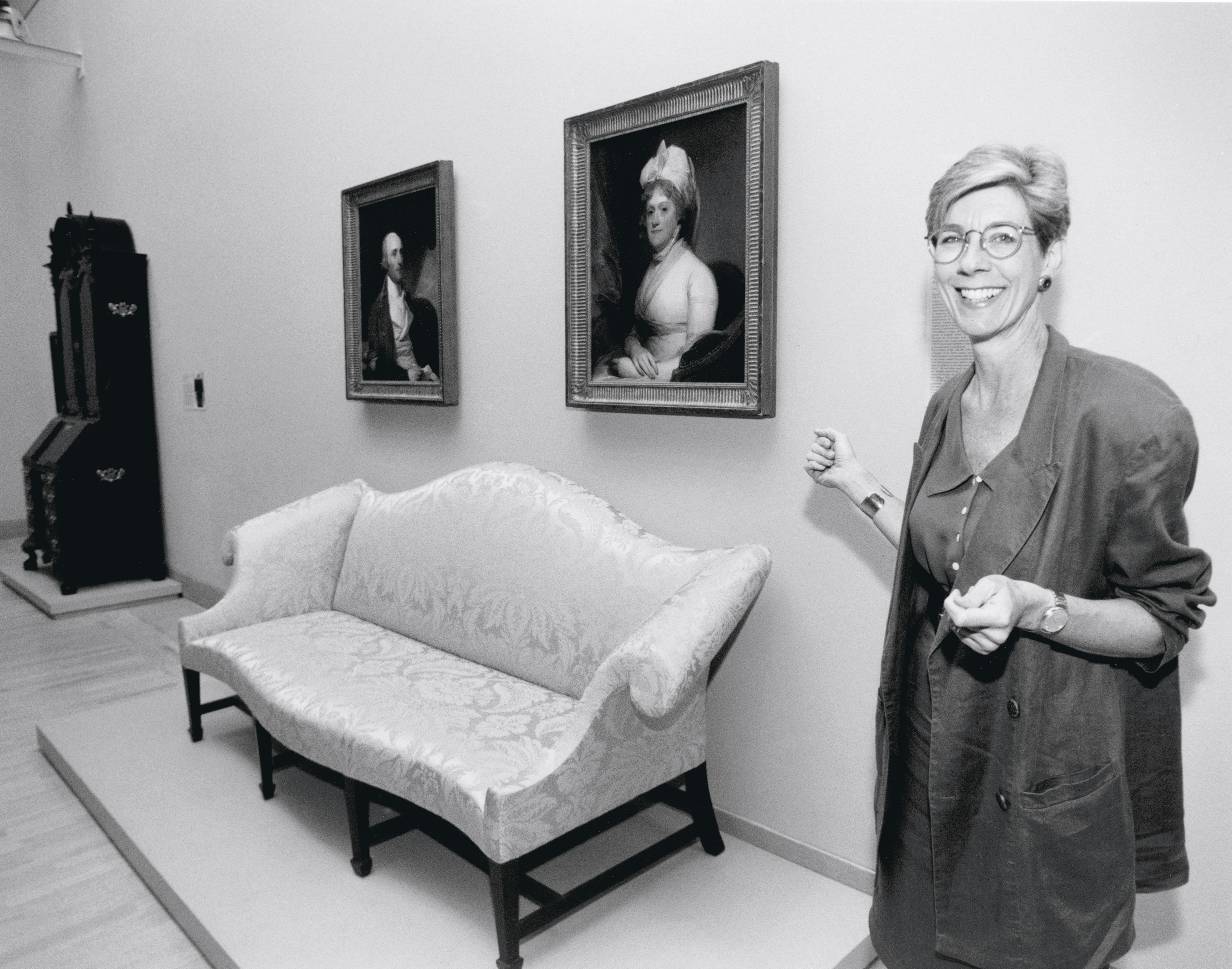
Gail Davitt in the American Galleries during her internship in 1986

How has your time at the DMA shaped who you are as an art educator?

Before I came to the DMA I knew very little about the type of education that can occur in museums. I had taught English and studied Art History, but didn’t feel that traditional teaching was my calling. Once I began my position with the Museum, I gained many colleagues and mentors who encouraged me to spend time with art museum education colleagues in New York and Minneapolis. Soon after, I became involved with the National Art Education Association and have been active ever since.

In addition to these colleagues, I was also given the opportunity to work with colleagues involved in evaluation and visitor studies, like Beverly Serrell and Randi Korn. Through this work, I have learned the value of setting goals and outcomes and the importance of measurement to informal learning.

There have also been times when I was on my own, able to try out and experiment with new ideas, something that has proven valuable as well. The opportunity to learn and share with colleagues and then apply what I have learned at the DMA has truly provided me with a rich environment for my own understanding of art museum education, which I hope has allowed me to encourage meaningful visitor experiences with art.

What will you miss most about the DMA?

I truly will miss all the people. I have formed such close relationships with fellow staff that it will be difficult to no longer see everyone on a daily basis.

The other big thing I will miss is hard to put into words. What I love about my job is the chance to constantly dig in deep with a project, to really research and wrestle and grapple to figure out the solutions and create something meaningful. There is always an opportunity for this sort of problem-solving process at the Museum, and I will miss being involved with those opportunities. Now my challenge will be trying to find them in other areas of my life.

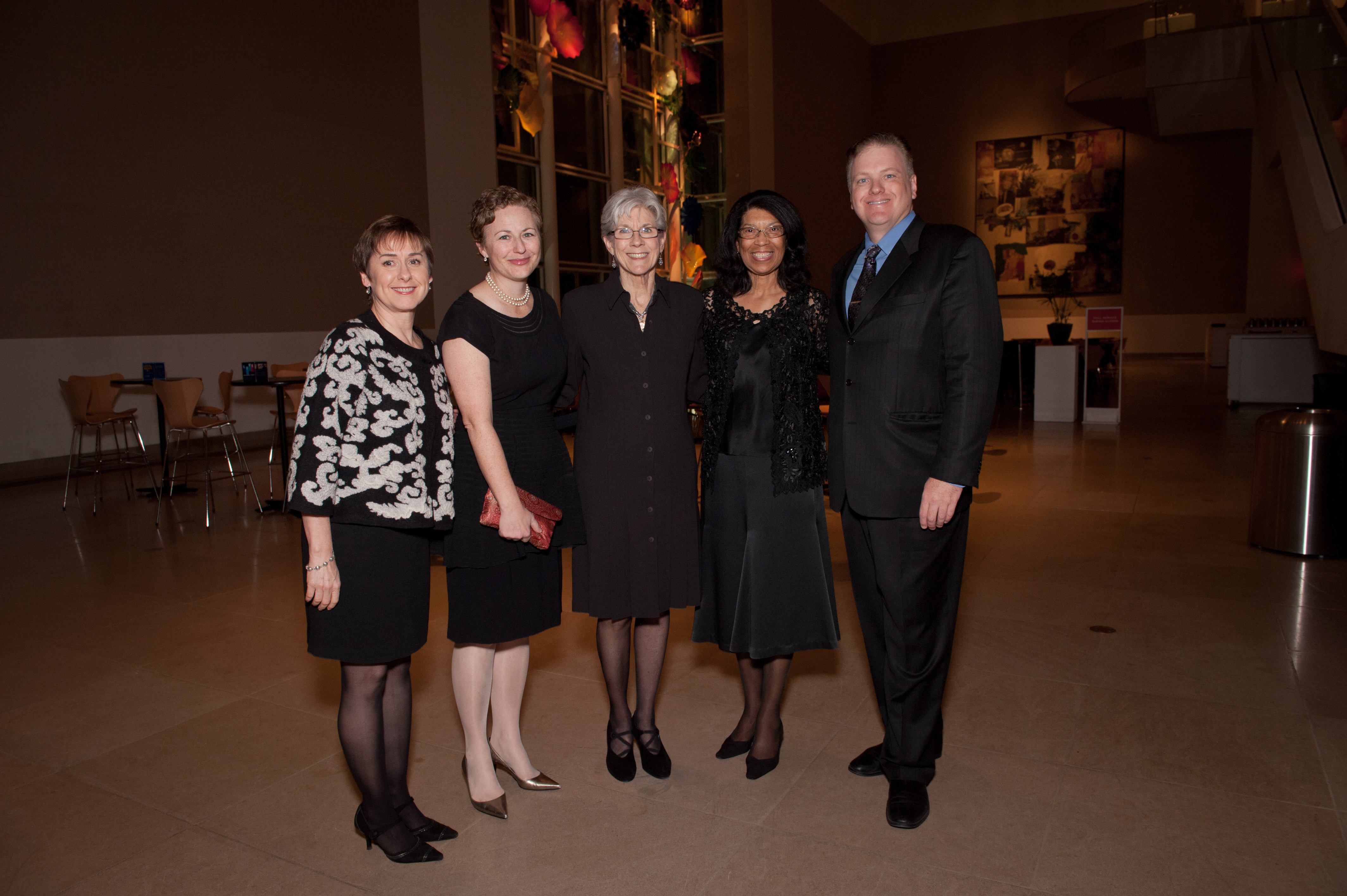
Gail with DMA curators Sue Canterbury, Heather MacDonald, Roslyn Walker and Kevin Tucker.

What are you most looking forward to come June 2 and beyond?

One main thing I am looking forward to is Sunday evenings without a knot in my stomach—that sort of anxiety that comes when you know you haven’t accomplished the work you were hoping to get a head start on over the weekend.

I am also really looking forward to devoting more time to my family and friends. While I have loved my job, it has taken so much attention that my other relationships have at times come second. I also love to cook and am looking forward to nurturing my relationships through food by cooking for friends. Travel is also high on my list and now I will be able to spend more time really researching the places I’d like to visit. Currently, I am planning for a long trip to Brussels.

What is one fun fact that people don’t know about you?

I played intramural volleyball in college and was pretty good. It also provided a convenient way for me to travel from Bucknell to Penn State to visit my then boyfriend (now husband), Jim.

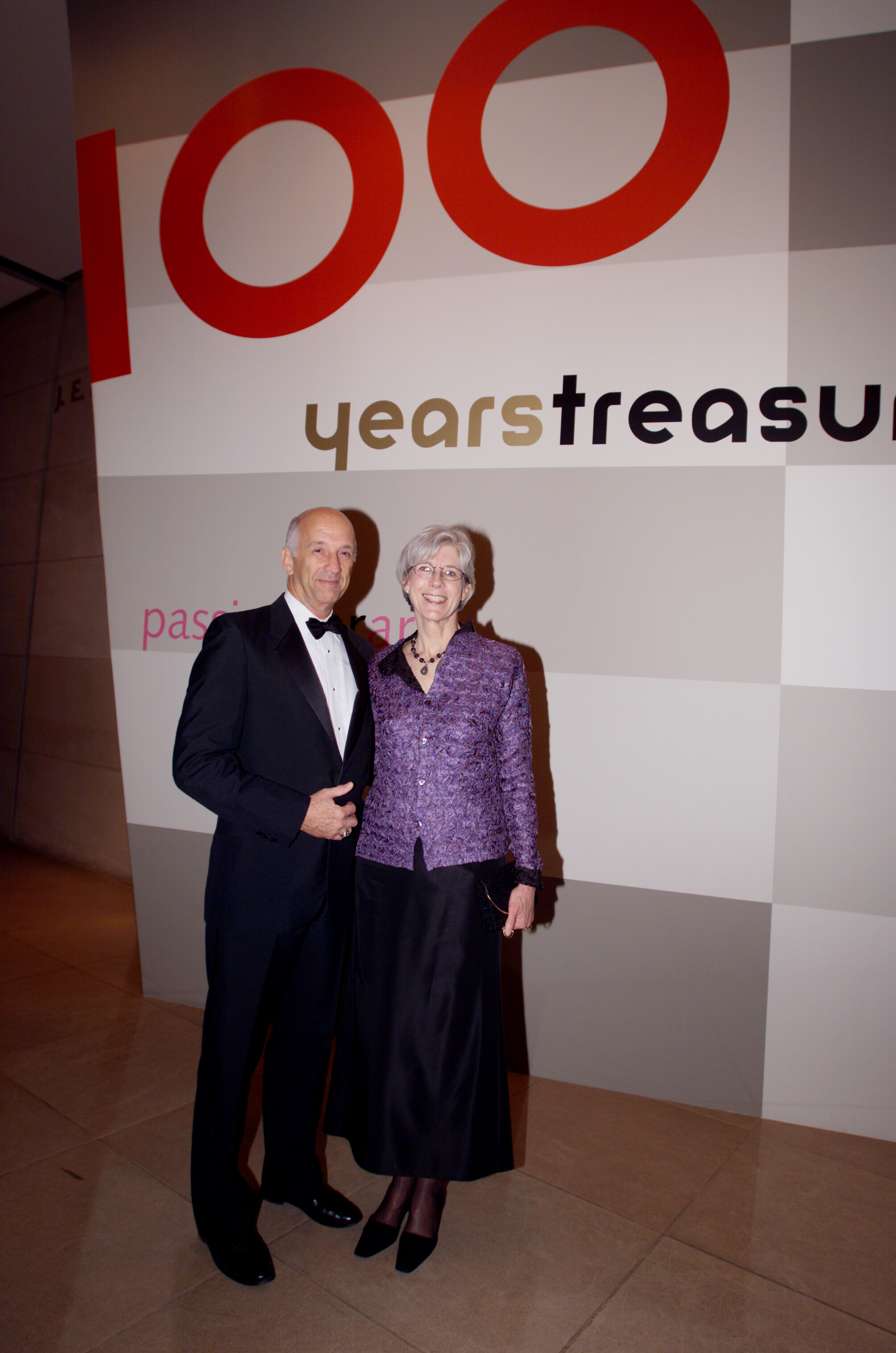
Gail and Jim at a dinner celebrating the DMA’s centennial in 2003.

Gail has been an inspiration to all of us in the Education Division. We will greatly miss seeing her each day, but look forward to finding new ways to continue our work with her in the future.

Sarah Coffey
Assistant to the Chair of Learning Initiatives
Friday Photos: Thank you, Go van Gogh Volunteers!

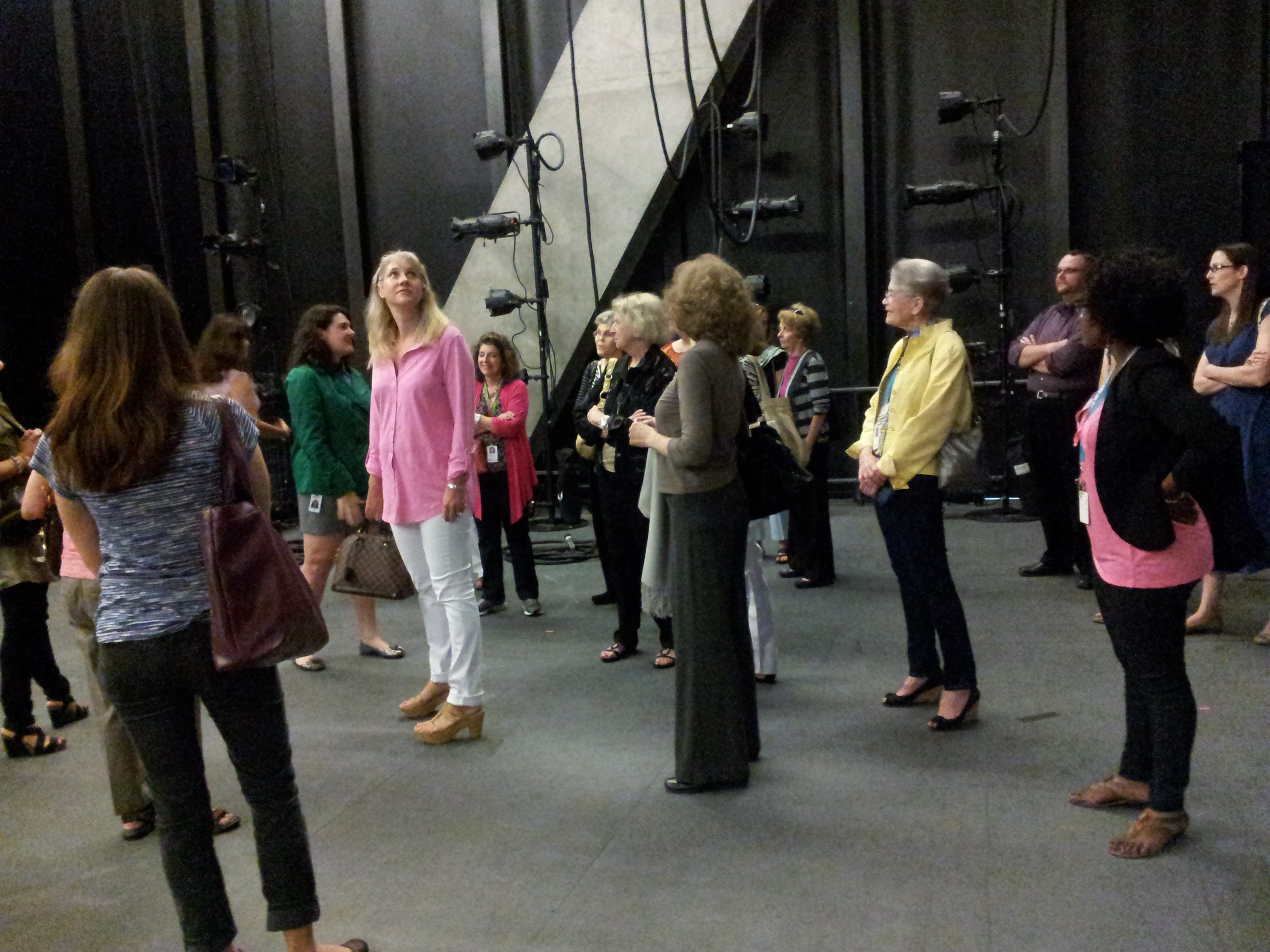
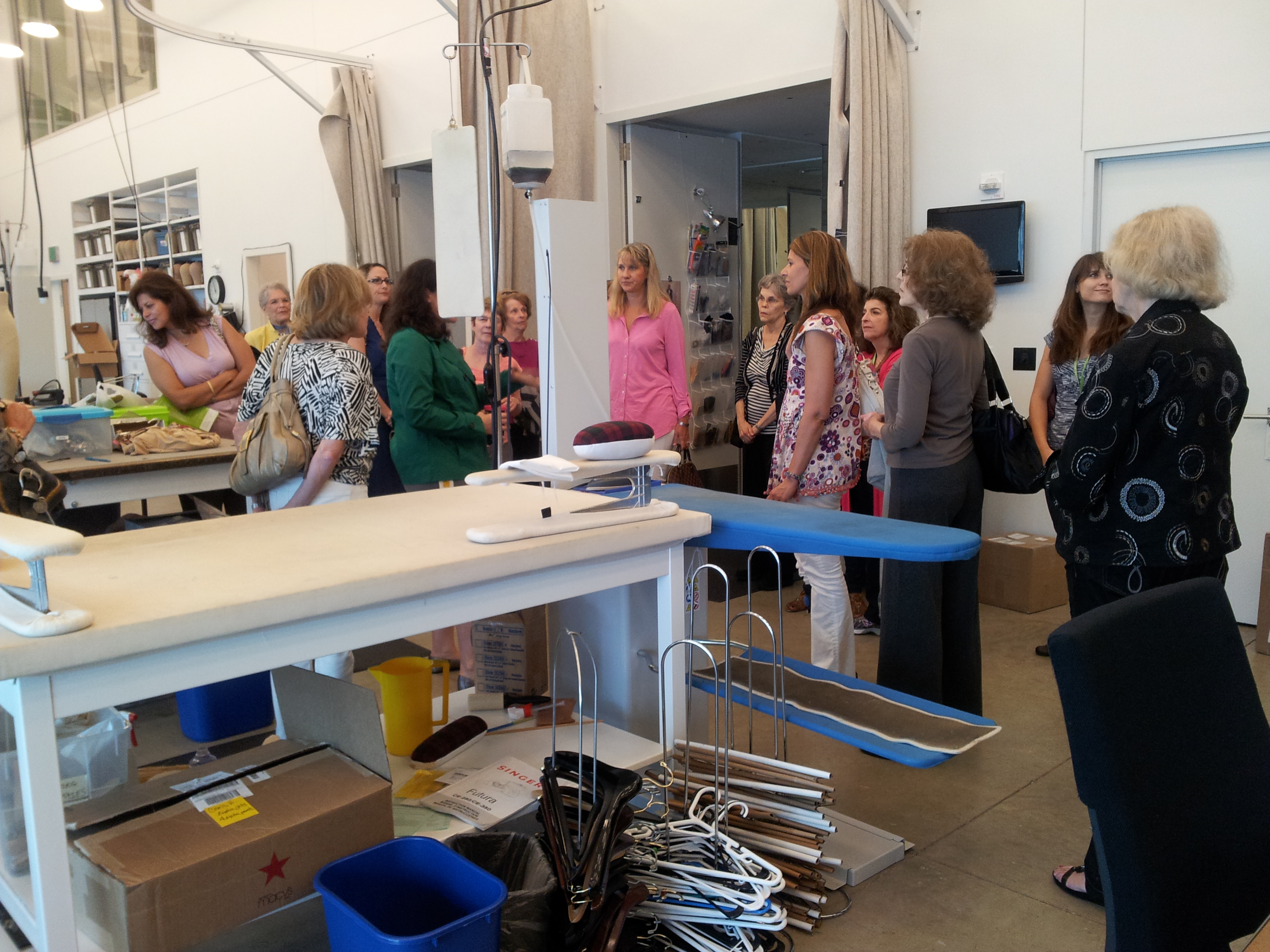
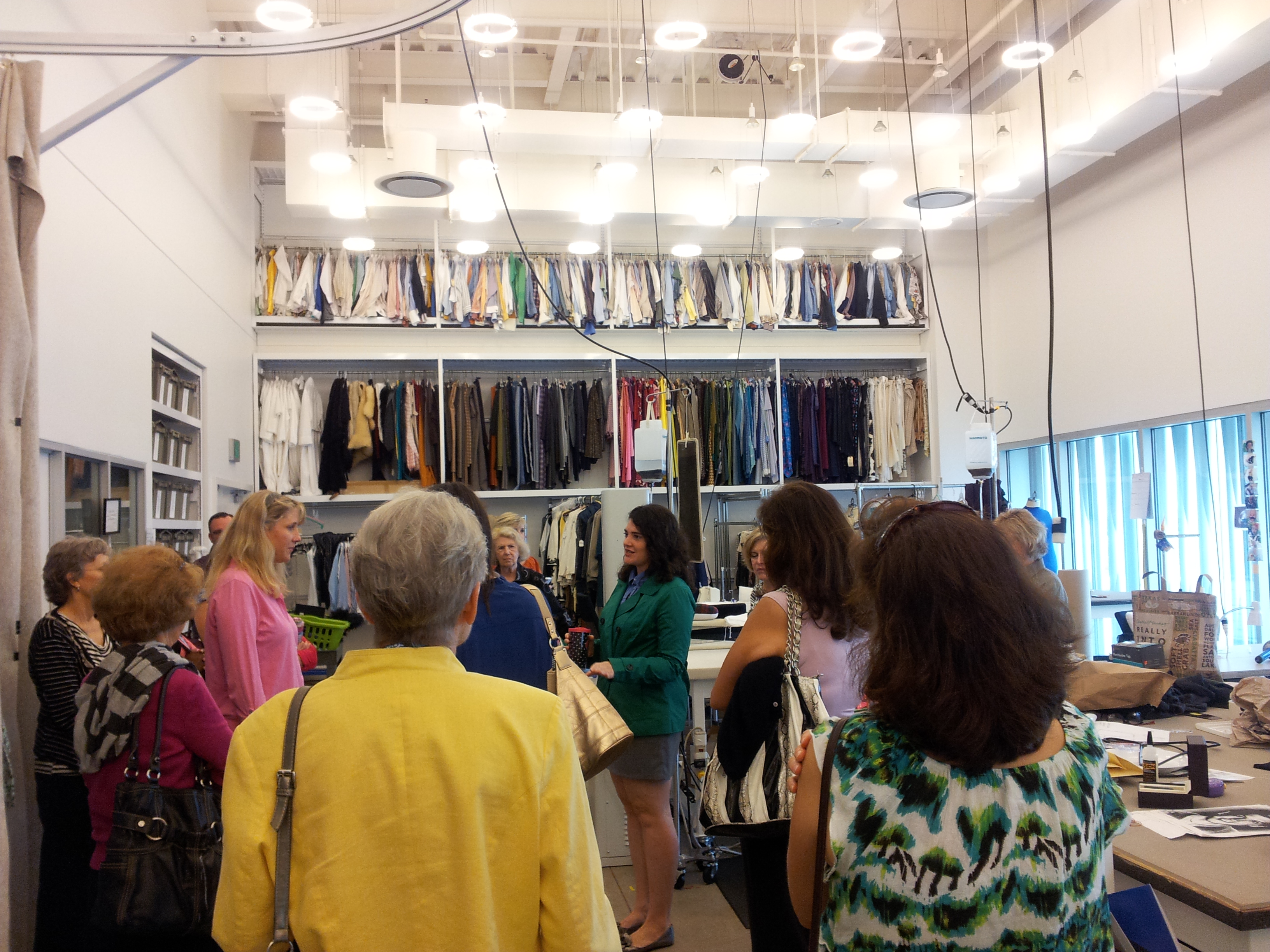
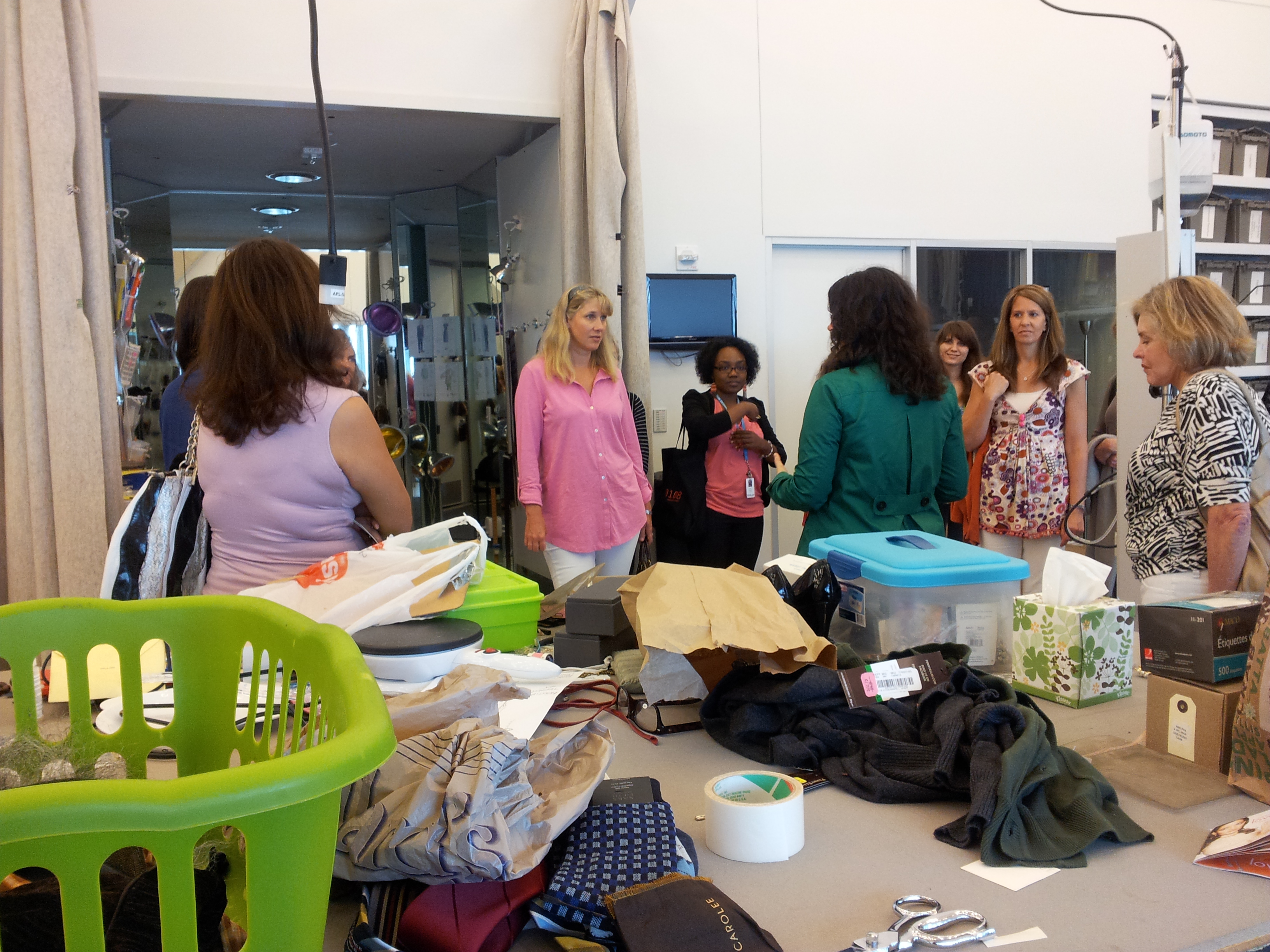
As the school year draws to a close, it is important for us to recognize the commitment and devotion of our wonderful Go van Gogh volunteers.  Every spring, we organize a special field trip or party to celebrate our volunteers.  Last Friday, we were fortunate to have a behind-the-scenes tour of the Wyly Theatre, led by Dallas Theater Center Director of Education and Community Enrichment Rachel Hull.  Rachel fascinated us with interesting facts about the Theatre and its innovative engineering and productions. Afterward, we walked over for a delicious lunch at The Commissary in One Arts Plaza.  We are lucky to have such delightful neighbors in the Arts District!

Standing in the wings onstage

In the costume room

THANK YOU, Go van Gogh volunteers, for another successful school year!

Melissa Nelson
Manager of Teaching in the Community

The Quality Instinct

Join us Wednesday, May 2 at 7:30pm for an Arts & Letters Live Special Event, Seeing Art Through a Museum Director’s Eye: Dr. Maxwell Anderson in Conversation with Krys Boyd.

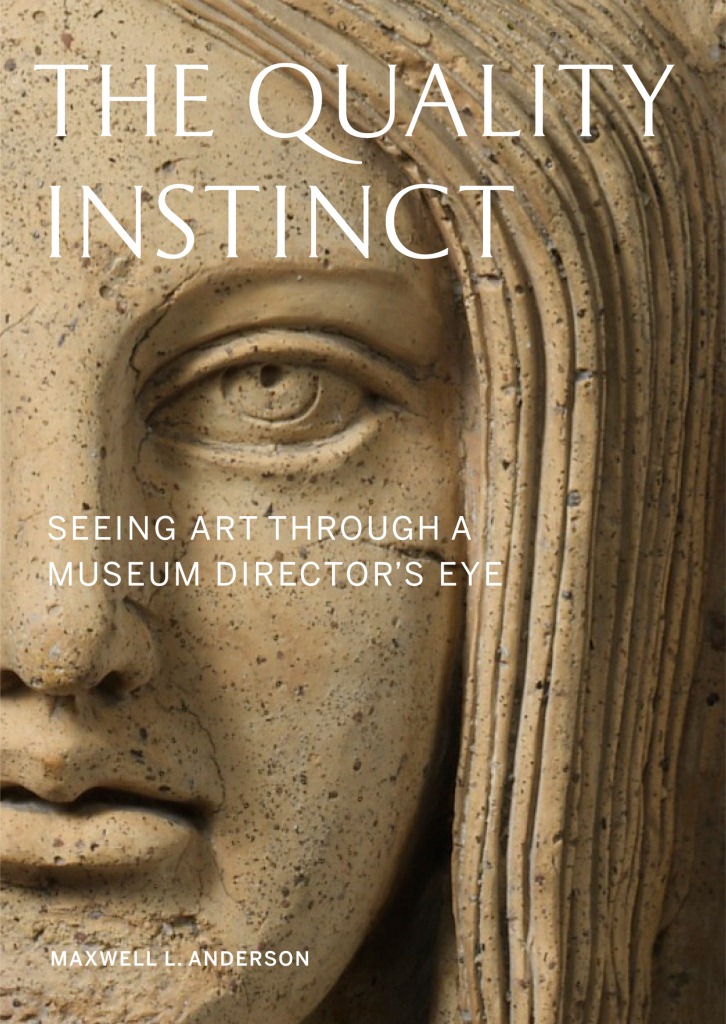
The Quality Instinct: Seeing Art Through a Museum Director's Eye by Maxwell L. Anderson

The Quality Instinct: Seeing Art Through a Museum Director’s Eye was published less than a month after Maxwell L. Anderson began as The Eugene McDermott Director of the Dallas Museum of Art.  In an interview, he said “The book is really an introduction to a ground floor of understanding about artistic intention and artistic result, and I hope people will take something away from it in feeling more comfortable with objects that, even today, great professors of artistic and art historical theory may be a little out of touch with.”

Maxwell describes his family’s travels when he was a child as “great exposure to new ways of seeing the world”.  These experiences clearly made an indelible impression on him, as he states “I used, in the course of a career as an art historian, and a museum curator and director, to go back and refresh my eye about what I learned as a child and how it would influence the way I see today as an adult.”

Rather than our standard interview format, I decided instead to ask our new Director five quick questions:

  • Are there any books you’ve read multiple times?  Catcher in the Rye, by J.D. Salinger.  The Way We Live Now, by Anthony Trollope.
  • Do you have a “can’t miss” TV show?  The Big C is one Jacqueline and I don’t miss.  That, and Shark Tank.
  • What is your favorite quote? “I’d rather be an optimist and a fool than a pessimist and right.” – Albert Einstein
  • If you could have dinner with any historical figure, who would it be? Montesquieu – he was so funny and casual and arch.
  • Coming from Indianapolis, how are you preparing for the Dallas summer?  I’m looking forward to it.  It will be cooler than growing up in New York in the summer; there, I would walk out on the hot street, get in a cab and stick to the vinyl seat, and go to a walk-up apartment without air conditioning.

Don’t miss what will surely be an interesting conversation between Maxwell Anderson and Krys Boyd.

Melissa Nelson
Manager of Teaching in the Community


Archives
Categories