Archive for the 'Collections' Category


Re-imagining and Re-installing


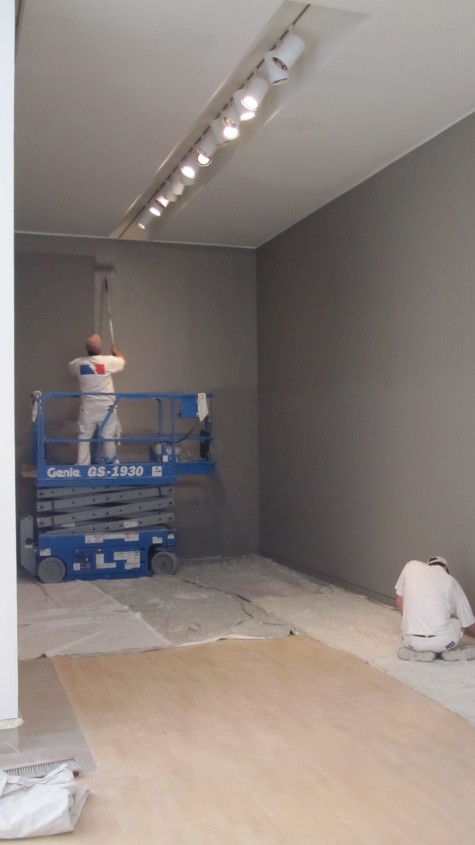
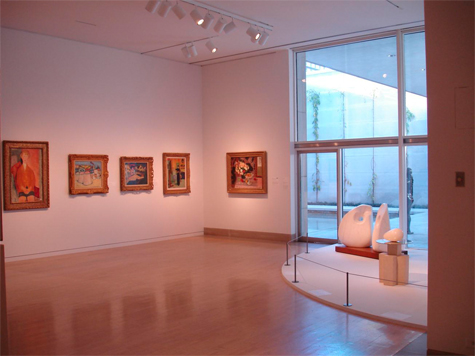
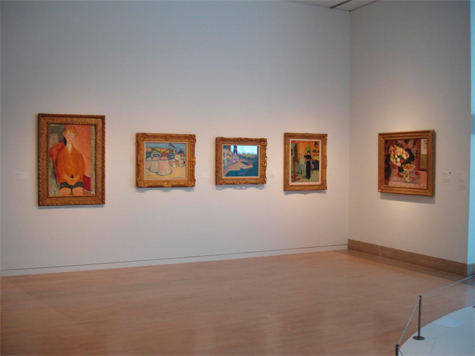
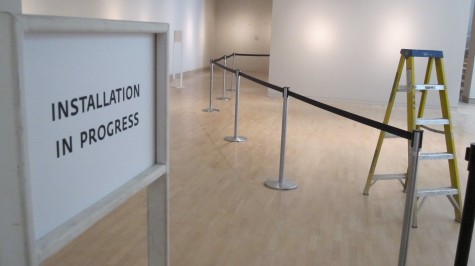
The DMA exhibitions department spends much of its time planning, organizing, and fine-tuning any given exhibition. And ironically, the installation process marks the beginning of the end of our efforts. On the Museum’s second floor, our department is now working to complete the massive reinstallation of the  European galleries, which host some of the most well known and celebrated works of art in the DMA’s collections. Alongside curators Olivier Meslay and Heather MacDonald,  the exhibition designer, preparators, registrars, and carpenters have come together to re-introduce this selection of masterpieces to DMA visitors.


During “install,” the exhibitions department ensures that the careful removal of objects, new construction (such as platforms, walls, and pedestals), and re-installation of the artwork all run according to plan. Close attention to the condition of the galleries and the creation of hospitable environments for the works — and visitors — come into play.


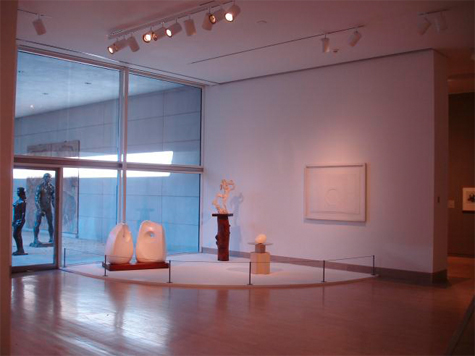
For example, the sculptural grouping found off the Level 2 courtyard requires proper window tinting before the works can reach their “final destination.” Anyone will agree that this precaution was worth the wait when caught between Brancusi or Hepworth’s monochromatic contours and Matisse or Kandisnsky’s vibrant polychrome canvases. When filtered properly, the same light that can damage art now works in tandem with it, persuading us to step back and experience the “dance” between these gleaming three-dimensional whites and the vivid impressionist brushwork.


We hope you’ll come see for yourself on your next visit to the DMA.
Aja Martin is the Exhibitions Administrative Assistant at the Dallas Museum of Art.


Insourced: Works by Dallas Museum of Art Staff

The much-anticipated Dallas Museum of Art staff art exhibition is fast approaching. Opening this weekend, the exhibition occurs every two years and is an opportunity for DMA employees to present their work to coworkers and general public. This year’s exhibition, Insourced: Works by Dallas Museum of Art Staff, features sixty-eight works by forty-three artists ranging from our new interns to a preparator who has been with the DMA for over thirty years. Staff members whose “day jobs” range from curators to gallery attendants are included.

The exhibition is unique because anyone who wants to participate can; even the title was selected by a staff vote. Insourced also has an acting curator–conceived and organized collaboratively by Collections and Exhibitions department staffers, the exhibition placement was decided by Erin Murphy, Contemporary Art Curatorial Administrative Assistant and Uncrated contributor. We posted a few “sneak peek” photos here, but please come by and see the works by our talented staff.

The exhibition is on view from December 5, 2010 through March 13, 2011 on Mezzanine 2 next to the Mildred R. and Frederick M. Mayer Library.


Joni Wilson is the Exhibitions Assistant at the Dallas Museum of Art

Celebrating the Silver: The Reves Collection at Twenty-Five

We just celebrated the silver anniversary of the Wendy and Emery Reves Collection and ever since its opening twenty-five years ago, it has been one of our most visited galleries. Featuring more than 1,400 European artworks and decorative objects, including masterpieces by Renoir, Manet, Degas, and Pissarro, this remarkable gift from the Wendy & Emery Reves Foundation, Inc. on behalf of Wendy’s late husband, Emery, transformed the Museum’s collection of late 19th- and early 20th-century European art and European decorative art.

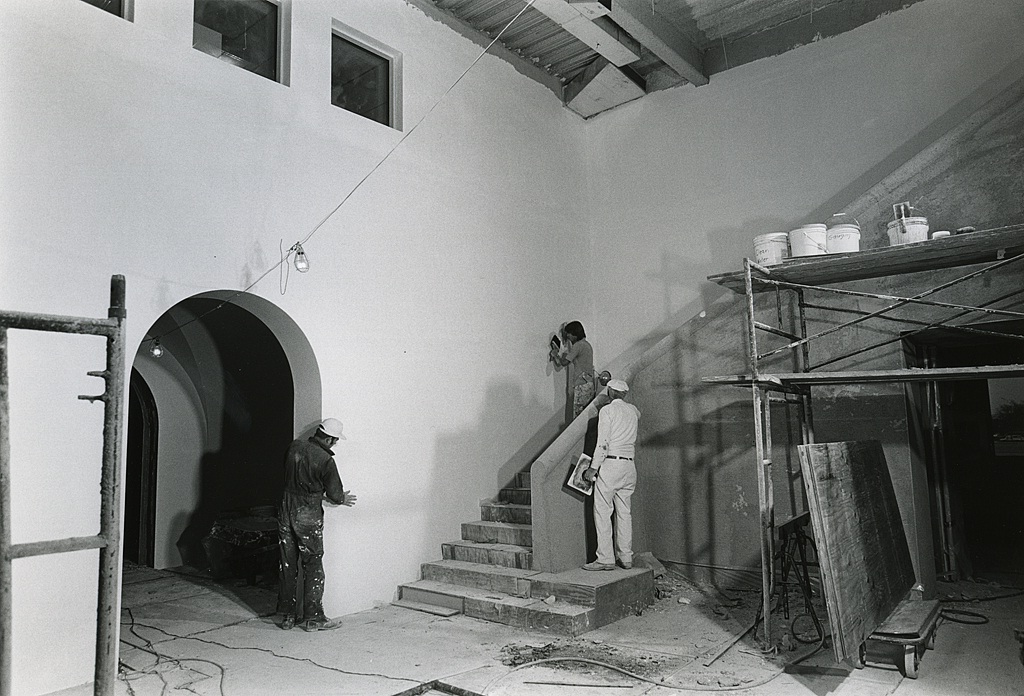
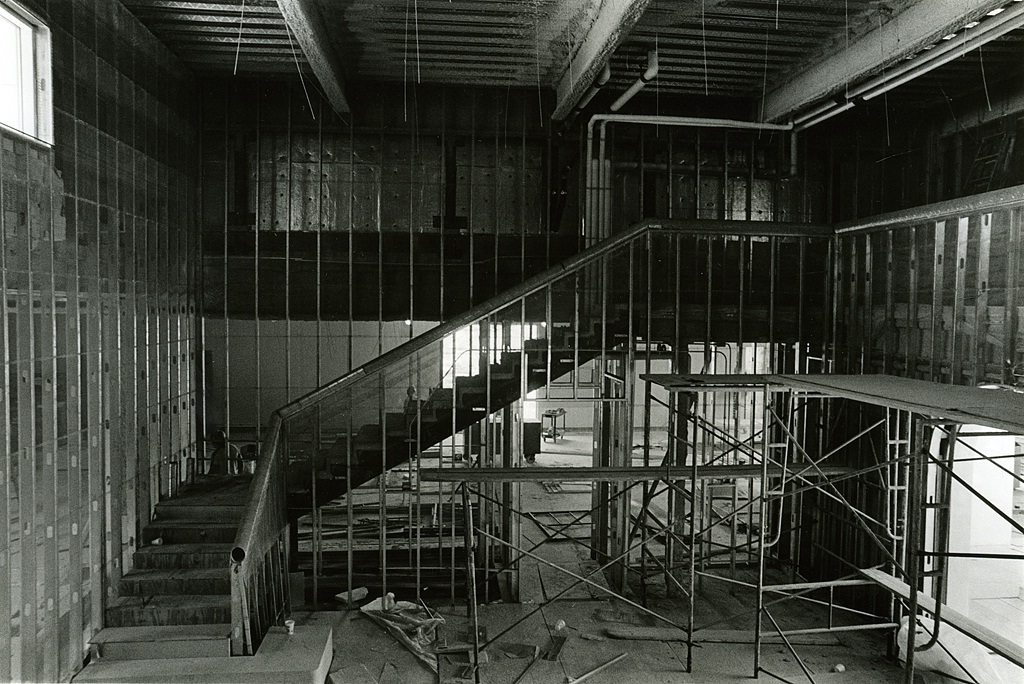
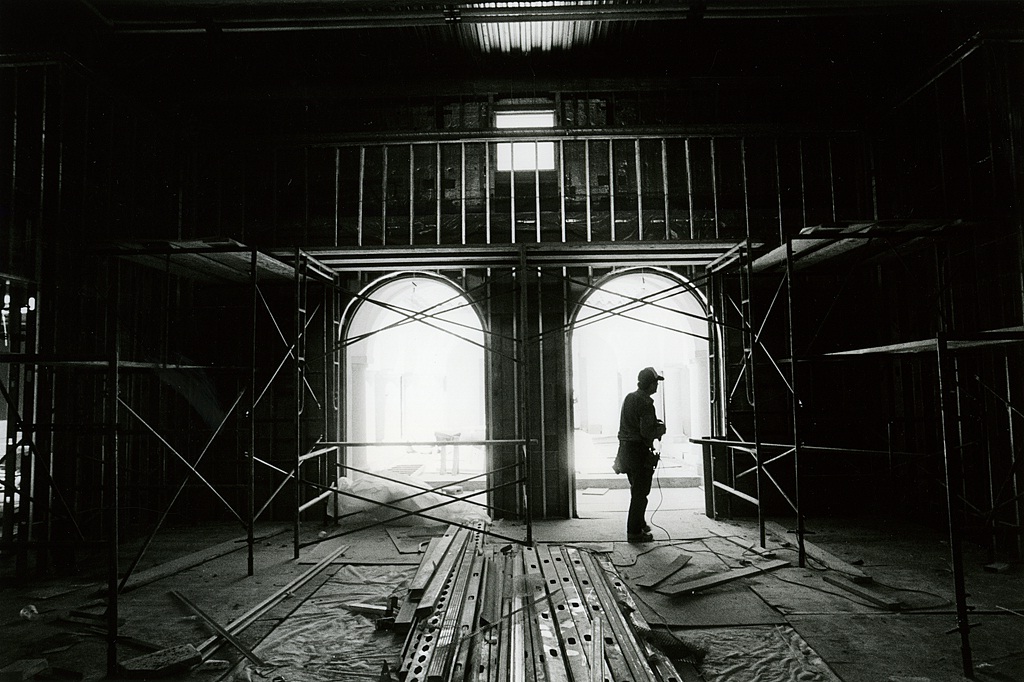
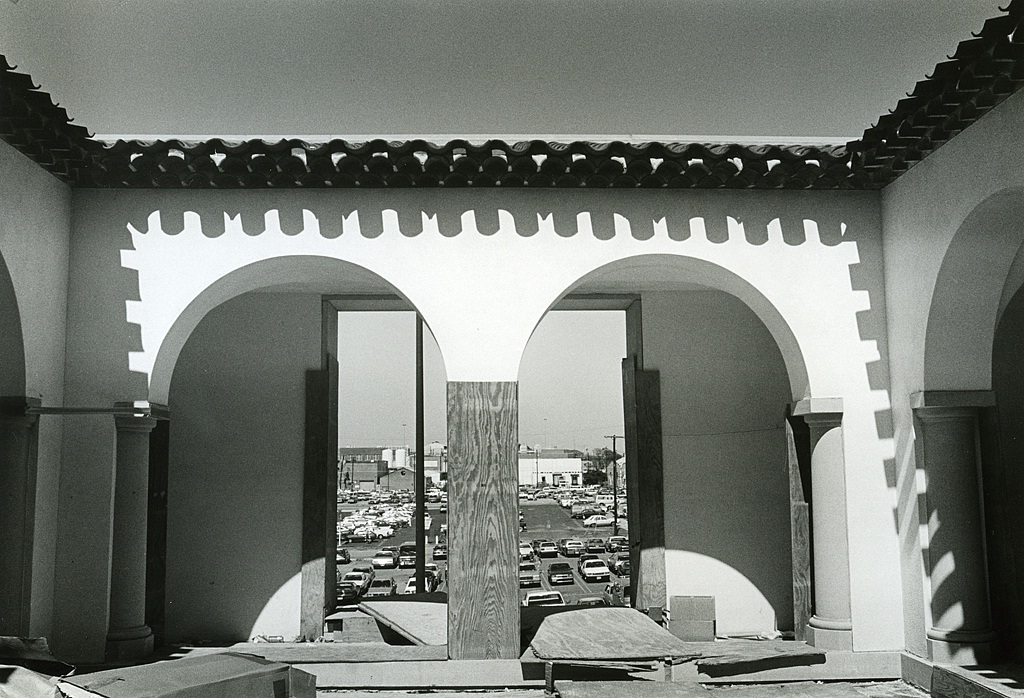
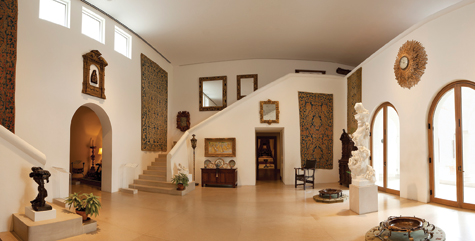
What’s also amazing is that visitors see this collection in a 16,500-square-foot wing made specifically for it.  Built in 1985, this is not the run-of-the mill gallery space. These rooms are a faithful reproduction of the couple’s villa in the South of France. Named La Pausa, it was built in 1927  for that ultimate fashionista Coco Chanel, who directed its design. For example, the patio and the hall were built specifically to remind “Mademoiselle” of the Romanesque convent outside Paris where she boarded as a child. Many of the furnishings in the Museum’s Reves wing, including a chair in the living room, were part of Chanel’s original décor of the villa.

DMA architect Edward Larrabee Barnes meticulously re-created the library, dining room, salon, bedroom, hall, patio, and central courtyard from this  luxurious—and historically fascinating—Mediterranean retreat.

On this silver anniversary here’s a look back:

Today, visitors to the Wendy and Emery Reves Collection can access a DMA smARTphone tour of highlights from the collection. On it, Wendy Reves shares memories of life at Villa La Pausa and of her and her husband’s passion for collecting art.

Martha MacLeod is the European and American Art Curatorial Administrative Assistant at the Dallas Museum of Art.

TWO x TWO for AIDS and Art

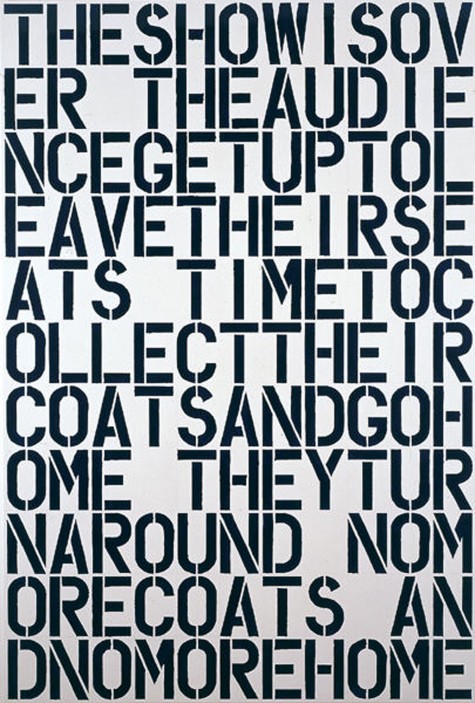
"Untitled" (1990) by Christopher Wool

The week culminated in a brunch on Sunday honoring American artist Christopher Wool, whose work Untitled is on view at the DMA and also seen above (it’s one of my personal faves in our collection).

A few of the many acquisitions that TWO x TWO has made possible over the past decade are pictured below.

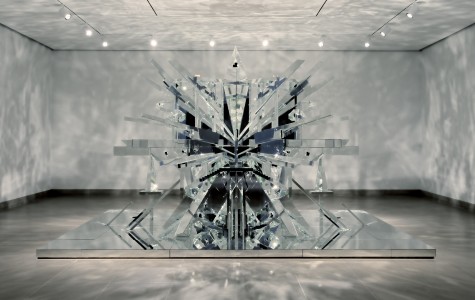
The Eye by David Altmejd

David Altmejd’s "The Eye" (2008)


EliassonTheoutsideofinside

Olafur Eliasson’s "The outside of inside" (2008), which will be on view in our upcoming exhibition "Big New Field: Artists in the Cowboys Stadium Art Program"

We’re a lucky bunch to have an event of this magnitude benefit the DMA!

Erin Murphy is the Contemporary Art Curatorial Administrative Assistant at the Dallas Museum of Art.

The Curator’s Perspective: Dr. Jeffrey Grove on Re-Seeing the Contemporary: Selected from the Collection

On October 15th, the DMA opened Re-Seeing the Contemporary: Selected from the Collection which highlights 60 works of art mindfully culled from our contemporary collections. The curator of the exhibition, Dr. Jeffrey Grove, sheds some light on the compelling nuances and powerful juxtapositions contained within the installation.

What’s your favorite object or room in the exhibition? Why?

Among my favorite rooms is the “Minimalist” room with a great sculpture by Larry Bell, a painting and prints by Brice Marden, two paintings by Robert Mangold, Sol Lewitt prints, a massive David Novros painting, and a luminous sculpture by Robert Irwin. This installation contradicts the notion that so-called minimal works are somehow cold and hard. It is a sensuous, vibrant, and thrilling space to occupy.

[slideshow]

What is it about this exhibition of works that caused you to conceive of it in these groupings?

The installation was envisioned in a roughly chronological sequence, with a desire to have each gallery encompass either a span of time, reflect select movements, or explore ideas expressed in radically different ways over many decades. This allows for some unlikely pairings and eccentric passages that nonetheless help us see some of these works in a new or perhaps unexpected ways.

What were the challenges for this exhibition?

Editing! We have so much great material and there is always a temptation to want to “over share.” How do you pull back, keep the focus, and tell clear stories? That is one of the exciting challenges of being a curator.

Jeffrey Grove is the Hoffman Family Senior Curator of Contemporary Art at the Dallas Museum of Art.

To hear more from Dr. Grove on the exhibition, join us for his Gallery Talk on November 10th at 12:15p.m. See you there!

Sculpture and the State Fair

Today is the day we’ve been waiting for–it’s opening day for Dallas’s annual State Fair of Texas! Every year millions of people visit Fair Park, the home of the State Fair, for culinary adventures, rides, expositions, and other events. But what many visitors don’t know is that the fairgrounds also boast a number of sculptures and adorned structures created by 20th-century Texas artists who are represented in the DMA’s collections.

Several of the artists featured in our current show Texas Sculpture were commissioned to create sculpture for the fairgrounds in the early 20th century. In 1936 the Dallas Museum of Fine Arts in Fair Park (a predecessor of the DMA) prepared a landmark exhibition of works by nationally and internationally recognized sculptors for the Texas centennial celebration. That exhibition, as well as the one currently on view at the DMA, included works by Michael G. Owen, Allie V. Tennant, Dorothy Austin, and Evaline Sellors, among others.

If you’re a fan of the State Fair, many of you have seen this:

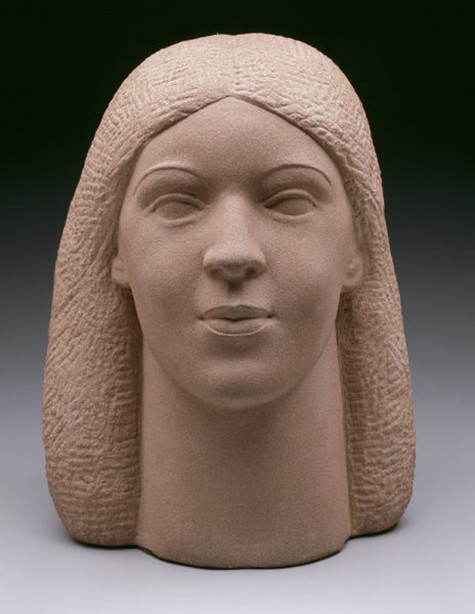
It’s by Allie V. Tennant (1898-1971), who was commissioned by the Centennial Committee to create the gold-leaf on bronze Tejas Warrior (1936) at the Hall of State in Fair Park. On view in our Texas Sculpture exhibition are two other works by Tennant, Woman’s Head and Negro Head. In 1940 she created the reliefs Cattle, Oil, and Wheat for the Aquarium at Fair Park under the Federal Works Agency.

Allie V. Tennant, "Woman's Head," n.d., red sandstone, Dallas Museum of Art, gift of Dr. and Mrs. Robert W. Webb

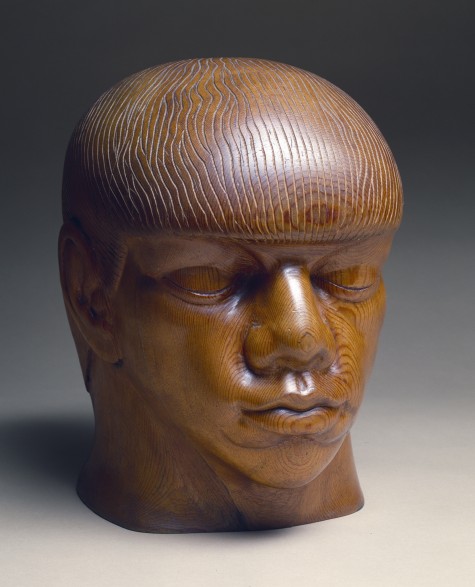
Dorothy Austin, "Noggin," c. 1933, white pine, Dallas Museum of Art, gift of an anonymous friend

Dorothy Austin, "Noggin," c. 1933, white pine, Dallas Museum of Art, gift of an anonymous friend

Who says fried Frito pie and art don’t go together?

Q&A with a DMA Docent

We have a corps of over one hundred volunteer docents who lead tours for students K-12 as well as for our adult visitors. They play an important role at the DMA, introducing our collections to museum-goers and sharing their passion for the beauty and importance of art. We are proud of their hard work and dedication and would like to introduce you to several of them over the coming months.

First up, meet Tom Matthews. Who knows, you might even run into him the next time you’re in the galleries. Rumor has it that he and his fellow docents spend a lot of their free time enjoying the art.

Number of years as a docent at the DMA: 10

A little bit about me: When I was a boy, my father piqued my interest in art by taking me to the Art Institute of Chicago. Though not trained in art, my father – an attorney – had a keen eye and did much reading on his own. His comments about art and artists stirred a life-long fascination for me. In my adult years, this interest continued. On family vacations, we usually stopped – often despite the protest of our daughters – at museums. My understanding was deepened by a twenty-five-volume series the Met in New York did for the public on art history and appreciation. While I was serving as pastor of a church in the coal fields of western Pennsylvania, a highlight of the month would be the arrival of one of these volumes. My wife alerted me to the docent program by referring me to an article in the Dallas Morning News.

My favorite experience as a docent at the DMA: I feel I have succeeded as a docent when I have “opened” a piece of art for the viewer. What does it feel like to be a griever in Jacob Lawrence’s Visitors or to “walk” as one of the figures in Giacometti’s sculpture? Assisting others in engaging with a work of art brings me satisfaction.

My three favorite works of art to share with visitors at the DMA:


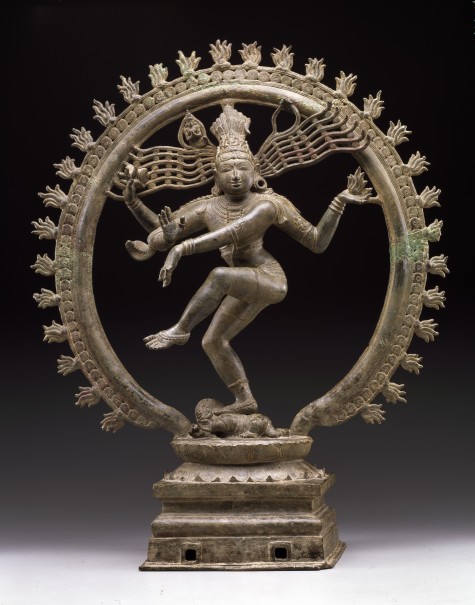
Shiva Nataraja, India, 11th century: The dancing figure, holding strange objects and surrounded by a ring of fire, mystifies and entices.


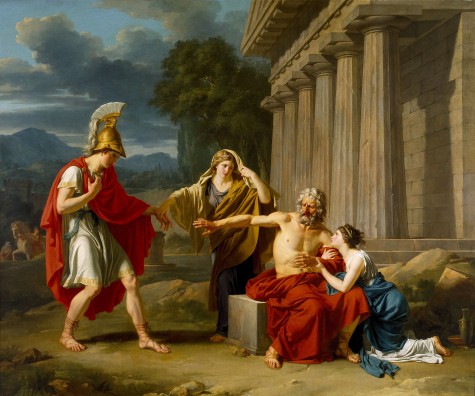
Oedipus at Colonus, Jean-Antoine-Theodore Giroust, 1788: The story of Oedipus always commands attention. Giroust captures the pathos of the final moments.


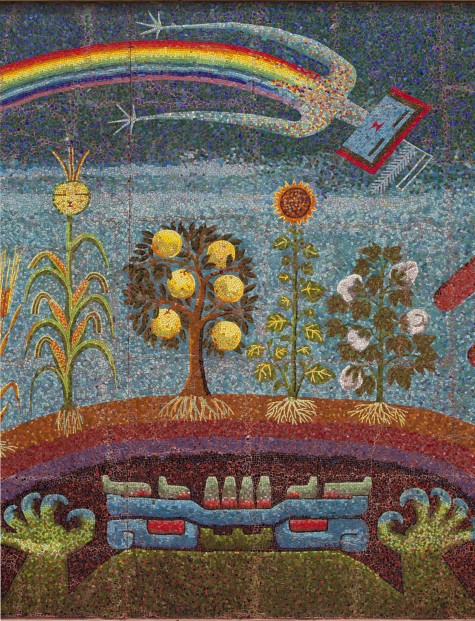
Genesis, the Gift of Life, Miguel Covarrubias, 1954: Viewers are fascinated by the colors, imagery, and technique of mosaic making.

If you would like more information on the docent program at the Dallas Museum of Art, click here.

Uncrating Stickley: A Registrar’s Report

Just before Labor Day I left Dallas for New Jersey to be on-site for the uncrating and installation of the exhibition Gustav Stickley and the American Arts & Crafts Movement. Organized by the DMA, this exhibition opens at the Newark Museum of Art next week, and as the DMA’s Registrar, it is part of my job to help in the moving of these works to ensure proper handling.
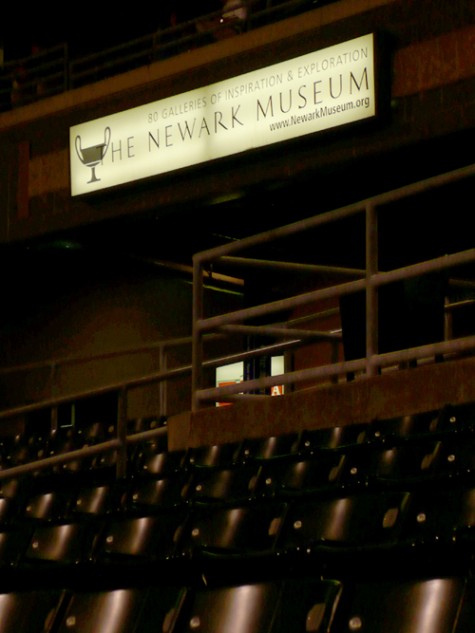
It's nice to see a museum being promoted at a sporting event. I noticed this sign for the Newark Museum while watching the Newark Bears play the Bridgeport Bluefish.

It’s early September and the ideal weather makes this a great evening to catch a minor league baseball game in Newark. After working all day installing the exhibit at the Newark Museum, this is a nice change of pace. Even the annoyingly loud music that plays every time a batter steps up to the plate can’t ruin the great atmosphere.
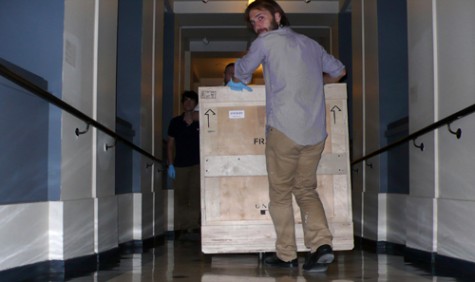
Daniel Brophy makes sure he doesn't run me over as he helps David Bonner and Seth Goodwin move a crate into the galleries for unpacking.

It’s proving to be a challenge installing an exhibition at another museum as the opening tour venue–usually the organizing institution opens the show but in this case it premieres in Newark to coincide with the 100th birthday of Stickley’s home, Craftsman Farms, in Parsippany-Troy Hills, New Jersey. But the Newark Museum exhibition team and registrars are working hard to make sure we unpack, condition report (as a registrar, it is also part of my job to carefully document any change in condition or damage that might occur), and install the 100-plus objects before the first opening event on September 14.

One of the specific challenges revolves around the fact that this is the first time I’ve seen the majority of the objects in person. This adds to the amount of packing documentation and condition report notes that must be made before the objects can be finally installed. But we’ve worked out an effective system where Newark Museum registrars Antonia Moser and Amber Germano have been completing many of the condition reports while I update packing notes and direct the art handlers (Seth Goodwin, Daniel Brophy, Diane June, and David Bonner) on the order of crate unpacking. It’s vital to keep the unpacking and condition reporting process moving smoothly with as little down time as possible in order to meet our deadline.
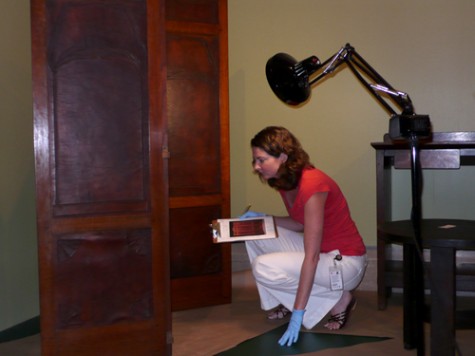
Newark Museum Associate Registrar Antonia Moser performs a condition report on a folding screen in one of the museum galleries.
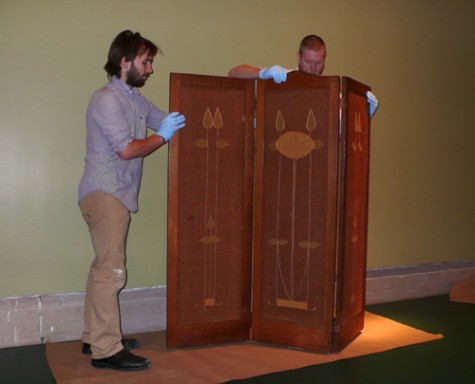
Daniel Brophy and Seth Goodwin install a folding screen after unpacking it. Gloves are required when handling works of art to protect the surface of objects.
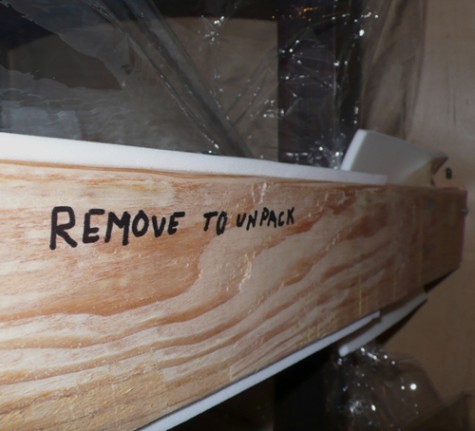
While crates look like simple wooden boxes on the outside, their interiors can be filled with numerous braces and other packing features to ensure the safety of the artwork while being transported. It's vital to follow any instructions provided by the various craters, who often write directions and registration marks directly on the crate and crate components for easy visibility.

And while every exhibition installation has its fair share of bumps in the road and unique challenges, it’s what makes my job as a registrar so appealing. There’s not much that beats opening crate after crate of fine art and making sure it’s installed safely for museum visitors to enjoy. And as a bonus, I’ve discovered that Stickley’s ash furniture pieces are quite beautiful. Be sure to check them out if you’re in Newark, Dallas, or San Diego during the exhibition dates in those cities.

Oh, and here’s a double bonus: the home team Newark Bears have erased a 4-1 deficit and now lead the Bridgeport Bluefish 7-5 in the bottom of the fourth inning. Go Bears!
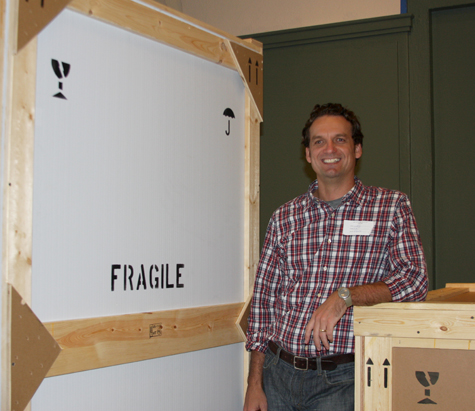
Brent Mitchell is the Registrar for Loans and Exhibitions at the Dallas Museum of Art.
The Small Objects Collection Is Movin’ on Up!

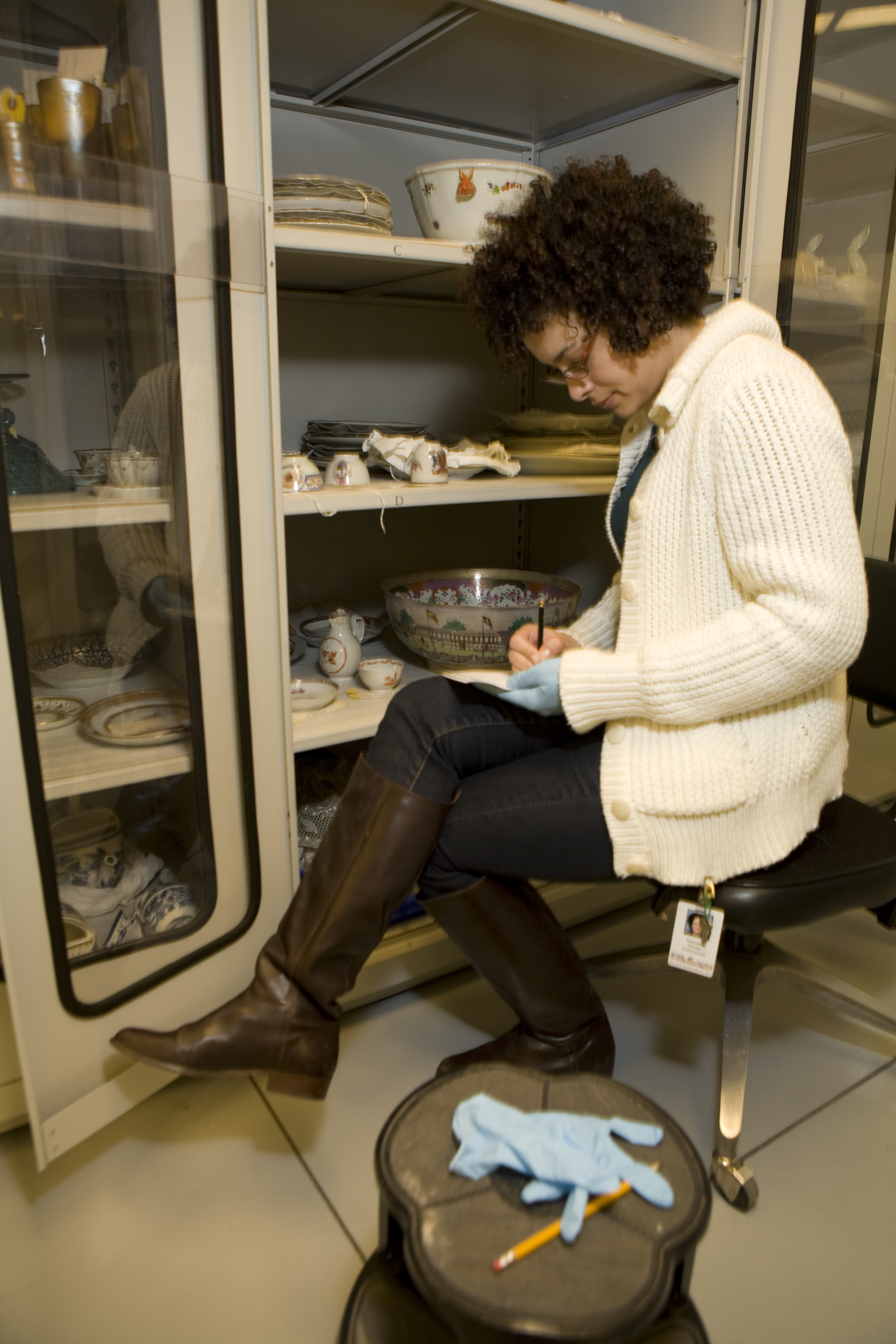
With funding provided by the National Endowment for the Humanities, the Dallas Museum of Art is currently undertaking its Museum Storage Improvement Project, which involves updating and enhancing proper storage for the Museum’s collections. A large part of this project is dedicated to the renovation of the Small Objects storage space. Small objects are works of art that are three-dimensional and small enough to fit in cabinet shelving. Our improvement project includes moving the works of art into new storage equipment and also retrofitting the older cabinets.

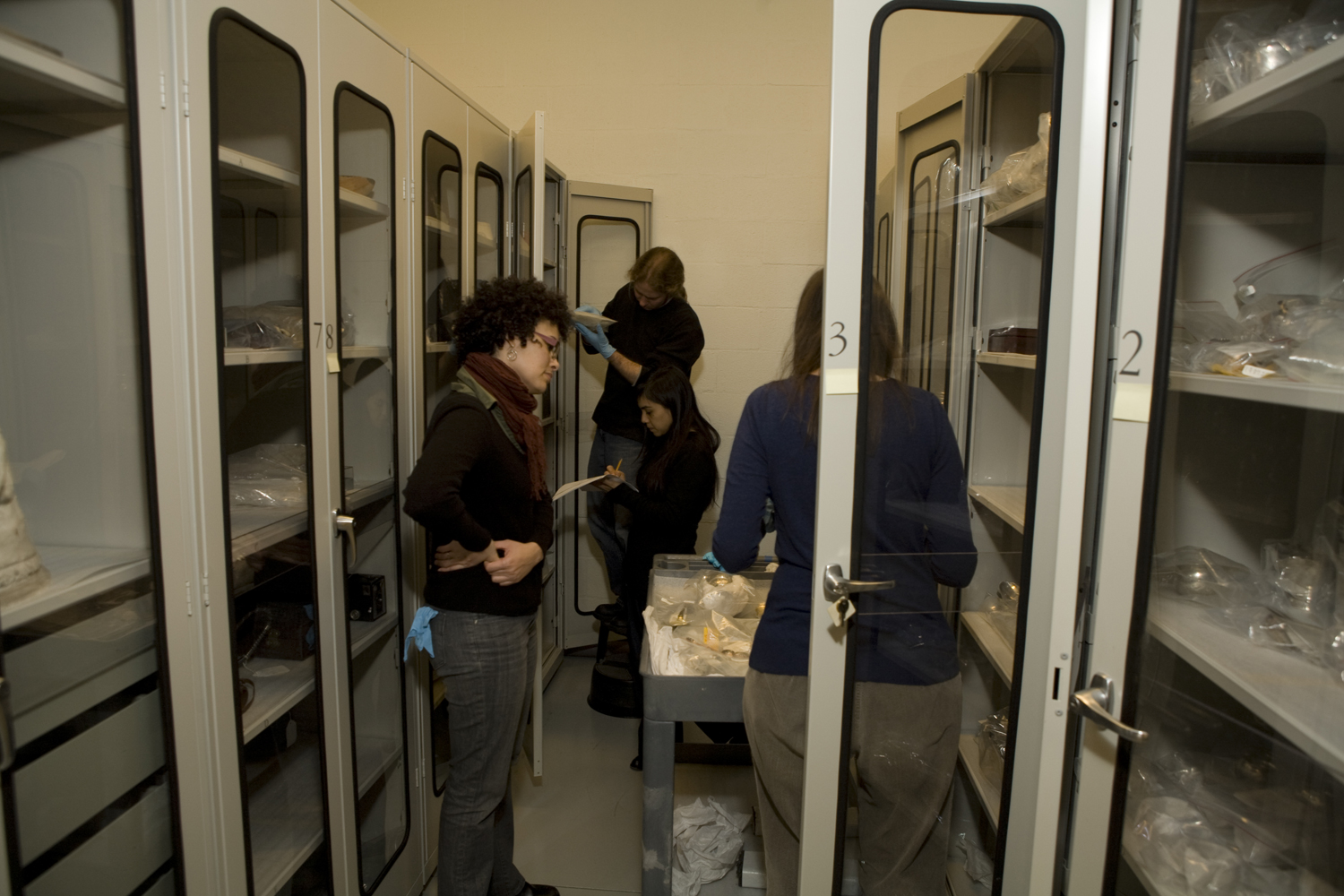
When we began, the Project Team decided to do an inventory of the 8,000 objects in this space. Small Objects includes works from all of the Museum’s curatorial departments–from ancient fertility figures and African beads to silver place settings and fine china. When we’re done, the new Small Objects space will have increased storage capabilities and improved environmental controls, allowing Museum staff to better care for these works of art.

Museum Storage Improvement Coordinator Danielle Flores works on the inventory by double-checking object labels.

Danielle works with Collections Technicians Robert Hoot (center, standing) , Consuelo Gutierrez (center, seated), and Registrar Sarah Evans (right) to inventory objects from the Decorative Arts collection.

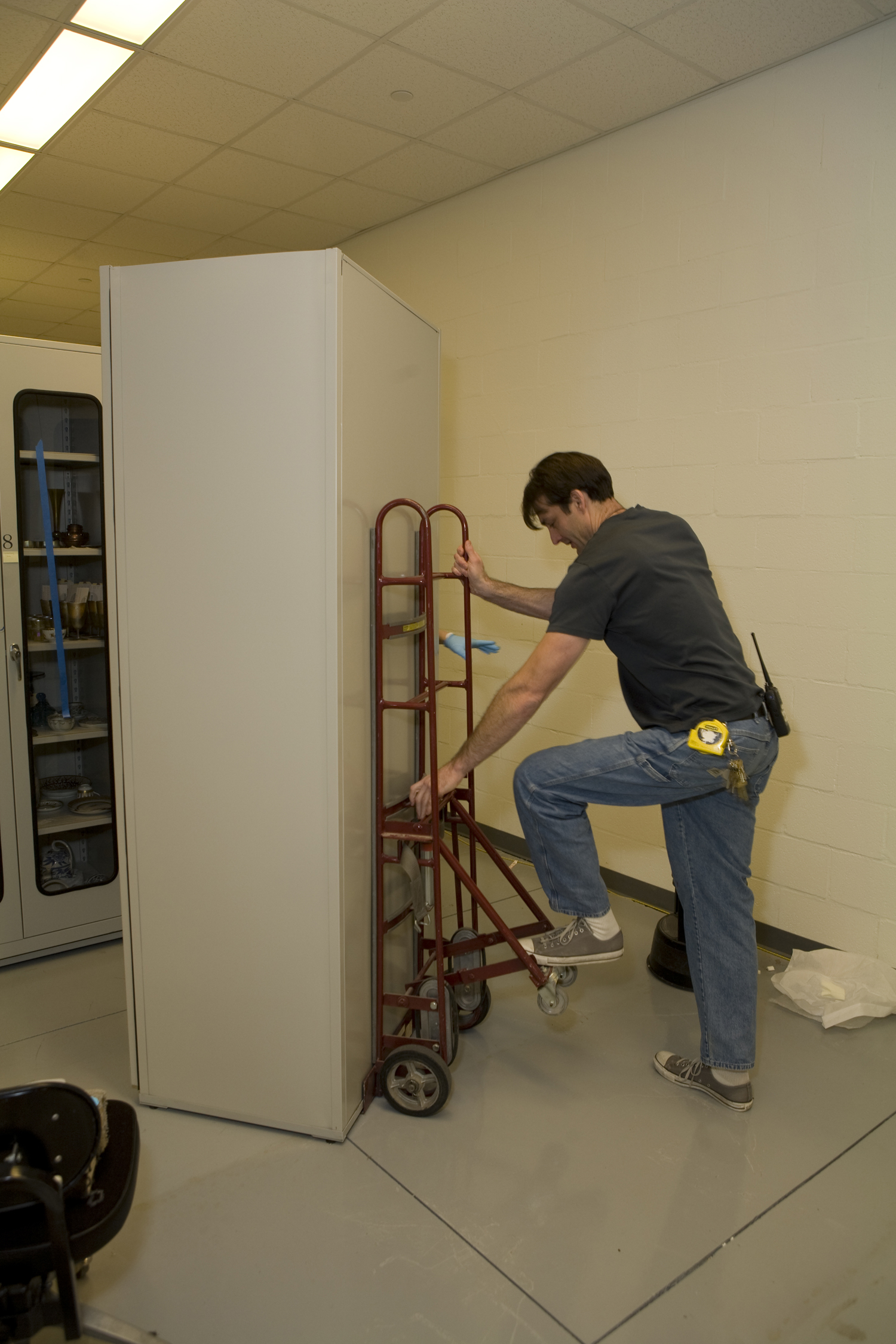
Head Preparator Vince Jones moves an older Small Objects cabinet that has been emptied.  The new Small Objects space will use retrofitted old cabinets along with newly purchased cabinets.

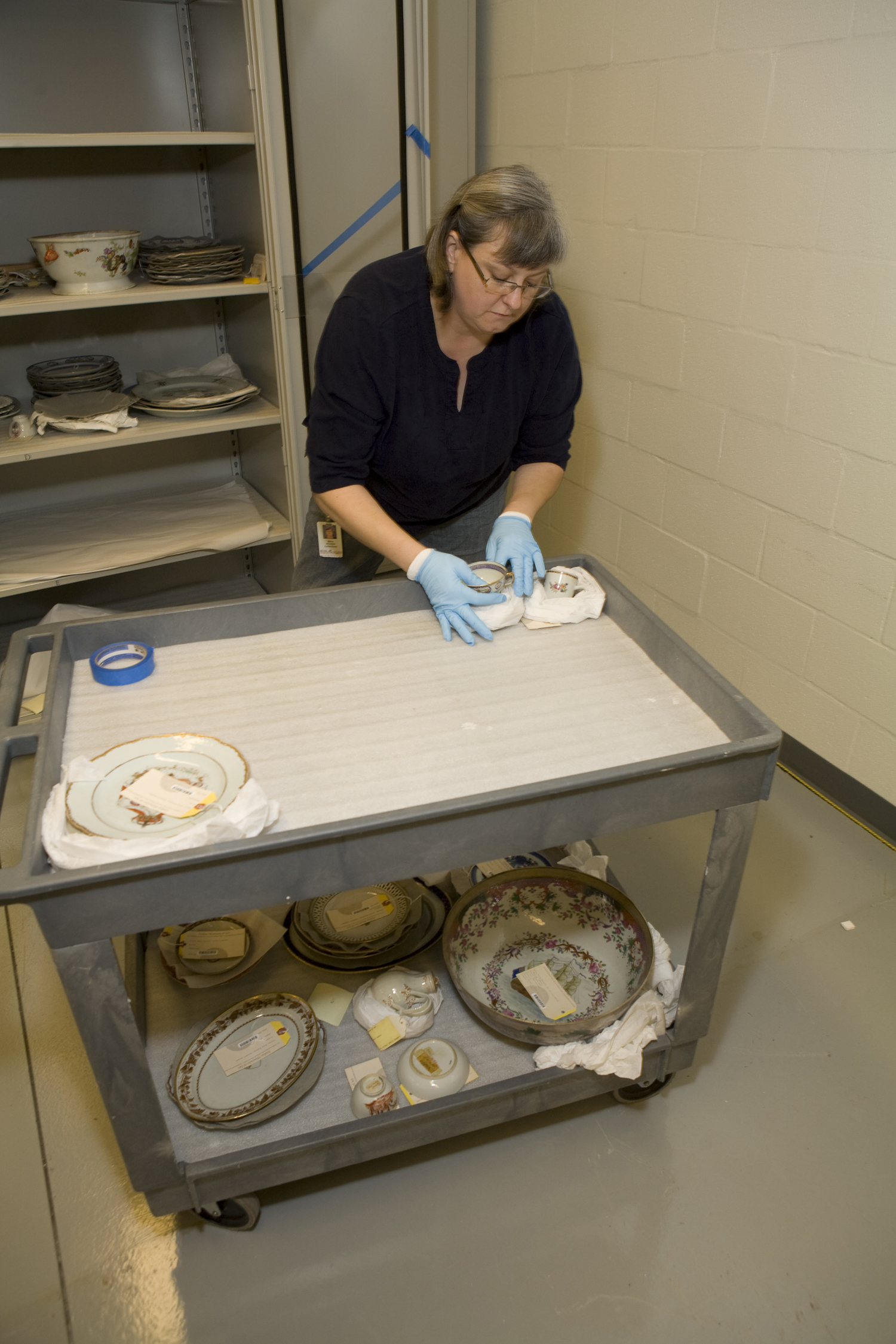
Preparator Mary Nicolett carefully fills up a cart.

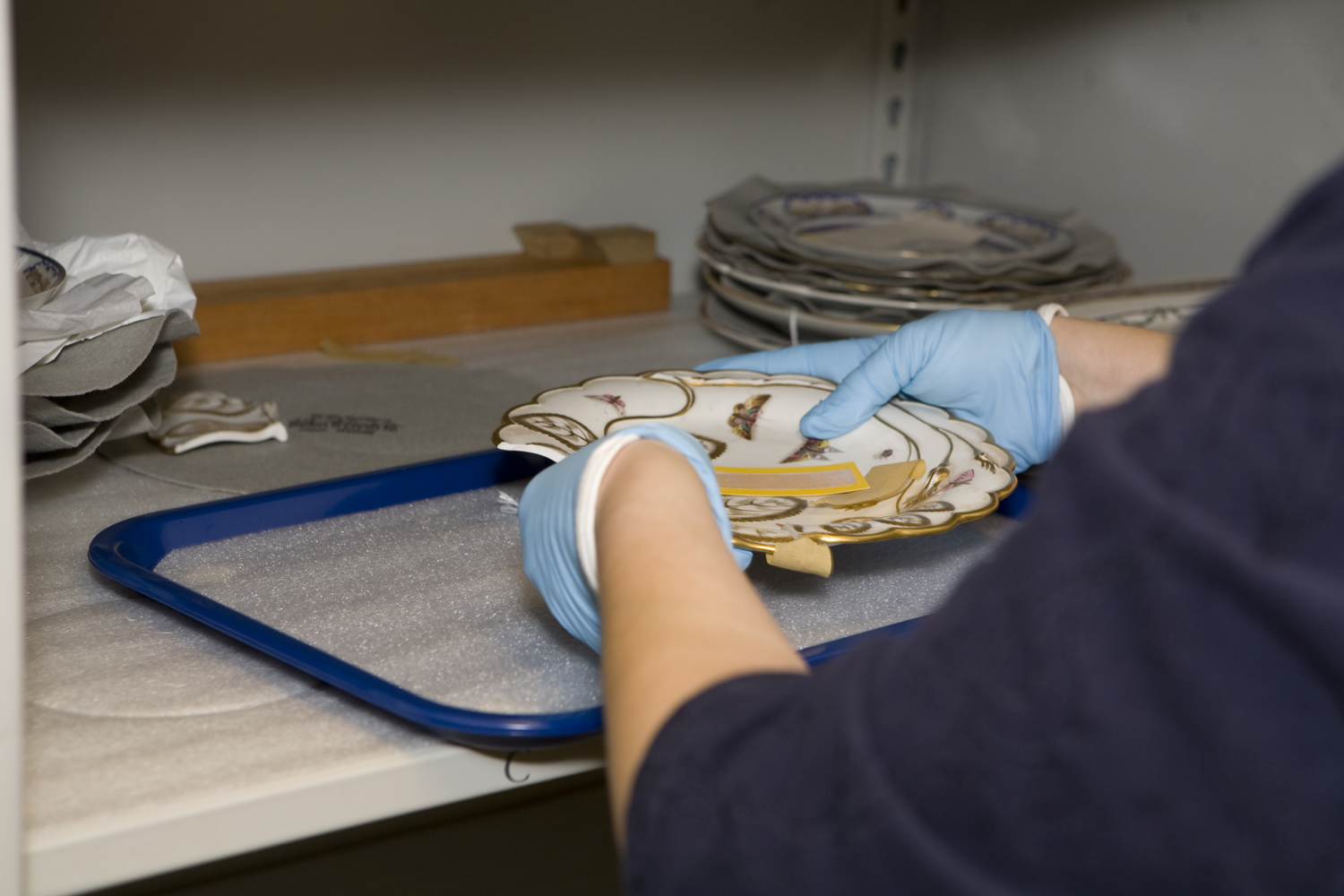
Our staff always works with gloves to protect the pieces in the collection.

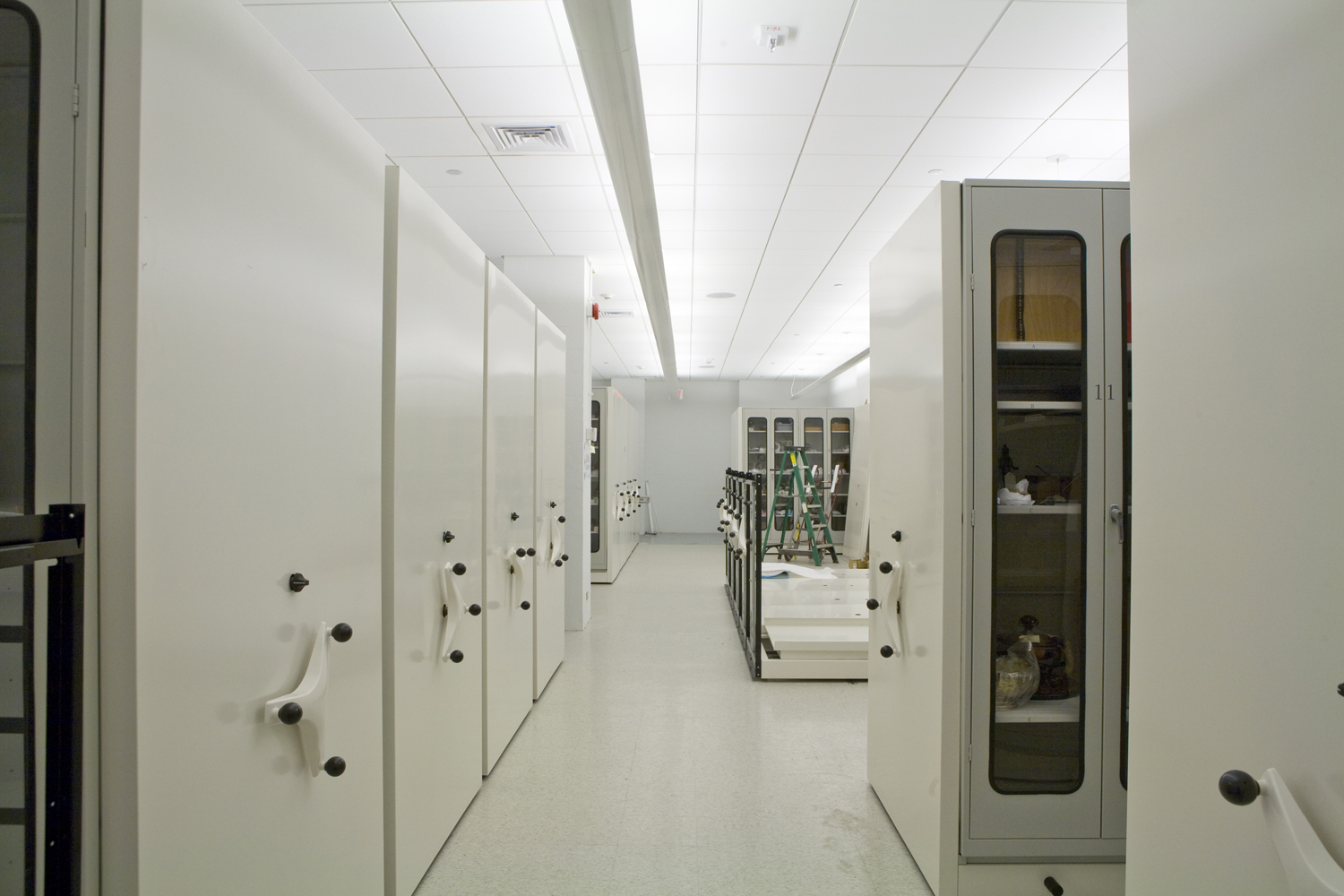
Here is a sneak peek at the almost-completed Small Obejcts space. Improved lighting and new areas for study will make it easier for Museum staff and visiting scholars to access the collections.


Archives

Categories