Archive for the 'Behind-the-Scenes' Category


Two for the Road

Uncrated recently took a “field trip” to Fort Worth to visit the Kimbell Art Museum’s  presentation of Picasso and Braque: The Cubist Experiment, 1910–1912, for which the DMA loaned its 1912 Braque painting Still Life with Bottles and Glasses. Before the exhibition opened, the Kimbell’s director of conservation, Claire Barry, took a look at our “gem of a painting” and offered us this guest post on the experience.
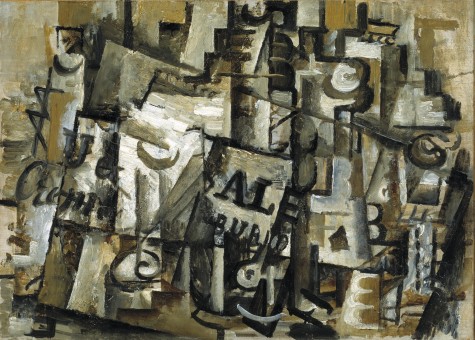
Georges Braque, "Still Life with Bottles and Glasses", 1912, oil on canvas, Dallas Museum of Art, The Eugene and Margaret McDermott Art Fund, Inc., given in honor of Deedie Rose and J. E. R. Chilton
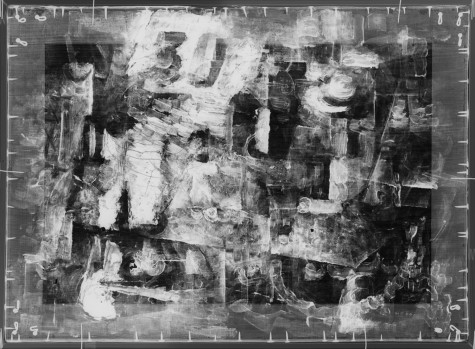
X-ray of George Braque's "Still Life with Bottles and Glasses"

I was delighted to have the opportunity to examine Braque’s Still Life with Bottles and Glasses from the DMA in the Kimbell conservation studio. Fortunately, this gem of a painting is unlined, which is rare for a cubist painting from this period. As a result, the impastoed (thickly textured) surface has never been flattened through lining. As one of my teachers wisely advised, think about a painting as a sculpture in low relief. If you look at the Braque in this way, you quickly begin to appreciate the rich variety in the artist’s application of paint—from thin areas where the paint is more fluid to thicker areas of impasto where he applied paint with a heavily loaded brush. Then, in the upper left, you might notice that the paint has a crusty texture that seems totally unrelated to the composition. With the permission of the DMA curators, I x-rayed the painting, which quickly revealed that Braque completely reworked the composition of Still Life with Bottles and Glasses during the course of painting. The texture of the underlying paint layers, later covered over, can still be seen on the surface. I was fascinated to discover this, because between Picasso and Braque, I always believed that Picasso had a greater tendency to radically rework his paintings (as he did with the Kimbell’s Man with a Pipe). Braque painted the Kimbell’s Girl with a Cross without making a single revision.
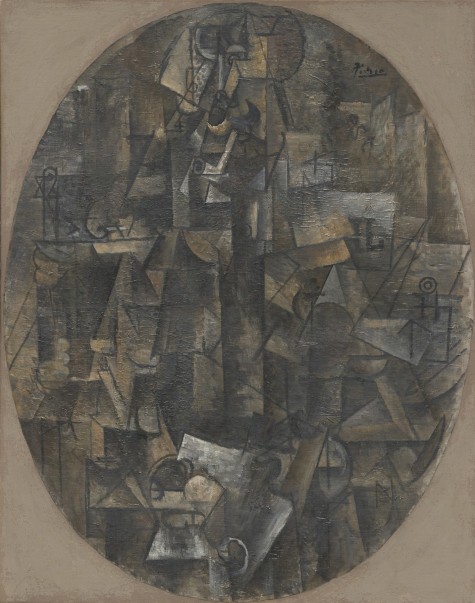
Pablo Picasso, Man with a Pipe, 1911, oil on canvas, Kimbell Art Museum. Photo © MegaVision. © 2011 Estate of Pablo Picasso / Artists Rights Society (ARS), New York
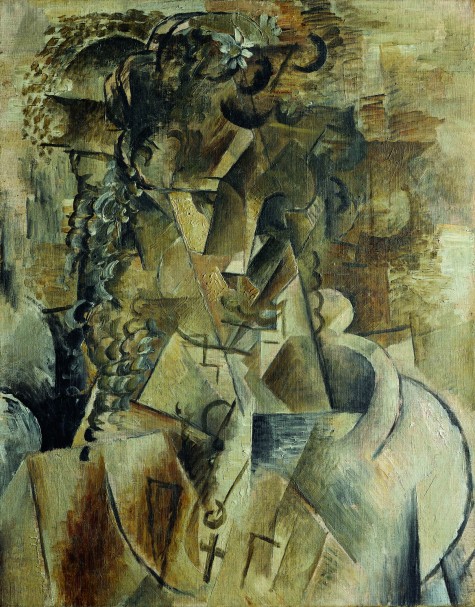
Georges Braque, Girl with a Cross, 1911, oil on canvas, Kimbell Art Museum. Photo © MegaVision. © 2011 Artists Rights Society (ARS), New York / ADAGP, Paris

I was fortunate to be able to examine the two Braques, the DMA’s and the Kimbell’s, side by side in the conservation studio. Like the DMA painting, the Kimbell’s Girl with a Cross is unlined and preserved in pristine condition. In fact, it has never been varnished and retains the matte surface that the cubists intended. Both Picasso and Braque were adamant that their paintings should never be varnished. The DMA’s Braque, however, had been varnished at some point, and the varnish layer imparted a glossier surface than Braque had in mind. The unifying effect of the varnish also masked the subtle differences in surface gloss and texture that Braque created. In preparation for the exhibition, the DMA gave me permission to remove the varnish layer from Still Life with Bottles and Glasses. The fact that visitors to the exhibition can now see two unlined, unvarnished cubist paintings by Braque is really something exceptional. When you see the surfaces of these paintings, you can feel confident that this is very close to how they appeared when they left Braque’s easel some one hundred years ago.

Braque’s Still Life with Bottles and Glasses (1912) was sent to the Kimbell for spectral-image photography during the early stages of planning the exhibition Picasso and Braque: The Cubist Experiment, 1910–1912. These photographs are among the many incredible high-resolution digital images that can be explored with the iPad application iCubist in the Kimbell exhibition. If you want to experience the details in cubist paintings, brushstroke for brushstroke (the way I examine paintings in my job as a paintings conservator), I really recommend that you check out the iPads at the Kimbell. To my knowledge, this is the first time such images have been made available to the public in such an interactive way in a museum exhibition. The goal is to enrich the experience of seeing the real paintings, for which there is absolutely no substitute. My hope is that the iPad application may encourage visitors to spend even more time in the exhibition. Unlike the Acoustiguide, you cannot look at a painting and the iPad app simultaneously. So perhaps this will encourage visitors to look at the paintings first, then explore the iPad, and then return to the paintings for a second look, with greater understanding and appreciation.

Guest blogger Claire Barry is the director of conservation at the Kimbell Art Museum.
Living the Dream

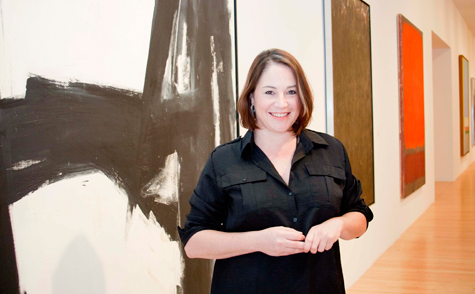
Uncrated tracked down the DMA’s Chair of Collections and Exhibitions, Tamara Wootton-Bonner, to talk about her job at the Museum. Tamara has the large responsibility of overseeing the Museum’s exhibitions, publications, collections, libraries, archives, and digital imaging departments, and as you will read below, she knew early on that she wanted to work in a museum.


Describe your job in fifty words or less.
I’m the Chair of Collections and Exhibitions and I oversee the exhibitions, publications, collections management, libraries, archives, and digital imaging departments. My main job is to make sure that our exhibitions, publications, and other key projects happen successfully (and are on time and within budget) and to keep everyone happy.

What might an average day entail?
Meetings and e-mails! Besides that, I have to take on a variety of roles: in a single day I might have to be a cheerleader, mom, taskmaster, accountant, lawyer, writer, editor, project manager, critic, negotiator, facilitator, logistician, bad guy, and, if I’m lucky, I get to look at art. The greatest days are working with designers and artists . . . on exhibitions, publications, building projects, etc. But I also have fun managing budgets, negotiating contracts, solving problems, and planning for the future.

How would you describe the best part of your job and its biggest challenges?
The best part of my job is working with lots of wonderful, creative people. It’s exciting to see ideas come to life and to know that you’ve been a part of it—whether it’s an exhibition, a publication, or something else. I love to watch an exhibition come together or smell a new book hot off the press.

The biggest challenge can be trying to do too much with too little. We are an ambitious bunch around here and almost everyone is a perfectionist.

Growing up, what type of career did you envision yourself in? Did you think you’d work in an art museum?
As a child I wanted to be an artist. I used to draw and paint all the time. But by the time I graduated from high school I knew I wanted to work in a museum. I started as a security guard at the Metropolitan Museum of Art in New York and now . . . here I am.

What is your favorite work in the Museum’s collection?
I have several—Franz Kline’s Slate Cross, the Indonesian tau tau, and the Olmec jade mask are among my absolute favorites. But it changes every day. Tatsuo Miyajima’s Counter Ground and the James Lee Byars works in the Silence and Time exhibition, on view now, are amazing.

Is there a past exhibition that stands out in your mind as a favorite, or is there a particular upcoming show you’re looking forward to seeing?
That’s easy—The Fashion World of Jean Paul Gaultier! It’s going to be phenomenal. We’ve never done a fashion exhibition, so it’s going to be a challenge. But it’s going to be an exciting challenge.

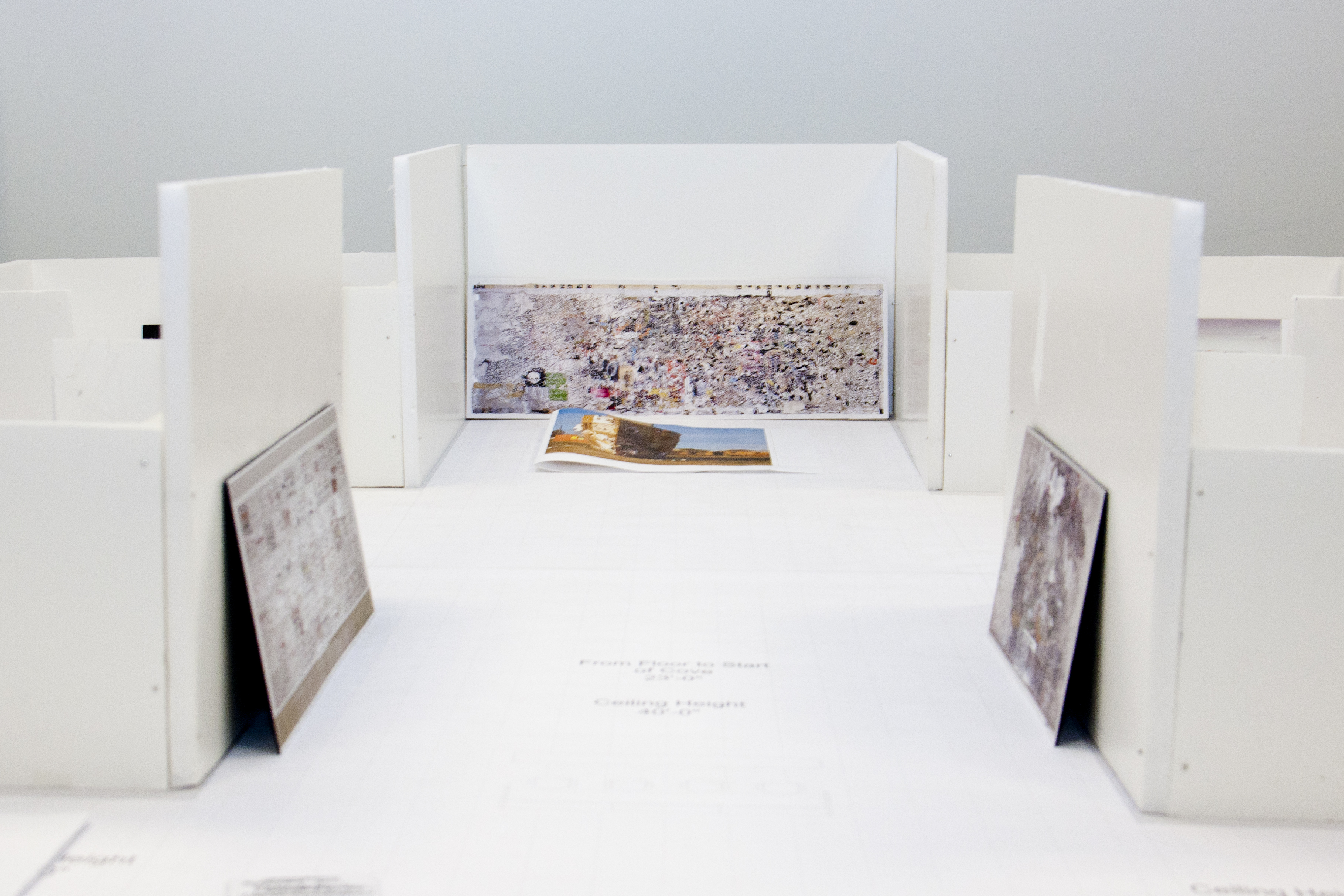
Seldom Scene: If You Build It

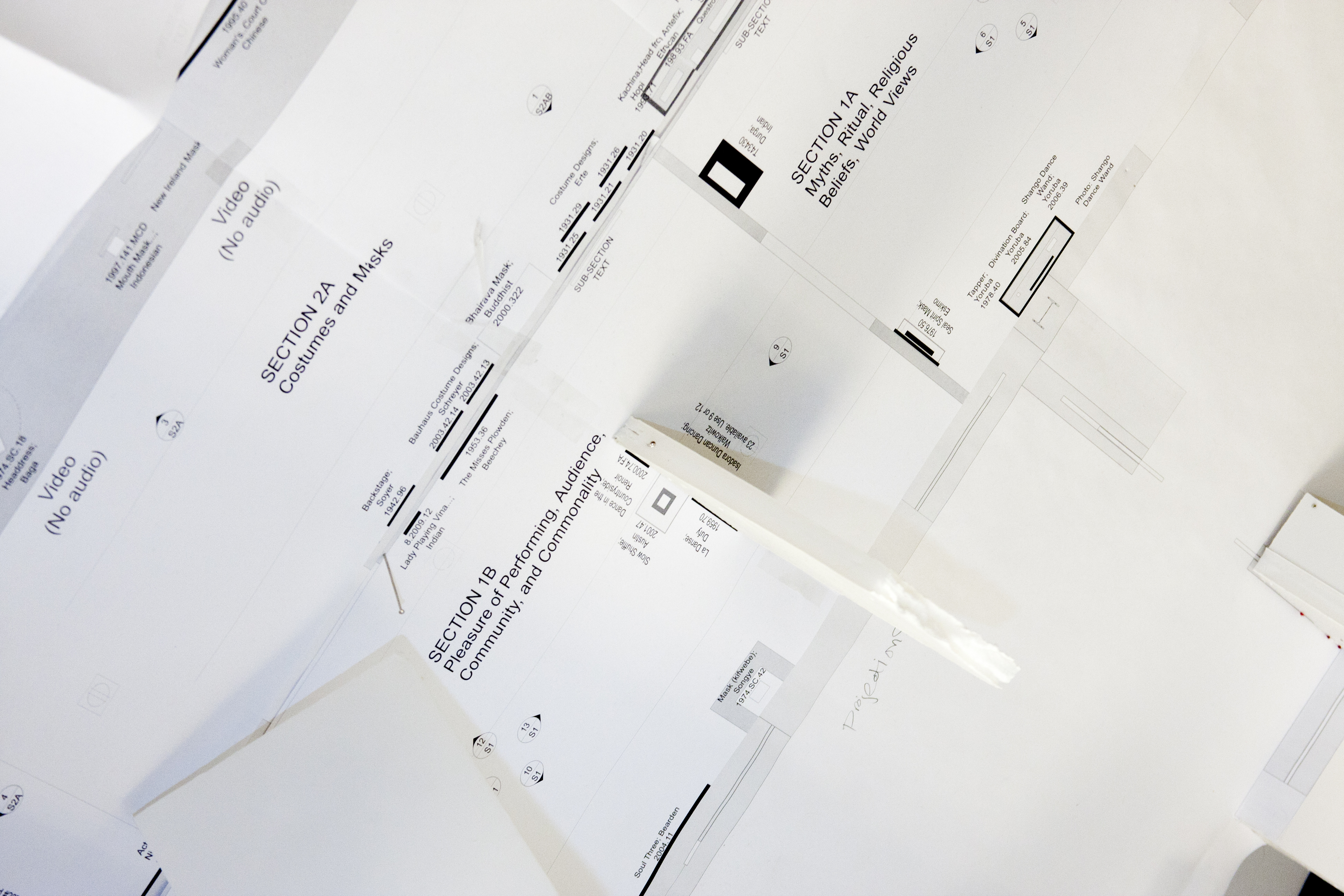
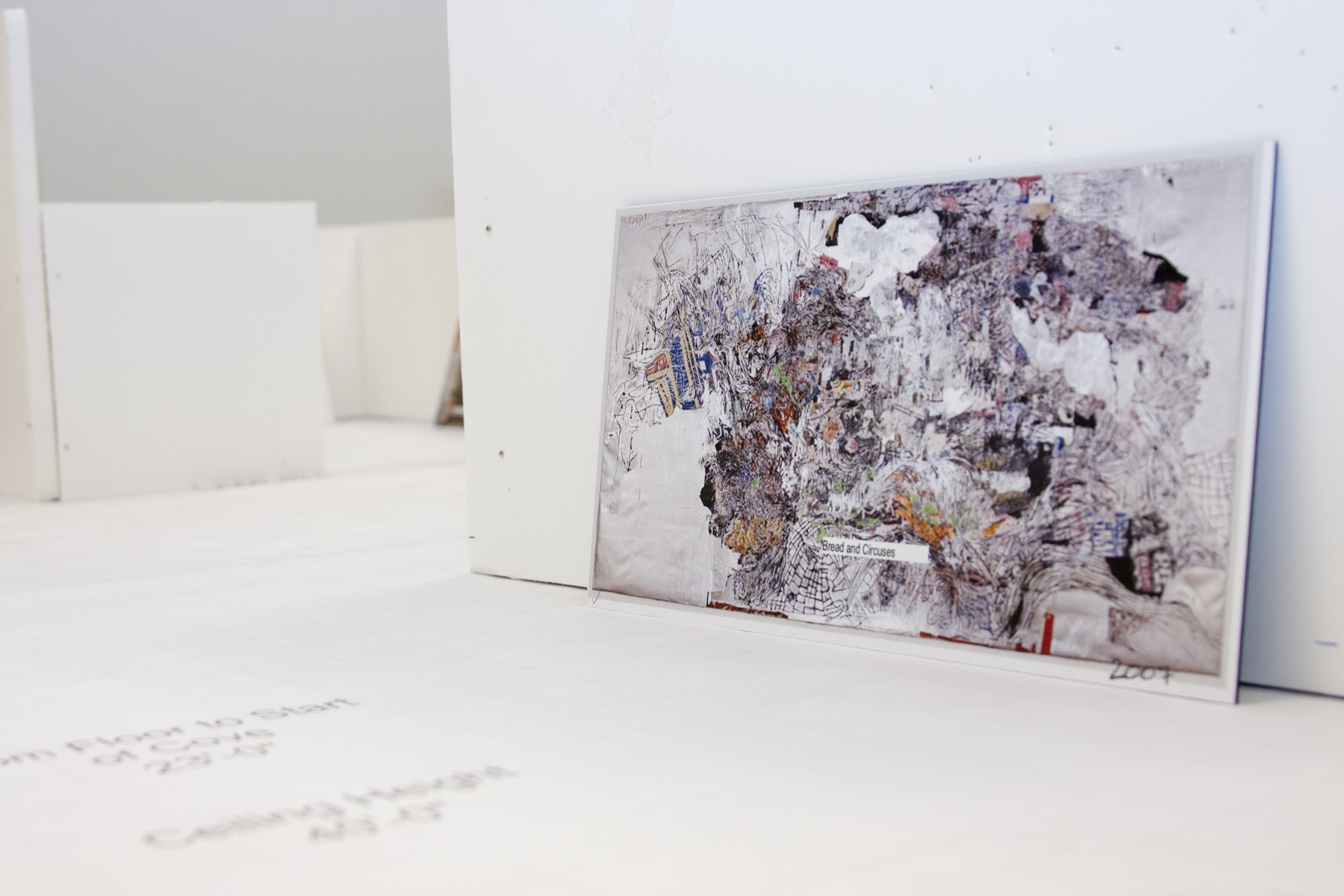
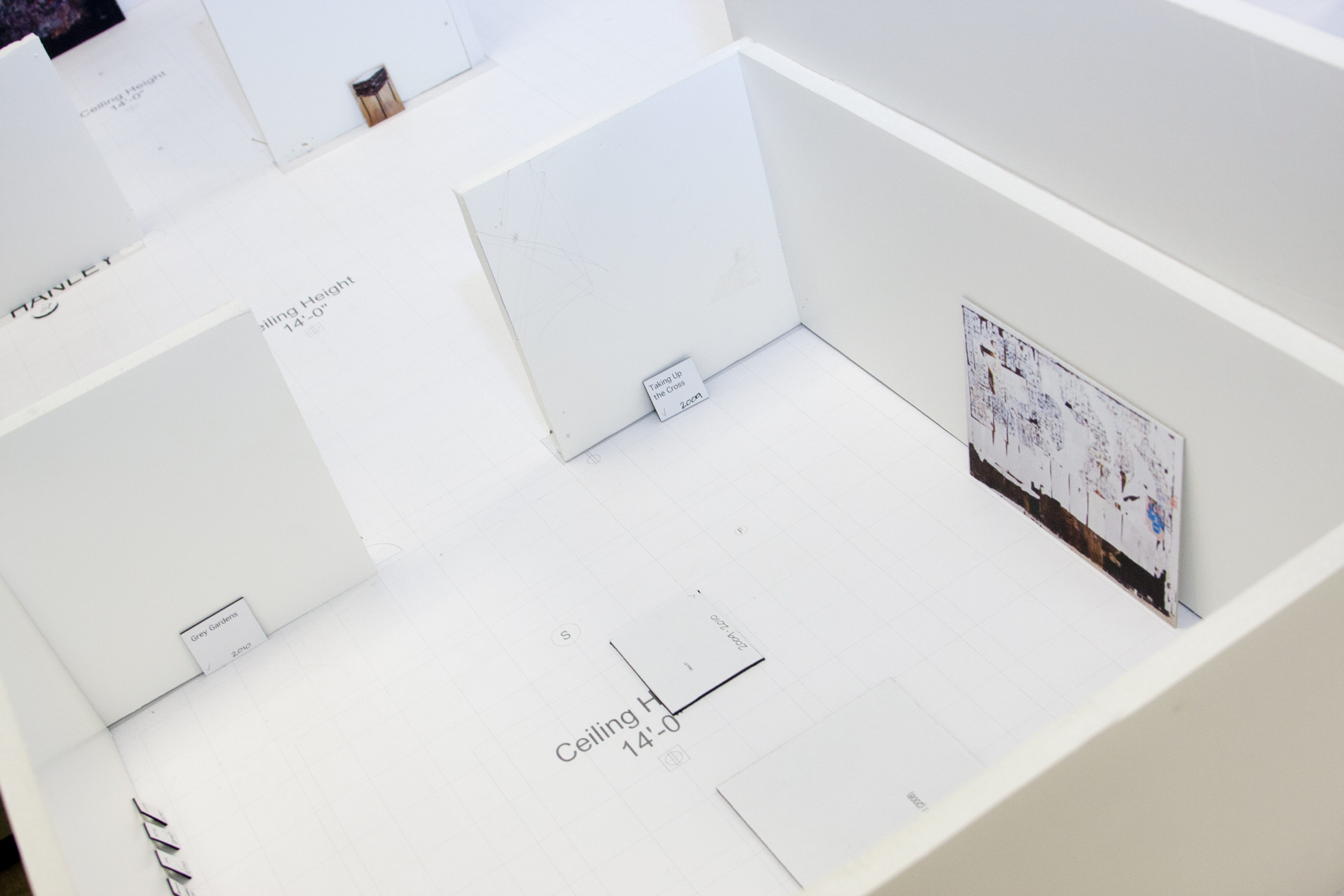
Many months of planning go into the presentation of each DMA exhibition. Mark Bradford will not open until October 16, but work on the exhibition design is already underway.


How to Throw a Block Party

Have you ever wanted to throw a block party but don’t know how to go about it? One of the interesting things about my job is that I now know a lot about what goes into making a good one.

On June 17 we’ll host our third annual Summer Block Party in the Arts District, and I wanted to share a little of the “backstage” planning. The Summer Block Party has always involved the Arts District museums and Downtown Dallas Inc., and this year we are also working with the Dallas Symphony and the AT&T Performing Arts Center.

The first part of planning any big event is getting all the “players” together to discuss ideas and work out the details. Our first Arts District group meeting was the first week of April, and we have had two group meetings since then. Agenda items for these meetings included planning joint programs, discussing street closure logistics, and crafting a marketing plan.

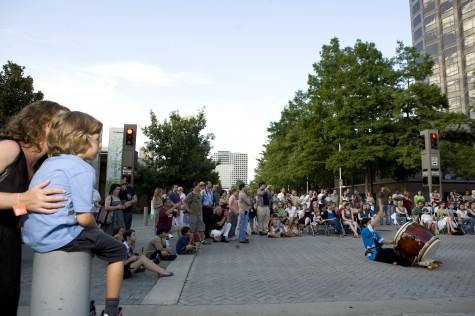
A street performance during a Summer Block Party

After these meetings, the “point person” from each institution goes back “home” to work out the specifics. Here at the DMA we had meetings with our Security, Operations, Membership, and Marketing teams to go over all the details for the DMA’s Late Night, especially the Summer Concert featuring The Polyphonic Spree. Between that first planning meeting in April and the event on June 17, I will have had fourteen internal meetings with various staff members just about this one event.

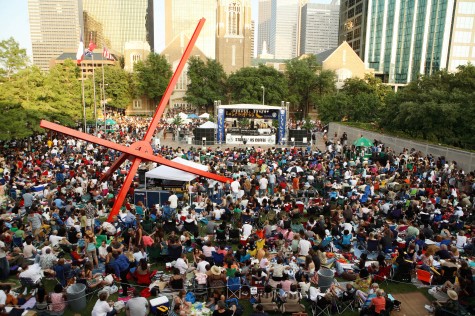
A past Late Night Summer Concert on Ross Avenue Plaza

Another aspect of throwing a block party is closing the streets between the museums. We do this so we can have programs outside and for the safety of all our visitors, who will be walking back and forth between the institutions. Closing the streets requires a permit from the City, which must be submitted forty-five days before the event. Once we get the okay from the City, we have to secure police officers, outdoor lighting, port-a-potties, and street barricades.

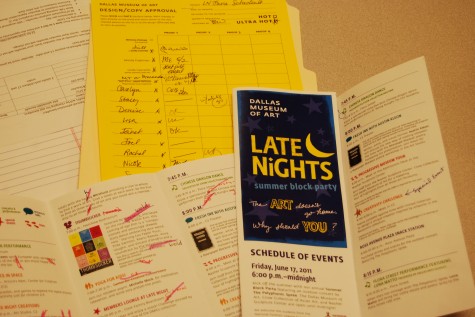
After our programs are confirmed, we then work with our graphic designers and editor to create a schedule of events, which we give to visitors when they arrive that night. We submit text three weeks in advance to give them time to edit and design the schedule, have staff review the schedule, and make any last minute changes before sending it to the printer. We then update our website with all the current information, and our PR department sends out a press release and begins posting on Facebook and Twitter.

Proof for the Late Night Schedule of Events

Lastly, to continue in the tradition of my previous blog post about Late Nights, I thought I would end this post with a new Late Nights by the Numbers list:

272 – number of emails I have sent and received about the Summer Block Party since April

52 – number of performers and artists featured during the June Late Night

7,000 – number of Late Night event schedules printed for this night

6 – number of food trucks that will serve food during the Summer Block Party

2 – number of clues the DMA will tweet for the Museum Art Challenge on Twitter

12 – number of port-a-potties on-site during the Summer Block Party

4 – number of rotating mirror balls that will be used during The Polyphonic Spree concert

Stacey Lizotte is Head of Adult Programming and Multimedia Services.

Seldom Scene’s Seldom Seen

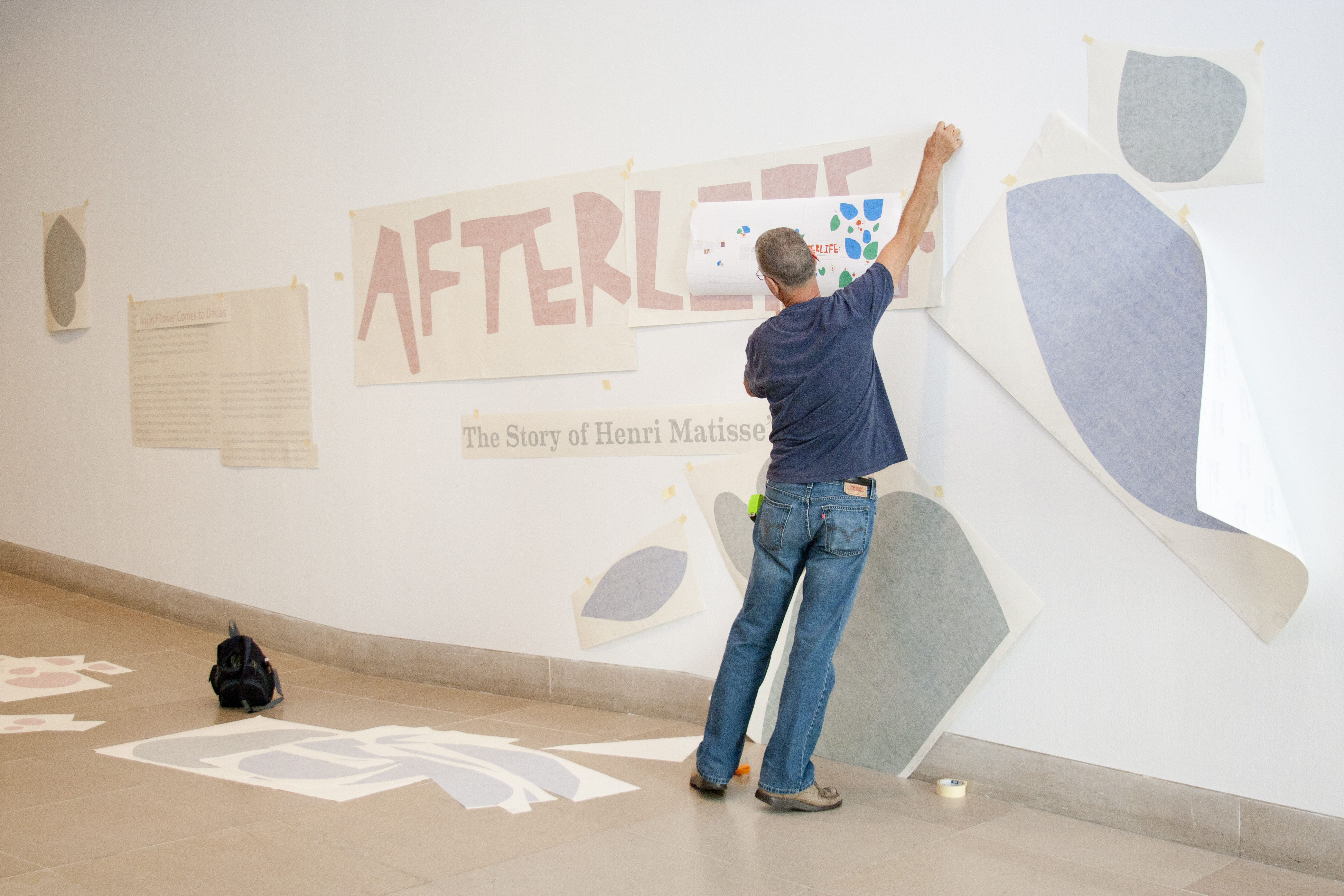
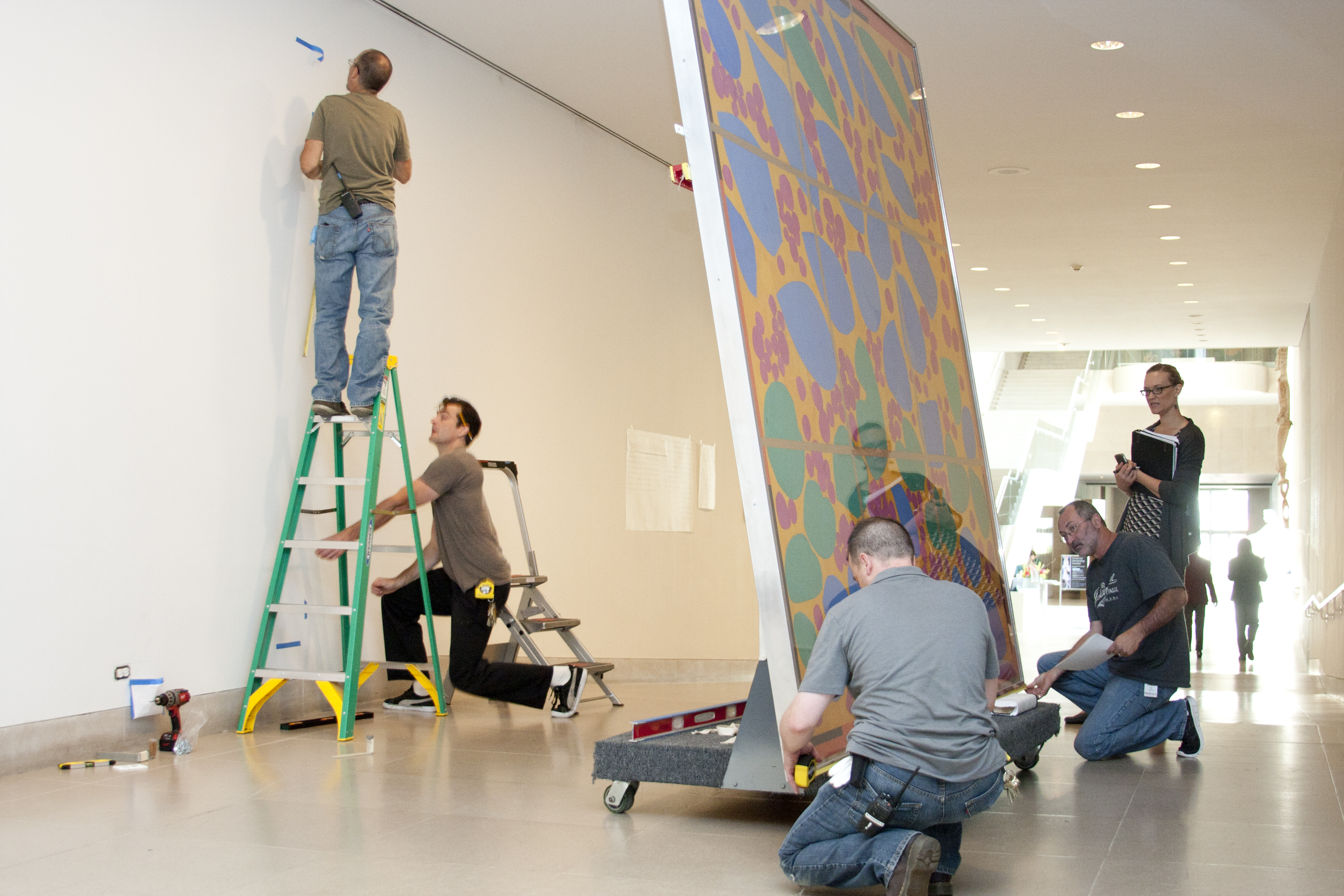
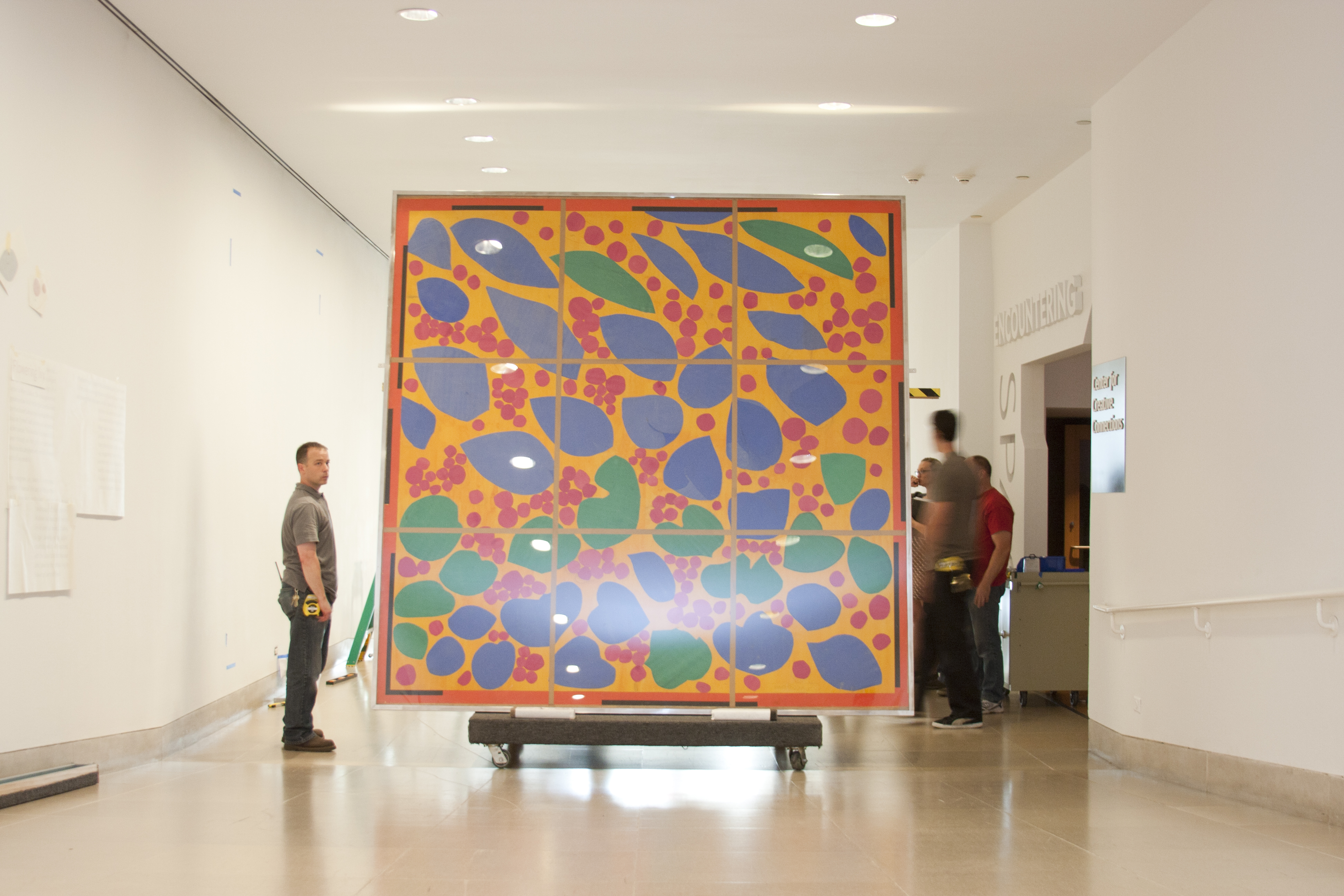
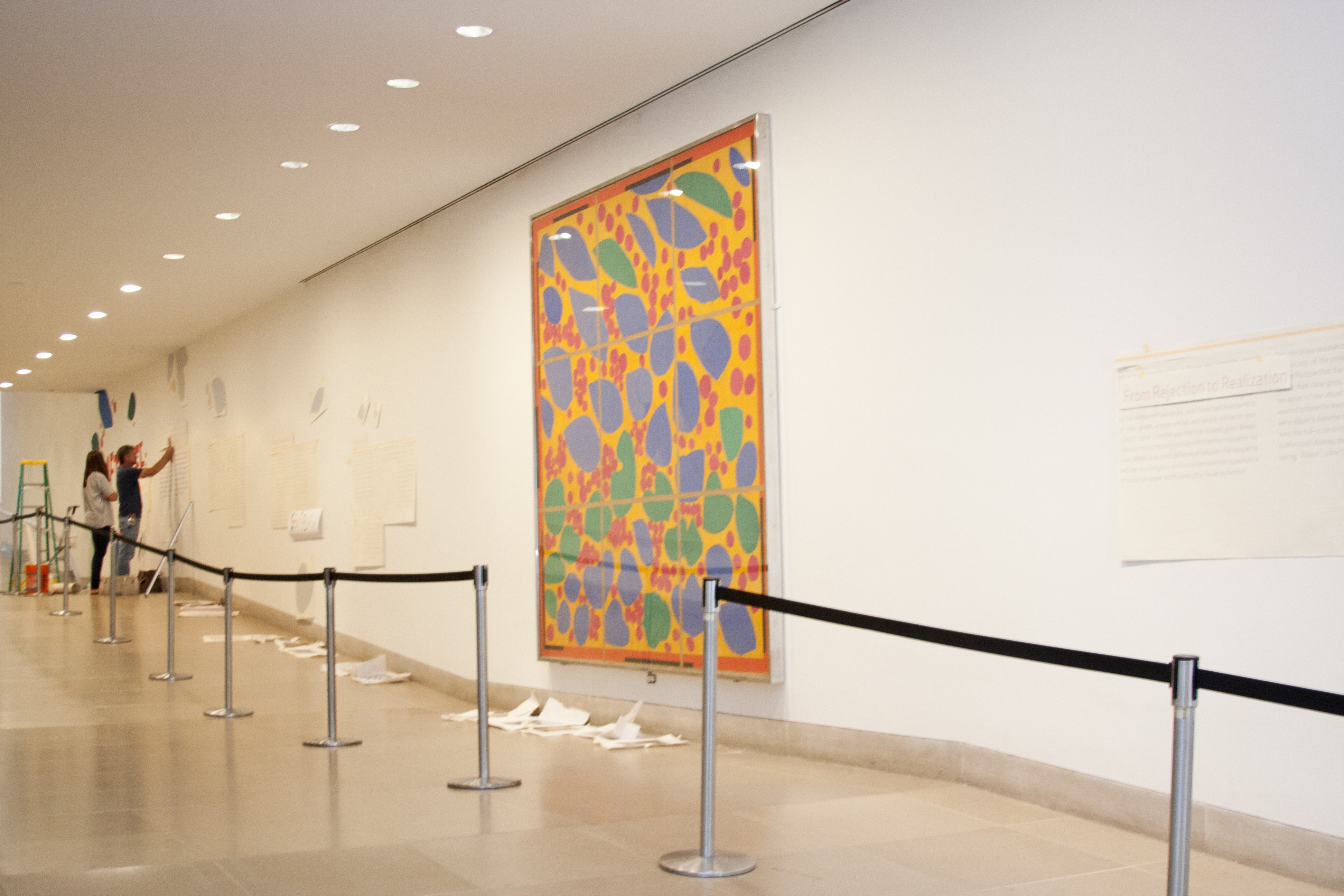
Rarely on view, Henri Matisse’s Ivy in Flower—a full-scale maquette for a stained glass window made late in the artist’s career—will be installed for six months in the Concourse. Here are some photos from the large cutout’s installation.

Henri Matisse, Ivy in Flower, 1953, colored paper, watercolor, pencil, and brown paper tape on paper mounted on canvas, Dallas Museum of Art, Foundation for the Arts Collection, gift of the Albert and Mary Lasker Foundation

Seldom Scene: Silence and Time

Below are photographs taken during the three-week installation of Silence and Time, which is on view through August 28.

[slideshow]

Insider Tour of Paris

In May, Olivier Meslay, Interim Director of the Museum—and a former chief curator of the Louvre—led a group of eighteen DMA Donor Circle members to Paris for an “insider’s tour” of the city.

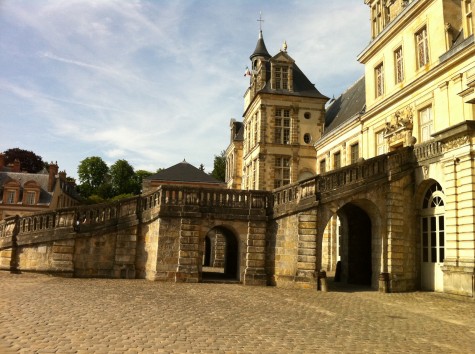
As you all may know, it’s hard to have a bad time in Paris, especially in the gorgeous spring. Here are just a few of the highlights.  The trip began with a visit to the Château of Fontainebleau, where the group had a special tour with chief curator Vincent Droguet that included a stop at the stairs where Napoleon gave his farewell address before being exiled to Elba.

We were also able to visit one of Marie Antoinette’s private cabinet rooms, which is not open to the general public. Climbing several narrow, winding sets of stairs, Vincent led us into a small private room where the queen used to retreat from the demands of royal life with just one or two companions.

When we visited Vaux le Vicomte, another château in the countryside, it was lit by candles for a beautiful and dramatic evening, which included fireworks in the garden.

The studio of Rosa Bonheur, which is a private museum still managed by her family, was a special stop. I love her work, and the DMA will soon acquire a Bonheur painting, which made this visit even more special.

Her unfinished final painting hangs on an easel in her studio.

And her stuffed parrot still resides in her bedroom (a little worse for wear).


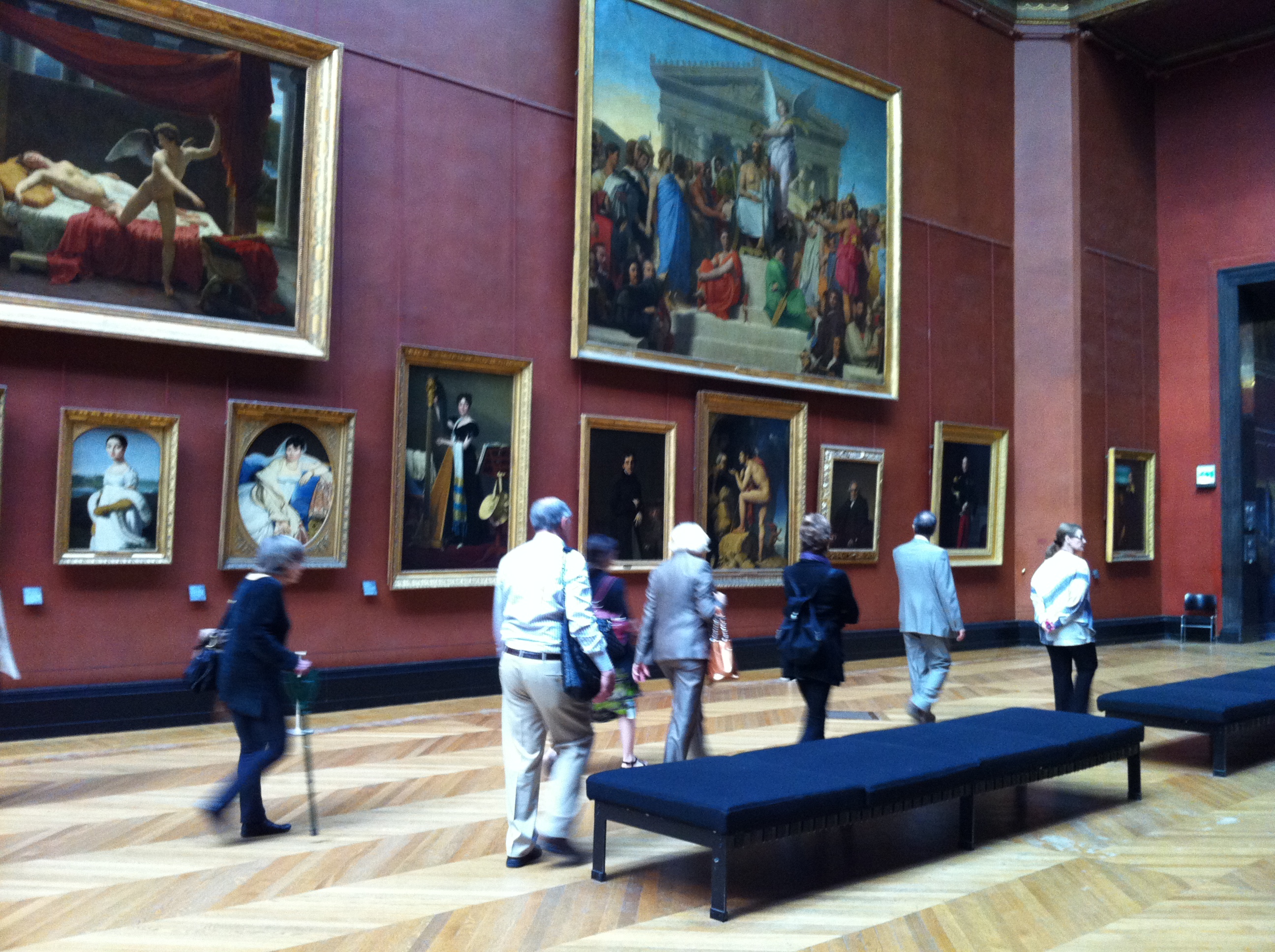
The high point of the trip has to be our visit to the Louvre. We arrived very early in the morning, before it got crowded, and Olivier took us through the Grand Gallery to view some of the masterpieces of 18th- and 19th-century painting.

During his sixteen-year tenure at the Louvre, Olivier held a number of senior positions before coming to the DMA in 2009 in the joint position of Senior Curator of European and American Art and The Barbara Thomas Lemmon Curator of European Art. Being with him at his “old stomping grounds” was a once-in-a-lifetime experience!

Another very special visit was to the atelier of Nicolas Marischael, a silversmith working in the center of Paris. Following in the footsteps of three generations of his family, Nicolas creates beautiful works of art, jewelry, and cutlery using old-world techniques and tools. Visiting his tiny atelier was amazing!

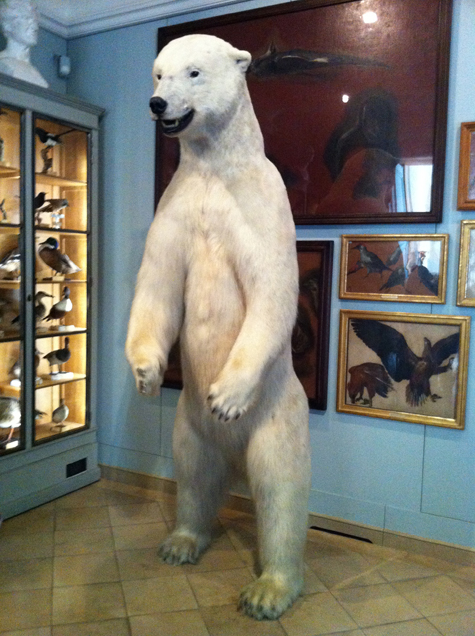
One of the last places we visited was the Musée de la chasse et de la nature (Museum of Hunting and Nature), where the director, Claude d’Anthenaise, has creatively displayed works of art that focus on hunting, nature, and animals.

Kim Bryan is the Director of Donor Circle Membership at the Dallas Museum of Art

Seldom Scene: A visit to the Windy City

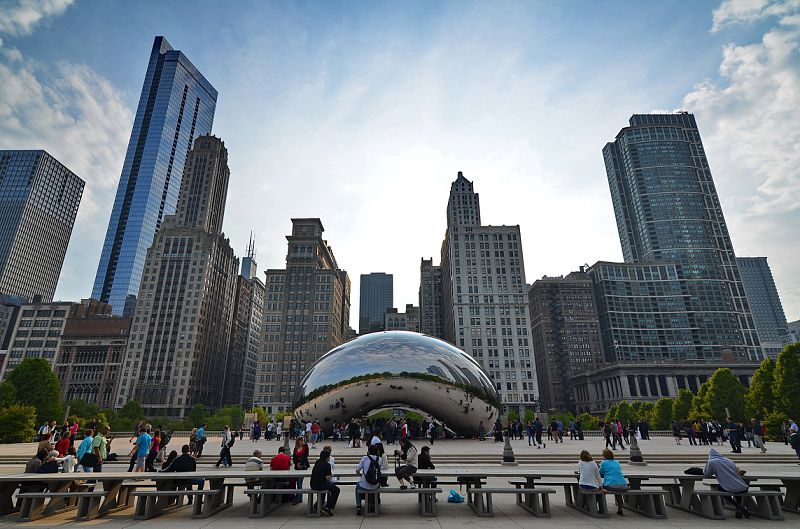
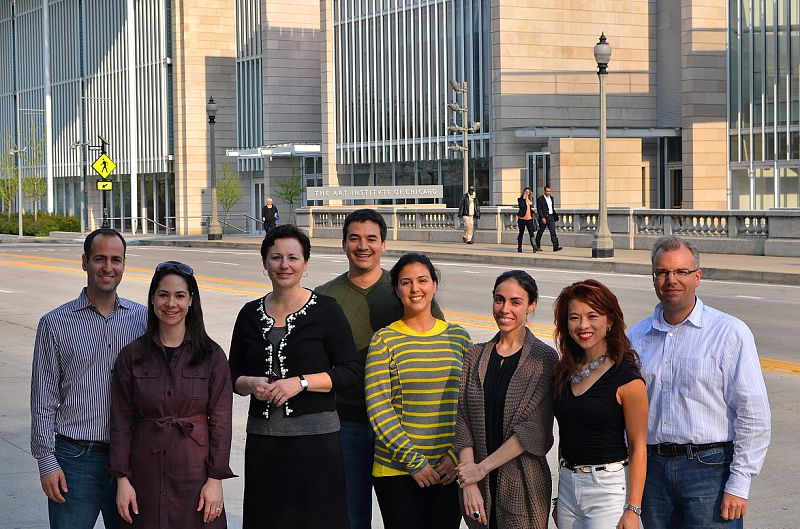
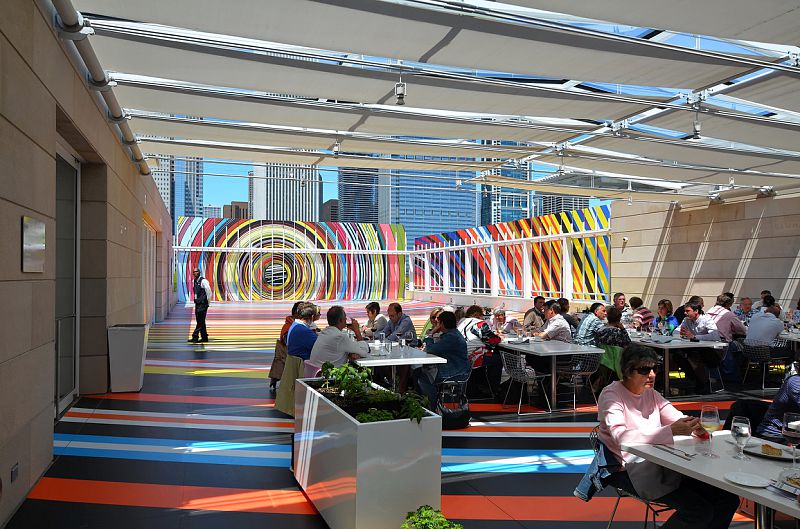
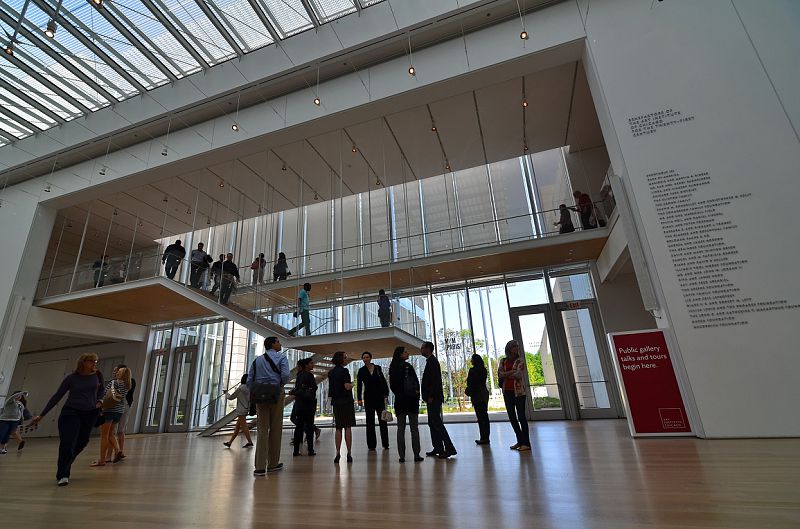
Some of the Junior Associate members of the Dallas Museum of Art recently went on a trip to Chicago with Heather MacDonald, The Lillian and James H. Clark Assistant Curator of Painting and Sculpture at the DMA. Below are a few snapshots from their trip, including their visit to the Art Institute of Chicago. For more information on the Junior Associate level of membership click here.

How to Install a 27-Foot Sculpture

The installation of James Lee Byars’s Figure of Death was caught on camera last week in preparation for the exhibition, Silence and Time, which opens this Sunday, May 29, in the Barrel Vault and Quadrant Galleries.

[youtube=http://www.youtube.com/watch?v=Fpu3fx3ZkZg]

James Lee Byars, The Figure of Death, 1986, basalt (ten pieces), Private Collection, Dallas, TX, © James Lee Byars

Video by Ted Forbes, Multimedia Producer at the Dallas Museum of Art

Papered Walls

Sara Woodbury, McDermott Curatorial Intern for American and European Art, recently organized an installation of prints for the Works on Paper gallery on the Museum’s second floor. Cross Cultural Dialogues in European and American Landscapes features landscapes from the 19th and 20th centuries that demonstrate artistic influences occurring between Europe and America. The show also highlights different printmaking techniques. We’d like to explore a few of these methods here, and also share a behind-the-scenes look at how works on paper are stored and cared for at the Museum. All of the prints you’ll see here are included in the installation, so be sure to check them out in person next time you visit the DMA.

Printmaking Techniques

Artists use a variety of printing techniques, but we’ll highlight just three methods here: woodcuts, etching, and lithography.

Lyonel Feininger, Mansion on the Beach (Villa am Strand), 1921, woodcut

Woodcuts are recognized by their linear quality, reflecting the laborious process required to make them. An artist draws onto a block of wood, and then all of the wood surrounding the drawing is carved away, turning the design into a three-dimensional relief. These raised lines are coated with ink, and the block is pressed to a piece of paper, printing the image. The oldest known printing method, the woodcut developed in Europe around 1400. It became less popular as easier printing techniques emerged, but many 20th-century artists embraced the medium’s bold, linear character.

Charles Emile Jacque, A Corner of the Forest of Fontainbleau, n.d. (mid to late 19th-century), etching

Another interesting technique is etching, which is similar to drawing. To make an etching, an artist draws with a tool called an etching needle onto a metal plate that has been coated in wax. Next, the plate is submerged in an acid bath, which corrodes, or “bites” into the exposed metal lines, leaving the wax-covered areas unaffected. The plate is then rinsed, covered with ink, and wiped down. The ink remains in the grooves of the etched lines, and the plate is ready for printing. Etching first appeared in the 16th century and became especially popular during the 17th century. It also experienced a resurgence in popularity during the late 19th century, a period that has become known as the Etching Revival.

John Rogers Cox, Wheat Shocks, 1951, Lithograph

One of the most important printing techniques in 20th-century art is lithography. An artist draws onto a stone or metal plate with a special greasy crayon. The stone is treated with acid, and then covered with ink and rinsed with water. The ink sticks to the greasy crayon, but washes off everywhere else. A piece of paper is pressed to the stone to print the image.

Lithography was invented in 1798 by Alois Senefelder and was initially used for commercial images. By the late 19th century, however, artists had begun exploring lithography’s creative possibilities. Lithography accommodates a wide range of styles, making it an ideal medium for the stylistic variety that characterizes 20th-century art.

Behind-the-Scenes with Registrar Anne Lenhart

Did you know that works on paper–including prints, drawings, photographs, and other types of work–are  stored and cared for differently than paintings and sculptures? Works on paper are sensitive to various conditions and must be handled with special care and attention. We asked Anne Lenhart, Assistant Registrar, to share insight into how the Museum stores and handles its large collection of works on paper.

What DMA department is responsible for handling prints?

Anne: The care and handling of prints is a shared responsibility between the curators, registrars, conservators, and preparators. The curators are responsible for choosing the works on paper for installations and exhibitions. Once the works on paper are chosen, the registrars, conservators, and preparators are responsible for making sure the prints are in good condition and ready for installation.

Where are the prints stored in the Museum? How are they stored?

Anne:  All of our objects are stored in secured art storage spaces. These areas, which have limited staff access and are monitored twenty-four hours a day, have a consistent temperature of 70° Fahrenheit (+/- 2°) and 50% (+/- 5%) relative humidity. Because paper is susceptible to even small changes in humidity (think about what happens to a sheet of paper when it contacts a drop of water), we try to be especially vigilant in terms of how we store our paper collection.

These numbers are considered guidelines for very stable pieces, such as those created with carbon-based ink applied to a good quality rag paper. Objects that are less stable—where the pigment and the materials are of lower or unknown quality or in the case of color photographs (especially Polaroids)—are exhibited for shorter periods of time.

A display table in the Print and Textiles Study Room, where the Museum’s works on paper are kept.

Many of the Museum’s unframed prints are stored in Solander boxes, such as this one.

How long can prints stay mounted in the galleries?

Anne:  The general rule for exposure of works on paper is one to three months, and we try to keep the maximum period of time any work on paper is on view to less than six months. After a work comes down, we usually do not reinstall it for eighteen months so that it can “rest.”

Cross Cultural Dialogues in European and American Landscapes is on view now, and we hope to see you soon at the Museum.

Sara Woodbury is the McDermott Curatorial Intern for American and European Art, and Karen A. Colbert is the McDermott Education Intern for Teaching Programs.


Archives

Categories