Archive for the 'Behind-the-Scenes' Category


South Dallas Cultural Center in the C3 House

If you have stopped by the DMA’s Center for Creative Connections recently, you might have noticed our fourth Community Partner Response Installation near the Space Bar. The South Dallas Cultural Center (SDCC) created Free Association, a 12-foot-tall multimedia, interactive installation that includes a music composition station and a choreography instructional video. You can experience the installation through October.

[slideshow]

Picture This – Part Deux

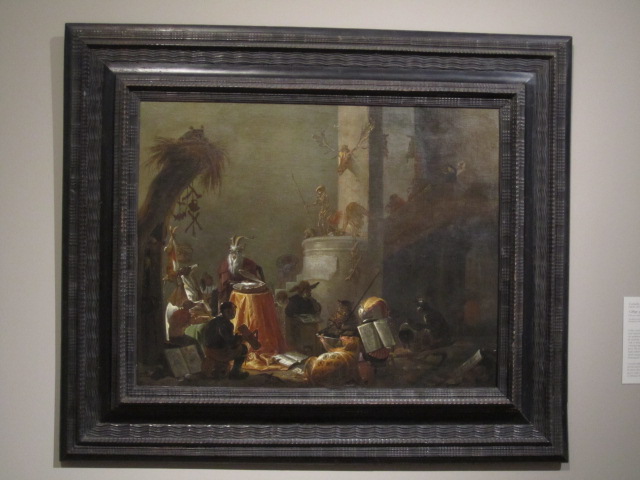
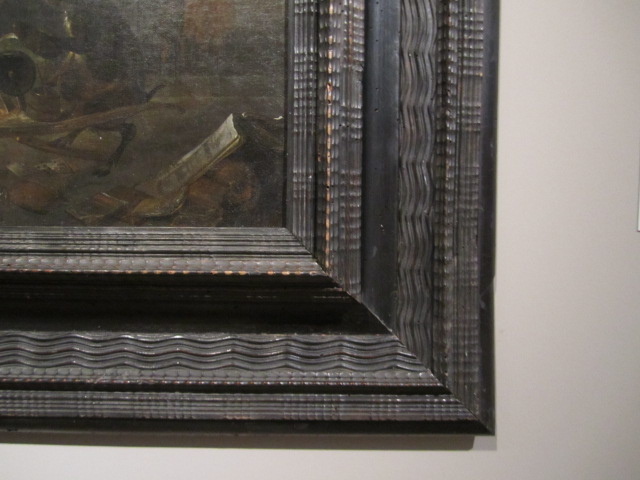
Over a year ago, the Dallas Museum of Art sent  College of Animals by Cornelis Saftleven (1607-1681) to a conservator for cleaning and minor repair. With the grime removed from the Dutch artist’s enigmatic composition, it was the perfect time to do a bit more. So we replaced the thin, unadorned gilt frame that formerly surrounded the canvas with one more in keeping with the sort preferred by Dutch artists working during Saftleven’s time. Seventeenth-century Netherlandish artists typically favored a waffle or ripple style molding frame. These darkly painted wooden frames that simulated ebony are decorated with several rows carved in a zigzag design, and often have a reverse ogee profile.  A few months ago, the DMA purchased a period Dutch frame that has all of these design elements from a Parisian dealer. Now that Saftleven’s College of Animals is back from the conservator and has an appropriate frame, it is once again on view in the European galleries for everyone to enjoy!

The simple gilt frame that formerly surrounded Cornelis Saftleven’s “College of Animals,” n.d., oil on canvas, Dallas Museum of Art, The Karl and Esther Hoblitzelle Collection, gift of the Hoblitzelle Foundation, 1987.32

Cornelis Saftleven, College of Animals with its period seventeenth-century waffle-style Dutch frame.

Detail of College of Animals’ new frame

Martha MacLeod is the Curatorial Administrative Assistant to the European and American Art departments.

Graduation Day

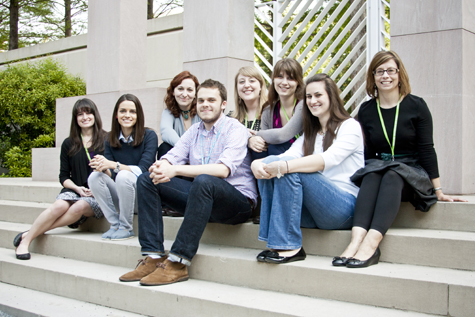
The 2011-2012 McDermott Interns are finishing their final days at the DMA. The year has flown by and we want to thank each intern for their dedication and enthusiasm over the past eight months. Below is a look at what their next steps will be. Congratulations to you all.

  • Andrew Sears will pursue his Ph.D. in medieval art history at UC Berkeley.
  • Vivian Barclay has accepted an adjunct teaching position at Brookhaven College.
  • Hannah Burney will stay at the DMA over the summer to assist with Go van Gogh programs.
  • Mary Jordan will be at the DMA over the summer to assist with summer camps and family programs.
  • Lexie Ettinger plans to return to Houston and use her art history degree and museum background there.
  • Melissa Barry will stay in Dallas and be involved with the arts and contemporary collections.
  • Jessica Kennedy has accepted the position of Public Programs Manager at the Amon Carter Museum in Fort Worth.
  • Wendy Earle has accepted the position of Curator of Collections and Exhibitions at the Museum of the Southwest in Midland.

Sarah Vitek Coffey is the Assistant to the Chair of Learning Initiatives at the Dallas Museum of Art.

Seldom Scene: Installing 1950s Dallas

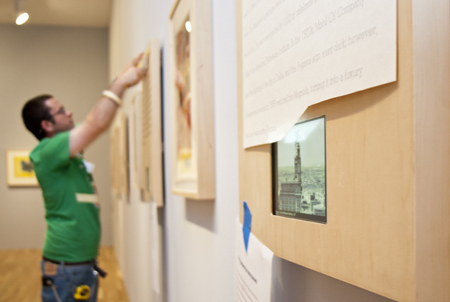
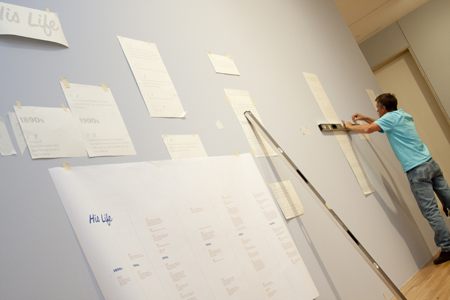
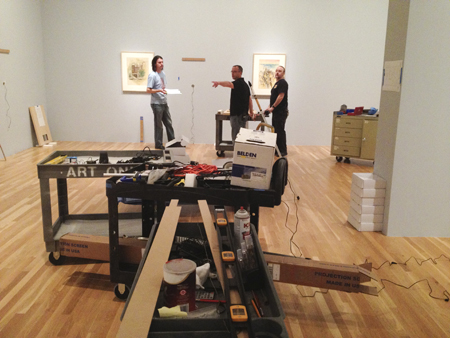
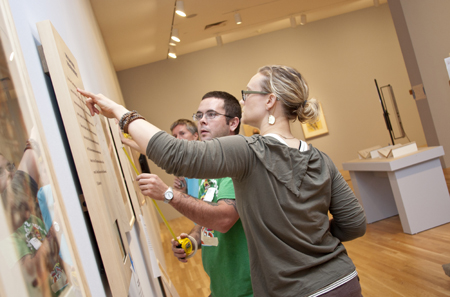
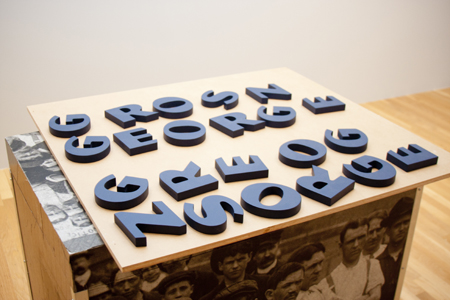
Did you get a chance to travel to 1950s Dallas this weekend? Flower of the Prairie: George Grosz in Dallas opened on Sunday and will be on view through August 19. Below are a few images from the installation of the exhibition.

Photography by Adam Gingrich, DMA Marketing Assistant.

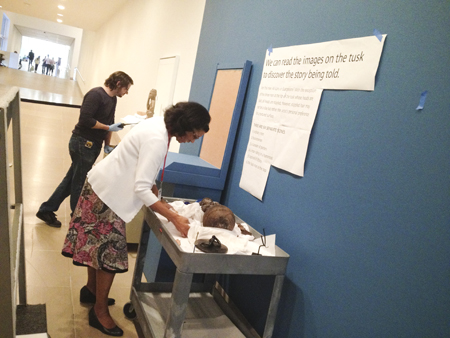
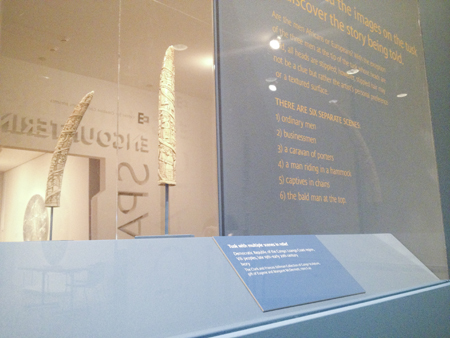
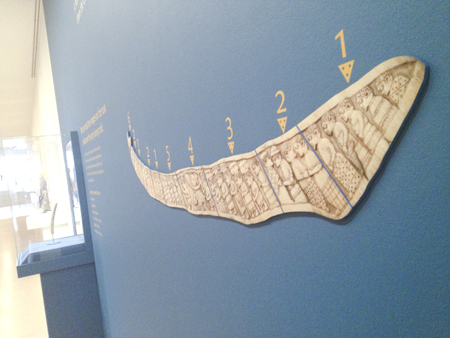
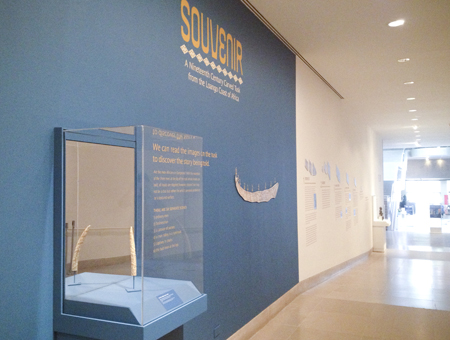
Seldom Scene: Installing a Souvenir Tusk

This past weekend, Souvenir: A 19th-Century Carved Tusk from the Loango Coast of Africa opened in the Museum’s Concourse. Below are a few shots of the installation process.

Photography by Adam Gingrich, DMA Marketing Assistant

Seldom Scene: Installing Form/Unformed

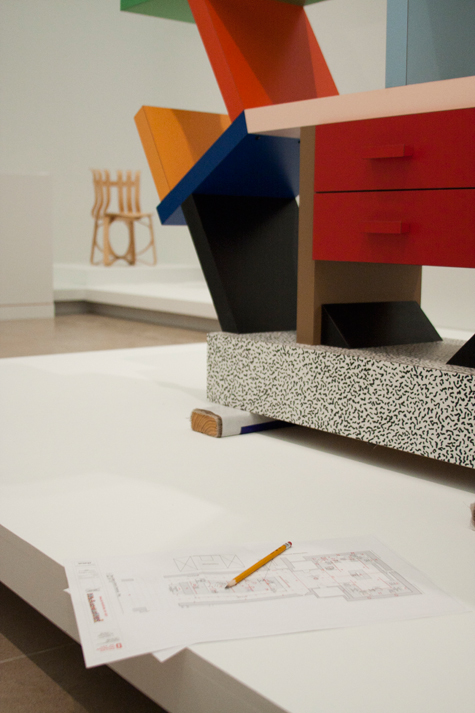
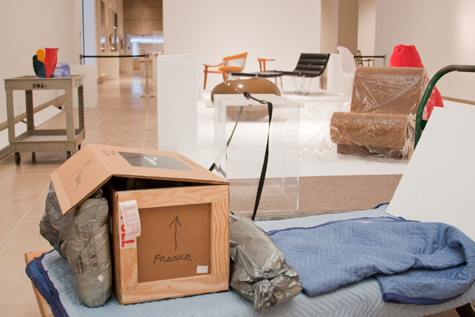
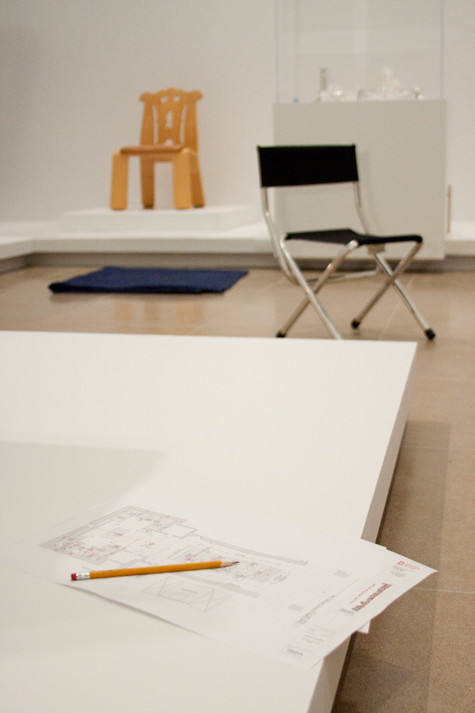
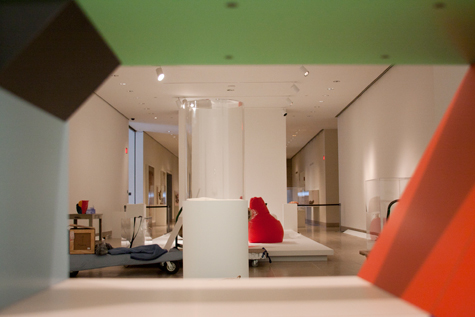
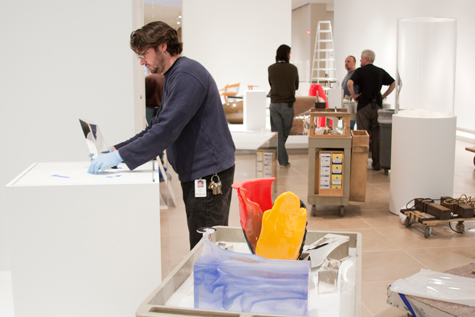
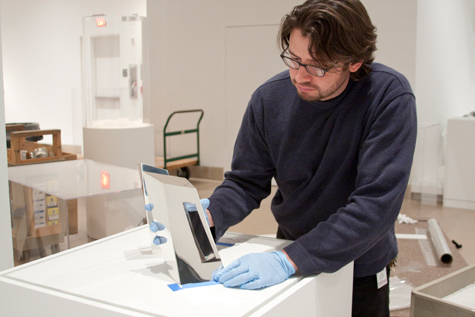
A look back at the installation of Form/Unformed: Design from 1960 to the Present, the first comprehensive overview of our modern and contemporary design collections, on view in the Tower Gallery. Work in the gallery began in October 2010 for the Decemeber 19, 2010 opening. Below are a few shots of the installation process.

DMA exhibition staff, including preparators John Lendvay and Lance Lander and exhibitions graphic designer Kevin Parmer, install the newly opened Form/Unformed: Design from 1960 to the Present in the Level 4 Tower Gallery.

Photography by Adam Gingrich, DMA Marketing Assistant.


Preparing for Wanderlust

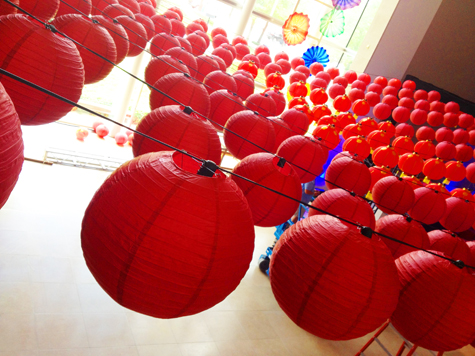
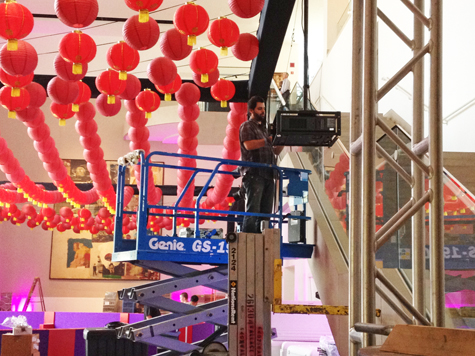
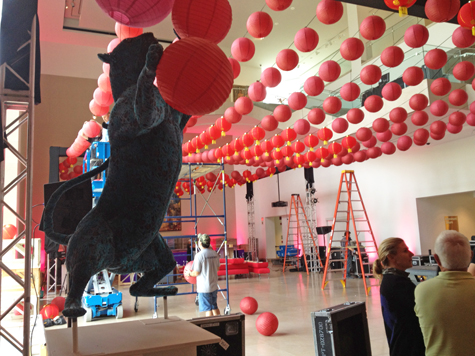
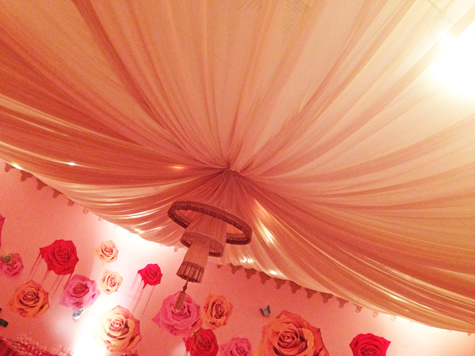
The DMA was transformed Saturday for the 2012 Art Ball, Wanderlust. Below are images of the preparation for our annual fundraiser.

Our Quest for a Player Piano

Our upcoming Late Night on Friday, April 20, will celebrate our exhibition Youth and Beauty: Art of the American Twenties. As we were planning for this event, we learned that Chilton Gallery I would be empty during this time, as staff prepares the space for a new installation, so we inquired about using it for one of our programs. Once we got the green light, we immediately thought: Speakeasy!

The Speakeasy will feature 1920s-inspired cocktails and live music, with an area where visitors can “cut a rug.” But we also wanted to have music playing in-between the live acts, and what speakeasy would be complete without a player piano!

We believed the easiest thing to do would be to rent one from a local piano company, but after placing a few calls we found that they didn’t have any “older-looking” player pianos, and even if they did, it would cost a lot of money to rent one for a night. We thought we were out of luck until one of the companies suggested that it would be cheaper if we just bought one online.

Surprisingly (to us at least), there were quite a few to choose from.

Welcome to Carrollton

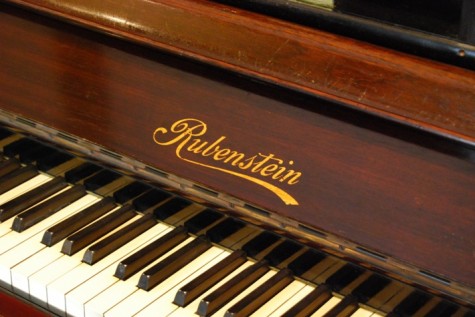
After examining all of the listings for pianos for sale we picked our favorite four. We heard back from a couple who was selling a Rubenstein player piano that fit the feel of the 1920s. So we headed to Carrollton to take a look, make sure the player part did indeed work, and check out the instrument’s overall condition.

Checking out the inner workings of the piano.

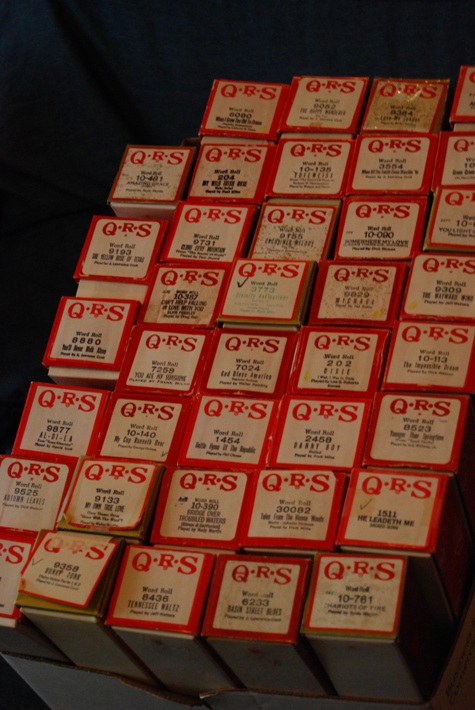
A box of music rolls for the player piano.

Once we agreed to buy the piano we then had to work out transport to the Museum. After a few more calls, and the brief thought of moving it ourselves with a U-Haul, we ended up working with Piano Movers of Texas.

Bringing the piano into the Museum via our loading dock.

Two weeks after beginning our quest for a player piano we finally have one on-site, where it is waiting in our auditorium greenroom for its move next Friday to the Speakeasy.

Stop by during the Late Night and take a look at the newest addition to the DMA piano family, which also includes a 9-foot Steinway Concert Grand piano and a 6-foot Yamaha G Series Baby Grand white piano.

Stacey Lizotte is Head of Adult Programming and Multimedia Services.
Denise Helbing is Manager of Partner Programs.

Sacré Bleu! A Twisted Tale of the Ultramarine Hue

Recently I managed to get my hands on an advance copy of Christopher Moore’s newest book, Sacré Bleu. This auspicious event was followed by two days of ravenous reading, skipped meals, and neglected chores. Christopher Moore, the author who has brought us absurdly funny stories about Jesus Christ, vampires, and sassy whales, has cannonballed into the pool of art history–and has made a huge splash!
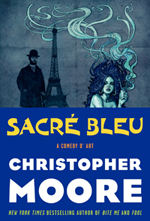
"Sacré Bleu" by Christopher Moore. On sale April 3, 2012.

When asked about the origin of his latest novel, Moore says, “I simply set out to write a novel about the color blue.” This desire brought him to Paris, London, and Italy, where “it turns out they keep a lot of the art discussed in this book.” The novel opens as the tragic news of Vincent van Gogh’s death reaches Paris. His friends, Henri Toulouse-Lautrec and Lucien Lessard, set out to solve the mystery of Vincent’s death after receiving this warning from him:

“P.S. If you see the Colorman, run. Run. You are too talented and too delicate of constitution to endure, I think. I am not mad. I promise.”
–Vincent

To solve the murder, Lucien and Henri will have to hunt down this twisted little Colorman who has a penchant for ultramarine blue. They will find love, heartbreak, forgotten memories, and, ahem, some girls in Moulin Rouge. Ultimately they will uncover the secret of the Colorman and the ordained powers he gets from Sacré Bleu, but not before having a little bit of fun with their impressionist friends.

Here are some examples of uses of Sacré Bleu from Christopher Moore’s novel. Throughout the story, each of these artists is visited by the manipulative Colorman.
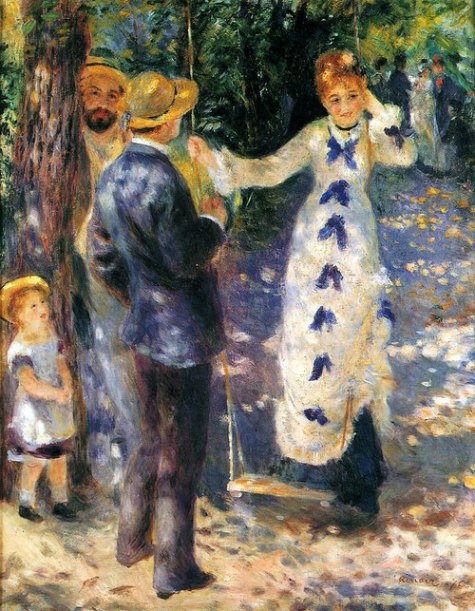
Pierre-Auguste Renoir, “The Swing,” 1876, oil on canvas, Museé d’Orsay.
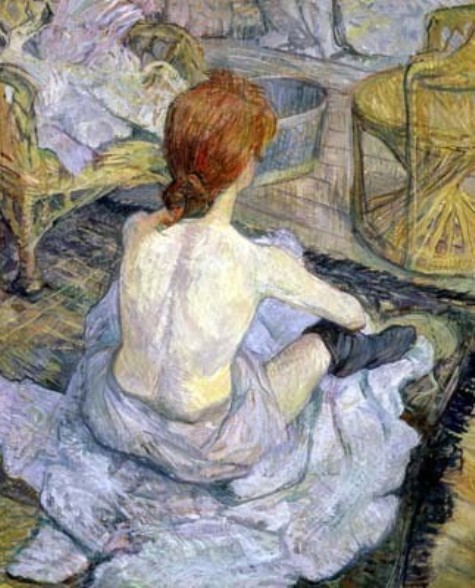
Henri de Toulouse-Lautrec, “Rousse dit aussi La Toilette,” 1889, oil on cardboard, Museé d’Orsay.
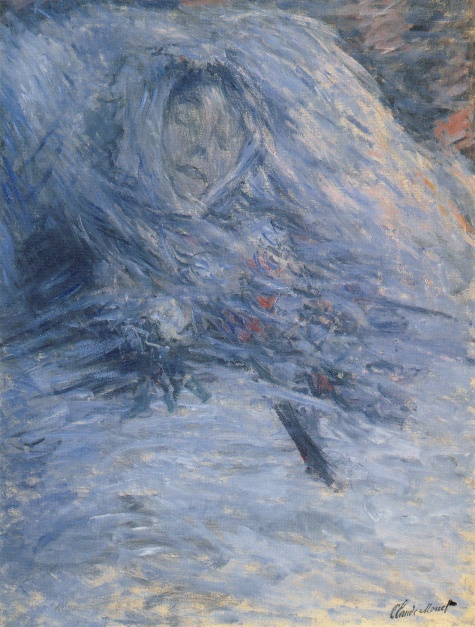
Claude Monet, “Camille Monet on Her Deathbed,” 1879, oil on canvas, Museé d’Orsay.
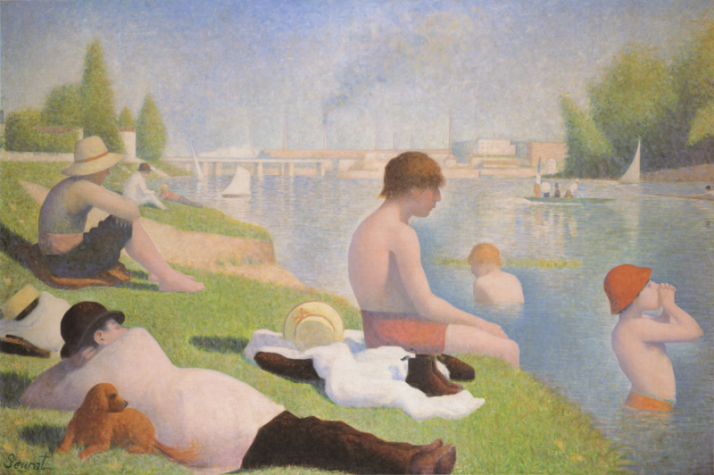
Georges Seurat, “Bathers at Asnières,” 1884, oil on canvas, National Gallery.

Sacré Bleu, the “sacred blue,” the truest blue, was at the time the most expensive paint in history. It was extremely difficult to obtain. First, colormen would need the gemstone lapis lazuli, which, for centuries, was more rare and more valuable than gold. On top of that, lapis lazuli is only found in one place in the world, the mountains of Afghanistan–a world away from Europe! Why go to all this trouble to make a little bit of blue paint? Because the pigment derived from lapis lazuli creates the most spectacular, everlasting, ultramarine blue. It does not fade over time or blacken with age like some other blue paints. This quality of ultramarine blue, as well as the significant sacrifice one had to make to obtain it, made it the perfect color to reserve for the Blessed Virgin, the mother of Christ. In many religious scenes, Mary is seen wearing a Sacré Bleu gown.
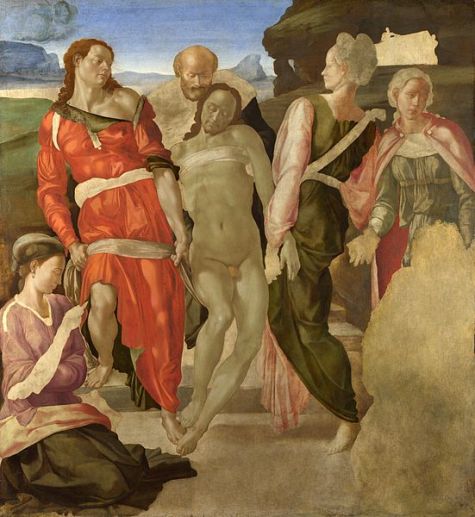
Michelangelo, “The Entombment,” c. 1500, tempera on panel, National Gallery.

Although he spends most of his time haunting the impressionists in Montmartre, the Colorman does make his way back to 16th-century Italy to visit the masters of the Renaissance. In this example, it appears as though Michelangelo’s The Entombment remains unfinished because he was unable to obtain the ultramarine paint he needed to finish the figure of the Virgin Mary. Of course in reality this is probably due to the high cost of the paint, but in Sacré Bleu, it is a mystery that is waiting to be solved by you!

Christopher Moore will discuss his new book as part of the Arts & Letters Live program at the Dallas Museum of Art on Tuesday, April 1o, at 7:30 p.m. For more information and tickets to this event, visit our website. The DMA’s Museum Store is selling first-edition copies of Sacre Bleu, with beautiful color illustrations of the art discussed in the novel.

Hayley Dyer is the Audience Relations Coordinator for Programming at the Dallas Museum of Art.

Art in Bloom 2012 “A Blooming Success”

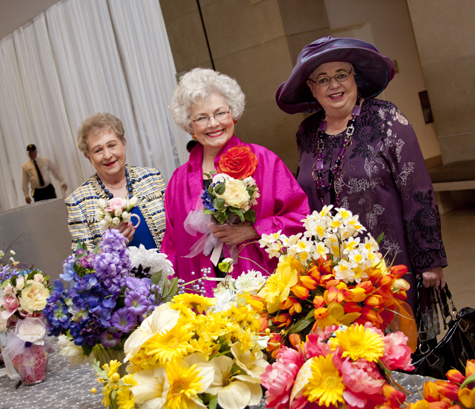
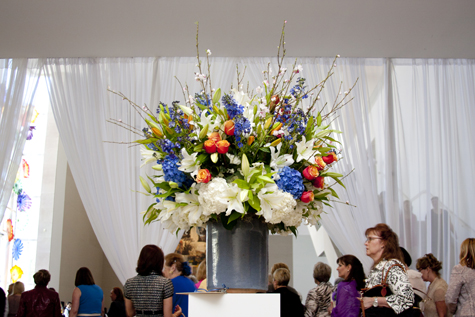
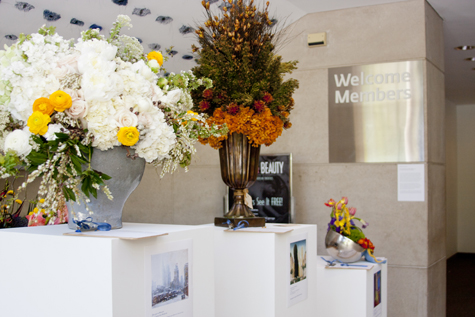
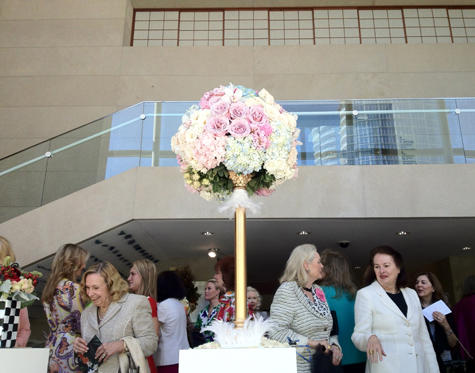
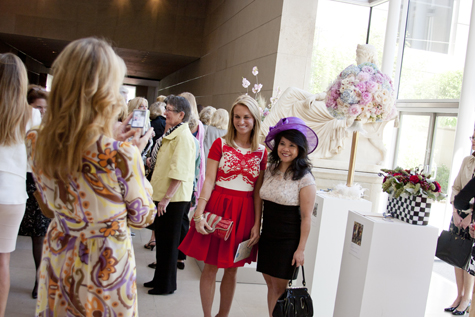
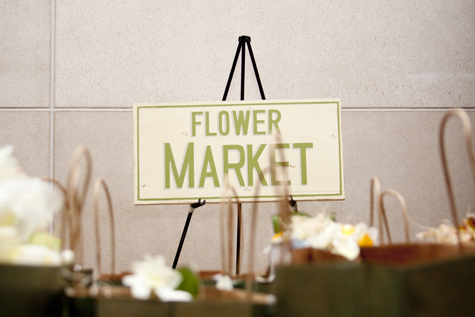
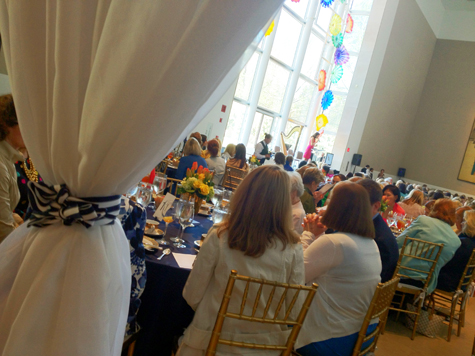
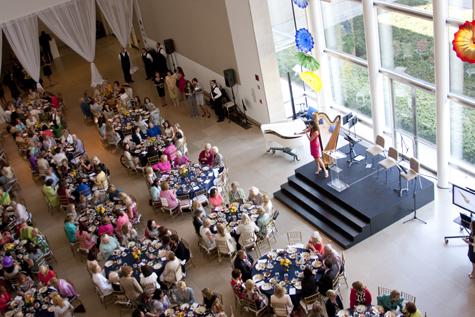
Last week we hosted our annual Art in Bloom event at the DMA. Former Metropolitan Museum of Art Floral Designer Chris Giftos spoke at the Floral Symposium and Luncheon before guests bid on floral arrangements from designers throughout Dallas. Below are a few highlights from the day.
Adam Gingrich is the Administrative Assistant for Marketing and Communications at the DMA.


Archives

Categories