Archive for the 'Art & Teaching' Category


A Day in the Life: Intern Ashley

When asked to write a post about a day in life of my job here at the DMA, I wondered how I would ever choose what to include.  My days at the Museum are so varied, from docent trainings on Mondays, meetings galore on Wednesdays, to catching up on anything yet to be done on Fridays.  So, I decided to select a day that is one of my favorites and really illustrates the reasons why I love my time at the DMA: Thursdays!

My Thursday calendars primarily consist of two activities: touring and researching

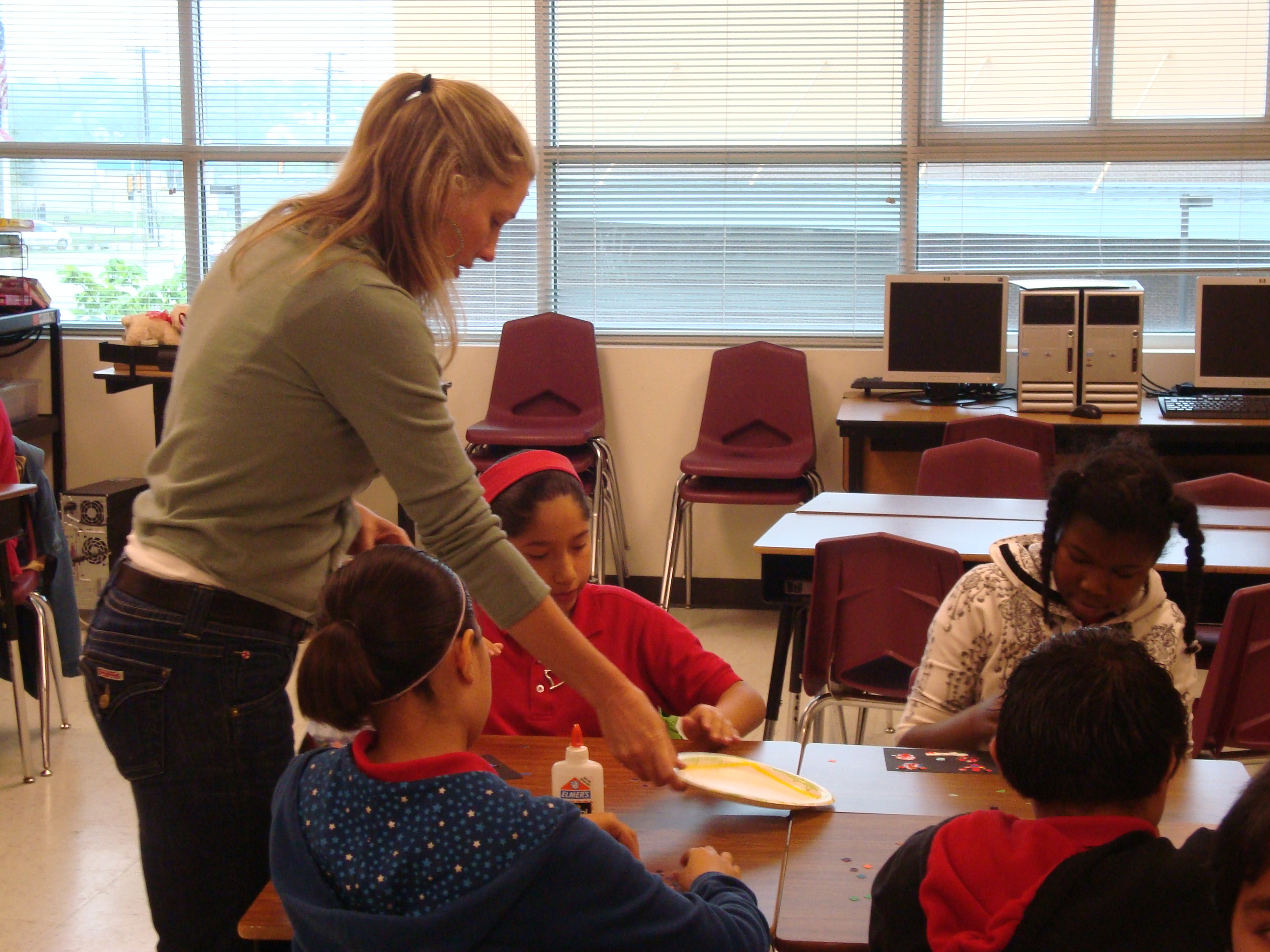
Touring: From 10 a.m. to 12 p.m. on Thursday mornings I have the pleasure of touring K-12 students at the museum.  I typically arrive at the docent desk fifteen minutes before my tour to ensure that everything is on schedule before welcoming the children into the Museum.  Once everyone is in the door, we talk about museums, museum visits, and things to remember while on the tour.   The students are always eager to share their knowledge of museum etiquette: “stay with the group,” “use inside voices,” and “keep a safe distance between ourselves and the art.”  Next, we head into the galleries to look closely at six or so works of art.  Since we only have an hour for our tour, I attempt to be as strategic as possible, selecting objects across a wide variety of cultures, time periods, and media.  The students are amazed to realize how much they can discover just through looking and how much knowledge they already have.  It is such a joy to share in their experience!

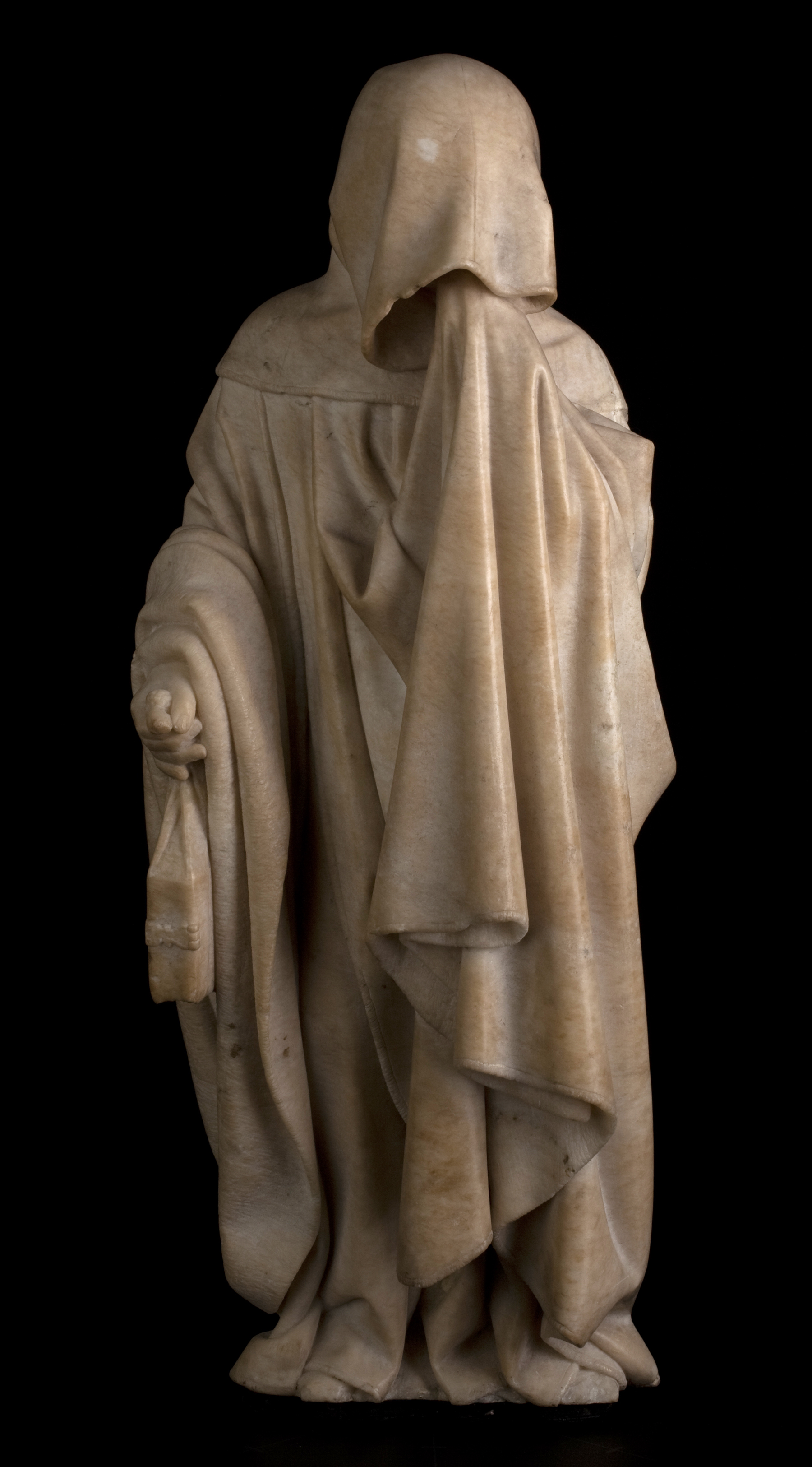
Research: My Thursday afternoons are spent researching various objects in the collection, compiling information, and writing text, which eventually becomes online resources for teachers to use in their classrooms.  I also research special exhibitions and some of our collection for upcoming teacher workshops.  For example, I’ve been conducting research the last few weeks on The Mourners: Medieval Tomb Sculptures from the Court of Burgundy in preparation for our upcoming workshop on French art.  It is wonderful to have the opportunity to learn about periods in history and styles of art to which I’ve had little exposure or with which I’m less familiar. 

Teaching and research are two of my passions, and I feel so lucky to be able to dedicate a large amount of my time to pursuing both.

Ashley Bruckbauer

Programs and Resources for Teachers Intern
A Day in the Life of an Intern

I have been an intern at the Museum for almost two months and have had some exhilarating moments.  I have enjoyed walking through the galleries with the curators as they speak about the works of art. They are walking encyclopedias. I have also had the opportunity to be a part of some great training sessions. The docent trainings, which occur every Monday, have been wonderful. The docents, along with the education staff, learn about works of arts in the collection and exhibitions. Sometimes these trainings are led by the curators, and other times, by an education staff member. The docents and staff  also go into the galleries and work on activities to better familiarize ourselves with the artworks in order to create great teaching moments.

Another area of the Education Department I worked with is Go van Gogh. I have also attended a few of the volunteer trainings. Sometimes during training we go into the galleries and look at the works of art and other times we get to make artwork for the different programs we teach. Go van Gogh allows me to travel to different elementary schools in Dallas and discuss with children works of art from the Museum’s collection. How cool is that! I get an opportunity to spend one hour with students and have these amazing and in-depth conversations about artists and their artworks.  By the way, another great aspect of this program is driving the Go van Gogh van.

I have recently started giving tours at the Museum. I have given two so far and each time the students have left giving me great big hugs and saying how much they have enjoyed their visit. Leading the tours allows me to continue to work with children. I will also be giving several “A Looking Journey” Tours for 4th graders  throughout the remainder of my internship.

Other moments at the Museum consists of meetings. Meeting over here, meeting over there, meeting everywhere! I want to say there is not a week that goes by in which I haven’t attended a meeting. I enjoy the meetings because it allows me to bond with the Education staff and learn how to plan for future programs. One of my favorite meeting moments was a  meeting, in which the staff brainstormed fifty Ideas based on a pair of 3-D glasses. What an incredible experience.

So there you have it. There is always something exciting going on in “A Day in the Life of an Intern.”

Karen A. Colbert
Teaching Programs Intern

Arts & Learning

In my daily life as an educator at an art museum, I can easily be caught up in the administrative aspects of my job.  With this post, I would like to step back and reflect on the importance of our jobs as art educators – whether in the classroom or at an art museum – and why learning through the arts is so important.

The Partnership for 21st Century Skills is a national organization that “advocates for 21st century readiness for every student.  As the United States continues to compete in a global economy that demands innovation, P21 and its members provide tools and resources to help the U.S. education system keep up by fusing the three Rs and four Cs (critical thinking and problem solving, communication, collaboration, and creativity and innovation).”  Learning through the arts plays an important role in the development of these skills.  “…the arts promote work habits that cultivate curiosity, imagination, creativity, and evaluation skills.  Students who possess these skills are better able to tolerate ambiguity, explore new realms of possibility, express their own thoughts and feelings, and understand the perspective of others.”  View a map for the arts and 21st century skills.

A four-year research initiative at the Guggenheim evaluated the impact of its pioneering arts education program Learning Through Art (LTA) on students’ problem-solving abilities and creativity.  “With this study of the Learning Through Art program, we are pleased to demonstrate that arts education helps develop the skills necessary to persistently and adaptively work through problems,” said Kim Kanatani, Deputy Director and Gail Engelberg Director of Education, Solomon R. Guggenheim Foundation. “By asking students to think like artists, we are imparting 21st-century skills in encouraging them to approach problems with creativity and analytic thought rather than just recitation of facts.”

Finally, the National Art Education Association website has a list of Ten Lessons the Arts Teach, which include “the arts celebrate multiple perspectives” and “”the arts enable us to have experience we can have from no other source.” 

I believe that experiences with works of art can be transformative, and the DMA Teaching Programs & Partnerships department values and supports the work of classroom teachers who are providing these learning experiences for students.  Thank you for the work that you do!

Molly Kysar
Head of Teaching Programs

Community Connection: Nasher Sculpture Center

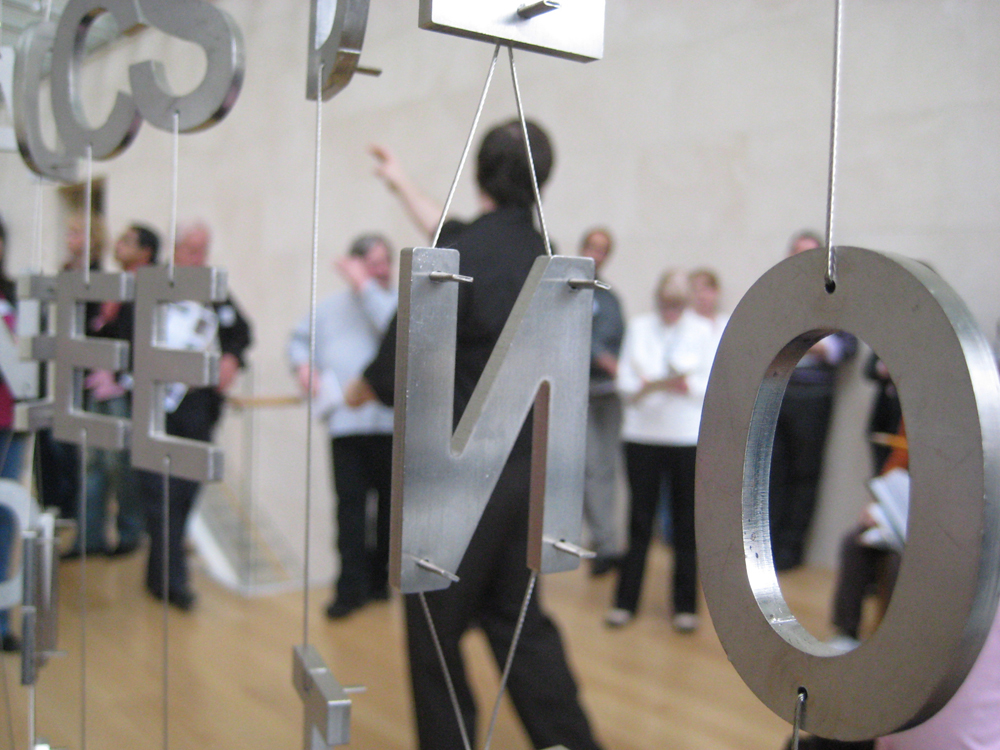
This past weekend marked the kick-off of Art in October, a celebration of the Dallas Arts District that features a variety of performances, exhibitions, programs, and events throughout the month.  In honor of this celebration, I walked across the street to the Nasher Sculpture Center for a coffee break with Stephen Ross.  Stephen began working in Admissions at the Nasher months after it opened in 2003.  Since then, he has held the title of Education Coordinator, Assistant Curator of Education, and for the last two years, Curator of Education.  See if you can find Stephen in this picture (hint: you can often identify a museum educator by his/her all-black outfit).

Stephen Ross seen through Jaume Plensa’s Twenty-nine Palms, 2007

What sparked your interest in museum education?
I think you have two choices coming out of graduate school – stay in school and become a curator (even though you don’t know what that is) or get a job at a museum.  I like museum education because I get to work with the public.

What has been the most enjoyable, challenging, or surprising aspect of your work with the Nasher?

I really like our Education Department.  It is limited because of our small staff, which is a total of three people.  I work with two really good people, and together we reach a wide spectrum from young children to adults.  We do a lot – we reach different audiences with different types of learning – so we all get to do a variety of things.

If you could take home any work of art from the Nasher, what would you choose?

I would take home Alberto Giacometti’s Two Figurines (Deux figurines sur socles) because they’re wonderful and tiny.  I love their size and portability – each figurine is less than two inches tall.  Giacometti would carry them around in matchboxes and put up small “exhibitions” on café tables.  They are the smallest pieces in the Nasher collection.

Tell us about your relationship with the DMA.

I work with the Museum Forum for Teachers, a five-day summer program for teachers that occurs at the Nasher, the DMA, The Rachofsky House, the Kimbell Art Museum and the Modern Art Museum of Fort Worth.  We also collaborate on the docent program, which is a big help.  A small museum like ours could never have its own docent program, and we are thankful that DMA docents also lead tours at the Nasher. 

I love the sense of collaboration, in general.  I feel I can pick up the phone and call anyone in the DMA Education department to talk about program ideas, ask questions, etc.

Describe your idea of a perfect day.

Reading Beckett.  Listening to the Rudy Van Gelder sound.

Check out the Nasher and other Arts District venues during Art in October.

Melissa Nelson
Manager of Teaching in the Community

Community Connection: We Heart Volunteers

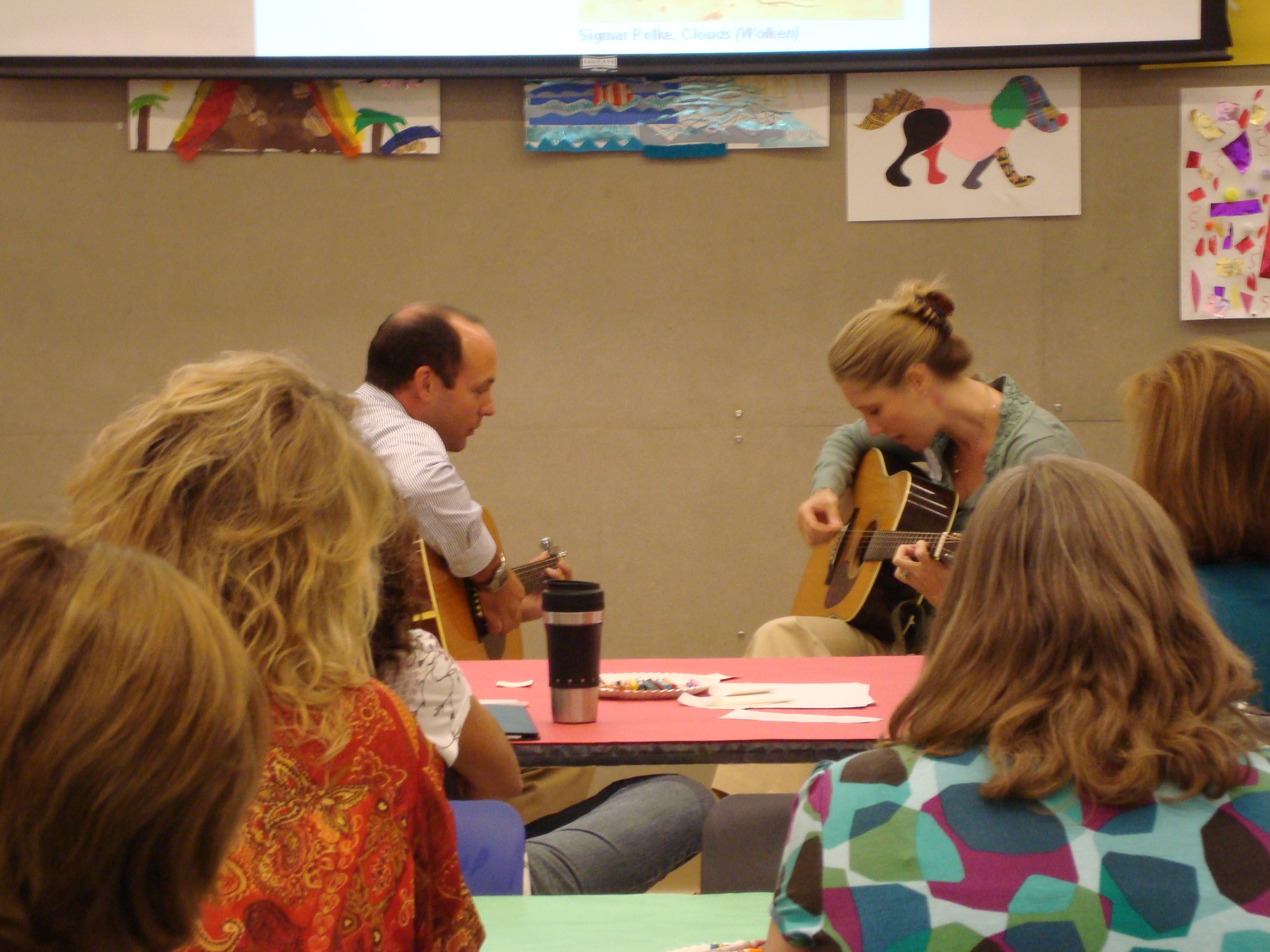
Meet Deborah Harvey, who is starting her fourth year as a Go van Gogh volunteer.  We can always count on Deborah for her positive and fun attitude and for her willingness to try new things.  For example,  Deborah bravely volunteered for an unknown task during a volunteer training focused on the different ways that people learn.  Little did she know that our guest speaker was a musician, and as part of his demonstration, he taught Deborah to play a song on the guitar in a mere thirty minutes.  You can see a picture of Deborah performing below.

Deborah plays a newly-learned song at volunteer training.

Tell us a little about yourself. 

I’m a former teacher.  Most of my teaching experience is with younger elementary students.  I’m also married and have a sixteen year-old son and a twelve year-old daughter.

What motivated you to join the Go van Gogh volunteer program?

I wanted to stay in the realm of teaching once I retired.  I like the opportunity to have a whole classroom experience as opposed to one-on-one interactions with students. The subject matter among all the Go van Gogh programs is varied, which keeps things interesting for me.

Share a memorable experience from your time as a volunteer.

Just today, I visited a fourth grade classroom at J. Erik Jonsson Community School with a program about Texas art.  The children shared a lot about their vacation experiences and things that felt like Texas to them.  I really enjoyed the wide variety of responses.  One student talked about going to the beach, and another student’s family owns a ranch with longhorn cattle.

Deborah visits a fifth grade classroom at Felix Botello Elementary.

Has anything surprised you about teaching with works of art, visiting classrooms, or student responses to the programs?

At times, I’m surprised that the older children are still very engaged.  Sometimes it can be hard to find a common ground or things that interest them.  The programs are so age-appropriate that the kids get really engaged.

Outside of volunteering with Go van Gogh, how do you spend your time?

I volunteer as a board member at both of my kids’ schools, and I volunteer with Meals on Wheels.  I also like to travel; I’m going to San Francisco tomorrow for my husband’s birthday, and our family is taking a trip to Vail for Christmas.

Thanks to volunteers like Deborah, 430 classrooms throughout Dallas – approximately 8,800 students – experienced Go van Gogh programs during the 2009-2010 school year.  Request a program now for the 2010-2011 school year!

Melissa Nelson
Manager of Teaching in the Community

French Art – Vive la France!

Mourning Figure

This fall has many exciting educational opportunities. French Art tours will be offered in conjunction with the upcoming exhibition The Mourners: Medieval Tomb Sculptures from the Court of Burgundy. These tours focus on the Mourners exhibition as well as French art in the Museum’s collections. Tours will also tie into the Wendy and Emery Reves Collection, which celebrates its 25th anniversary this year. French art tours begin October 12, 2010.

In addition to this, the Richard R. Brettell Series will highlight French art with a lecture on Thursday, October 28 titled Rodin, His Collectors, and the Gates of Hell. For more information on this program, please visit the Museum web site.

Finally, the European galleries have new and favorite works of art that grace the wall. This reinstallation showcases seventeenth- and eighteenth-century works of art. Don’t miss a chance to see the works of art and see the new galleries at the Museum!

Amy Wolf
Coordinator of Gallery Teaching

Spotlight on Denise Ford, DMA Docent

Today is our first day of tours for the 2010-2011 school year, and we are excited to share our collections and our new exhibitions–Arts of Mexico and African Masks: The Art of Disguise–with teachers and students from across the Metroplex.  Our tour calendar is filling up quickly, so if you want to schedule a DMA visit for your students, fill out our Online Visit Request Form soon.

With the start of tours comes the return of our fabulous docents.  This year, we have 108 docents who will give tours to K-12 and Higher Education students, as well as to adults.  I thought I would give you a chance to get to know one of our brand new docents, Denise Ford.*  Denise joined the DMA docent program last year, and this is her first year as a full-time touring docent.  If you bring your students for a tour on a Tuesday afternoon, you just might have Denise as your guide!

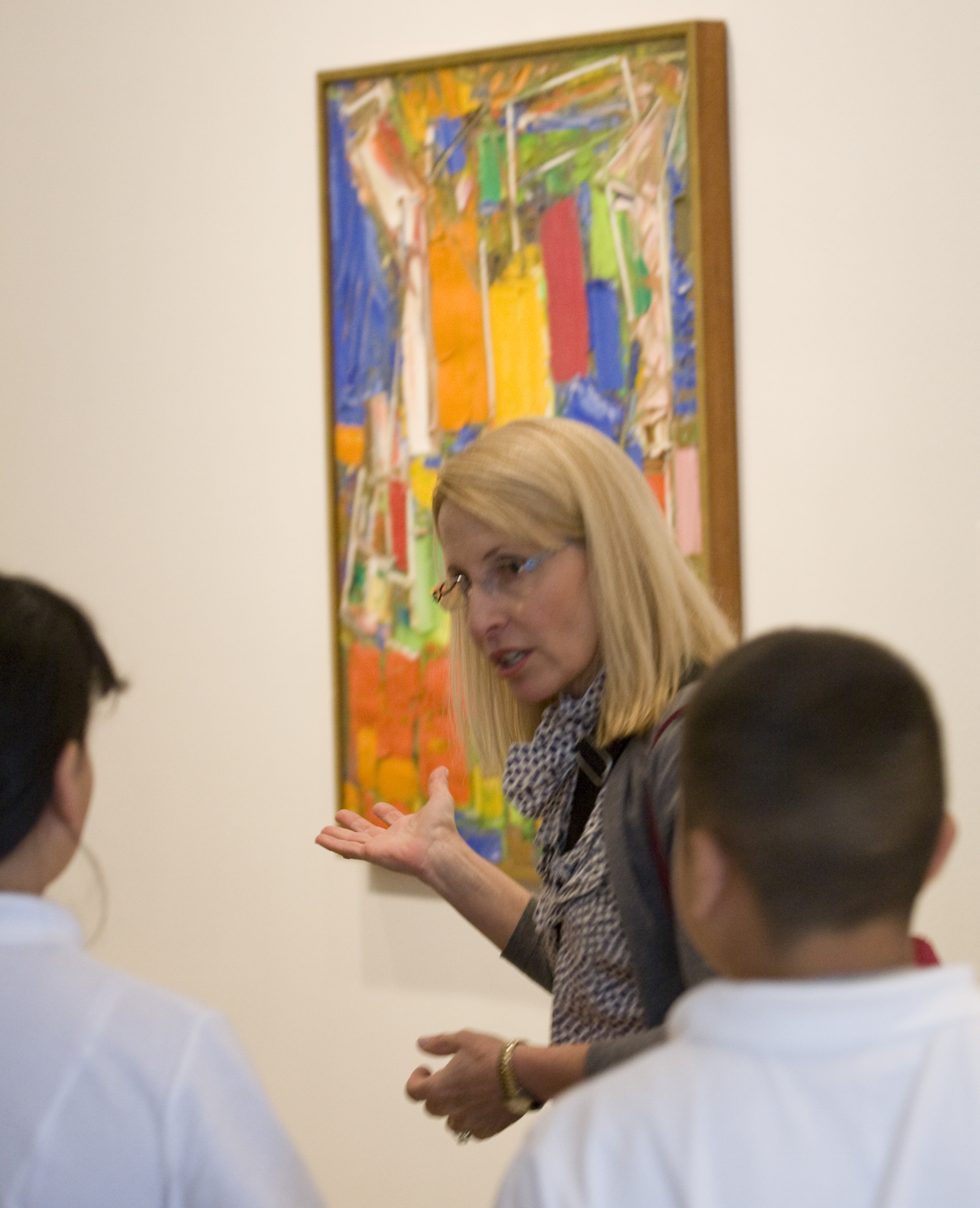
Docent Denise Ford in front of Hans Hofmann's Red and Blue Harmony

How long have you been a DMA docent?
I have been a docent for one year.

Why did you become a docent?
I became a docent because of my interest in art, my desire to interact with other people (especially students), and my desire to give back to the Dallas community.

Tell me about your experience in the docent program.
In the short time that I have been a docent, I have learned so much about art and how history and culture are such vital parts of art and artists.  I have met all kinds of people from all walks of life.  I have enjoyed spending time in the Museum with students, many of whom are new to the Museum.  I particularly like to encourage the students to develop ideas about the objects they are looking at.

What is your favorite work of art in the DMA collection?
My favorite work of art in the DMA collection is The Eye by David Altmejd.  The Eye was an object all students loved to see and interpret.  I also enjoy the Reves Collection , especially touring students because it helps them understand art outside of the museum and in someone’s home!

Share your best tour experience.
I had many memorable experiences and am trying to keep a tour journal.  Two experiences stand out from this past year.  The first was a male student who was somewhat quiet and stayed a little distant from the rest of the class.  After fifteen minutes or so, he warmed up and said, ‘You have a nice smile.’  The second was a group who was interested, informed, and welcomed challenging ideas.  One girl in this group latched onto my arm about halfway through the tour and never left my side until it was time to board the bus.  When she left, she said, “Before I came today, I did not think I liked art and museums.  I thought it was boring.  But I loved this, and want to bring my mom back with me.”

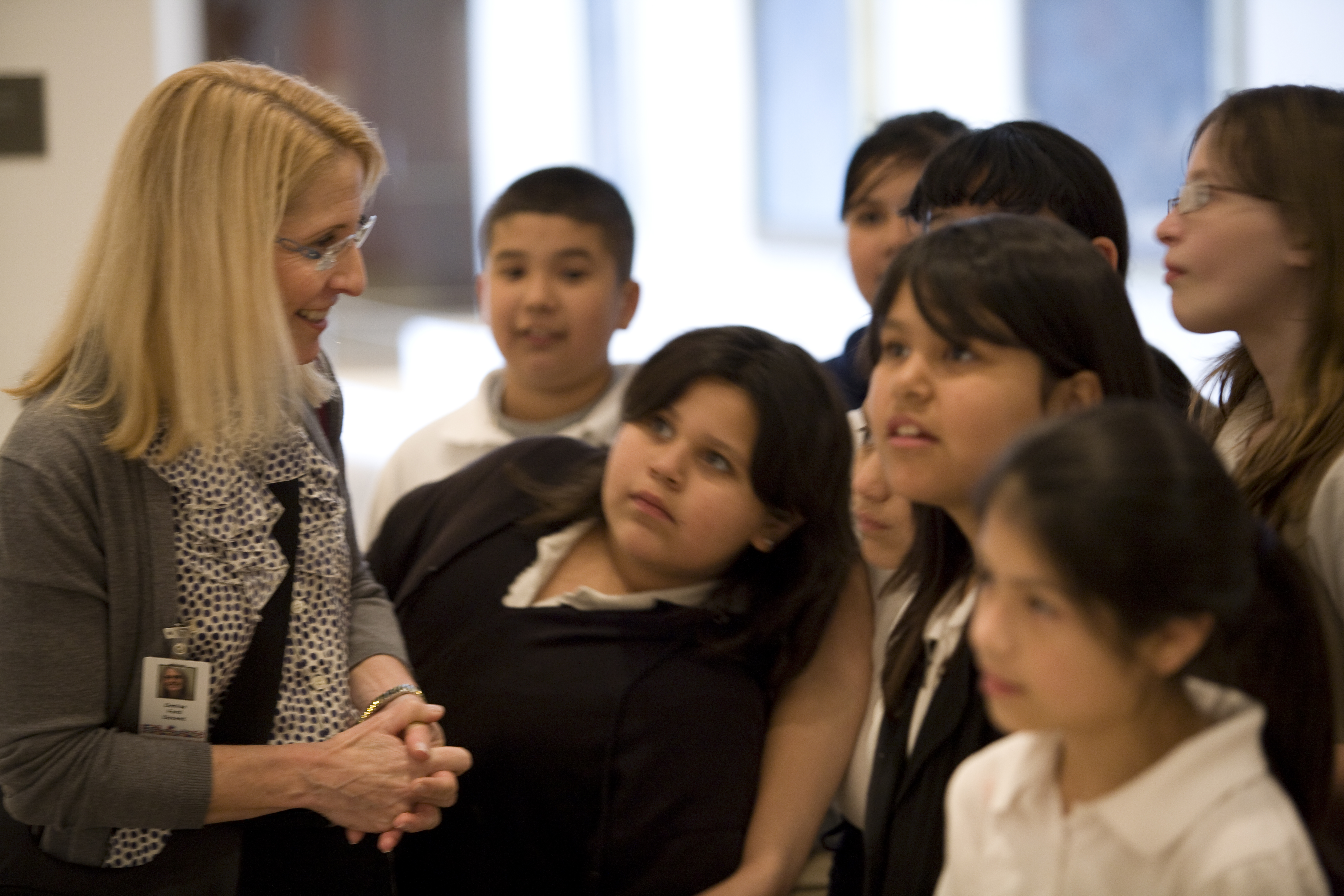
Docent Denise Ford with a group of 4th graders

Denise also understands how important teachers are in the lives of their students.  She says: “Although I have never taught school, I really appreciate the teachers who bring their students to the Museum.  Teaching requires a gift of patience and a kind spirit.  It is apparent when there is positive interaction between teachers and their students.”  I couldn’t agree with her more!  We hope to see you and your students at the DMA this year.

Shannon Karol
Coordinator of Museum Visits

*If you would like to learn more about our docents, visit the DMA’s new blog Uncrated, which features an interview with docent Tom Matthews.

SLANT 45: Service Learning Adventures in North Texas

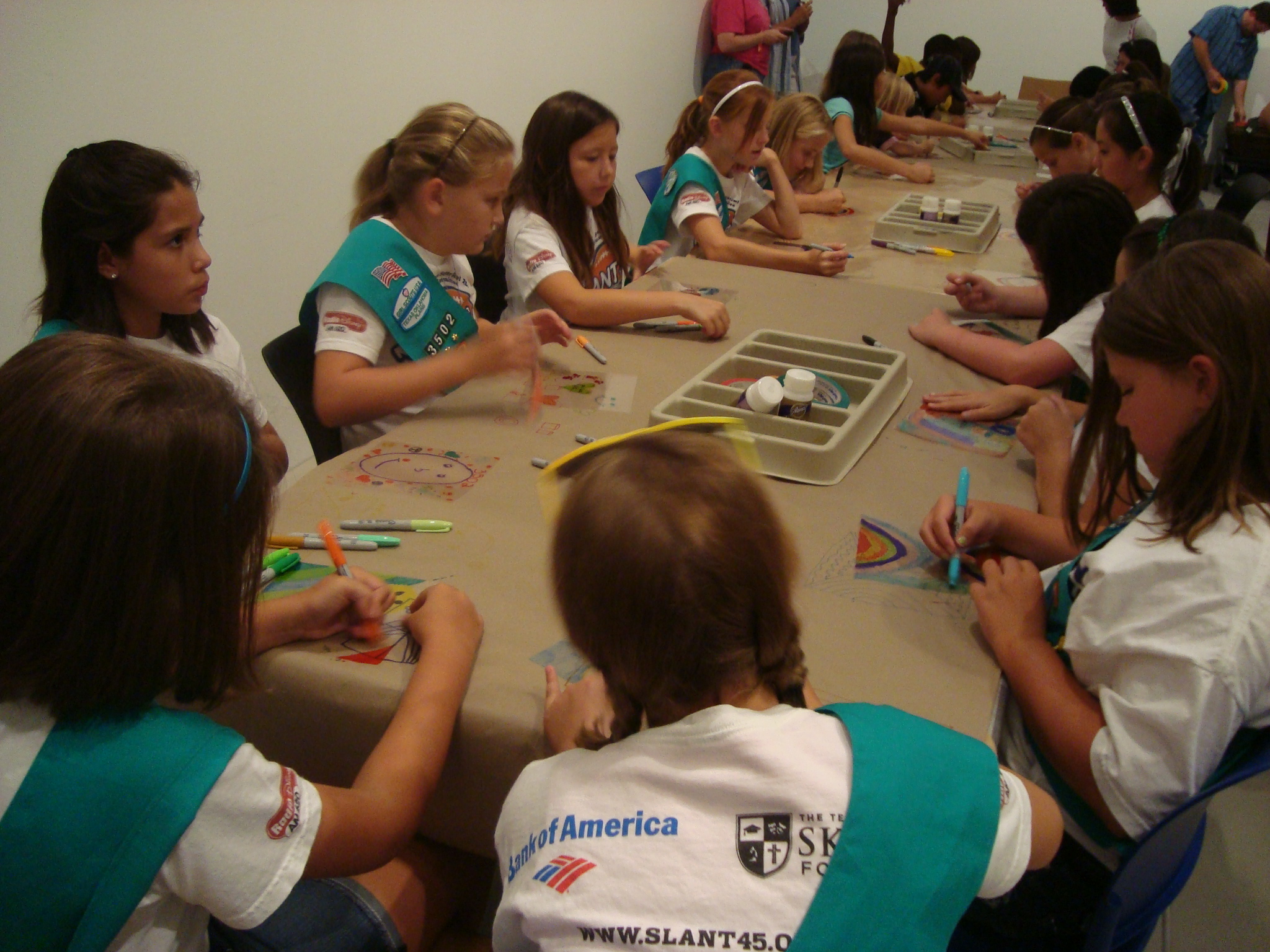
Volunteering and art make a great combination.  Add football and Super Bowl XLV to this combination and you get a power-packed project called SLANT 45.  In the football world, slant 45 references a specific play used by Daryl Johnston and Emmitt Smith when they played for the Dallas Cowboys.  Johnston, the North Texas Super Bowl XLV Host Committee, and Big Thought are giving slant new meaning in the Dallas-Fort Worth area with the SLANT 45 project, also known as Service Learning Adventures in North Texas. Sponsored by Bank of America and The Ted and Sharon Skokos Foundation, the project is an educational youth initiative promoting volunteer service in the community and providing participating youth with an opportunity to create unique artwork reflecting their service learning adventures.  It’s a great opportunity to encourage and recognize the champions of community service.  

The goal for the SLANT 45 community-wide service project is to involve at least 20,000 youth, logging in nearly 45,000 hours of volunteer work.  Wow!  After teams of youth complete their projects, the final step is the creation of a reflective artwork.  Selected works of art will be on view in the SLANT 45 Community Heroes Art Exhibition, which will be on display at various locations across North Texas before, during, and after Super Bowl XLV.

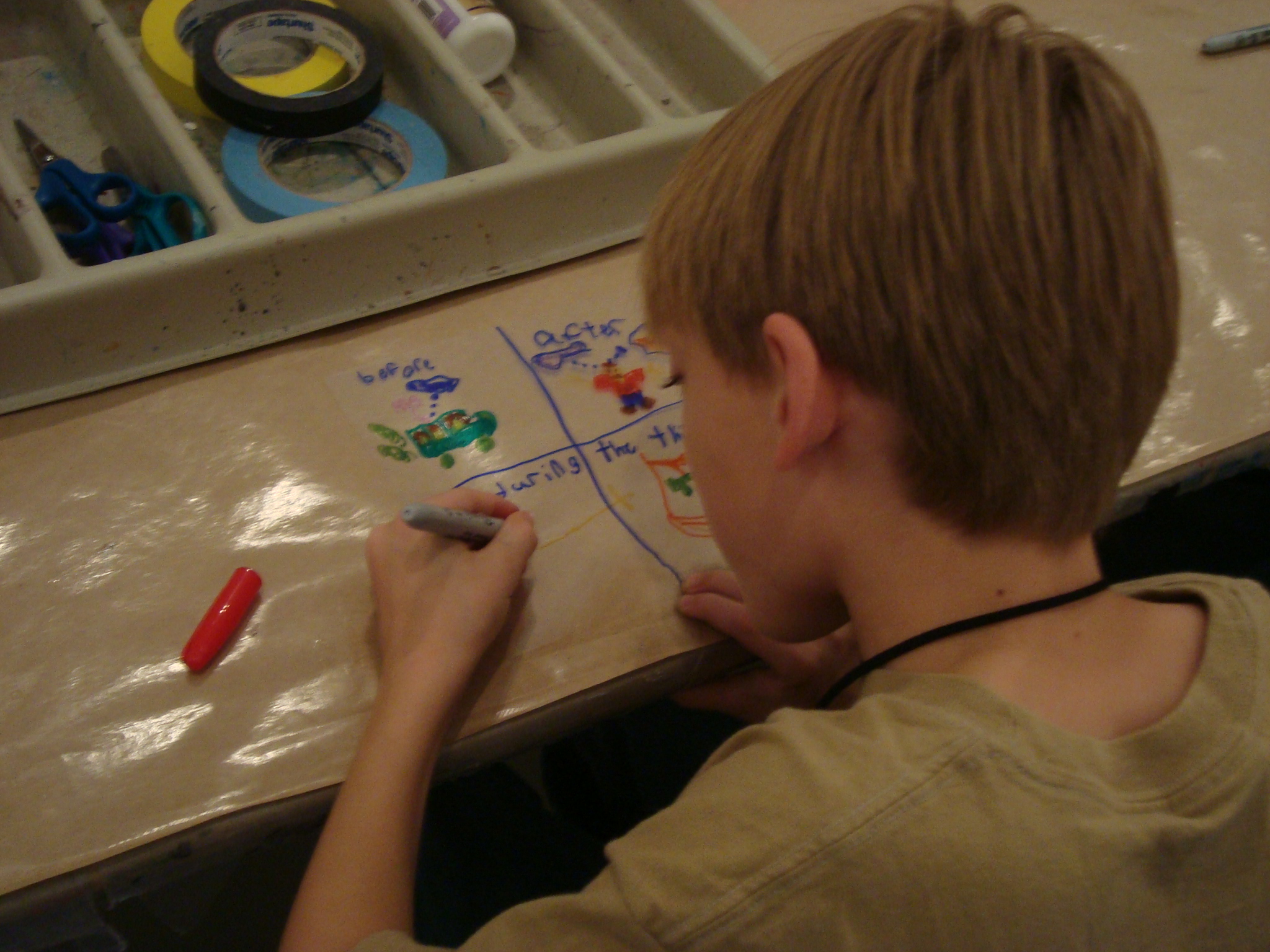
The Dallas Museum of Art is partnering with Big Thought and artists in the Dallas community to provide workshops for SLANT 45 participants.  A few North Texas youth participating in SLANT 45 visited the DMA recently to participate in a workshop with artist Sara Cardona.  Having recently completed their volunteer work at an animal shelter and a clothes closet, these boys and girls met with Sara to reflect on their projects and create works of art inspired by their service.  The youth created an artwork based on the idea of stained glass windows.  They drew words and images reflecting their community volunteer work on a transparent film, then backed the film with metallic paper, and then completed the work with a colorful frame.

More workshops are scheduled to occur at the DMA in September and October with artists Jill Foley, Adriana Martinez, Will Richey, and Ann Marie Newman.  Visit SLANT 45 for more information about how to register.

Nicole Stutzman
Director of Teaching Programs and Partnerships

September Programs for Teachers

I hope you had a fun and relaxing summer break!   The school year has just begun, and we are looking forward to seeing you and your students here at the Museum.  This will be an exceptional year for exhibitions as we celebrate Mexico’s bicentennial, investigate the meanings and functions of masks from several Sub-Saharan African countries, and explore French medieval sculptures from the tomb of John the Fearless.

Because we value you as educators, we are offering FREE admission with your educator ID on the following days this month:  September 4, 5, 25, and 26.   Below are additional opportunities to participate in programming designed for K-12 educators during September:


Arts of Mexico Teacher Workshop
Saturday, September 11, 9:00 a.m. – 12:30 p.m.

Explore the arts of Mexico in the Museum’s collections and the historical significance of artworks and artists in the exhibitions José Guadalupe Posada: The Birth of Mexican Modernism and Tierra y Gente: Modern Mexican Works on Paper


Late Night at the Dallas Museum of Art
Friday, September 17, 6:00 p.m. – midnight

Show your educator ID and get in FREE.  Visit the Educator Resource table to register for door prizes and sign up for upcoming teacher programs.


African Masks: The Art of Disguise Teacher Workshop

Saturday, September 25, 9:00 a.m.–12:30 p.m.

Experience the power and wonder of African Masks: The Art of Disguise. Investigate the functions and meanings of African masks and consider how they are used today. 

Until next time….

Jenny Marvel
Manager of Programs and Resources for Teachers

Community Connection: The Best of Both Worlds

It is just me, or is anyone else shocked that we are already in the second week of August?  As we look forward to the 2010-2011 school year, it only makes sense to feature a classroom teacher in our monthly Community Connection blog post.  Meet Michelle Alcala, who begins her fifth year as art teacher at Salazar Elementary School in Dallas ISD.

Michelle and her children

What are some ways you’ve worked with the DMA?

I began by bringing my students here for visits.  My 4th-graders come every year and really enjoy the experience.  Another teacher and I started Saturday programs with our students, and we bring a group of fifteen to twenty students from all grade levels and their families to the Museum once a month. 

Last year, I was invited to create artwork with students for the Art Ball, the DMA’s annual black-tie fundraiser event.  My students were so excited to see their work in a real museum setting, which is unbelievable for an elementary school student.  They brought their families to see their work and dressed up; the pride they had was great.

I’m also a part of the teacher panel and am hoping my insights help with the new online resources for teachers.  Before, I did not use the DMA online teaching materials very often, and I’m hoping my contribution will help art teachers and other teachers.  [Michelle is part of a select group of teachers collaborating with Museum education staff on an IMLS grant focused on redesigning the DMA’s online teaching materials.]

How has your work with the DMA affected your approach to teaching?

I’m always trying to find things that I can tell my students about that will help them make connections to the Museum and encourage them to visit with their families.

Do you consider yourself an artist?  What are your creative outlets?

Initially, I intended to go to art school.  I ended up having children and realized they were more my passion than becoming an artist.  I tried to find the best of both worlds, and that’s when I came up with teaching art.  I still sketch and paint sometimes, but not in the volume that I used to before I started teaching.  I also love to read.

How do you spend your summer months?

I spend my summers with my children at my home in Oak Cliff.  We play and read and go to the zoo and go to museums and as many different free things as we can find.  We just got back from a trip to Florida and Disney World.  I also went to Chicago with my mother.  It was wonderful.  I visited the Art Institute and went on a tour of the new wing.  It was just incredible, seeing so many pieces of art. 

What do you most look forward to in the 2010-2011 school year?

To my new art lessons, both my own that I’ve created and ideas from the DMA.  I also look forward to seeing the kids again.  It’s been a long time since I’ve seen all of their little faces, and I’m ready to get back into it.

Melissa Nelson
Manager of Teaching in the Community


Archives

Categories