Archive for the 'Art & Teaching' Category


Art-filled Memories

Have you ever stopped to think about that moment when you decided to make art an important part of your life? I bet for some people the spark was ignited by a single educator, or perhaps a single project that they created in their young lives. My fellow bloggers and I sat down and thought about what art related experiences we remember from our past. I wanted to post them here as nice reminder to all educators that the experiences you are creating are not only influential to your students now, but will likely become a memorable project that they will carry with them for the rest of their lives!

One of my most memorable projects was making a miniature haunted house in fouth grade art class. We partnered up and used whatever materials we could find (within the art room, of course). I remember that half the fun was creating a “script” in our minds of what would happen to the person once they set foot into our shoebox-sized house. Once we were finished making bloody walls and cobwebbed hallways, the storytelling element really kicked in. Describing the “horrors” to our fellow classmates was one of the best Halloween art activities that I can remember!

Here are some childhood memories from the Teaching Programs staff:

“The best art teacher I ever had was my high school ceramics teacher Mr. Block.  Mr. Block was a huge inspiration to me and one of the main reasons I studied art in college.  The most memorable project was when our class participated in the Dallas Empty Bowls Event.  Empty Bowls is a program designed to help end hunger by bringing local artists and restaurants together.  When you go to an event, you buy a hand-made bowl, and then you get all the food you want!  The best part is that all the proceeds go to the North Texas Food Bank.  Our entire class made bowls for this event, and I still have the bowl that I purchased over ten years ago.  This project showed me that creating art can be fun and expressive, but it can also be for a good cause.” – Loryn

“The childhood art activity that stands out to me the most is an upside-down painting a la Georg Baselitz. I was probably in second or third grade and attending art camp at the Modern Art Museum of Fort Worth (in the Museum’s old building), and we had explored/discussed Baselitz’s Elke (1976).  I used to place all my stuffed animals on their heads because I thought they looked better that way, so I was thrilled when I my art camp assignment was to paint my dog upside down! I remember how proud I was of my finished product and of my new knowledge of the artist Baselitz.” – Andrea
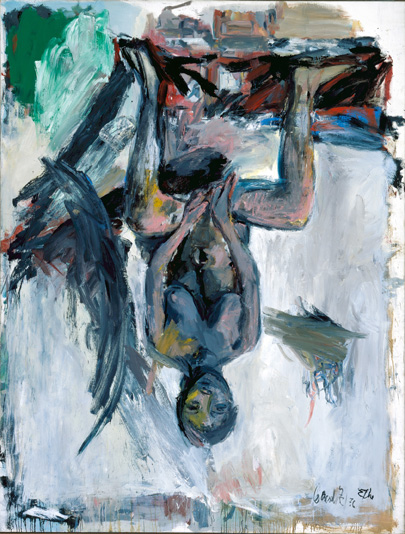
Elke, Georg Bazelitz, 1976, Collection of the Modern Art Museum of Fort Worth, Museum purchase, The Friends of Art Endowment Fund

“My favorite kind of activities in school didn’t have too many directions. I always had the most fun when I got to use my imagination and make it up as I go. My most memorable project was in elementary school, when we were given clay tiles to decorate however we wanted. I decided to paint myself yelling to my mom what I thought at the time was a sassy yet sweet sentiment, “Wake up, I love you!” (imagine ‘wake up’ being said like hellooo or duh). I had some pretty sweet shoes back in the day, and on that particular day I just happened to be wearing my platform sneakers. The six-inch rubber heels were carved with flower designs that I decided to press along the edges of the tile, printing the pattern onto the clay. I remember feeling really proud of coming up with an unconventional idea for decorating my tile.” – Hannah

“In the fourth grade, I had to make a large display for one of the fifty states.  My state was Hawaii, and my greatest artistic achievement was making a diorama of Waikiki Beach using sand (from my backyard sandbox) and Dep hair gel.  The gel was electric blue (it was 1989), and it was the perfect color for the waves of Waikiki.” – Shannon
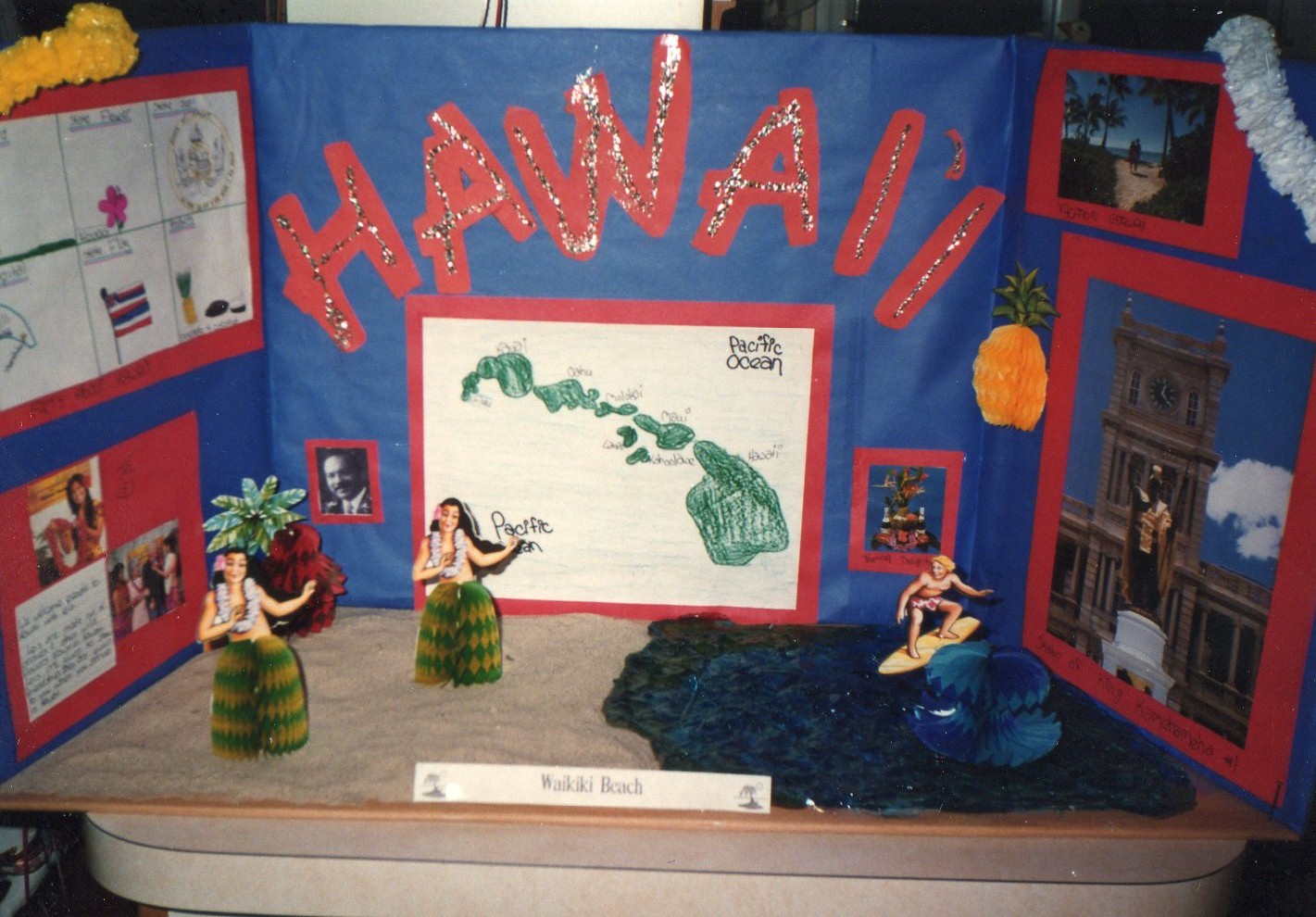
Shannon's creation (note the surfer catching a serious hair gel wave!)

“One of my favorite art projects was a papier mâché penguin I made in high school.  I loved the process of creating the form with wadded up newspaper, tape, and cardboard.  I also loved the messiness of applying the wet papier mâché strips to create the exterior of the sculpture.  As I finished with several coats of paints, I decided to give my penguin green eyes, disregarding the possibility (and fact) that penguins do not actually have green eyes.  I eventually gave the penguin sculpture to my older sister; it now lives in her garage.” – Melissa

A great BIG thank you to all of the hard-working educators out there for helping us construct our creative memories!

Jessica Kennedy
McDermott Intern for Gallery Teaching
Intern Project: Artworks for Me & My World

Last month, Jessica and I introduced you to Me & My World, a program specifically designed for first grade students. There are two versions of the program, one created for tours in the museum and another developed for classroom visits. Although Jessica and I will be doing a lot of collaborating, she will be primarily focusing on the docent-led tour, while I will be working on the Go van Gogh classroom experience.
.

Our first step in the Me & My World revision process was to select new works of art for each program. Go van Gogh is a sixty-minute program that is broken up into two equal parts of looking at works of art and then making works of art. With half an hour to look closely and discuss the art, there is just enough time to have quality experiences with four artworks. With thousands to choose from within the collection, picking just four is no easy task. When teaching in the classroom, we bring reproductions of artworks to be projected onto a screen; as a result, visibility can become an issue. For example, paintings that are really dark usually won’t project well, and sculptures with a lot of detail or incising can be washed out and difficult to see. Besides keeping all of these basic logistical challenges in mind, it was also really important to find works specifically ideal for engaging first-graders.

We started by seeking the advice of volunteers, docents, and education staff for their insights from past experiences. This resulted in a lot of great ideas, almost too many! To further narrow down our selections, we developed two main criteria to focus on: themes and teaching opportunities. In an effort to make the programs well-rounded with a variety of diverse topics, we categorized the artworks by themes, such as family or sports. These themes are meant to be easy for first-graders to relate to, so they can develop personal connections with the works. Then, by using the DISD curriculum for first grade, we created a general list of possible teaching opportunities that could be addressed through looking at art. Finally, we chose works that clearly matched some of those teaching goals and also fit into one of the themes.

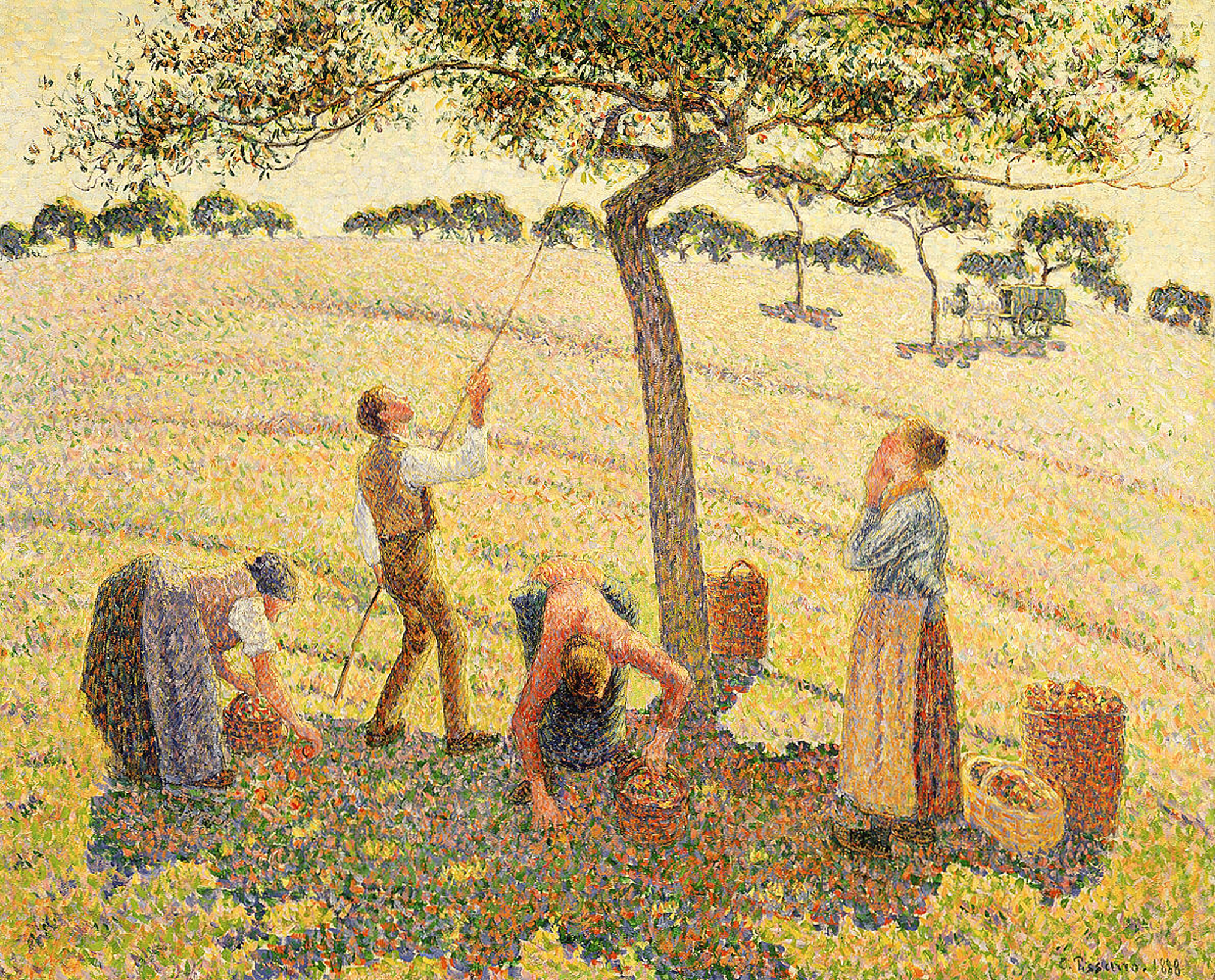
With the thoughtful suggestions of our department, volunteers, and docents, as well as the criteria Jessica and I created, I was able to narrow down my search to seven final works of art to begin testing for Go van Gogh. I provided two examples below.

Apple Harvest, Camille Pissarro, 1888, oil on canvas, Dallas Museum of Art, Munger Fund

Theme: Family/Teamwork

Teaching Moments

  • Look at brushstrokes/dots of paint
  • Count the people
  • Name the colors
  • Discuss the weather/seasons

Personal Connections

  • Teamwork – helping family or working with other students at school
  • Fruit/food
  • Outdoor activities

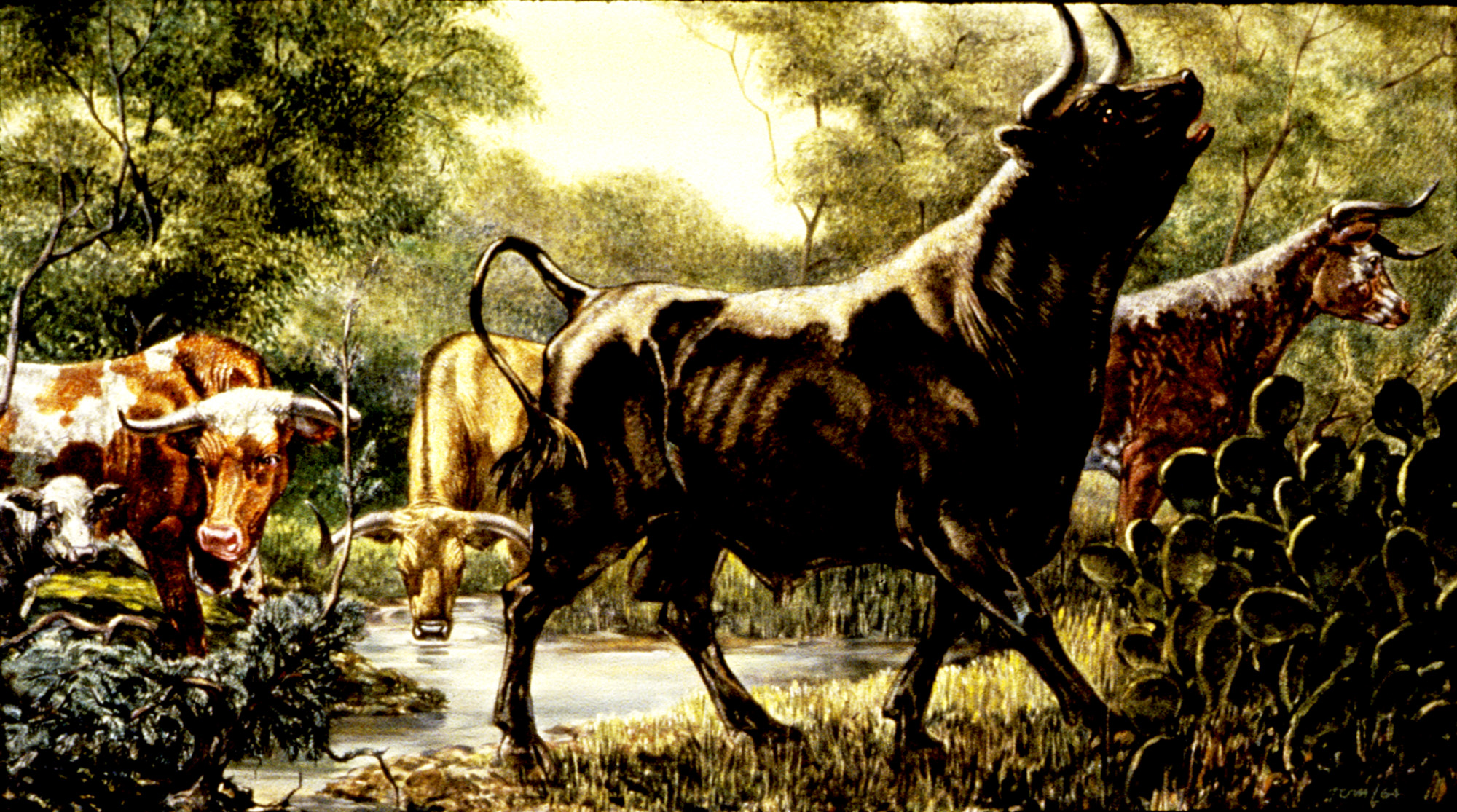
Wild Cattle of South Texas: Ancestors of the Longhorns, Tom Lea, 1945-1946, oil on canvas covered masonite, Dallas Museum of Art, gift of Life Magazine

Theme: Natural World/Texas

Teaching Moments

  • Discuss and count longhorns – native to Texas
  • Look at landscape – cactus, stream, plush green trees and grass
  • Talk about weather/seasons

Personal Connections

  • Texas
  • Animals
  • Outdoors

In preparation for testing these artworks with first-graders, I will need to develop guidelines for conversation and activities that incorporate various learning styles. If you have had any memorable experiences with activities or conversation starters related to these themes, please share them in the comments section below!

Hannah Burney
McDermott Education Intern for Teaching Programs and Partnerships

How it's Made: Etruscan Jewelry

Welcome to the introductory blog of the “How it’s Made” series.  In this series, I aim to shed some light on the technical methods of how objects in our collection were created and to gather a greater appreciation for art-making in general. 

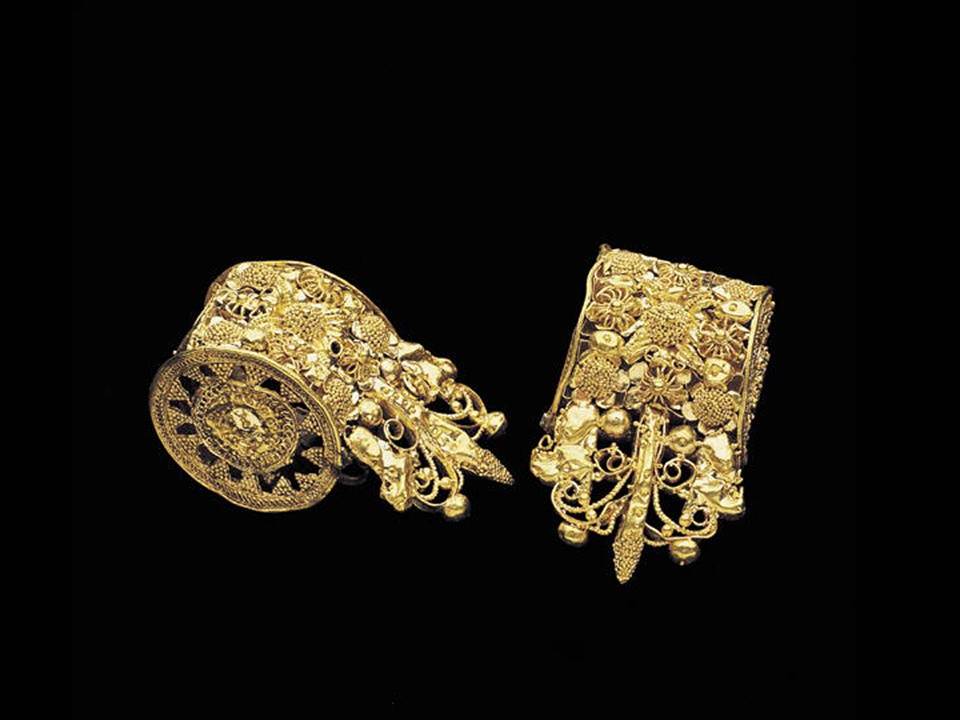
Coming from a metalsmithing background, I wanted to start this series with precious  metal objects.  I selected Etruscan jewelry because I have such admiration for how beautifully designed and how well-crafted these metal objects are.  While studying metalsmithing at the University of North Texas, I had the opportunity to learn several of the same techniques the Etruscans used, but with the convenience of modern tools and technology.

Pair of "a bauletto" type earrings, Etruscan, 6th-early 5th centuries B.C., Museum League Purchase Funds, The Eugene and Margaret McDermott Art Fund, Inc., and Cecil H. and Ida M. Green in honor of Virginia Lucas Nick

Who were the Etruscans?

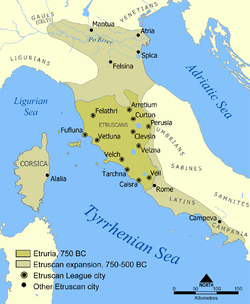
Early inhabitants of Italy, the Etruscans settled in the northern region of Rome in the late eighth century B.C., and can trace their heritage by name in modern-day Tuscany.  The Etruscans succeeded the Villanovan culture, a civilization that established early foreign trade and was adept in creating bronze jewelry. The influx of Greek colonization in Italy aided in the transition from Villanovan to Etruscan culture, which thrived until Roman imperialism succeeded around 200 B.C.


Etruscan territory

What Makes Etruscan Jewelry Interesting?

Today, it’s no mystery why jewelers love to use gold.  Gold is a very easy metal to work with; it’s malleable (which means it’s easy to shape and form), there is less clean up after soldering, and it doesn’t tarnish over time.  So, why is Etruscan gold so amazing?  This ancient civilization manipulated metals and implemented tedious applications without the modern convenience of a torch and other fancy tools is pretty incredible.  It amazes me that such delicate pieces could be fused together by controlling an open flame instead of a pressure-controlled torch. 

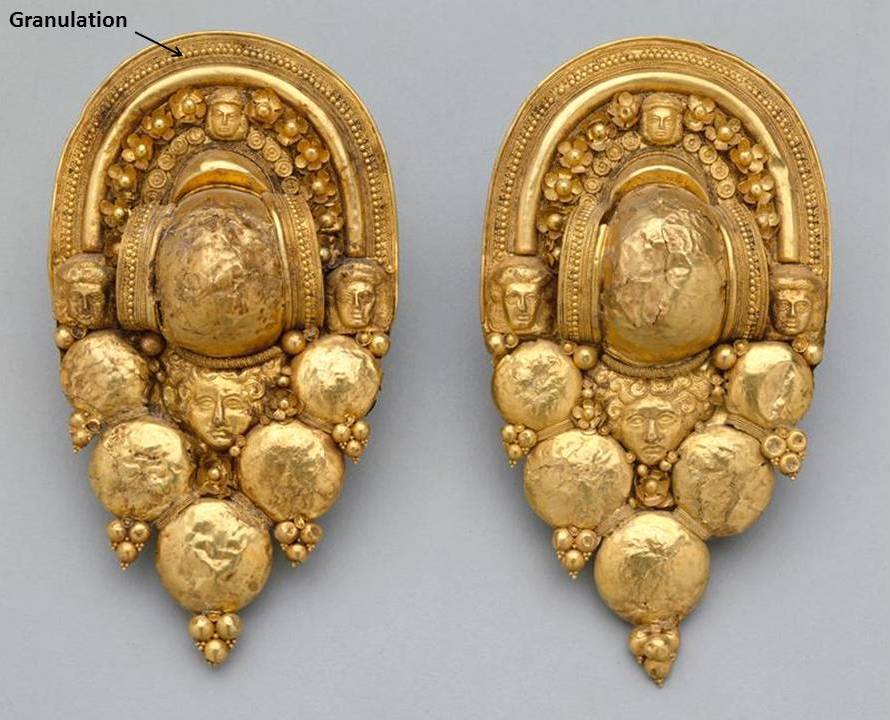
Take granulation, for example.  Granulation derives from the Latin word granum, meaning “grain,” and it describes the method of fusing small granules to a base.  This ancient technique is a hallmark of Etruscan jewelry and requires a lot of meticulous preparation. 

Pair of Funerary Earrings, Etruscan, 4th-3rd Century B.C., gift of Mr. and Mrs. Cecil H. Green

In order to make the granules, Etruscans would place gold dust or very small clippings of metal into a crucible.  In order to keep the granules from clumping together and melting into one giant granule, they placed layers of charcoal between the clippings, and then heated them to their melting point.  At that point, the metal dust or clipping will roll itself into a little ball and create a granule.

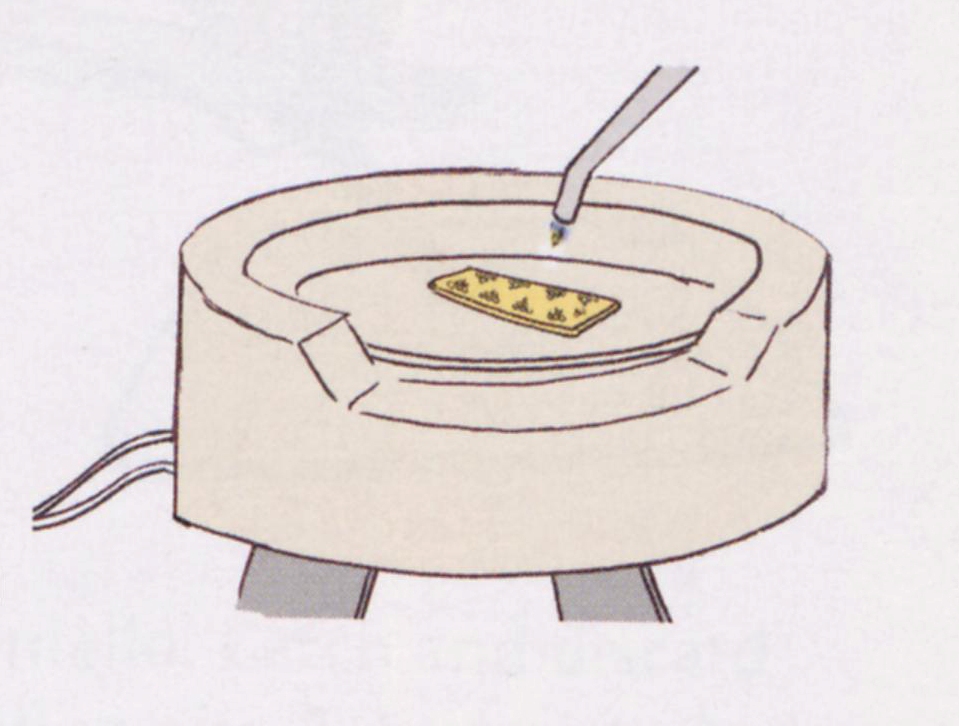
Modern granulation technique, courtesy of "The Complete Metalsmith" by Tim McCreight

Modern granulation technique, courtesy of "The Complete Metalsmith" by Tim McCreight

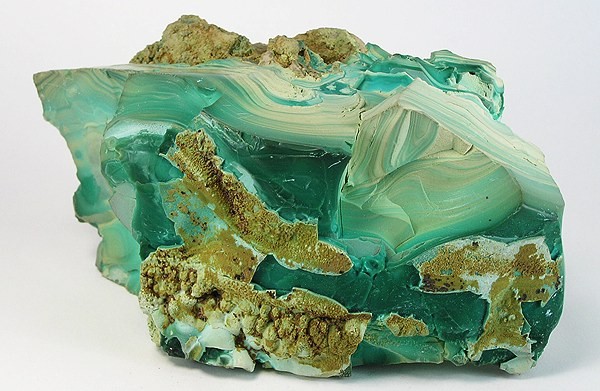
Once you have your tiny granules, you have to then position them and fuse them to a base.  Today, metalsmiths use ready-made flux and solder to join granules on a base.  According to Jochem Wolters in his essay “The Ancient Craft of Granulation: A Re-Assessment of Established Concepts,” adhesive non-metallic solders such as the gem chrysokolla (which literally translates to “gold glue”) or any other copper-bearing compounds were the solder of choice for the Etruscans. 

Chrysokolla, a gem used for non-metallic solder

If you’ve never soldered before, and you’re having a hard time visualizing this, think of a peanut butter sandwich.  You have two surfaces that need to be fused together.  Think of the base and the granule as the two slices of bread, and the solder as the peanut butter; without it, the two surfaces cannot fuse.  Once you have your solder and granules in place, you place your object over an open charcoal fire and heat it evenly.  Amazing!

It’s important to note that the Etruscans didn’t reinvent the wheel in terms of metalsmithing techniques, for many of the methods they are recognized for (such as granulation, filigree, chasing, and repoussé) were borrowed from neighboring cultures.  The true reason Etruscan jewelry stands out is because of the ancient metalsmiths’ technical skill and amazing ability to manipulate gold with precision.  I can attest that even with modern tools, it is difficult to execute many of the techniques that were used in the 6th and 7th centuries B.C. 

I hope you find Etruscan jewelry as riveting as I do, and if you have any questions about other works from our collection, please feel free to post your questions in the comments area. 

Happy making,

Loryn Leonard
Coordinator of Museum Visits

Resources:

  • Barbara Deppert-Lippitz, Ancient Gold Jewelry at the Dallas Museum of Art, (Washington: University of Washington 1996), 31-57. 
  • Tim McCreight, The Complete Metalsmith: Professional Edition, (Davis Publications: February 2004).
  • Jochem Wolters,”The Ancient Craft of Granulation: A Re-Assessment of Established Concepts,” Gold Bulletin, Vol. 14, Number 3, 119-129. 

Friday Photos: Face to Face

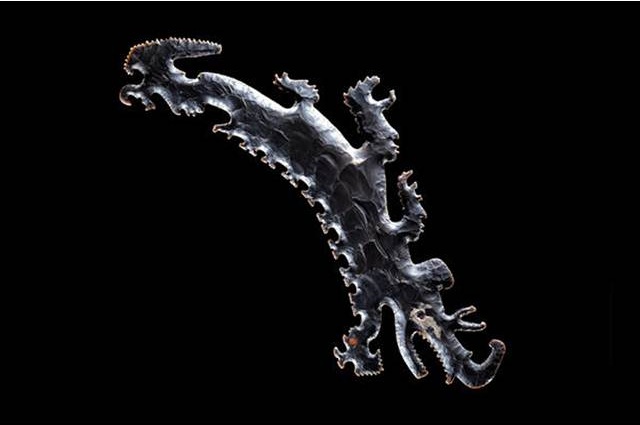
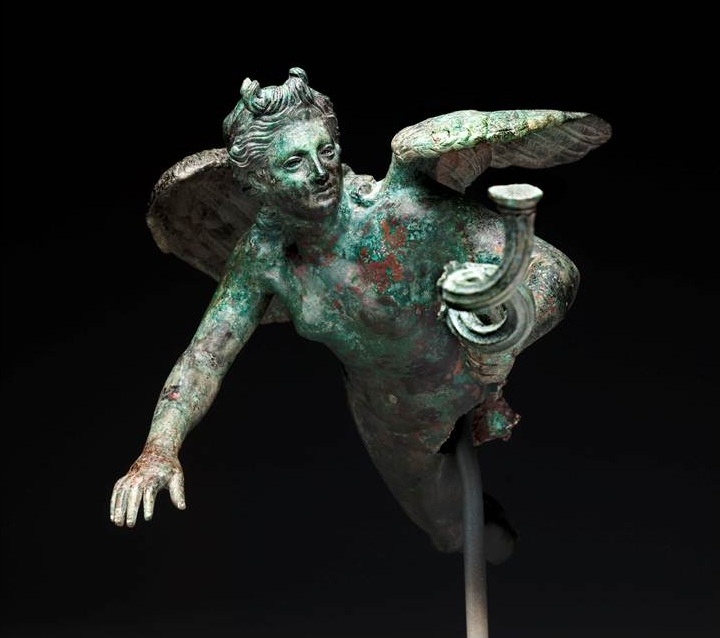
I am very excited to announce that this Sunday, February 12th is the opening of Face to Face: International Art at the DMA. This exhibition, comprised entirely of works of art from the DMA collection, honors and celebrates the contributions of our generous donors. As a result of their kind philanthropy, the DMA has grown into a diverse international collection. If you are a frequent visitor of the Museum, some or maybe even all of these artworks might be familiar to you, but their intriguing and unusual display design will have you looking at them in all new ways. The works of art will be presented in pairs of two, each coming from a different culture that share some kind of commonality. Through close looking and the guidance of thoughtful label text, the discovery of similarities between two seemingly dissimilar objects will provide a new perspective on the collection. An example of one of these provocative pairings is below.

What do you notice about these two pieces? What kind of connections can you make between them? Why might they be shown together?

Eccentric flint depicting a crocodile canoe with passengers, Mexico or Guatemala: Maya culture, Late Classic period, c. A.D. 600–900, The Eugene and Margaret McDermott Art Fund, Inc., in honor of Mrs. Alex Spence, 1983.45.McD

Eros lamp holder, Greek, perhaps from Asia Minor, Hellenistic period, early 1st century B.C., bronze, The Eugene and Margaret McDermott Art Fund, Inc., in honor of Anne Bromberg’s 30th anniversary with the Dallas Museum of Art, 2005.12.a–b.McD

Stumped? Come to the exhibition to find out more about these and many other works of art!

Hannah Burney
McDermott Education Intern for Teaching Programs and Partnerships

Community Connection: Oil and Cotton

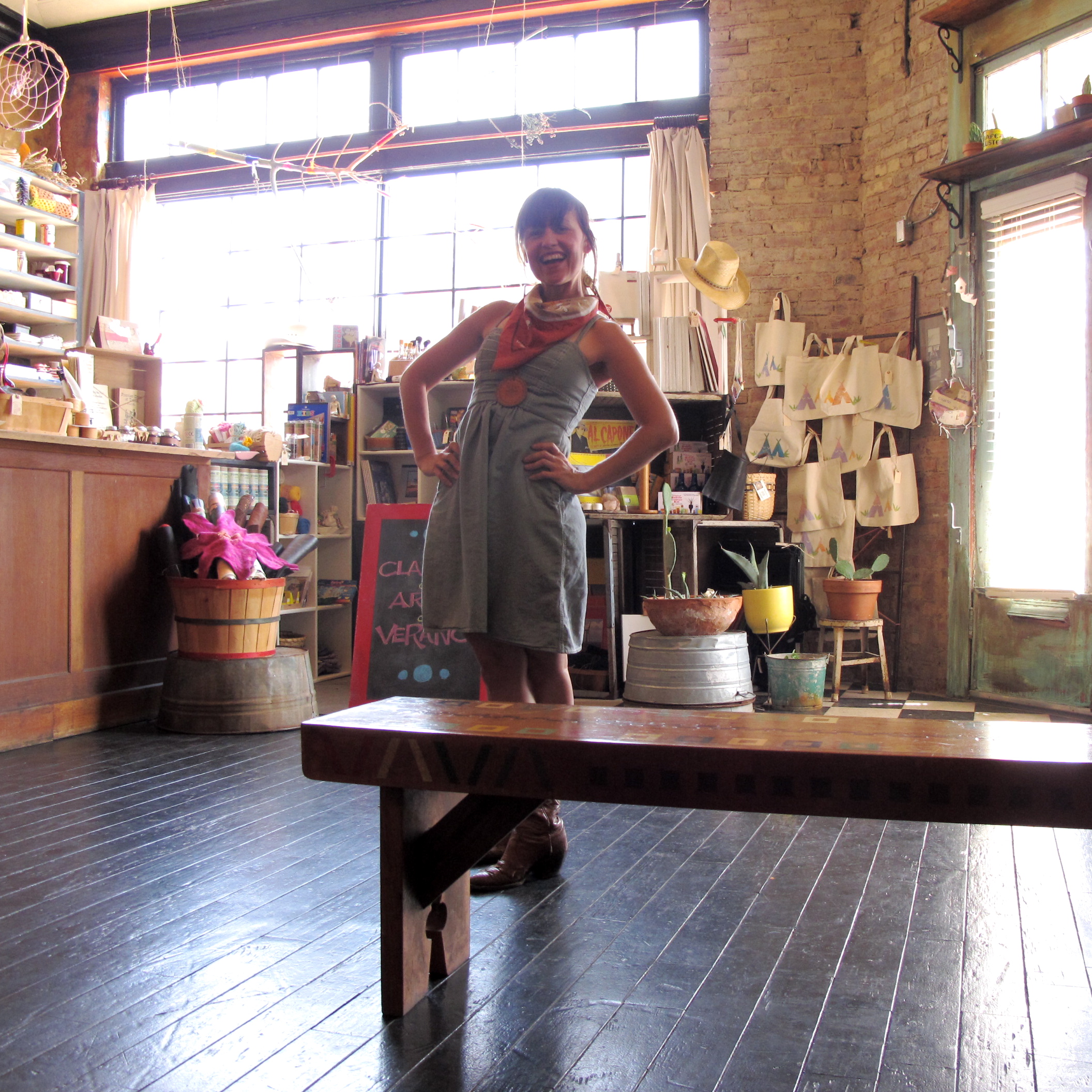
Every six months or so, our department gets away for a day-long retreat.  It’s an opportunity for us to reflect, look ahead, and spend time together outside of our typical work spaces.  We’ve been fortunate to hold two of these retreats at Oil and Cotton, a creative space in Oak Cliff that offers a variety of multidisciplinary art classes, workshops, and camps.  Opened in September 2010, the space is managed by Shannon Driscoll and Kayli House Cusick.

How did you get started?

Shannon:  Kayli and I met during a volunteer project in our neighborhood called The Better Block. The project took an area of the neighborhood, where Oil and Cotton is now located, and made temporary changes to the block that we felt as a community would make it more pedestrian-friendly.  We met at one of the first meetings, where we both raised our hands and said we were interested in doing a pop-up art studio for the community.

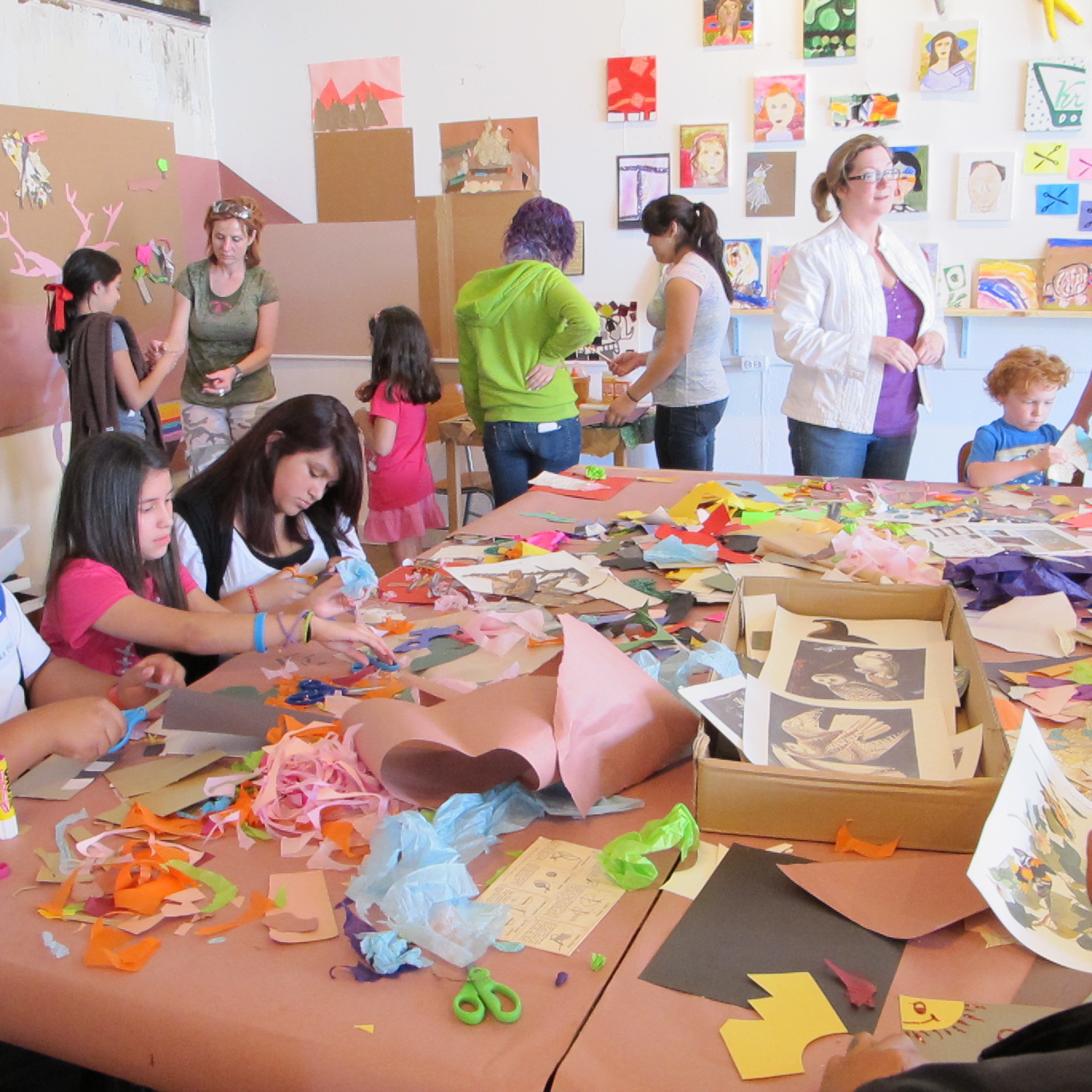
After that, Kayli and I started planning, and we created Rock, Paper, Scissors.  We used a warehouse on Seventh Street, asked for donated materials from friends and family, and set up a base of volunteers for two days during the Oak Cliff Art Crawl.  We set up a long, long table full of art supplies and materials, and had volunteers lead people through creative projects, from collage to stenciling to drawing and painting.  All the volunteers were artists or had different creative backgrounds from Oak Cliff and beyond.  The space was packed with crowds for the entire weekend.  It was really wonderful to see people of all ages and backgrounds and from different parts of the neighborhood and of Dallas, sitting together and making things side by side.

After the festival, people in the community approached us and said they didn’t want us to stop what we were doing.  The gentleman who owned the warehouse had a building that came up for rent, and we talked to him and decided to go for it.  Kayli and I both come from art-related backgrounds, and we brought our experiences as artists and educators to what we’re doing.

Shannon Driscoll, co-owner and instructor at Oil and Cotton

What did you do before opening Oil and Cotton?

Shannon:  I had a private conservation practice – I’m an art conservator.  I had also been teaching classes on the side at my studio and at the Dallas County Jail with Resolana – I’m a board member for Resolana as well.

Kayli:  I wrote curriculum for my mother, who had a business for about twelve years off and on. It was something we did as a family growing up; she was an art teacher, and she made elementary art curriculum for Coppell ISD.  When she opened a business with my sister, I was a music composer at UNT, and it ended up being the perfect fit.  I also taught piano lessons privately out of my house forever and ever.  Then I had a child; when I met Shannon, my daughter was two, and that’s what I was doing.  I had always had the idea on my backburner, if I could ever figure out how to combine all the loves I had, and have a work environment my child could be in, I could do everything I love to do.  It all came together when I met Shannon and she said, of course we can do that.

What has the community response been to Oil and Cotton?

Shannon:  It has been wonderful.  A day hasn’t gone by when someone has not come in to ask how they could help us or how they could donate materials to us or asked us for another class that we’re not offering.  People feel involved in what we’re doing; they’ve seen us grow from something very small to something more permanent and a part of their neighborhood.  I think that’s exciting for people.  They feel invested in what we’re doing, and they want to help us.  We wouldn’t have been able to do what we’ve done in this amount of time without their help.  People have donated a box of white tiles, which we used to create backsplash for the sink; corks; fabric; paper… we always find a way to use what we’re given.  We’ve had people come to us and say, “I have this idea for a project, and I want to see it happen”.  For example, an architect led a two-week architecture workshop for teens, and they created a deck for us.  All the materials were donated, and architects came and talked to the teens everyday.  We’ve had the most amazing, talented interns that support our education outreach, and we’ve had teachers who help select children in the neighborhood who might not be able to afford classes here, and we give them scholarships.  We rely on these neighborhood teachers to send us people who need help, and who will benefit from coming to Oil and Cotton.

A community collage was part of a free open house and student exhibition

What has been your most successful or fun class?

Kayli:  For me, it’s songwriting camp.  I got to work with other musicians – I worked with David Daniels, who is a touring indie rock musician; Floramay Holliday, a touring country music singer; and Mikal Beth Hughey, a jack-of-all-trades who plays in some bands locally and teaches piano and voice in her studio at The Kessler Theater.  It was a weeklong summer camp.  The kids came in and formed bands; they collaborated to write a song together, rehearsed it like crazy, recorded it, made a CD, and had a performance at the end of the camp.  They had to come up with merchandise and think about the visual aspects of what they were doing, in the form of a band t-shirt, poster, and CD cover.  We had a photographer take pictures of them for their CD’s.  It was just awesome fun for me as a musician; I got to learn from other musicians how they approach writing.  We occupied the whole space, with kids rehearsing in every room as loud as they could be.  The kids could be themselves without a lot of adult interference.

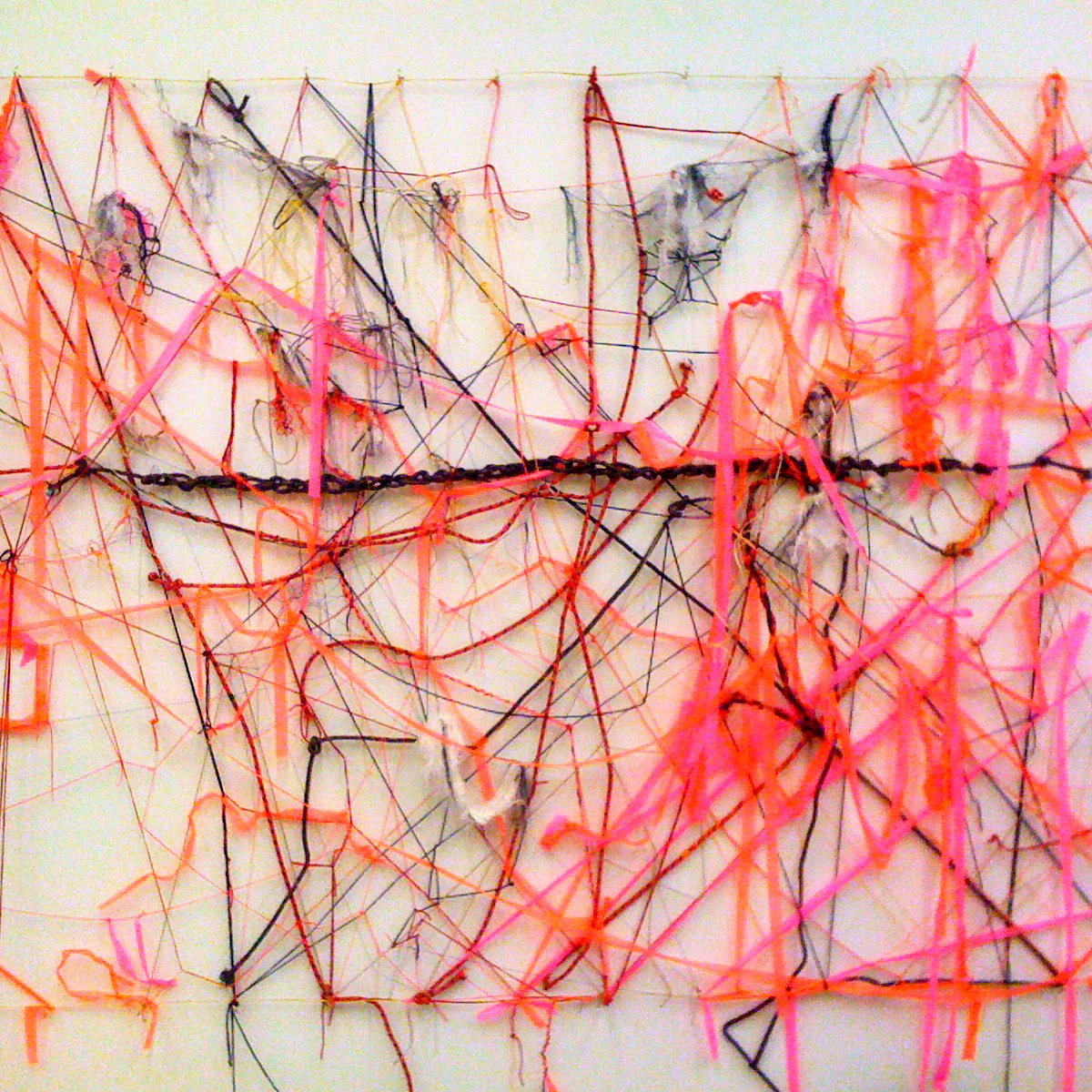
We also got to work with the DMA on the Mark Bradford exhibition.  That was very special – I am a big fan of his work.  We were part of a meeting with people from Oak Cliff to bring some Oak Cliff blood into the situation.  We volunteered to work with Nicole and have our teen class to do this interactive project during a Late Night.  That was really fun.  What I liked about that was all the ages and different people; we had senior citizens to little kids, and it was a lot like Rock, Paper, Scissors.  Everyone brought something different to it.  By the end of the night, the teens were destroying the project and making little sculptures out of it.  It was originally a weaving, and it became sculptural.

Oil and Cotton Mark Bradford Late Night project

Has anything surprised you since the opening of Oil and Cotton?

Kayli:  The amount of generosity people have shown in our community, and the enthusiasm of the art community here to try and make Dallas good.  The amount of interns and volunteers we get because they want to see us succeed and want to be a part of it.  People understand this is art in social practice, that we’re making this happen for real.  It’s been a surprise to us that something that is natural for us to be doing makes people think “Oh hey, I can do my thing and survive.  If I don’t spend too much money and work my tail off, I can survive”.   It helps to have the support of our neighborhood, and we could never have made it without that support.  People offer to paint walls, dig the dirt in back of the building.  My mother also gave us a ton of furniture and art supplies.

What is one of your most treasured handmade possessions?

Shannon:  I am a collector of art, and art has always been a part of my life.  My dad is a junker; I grew up going to yard sales, estate sales, and junk shops with him in Baltimore, so I’ve collected things over the years.  I’ve got a collection of drawings that a little girl made from 1908. She must have done them in her classroom, because there is a drawing of the back of the head of the child sitting in front of her.  There is also a drawing of a doll she titled “Mr. Eat-a-Pie”.  They are beautiful pencil drawings, and she watercolored some of them as well.  She made a little portfolio for them that says 1908 along with her name.

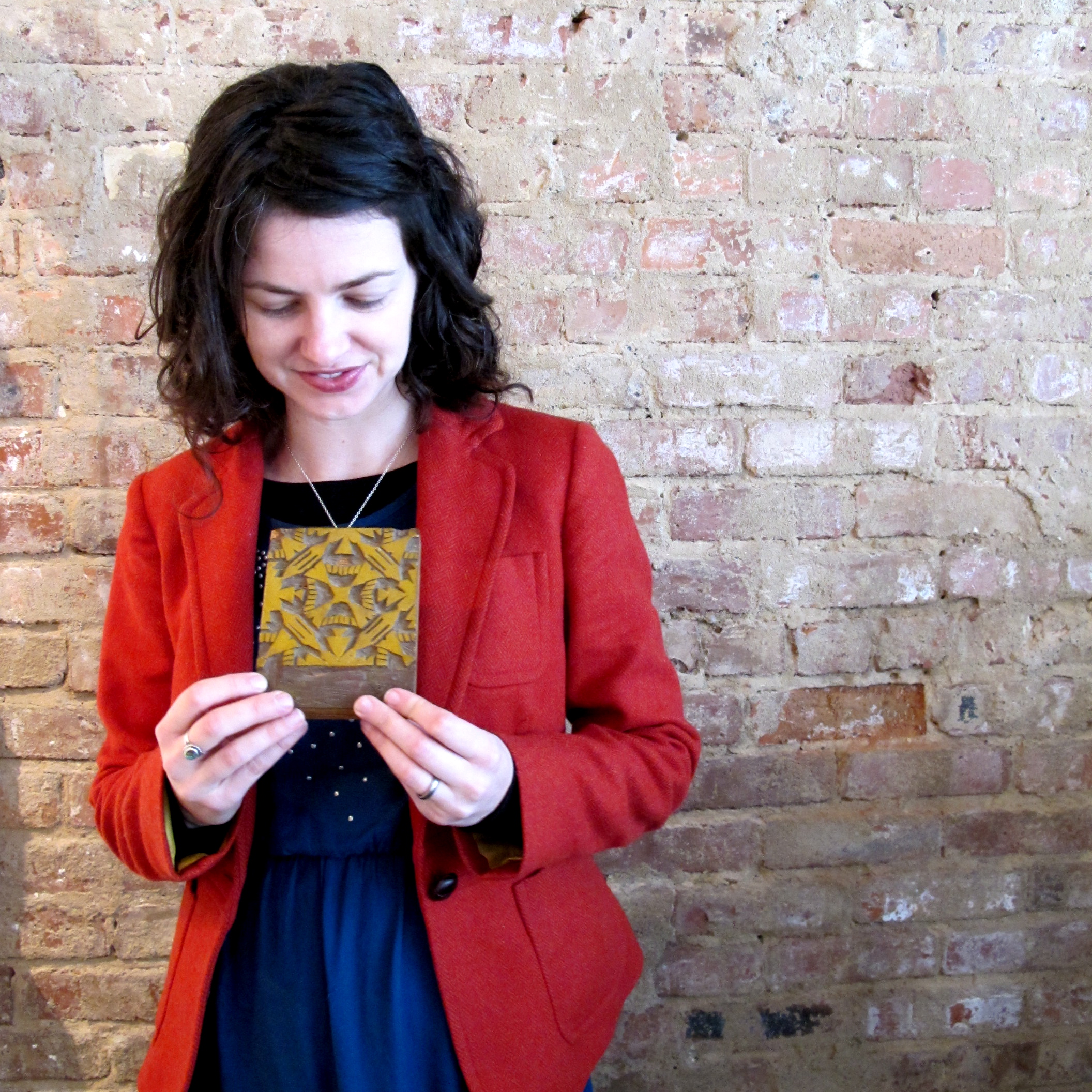
Kayli:  A little woodblock that was my grandmother’s.  She was an Okie, and she had an amazing collection of all kinds of Native American things.  She had this little tiny wood block, around five by seven inches, with mustard yellow paint remnants on it.  I’ve always wanted to do something with it.  It has a sort of a tesellation or radial design with teepees and geometric shapes that come out from the center.  It looks like an old lino; you can see all the different colors used to print it, like red and green under the yellow.  You know it was used a lot, but you don’t know what for.  It says “20 cents” really big on the back.

Kayli House Cusick, co-owner and instructor at Oil and Cotton, and her grandmother's woodblock

Kayli:  We would love to see more teachers getting together here.  We’d love for people to know that if they have a group and want to do a special technique workshop, we’ll either teach it ourselves or find someone else to teach it.  This is great space for retreats.  (*Editor’s note: we agree!)

Melissa Nelson
Manager of Teaching in the Community

2012 Spring Teacher Workshops

We are officially in the middle of January, and that means that it is time to announce our Spring Teacher Workshops for 2012!

The Fashion World Of Jean Paul Gaultier: From the Sidewalk to the Catwalk at the Dallas Museum of Art

If you have ever wondered how exhibitions are created, then you absolutely must attend our first workshop on February 11th, Designing Exhibitions. Learn about the creativity, challenges, and design of exhibitions at the Dallas Museum of Art with the DMA’s exhibition designer, Jessica Harden. Explore The Fashion World of Jean Paul Gaultier from the Designer’s perspective, participate in art-inspired, design-based thinking projects, and be prepared to look at museum exhibitions in a brand new light.

As you may know, we love the idea of combining art and poetry, so we are excited to promote The Art of Language: Mark Manders and Elliott Hundley as an Adult Workshop that is open to teachers as well as the general public. This evening workshop will take place at the Dallas Museum of Art and the Nasher Sculpture Center on March 8th. Come and explore connections between language and visual art in this workshop, as we examine the work of contemporary artists Mark Manders and Elliott Hundley. Led by Farid Matuk, poet, and Dr. Cynthia King, an English professor at UNT, as well as staff from the DMA and the Nasher, participants will discover each artist’s unique relationship to language and then respond to the exhibitions through writing.

Still Life with Books, Table and Fake Newspaper, Mark Manders, 2010, Collection David Teiger

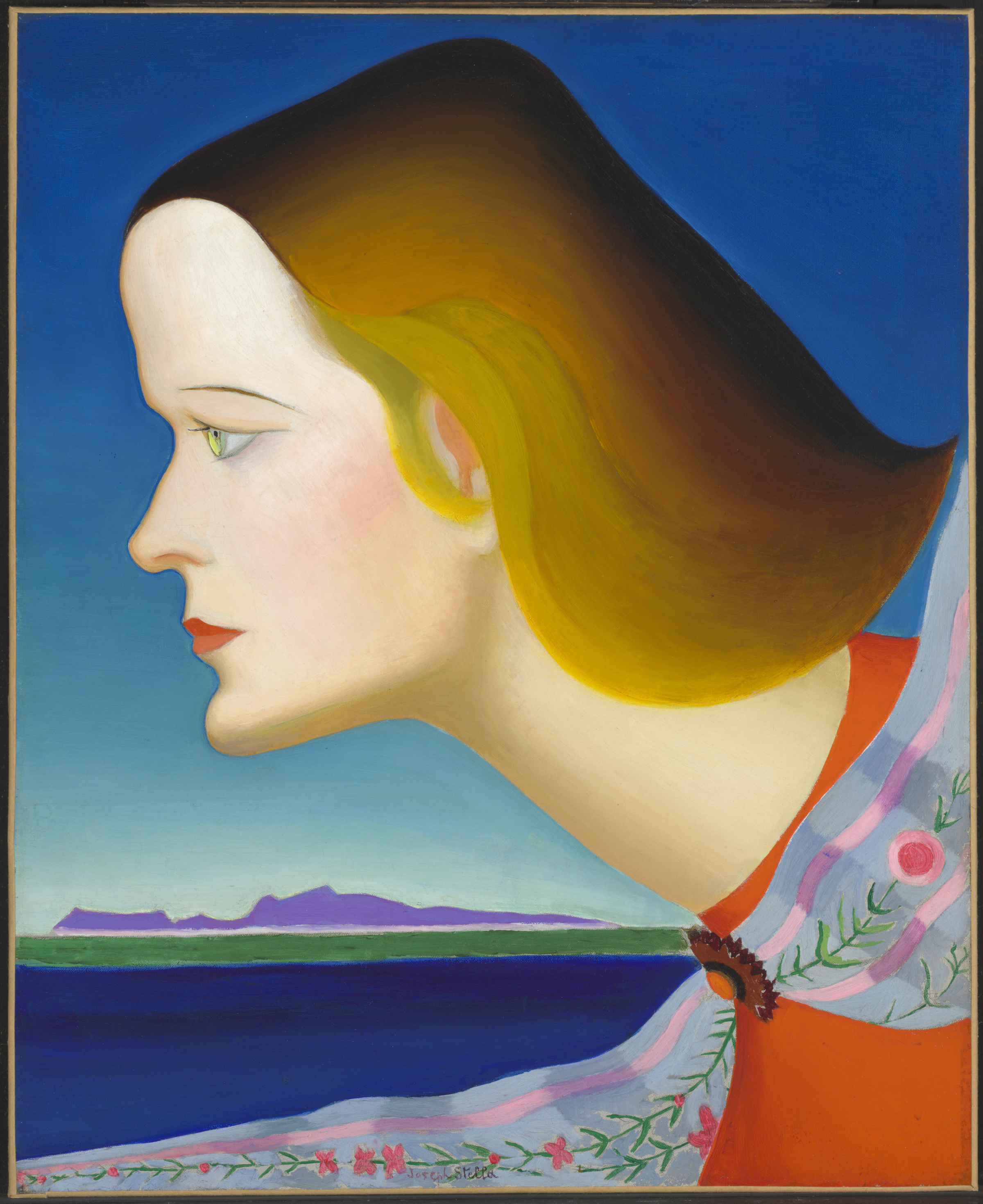
The Amazon, Joseph Stella, 1925-1926 The Baltimore Museum of Art: Purchase with exchange funds from the Edward Joseph Gallagher III Memorial Collection

.
.
.
.
.
.
.
.
.

.

.

.

.

.

.

.

Later this spring, on March 31st, The Twenties: American Art, Literature, and History will coincide with the exhibition Youth and Beauty: Art of the American Twenties. Participants will view the varied works in this exhibition and study key American artworks in the DMA’s collection as they explore ideas about art, literature and popular culture in 1920s American life.

We hope to see you at the DMA in 2012!

Jessica Kennedy
McDermott Intern for Gallery Teaching
Educator Resources: The JASON Project

In this Educator Resource series, I would like to introduce The JASON Project.  My first experience with JASON was three years ago, when I was the education intern for the Ulrich Museum of Art in Wichita, Kansas.  We had a week-long marathon of Argonauts come through the Museum (the name derives from the ancient Greek myth Jason and the Argonauts).  Ever since then, I have been focused on adding science components to my docent-guided tours.
What is The JASON Project?
The JASON Project is a science initiative founded by Dr. Robert Ballard, a renowned oceanographer, and is led by a team of scientists to provide students with hands-on, science-based experiences.  The standards-based curricula are divided into five different units, and are designed for grades 4th-10th.  Since the beginning of the project, over twelve million students and teachers have used JASON’s printable curriculum, including myself.  The best part about The JASON Project is that it’s completely free for educators.
How does The Jason Project apply to art teachers and the Museum?
The relationship between art and science dates back to antiquity and has provided our society with many great disciplines including architecture, engineering, communication design, and the visual arts.  Today, discovering art with a scientific lens can be easy, with the right tools, of course.  One of the best tools to connect art with science is The Jason Project.

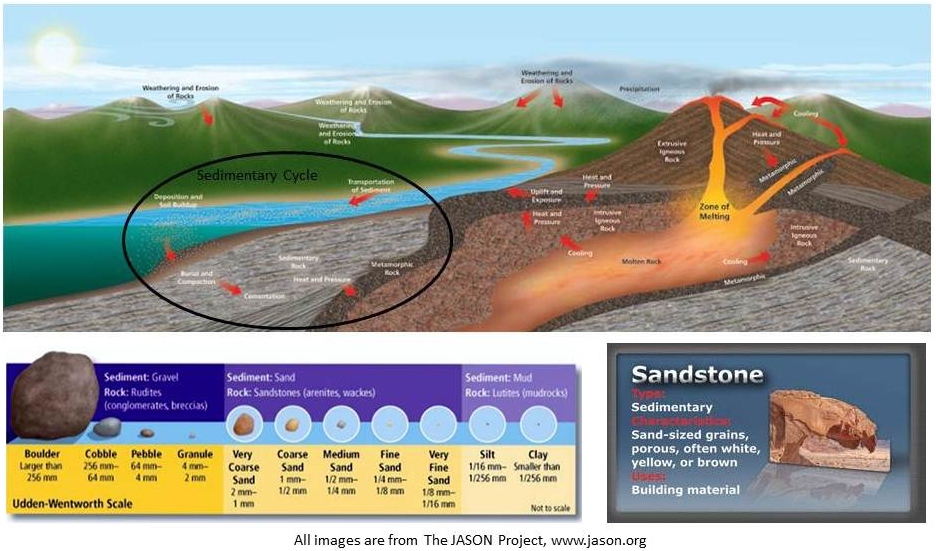
One of my favorite units of The JASON Project is Operation: Tectonic Fury.  This geology-based unit provides an in-depth look into what makes Earth’s landscape unique: minerals and rocks.  The rock cycle can apply to many of the works of art in our Museum.

The properties of sedimentary rocks

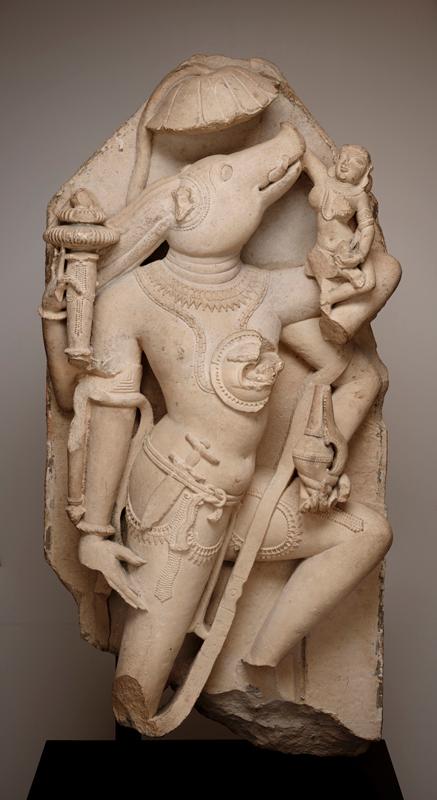
For example, let’s look at Vishnu as Varaha.  This object is not only incredible for the heroic story that it illustrates, but also for the natural properties it possesses.  Vishnu as Varaha is made from sandstone, a sedimentary rock, which is formed when sand becomes compacted and lithified, a process where loose sediment becomes solid.

Vishnu as Varaha, India, 10th Century, gift of David T. Owsley via the Alvin and Lucy Owsley Foundation and the Alconda-Owsley Foundation, E.E. Fogelson and Greer Garson Fogelson Fund, General Acquisitions Fund, Wendover Fund, and gift of Alta Brenner in memory of her daughter Andrea Bernice Brenner-McMullen

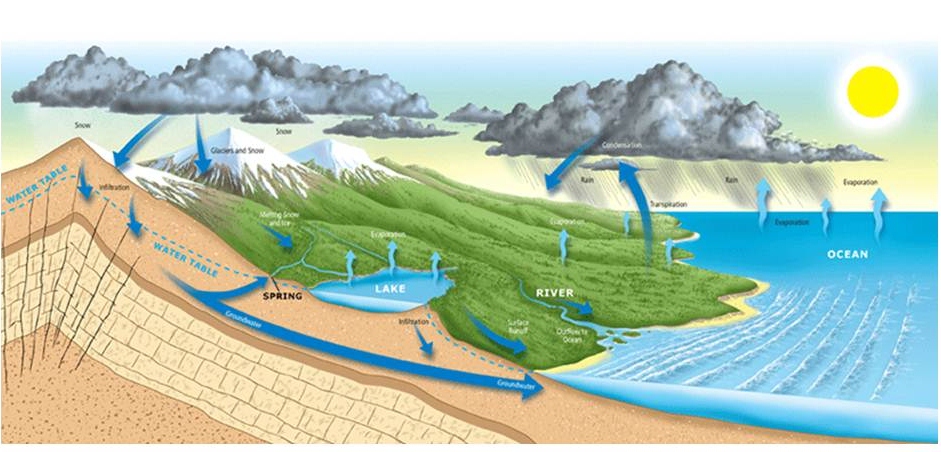
Another unit that I reference while teaching in the galleries is Operation: Monster Storms.  This unit discusses the dynamic weather patterns and how those patterns can effect society.  Two divisions of this unit that are applicable to some objects in the Museum are wind and rain.  The water cycle is a great diagram that describes the evaporation and precipation process.

The water cycle

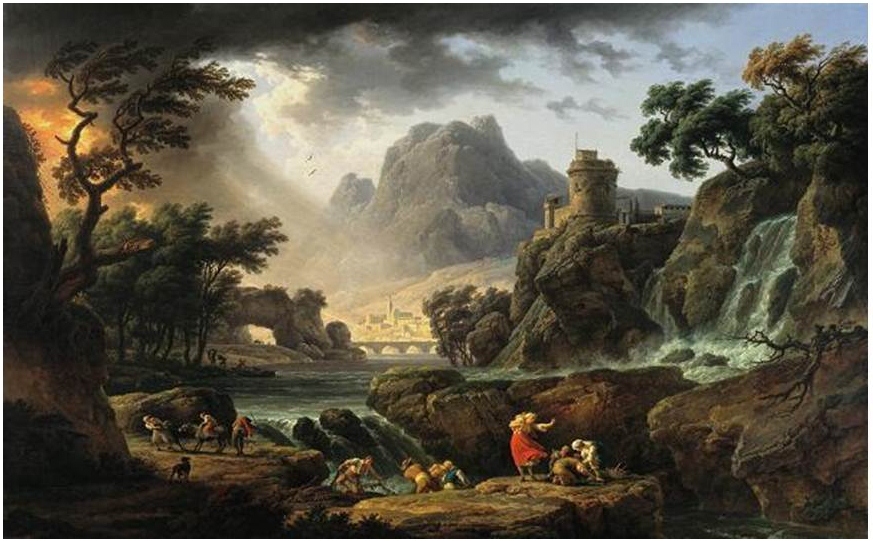
The discussion of rain can be applied to many different works of our in our collection, but my favorite one to use is A Mountain Landscape with an Approaching Storm.  This composition gracefully depicts a treachous storm approaching from the distance, spouting out rain and forceful wind.

A Mountain Landscape with an Approaching Storm, Joseph-Claude Vernet, 1775, Dallas Museum of Art, Foundation for the Arts Collection, Mrs. John B. O'Hara Fund

The JASON Project can be an invaluable resource when connecting science with art.  The organization provides us with teachable material, and a curriculum that we can continue to connect science with our own passion for the arts.  I hope these small examples provide inspiration for future collaborations with science and art!
Sincerely,
Coordinator of Museum Visits

Intern Project: Introduction to Me & My World

Me & My World is an hour-long education program for first graders. We offer it as a docent-guided tour as well as a Go van Gogh classroom experience. Both programs introduce students to artwork in our collection with:

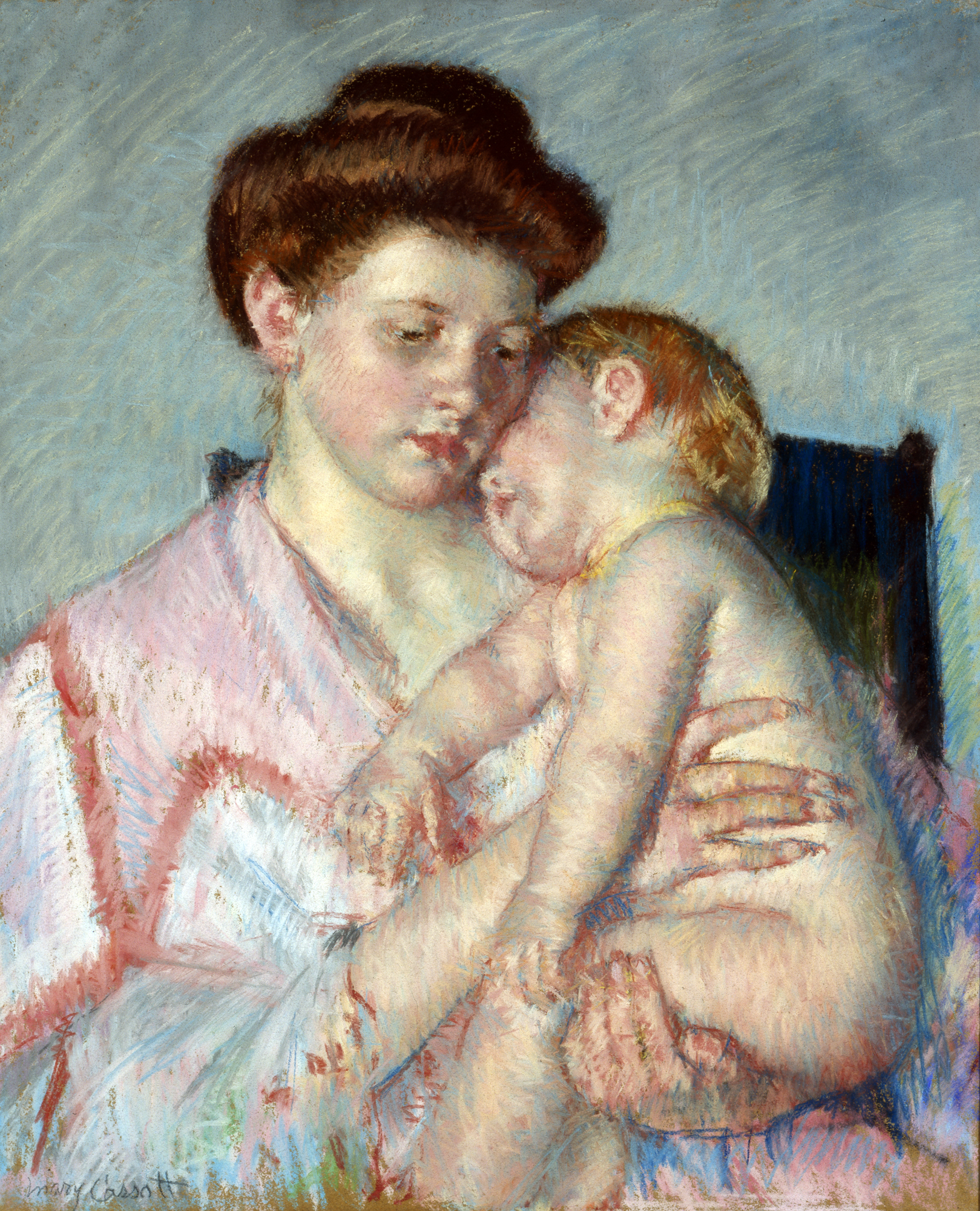
Both programs give the first-graders an opportunity to create artwork to take home with them at the end of the museum visit or school day. The overall goal is to assist the students in looking carefully at various works of art and making personal connections to them.  Because the settings are different (Museum galleries vs. school classroom) the experiences with works of art vary. Here is an example for Mary Cassatt’s Sleepy Baby from Go van Gogh:

Sleepy Baby, Mary Cassatt c. 1910, pastel on paper, Dallas Museum of Art, Munger Fund

Clues: a piece of a pink blanket, a pacifier, and the arm gesture of rocking a baby

After a conversation about the mother and baby (“Have you ever held a baby? Do you have a baby brother or sister at home? Have you ever sat on someone’s lap? How did it feel?”) a brief poem is read aloud to the class:

Human Pillow
By Sondra Falck

A sleepy head lay yawning,
Quietly on my chest,
His little legs were tired,
Needing a bit of rest.

Little boy, face filled with dreams,
Of all he planned to do,
Games to play and trees to climb,
Before this day was through.

 Busy dreamer, sound asleep,
Had to find the softest lap,
To be his human pillow,
So he could take a nap.

As a class, we discuss connections between the poem and the work of art. Then, we create a poem of our own, by asking the students to finish the sentence “Babies are ___”. When completed, it will look something like this: 

Babies are _soft_.
Babies are ­­­_sweet_.
Babies are _loud_.
Babies are _smelly_.
Babies are _squishy_.
Babies are _sleepy_.

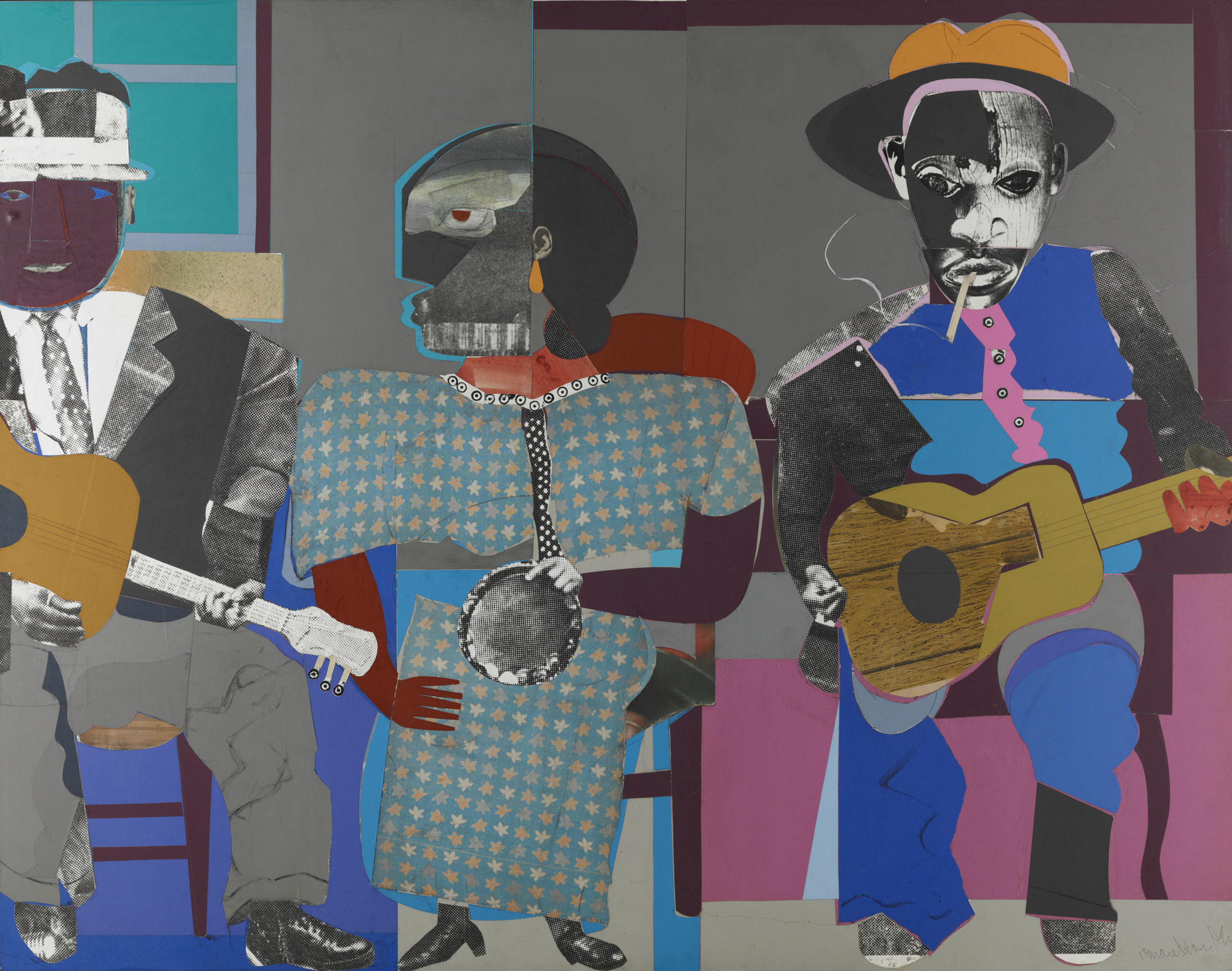
Here is an example of Romare Beardon’s Soul Three from the Docent Tour:

Soul Three, Romare Bearden, 1968, paper and fabric collage on board, Dallas Museum of Art, General Acquisitions Fund and Roberta Coke Camp Fund

Soul Three, Romare Bearden, 1968, paper and fabric collage on board, Dallas Museum of Art, General Acquisitions Fund and Roberta Coke Camp Fund


Clues: Detail of cloth from the collage, a foot tapping, and a tambourine

There are two themes that can be brought up during this conversation: one highlights what the students see in the painting (patterns, shapes, colors, figures) and the other explores the relationship of the people and the activity that they are participating in.

After this conversation, the students are encouraged to create a story about these three friends by considering the following prompts:

  • Give each of the gentlemen and the lady a name.
  • How did they meet each other?
  • What kind of music do they like to play?
  • Where are they playing their music?
  • Who is listening to them play? Are there other people around?
  • What happens when they stop playing their music?

The activity encourages the students to pose like one of the figures in the work of art and then choose one part of their body to move when the docent claps out a rhythm. Since we love working with children of all ages, we have decided to revise both of the Me &  My World programs as our McDermott Intern Project. We are still in the brainstorming stage, and we would love your help!

What are some of your favorite works of art from the DMA collection to use with young visitors? Has our collection inspired any fun activites that you use with your students? Tell us in the comments!

Jessica Kennedy & Hannah Burney
McDermott Interns for Teaching Programs and Partnerships

Community Connection: Sport as Art

We first met artist Tom Russotti in July, after he contacted us about working together during his time at CentralTrak, The University of Texas at Dallas’ Artists Residency program.  We were immediately intrigued by his interest in combining art and sport, and have collaborated with Tom on multiple programs including the Art & Games Teacher WorkshopC3 Artistic Encounters, training for docents, Thriving Minds After-School program, Booker T. Washington Partnership Learning Lab, and Late Night Creativity Challenges.

Art & Games Teacher Workshop

Describe what you do.

I’m interested in the connection between art and sport, the idea of sport as an art form, and how all the different elements can be combined to have individual expression.  I’m also interested in my own history of playing sports and games, connecting that to other people through playing, and using play as an educational tool.

How did you get into games?

I invented a sport as a way of getting more active and more social in my artmaking. I was a documentary photographer previously, so I was driving around by myself and taking pictures, and editing alone in the darkroom.  I hadn’t played sports in a while, and thought it would be fun to get out and play and make sports fun for me again.  I also realized this could be an art form, something I could pursue artistically, and I could get other people involved by creating events.

My first invented game was called Wiffle Hurling, a new version of the sport of hurling, one of Ireland’s national sports. Hurling is a dangerous sport – it looks like rugby with large baseball bats.  I lived in Ireland for a year, and tried to join the hurling team at University College Dublin.  They said I would lose all my teeth and wouldn’t let me join the team.  Fast forward seven years: I had all these wiffle ball bats, and happened to walk by a practice football field with the same lines as a hurling field.  It dawned on me to put the two together and make it a social event with uniforms, cameras, and friends.  It turned into spectacle and was really fun.

What motivated you to contact us?

I was involved in a project in England, where kids made up their own sports and played them in a festival.  Since I couldn’t go to England, I told them I’d work with some youth groups here and have these groups invent sports and send them over.  They would have this international festival/competition, and bridge the gap between England and Dallas.  I started by calling the YMCA, and they said I should talk to the DMA because they do all sorts of afterschool programs, and they’d probably be into this.

What has been your most memorable project?

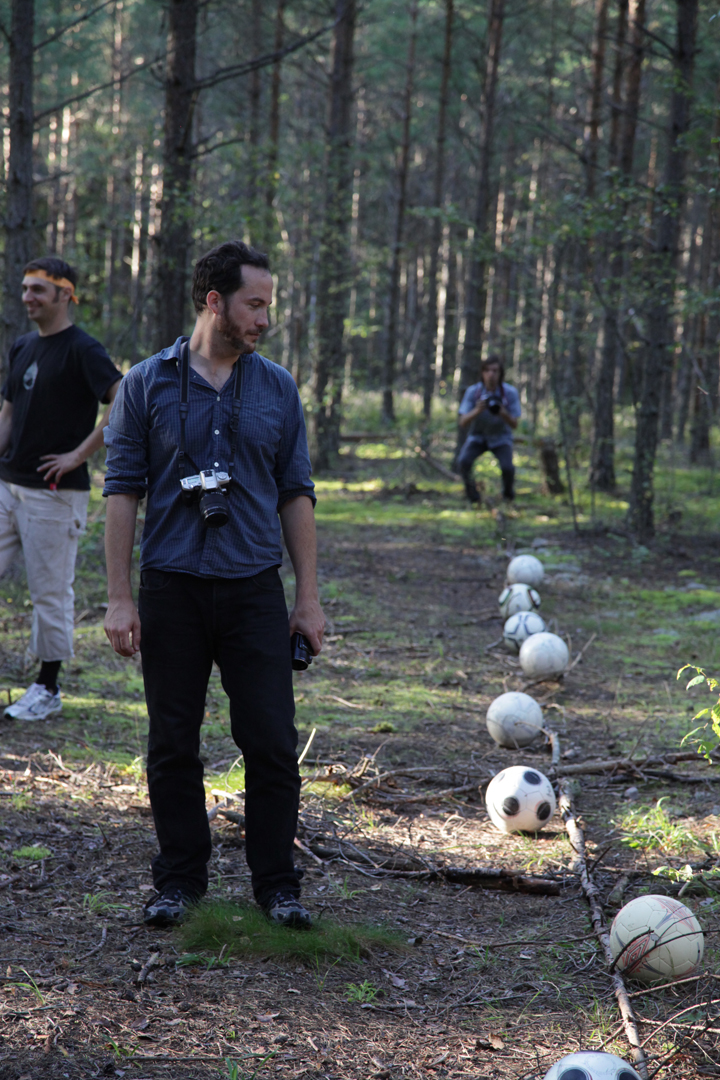
Every time an event works, it’s memorable.  In Sweden this past August, we had an amazing game of forty people playing soccer with ten balls in this old forest that once was a soccer field.  The first Wiffle Hurling was amazing.  The first Drinking and Dancing Competition was amazing.  The first Straitjacket Softball was amazing.  (You can view all these projects on the Institute for Aesthletics web site.)

MegaSoccer in Dals Langed, Sweden

Where do you see yourself in five years?

One of the reasons I’ve become an artist is so I can avoid answering that question.  I go where projects take me – five years ago, I could never have imagined  the projects that I’ve done.  Every time I try to over-rationalize what I do as an artist, the projects get boring. When you tap into something you’re doing naturally, that’s when you really create a project that has legs.

Take part in Tom’s upcoming gallery exhibition Hatchjaw and Bassett LLP at Conduit Gallery, open from November 19-December 31.

Melissa Nelson
Manager of Teaching in the Community

Self-Guided Visits: Tips for Teachers

Students enjoy Miguel Covarrubias's Genesis, the Gift of Life

Arranging a self-guided visit for your students is great way to explore the Museum.  It allows your students to encounter the Museum on your terms, observe art at their own pace, and spend more time in front of objects that interests them.  Setting up a self-guided visit is easy, and to ensure that your Museum experience is educational and enjoyable, try these helpful hints:

Getting Started

Sign up for a self-guided visit by filling out an online request form.  If you  have already arranged a docent-guided tour and would like to add a self-guided visit to your Museum experience, send me an email at Tours@DallasMuseumofArt.org.

Be Prepared

It’s easy to underestimate the importance of logistics.  Save yourself some time and energy by preparing before you visit.  Once you have a date and time confirmed, start considering the layout of your self-guided visit.  If you have a large group, break them up into smaller groups before you visit.  Smaller groups make it easier to navigate through the galleries, and dividing them before you arrive gives you more time to spend in the galleries. 

Have a Game Plan

Most visitors feel that they need to see everything when they come to the Museum.  While every object on display deserves to be seen and appreciated, it’s just not feasible to see everything in our collection, unless you can spare a couple of hours.  Instead, challenge your students to focus on a handful of objects that encompass a topic or theme learned in class.  Short on inspiration?  Check out our online teaching materials for themes used on docent-guided tours.

Students in the European galleries

Be Creative

As teachers, you learn to be creative in just about every situation.  Consider your self-guided visit as another opportunity to show off your inventiveness.  Try adding some of these activities to your self-guided visit:

      • Create a scavenger hunt.  This activity works great with large groups and can be a fun game for all ages.  You can find loads of factual information and teaching tips in our CONNECT teaching materials.
      • Incorporate a sketching activity.  Have students take a closer look by having them sketch an object.  You can incorporate this activity in your scavenger hunt, or have a more in-depth drawing session.
      • Take a smARTphone tour.  Don’t have a smartphone?  Borrow an iPod Touch from the Visitor Services Desk.

Make the Most of Your Trip
After you’ve had plenty of time to gallivant through the galleries, why not enhance your Museum visit by stopping by Center for Creative Connections.  The Center for Creative Connections, or C3, is an innovative space that encourages interactive experiences with art.   There are fun activities for all ages, and you can create a make-and-take art project at the Space Bar. 

Students Sketching in the Galleries

There are many ways your students can experience the Museum, and as a teacher, you are the architect behind their visit.  Remember, encountering art can be exciting and educational, so be sure to have fun!

Wishing you all a terrific Thursday,

Loryn Leonard
Coordinator of Museum Visits


Archives

Categories