Archive Page 3


Interview with Curator Heather MacDonald

One of our outstanding curators here at the Dallas Museum of Art, Dr. Heather MacDonald, graciously took time out of her busy schedule to answer questions related to her job at the Museum. Continue reading for more information about Heather’s job and the exciting exhibitions that she is working on at the DMA. To learn more about Heather’s projects at the DMA, please click on the following link: ‘The Year of Heather’: Curating at the Dallas Museum of Art

Name and Title: Heather MacDonald, The Lillian and James H. Clark Associate Curator of European Art

Years Employed at the Dallas Museum of Art: 4 1/2
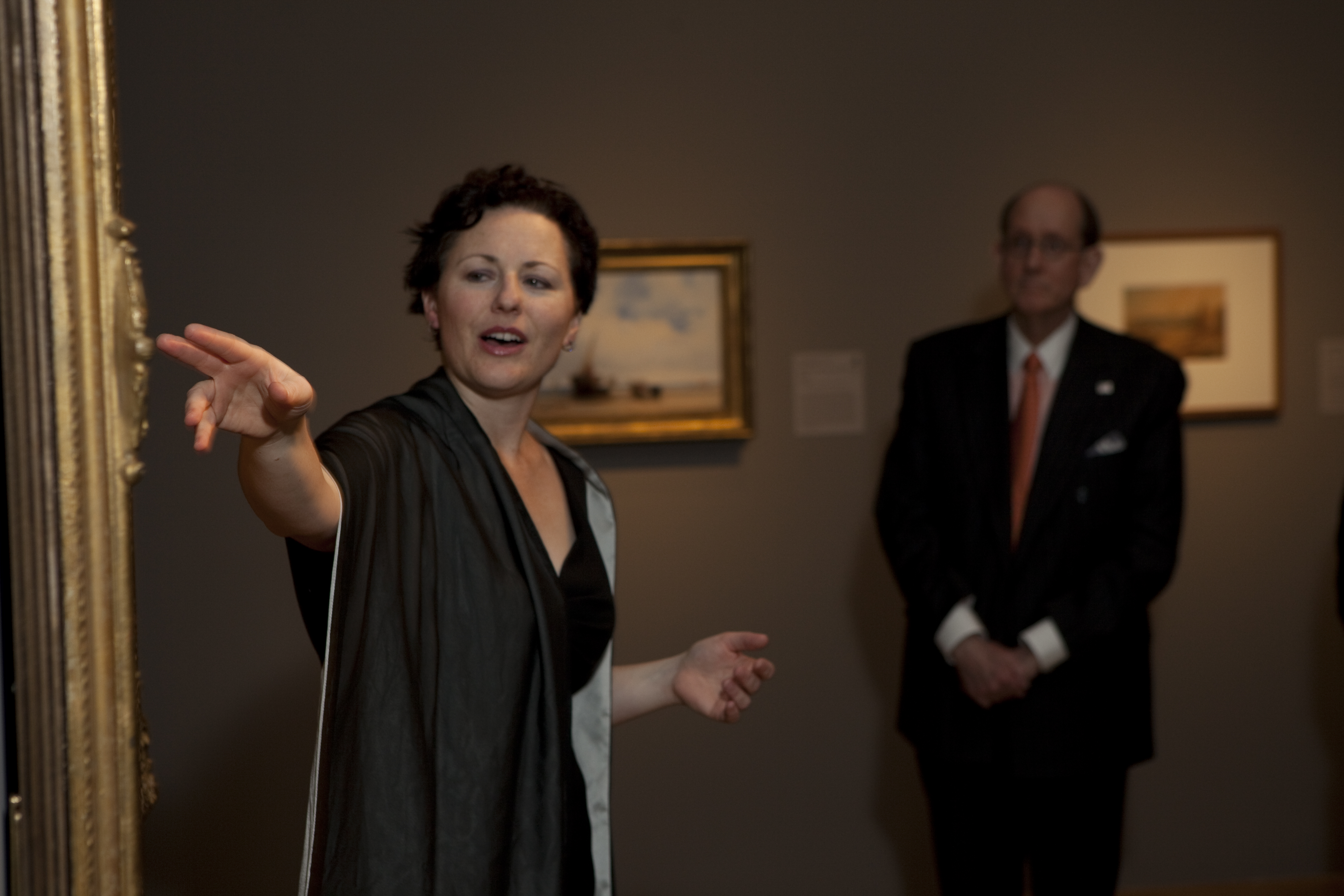
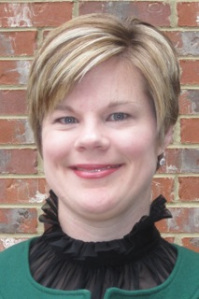
Heather MacDonald, The Lillian and James H. Clark Associate Curator of Eurpean Art

Describe your job here at the Museum: I work with the collection of European painting, sculpture, and works on paper (prints, drawings, and photographs) from the 15th century to 1945. Together with the Senior Curator of European and American Art, Olivier Meslay, I look after the permanent collection galleries as well as organizing temporary exhibitions. My job involves a lot of research and writing, but also collaboration with other departments in the museum on teaching and interpretation, managing multi-year projects, and on caring for the works of art. I travel a lot to see works of art, meet with colleagues, attend art fairs and professional conferences, and see important exhibitions. Being a curator is also being a teacher: leading tours, giving lectures, and training the docents who will help communicate your research and ideas to a wider public. You have to be as comfortable at the lecture podium as in the library or gallery.

What is the favorite part of your job?  I think that for most curators the most enjoyable part of the job is installing works of art in the galleries, whether it’s the permanent collection or a special exhibition. It’s the fruition of many months, sometimes years, of planning, and a moment to think in very specific, physical terms about the encounter between a work of art and the viewer. There is a real magic to seeing paintings come out of their travel crates and go on the wall of a gallery that has been designed just for them. You have to cross your fingers that everything works the way you planned, and it is a great feeling when it’s even better than you could have imagined.

What is a challenge you face in your job? It can be a real challenge to find time for the most important parts of my work (research, thought, and writing) with the constant demands of email and meetings that consume so much of the working day. Understanding and interpreting works of art is a time-consuming activity, and a lot of that slow-paced and intensive work inevitably has to happen at night or on weekends, away from the office.

How did you decide you wanted to work in a museum?  I thought I wanted to teach art history at the university level, but part way through graduate school I realized that career was not for me. Having at that point almost completed my PhD in art history, I thought I might as well try a museum job before leaving the field entirely, and I found the work much more engaging and rewarding. I feel very lucky that I was able to find this other career in my discipline.

If you weren’t working here at the Museum, what is something else you would be doing?  Well, I have a lot of fantasy careers, of course, but I think most likely working in editing or publishing. I love books and the written word. I’m lucky that part of being a curator is working on the creation of exhibition and collection catalogues, which allows me to be involved with publishing in that way.

What are some upcoming exhibitions that will be at the Museum over the summer?  This summer my exhibition Coastlines: Images of Land and Sea will be on view at the Museum. It features more than 60 paintings, photographs, drawings, and prints made between 1850 and today describing the landscape and human experience of the coast. We’re trying something new by presenting this exhibition with a sound installation that was created by faculty and graduate students from the University of Texas at Dallas.  I’m really looking forward to hearing how people respond to this sound environment. It’s a new way of experiencing an exhibition, and I hope it will encourage people to look more slowly at the works of art and think about them in new ways.

The May 21 Late Night will focus on the closing of the exhibition The Lens of Impressionism: Photography and Painting Along the Normandy Coast, 1850-1874 which was curated for the DMA by Heather. Visit the Web site for more information about this program.

Amy Wolf
Teaching Programs Coordinator
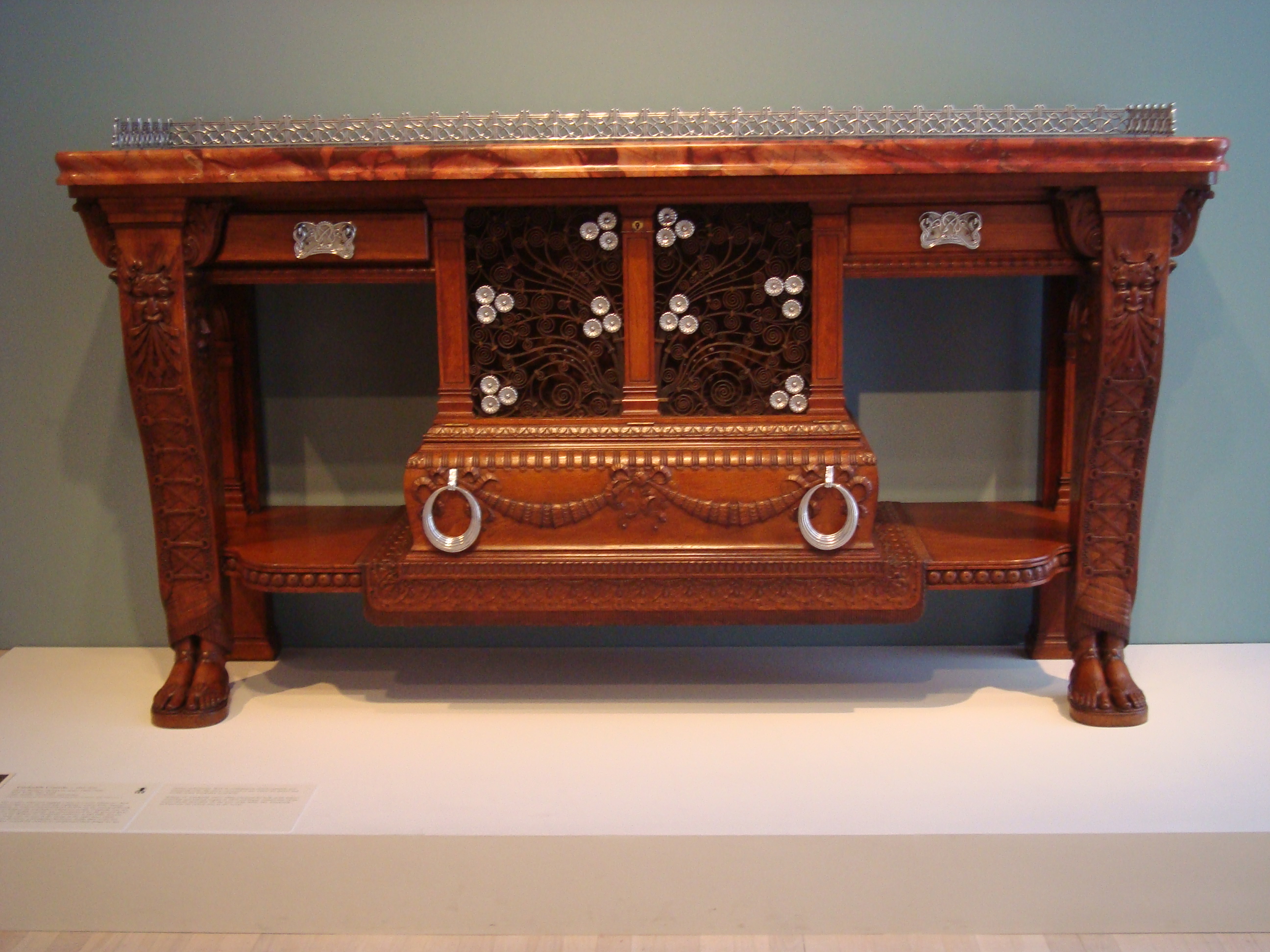
Looking Closely with Friday Photos

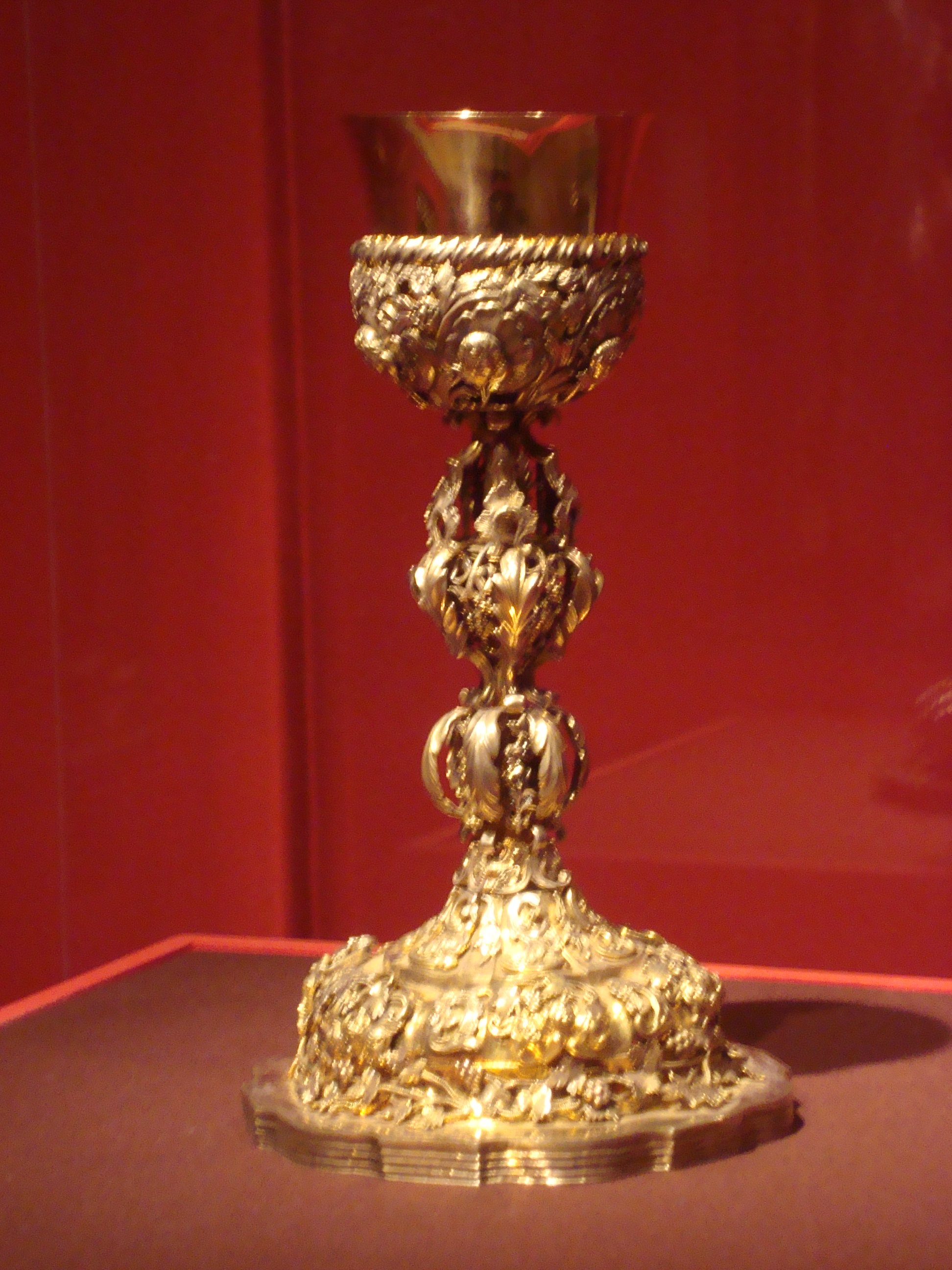
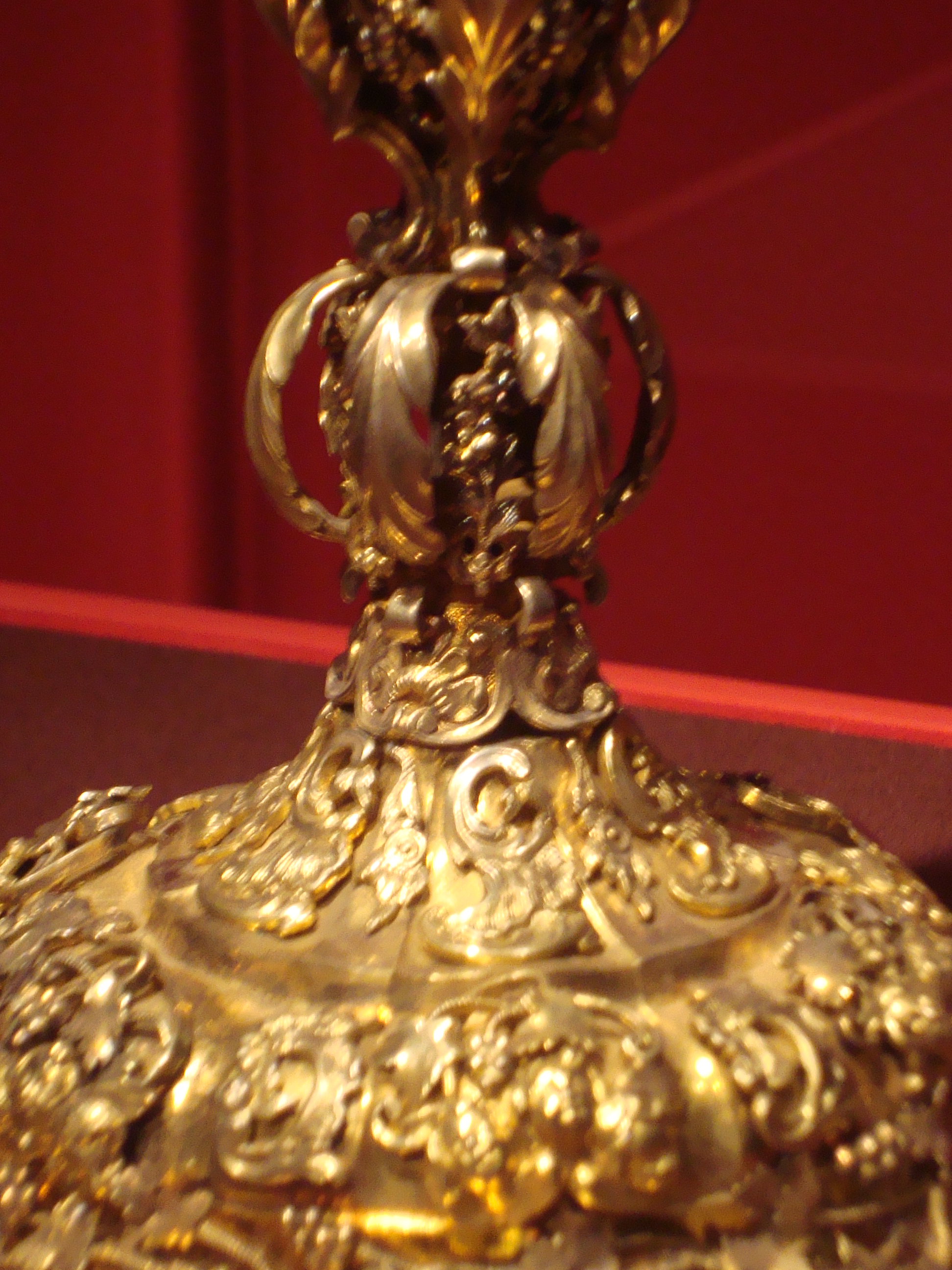
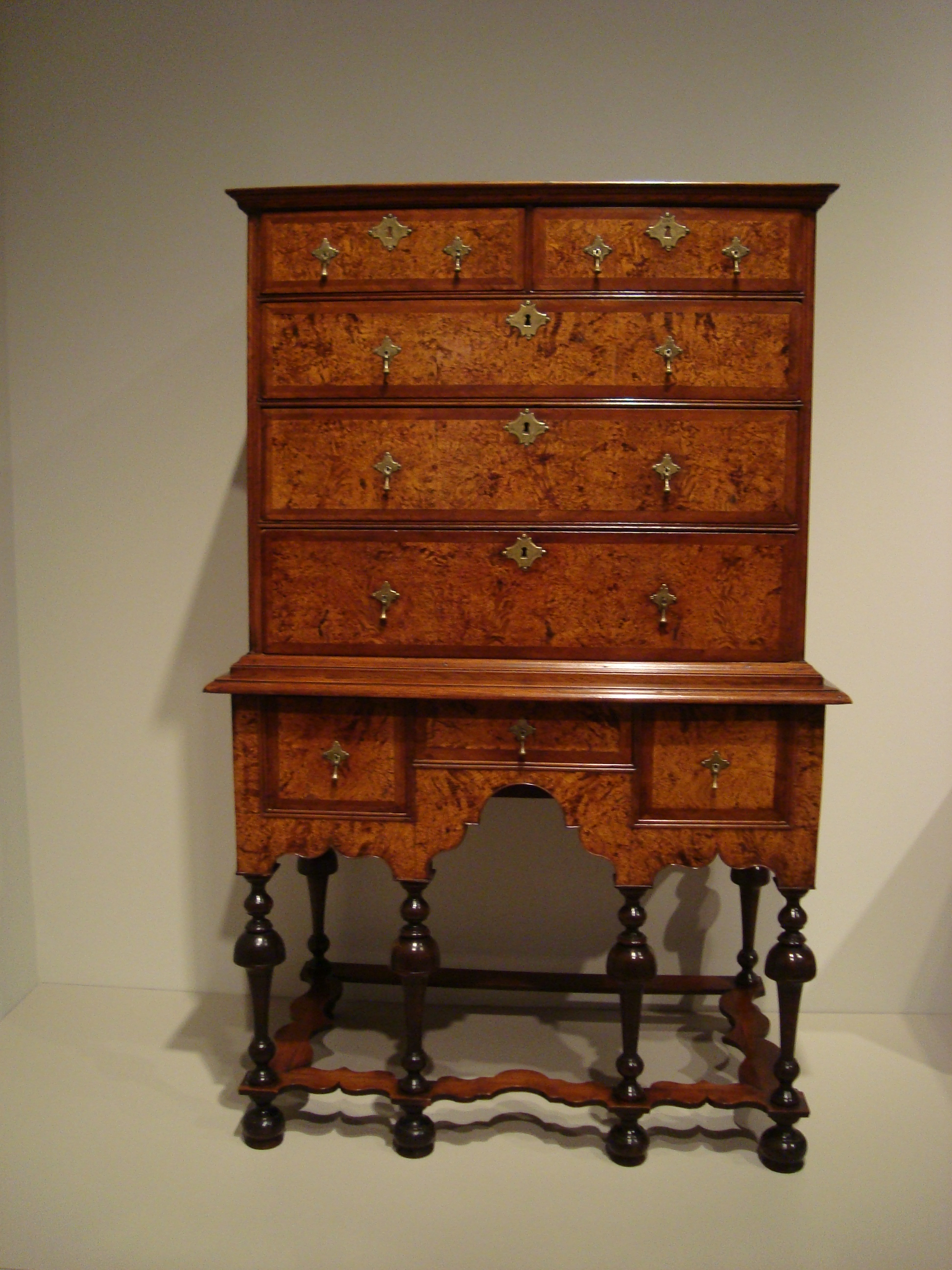
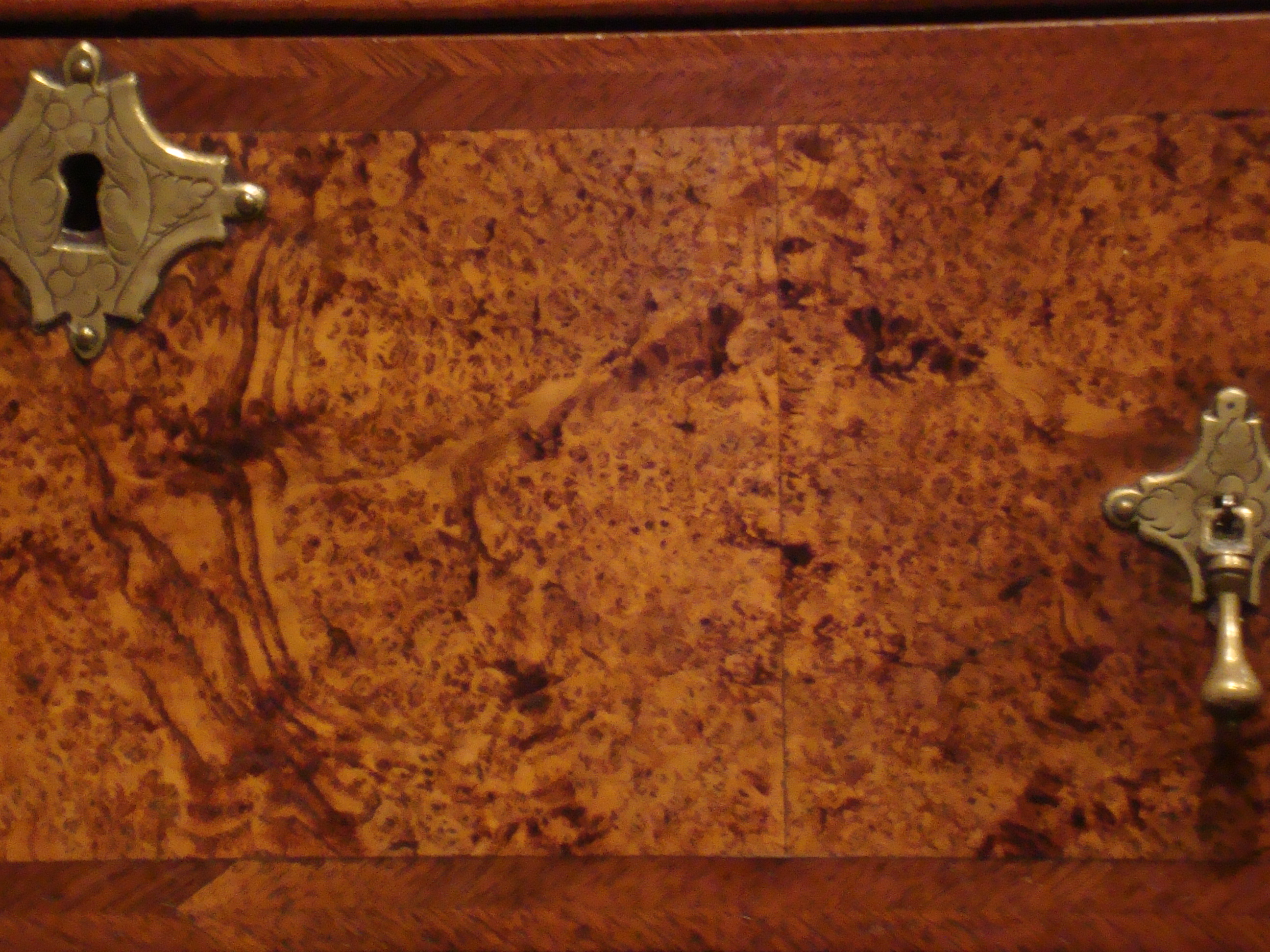
Working in a museum with an encyclopedic collection has provided opportunities for me to learn about many works of art. I am always amazed at the variety of materials that can be found in the galleries. Here are some images of works of art that are made from various materials. Enjoy looking closely at them!

Amy Wolf
Teaching Programs Coordinator
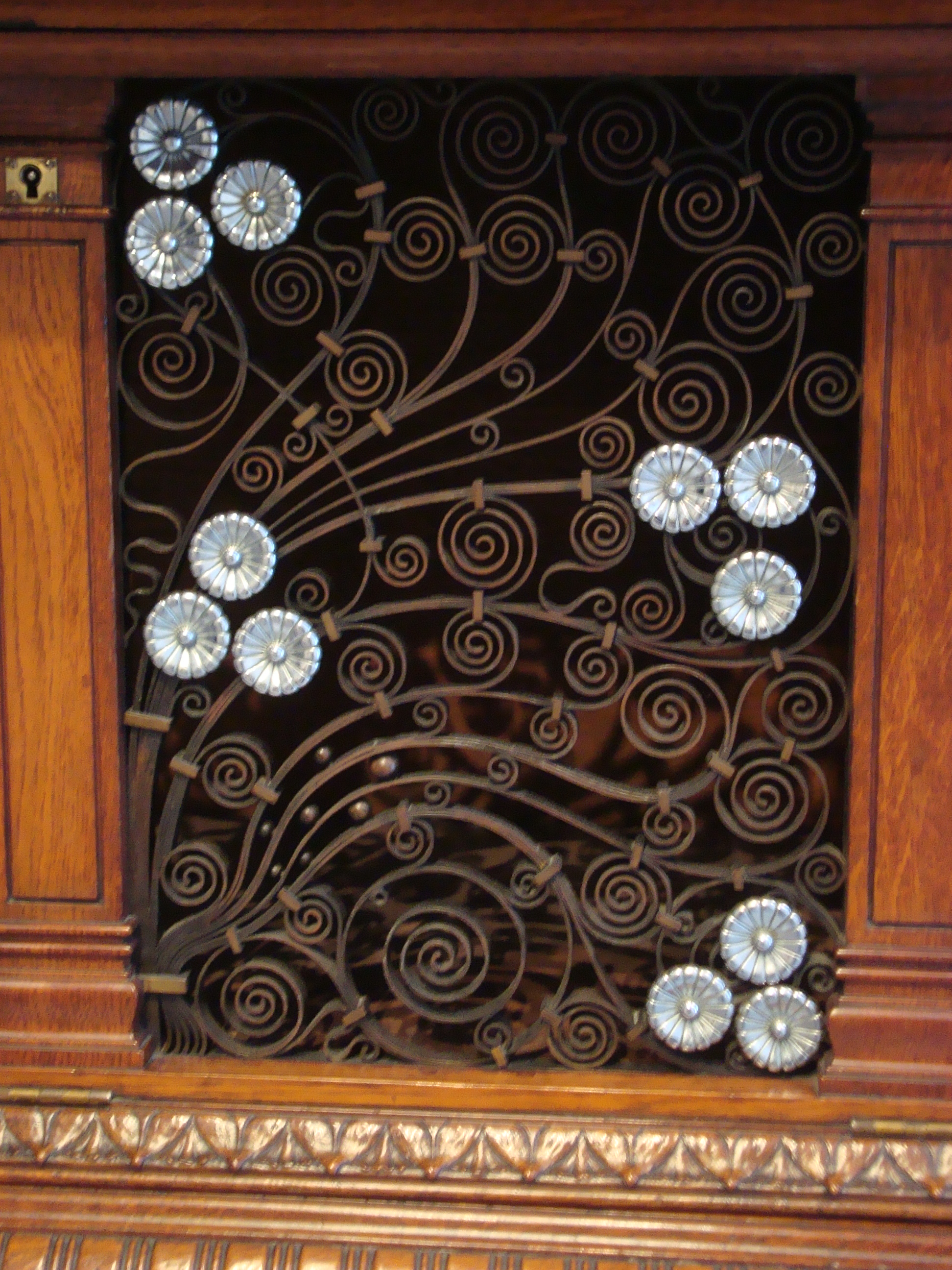
Interview with Stacey Lizotte, Head of Adult Programming and Multimedia Services

I recently had an opportunity to interview one of my Education staff colleagues. Stacey Lizotte. She answered questions related to her job and shares information about upcoming public programs.

Name and Title: Stacey Lizotte, Head of Adult Programming and Multimedia Services

Years Employed at the Dallas Museum of Art: 5

Describe your job here at the Museum: I oversee and help create the adult programming offered at the Museum including Late Nights, Thursday Night Live, lectures, gallery programs, concerts, and programs for adults offered in partnership with other community organizations. I also work with our Multimedia staff to make sure any programs requiring technical support go off without a hitch.

What is your favorite part of your job? Watching visitors of all ages on Late Nights, when Museums are normally not open, talking with each other, exploring the galleries, watching a performance in front of a work of art, and overall having FUN in a museum. Another part of my job I enjoy is stepping away from my desk, leaving the office areas behind, to stroll through the galleries. You can’t beat taking a break with works of art for company.

What is a challenge you face in your job? Continually making our reoccurring programs fresh and new for our visitors. For instance there are eleven Late Nights a year, and we see a lot of repeat visitors. We want to make sure that each time our visitors are here they have a new and exciting experience.

How did you decide you wanted to work in a Museum? When I was in high school my art teacher, Mrs. Dunn, took us on a field trip to an art museum. As we were talking about a work of art, she started to tap dance and proclaimed that art was so wonderful it made her want to dance. I realized then that museums were magic places. It was not until I was looking into graduate schools and talking with a professor at UNT about their Museum Certificate program within their Art Education program that I realized I could actually have a job at a museum.

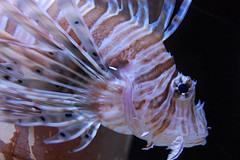
If you weren’t working here at the Dallas Museum of Art, what is something else you would be doing? I would be working with animals. Growing up on the East Coast, there was a time I seriously thought of becoming a marine biologist. I also have a degree in photography, so if I were staying within the art field I would be photographer. Or maybe some combination of the two. Here are two photos I took at the Mystic Marinelife Aquarium:  

What are some highlights for Public Programs this spring? This spring we are offering a lot of interesting programs celebrating our new exhibition The Lens of Impressionism. There are several lectures exploring photography including a lecture with Dr. Terry Barrett on April 24. On selected Thursday evenings you can take a tour of the exhibition and then have drinks in our outdoor courtyard while listening to local musicians perform French music. Visit the web site to see the complete program guide.    

We are also very excited about our April 16 Late Night. We are celebrating our visitors with a true iMuseum experience. It will be a night where you can interact with performers, create your own videos, respond to works of art in video confessionals, go on Twitter treasure hunts, share your own photos of the Museum, and more. Check out our web site for a full schedule of events.  

Amy Wolf
Teaching Programs Coordinator
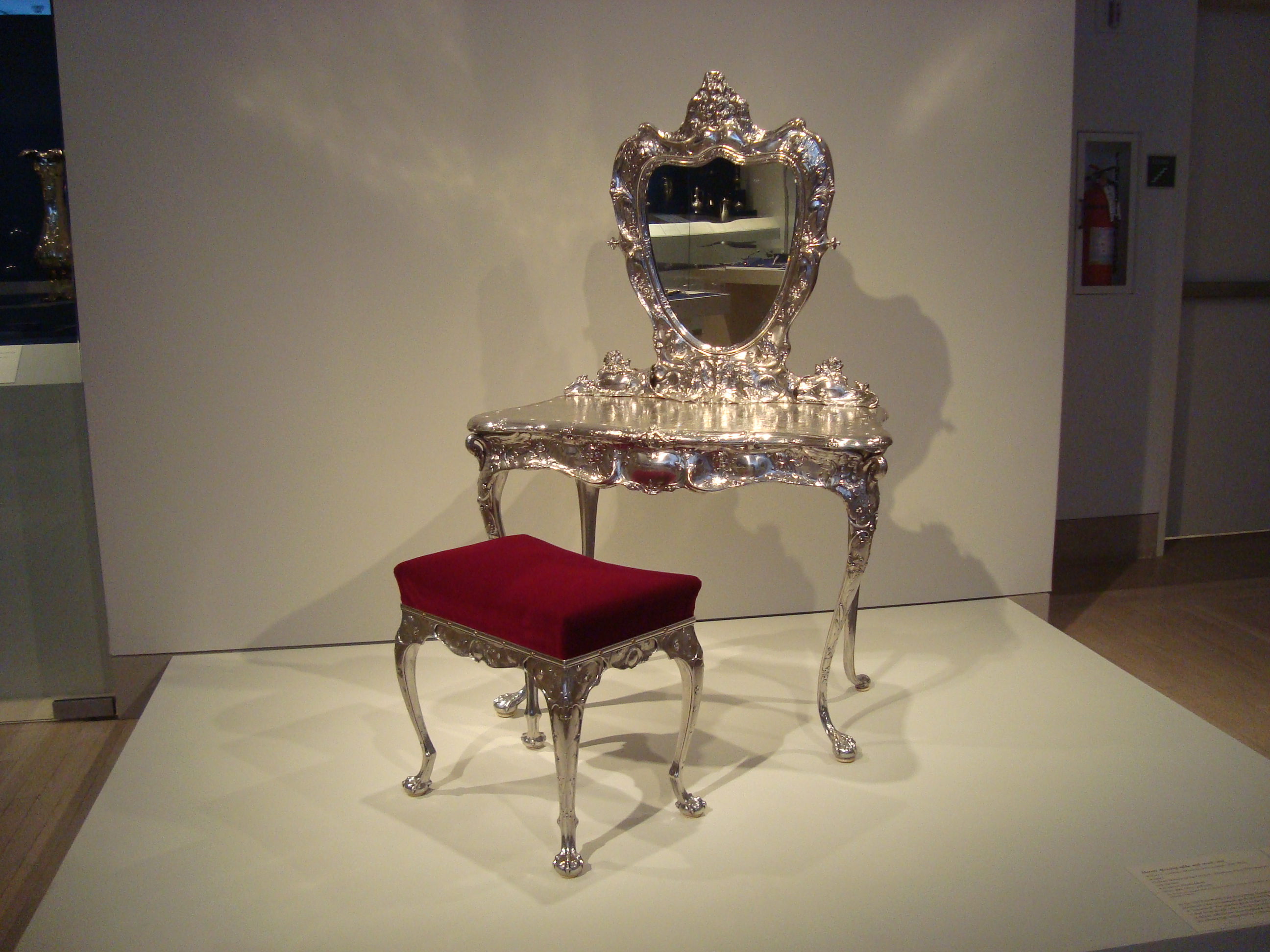
Davy Crockett – King of the Wild Frontier

 March 6, 2010 will mark the 174th anniversary of the epic battle of the Alamo. The Alamo was constructed in 1724 as a Spanish mission. It served as a home for missionaries and their Indian residents. Today, the mission is best known for the thirteen-day siege that occured during the fight for Texas independance, culminating in the final battle on March 6, 1836.

Davy Crockett

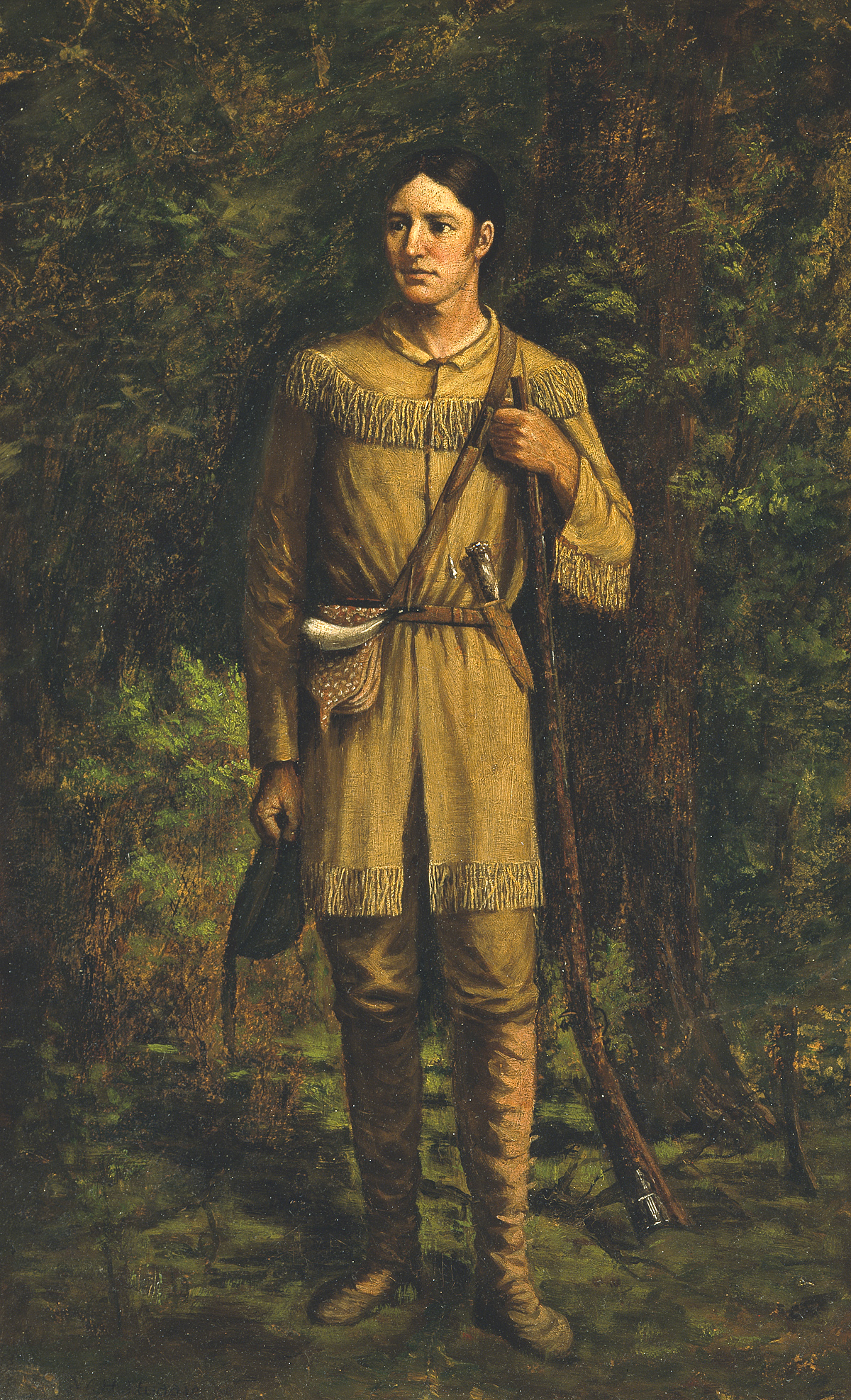
Davy Crockett, 1889, William Henry Huddle, Dallas Museum of Art, 1987.47

To pay homage to this event in Texas history, I wanted to look closely at the Museum’s sketch of Davy Crockett, one of the most famous defenders at the Alamo. The 1889 oil sketch by William Henry Huddle shows Crockett dressed in what appears to be deer skin hunting clothes. In his right hand he holds his trademark coonskin cap; his left hand grips his gun, Old Betsy. The woods, which were quickly painted, can be seen behind Crockett. Huddle’s sketch paved the way for a larger oil painting currently found in the Texas Capitol.

What I find most interesting about this work of art is the glimpse of Crockett doing something he most loved – hunting. Taken out of the context of the Alamo, which mythologized and immortalized him, he stoically stands as the “King of the Wild Frontier.” I believe if Crockett had lived to see this sketch, he would have been very pleased.

Amy Wolf
Teaching Programs Coordinator
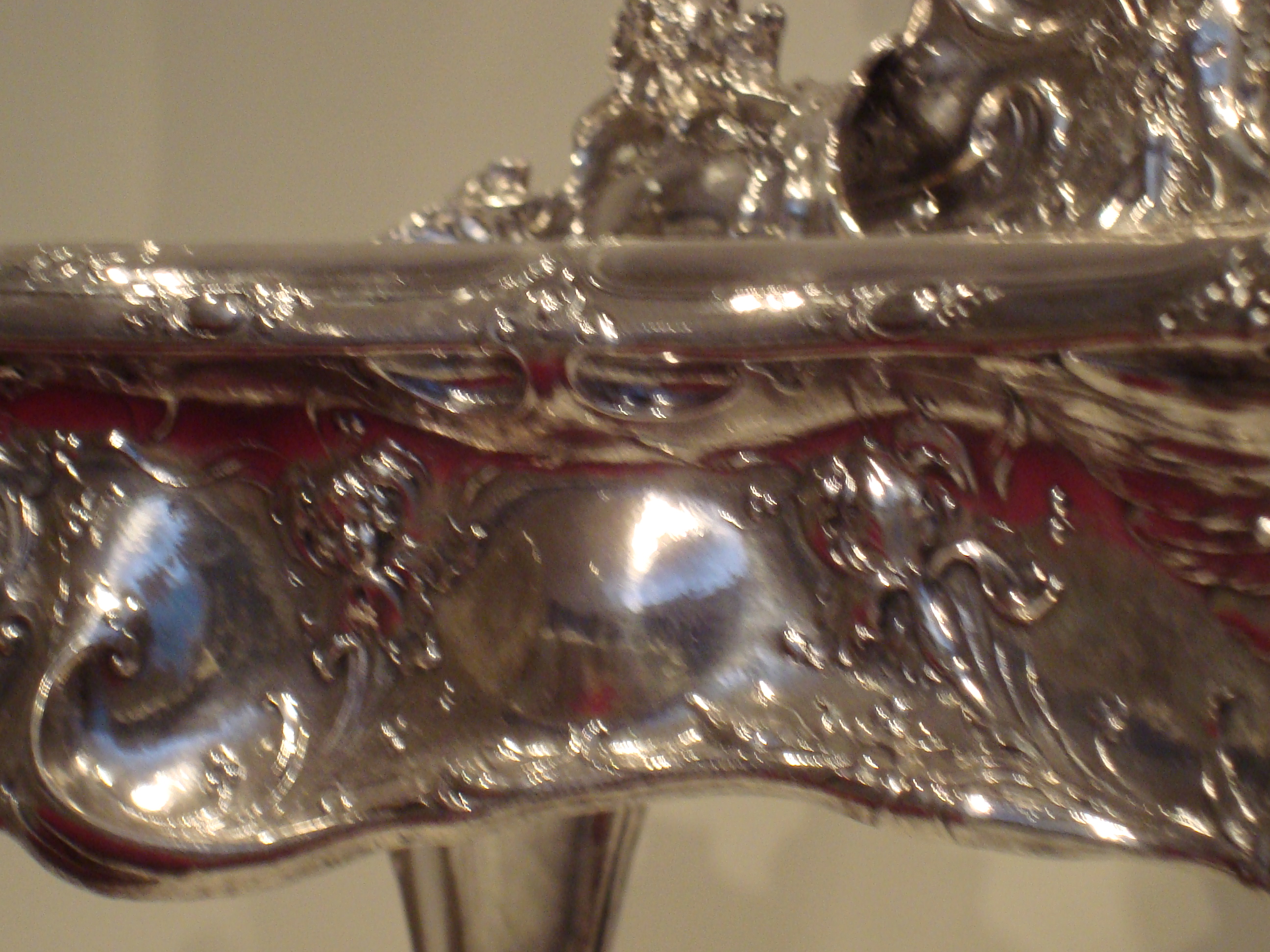
Interview with Amanda Blake, Manager of Family Experiences and Access Programs

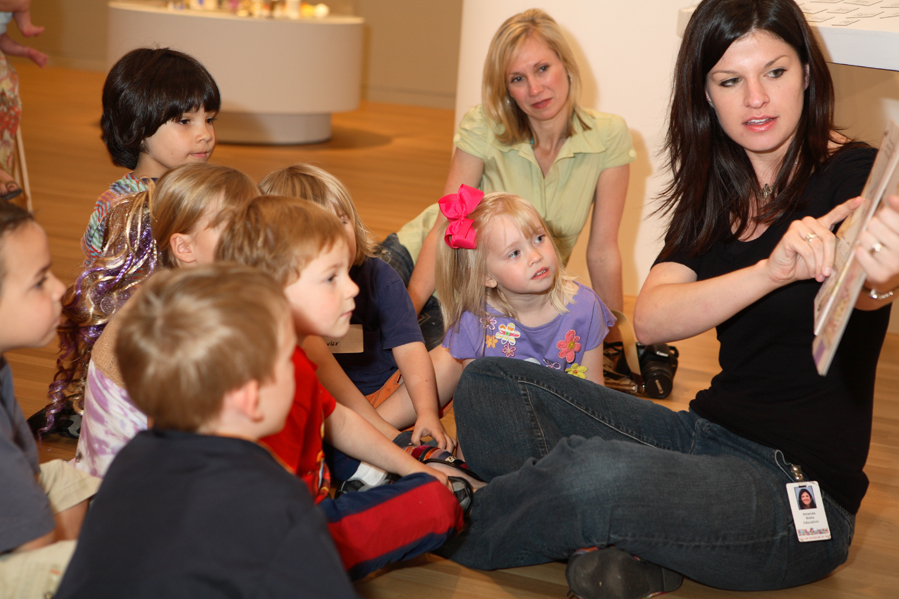
Amanda Blake in the Galleries

Amanda Blake in the Galleries

I recently interviewed Amanda Blake, Manager of Family Experiences and Access Programs, about her position here at the Museum. Amanda has  given insight into Family Programs occurring this spring. I hope you enjoy reading about her job and upcoming events for families.  To keep connected with programs for families at the DMA, visit We Art Family! The DMA Family Blog.

Name and Title: Amanda Blake, Manager of Family Experiences and Access Programs

 Years Employed at the Dallas Museum of Art: 3

 Describe your job here at the Museum:

I create programming to help families learn about art together, explore their own creativity, and have fun together. Some of these programs include weekend activities like Studio Creations, Collection Connections, and Sketching in the Galleries for Kids. We have Family Celebrations, which are fun days for families at the Museum and are often focused on special exhibitions. Another exciting program that I get to be a part of is Late Night programming for families.  I manage the summer art camps, spring break programming, and the newly added monthly class for homeschool families. Recently, I have begun to create programs for visitors with special needs.

What is your favorite part of your job?

One of my favorite parts of my job is getting to be in the galleries with children talking about works of art. I also love to see all of the creative things that kids create during summer art camp. I led a monthly program with a group of adults from the Arc of Dallas; they are definitely one of my favorite groups to work with – the group is so joyful and always full of great ideas and inspiring thoughts. The people I work with also make my job enjoyable; we have so much fun together.

Tell me about a memorable experience you had with someone participating in a Family Programs event.

October is the Art Beyond Sight Awareness month and Art Education for the Blind encourages institutions all over the world to participate by highlighting visual awareness. Last October, I invited John Bramblitt, a blind painter from Denton, to lead workshops for both blind and sighted visitors. John brought his paintings to share with the public and then taught a workshop challenging sighted people to paint blindfolded. John and his wife prepared four different paint colors by mixing them with different textures mixed in and brought paper with their own designs that they had created with puffy paint. Visitors could feel the puff-paint line designs and then feel the paint to determine the colors that they wanted to use. Families with children who had vision impairment attend the event and talked about how it was the first time that they could “see” to paint. While working with John, I discovered what an amazing person he is and am planning to work with him more this summer! 

 What are some highlights for Family Programs this spring?

We have several Family Celebrations this spring and are busy preparing for our full summer of programming.

Some highlights include:


Young Masters: Advanced Placement Student Art Competition
February 27 – April 18, 2010, Concourse
This annual juried exhibition is funded by the O’Donnell Foundation. The exhibition showcases the talent of local high school students in the Advanced Placement art classes.

Autism Awareness Day Family Celebration
April 3, 2010, 9:00 – 11:00 a.m.
April is National Autism Awareness Month, and the Dallas Museum of Art is having  a special free Family Celebration designed just for children on the Autism Spectrum and their families. Visit the Museum’s Center for Creative Connections and participate in special programming before the Museum opens to the public.
Pre-registration is required, space is limited. For more information or to register for the event, please email your name, phone number, and the number of people in your family who will attend to: ablake@DallasMuseumofArt.org or call 214.922.1251.

 Amy Wolf
Teaching Programs Coordinator
Arts and Letters Live Spring Season

Carolyn Bess, Director of Arts and Letters Live, has kindly taken time to respond to questions related to her job and the upcoming spring season of Arts and Letters Live. To find out about Carolyn and her role here at  the Museum, read below!

Amy
Teaching Programs Coordinator

  1. Name and Title: Carolyn Bess, Director, Arts & Letters Live
  2. Years Employed at the Dallas Museum of Art: 13
  3. Describe your job at the art museum: I oversee Arts & Letters Live, the literary and performing arts series at the Museum, which is now entering its 19th season. We bring in high profile authors, actors, and musicians for special events. On many occasions, we connect themes in authors’ books with the Museum’s exhibitions and collections or create

    Carolyn Bess, Director, Arts and Letters Live

    unique performances combining art forms such as song, art, and poetry.

  4. What is your favorite part of your job? Creating the artistic vision for Arts & Letters Live and the opportunity to meet and talk with the authors and performers in person.
  5. What is a challenge that you face in your job? Like all non-profits in today’s economic times, cutting the budget and still breaking even financially is the largest challenge we face and one that requires constant monitoring. But I’m proud to say that we’ve done that successfully in these uncertain times and still maintained the high quality programs our audience has come to expect.
  6. Tell me about a memorable experience you had with someone who was participating in an Arts and Letters Live event. Last year I drove Elizabeth Gilbert to the Apple store at Willowbend after her event because she was getting error messages on her new laptop indicating that she might have lost the results of a productive day of writing. But the Apple guru saved it, and it’s now part of her newest book, Committed: A Skeptic Makes Peace with Marriage (released January 5). I thoroughly enjoyed our conversations on the drive there and back, learning more about her life, new business venture, and travel tips for the future. I feel I connected with her personally.
  7. What are some of the highlights for Arts and Letters Live this spring? I’m so excited about many of the authors featured this January through June.

Some of the highlights include:

January 21      David Wroblewski (author of The Story of Edgar Sawtelle)

January 29      Pulitzer Prize-winning poet Mary Oliver

February 9      Vocal Colors: A Vibrant Collage of Arts on Stage (a multidisciplinary song-based performance inspired by exhibitions All the World’s A Stage and Performance/Art)

February 22    The first of five Texas Bound programs featuring Texas actors reading short fiction by Texas authors (this year at the Wyly Theatre!)

March 23         Pulitzer Prize-winning non-fiction author Tracy Kidder (Strength in What Remains)

March 28         Author-illustrator Jan Brett (author of The Mitten and many other books)

April 16            Elizabeth Kostova, author of The Historian and The Swan Thieves (connections to Lens of Impressionism exhibition)

April 18            Jeff Kinney, author of the bestselling Diary of a Wimpy Kid series

May 7              Laura Bush discussing her forthcoming memoir

May 13            Isabel Allende on her newest book Island Beneath the Sea (connections to the Coastlines exhibition)

May 25            Yann Martel, author of Life of Pi, will discuss his highly anticipated second novel, Beatrice & Virgil

June 12           Ira Glass, host of the ever-popular radio and television series,This American Life

Did you know that DISD teachers can book tickets free of charge to Arts & Letters Live’s BooksmART events (featuring award-winning authors for the young and young-at-heart) through Dallas ArtsPartners? Go to dallasartspartners.org or call 214-520-0023 for details. BooksmART flyer. Please help us spread the word about these programs!

For more details on Arts & Letters Live’s 2010 season, visit www.DallasMuseumofArt.org/all. I look forward to seeing many of you at our events!

Carolyn

Interview with a…Preparator!

There are many different positions here at the Dallas Museum of Art. Since there is always something exciting going on at the Museum, we thought it would be interesting to begin a series of staff interviews with members of other departments.

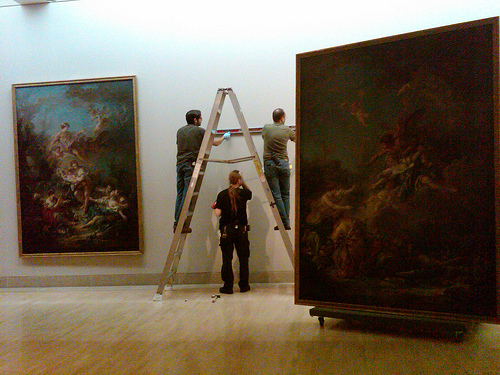
Installation of Semiramis, by Henry Wetmore Story, 1872-73

The below interview was conducted with Vince Jones, Head Preparator. He graciously answered questions related to his job.  I hope you find this as interesting as I do!

Amy Wolf
Teaching Programs Coordinator
1. Name and Title:  Vincent Jones……..Head Preparator

2. Years Employed at the Dallas Museum of Art:  14

3.  Describe your job as  a preparator in an art museum:  The essential job of a preparator is to safely handle the artworks that are permanently acquired and/or on loan to the Museum.  For obvious reasons, this job position is also referred to as an “art handler”.  The word “preparator” refers directly to the tasks of moving and installing (or “preparing”) artworks as part of an exhibition.  Subsequently, when an artwork is not on view, then it is placed (or “prepared”) in museum storage or returned to its lender.  Every day at the DMA, preparators like myself move artworks in and out of storage to be installed, photographed, or examined by other museum staff such as registrars and conservators.  It is the preparator’s job to know how to perform these duties patiently and with the utmost care to the objects. 

4.  What is your favorite part of your job?  A favorite part of my job is the opportunity to handle and closely inspect works of art that, for whatever reason, have some special meaning to me.  It feels like an honor in a way, and that is certainly a rewarding experience.  The Portrait Vase of Mme. Schuffenecker by Paul Gauguin is a piece in the DMA’s collection that comes to mind.  If I saw this artwork in another museum, I’d be thinking how weird and beautiful and odd it is; well, working here, I get the chance to pick it up occasionally.
Another favorite aspect is the opportunity to work with contemporary artists who come to the Museum to oversee or install their artwork.  Working with the artist Richard Tuttle several years ago is still a favorite highlight of mine.  I am a big fan of his art, so watching him handle and talk about his own work was a treat.

5. What is a challenge that you face in your job?  For me, one of the most interesting challenges of being a preparator is the continual re-thinking of how we move and install various heavy, complicated, or fragile artworks.  The large marble sculpture Semiramis by William Wetmore Story and Matthew Barney’s The Cloud Club are examples that have required this consideration.  We have successfully installed both works several times now, but inevitably we say to each other, “This technique works, but if we reconfigured the platform a bit or bought an additional piece of equipment next time, the installation would be even better”.  By better, I mean less stressful and safer for the object and the preparators.

6. How did you decide you wanted to work in a museum?  I can remember as a kid going to a museum in Wisconsin and seeing an installation entitled “Streets of Old Milwaukee” (or something to that effect).  It was essentially a life-sized (or at least to a kid) re-creation of a turn-of-the-century downtown “scene” at night.  It had real brick streets and wooden sidewalks that you walked on, and there were many shops to peer in and see fake people selling candy or cutting hair.  Anyhow, what struck me the most at the time were the trees.  They seemed very life-like and one was particularly huge, and I remember looking at these on several occasions and being fascinated by how they were made and how they came to be there.  Well, now I think I know the “how’s and why’s” of the artificial trees but that place and experience made a big impression.  I’ve always liked going to museums (mostly natural history), but once I became interested in making art myself and became educated about fine art, I liked those museums as well.  At one point I just thought, “Wow, this would be a cool place to work”.  I’ve worked at museums for 20 or so years now and have been very happy with that decision. 

7. If you weren’t working here at the Museum, what is something else you would be doing?  That’s a good question.  I guess I would try devoting more time to making my own artwork.  Also, I have secretly always wanted to drive one of those big bulldozers at a landfill.  Seriously.

Amy's Favorite Arms

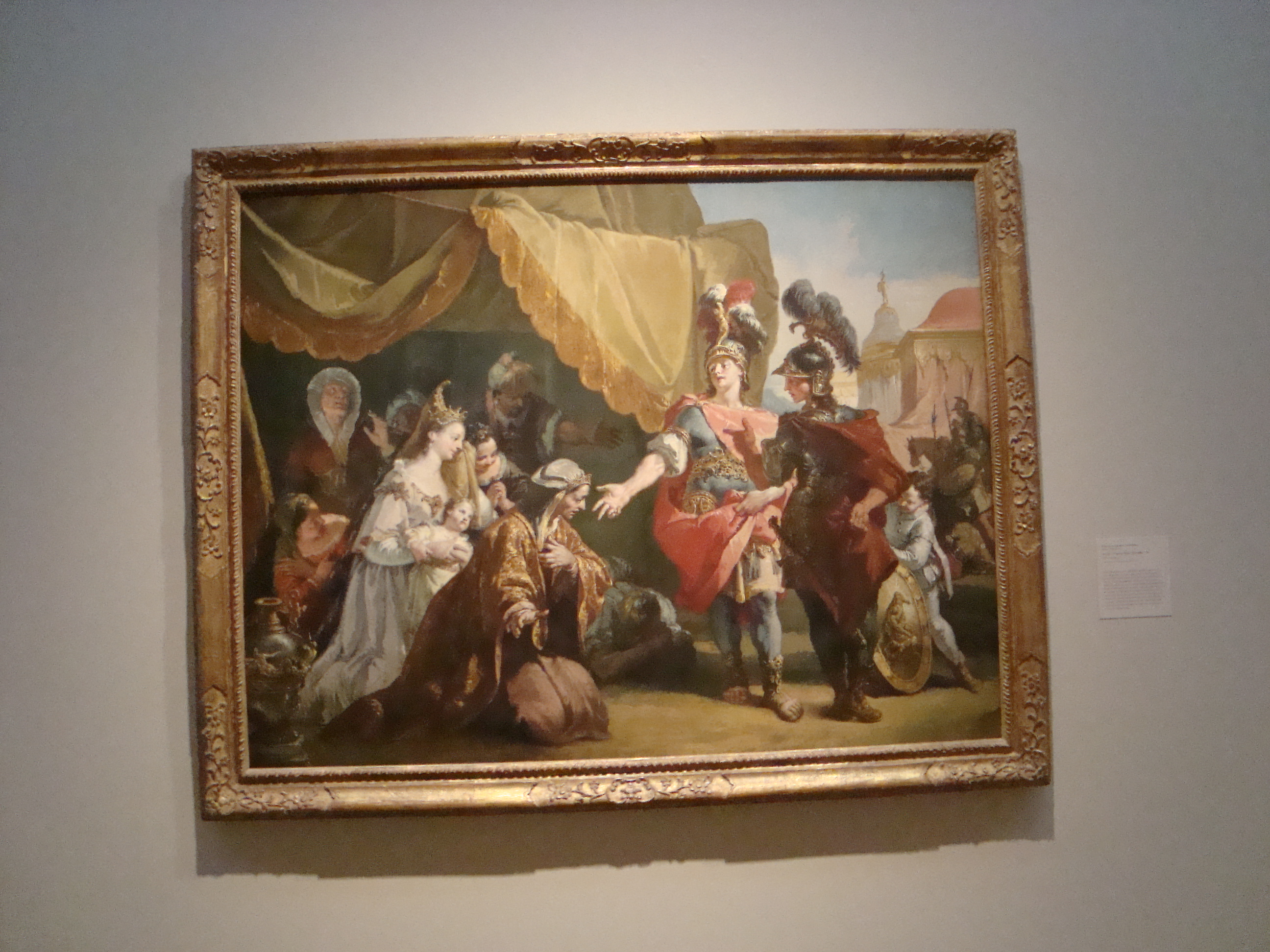
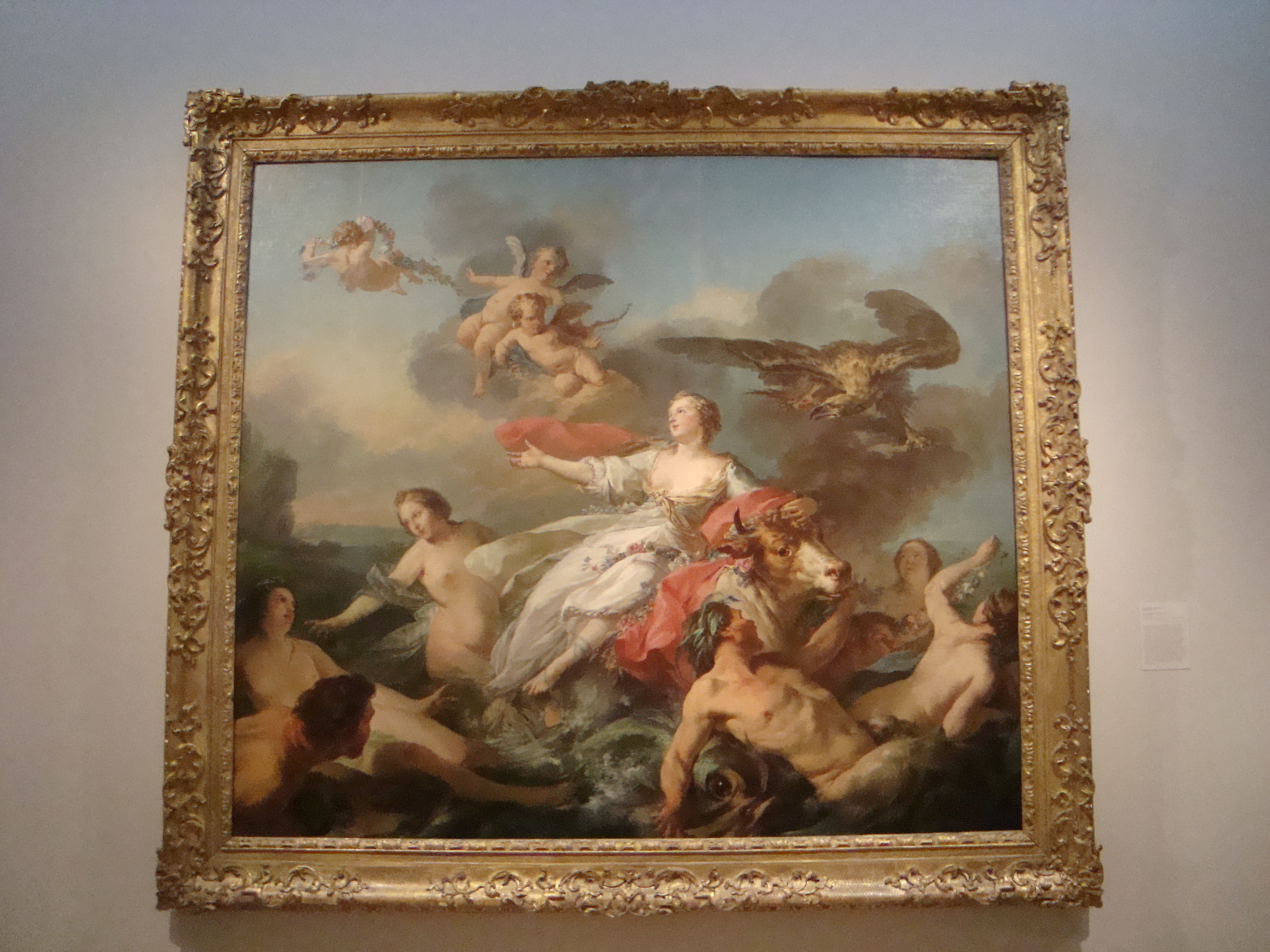
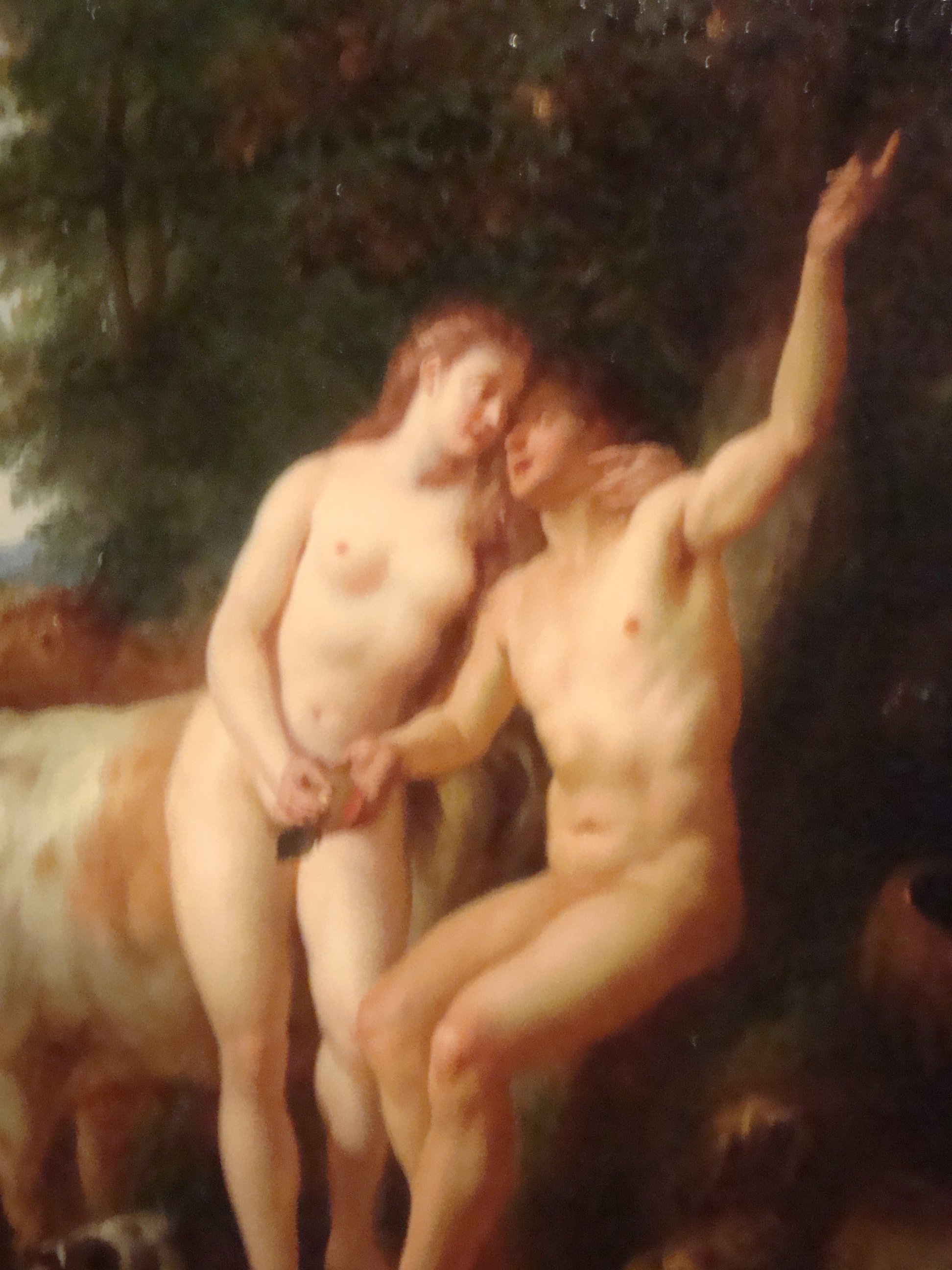
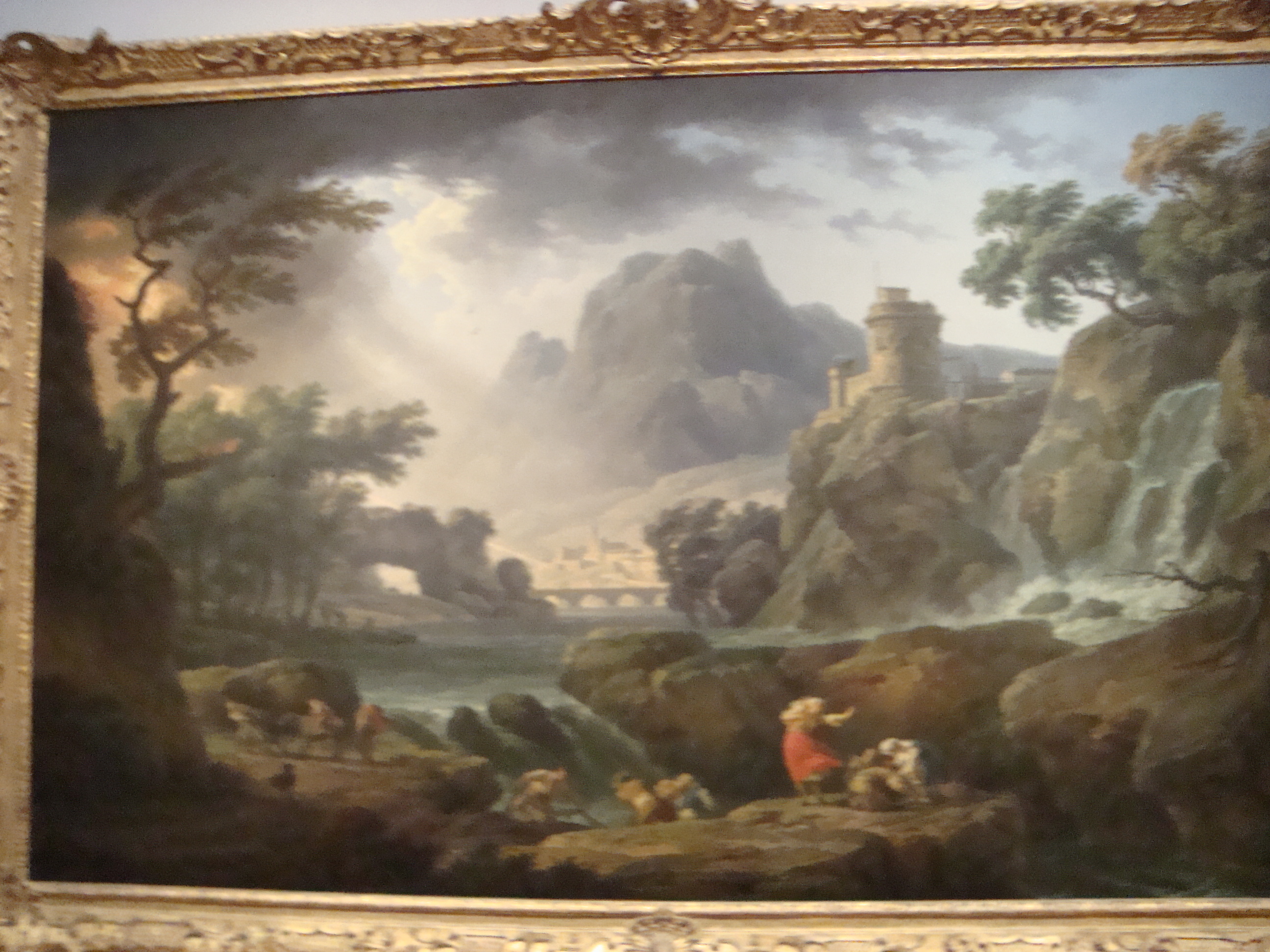
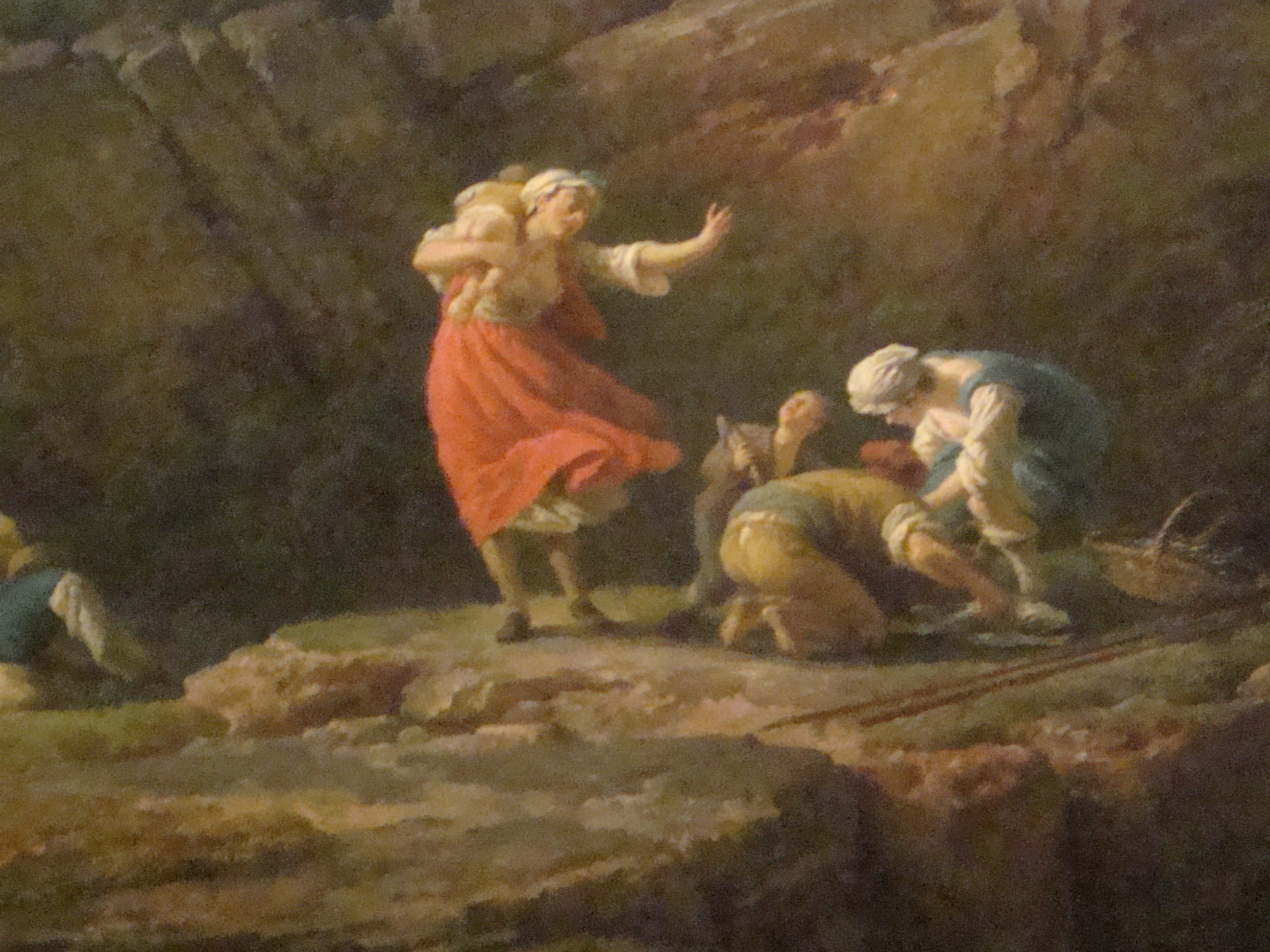
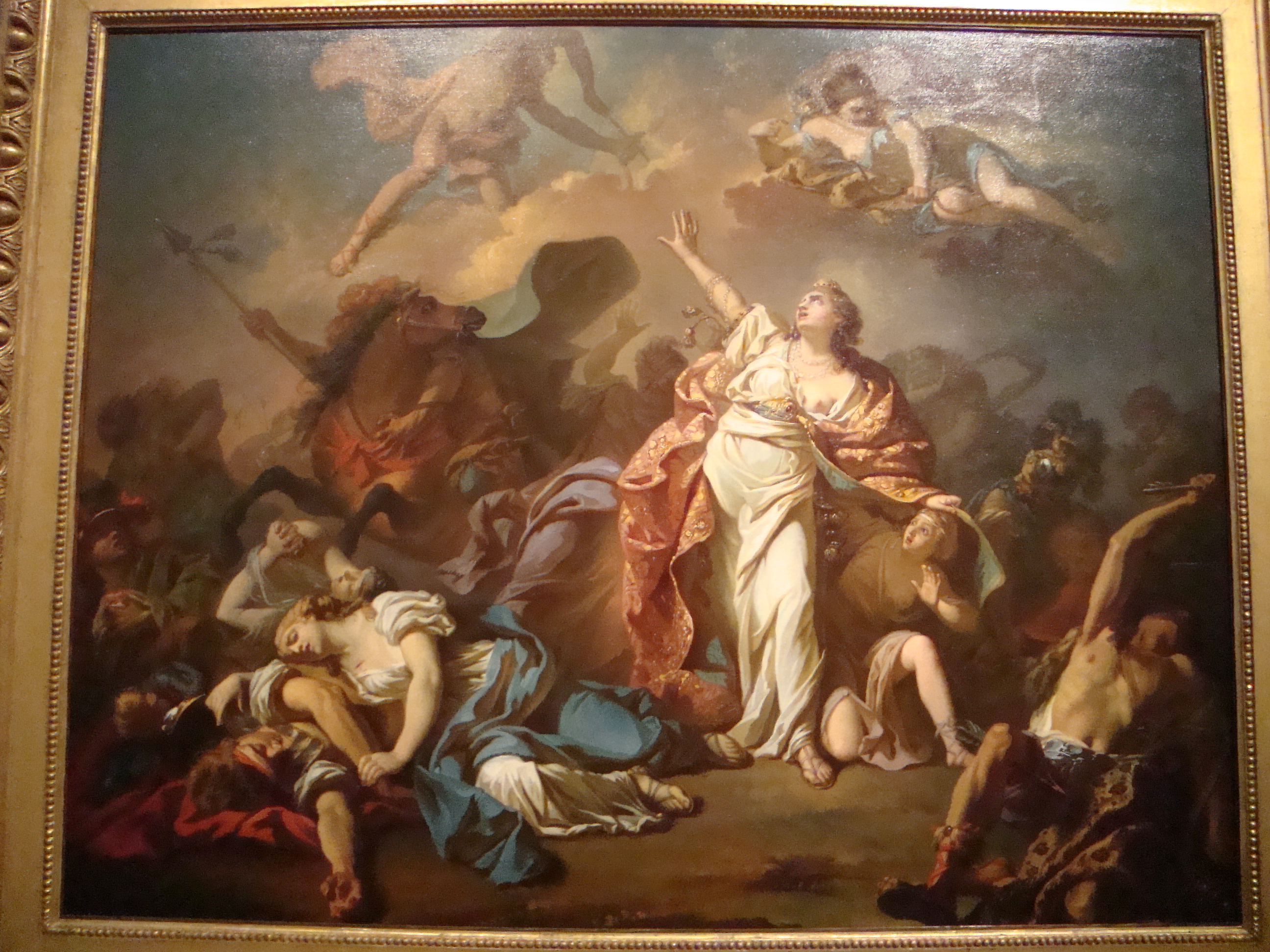
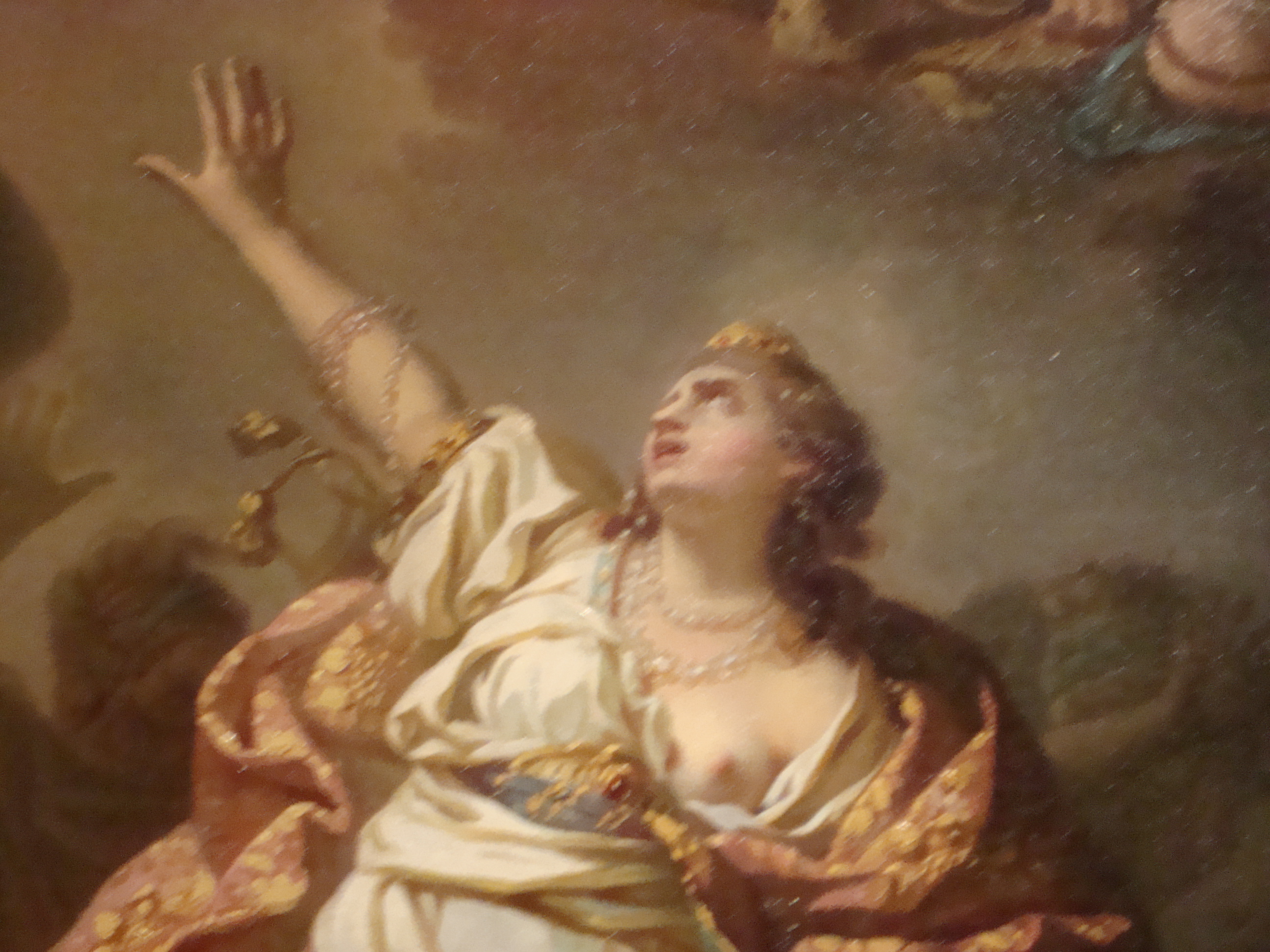
Almost everyday I walk through the galleries and am surrounded by amazing works of art. Here are a few paintings from our European galleries that I always enjoy seeing. They all have wonderful arms in them! I hope you enjoy them as much as I do.

Amy Wolf
Teaching Programs Coordinator
Francois Boucher Paintings in European Gallery

The second floor European gallery was recently reinstalled, and among the new works of art is a series of four mythological paintings by the French court painter Francois Boucher. The paintings are on loan from the Kimbell Art Museum in Fort Worth. The works of art included in the installation are Mercury Confiding the Infant Bacchus to the Nymphs of Nysa, Boreas Abducting Oreithyia, Venus at Vulcan’s Forge, and Juno Asking Aeolus to Release the Winds. All of these paintings were produced for Jean-Francois Bergeret de Frouville in 1769, the year before Boucher died.

What a wonderful sight these paintings are! When I see them in person, I am always amazed at their large scale. Light pinks, greens, and blues express the grandness of eighteenth-century French Rococo art in the hands of Boucher.  Each painting was carefully composed by the artist using diagonal lines to form each scene and arranging the mythological figures in the foreground and in the sky.  Boucher has given these figures the curves of voluptuous women and muscular men. 

Boucher portrays each god or goddess with his or her attributes to tell each story. For instance, in Venus at Vulcan’s Forge, Vulcan is seen leaning forward giving Venus a sword, completely under her powers and submissive to her will. In fact, he is in love with Venus, which Boucher indicates with the doves and putti on his lap. In the lower right corner, a three-eyed figure in Vulcan’s forge is shaping steel to make weapons. Above the main scene the sky is revealed to show putti and other figures looking on at Venus and Vulcan.

To see photographs of these paintings being installed in the European gallery, visit the DMA’s Flickr site.

Amy Wolf
Teaching Programs Coordinator
The Artistic Furniture of Charles Rohlfs

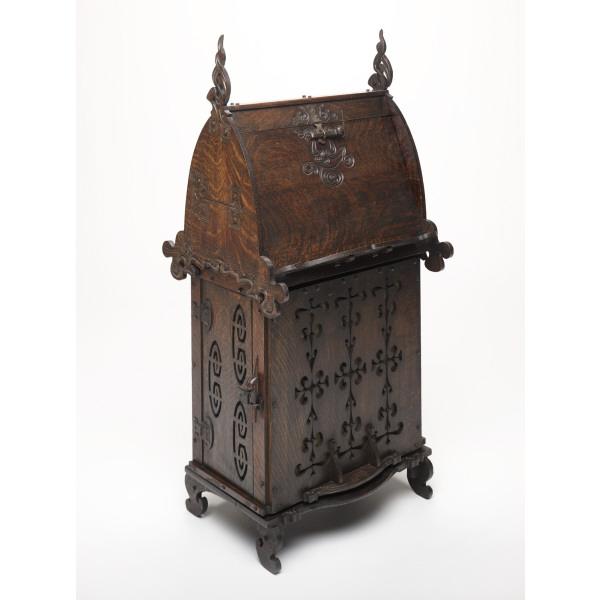
Desk (Model #500) Charles Rohlfs c. 1899-1901

Desk (Model #500) Charles Rohlfs c. 1899-1901

Decorative arts at the DMA has again soared to new heights with the opening of the exhibition The Artistic Furniture of Charles Rohlfs. The exhibition showcases over forty pieces of furniture and related objects produced around the turn of the twentieth century. What makes the show so exciting is the artistic designs and individuality of each hand-crafted piece. Curving lines and intricate forms come together to make inventive designs that demonstrate the artist’s interest in the creation of “artistic furniture.” Rohlfs chose not to be aligned with any particular artistic movement, but instead produced furniture that was bold and imaginative. Many of these works of art are displayed so visitors can walk around them as if they are sculptures.

My favorite work of art in this exhibition is the Desk (Model #500). Curving, smoke-like designs rest on top of an arch reminiscent of a Gothic cathedral while carved patterns on the lower half allow one to look through to the inside. Wood grain patterns on the surface create meandering playful ripples across the desk’s surface. While looking at the desk, I think about how Rohlfs chose to make a functional piece as well as an artistic work of art. This is something that must be seen in person!

The Artistic Furniture of Charles Rohlfs will be on view until January 3, 2010.

-Amy Wolf
Teaching Programs Coordinator


Archives

Categories