Posts Tagged 'Dallas Museum of Art'


Two for the Road

Uncrated recently took a “field trip” to Fort Worth to visit the Kimbell Art Museum’s  presentation of Picasso and Braque: The Cubist Experiment, 1910–1912, for which the DMA loaned its 1912 Braque painting Still Life with Bottles and Glasses. Before the exhibition opened, the Kimbell’s director of conservation, Claire Barry, took a look at our “gem of a painting” and offered us this guest post on the experience.
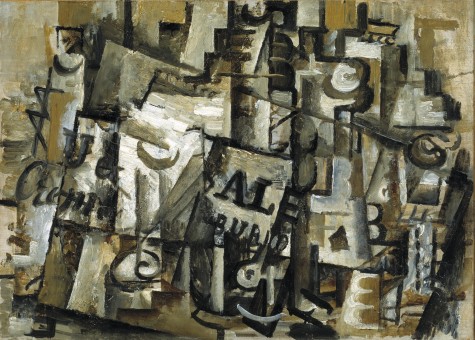
Georges Braque, "Still Life with Bottles and Glasses", 1912, oil on canvas, Dallas Museum of Art, The Eugene and Margaret McDermott Art Fund, Inc., given in honor of Deedie Rose and J. E. R. Chilton
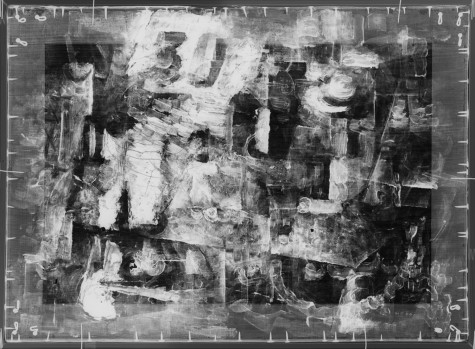
X-ray of George Braque's "Still Life with Bottles and Glasses"

I was delighted to have the opportunity to examine Braque’s Still Life with Bottles and Glasses from the DMA in the Kimbell conservation studio. Fortunately, this gem of a painting is unlined, which is rare for a cubist painting from this period. As a result, the impastoed (thickly textured) surface has never been flattened through lining. As one of my teachers wisely advised, think about a painting as a sculpture in low relief. If you look at the Braque in this way, you quickly begin to appreciate the rich variety in the artist’s application of paint—from thin areas where the paint is more fluid to thicker areas of impasto where he applied paint with a heavily loaded brush. Then, in the upper left, you might notice that the paint has a crusty texture that seems totally unrelated to the composition. With the permission of the DMA curators, I x-rayed the painting, which quickly revealed that Braque completely reworked the composition of Still Life with Bottles and Glasses during the course of painting. The texture of the underlying paint layers, later covered over, can still be seen on the surface. I was fascinated to discover this, because between Picasso and Braque, I always believed that Picasso had a greater tendency to radically rework his paintings (as he did with the Kimbell’s Man with a Pipe). Braque painted the Kimbell’s Girl with a Cross without making a single revision.
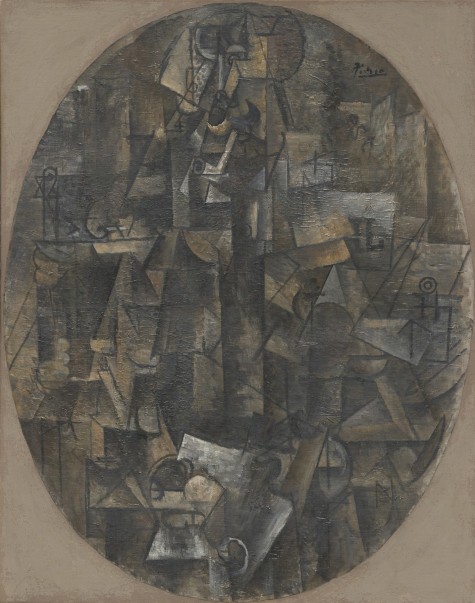
Pablo Picasso, Man with a Pipe, 1911, oil on canvas, Kimbell Art Museum. Photo © MegaVision. © 2011 Estate of Pablo Picasso / Artists Rights Society (ARS), New York
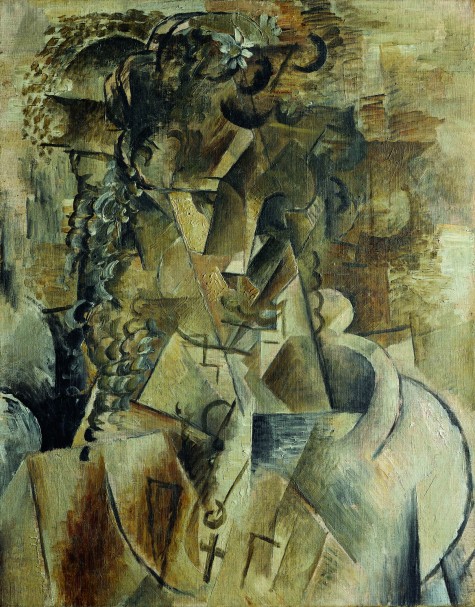
Georges Braque, Girl with a Cross, 1911, oil on canvas, Kimbell Art Museum. Photo © MegaVision. © 2011 Artists Rights Society (ARS), New York / ADAGP, Paris

I was fortunate to be able to examine the two Braques, the DMA’s and the Kimbell’s, side by side in the conservation studio. Like the DMA painting, the Kimbell’s Girl with a Cross is unlined and preserved in pristine condition. In fact, it has never been varnished and retains the matte surface that the cubists intended. Both Picasso and Braque were adamant that their paintings should never be varnished. The DMA’s Braque, however, had been varnished at some point, and the varnish layer imparted a glossier surface than Braque had in mind. The unifying effect of the varnish also masked the subtle differences in surface gloss and texture that Braque created. In preparation for the exhibition, the DMA gave me permission to remove the varnish layer from Still Life with Bottles and Glasses. The fact that visitors to the exhibition can now see two unlined, unvarnished cubist paintings by Braque is really something exceptional. When you see the surfaces of these paintings, you can feel confident that this is very close to how they appeared when they left Braque’s easel some one hundred years ago.

Braque’s Still Life with Bottles and Glasses (1912) was sent to the Kimbell for spectral-image photography during the early stages of planning the exhibition Picasso and Braque: The Cubist Experiment, 1910–1912. These photographs are among the many incredible high-resolution digital images that can be explored with the iPad application iCubist in the Kimbell exhibition. If you want to experience the details in cubist paintings, brushstroke for brushstroke (the way I examine paintings in my job as a paintings conservator), I really recommend that you check out the iPads at the Kimbell. To my knowledge, this is the first time such images have been made available to the public in such an interactive way in a museum exhibition. The goal is to enrich the experience of seeing the real paintings, for which there is absolutely no substitute. My hope is that the iPad application may encourage visitors to spend even more time in the exhibition. Unlike the Acoustiguide, you cannot look at a painting and the iPad app simultaneously. So perhaps this will encourage visitors to look at the paintings first, then explore the iPad, and then return to the paintings for a second look, with greater understanding and appreciation.

Guest blogger Claire Barry is the director of conservation at the Kimbell Art Museum.
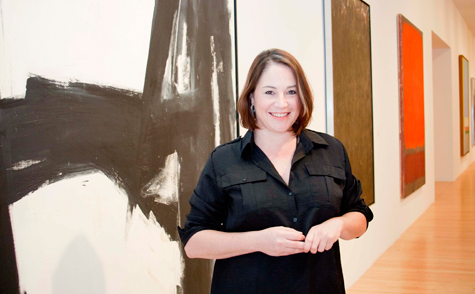
The Dallas Museum of Art offers Dallas kids’ activities

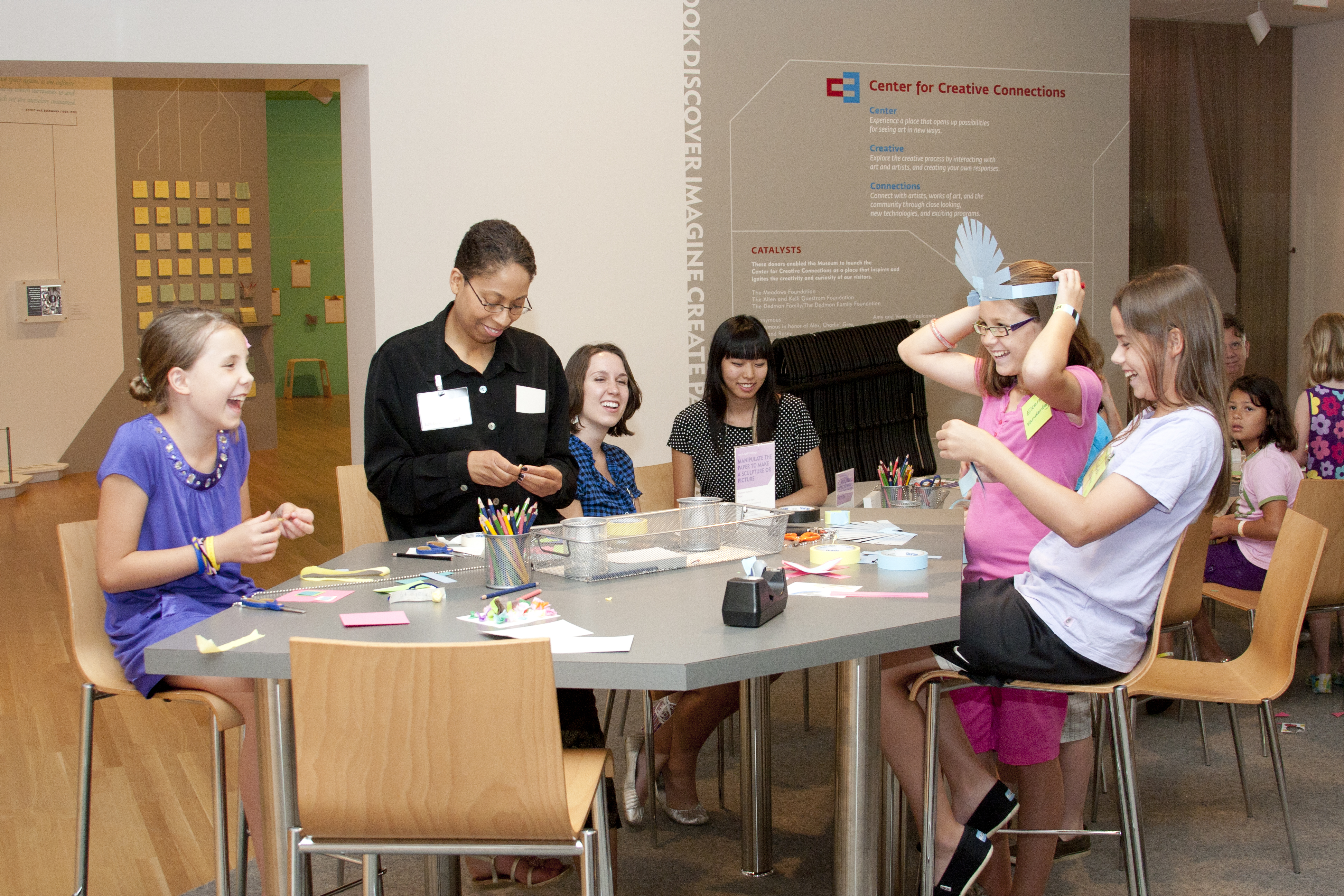
The Dallas Museum of Art is a wonderful place for families to share experiences together and offers more than 700 programs for children and their families every year.  From a 2-year-old visiting the museum for the first time, or a 75-year-old showing his grandkids his favorite work of art, to a visitor with autism learning that she too can appreciate the Museum – we have something for everyone at the DMA. And if you’re under 12, you can always visit the Museum for Free! Watch the video below to see all of the different ways you can experience the DMA as a family.

[youtube http://www.youtube.com/watch?v=-n3KF_5eN1U?hl=en&fs=1]

Living the Dream

Uncrated tracked down the DMA’s Chair of Collections and Exhibitions, Tamara Wootton-Bonner, to talk about her job at the Museum. Tamara has the large responsibility of overseeing the Museum’s exhibitions, publications, collections, libraries, archives, and digital imaging departments, and as you will read below, she knew early on that she wanted to work in a museum.


Describe your job in fifty words or less.
I’m the Chair of Collections and Exhibitions and I oversee the exhibitions, publications, collections management, libraries, archives, and digital imaging departments. My main job is to make sure that our exhibitions, publications, and other key projects happen successfully (and are on time and within budget) and to keep everyone happy.

What might an average day entail?
Meetings and e-mails! Besides that, I have to take on a variety of roles: in a single day I might have to be a cheerleader, mom, taskmaster, accountant, lawyer, writer, editor, project manager, critic, negotiator, facilitator, logistician, bad guy, and, if I’m lucky, I get to look at art. The greatest days are working with designers and artists . . . on exhibitions, publications, building projects, etc. But I also have fun managing budgets, negotiating contracts, solving problems, and planning for the future.

How would you describe the best part of your job and its biggest challenges?
The best part of my job is working with lots of wonderful, creative people. It’s exciting to see ideas come to life and to know that you’ve been a part of it—whether it’s an exhibition, a publication, or something else. I love to watch an exhibition come together or smell a new book hot off the press.

The biggest challenge can be trying to do too much with too little. We are an ambitious bunch around here and almost everyone is a perfectionist.

Growing up, what type of career did you envision yourself in? Did you think you’d work in an art museum?
As a child I wanted to be an artist. I used to draw and paint all the time. But by the time I graduated from high school I knew I wanted to work in a museum. I started as a security guard at the Metropolitan Museum of Art in New York and now . . . here I am.

What is your favorite work in the Museum’s collection?
I have several—Franz Kline’s Slate Cross, the Indonesian tau tau, and the Olmec jade mask are among my absolute favorites. But it changes every day. Tatsuo Miyajima’s Counter Ground and the James Lee Byars works in the Silence and Time exhibition, on view now, are amazing.

Is there a past exhibition that stands out in your mind as a favorite, or is there a particular upcoming show you’re looking forward to seeing?
That’s easy—The Fashion World of Jean Paul Gaultier! It’s going to be phenomenal. We’ve never done a fashion exhibition, so it’s going to be a challenge. But it’s going to be an exciting challenge.

Dallas Museum of Art Points of Access

Through Access Programs at the Dallas Museum of Art, visitors of all ages with special needs and their families can experience the Museum and spend time together. For instance, we host Art Beyond Sight programs in October that celebrate visual awareness, and four times a year we have Autism Awareness Family Celebrations.

Meaningful Moments is a monthly program at the DMA designed for someone with Alzheimer’s disease and a care partner–a devoted wife bringing her husband, a loving daughter attending with her mother, or an admiring husband bringing his wife, like John Rath, who brings his wife, Sue.

John and Sue attend the DMA program every month, including last week’s Storytelling in Art Meaningful Moments event. At every visit, they enjoy the gallery discussion and the opportunity to reminisce and share stories about their lives. Sue had a career with Susan Crane Packaging, where she designed wrapping paper that was sold at many stores, including Neiman Marcus, and John worked for thirty-seven years at Texas Instruments. Sue collects pins (always wearing a different one when she visits the Museum) and loves taking care of her plants in a back porch greenroom that her handyman husband John built just for her.

When the program moves to the studio for art-making, Sue’s artistic abilities shine as she is usually one of the last to finish her work of art. Many couples create art together during the studio time, but John prefers to admire Sue’s creations while providing support and encouragement. Clearly best friends, John and Sue have a love for one another that many dream about having.

I have been lucky to get to know this wonderful couple during Meaningful Moments throughout the year, and here is a bit more insight into the lives of John and Sue:

John and Sue, what three words would you use to describe one another?
Sue is loving, considerate, and creative. John is kind, friendly, and multitalented.

John, you and Sue have known each other for a long time (since childhood!). Will you share some favorite moments that you have had together over the years?
Riding our bicycles to Confirmation class at church together, our first date (a Boy Scout Christmas party), our wedding day, and honeymoon. Living in a number of different states and countries, some of them more than once, when I was traveling on military/government contracts for Texas Instruments. The birth of our daughter and son and their development through the years; both were achievers and kept us extremely busy with their activities. Everywhere we have lived, we’ve enjoyed the people we met and have taken advantage of the–if I may borrow a phrase–meaningful moments that were available.

What types of things do the two of you enjoy doing together?
We enjoy the Meaningful Moments program at the Dallas Museum of Art; spending quality time with family, extended family, and friends; camping, fishing, and most outdoor activities; playing games (cards, dominoes, Yahtzee, etc., especially with grandchildren); and working on creative projects together.

Why do you attend the Meaningful Moments program?
The Meaningful Moments program is an excellent extension of the informational and learning opportunities we have always enjoyed and try to take advantage of when possible. We always look forward to the monthly programs.

Amanda Blake is Manager of Family Experiences and Access Programs at the Dallas Museum of Art.

This year’s Awards to Artists go to…

Every year my colleagues and I look forward to celebrating up-and-coming and established artists in our event wherein the year’s recipients discuss their work and goals. I anxiously anticipate it every year, and this year was no exception. We were lucky enough to have two representatives of the DeGolyer and Kimbrough families, and that’s always a delight for the winners to meet them and show their gratitude.

Recipients of both the The Clare Hart DeGolyer Memorial Fund and The Arch and Anne Giles Kimbrough Fund have gone on to lead immensely successful careers as The Otis and Velma Davis Dozier Travel Grant recipients have continued on securing exhibitions, commissions and accessioning of their works in major public and private collections. Awards to Artists grants have been presented to more than 235 artists. Over the course of the past 31 years in the case of the DeGolyer and Kimbrough Awards, and 21 years in the case of Dozier, the DMA has acquired works by many of the recipients. See for yourself!

[slideshow]

To all nine of the 2011 Awards to Artists recipients: Lindsey Allgood, Diedrick Brackens, Kasumi Chow, Sarah Zapata, Xxavier Edward Carter, Kerry Pacillio, Edward Setina, Joshua Goode, and Kevin Todora – CONGRATULATIONS!

Erin Murphy is the Curatorial Assistant for Contemporary Art at the Dallas Museum of Art

Seldom Scene: If You Build It

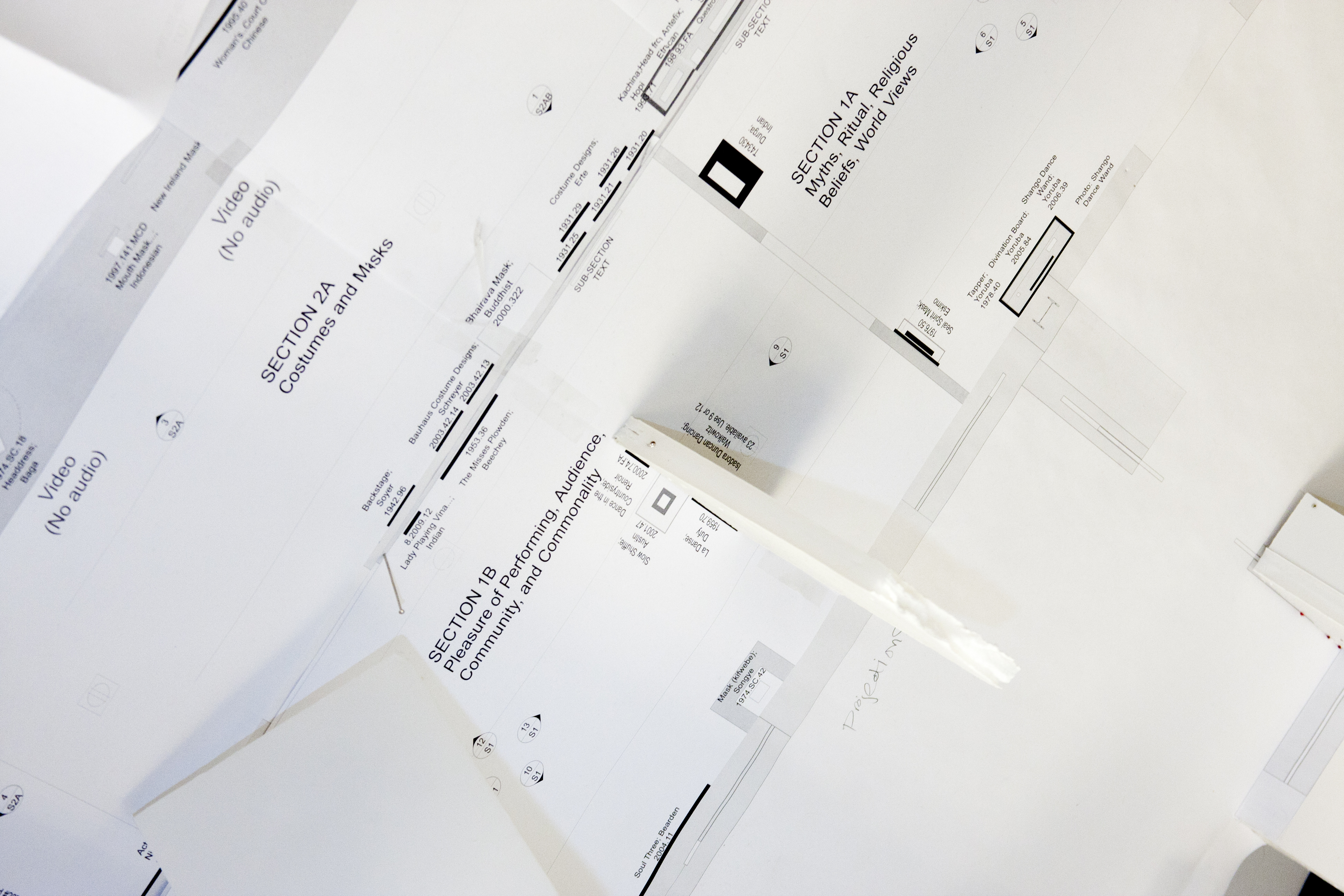
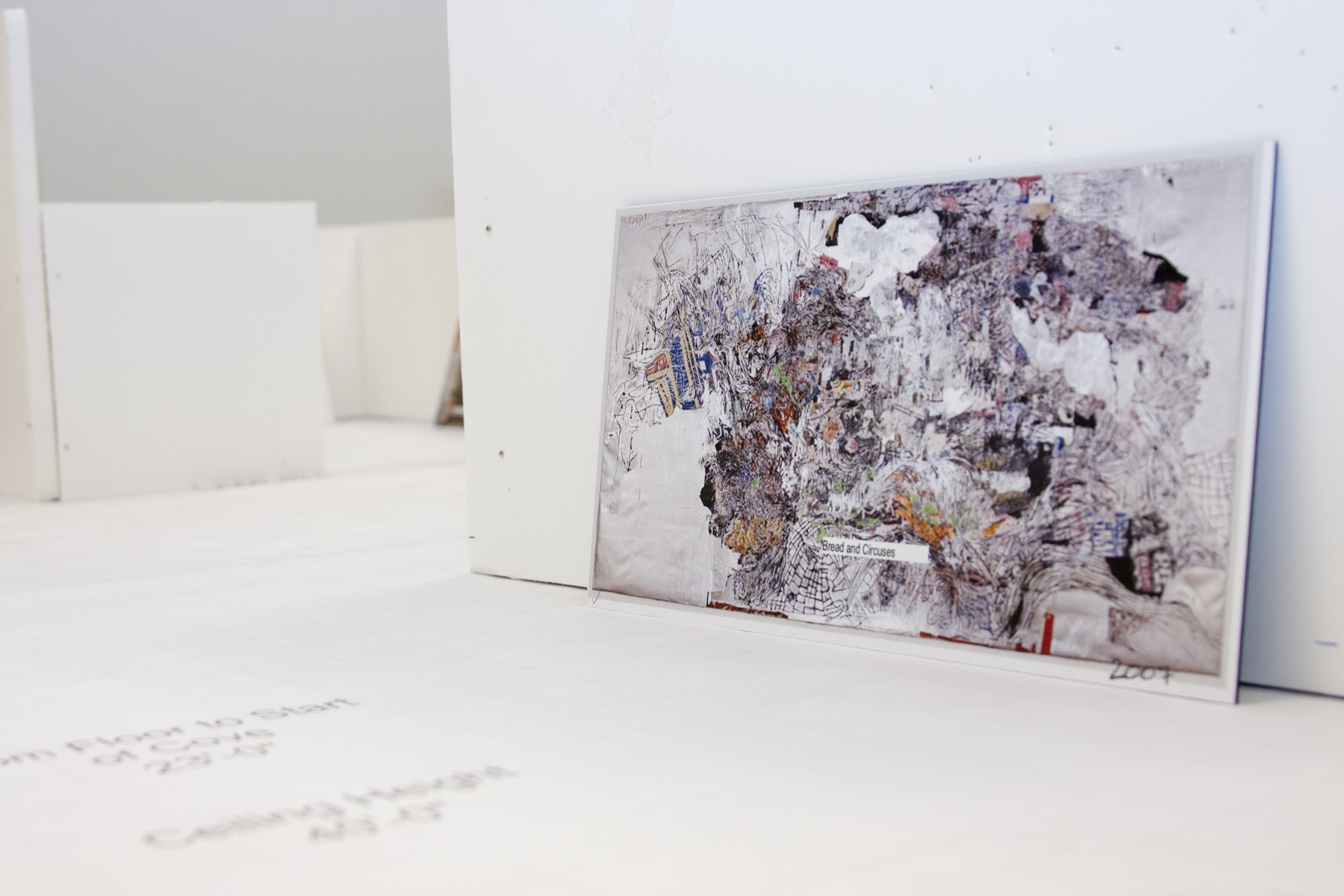
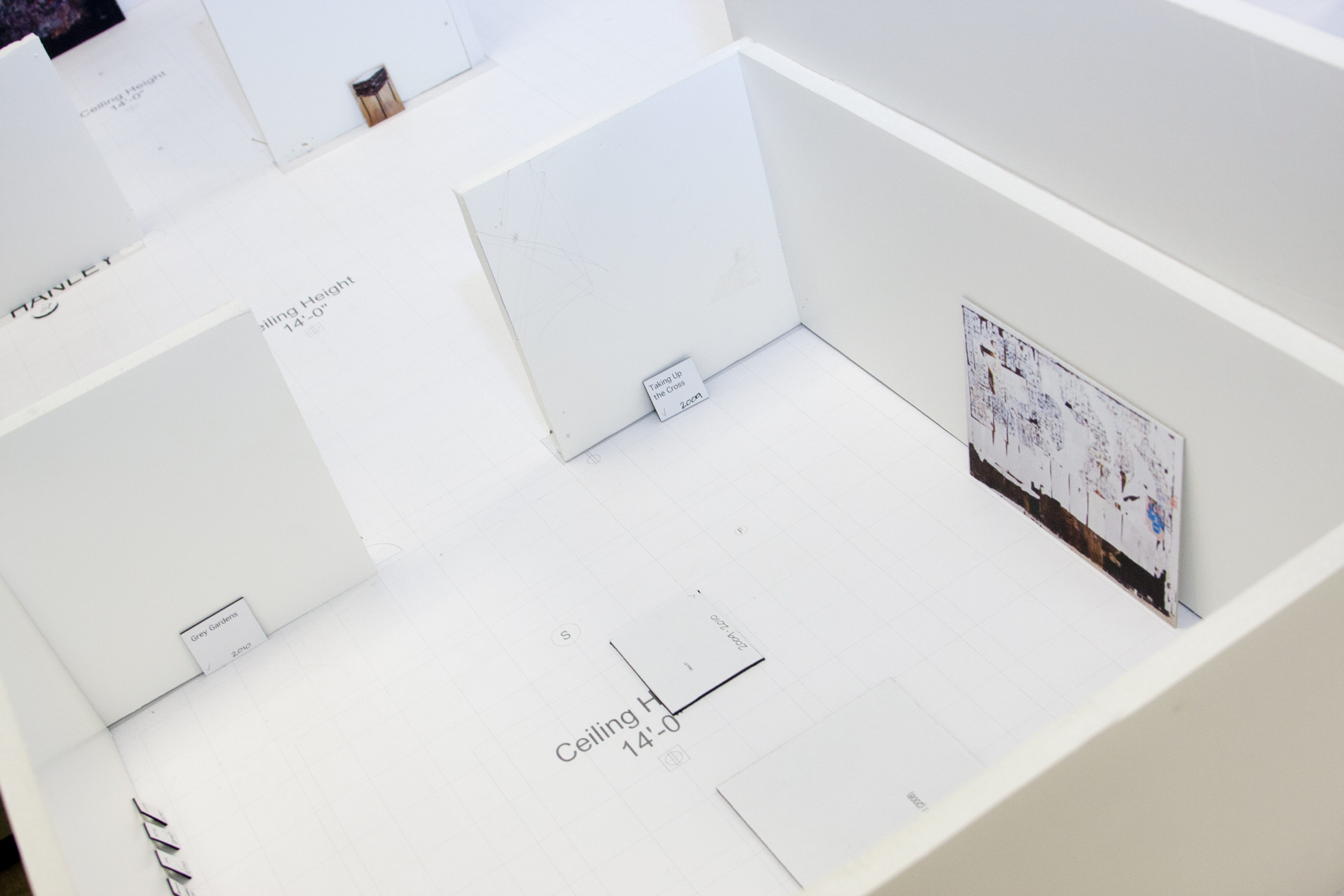
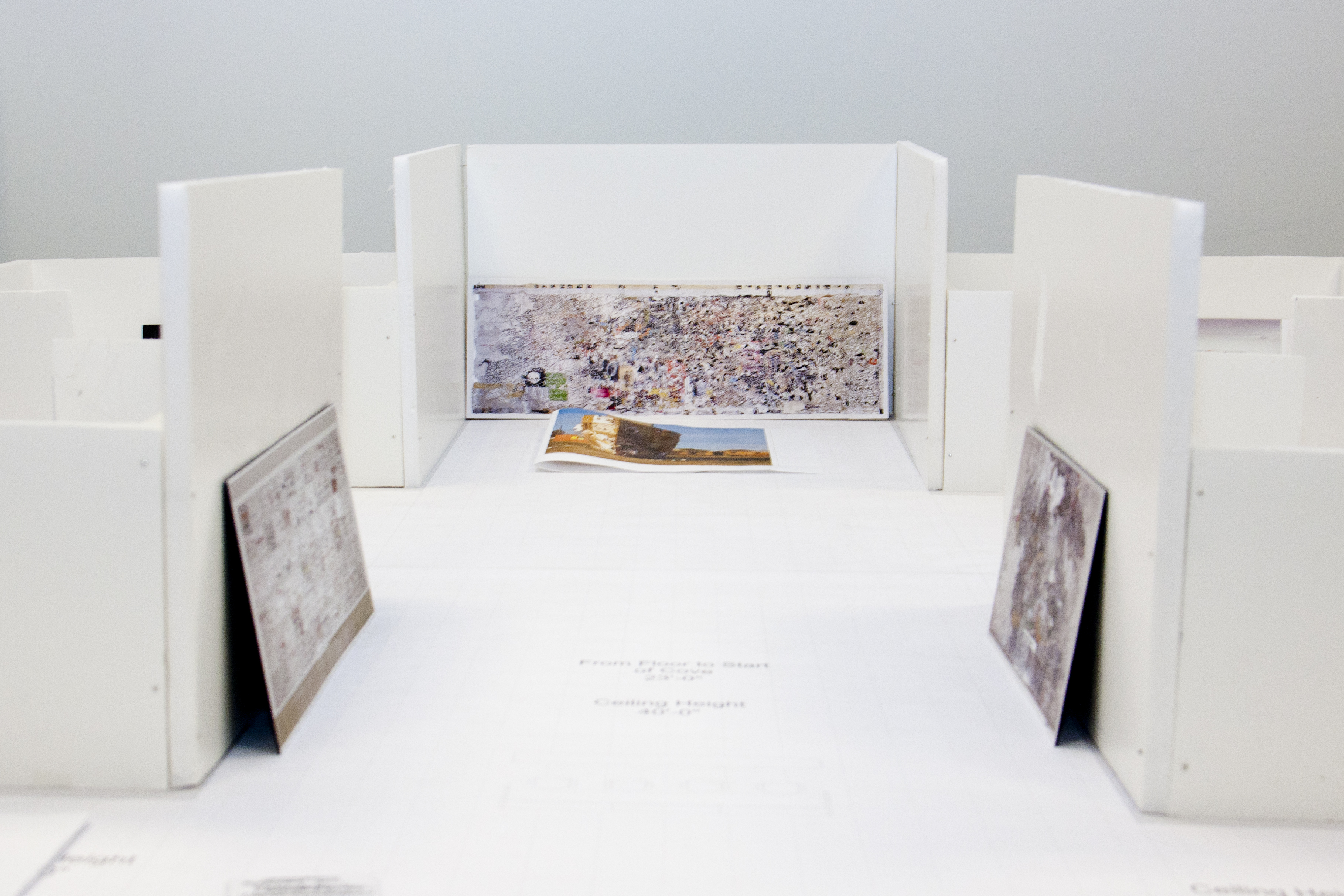
Many months of planning go into the presentation of each DMA exhibition. Mark Bradford will not open until October 16, but work on the exhibition design is already underway.


Arturo’s Kids Club at the Dallas Museum of Art

Hi! I’m Arturo, the family mascot at the Dallas Museum of Art. Have we met? I’m a bright, colorful Peruvian bird and I am based off a ceramic vessel in the DMA’s collection from Peru that is over 1,000 years old! I’m planning on heading to the next Kids Club event and thought I would tell you all about my soon-to-be adventure. The next Kids Club event is on July 23 at the Museum of Nature and Science, and it’s the perfect Dallas event for kids just like you!

Before, I tell you about my plans for my visit, maybe I should explain Kids Club. Kids Club is a group you can join at the Sustainer level membership. We partner with the Dallas Zoo, the Museum of Nature and Science, the Trinity River Audubon Center, the Dallas Arboretum, and the Crow Collection of Asian Art. Each organization hosts an event each year. That means I fly to five off-site events and then I host one at home, here at the DMA. If I miss the event, I can still go to the Zoo or Arboretum and use my membership discount. As a bird, I don’t have much room for pocket money, so I like to save when I can!

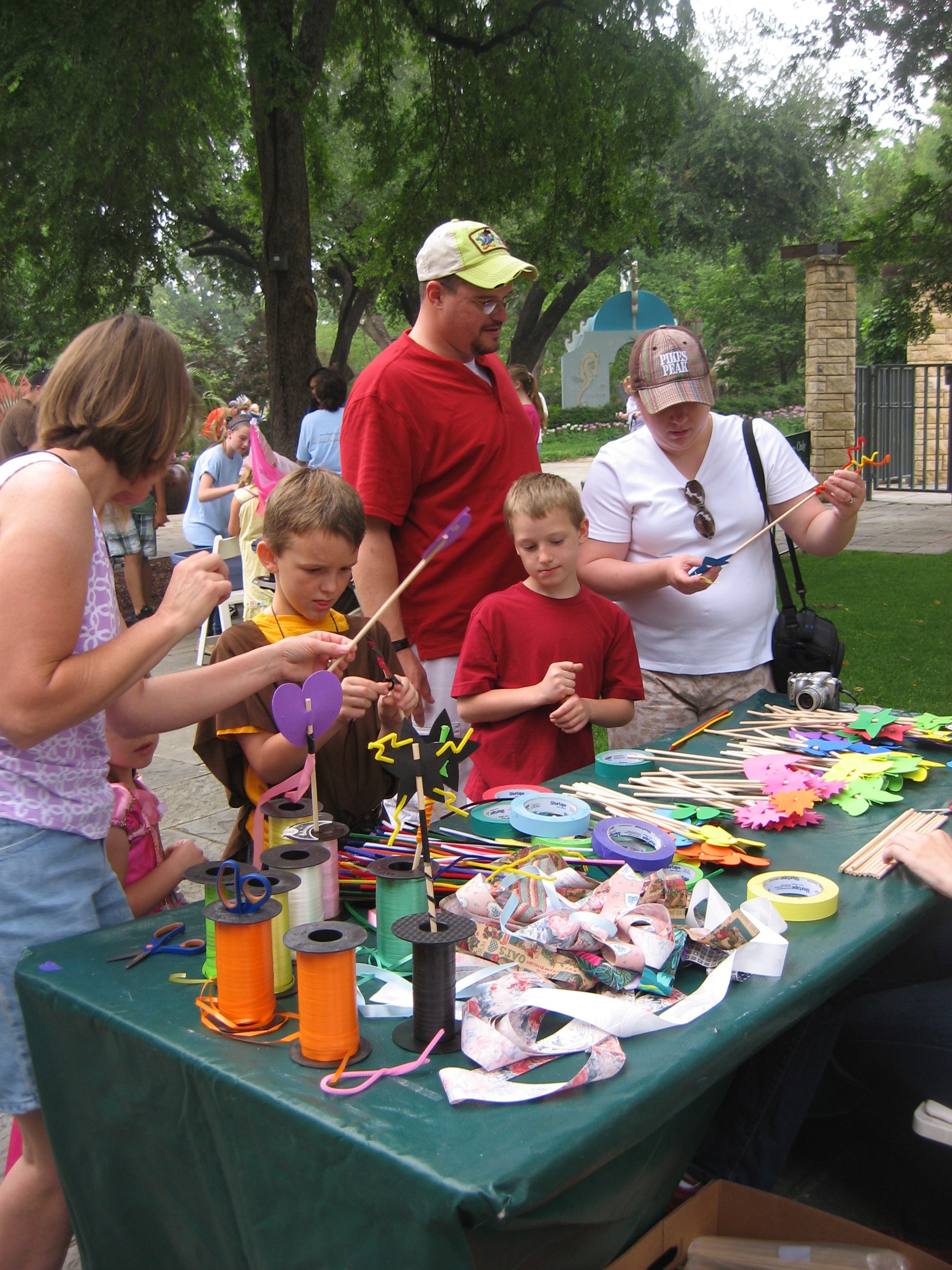
The adventure will start with a brainstorming meeting with the DMA’s education staff. They help me with my activity. Like all the other organizations, I have to take a fun, crafty activity that will appeal to all ages. Last time, I took wands on my fairytale adventure to the Dallas Arboretum. They were really popular. I think moms and dads like to decorate as much as kids!

Once I get my materials and learn how to make the activity with my wings, I’m ready to go! I’ll get to the Museum of Nature and Science about 8:30 a.m. so I can set up for a 9:00 a.m. opening. Then, for the next two hours, I help kids make something special to take home.

By 11:00 a.m. I’m exhausted. I then have to find bird food (I like sunflower seeds) and then I’ll need a nap in Arturo’s Nest in C3!

Arturo is the mascot for all Museum family programming. He makes appearances on First Tuesdays and Late Nights; you can also find him on all family related print materials and temporary tattoos. He had a bit of help with this post from Wendi Kavanaugh, Member Outreach Manager.

Seldom Scene: Word Play

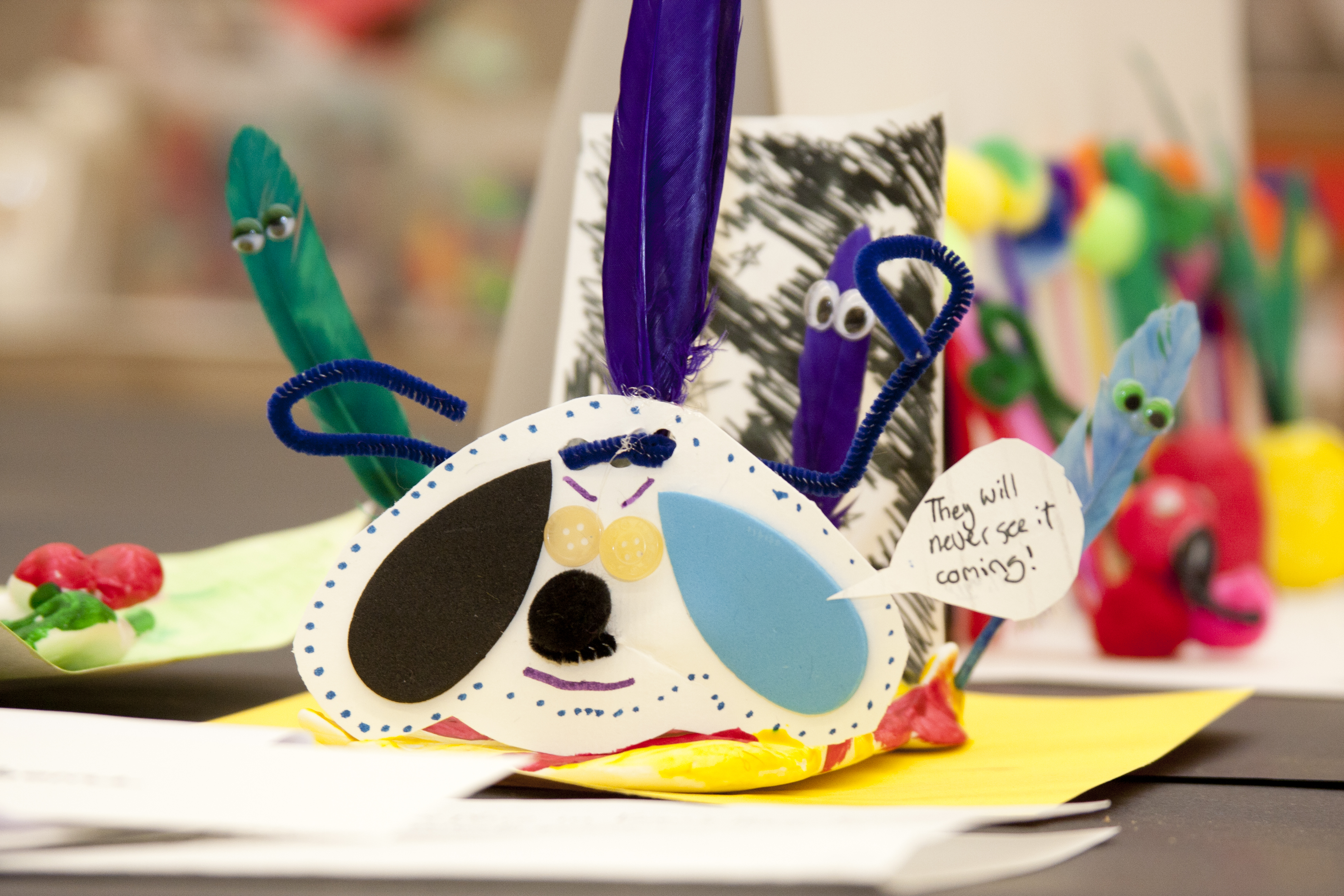
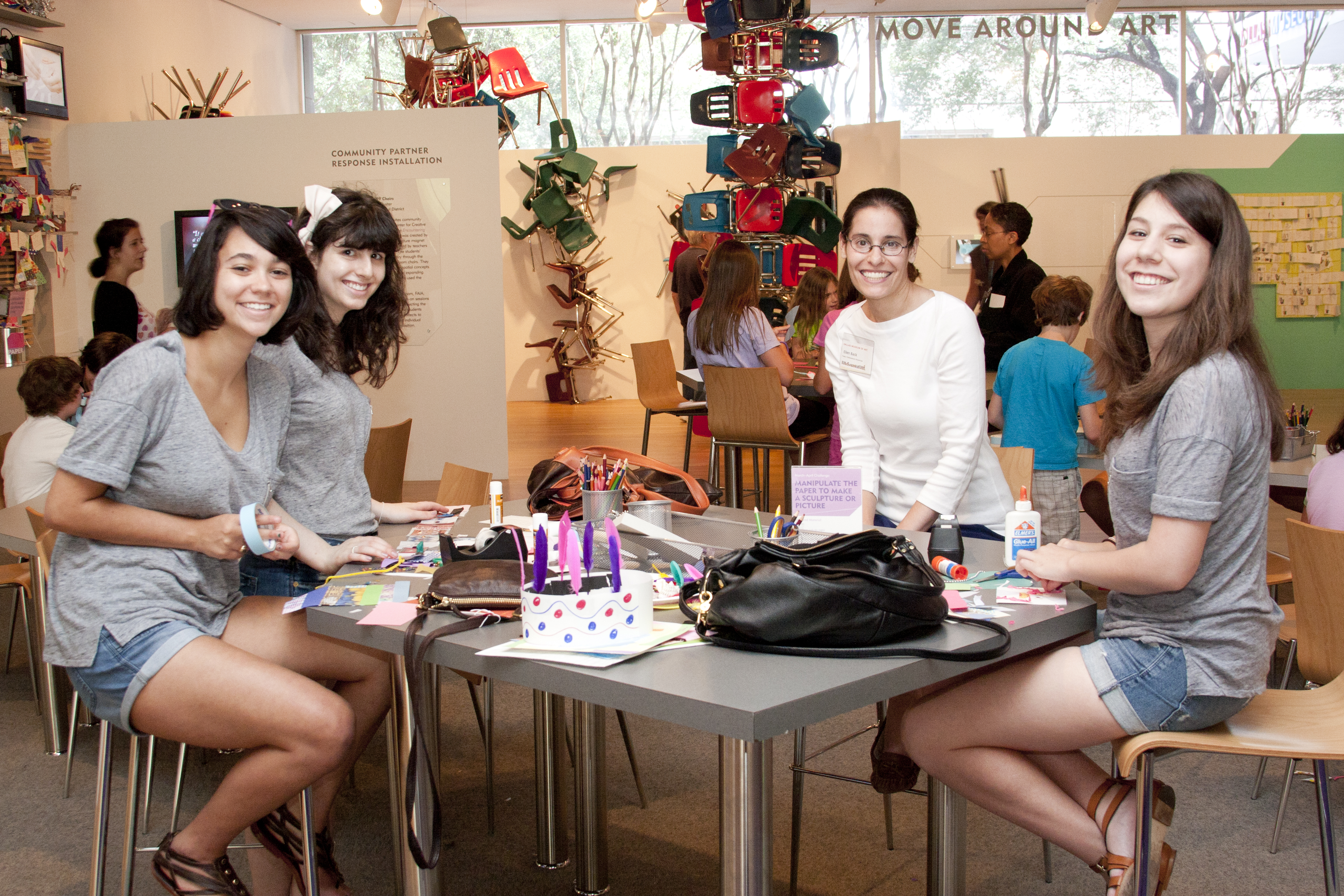
Last week was our first week of Summer Art Camps here at the DMA. Below are photos from our Word Play camp, led by David Herman, Jr. We still have six more weeks of Summer Art Camps. Click here for details.

Photography by Adam Gingrich, Marketing Assistant at the Dallas Museum of Art.

Seldom Scene’s Seldom Seen

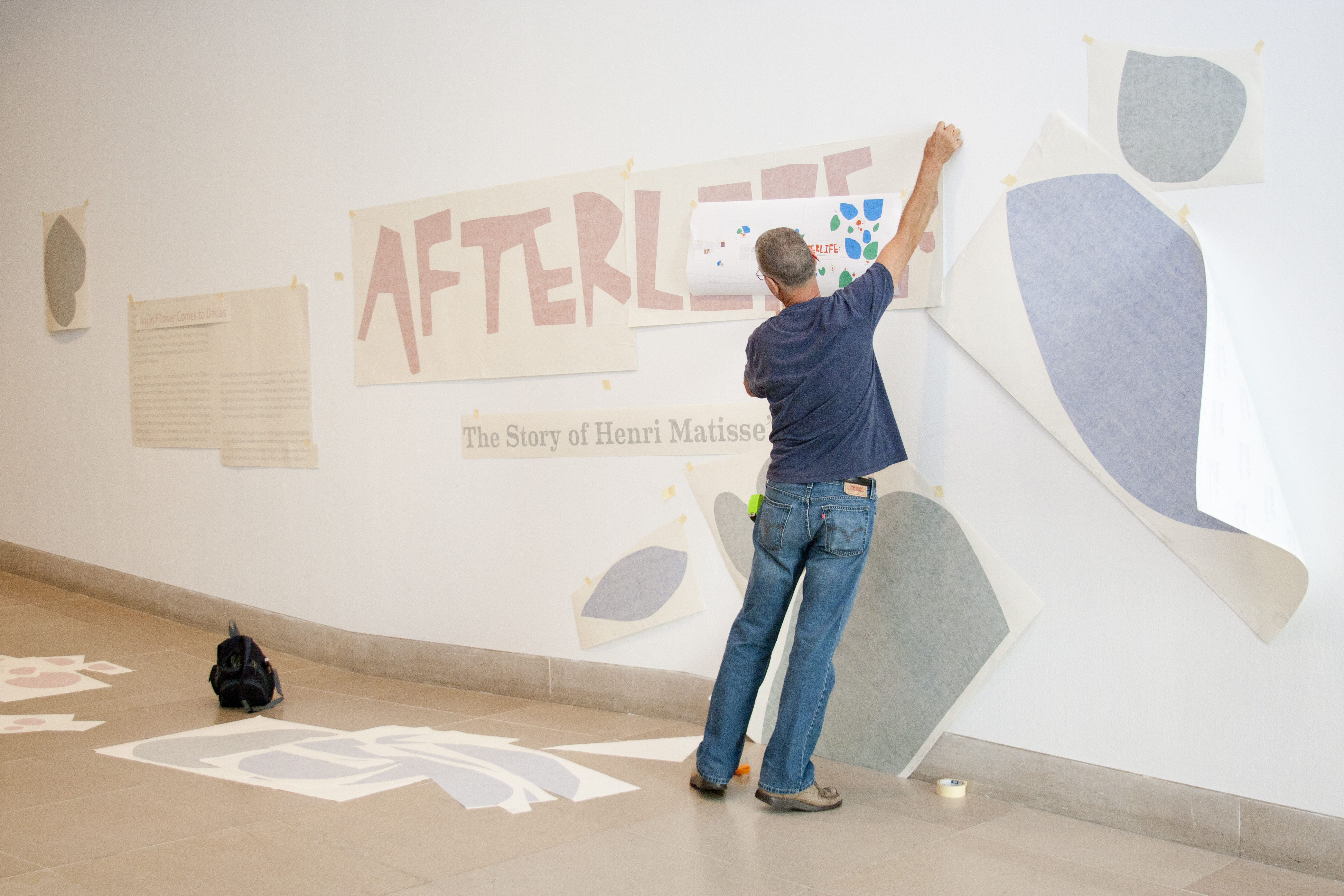
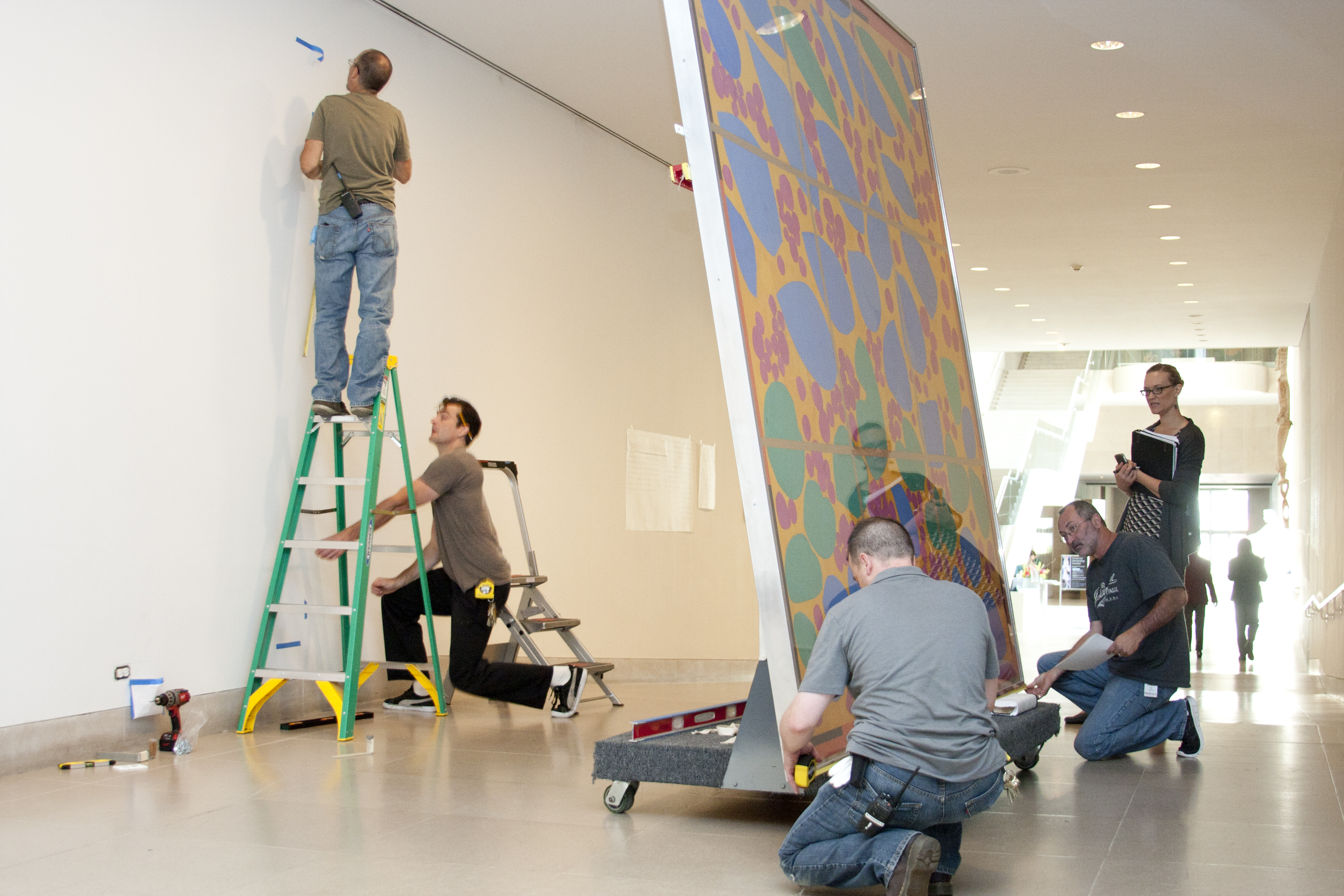
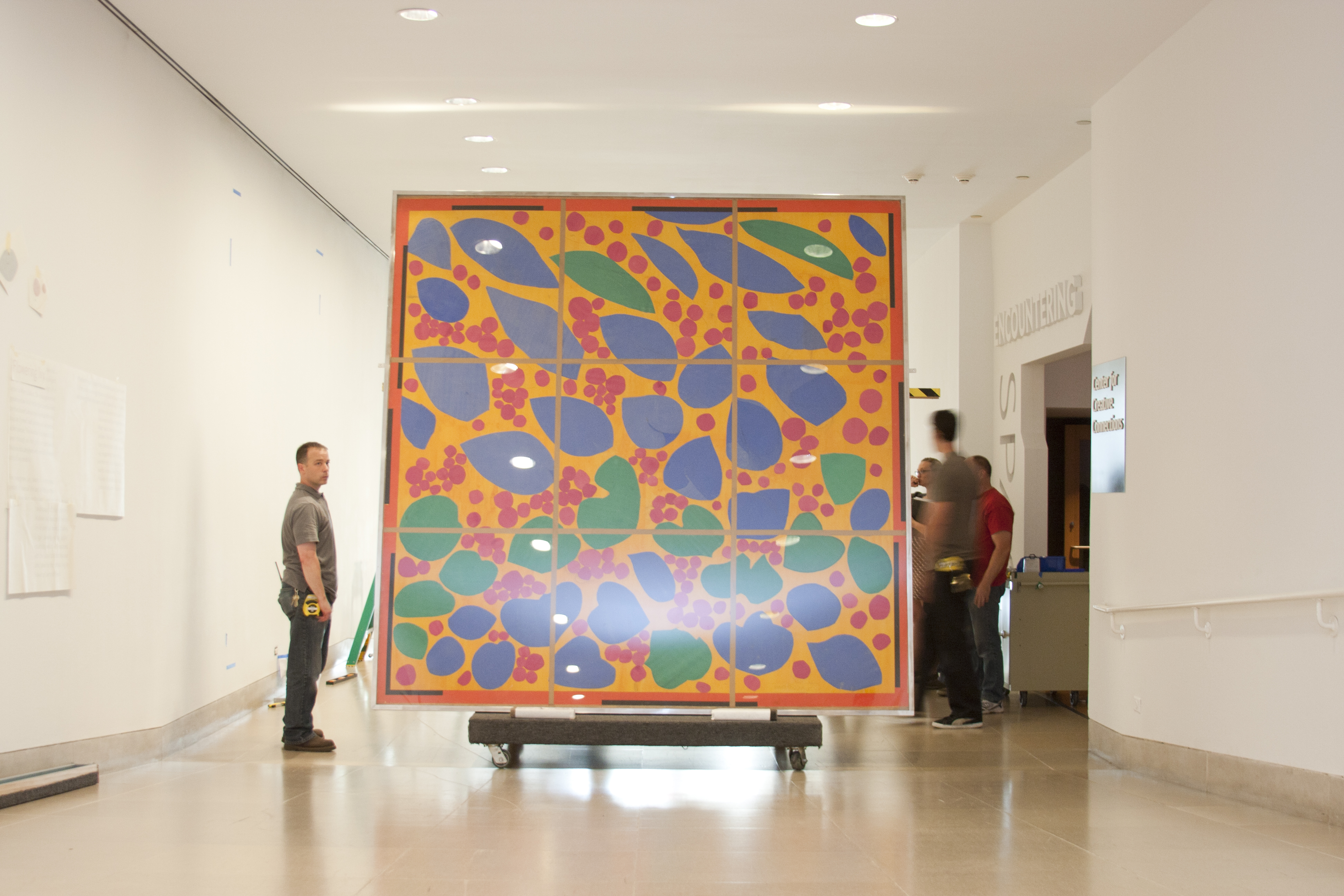
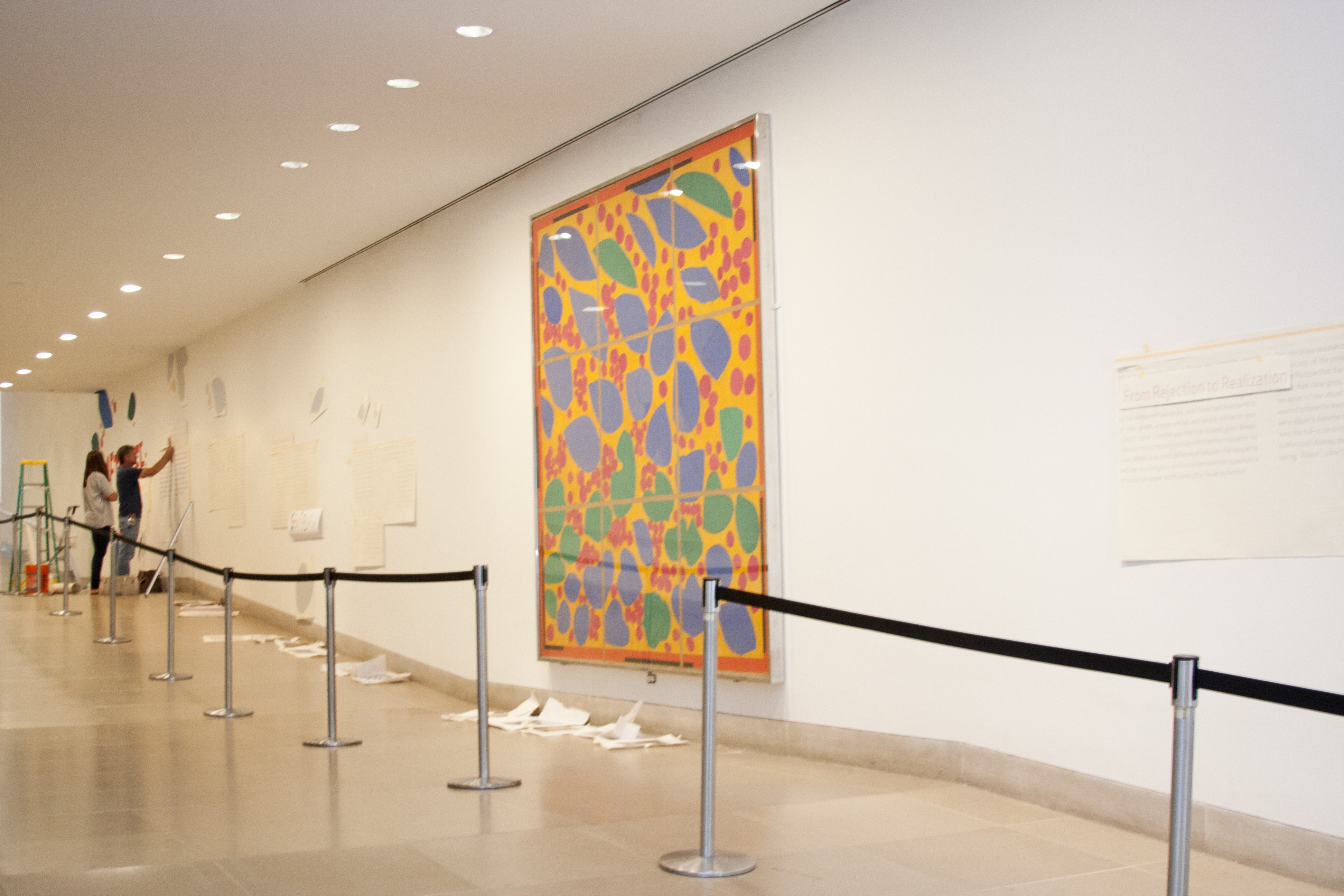
Rarely on view, Henri Matisse’s Ivy in Flower—a full-scale maquette for a stained glass window made late in the artist’s career—will be installed for six months in the Concourse. Here are some photos from the large cutout’s installation.

Henri Matisse, Ivy in Flower, 1953, colored paper, watercolor, pencil, and brown paper tape on paper mounted on canvas, Dallas Museum of Art, Foundation for the Arts Collection, gift of the Albert and Mary Lasker Foundation

Educator Resources: DMA Program Recordings for Artist Talks and Lectures

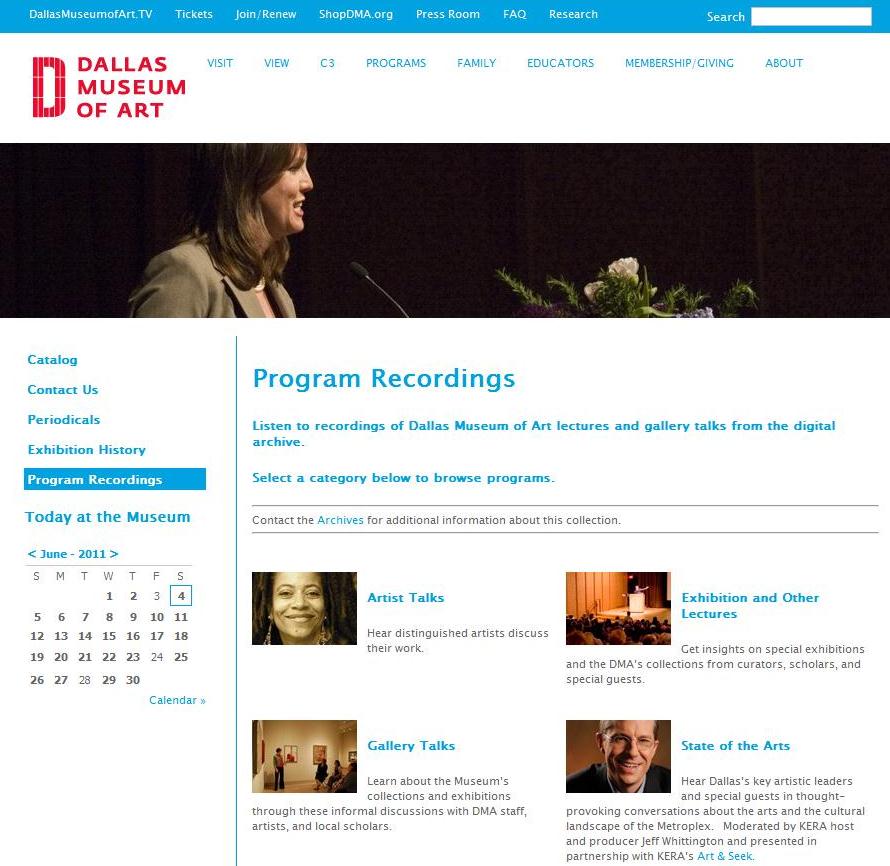
Finally, school is out for summer.  Now you can relax and sleep in, work on that special house project, take a trip, or read that book you just didn’t have time for during the school year. For a little intellectual stimulation, we invite you to add another item to your list.  Listen to DMA program recordings, a new resource on our Web site that holds an abundance of audio recordings and transcripts from artist talks, lectures, and special programs.  Topics range from the work of artist Renee Stout to the art of the Silk Road to the connection between Coco Chanel and the DMA’s famous Wendy and Emery Reves Collection.  Speakers featured in these recordings include visiting scholars, artists, and DMA curators.

To access the recordings, visit the DMA Web site and select “Research” on the top menu. Then select “Program Recordings” from the menu on the left side.

We also invite you to spend some quality time with works of art this summer and fulfill your professional development opportunities by attending a Dallas Museum of Art teacher workshop!

Nicole Stutzman
Director of Teaching Programs and Partnerships


Archives

Categories