Posts Tagged 'Dallas Museum of Art'


The Color of Love

Love is in the air, and red is on the walls of the DMA. Since Valentine’s Day is tomorrow, we decided to explore the works in the collection that represent the color of love. Below are a few works you can visit in the DMA galleries without charge, now that we have free general admission, and you can check out other red works in the collection on the DMA’s Pinterest page. If you are looking for a fun date night to celebrate Valentine’s Day, stay out until midnight on Friday for our February Late Night; visit the DMA’s website for the Late Night schedule.

Crawford Riddell, Bed, c. 1844, brazilian rosewood, tulip poplar, and yellow pine, Dallas Museum of Art, gift of three anonymous donors, Friends of the Decorative Arts Fund, General Acquisitions Fund, Discretionary Decorative Arts Fund, and the Boshell Family Foundation

Crawford Riddell, Bed, c. 1844, brazilian rosewood, tulip poplar, and yellow pine, Dallas Museum of Art, gift of three anonymous donors, Friends of the Decorative Arts Fund, General Acquisitions Fund, Discretionary Decorative Arts Fund, and the Boshell Family Foundation

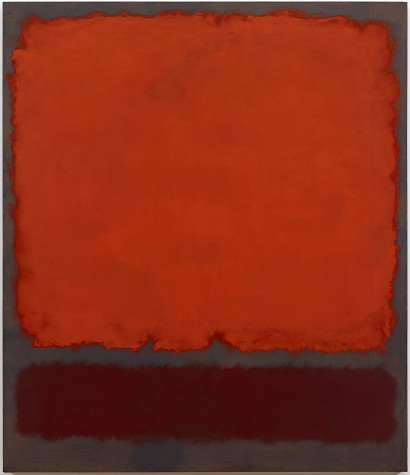
Mark Rothko, Orange, Red and Red, 1962, oil on canvas, Dallas Museum of Art, gift of Mr. and Mrs. Algur H. Meadows and the Meadows Foundation, Incorporated

Mark Rothko, Orange, Red and Red, 1962, oil on canvas, Dallas Museum of Art, gift of Mr. and Mrs. Algur H. Meadows and the Meadows Foundation, Incorporated, (c) 2013 kate Rothko Prizel & Christopher Rothko/Artists Rights Society (ARS), New York

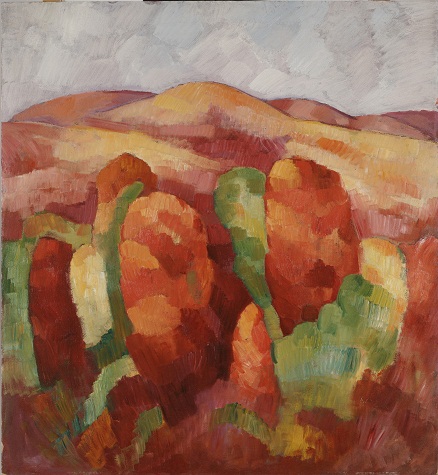
Marsden Hartley, Mountains, no. 19, 1930, oil on board, Dallas Museum of Art, The Eugene and Margaret McDermott Art Fund, Inc.

Marsden Hartley, Mountains, no. 19, 1930, oil on board, Dallas Museum of Art, The Eugene and Margaret McDermott Art Fund, Inc.

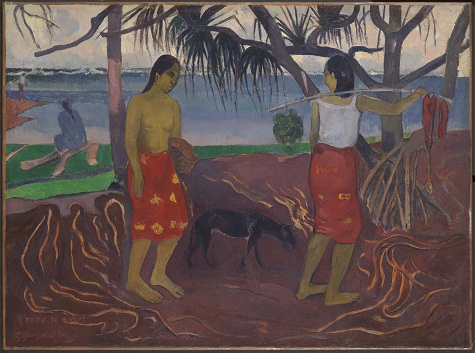
Paul Gauguin, Under the Pandanus (I Raro te Oviri), 1891, oil on canvas, Dallas Museum of Art, Foundation for the Arts Collection, gift of the Adele R. Levy Fund, Inc.

Paul Gauguin, Under the Pandanus, 1891, oil on canvas, Dallas Museum of Art, Foundation for the Arts Collection, gift of the Adele R. Levy Fund, Inc.

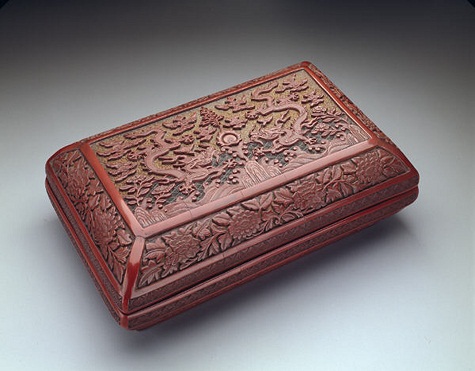
Rectangular box, mark and reign of Emperor Wanli (r. 1573-1619), dated in inscription to 1595, cinnabar lacquer over wood core, Dallas Museum of Art, gift of Mr. and Mrs. George A. Shutt

Rectangular box, China, mark and reign of Emperor Wanli (r. 1573-1619), dated in inscription to 1595, cinnabar lacquer over wood core, Dallas Museum of Art, gift of Mr. and Mrs. George A. Shutt

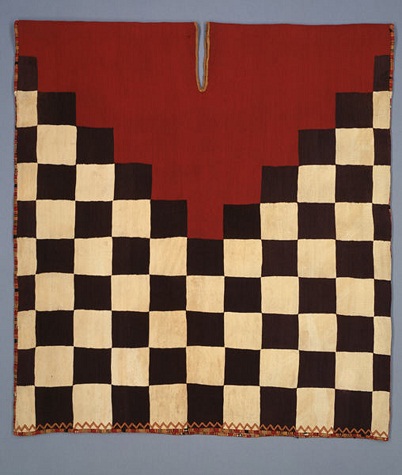
Tunic with checkerboard pattern and stepped yoke, Inca culture, Late Horizon, 1476-1534, camelid fiber, Dallas Museum of Art, The Eugene and Margaret McDermott Art Fund, Inc. in honor of Carol Robbins

Tunic with checkerboard pattern and stepped yoke, Peru, Inca culture, Late Horizon, 1476-1534, camelid fiber, Dallas Museum of Art, The Eugene and Margaret McDermott Art Fund, Inc. in honor of Carol Robbins

Installing Chagall

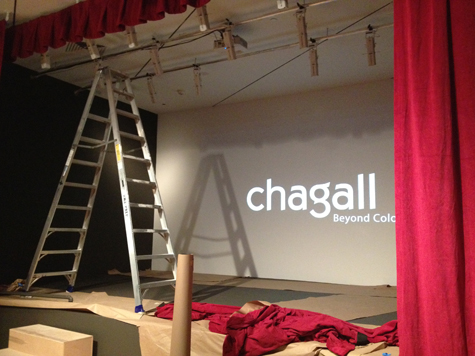
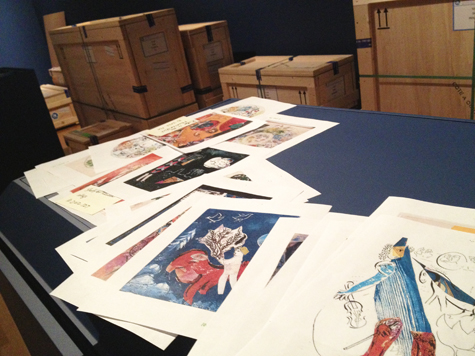
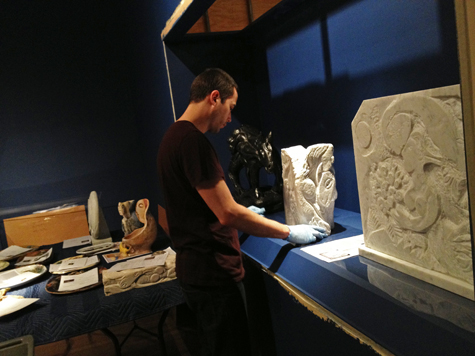
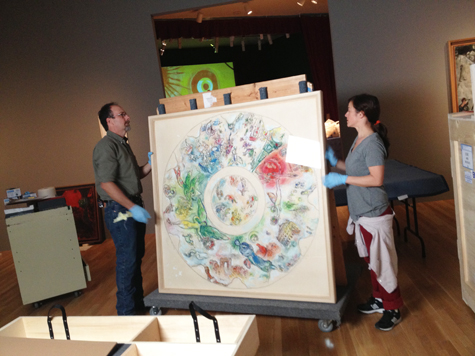
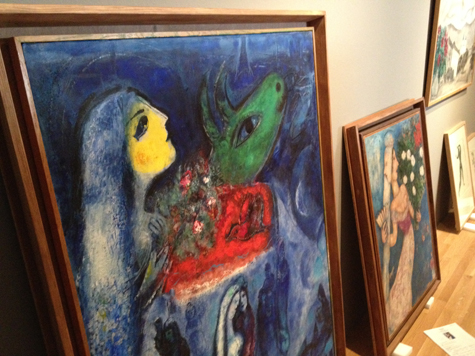
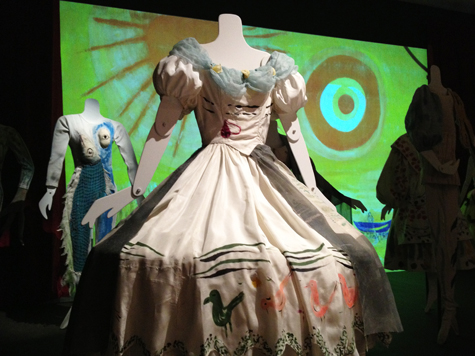
We have less than a week until the opening of Chagall: Beyond Color here at the Dallas Museum of Art. The DMA is the only U.S. venue for this exhibition, which features Marc Chagall’s sculptures, ceramics, collages, paintings, and costumes. To tide you over until the opening on Sunday, February 17, below are a few installation shots from the past week.

IMG_2898

IMG_2915

IMG_2941

IMG_2957

IMG_2971

IMG_2960

DMA and DTC: Collaboration Inspired by Mark Rothko

The Dallas Museum of Art and its Arts District neighbor, Dallas Theater Center, are collaborating in an unprecedented way on the upcoming production of John Logan’s Tony Award-winning play Red, a bio-drama about iconic 20th-century artist Mark Rothko. Rothko once said, “I think of my pictures as dramas; the shapes in the pictures are the performers.”

Months ago, Joel Ferrell (DTC’s Associate Artistic Director and Director of Red) and Bob Lavallee (set designer) came to the DMA for a sneak peek at our Rothko painting currently in art storage so that they could examine the stretcher and the back of the canvas.

Joel Ferrell, Bob LaVallee, and Mark Leonard looking at the back of our Rothko painting currently in art storage.

Bob LaVvallee and Mark Leonard in art storage

Bob discussed his preliminary plans to turn the 9th floor of the Wyly Theatre into Rothko’s Bowery Studio. Joel mentioned that the actors portraying Rothko (Kieran Connolly) and his assistant Ken (Jordan Brodess) in Red will be priming and painting a canvas on stage to music in a “muscular dance,” and that “they wanted to get it right.” Joel and Bob peppered Mark Leonard (the DMA’s Chief Conservator) and Gabriel Ritter (the DMA’s Nancy and Tim Hanley Assistant Curator of Contemporary Art) with questions about Rothko’s use of materials, and great dialogue followed about the seriousness with which Rothko approached his art and creative process. On another visit, I helped production staff browse through books in the DMA’s Mayer Library to find the best photos of Rothko inside his studio in an effort to re-create it faithfully.

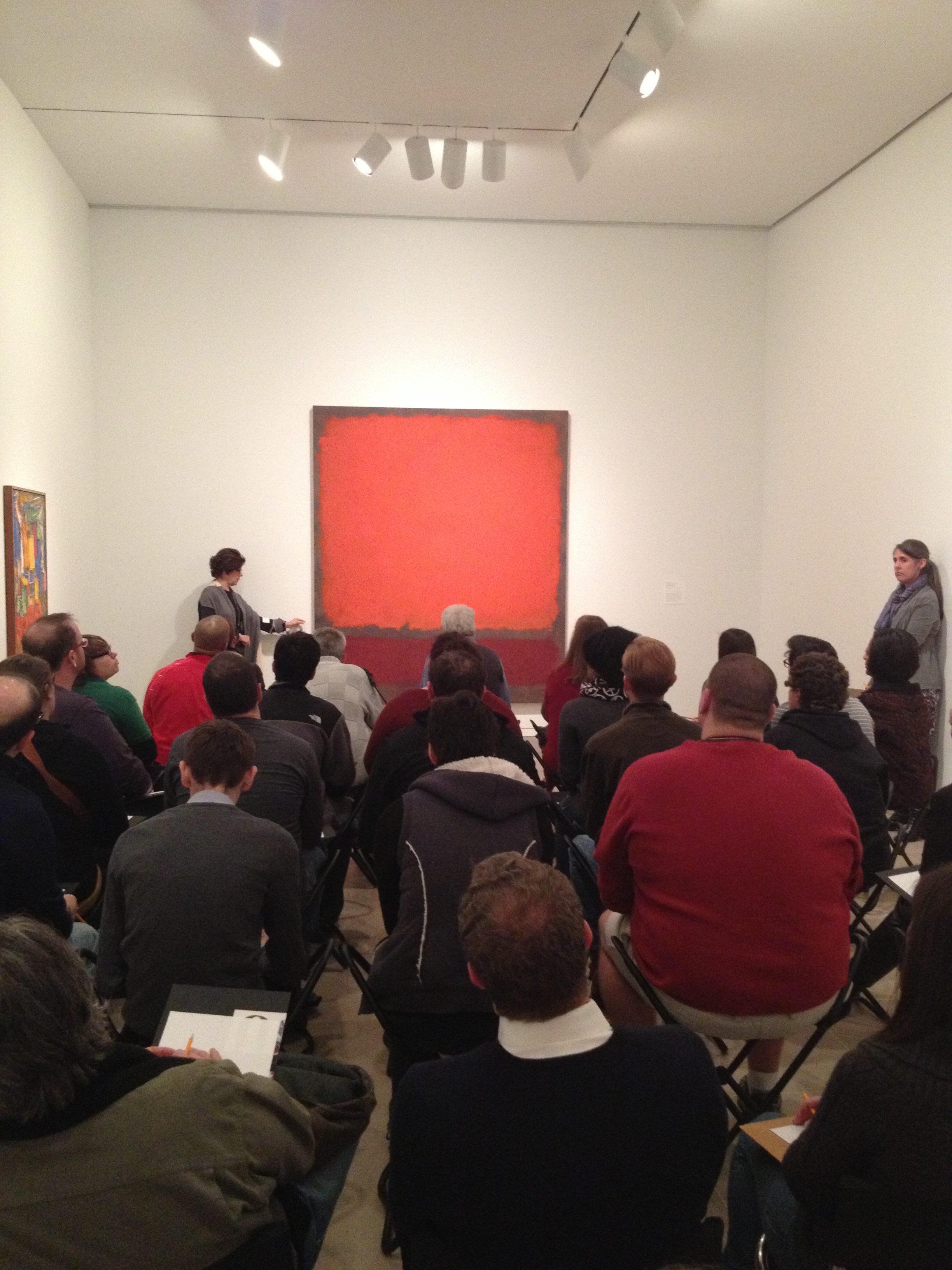
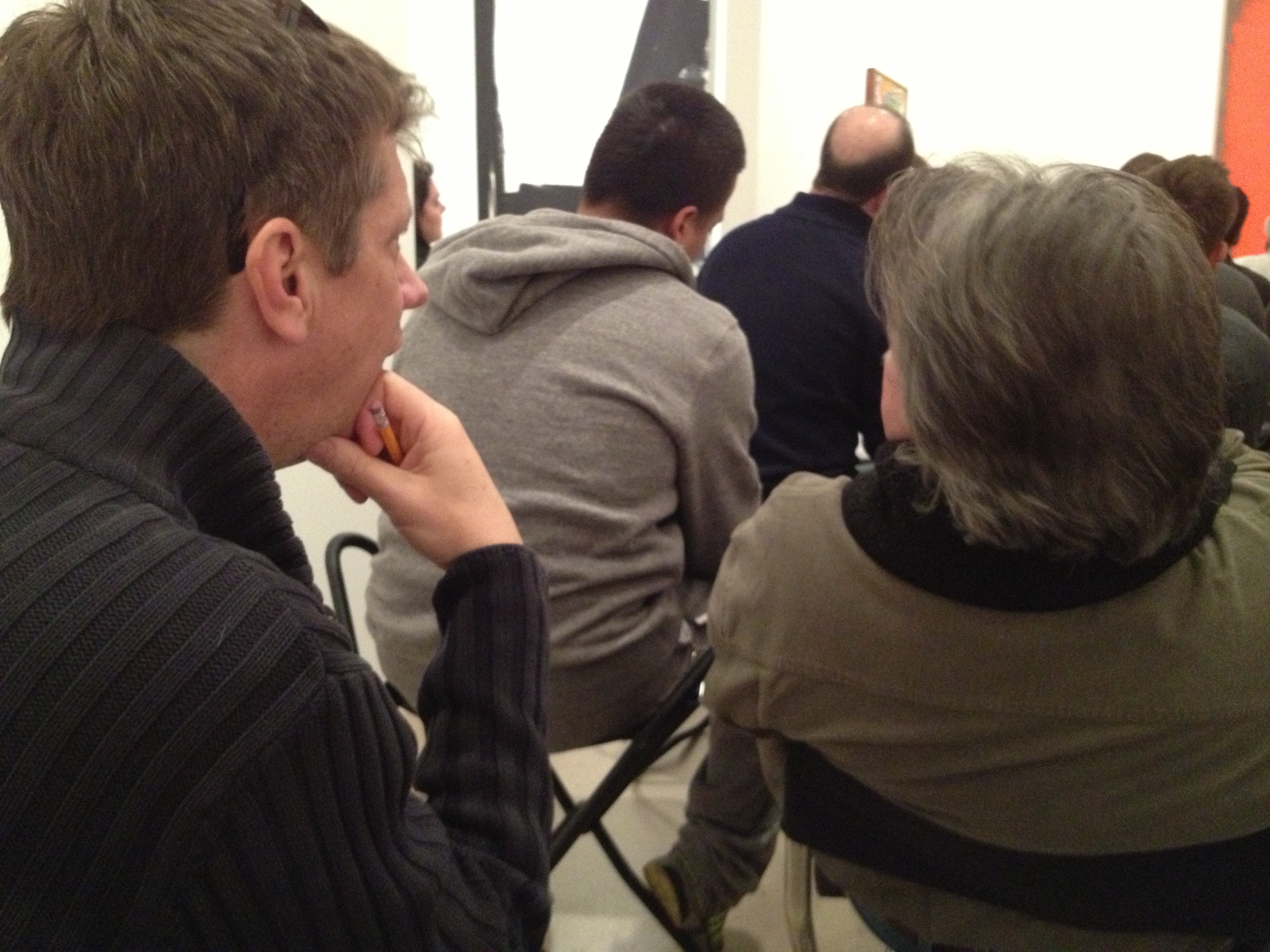
On January 16, the entire DTC staff, ranging from actors to production staff and administrators, joined DMA staff in an afternoon-long workshop. We immersed ourselves in the art of Mark Rothko through lively conversations with Carol Mancusi-Ungaro, who has written on Rothko’s techniques and directed the conservation of his Rothko Chapel paintings; by exploring works of art in the galleries with DMA staff by artists who came before and after Rothko; and through a sustained look and written reflection on Rothko’s painting Orange, Red and Red, which currently hangs in the South Concourse. We finished the afternoon by sharing our responses with each other, seeking to make meaning of what can seem to be an enigmatic painting.

Carol Mancusi-Ungaro discusses Rothko's painting technique with DTC and DMA staff.

Carol Mancusi-Ungaro discusses Rothko’s painting technique with DTC and DMA staff.

Many staff agreed that the longer you looked closely at Orange, Red and Red, the more it reveals to you and rewards you. DTC Brierley Resident Acting Company member and Master Teacher Christina Vela said, “The great masters don’t offer answers, they keep asking you questions; you’re forced to continue to struggle with them.” Bob Lavallee remarked that you have to be physically in the room with the work of art in order to really understand it (as opposed to looking at an image on a screen)–much like theater. Antay Bilgutay, Interim Director of Development, said, “Having the space and opportunity to take my time with a Rothko painting changed my perception of his work.”

Joel Ferrell shares his reactions with a DTC colleague.

Joel Ferrell shares his reactions with a DTC colleague.

We invite you to get your tickets soon to see Red, and then come to the DMA to spend time in front of this mesmerizing work of art. Imagine you are inside the world of this painting. You might ask yourself these questions:

What do you see around you?

What do you smell, hear, and taste?

What do you feel?

How might you describe this place to someone who isn’t here?

[youtube http://www.youtube.com/watch?v=NjPVrtySbPs&w=560&h=315]

One opportunity to do just that is to attend Red In-Depth on Saturday, February 23, a program that includes a matinee performance of Red, followed by time with staff in the galleries exploring the art of Rothko and his contemporaries. Two similar in-depth experiences will take place on February 19 and 27 with middle school and high school students.

Carolyn Bess is Director of Programming and Arts & Letters Live at the Dallas Museum of Art.

Loren Mozley: Structural Integrity

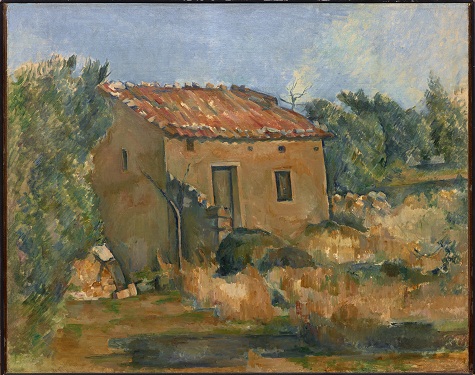
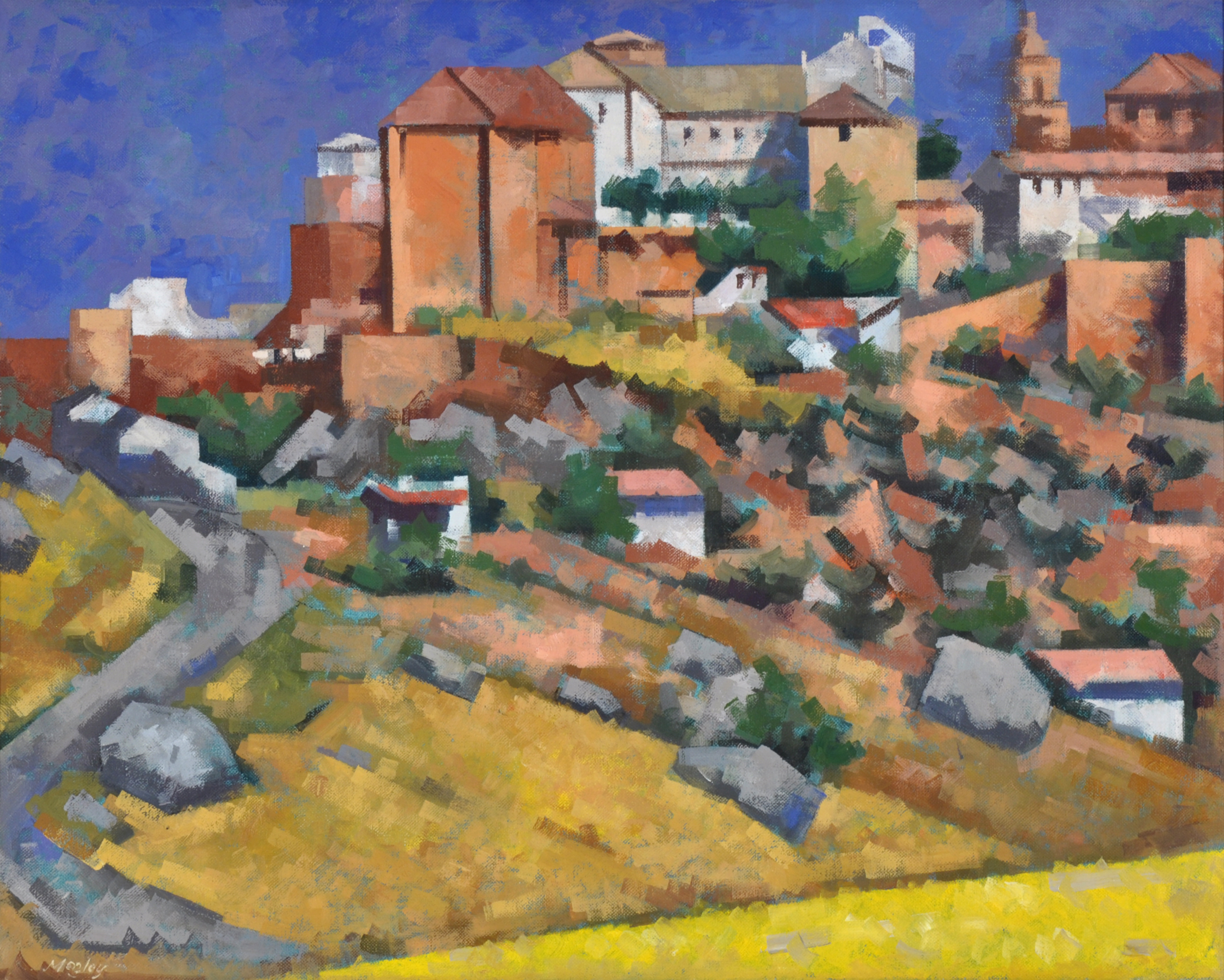
On February 17, the DMA will present for the first time the works of Loren Mozley (1905-1989), a Texas-based artist known for his integration of two dominant influences: Cézanne and the Taos Art Colony. Raised in New Mexico, the young Mozley worked in Taos for a few years before continuing his studies in Paris. His landscapes and still lifes represent the integration of cubist philosophies with the modernist practices of the American Southwest.

Paul Cezanne, Abandoned House near Aix-en-Provence, 1885-1887, oil on canvas, Dallas Museum of Art, The Wendy and Emery Reves Collection

Paul Cézanne, Abandoned House near Aix-en-Provence, 1885-87, oil on canvas, Dallas Museum of Art, The Wendy and Emery Reves Collection

Loren Mozley, View of Ronda, c. 1969, oil on panel, Private Collection

Loren Mozley, View of Ronda, c. 1969, oil on panel, Private Collection

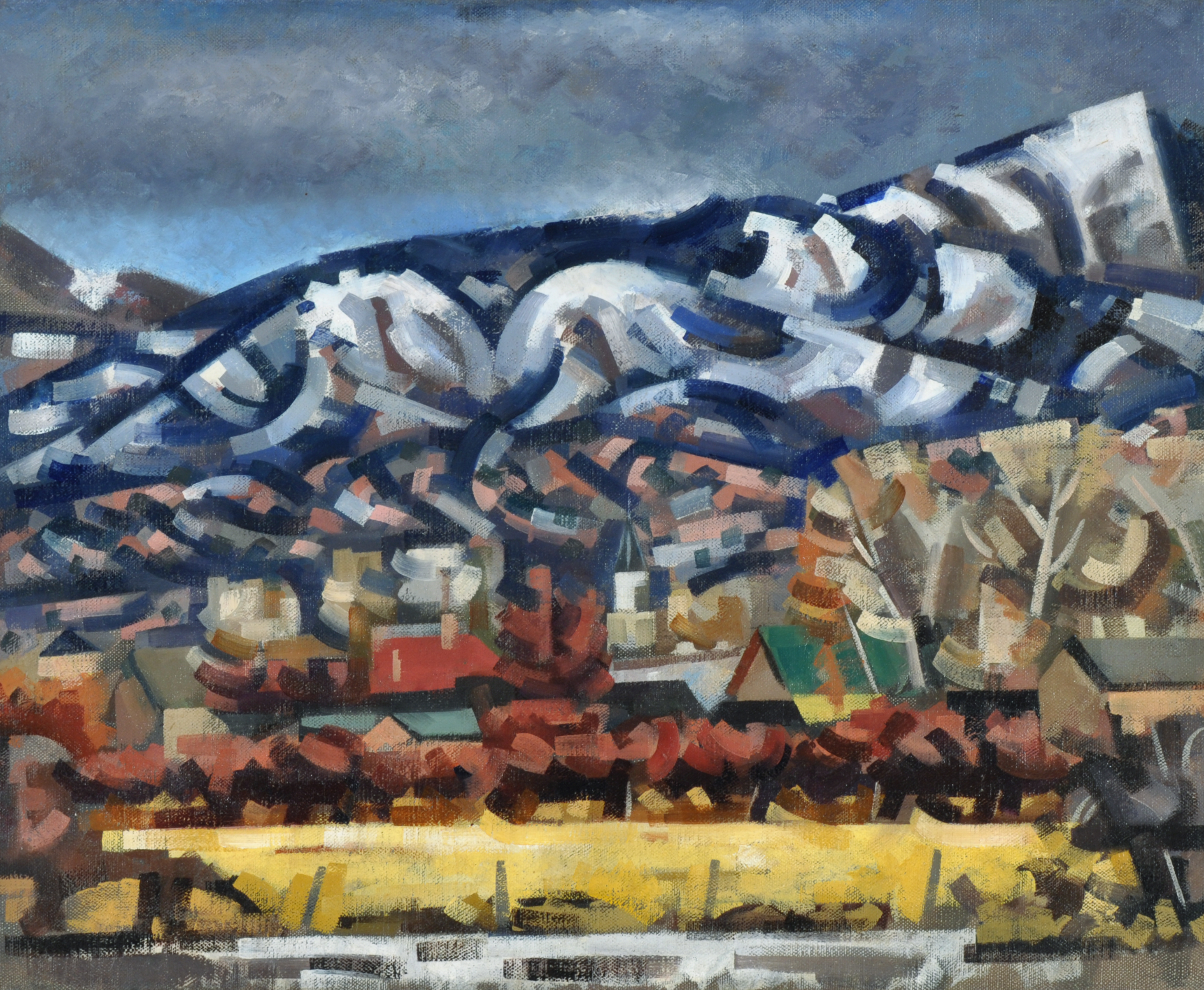
Loren Mozley: Structural Integrity brings together eighteen works spanning the period of 1937-1976. The exhibition offers a fine representation of the artist’s concerns with geometric forms, decorative patterns, and gradations of color to emphasize contrast, depth, and weight.

Loren Mozley, Snowy Range, 1948, oil on canvas, Collection of Judge and Mrs. B. Michael Chitty

Loren Mozley, Snowy Range, 1948, oil on canvas, Collection of Judge and Mrs. B. Michael Chitty

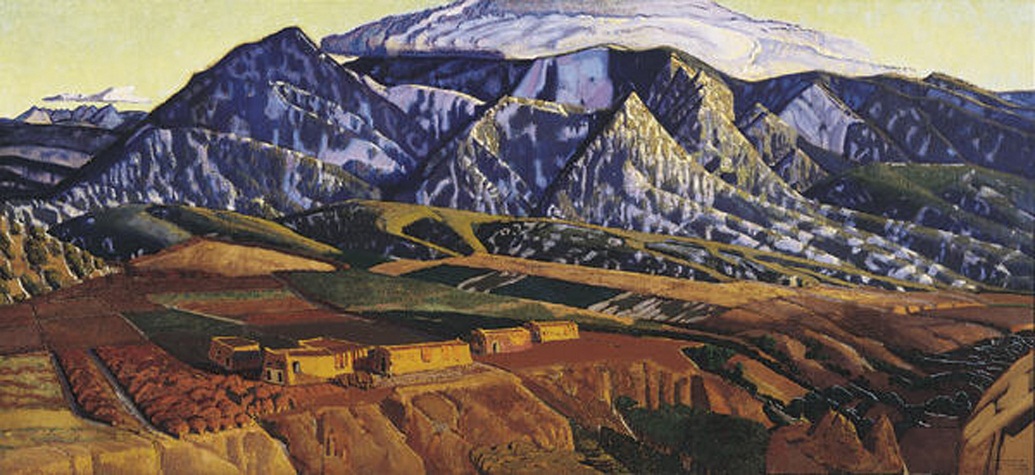
Ernest Blumenschein, Mountains Near Taos, 1926-1934, oil on canvas, Dallas Museum of Art, gift of Helen Blumenschein

Ernest Blumenschein, Mountains Near Taos, 1926-34, oil on canvas, Dallas Museum of Art, gift of Helen Blumenschein


Works by many of the artists who influenced Loren Mozley are on display at the DMA. Look for works by Paul Cézanne, Arthur Dove, Georgia O’Keeffe, and Everett Spruce throughout the American and European galleries on Levels 2 and 3. What other works at the DMA relate to Loren Mozley? Post your comments here.

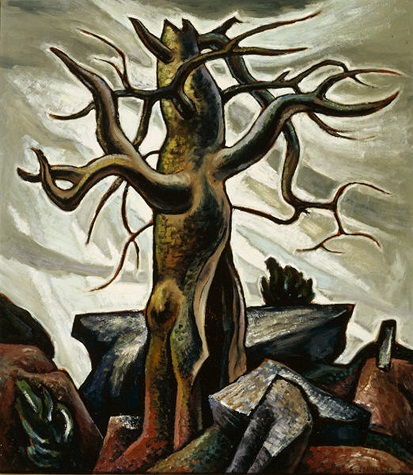
Everett Spruce, Tree and Rocks, 1932, oil on Masonite, Dallas Museum of Art, gift of Maggie Joe and Alexandre Hogue

Everett Spruce, Tree and Rocks, 1932, oil on Masonite, Dallas Museum of Art, gift of Maggie Joe and Alexandre Hogue

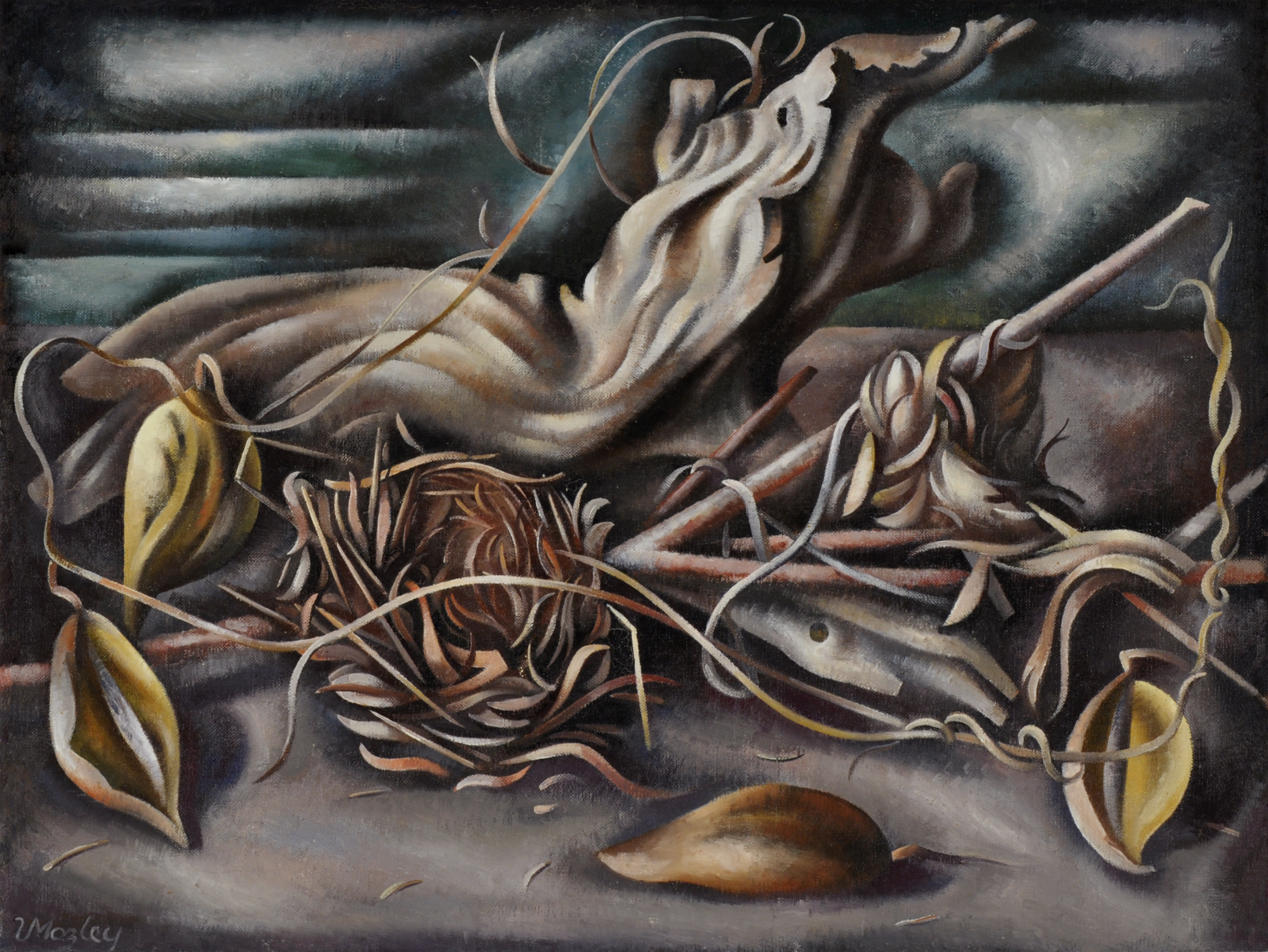
Loren Mozley, Driftwood, Birdsnests, and Milkweed Pods, 1943–44, oil on canvas, Private Collection, Dallas

Loren Mozley, Driftwood, Birdsnests, and Milkweed Pods, 1943–44, oil on canvas, Private Collection, Dallas

Elizabeth Donnelly is the Exhibitions Assistant at the Dallas Museum of Art.

Friday Photos: On a Smaller Scale

Not everything is bigger in Texas! The DMA’s collection contains works that range in size from the miniscule, such as the gold Veraguas Armadillo Ornament that takes up approximately .5 square inches, to the very large, like Claes Oldenburg and Coosje van Bruggen’s Stake Hitch which stands at over 53 feet. This Friday Photos post is meant to draw attention to works in the collection that are often overlooked because of their size. I’d venture a guess that the smallest work in the DMA is somewhere in the collection of African beads, Mesoamerican gold ornaments, or Greek jewelry.

Click on the images below to find out their exact dimensions. You might be surprised…

Can you find these tiny pieces in the Museum? Or better yet, can you find something even smaller?

Artworks shown:

  • Africa, Democratic Republic of the Congo, Pende Peoples, Pendant Mask (Gikhokho), late-19th or early-20th century, Dallas Museum of Art, The Clark and Frances Stillman Collection of Congo Sculpture, gift of Eugene and Margaret McDermott.
  • Mixtec, Bell in Form of Human Head, AD 1100-1500, Dallas Museum of Art, gift of Mr. and Mrs. Eugene McDermott, the McDermott Foundation, and Mr. and Mrs. Algur H. Meadows and the Meadows Foundation, Incorporated.
  • Khmer Empire, Buddhist Trinity, 12th-13th century, Intended bequest of David T. Owsley.
  • Dorothea Margaret Tanning, Jeux d’Enfants, 1942, Lent by private collection.
  • Veraguas Culture, Pendant: Jaguar, AD 800-1200, Dallas Museum of Art, The Nora and John Wise Collection, gift of Mr. and Mrs. Jake L. Hamon, the Eugene McDermott Family, Mr. and Mrs. Algur H. Meadows and the Meadows Foundation, and Mr. and Mrs. John D. Murchison.
  • Giovanni Corvaja (designer), “The Golden Fleece” ring, 2008, Dallas Museum of Art, gift of Deedie Rose.
  • Greek, Pair of Earrings with Female Figure, late-4th century BC, Dallas Museum of Art, Museum League Purchase Funds, The Eugene and Margaret McDermott Art Fund, Inc., and Cecil H. and Ida M. Green in honor of Virginia Lucas Nick.
  • Malia Jensen, Unmade Bed (Duvet with Squares), 2006, Collection of Marguerite Steed Hoffman.
  • Henry Moore, Small Animal, 1980, Dallas Museum of Art, Foundation for the Arts Collection, bequest of Margaret Ann Bolinger.
  • Africa, Kongo Peoples, Standing Figure (Nkisi), 19th-20th century, Dallas Museum of Art, The Clark and Frances Stillman Collection of Congo Sculpture, gift of Eugene and Margaret McDermott.
  • Greek, Attic, Standing Figure, mid-5th century BC, Dallas Museum of Art, on loan from the Ola Brockles Estate.
  • Japan, Meiji Period, Vase, 1890-1910, The John R. Young Collection, lent by John R. Young.

Alex Vargo
McDermott Intern for Gallery Teaching

Spotlight on Raphael Parry

Many Dallasites know Raphael Parry for his extensive work in shaping the Dallas theater scene over the last thirty years. He currently serves as Executive and Artistic Director of Shakespeare Dallas, where he has directed or performed in over twenty-five Shakespearean productions. He also serves as a founder and Chief Artistic Officer of Project X: Theatre, a producing company that focuses on new play development. Raphael has been recognized by the Dallas Theatre League and the Dallas Theater Critics Forum with the Standing Ovation Award for his continued contributions to Dallas Theater.

What you may not know is that Raphael has deep ties to the Dallas Museum of Art, serving as Director and host of Arts & Letters Live’s Texas Bound series for almost two decades. The series showcases Texas-connected actors reading short fiction and essays by Texas-connected authors to a live audience. We like to say that it is “story time for adults.”

Raphael will reprise his role as Director and host again during the 2013 season of Texas Bound on February 11 and on May 6, when he will also participate as an actor.

We caught up with Raphael for a short Q&A about his involvement with Texas Bound.

Raphael Parry, Director and Host of Texas Bound series at the DMA

Raphael Parry, Director and host of the Texas Bound series at the DMA

How long have you been involved with Texas Bound?
My first season I was an actor reading a very short story—less than three minutes long. The next year, I was invited to serve as Director and host—that was 1995. I will be starting my 18th season this year.

What do you enjoy most about working with the series?
Getting to read a huge number of stories, as we search to select just the right ones for the series. It has really brought me a profound appreciation for the art of the short story. And our audience is so generous and eager to hear the readings. It is always a pleasure to take part in Texas Bound in performance.

Texas Bound rehearsal, 2012

Texas Bound rehearsal, 2012

Can you talk a little bit about the process of selecting the stories and casting them?
It starts with a huge collection of stories that have been sifted through after an open call for stories. Our Producer, Katie Hutton, reads through all the submissions and selects the ones that are candidates for Texas Bound. At this point, we have approximately eighty to one hundred stories that we can consider for the Texas Bound series. We meet twice weekly starting in the late summer and I read the stories out loud to Katie and her team. What works on paper can often not transfer to a successful story being read out loud. After reading each story, we discuss three to four potential actors that would be the right match for the story. After reading all of the stories over many weeks, we have a small collection of stories that are strong candidates. Then the real puzzle work begins. We have to find a combination of stories that add up to the right length for the evening and have some balance. We often use a meal as the metaphor for the evening: appetizer, main course, and dessert. We are looking to create a balance and flow.

What is your most memorable Texas Bound experience?
The most memorable experiences are when everything comes together: the actors, the stories, and the audience. There have been many evenings where the flow is fantastic, and we are all moving through the performance with each story and reading building on another. It is like floating on a cloud when it all clicks, and then it’s over—like an ephemeral dream it all dissolves and we are left with a great memory.

What story or stories are you most excited about this season?

'The Dangerous Animals Club' by Dallas native Stephen Tobolowsky

“The Dangerous Animals Club” by Dallas native Stephen Tobolowsky

All of the stories intrigue me, as we work so hard to find just the right ones. I am looking forward to hearing Stephen Tobolowsky read his essay “F.A.Q” from his book The Dangerous Animals Club. He has such an interesting voice, and his essays are so personal yet universal. Also, John Benjamin Hickey is reading Patricia Highsmith’s “A Curious Suicide”; it is a murder mystery with a unique tone. Those two are standouts from a stellar field of stories.


Stephen Tobolowsky will read on February 11th. photo credit Jim Britt.

Stephen Tobolowsky will read on February 11. Photo by Jim Britt.

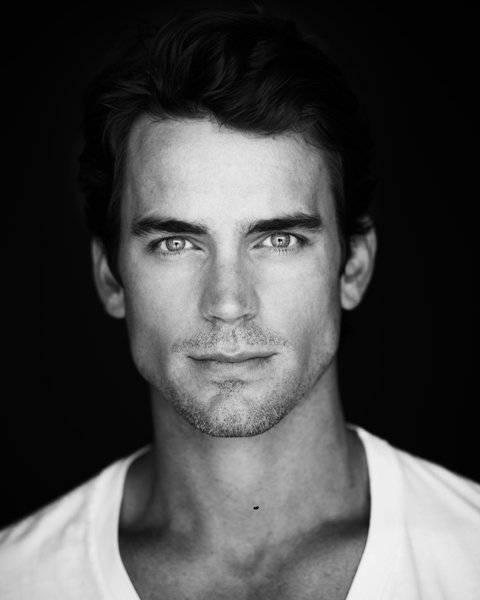
Several of the featured actors this season. Matt Bomer and Stephen Tobolowsky will read on February 11th.  John Benjamin Hickey will read on May 6th.

Matt Bomer will read on February 11.

Several of the featured actors this season. Matt Bomer and Stephen Tobolowsky will read on February 11th.  John Benjamin Hickey will read on May 6th.

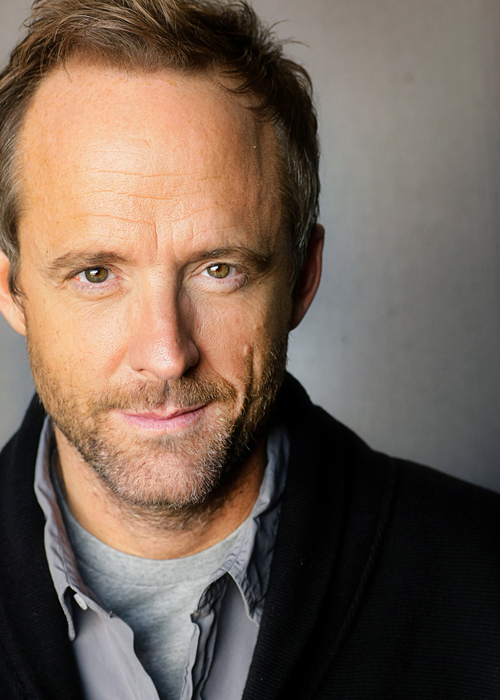
John Benjamin Hickey will read on May 6.

Join us for the first Texas Bound of the season on Monday, February 11. For more information on this season of Texas Bound, visit our website. You can order tickets online or call 214-922-1818.

Katie Hutton is the Program Manager for Arts & Letters Live at the DMA and Producer of Texas Bound.

A HI-C Avenger in C3

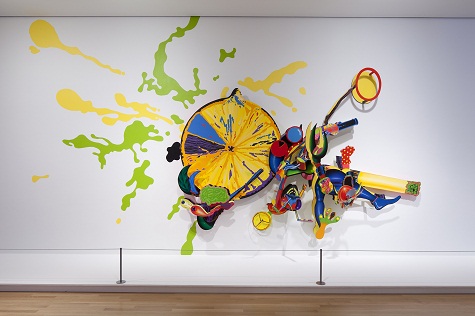
John Hernandez, HI-C Avenger, 1992, acrylic on wood, Dallas Museum of Art, Texas Artists Fund

John Hernandez, HI-C Avenger, 1992, acrylic on wood, Dallas Museum of Art, Texas Artists Fund

The Center for Creative Connections was honored to host two workshops this weekend with the artist John Hernandez. Hernandez, a well-known artist based in San Antonio, received his MFA from the University of North Texas under the tutelage of artist Vernon Fischer. His work is accessible to people of all ages, and a reminder of a pop-culture past. Our visitors were thrilled to have the opportunity to talk with Hernandez about his work and engage in a hands-on experience on Thursday evening during the C3 Artistic Encounters workshop.

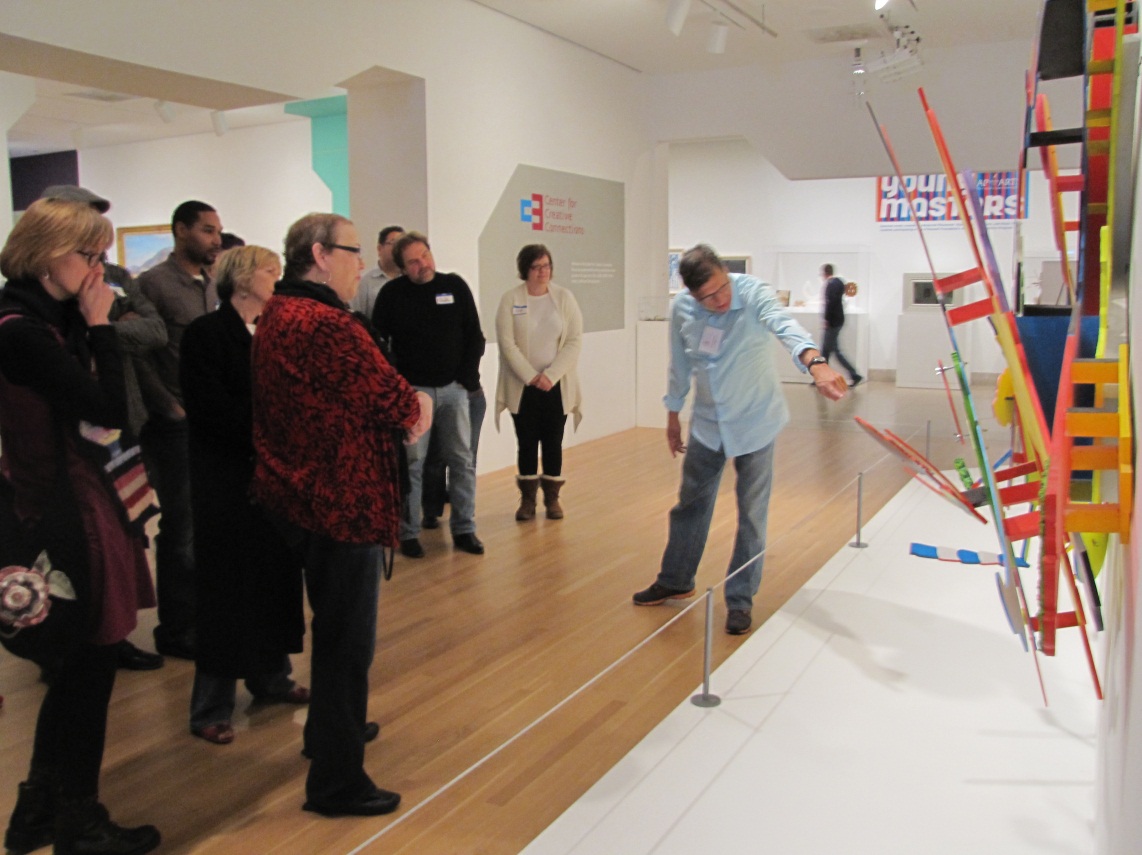
Hernandez answering questions about his work

Hernandez answering questions about his work

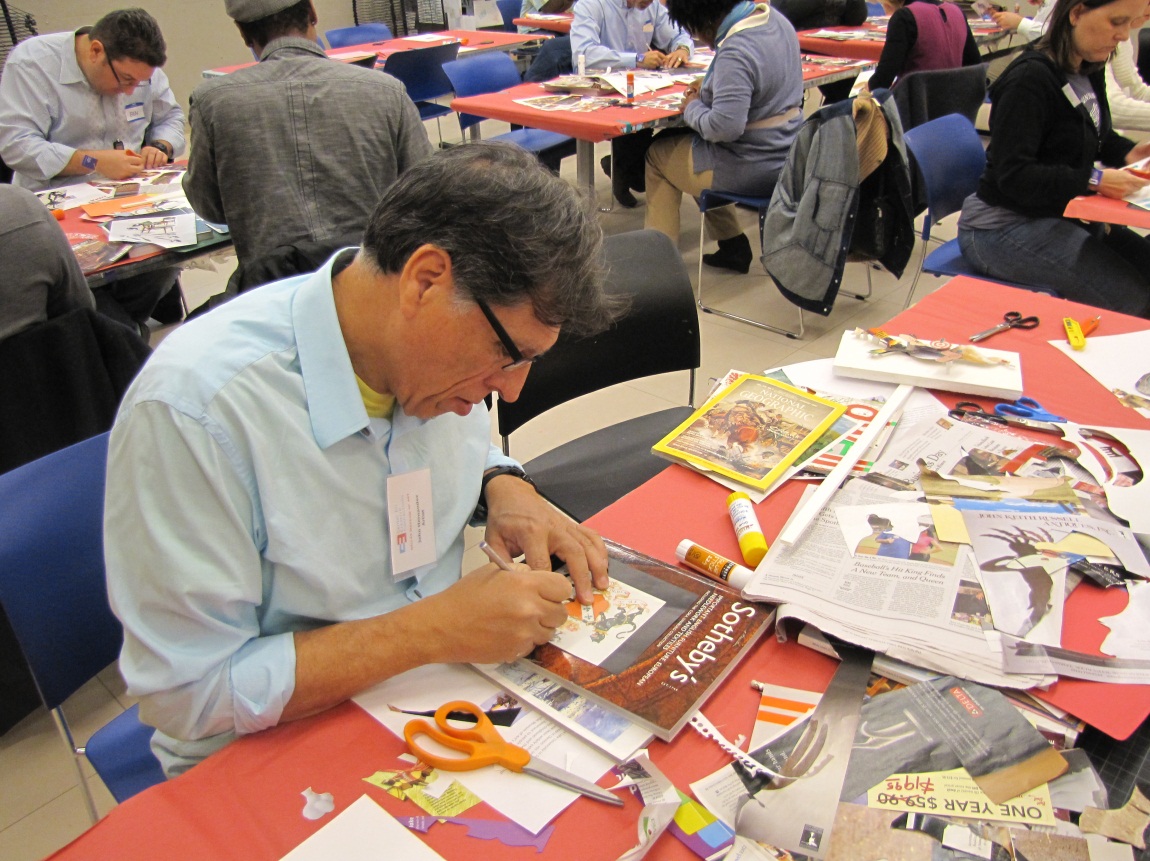
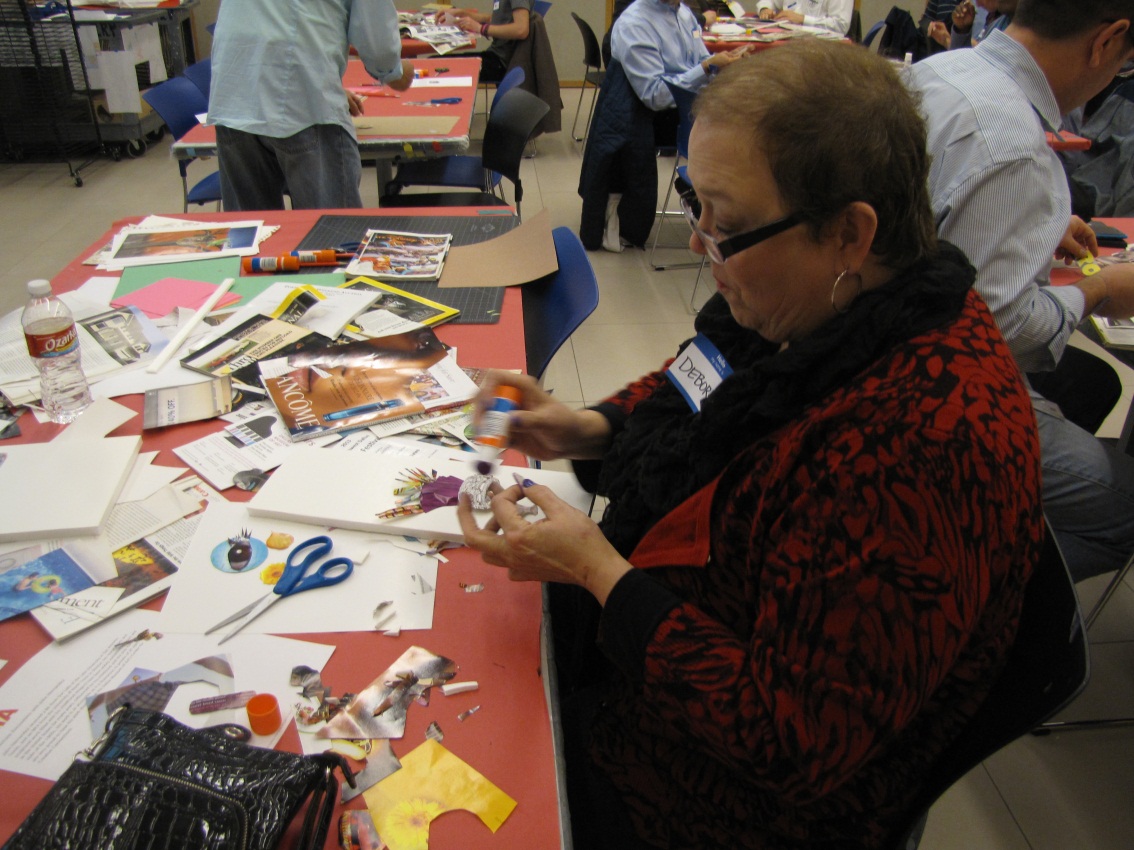
The workshop guided participants through a process Hernandez uses in his own work to design maquettes for his larger installations. Combing through magazines, participants pieced together images in a surreal way, affixed them to cardboard, and then transformed them to pop out of foam core.

John Hernandez demonstrating

John Hernandez giving a demonstration

Deborah creating her collage

Deborah creating her collage

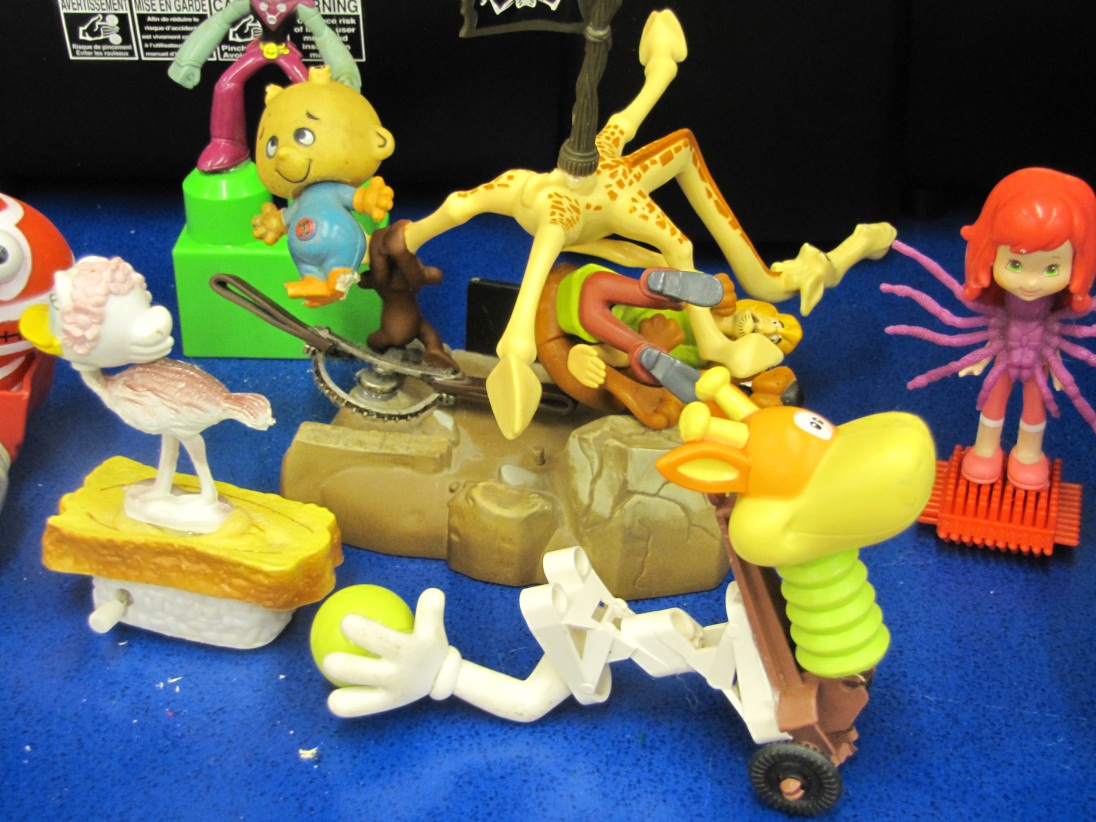
Hernandez joined us again in C3 during our Late Night on Friday evening for a toy sculpture workshop. Similar to the way in which Hernandez creates, visitors pieced together vintage toys to create new creatures of their own. Morphing one toy into another, cutting pieces of something that once was in order to create something new and different, gave visitors a closer look at the process of the guest artist.

Toy Creations

Toy creations

The next time you are in C3, stop by to admire Hi-C Avenger by John Hernandez and take a closer look! What will you see?

Amanda Batson is the C3 Program Coordinator at the Dallas Museum of Art.

Welcome, DMA Friends

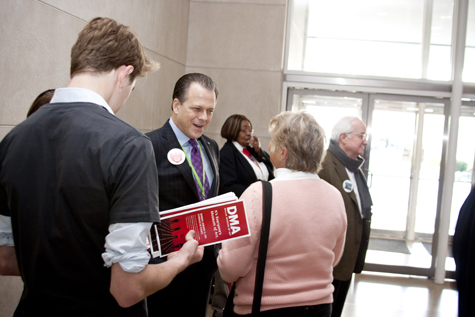
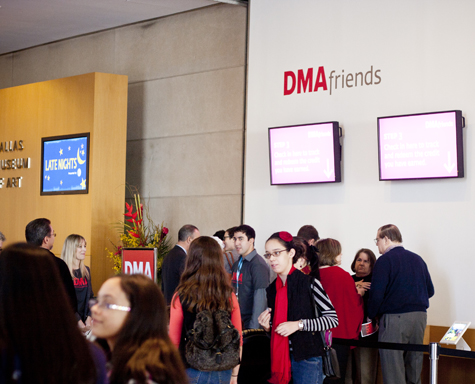
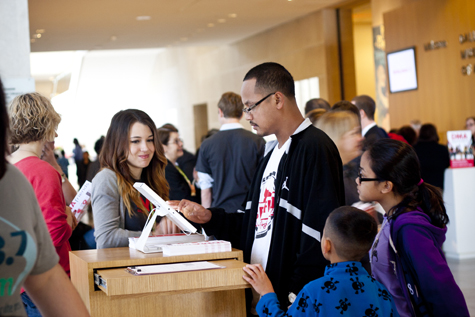
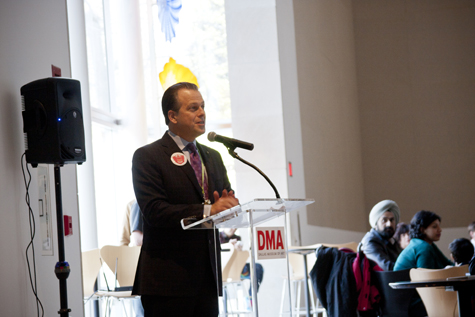
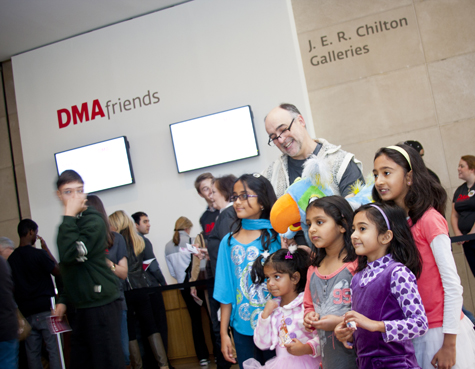
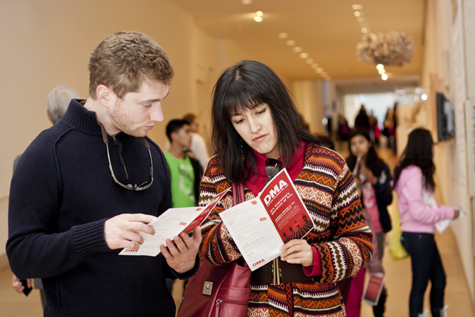
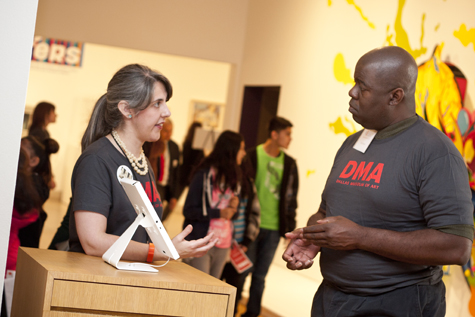
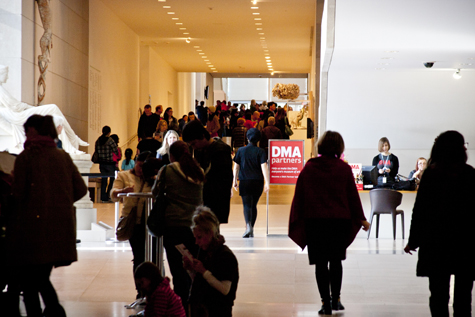
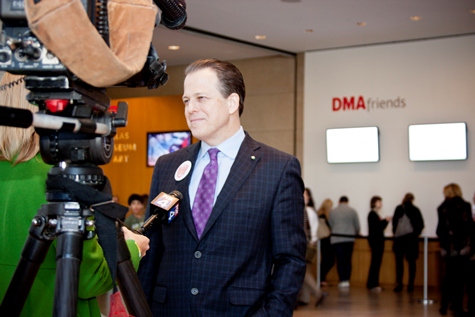
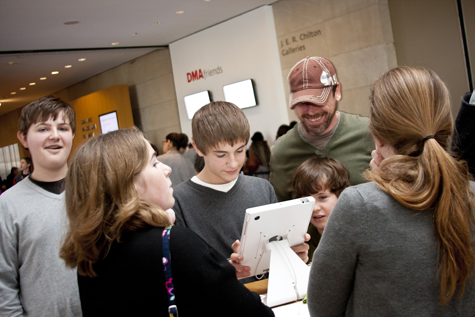
On Monday we launched our DMA Friends & Partners program and returned to free general admission. We welcomed over 2,000 visitors to the DMA, and over 800 visitors signed up to be among our first DMA Friends. We are excited to now offer free general admission every day the DMA is open (for Museum hours visit the DMA’s website), and we are thrilled to make available free membership through the DMA Friends program.

If you were not able to join us on Monday to sign up as a DMA Friend, don’t worry! Anyone that walks through the DMA’s doors will be able to sign up for free at the kiosks located in the Museum’s Concourse. DMA Friends is a FREE program that allows you to discover new and fun activities at the DMA. We’ve created bundles of activities, called badges, that are awarded to DMA Friends who are active at the Museum. Badges can give you new ideas about ways to use the Museum that you’ve never thought of before. Earning badges unlocks special rewards and recognition like free tickets, behind-the-scenes tours, discounts on shopping and dining, and access to exclusive experiences at the Museum.
4

23

24

70

41

60

77

36

35

83

73

The DIY Teleprompter

At the DMA, we have a studio set up for video production, and we’ve recently started using a teleprompter for many of our announcement-based videos. Using a teleprompter makes it easy for the video subject to read his or her lines and still look into the camera, giving the video a natural feel and flow.

The first time we needed a teleprompter, it was a last-minute request, and we didn’t have time to order one (not to mention they are extremely costly!). So a trip to Home Depot, a cardboard box, a pair of scissors, and an iPad app later and we had a working DIY teleprompter.

How a Teleprompter Works

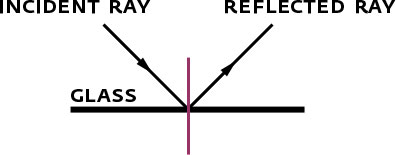
Angle of Incidence Equals Angle of Reflection

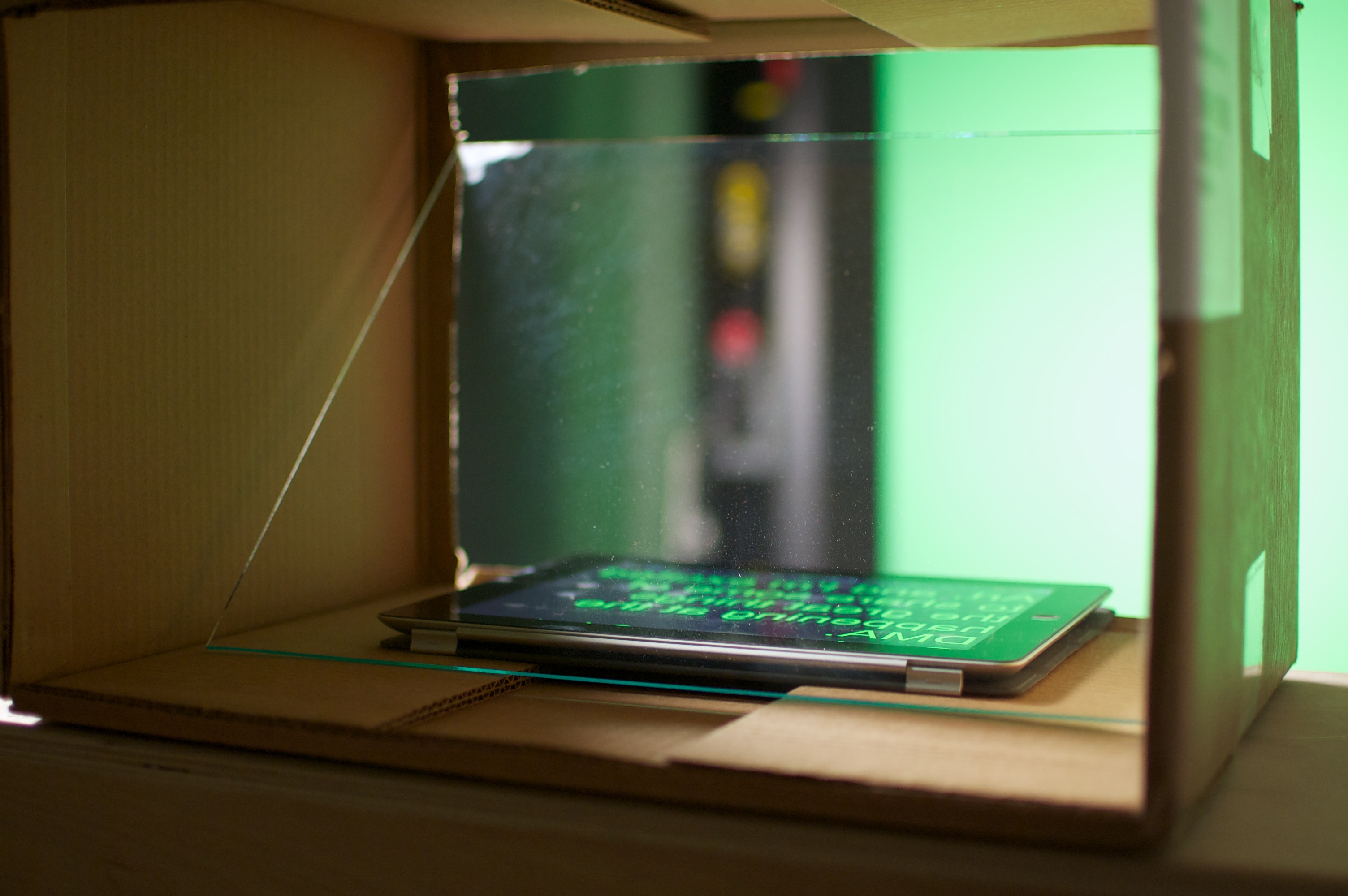
A teleprompter works by using a bit of optical illusion. A piece of glass is placed at a 45-degree angle in front of the camera lens. A computer screen (in our case, an iPad) is placed under the glass. The text is reflected off the glass and is readable by the actor while the camera does not pick up this reflection.

In terms of physics, this is based on the fact that the angle of incidence is equal to the angle of reflection. This means that if light strikes a surface (in our case the glass) it reflects off the opposite direction, but at the same angle as it was hit. So as long as the screen is on a flat surface, and the glass is at eye level to the actor, the actor will see the text but the camera will not, since its not on the same angle of incidence. This also relates to the Fresnel Effect (pronounced fray-nel), which is the observation that the amount of light visible is dependent on the viewing angle.

The material you use will also have an effect on the quality you get. Real glass works much better than Plexiglas. You also need to get the thinnest piece of glass possible. If the glass is too thick, the actor will see two reflections and the text will appear blurry. The actor will see reflections on the front of the glass and also the back. The glass I used here is 3/32 inch thick, which works great.

Setting Up the Teleprompter
DIY Teleprompter

First you have to get something to hold your glass at a 45-degree angle. I used a simple cardboard shipping box and cut both sides to just under the width of the glass. This will hold it in place and allow room for adjustment. A more permanent solution would be to build a wooden box with slots to hold your glass, but try the cardboard first so you’ll get a feel for how the glass needs to sit.

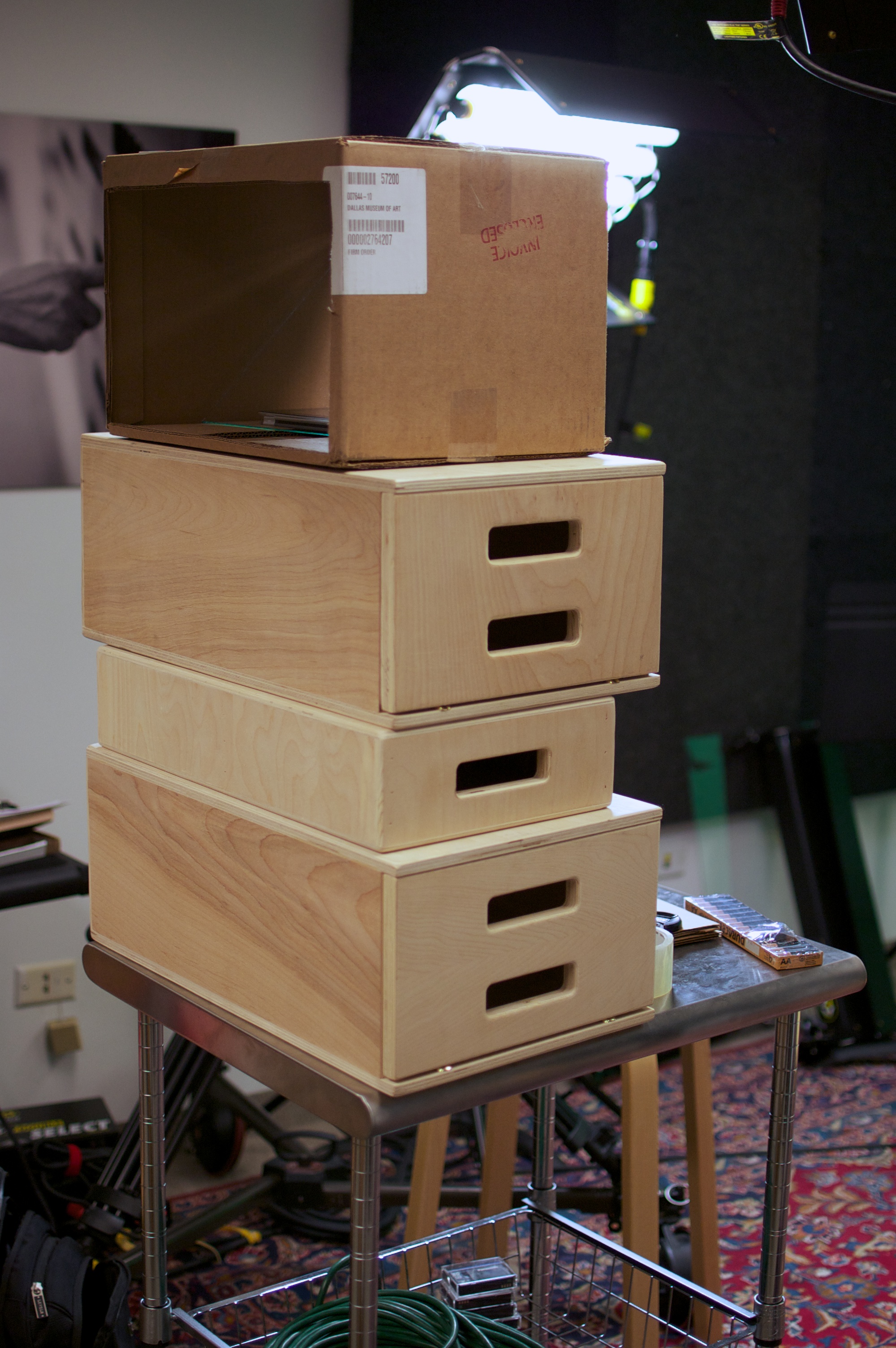
The next thing you’ll want to do is get the reflecting glass to the height of the actor. This isn’t that difficult, but do this first and it will save you a headache later. I have a rolling kitchen cart, and I’ve used some apple boxes to get the height up to eye level. You’ll need to experiment a little and have some extra “shims” on hand if there is a height difference with your actor.
DIY Teleprompter

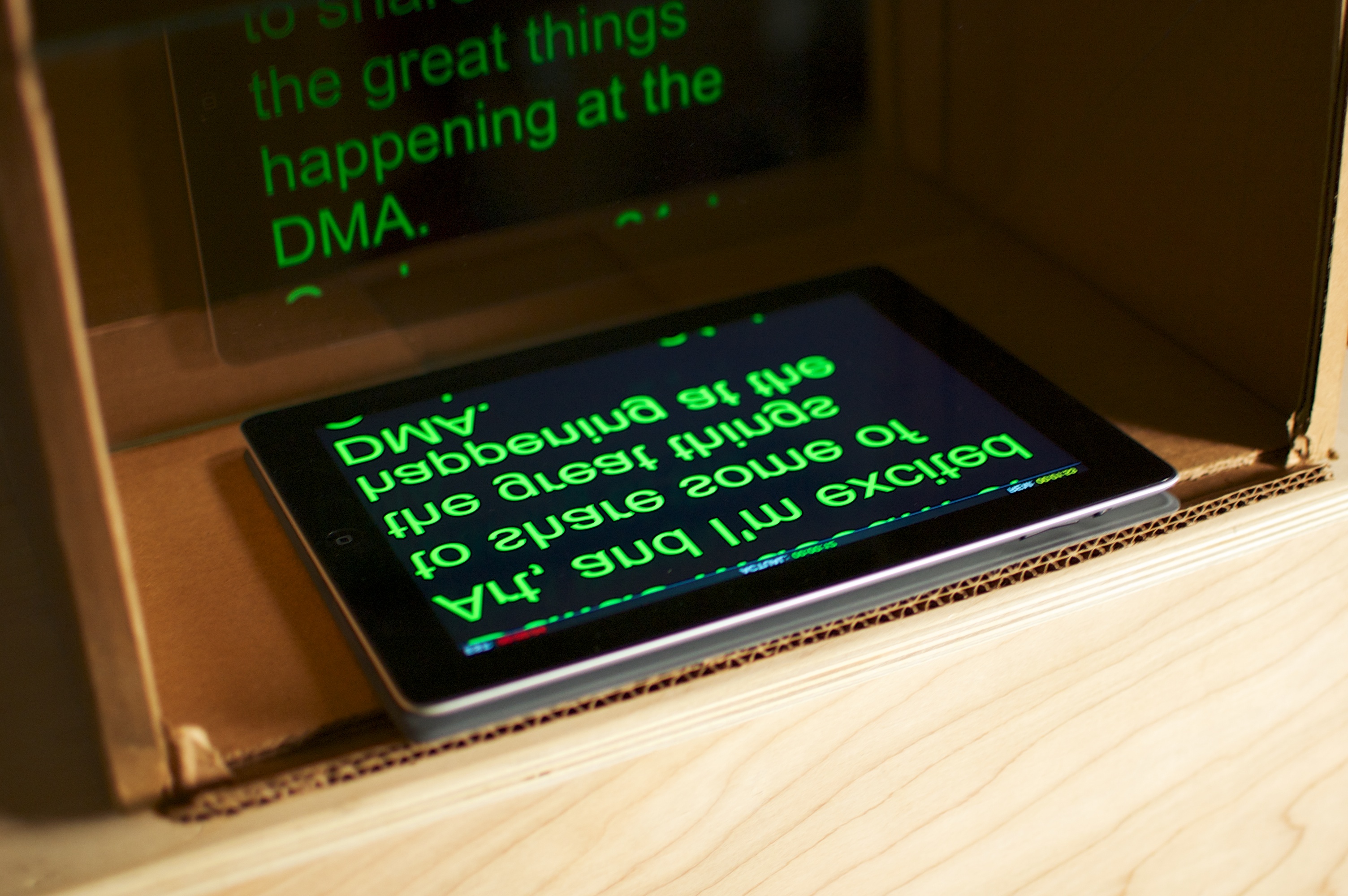
Go ahead and set up the iPad app, and place the iPad in the bottom of the box facing up—remember you’ll need to tell it to mirror the whole display since it’s being reflected. The app I’m using, Teleprompter+, lists this as a setting. When you start the script, it will mirror all of the text for you automatically.

Set the camera up on the other side of the glass. Once the subject is in focus and you start recording, you’ll want to use a piece of dark cloth to cover the back of the camera. I actually use my sport coat, which has a dark lining. This will block out any back-lighting, so the actor only sees the text. Before you start recording, make sure your subject knows where the lens is so he or she can make a mental mark of where to place his or her eyes. You are ready to record.

The iPad App—Teleprompter+

One thing that’s really nice about Teleprompter+ is that it allows you to set up your iPhone to control the text scrolling on the iPad on either a wireless or bluetooth connection. This allows the subject to scroll the text with the iPhone off-camera. In newscast setups, this is usually done with massive pieces of equipment and is controlled by a teleprompter operator. This setup using a separate operator often drives talent crazy because this person needs to be really good at the pacing and understanding where the eyes are. It’s an art to get this right. By using the iPhone app to control the iPad, we eliminate this need, and if your talent is good at this it works much more smoothly.

Final Touches

I’ve given you all of the technical explanation and instructions for putting a teleprompter together, but I would be remiss if I didn’t say that the lynchpin for success is the talent you have in front of the camera. Reading pre-written text and making it sound natural is an art unto itself. News anchors all use teleprompters and you can tell the difference those who are dynamic and interesting and those who sound like they are reading.

The other skill that is extremely important is knowing how to “read” off a teleprompter. Naturally when we read our eyes drift around to collect information to give to our brain. Unfortunately this motion is clearly visible when using a teleprompter. The talent must have a clear understanding of where the lens is and where his or her eyes should be. Moving the camera back further seems like a good way to make eye motion less obvious, but then it is harder for the talent to see and read.

The subject of most of our teleprompter usage has been our director, Max Anderson, who has had considerable television and teleprompter experience in the past. This makes the whole thing go very quickly, and we can get everything in one or two takes. If you’re dealing with someone who doesn’t have this experience, you’ll want to build in some rehearsal time.
DIY Teleprompter

So it doesn’t look as nice as the ones used on news sets or at press conferences, but those could run you close to $5,000. Here are the costs for our DIY Teleprompter:

11 x 14-inch piece of 3/32-inch-thick glass: $3.28
Cardboard box: Free
Apple boxes and cart: Free (already had them lying around)
Teleprompter+ app: $14.99

Total costs: $18.27 + tax

Ted Forbes is the Multimedia Producer at the Dallas Museum of Art.
Peace and Equality

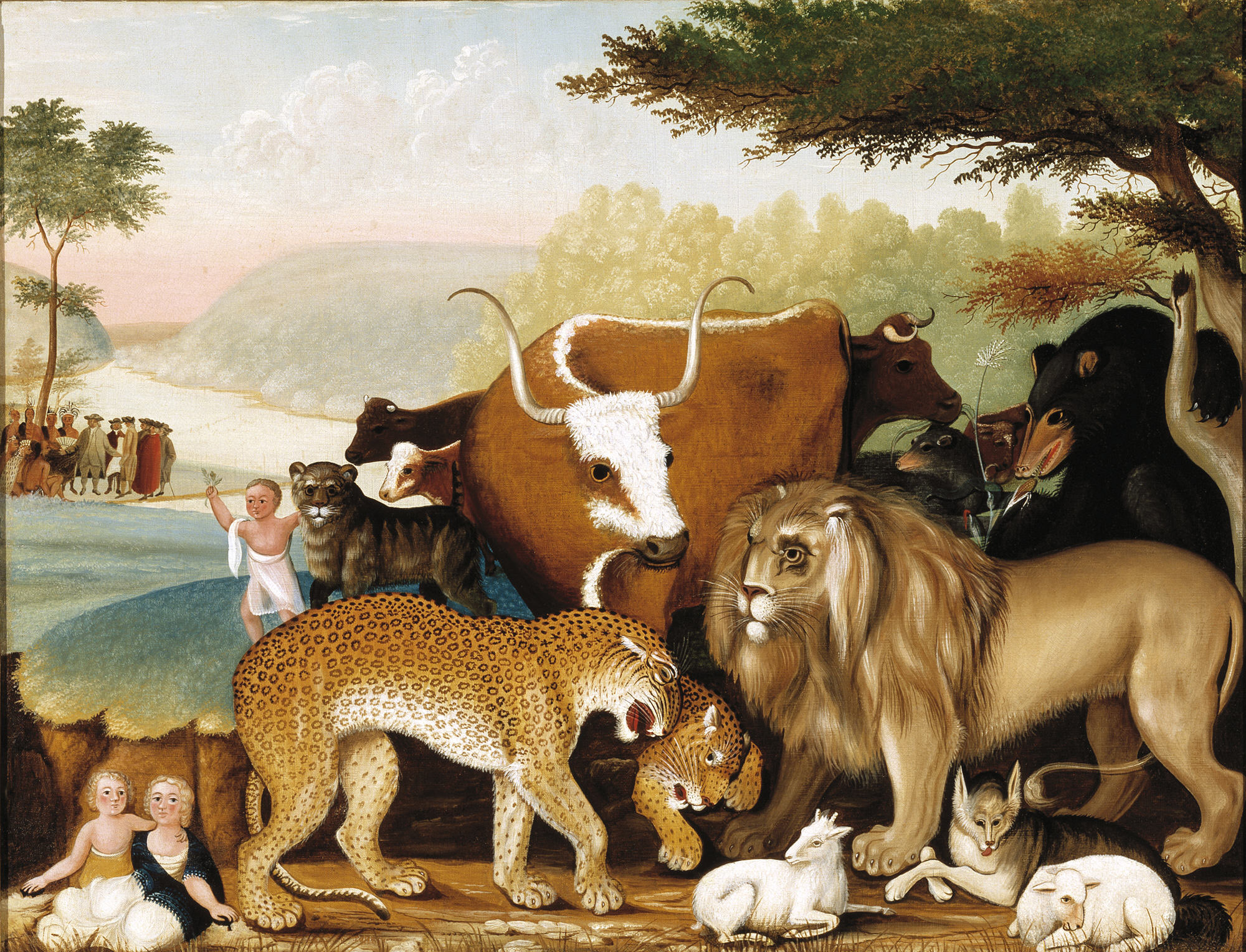
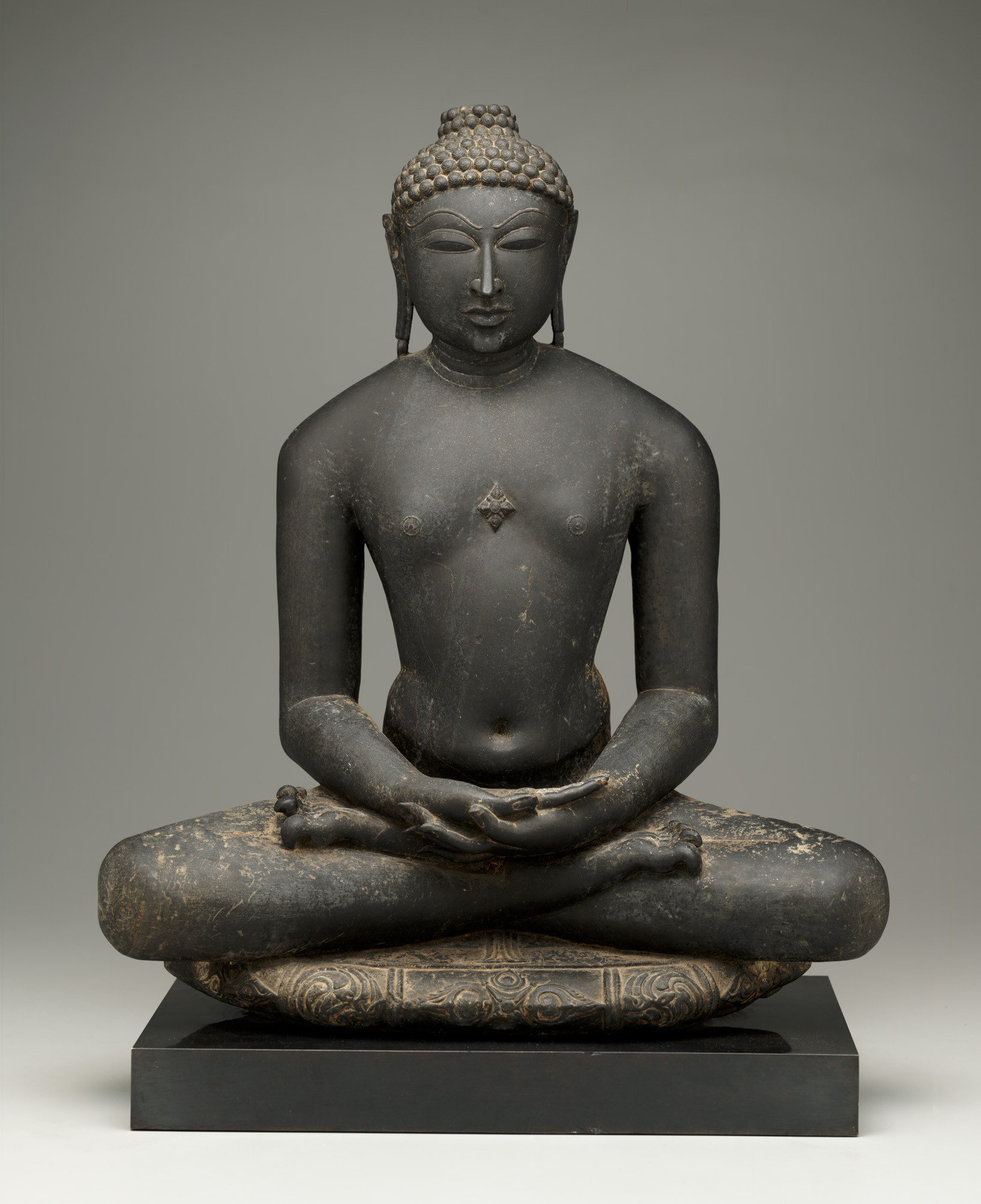
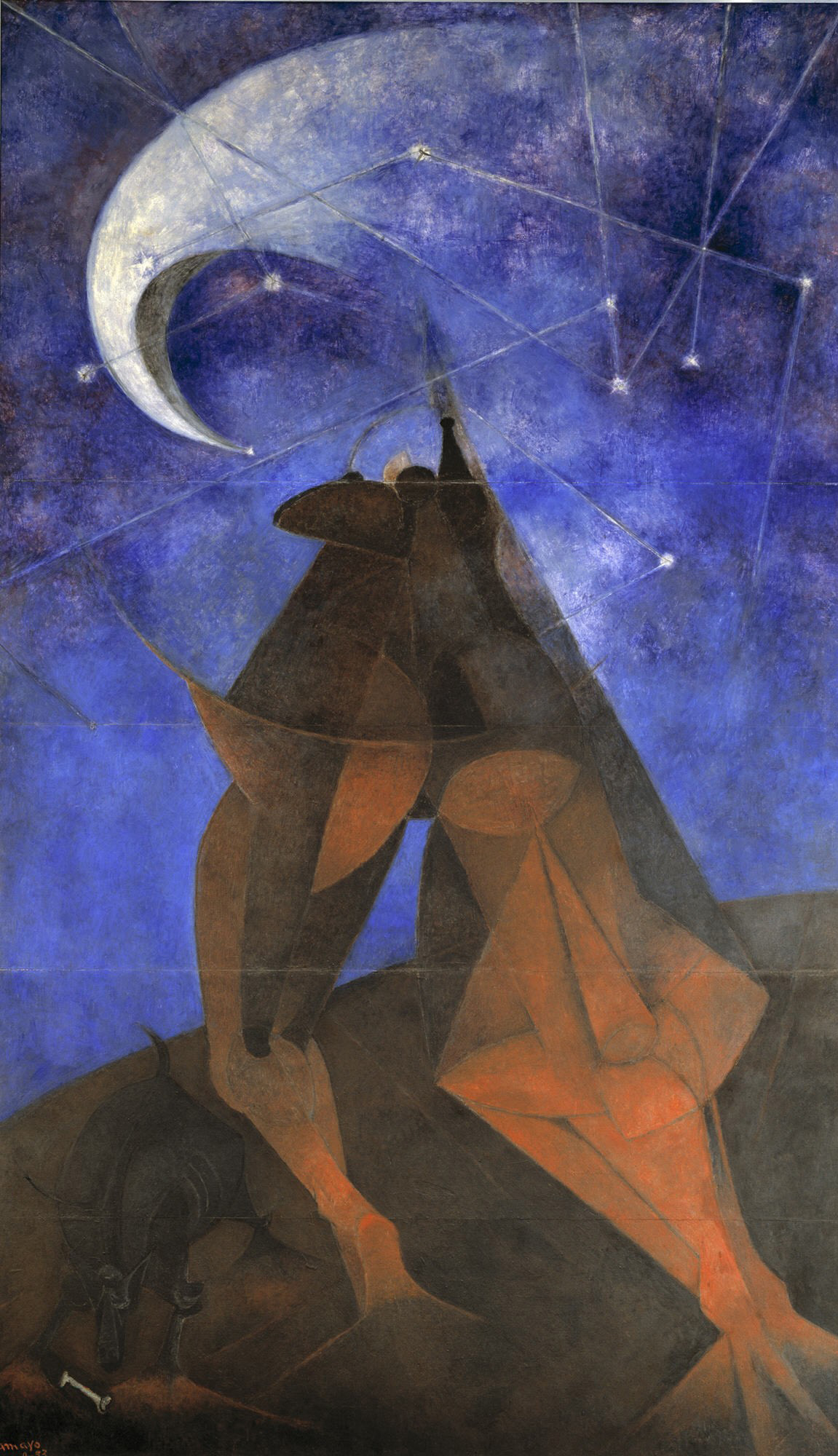
Civil rights leader Martin Luther King, Jr. was a champion of peaceful ways and equality for all people. This year marks the 50th anniversary of his I Have a Dream speech, delivered in Washington, D.C., in August 1963. Pick up a Peace and Equality self-guide tour (featuring the works shown below) today at the DMA during the launch of the DMA Friends & Partners program and our return to free general admission, and visit works of art in the DMA’s collection that resonate with the spirit of peace, hope, compassion, faith, and determination prevalent throughout Dr. King’s actions and teachings.
Edward Hicks, The Peaceable Kingdom, c. 1846-1847, oil on canvas, Dallas Museum of Art, The Art Museum League Fund

Edward Hicks, The Peaceable Kingdom, c. 1846-1847, oil on canvas, Dallas Museum of Art, The Art Museum League Fund

Jina, 12th century, black stone, Dallas Museum of Art, gift of the Junior Associates

Jina, India, Western Rajasthan, 12th century, black stone, Dallas Museum of Art, gift of the Junior Associates

Rufino Tamayo, El Hombre (Man), 1953, vinyl with pigment on panel, Dallas Museum of Art, Dallas Art Association commission, Neiman-Marcus Company Exposition Funds

Rufino Tamayo, El Hombre (Man), 1953, vinyl with pigment on panel, Dallas Museum of Art, Commissioned by the Dallas Art Association through Neiman-Marcus Exposition Funds, (c) 2013 Estate of the artist in support of Fundacion Olga y Rufino Tamayo, A.C.

Glenn Ligon, Untitled, 2002, coal dust, printing ink, oil stick, glue, acrylic paint, and gesso on canvas, Dallas Museum of Art, DMA/amfAR Benefit Auction Fund

Glenn Ligon, Untitled, 2002, coal dust, printing ink, oil stick, glue, acrylic paint, and gesso on canvas, Dallas Museum of Art, DMA/amfAR Benefit Auction Fund, (c) 2002 Glenn Ligon

Nicole Stutzman Forbes is the Chair of Learning Initiatives and Dallas Museum of Art League Director of Education.


Archives

Categories