Posts Tagged 'Dallas Museum of Art'


FAST Times at the DMA

With each new exhibition at the Museum comes a jolt of excitement for our FAST (Family, Access, School, and Teaching programs at the DMA) team. Education programs at the DMA involve both the permanent collection and any special exhibitions, and a new exhibition means opportunities for exciting new lessons. Though our programming won’t focus on the newly opened exhibition Inca: Conquests of the Andes/Los Incas y las conquistas de los Andes until the fall, we can’t help but brainstorm some experiences we might create around the fantastic content inside. Here’s a look at some of the ideas we’ve got flying between our ears:

Family Programs
1
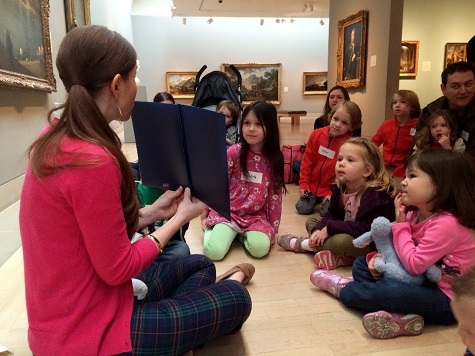
For our littlest learners, from babies to our homeschool kids, we often begin our gallery portion of the program with story time connected to the lesson’s theme. To get thinking about camelids and their importance in Inca life, we’re eyeing one of Anna Dewdney’s Llama Llama books and will then explore objects like the llama-form vessel or llama-head whistle. The focus of the lesson could also be one of the exhibition’s remarkable tunics. We would follow the journey of camelid fibers, which we have on hand for tactile exploration, from their origins on a llama to their ultimate use, being woven into a wonderful piece of clothing. Our youngest visitors will then try their hand at a weaving project in the Museum’s Art Studio.
Access Programs
2

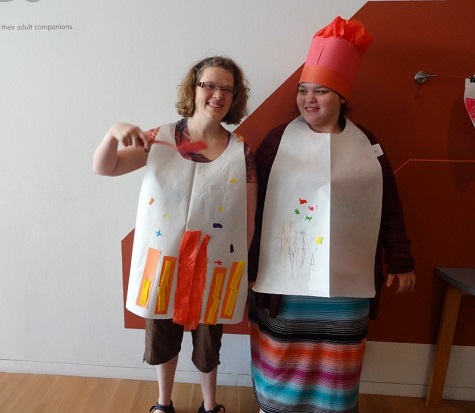
For visitors with special needs, our class might focus on jobs in Inca society. Through an object like the tunic with checkerboard pattern and stepped yoke, we can connect the idea of the Inca soldiers who wore the tunic and the weaving specialists who made it to what we know of modern occupations or memories of jobs our participants had in the past. Different art projects would be appropriate for the two groups: with our visitors with intellectual and developmental disabilities, we might choose our Inca dream job and make wearable tunics for it using materials in the Museum’s Art Studio, and for participants with Alzheimer’s, we might take our time with a weaving project. We like to have a hands-on experience all participants can enjoy.
Go van Gogh
3

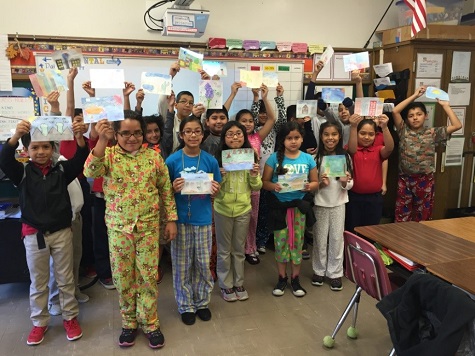
Our Go van Gogh community outreach program involves a staff member and volunteers leading programs in classrooms throughout DISD. For an Inca-based program, we would pick 3–4 works to explore around a theme such as “what we wear,” which could include items like the sleeved tunic, poncho with central medallion and double-headed-birds, or four-cornered hat. For a related art project, the students may design their own tunics using some of the geometric patterns or animal imagery we discussed. We always have amazing works of creativity come out of our Go van Gogh groups!
School Tours
4

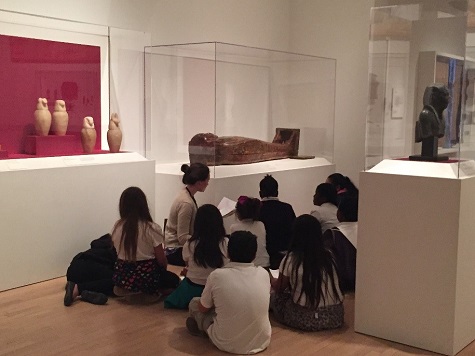
Most teachers who sign up for school tours want their students to see as much as possible, so our wonderful docents choose highlights from all over the DMA’s expansive collection. Inca might only be one stop on a tour of five or six destinations in the Museum. Docents typically let the interests of the students lead the discussion: are they drawn to textiles or ceramics, ideas of Inca soldiers or animal imagery? Whichever it is, docents would be sure to show contextual images such as a map of the Tahuantinsuyu empire or an illustration of a ruler wearing a tunic. Though the stop is brief, the goal is to teach the students a little bit about another culture, while whetting their appetite so they return for more!

Make sure you take the opportunity to explore Inca: Conquests of the Andes/Los Incas y las conquistas de los Andes before it closes in November. In the meantime, the FAST team will be counting the days until we can explore the exhibition with our many audiences!

Liz Bola is the McDermott Graduate Education Intern for Gallery and Community Teaching and Jennifer Sheppard is the McDermott Education Intern for Family and Access Teaching at the DMA.

Communicating in Quechua

INCA

Months. It took literally months during the summer of 2014 to decide on the orthography (the correct spelling/writing) for the exhibition Inca: Conquests of the Andes/Los Incas y las conquistas de los Andes, which opened Friday. For example, should the Museum use “Inca” or “Inka,” among other spelling differences that would emerge in the exhibition texts. Many factors weighed into my decision, from popular recognition to modern linguistics, from consistency in labels to proper pronunciation. For the first few months of the exhibition project, I solicited the opinions of many individuals about the issue—from leading pre-Columbian linguists to Inca archaeologists to fellow curators, and even friends and family. I read the most recent publications, edited volumes, scholarly monographs, and online blogs to ascertain the most current opinions. Indeed, I researched, inquired, and deliberated so long that there was general confusion around the DMA itself about the final decision for months after I had finally settled on a position. Mea culpa; thank you to everyone for their kind patience. And I appreciate the generous input from many colleagues on an issue that elicits deep passion and strong opinions from scholars across disciplines.

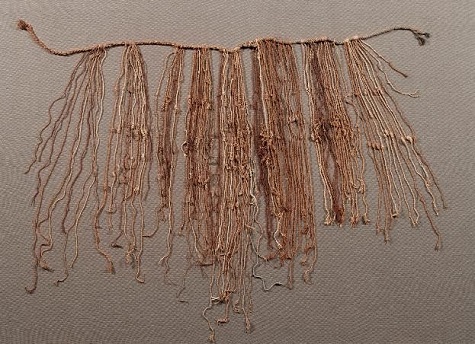
Quipu (Khipu) fragment with subsidiary cords/Quipu (khipu) parcial con cuerdas afiliadas, Perú: Andean highlands or coast, Inca (Inka) culture, A.D. 1400–1570, cotton and indigo dye, Dallas Museum of Art, the Nora and John Wise Collection, bequest of John Wise, 1983.W.2174

Quipu (Khipu) fragment with subsidiary cords/Quipu (khipu) parcial con cuerdas afiliadas, Peru, Andean highlands or coast, Inca (Inka) culture, A.D. 1400–1570, cotton and indigo dye, Dallas Museum of Art, the Nora and John Wise Collection, bequest of John Wise, 1983.W.2174

The central issue is this: What is the ideal manner—in a US public exhibition context—for writing words from Runasimi, or Quechua, the language used as a lingua franca by the Inca state system and spoken today by many Andean peoples. Prior to the Spanish arrival in the 1530s, the Andean populations did not utilize a recognizable written script, one that the Spanish acknowledged and transcribed into a phonetic alphabet, as certain Spanish chroniclers attempted in New Spain. The Andean knotted cords, or quipu (khipu), that recorded information were documented by certain chroniclers in South America, who noted that the quipu were used to register taxes and census data, among other information. The individual Spanish chroniclers further documented Quechua words in the phonetic alphabet and according to Spanish pronunciation, with variant spellings. Certain spellings gained in pronunciation, popular recognition, and adoption into English.

Since the mid-20th century, there have been great efforts to revise the orthography of Andean languages, in particular Runasimi (Quechua), with laws passed in Peru during the late 1970s and early 1980s. The revised orthographies introduced changes such as the reduction from a five-vowel alphabet to a three-vowel system for Quechua. Modern linguists, such as the Peruvian scholar Ramon Cerrón-Palomino, have provided welcome standards for ongoing publication in Inca and Andean studies.

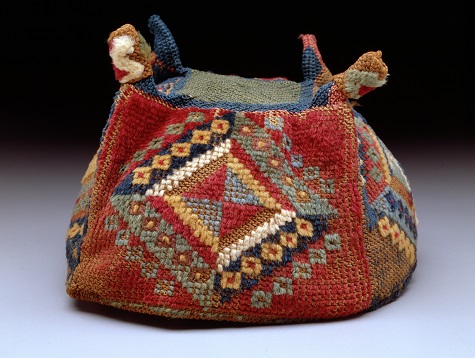
Four-cornered hat/Gorro de cuatro puntas, Peru: south-central highlands or coast, Huari (Wari) culture, A.D. 700–900, camelid fiber, Dallas Museum of Art, The Nora and John Wise Collection, gift of Mr. and Mrs. Jake L. Hamon, the Eugene McDermott Family, Mr. and Mrs. Algur H. Meadows and the Meadows Foundation, Incorporated, and Mr. and Mrs. John D. Murchison, 1976.W.2013

Four-cornered hat/Gorro de cuatro puntas, Peru, south-central highlands or coast, Huari (Wari) culture, A.D. 700–900, camelid fiber, Dallas Museum of Art, The Nora and John Wise Collection, gift of Mr. and Mrs. Jake L. Hamon, the Eugene McDermott Family, Mr. and Mrs. Algur H. Meadows and the Meadows Foundation, Incorporated, and Mr. and Mrs. John D. Murchison, 1976.W.2013

As an Andean scholar, I had actively used many revised spellings in teaching and coursework, as well as in a recent 2013 exhibition, Between Mountains and Sea: Arts of the Ancient Andes, at the Blanton Museum of Art in Austin, Texas. Upon joining the DMA, I had further standardized the terms within the Museum’s database, emphasizing the revised spellings of Wari (for Huari), Tiwanaku (for Tiahuanaco) and Inka (for Inca). With specialization in the cultures of the Formative Period and the north coast of Peru, I confess to addressing only superficially the issue of orthography prior to the DMA exhibition. The spellings of the Cupisnique, Moche, and Chimú—the successive north coast cultures—have remained relatively constant. So I had adopted the basic premise that to utilize the new Quechua spellings was to honor indigenous rights, which aligns well with my role as a researcher of Andean cultural heritage.

Through the months I spent researching, however, the issue became less black and white for this context; it came to include various factors regarding public recognition and spelling consistency through the exhibition design. In the end, the decision to maintain historical spellings as the primary terms in the Inca exhibition likewise presented the wonderful opportunity to introduce an audience to corresponding Quechua spellings. The exhibition Inca: Conquests of the Andes/Los Incas y las conquistas de los Andes thus features not only English and Spanish text but also dual spellings for most Quechua terms. A wall panel explaining the chosen orthography opens the exhibition, providing viewers with an opportunity to consider the complex ways language records, reflects, and defines a historical culture.

Kimberly L. Jones, PhD, is The Ellen and Harry S. Parker III Assistant Curator of the Arts of the Americas at the DMA.
Stir Your Senses

For Friday’s Late Night, we wanted to make sure we engaged all of the senses, giving visitors an immersive experience at the DMA. There will be many programs to stir your senses of sight, sound, taste, smell, and touch.
To tempt you to stay out late, I have highlighted one program for each of the five senses.

SIGHT

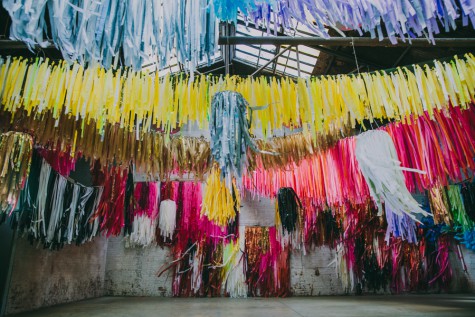
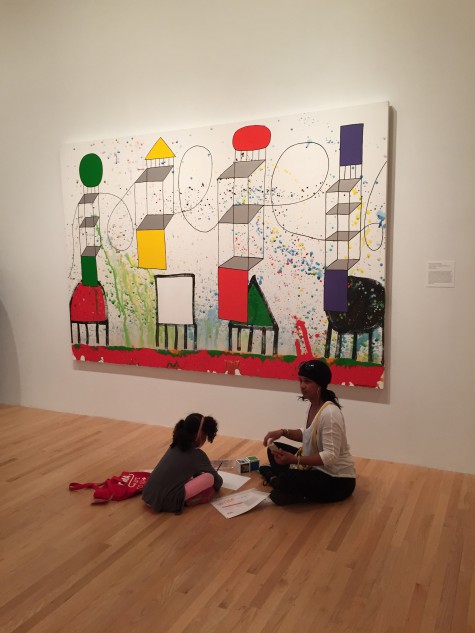
Visit our Flora Street Entrance and our Sculpture Garden to see vivid outdoor installations representing color, pattern, and movement created by The Color Condition.

Color Condition 2

SOUND

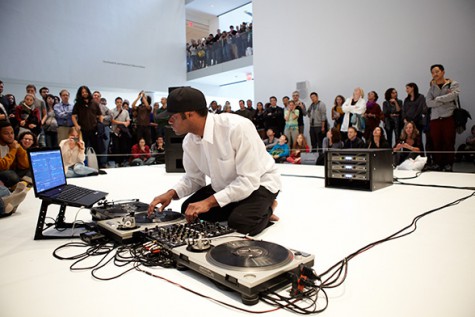
Experience the physicality of sound with a newly commissioned performance by New York artist Kevin Beasley. BLACK ROCKER will premiere at the DMA as part of the inaugural SOLUNA festival.

Kevin Beasley

TASTE

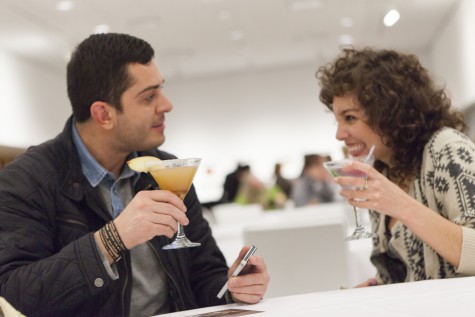
Our Lounge @ Founders will tempt all of your taste senses with something salty, sour, sweet, and bitter.

Founders 2

SMELL

Families can stop by the exhibition Between Action and the Unknown: The Art of Kazuo Shiraga and Sadamasa Motonaga and check out a Sensory Art-to-Go Family Tote Bag. The tote bags are filled with a variety of activities, such as imagining how a work of art would smell and then writing a poem about it.

Tote Bags

TOUCH

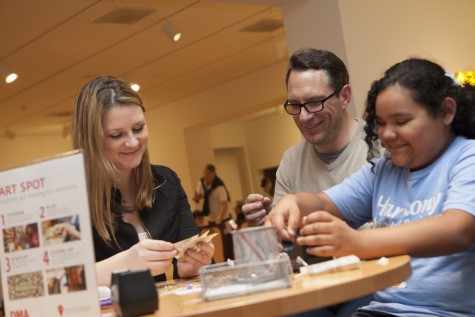
While you can’t touch the art, you can stop by the Art Spot in the Center for Creative Connections and make your own work of art using a variety of materials.

Art Spot 2

We hope you’ll join us on Friday to see what else is in store!

Stacey Lizotte is Head of Adult Programming and Multimedia Services at the DMA. 
Student Voices Coming to a Smartphone Near You

15693436309_69bbc65d49_k

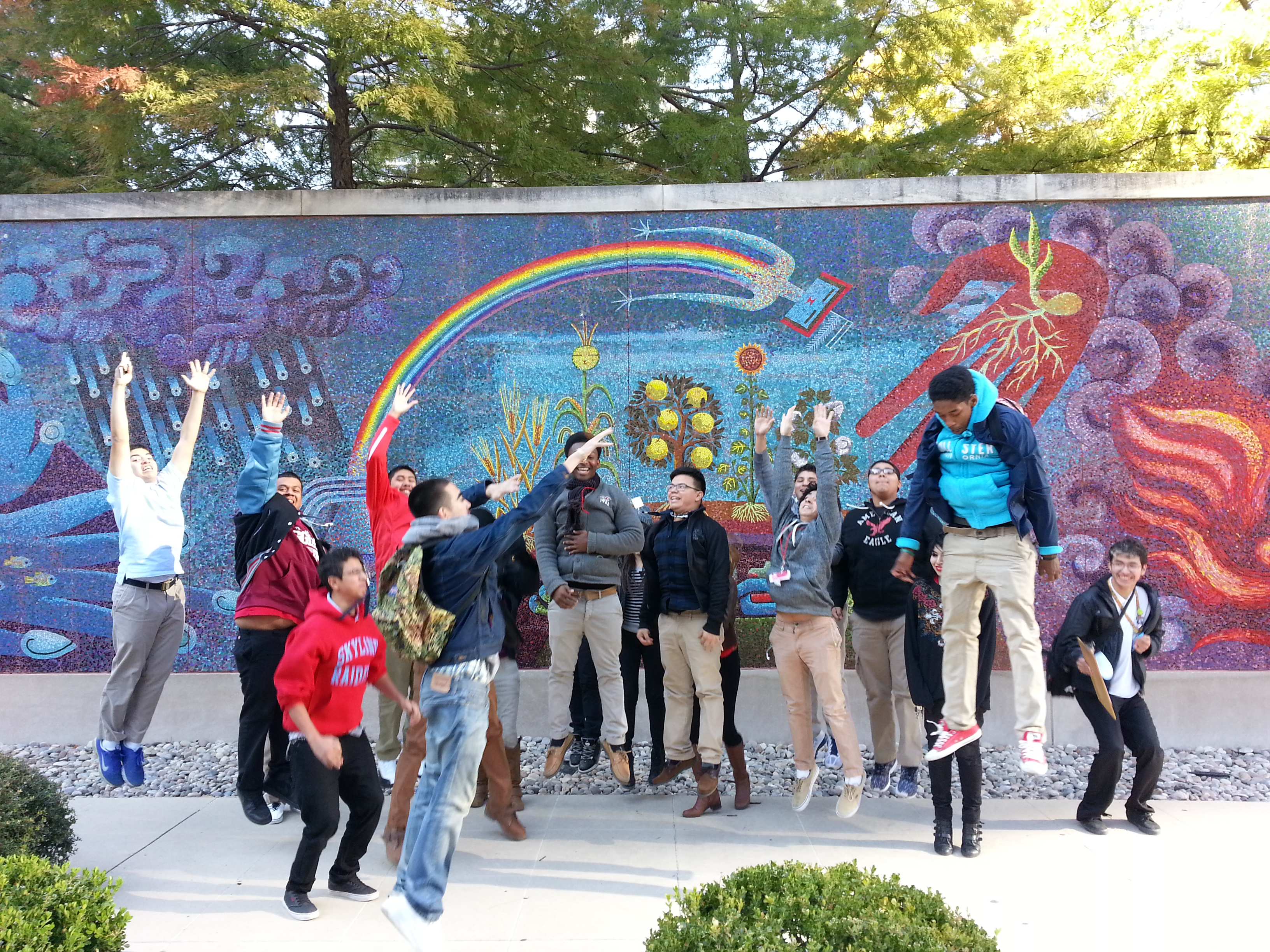
Last October, staff from the Center for Creative Connections, Founder and Director of Make Art with Purpose Janeil Engelstad, and Skyline High School Architecture program teacher Peter Goldstein began a new project building on a past collaboration at the DMA.
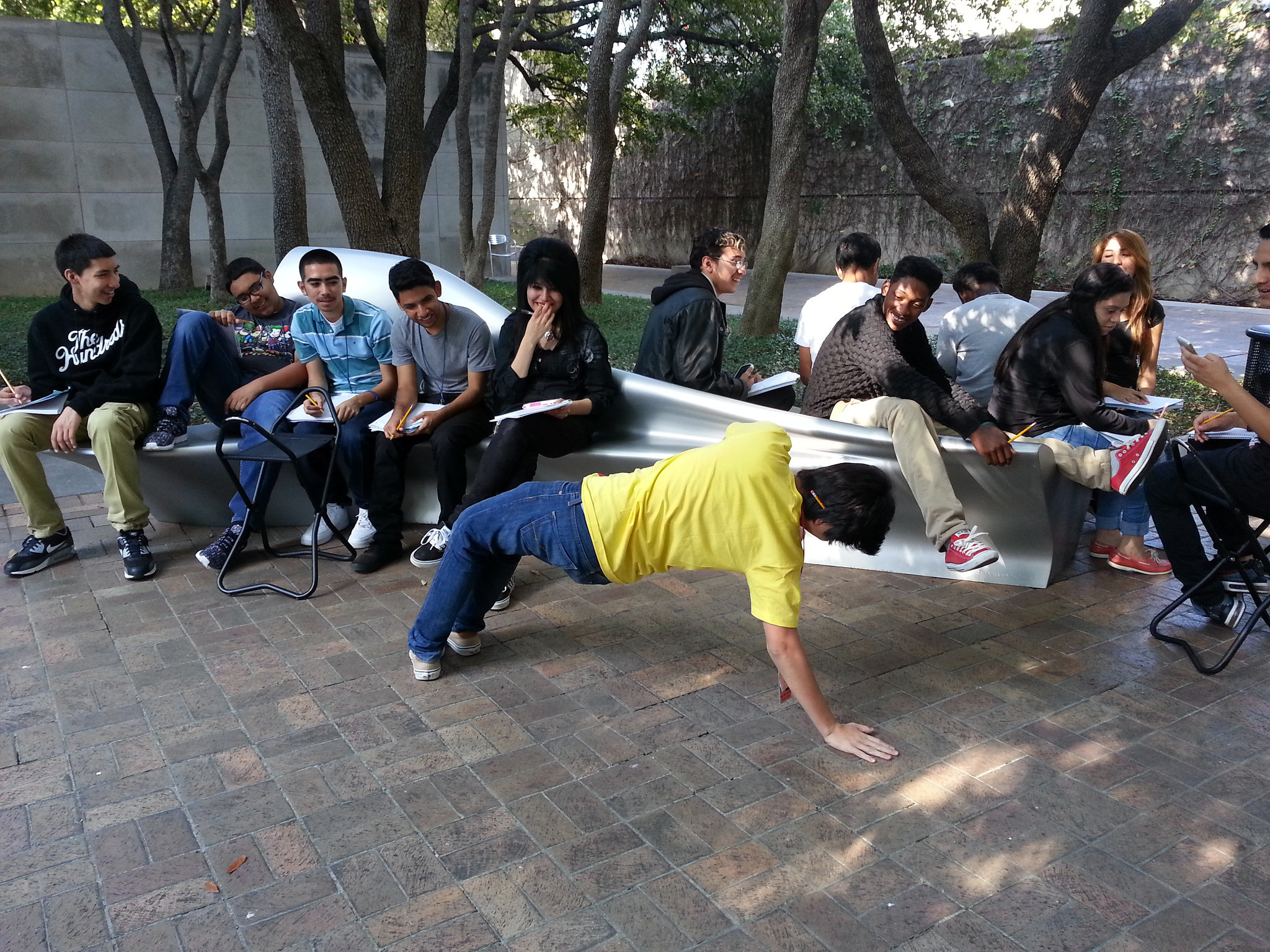
Translating Culture: Community Voices at the DMA originally started as an initiative to create links with the community by providing different platforms to share varied perspectives on the collection. After a very successful first collaboration with AVANCE Dallas, the project took a second life with a group of 11th grade Architecture Cluster students at Skyline High School.

After months of hard work, Translating Culture II: Community Voices at the DMA will finally launch on the DMA.mobi site this coming Friday, May 15. That night as part of Late Night, we’ve organized two programs for visitors to engage with this new project.

The events scheduled for the night include a self-guided tour throughout the Museum of new stops (which are both in English and Spanish) and an opportunity to meet up with the students themselves. You can find maps with the outlined stops at the Center for Creative Connections from 6:00 p.m. until midnight. And you can join us there from 8:00-9:00 p.m., where students will be available to talk to visitors about the project, their individual contributions to the site, and to share about their overall experience.

To spark some excitement about the launch, I thought I would speak to two of our key people in this project–Janeil and Peter–and ask them a few questions about Translating Culture II and their expectations for the future. I leave with you their answers below. Be sure to check out the student contributions on DMA.mobi beginning May 15!

Skyline

Describe Translating Culture II in one sentence: 

Janeil: Translating Culture II: Community Voices at the DMA is a bi-lingual, Spanish-English, smartphone tour where museum goers engage with and experience interpretations of art work in the DMA permanent collection from the point of view of students from the architecture cluster at Skyline High School.

Peter: It’s a program that provides students with the opportunity to share their insights, observations and experiences with works of art in the DMA collection.

15877460231_9f1789c3e8_kSkyline Students

How will this collaboration contribute to the DMA and the community of Dallas?

Janeil: Translating Culture II is a statement by the DMA that the voices and ideas of people from different Dallas communities and cultures are a relevant part of the dialogue about art. I see this statement as gesture or a sort of offering that creates new spaces for engagement and play. Through the process of the project, new relationships and connections between the institution, the collection and the community have been built, which is a new and valuable thread in the fabric of the community.

Peter: The DMA is an invaluable part of our community–it is a unique place of learning and inspiration with a diverse collection of art from around the world. The DMA encourages and facilitates student and community involvement through a wide range of activities focusing on their outstanding collection of art.

In your opinion, what do you think was most valuable about this project?

Janeil: The expression of diversity and inclusion around art was most valuable, providing access and bringing under-represented voices into the larger cultural conversation, which is a key part of MAP’s mission.

Peter: The Translating Culture II project allowed students to engage in a conversation about works of art that spoke to them on a personal level. The students discussed and analyzed the artworks they encountered, and then created responses that are a reflection of their own unique interests and perspective.

Art has the ability to communicate beyond geographic boundaries and across time. With the support and guidance of the DMA and MAP, the students involved in this project were able to explore works of art from artists and cultures around the world, and then embark on a journey to communicate their ideas and discoveries for others to enjoy.

15693429419_f7d6fb1000_k

What do you hope will come out of Translating Culture in the future?

Janeil: I hope that the visitor who takes one of these tours has his or her imagination lit in a way that inspires new thinking or new ideas, and brings joy.

Peter: Our hope is that the work you see on the DMA.mobi site will spark the interest of other students (and adults!) and inspire them to explore the incredible richness and diversity of the Dallas Museum of Art. Translating Culture is about discovery–and sharing those discoveries with others.

Eliel Jones
McDermott Intern for Visitor Engagement

Sound Waves

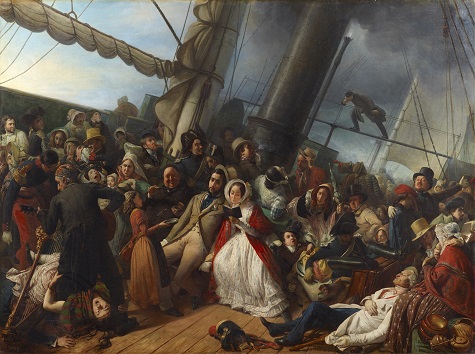
We have plenty in store to stimulate your senses during this Friday’s Late Night, and one program in particular is sure to hit the right note. As part of a special DMA Friends reward, DMA Friend Kyle West has created a soundtrack for our European collection on Level 2 that you’ll be able to enjoy that night. To whet your appetite, listen to this lively jig he paired with Seasickness on an English Corvette. We hope to see you Friday to hear the rest!

François Auguste Biard, Seasickness on an English Corvette (Le mal de mer, au bal, abord d'une corvette Anglaise), 1857, oil on canvas, Dallas Museum of Art, gift of J.E.R. Chilton 2011.27

François Auguste Biard, Seasickness on an English Corvette, 1857, oil on canvas, Dallas Museum of Art, gift of J. E. R. Chilton, 2011.27

http://www.youtube.com/watch?v=QwmimUm4aeE

Sarah Coffey is the Education Coordinator at the DMA.
Ruby Anniversary

AnneBromberg_DocentTraining_1985_001
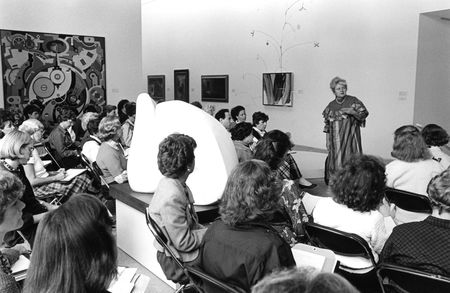
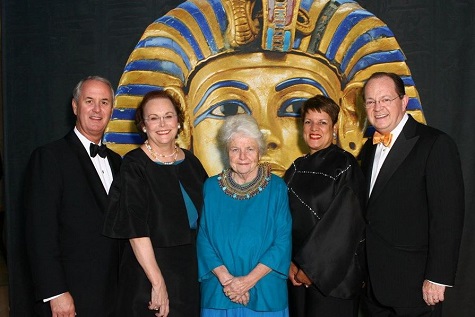
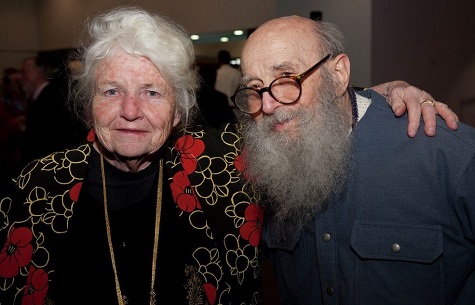
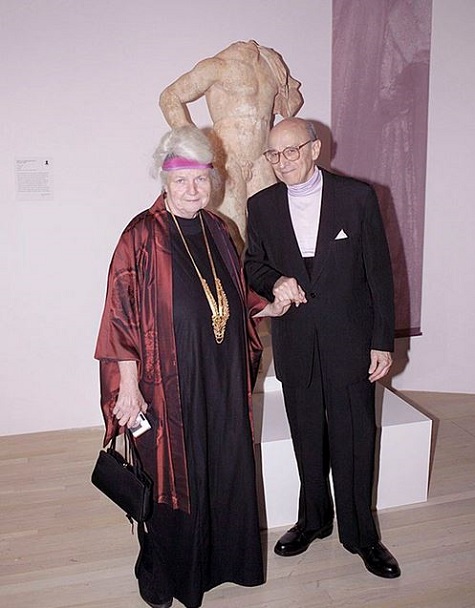
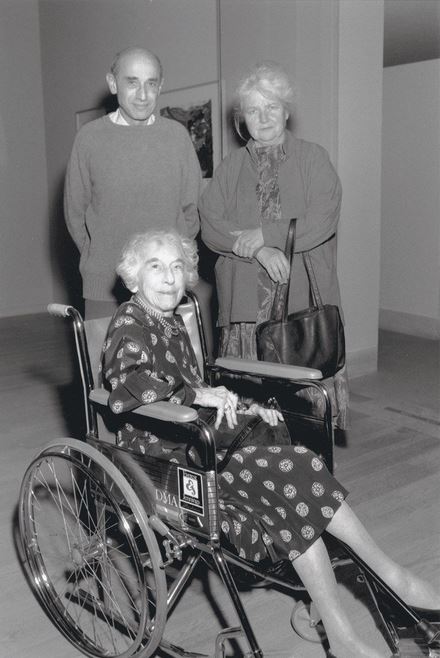
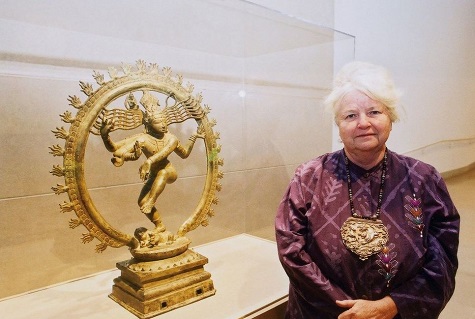
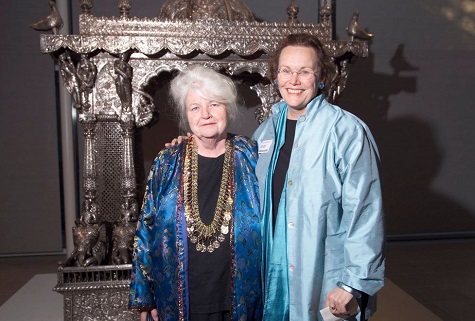
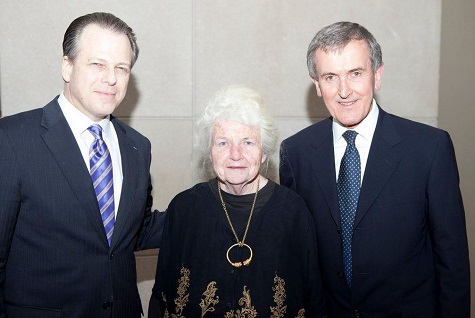
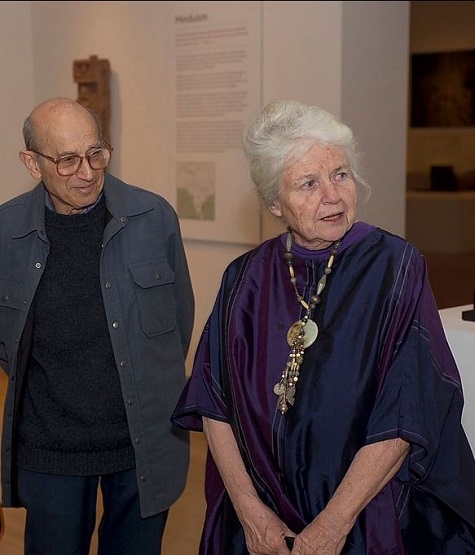
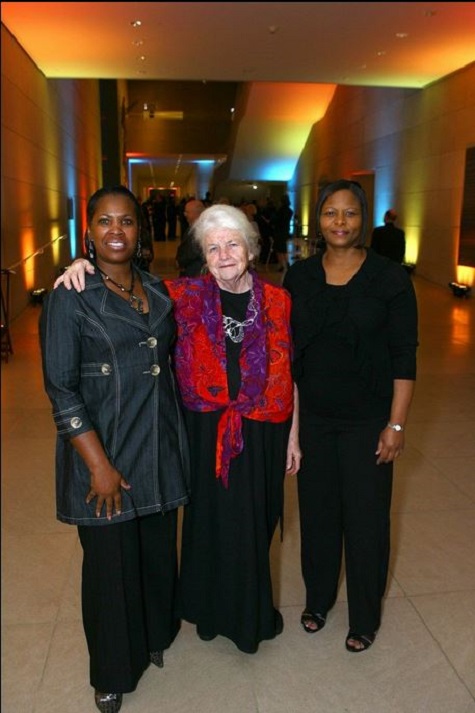
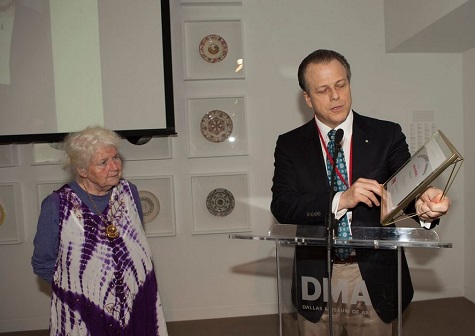
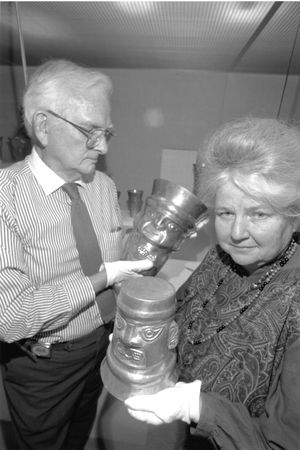
Dr. Anne Bromberg, The Cecil and Ida Green Curator of Ancient and Asian Art at the DMA, is celebrating forty years at the Museum this year. Anne began her time at the Museum in 1975, when the building was located in Fair Park and we still went by the name Dallas Museum of Fine Arts. Over the course of her career, she has served under six Museum directors—Harry Parker, Rick Brettell, Jay Gates, Jack Lane, Bonnie Pitman, and Max Anderson; seen building moves and expansions; acted as curator on some of the Museum’s most popular exhibitions; and entertained visitors with her exciting and lively talks and tours. Anne’s husband, Alan Bromberg, and his family, notably his mother, Juanita (Cookie) Bromberg, always supported her career and the Museum throughout her years of service. Last week, DMA staff, friends, and former colleagues came together to celebrate Anne’s remarkable and colorful career with the DMA.

3


Kimberly Daniell is the Manager of Communications and Public Affairs at the DMA.
You Know You’re a Museum Mom If….

Over the years I’ve had the chance to see children grow up right before my eyes as they’ve attended classes at the DMA. They may solemnly gaze at me from their strollers in Art Babies, toddle around with their binkies in Toddler Art, and then proudly graduate to the “big kid” art classes before confidently marching off to kindergarten. I’ve also had the opportunity to get to know many amazing moms in the community. They push strollers, wrangle kids, balance wet paintings on their arms, and cheerfully champion their children’s creativity. In honor of Mother’s Day, here are just a few of the things we love about Museum Moms!
Mothers Day 1

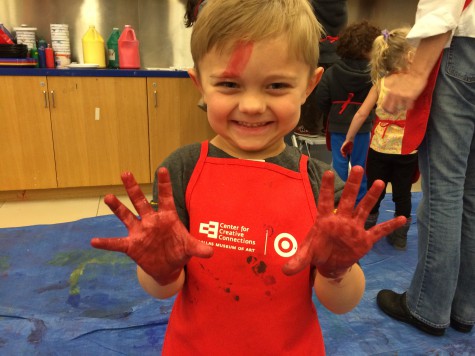
Fun is often messy. Museum moms aren’t afraid of messes—even big ones! We’ve challenged children to paint with their feet, create dripping, gluey sculptures, and blow colorful paint bubbles onto paper. To say that we sometimes get messy in the Art Studio is a bit of an understatement. But our DMA moms are always enthusiastic, encouraging their children to try something new and to not let sticky fingers hold them back. As we’ve conducted fun painting experiments in the studio over the past few months, I’ve watched children gaze at their moms in wonder as they strip off their shoes and socks, push up their sleeves, and dive into some serious action painting.

Mothers Day 2

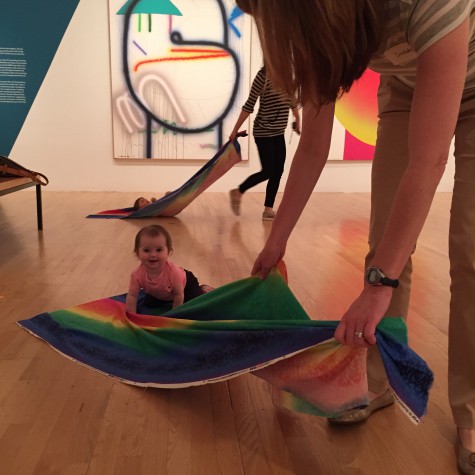
Sometimes you just need to shout! We hope that every child finds his or her own unique voice, and through our family classes, we do our best to give children opportunities to share those voices. Museum Moms value what their children think and wonder about art, and often let them lead the way in talking about what they see. In a recent Art Babies class, caregivers pulled their little ones across the floor on colorful fabric to mimic the sensation of paint gliding across a canvas. Amidst the giggles and smiles, one baby accidentally discovered the wonderful echo she could make in the galleries. A comical shrieking match quickly broke out as other babies realized they could make their own echoes too, and the gallery was soon filled with high-pitched, delighted squeals. Rather than frantically shushing their children, these wise moms simply reveled in the display of spontaneous joy that came from children making discoveries in an inspiring place (and took advantage of the fact that there were no other visitors in the gallery).

Mothers Day 3

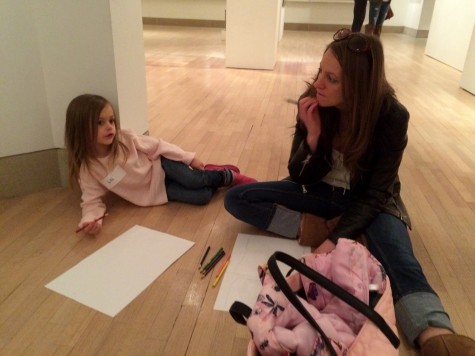
Being present is the best present. We’re all about family togetherness here at the DMA, so when we’re sketching in the galleries or posing like a statue, more often than not, the grown-ups are right alongside their child, busily engaged in a class activity. Museum Moms know that their children watch everything they do, and that the best way to raise a creative child is for children to see you nurturing your own creativity. In a preschool class several years ago, I asked a group of three and four year olds who some of their heroes were. Lili piped up immediately and said, “My mom is my art hero because she watches while I paint.” When we’re busy creating in the Art Studio, I always have at least one or two children who inform me that their masterpieces are “for my mom.” Museum Moms are some of the very best at creating lasting memories for their families and giving the gift of their presence.

To all the moms out there, thank you for all you do! Happy Mother’s Day!

Leah Hanson is the Manager of Early Learning Programs at the DMA.
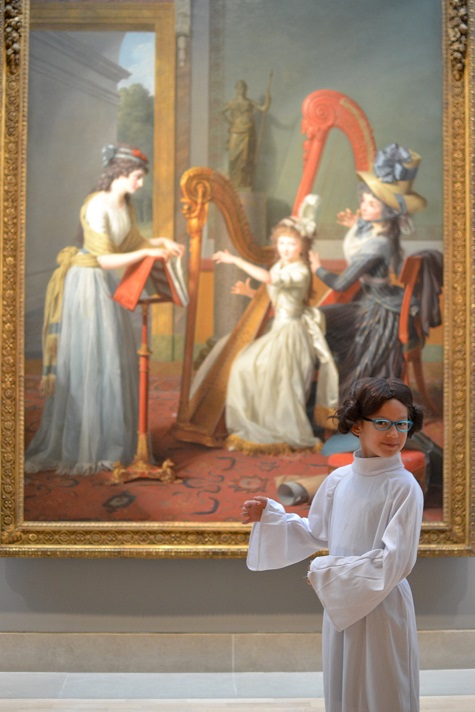
May the Art Be with You

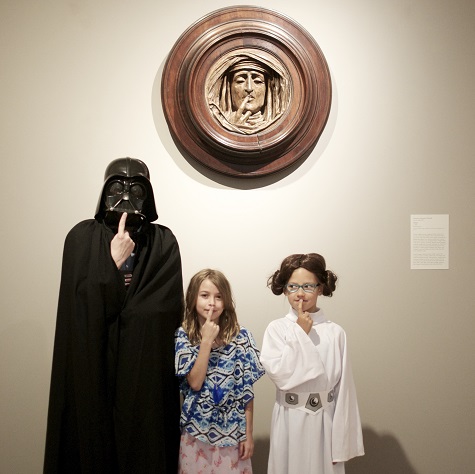
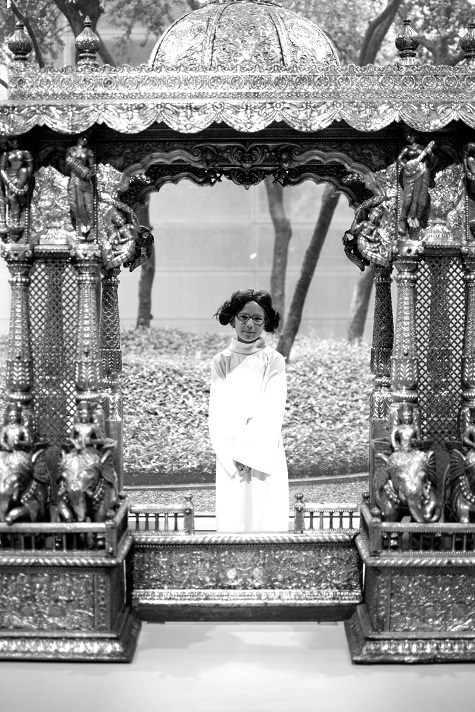
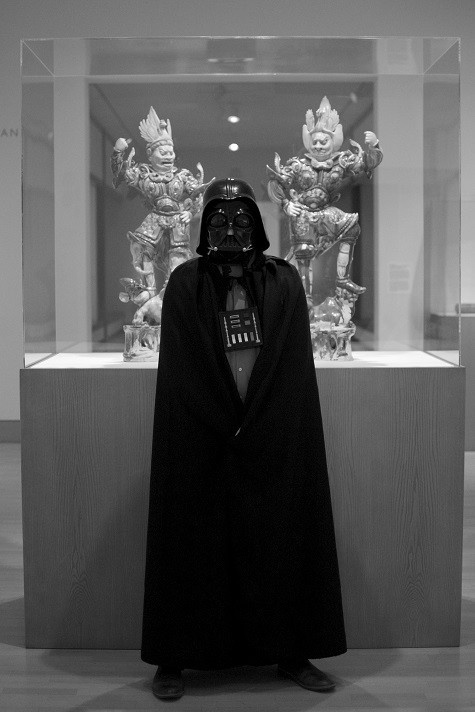
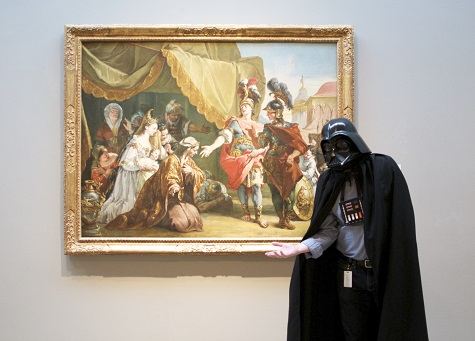
It is a little known fact that the DMA is a favorite art spot for those from a galaxy far, far away. This May 4th we spotted Princess Leia and Darth Vader roaming the DMA—without light sabers, as they aren’t permitted in the galleries—checking out some of their favorites in the collection. May the fourth be with you!

DSC_0016 DSC_0017_2  DSC_0006_2 DSC_0009

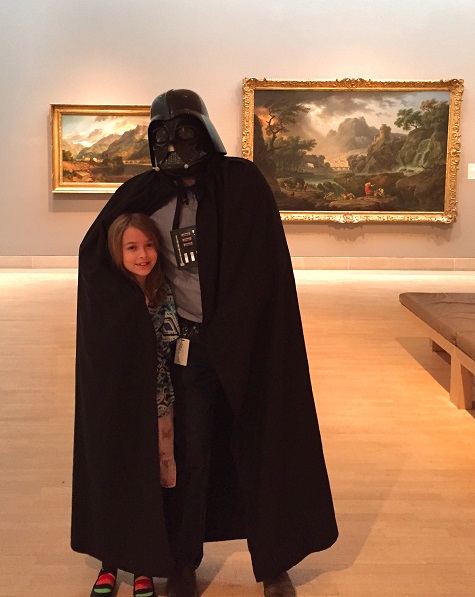
I am your father:
This #MayThe4thBeWithYou photo shoot took place on “Take Your Child To Work” day, so Darth Vader’s daughter joined in on the fun.

DSC_0011_2 FullSizeRender

Kimberly Daniell is the Manager of Communications and Public Affairs and Jessica Fuentes is the Center for Creative Connections Gallery Coordinator at the DMA.
Friday Photos: Let’s Talk About It

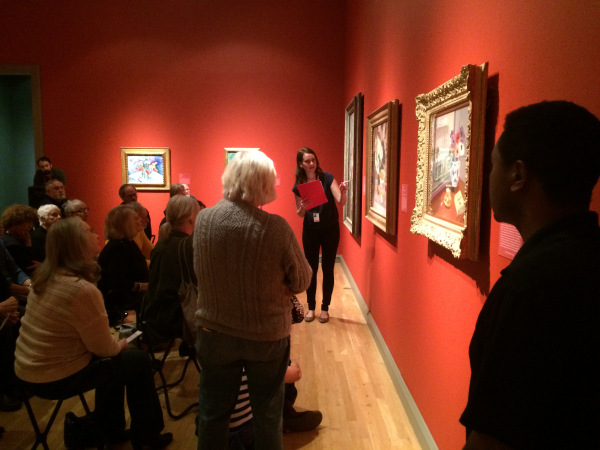
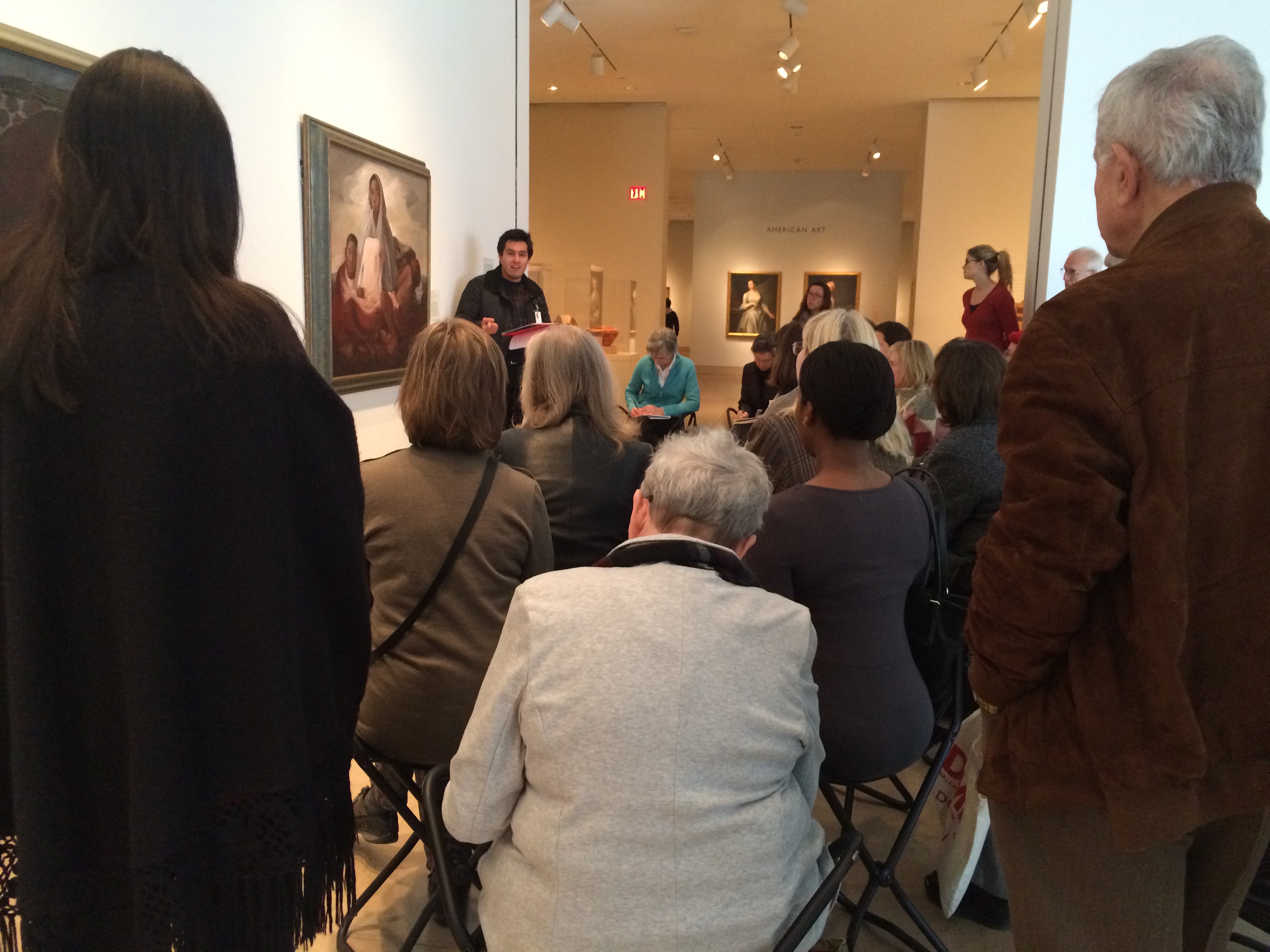
This week, the McDermott Interns came one step closer to completing our time here at the Museum. As part of the program, each intern is required to give a Gallery Talk on any topic of their choosing, and this past Wednesday, Eliel’s discussion on radical Italian art marked the last of our talks! Here’s a look back at a few photos and the gamut of topics we discussed:
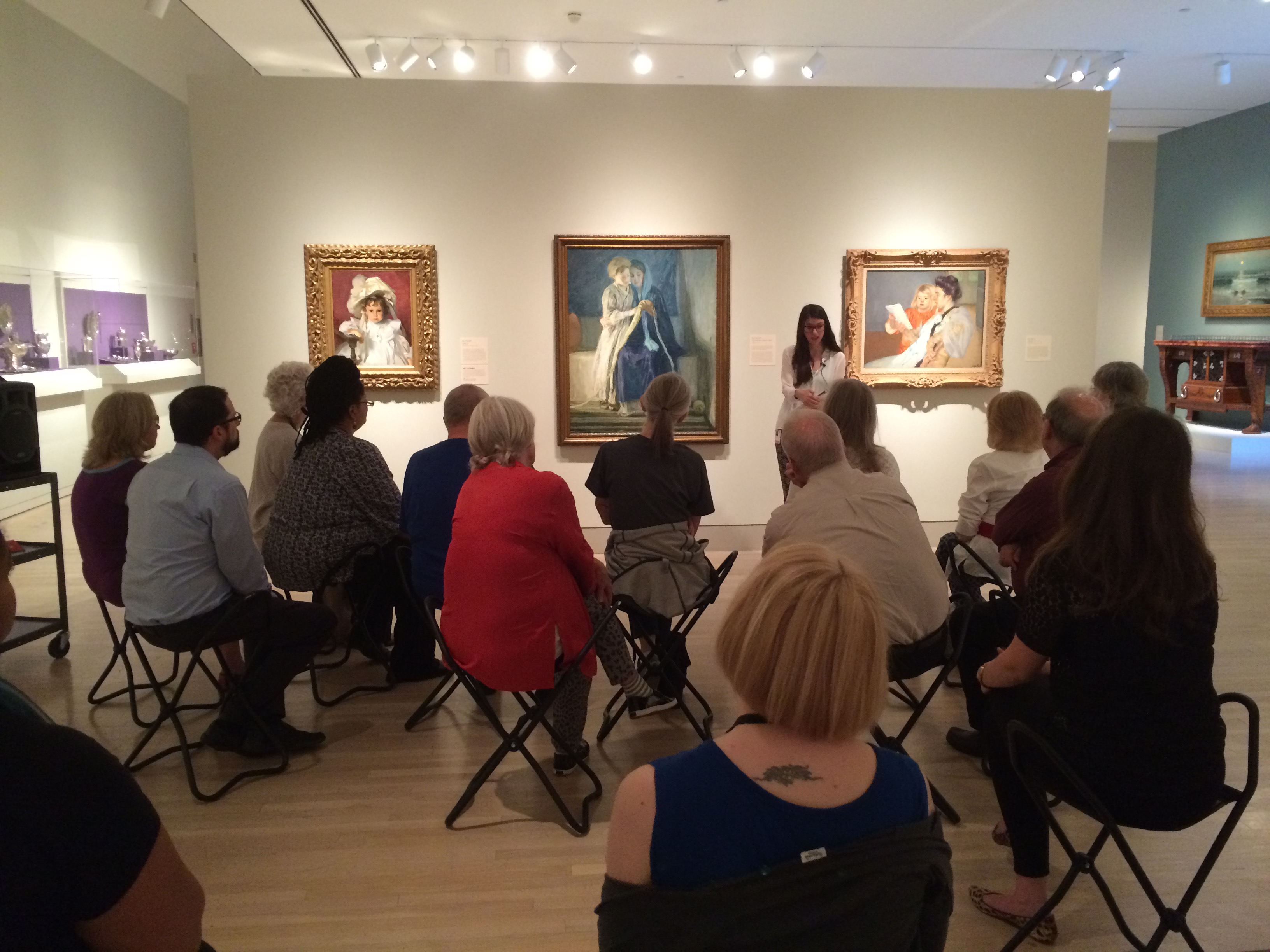
Samantha Robinson, McDermott Graduate Curatorial Intern for American and Decorative Art: Modern Opulence in Vienna: The Wittgenstein Vitrine

Laura Sevelis, McDermott Curatorial Intern for European Art: Bouquets: French Still-Life Painting from Chardin to Matisse

Laura Sevelis - Bouquets: French Still-Life Painting from Chardin to Matisse

Laura Sevelis – Bouquets: French Still-Life Painting from Chardin to Matisse

Fabian Leyva-Barragan, McDermott Curatorial Intern for Contemporary Art: Latin American Modernism

Fabian Leyva-Barragan - Latin American Modernism

Fabian Leyva-Barragan – Latin American Modernism

Elisabeth Seyerl, McDermott Graduate Curatorial Intern for African and Asian Art: Indonesian Textiles

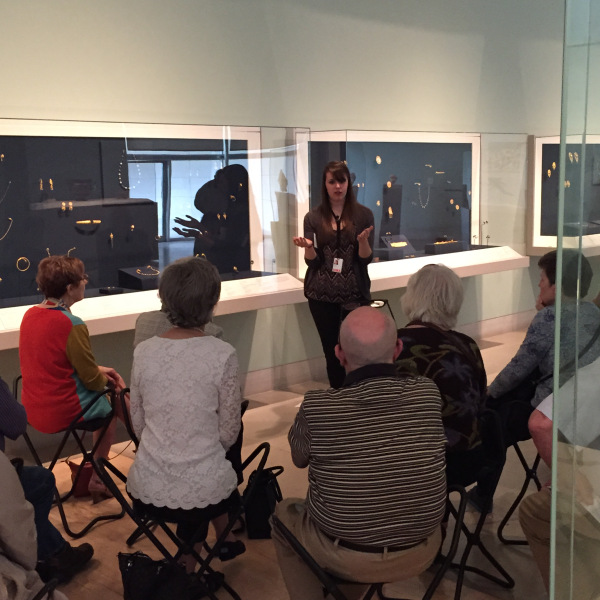
Jennifer Sheppard, McDermott Education Intern for Family and Access Teaching: All That Glitters: Ancient Greek Gold Jewelry

Jennifer Sheppard - All That Glitters: Ancient Greek Gold Jewelry

Jennifer Sheppard – All That Glitters: Ancient Greek Gold Jewelry

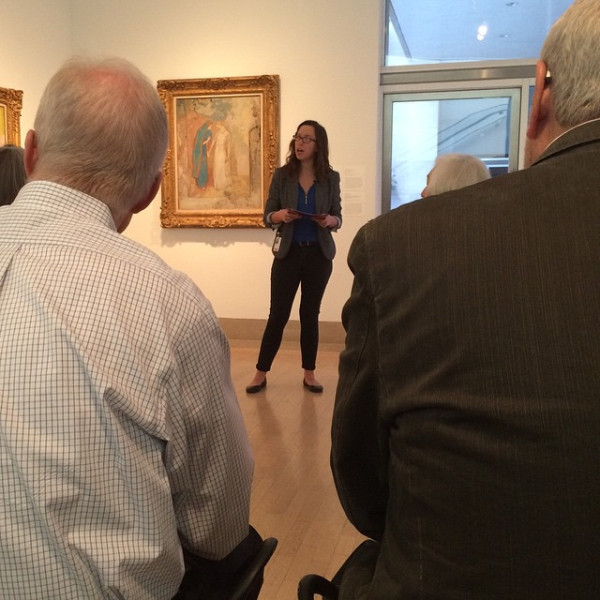
Liz Bola, McDermott Graduate Education Intern for Gallery and Community Teaching: Race & Religion: Henry Ossawa Tanner

Liz Bola - Race & Religion: Henry Ossawa Tanner

Liz Bola – Race & Religion: Henry Ossawa Tanner

Taylor Jeromos, McDermott Education Intern for Adult Programming and Arts & Letters Live: Queering Art: Moving Beyond Identity

Taylor Jeromos - Queering Art: Moving Beyond Identity

Taylor Jeromos – Queering Art: Moving Beyond Identity

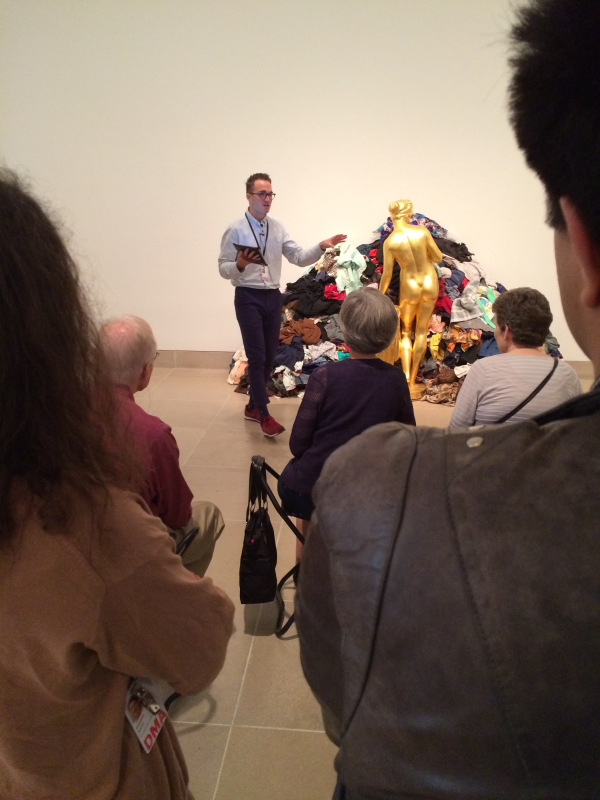
Eliel Jones, McDermott Education Intern for Visitor Engagement: Arte Povera: Mario Merz and Michelangelo Pistoletto

Eliel Jones - Arte Povera: Mario Merz and Michelangelo Pistoletto

Eliel Jones – Arte Povera: Mario Merz and Michelangelo Pistoletto

I hope that these few photos help you imagine what it would have been like to attend our talks if you missed them! And don’t forget that Gallery Talks happen every Wednesday at 12:15 p.m. and are always free and open to the public. Keep an eye out for upcoming talks – they might just cover your favorite topic next!

Jennifer Sheppard
McDermott Intern for Family and Access Teaching

Rare Books

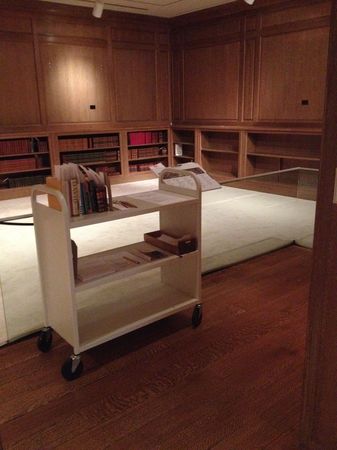
The DMA’s Mayer Library staff spent the last two months cataloging books from the Reves Library. At the start of the project, only one hundred or so books from the Reves Collection were searchable in the library’s catalog.  We knew there were important books that had not yet been entered that could significantly improve research on the collection, if only they were more accessible. Taking advantage of the temporary closure of the Reves Grand Salon and Library for refurbishment this past February, we embarked on a project to do just that.

It required removing all nine hundred and fifty art and antiquarian books from the shelves in the Reves Library, transferring them on book carts through the Museum galleries to the Mayer Library, and then, one by one, cataloging each book in the library’s database. To give you a sense of how large an endeavor this was, our two catalogers usually catalog three hundred books in the same time frame.

Reves Library after books to be cataloged were moved out.

Reves Library after books to be cataloged were moved out

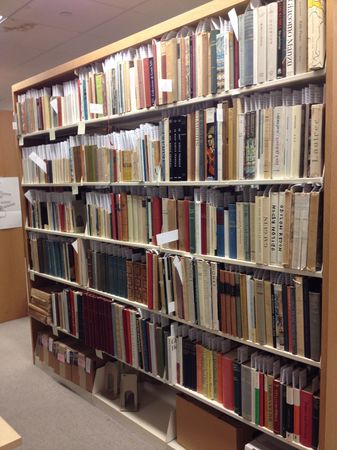
Reves books in the library workroom, their home during the cataloging project.

Reves books in the library workroom, their home during the cataloging project

Most of the books in the Reves Library are art related, with an emphasis on areas in which the couple collected, including many rare gallery and exhibition catalogues. The library also contains collections of writings by Winston Churchill, translations of Emery Reves’ Anatomy of Peace, and a significant collection of antiquarian books—one of the earliest dating back to 1547, Il Petrarcha con l’espositione d’Alessandro Vellutello, a commentary on Petrarch’s Rerum vulgarium fragmenta.

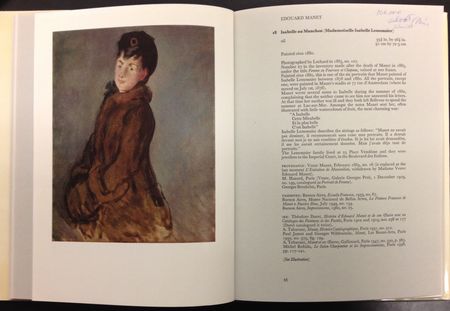
As the project progressed, interesting findings began to emerge that brought Wendy and Emery Reves and the history of the DMA collection to life. For example, auction catalogs annotated by Emery Reves gave us a glimpse into their collecting habits and interests. Lot 18 of this Sotheby’s catalogue from 1974 was Edouard Manet’s Portrait of Isabelle Lemonnier with a Muff, now in the DMA’s collection; however, it wasn’t Wendy and Emery Reves who purchased it. A close-up of the annotation reads “100,000 Schmit (Paris).” That is a reference to Galerie Schmit. According to the provenance for this painting, it was then acquired by Mr. and Mrs. Algur Meadows, who gifted it to the DMA in 1978.

Page of the Sotheby's catalog showing the Manet

Page of the Sotheby’s catalog showing the Manet

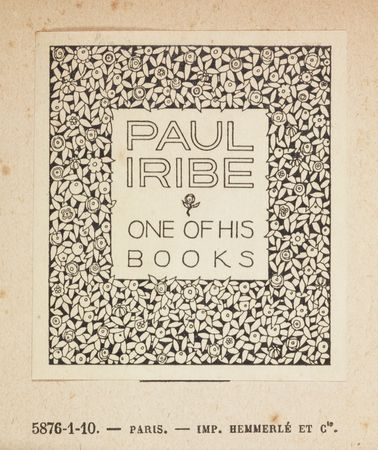
The keen eye of our cataloger discovered this bookplate of Paul Iribe, a French fashion illustrator and interior designer, on the last page of Spinoza’s Ethique. Iribe died in 1935 while visiting Coco Chanel at La Pausa, the French Riviera villa later owned by Wendy and Emery Reves.

Paul Iribe bookplate

Paul Iribe bookplate

With a mix of satisfaction, relief, and a tinge of sadness, the books have all been returned to the shelves of the new and improved Reves Library.

You can browse through a list of the rest of the books from the Reves Collection in the library’s online catalog.

Jenny Stone is the Librarian at the Dallas Museum of Art.


Archives

Categories