Archive for the 'People' Category


Community Connection: Write to be Heard, the Power of Spoken Word

During the 2008-09 school year, we partnered with Spoken Word artist Will Richey for our afterschool program.  Will led weekly workshops at YMCA’s and Boys & Girls Clubs throughout the Metroplex.  Students were encouraged to write original poetry inspired by their lives and by artworks from the Museum.  The afterschool program concluded with performances by the students at their branches, a reception at the Museum, and a book of poems by all program participants.  For about four months, Will and I saw each other or spoke almost daily.  Afterward, we both became busy with different projects, so it was a treat to catch up with him over lunch.
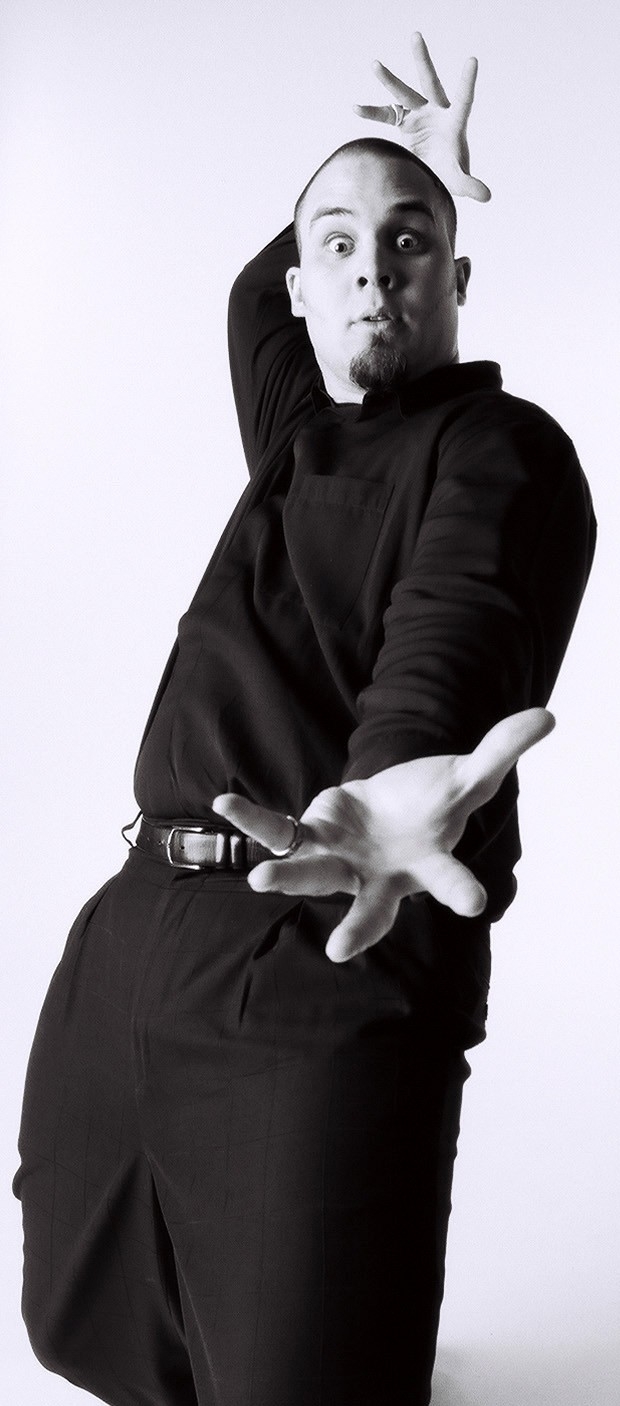
Will Richey

The animated Will Richey

What first made you want to become an artist?

The artistic side is my mom’s influence.  She had me in art and piano lessons as a child.  My first love was basketball, and that seemed to get in the way of my art.  As an adult, I’ve reconnected with my creative, artistic spirit.  I feel it honors my mom to be well-rounded.  She is Puerto Rican, and the arts are a very strong part of that culture.  My mother wanted to instill that in me, so I have an appreciation for different types of art – dance, music, performance, visual art, and poetry.

Tell us about Journeyman Ink.

Journeyman Ink. is a way of connecting my personal life and journey with my desire to transcend and connect cultures, creeds, and races through creative expression.  In the fall of 2001, I walked the Camino de Santiago de Compostela, a 500 mile walking pilgrimmage across northwest Spain.  This experience taught me that life is more about the journey than the destination.  Ever since then, I’ve tried to make the most of every day.  That’s what we’re trying to do with Journeyman Ink.  Through Spoken Word performances, creative art workshops, and speaking opportunities, we try to encourage people of all ages to embrace life as a journey.  Look for more information at www.JourneymanInk.com in 2010.

Describe your approach to teaching Spoken Word to students.

The best way I can answer this question is with the first four lines of a new piece:

     It’s not about poetry, it’s about personal connection
     It’s not about writing, it’s about self-expression
     It’s not about reading aloud, it’s about taking pride in your name
     It’s not about performing for the crowd, but realizing we’re all the same

Of course, Spoken Word is about all of these things, but my philosophy is that I am a facilitator.  I am not there to impose my craft on someone.  I’m there to draw out the interests, the personality, the dreams of the kids.
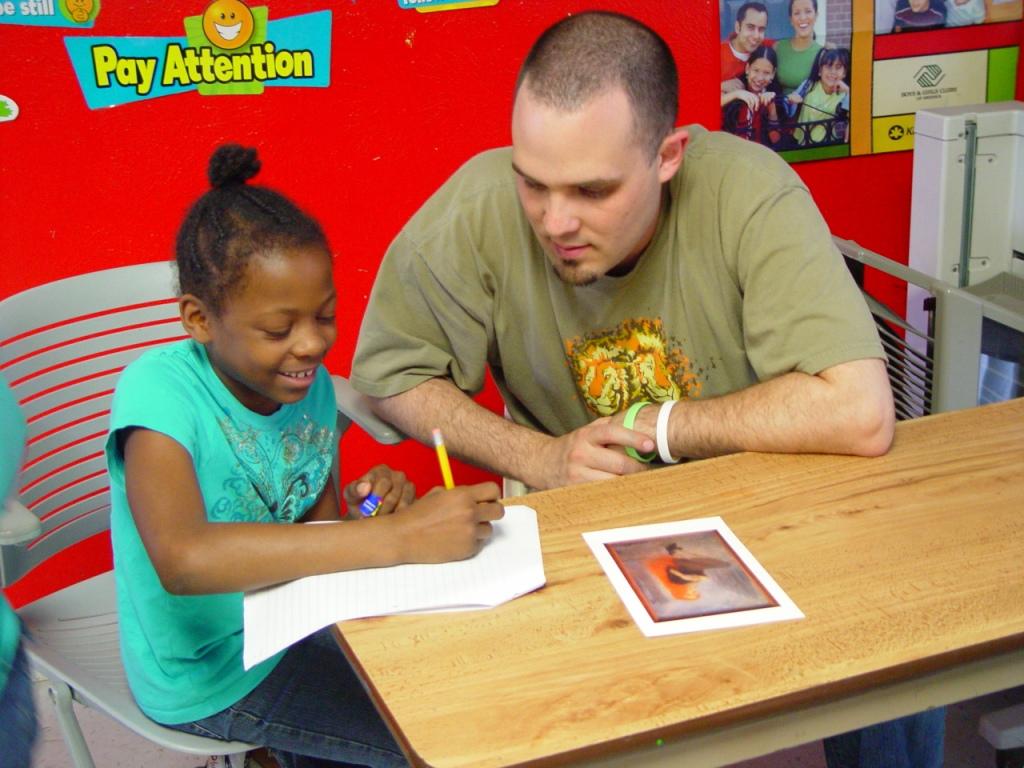
Will works with a student at Westlake Village Boys & Girls Club.

Will works with a student at Westlake Village Boys & Girls Club.

 What serves as inspiration for your work?

I’m very inspired by the human story.  I try to help people understand we have so much more in common than we are different.  We have so many barriers (religion, academic achievement, economic status) that get in the way, but the bottom line is we are all connected.  We all share the human experience. 

Could you write a short poem about today’s lunch?  (No pressure!)

Today is an opportunity – a joyous moment
     Shared over good food and conversation
Reminiscing over magical collaborations
     And answering questions with purpose.
Blessed with friendship and creativity
     Connecting the DMA with young artists
Realizing we have nothing more than today
     To smile and let our light shine!

Will signed his impromptu poem, which was written on the back of a to-do list.  I hung it with pride next to my desk.

Melissa Nelson
Manager of Learning Partnerships with the Community
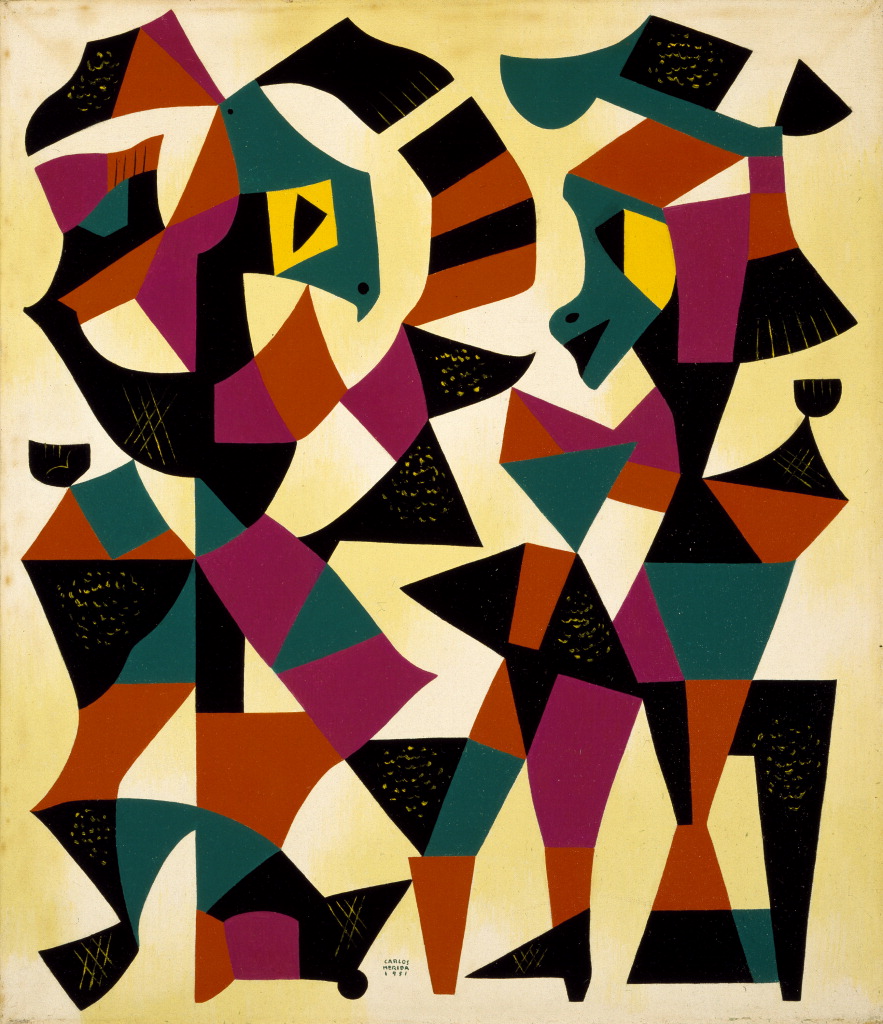
Lights, Camera, Action!

Dancers of Tlaxcala (Danzantes de Tlaxcala), Carlos Mérida, 1951

Dancers of Tlaxcala (Danzantes de Tlaxcala), Carlos Mérida, 1951

It’s an exciting time in the Arts District with the grand opening of the AT&T Performing Arts Center.  In honor of our new neighbor, we’ve developed a new Go van Gogh school outreach program called Creative Connections: Lights, Camera, Action! that focuses on three diverse works of art in the Museum collection and invites students to respond creatively through movement and drama.  Creative Connections programs are 90-minutes long, during which students participate in what we call “experiments” that involve collaborating with others, applying multiple approaches to solving problems, and producing a creative expression.  These programs can be messy, loud, and challenging – and they are definitely a lot of fun.

If you’re a 3-6th grade teacher and don’t mind a little bit of noise in the classroom, I hope you’ll consider this program for your students.   I promise you’ll be amazed and impressed by the creativity, thought, and enthusiasm they put into their performances.  Requesting a program is easy with our online form

With a background in art history and a bit of studio art, the task of writing a program about performance intimidated me.  However, I have the great fortune of working with talented people, and I interviewed some of them during my initial research.  I spoke with Lanita Sene, who I know through our partnership with the South Dallas Cultural Center.  Lanita leads African dance and culture classes during Summer Arts at the Center.  I also spoke with Blanca Reyna and Calvin Rollins, who I met through our partnership with the Ice House Cultural Center summer camp.   Blanca specializes in Aztec culture, and Calvin is a dance student at Southern Methodist University (he also attended Booker T. Washington High School for the Performing  and Visual Arts).  Last, I spoke with my colleague Amy Copeland who studied dance at Booker T. Washington and other studios in the Dallas area. 

This talented group provided many helpful ideas, like warm-up exercises that capture the students’ attention and focus.  Another great suggestion was empowering students by giving them specialized roles in their performances and encouraging them to lead peer critiques. 

I tested the program with 4th graders and 6th graders who created dances, music, masks, and skits inspired by artworks in our exhibition All the World’s a Stage: Performance in the Visual Arts.  The shyest students contributed by helping to plan, write, and direct the performances.  The boldest students reveled in the opportunity to show off in front of their peers.  Afterward, one teacher remarked that it was fun seeing her students in a new light, and the other felt it was a great program for bilingual students.

 This past Friday, I trained our volunteers and gave them the same challenges students experience during the program.  I watched as they worked together in groups, sometimes giggling, at times with their brows furrowed.  They all agreed that they can’t wait to bring the program to Dallas classrooms.

 It’s showtime!

Melissa Nelson
Manager of Learning Partnerships with the Community
Community Connection: Connecticut to Dallas to Houston and back.

This month’s Community Connection is Vicki Meek, Manager of the South Dallas Cultural Center. I would be hard-pressed to find someone else in Dallas who embodies the words “community” and “connection” more than Vicki. Not only is she a prominent member of the Dallas arts community, but of the Houston arts community as well. Read below to find out more!

Tell us a bit about yourself.

I’ve been involved in the Dallas arts community since 1980. I first actually came here as an artist, coming from being a Senior Program Administrator at the Connecticut Commission on the Arts. I came here to get married and decided I was just going to be an artist. That lasted about 2 years.  Then, I had a baby boy and had to get a “real” job again. In summary, from 1977 to the present I’ve had arts administration experience on a state agency level as an Arts and Education Coordinator and then as a Senior Program Administrator.  I followed that with multiple positions developing programs for local arts agencies. I am now the Manager of the South Dallas Cultural Center, and have been with the Center since 1980. 

Tell us about your work at Project Row Houses in Houston.

Round 31 Life Path 5: Action/Restlessness was designed to celebrate the 15th anniversary of Project Row Houses by taking it back to its original intent: using visual art as an agent for social change and community engagement in that community. I was the curator of Round 31; I selected the artists involved with the project and also did a house myself. My house is the Imani/Nia House. The house is designed to get people to think about how their spiritual selves motivate their activism. I worked on the installation for two weeks, and just returned to Dallas this past Sunday. 

What advice would you give to young artists?

Be vigilant in your pursuit of excellence. It’s a very hard field to be in, and if you’re not absolutely passionate about what you’re doing, you will not survive it. 

Finish this sentence: In 10 years, I’d like to be…

Happily married in Senegal. I’m actually doing this in three years.

The Dallas Museum of Art partners annually with the South Dallas Cultural Center during their Summer Arts at the Center program. In 2009, DMA staff worked with the teens at the Center to create a presentation on their summer topic, the Middle Passage.  The group met twice a week throughout the five-week program, and worked collaboratively on the research, writing, and design of the presentation.  In addition, they selected works of art from the DMA’s African collection to help illustrate their topic.  Much of their time was spent in the DMA’s Tech Lab, where the teens wrote and built their presentation. 

Melissa Nelson
Manager of Learning Partnerships with the Community
Art Beyond Sight

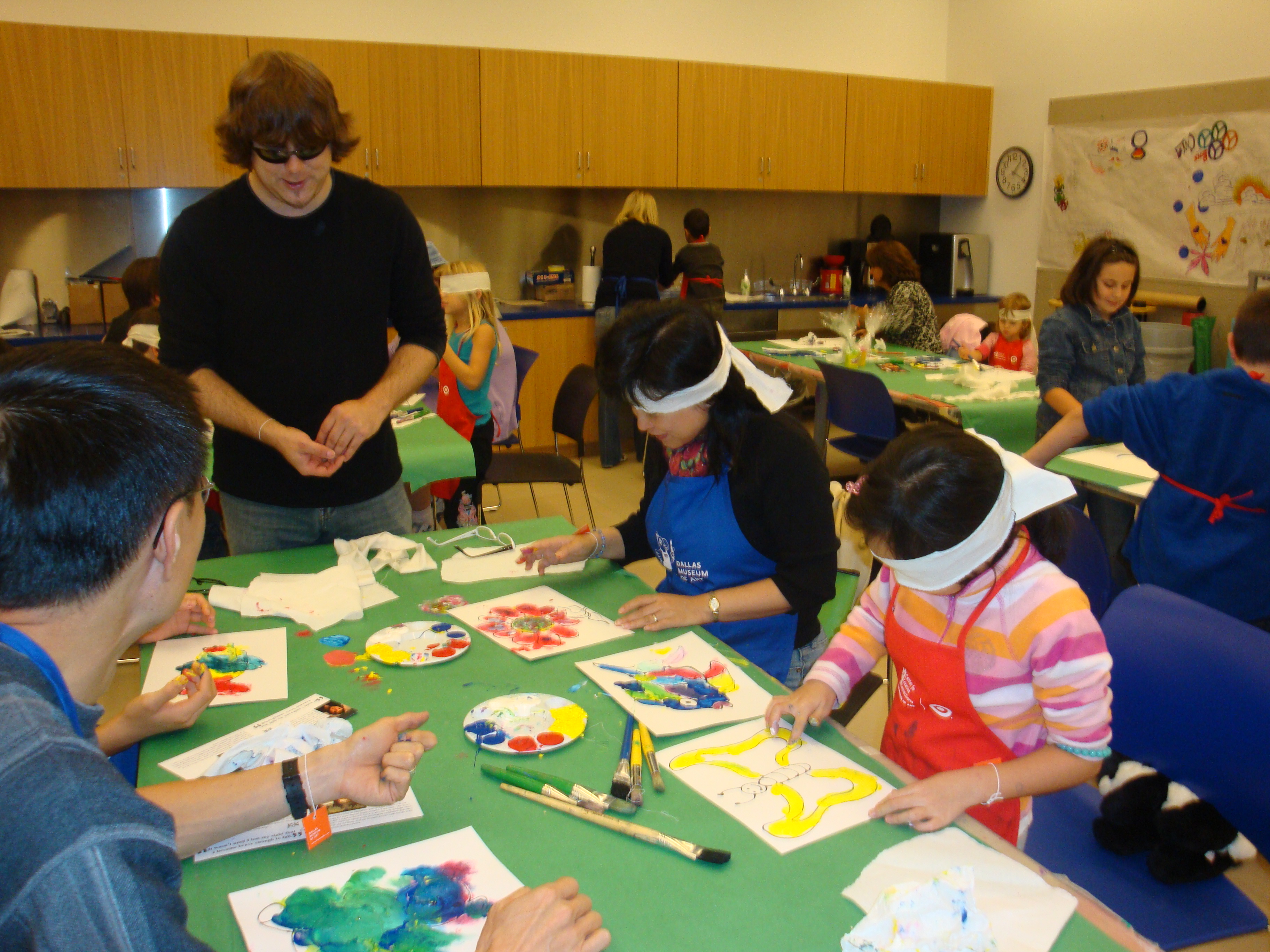
DMA guest artist, John Bramblitt, instructs workshop participants

DMA guest artist, John Bramblitt, instructs workshop participants

Have you ever made an artwork blind-folded? 

This past Saturday, visitors to the Museum did just that—painting purely through the sense of touch—under the skilled direction of blind painter, John Bramblitt.  Bramblitt is a guest artist at the DMA in October, in conjunction with Art Beyond Sight Awareness month. Organized by Art Education for the Blind (AEB), Art Beyond Sight Awareness month raises awareness about integrating art into the lives of adults and children affected by sight loss. Bramblitt will demonstrate his process and hold another participatory workshop at the Museum on Thursday, October 29th from 6:30-8:30 in the Center for Creative Connections

We hope you’ll join us then!

Amy Copeland   
Coordinator of Learning Partnerships with Schools and the Community

Welcome New McDermott Interns!

DSC00948 ii

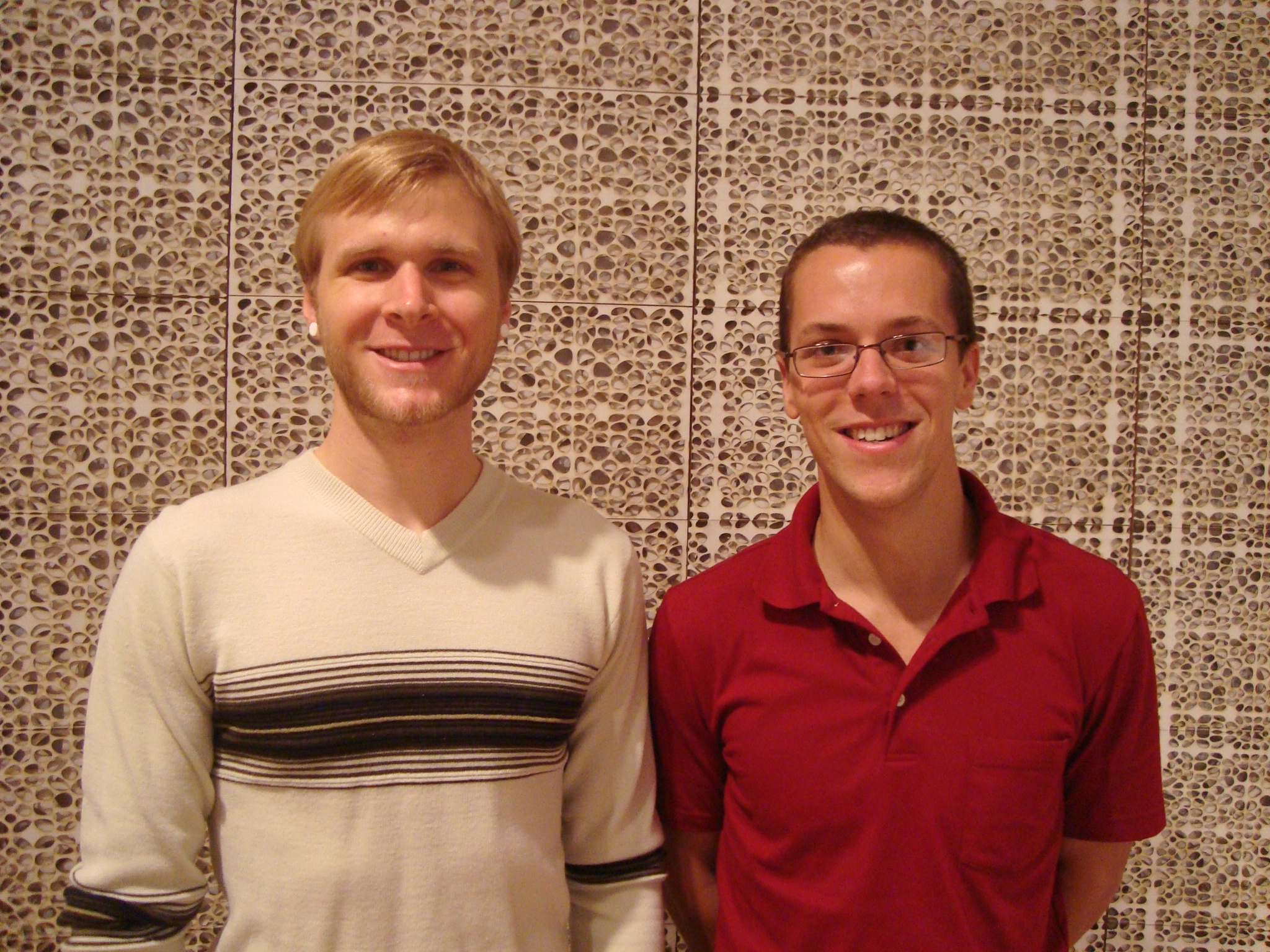
Introducing…Logan Acton and Justin Greenlee!  Logan and Justin joined the K-12 Education team one week ago today as the 2009-2010 McDermott Interns.  Did you know the DMA annually offers eight curatorial and education internships? The Eugene McDermott Education Fund makes these highly competitive positions possible.  McDermott Interns work full-time at the Museum for nine months helping to shape our exhibitions and programs, as well as share them with our visitors.  We couldn’t survive without them!

Logan Acton (on the left) is the Graduate McDermott Intern for Teaching Programs.  He is completing an MA in Aesthetic Studies at The University of Texas at Dallas and holds a BA in Art & Performance from UT Dallas as well.  Logan has been a familiar face around the DMA as he participated in several semesters of a collaborative honors seminar held at the Museum and taught by DMA staff and UT Dallas faculty.

Justin Greenlee (on the right) is the McDermott Intern for Learning Partnerships with Schools and the Community.  He graduated from Kenyon College with a BA in Art History and English.  New to Texas, Justin spent a semester abroad at the Institute at the Palazzo Rucellai in Florence studying art history, and he has extensive experience as a tennis instructor at camps throughout the country.

As I mentioned above, Logan and Justin have only been roaming the Museum for one week.  I put them on the spot somewhat when I asked them which collection areas they most looked forward to spending more time exploring. Justin said the Asian art is his pick.  This will match well with a cluster of Asian Studies courses he took in college! Logan first said everything, then narrowed it down to the African galleries. He’s an artist who loves to sketch and the African works offer opportunities for line work and seeing space in new ways.  Once they settle in a bit more, the interns will join the blog as regular voices sharing their experiences throughout the next nine months. Welcome Logan and Justin!

Nicole Stutzman

Director of Learning Partnerships with Schools and the Community

Community Connection: What happens when you combine textiles with concrete?

Welcome to the first “Community Connection” blog post!  My name is Melissa Nelson, and I’m the Manager of Learning Partnerships with the Community at the DMA.  Each month, I will interview a creative member of our community and feature their responses here in a series of posts called “Community Connection”.

Meet Lesli Robertson, our first Visiting Artist with the Museum’s Center for Creative Connections.  I caught up with Lesli bright and early last week, as she was enjoying the cool weather before her day got started.

What first made you want to become an artist?

I think it made sense, and it was something that was part of my nature and my world.  Making helped me understand things, either about the world or myself.  I didn’t have any art classes in elementary school, and in high school the emphasis of looking at artists didn’t get that much better.  It wasn’t until college that I started seeing what it really was about – making art, creating art, throughout history to contemporary use.  It wasn’t until then that I figured out I was an artist.

How would you describe your creative process?

I use textile-based media; I think they have the potential for communication.  My work depends on where I’m at, what I’m thinking about, what’s going on.  It’s very intuitive, though I make conscious decisions on material, form, how things are installed.  Part of the process is looking at where you’ve come from as an artist and where you’re going.  The body of work I’m now working on is a reaction to the past three years of writing, research, and studio work.  It is a comment on the evolution of my artwork.  The materials I use stay the same – I started working with textile-based media and concrete five to six years ago and I love those materials. They have so much content to them and apply so well to what I want to do, formally and conceptually.

Apart from creating things, what do you do?

I love working on projects with the community and looking for different opportunities for collaborations.  For example, last semester I worked with the biology department at University of North Texas (Lesli is an adjunct professor of fibers at UNT’s College of Visual Arts and Design).  I am also conducting research in Uganda and writing an article on contemporary bark cloth artists.  I have to almost limit what I do – it is all informative but can pile up real easily.

What handmade possession do you most cherish?

I’m most proud of a handmade mat from Uganda that I bought from an artisan.  It is gorgeous.  It is hand-plaited in narrow strips about two inches wide, which are then stitched together, and cut into a mat of about three feet by seven feet.  What’s so gorgeous is that the artisans work with two tones of color.  When everything gets stitched together, it makes a pattern and it’s beautiful.  It’s one of those things that you covet, and I’m glad I have it, so I don’t have to covet it anymore.

Please describe the work you’re currently doing with the Dallas Museum of Art.

I’m working on a community collaborative project.  I’m asking the community to make small concrete collages that I’m weaving into small strips, which I’m using for an art installation in the Museum’s Center for Creative Connections.  The idea is to work with the diverse communities that the DMA works with, and having an artwork that shows each individual that makes up this larger community.  I’m going out and working with groups, and inviting people in the Museum to contribute also.  The installation relates to the Materials and Meanings exhibition in the Center for Creative Connections, and the idea that materials can mean something to the person making the work of art.  I ask the participants to choose materials that represent them to include in their individual collages.

To meet Lesli in person, join us for our first Thursday Evening Program for Teachers on September 10 at 7:00 p.m.  Participation is free and advance registration is not required.

The Ice House Cultural Center summer camp students, Dallas ISD Talented and Gifted elementary students, Cathedral Guadalupe, and Booker T. Washington teachers are just a few of the groups Lesli is working with from July through October.  Make sure you check out Lesli’s installation in the Center for Creative Connections, starting January 2010.

Melissa Nelson

Manager of Learning Partnerships with the Community


Archives

Categories