Archive for the 'Exhibitions' Category


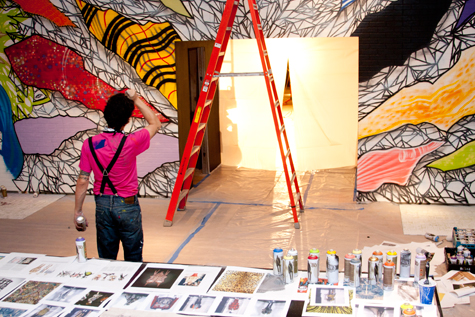
Installing the American Twenties

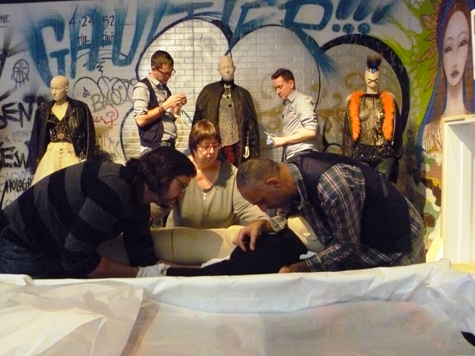
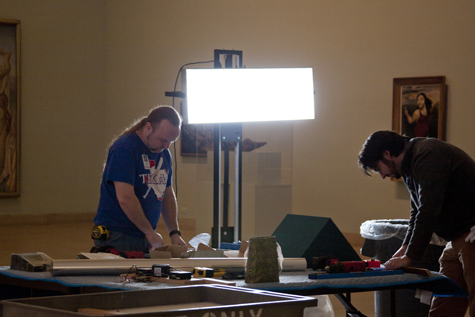
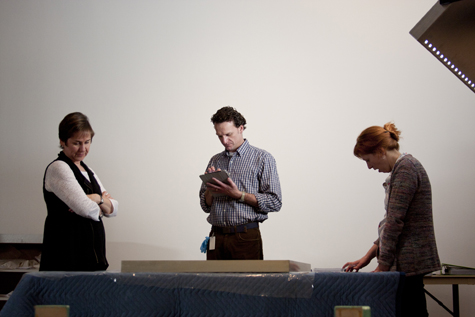
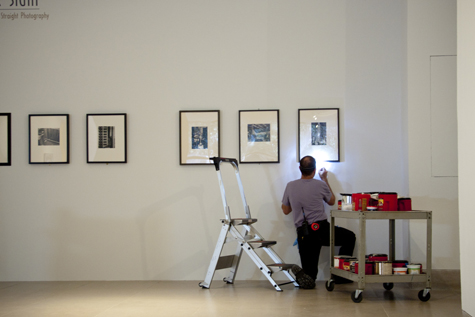
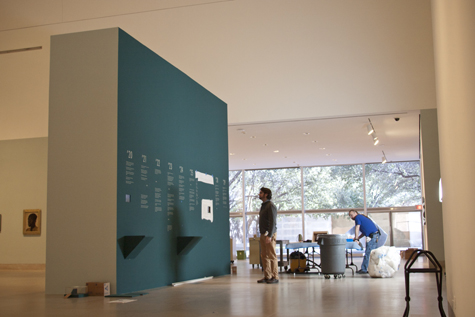
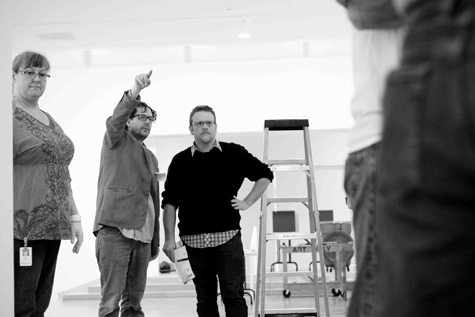
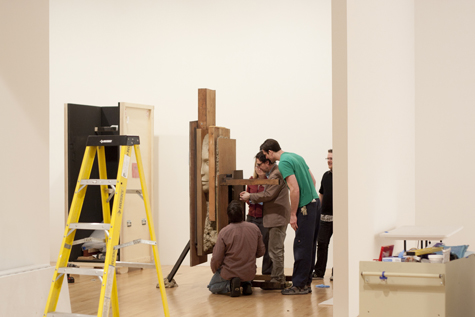
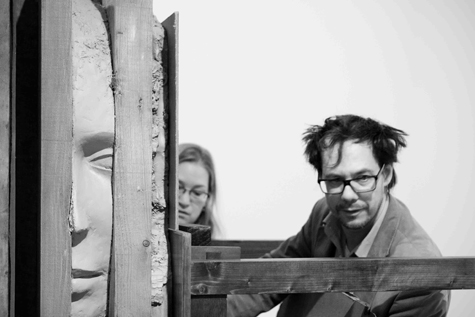
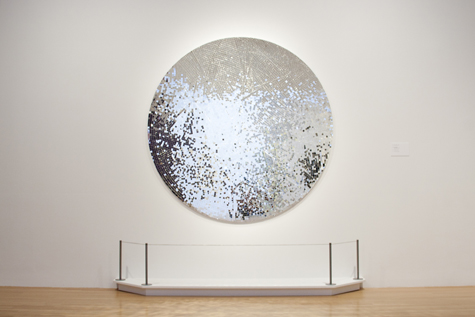
Youth and Beauty: Art of the American Twenties opens this Sunday after an inaugural presentation at the Brooklyn Museum. Preparation for the exhibition began in January, and below are a few images of the installation process.

Adam Gingrich is the Administrative Assistant for Marketing and Communications at the DMA.

Au Revoir Monsieur Gaultier

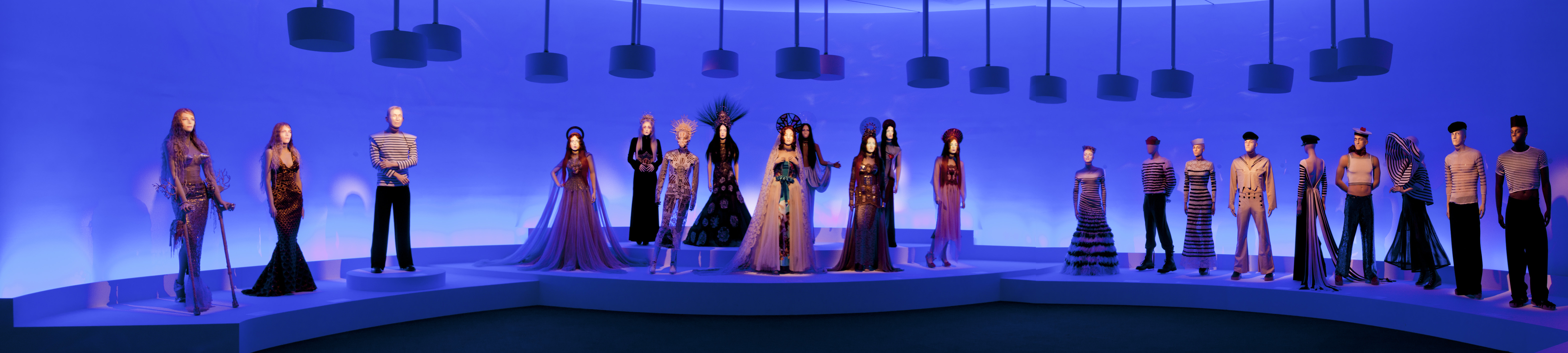
Last week we bid adieu to The Fashion World of Jean Paul Gaultier after three months of hosting the internationally touring exhibition at the DMA. Before the exhibition travels to its final U.S. museum, the Fine Arts Museums of San Francisco: de Young, here are a few stats from the DMA’s presentation:

  • 114,986 visitors over three months
  • 16,044 postcards purchased
  • 1,020 catalogues sold
  • 142 ensembles
  • 73 works on paper
  • 49 wigs designed by Odile Gilbert
  • 30 animated mannequins
  • 13 weeks on view
  • 6 galleries of works
  • 2 custom cowboy-inspired greeters
  • 1 incredible fashion designer

See the exhibition from arrival to departure and everything in between.

[slideshow]

Kimberly Daniell is the PR Specialist at the Dallas Museum of Art.

Traveling with The Mourners

It usually takes a few years to pull together a complicated, large and/or high value exhibition with loans from all over the world. The Mourners is an exhibition with only forty objects, and most from one source. So why did this project take about three years to open at its first venue, and why was it so complex? Well, the little sculptures are fragile, medieval and made out of stone—alabaster. In addition, they are the most treasured objects at the Musee des Beaux—Arts Dijon. The Director of the Museum, Sophie Jugie, had to promise the Mayor that absolutely nothing would happen to the little guys while they toured the United States for 2 ½ years!

After a year of conversation about the project with various parties, the DMA was asked by FRAME (French Regional American Museum Exchange) to organize and manage the exhibition tour.

In 2008 I visited Dijon to meet the staff, begin coordinating the logistics of our agreement, and of course to see the sculptures first hand to have a better idea of requirements for handling, packing, shipping, etc.

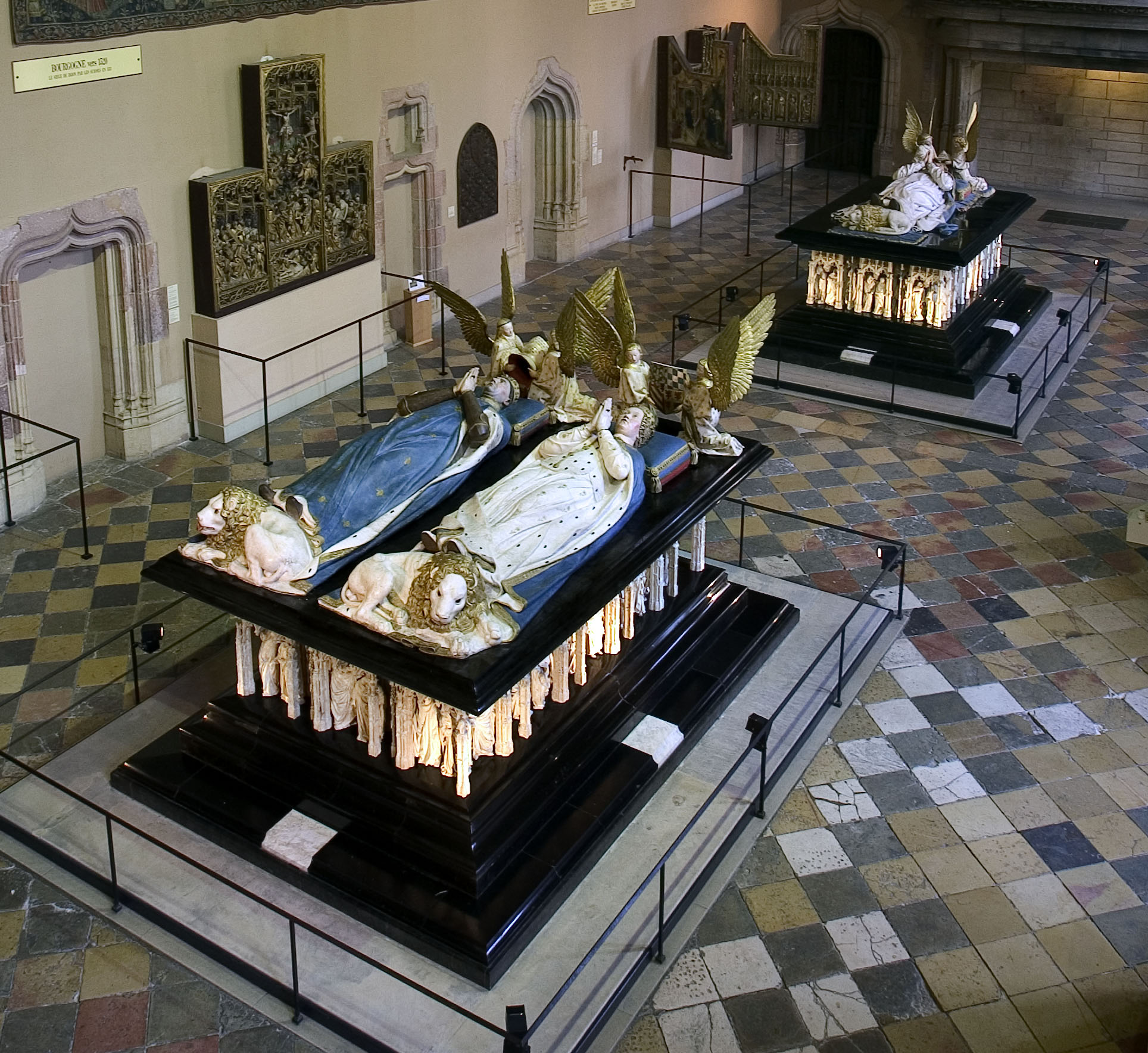
Tomb of John the Fearless. Musee des beaux-arts Dijon prior to removal of the sculptures.

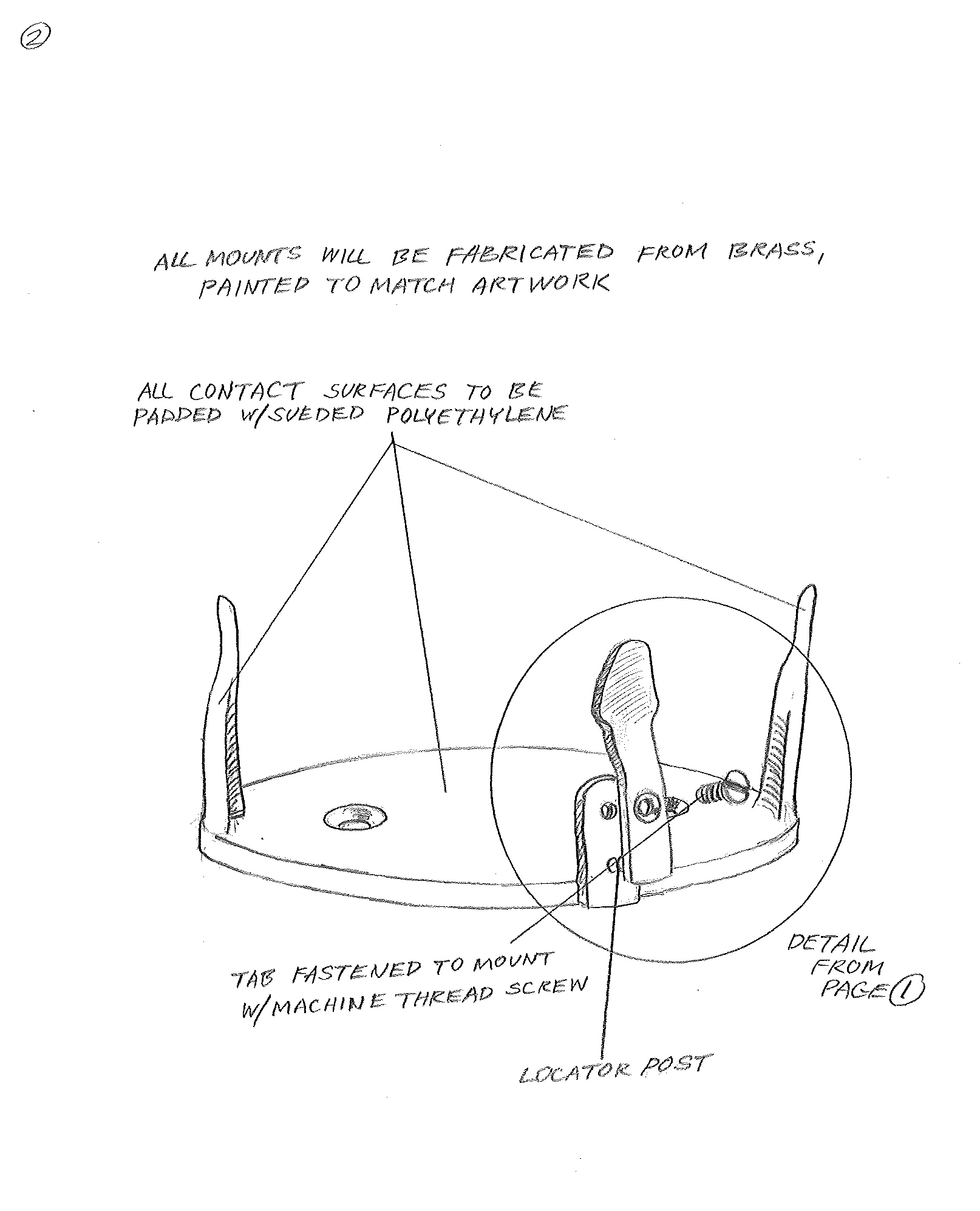
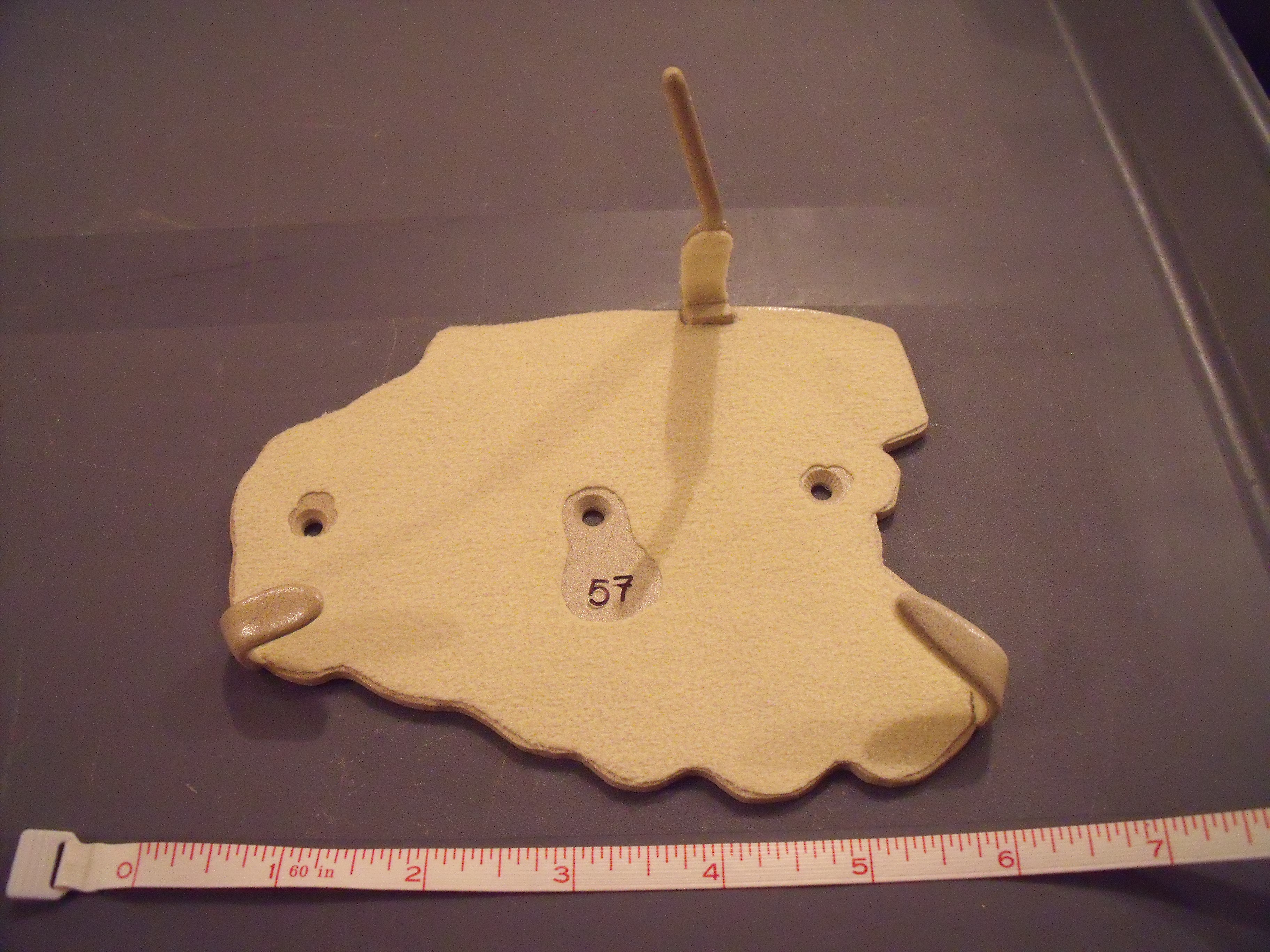
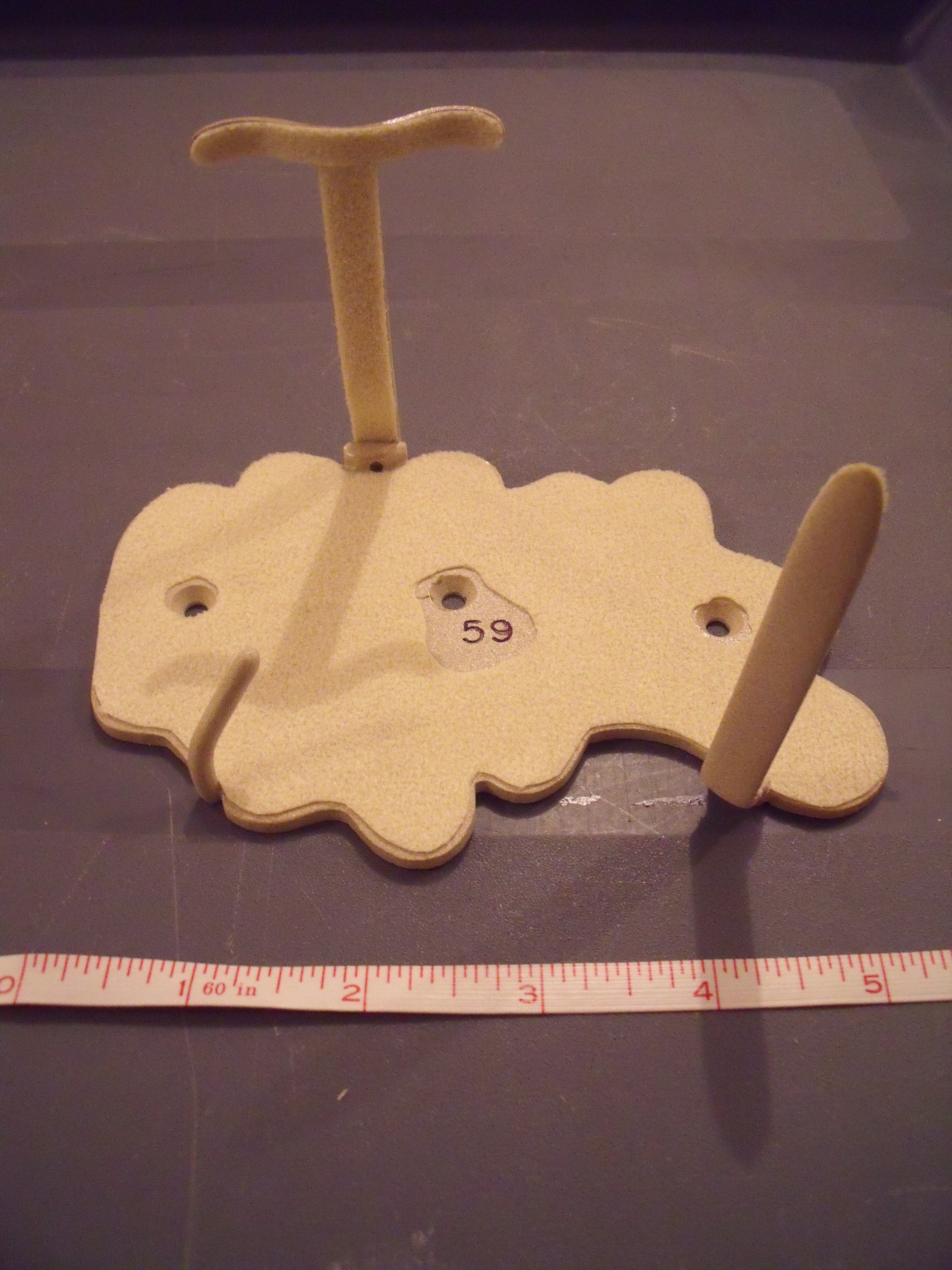
In 2009 Preparator—and head mount maker—Russell Sublette visited Dijon to trace the bottoms of the sculptures in preparation for mount design. Over a few months he completed a couple of different designs for the mounts, here is one example.

After the mount decisions were made with Dijon, we had to purchase everything we would need: paint, felt, screwdrivers, drills, lots and lots of brass plate, and different width brass rods. Meanwhile a French packing company was busy building crates.

In January of 2010 we landed in Dijon. It was VERY cold. We immediately drove to the local “home depot” to purchase two heaters since the the Musee des beaux-arts is in the basement—of a stone medieval building. To make very detailed mounts, you need dexterity, your fingers cannot be frozen due to the cold.

I worked with the Dijon staff and Benoit Lafay (France Institute of Conservation of Works of Art) to remove the sculptures from the tomb.

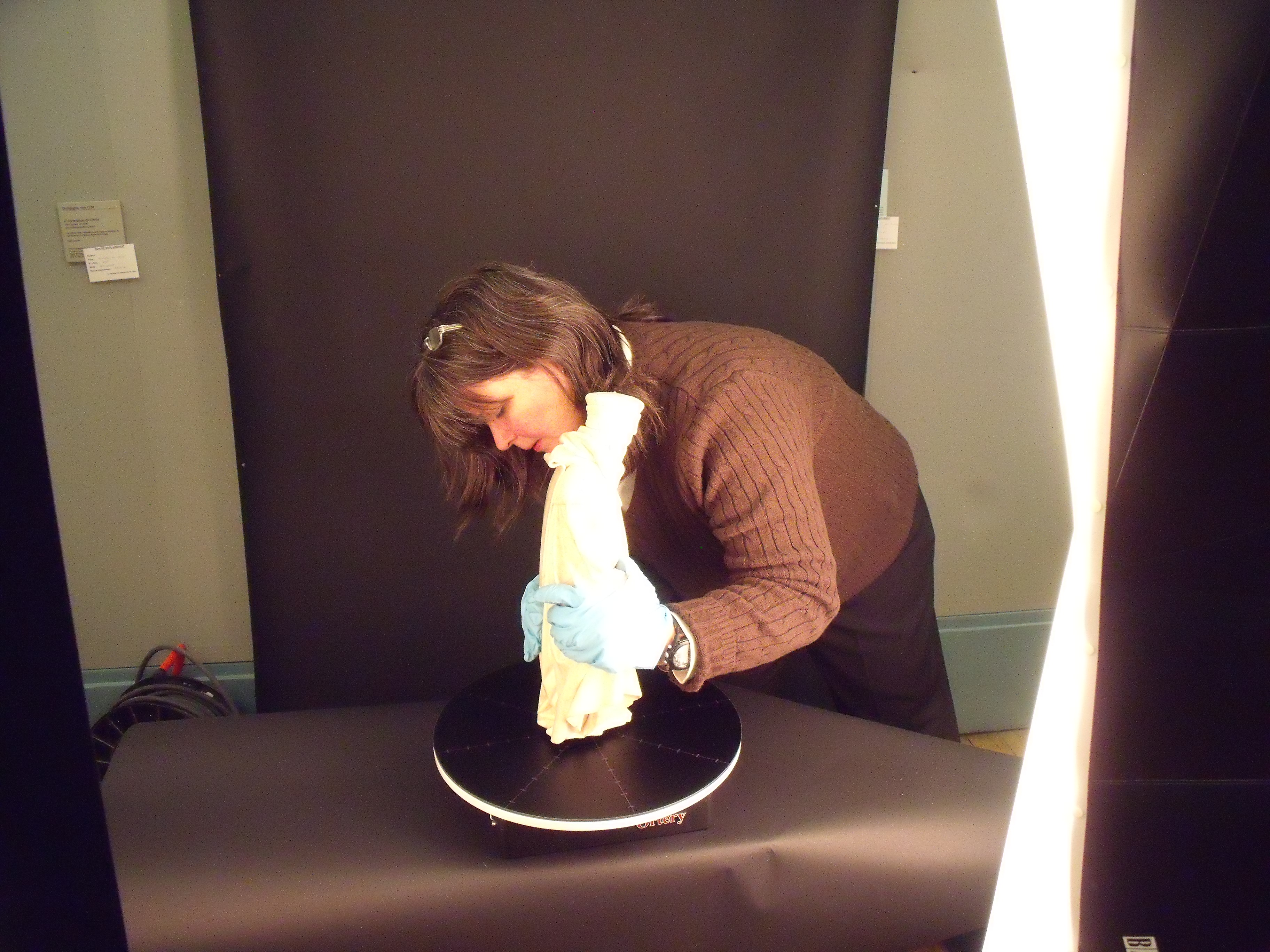
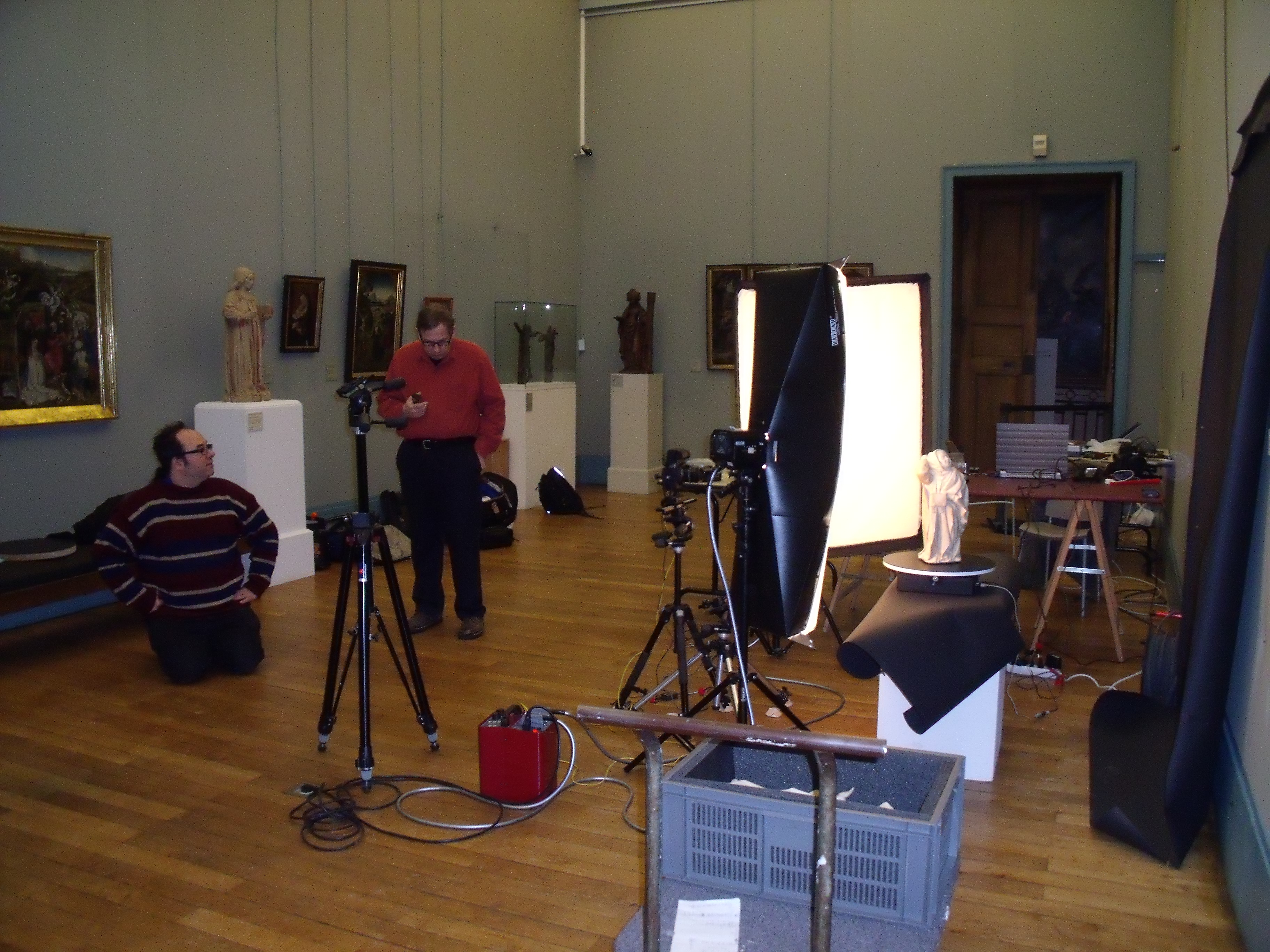
The next three days we spent on high resolution photography of each sculpture, which you can appreciate in detail by going to mourners.org. Leonard Steinbach and Jared Bendis devised and organized the impressive photography equipment to complete the amazing photography. We set up shop in the gallery next to where the tombs are located. They took approximately 350 photographs of each sculpture!

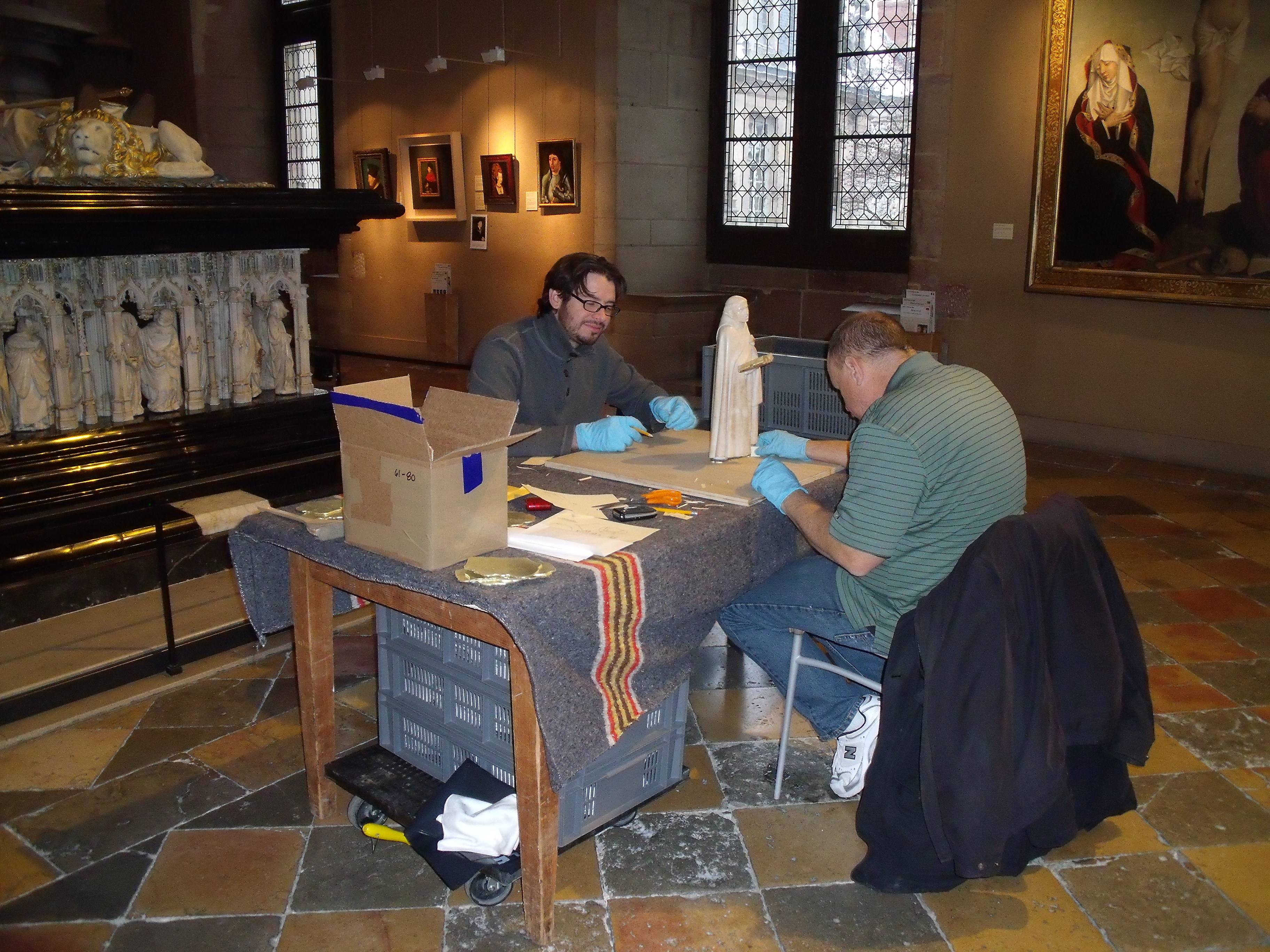
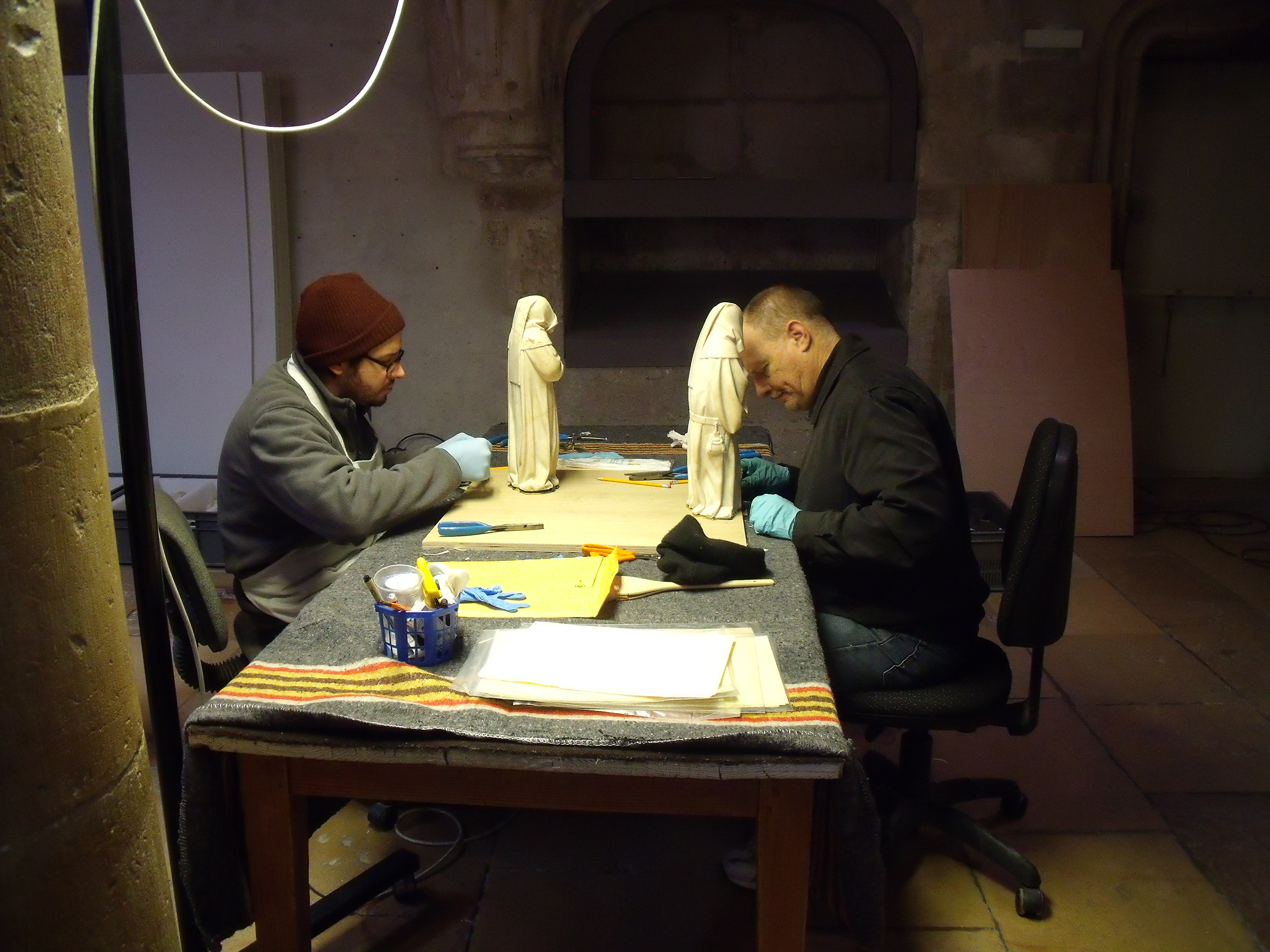
Meanwhile, Russell and DMA colleague John Lendvay worked on making each mount. The first three days they worked in the gallery. And when we left the museum on Friday evening, we walked out and into a raging blizzard—the worst Dijon had seen in something like 80 years! The city looked beautiful, but it was oh so cold.

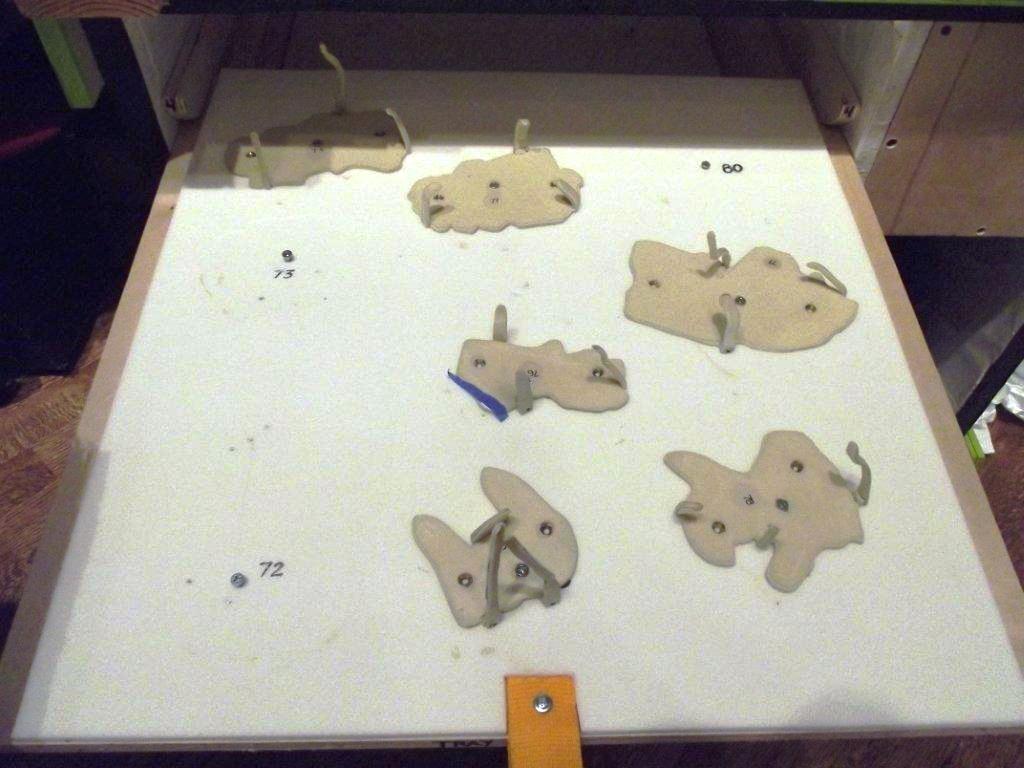
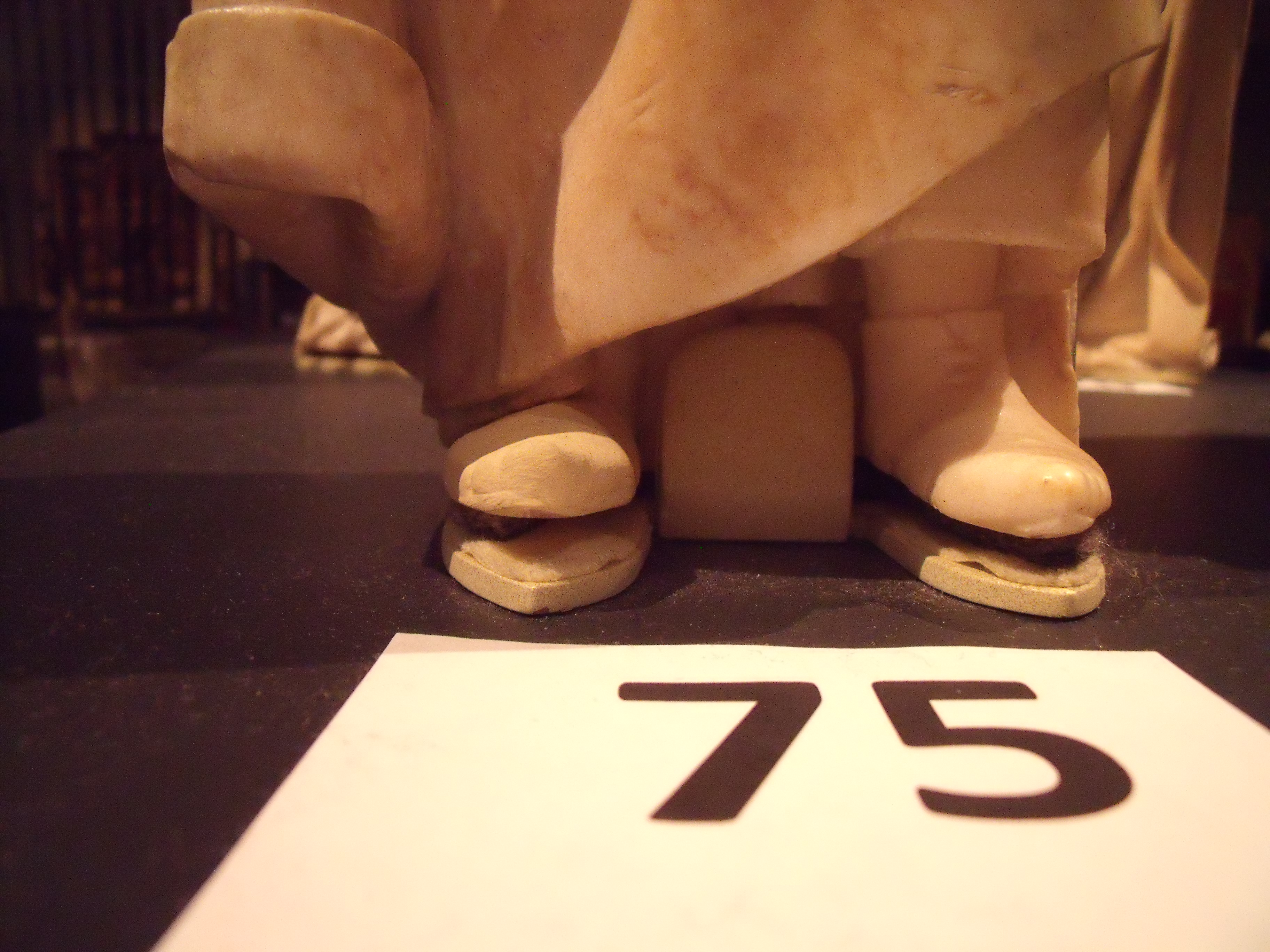
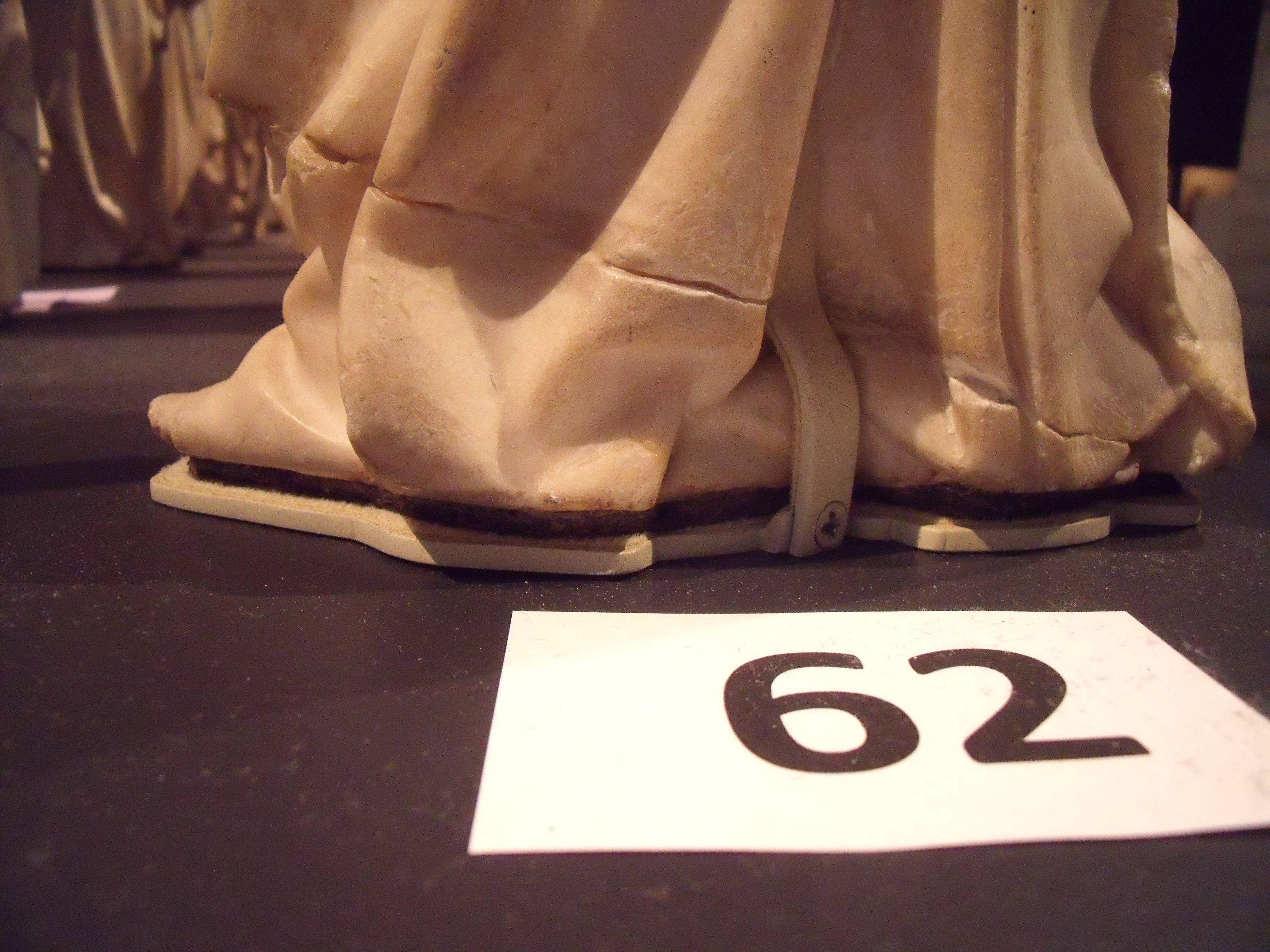
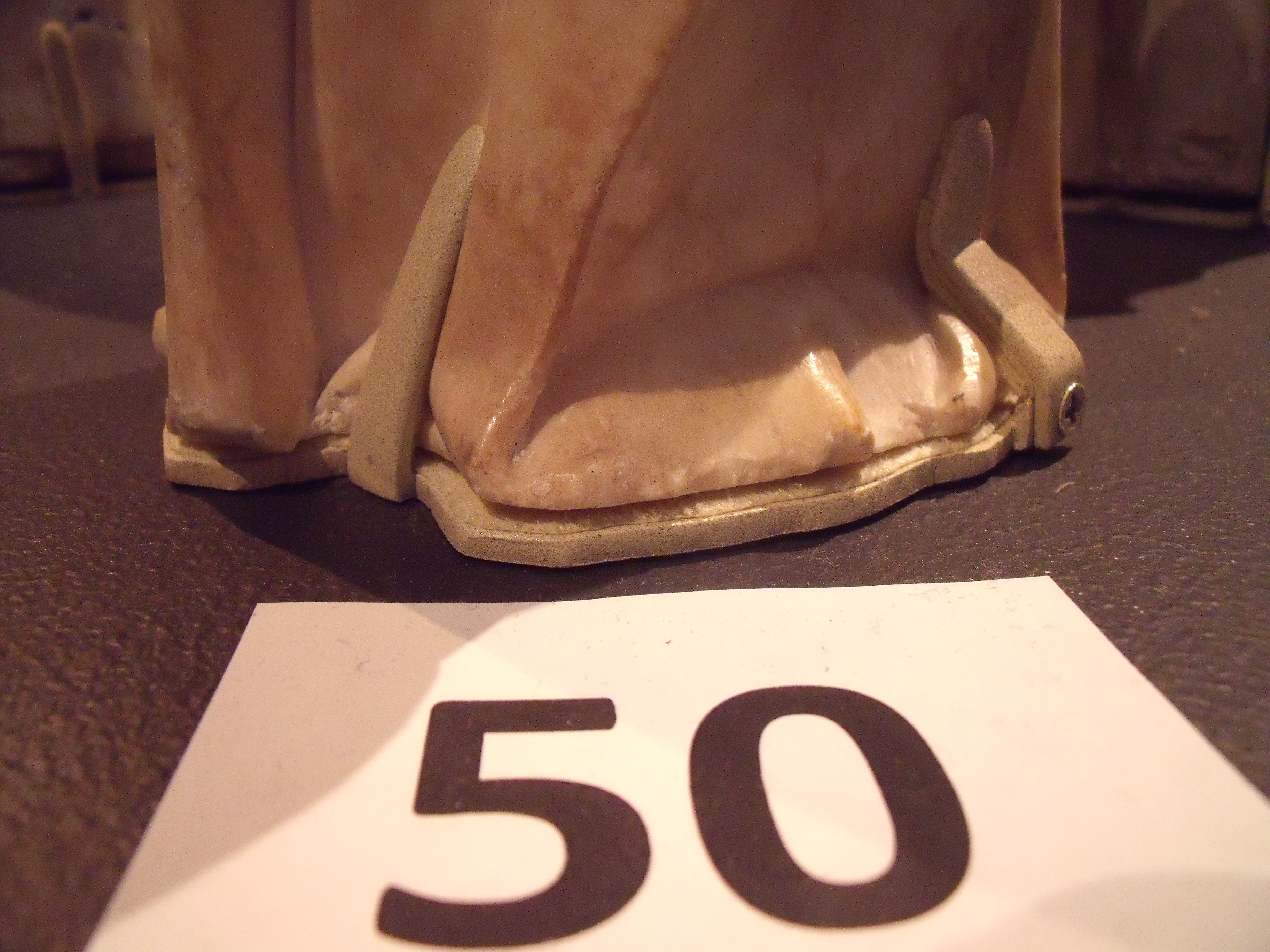
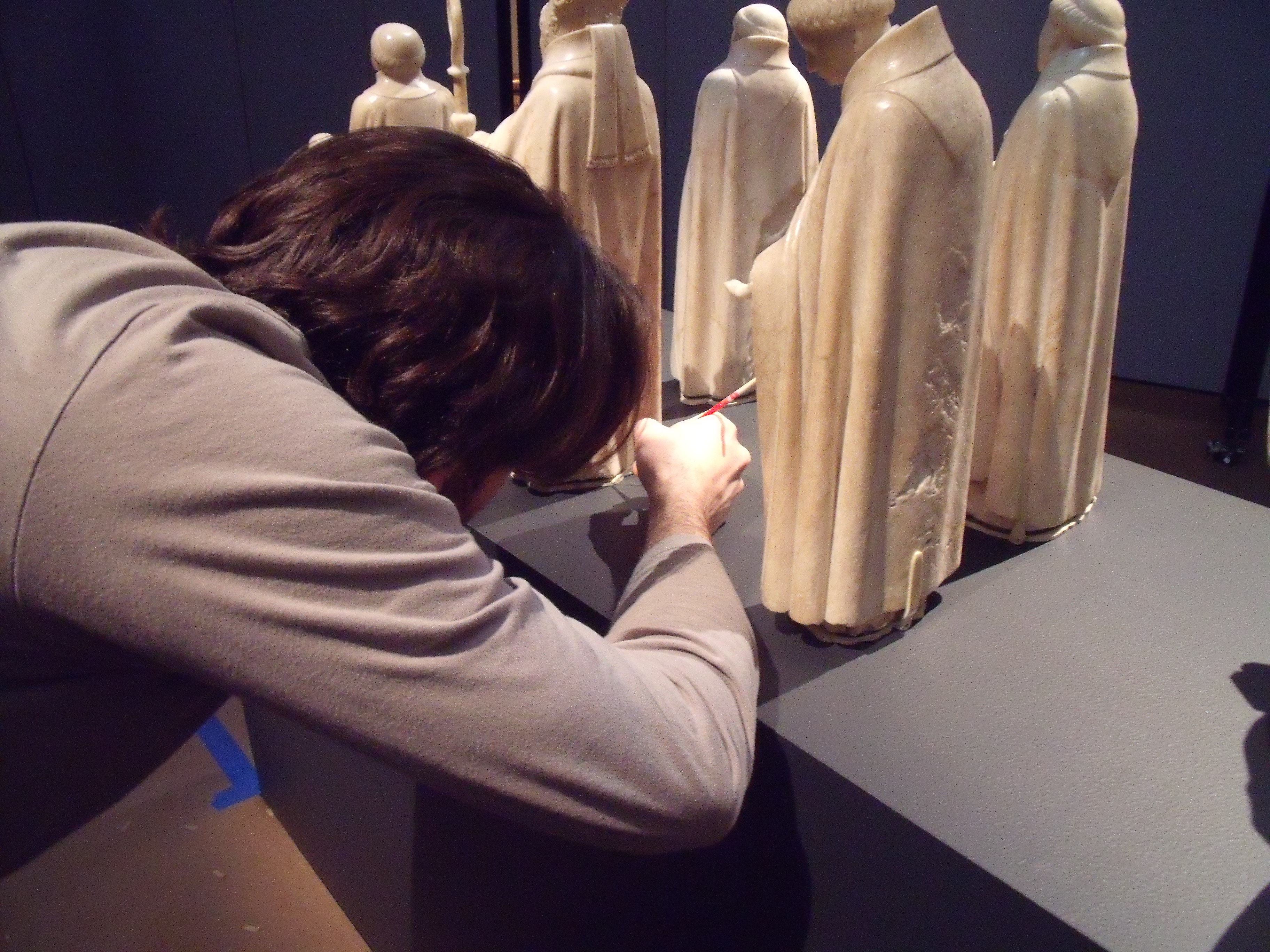
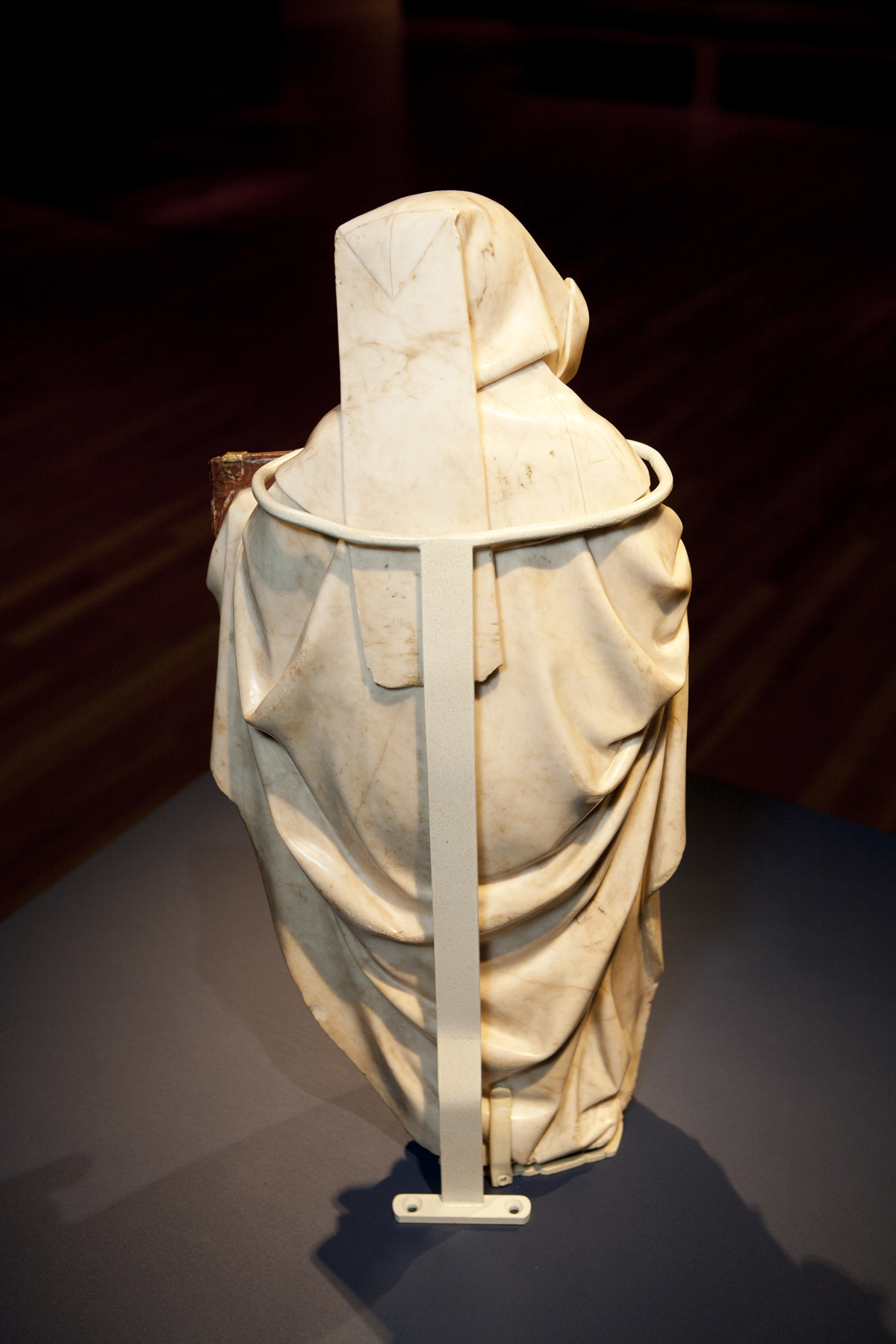
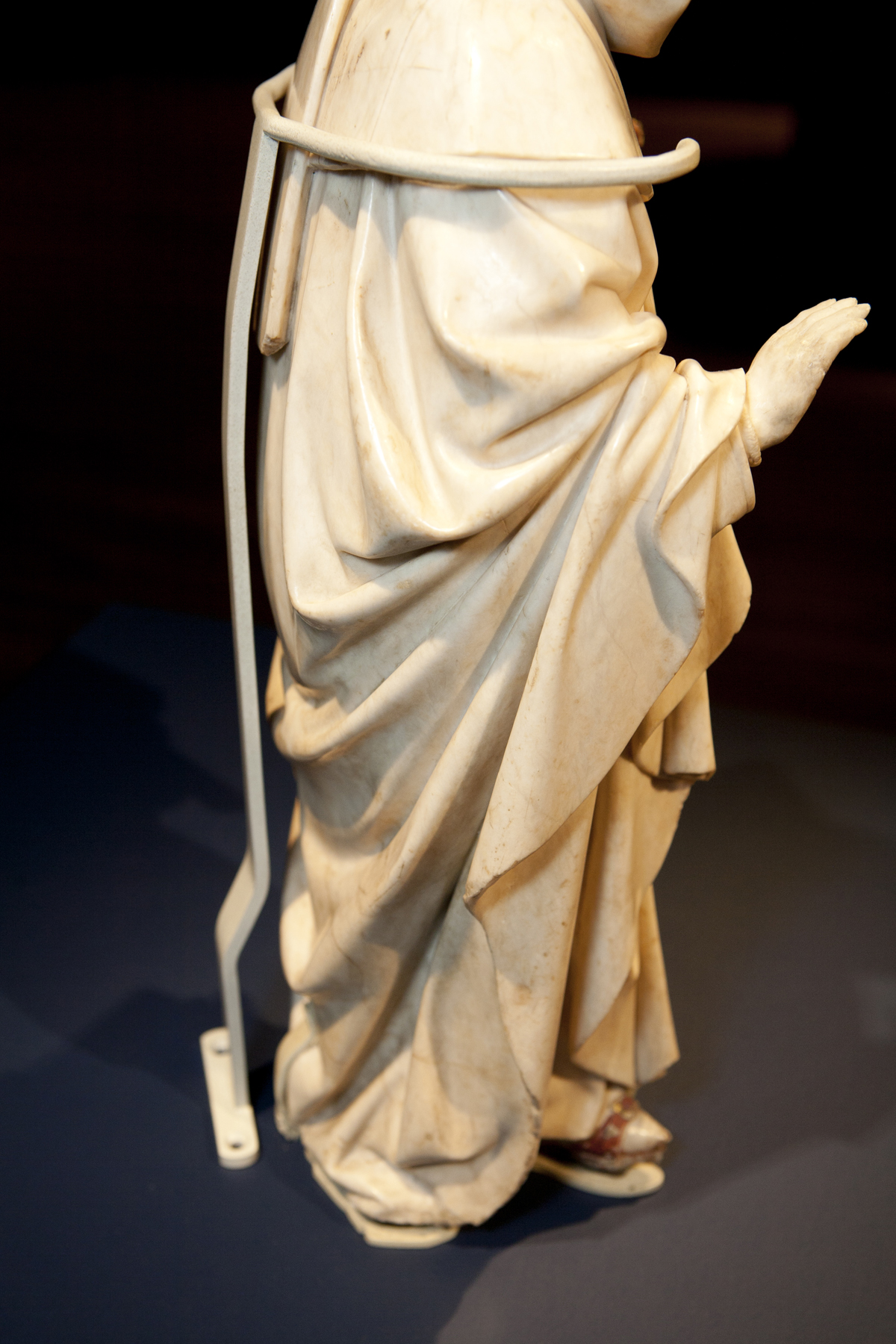
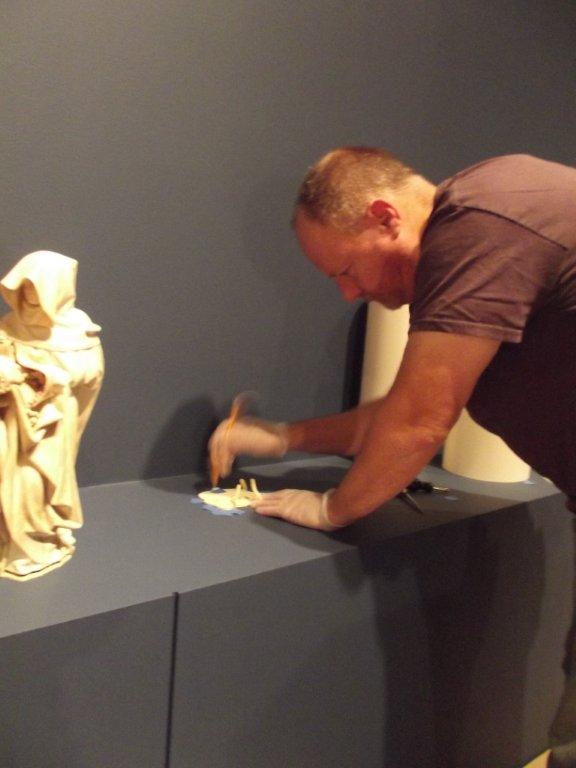
The mounts are crucial to the safety of the sculptures and travel in their own crate with all the supplies needed to make adjustments, touch up paint, replace padding, etc. They were made to fit each individual sculpture, painted to match the color of the alabaster, and padded with conservation felt.

The first stop in the exhibition tour was The Metropolitan Museum of Art. Here we had to complete more of the refinements on the mounts, as the time in Dijon had not been sufficient.

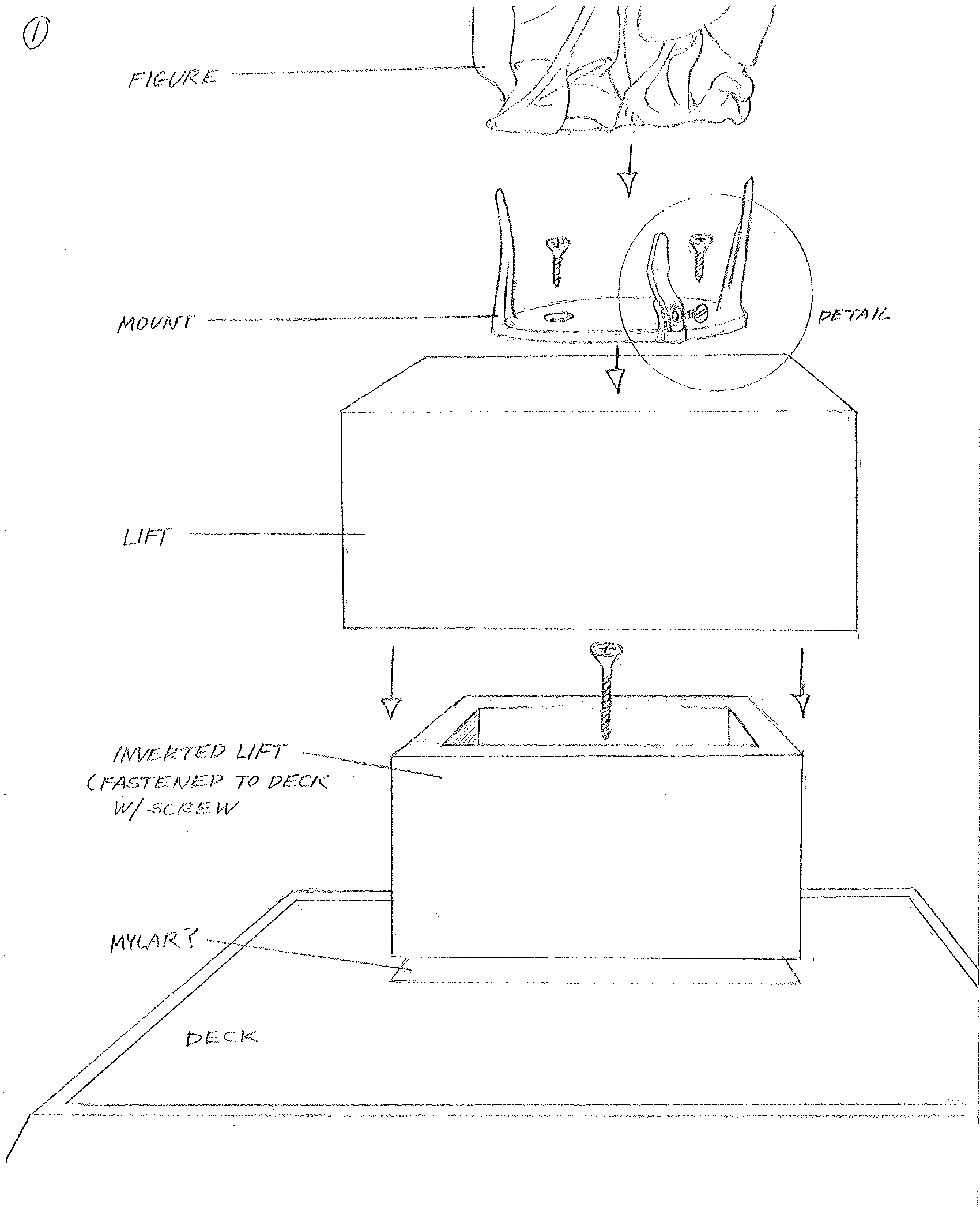
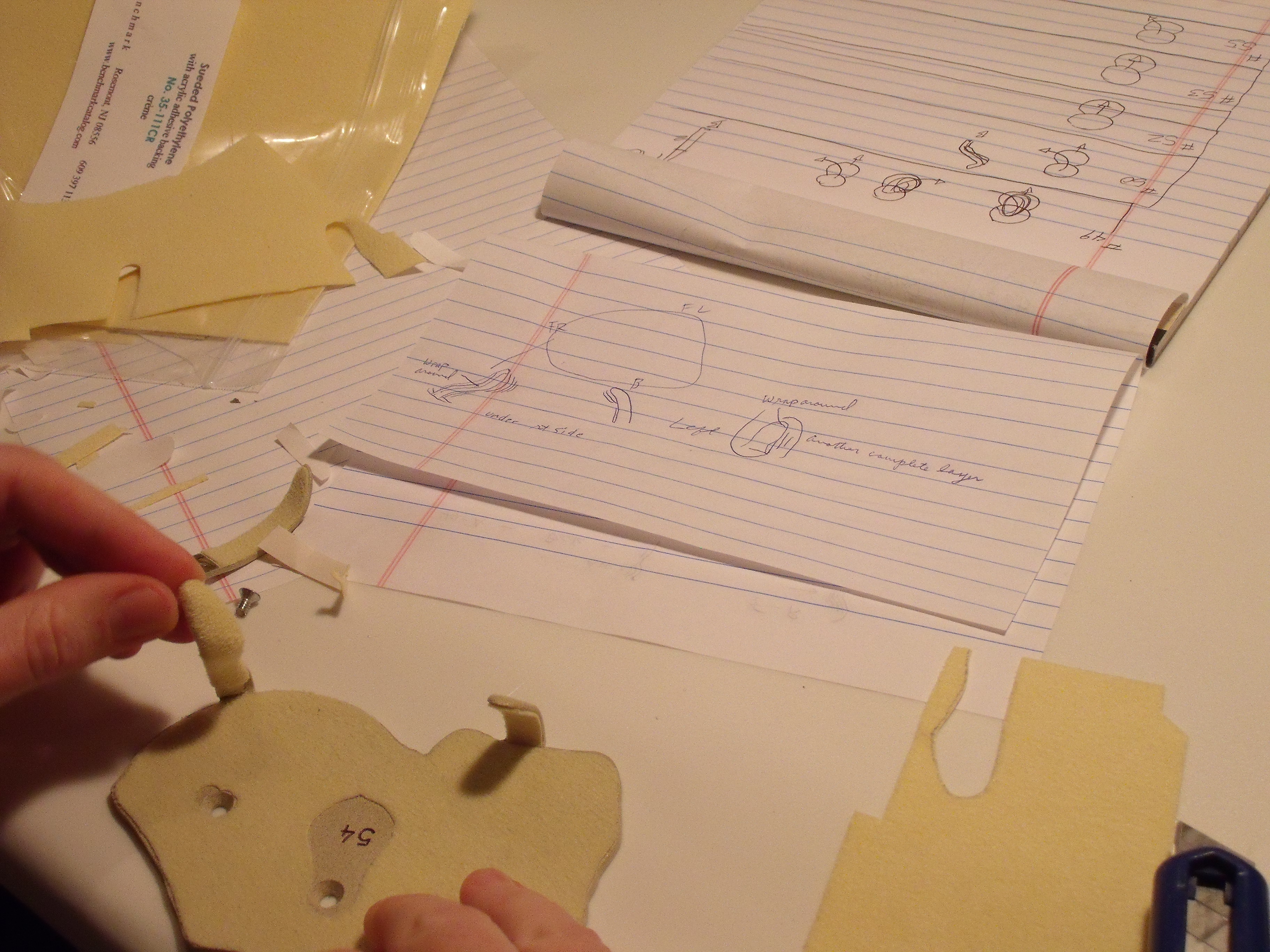
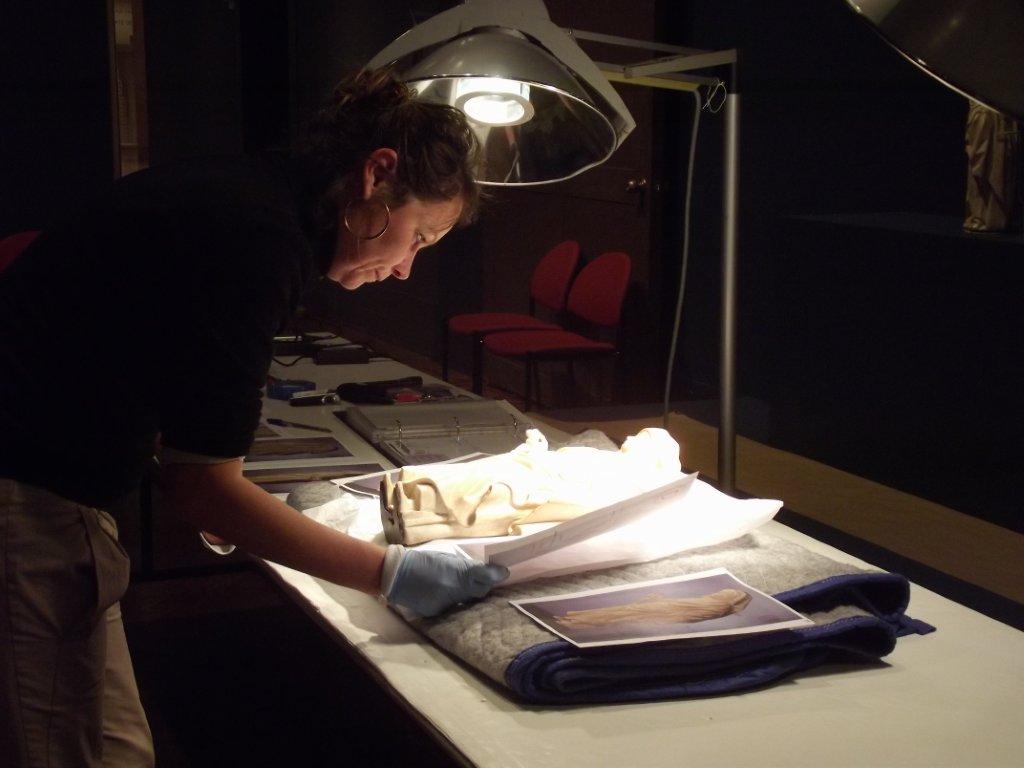
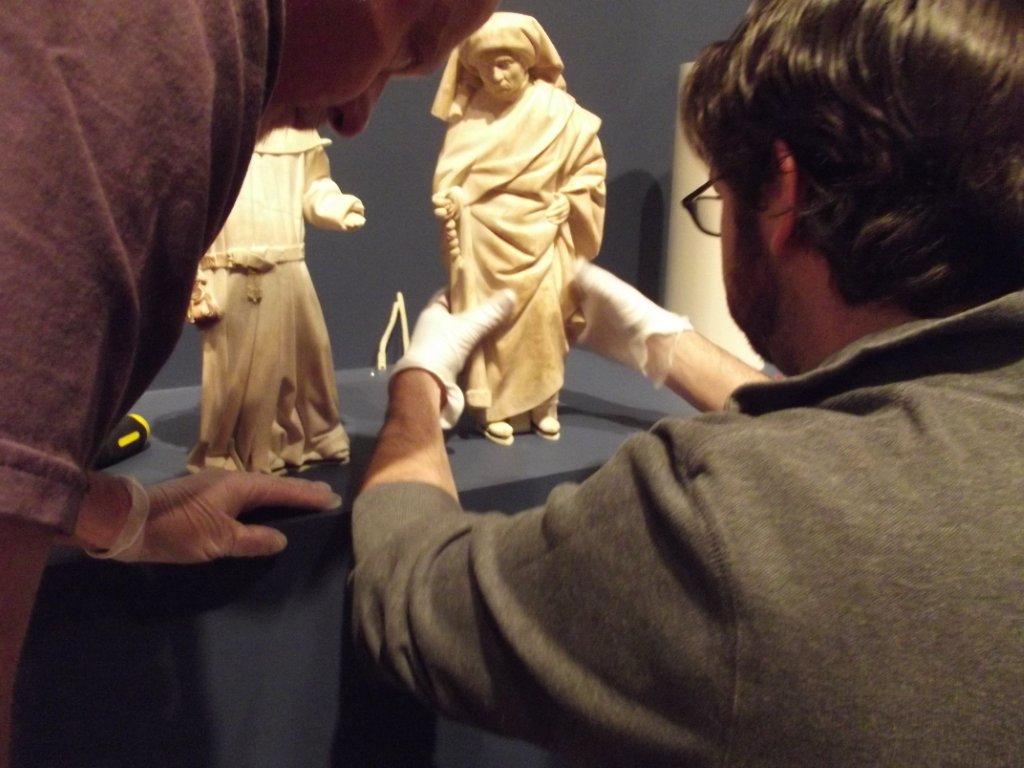
Extensive notes and diagrams are needed to make certain that each sculpture is fitted into the mount correctly.

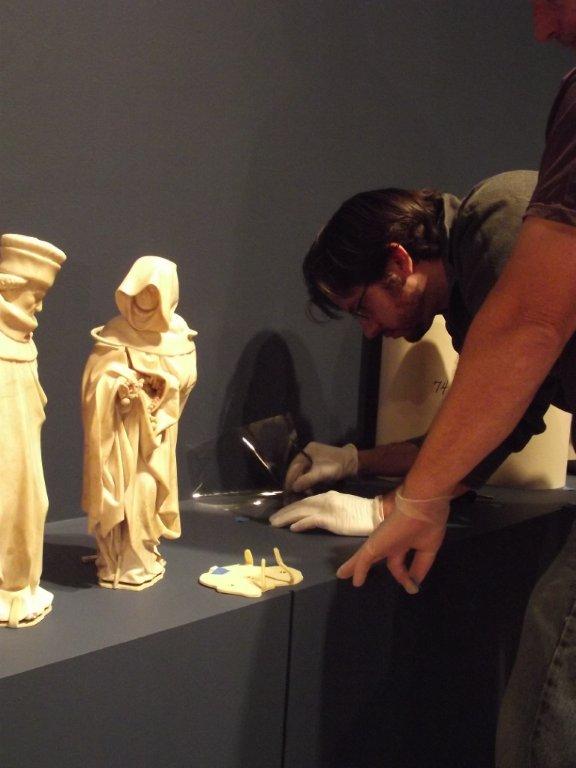
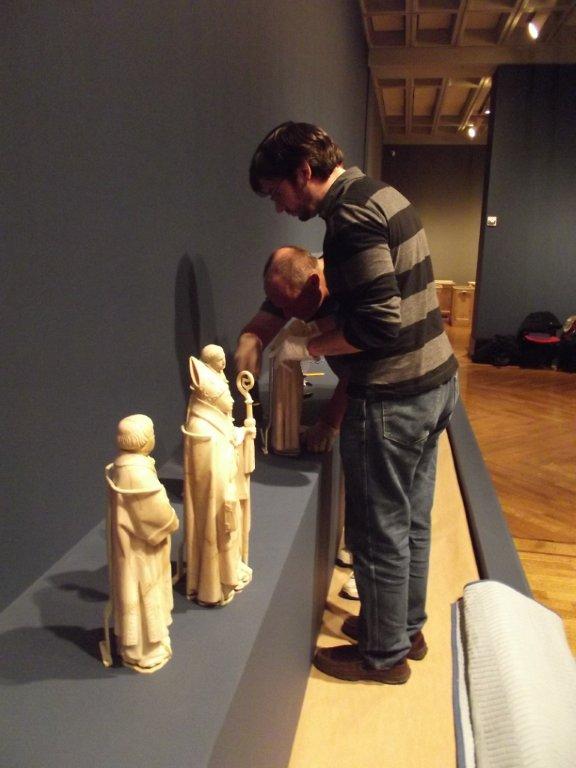
Russell and John discussed each mount until comfortable with the design. As you can see, some of the sculptures have had repairs over the centuries, some have very small bases, and most have intricate drapery at the bottom. Many details to take into account when deciding where the clips should be placed.

At the end of the installation, a bit of very careful touch up paint might be necessary on the mounts. And they looked spectacular!

After experiencing the blizzard in Dijon, it was fitting that after we finished the installation in New York we barely made it out due to a snow storm in the east. The day the three of us left to return to Dallas, ours was the last flight out before they closed the airport. I think it is the Mourners—they like the cold! And they are wearing those fancy fur lined robes . . .

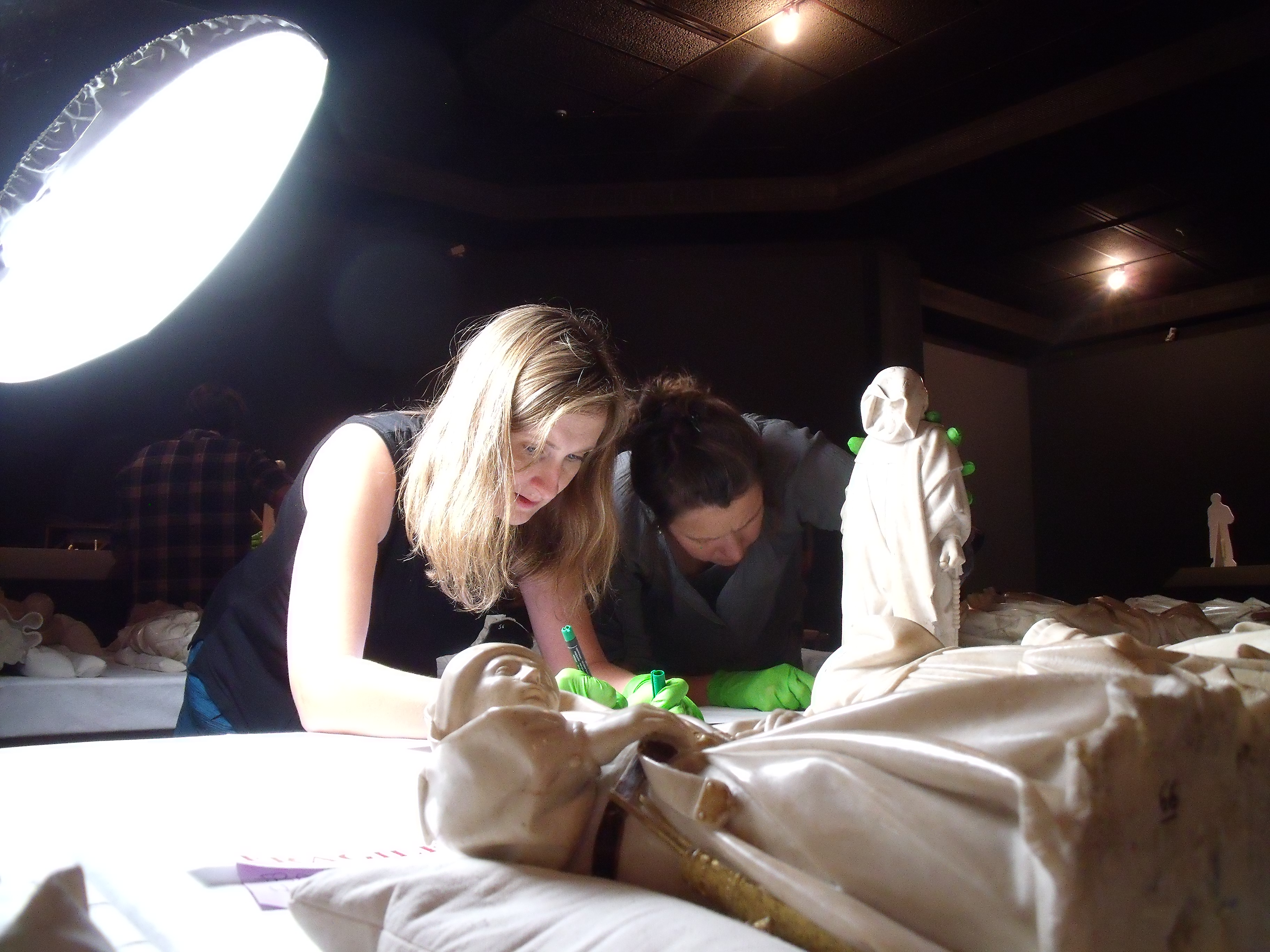
At each venue, we must complete a very detailed condition examination with the Objects Conservator of the host museum, and a Registrar from Dijon. We keep binders with dozens and dozens of photographs and notes to compare and annotate.

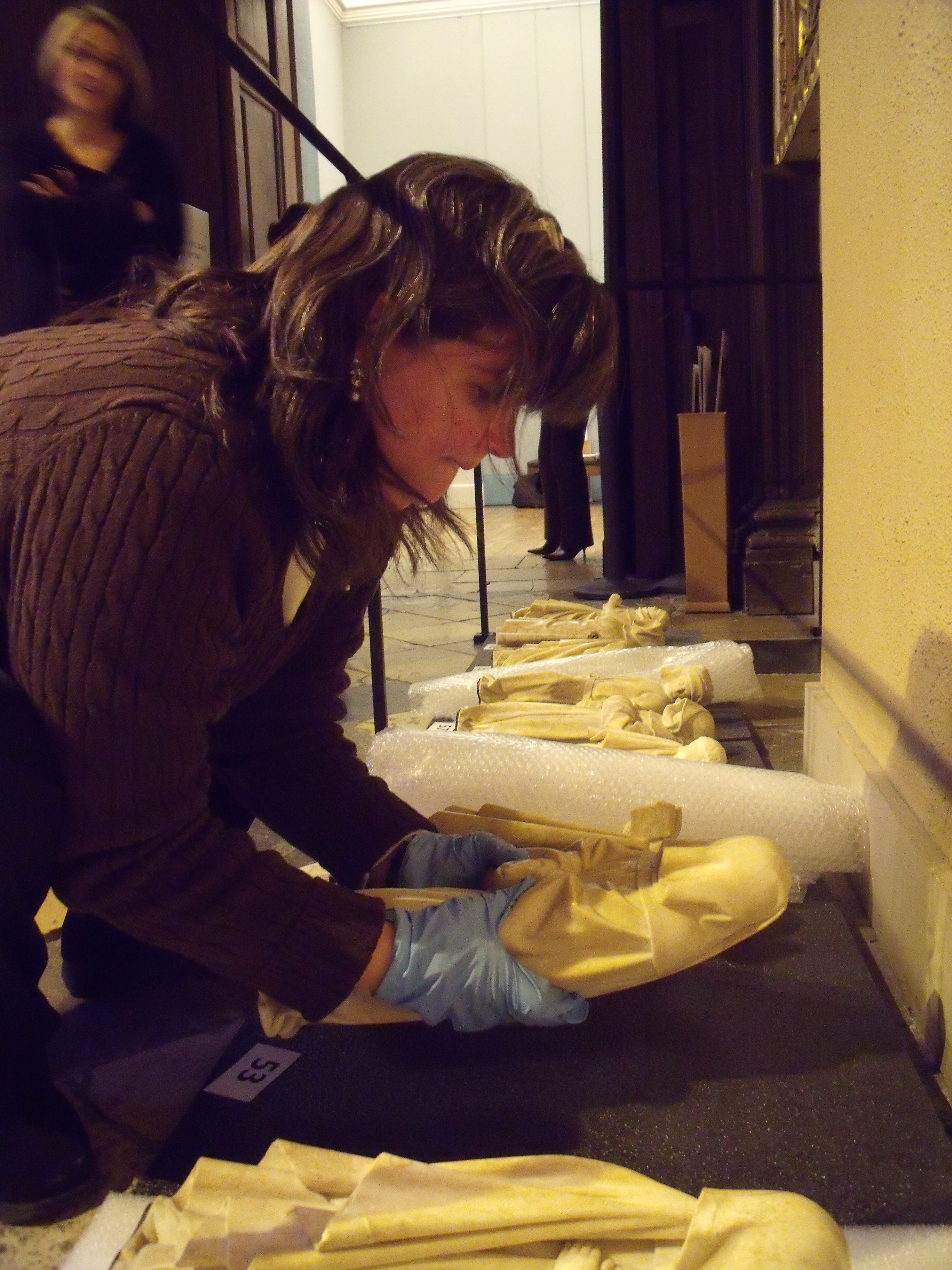
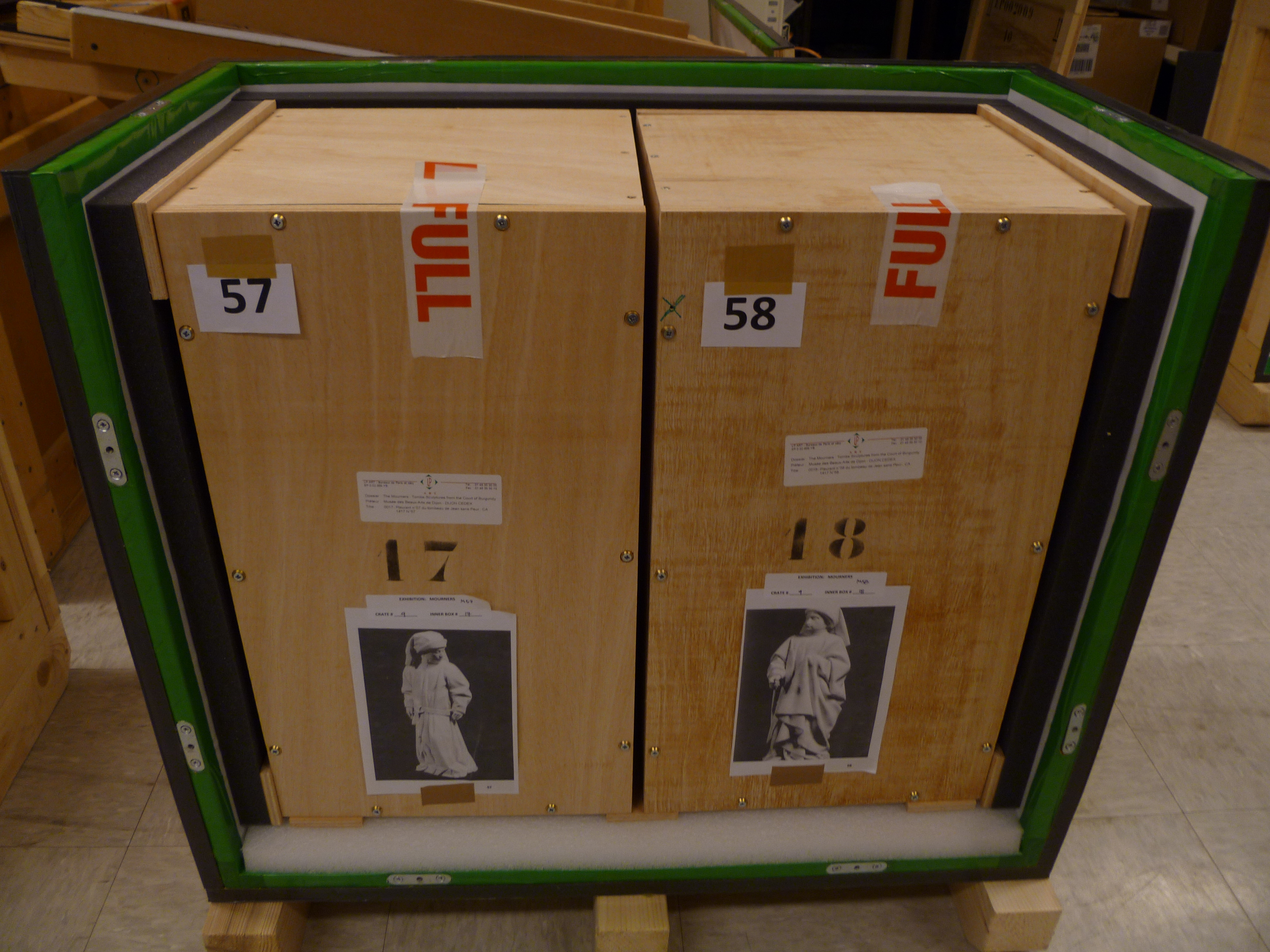
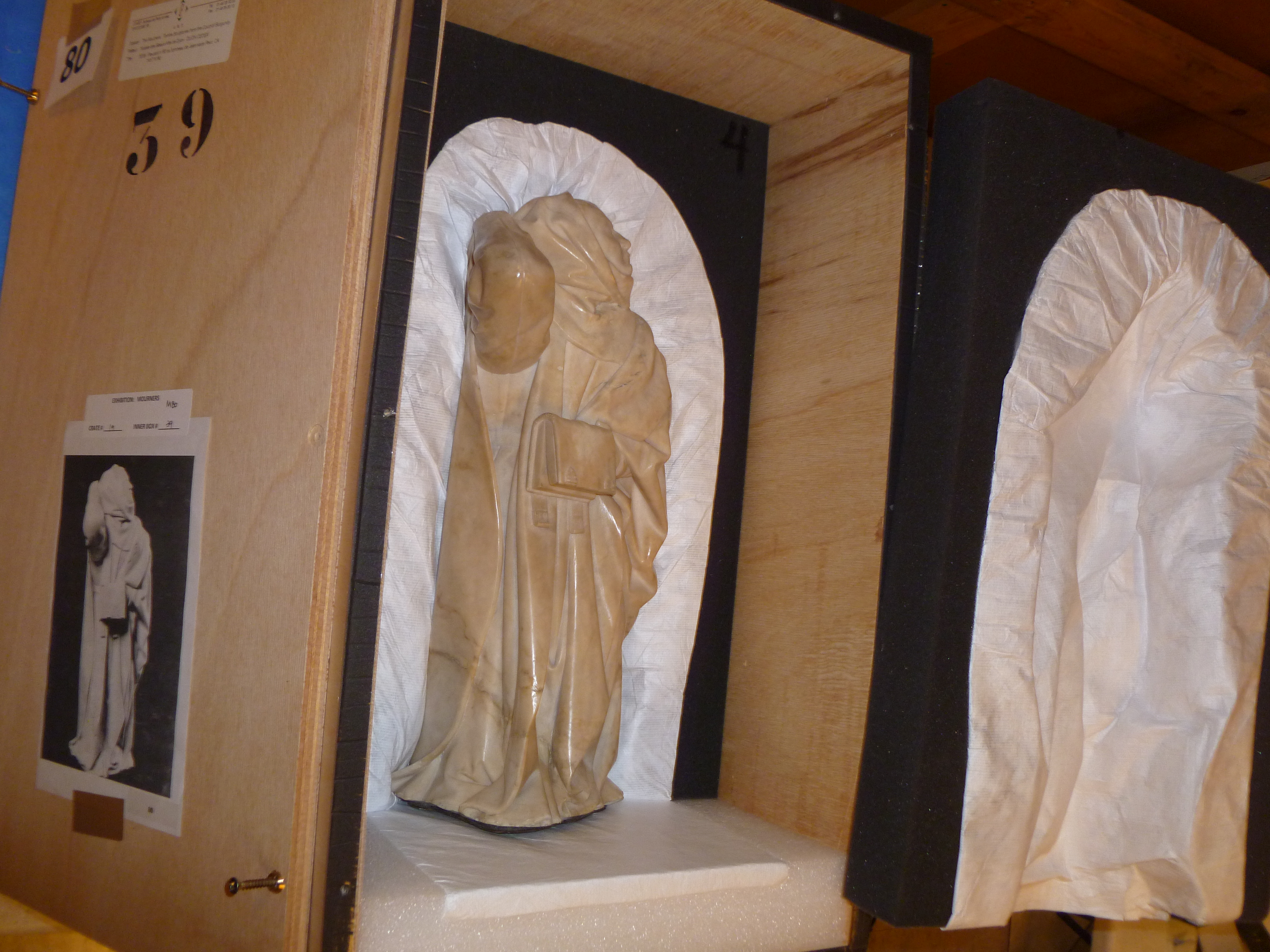
The sculptures travel in individual “inner” boxes and two per crate. Each inner box is configured to fit the sculpture and provide space for hands to lift the sculpture safely. With such a long exhibition tour, we had to build very good travel crates. As you can see, plenty of labels, photos, and numbers to keep things clear.

When the exhibition was in Dallas, Russell and John had the time to complete what we call “seismic mounts.” The exhibition traveled to Los Angeles and San Francisco after Dallas and we had to prepare supplemental mounts which were installed in earthquake zone venues.

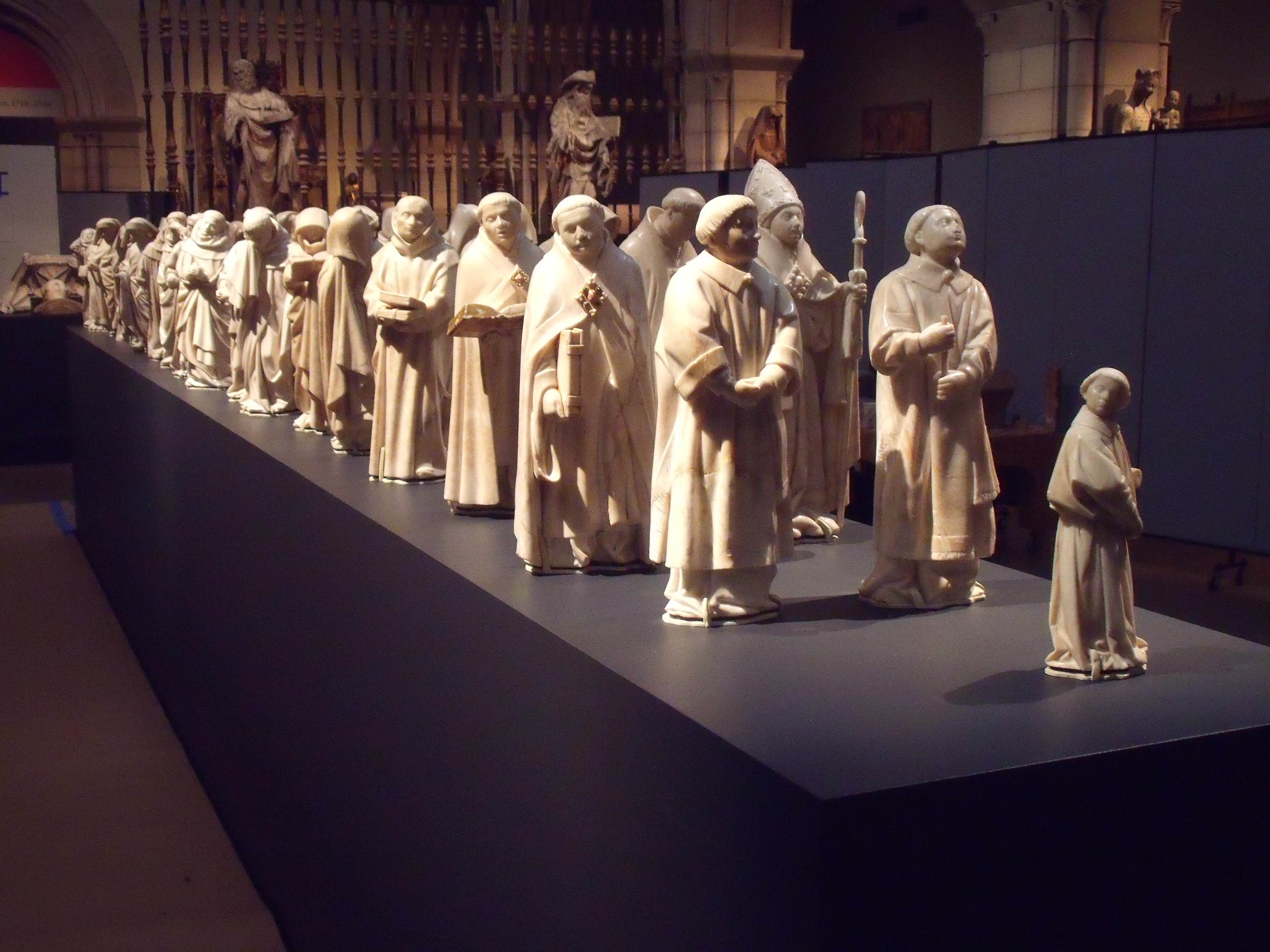
Now the little Mourners have been to seven museums in the United States. Each time they are carefully packed and transported to the next museum. Once there, they are carefully unpacked and condition examinations are completed on each sculpture again.

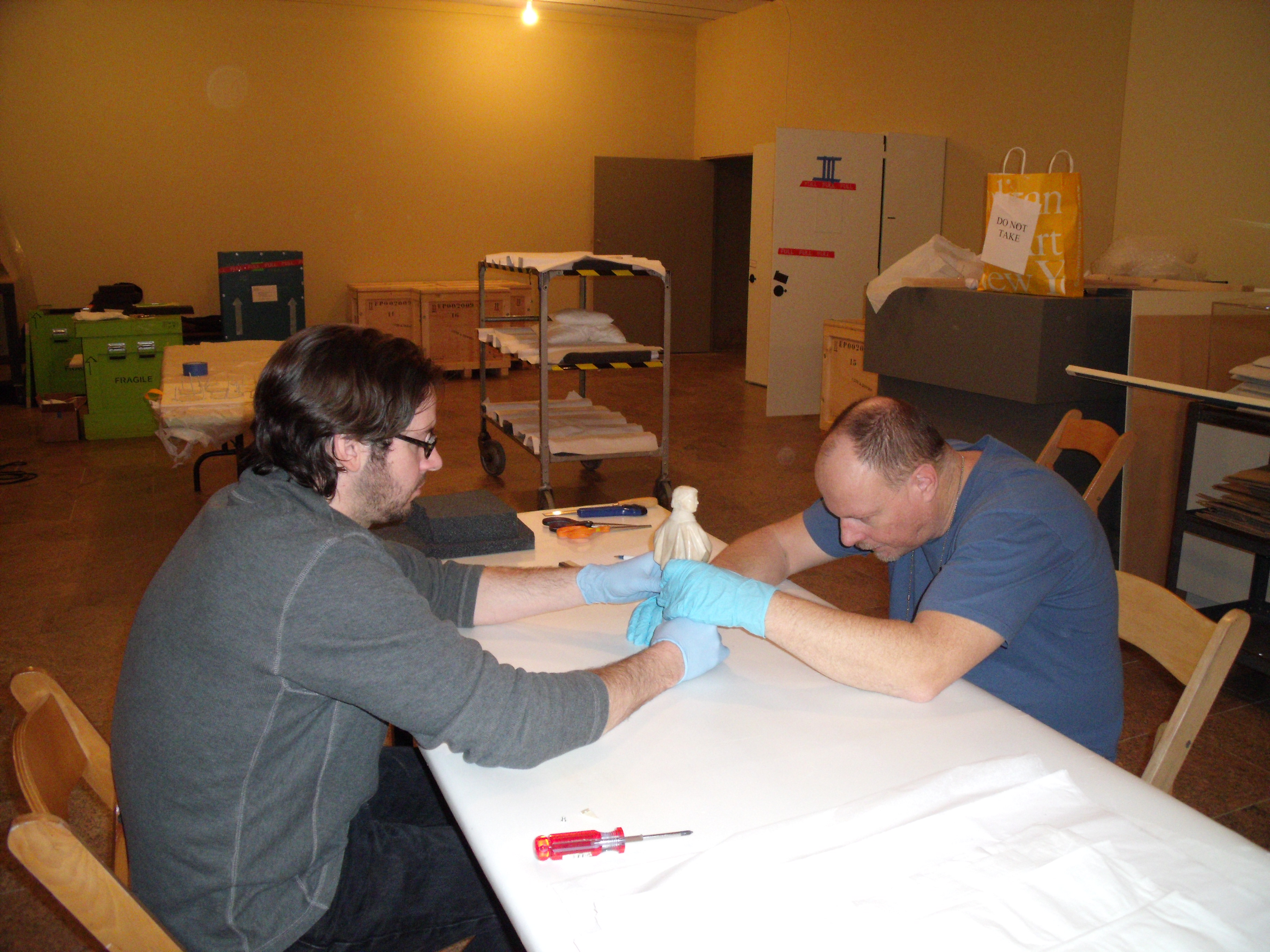
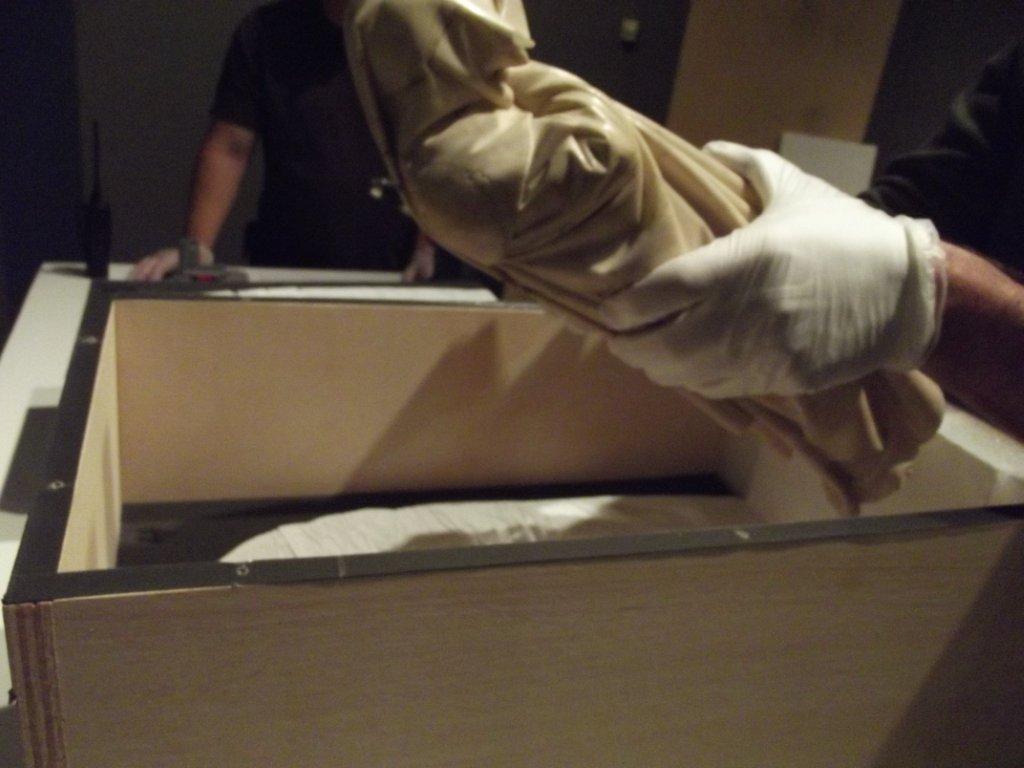
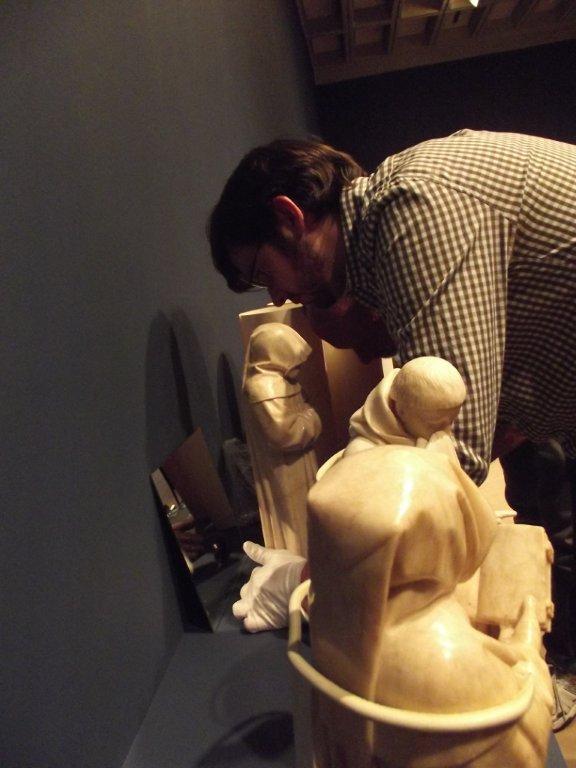
Then, they are slowly and carefully installed once again. Mount placement is marked once the curator makes a decision as to where he wants the sculpture, we use templates to then mark the position of the seismic mounts, holes are drilled, and mounts are screwed in place. Then ever so carefully, the sculpture is “dialed” into place. Each sculpture has a unique way of fitting into the mount. Some are a little trickier to install than others. Below John is using a mirror to see behind the sculpture because the space is narrow. Very creative!

If you missed the exhibition here in Dallas, you still have an opportunity to see it at the Virginia Museum of Fine Arts in Richmond through April 15th.

As a Registrar, I have been doing exhibitions for over 28 years and this is one of my top five favorite projects of my career. Each time we de-install them and each time we unpack them, I marvel at the beauty of each piece and find yet another detail in the carving that amazes me. Even after 14 times—that has to be the hallmark of a real treasure.

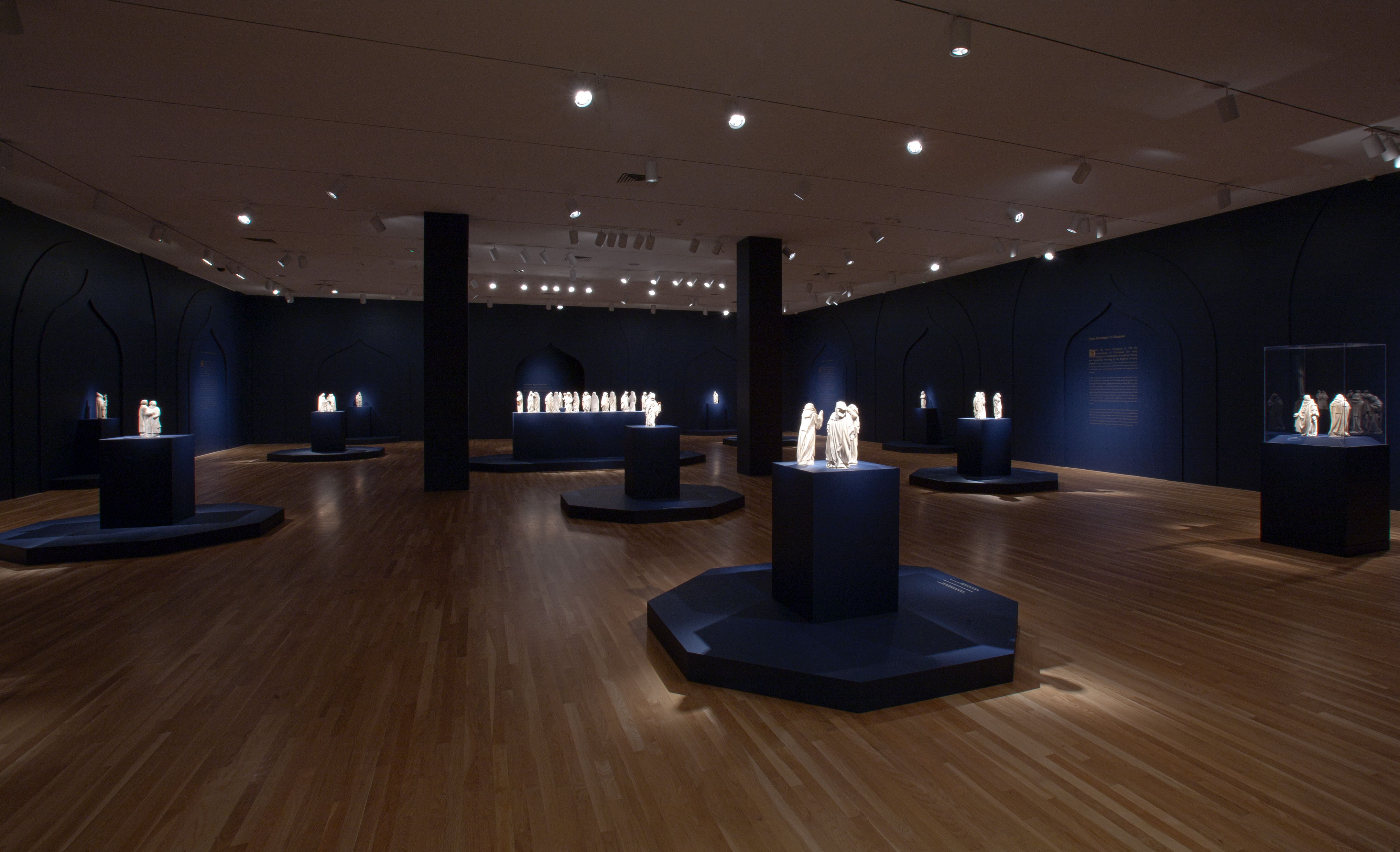
The Mourners: Medieval Tomb Sculptures from the Court of Burgundy at the Dallas Museum of Art, October, 2010.

Gabriela Truly is the Director of Collections Management at the DMA

Different Perspectives

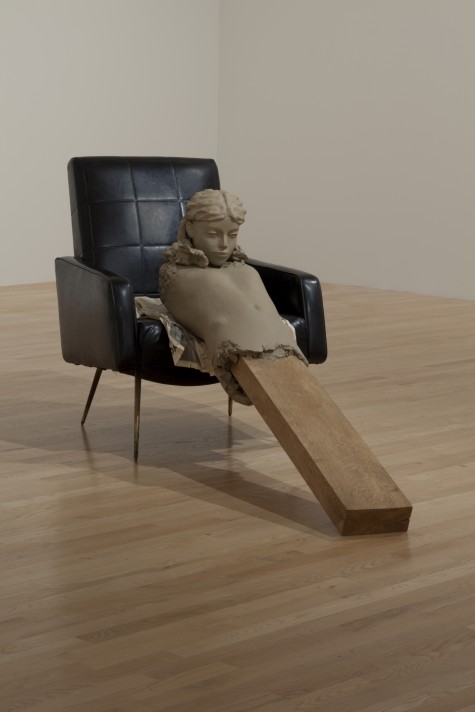
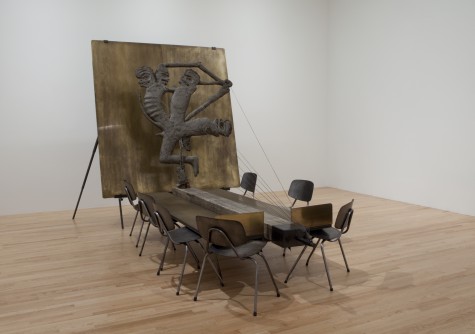
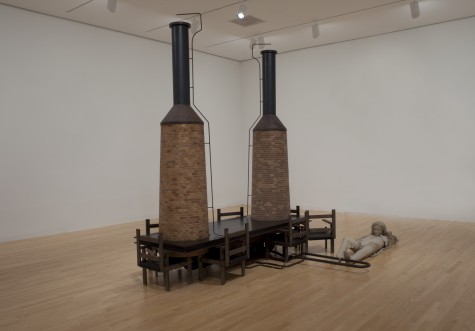
We are trying something new at the Dallas Museum of Art in conjunction with our current contemporary art exhibition Mark Manders: Parallel Occurrences/Documented Assignments. What questions or emotions do you experience after viewing Mark Manders’ work? You can now discuss your reactions to the exhibition to discover answers or perhaps look at the work in a new way.

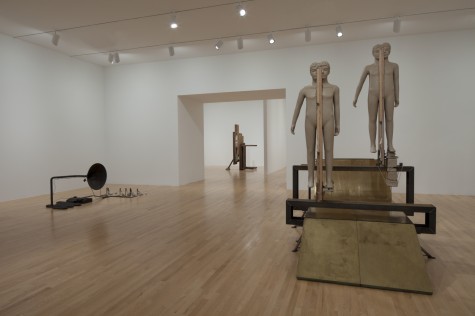
Installation View of "Mark Manders: Parallel Occurrences/Documented Assignments"

Every Thursday, through the end of the exhibition, staff and special guests will be in the exhibition from 6:30 to 8:45 p.m. for our new In Residence program. Just look for the person wearing the In Residence button and start a conversation or ask thim or her a question about Manders’ process or the materials he uses.

Mark Manders, "Ramble-room Chair" , 2010, Courtesy of the artist and Zeno X Gallery, Antwerp

As part of the In Residence program, we have invited an archaeologist, a poet, and an architect not only to answer questions and talk with visitors about what they perceive in Manders’ work but to participate in a conversation for our Perspectives series.

Perspectives is a series of conversations led by DMA staff who will explore with the special guests what their professions can reveal about Manders’ work. The first Perspectives conversation will take place tomorrow evening and will feature archaeologist Dr. Gregory Warden.

Mark Manders, "Anthropological Trophy", 2010, Courtesy of the artist; Tanya Bonakdar Gallery, New York; and Zeno X Gallery, Antwerp

If you can’t join us tomorrow night, be sure to stop by one Thursday evening before April 12 and take part in this new program. It might just change your perspective!

Mark Manders, "Room with Chairs and Factory", 2003-2008, Museum of Modern Art, New York, Marguerite Stone Bequest and Gift of Mrs. Saidie A. May (both by exchange), 393.2010

Stacey Lizotte is Head of Adult Programming and Multimedia Services.

“Like a Virgin”: Countdown to Gaultier’s First Exhibition

Last week several of my colleagues and I began meeting about the logistics of deinstalling the exhibition The Fashion World of Jean Paul Gaultier: From the Sidewalk to the Catwalk once it closes on February 12. Gaultier is the world-renowned French couturier, whose fashion has been worn by everyone from Madonna to Lady Gaga. We found it difficult to believe that we were already making plans to take down a show in which we had invested so much time and effort installing. I was enormously privileged to be given the opportunity to help coordinate this installation as its exhibition registrar and to witness firsthand how so many of my colleagues transformed themselves daily into magicians in order to see this complicated project come to fruition in a tight timeframe. Permit me this walk down memory lane as I highlight stops, junctions, and detours on our way to what was the first of many openings, the VIP Host Committee Luncheon at 11:00 a.m. on November 9, 2011.

July 14–19 (3 months and 3 ½ weeks until opening)
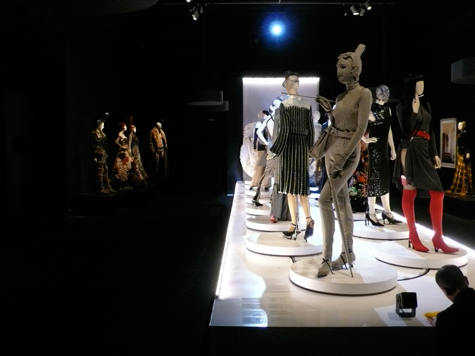
This exhibition was the first fashion installation most of us had ever worked on, and its many technical requirements added extra complexities. A trip to the Montreal Museum of Fine Arts’ installation was vital for me and several of my colleagues. We take hundreds of pictures, ask pages of questions, and document mannequin mounting, lighting, and mechanical specifications.

October 17 (3 weeks and 2 days until opening)
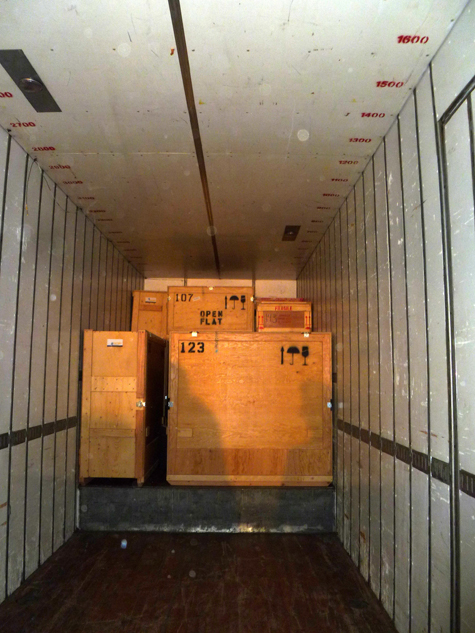
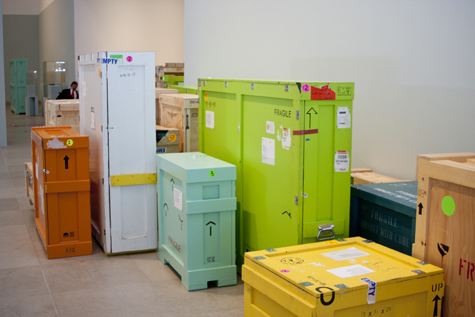
Two 18-wheelers deliver the majority of the exhibition, with mannequins, mounts, and furniture in a regular truck, and costumes and works on paper in a climate-controlled one.

October 18 (3 weeks and 1 day until opening)
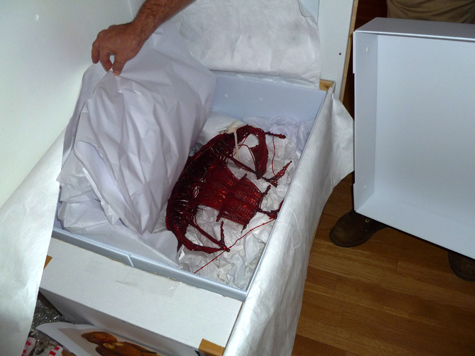
As soon as possible, we locate and unpack the Galleon headband so its dimensions can be verified for our preparators, who will make a mount for it, and our carpenters, who will build the proper-size “porthole” display case.
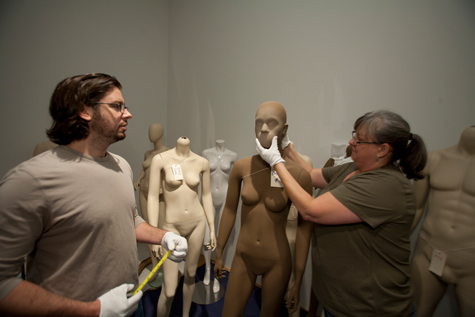
Preparators John Lendvay and Mary Nicolett assemble mannequins and take height measurements so they will know where to place them on the platforms in relation to the projectors, which will eventually bring their faces to life.

October 20 (3 weeks until opening)
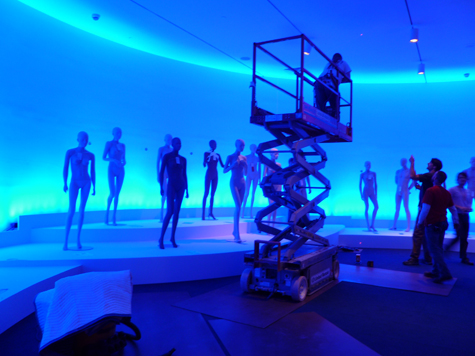
Once the Odyssey gallery mannequins have been placed, the preparators hang the projectors a precise eighty-eight inches away from their noses so that the faces will align properly and not look like Picasso paintings.
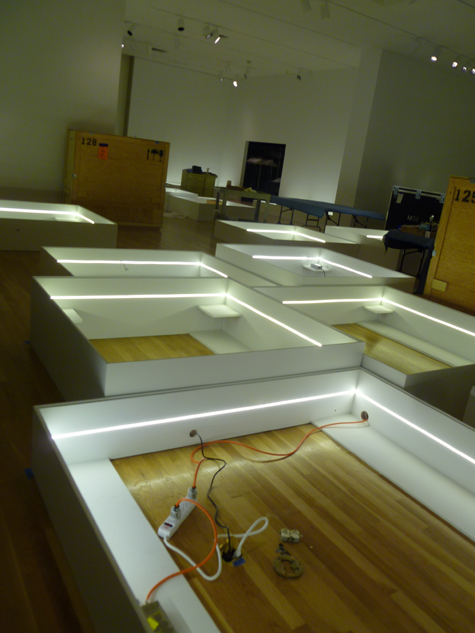
LED strips are affixed inside the Urban Jungle gallery platforms before their frosted Plexiglas tops are installed.

October 21 (2 weeks, 6 days until opening)
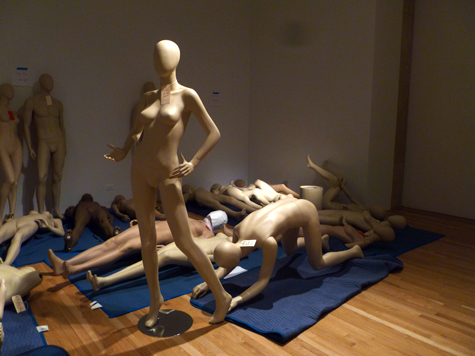
Naked assembled mannequins await dressing in what was deemed the “morgue” but later transformed into the Exhibition Store.

October 24 (2 weeks and 2 days until opening)
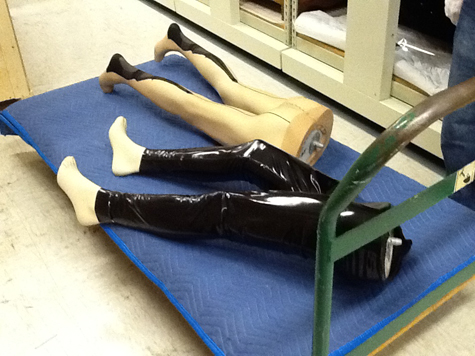
Several tightly fitted leggings and stockings were packed directly on their legs to save wear and tear from dressing and undressing them at each venue.  Thankfully, the mannequin body parts were labeled so we could easily match them to the proper legless torsos.

October 28 (1 week and 5 days until opening)
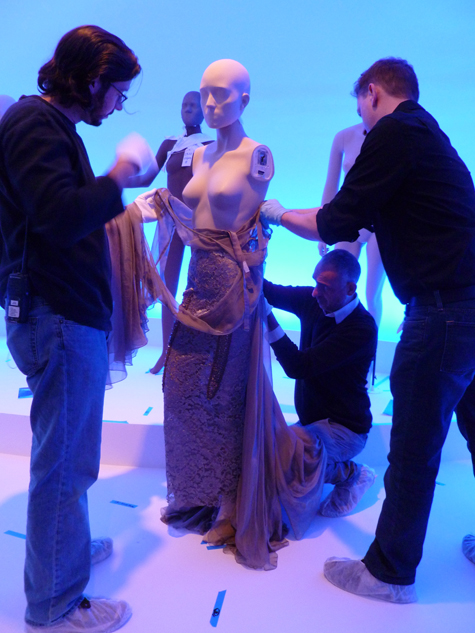
Tanel Bedrossiantz from Gaultier’s Paris atelier and local mannequin dresser Greg Goolsby join us on our first day of costume installation.

October 29 (1 week and 4 days until opening)
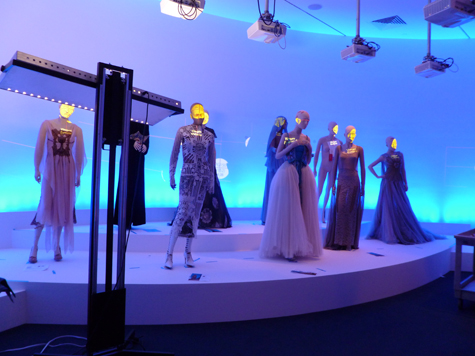
By the end of our second day, sixty mannequins throughout the exhibition have been dressed, including the catwalk models and their surrounding “punks.” We made it a priority to focus first on those with projections to allow as much time as possible for alignment and editing.
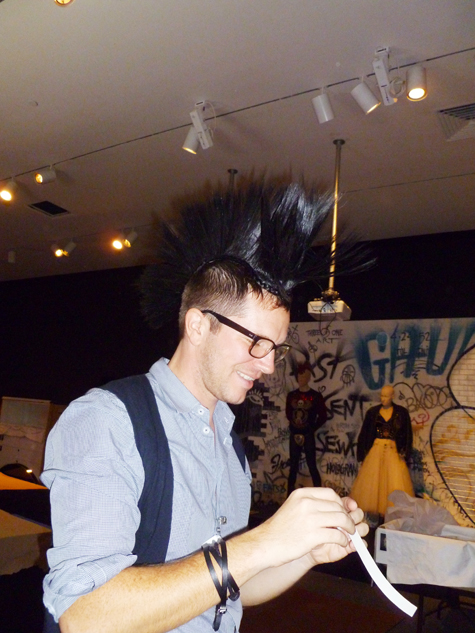
As hectic as the installation is, we find time to appreciate the humor – here Montreal’s organizing curator (and former model) Thierry Loriot demonstrates how to properly wear a Mohawk before attaching it to a mannequin head with double-stick tape.
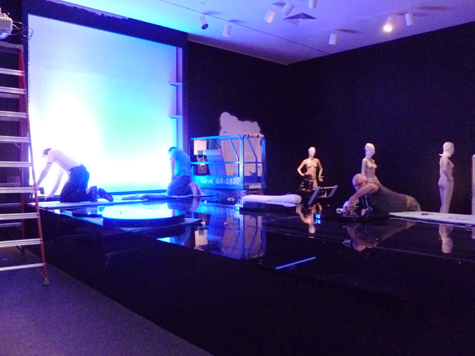
Preparators and carpenter Dennis Bishop install the screen scrim and fine-tune the chain mechanism of the catwalk.

October 31 (1 week, 2 days until opening)
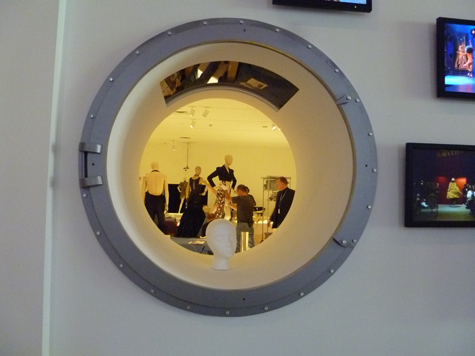
The porthole into the Urban Jungle gallery is finished, allowing visitors a sneak peek into the installation, and at the DMA’s Margot B. Perot Curator of Decorative Arts and Design Kevin Tucker, who is working with preparator Mike Hill on mannequin placement.
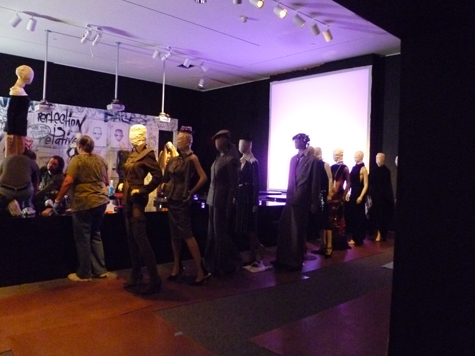
Mannequins patiently await their turn to be mounted on their catwalk platforms.
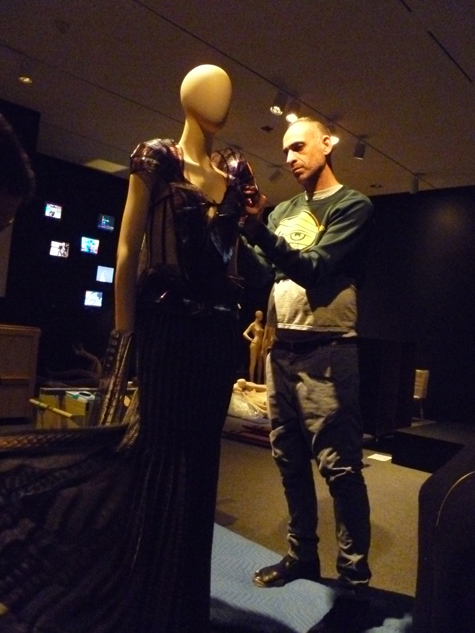
Tanel detaches a mannequin’s hands in order to install its many bracelets.
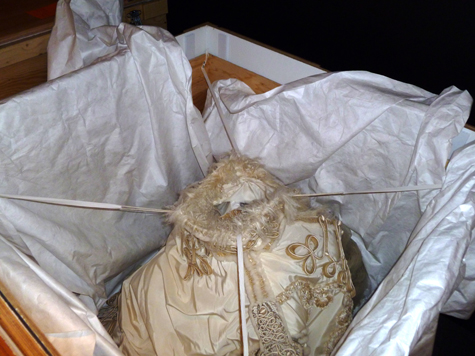
The “Hussar coat”-look silk faille skirt is unpacked. This piece has its own crate and is packed suspended over a cone support.

November 1 (1 week and 1 day until opening)
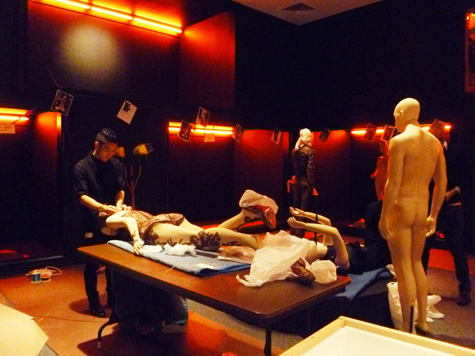
Gaultier atelier staff member Thoaï Nirodeth laces up the Chantilly lace body stocking. The Skin Deep gallery is the last to be dressed and installed because the back wall was built over a doorway we needed in order to move the large mannequin cases in and out of the space.

November 3 (6 days until opening)
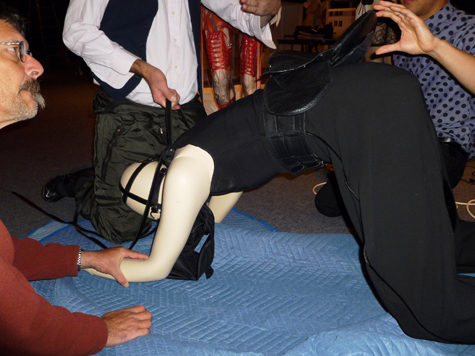
We discover that a new mannequin has been sent for Madonna’s dancer’s costume in the Skin Deep gallery, and this one does not want to support himself (or Madonna) on all fours. After consultation with our conservator John Dennis and the Gaultier atelier, we build a mount to support him at the collar bone (surreptitously hidden by his black scarf).
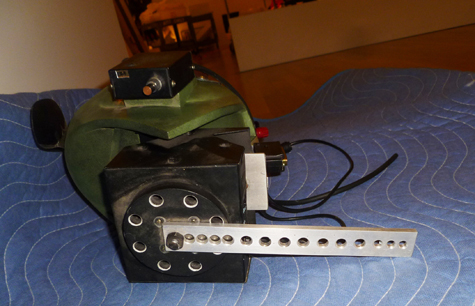
A shipment of new outfits arrives from Paris, including the cowboy and cowgirl looks at the entry of the exhibition (created specifically for the Dallas installation), the 3-D “horn of plenty satin ribbon corset-style gown (which was just on the runway over the summer), and the costume from the film Kika. Upon unpacking the helmet, we notice the absence of a key accessory—an early model video camera. We locate similar ones on Ebay, but are fortunately able to obtain one overnight from a friend of a coworker who (thankfully) never throws anything away.

November 6 (3 days before opening)
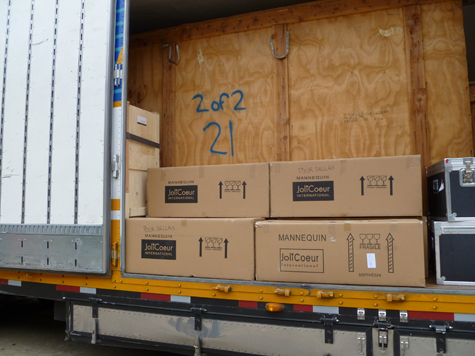
The final shipment arrives from Montreal, including mannequins for the new outfits just arrived from Paris and clothing items with animal-related components that had been delayed due to customs problems.
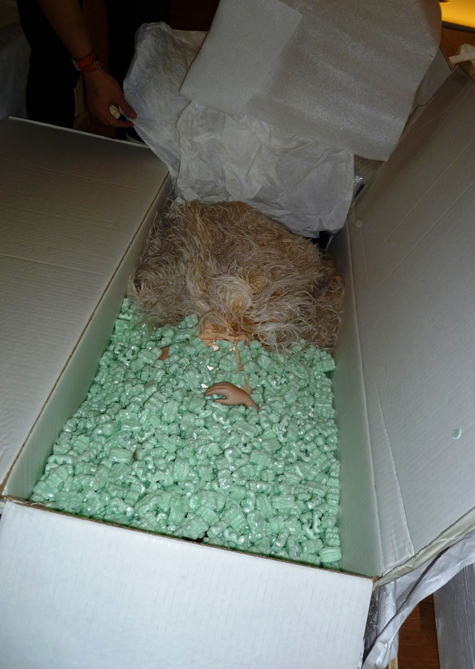
Although it is standard practice to allow artwork twenty-four hours to acclimatize after arrival, time is of the essence and we unpack the final shipment immediately, which includes the doll with the ostrich-feather dress in the Boudoir gallery. In order to import items made from endangered animals or migratory birds, it is necessary to apply for government permits, which can take months to process.
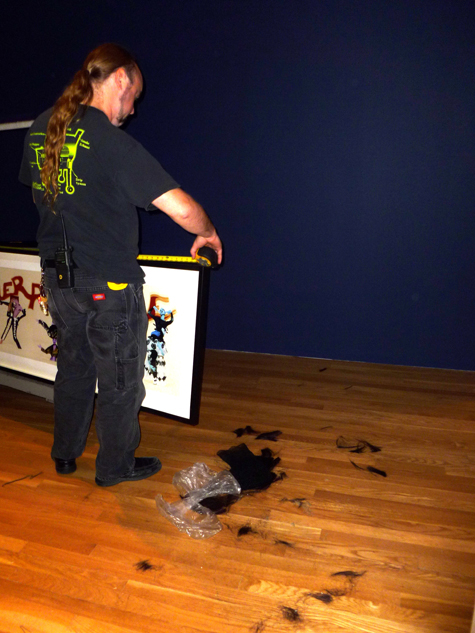
Preparator Doug Velek installs the final two works on paper amid hair clippings in the exit gallery—the space that had been used as the “salon” of wig stylist Hugo Raiah.

November 7 (2 days before opening)
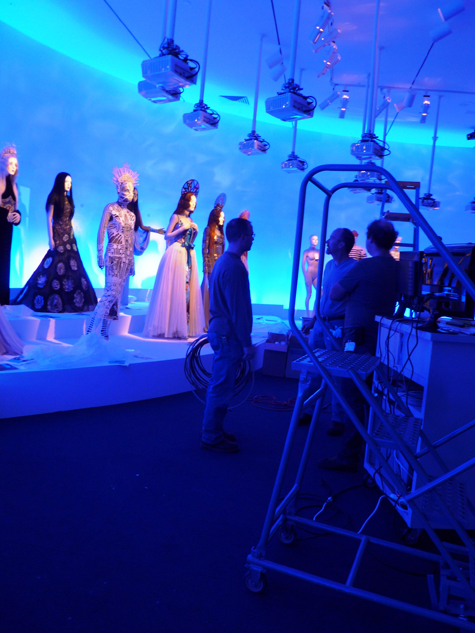
Preparator Lance Lander was instrumental in “lassoing” the numerous and complicated AV components in the exhibition, and also came to the rescue by lending the final accessories to complete the cowboy and cowgirl “looks.” (The lasso and Black Stetson were requested by the atelier at the last minute.)
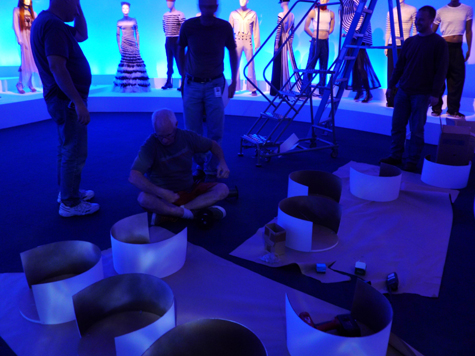
Carpenter Dennis Bishop puts the finishing touches on the projector covers in the Odyssey gallery.

November 7, 8:30 p.m. (1 day and 9 ½ hours until opening)
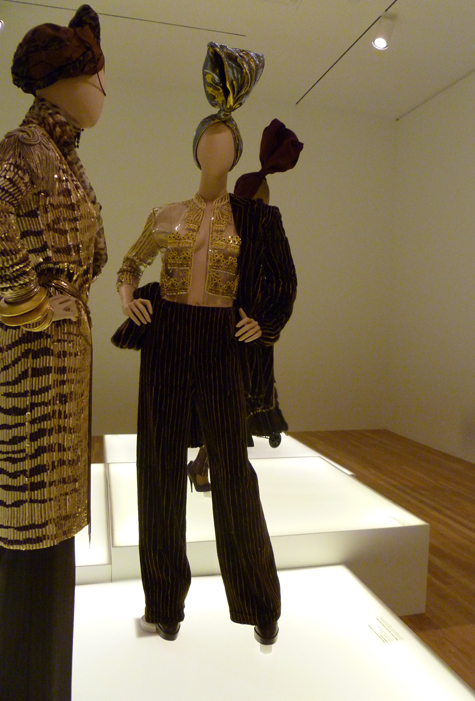
Jean Paul Gaultier comes straight from the airport for his first walk-through of our installation. Several of us were on hand to welcome him and are privileged to watch the design genius at work as he adjusts the drapery of fabric and modifies accessories. To add more of his characteristic je ne sais quoi to the Chalk-striped mink pantsuit, he borrows a gold lamé turban from one of the female punks (now stylishly bald) and adds the Plastic bolero with gold thread embroidery.

November 8, 6:00 p.m. (17 hours before opening)
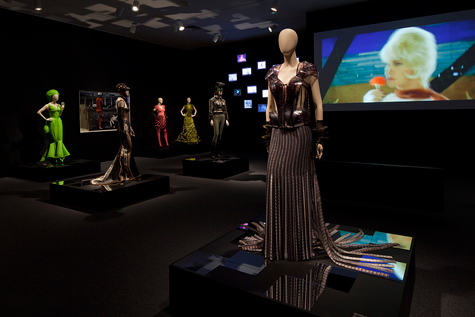
Registrars, preparators, and even our chair of collections and exhibitions scramble to clean, arrange, and affix the mirrored tiles to the platforms in the Metropolis gallery.

November 9, 10:00 a.m. (1 hour until opening)
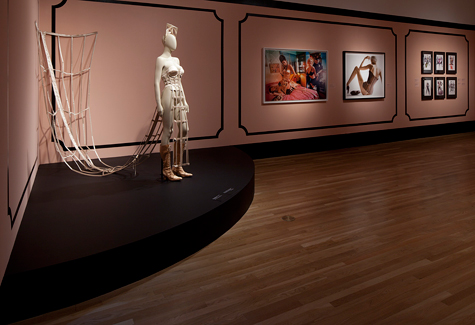
After final consultation with Jean Paul Gaultier, his atelier staff hang the train of the Satin cage-look corset dress on the wall according to his specific direction.

Reagan Duplisea is the Assistant Registrar for Exhibitions at the Dallas Museum of Art.
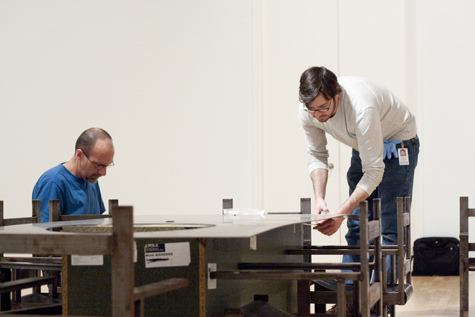
Installing Mark Manders

Below is a look behind the exhibition doors at the installation process for the first major North American exhibition of work by acclaimed Dutch artist Mark Manders. Mark Manders: Parallel Occurrences/Documented Assignments opens this Sunday, January 15.

Adam Gingrich is Marketing Administrative Assistant at the Dallas Museum of Art.
Seldom Scene: Hodges, Albers, and Lawrence. Oh My!

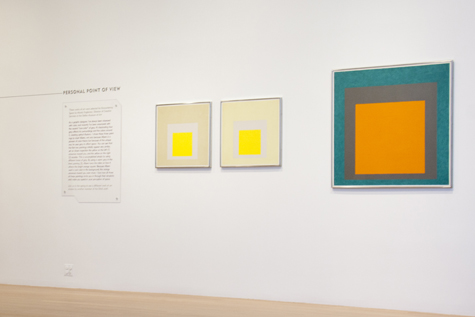
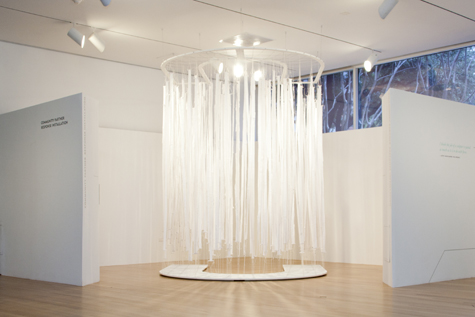
You may have noticed something shiny and new in the entrance to the Center for Creative Connections (C3). In November, the C3’s Encountering Space exhibition experienced a few art rotations, including the installation of Jim Hodges’ Great Event, three works by Josef Albers, and Annette Lawrence’s Accumulation Project. See the new works, and the new film in the C3 Theater by Frank & Kristin Lee Dufour, for free tomorrow during First Tuesday, when general admission is free from 11:00 a.m. until 5:00 p.m.
Fashion Sale for Our Followers

To celebrate you, our more than 50,000 combined Facebook and Twitter followers, we are offering our fans two days to experience one of “the hottest tickets in town,”  The Fashion World of Jean Paul Gaultier: From the Sidewalk to the Catwalk, at the general admission price of $10! Head down to the DMA on either Tuesday, December 6, or Wednesday, December 7, and show the Visitor Services Desk that you follow us on Facebook or Twitter* on your phone to receive the $6 discount.

*One discount per person; discount may not be applied for both Twitter and Facebook.

A week of Gaultier at the DMA

We held several special events for the opening of The Fashion World of Jean Paul Gaultier: From the Sidewalk to the Catwalk, not only the first exhibition on the French couturier but the first contemporary fashion exhibition for the DMA. The week started off with a “Welcome to Texas” reception for Jean Paul Gaultier presented by the members of the Jean Paul Gaultier Host Committee complete with the high-kicking Kilgore Rangerettes, country music, Stetson hats, cowboy boots, and a “Welcome to Texas” themed  tequila bar with corny dogs appetizers.

[slideshow]

M. Gaultier attended a Parisian luncheon with Eiffel Tower statues, pink tulle and black leather tablecloths inspired by the French Cancan ensemble worn by Carla Bruni-Sarkozy from his Ze Parisienne spring/summer 2002 Haute Couture collection located in the Skin Deep gallery of the exhibition. Later that evening excitement was in the air when M. Gaultier and Dita Von Teese entered the Museum for the Donor Circle reception greeting 700 eager guests. M. Gaultier shared stories from his childhood and entertained the fashionable dressed crowd, including the DMA’s Interim Director Olivier Meslay and curator Kevin W. Tucker in Gaultier ensembles. M. Gaultier finished his visit to the DMA on Thursday during the press preview where he discussed his inspiration and the exhibition.

Thursday was also the first opportunity for DMA members to explore the exhibition before the opening on Sunday, November 13. The Friday night General Membership reception drew over 1,500 members who dressed to impress and danced the night away to DJ Andre 7.

There are still two and half months to explore the acclaimed exhibition and number of programs to attend including a Jean Paul Gaultier themed Late Night on Friday, January, 20. For information on upcoming events, and on DMA memberships, visit DallasMuseumofArt.org.

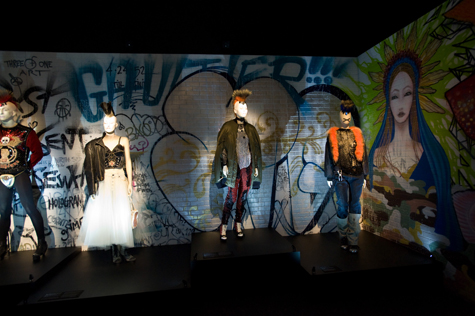
Graffiti Couture

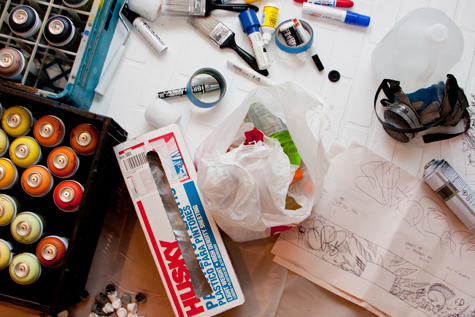
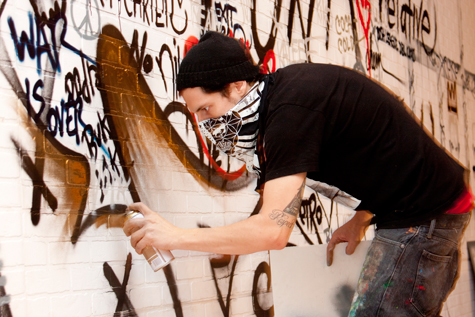
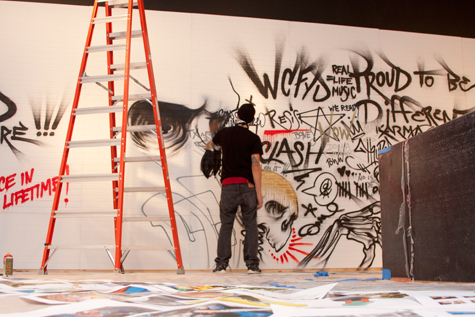
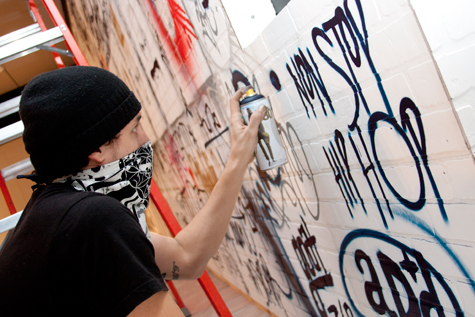
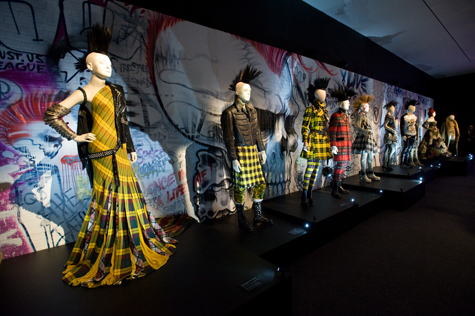
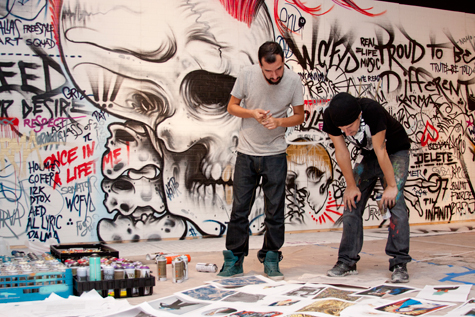
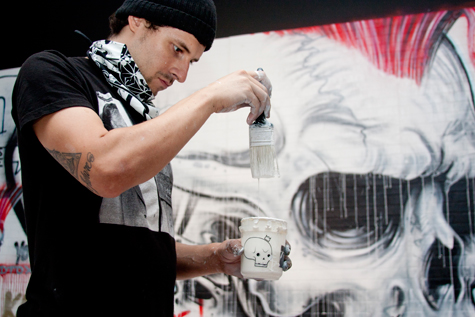
There are six exciting galleries inside The Fashion World of Jean Paul Gaultier: From the Sidewalk to the Catwalk exhibition, from a red light district to a motorized runway. For the Punk Cancan room, we decided to tag the walls with details of Gaultier and Dallas with the help of graffiti artist Jerod DTOX Davies for Blunt Force Crew/Beastmode Squad. Below is a behind-the-scenes look at the tagging process.

[youtube=http://www.youtube.com/watch?v=6piW3fqL-Uw]

Photography by Adam Gingrich, Dallas Museum of Art Marketing Assistant, and George Fiala.


Archives

Categories