Archive for the 'Behind-the-Scenes' Category


Ask @MoRocca

Last week we asked you to tweet us your questions for Mo Rocca. We picked three at random and below are his answers. Mo Rocca will appear at the Charles W. Eisemann Center tonight at 7:30 p.m. as part of Arts & Letters Live’s 20th season. Purchase Mo Rocca tickets from the Eisemann Center online or call 972-744-4650. Don’t forget that university students, faculty, and staff receive a 40% discount off any price level by entering the code “student” at checkout.


@llkays What is your dream meal where, with whom (from any time or place), and what would you eat?

I’d like to eat Chinese food with Barbra Streisand. She used to work at a Chinese restaurant. Plus she’s Jewish. She could explain to me why Jewish people love Chinese foodin song.

@smallcapsitalic You make me laugh, so what makes YOU crack up?

Gene Wilder and Madeline Kahn in Young Frankenstein. The Marx Brothers and Margaret Dumont. David Sedaris.

@kimbaway What is your favorite type of art?

Modigliani. I like long necks.

Dallas Activities Get a Splash of Color with Late Nights

As you know, our Late Nights are a staple for Dallas activities in the Metroplex. For our second YouTube video, we chose to feature what makes this program so special. If you know anyone who has not experienced Late Nights, share the video with them and plan your visit!

[youtube=http://www.youtube.com/watch?v=XkZK-A0fxFs]

California (Day) Dreaming

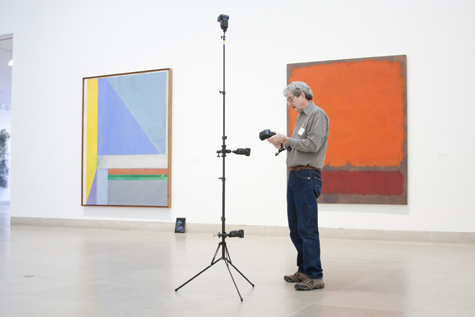
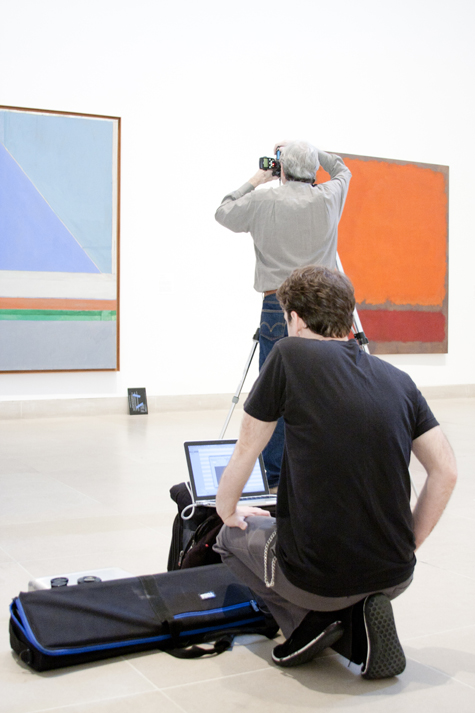
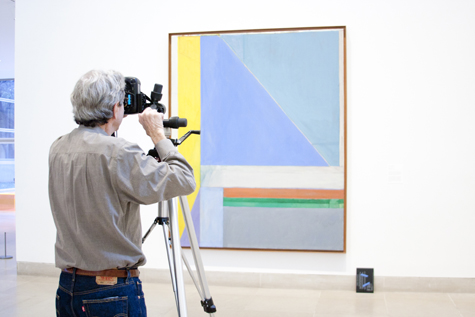
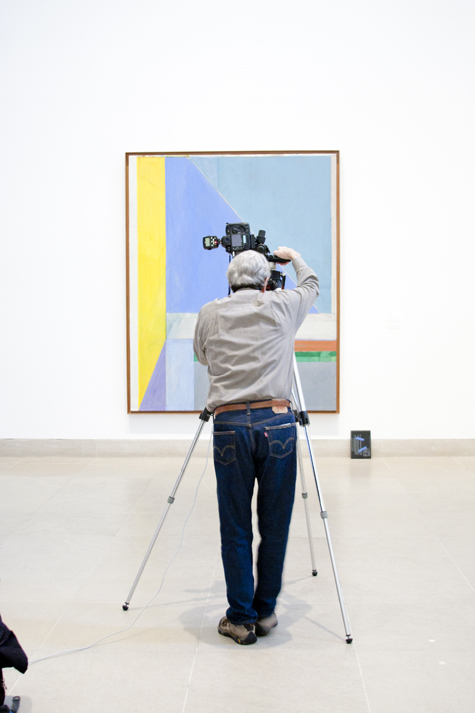
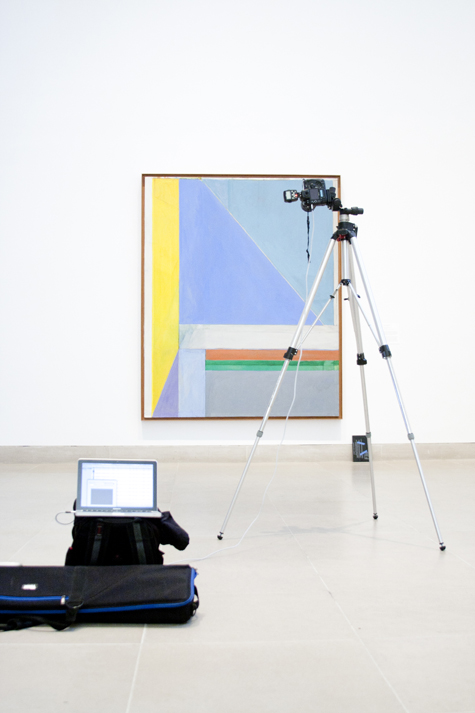
Although we’re closed on Mondays, yesterday the Barrel Vault was all lit up. That morning we hosted two special guests from The Richard Diebenkorn Foundation. The artist’s son-in-law, Richard Grant, who is also the foundation’s Executive Director, was here with a colleague to photograph our Ocean Park No. 29 for the Diebenkorn catalogue raisonné. This magnificent ab ex work, a highlight of the DMA’s collection, is now on view in our Re-Seeing the Contemporary exhibition.

Our Oscar Moment

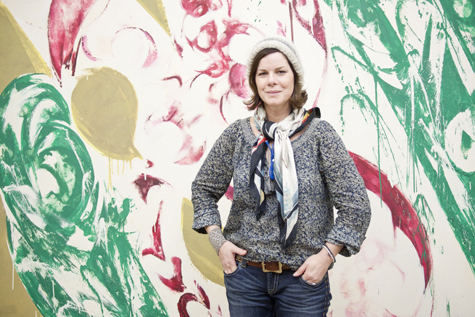
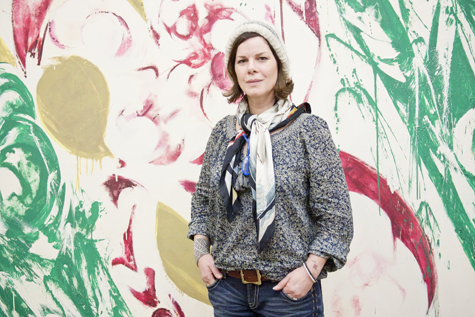
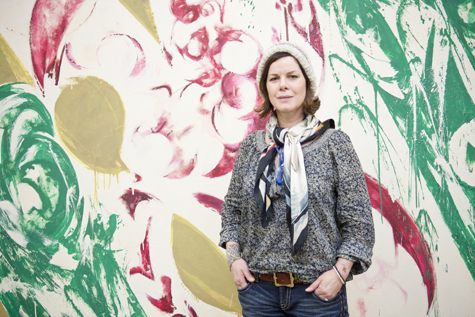
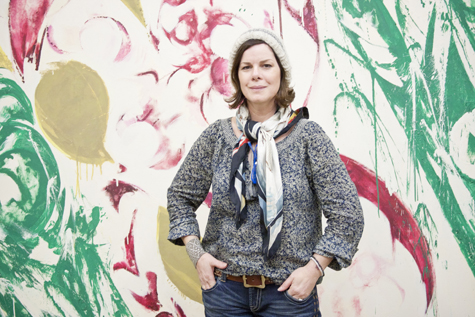
The day after the 83rd Annual Academy Awards, Oscar-winner Marcia Gay Harden poses in front of Pollination, the DMA’s magnificent painting by Lee Krasner, the artist Ms. Harden portrayed in the film Pollock and for which she won an Academy Award. In an instance of DMA synchronicity, we captured Ms. Harden after rehearsals for her performance tonight in the Arts & Letters Live program Texas Bound. On March 25, Arts & Letters Live will present an evening with art historian Gail Levin for her new biography on Krasner.

The Night Owl and the Pussycats: Adventures in Igniting the Power of Art

From the very beginning in February 2009, this exciting book project inspired by the DMA’s director, Bonnie Pitman, was a collaborative effort. And my responsibility was to serve as the publication’s gatekeeper, charged with trafficking the manuscript, compiling and incorporating the numerous edits and comments, and keeping track of all the details and loose ends. There were “those days” when I imagined masses and masses of rapidly proliferating Hydra heads—and, like a metaphorical Hercules, the faster I lopped them off (i.e., completed a task), the faster they seemed to regenerate.

To keep track of all the edits to the digital manuscript, we used the Microsoft Word feature known as Track Changes, where, like a board game, everyone gets a different color. With five or six people making rainbow-colored edits, the manuscript became a vivid, almost psychedelic, dazzle of clashing colors, from bright pink to pale brown. Since large chunks of text were moved around, Word could only track this by keeping the old, lined-out passages on the page, so I found myself on “fast forward” through whole paragraphs on occasion. Then when comments were added to the screen, a running series of squashed balloons of text crowded in along the right-hand margin. Pretty soon we were laughing about eye strain.

Our quest for a perfect set of images became the next challenge. We pored through hundreds of DMA images—sorting, juxtaposing, weighing, and discarding—for each of the 141 photographs finally chosen. So it was definitely an exciting moment when the book went to the printer in early October 2010. As I write this blog two years later, we have distributed the printed copies. While this project “had its moments,” it’s also been enormously rewarding. I’ve learned a lot about data analysis, the design and packaging of information, and the challenges and pitfalls of fact checking. Even at moments of relatively frazzled morale, our spirits were always kept up by the knowledge that we were presenting something new and important. This book was a labor of love for a large group of people, especially for the two authors.

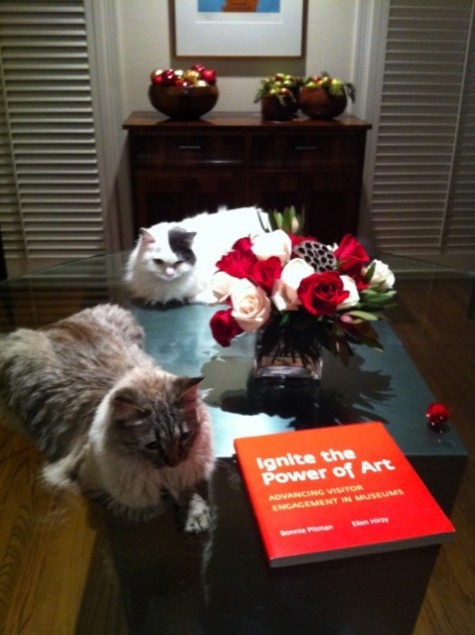
Ending on a light note, Bonnie kept us entertained throughout the editing and production process by sending digital pictures of her two cats, Leda and Perseus. Owing to the late hours she usually keeps, Bonnie was frequently hard at work on this book at one or two o’clock in the morning, seated at her glass work-table, with Leda and Perseus lying on—or playing with—stacks of galleys, photo contact sheets, charts, layouts, and reports—all of which offered the cats an ideal playground. I still have the early photographs showing them stretched out on a hoard of papers and folders. The later pictures depict their puzzlement as the glass tabletop finally resurfaced and the papers receded. And there’s a final shot of the cats sitting wistful, but perhaps also slightly triumphant, on a table cleared of everything but a vase of flowers and a single copy of the printed book. I’m sure Leda and Perseus look forward to a sequel.

Eric Zeidler is Publications Coordinator at the Dallas Museum of Art.

Insomniac Tours: A History

Roslyn Walker, DMA curator, leading a Late Night tour.

Have you ever wondered what happens in the Dallas Museum of Art after the sun goes down? Do the paintings look different at night? Does the Museum have a different feel to it? Well, there’s one way to find out.

Late Nights at the Museum feature a variety of programs and activities, including the Insomniac Tour. The Insomniac Tours started informally in 2004, thanks to our Director, Bonnie Pitman, and her night-owl disposition. When the DMA turned 100 we stayed open for 31 hours, and Bonnie led tours into the wee hours of the morning for anyone who wanted a more personalized Museum tour. With the launch of Late Nights, the tours continued, and their name was coined.

Bonnie is not the only one who gives the Insomniac Tour, although she tries to attend as many Late Nights as possible. Other guest tour guides have included artists Krystal Read and Jim Lambie, DMA curators Heather MacDonald, Roslyn Walker, and Jeffrey Grove, and local art critics such as Christina Rees. When Director of Collections Management Gabriela Truly gives the tour, she talks about the art that’s not displayed, and where it is stored. These different speakers give visitors a chance to learn new things about the works of art through multiple perspectives.

The best part about Insomniac Tours is that no two tours are the same. The tour guide will take a poll every Late Night to see how many people have taken an Insomniac Tour before, and will ask for input on what members of the group want to see. If the group is full of newcomers, the tour guide will give a “best of” tour, highlighting some of the most unique parts of the DMA’s collections. Repeat visitors can get a tour of more obscure works, or focus on a certain exhibition or movement.

Since the DMA is such an expansive museum, it can be intimidating for visitors to know where to begin. Joining an Insomniac Tour allows visitors to receive a customized tour with some of the leading art experts. So check it out the next time you’re looking for something to do on a Friday night, and see how art can come alive after dark!

Join Olivier Meslay, Senior Curator of European and American Art and The Barbara Thomas Lemmon Curator of European Art, when he leads his first Insomniac Tour during the February Late Night.

Setting the Exhibition Stage: Gustav Stickley

Have you ever wished you could see what goes on behind closed doors at the Museum before an exhibition opens? Well, we want to bring you in on the action with a few scenes from the installation of the DMA-organized exhibition Gustav Stickley and the American Arts & Crafts Movement, which opens this Sunday. If you can’t wait until the February 13 to see more, you are in luck! A FREE sneak peek of the exhibition begins at noon on Saturday.

[slideshow]

Dining Among Masterpieces

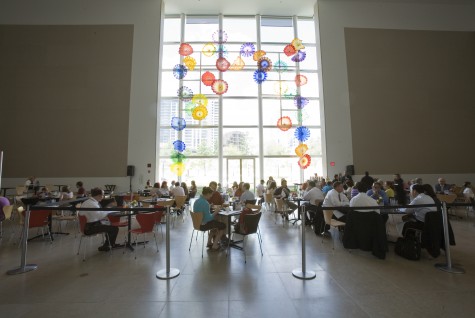
Art and good food? We have both at the Dallas Museum of Art. The Cafe at the DMA offers a simple, yet elegant menu with a unique setting.  We are sharing the secret with you about what makes the food and experience in the Cafe so special, and who better to tell us than the head chef himself?

Chef Brian has been our Executive Chef at the Cafe since late September.  He discovered his love for cooking at the age of 5, and since then has been working in great kitchens throughout North Texas.  Now, he creates food to complement the various exhibitions at the Museum.  Here’s our “behind-the-scenes” interview with him:

Uncrated: What are some of the dishes you’ve created inspired by art at the DMA?

Chef Brian: “This is one of my favorite parts of my job – when we have new exhibitions.  I not only get to learn about the works of art being featured in the exhibition, but I get to research the cuisine from the region that they come from.

The Mourners exhibition by far has been the most thrilling for me as a Chef.  We were charged with putting on a dinner inspired by Michelin-starred chefs from Dijon, France.  With the African Masks exhibition, I got to really dive into some South African, Gambian, and Northern African cuisine, to create some of my newest favorite things– – South African Honey Cake with Abuelita Pudding and White Chocolate Anglaise.  I make this treat at home for myself!”

Uncrated: What was your favorite exhibition?

Chef Brian:J.M.W. Turner .  The masterpieces that were shown brought such wonderment to my eyes.  That’s the one thing I love about art:  No matter how old or new the work may be, you never know how it can affect you in a positive way and lift your spirits when they need lifting.”

Uncrated: How does your team prepare for Late Nights at the DMA?

Chef Brian: “I think that Late Nights at the Museum is one of the best attractions in Dallas.  We take a look at what programs and activities are going to happen that night at the museum, and try to plan accordingly with the theme and feel that the DMA is going for.  We keep it simple, so that food can be enjoyed by everyone, from the little artist to the art lovers.”

Uncrated: What’s the best thing about having lunch at the Cafe at the DMA?

Chef Brian: “When I go to a restaurant, I’m looking for an experience.  Well, what better place to sit down and have a bite to eat than the DMA?  Besides being surrounded by priceless works of art, the menu is very bistro and friendly to almost every type of eater.  For me, to eat great classic food with fresh products surrounded by incredibleart is a win-win for all.”

Check out the Cafe menu online.

My Day With Haute Couture: Visiting Paris with Jean Paul Gaultier

Every address in Paris resounds with some note of the city’s history as an artistic and cultural capital of Europe, but this week one address in particular, on rue Saint-Martin, echoed with cancan music and vibrant images of haute couture crafted by one of the enduring figures of the fashion world, Jean Paul Gaultier.

Two weeks ago I had the good fortune to visit the city and experience the premiere of Gaultier’s new spring and summer couture line, a selection of forty-six works evocative of not only the world of that most recognizable of dances but with punk culture of the 1970s. As he is known to do so well, Gaultier fused disparate influences into a richly charged whole—with dresses winkingly titled “The Clash,” “Too Fast to Live Too Young to Die,” and “Toulouse Lautrec.” While sophisticated in the materials, articulated forms, and elegant profiles, the line was anything but aloof, sedate, or boring—and proved that, in his fourth decade as an independent designer, the enfant terrible of the fashion world could still thrill and titillate while exhibiting the mastery gained in his years of work. To me, Gaultier’s best work is when his inspirations, from street fashion to various world cultures, just begin to fuse in his designs yet remain disparate enough to create a frisson that truly electrifies the viewer. Indeed, as fashion is articulated design for the human body, motion is implied; to excite, good design should have a restless and somewhat unexpected side.

[youtube=http://www.youtube.com/watch?v=8cqenagZO1s&w=480&h=390]


My visit was in anticipation of the DMA’s forthcoming presentation of The Fashion World of Jean Paul Gaultier: From the Sidewalk to the Catwalk, opening on November 13, 2011, following its international premiere at the Montreal Museum of Fine Arts in June. The first dedicated fashion exhibition hosted by the DMA under the aegis of the Museum’s Decorative Arts and Design program, this multisensory exploration of the career of Gaultier will include about 120 examples of his designs dating from the 1970s to works created in just the last year. Given the excellence of his work as one of the foremost fashion designers of recent decades, we are exceptionally thrilled to be the first venue in the United States for this landmark exhibition.
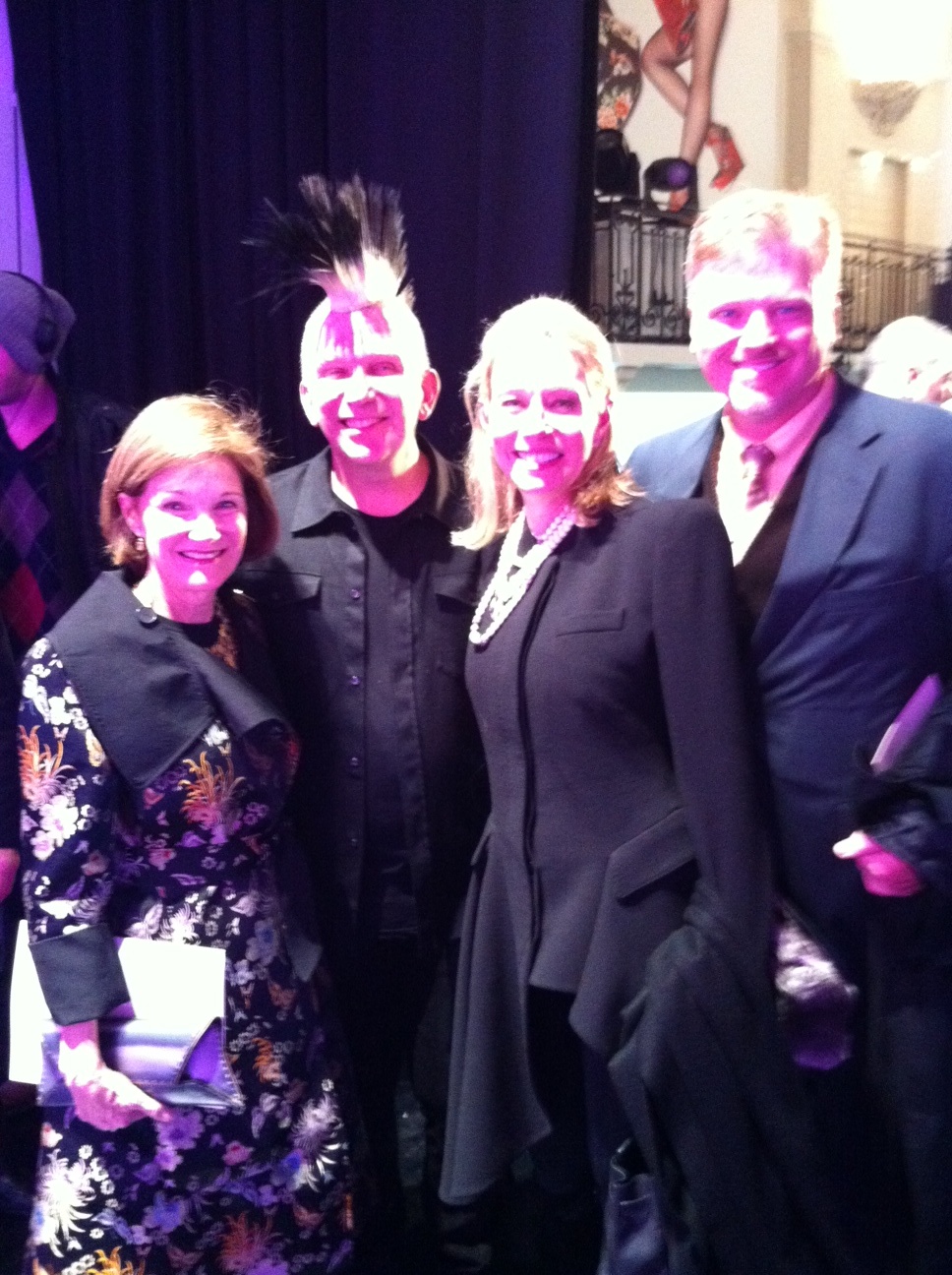
Gaultier in the Mohawk and Kevin on the far right.

After the show, I enjoyed the exceptionally rare opportunity to not merely review the works in his salon but visit the atelier on the top floor. Here, within this hive of alternately small and large workrooms, great bolts of fabric and endless tubs of beads, feathers, and trimwork rested neatly upon shelves, seemingly with no space unused. On any walls that had somehow managed to escape a shelving unit, photographs, Gaultier’s sketches, and notes were tacked. Staff diligently and carefully stitched, examined, and checked pieces, while fragments of prototypes—sections of dress with sample materials, alternate patterns, and differing techniques—hung from racks. While each of these vignettes might seem otherwise unremarkable to anyone familiar with the art of costume, the entire workshop reverberated with the energy of rapid preparations that had paused for but a moment as the forty-six works were presented to the eager crowd on the third floor of the building the prior afternoon. Before that day was done, the work began anew, plotting a course toward the next line of works that Gaultier had envisioned.

This November, Texans won’t have to go to France to experience the visual sophistication and boundless energy within Gaultier’s creations—they will just have to visit the DMA.

Kevin W. Tucker is The Margot B. Perot Curator of Decorative Arts and Design at the Dallas Museum of Art.

Seldom Scene: A Fond Farewell to Dorothy Austin

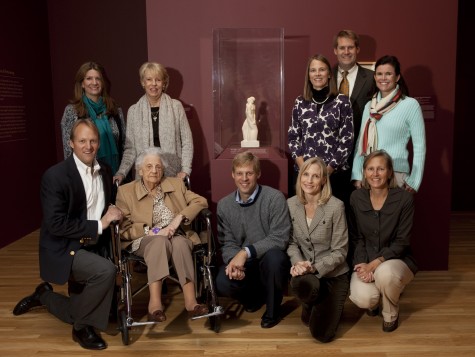
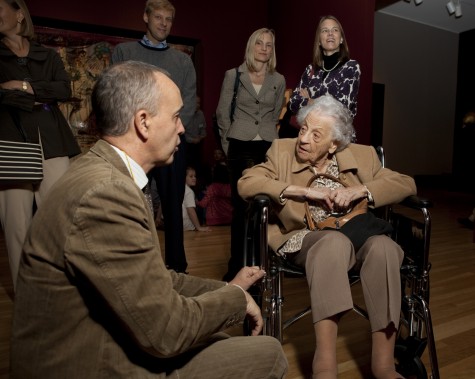
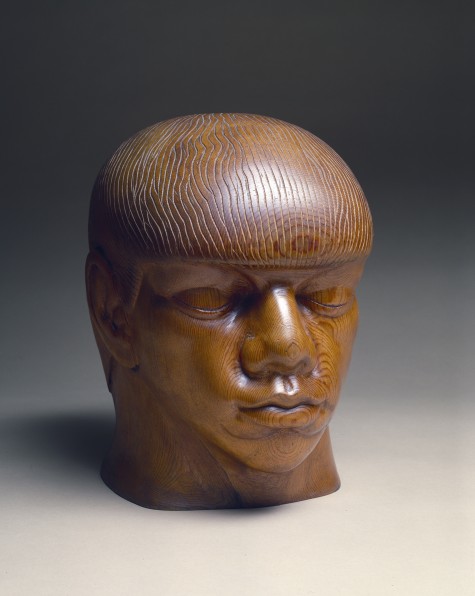
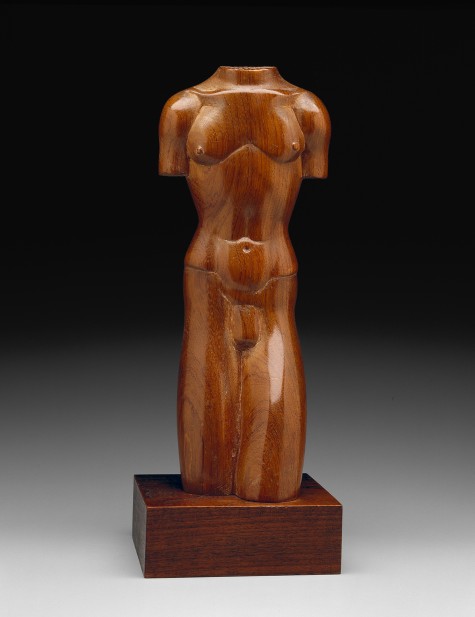
Texas sculptor Dorothy Austin passed away last week at the age of 100. Her work Slow Shuffle was featured in the 2009 Dallas Museum of Art exhibition All the World’s a Stage: Celebrating Performance in the Visual Arts, and this past year her sculptures Noggin and Male Torso were included in the exhibition Texas Sculpture. We were fortunate to have Dorothy Austin visit us in October 2009 with her family and wanted to share those memories with you.

Sculptor Dorothy Austin with her family on a visit to the DMA in October 2009.

Dorothy Austin and DMA Senior Curator Olivier Meslay

Dorothy Austin, Noggin, 1933, white pine, Dallas Museum of Art, gift of an anonymous friend

Dorothy Austin, Male Torso, late 1930s-early 1940s, white pine, Dallas Museum of Art, gift of Dr. and Mrs. Robert W. Webb

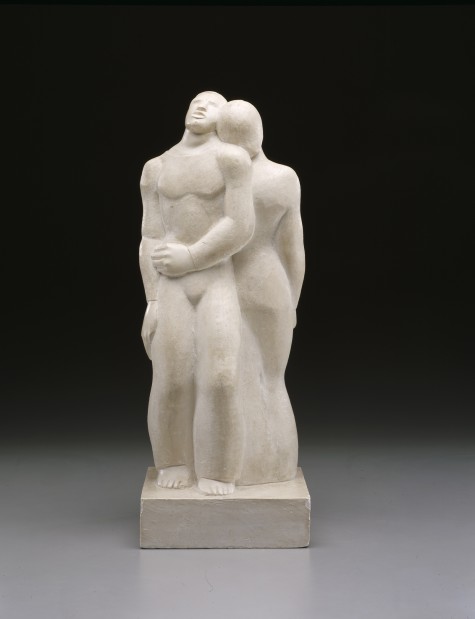
Dorothy Austin, Slow Shuffle, 1939, carved plaster, Dallas Museum of Art, Texas Art Fund and Early Texas Art Fund


Archives

Categories