Archive for the 'Art & Teaching' Category


Mesquite Week Visits

For the past two weeks, we have been welcoming 5th graders from Mesquite ISD for docent-guided visits.  This isn’t a new program, though.  For the past twenty-five years, students from Mesquite ISD have been coming to the DMA for docent-guided visits of our collection.  When this partnership began in 1985, each 5th and 6th grade student received a tour that aligned with their classroom curriculum.  Over 2,100 Mesquite students toured the DMA that first year.  Since then, this partnership (and the district) have continued to grow.

Today, we see every 5th and 6th grade student, as well as every 7th and 8th grade art student, for a docent-guided visit that aligns with their curriculum.  For the 2009-2010 school year, that totals almost 6,800 students!  This partnership is affectionately known as Mesquite Week because in 1985 the visits did only last for one week.  It now takes five weeks for the Museum to be able to tour that many students. 

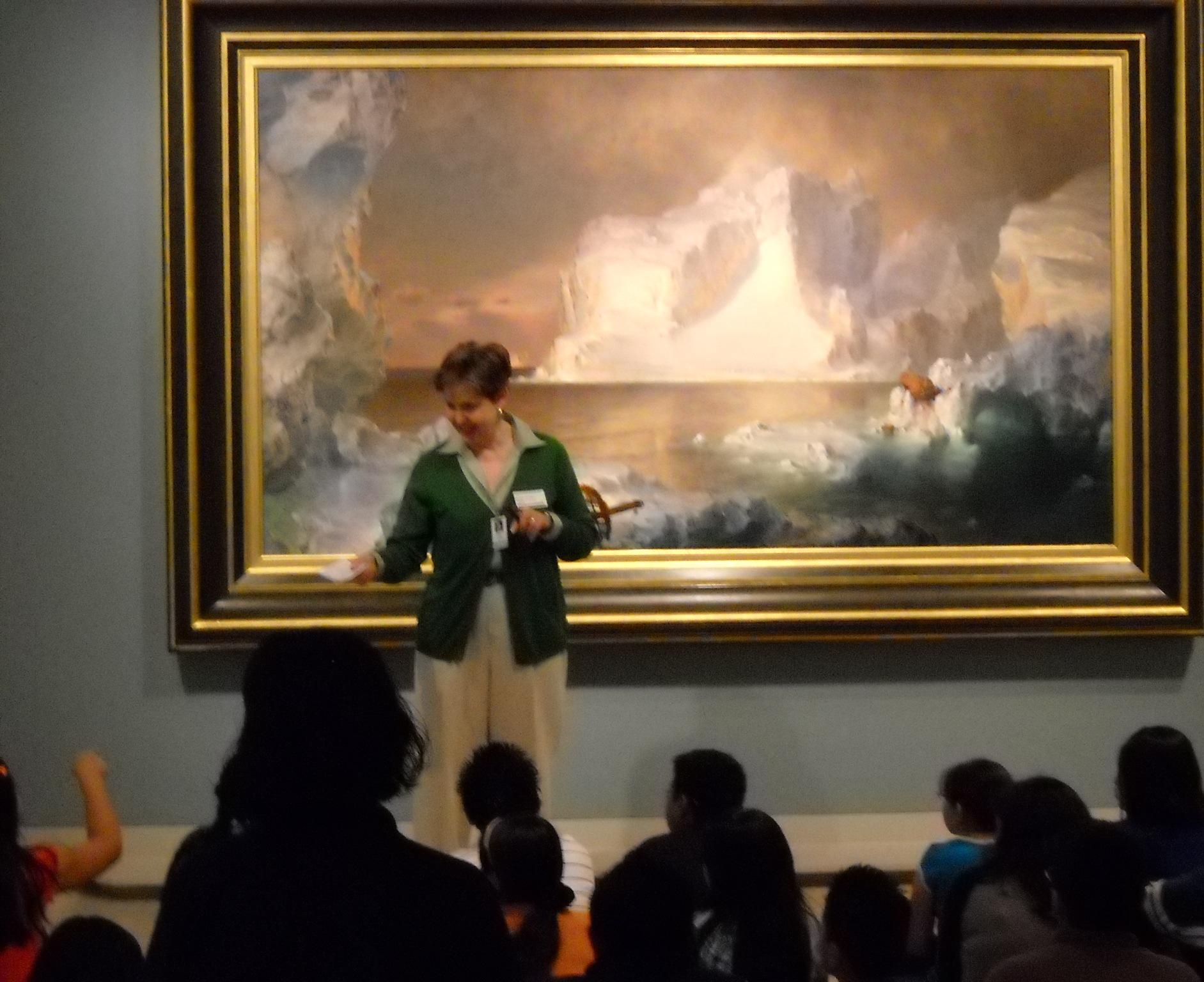
DMA Docent Susan Cuellar talks about The Icebergs with 5th graders from J.H. Florence Elementary

Mesquite ISD has a wonderful Fine Arts Coordinator, Debi Waltz, who makes these visits a success year after year.  Debi schedules each school’s visit, orders the buses, and works with us to decide which works of art students will see while they’re at the Museum.  She’s one of the most organized people I have ever met, and I don’t think Mesquite Week could happen without her. 

I recently learned that it was one of our docents, Susan Cuellar, who took on the task of coordinating Mesquite Week visits in 1985.  The district wanted students to have the same types of experiences with art that they were having with music, and they decided that they wanted their students to visit the DMA each year.  Susan wrote the tour outlines for that first year, and she continues to give Mesquite Week tours today.  She says that starting the Mesquite Week program is “one of the most exciting things I have ever done.”  We’re excited that this program is still going strong twenty-five years later.

Shannon Karol
Tour Coordinator

Summer Seminar: Exploring the Creative Process

Each summer, the Dallas Museum of Art and The University of Texas at Dallas collaborate to offer Summer Seminar, a graduate-level course for teachers.  Summer Seminar is an opportunity for teachers to immerse themselves in art and learning alongside other educators for one week.

The topic changes each year, and this year the title is The Creative Process.  We will be exploring both the theory and practice of creativity in sessions led by Dr. Magdalena Grohman and myself along with other DMA educators and UT Dallas faculty.  Sessions will include gallery experiences in the Museum’s collections and Center for Creative Connections, creative thinking workshops, and discussions about classroom applications.

Tuesday, June 15 – Friday, June 18, 2010
9:00 a.m. – 4:00 p.m. daily
$100 registration fee

Don’t miss this opportunity to connect with other educators, have meaningful experiences with works of art, and rejuvenate your teaching!  Visit the Web site for more details and to register.

Molly Kysar
Head of Teaching Programs

Community Connection: Close Collaborations

One of my favorite things about my job at the DMA is the opportunity to work closely with teachers and students over an extended period of time.  Over the last three months, I’ve worked with Shawna Bateman and Daniel Hall through the Thriving Minds After School Program.  During this process, I gained valuable knowledge about the after school environment, which is immensly different than during-school hours.  An extra bonus for me was getting to know these two very interesting people: Daniel performs regularly with a variety of musicians and bands who collaborate in The Dallas Family Band, and Shawna shared an incredible found object sculpture she had made years ago to connect with one of the after school program activities.
 
What are you learning from your experiences in the Thriving Minds After School Program?

Daniel:  I’ve learned that when working with kids, things don’t always go as you planned.  That’s not always a bad thing –  you’re able to see art and teaching in different ways than you would have normally imagined, based on the responses of the kids and the way things flow in the classroom.

Shawna:  The biggest thing I’ve learned is how important arts education is for children.  We have a great need for arts education, and the arts are often the first thing that goes with budget cuts.

What do you do outside of the after school program, and how does that inform your work with students?

Daniel:  I’m a performing musician and artist, so I’m teaching kids about things I know and actually do.  I spend just as much – if not more – time practicing the discipline I teach, as opposed to a chemistry teacher who might spend all their time in classroom and little time working directly with chemicals.

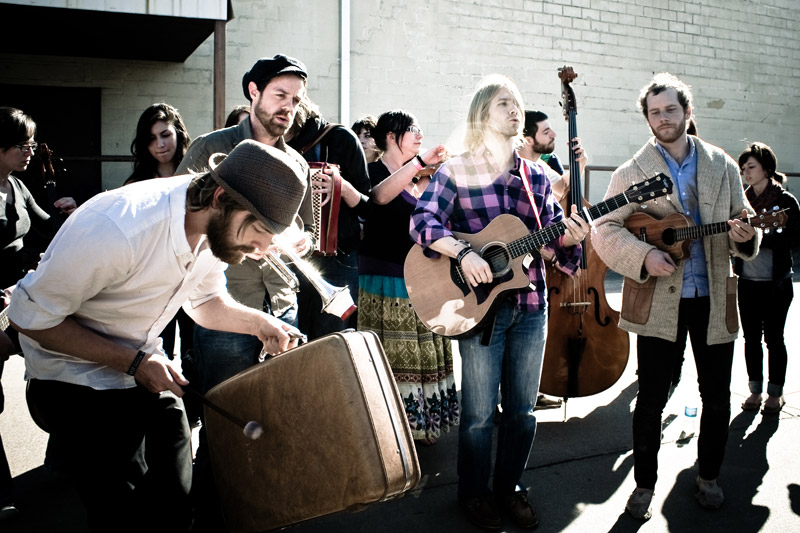
Daniel, far left, performs with The Dallas Family Band outside the Flaming Lips concert during NX35 Conferette in March 2010.

Shawna:  I hike, read, and catch dragonflies.  I also paint and make jewelry, which allows me to talk with students about creating things on a level they can relate to.  A lot of times, kids think of art as something that someone else does. 

Shawna sits in her favorite park, thinking.

Where do you see yourself in 5 years?

Daniel:  I don’t typically like to think in concrete terms for the future, but I will say that I’ll be playing music for the rest of my life. Five years from now, I’ll still be a practicing musician and artist.  The way that will work itself out is entirely unknown, and I’m not going to worry about that.

Shawna:  On the top of a mountain with a lovely hat.

Do you want to share any memorable experiences with the after school program this year?

Daniel:  There are always funny things that kids say that make for hours of conversations with my friends later.

Shawna: I really loved hearing that the kids would not stop talking about the artist.  Not only did they absorb what I taught them, but they were excited to use that information.  [Shawna’s students visited the DMA and viewed the artworks they discussed in the classroom.  The group leader told Shawna that she had to adjust the timing of their visit because the students wanted to tell her everything they remembered about the artist.]

Upcoming Arts and Letters Live…

Arts & Letters Live has a slew of exciting authors slated to visit the DMA in the coming months, coinciding with the recent opening of the DMA’s new special exhibition Coastlines: Images of Land and Sea.  Author Robert Kurson will be at the DMA on Thursday, May 6th to talk about his book Shadow Divers, which tells the story of two weekend scuba divers who risk everything to solve one of the last mysteries of World War II (get tickets).  If you haven’t visited Coastlines already (or even if you have), there is a great opportunity to learn about the exhibition before the lecture; Heather MacDonald, The Lillian and James H. Clark Associate Curator of European Art, will lead a tour of Coastlines at 6:30, with Kurson’s lecture to follow at 7:30.  Then join Isabel Allende at First United Methodist on Thursday, May 13th to hear about her new book Island Beneath the Sea, which tells the story of the intertwined lives of Tete, a Haitian slave, and Toulouse Valmorain, a plantation owner’s son.  Click here for tickets. 

Justin Greenlee                                                                                                                               McDermott Intern, Teaching Programs and Partnerships

UT Dallas Students Make Creative Connections

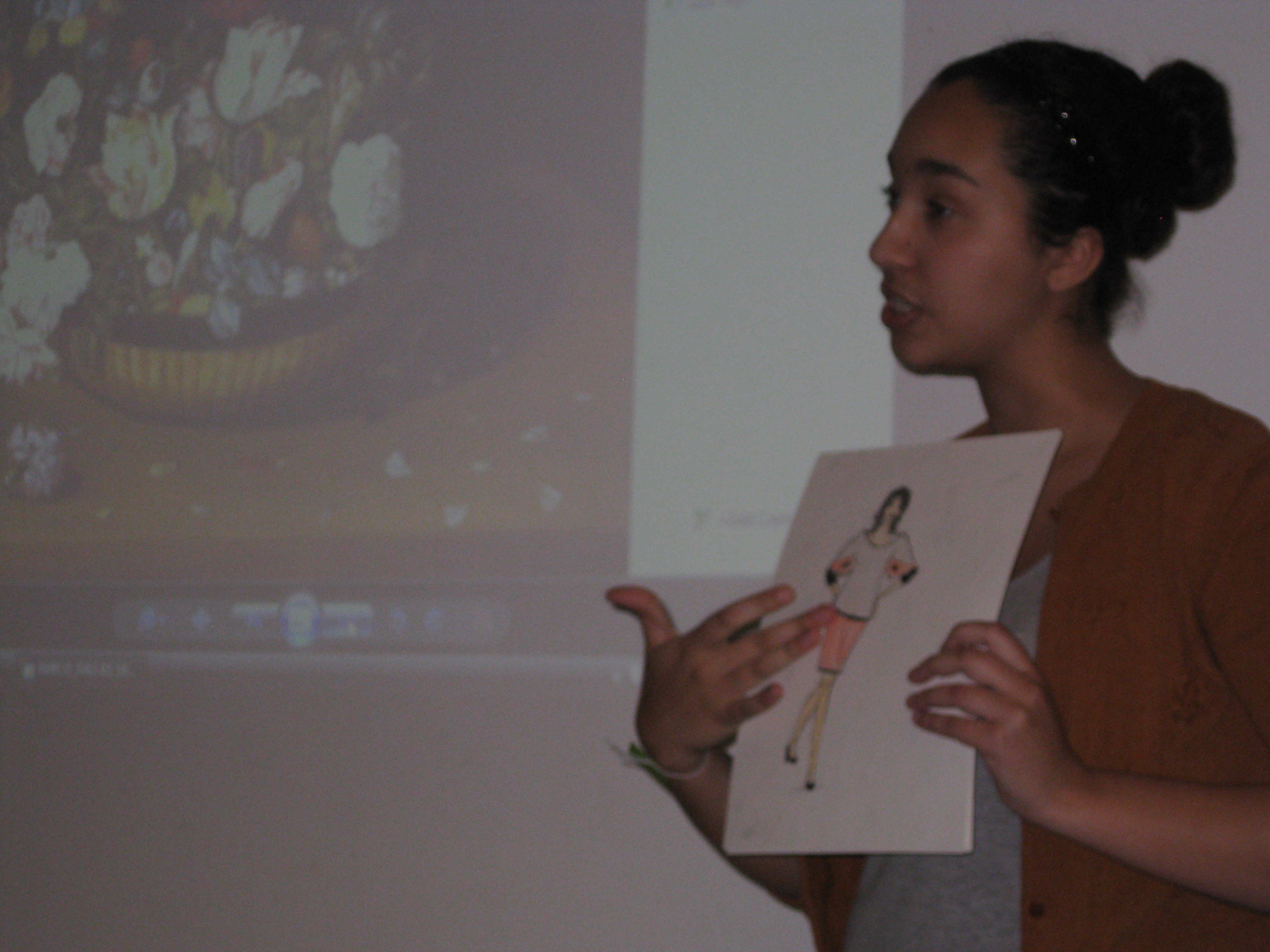
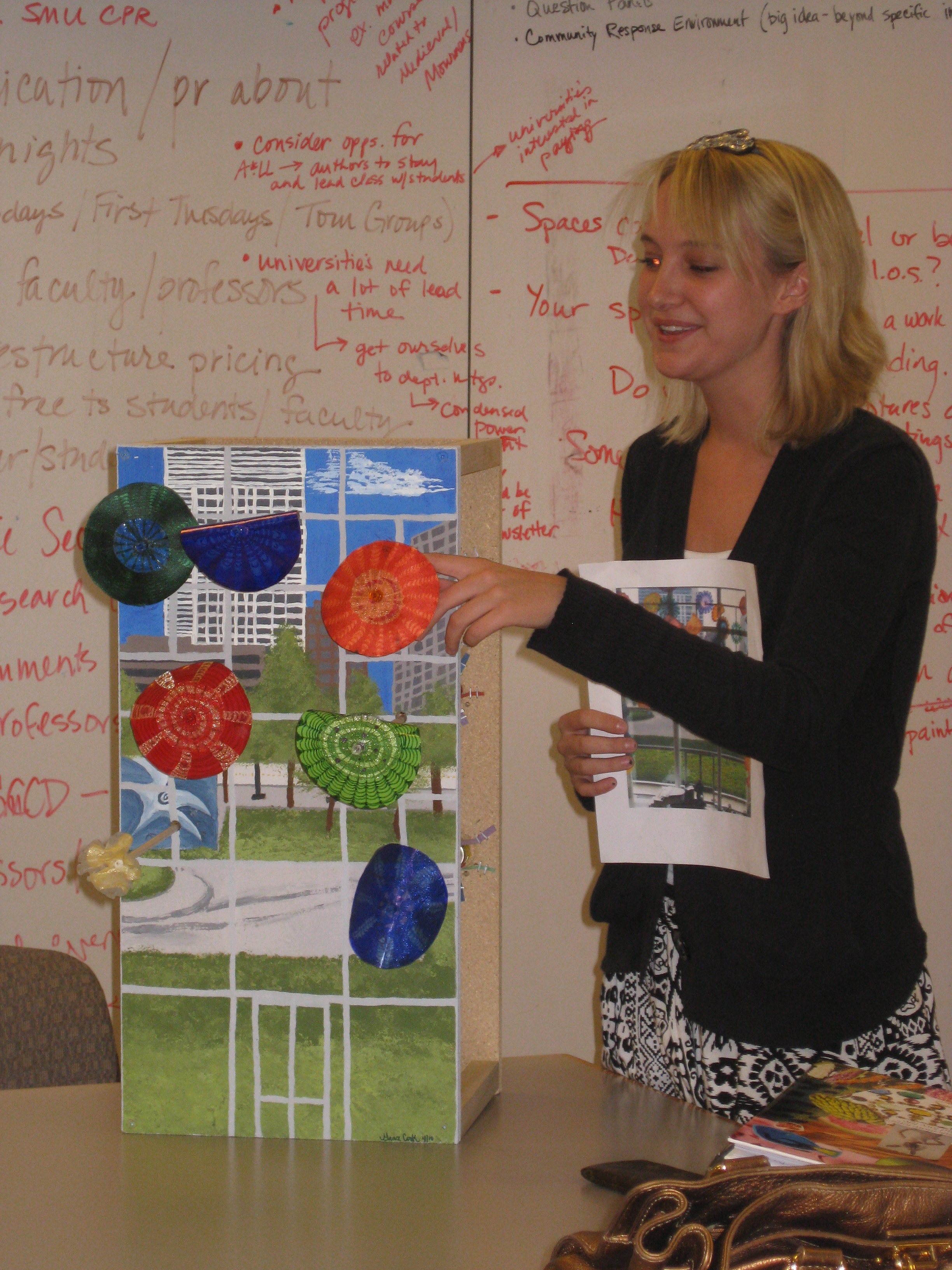
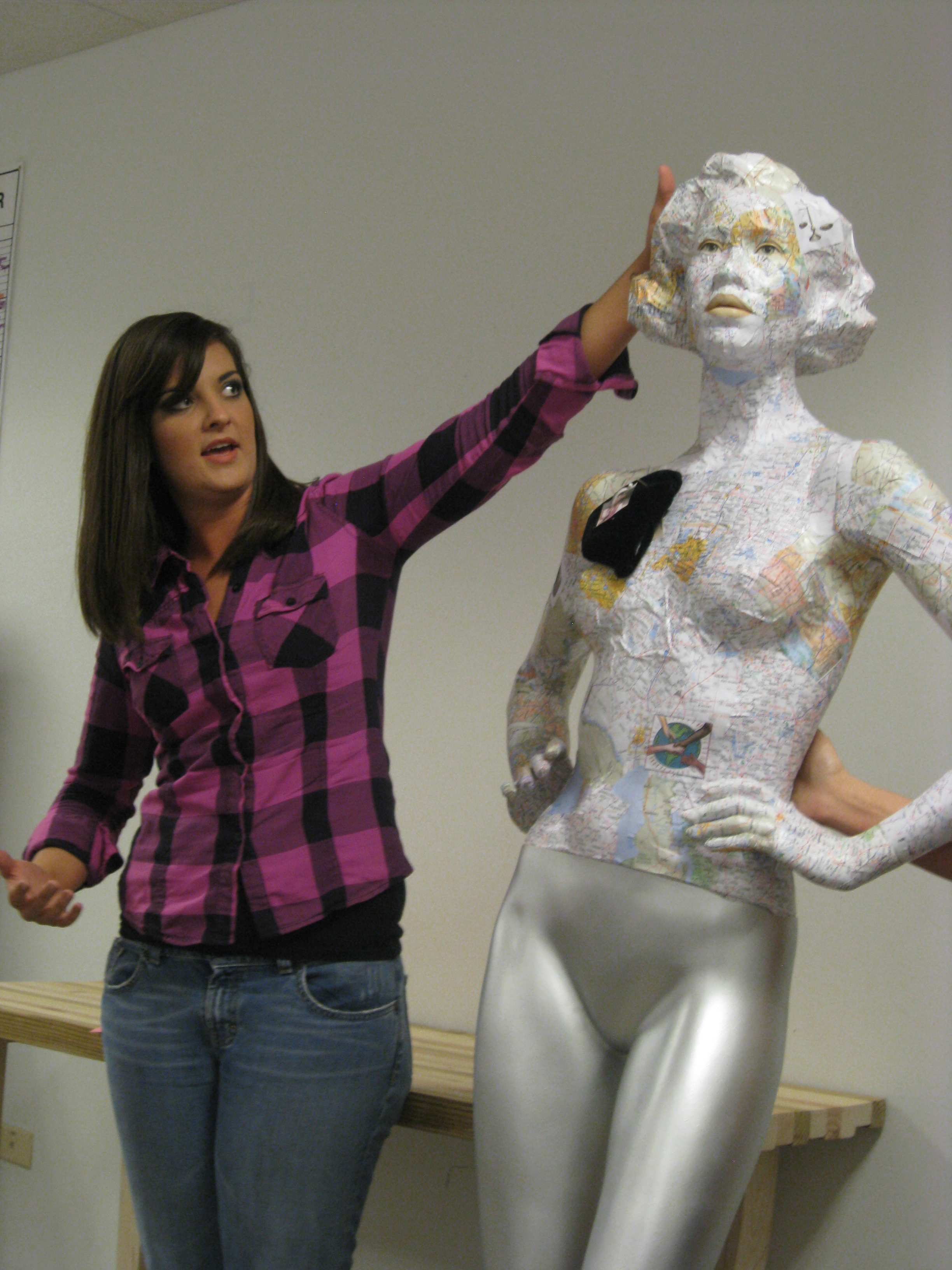
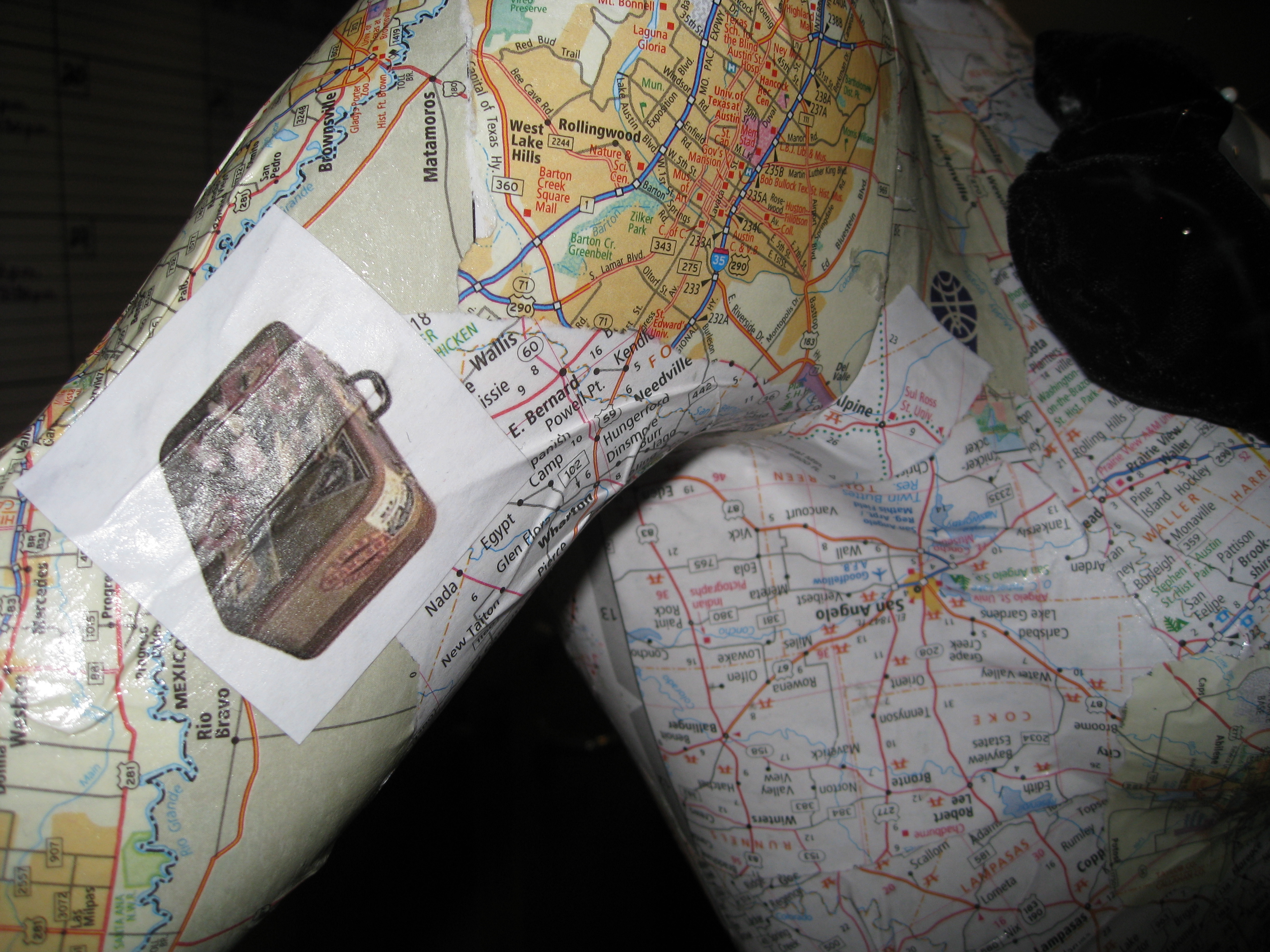
Every year the Dallas Museum of Art collaborates with The University of Texas at Dallas to offer an honors course.  At the end of the semester, students create projects that draw connections between the discussions they have had and the artworks they have experienced. This year’s class focused on the process of creativity and drew to a close on Thursday evening. Here are a few photos of some of the amazing projects students produced: 

Combining Trenton Hancock's interest in storytelling with Tim Rollins' use of literature

Another take on Tim Rollins and the K.O.S.

This student was inspired to translate colorful flowers into fashion design

This student gave new life to Chihuly's work as each disc spins out from the painting

This work combined elements drawn from Vernon Fisher and Dorothea Tanning


A close-up including collaged images

Logan Acton
McDermott Intern for Teaching Programs

The Sounds of Music

“Move your neck according to the music.”    – Ethiopian Proverb

Music is a universal language that helps us communicate our ideas, beliefs, and feelings.   When music is used independently or in tandem with other disciplines in the classroom, teachers are making it possible for students to hear and see the connections to the world around them. 


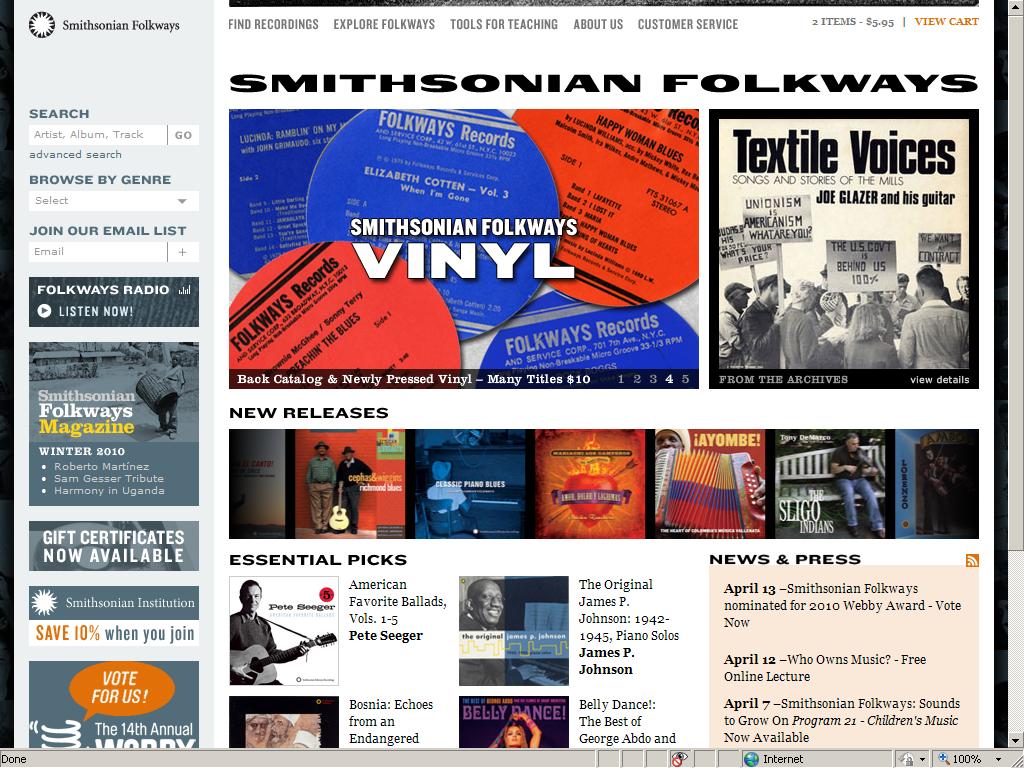
During the 2009-2010 school year, Museum staff downloaded music from the Smithsonian Folkways website for use in the galleries with the students in the Dallas ISD/ DMA Talented and Gifted (TAG) Museum Program.  With a focus on common ideas about being human, TAG students listened to and identified song types (i.e. lullabies, wedding, funeral, and work songs) universal to all peoples.  Song selections included the following:

Using an active ear, the students discussed the similarities and differences of the music selections from each culture.  Smithsonian Folkways is a non-profit record label of the Smithsonian Institution that documents folk and world music.  The Folkways website includes lesson plans and additional resources created by their network of teachers. 

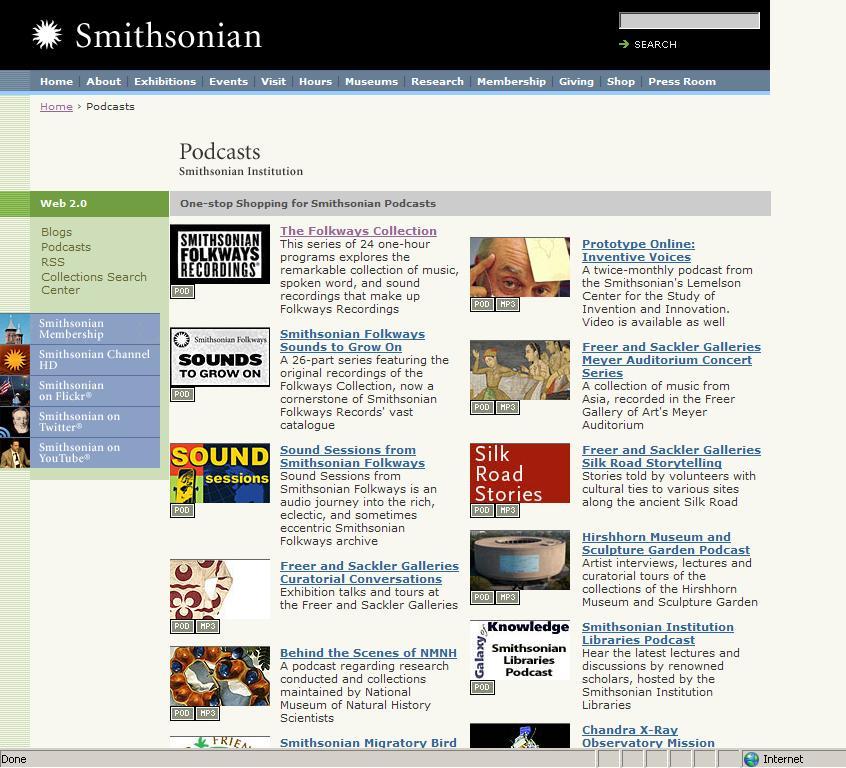
If you are interested in a more in-depth conversation about works of art, performances, or lectures, go to the Smithsonian Institution’s Podcast website.  There is a wide array of disciplines and topics represented in the podcasts.  If you have a moment or two, I encourage you to think about ways you can use these types of digital resources in your classroom related to the curriculum you teach. 

Until next time….

Jenny Marvel
Manager of Learning Partnerships with Schools

Charm City Conference Memoirs

So there I was nearly one week ago ending a week in Baltimore, Maryland by trekking through the galleries at the Walters Art Museum soaking up all the visual and mental goodness that the works of art would allow me.  Beautiful Barbizons.  This respite of art viewing was the perfect transition between the National Art Education Association (NAEA) Conference the week prior and another busy work week ahead of me.

Fortunately, several of my colleagues and I were able to attend the NAEA conference in Baltimore this year to share our work with others and learn from fellow educators in museums, schools, and universities.  It’s a great opportunity to reflect and recharge so that we can get back to doing that important work that we all do.

This year’s conference theme was Art Education and Social Justice.  Museum educators kicked off their exploration of this theme during a pre-conference session held on April 13.  Artist Joyce J. Scott, a native of Baltimore and a bit of spunky lady, entertained us with a keynote presentation of images and stories from her life and challenged us with the ideas in her art, which often confront head-on tough social issues.  She is an active member of her community and a teaching artist.  Joyce says she ‘teaches kids to be just with each other’, and she encourages us as museum educators to think about how museums are the perfect context for this kind of teaching and learning.  Think about all of the great issues that museums could address. In break-out sessions that followed the keynote, we heard from colleagues across the country who are actively working for change within their communities.  Art on Purpose and The Baltimore Museum of Art integrated exhibition artworks and ideas into experiential programs for children, homeless people, addicts, and immigrants.  In another session, educators from the Worcester Museum of Art questioned where social change fits into our day-to-day work and led a conversation about “Is Art Enough?”  How does social change fit into your world?  Can arts education impact social change?  What is the role of a museum?

At the conference, NAEA set up a studio for the presentation of current strategic planning initiatives for the organization.  Attendees were invited to participate in focus groups and also design-thinking exercises that contributed to a new vision for the association and perhaps, a re-envisioning of our field.  Other exciting announcements included a new study out about the impact of No Child Left Behind on arts education.  This nationwide study was initiated and compiled by F. Robert Sabol, PhD and is a must read!  Likewise, the NAEA Web site has information up about the National Assessment of Educational Progress (NAEP) and the Nation’s Arts Report Card.  My advocacy brain was on high alert by the end of the conference, and I came back to Dallas anxious to follow through on a few great ideas I heard at the conference about how to be a stronger advocate for the arts in my community.  The Philadelphia Museum of Art invites high level school district administrators and principals to hold meetings at the PMA.  In exchange for free meeting spaces in a beautiful art museum, PMA educators spend one hour with the group sharing about their work with students and teachers.  At The Museum of Contemporary Art, Los Angeles, educators are now working with parents to develop more advocates for the arts.

I’ll finish up with a list of selected highlights from the many sessions I attended throughout the week:

  • Artist Luba Lukova – graphic design and social justice
  • Dewey and Freire – a presentation about the influences of philosophical theory on our practice in the 21st century
  • The Whitney Museum of American Art presents: “How Working with Artists Changes What We Do and How We Do It” — on Friday, May 28 the U.S. Marines will do a weapons display in the Whitney Museum, a program suggested by artist Nina Berman to “open up” dialogue around her artwork.
  • Recreating Creativity – a panel presentation from college professors discussing creativity within various contexts: history, psychoanalysis, and philosophy
  • American Visionary Museum Director Rebecca Hoffberger delivering the keynote speech at the Museum Education Division luncheon – “Museums are at their very best when they are broadcasting inclusiveness.”  The number one educational goal of this institution: Expand the definition of a worthwhile life
  • Bumper stickers: Art Makes You Smart.  Stand Up for the Arts!
  • Rika Burnham and Elliott Kai-Kee focus on the museum educators’ struggles for interpretation – How do we use our own interpretations in our work in the galleries?

Nicole Stutzman
Director of Teaching Programs and Partnerships
(NAEA Museum Education Division Western Region Director)

Community Connection: Bringing the Very Best

Dave Herman has partnered with the DMA’s Education divison in a variety of ways.   As President and Creative Director of Preservation LINK, Inc., Dave initiated a partnership with the DMA that resulted in an annual exhibition of photographs by participants in Preservation LINK’s Point of View program.  He was invited to serve on an advisory board for the development of a new type of Go van Gogh outreach program, based on his perspective as a professional photographer and his teaching experiences with students.  Dave also led several workshops as the February Visiting Artist in the Center for Creative Connections as well as a Summer Art Camp during 2009.  In summary, we enjoy partnering with Dave and take every opportunity to work with him. 
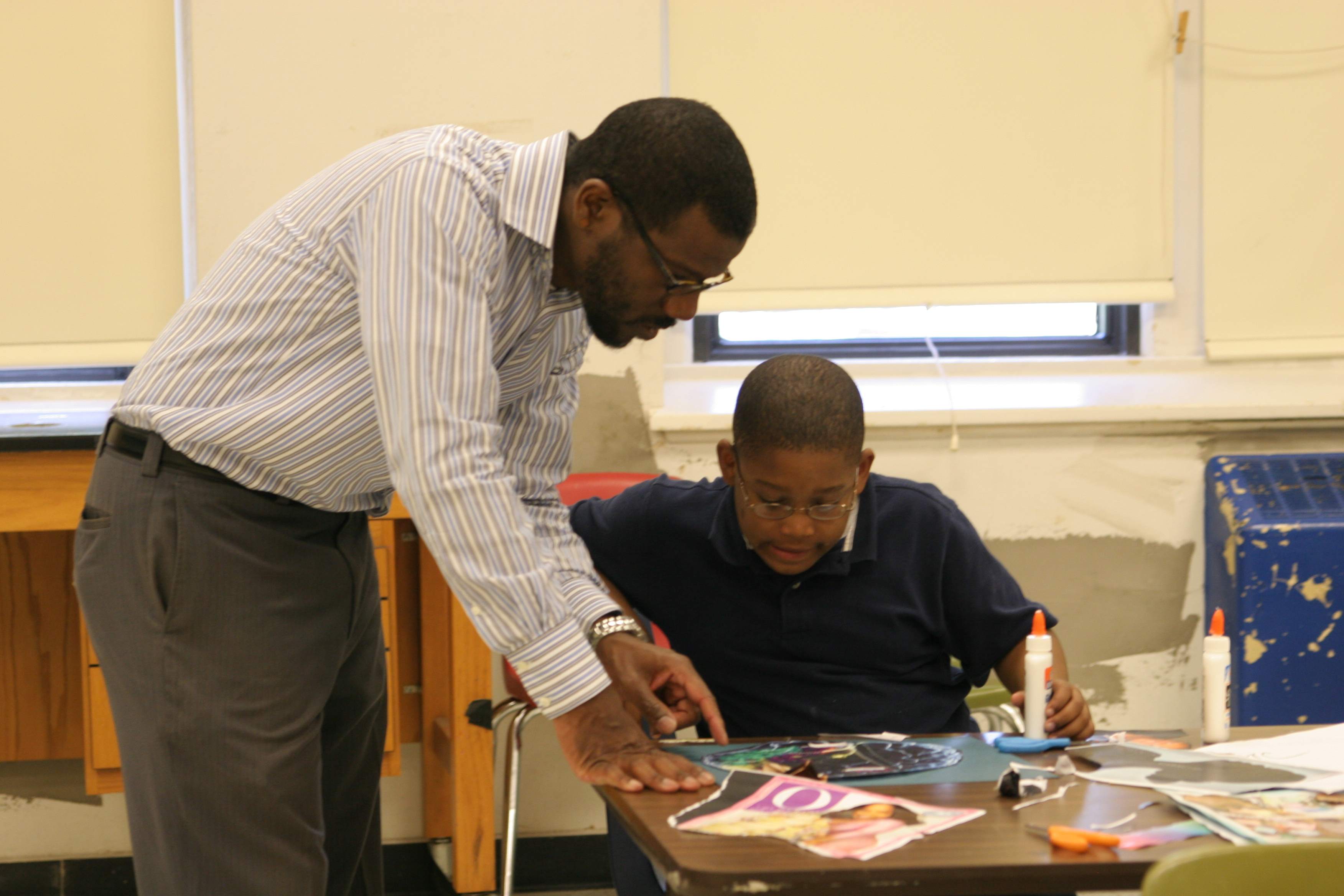
Dave Herman coaches a student through an art project.

You describe yourself as a visual sociologist.  Can you tell us what that means to you?

Visual sociology is, in a lot of ways, documentary in nature. It is almost as if you put out a hypothesis or investigative question, and then you document what you find out and share some of those answers visually. It lends itself to a different kind of attention, because you’re trying to put pieces of puzzles together and understand what that all looks like.  Visual sociology is also about how people interact with each other and how they respond to things.

Was there a defining experience or person in your life that led you to where you are today?

I first associate my mom and dad with helping to shape me and my values.  A lot of what I do is based on my background and what I believe in.  My work with students through Preservation LINK comes from a passion to help kids understand themselves, understand their potential, and to be confident that they can reach their goals. One thing that motivates me now, even as an artist, is that I didn’t necessarily have that growing up.  This is something really important – for students to have guidance and the opportunity to grow, to have ownership, and to eventually have a sense of “I’ve got this now”.

Over the six years that I’ve known you, I’ve witnessed exciting growth with Preservation LINK.  Do you have any advice for others who are interested in starting a non-profit organization with the goal of educating youth through literacy, art, and technology?
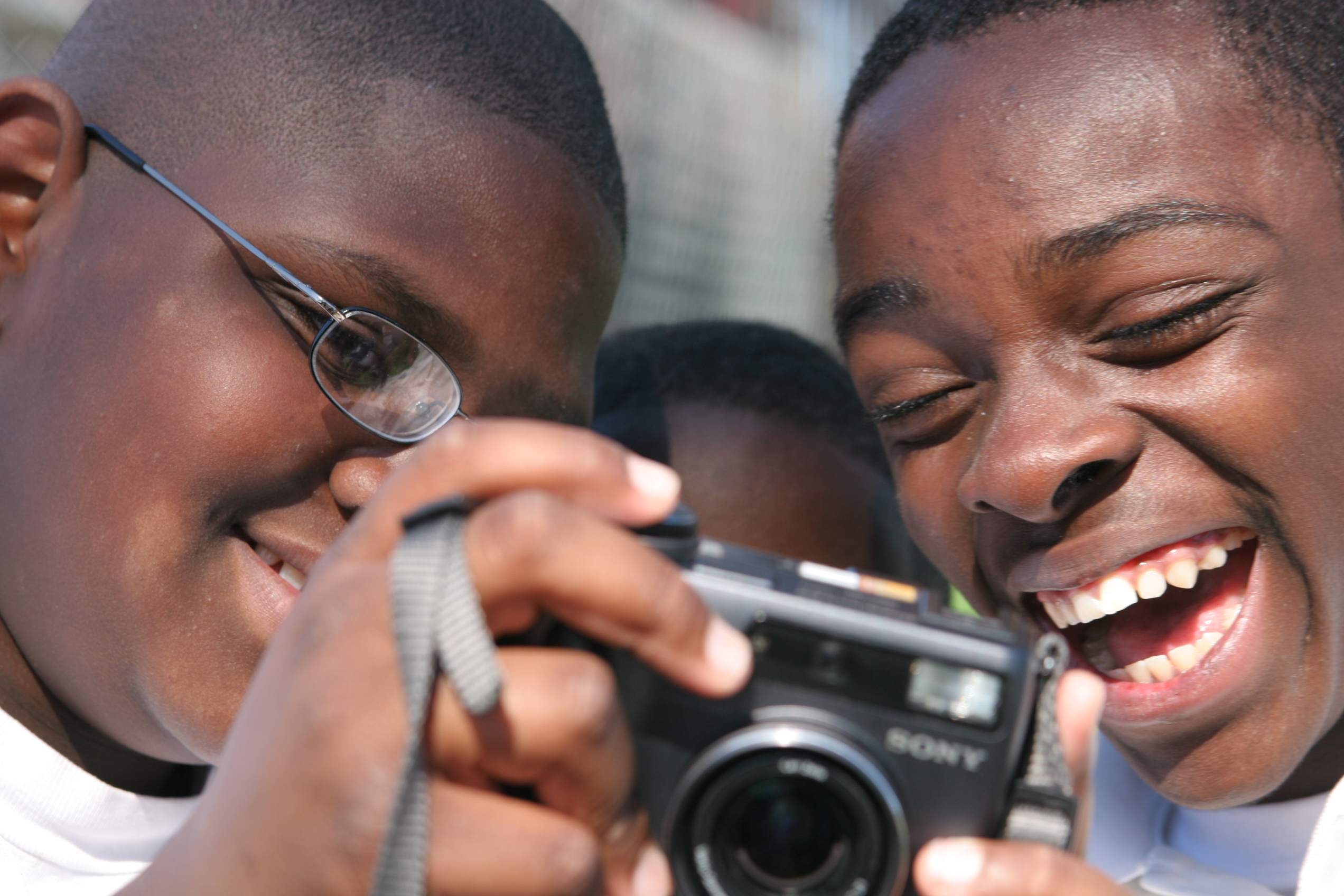
Budding photographers

I would say the first thing as an initiator, dealing with kids, is to make sure you’re reaching for the sky. Make sure that you’re bringing the very best to young folks. I say that because sometimes when we talk about equipment, for instance, some people say “let’s just get this (lesser value) equipment because they’re kids and they don’t need a big camera”. In reality, that is what they need. For them to grab onto something real at a certain level, you’re able to push your message and your lesson a little bit further.

Also, believe in your vision. Know how or learn how to manage it.

How does research and evaluation factor into your program development and implementation?

In a big way. Evaluation and research impacts and informs how we move forward.  It informs how we deliver programs and how we assess our accomplishments.  We are able to see what the impacts of our programs are on the community, students, parents, and the adults that supports kids’ learning. We wouldn’t be the same organization that we are now if it wasn’t for the evaluation and research that is a part of Preservation LINK.

What do you most hope students who participate in your programs will walk away with from their experiences?
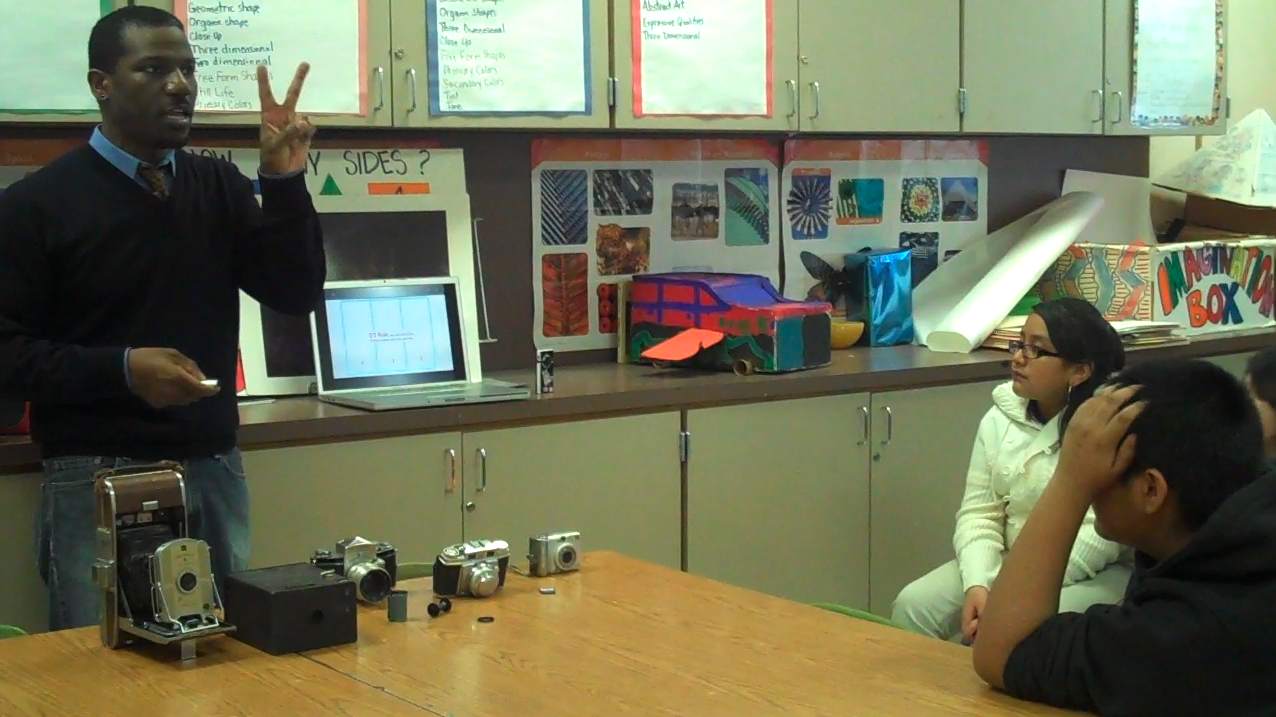
Students learn about the history of photography during a Preservation LINK program.

I want the students to know that people care about who they are, what they learn, and what they want to become.  I hope they’re motivated to take even more ownership in their lives.

See photographs taken by elementary students during Presevation LINK’s Point of View Program at the Dallas Museum of Art.  The exhibition, titled Through the Eyes of Our Children: Something Beautiful, will be on view from May 14-August 29 on the M2 level of the Museum, adjacent to the Mayer Library.  View images from past Preservation LINK programs here.
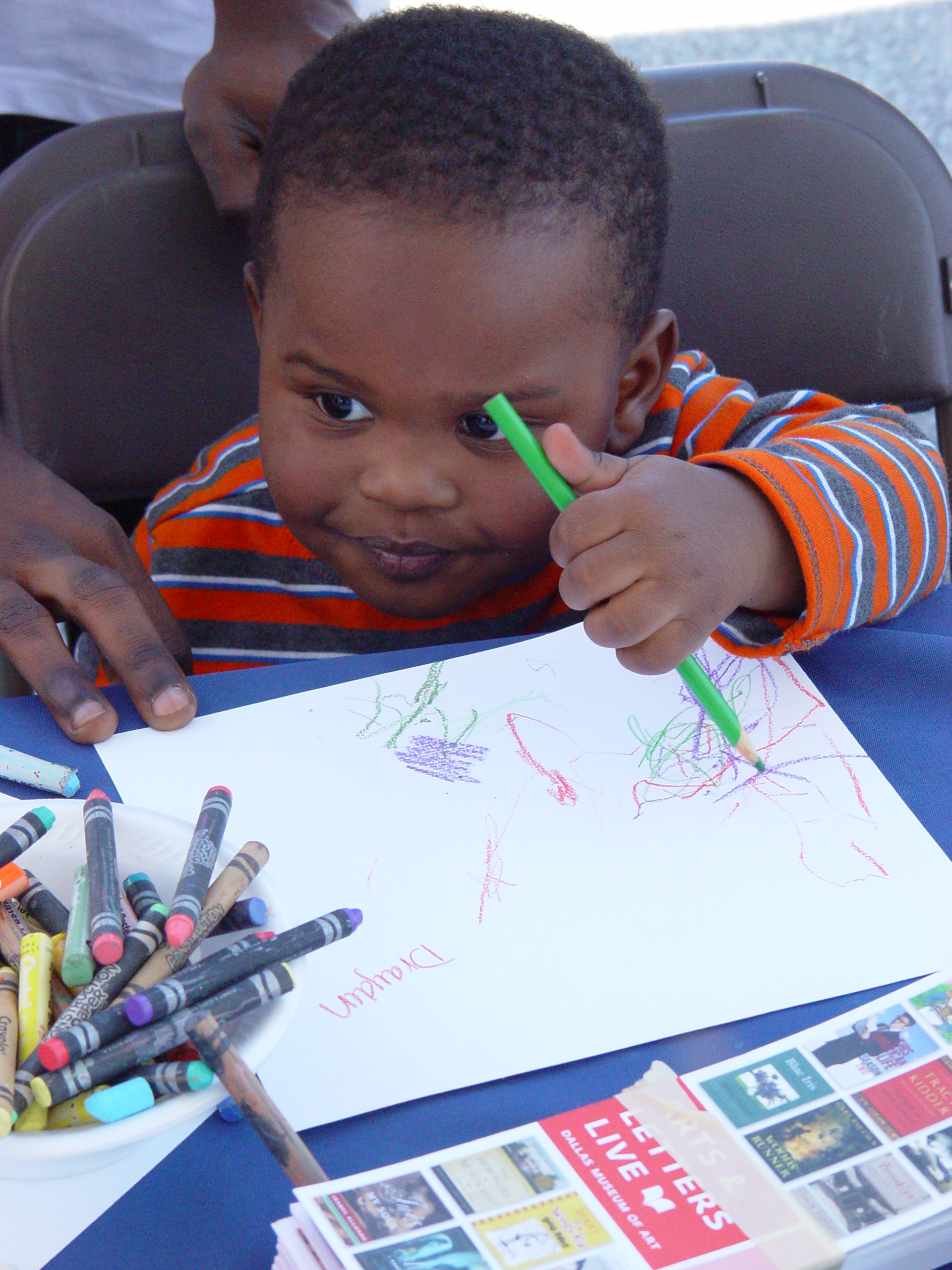
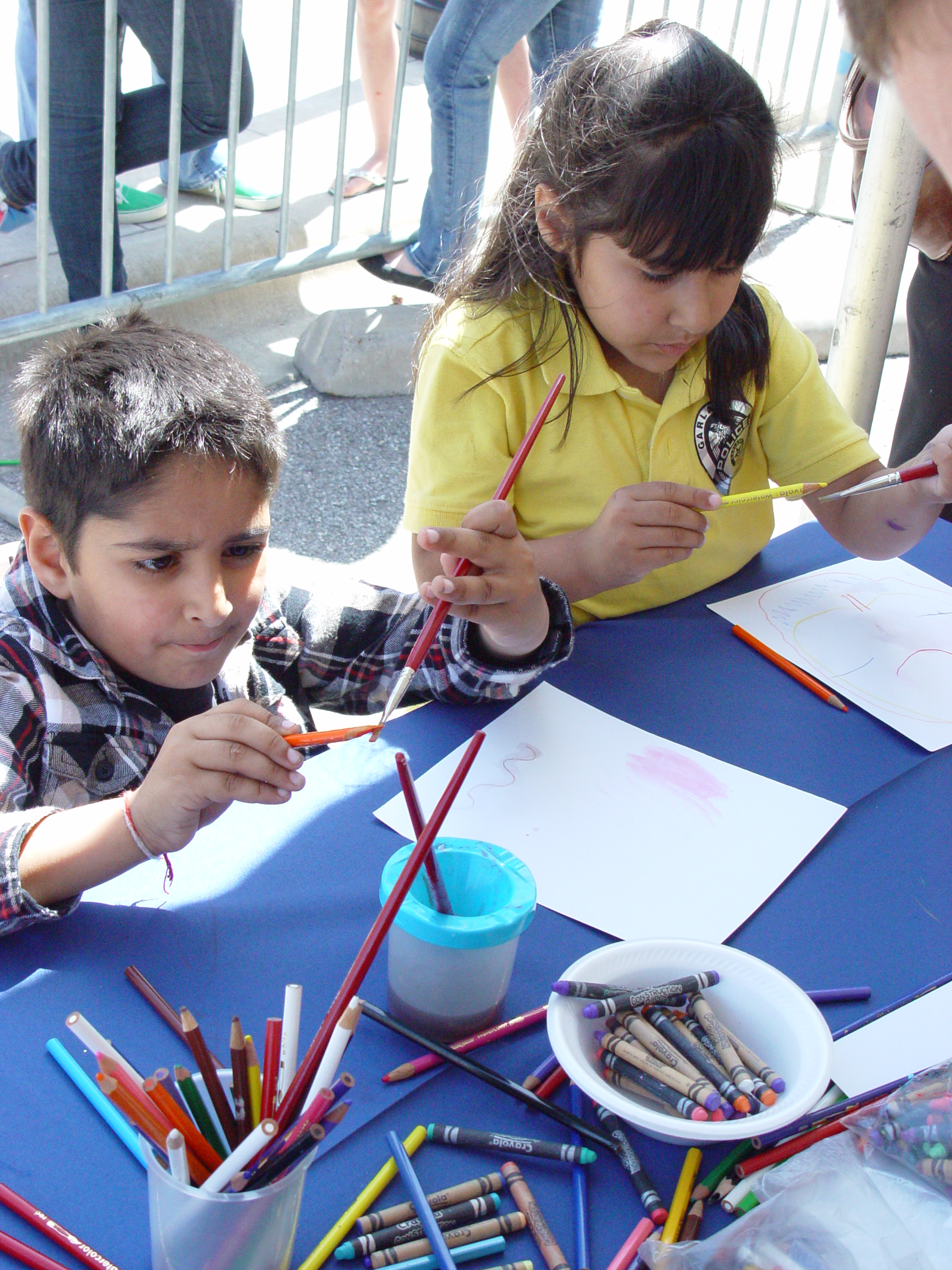
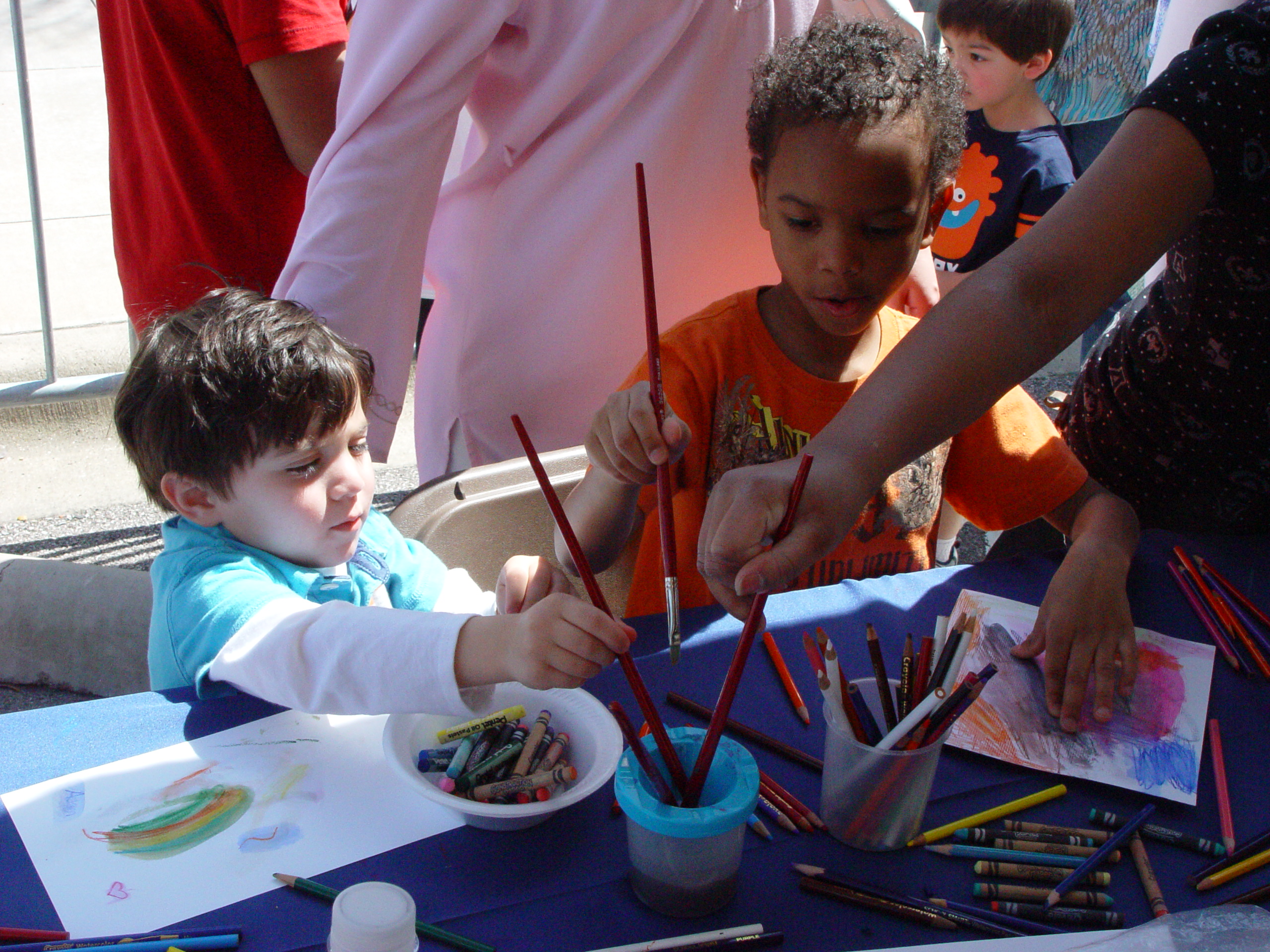
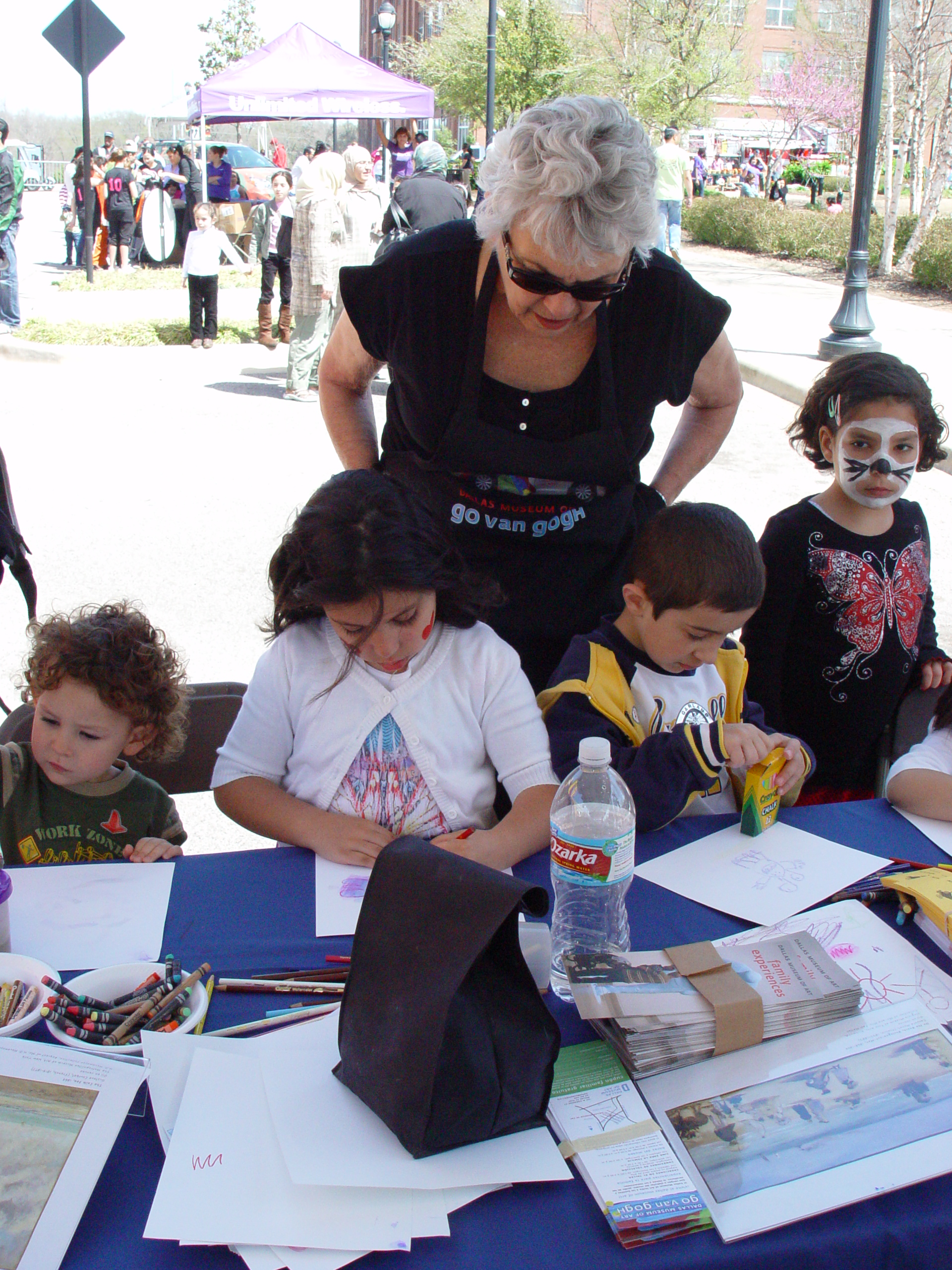
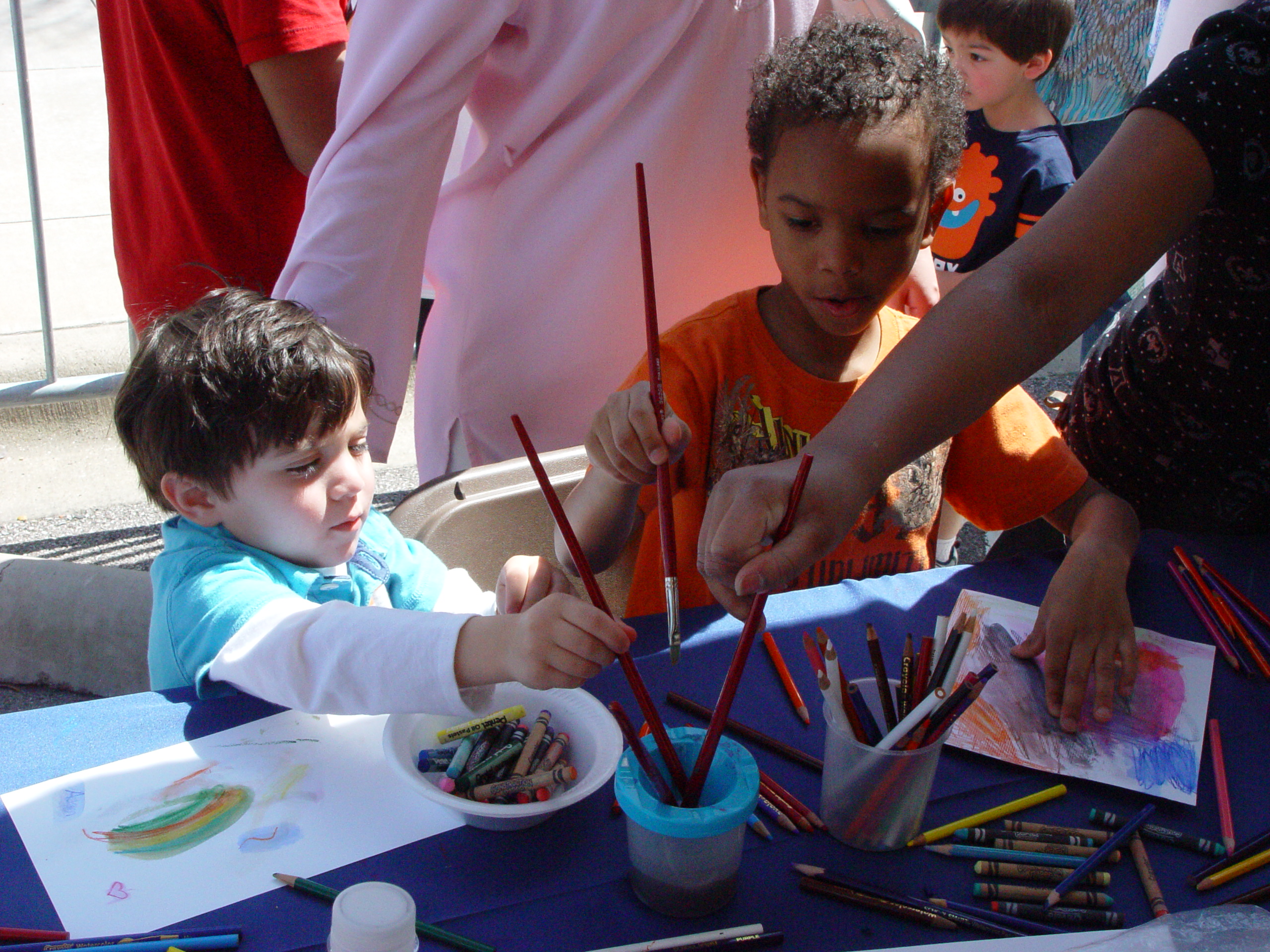
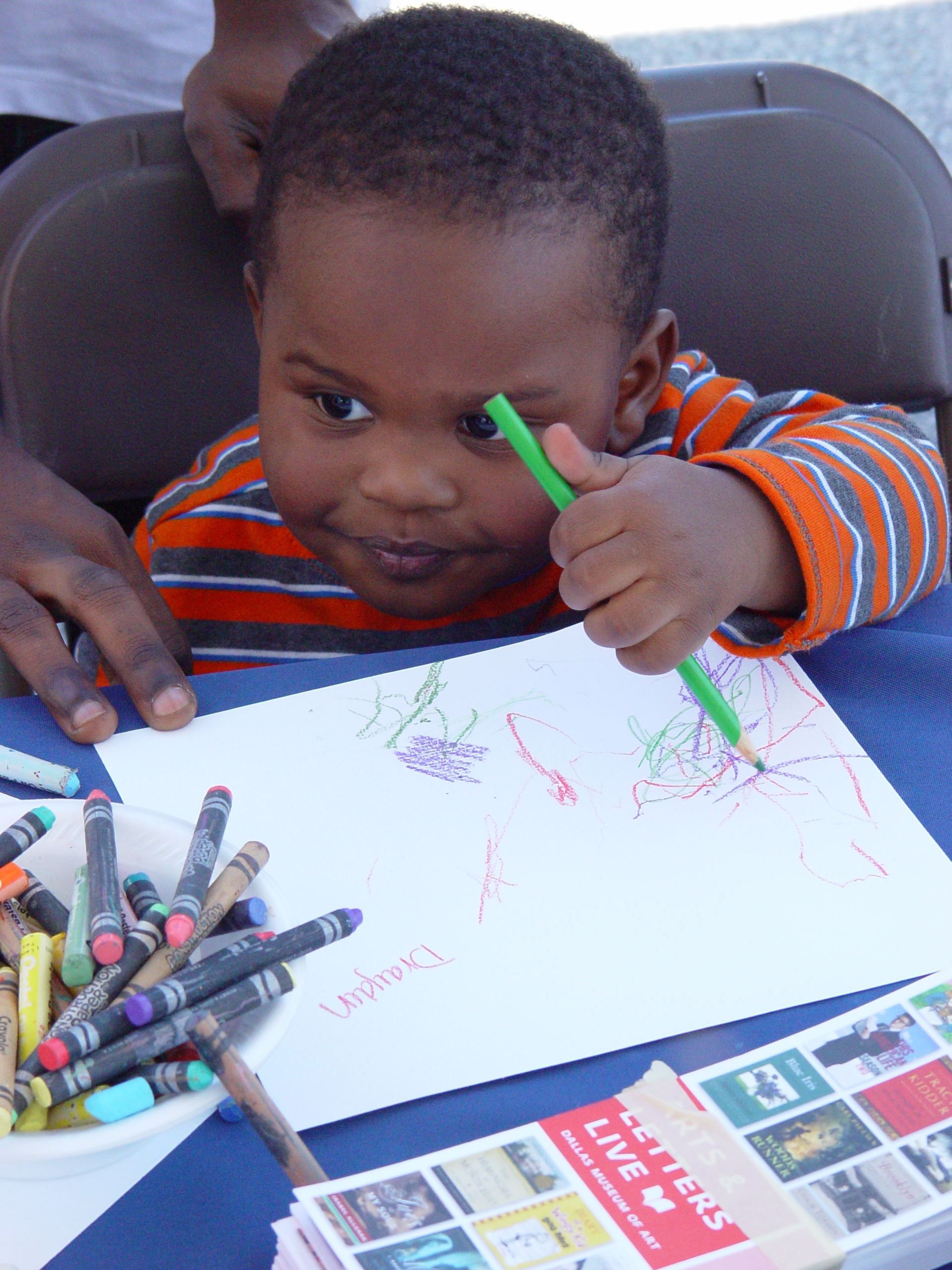
Go van Gogh at KidsFest 2010

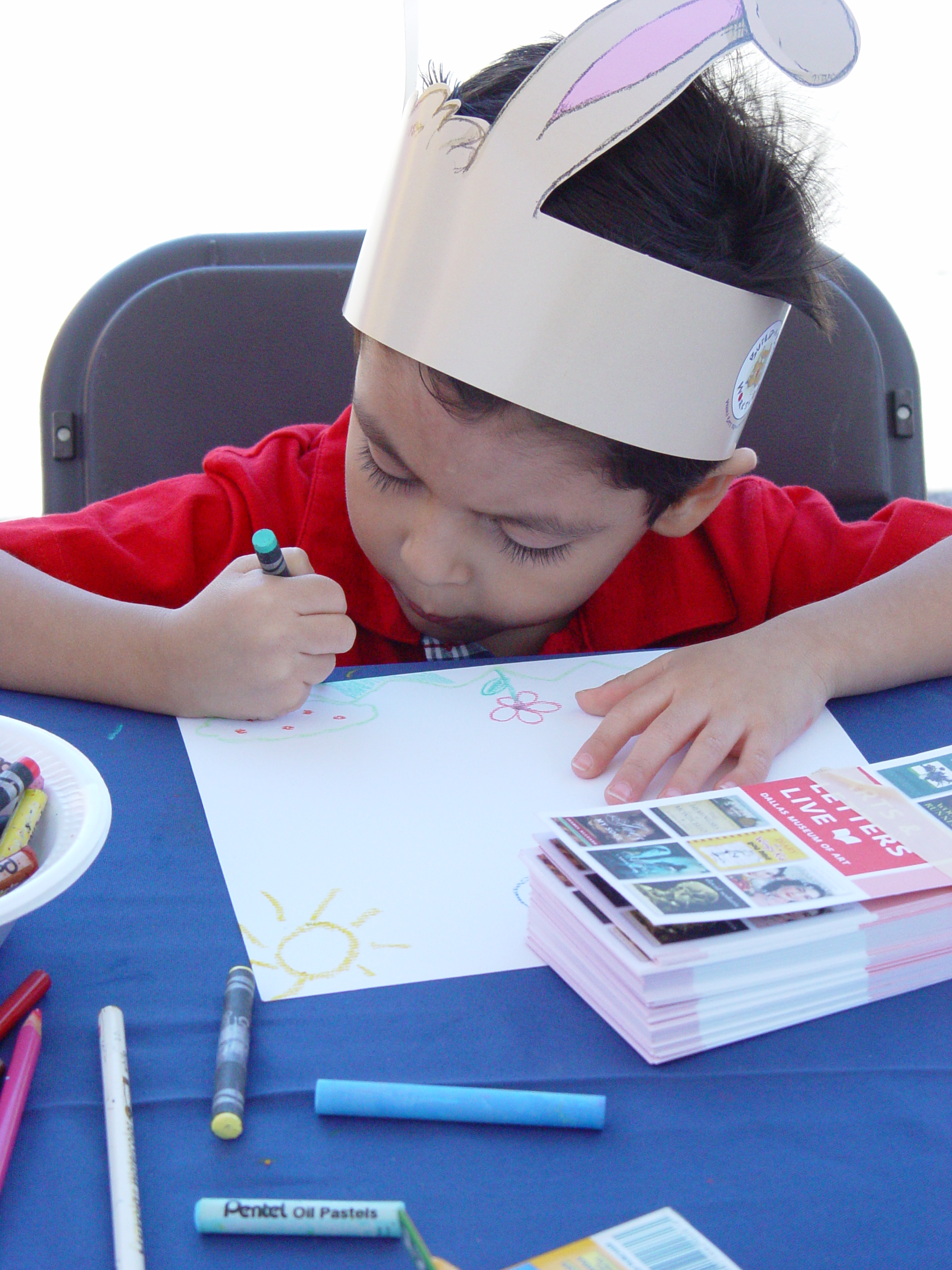
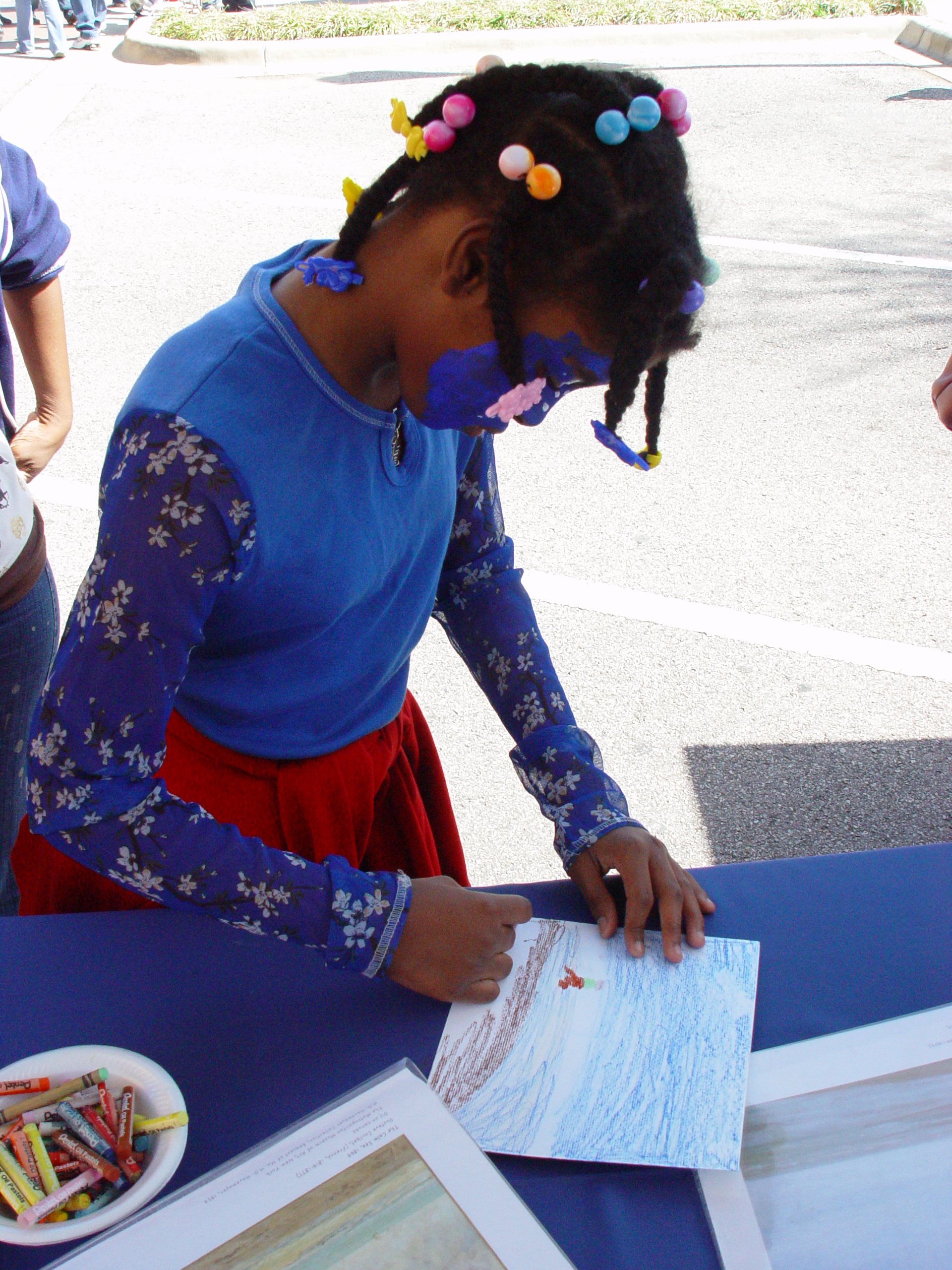
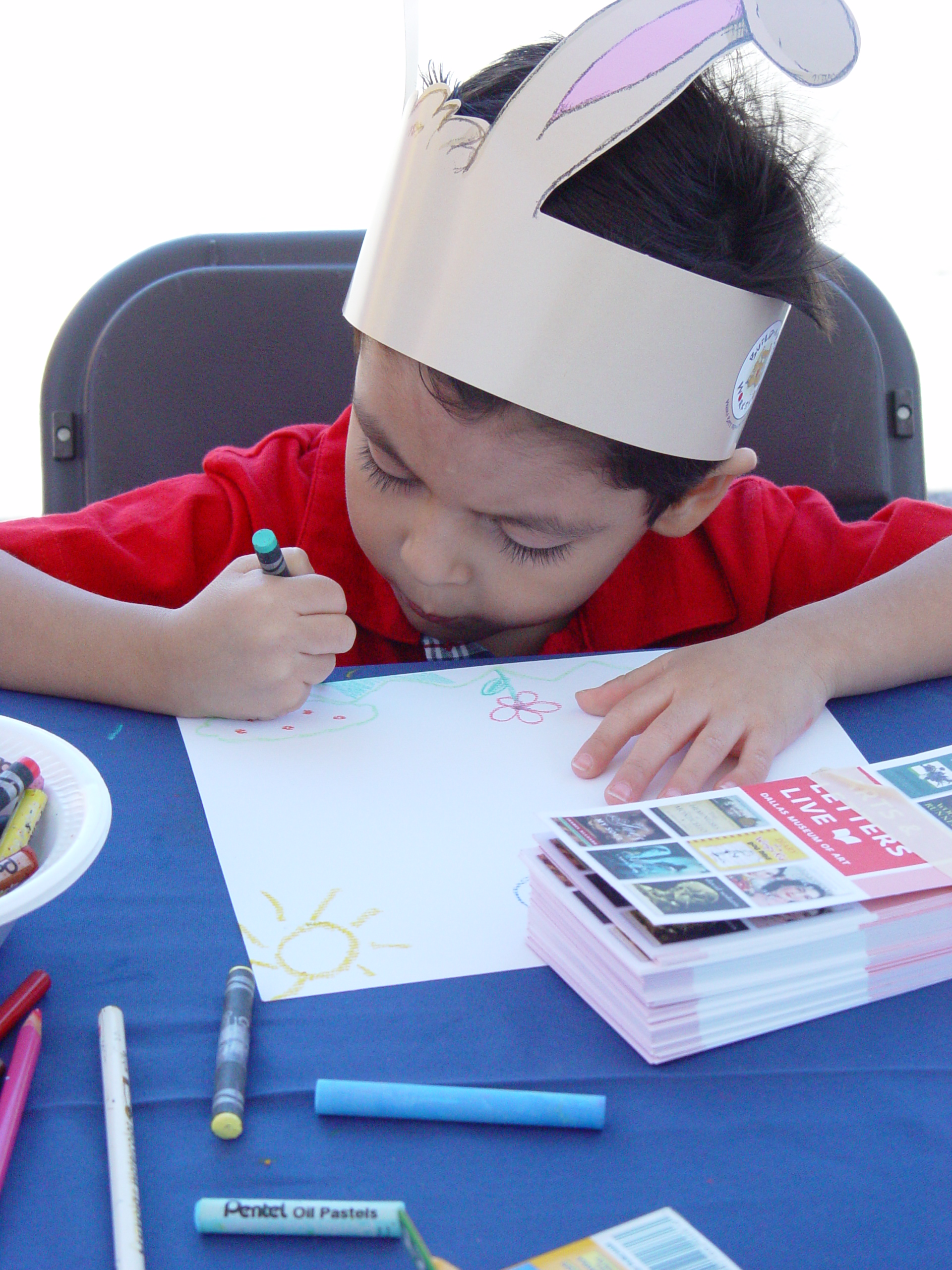
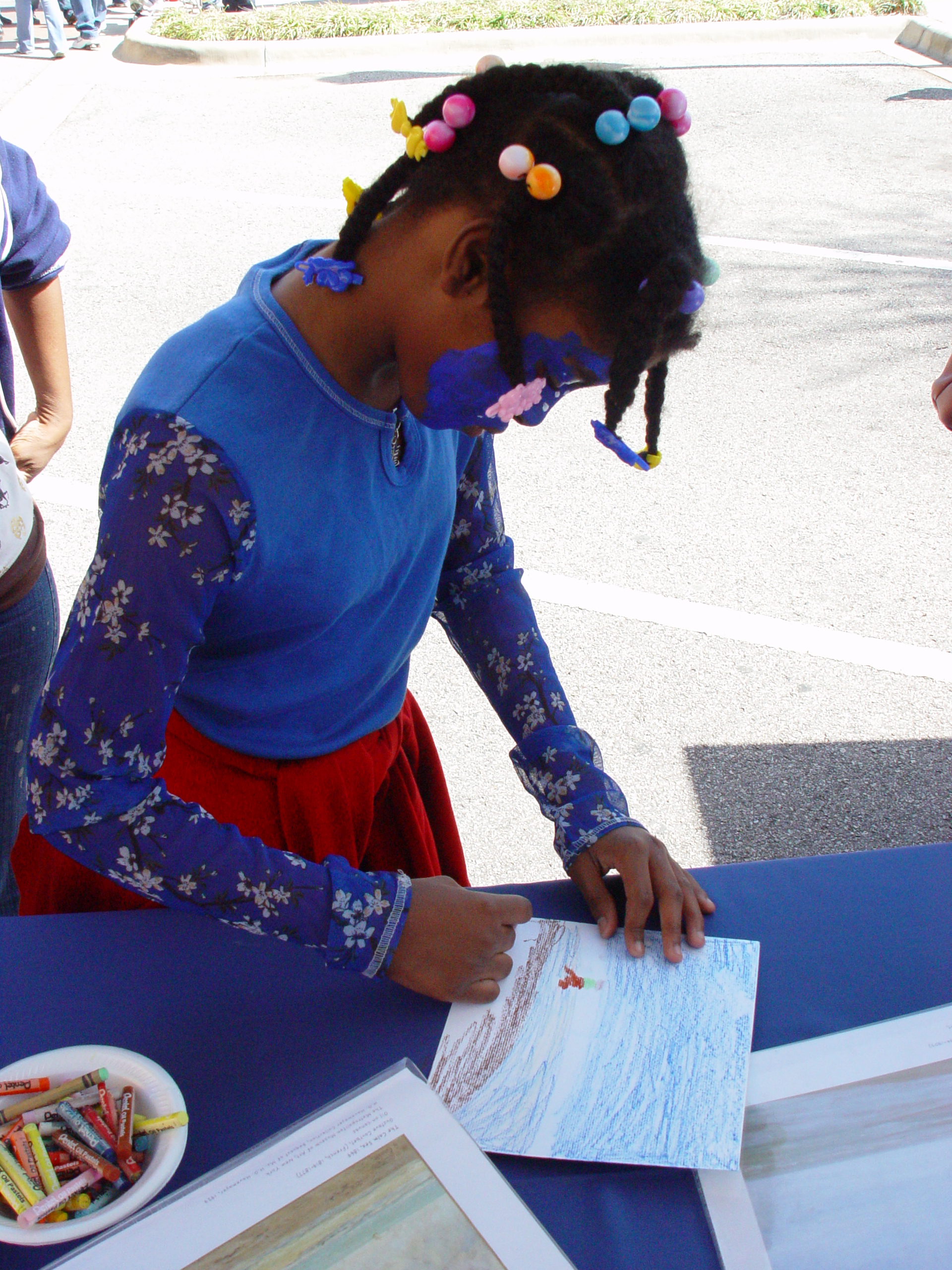
Amy Copeland and I recently took the Go van Gogh van out to Firewheel Town Center for KidsFest 2010.  We set up shop in a booth on the square, setting out watercolors, colored pencils, crayons, and oil pastels.  We had an amazing turnout– over one hundred kids made a work of art! 

Justin Greenlee

McDermott Intern, Teaching Programs and Partnerships

À la plage

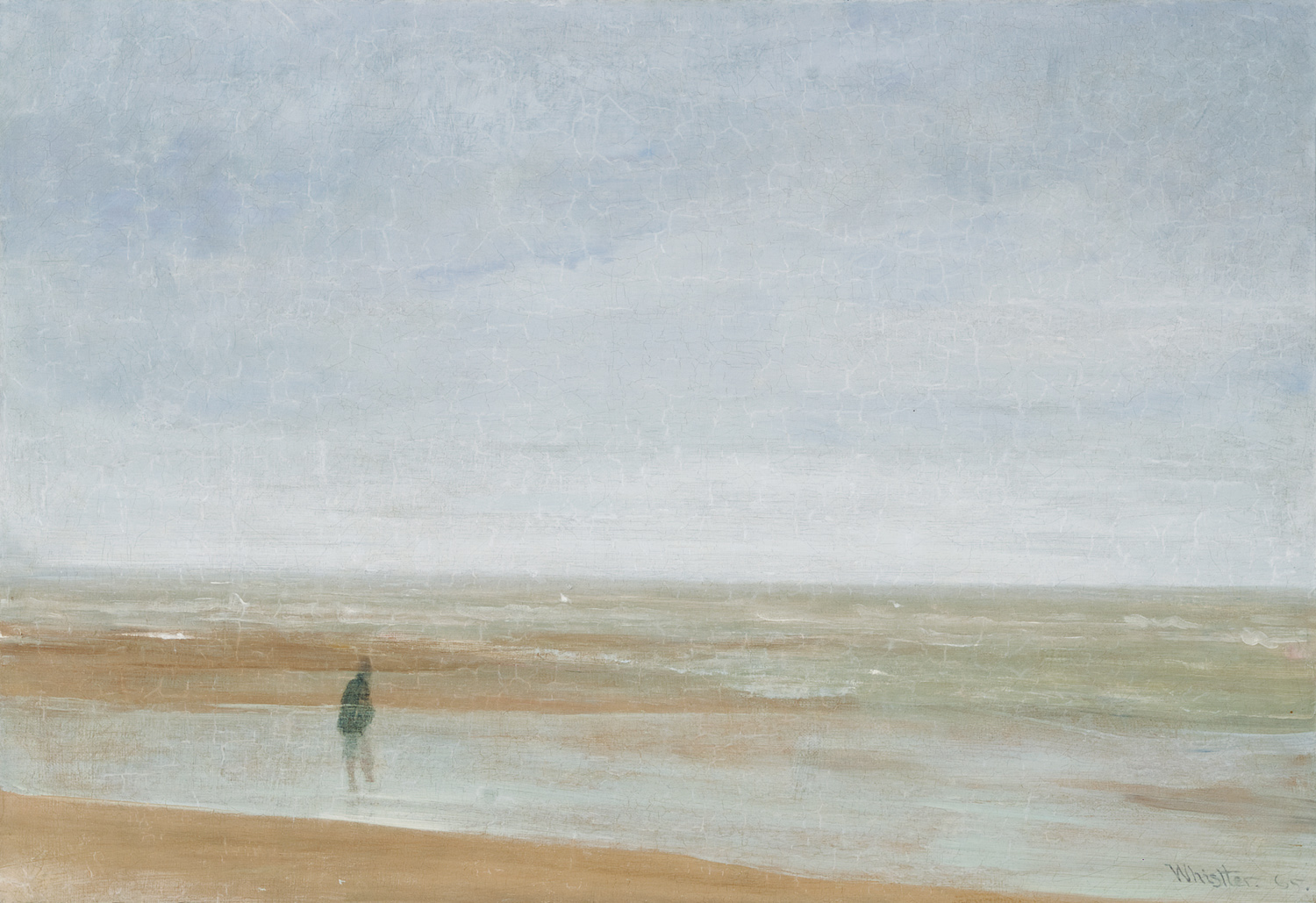
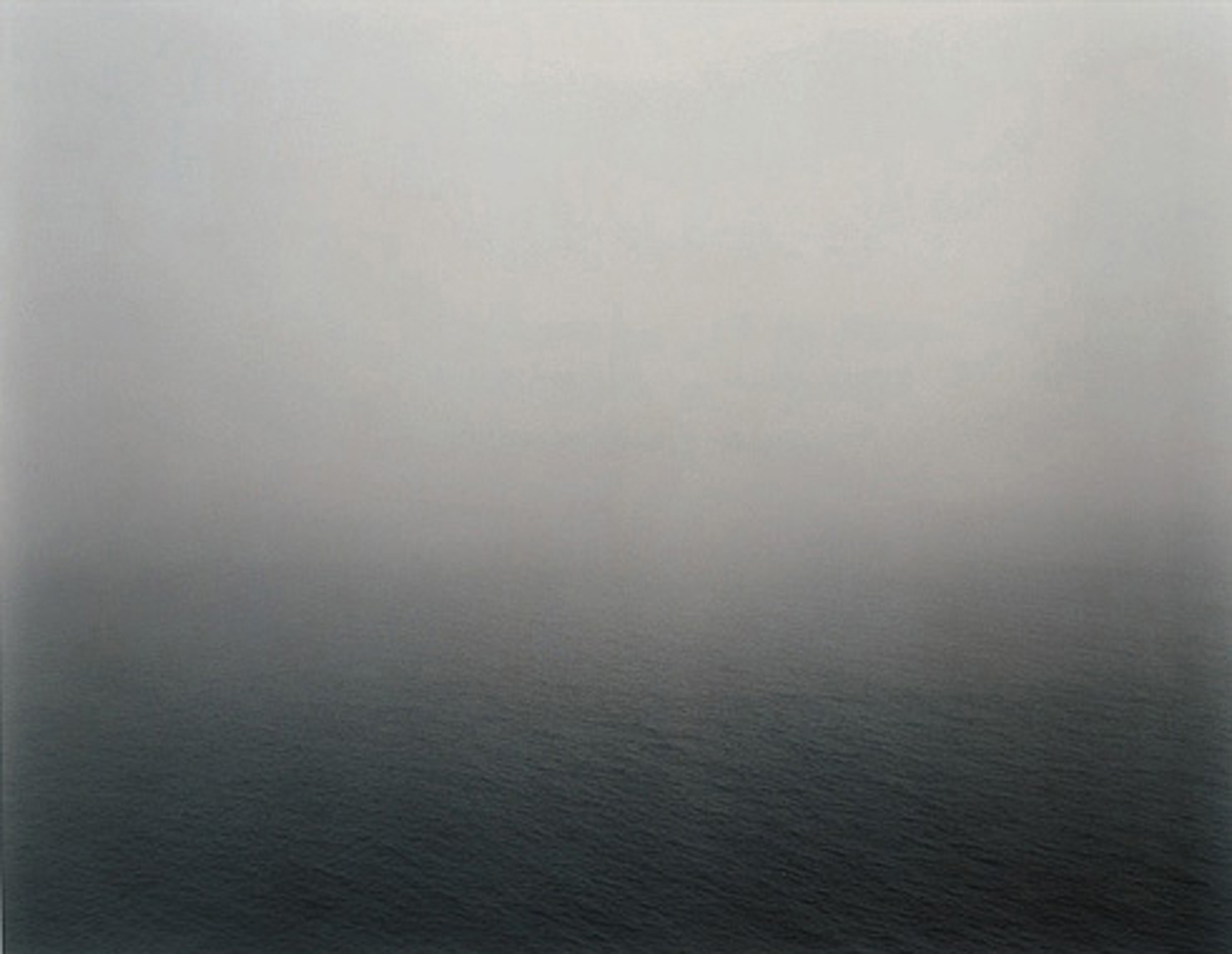
James McNeill Whistler, Sea and Rain, 1865, University of Michigan Museum of Art, Bequest of Margaret Watson Parker, 1955/1.89

One of the things I love most is hearing visitors’ responses to works of art.  And it’s really fun when those responses take a creative shape, and you get to hear an original poem or an elaborate this-is-what-I-think-would-happen story that helps you see the artwork in a new way.

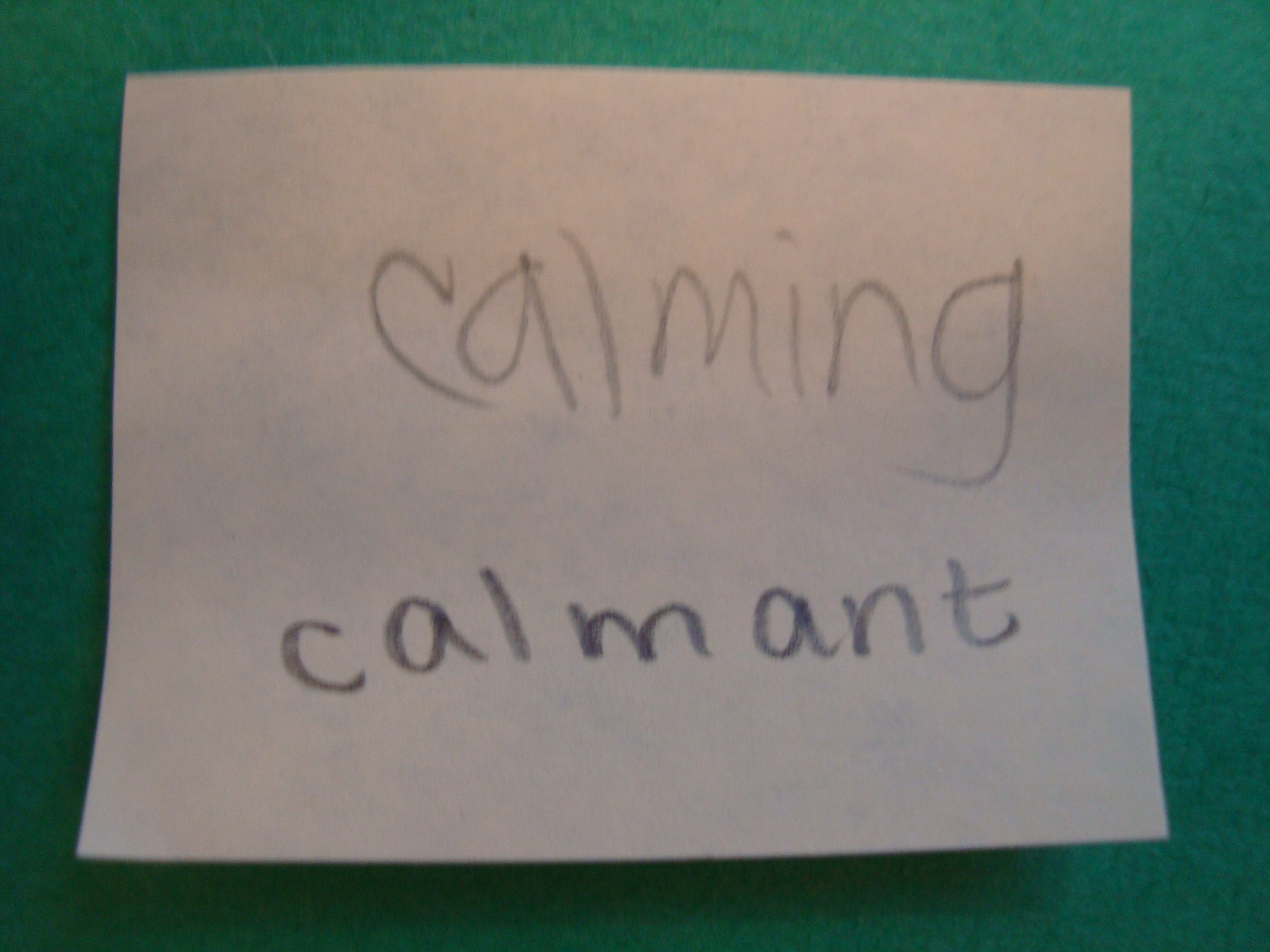
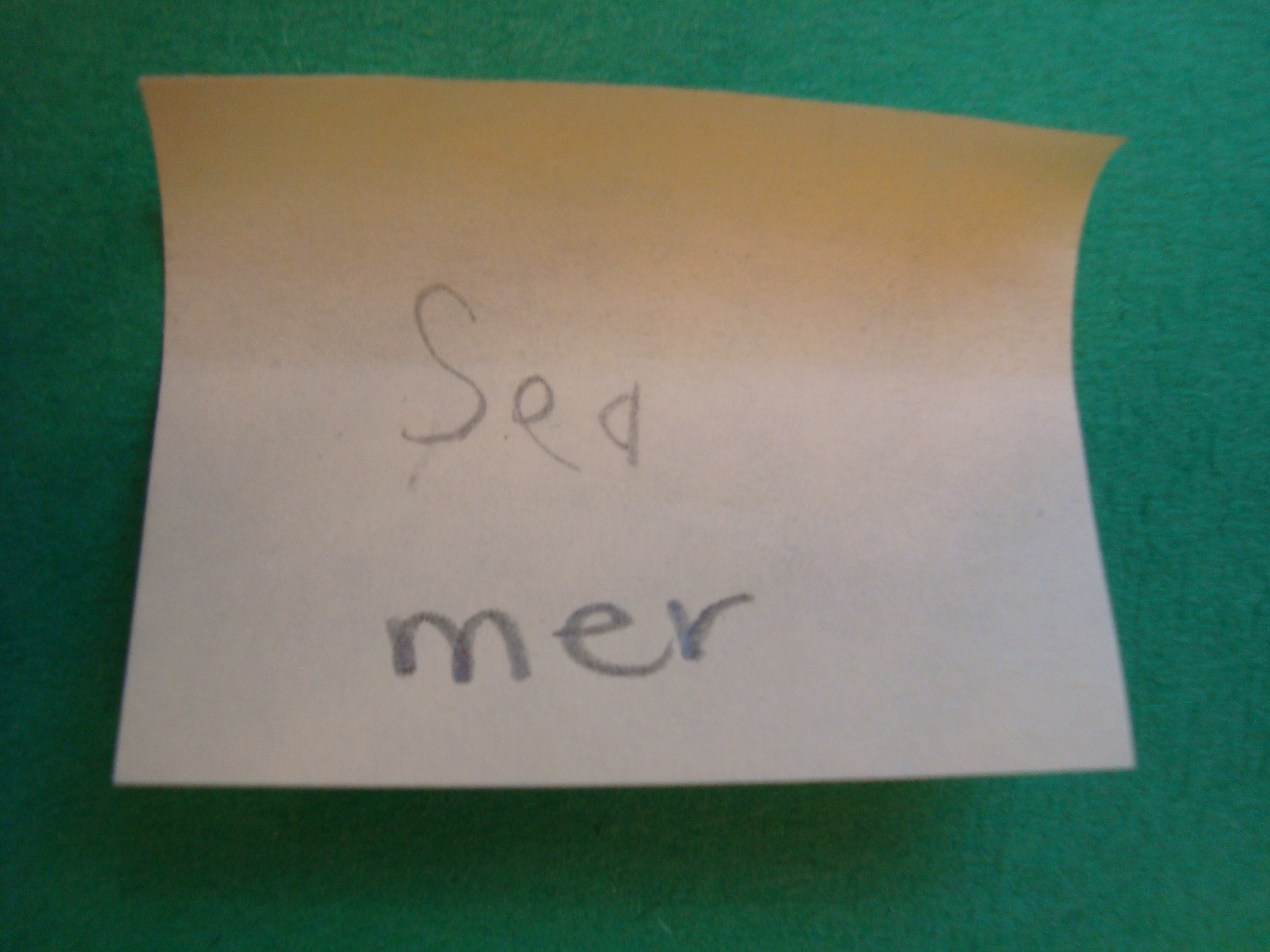
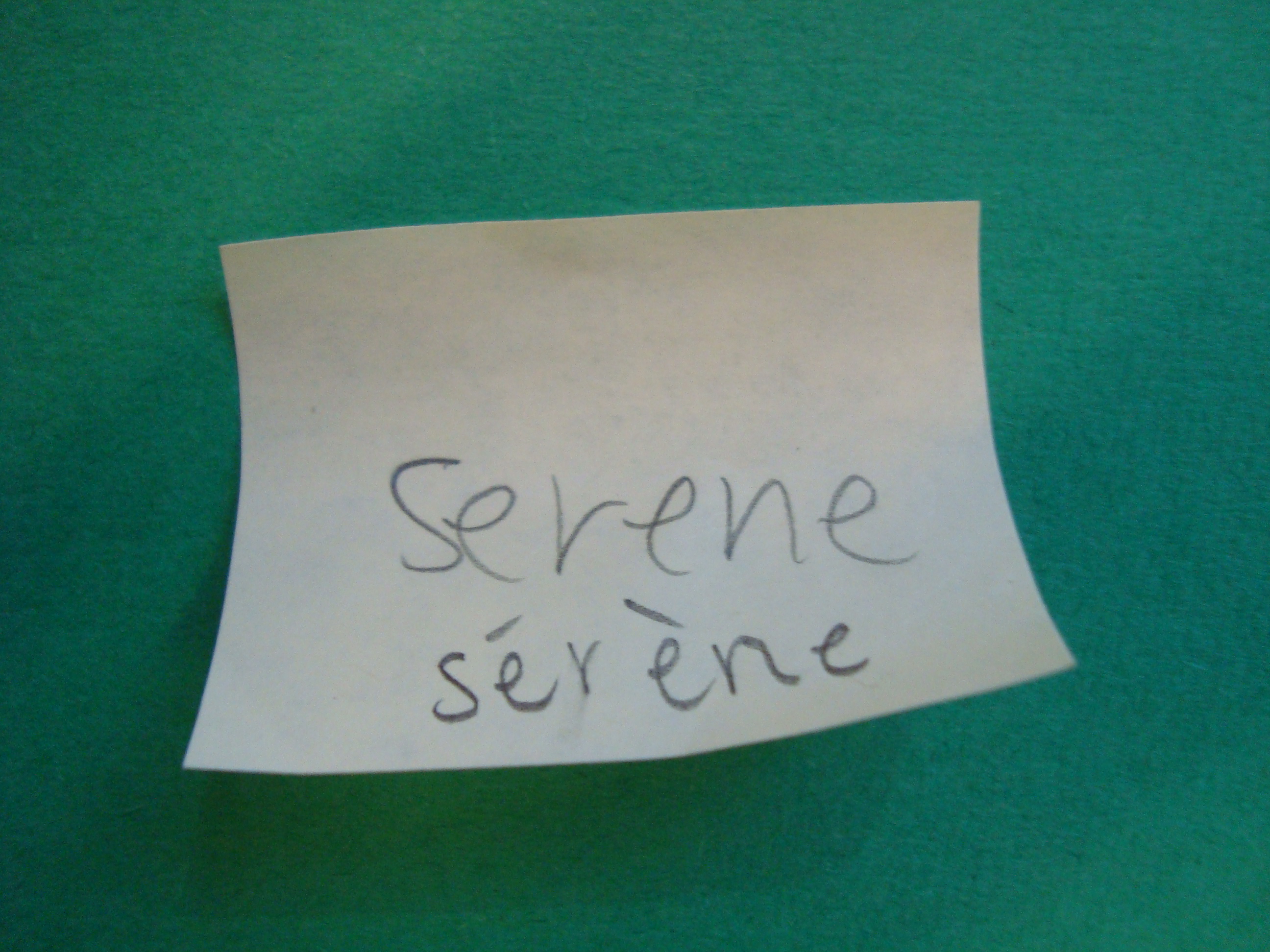
Last Thursday, I had the pleasure of giving a tour to a group of students from Bowie High School’s French Club, and they came up with great creative responses to a work in our newly-opened Lens of Impressionism exhibition.  Below are two poems based on James McNeill Whistler’s Sea and Rain.  To make these poems, students wrote descriptive words on small Post-Its (shown below), and arranged them to create phrases.  They also humored me by translating the words into French!

Calmant sérène mer
Il pleut à la plage
Admirant fantastique a la coast

Calming serene sea
Lonely raining beach
Admiring amazing shore

Il fait du vent voir ciel
Calmant pur le plage
Tranquil calme une personne

Windy looking sky
Calming pure beach
Peaceful calm person


Thanks, Bowie students, for a great tour and thoughtful poetic responses.

Amy Copeland
Coordinator of Go van Gogh Outreach


Archives

Categories