Archive Page 69


Found It!

Back in November, I shared some photos from a project inspired by Dorothea Tanning’s Pincushion to Serve as Fetish.  This project is part of a new afterschool program we are developing in partnership with Thriving Minds at Dallas ISD schools.  At the time, I was testing the program with 4th-5th graders at Conner Elementary School.  I am currently working with Shawna Bateman at Twain Elementary School and Daniel Hall at Long Middle School, who are leading the program with their students.  In the process, I have learned a great deal from their experiences, insights, and feedback regarding the program.
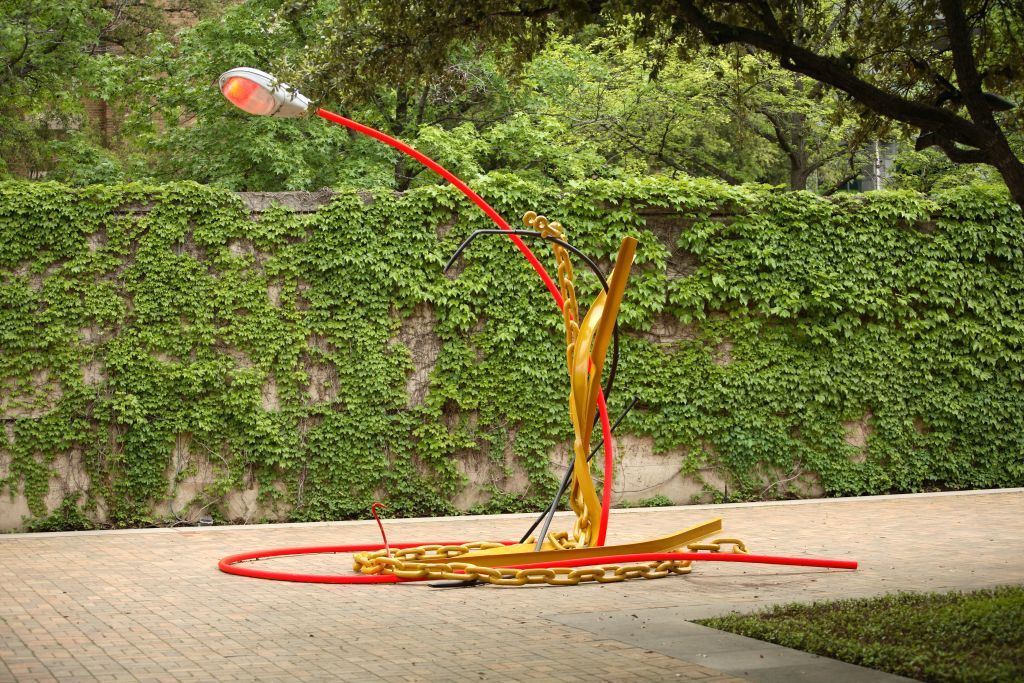
Below are images of projects inspired by Mark Handforth’s Dallas Snake.  Through these projects, students learn about artists who use found objects as materials for their art.  Found objects are natural or man-made objects found (or sometimes bought) by an artist that are treated as a work of art just the way they are, used for inspiration, and/or used as materials for works of art.
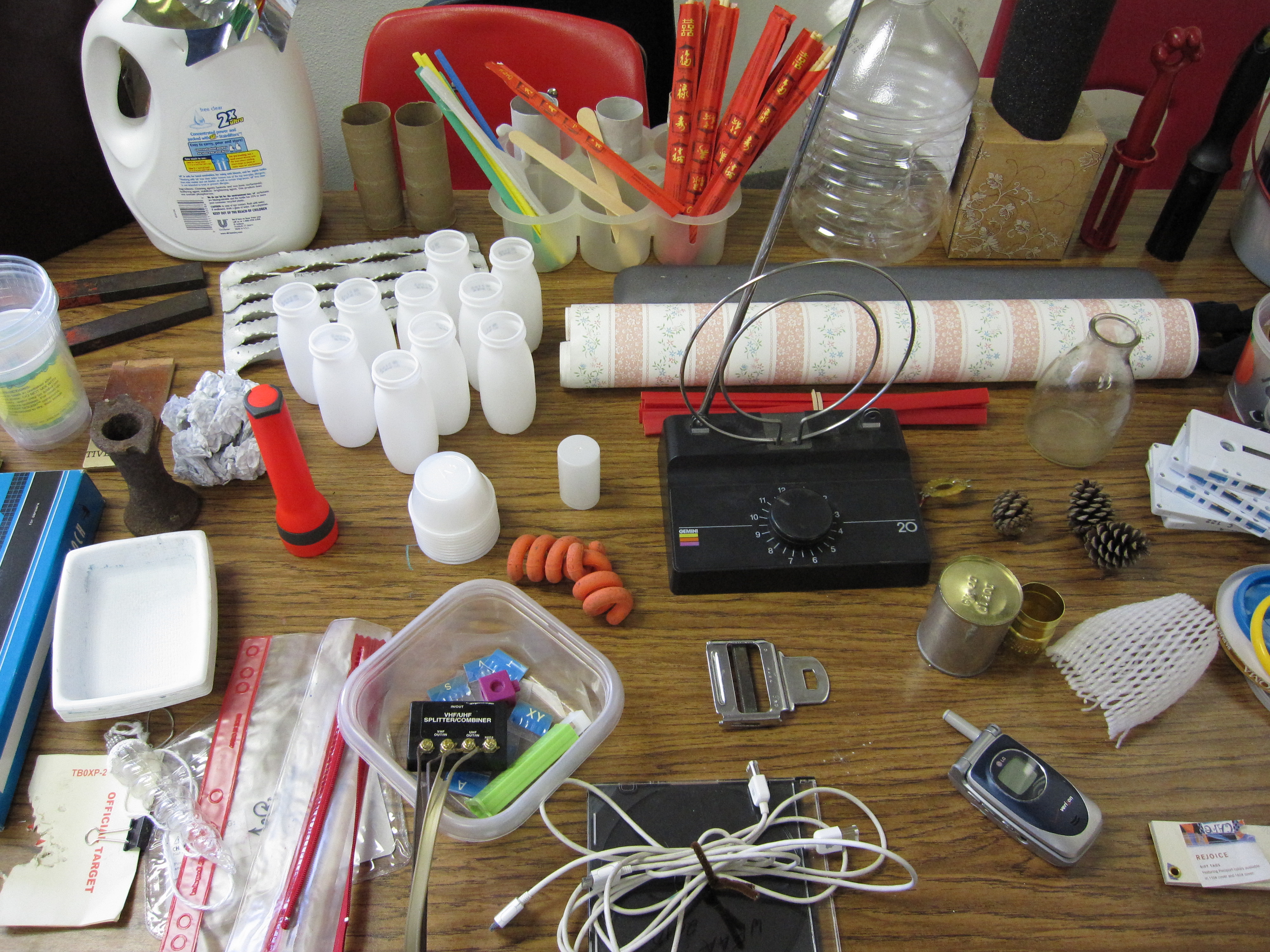
First, the students chose several items from the collection of found objects provided by the instructor.

An array of found objects to choose from

 
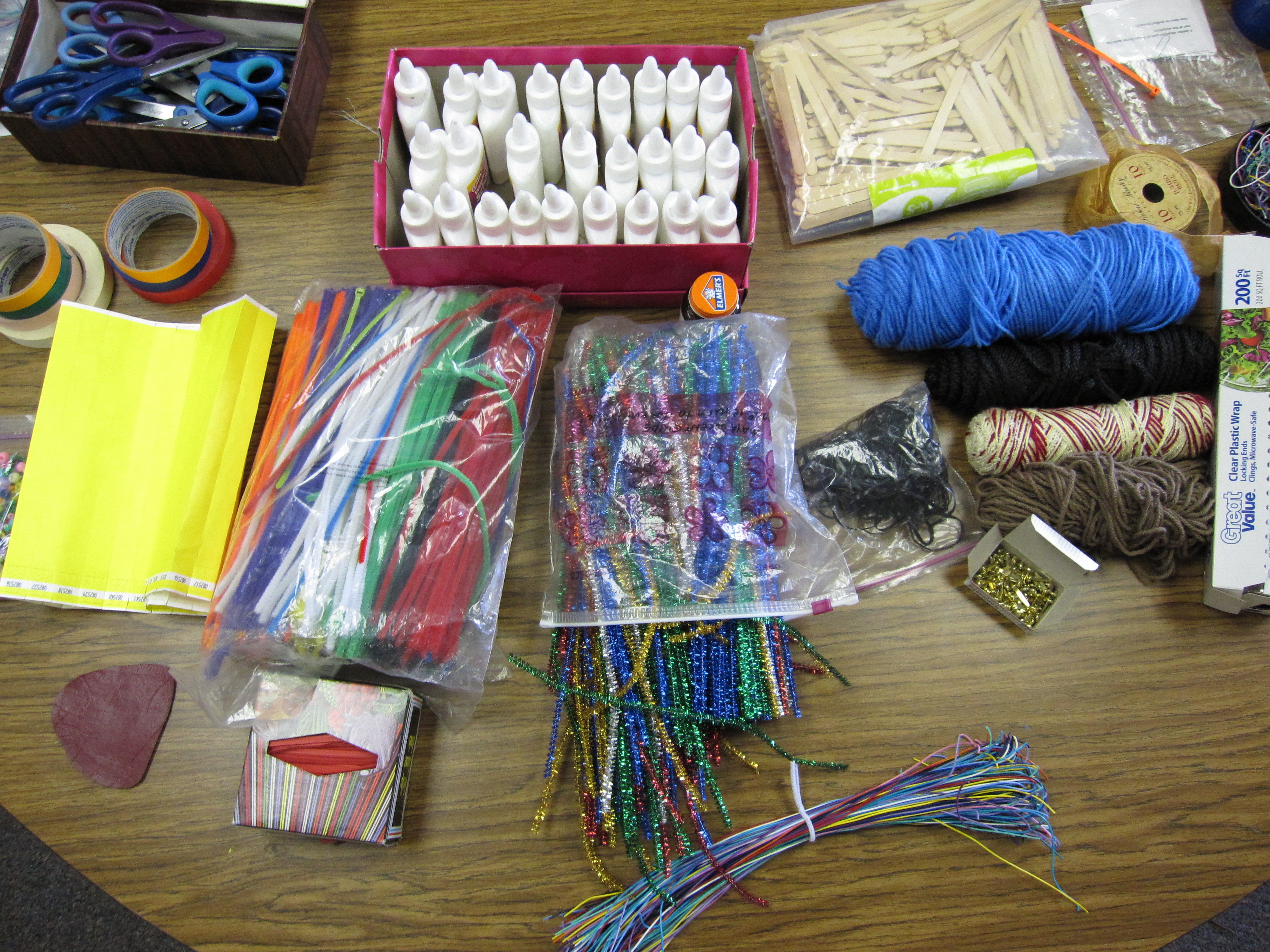
Next, students selected materials that helped them connect their objects.
 

Materials for connecting found objects

 
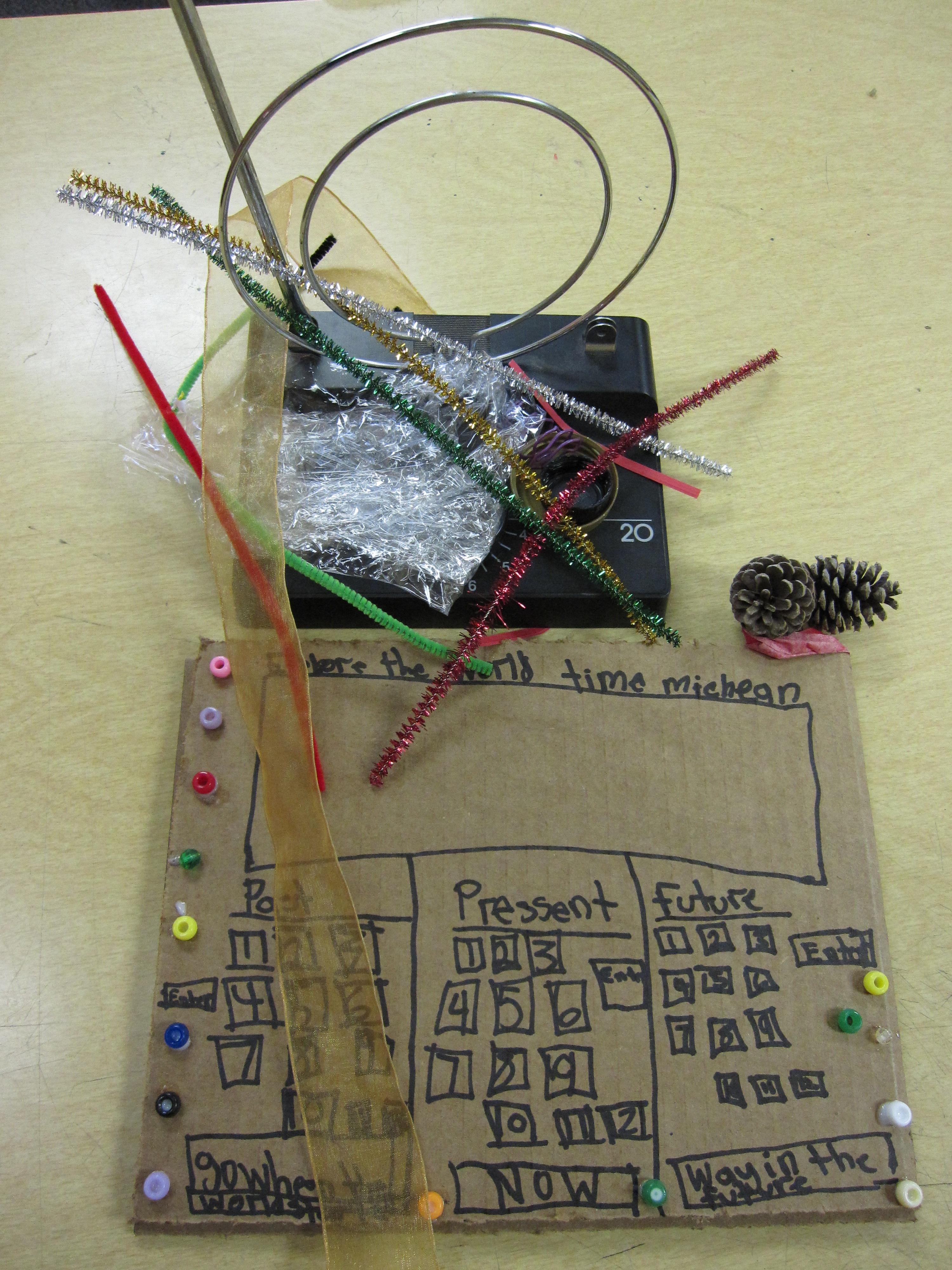
One student created a time machine with cardboard, plastic beads, an old tv antenna, and other assorted items.
 

Time Machine

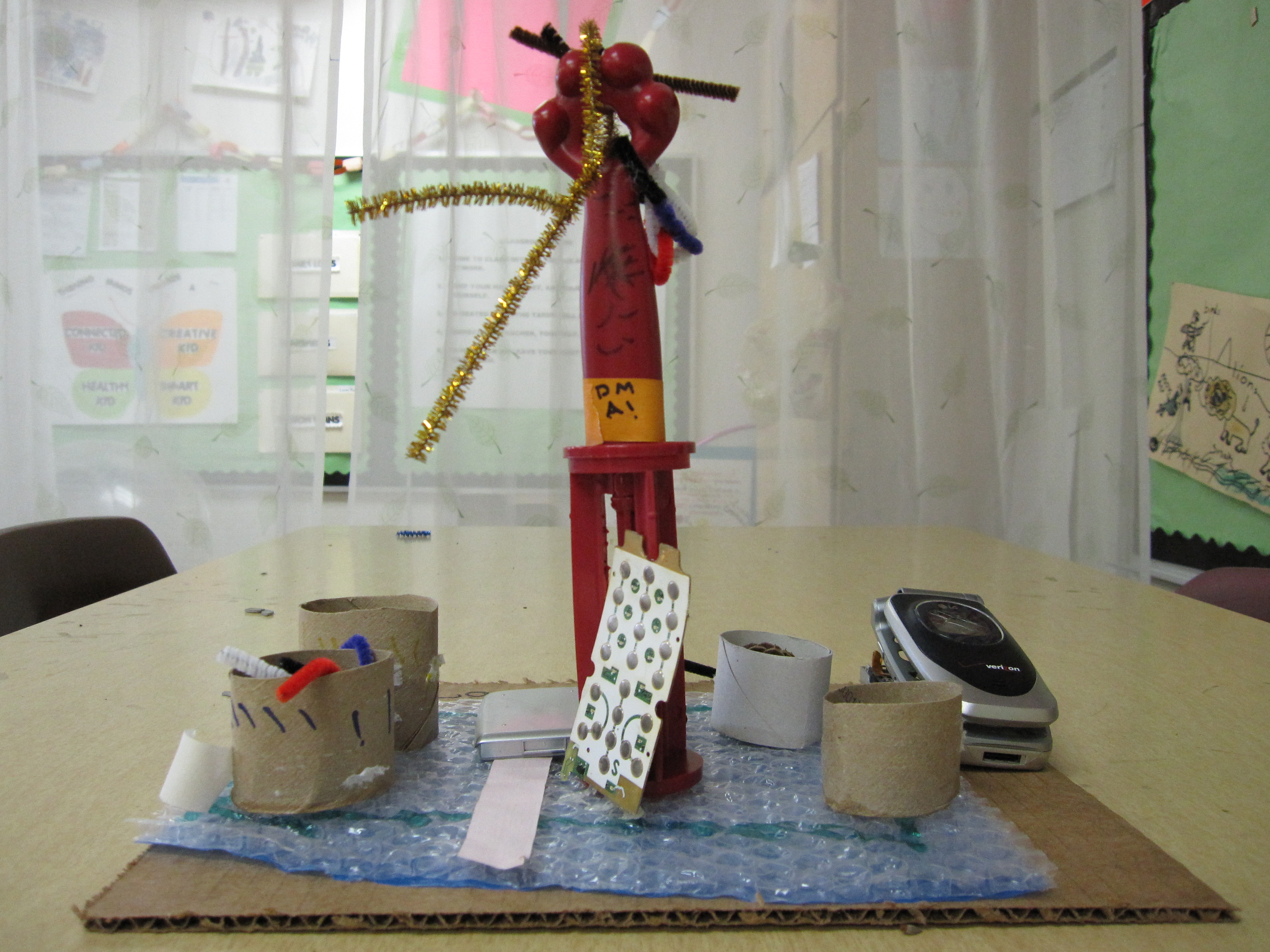
 Another student created a sculpture park with a lint roller handle, cell phone, bubble wrap, and paper towel roll.

The Sculpture Park

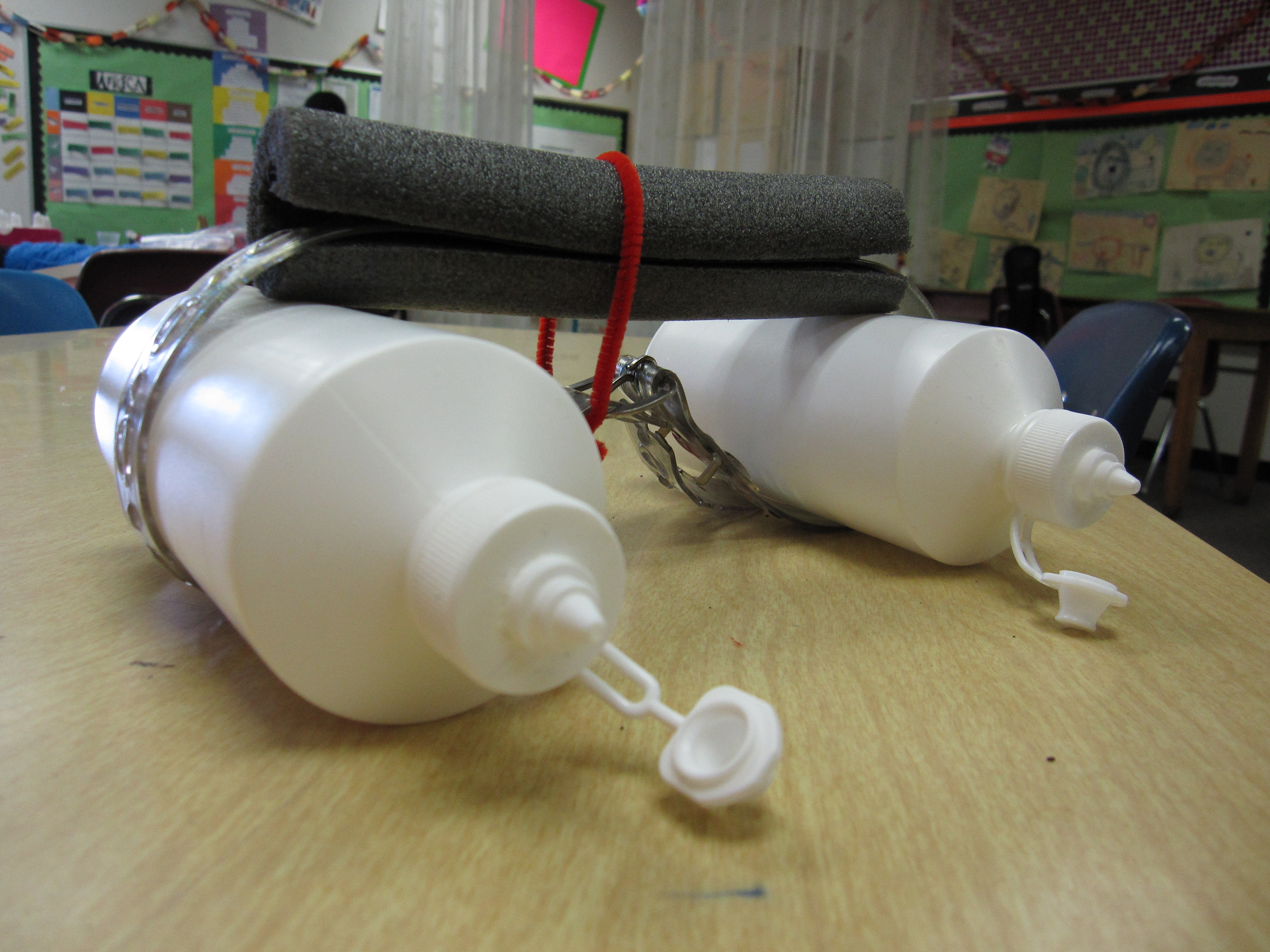
Saline solution bottles, foam tubing, a belt, and a pipe cleaner were combined to make binoculars.

Binoculars

 Students will see Mark Handforth’s Dallas Snake firsthand when they visit the DMA at the end of their program.

Dallas Snake by Mark Handforth

Community Connection: Using Art to Get at Life

As museum professionals, we attend conferences regularly to share the exciting work we are doing at the DMA and to learn from our national and international colleages.  I attended the annual National Art Education Assocation Convention for the first time in 2004, and I had the pleasure of participating in a session led by Dr. Terry Barrett.  Since then, I scan each year’s schedule to make sure I don’t miss an opportunity to learn from Dr. Barrett.  Last year, I was delighted to hear that he had joined the Art Education faculty at the University of North Texas.  I recently had a chance to talk with Dr. Barrett before UNT adjourned for Spring Break. 

Dr. Terry Barrett

What sparked your interest in art education?

I’ve been in the field a long time and I got into it by default.  When I graduated from college, I was eligible for the Vietnam War draft.  I was opposed to the war, and one way to avoid the draft was to teach.  I began teaching in an inner-city, all-black high school in St. Louis; I was there the year Martin Luther King, Jr. was shot.  I fell in love with the kids and decided I liked teaching.  I’ve been teaching ever since.

How would you describe your theory to a person with no experience in art education?

My mission is to help people appreciate art and to appreciate life through art, because I think art gives us different ways of thinking about the world.

Did you ever have a great idea that didn’t work?  What did you learn from that experience?

No, I don’t think I ever had a great idea that didn’t work.  Thinking of “great ideas” is intimidating in itself.  Other people come to me with great ideas – I have said yes to many offers throughout my career, and that’s led me to different directions that have been very interesting.

For example, one big change in my career occurred when a former student asked if I would be an art critic in education for the Ohio Arts Council and I said, “Yeah, why not?”  Being an art critic in the schools enlivened me;  my research, my teaching and my community service came together like a circle – a productive circle.

I was a cancer patient about 5 years ago.   I went through chemotherapy and private counseling and during that time I figured out I wasn’t afraid to die, but I was afraid of becoming old and inactive.  My counselor told me I have to get over that fear and suggested I go to an assisted living community and work with the elderly.  I said “Why not?”.  I also started doing contemporary art interpretation with people with cancer, and we started seeing how those images related to our lives. They really enjoyed the process and produced some beautiful writings.  That’s when I started thinking about life issues more than art issues and using art to get at life.

I had enough years at Ohio State to retire, but there was an opening at University of North Texas and I thought “Why not?”.  I wasn’t ready to retire; I wanted to stay active and keep working, writing, and teaching.

I love your artist statement about choices you’ve made related to making art, your creative process, and the materials you choose.  Can you tell me more about how you came to these decisions – was it a learning experience of trial and error, or did you approach artmaking this way from the beginning?

When I was young, I made art instinctively and intuitively. As I got older and was writing more, I didn’t have time to make art and do it well, so I stopped.  I realized I missed it, and that’s when I began painting.  Sandy Skoglund told me I needed something to fit my lifestyle.  As an example, she told me about a friend who frequently traveled on an airplane and made small collages because they didn’t require a lot of space or materials.  The small paintings I make really satisfy me.  They’re fun to make and I don’t exhibit them; I just do them for my own enjoyment.

It seems like much of your life and work has been in the Midwest, specifically Ohio.  What is your impression/experience of living and working in north Texas?

I miss the trees, but I like the sunshine a lot. The people here are friendlier than they are in the Midwest. There’s a degree of politeness that I like; the Midwest has a reputation for being a friendly place, but people here smile and make eye contact and open doors more than I’m used to.  I love wide open skies, and I love living in horse country.  I wish some rich ranch owner would give me a little plot of land to live on a horse farm, where I would build a small green house with a small ecological footprint.

Dr. Barrett will lead part of an upcoming Teacher Workshop titled  Exploring Photography: The Lens of Impressionism, along with photographer and educator Frank LopezVisit the website to learn more and register.

Melissa Nelson
Manager of Learning Partnerships with the Community

Community Connection: Art in Motion

Last week, I had the chance to speak with Nancy Schaeffer, Education Director at the Dallas Children’s Theater.  She generously set aside time for our interview; as you will see, this is one busy lady.

Tell us about your work at the Dallas Children’s Theater.
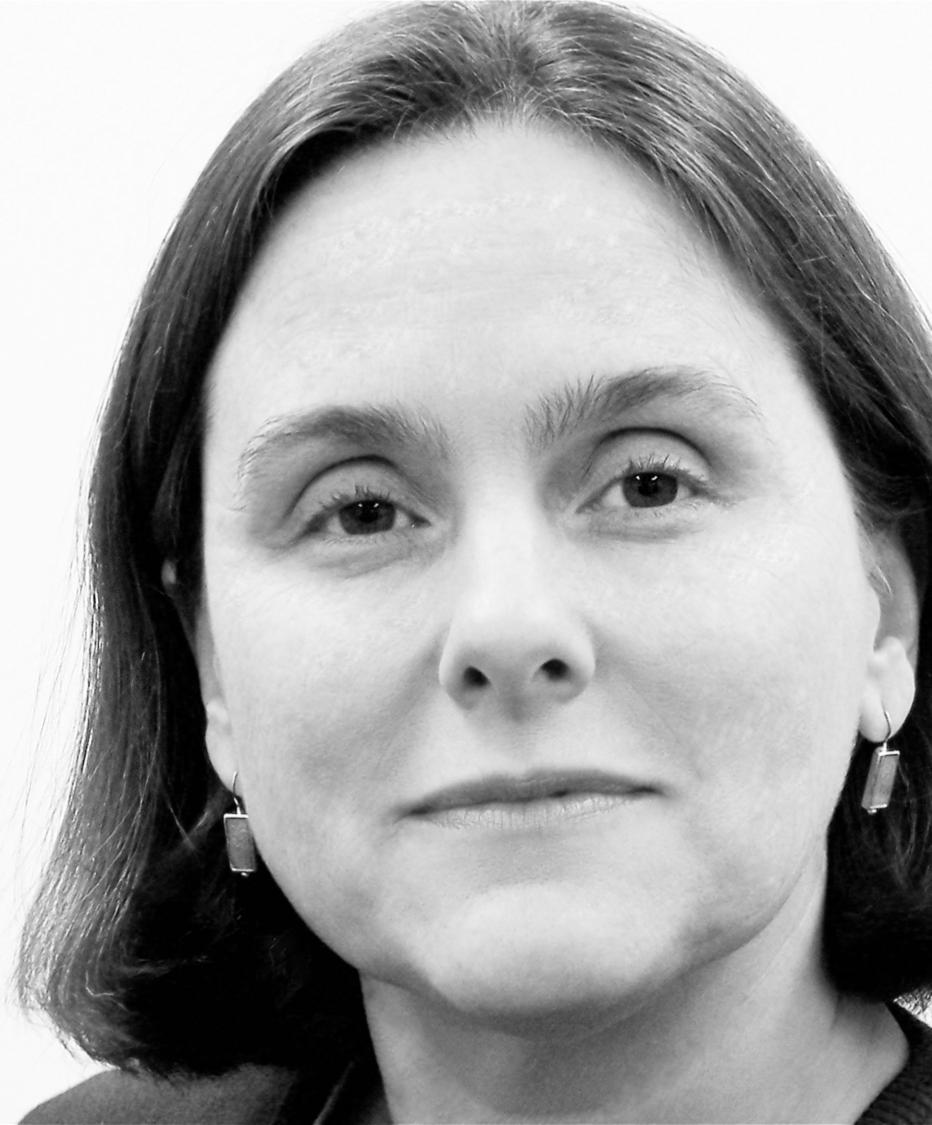
Nancy Schaeffer, Education Director at the Dallas Children's Theater

My primary responsibility is overseeing our academy.  We serve children ages 3 ½ to 18 with acting classes and our teen conservatory. During the school year, as many as 300 children come to single programs during a week, and close to 1,000 children attend programs per week during the summer.  We also have mini-sessions where students have multiple experiences over four weeks.  It is my job to hire teachers, oversee curriculum and performances, and talk to parents.  I also oversee a residency program in schools during the school day.   In the summer we have musical theater, video classes, improv classes for teens, and storytelling for the little ones. All of our programs end with a production of some sort.

I also read scripts and sit on a committee that puts together the season for the year.  I sit on various committees for outreach, and we work closely with the nearby Vickery Meadow neighborhood.

How did you come to be Education Director at the Dallas Children’s Theater?

I have been with the Theater since its first day.  My husband was the first official full-time employee.  I started as an actress in the first production: Babes in Toyland.  I’m now in my 26th season with the DCT.    There was no education staff in the beginning; I eventually moved into this position over time and created my job.

What is your most memorable moment from your time with the DCT?

Moving into this building seven years ago, on Valentine’s Day.  When we moved in, it was really hard, but it was really exciting. It was hard because the building was not completed when we moved in.  We received a certificate of occupancy at 4:30 in the afternoon and had a show at 7:30 that night.  We also had a site visit that weekend from the National Endowment for the Arts.  And we were doing a show at El Centro that weekend.  We had no heat in most of the building, and all of our stuff from the old building was packed onto a truck that was not unloaded for two weeks.  The whole process was really something to be a part of.

Which production are you most looking forward to, and why?

I direct main stage shows – usually three a year – which is not a part of my responsibilities as Education Director.  It’s a lot of work and a lot of extra time, but I love whatever project I get involved in.  I’m currently directing How I Became a Pirate.  It has huge scenery components, and those are always exciting for the audience but are very challenging for the director.  We do nine shows a week with professional actors, and so far everything has worked out.

One of the shows I’m directing next season is titled Don’t You Love Me?  It is for teens and is about dating violence.  We’ve done this production once before, and we don’t back off when we do a play like this for teens.  We lead discussions afterwards, and I saw the impact this show had on the audience.  I realized how prevalent this problem is and how important it is to do this work. It does take a chunk out of you, but I did enjoy it.

In the past, you’ve led trainings for our docents based on your expertise in movement and performance.  How do you connect your work with looking at works of art?

Theater as an art form uses more than one type of art, with scenery, dance, music, sound, and the visual. The visual is critical in a play. While I’m looking deeply at works of art in the museum, I absorb these wonderful images and feelings and emotions which can’t help but inform my work.  Working with docents, who are so smart and engaged and want to expand, made me want to find ways to connect more visually in my art and my way of working with children. I love doing it, and I feel like I’ve gotten so much out of the trainings.

We are so busy; taking a minute to stop and look, then think and connect and realize what kind of emotions you’re feeling is good for your soul. I have also made such a nice connection over the years with Gail Davitt, the Director of Education at the Dallas Museum of Art, through certain projects and meetings that we both attend.  I’m so glad the Museum is in our community for children to visit and explore and know it’s for them.

Melissa Nelson
Manager of Learning Partnerships with the Community
Woven Records Sneak Peek!

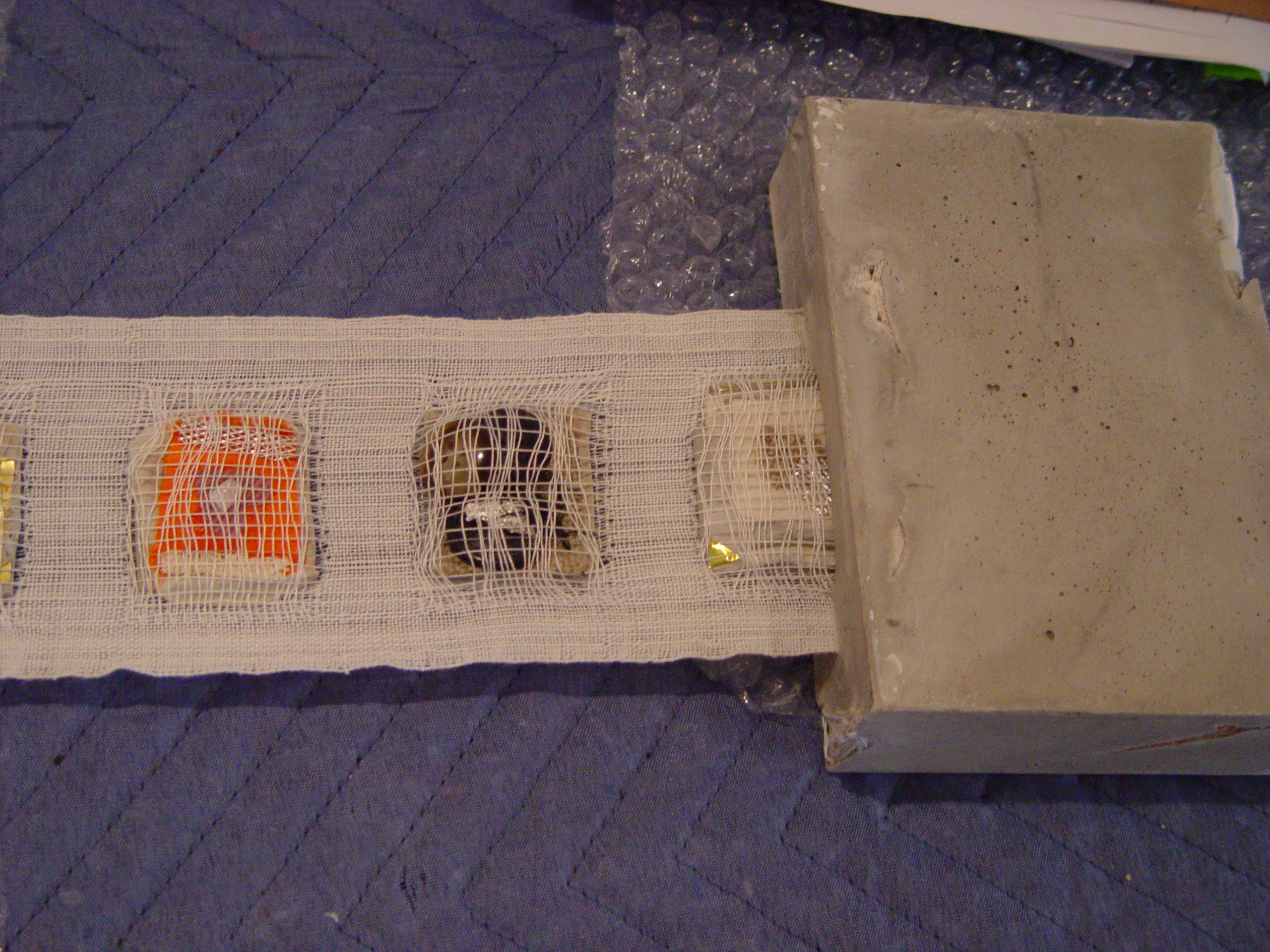
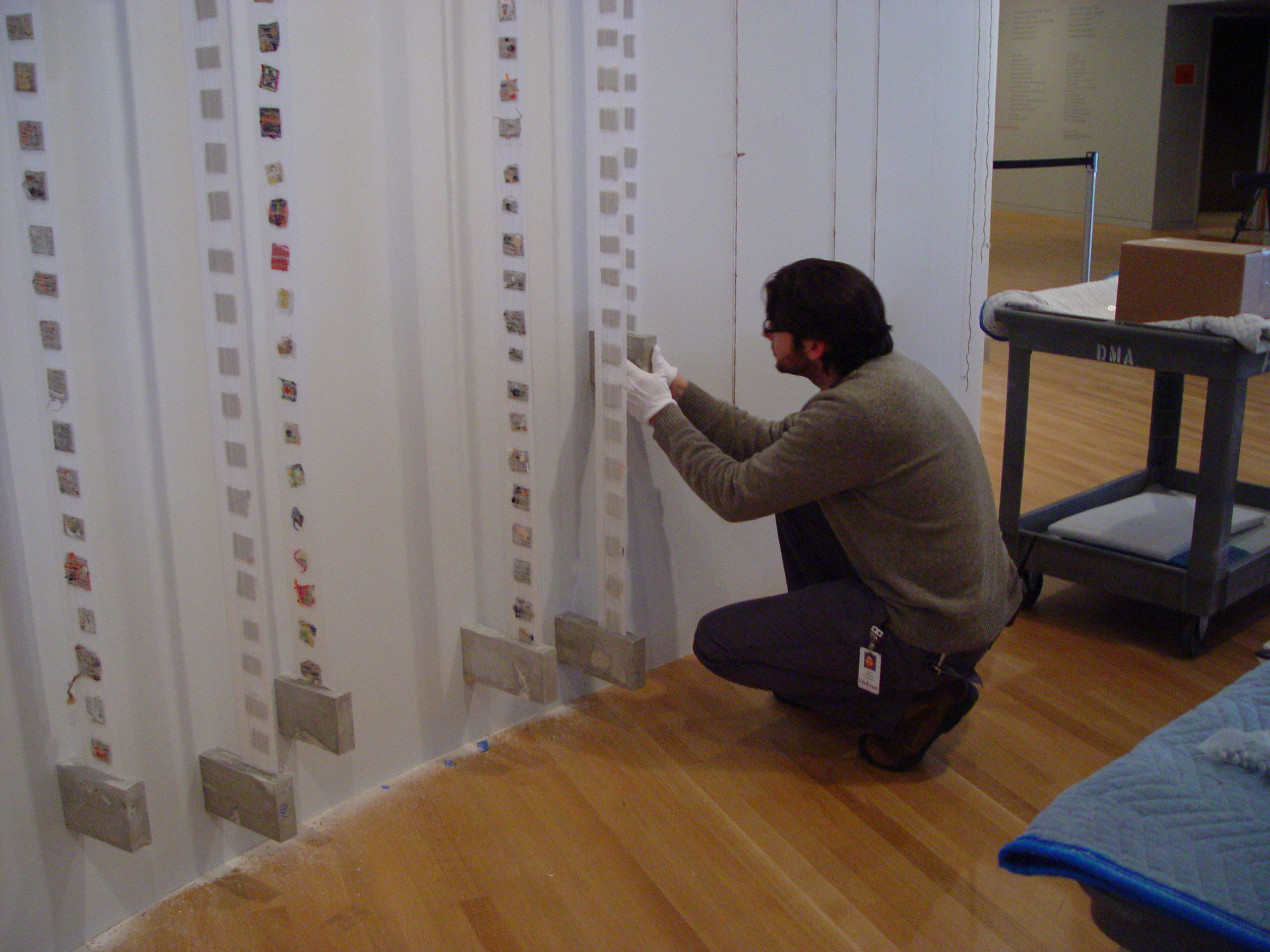
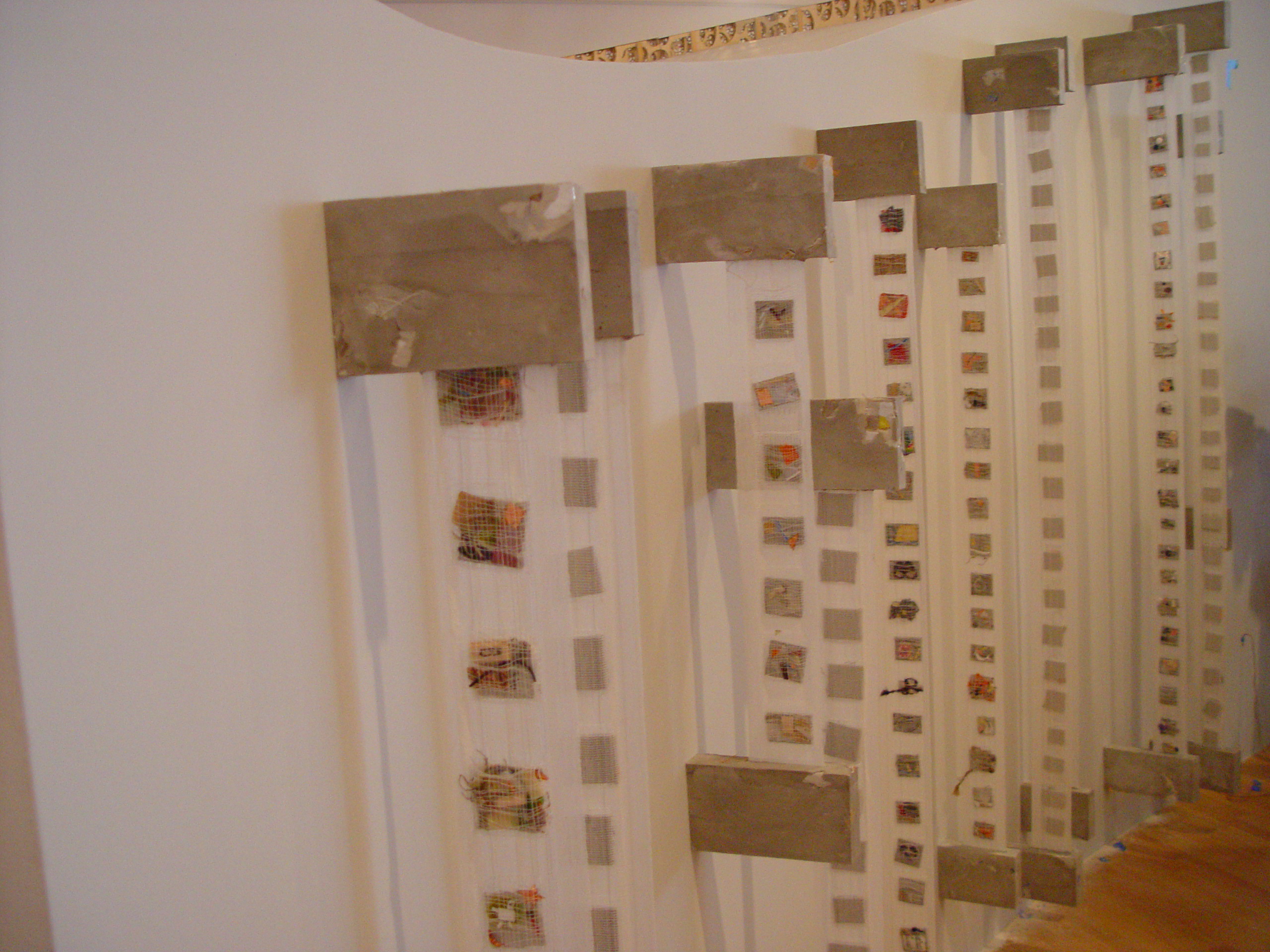
Lesli Robertson returned to the DMA this week to aid in the installation of Woven Recordsthe Museum’s first community partner response art project designed and executed by a single artist.  Last fall, Lesli guided sixteen community groups in the creation of small concrete collages.  She then wove over 500 concrete collages into strips that form a larger textile-based art installation that will be on view in the Center for Creative Connections February 7-May 23, 2010.

Each section is laid out on a table before it is mounted to the exhibition wall.

John Lendvay, a DMA preparator, aligns each section as it is mounted.

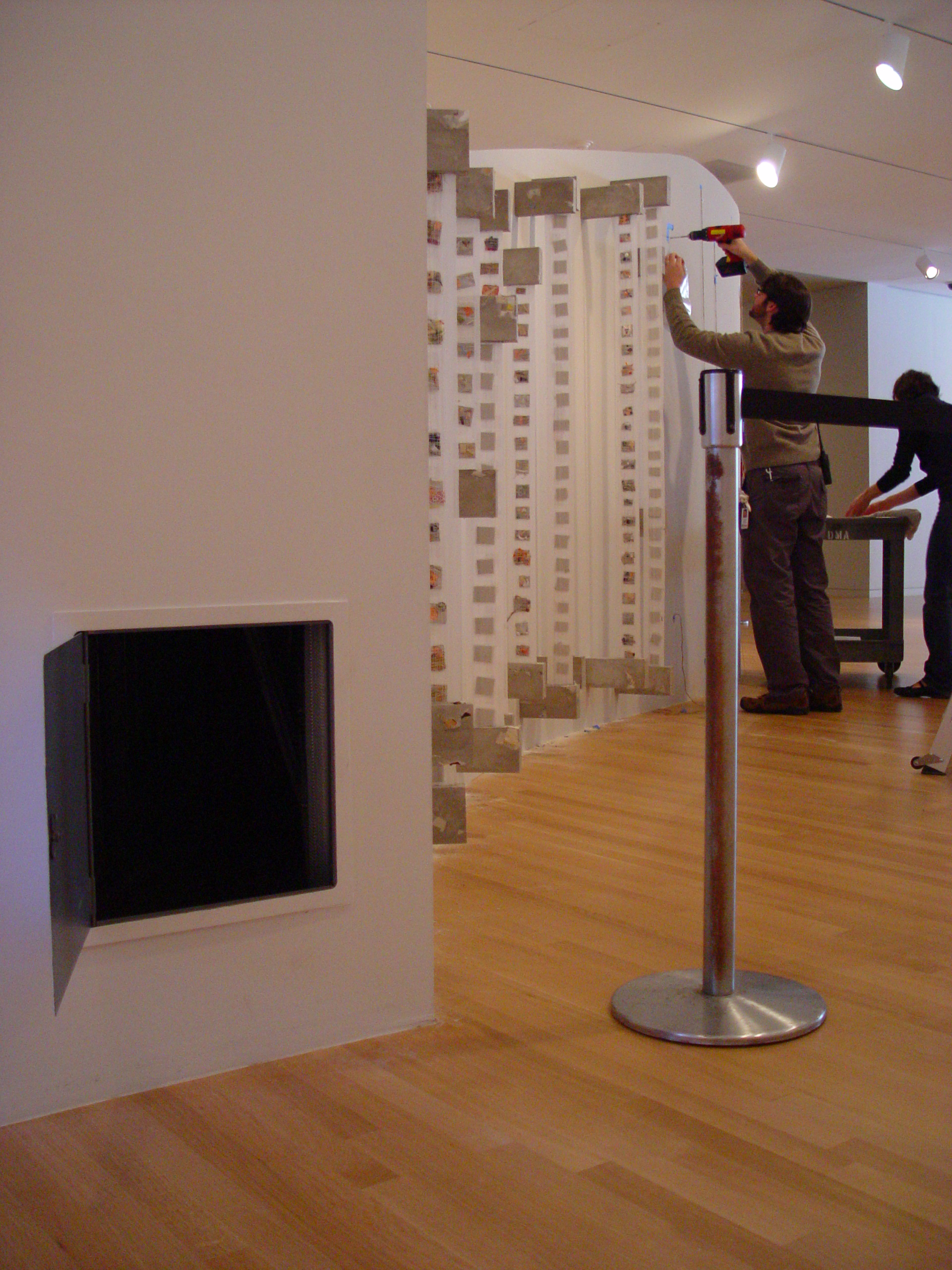
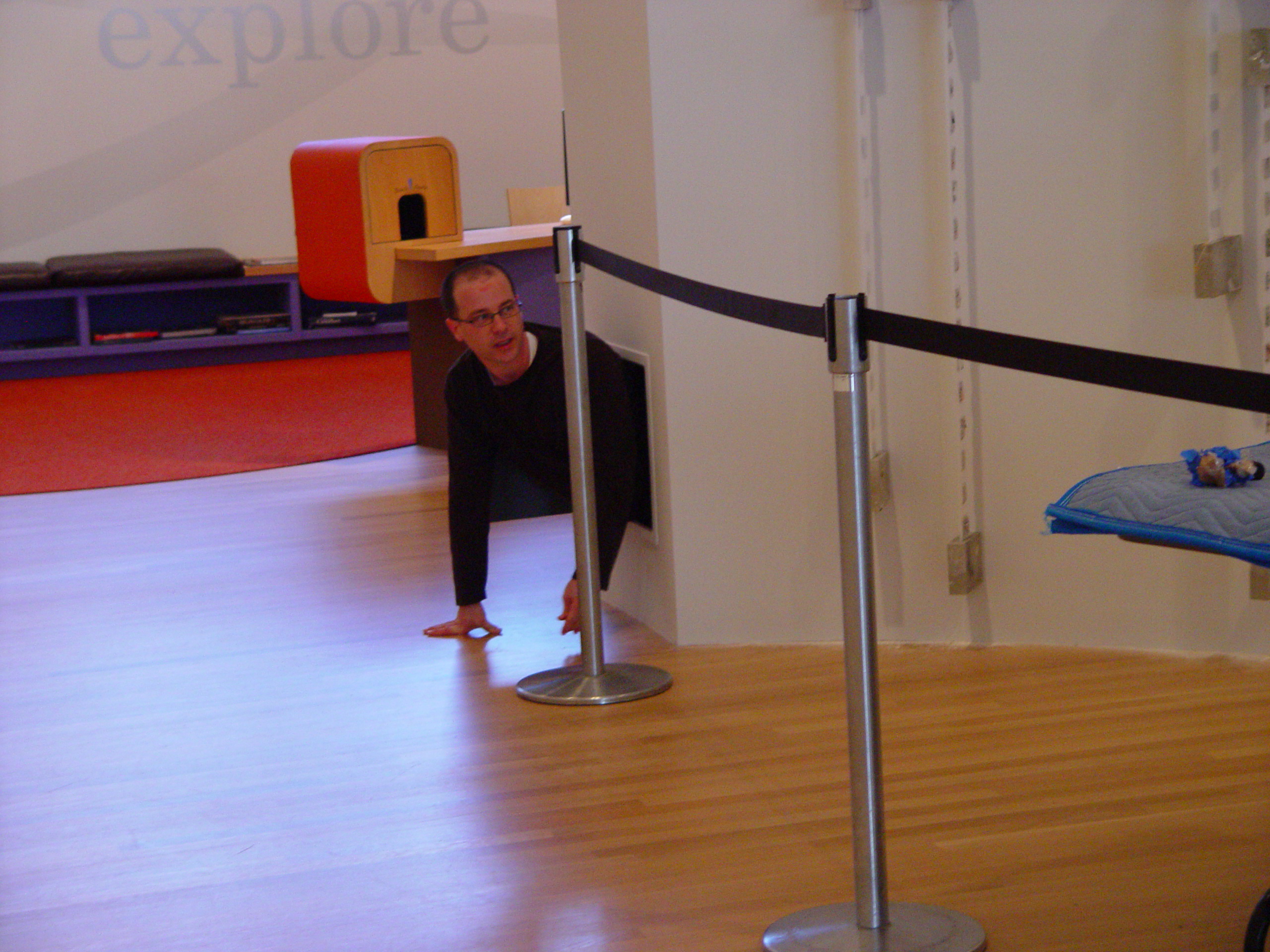
A covered opening allows interior access to the wall, which is hollow.

Lance Lander, another DMA preparator, has the lucky job of securing the mounts inside the wall.

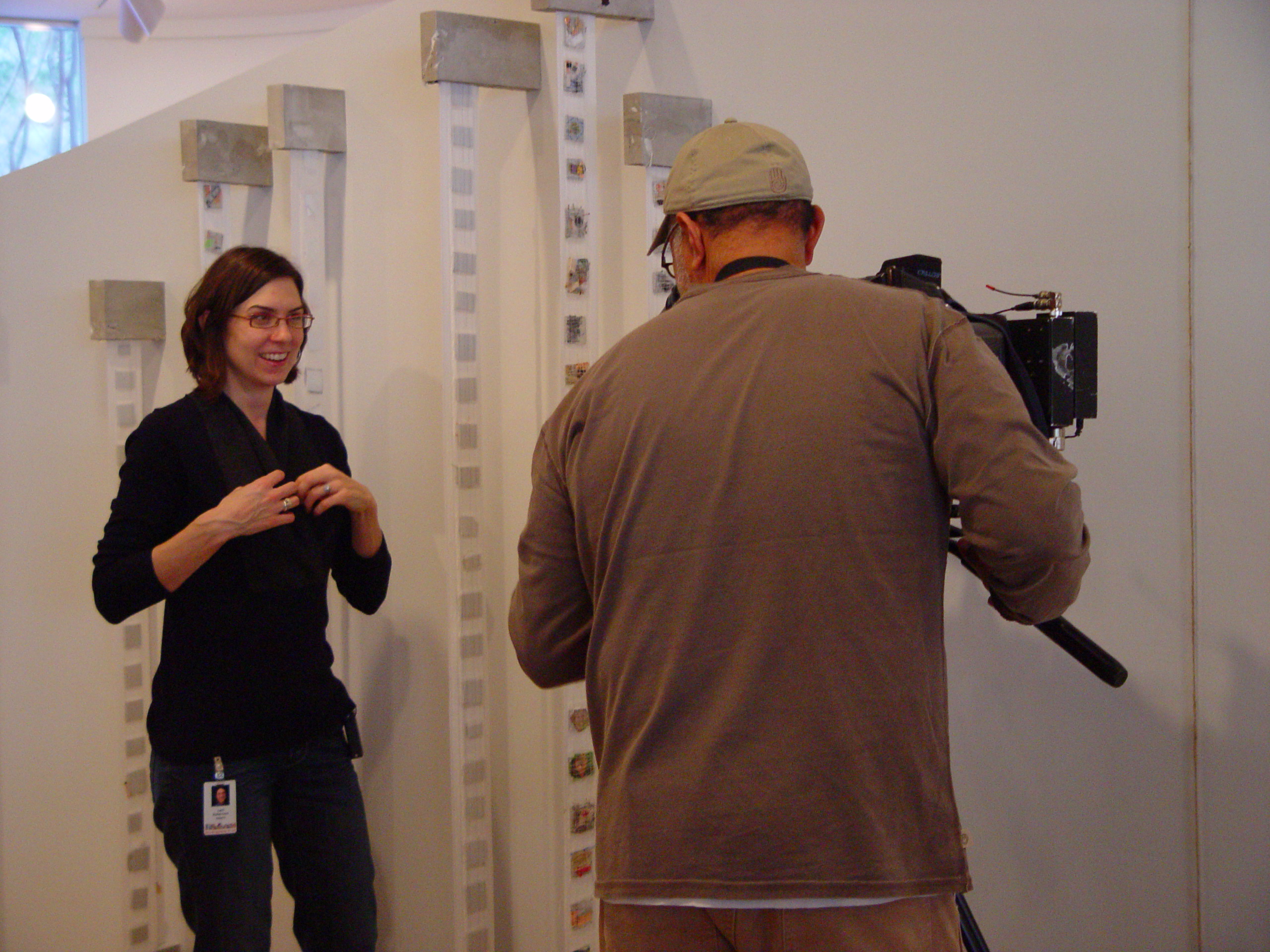
Lesli is interviewed for footage that will be available to CW 33, Fox 4, and NBC 5.

Close-up view of installation.
Melissa Nelson
Manager of Learning Partnerships with the Community
 

Community Connection: How to Live Life Creatively in Every Way

 If you have attended a Late Night, Family Celebration, or First Tuesday in the past two years, it is likely you have experienced the magical storytelling of Ann Marie Newman.  Audiences of all ages are captivated by the enchanting worlds Ann Marie creates with her animated voices and expressions, colorful costumes, and playful props.  Likewise, DMA staff enjoy the creative ideas that Ann Marie brings as a collaborator to both new and established programs.  It was my pleasure to sit down and talk with Ann Marie, whose personal definition of “Creative Bliss” is when she is merging her traditional and classical art skills into unique works of art. 


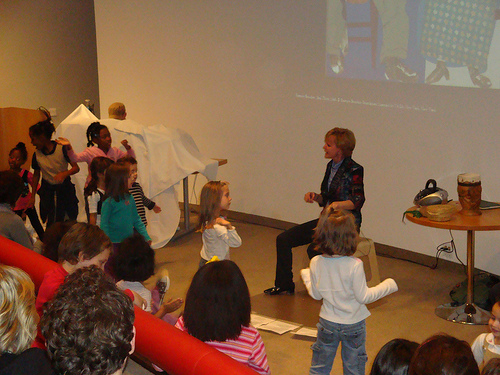
Ann Marie often includes the audience in her storytelling.

 Please describe your creative process.

I start my day by waking up and allowing myself to have ten minutes to let my imagination flow.  I often think about a storytelling idea or creative project that I’m working on.  I also take a bath and try to soak in the water for twenty minutes.  I do some major brainstorming in the water and allow myself to daydream.  Afterward, I might sketch or take notes to capture my ideas.  I nurture my creativity, like some people might do yoga or run on the treadmill to start their day.  My creative process is extremely intuitive.  I don’t have an end in sight; I start in the middle and work outward. 

To what other aspects of your life do you apply a creative thinking approach?

Creativity is a part of how I present myself every day:  I’m always changing my
     hairstyle.
I’ve applied creativity to every job I’ve ever had.  I used to be a hairdresser, and
     I viewed my work as sculpture.
I never take the same route, whether driving somewhere or shopping in a
     grocery store.
I explore.
I take things that already exist, like stories or artworks, and add my own voice.
I go on walks and notice colors of houses and what people do with their yard.  I
     might come home with sticks or other things I’ve picked up and include them
     in an artwork.
I go to the mall and look at window designs and come home with ideas.
I carry a notebook in my purse at all times and write down ideas as they come to
     me.  

Ann Marie and a young summer camper make a 3-D version of Jackson Pollock's Cathedral.


What most inspires you? 

All creative people inspire me; I am a reader of biographies.  The last biography I read was about Andrew Wyeth, and his story had a huge impact on me.   When I was a teenager, I read everything I could about Andy Warhol.  He showed me how to live life creatively in every way: his life was like art, like a crazy novel.  Laurie Anderson also inspires me.  I’ve been watching YouTube videos of her and reading everything I can about her.   

Tell us your idea of a perfect day.  

To wake up and have my dreaming time, and then to move from one medium to another and keep moving around.  For instance, I might start with creative writing, then move on to a recycled wool project, then on to a recycled bottle-cap project, and then come back and re-read my writing.  I like to work on multiple projects, so my ideal environment is a warehouse (I’ve taken over three rooms in our house).   

Have you made any resolutions for 2010?  

Yes, to develop as a performance artist, not just a storyteller.  Performance art is first and foremost experimental, and performance artists are true pioneers.  They are risk-takers.  They mix the visual with sound with storytelling with conceptual ideas and movement.  It is so open-ended, and I like the freedom of it.  

Become immersed in Ann Marie’s imaginary worlds at upcoming Late Nights and Family Celebrations.  On January 30, Anne Marie will co-teach a family workshop in the Tech Lab.  She will also be featured in programs during March as the Center for Creative Connections visiting artist.  In addition, Ann Marie will teach several summer art camps in 2010.  

Thank you, Medrano Elementary Fourth Graders!

Every once in a while, a teacher will take advantage of our Go van Gogh programs and schedule everything that is possible for his/her students.  This is the case with the fourth grade teachers at Esperanza “Hope” Medrano Elementary, a Dallas ISD school. 

Over a three month period, we visited Medrano Elementary fourth graders four times with four different Go van Gogh programs.  As a result, Go van Gogh volunteers and staff established a unique relationship with a mixture of people at Medrano Elementary.  Their front staff recognized us and welcomed us warmly when we arrived at the school.  We looked forward to our visits, because the students are bright, engaged, and enthusiastic.  The teachers are always prepared and helpful as well.  Because of our familiarity with the school, we piloted a new program with one of the fourth grade classrooms, during which we received great feedback from both the teacher and the students.

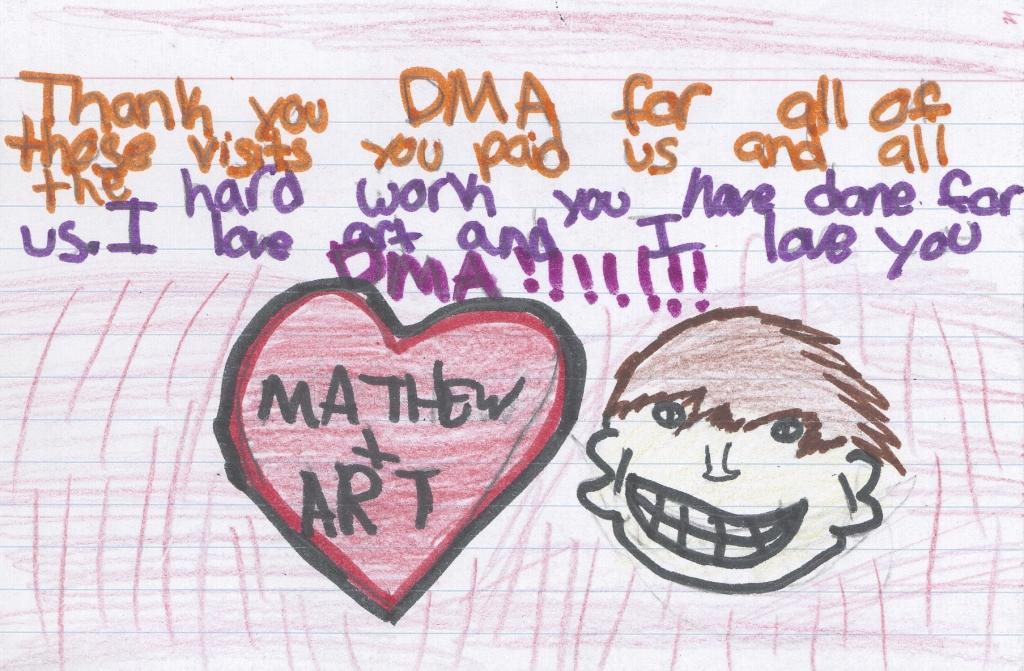
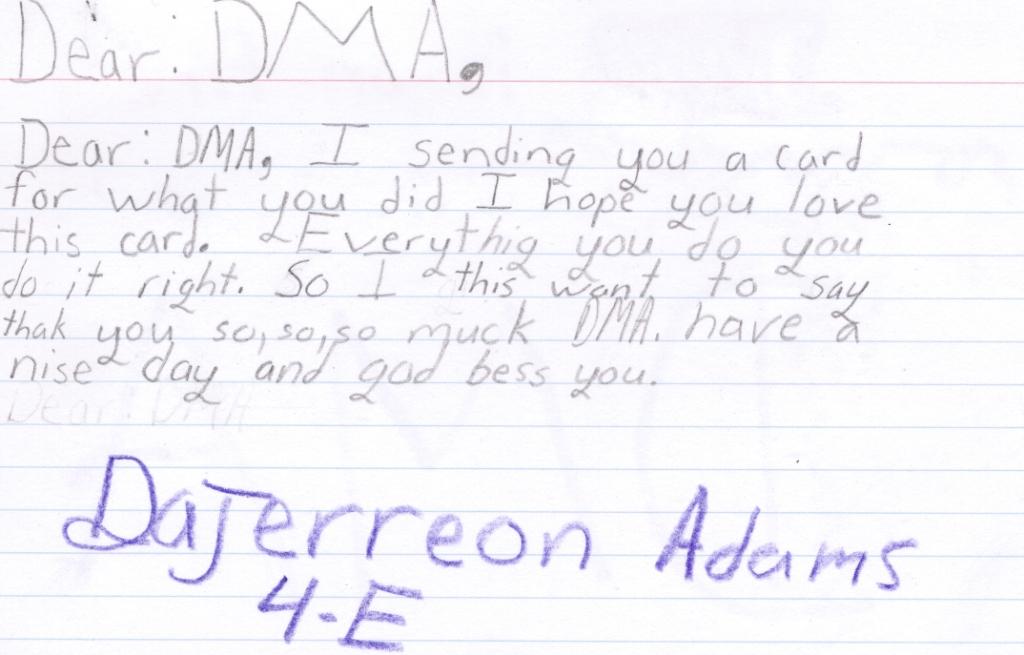
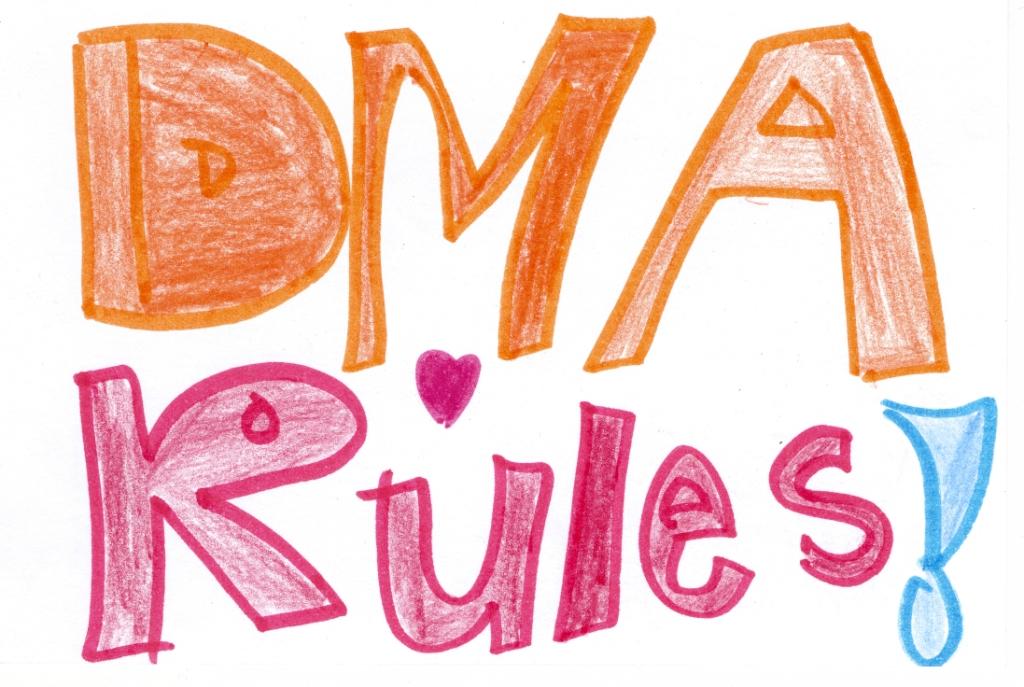
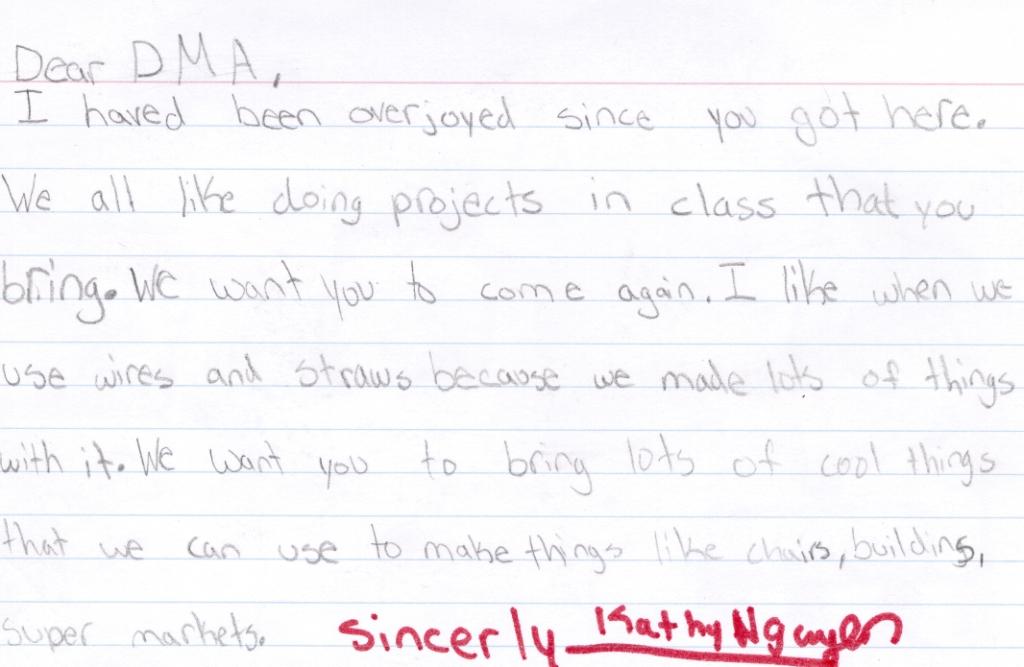
Our final visit to the Medrano Elementary fourth graders was in mid-November.  Last week, we were surprised and delighted by an envelope full of thank-you letters written and illustrated by the students.  Below are a few highlights. 

Melissa Nelson
Manager of Learning Partnerships with the Community
   

Community Connection: Contemporary Art and a Beluga Whale

Thomas Feulmer is the Director of Educational Programming at The Rachofsky House and is a regular collaborator with the DMA.  We always look forward to his fresh ideas and perceptive insights related to works of art and artists.

Describe your work at The Rachofsky House.  What is your favorite part of your job?

As Director of Educational Programming, I do anything involving schools or the public having any interaction with the Rachofsky House.  My favorite part of my job is being around the works of art and being around original objects.  I also like the creative element of having to improvise in front of groups and having to think on your feet.

Thomas talks about a work of art at the 2009 Museum Forum for Teachers.

 Tell us about your relationship with the DMA.

I work collaboratively with Molly Kysar on Programs for Teachers based on Contemporary Art. I’ve also worked with Nicole Stutzman on the Travis Academy Program.  The UT Southwestern Medical School class “The Art of Observation”, led by DMA docents Margaret Anne Cullum and Joanna Pistenmaa, visit The Rachofsky House once during the semester.  I also participate in the development of some programs and exhibitions, in part by talking about artists and artworks that are in both the Rachofsky Collection and the DMA collections or are on loan to the DMA. 

 If you could take home any work of art from the Rachofsky Collection, what would you choose?

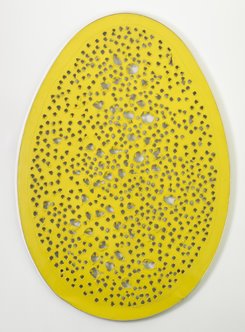
Lucio Fontana, Concetto Spaziale, La Fine di Dio, 1964

One of the first things that comes to mind is the Lucio Fontana piece Concetto Spaziale, La Fine di Dio.  It’s one of the works that every time I stand in front of it, I think it’s incredible.  When I’m looking at that piece, I feel like I’m looking at a real, sincere thing that is about exploring and is about a rich and deep thinking on the artists’s part. 

 How would you describe your personal work as an artist?

Most of my work looks at relationships: relationships between people, and more recently, relationships between people and animals.  It is also about how intimacy is managed and expressed and how desire and attraction are managed and expressed.  One of the big themes in my recent show is about my relationship with a beluga whale.  I like the notion that most people have a desire to have a pure relationship with an animal and we project a lot of our purist ideas about love and desire onto animals because they seem so unguarded, I guess. I love that we project all those purist things onto animals, but, to have an experience with a beluga whale it had to happen at Sea World, which is a big place.  The whale is trained and follows commands, and ultimately the experience is all controlled – which, in a way, is how all interactions are.  See Thomas’s recent work at New Work by Rebecca Carter and Thomas Feulmer, open December 5-20, 2009 at 500X.

Does your job have an impact on your own work as an artist?

Yes, because I can come into contact with so much art and I feel like I get such a great sampling of contemporary ideas and contemporary culture.  It’s like constant research for how to create meaning or visual culture in the contemporary world.

Meet Thomas during our two-part January Teacher Workshop on Contemporary Art, which takes place at the Dallas Museum of Art and The Rachofsky House.

Melissa Nelson
Manager of Learning Partnerships with the Community
Community Connection: Write to be Heard, the Power of Spoken Word

During the 2008-09 school year, we partnered with Spoken Word artist Will Richey for our afterschool program.  Will led weekly workshops at YMCA’s and Boys & Girls Clubs throughout the Metroplex.  Students were encouraged to write original poetry inspired by their lives and by artworks from the Museum.  The afterschool program concluded with performances by the students at their branches, a reception at the Museum, and a book of poems by all program participants.  For about four months, Will and I saw each other or spoke almost daily.  Afterward, we both became busy with different projects, so it was a treat to catch up with him over lunch.

Will Richey

The animated Will Richey

What first made you want to become an artist?

The artistic side is my mom’s influence.  She had me in art and piano lessons as a child.  My first love was basketball, and that seemed to get in the way of my art.  As an adult, I’ve reconnected with my creative, artistic spirit.  I feel it honors my mom to be well-rounded.  She is Puerto Rican, and the arts are a very strong part of that culture.  My mother wanted to instill that in me, so I have an appreciation for different types of art – dance, music, performance, visual art, and poetry.

Tell us about Journeyman Ink.

Journeyman Ink. is a way of connecting my personal life and journey with my desire to transcend and connect cultures, creeds, and races through creative expression.  In the fall of 2001, I walked the Camino de Santiago de Compostela, a 500 mile walking pilgrimmage across northwest Spain.  This experience taught me that life is more about the journey than the destination.  Ever since then, I’ve tried to make the most of every day.  That’s what we’re trying to do with Journeyman Ink.  Through Spoken Word performances, creative art workshops, and speaking opportunities, we try to encourage people of all ages to embrace life as a journey.  Look for more information at www.JourneymanInk.com in 2010.

Describe your approach to teaching Spoken Word to students.

The best way I can answer this question is with the first four lines of a new piece:

     It’s not about poetry, it’s about personal connection
     It’s not about writing, it’s about self-expression
     It’s not about reading aloud, it’s about taking pride in your name
     It’s not about performing for the crowd, but realizing we’re all the same

Of course, Spoken Word is about all of these things, but my philosophy is that I am a facilitator.  I am not there to impose my craft on someone.  I’m there to draw out the interests, the personality, the dreams of the kids.

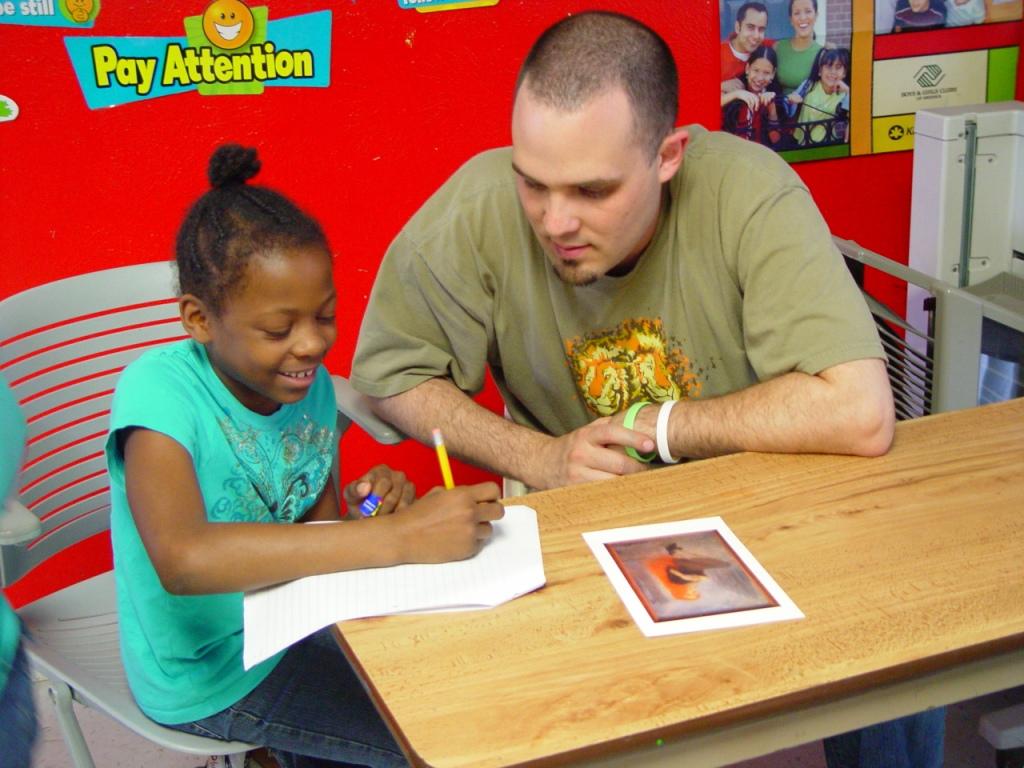
Will works with a student at Westlake Village Boys & Girls Club.

Will works with a student at Westlake Village Boys & Girls Club.

 What serves as inspiration for your work?

I’m very inspired by the human story.  I try to help people understand we have so much more in common than we are different.  We have so many barriers (religion, academic achievement, economic status) that get in the way, but the bottom line is we are all connected.  We all share the human experience. 

Could you write a short poem about today’s lunch?  (No pressure!)

Today is an opportunity – a joyous moment
     Shared over good food and conversation
Reminiscing over magical collaborations
     And answering questions with purpose.
Blessed with friendship and creativity
     Connecting the DMA with young artists
Realizing we have nothing more than today
     To smile and let our light shine!

Will signed his impromptu poem, which was written on the back of a to-do list.  I hung it with pride next to my desk.

Melissa Nelson
Manager of Learning Partnerships with the Community
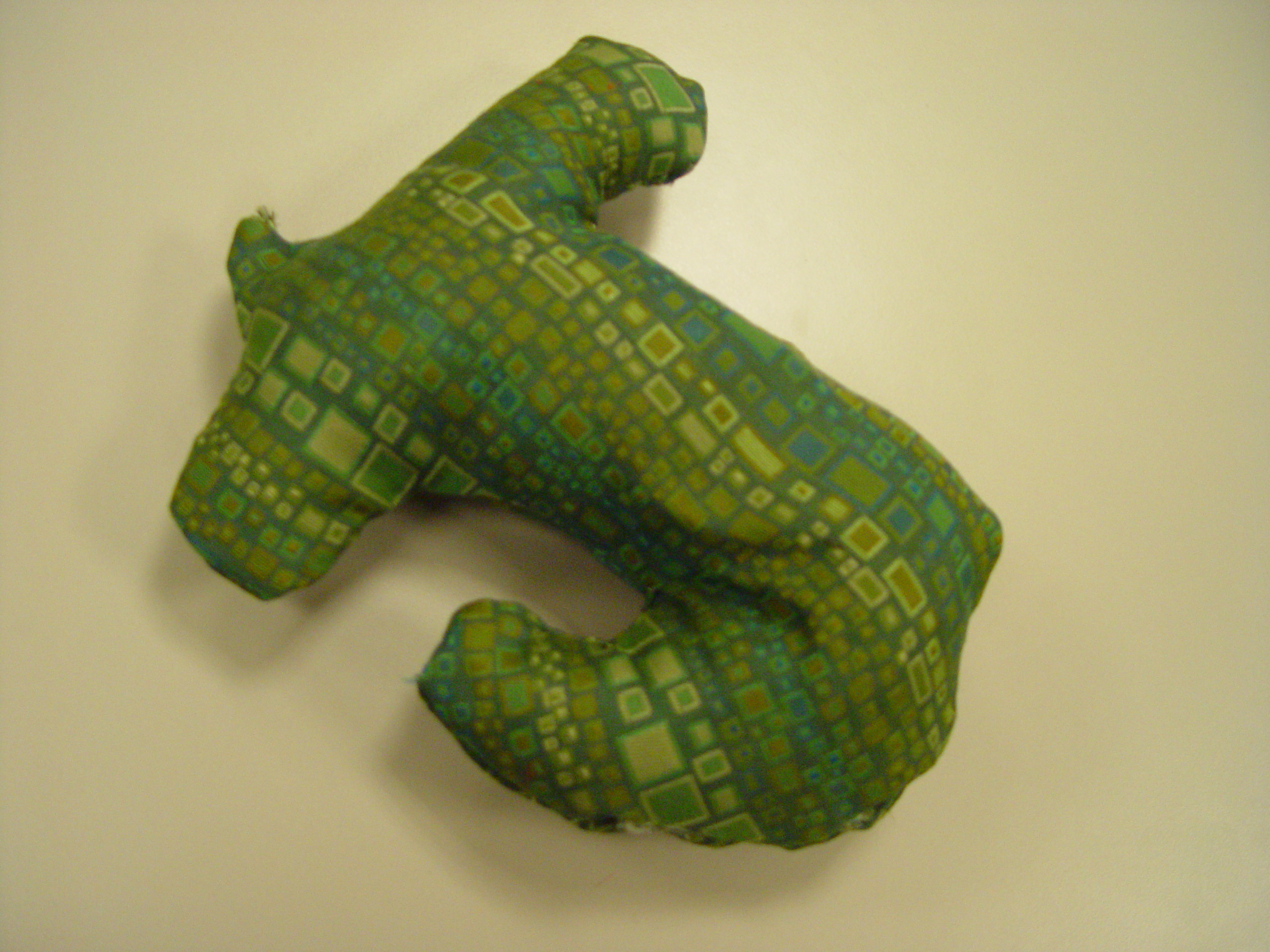
Is it a slug? The letter "j"? A prehistoric sea creature?

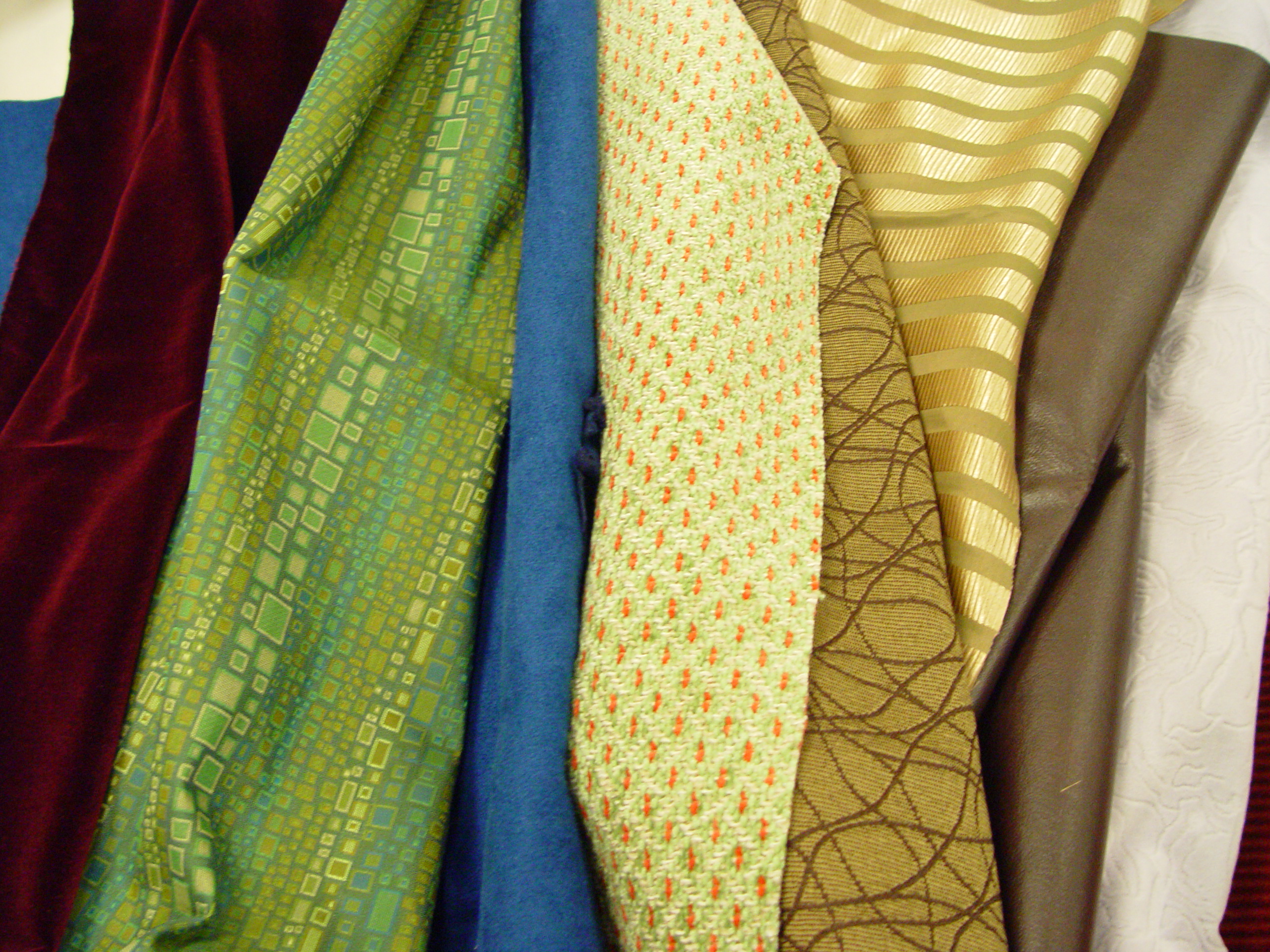
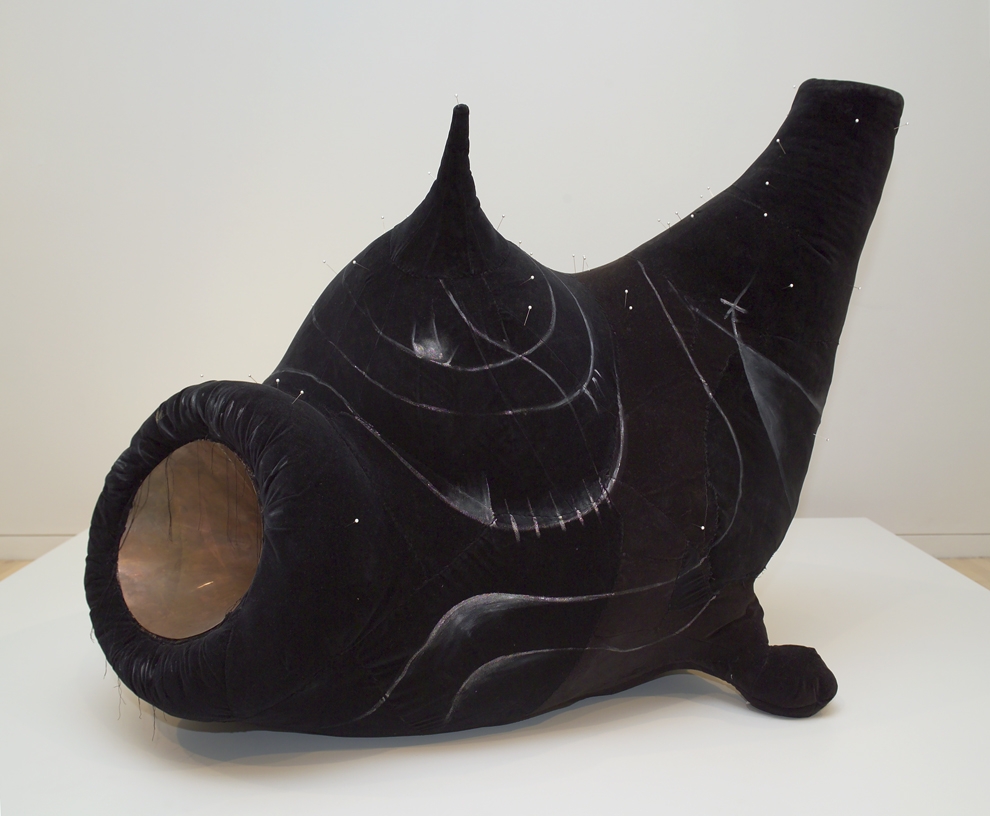
Dorothea Tanning’s Pincushion to Serve as Fetish has inspired me to create a soft sculpture project for our afterschool program.  All it took was some cool fabric, a stapler, polyester stuffing, and a hot glue gun.

What does it look like to you?

I tested the project first and made an example before introducing it to the students. What does it look like to you?

The students were really excited about their fabric choices.

The students were really excited about their fabric choices.

Pincushion to Serve as Fetish, Dorothea Tanning, 1979

Inspiration for the project. See Pincushion to Serve as Fetish in the Center for Creative Connections.

Lights, Camera, Action!

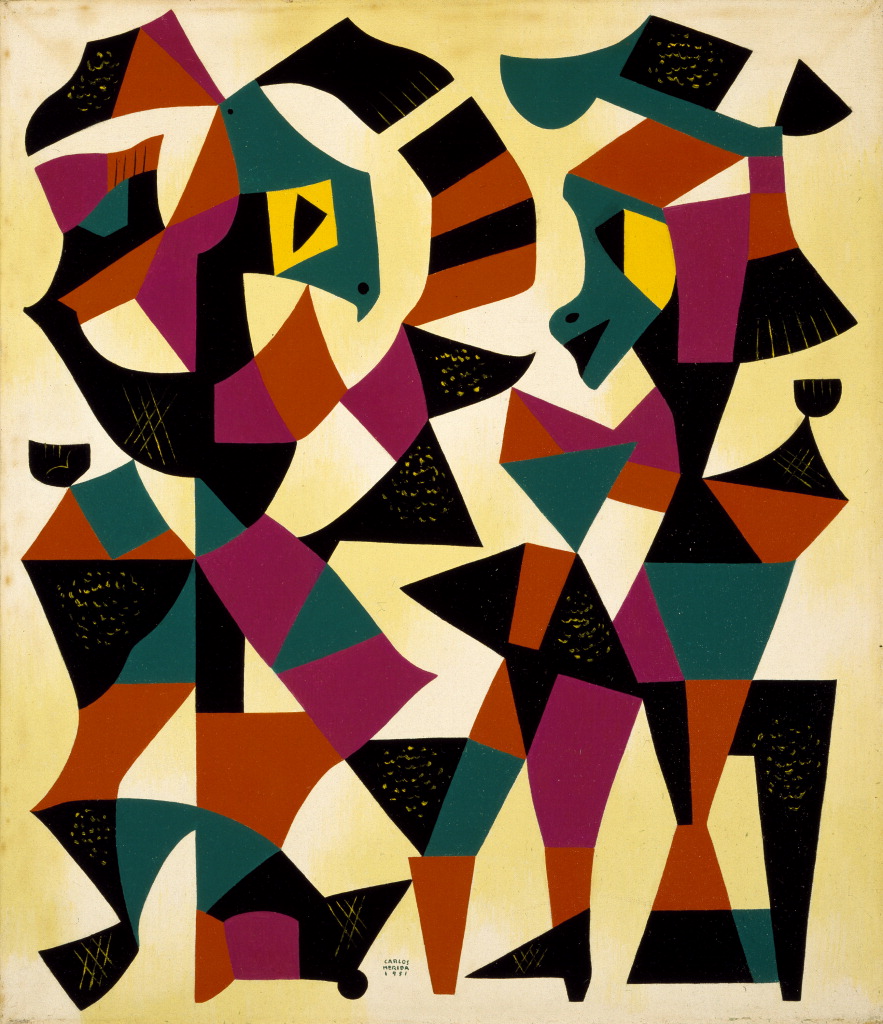
Dancers of Tlaxcala (Danzantes de Tlaxcala), Carlos Mérida, 1951

Dancers of Tlaxcala (Danzantes de Tlaxcala), Carlos Mérida, 1951

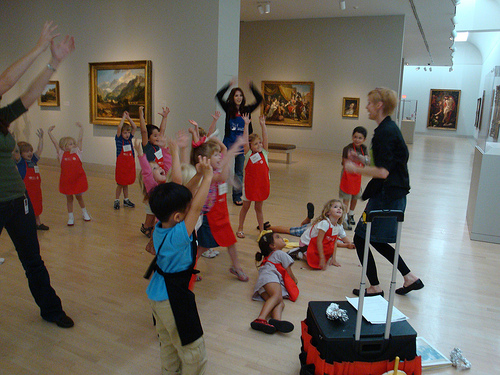
It’s an exciting time in the Arts District with the grand opening of the AT&T Performing Arts Center.  In honor of our new neighbor, we’ve developed a new Go van Gogh school outreach program called Creative Connections: Lights, Camera, Action! that focuses on three diverse works of art in the Museum collection and invites students to respond creatively through movement and drama.  Creative Connections programs are 90-minutes long, during which students participate in what we call “experiments” that involve collaborating with others, applying multiple approaches to solving problems, and producing a creative expression.  These programs can be messy, loud, and challenging – and they are definitely a lot of fun.

If you’re a 3-6th grade teacher and don’t mind a little bit of noise in the classroom, I hope you’ll consider this program for your students.   I promise you’ll be amazed and impressed by the creativity, thought, and enthusiasm they put into their performances.  Requesting a program is easy with our online form

With a background in art history and a bit of studio art, the task of writing a program about performance intimidated me.  However, I have the great fortune of working with talented people, and I interviewed some of them during my initial research.  I spoke with Lanita Sene, who I know through our partnership with the South Dallas Cultural Center.  Lanita leads African dance and culture classes during Summer Arts at the Center.  I also spoke with Blanca Reyna and Calvin Rollins, who I met through our partnership with the Ice House Cultural Center summer camp.   Blanca specializes in Aztec culture, and Calvin is a dance student at Southern Methodist University (he also attended Booker T. Washington High School for the Performing  and Visual Arts).  Last, I spoke with my colleague Amy Copeland who studied dance at Booker T. Washington and other studios in the Dallas area. 

This talented group provided many helpful ideas, like warm-up exercises that capture the students’ attention and focus.  Another great suggestion was empowering students by giving them specialized roles in their performances and encouraging them to lead peer critiques. 

I tested the program with 4th graders and 6th graders who created dances, music, masks, and skits inspired by artworks in our exhibition All the World’s a Stage: Performance in the Visual Arts.  The shyest students contributed by helping to plan, write, and direct the performances.  The boldest students reveled in the opportunity to show off in front of their peers.  Afterward, one teacher remarked that it was fun seeing her students in a new light, and the other felt it was a great program for bilingual students.

 This past Friday, I trained our volunteers and gave them the same challenges students experience during the program.  I watched as they worked together in groups, sometimes giggling, at times with their brows furrowed.  They all agreed that they can’t wait to bring the program to Dallas classrooms.

 It’s showtime!

Melissa Nelson
Manager of Learning Partnerships with the Community

Archives

Categories