Archive Page 36


Friday Photos: Breaking News at the DMA

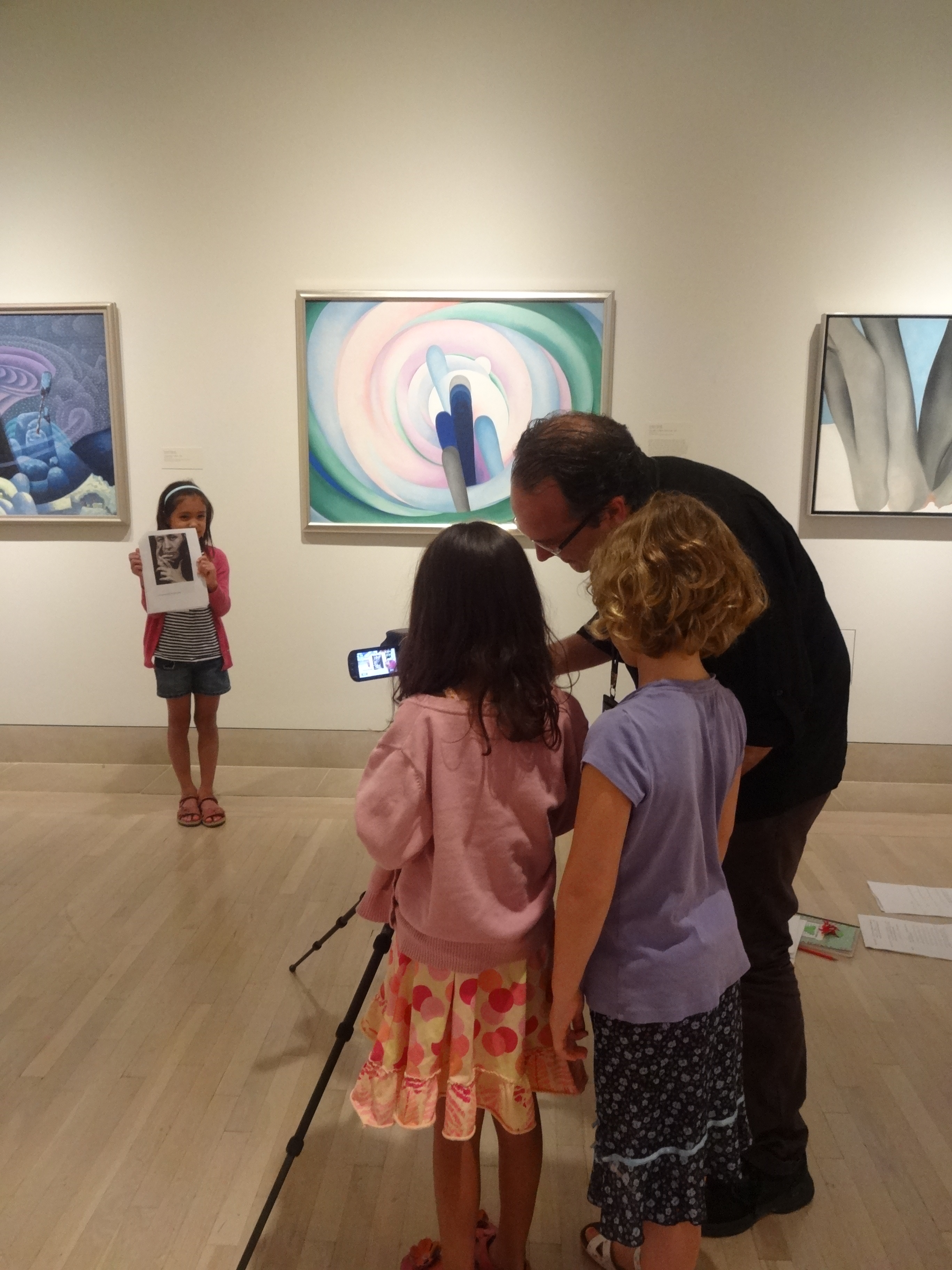
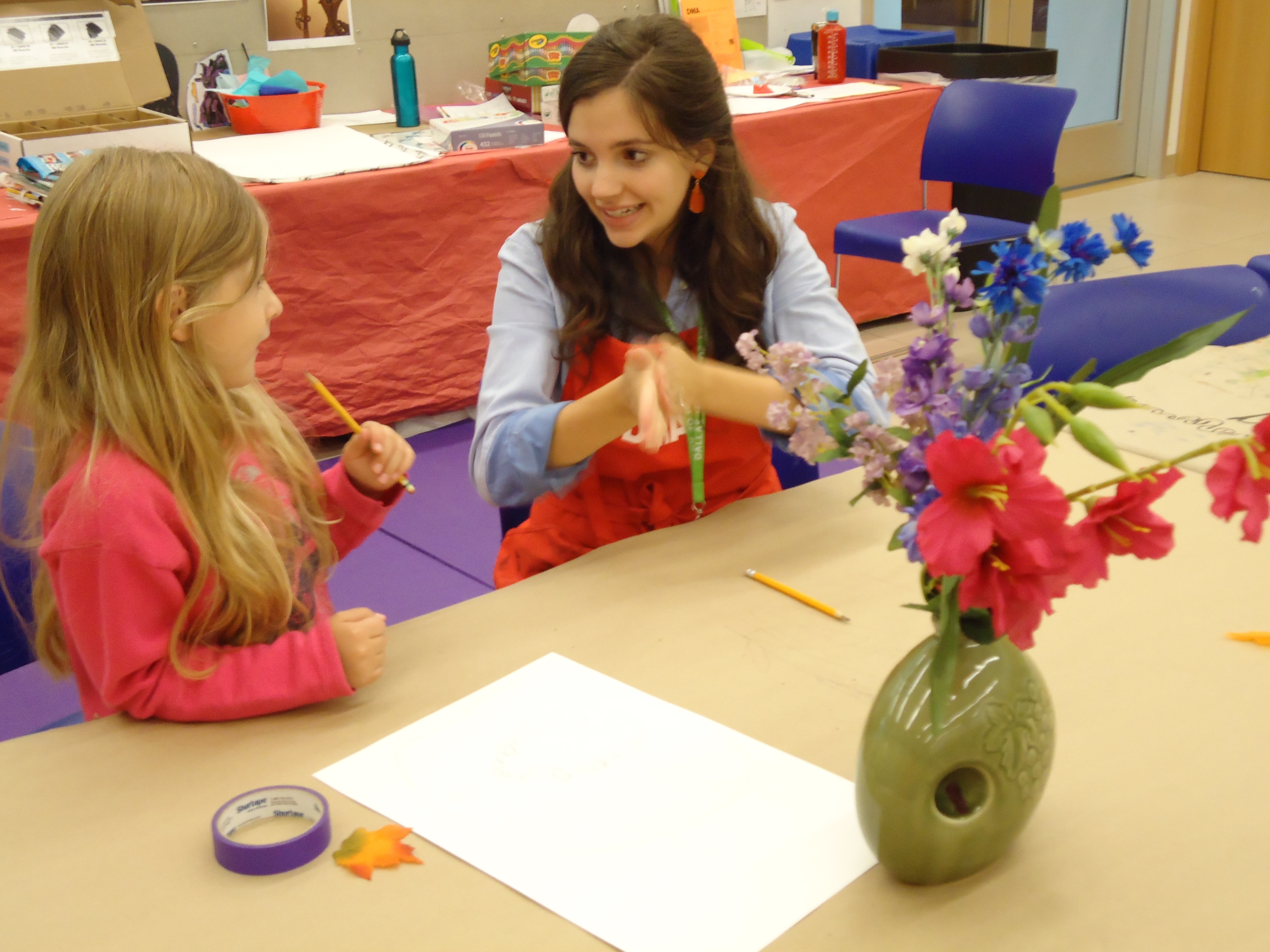
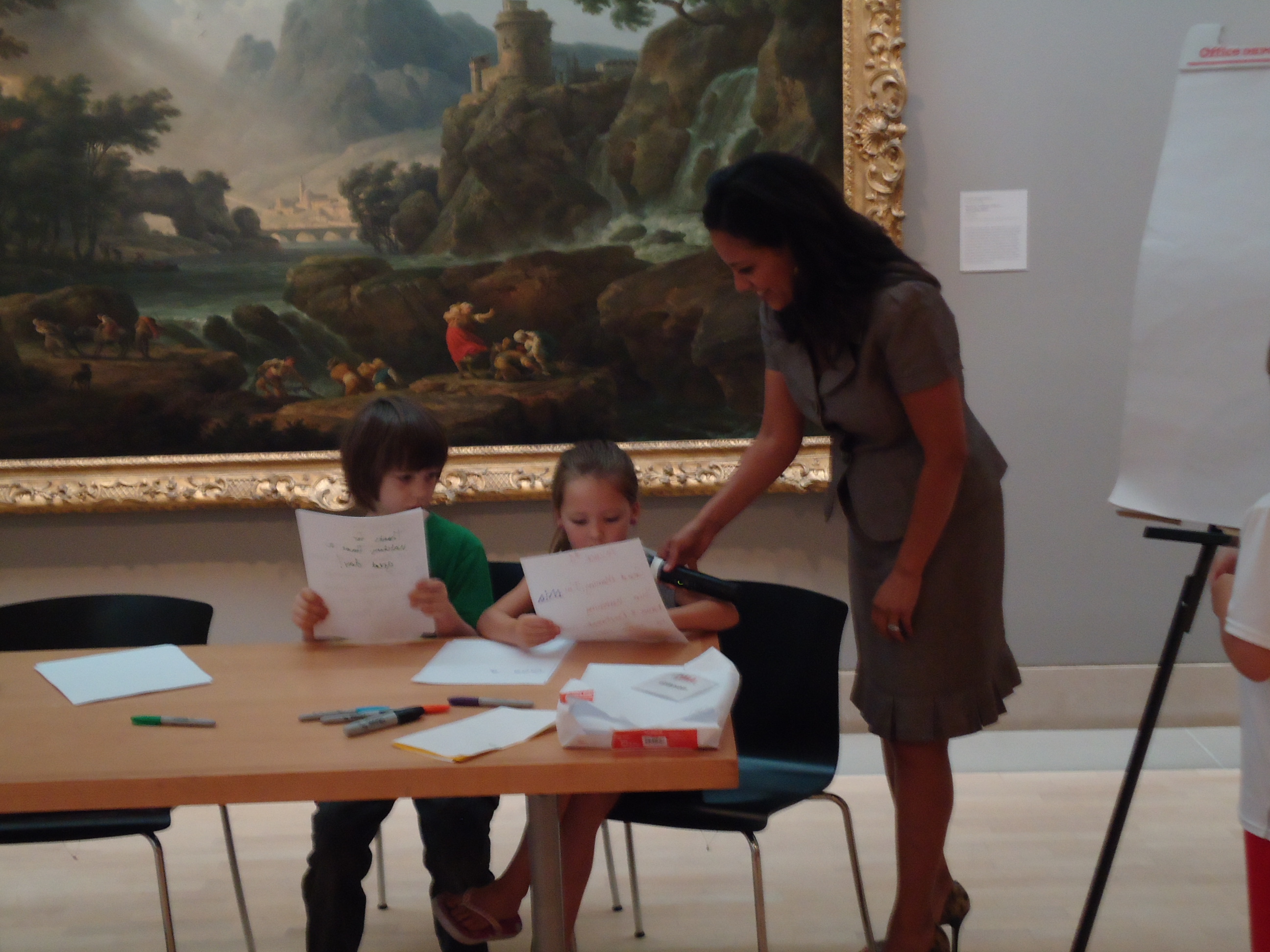
WFAA Channel 8's Cynthia Izaguirre sharing newscasting tips with summer campers

WFAA Channel 8’s Cynthia Izaguirre sharing newscasting tips with summer campers

What happens when you give six to eight year olds a video camera, a sparkly pretend microphone and the chance to be newscasters for the day? The latest, breaking edition of DMA Art News! Campers in the New World Kids 2 summer art camp spent two weeks learning about how creativity comes in all shapes and sizes. One of the highlights of camp was working with WFAA Channel 8’s Cynthia Izaguirre to learn the ins and outs of broadcast news.

Shooting B-roll for our Art Newscast with Ted Forbes

Shooting B-roll for our Art Newscast with Ted Forbes

After a practice session with Cynthia, the kids were ready to roll. Ted Forbes, the Museum’s Multimedia Producer, worked his magic to help the kids get their ideas from paper to camera. The final result is this debut of the DMA Art News!

[youtube=http://www.youtube.com/watch?v=IGJdiPaU5kU]

 
Leah Hanson
Manager of Early Learning Programs

Art Babies

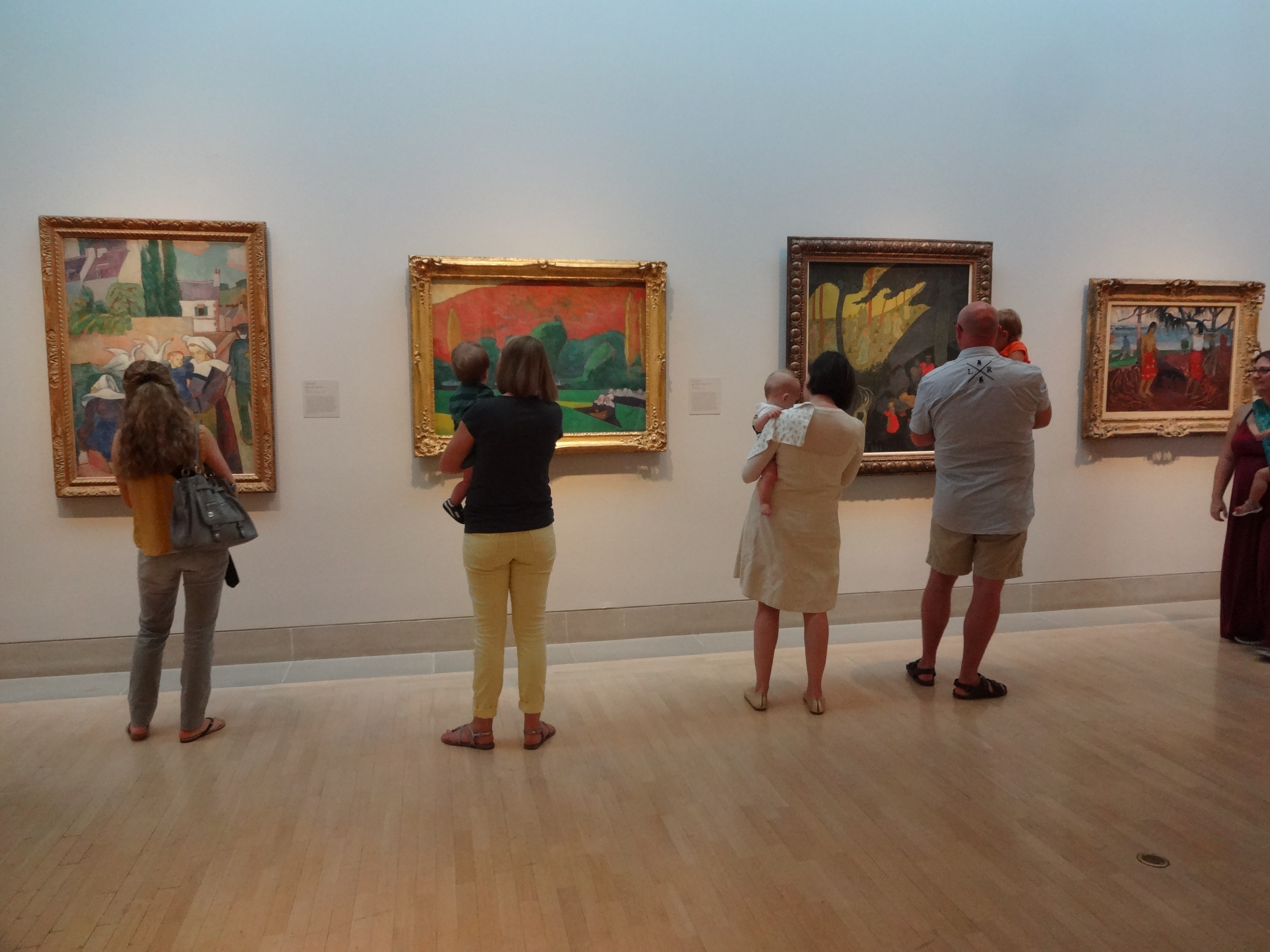
Do you think your baby is too young to bring to the DMA? Think again! We are currently testing a potential program for infants (3-23 months) and their parents or caregivers called Art Babies, based on research by Dr. Katerina Danko-McGhee, Director of Education at the Toledo Museum of Art.

Creating a stimulating environment contributes to a baby’s brain development. Visiting the Museum is one way to provide a stimulating environment for your child. Looking at art promotes early neuron connections while talking about art helps early language development.

Now that you know the Museum is a great place for your baby’s development, what kind of art should you look at during your visit? Art that is high in contrast or uses bright bold colors captures a baby’s attention best. Babies like both abstract and representational art; however infants 13-18 months particularly prefer representational art.

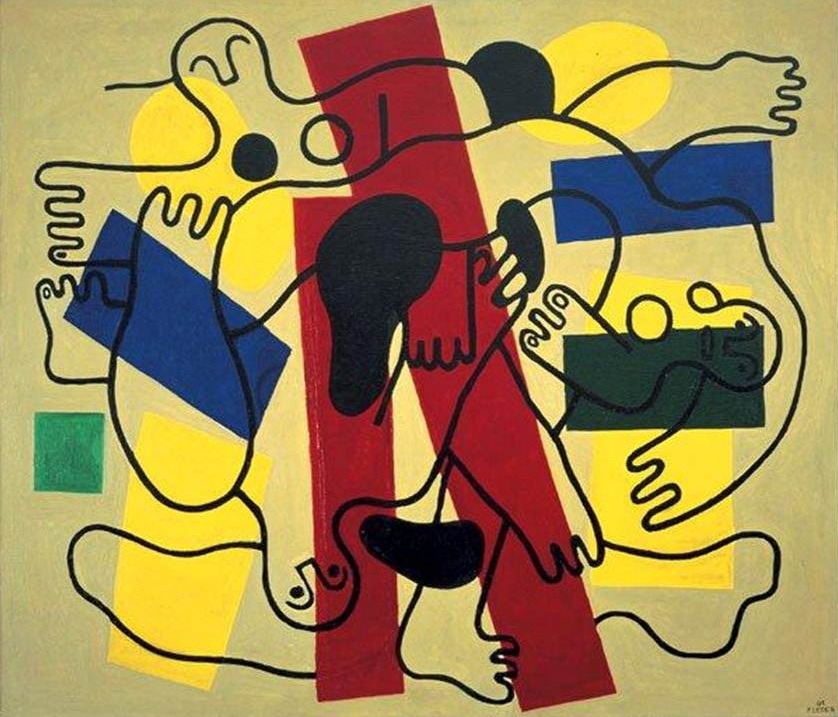
Several babies from our first test group were captivated by the contrasting colors of The Divers by Fernand Leger. Portraits also work well, especially faces with big eyes (think of Dora the Explorer) or depictions of babies. Also look for artworks that feature familiar objects such as animals or plants.

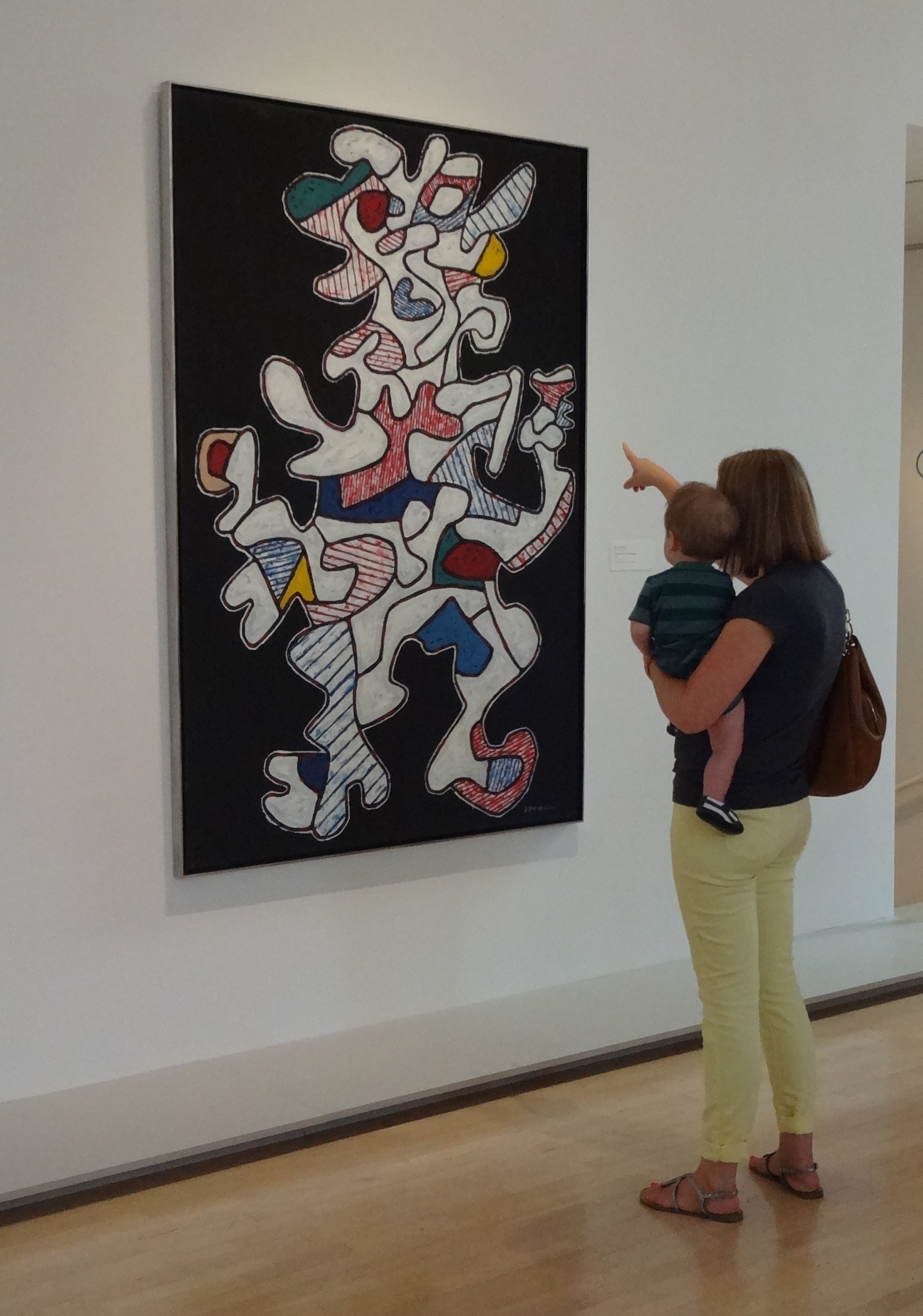
You might be wondering, “How can I tell if my baby is interested in a work of art?” Babies communicate their aesthetic preference through body language. They might visually fixate, smile, laugh, or reach toward the object that interests them. When looking at art with your baby, it is best to hold them or have them in a front carrier at a safe distance from the artwork. This allows the baby to physically react to the art they prefer.

The Divers, Fernand Leger, 1942, oil on canvas, Dallas Museum of Art, Foundation for the Arts Collection, gift of the James H. and Lillian Clark Foundation

Fernand Leger, The Divers, 1942, Dallas Museum of Art, Foundation for the Arts Collection, gift of the James H. and Lillian Clark Foundation

While viewing art with your baby, it’s important to validate the child’s response by being supportive and interactive. When your child reaches toward a particular painting, talk about colors, shapes, or familiar objects in the artwork. This will aid in language development and help them create meaning from familiar objects.

Our first test for Art Babies received positive feedback and parents were amazed at their babies’ reactions to the artworks. Follow the DMA on Facebook or Twitter for future information on this program.

Holly York
McDermott Intern for Family Experiences

Friday Photo: Expect the Unexpected

Hello all! My name is Rachel and I am one of the interns for Family Programs at the DMA this summer! I am about to start my senior year at Texas Christian University, studying Early Childhood Education and Child Development. My love of the arts and children led me to the DMA this summer and it has been quite an adventure! My favorite part has been watching the children create such wonderful works of art – never underestimate the power of a child’s creativity!

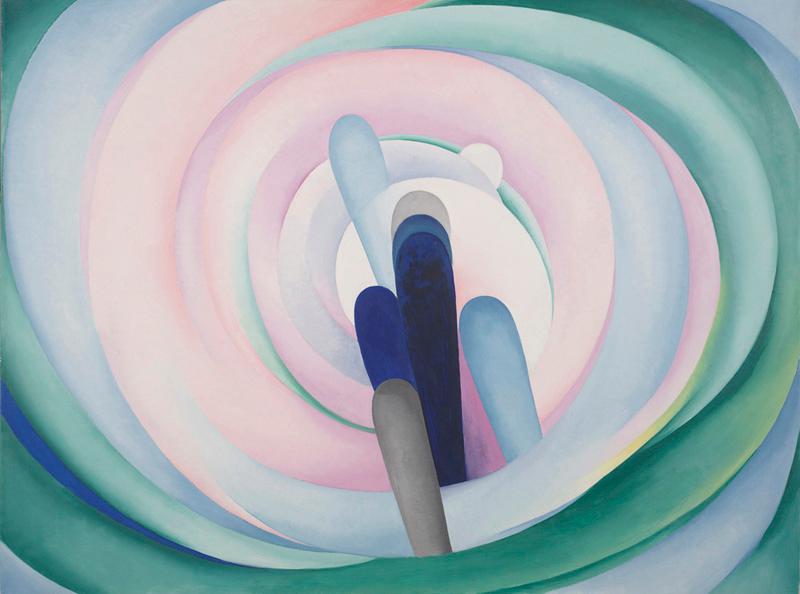
My favorite painting in the gallery is Georgia O’Keeffe’s Grey Blue & Black – Pink Circle. I love this painting because of the soft colors and swooping movement.

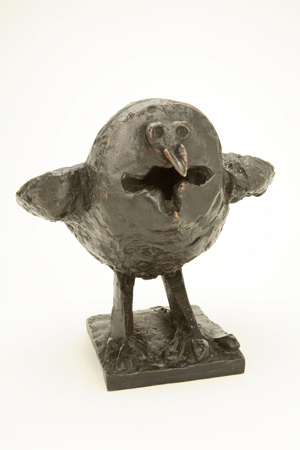
The piece of art that describes my time at art camp is Angry Owl, a sculpture by Pablo Picasso currently on view in the Museum’s special exhibition, Hotel Texas: An Art Exhibition for the President and Mrs. John F. Kennedy. But it’s not because the owl is angry–It’s because this piece is so unexpected for Picasso since he isn’t known for sculptures! At art camp you should always expect the unexpected! 🙂

Rachel Moss
Summer Programs Intern

Need some Available Space?

If you haven’t been to the Museum in a while, you’re missing out! In our Barrel Vault and surrounding galleries, we recently launched DallasSITES: Available Space in connection with the exhibition DallasSITES: Charting Contemporary Art, 1963 to Present. The project space features select artists, curators, collectives, and art educators from the community programming unique and innovative projects, including The Art FoundationHOMECOMING!Oil and CottonPerformanceSWDallasVideoFest, and Brookhaven College.

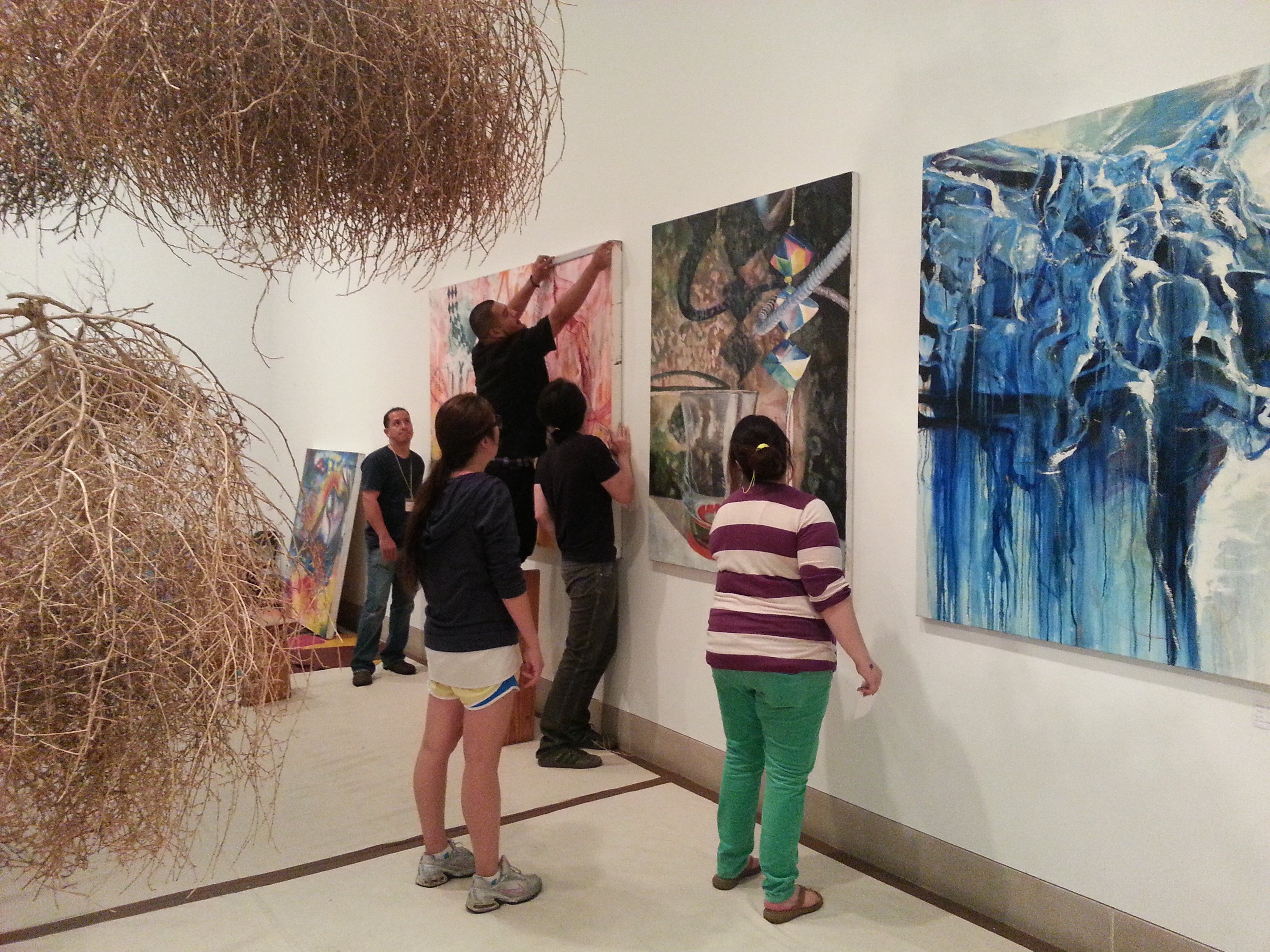
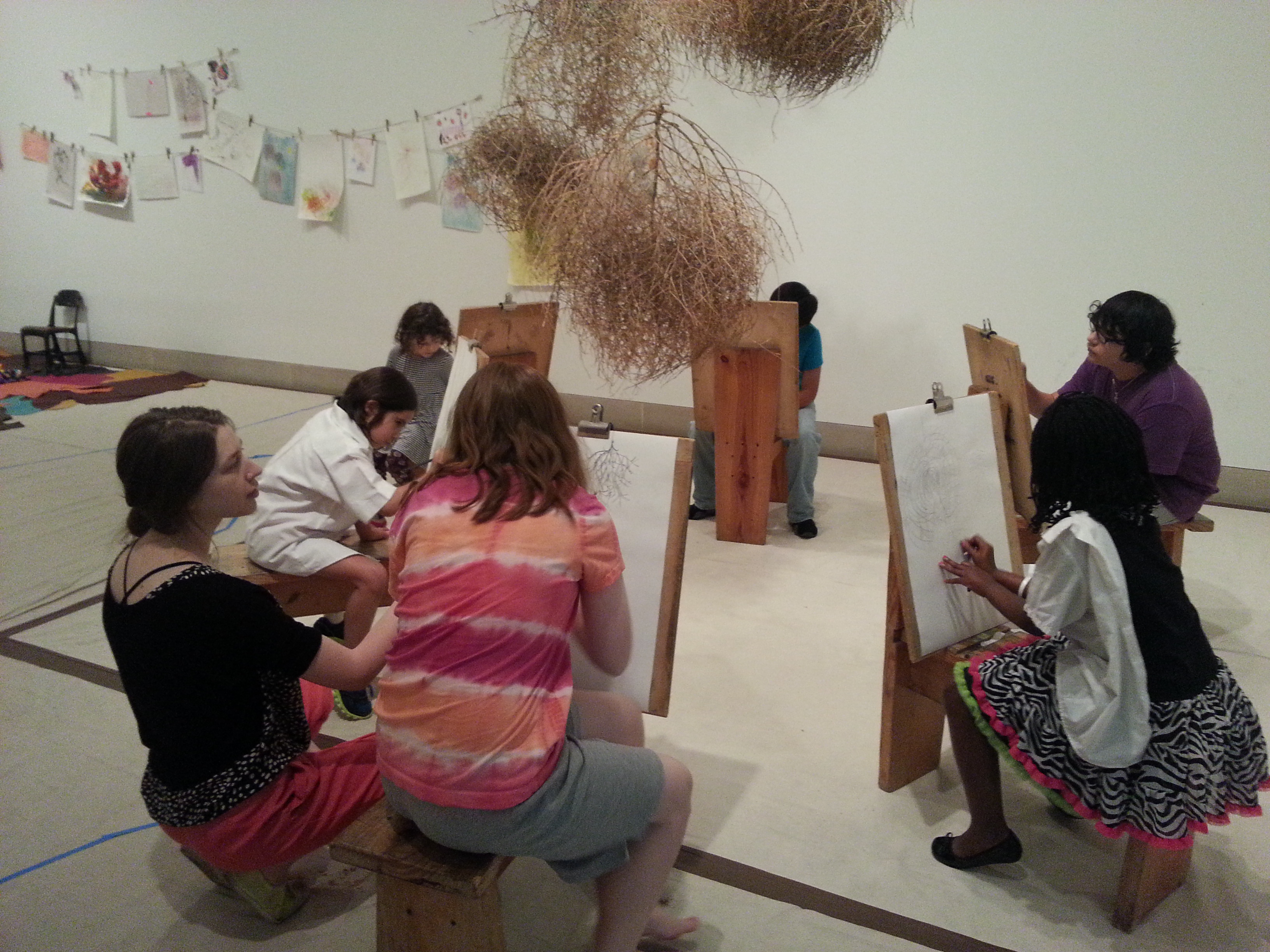
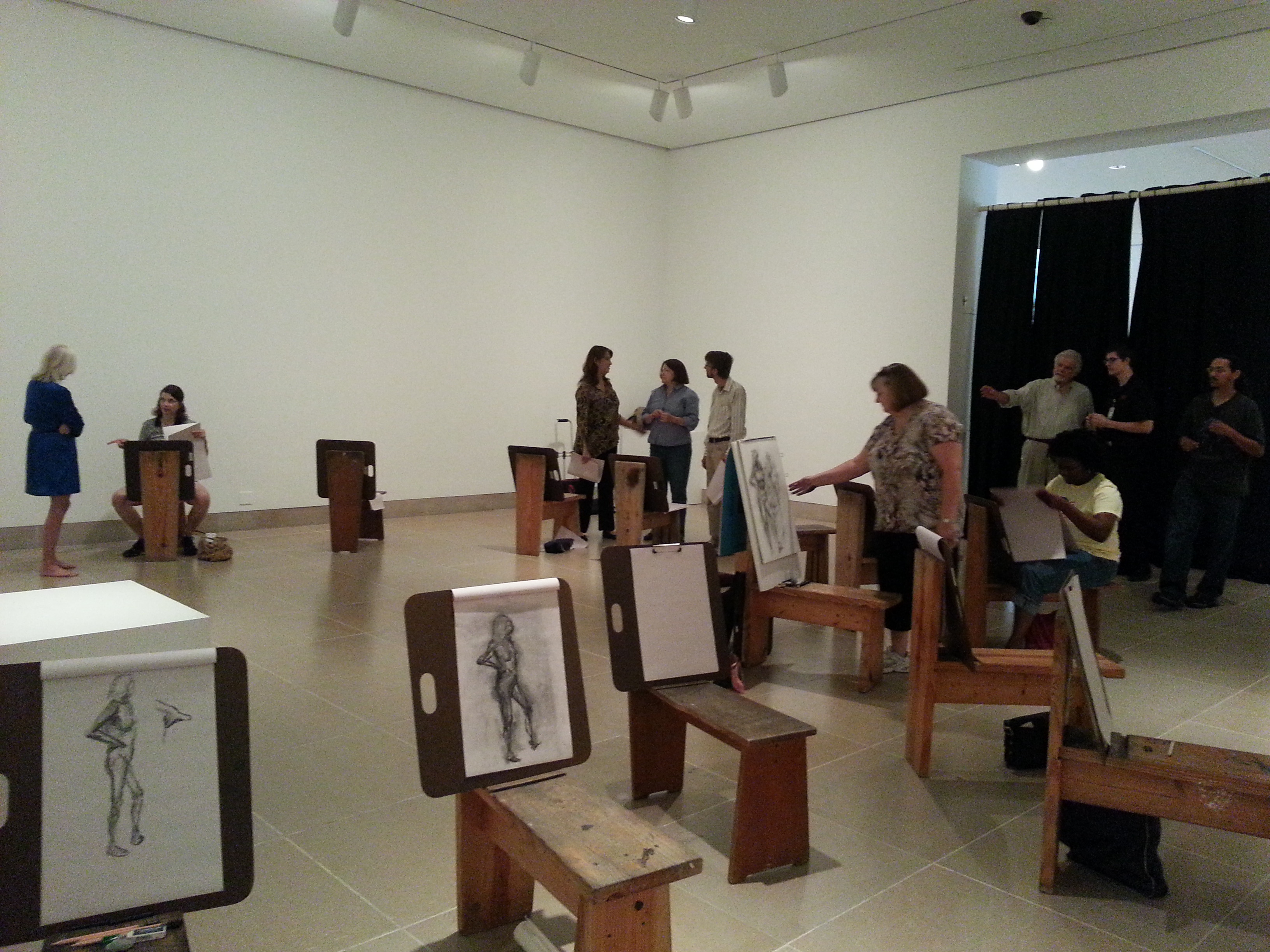
I have had the opportunity to help coordinate the Oil and Cotton space, where you can exercise your creative side with a hands-on activity almost every hour of the day (and you can find more hands-on making at the Center for Creative Connections or the Pop-Up Art Spot)! Check out some pictures from the activities we’ve done so far:

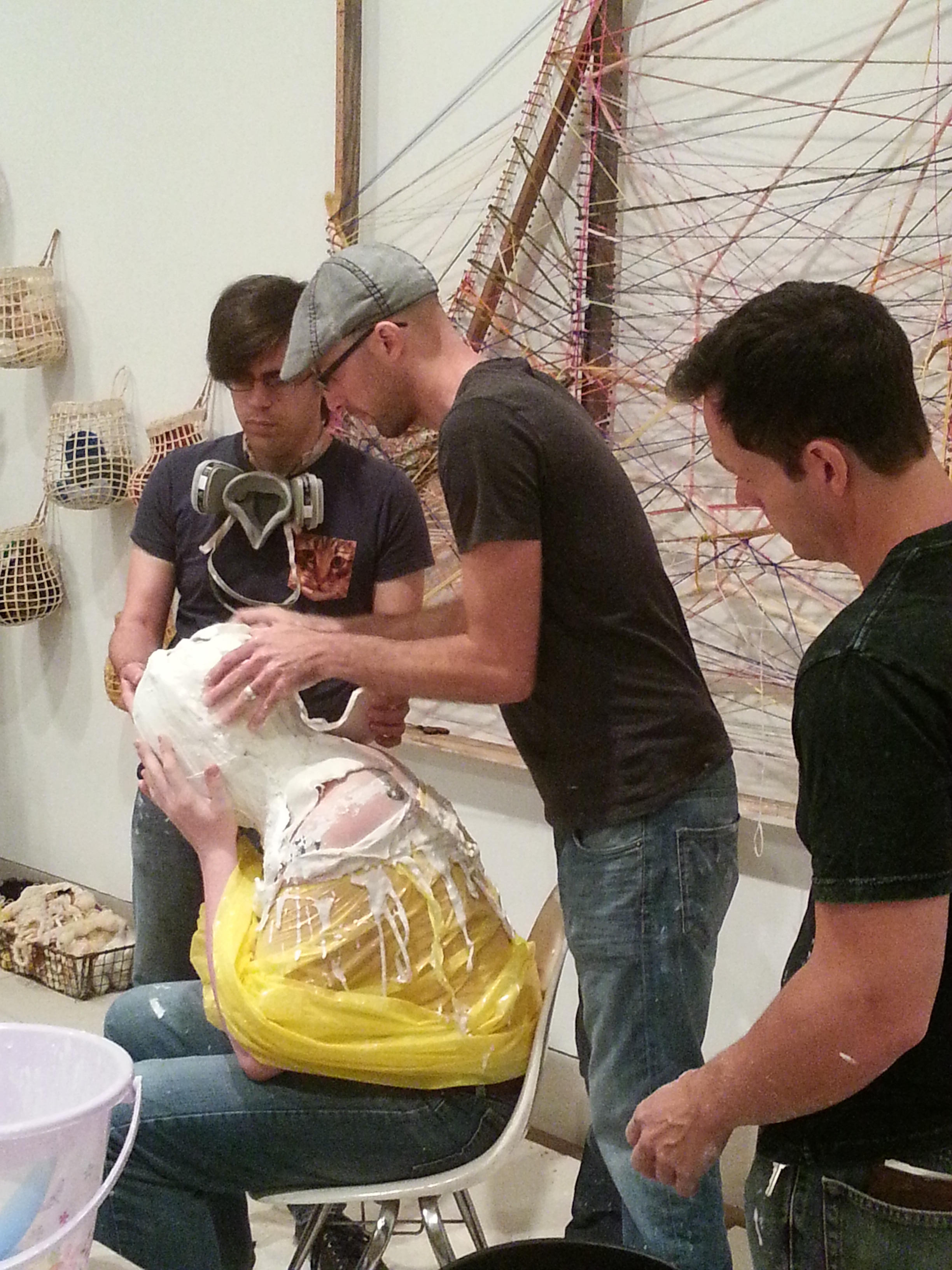
Life Casting with Nick Hutchings

Life Casting with Nick Hutchings

Drop in and Paint with Chong Chu and students from Brookhaven College

Drop in and Paint with Chong Chu and students from Brookhaven College

Kids Class with Jessica Sinks

Kids Class with Jessica Sinks

Life Drawing Course

Life Drawing Course

Hurry and stop by to experience this space–it’s only here until August 18th!

To see more photos from our programs CLICK HERE!

And for a complete schedule of Available Space programming CLICK HERE!

Amanda Batson
C3 Program Coordinator

Creative Arts Center + VSA Texas

Creative Arts Center of Dallas

On Friday, July 12, Amanda Blake and I visited the Creative Arts Center of Dallas (CAC), a non-profit organization located on a two-acre campus near White Rock Lake. The CAC’s mission is to provide a “nurturing environment for people to discover, develop and express their artistic visions” through hands-on classes and workshops. The reason for our visit was to attend a training session hosted by VSA Texas, the state organization on arts and disability. VSA Texas is a member of the international network of VSA, a non-profit affiliate of The John F. Kennedy Center for the Performing Arts. Based in Austin, VSA Texas works to create a society where people with disabilities learn through, participate in, and enjoy the arts.

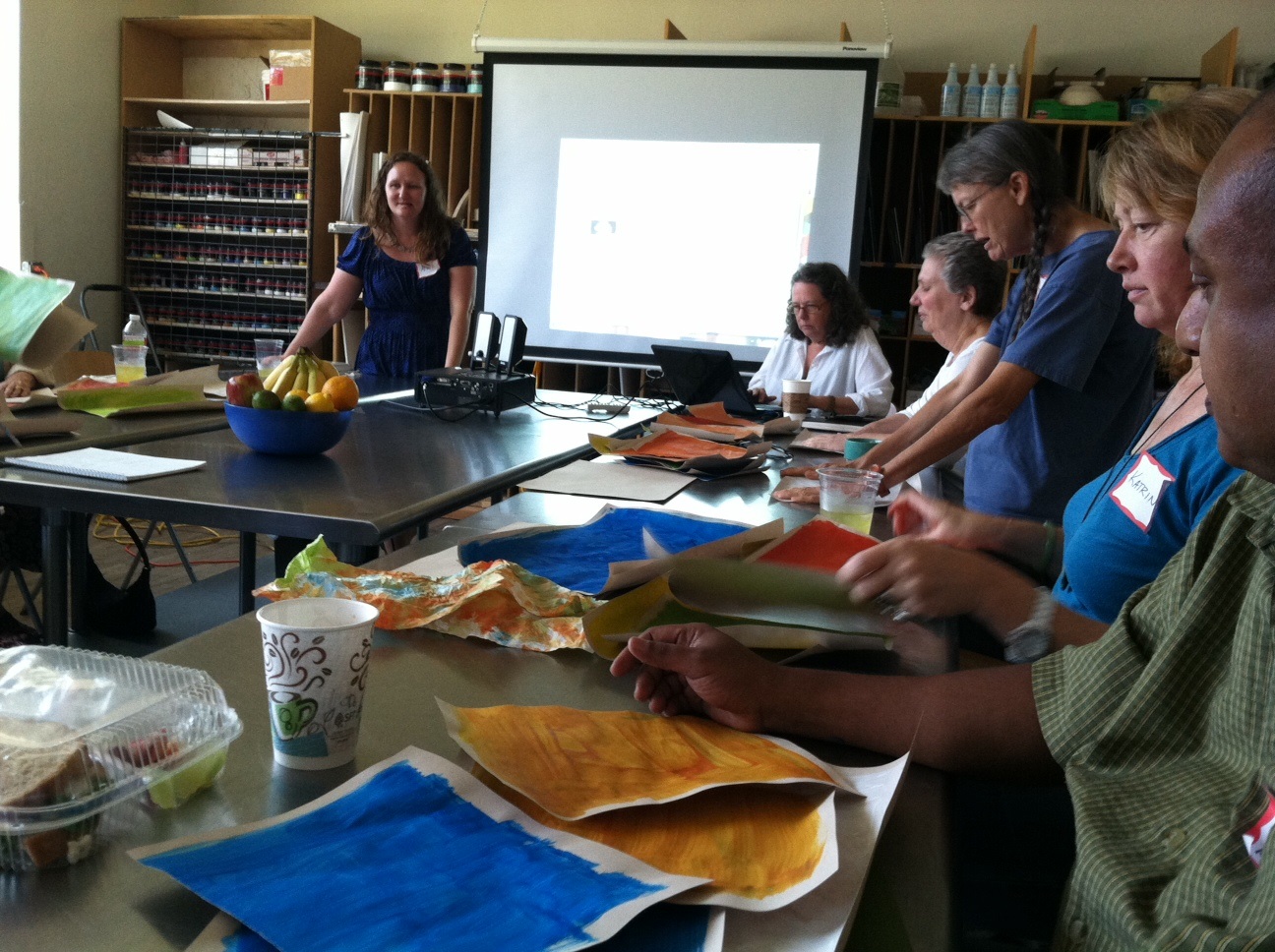
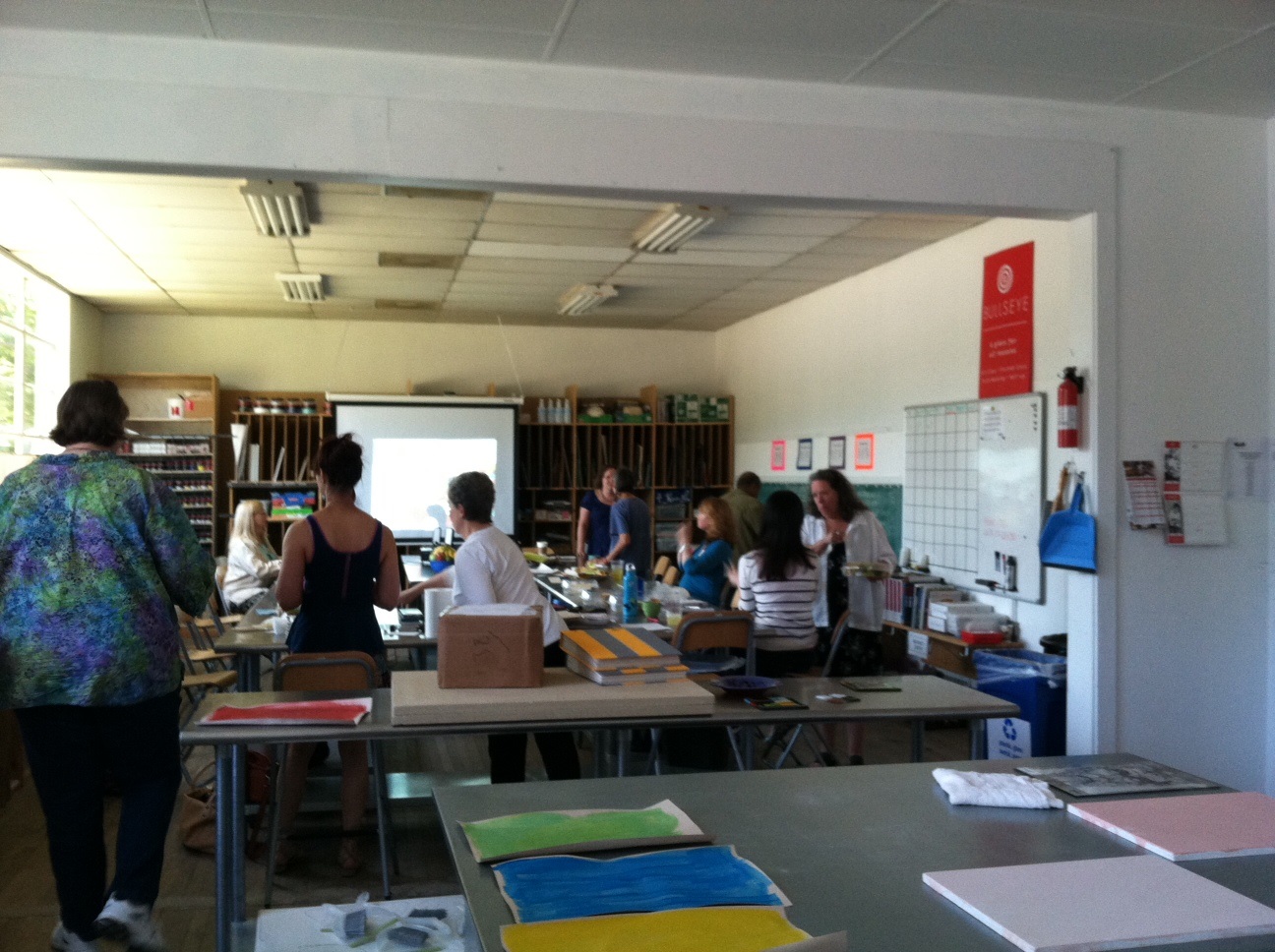
The focus of the training session was learning how to create accessible artistic environments, be they classes or workshops, for people of all cognitive and developmental abilities. Amanda and I currently lead monthly art experiences for adults with developmental disabilities through our partnership with the ARC of Dallas. Each class includes a gallery discussion, an interactive component, and an art-making activity in the Art Studio. We hoped that this hands-on training with VSA Texas would increase our skill-set and provide us with new ideas that could be introduced into our Access programs. We were joined by artists who currently lead art classes at CAC, but only teach typically developing students. This training was meant to pave the way for CAC’s new ARTability program, which would provide a variety of art making classes to the Dallas disability community.

CAC3

Oftentimes, people with disabilities have had little to no exposure to art; not as a child in school nor in their group or individual homes as adults. Celia Hughes and April Sullivan–VSA Texas Executive Director and Artworks Director respectively–led our training and explained that designing art-making opportunities for people with disabilities does not involve creating completely new lessons, but rather simplifying concepts and adapting artistic processes so that they are more accessible to a wider variety of developmental levels. “Take nothing for granted,” Hughes said, “break everything down into one step at a time.”

For example, the first step of an art lesson could be discussing paintbrushes: how to choose a brush and how to properly clean and take care of it. Though this concept could seem elementary to typically developing students, it is something that students with disabilities may have never encountered.

Hughes and Sullivan also explained that initial projects, for those just beginning to delve into art classes, should be based on perceivable concepts–something the student can physically see–rather than jumping into creating from imagination right away. This level of artistic freedom could be too much to handle for some beginning students, resulting in frustration.

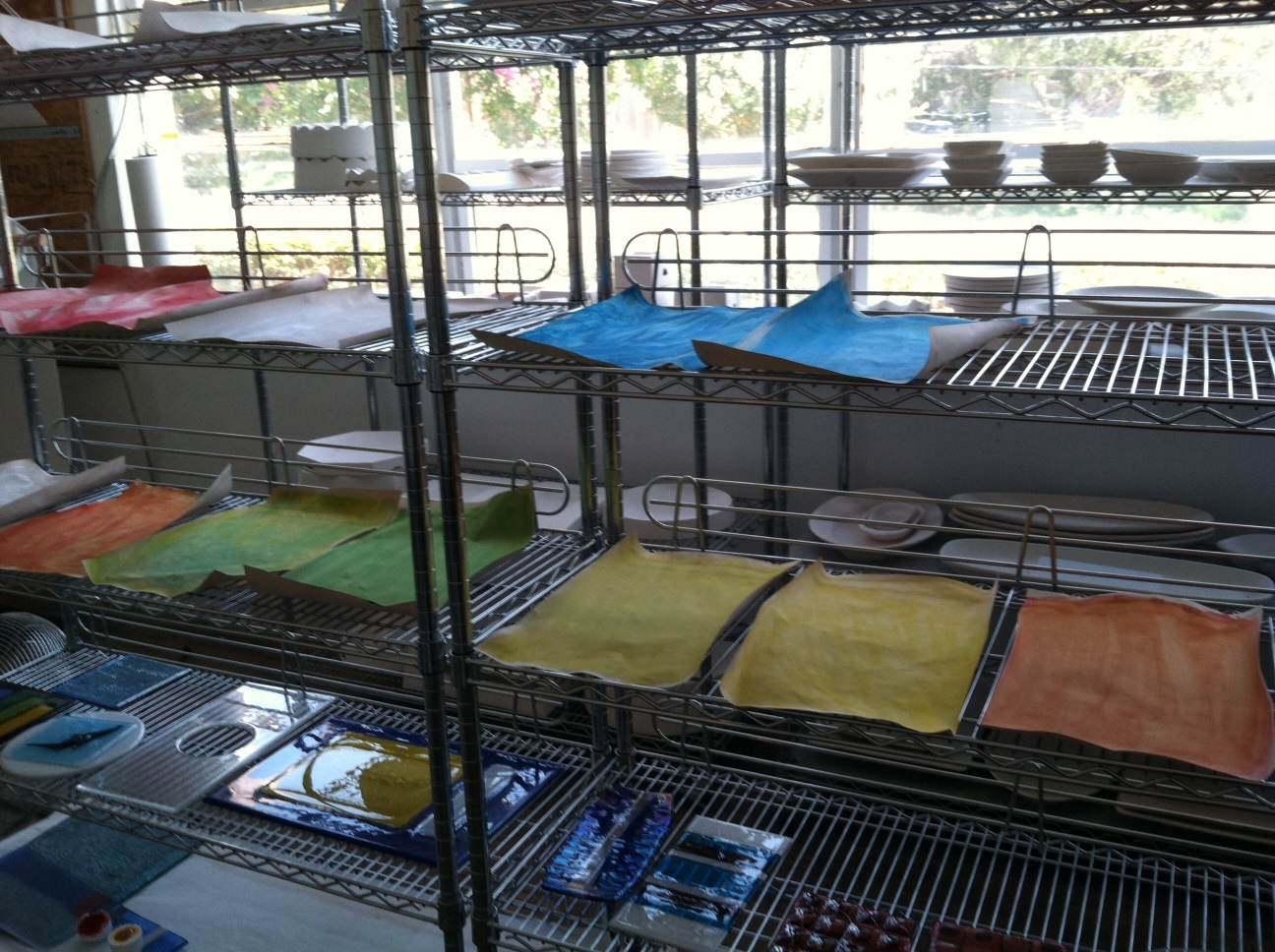
A good inaugural lesson could be a simple collaged still-life: there is something concrete for the students to reference (a bowl of fruit), basic skills explored (tearing and gluing), and fundamental artistic concepts covered (composition). As a group, we completed all the steps involved in this collaged still-life lesson, all the while discussing the potential obstacles and teachable moments that could occur.

This training was an opportunity for community and museum educators to discuss the multitude of ways we can create accessible art making opportunities and engage people with disabilities. I think it also enabled us to reflect upon the importance of arts institutions bridging this artistic gap and providing access to high quality art education experiences to people of all abilities.

Danielle Schulz
Teaching Specialist

Friday Photos: Pops of Color

GraceAnne

Hi, my name is Grace Anne and I’m one of the 4 interns this summer assisting with Art Camps at the DMA. I majored in painting and drawing at Texas Woman’s University and I am most inspired by colorful artwork.

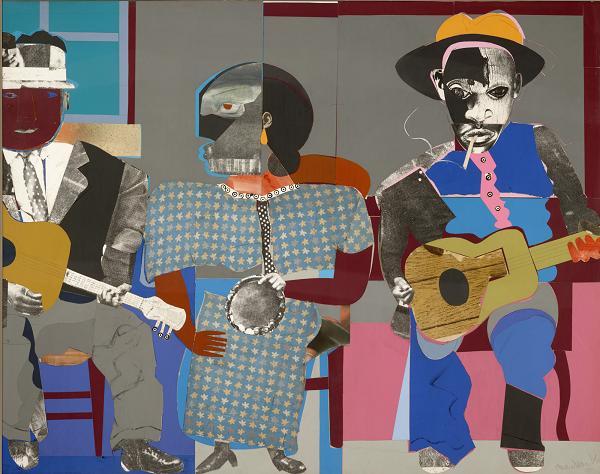
One of my favorite pieces of art at the DMA is Soul Three by Romare Bearden. I love the pops of color juxtaposed by the black and white cutouts. I’m also a huge music fan, so I love the instruments in this work. Folk art is one of my favorite genres of artwork because of the stories that lie beneath the surface of the materials.

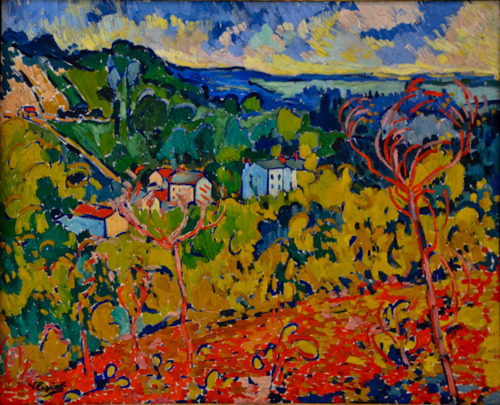
Another favorite painting is Bougival by Maurice de Vlaminck from the Museum’s Wendy and Emery Reves Collection. When I first saw this painting, I was captured by the vibrant, passionate colors. This painting is significant to me as a symbol of my desires and passions. My greatest passions are painting, serving people, art history, live music, outdoor adventures, and traveling the world. Working at the DMA has given me a chance to explore some of these passions more fully as I get to work alongside artists and kids in the galleries and classrooms at the Museum.

Watching the kids create so many amazing pieces of art is incredible–I am constantly astounded by their ideas and masterpieces. I couldn’t imagine a better place to be. We have the most fun at Art Camp!

Grace Anne Arnold
Summer Programs Intern

Imaginary Worlds for Imaginary Animals

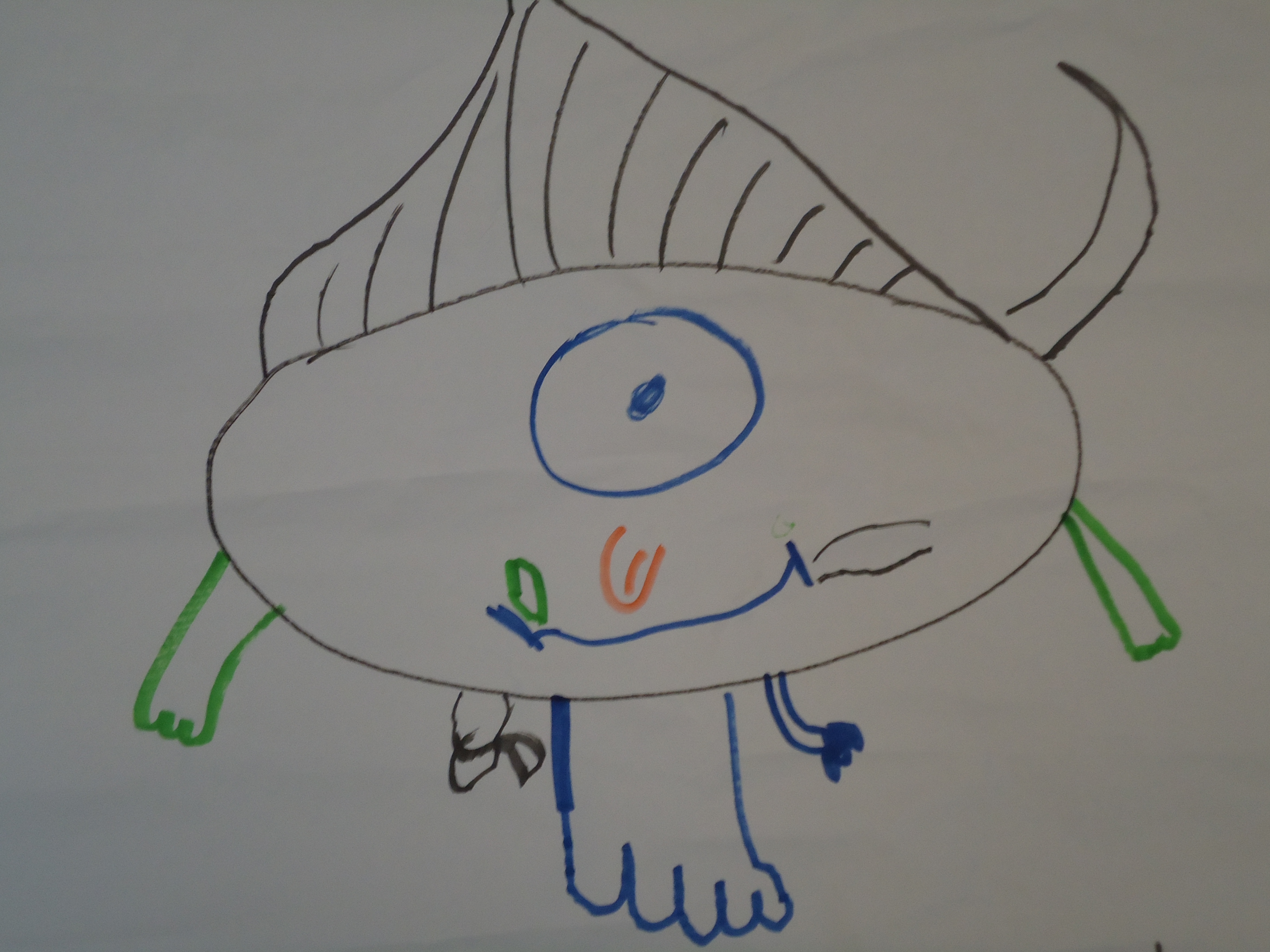
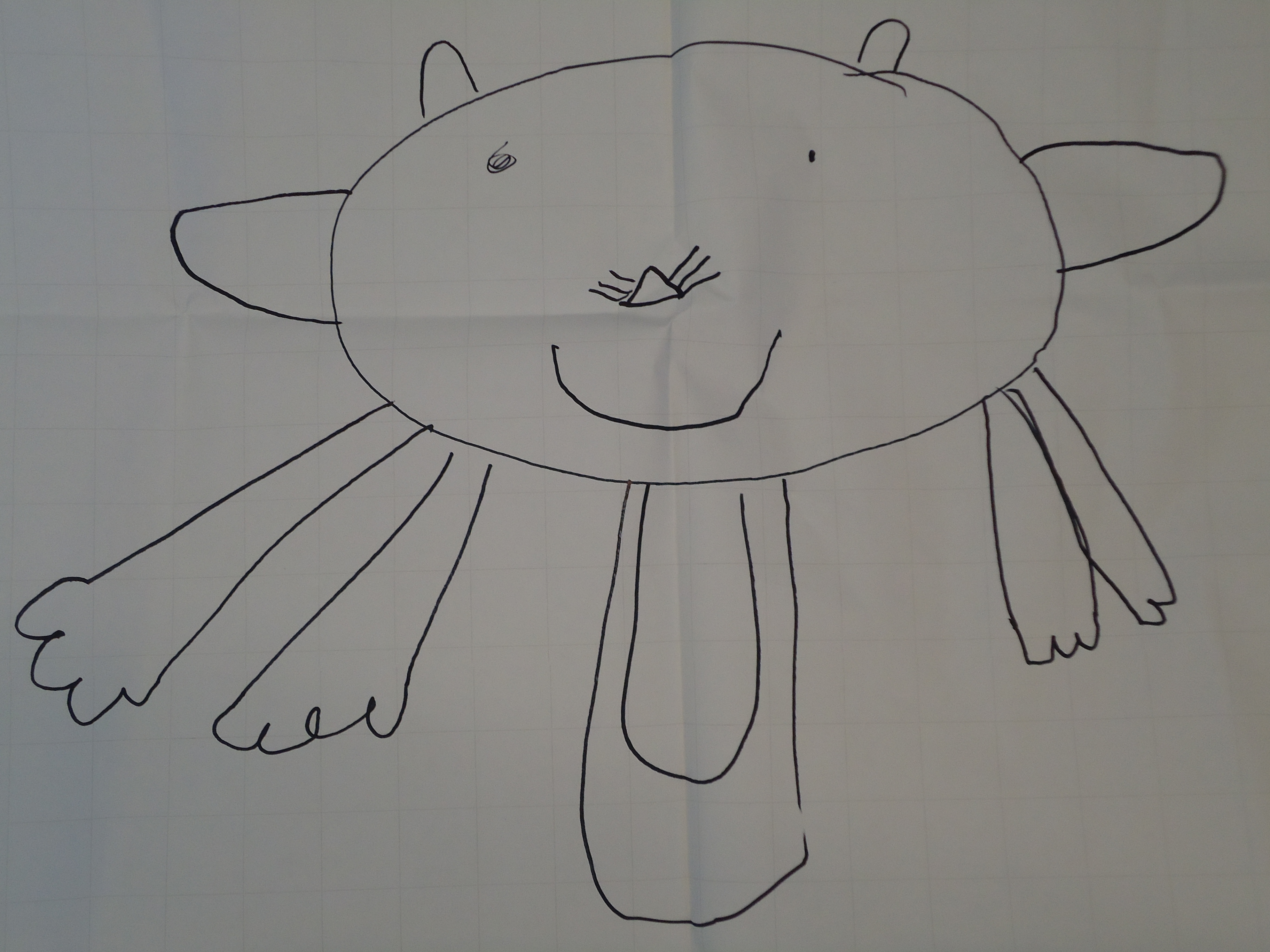
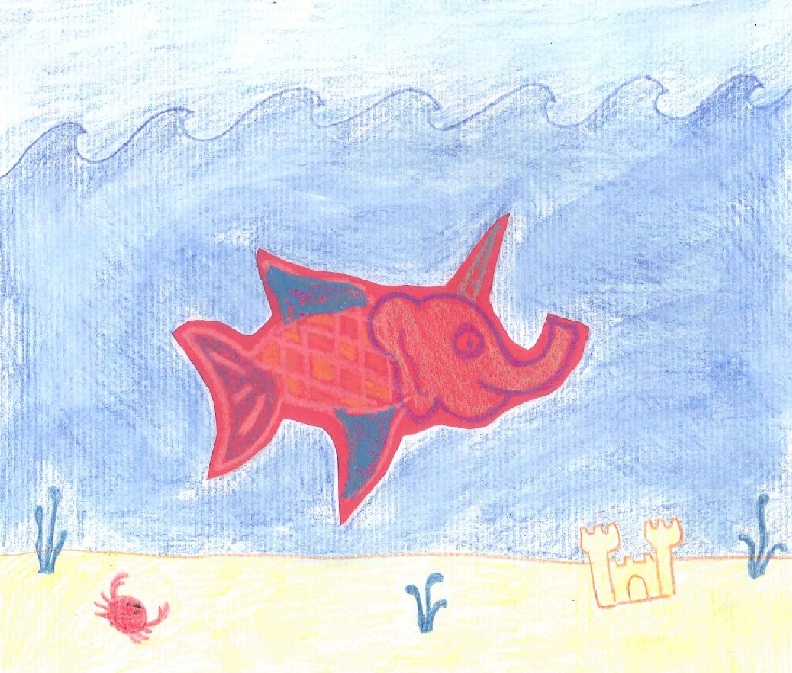
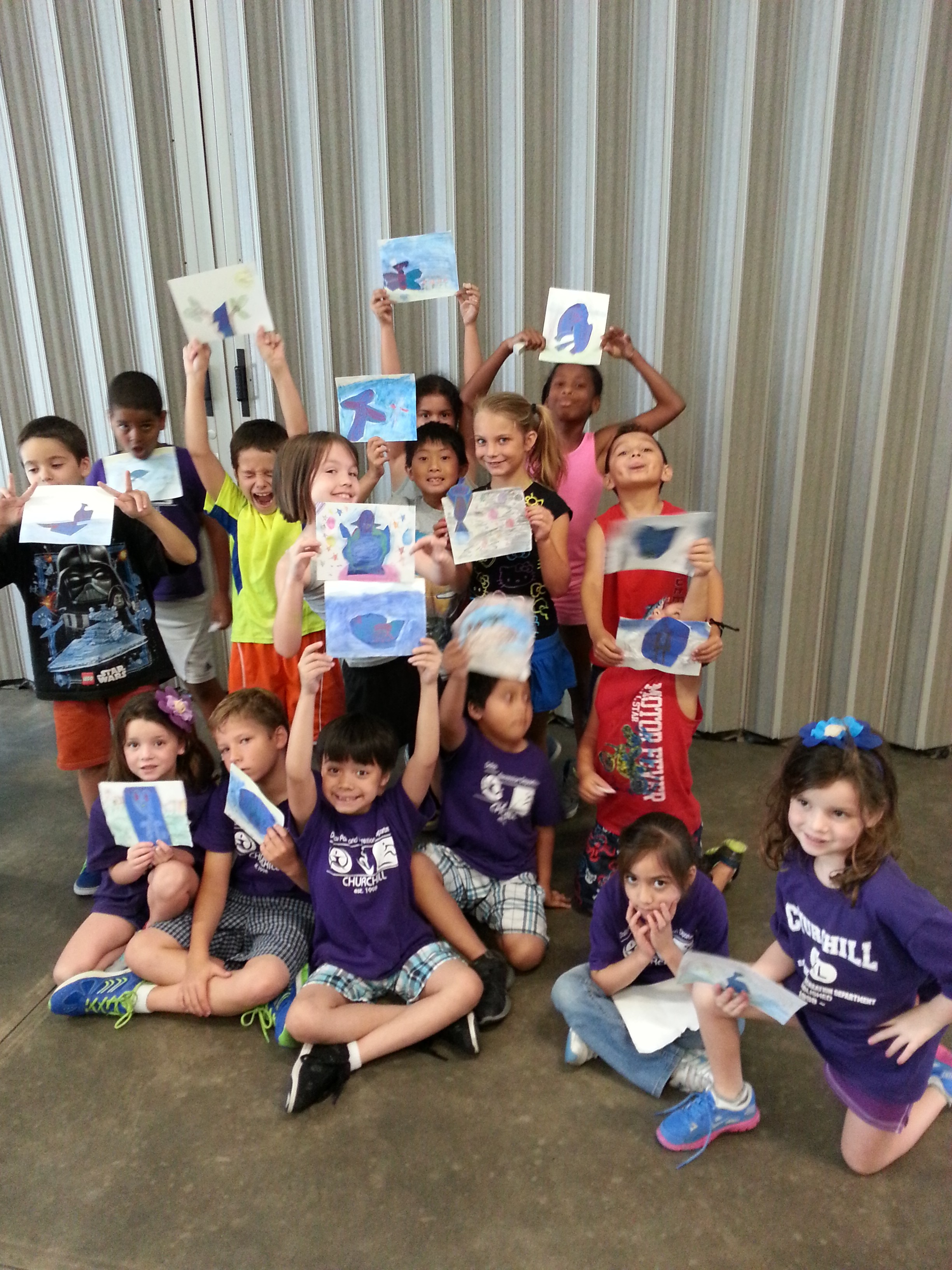
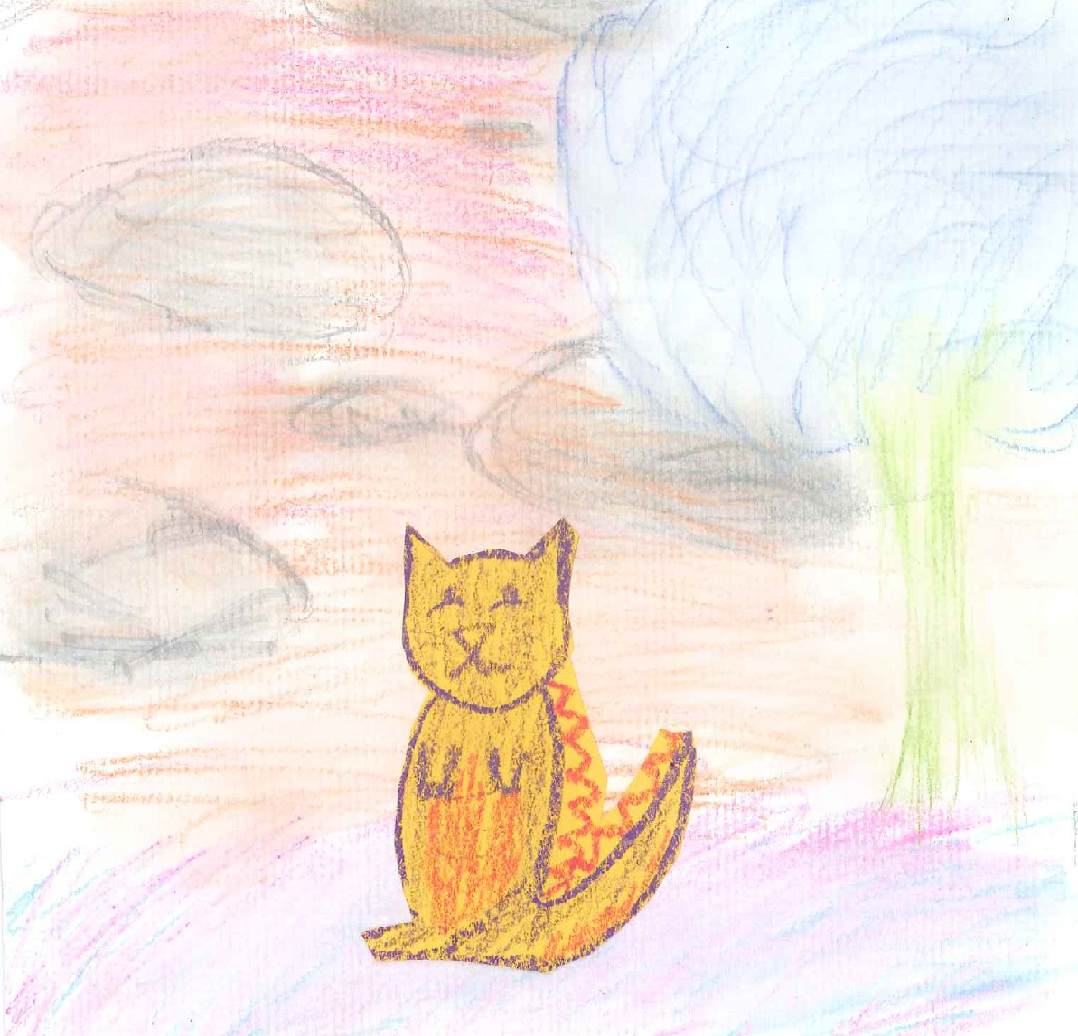
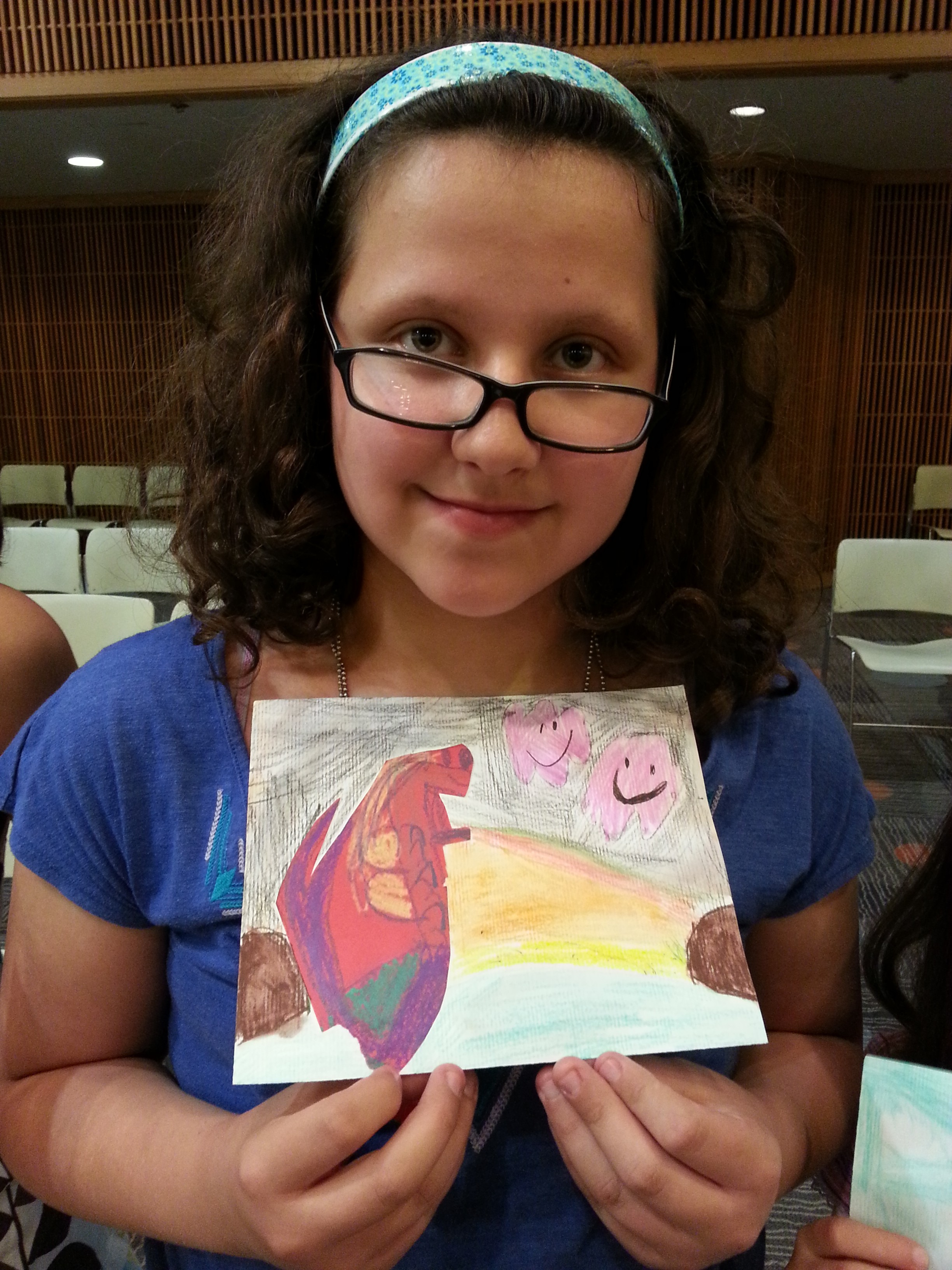
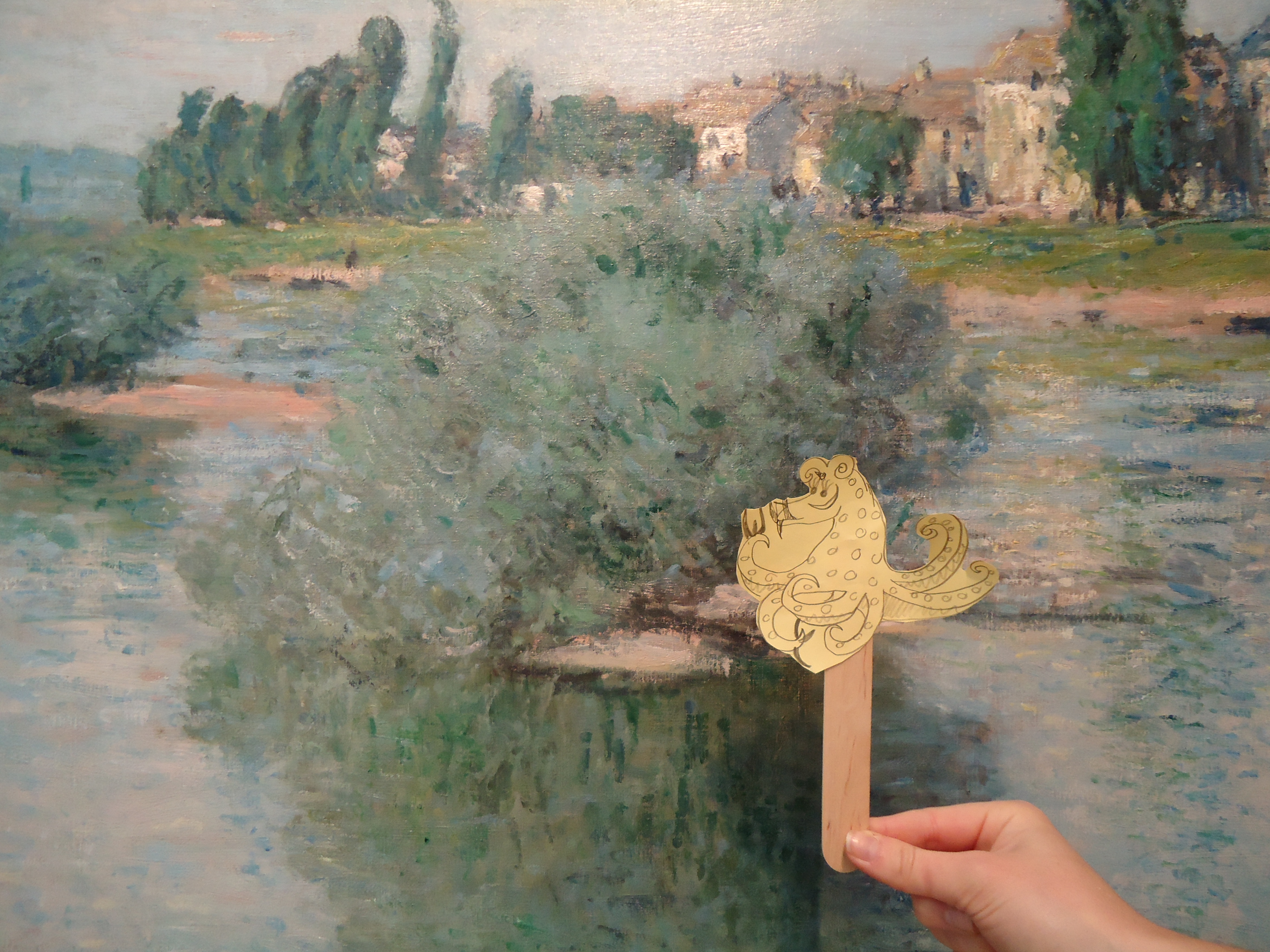
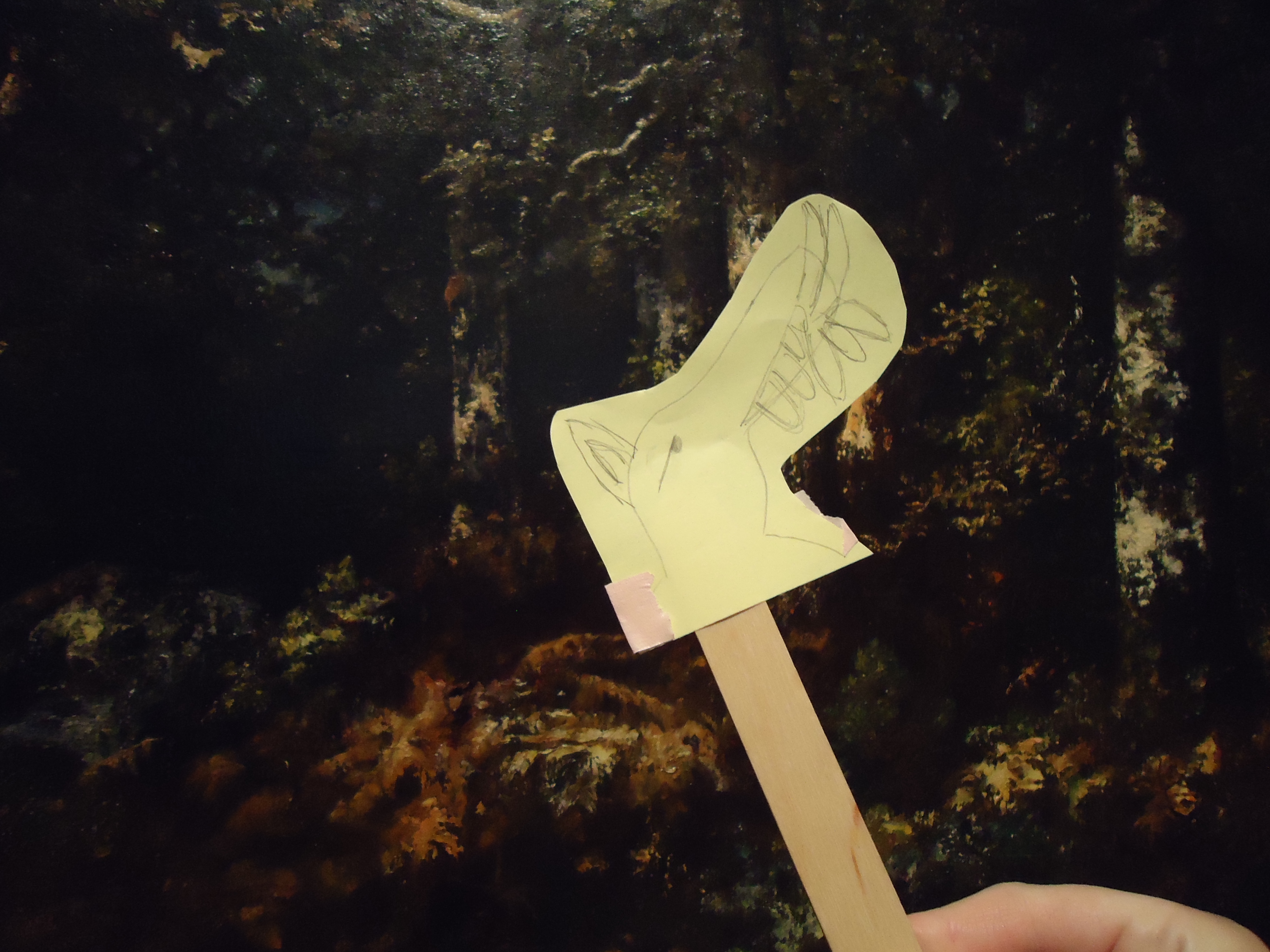
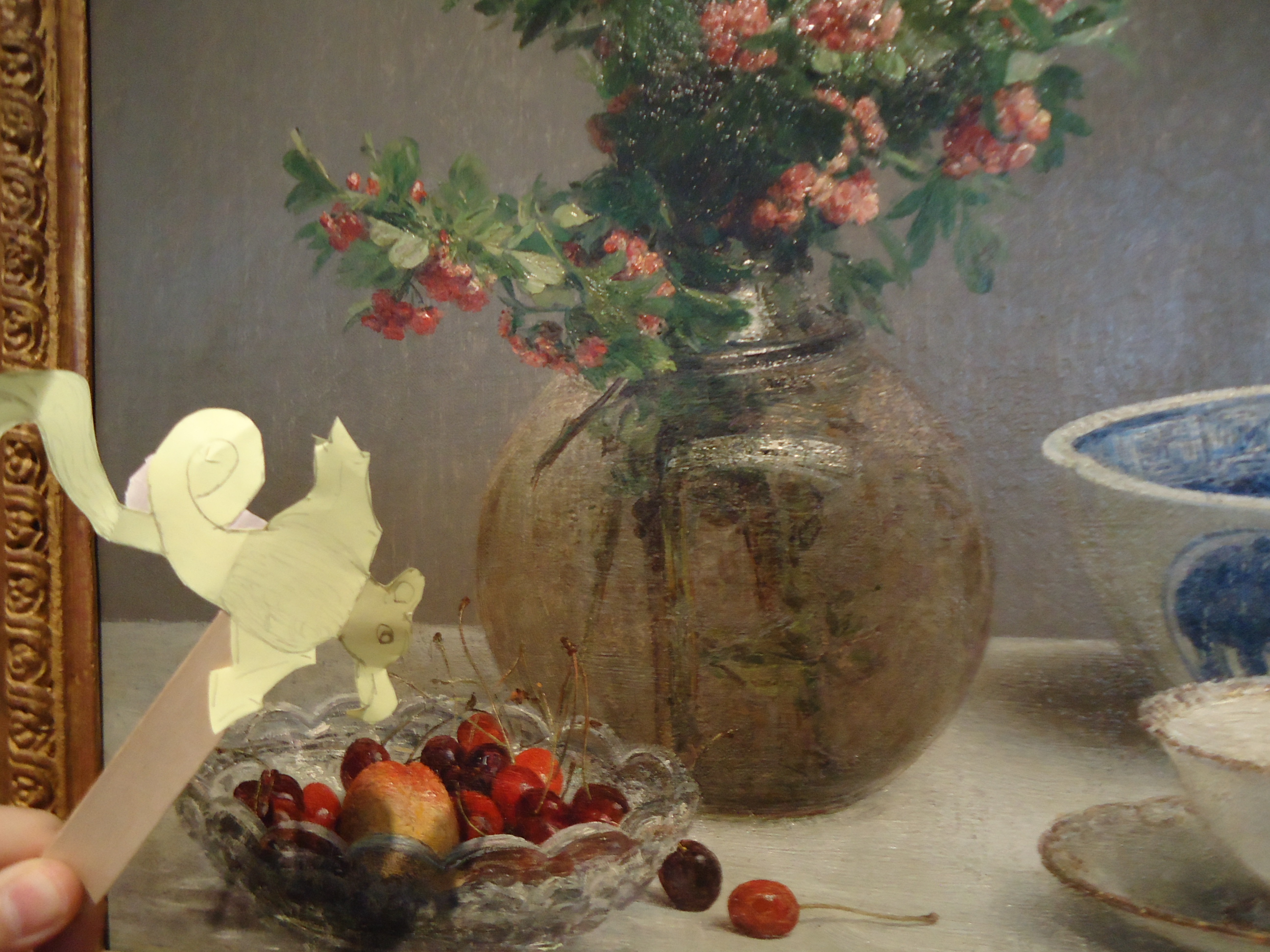
Imaginary Worlds, one of this summer’s Go van Gogh outreach programs for younger audiences, is all about the imaginary and the make-believe, or as one student told me today,”the ideas that come from my brain that maybe NOBODY has seen before.” The program, inspired by a fantastical painting by Laura Owens, asks students to dream up creatures and worlds for them to inhabit. Go van Gogh staff has enjoyed having our imaginations expand as we’ve encountered super-creative artists make things like butterfly-ant-lion-bugs, uni-chick-a-sauruses, and grumpy horned snorkaks (snorkling yaks, maybe?). Below are the steps to our project, the DMA artworks that inspired us, and some really great creations.

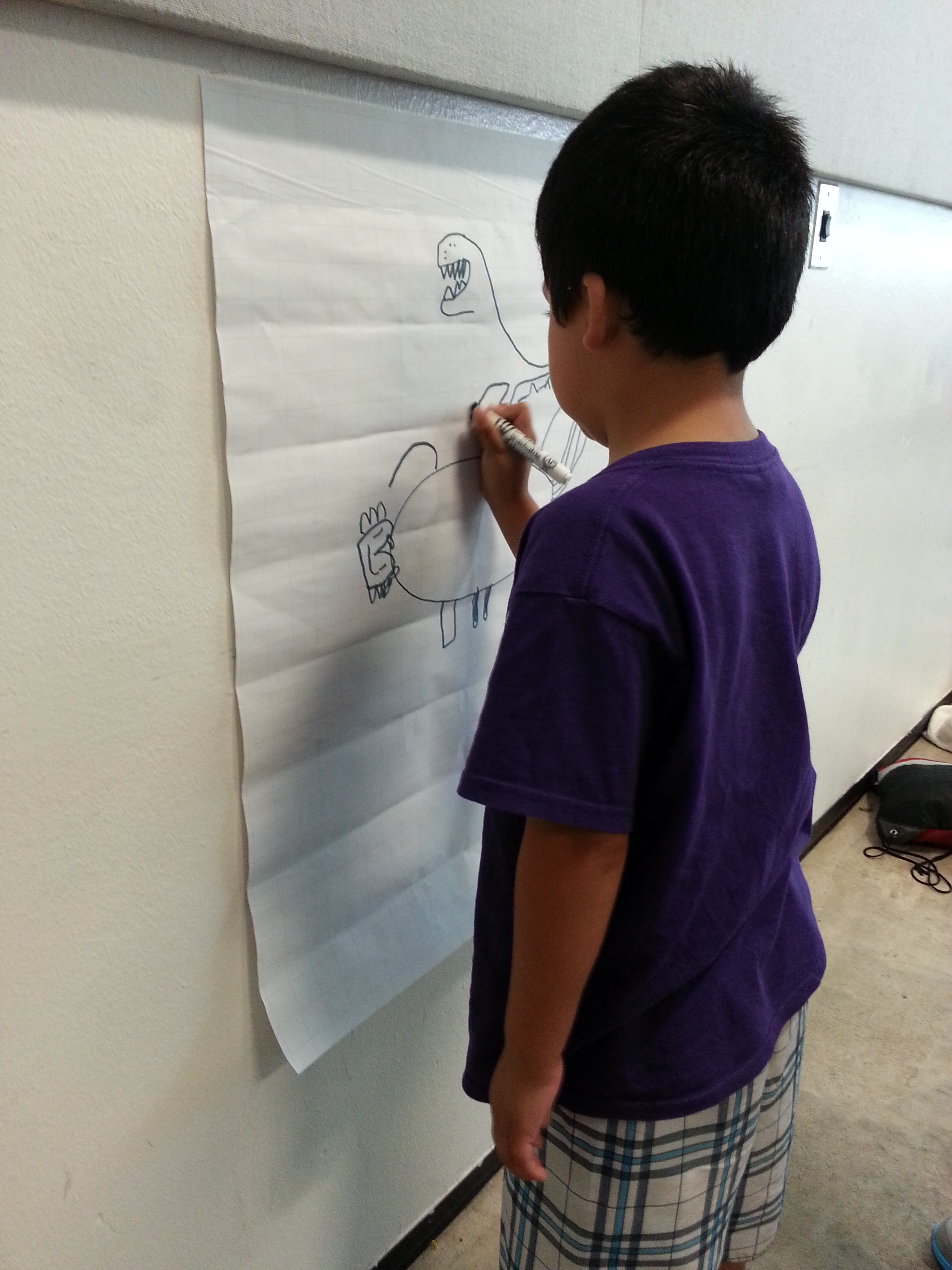
One Big Imaginary Animal!: We start the program with a quick collaborative drawing to spark imagination and get everyone thinking about animals. Volunteers stick a large Post-It on the wall, draw an oval “body” shape for an animal, and invite students to each add just one different part to the animal. Sometimes we stop to think about our favorite animals and the parts they might have—like beaks, wings, antennae, tusks, trunks, fins, curly tails, fluffy manes, and slimy bodies. We encourage students to be silly together and dream up something they’ve never seen before, and we’re always impressed by how well they take that direction!

Exploring Different Worlds: After making an animal together, students make one of their own. It’s then time to think about places for the animal to live. To get inspiration, we explore landscapes from the Museum’s collection, discussing features of each landscape, the weather and vegetation we see, and what kinds of animals might be best suited to live in each place.

Creating Imaginary Worlds: Armed with lots of great ideas, students bring to life a world for their animal. Using watercolor pencils to draw their worlds, students add imaginary vegetation, imaginary weather, imaginary food, and most importantly, imaginary friends for their animals. In the final step of the project, we use wet sponges to add water to our watercolor worlds, blending colors to make artworks look fantastical.

Getting Imaginations Ready: Before our summer fun started, Go van Gogh volunteers spent time doing these same activities during a training session at the Museum. As part of a warm-up activity, volunteers drew their own imaginary animals and explored paintings in our European galleries, to find a world their imaginary animal might inhabit. Below are a few of the photos volunteers took of their animals in DMA artwork habitats.

To join Go van Gogh for some imaginary fun at your local library, visit the schedule on our website.

Amy Copeland
Manager of Go van Gogh and Community Teaching Programs

Artworks Shown:

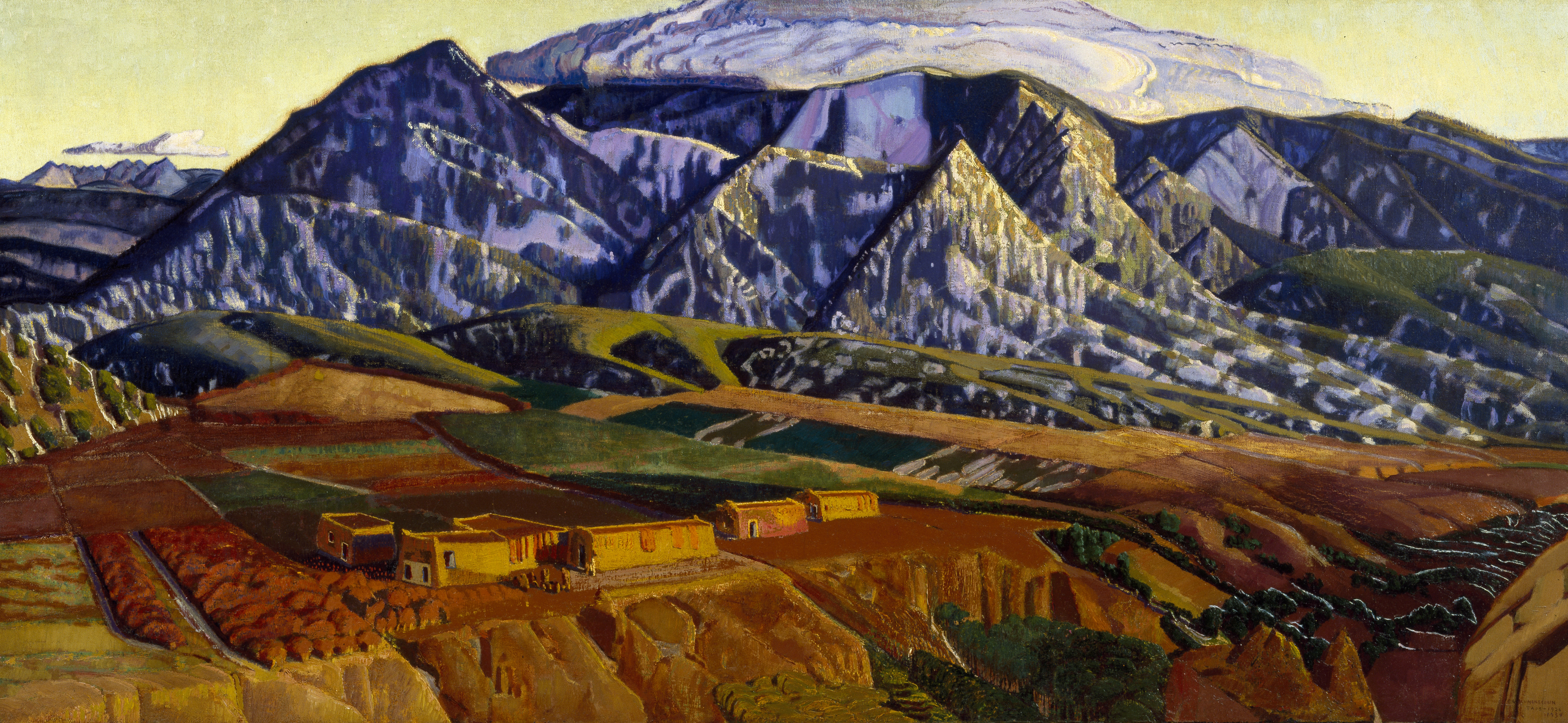
  • Ernest Blumenschein, Mountains Near Taos, 1926-1934, Dallas Museum of Art, gift of Helen Blumenschein
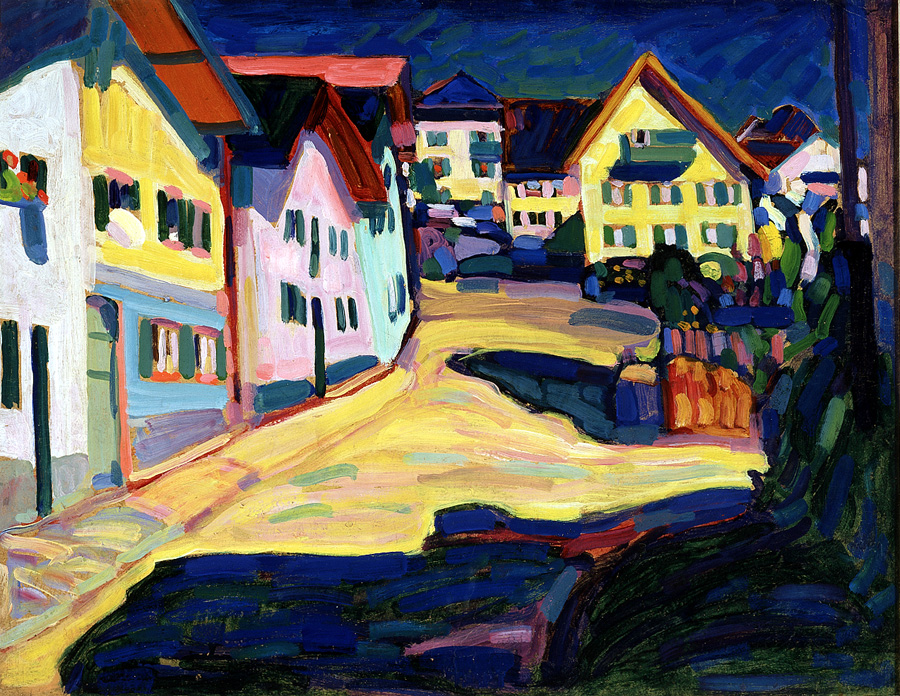
  • Wassily Kandinsky, Murnau, Burggrabenstrasse 1, 1908, 1908, Dallas Museum of Art, Dallas Art Association Purchase
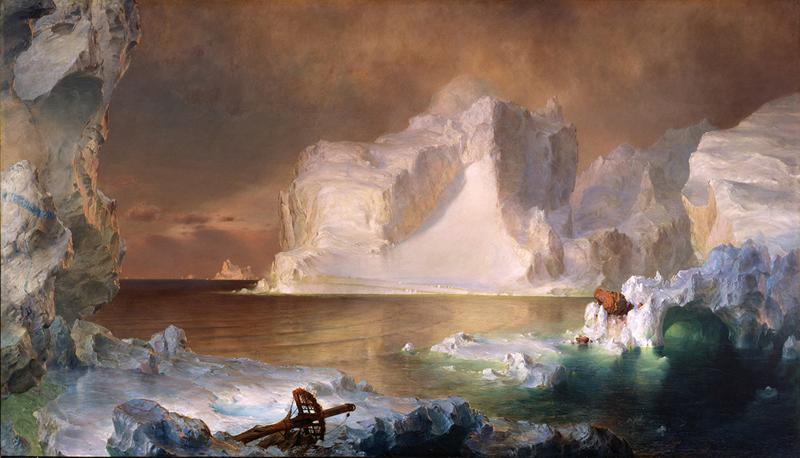
  • Frederic Edwin Church, The Icebergs, 1861, Dallas Museum of Art, gift of Norma and Lamar Hunt
  • Claude Monet, The Seine at Lavacourt, 1880, Dallas Museum of Art, Munger Fund
  • Henri Fantin-Latour, Still Life with Vase of Hawthorn, Bowl of Cherries, Japanese Bowl, and Cup and Saucer, 1872, Dallas Museum of Art, Foundation for the Arts Collection, Mrs. John B. O’Hara Fund and gift of Mrs. Bruno Graf by exchange
  • Narcisse–Virgile Diaz de la Peña, Forest of Fontainebleau, 1868, Dallas Museum of Art, Munger Fund
Friday Photos: Happy Feet

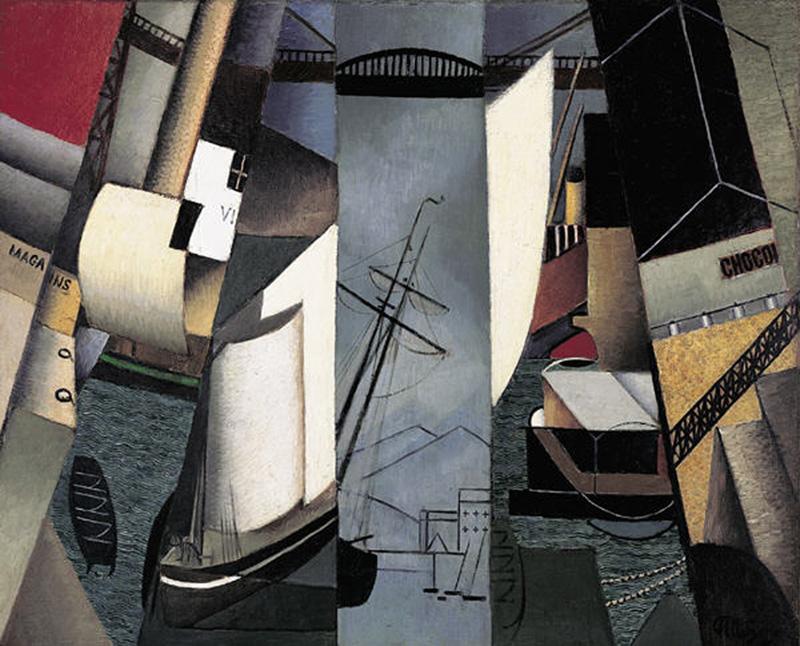
Making sure every kid at camp receives an enthusiastic greeting, a sincere farewell, and plenty of ecstatic responses certainly keep my mouth and feet moving at the DMA. Not everyone may start the day as a happy camper, but I believe that it’s part of my job to excite the kids by really taking interest in them and what they make. Jean Metzinger’s The Harbor best depicts my experience at the camp, both busy and energetic. From the snapshots of various scenes at the harbor, I am reminded of the various “snapshots” throughout camp filled with kids getting too close to the artwork, getting messy with finger paint, and, of course, creating some amazing artworks. By the end of each day, I am drained and exhausted, but I thank the kids for keeping me busy. I truly enjoy getting to know them each week as they become louder, wilder, and more lovable.

Sharon An
Summer Programs Intern

More than Meets the Eye

rosependantCROP2

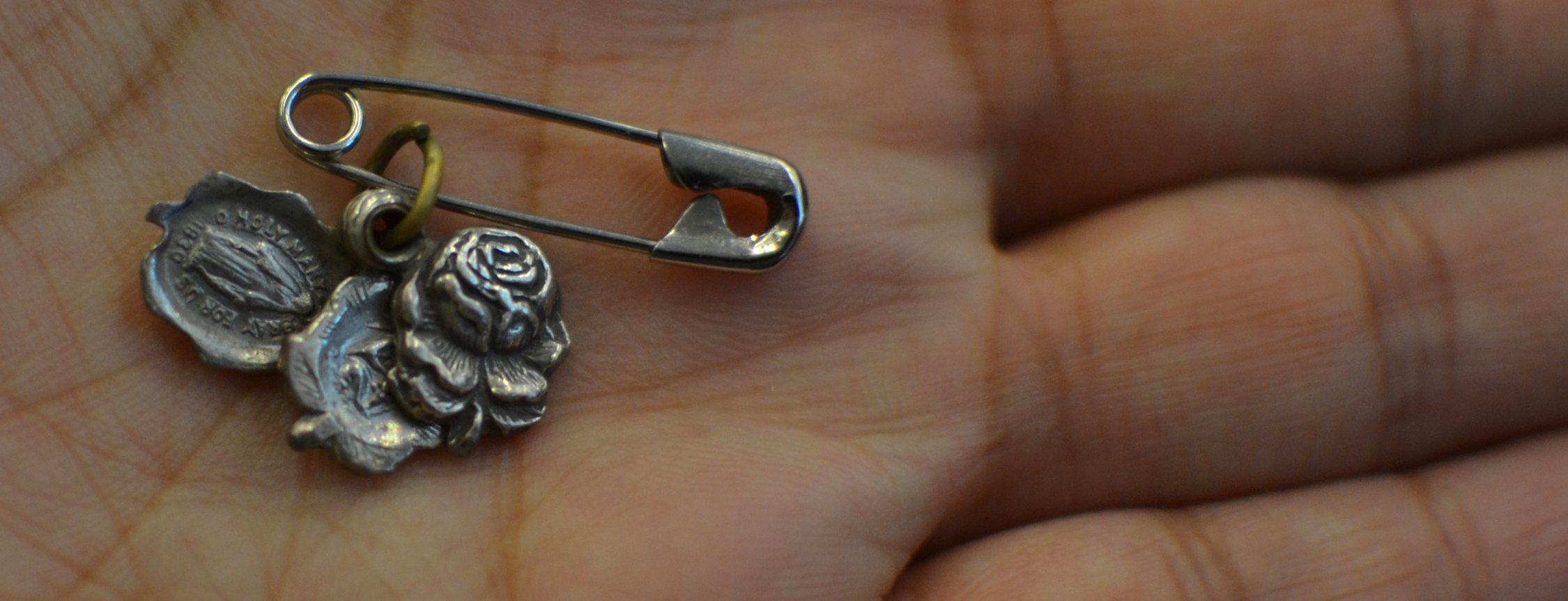
Sometimes we associate certain objects with specific people, places, or memories. A seemingly ordinary object can hold very personal meanings. When I was young, my grandmother gave me a rose pendant. It consisted of three layers, each with small images carved into the surface. I wore it throughout my childhood and adolescence and remember frequently running my fingers over the textured surfaces when I felt anxious. To anyone else this rose pendant may seem to be a simple trinket, but to me it holds significance and reminds me of my grandmother.

2001_358_A_F   PortraitofPapacrop

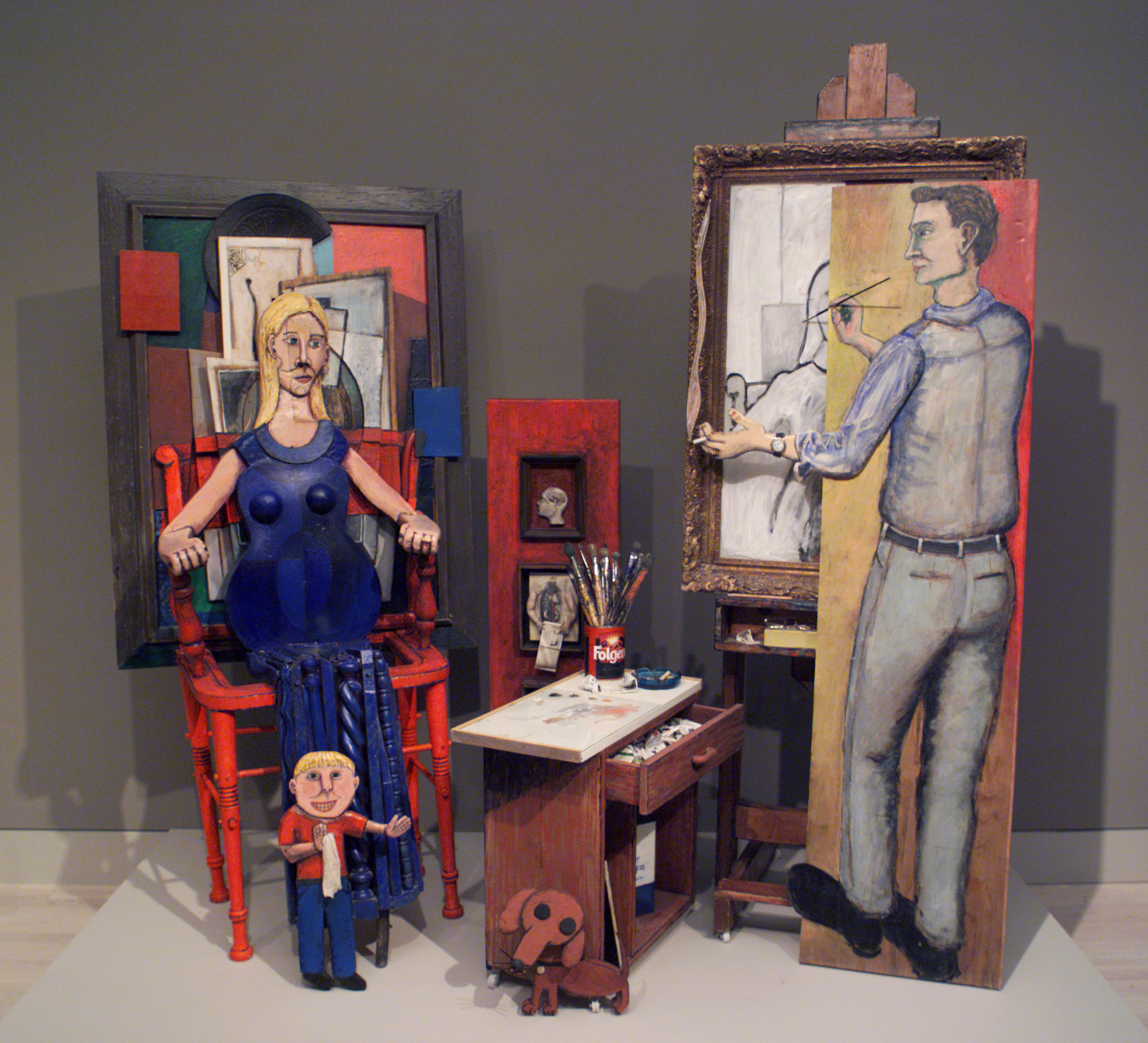
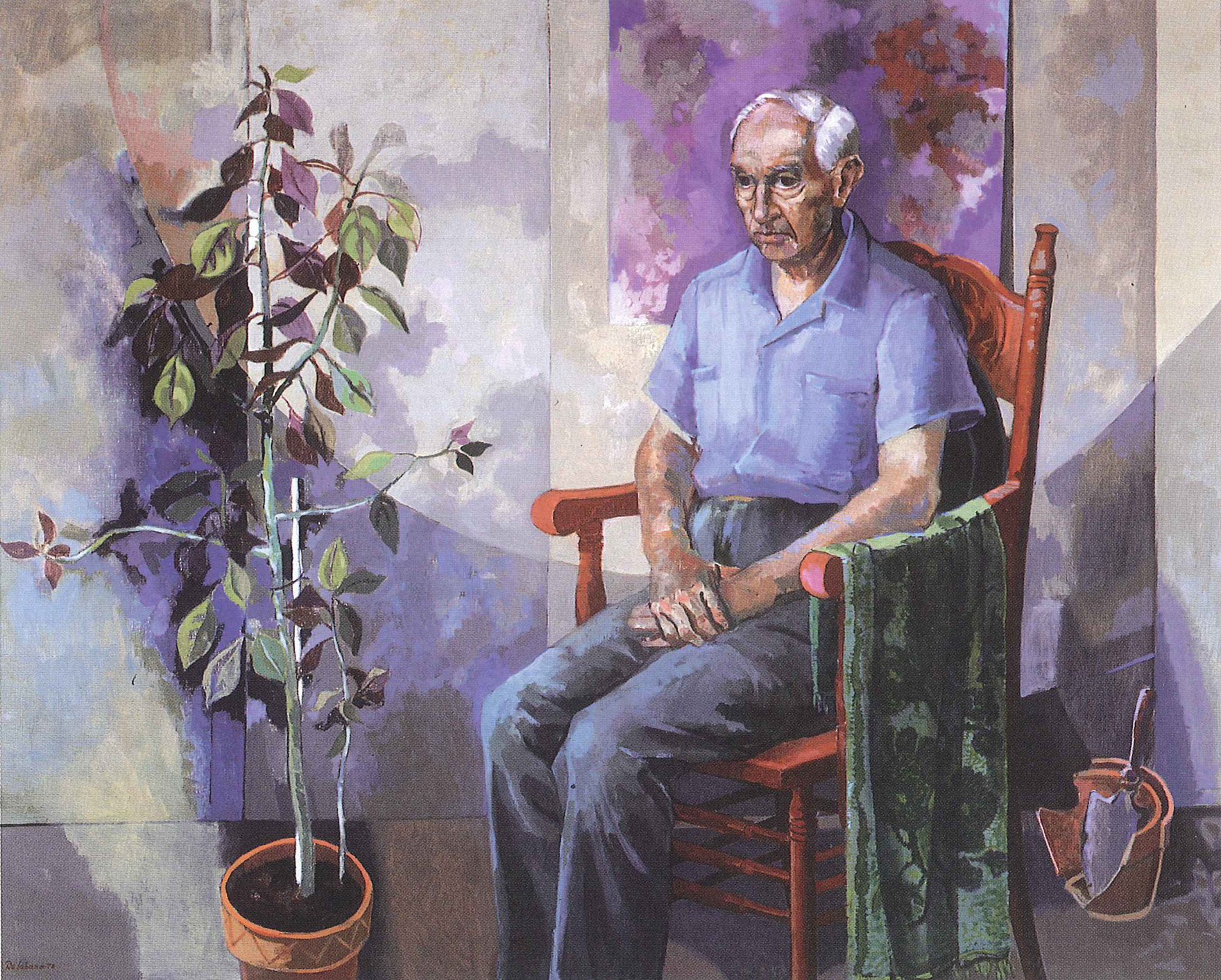
Similarly, there is often more to a work of art than meets the eye. In Family Portrait 1963 by Martin Delabano, the artist has depicted his mother sitting in a red chair. To most viewers, this may simply seem to reflect the reality that she was sitting in a red chair; but in fact, this chair is significant to both the artist and his family. The chair is a family heirloom that also appears in a painting by Barney Delabano, Martin’s father. In Portrait of Papa, Barney paints his own father sitting in the same red chair.

During July and August, the DMA is asking you to discover the stories behind works of art in our collection and then share your own stories about significant objects in your life. DMA Friends who complete all three activities below can earn the More Than Meets the Eye Badge with codes gathered upon the completion of each activity.

1991_75_55See
Discover stories behind other works of art in our collection by completing the More Than Meets The Eye smART phone tour. Bring your web-enabled device and pick up a list of the suggested stops on this tour in the Center for Creative Connections (C3).


DSC_0327cropMake
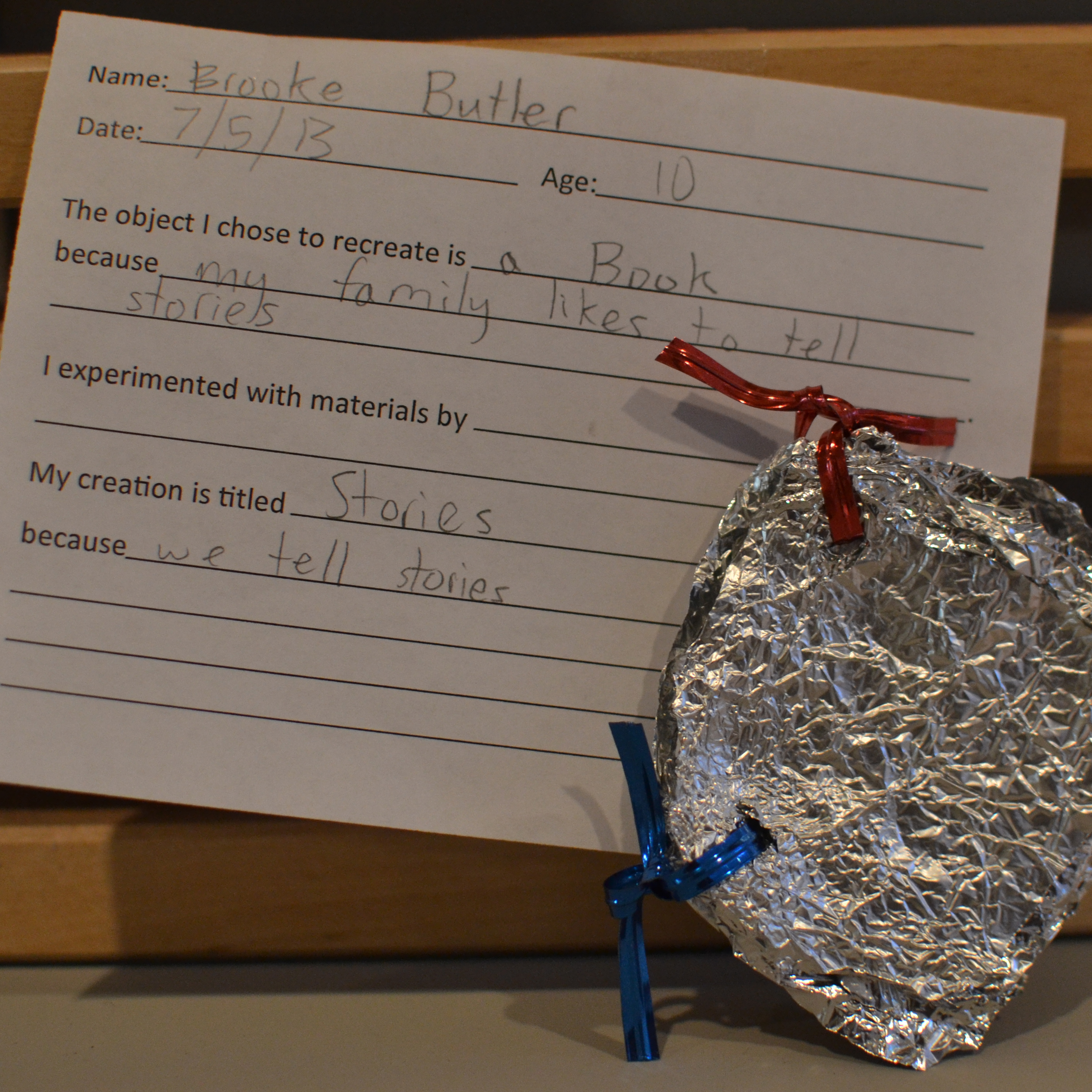
Stop by the C3 Art Spot to re-create an object from your home that holds a special meaning for you. Fill out a label for your creation and tell us why this object is meaningful.


mirrorCROPDo
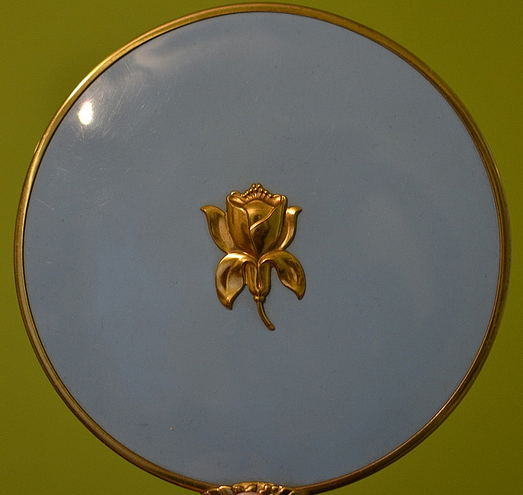
Contribute your photographs of objects that hold a special meaning or personal story to the C3 wall of monitors. Simply join our Flickr group and share your images. For more information on how to participate click here.


Can’t make it to the DMA today? No worries! You can start participating right now from your computer at home. Look around you, what objects do you see nearby that are special to you? Grab your camera (or smartphone), take a picture, upload it to Flickr, and add it to our group. One step down, two to go!

Artworks Shown:

  • Martin Delabano, Family Portrait 1963, 2001, Dallas Museum of Art, gift of Mr. and Mrs. Bryant M. Hanley, Jr., Lorine and David H. Gibson, and Sonny Burt and Bob Butler.
  • Barney Delabano, Portrait of Papa, 1972-73, Dallas Museum of Art, Barney Delabano Memorial Fund and gift of the Delabano family.
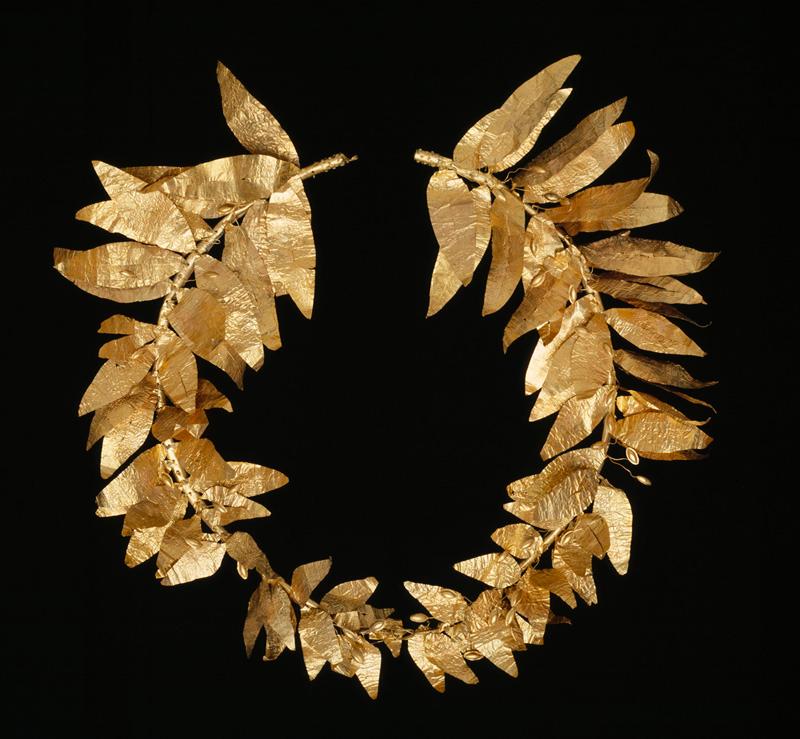
  • Wreath, Greek, 4th century B.C., Dallas Museum of Art, Museum League Purchase Funds, The Eugene and Margaret McDermott Art Fund, Inc., and Cecil H. and Ida M. Green in honor of Virginia Lucas Nick.
Jessica Fuentes
C3 Gallery Coordinator

Friday Photos: From Sea to Shining Sea

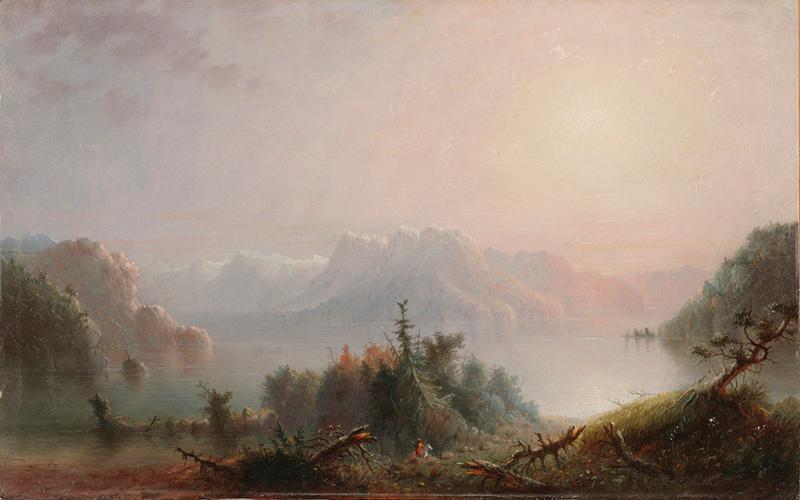
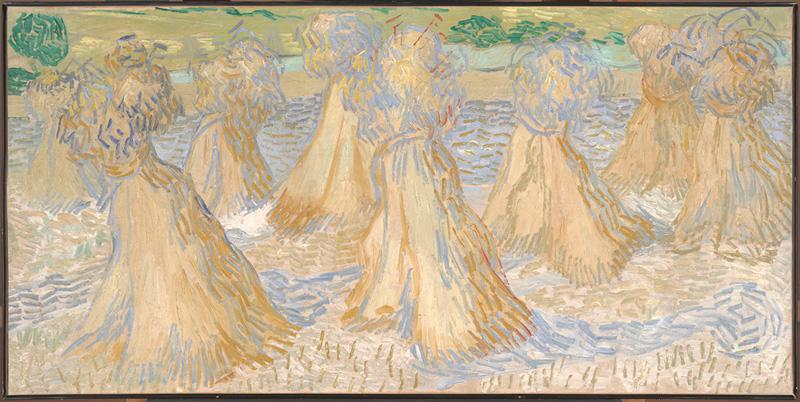
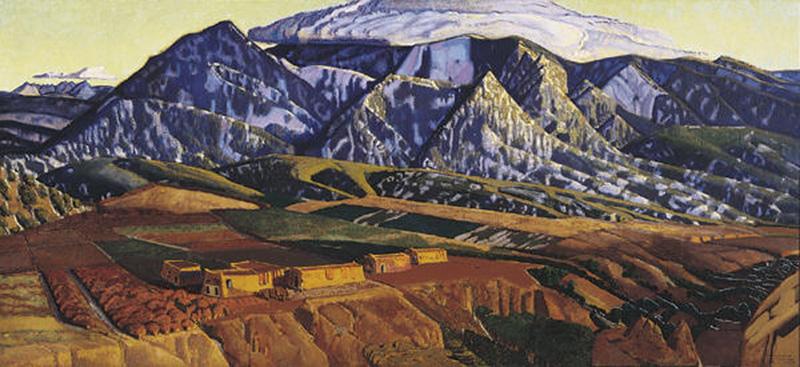
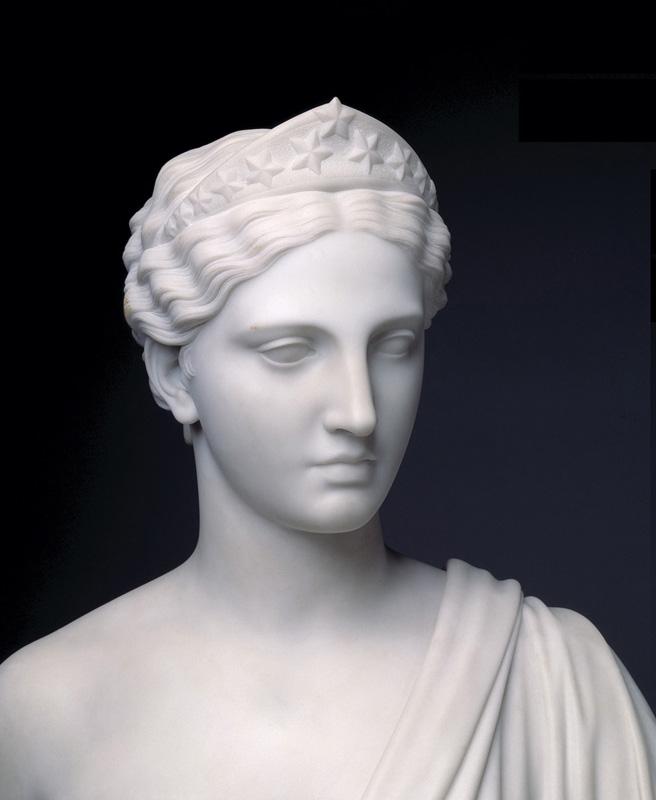
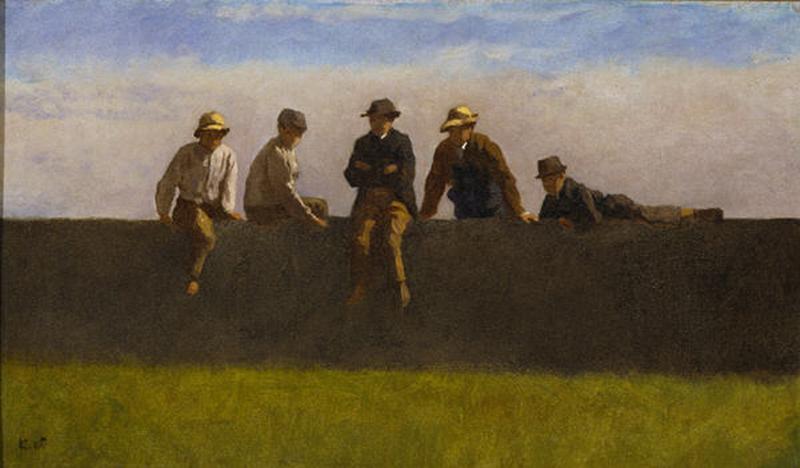
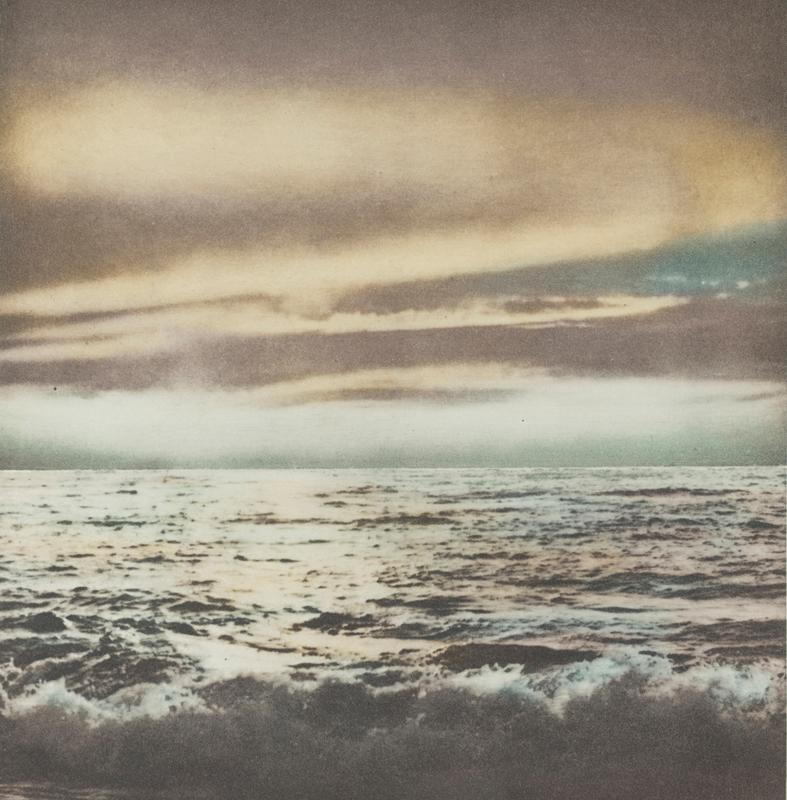
In the spirit of the 4th of July holiday, this Friday photo post is highlighting pieces from the DMA’s collection that have some patriotic flare! The works of art included below contain elements that call to mind the iconic poem “America the Beautiful” by Katharine Lee Bates. Can you think of any other works of art that could align with the poem?

Artworks Shown (left to right):

Row 1

  • Alfred Jacob Miller, The Lake Her Lone Bosom Expands to the Sky, 1850, Dallas Museum of Art, gift of C.R. Smith
  • Vincent van Gogh, Sheaves of Wheat, 1890, Dallas Museum of Art, The Wendy and Emery Reves Collection

Row 2

  • Ernest Blumenschein, Mountains Near Taos, 1926-1934, Dallas Museum of Art, gift of Helen Blumenschein
  • Hiram Powers, America, 1860, Dallas Museum of Art, gift of Eleanor and C.Thomas May, Jr.

Row 3

  • Eastman Johnson, Five Boys on a Wall, 1875-1880, Dallas Museum of Art, Foundation for the Arts Collection, gift of Roland S. Bond, Mrs. Alfred L. Bromberg, and Margaret J. and George V. Charlton
  • Gerhard Richter, Ocean (Seelandschaft)1971, Dallas Museum of Art, Dallas Museum of Art League Fund, Roberta Coke Camp Fund, General Acquisitions Fund, DMA/amfAR Benefit Auction Fund, and the Contemporary Art Fund: Gift of Mr. and Mrs. Vernon E. Faulconer, Mr. and Mrs. Bryant M. Hanley, Jr., Marguerite and Robert K. Hoffman, Howard E. Rachofsky, Deedie and Rusty Rose, Gayle and Paul Stoffel, and two anonymous donors

Danielle Schulz
Teaching Specialist


Archives

Categories