Posts Tagged 'Contemporary Art'


Art for Two

It’s a perfect day for thinking in twos; we’re getting close to that couple-y time of year, and it’s also the 2nd day of February (2/2)!

The DMA collection is full of couples in works of art—some of them are real-life pairs, some are fictional twosomes.  Below are just a few of the many couples here at the Museum.  All of them (or works by them) are currently on view.

Wendy & Emery Reves: A Couple Art-lovers
She was a fashion model. He was a Hungarian journalist and writer.  Together Wendy and Emery Reves befriended celebrities (Winston Churchill and Greta Garbo) and amassed a breath-taking collection of decorative and fine art by artists like Degas, Monet, and van Gogh.  The Reves gave their entire 1,400 piece collection to the Museum in 1985, where it is housed in a beautiful replica of their French villa on the 3rd floor of the Museum.

Shiva & Parvati: A Divine Couple
Hindu god Shiva, and his wife, the goddess Parvati, are shown in this 7th-8th century atwork as a loving couple.  Shiva is the Lord of Life, Death and Rebirth, and in this sculpture he appears as Maheshvara, or great god. Parvati appears as Uma, or the shining one.
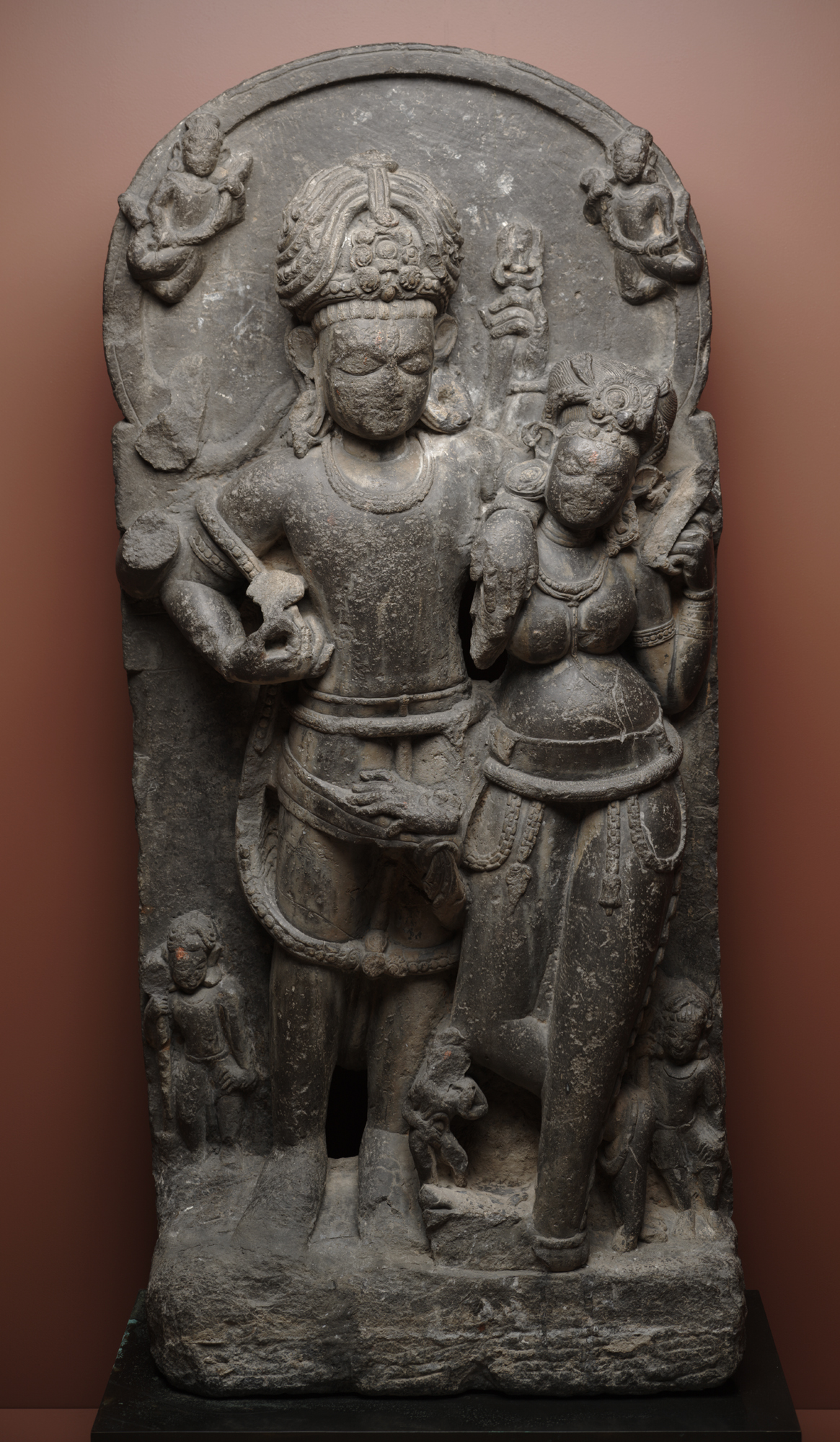
India, Stele of Uma-Maheshvara, 7th-8th century

Frances Bagley & Tom Orr: A Couple of Local Artists
Dallas artists and real-life couple Frances Bagley and Tom Orr collaborated to create the stage set for the 2006 Dallas Opera’s production of Giuseppe Verdi’s, Nabucco.  They translated several components of the production’s set to create an installation that is on view in the exhibition Performance/Art, through March 21st.  Nabucco tells the Biblical story of the Jews’ exile from their homeland by Nabucco, the Babylonian king.  The image below shows Bagley and Orr’s interpretation of the Hanging Garden, the final scene of the opera.
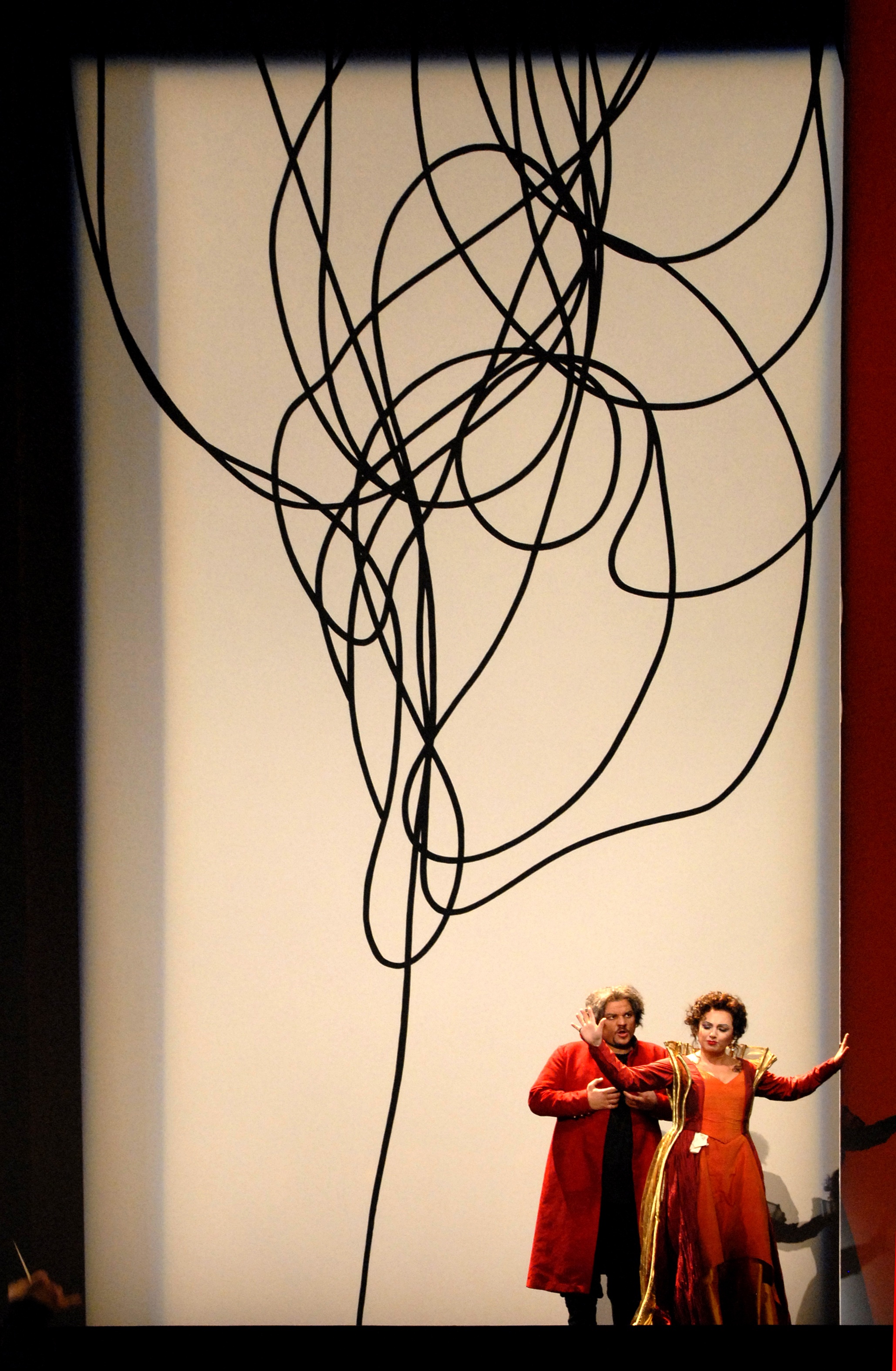

Scene from the Tales of Ise: An Ill-fated Couple
The couple in these 16th century screens is based on characters from a Japanese collection of fables called “Tales of Ise.”  This scene shows the pair attempting to elope by escaping through a field of grass, as they are pursued by servants of a provincial governor.  The empty, lonely scene foreshadows the tragic fate of the young couple, who will soon be discovered in hiding after the servants set fire to the field.
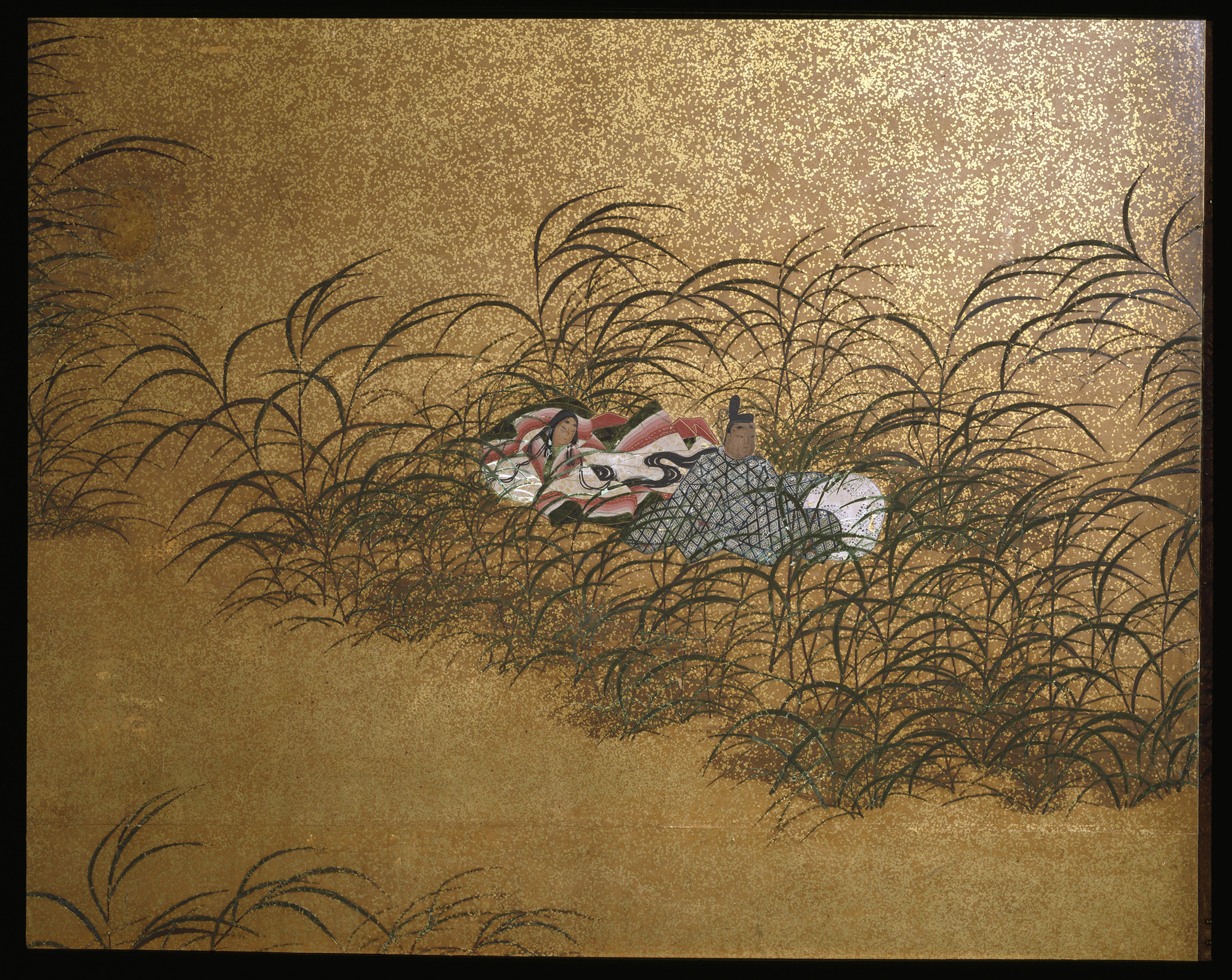
Tosa Mitsuyoshi, Scene from the ales of Ise, Momoyama Period

Couplet
This last one isn’t an artwork in our collection, but it just might be my favorite on the list.  It’s a student-made video about two chairs visiting the Museum, and it reminds me of the fun of looking at art with someone else.  Hats off to the Booker T. Washington High School Film Club students who created it during a Saturday afternoon here this past October.

[youtube=http://www.youtube.com/watch?v=uIvIjRXPcTU]

Our next Late Night on Friday, February 19th is a perfect time to visit the Museum with a special someone; there will be French themed performances, and a focus on Impressionism and romance.

Happy February!
Amy Copeland
Coordinator of Learning Partnerships with Schools and the Community
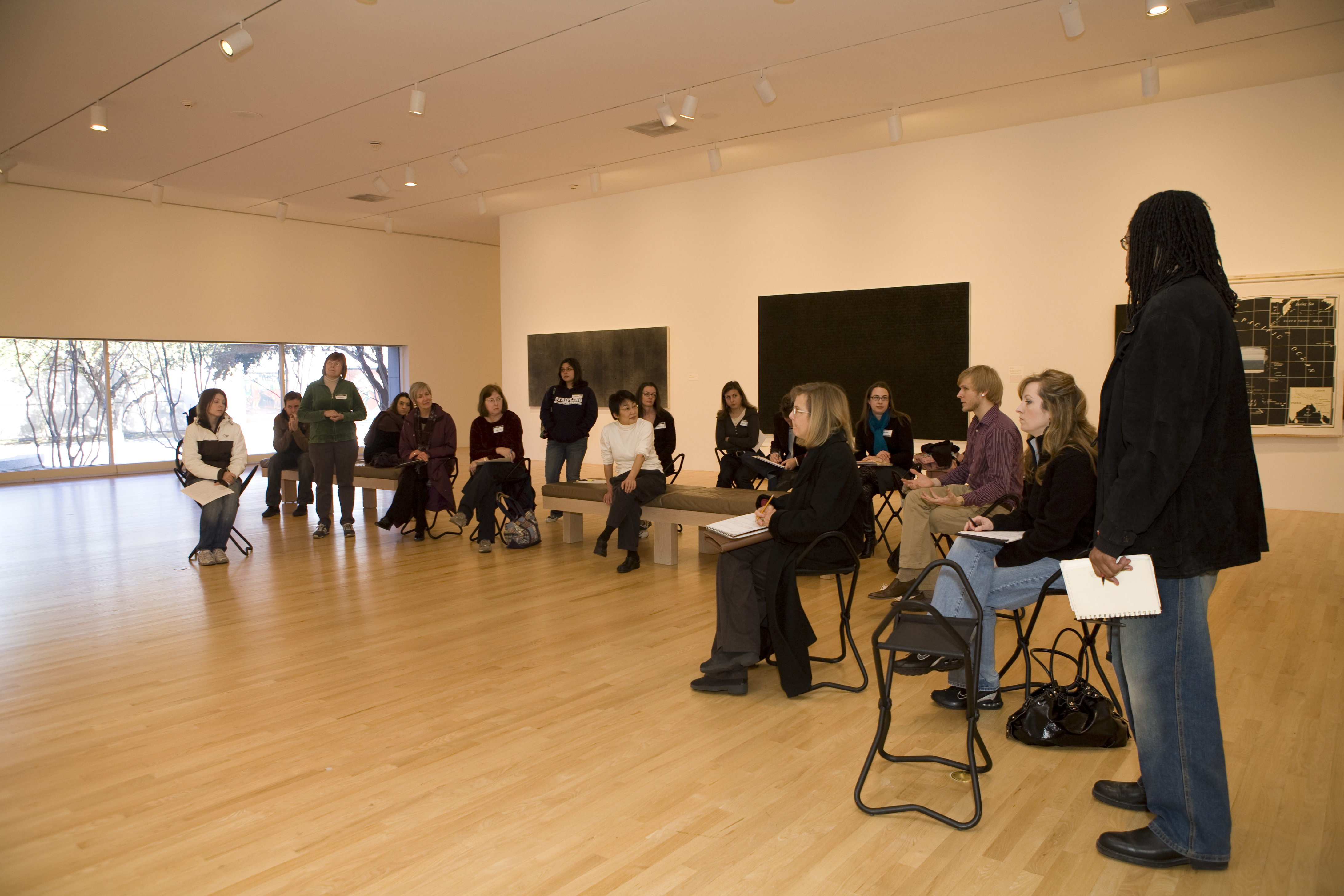
Contemporary Art Teacher Workshop

Last weekend teachers attended the second half of a two-part teacher workshop about contemporary art offered by the Dallas Museum of Art and The Rachofsky House. During the first session, held at the DMA on January 9th, teachers interacted with works of art in the special exhibitions All the World’s a Stage and Performance/Art, as well as in the newest installation in the Hoffman galleries.

Teacher Workshop in the Hoffman Galleries

During our three and a half hours together that day, Molly Kysar and I led interactive experiences, discussion and writing while looking at a variety of works of art. This past Saturday, January 23rd, we met at The Rachofsky House where Thomas Feulmer introduced teachers to the current installation, Presence.

Thomas began our morning together by offering teachers the opportunity to experience works by artists they had seen during our first session at the Museum, including Glenn Ligon, David Altmejd, Thomas Struth, and Gregory Crewdson. In each case the work on view at the DMA and that at The Rachofsky House were quite different in scale and their subject matter was approached through different means. The Altmejd sculpture on view at the Museum, for instance, is titled “The Eye” and fills one of the quadrant galleries in Performance/Art with its energetically rising mirrored staircases, obelisks, and punctured surfaces in a spectacular reference to the creation of the atom bomb. At The Rachofsky House, on the other hand, Altmejd’s “The Quail,” though still constructed with mirrors and towering above the viewer, includes a number of quail eggs encased in glass and is more evocative of Stonehenge than it is of explosions.

The Eye, 2008, David Altmejd

Wood and mirrors
Overall: 129 1/2 x 216 1/2 x 144 1/2 in. (3 m 28.931 cm x 5 m 49.911 cm x 3 m 67.031 cm)

The Rachofsky Collection and the Dallas Museum of Art through The Rachofsky Collection Fund and the DMA/amfAR Benefit Auction Fund

© David Altmejd, courtesy the artist and Andrea Rosen Gallery

The workshop provided a great chance to explore a few works by Gregory Crewdson, who will be speaking at the DMA this Wednesday, February 3rd, as part of a lecture series hosted by The University of Texas at Dallas’ new Center for Values in Medicine, Science and Technology. We will host a teacher workshop that evening, including two hours discussing Crewdson’s work and contemporary photography before attending the public lecture.

The DMA and The Rachofsky House will again join, along with the Nasher Sculpture Center, the Fort Worth Modern, and the Kimbell Art Museum, for this year’s Museum Forum for Teachers, taking place July 19-23. Applications are now being accepted.

Logan Acton
McDermott Graduate Teaching Programs Intern

January Programs for Teachers

We are looking forward to two exciting programs for teachers this month! 

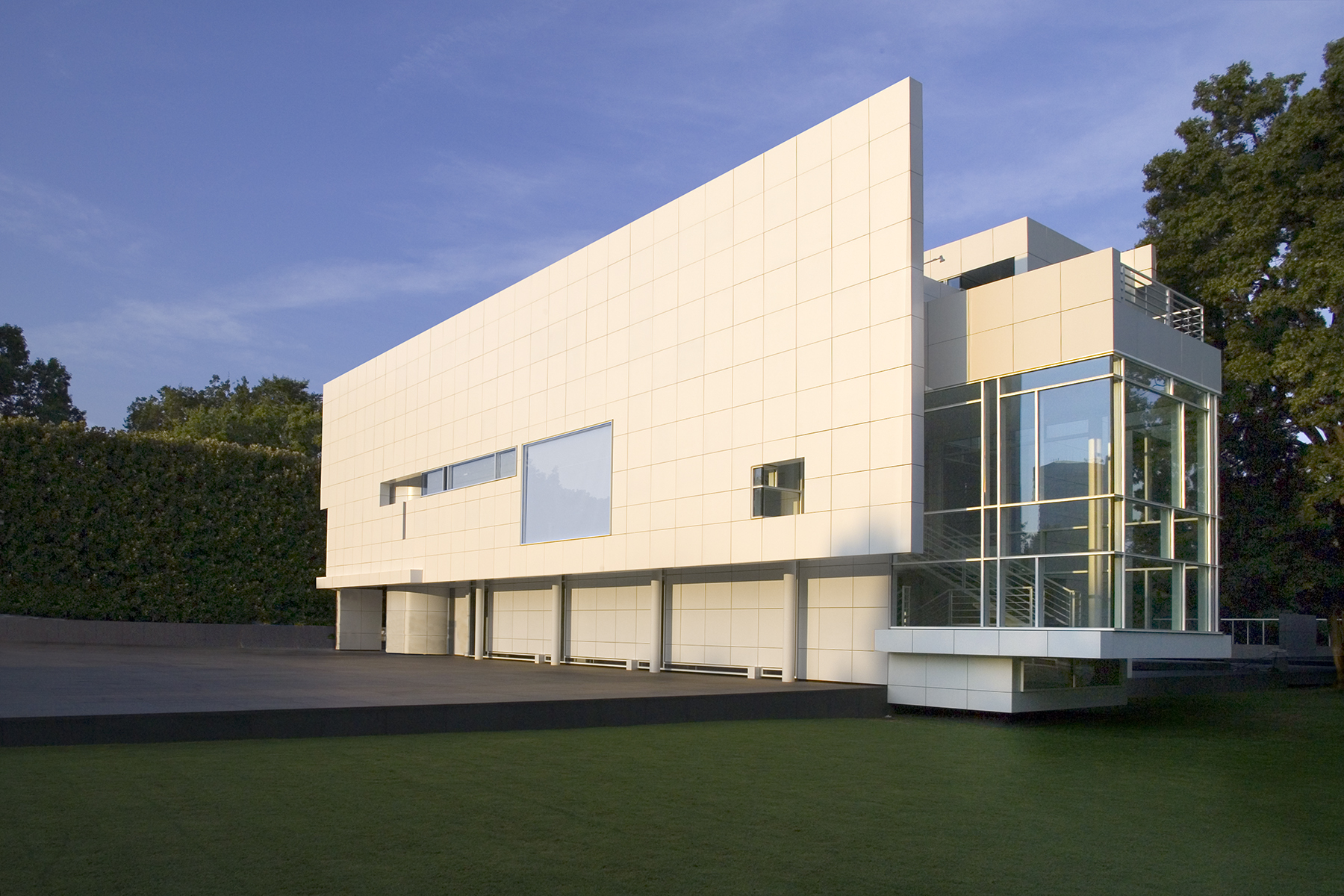
The Rachofsky House (photo by Michael Bodycomb)

In collaboration with The Rachofsky House, we are offering a teacher workshop on contemporary art that will include the current installation of the DMA’s Hoffman Galleries and a morning at The Rachofsky House led by Thomas Feulmer.  The workshop stretches over two Saturdays: January 9 and January 23.  Complete details, including registration, are available on our Web site

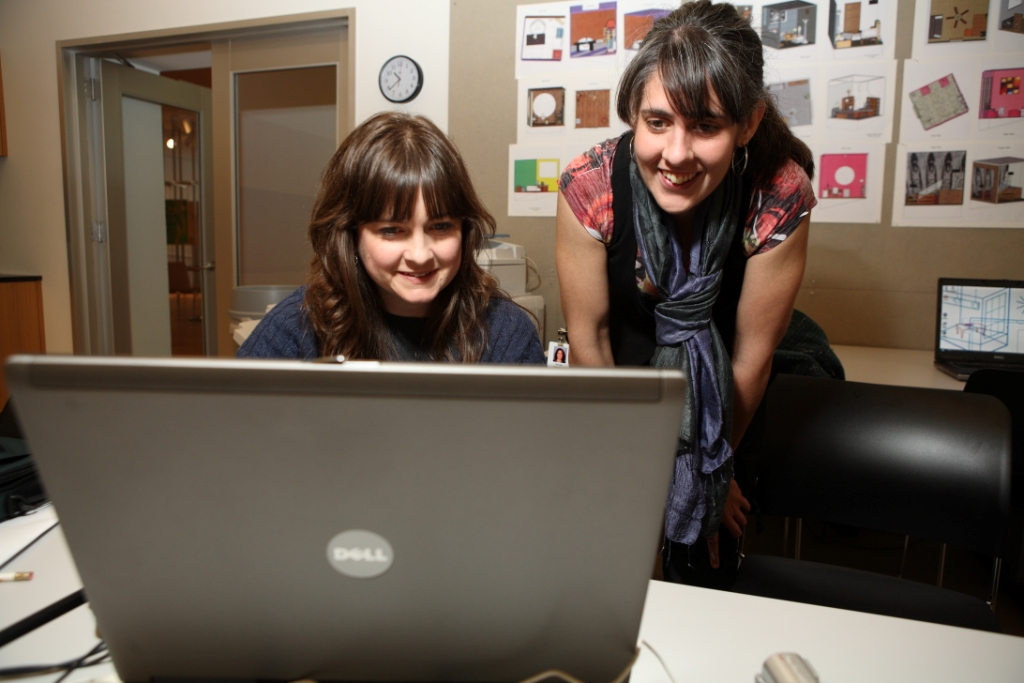
Teacher and DMA staff in the Tech Lab

Teachers will also have the opportunity to merge art and technology during our January Thursday Evening Program for Teachers.  The featured program this month will be Tech Lab: Open Lab on January 14 at 6:30 p.m.  Teachers are invited to experiment with Photoshop collages during this drop-in, hands-on program led by artist Kevin Todora.

Molly Kysar
Head of Teaching Programs

Community Connection: Contemporary Art and a Beluga Whale

Thomas Feulmer is the Director of Educational Programming at The Rachofsky House and is a regular collaborator with the DMA.  We always look forward to his fresh ideas and perceptive insights related to works of art and artists.

Describe your work at The Rachofsky House.  What is your favorite part of your job?

As Director of Educational Programming, I do anything involving schools or the public having any interaction with the Rachofsky House.  My favorite part of my job is being around the works of art and being around original objects.  I also like the creative element of having to improvise in front of groups and having to think on your feet.

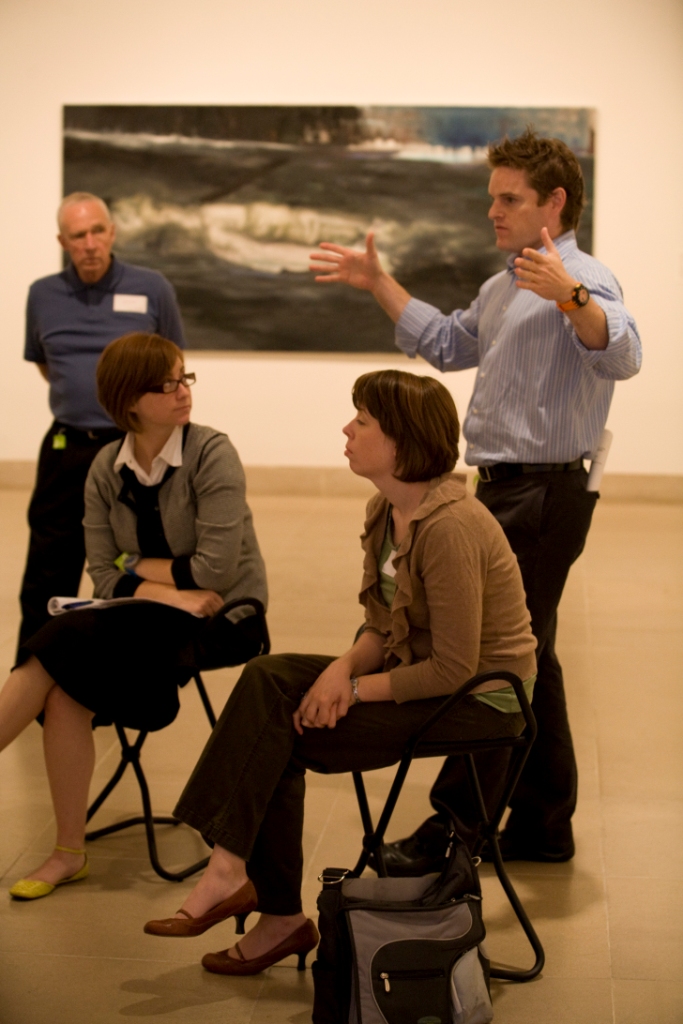
Thomas talks about a work of art at the 2009 Museum Forum for Teachers.

 Tell us about your relationship with the DMA.

I work collaboratively with Molly Kysar on Programs for Teachers based on Contemporary Art. I’ve also worked with Nicole Stutzman on the Travis Academy Program.  The UT Southwestern Medical School class “The Art of Observation”, led by DMA docents Margaret Anne Cullum and Joanna Pistenmaa, visit The Rachofsky House once during the semester.  I also participate in the development of some programs and exhibitions, in part by talking about artists and artworks that are in both the Rachofsky Collection and the DMA collections or are on loan to the DMA. 

 If you could take home any work of art from the Rachofsky Collection, what would you choose?

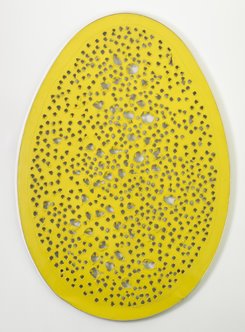
Lucio Fontana, Concetto Spaziale, La Fine di Dio, 1964

One of the first things that comes to mind is the Lucio Fontana piece Concetto Spaziale, La Fine di Dio.  It’s one of the works that every time I stand in front of it, I think it’s incredible.  When I’m looking at that piece, I feel like I’m looking at a real, sincere thing that is about exploring and is about a rich and deep thinking on the artists’s part. 

 How would you describe your personal work as an artist?

Most of my work looks at relationships: relationships between people, and more recently, relationships between people and animals.  It is also about how intimacy is managed and expressed and how desire and attraction are managed and expressed.  One of the big themes in my recent show is about my relationship with a beluga whale.  I like the notion that most people have a desire to have a pure relationship with an animal and we project a lot of our purist ideas about love and desire onto animals because they seem so unguarded, I guess. I love that we project all those purist things onto animals, but, to have an experience with a beluga whale it had to happen at Sea World, which is a big place.  The whale is trained and follows commands, and ultimately the experience is all controlled – which, in a way, is how all interactions are.  See Thomas’s recent work at New Work by Rebecca Carter and Thomas Feulmer, open December 5-20, 2009 at 500X.

Does your job have an impact on your own work as an artist?

Yes, because I can come into contact with so much art and I feel like I get such a great sampling of contemporary ideas and contemporary culture.  It’s like constant research for how to create meaning or visual culture in the contemporary world.

Meet Thomas during our two-part January Teacher Workshop on Contemporary Art, which takes place at the Dallas Museum of Art and The Rachofsky House.

Melissa Nelson
Manager of Learning Partnerships with the Community


Archives

Categories