Archive Page 180

Interview with Curator Roslyn Walker

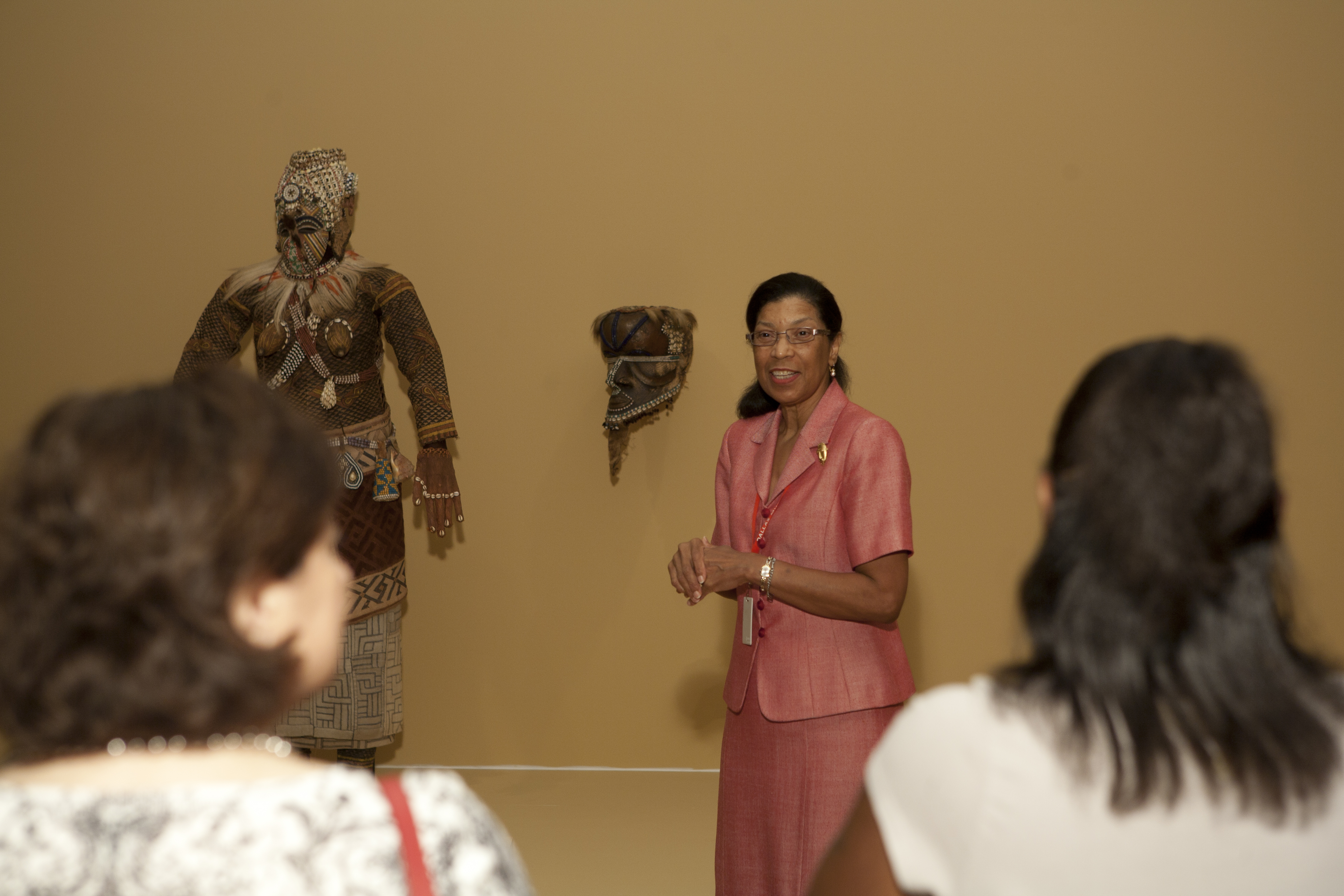
Dr. Roslyn A. Walker

It has been a busy summer here at the Dallas Museum of Art. One of our amazing curators, Dr. Roslyn A. Walker, took time out of her schedule to answer questions related to her job at the Museum. Read below for more information about Dr. Walker and her exciting exhibition that just opened – African Masks: The Art of Disguise.

Amy Wolf
Coordinator of Gallery Teaching

Name and Title: Roslyn A. Walker, Ph.D., Sr. Curator, The  Arts of Africa, the Americas, and the Pacific/The Margaret McDermott Curator of African Art

Years Employed at the Dallas Museum of Art:  I’ve worked at the DMA for six years, since the end of 2003.

Describe your job here at the Museum:  A curator, by definition, is the specialist in a particular field of study whose job it is to do the research on the collection and provide information about it; select objects for acquisition, to “grow” the collection; interpret the collection through exhibitions; and over see the maintenance of the collection.  I execute all these tasks.

What is your favorite part of your job?  All of the above! I do love doing research and learning about the art form, i.e., when and who made it (name of the artist if possible or his “hand” or style through comparison with other works), why it was made, how it was used in the original cultural context, and its provenance.

What is a challenge you face in your job?  I wish there were more hours in the day. I could use a course in time management. Buying art is a challenge because the price of highest quality of certain types of objects is beyond our means. We are fortunate to have a great collection that is representative of the major sculpture-producing peoples of sub-Saharan Africa.

How did you decide you wanted to work in a museum?  I enjoyed going to museums on school fieldtrips and with my family. I loved viewing the works of art, but I was also curious about what went on behind the scenes.  I chose a college – Hampton Institute (now Hampton University) which had a museum and was fortunate to work in that museum from freshman year through graduation. As I understood museum work at the time, I would have the opportunity to be a scholar, teacher, artist, registrar, exhibit designer, preparator – everything. This was a one director, one student assistant kind of museum! 

If you weren’t working here at the Museum, what is something else you would be doing? I can’t imagine doing anything else. I think I would have been happy working at the Department of State, in one of the cultural offices.   

Tell us about the exhibition you’ve been working on this summer. I’ve just opened African Masks: The Art of Disguise on Sunday, August 22nd. This exhibition presents approximately 70 objects which demonstrate the variety of masks types, sizes, styles, materials, and contexts in which the objects appear. Masks are worn in other ways than on the face and masks are only part of a costume that conceals wearer, from head to toe. The exhibition reveals the function, meaning and aesthetics of African masks. The masks “come to life” in performances recorded on film and in contextual photographs. I hope you will come to see this exhibition and that you will take along a smARTphone so you can learn more about masks, view videos, interviews, masquerades and more.

Visit www.DallasMuseumofArt.org/Education to learn more about the programs and resources for students and teachers related to this exhibition.
A Curator’s Best Days

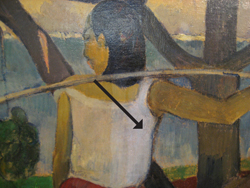
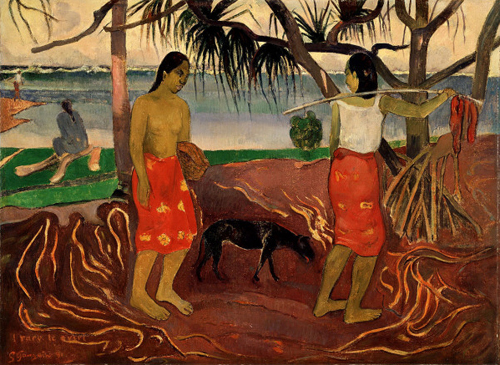
The best days in a curator’s professional life are often the days spent in the conservation lab. That’s where we get to spend quality time with works of art and talk to conservators, the fantastically knowledgeable people who can look through a microscope or infrared scope and tell you the life history of an object. I was lucky enough to spend several hours in the painting conservation lab of the Midwestern Art Conservation Center (MACC), a private conservation center housed at the Minneapolis Institute of Arts (MIA). I was there to confer with conservator David Marquis just before he begins cleaning an important painting in the DMA’s collections, Paul Gauguin’s Under the Pandanus, also known by its Maori title I Raro Te Oviri.

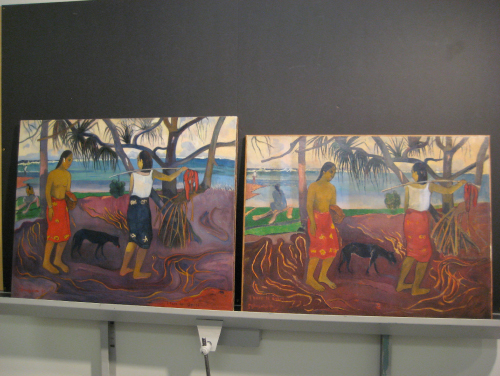
Gauguin painted Under the Pandanus in 1891, a few months after he arrived in Tahiti for the first time.  Sometime later, possibly the next year, he painted a second version of the composition, and that picture is now in the collection of the MIA. When I got to the MACC lab, they had brought both paintings to the lab and removed them from their frames so that we could do a thorough comparison. Ours is on the right, the MIA version on the left.

Last year we began to look closely at the condition of our painting, and earlier this summer we sent our painting to the MACC for technical analysis. Once the two versions of the painting were placed side by side, the differences become more and more obvious . . . and intriguing.

Though the technical study had just begun, David Marquis immediately pointed out how dirty the surface of the DMA canvas was, and how discolored the old layer of varnish had become. This yellowed varnish layer and surface layer of grime radically changed the appearance of the painting. MIA Associate Curator of Paintings, Sue Canterbury, described it as being like looking at the painting through a double-amber filter—not exactly what Gauguin had intended! The MIA version, which was cleaned within the last ten years, gives us a much better sense of what our painting must have looked like when it was first completed.

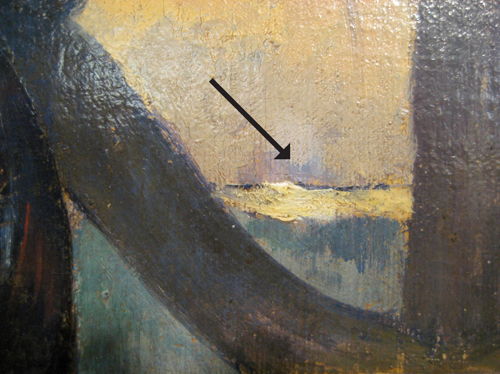
Once we decided to take off these two “amber filters,” David Marquis began by making “cleaning windows,” that is, cleaning small areas of the canvas. This is the first window he opened, in an area of the horizon near the right edge of the painting.

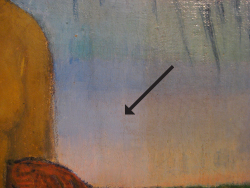
The results are pretty amazing! The white surf is actually so much brighter and cooler in tone than it appears in the dirty areas. Now that he knew what the cleaning might reveal, David opened some windows in other areas. When I got to the lab to take a look, several areas of the canvas had been cleaned, revealing a whole new palette of colors.

Once David’s cleaning of the varnish and grime is complete later this summer, we’ll have a much better sense of the choices Gauguin made while he was working on our painting, as well as how the painting has changed over time and the extent of work done by earlier conservators. We’re just at the beginning of this important project, so stay tuned for future updates about the results of our study of Under the Pandanus, and look for it to be back in the galleries, and looking better than ever, next year.

Heather MacDonald is The Lillian and James H. Clark Associate Curator of European Art at the DMA.

Capturing Nature

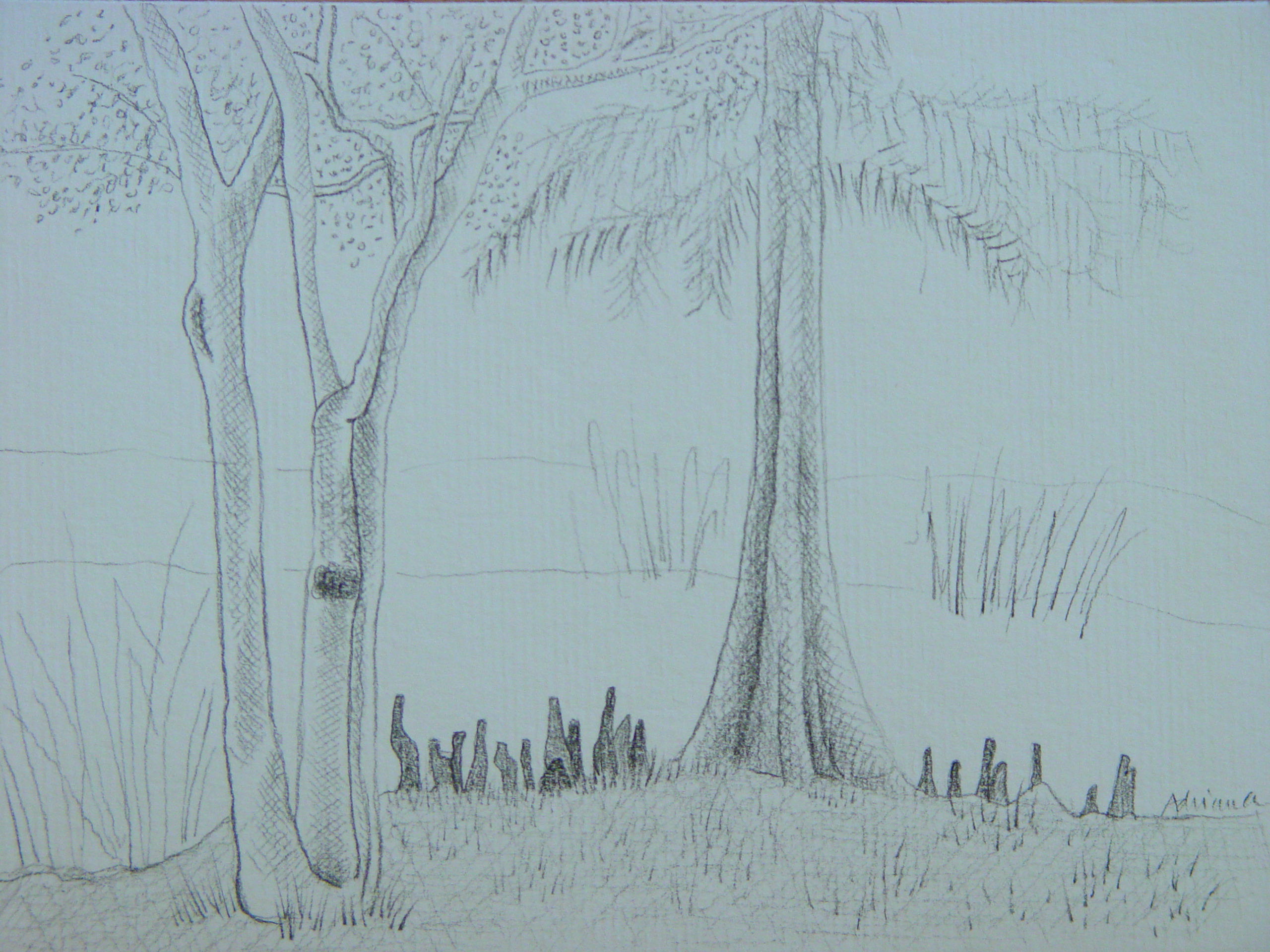
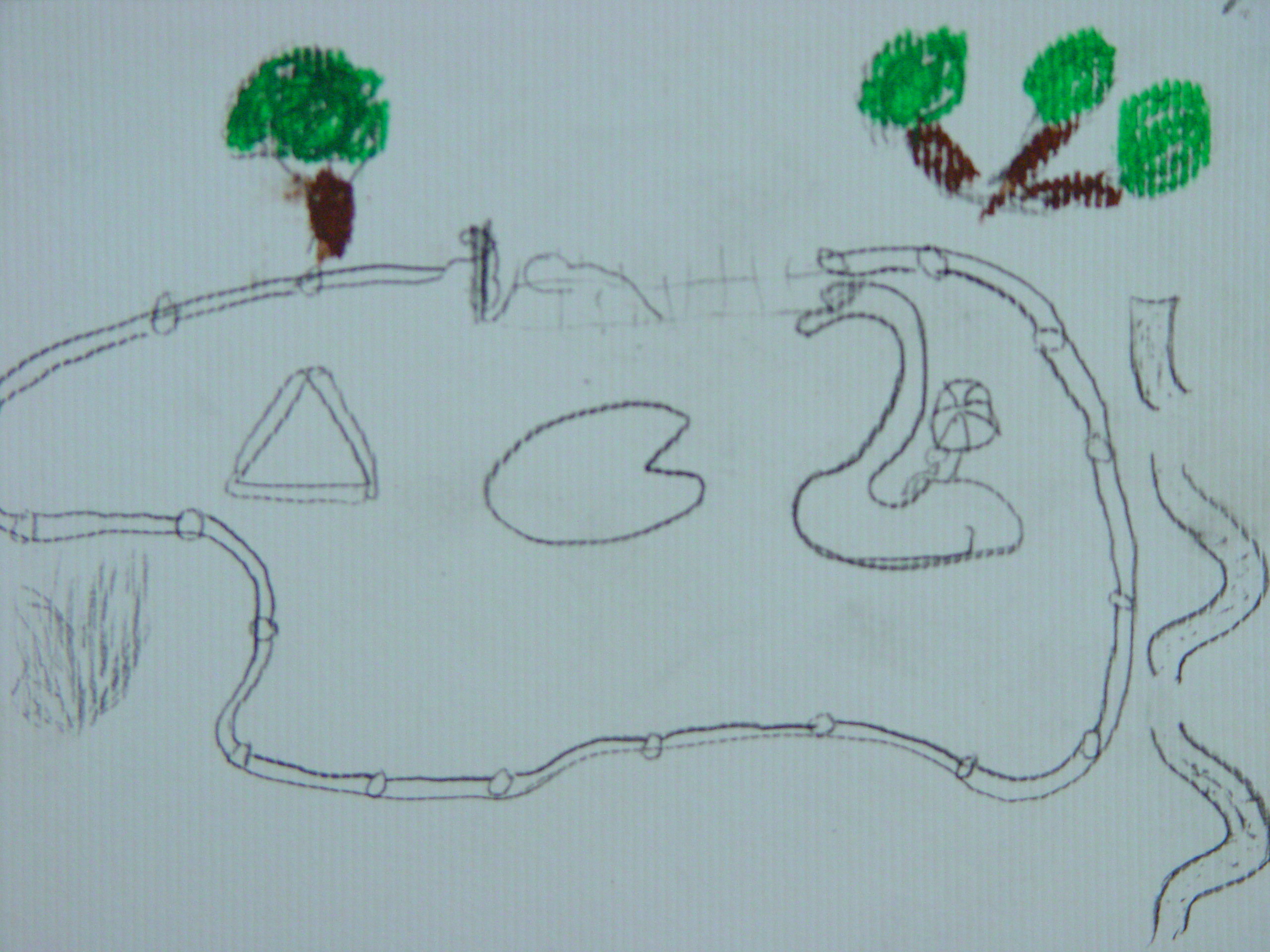
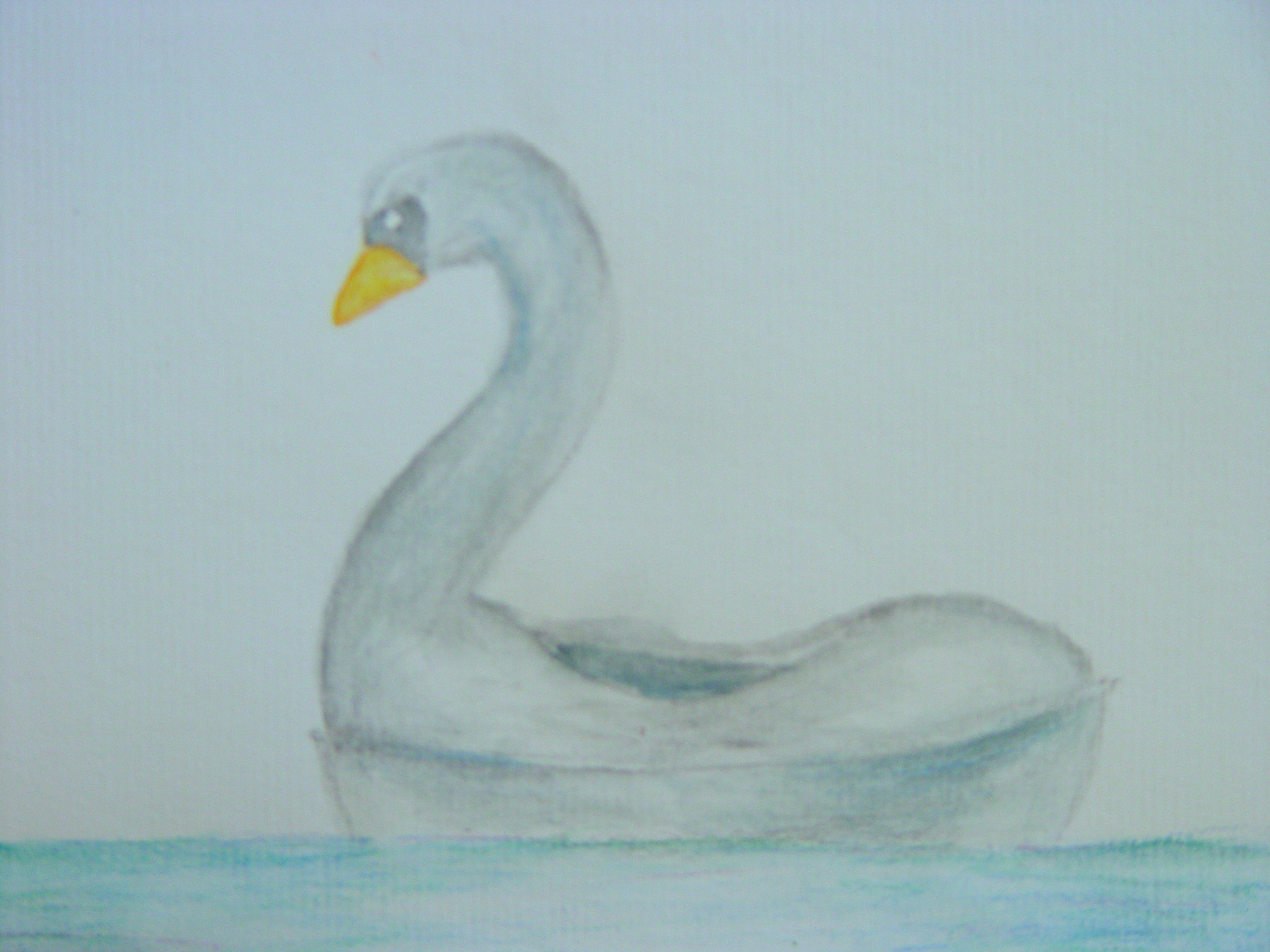
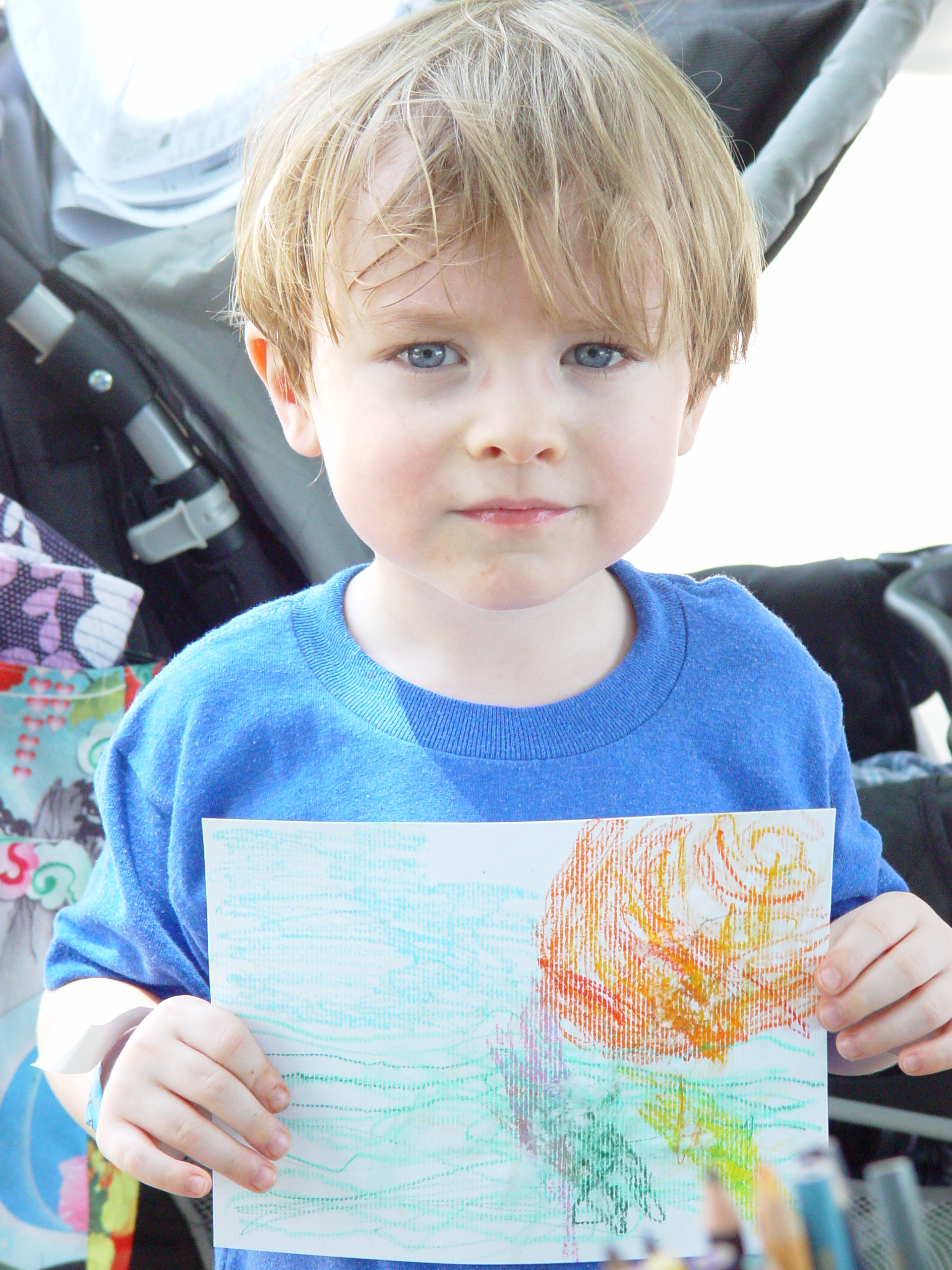
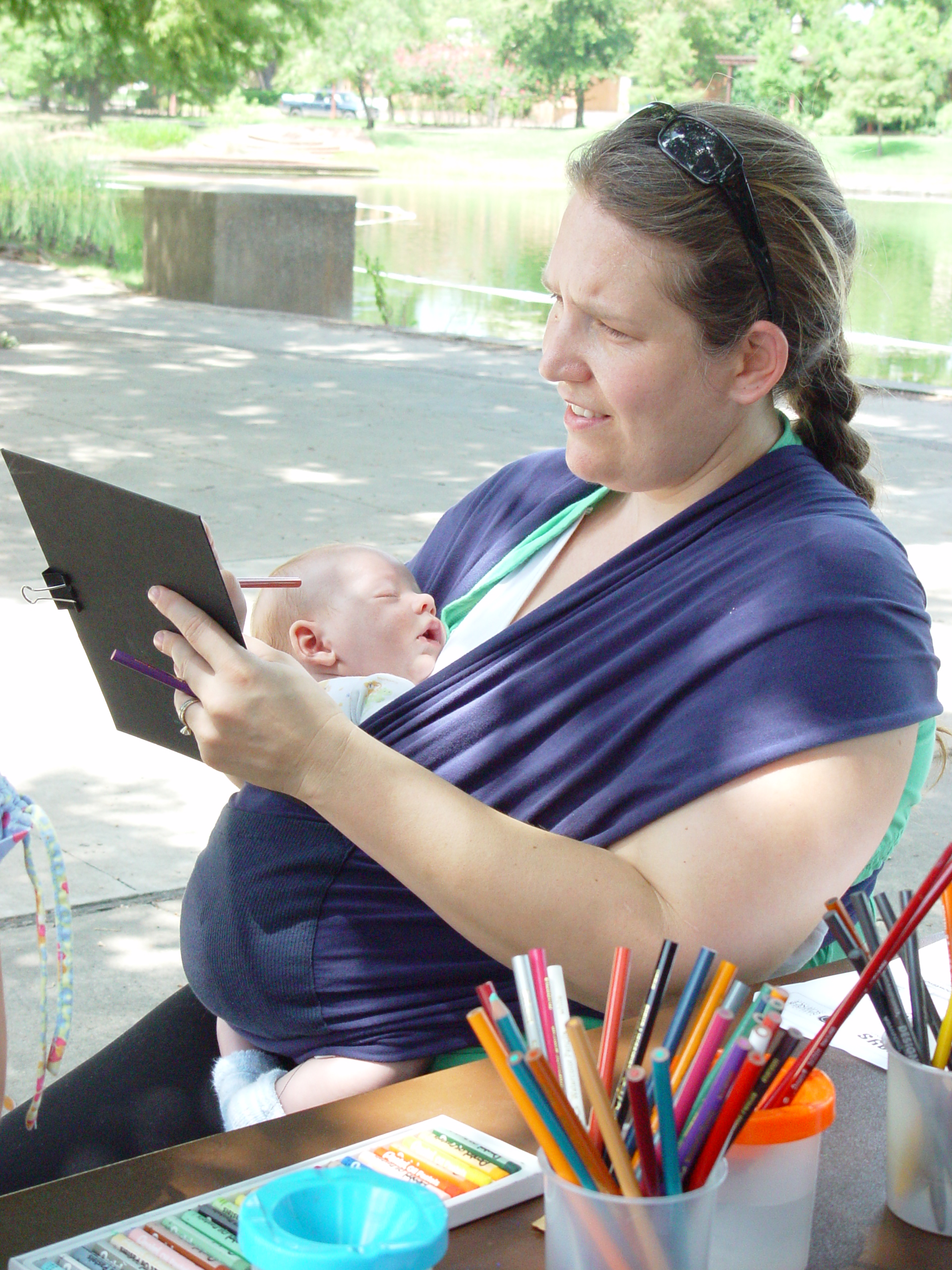
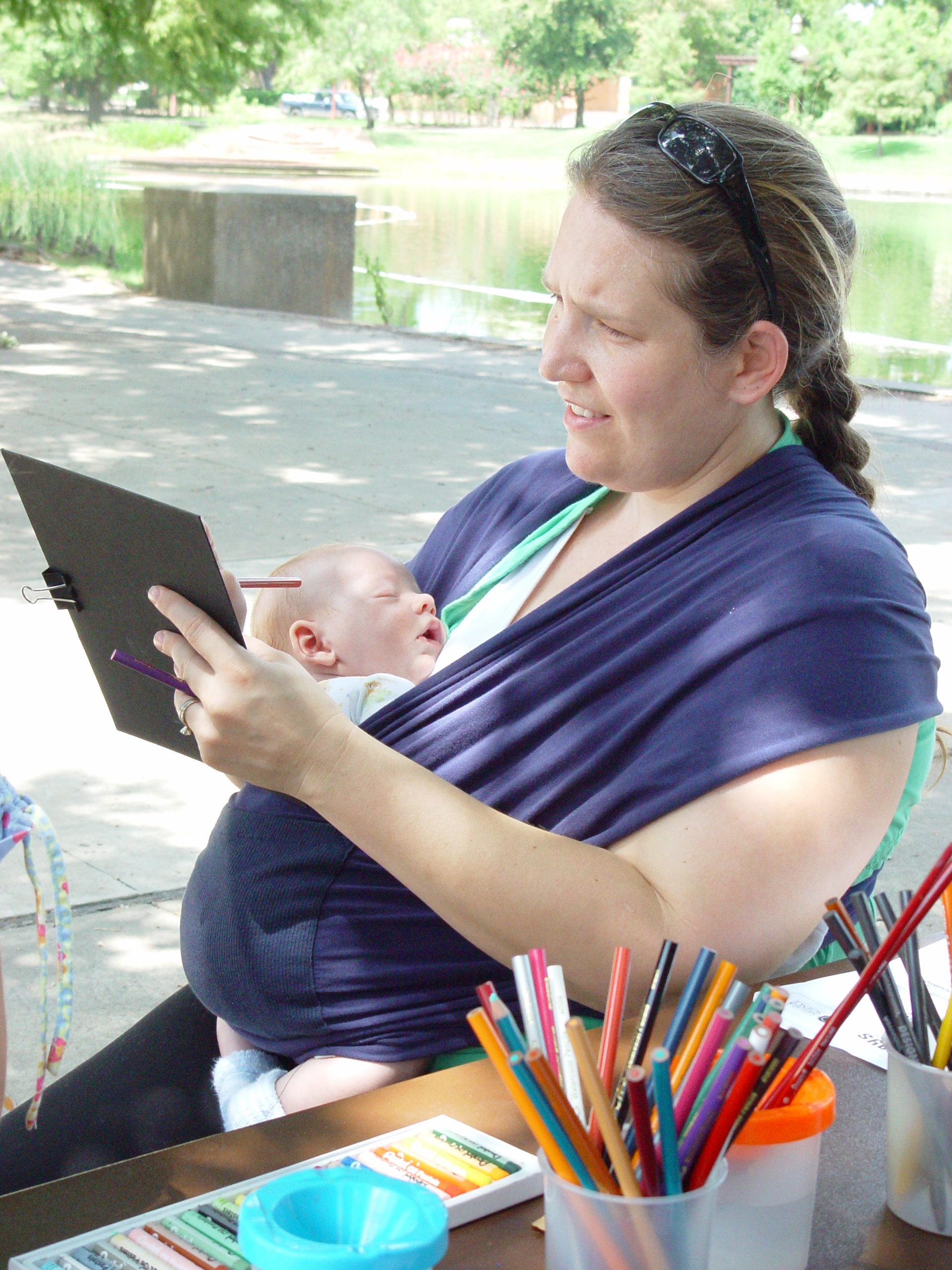
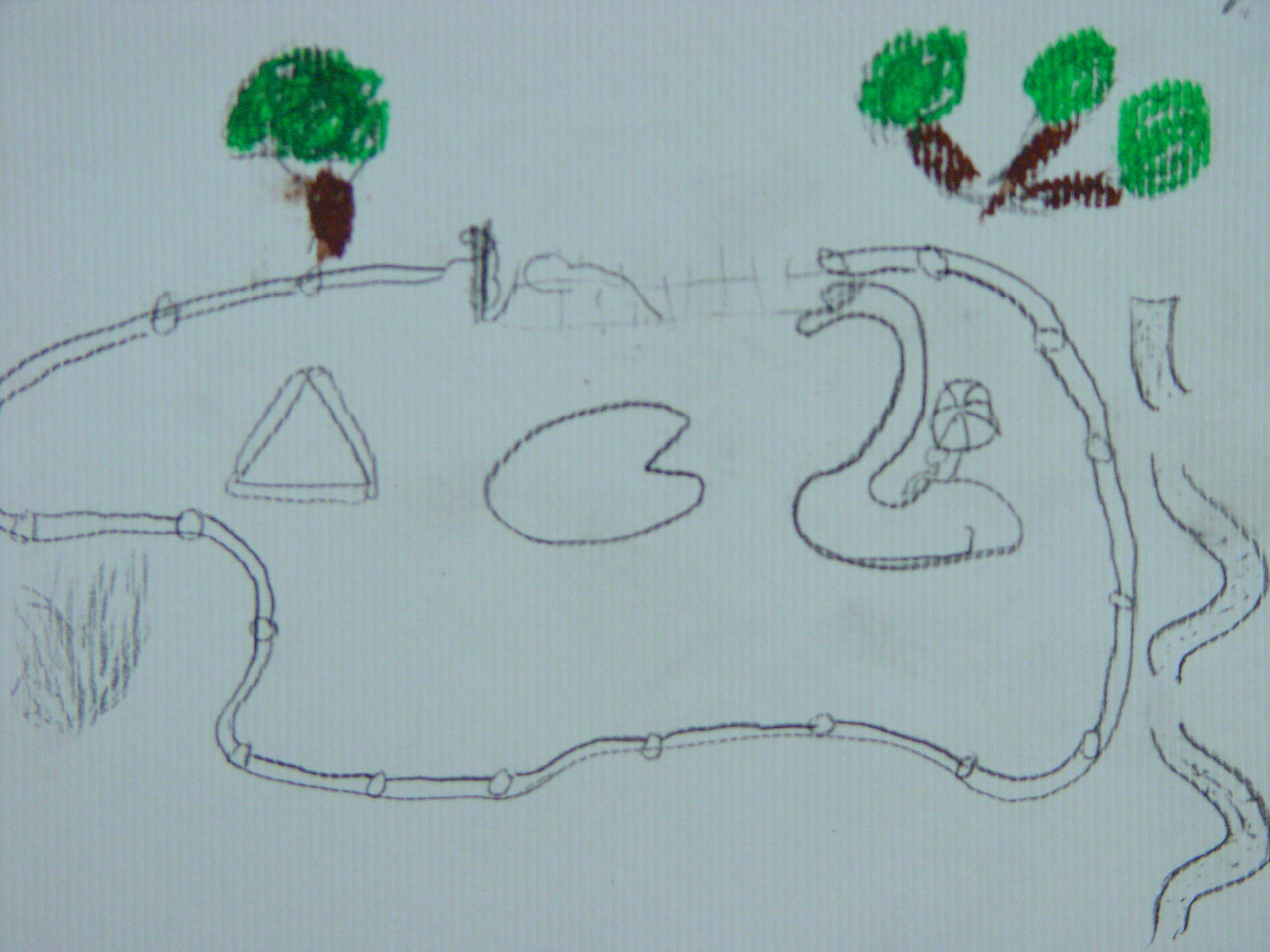
Last Saturday some volunteers and I spent the day sketching in the great outdoors as part of the Museum of Nature and Science’s Discover Fine Arts family festival.  The day focused on connecting science and the arts, and our activity invited visitors to be both artists and scientists; exploring their surroundings closely and capturing them in a sketch.  We used oil pastels, charcoal, ebony pencils, and watercolor pencils to draw the trees, flowers, turtles, fish, birds, giant swan boats, and everything else in and around the Museum’s Leonhardt Lagoon.  It was a fun day!

Below are some of the artists we met and their nature-inspired creations.  

Amy Copeland
Coordinator of Go van Gogh Outreach

Calm, Yet Fierce: An Experiment in Social Tagging Works of Art

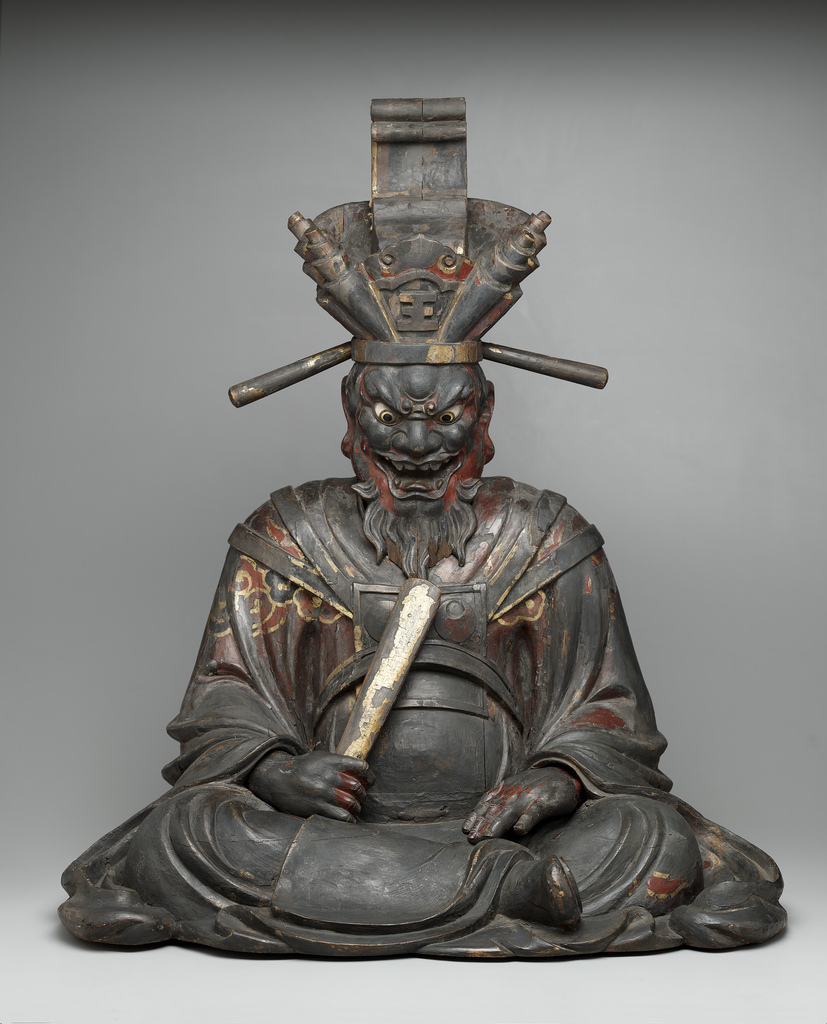
Emma-O, Japan, late 16th - early 17th century

What words and phrases would you use to describe this sculpture, Emma-O?  Calm?  Fierce?  Intense?  The Dallas Museum of Art is interested in what teachers have to say about a select group of artworks from the Museum’s collection.  Visit STEVE: The Museum Social Tagging Project to “tag” one, five, or ten of the fifty-two images of artworks from the African and Asian collections.  If you are new to “social tagging”, it simply means to “tag”, or label, a work of art with a descriptive or associative word or phrase.

Why do we care about what you think?  Well, we often get very comfortable with our own vocabularies, which may or may not be interesting or accessible to everyone.  The idea behind social tagging is that you can build a more broad vocabulary around ideas or artworks and can consider new ways to describe and to think about works of art. It is also a great way to work with expert audiences–like educators.  We want to know what words and phrases you would use to describe various works of art and what we can learn from you.

This tagging project is one part of the Dallas Museum of Art’s IMLS grant, Connect: Teachers, Technology, and Art, which is focused on the redesign of online teaching materials for teachers and students.  In partnership with the New Media Consortium, the DMA is one of several museums participating in the Steve-in-Action project exploring various applications for social tagging with works of art.

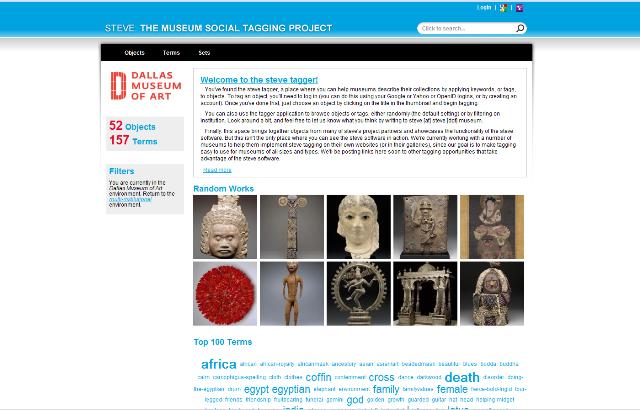
We invite you to participate in this project.  Visit our tagger environment and look for a screen similar to the image below.  Create your login and then tag away.  Spend five or fifteen minutes sharing words and phrases that you feel aptly describe works of art from the Dallas Museum of Art.  It’s also fun to see what others have to say about the artworks.

Nicole Stutzman
Director of Teaching Programs and Partnerships

Friday Photo Post: What I Did on My Summer Vacation

I took a week of vacation in July and spent a few days in San Francisco.  This was my first time to visit this city, so I had to explore some of the museums while I was there.

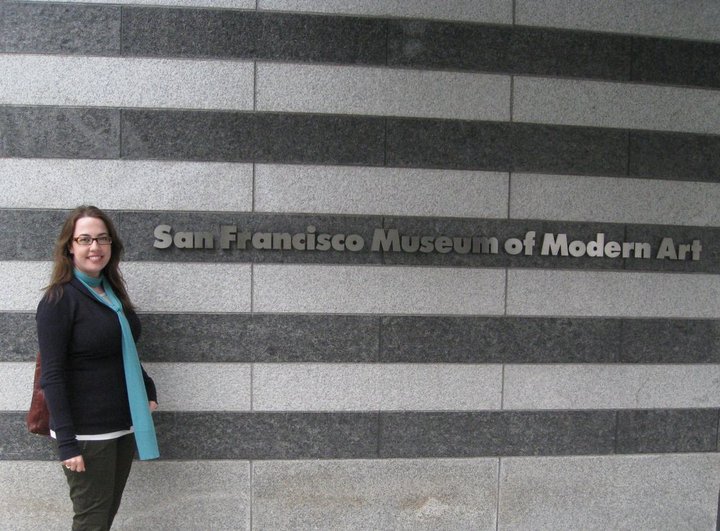
Topping my list was the San Francisco Museum of Modern Art.  I had heard so many great things about their collection, and I have often referred to their teacher resources.  I spent a wonderful morning there, and I can’t wait to visit again.

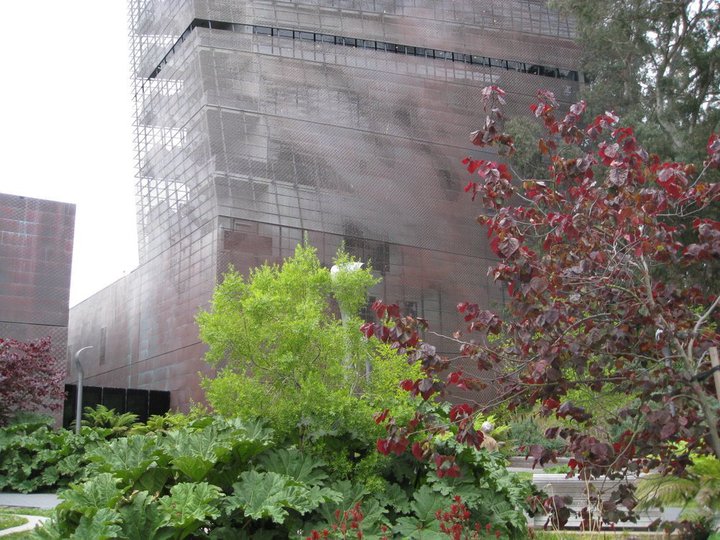
I also visited the de Young Museum.  I particularly loved their large collections of African art and Oceanic art.
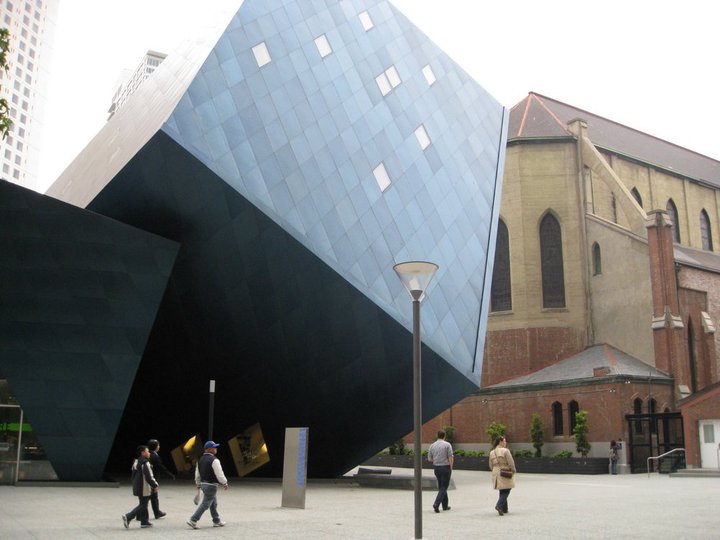
Lastly, I visited the Contemporary Jewish Museum, where I had one of my best museum experiences ever.  I watched a scribe writing a Torah scroll,  participated in the People’s Torah, listened to Jews on Vinyl, and explored an exhibition of works of art by Maira Kalman.
I hope to make it back to San Francisco soon so that I can visit some of the city’s other great museums!
Molly Kysar
Head of Teaching Programs

Community Connection: The Best of Both Worlds

It is just me, or is anyone else shocked that we are already in the second week of August?  As we look forward to the 2010-2011 school year, it only makes sense to feature a classroom teacher in our monthly Community Connection blog post.  Meet Michelle Alcala, who begins her fifth year as art teacher at Salazar Elementary School in Dallas ISD.

Michelle and her children

What are some ways you’ve worked with the DMA?

I began by bringing my students here for visits.  My 4th-graders come every year and really enjoy the experience.  Another teacher and I started Saturday programs with our students, and we bring a group of fifteen to twenty students from all grade levels and their families to the Museum once a month. 

Last year, I was invited to create artwork with students for the Art Ball, the DMA’s annual black-tie fundraiser event.  My students were so excited to see their work in a real museum setting, which is unbelievable for an elementary school student.  They brought their families to see their work and dressed up; the pride they had was great.

I’m also a part of the teacher panel and am hoping my insights help with the new online resources for teachers.  Before, I did not use the DMA online teaching materials very often, and I’m hoping my contribution will help art teachers and other teachers.  [Michelle is part of a select group of teachers collaborating with Museum education staff on an IMLS grant focused on redesigning the DMA’s online teaching materials.]

How has your work with the DMA affected your approach to teaching?

I’m always trying to find things that I can tell my students about that will help them make connections to the Museum and encourage them to visit with their families.

Do you consider yourself an artist?  What are your creative outlets?

Initially, I intended to go to art school.  I ended up having children and realized they were more my passion than becoming an artist.  I tried to find the best of both worlds, and that’s when I came up with teaching art.  I still sketch and paint sometimes, but not in the volume that I used to before I started teaching.  I also love to read.

How do you spend your summer months?

I spend my summers with my children at my home in Oak Cliff.  We play and read and go to the zoo and go to museums and as many different free things as we can find.  We just got back from a trip to Florida and Disney World.  I also went to Chicago with my mother.  It was wonderful.  I visited the Art Institute and went on a tour of the new wing.  It was just incredible, seeing so many pieces of art. 

What do you most look forward to in the 2010-2011 school year?

To my new art lessons, both my own that I’ve created and ideas from the DMA.  I also look forward to seeing the kids again.  It’s been a long time since I’ve seen all of their little faces, and I’m ready to get back into it.

Melissa Nelson
Manager of Teaching in the Community

Installing African Masks: The Art of Disguise

[slideshow]

Welcome to the debut of “Uncrated,” the Dallas Museum of Art’s new blog!

With the August 22 opening of African Masks: The Art of Disguise fast approaching, installation began the first week of August. Typically the installation of an exhibition takes about two weeks, but with the complex mounts, costumes, graphics and AV needs, this show will take a full three weeks to pull together. The exhibition will be on view in the same gallery previously occupied by The Lens of Impressionism: Photography and Painting Along the Normandy Coast, 1850-1874.  However, visitors will notice a significant difference in the look and feel from the previous show. Demo and construction began in June, drastically transforming the space into a large open gallery enveloped in warm oranges and yellows.

Friday Photos: African Masks

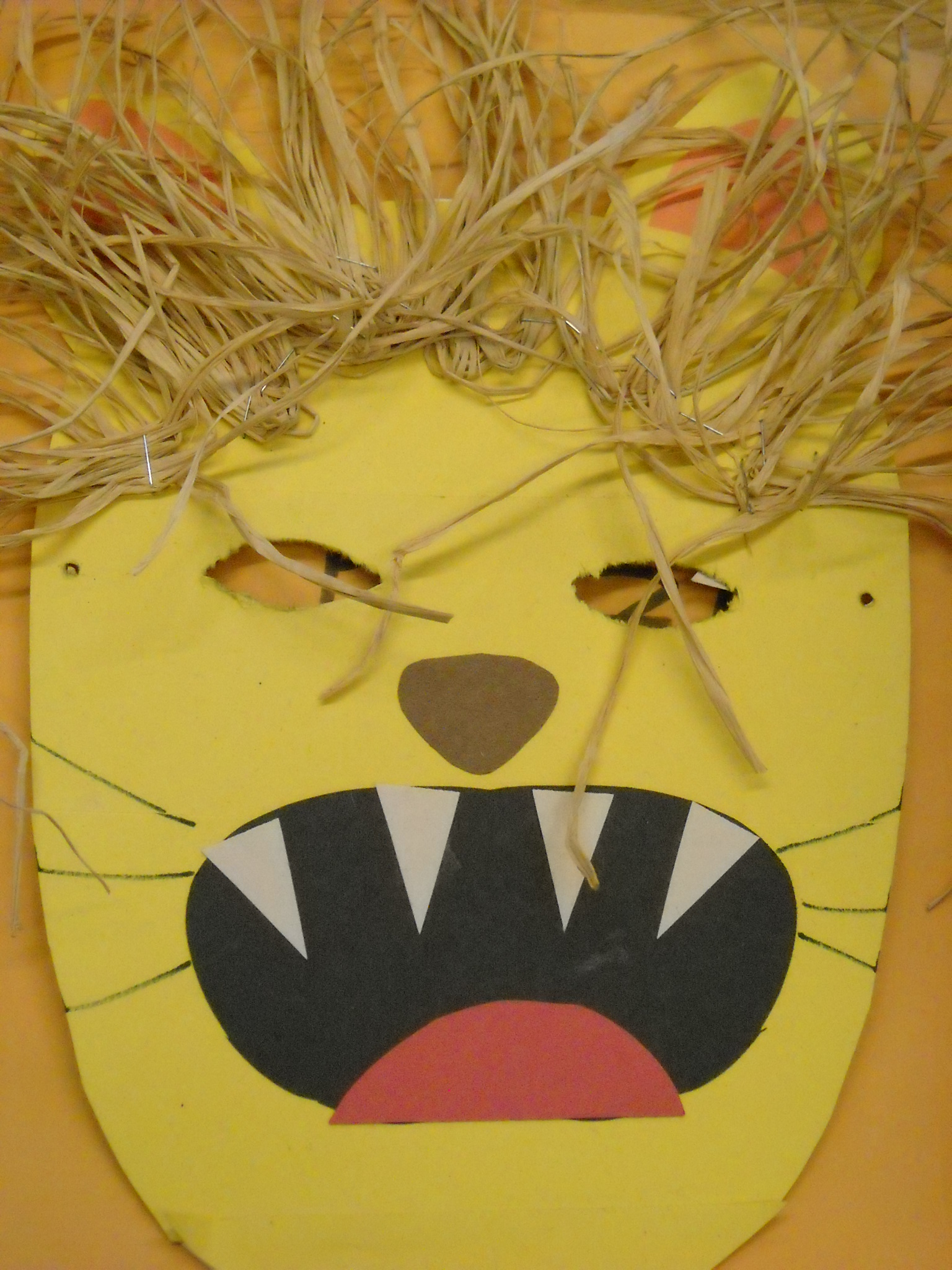
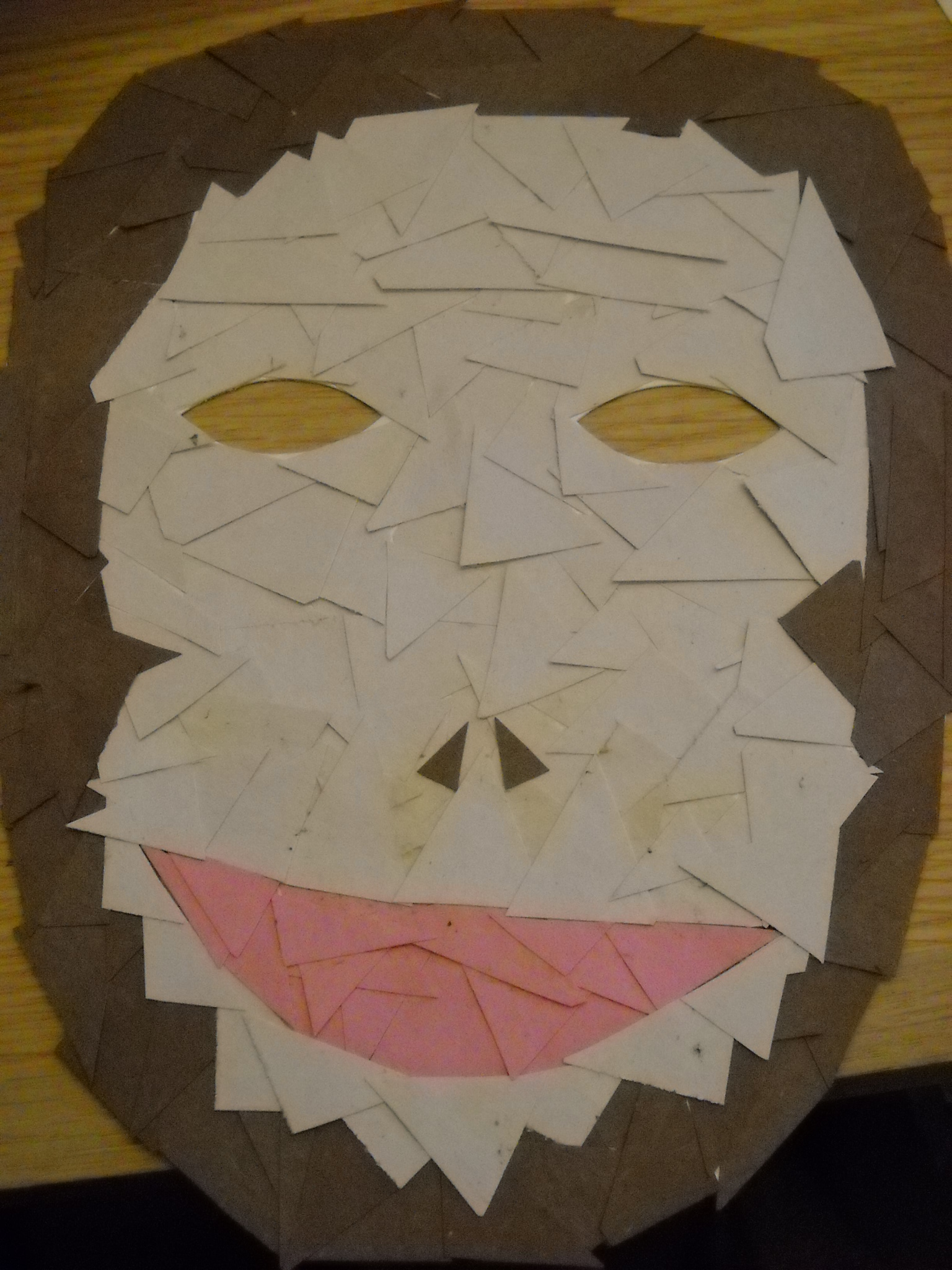
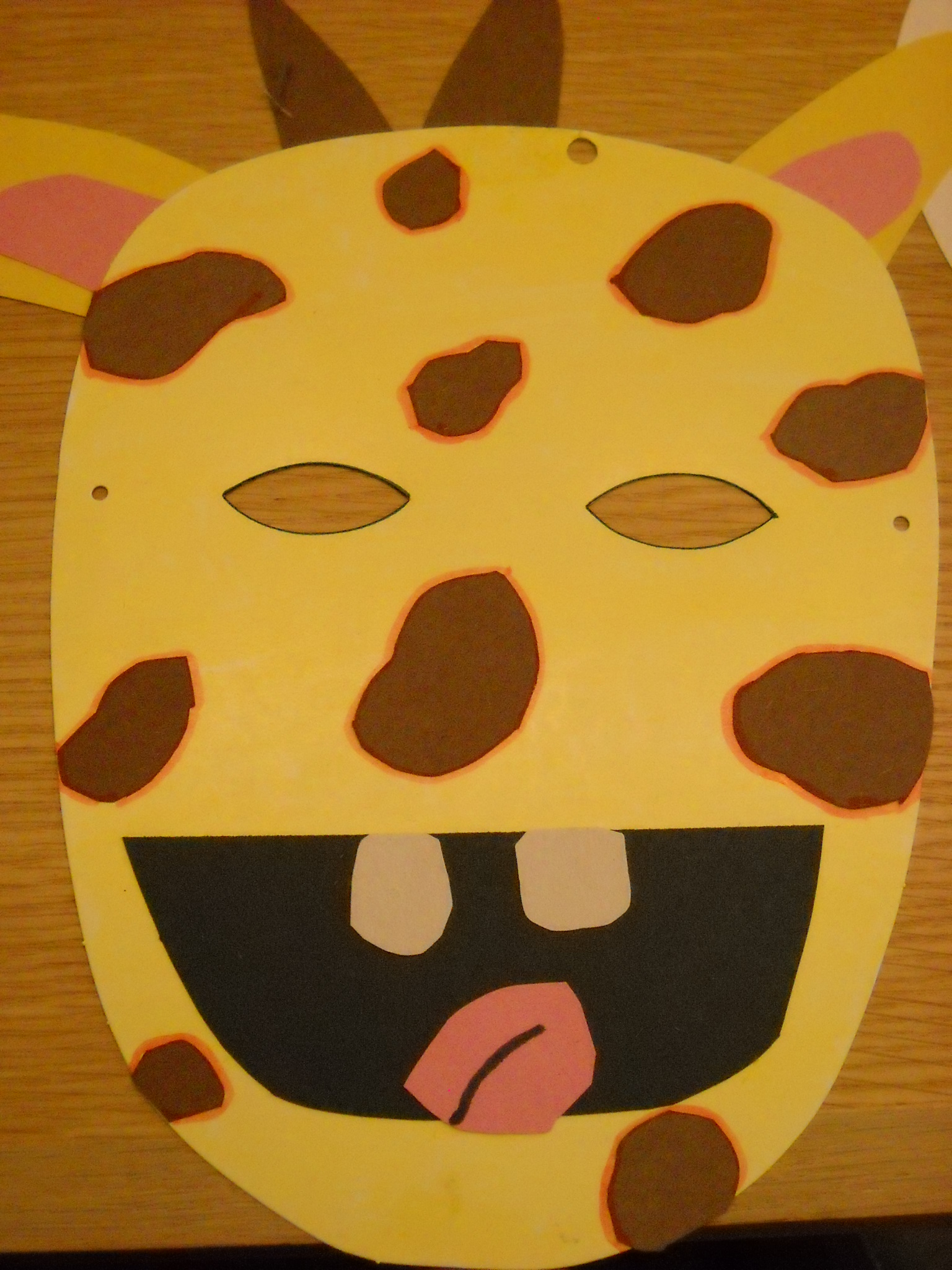
I am so excited for our upcoming special exhibition African Masks: The Art of Disguise, opening August 22nd.  We will offer Museum Visits and programs for teachers related to African Masks this fall.  We will also have a brand new African Masks themed Go van Gogh program

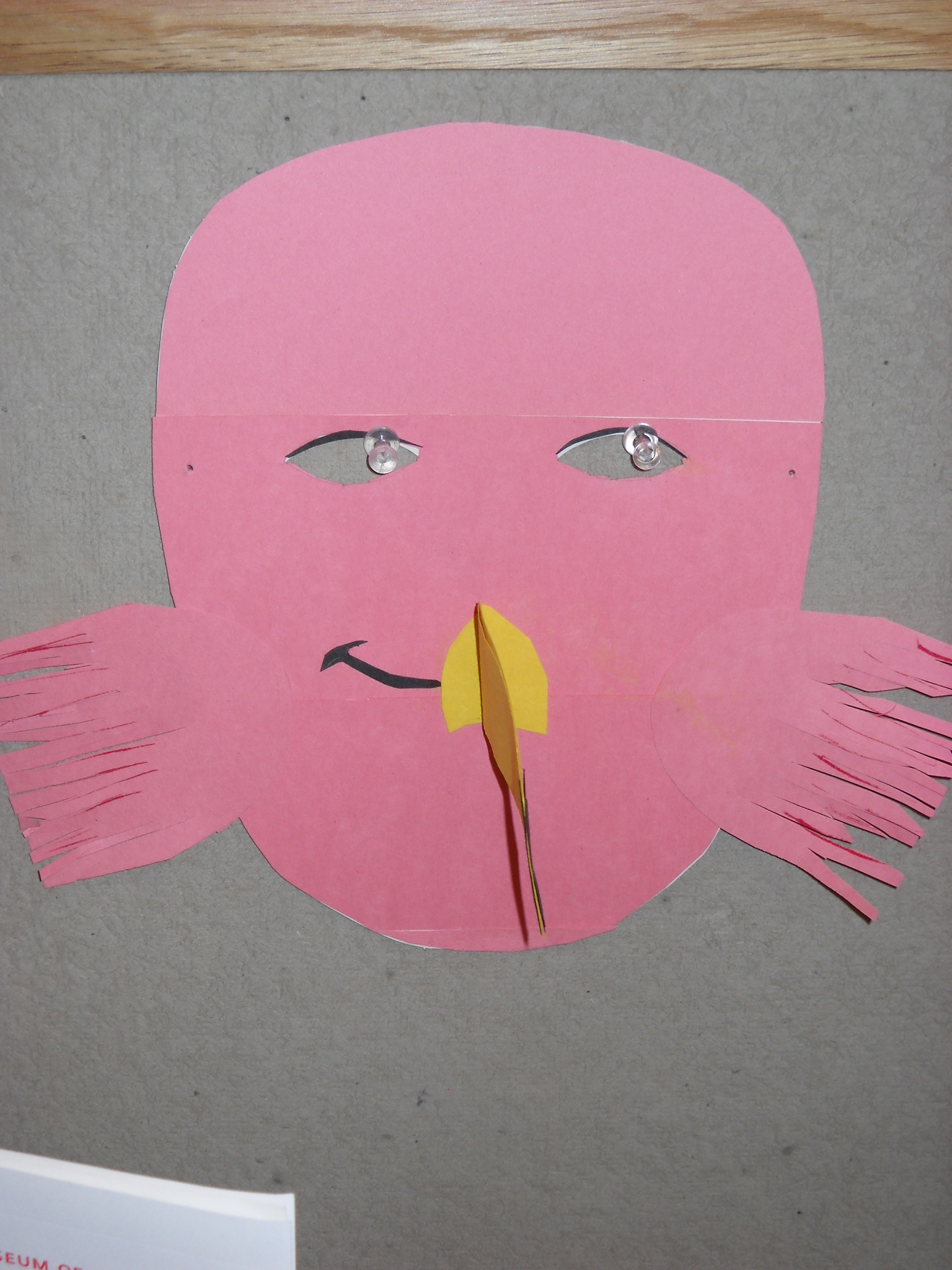
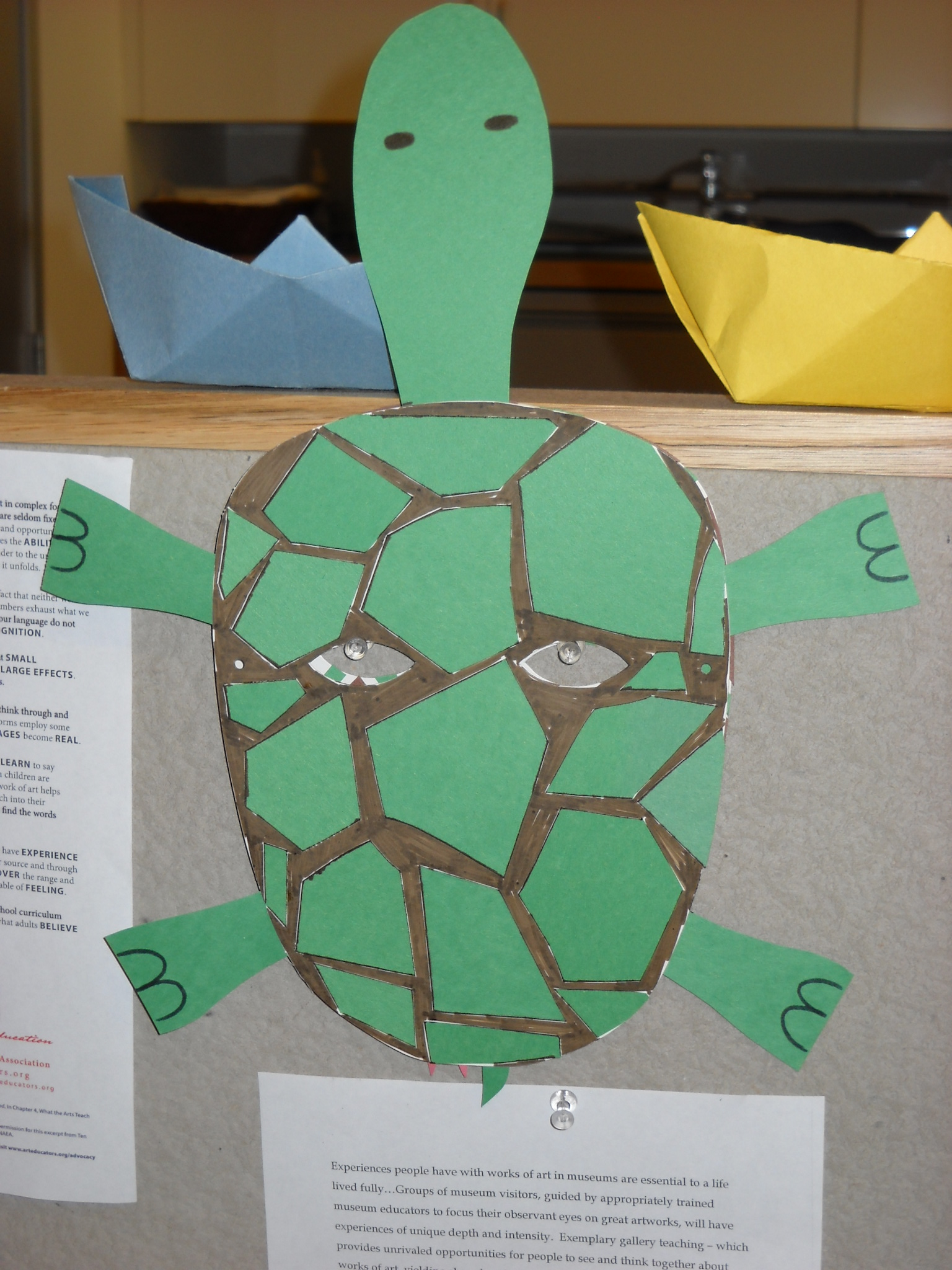
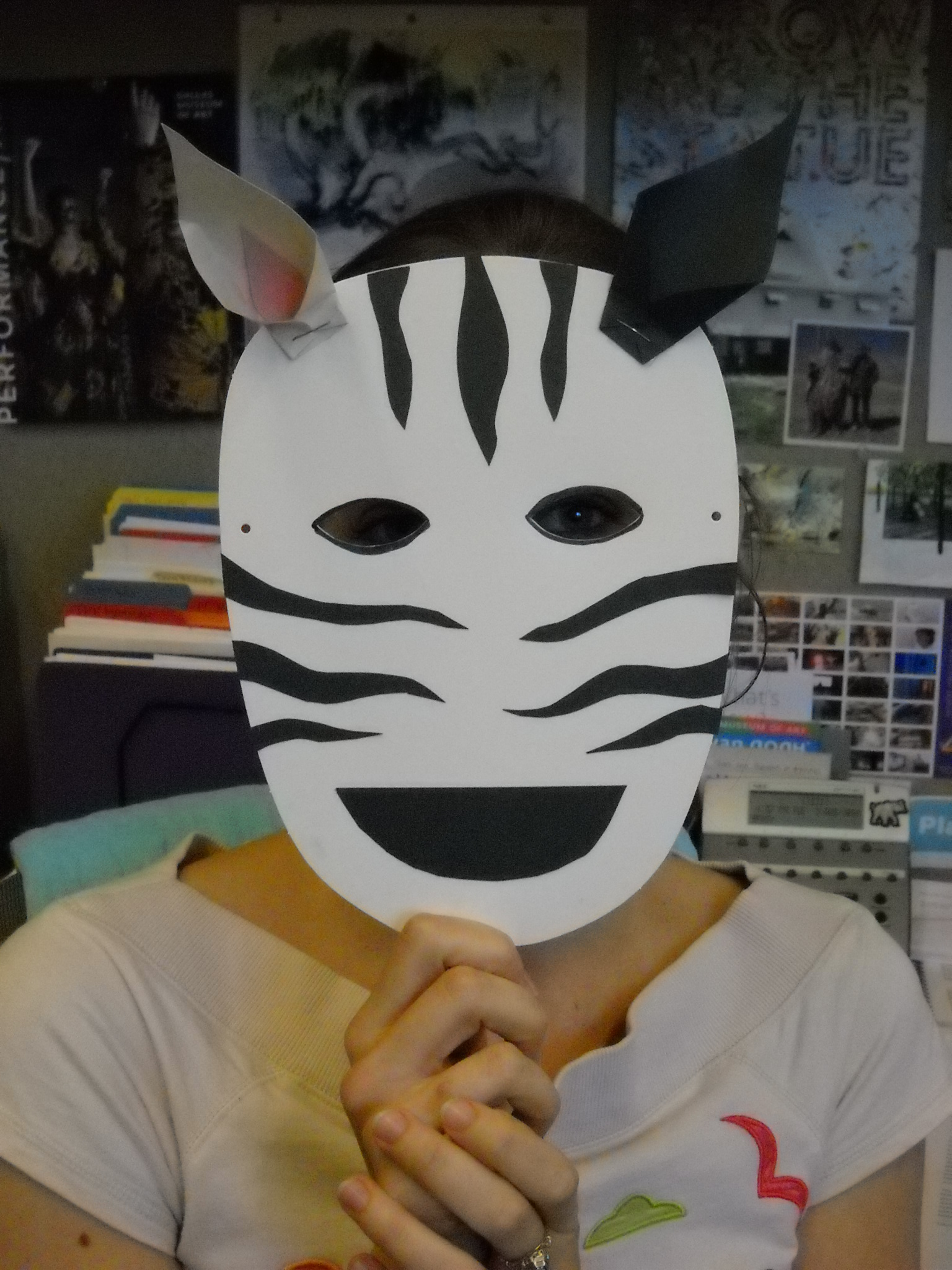
Some of our Teen Docents helped to create sample masks that volunteers can use during the African Masks Go van Gogh program.  I was so impressed with their creativity that I wanted to share their masks with you.  My favorite is the ferocious lion.

We’re currently accepting requests for the African Masks teacher workshop, as well as Museum visits and Go van Gogh –submit your request form today!

Shannon Karol
Coordinator of Museum Visits

Fall Teacher Workshops

As we all prepare for the 2010-2011 school year, I wanted to share upcoming opportunities for you to engage with Museum education staff and educators from around the DFW area, and, of course, explore works of art from all times, places, and cultures.

Register now for one or more of the following Teacher Workshops at www.tickets.dallasmuseumofart.org/public/default.asp

Teacher Workshop with Artist Jill Foley

Wednesday, August 11, 2010 from 9:00am – 4:00pm
ONLY A FEW OPENINGS LEFT!

Meet mixed-media artist Jill Foley and contribute to Living Room, her imaginative cardboard environment.   DMA staff and the artist will lead this interactive and creative workshop that includes time in the studio and in the Museum galleries.

 Arts of Mexico 
Saturday, September 11, 2010 from 9:00am – 12:30pm        

Explore the arts of Mexico in the Museum’s collection and the historical significance of artworks and artists in the exhibitions José Guadalupe Posada: The Birth of Mexican Modernism and Tierra y Gente: Modern Mexican Works on Paper

African Masks:  The Art of Disguise
Saturday, September 25, 2010 from 9:00am – 12:30pm

Experience the power and wonder of African Masks: The Art of Disguise.   Investigate the functions and meanings of African masks and consider how they are used today.

 French Art 
Saturday, November 13, 2010 from 9:00am – 12:30pm

Explore 18th -20th century French paintings and sculptures, the Reves Collection, and the special exhibition The Mourners: Medieval Tomb Sculptures from the Court of Burgundy.

We look forward to seeing you soon.

Until next time….
Jenny Marvel
Manager of Programs and Resources for Teachers

Friday Photo Post: Texas Space

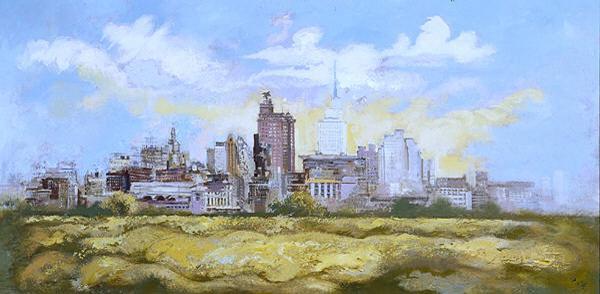
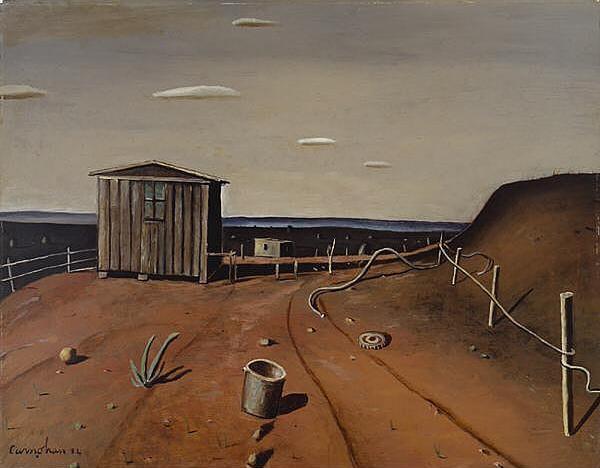
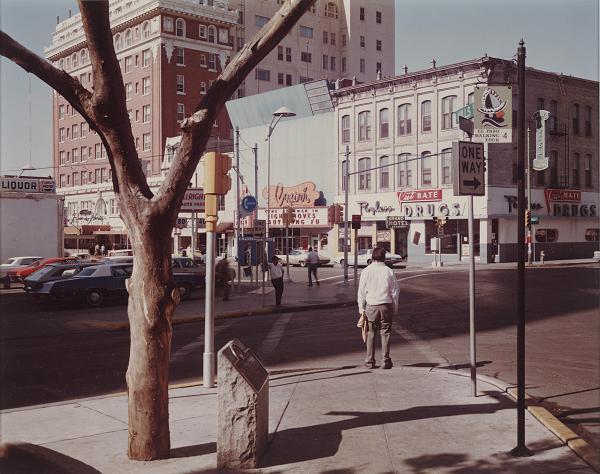
People often say that Texas has a unique quality of space, and some artists have tried to capture this sense of space.  Look at a few artist’s images of Texas in the DMA’s collections.  Then, show us your idea of Texas space in a photograph.  You are invited to contribute photographs to an interactive display that will be part of the next Center for Creative Connections exhibition Encountering Space, which opens on September 25, 2010.  Visit TEXAS SPACE on Flickr and upload your photographs.  Look below for more details about this opportunity to show off your photographs!

Dallas Skyline by George Grosz

West Texas Landscape by Harry Callahan

El Paso St., El Paso, Texas, July 5, 1975 by Stephen Shore

Guidelines for submitting photos of Texas Space:

  • Feel free to submit multiple photos.
  • Both color and B/W images are welcome.
  • The higher the resolution, the better to show off your photos.
  • It is our intention to include all images; however, the DMA staff reserves the right to omit submissions that are inappropriate in nature.
  • By submitting your photograph, you allow the DMA the right to display it on a monitor within the exhibition and on the Museum’s website. Your name will not be attached to the image.
  • Special Note: In order to have your photos appear in a Flickr Group, you must first create your own personal Flickr account, and that personal account must have at least five images uploaded on it. Please check your account, and if necessary, upload a few more images to ensure your photos are included in the C3 group.
  • To submit, upload your photos to this Flickr group: Texas Space at Flickr  http://www.flickr.com/groups/dmatexas/

Nicole Stutzman
Director of Teaching Programs and Partnerships


Archives

Categories