Archive for the 'Uncategorized' Category


Feasting: From Ancient Mexico to Our Kitchens

On Thursday, November 15, cookbook author Diana Kennedy, often called the Julia Child of Mexico, will be here to discuss her cookbook Oaxaca al Gusto: An Infinite Gastronomy, as well as the feasting traditions of ancient Mexico.
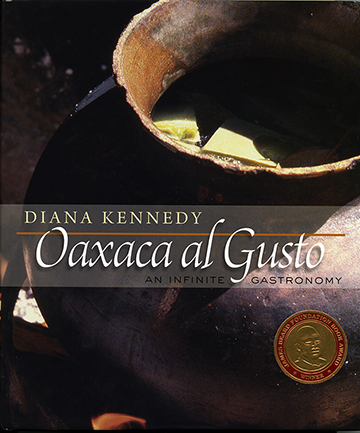
Oaxaca al Gusto: An Infinite Gastronomy is equal parts historic document and kitchen guide, focusing on the traditional cuisine of the Oaxaca region of Mexico. In preparation for this event, the DMA’s programming team decided to try some recipes from the book to see what they were like (and to test their kitchen skills).

Stacey Lizotte, Head of Adult Programming and Multimedia Services:

I decided to make Clavaria Mushrooms in Mole (Mole de hongos de curenito de venado) because I have always wanted to learn how to make a mole sauce. This recipe called for a few ingredients that I could not find in the four different grocery stores that I went to. I replaced the main ingredient, clavaria mushrooms, with a mix of regular button mushrooms and oyster mushrooms. I also could not find dried costeños chiles and instead went with dried gaujillo chiles.
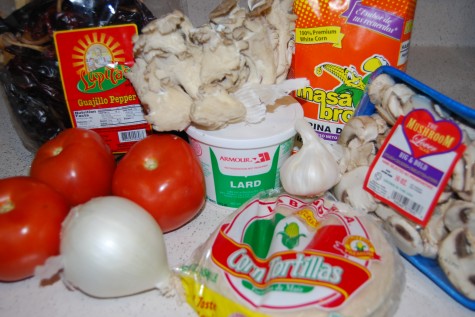
Ingredients for Clavaria Mushrooms in Mole (Mole de hongos de curenito de venado)

First you make a paste of the mushrooms and then add them to a pureed tomato, chile, garlic, onion, and spice mixture before frying in a skillet with lard over high heat. You then mix with masa to thicken the sauce. Traditionally, this dish is just served with corn tortillas.
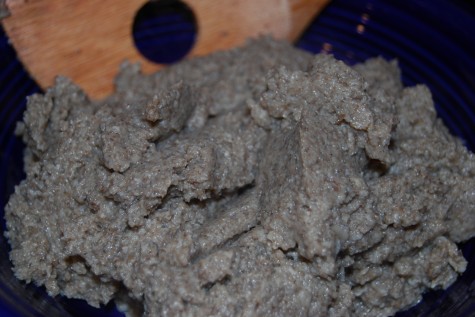
Mushroom paste

I found the mole to be on the mild side and would serve it with a meat next time, either chicken or beef, in addition to the tortillas.

Things I learned: You can toast the chiles on an electric stove top burner if you don’t have a comal as recommended in the book. And, you will need a very large skillet for the last step, as this recipe makes a lot of mole.
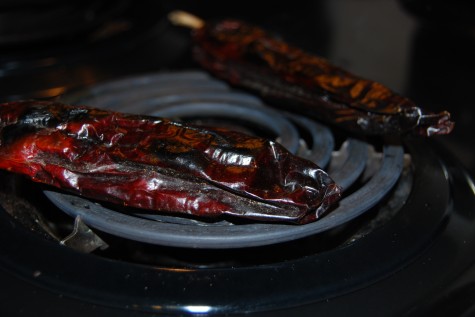
Roasting chiles on electric stove
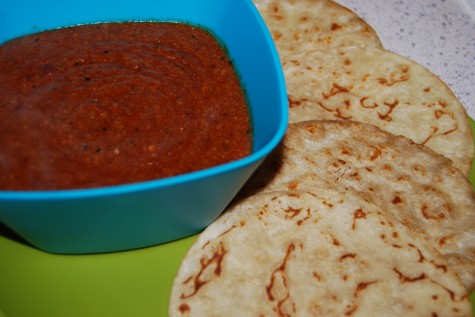
Clavaria Mushrooms in Mole (Mole de hongos de curenito de venado)

Liz Menz, Manager of Adult Programming:

I am without question the least experienced cook of our team, so I chose to make a simpler recipe, Red Chickpea Soup (Molito de garbanzo rojo). After a pep talk from a few of my more kitchen-savvy friends and a deep breath, I gathered my ingredients and went to work. I did make one small change to the recipe and replaced the lard with Crisco to make it vegetarian friendly.
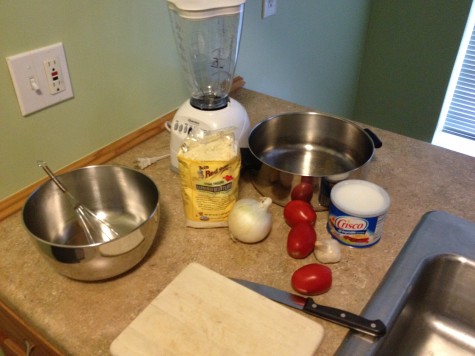
Ingredients for Red Chickpea Soup (Molito de garbanzo rojo)

After whisking the chickpea powder/flour into water to get a smooth consistency, I turned to my blender to puree the onion, garlic, and tomatoes.
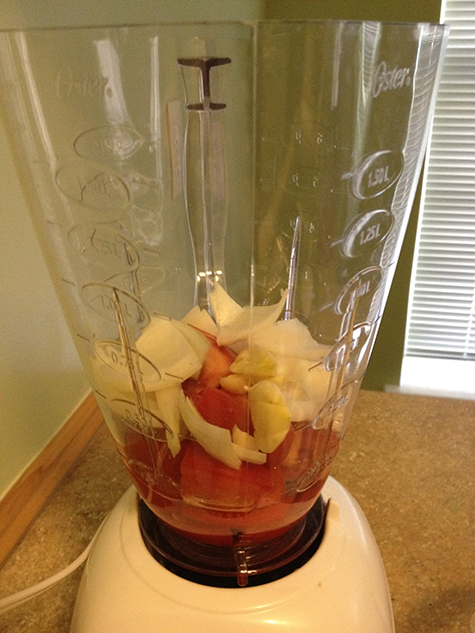
Tomato, onion, and garlic in blender to puree

I added the chickpea mixture to boiling salted water and let it reduce for quite a while to get a thicker consistency for the soup. Meanwhile, the Crisco was melting in a larger skillet to fry and reduce the onion, garlic, and tomato puree. After the puree had reduced some, I added it to the pot with the chickpea base and whisked regularly as it reduced more. After letting it simmer for a while on low, the soup thickened up quite a bit.
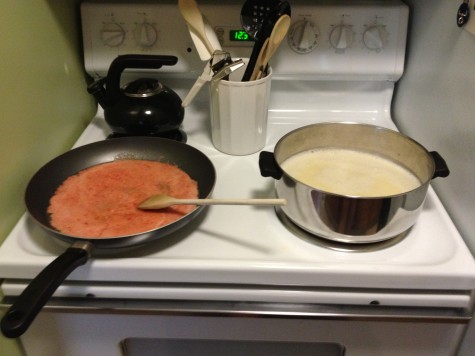
Chickpea mixture and tomato puree reducing on stove

The soup was very tasty and, as I mwentioned to a co-worker afterwards, would also make a great base for veggies or meat for a heartier meal.

Things I learned: The puree mixture fries and reduces much quicker than I expected, whereas the soup reduced very slowly. Also, my Google app on my phone was just as important as my whisk–in fact, for this inexperienced cook, it was essential!
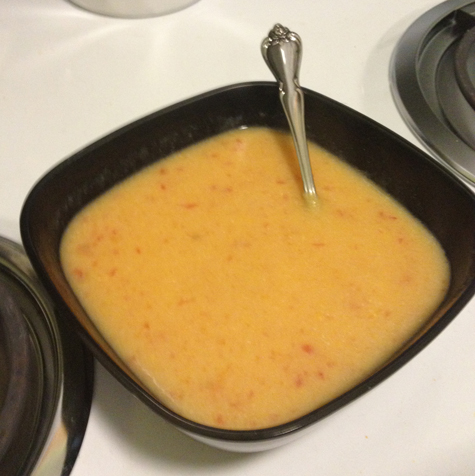
Red Chickpea Soup (Molito de garbanzo rojo)

Denise Helbing, Manager of Partner Programs:

I decided to finish off our departmental Oaxacan meal with dessert so I made Rice Pudding (Arroz con leche).

For this dish, you only need a few simple ingredients. The only “special” ingredient I didn’t already have was evaporated milk.
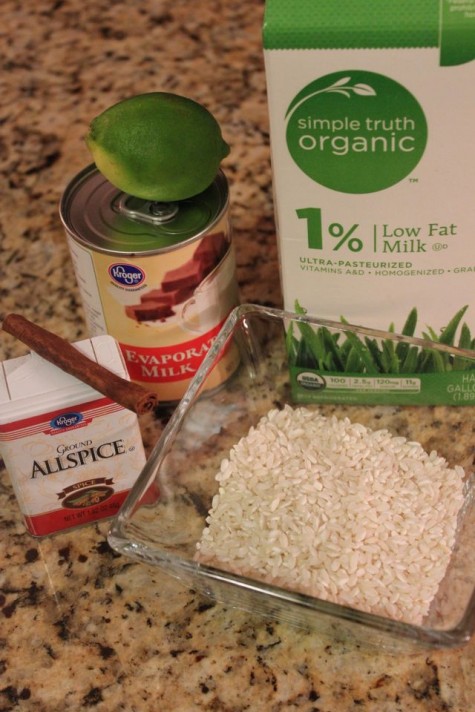
Ingredients for Rice Pudding (Arroz con leche)

You just cook the rice in a bit of water with the spices first, then add the two milks and lime and cook slowly for about thirty0 minutes, stirring regularly.
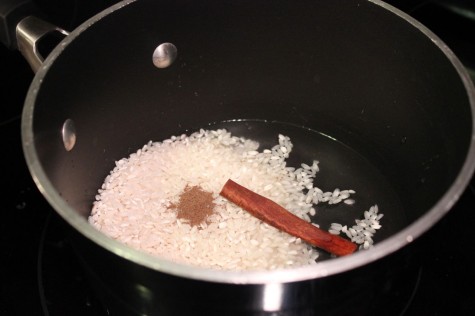
Cooking all the ingredients

The unique aspect of this pudding, compared to other rice puddings I have made or eaten, was the addition of the lime rind during the cooking process. It combined nicely with the cinnamon and allspice and gave the pudding a distinct flavor.
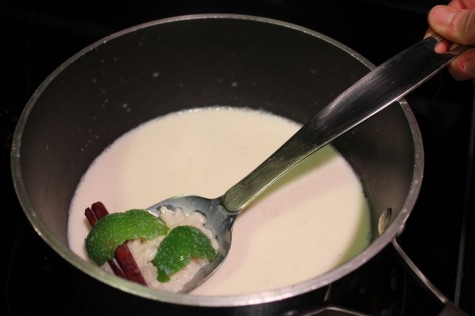
Removing lime rind from milk

This recipe did not call for any sugar or sweetener (like honey or agave), and to me, rice pudding, in a dessert form, needs to be a little bit sweet, so I must make a confession; I added some simple syrup to my pudding at the end of cooking.

I served it as suggested with a bit of lime zest and cream (half and half) on top. My husband said it reminded him of decadent, rich Fruit Loops. And he likes Fruit Loops, so that was a compliment!
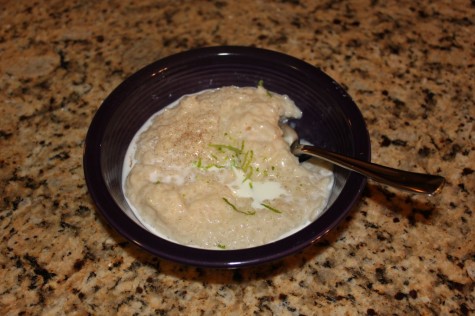
Rice Pudding (Arroz con leche)

Feasting in Ancient Mexio is part of our programming for the special exhibition The Legacy of the Plumed Serpent in Ancient Mexico. The exhibition will be on view through Sunday, November 25.

Welcome to the Neighborhood!

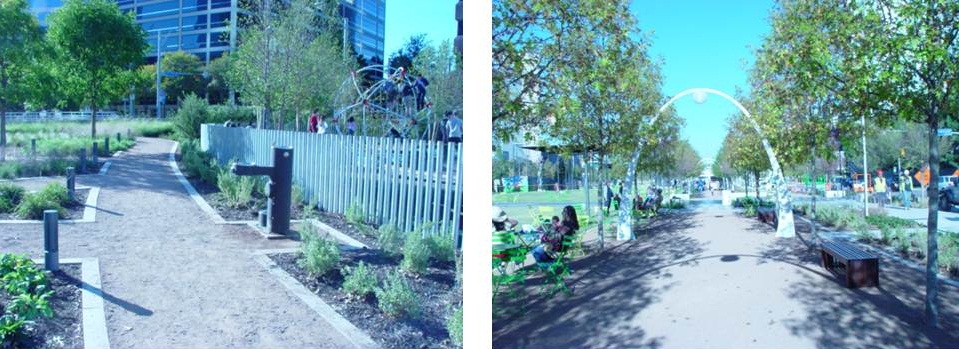
It’s another gorgeous sunny day in November here in Dallas. This warm and temperate fall weather could not have been more perfect for the recent opening of the new Klyde Warren Park right across the street from the Dallas Museum of Art. Just two weeks ago, this new urban green space celebrated it’s grand opening with over fifty free programs and a whopping 44,000 excited visitors. The DMA also participated in the lively festivities, offering outdoor art-making workshops and even a re-enactment of the ancient Maya ballgame in connection with our exhibition The Legacy of the Plumed Serpent in Ancient Mexico. The park continues to provide free daily programs, and has already become a populated community space beloved by the locals.
This 5.2 acre deck park features a children’s playground, a gated dog park, putting greens, ping-pong tables, a reading area, and plenty of open green grass to play or picnic on. With something for absolutely everyone, the park brings people together from all walks of life.

.
If you’re taking advantage of this wonderful weather and want to explore some of the DMA’s outdoor spaces, we have a couple beautiful spots for you to check out as well. For a tranquil stroll surrounded by trees, waterfalls, and life size sculptures, I highly reccomend heading out to the Sculpture Garden: it’s the perfect place to find inspiration or relaxation.

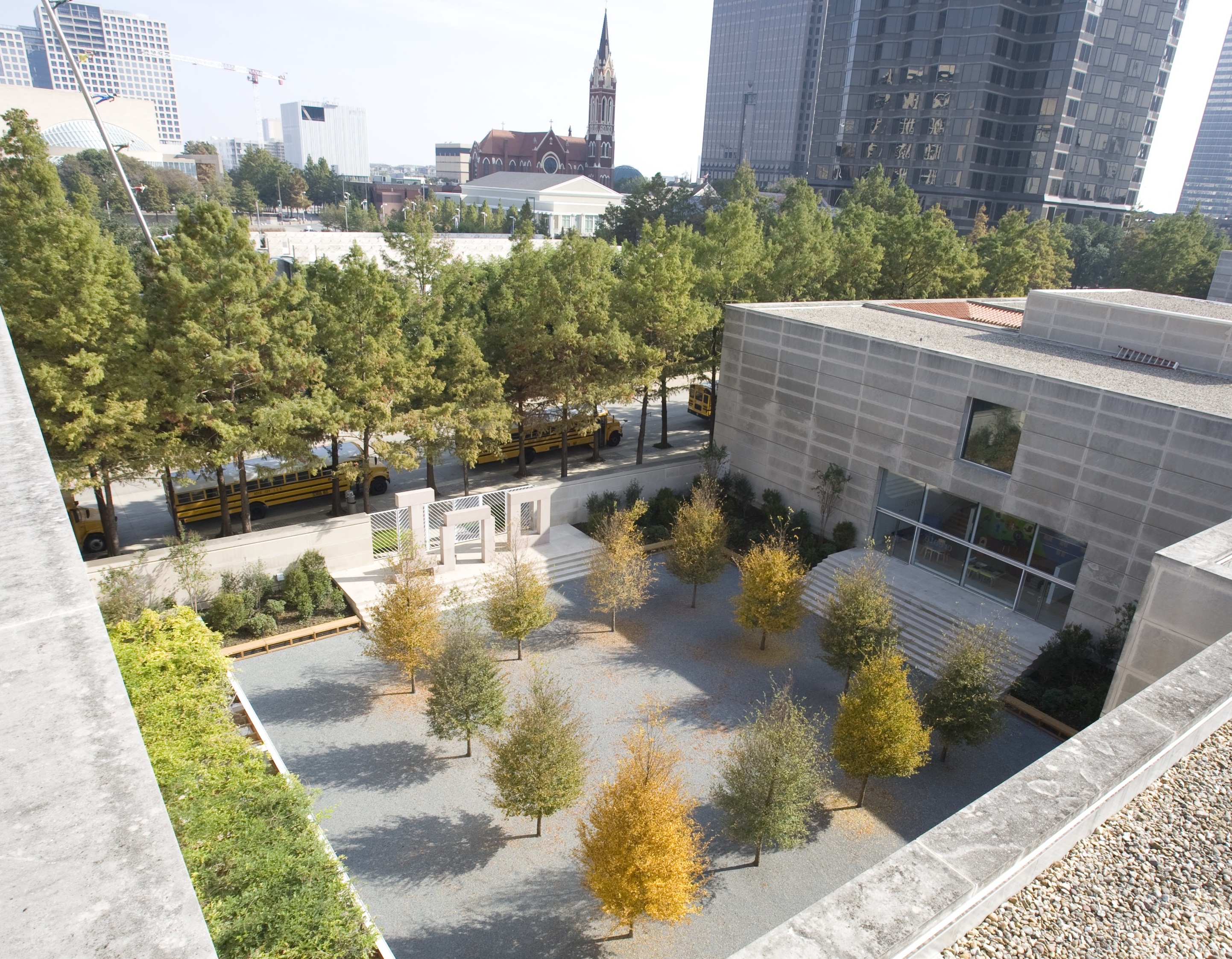
The Fleischner Courtyard is another great outdoor space to enjoy some sun or shade.

.
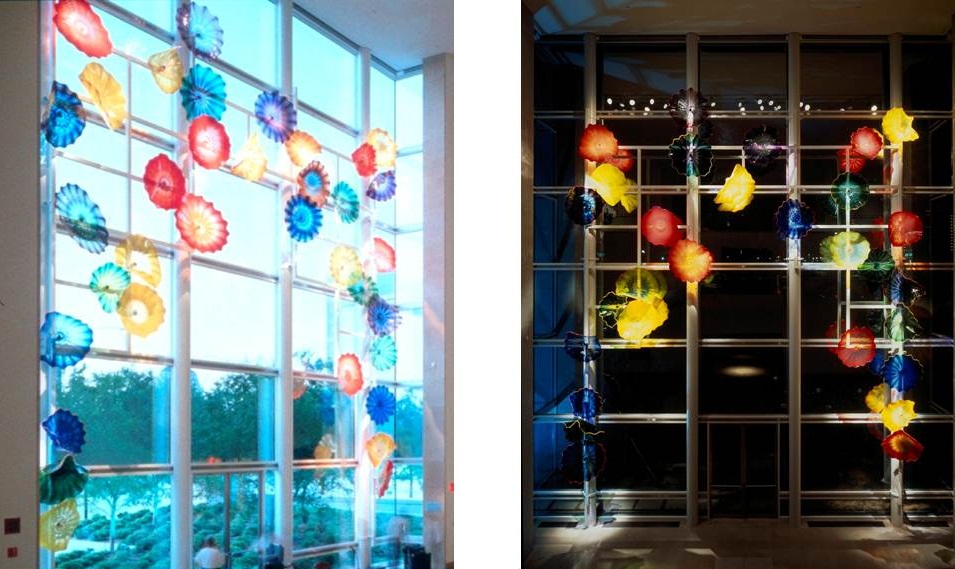
There are a few special areas of the museum where the archituecture allows for the exterior and interior space to interact, creating a sense of the natural world from the inside. One of my favorite such places is the Atrium Cafe, where colorful glass Chihuly flowers float in the frame of the floor-to-ceiling window. With the colors made vibrant by sunlight and romantic by moonlight, it’s a breath-taking sight at any time of the day.

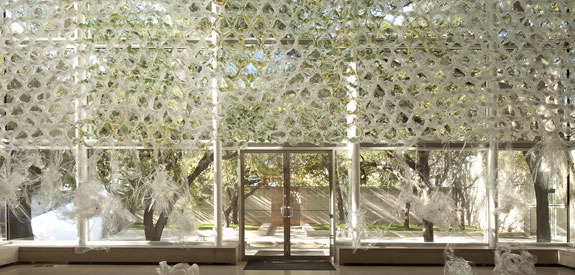
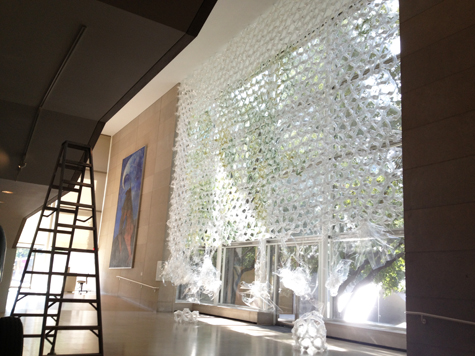
The recent Karla Black installation titled Necessity seems to also create a similar relationship between man-made objects and nature. Cascading down from the ceiling in front of the glass doors to the Sculpture Garden, the cellophane of this large-scale sculpture catches the natural light and produces a sparkling, rippling effect much like a stream or waterfall. The holes in the sculpture and translucent material allow for glimpses of the trees and nature just beyond the doors of the artwork. While standing in the concourse it’s easy to feel as if you’re transported to an outdoor oasis.

.

I hope you all enjoy this weather while it lasts- you now know where I go to soak up the sun!

Hannah Burney
Community Teaching Programs Assistant

Artworks used:

  • Dale Chihuly, Hart Window, 1995, Dallas Museum of Art, gift of Linda and Mitch Hart
  • Karla Black, Necessity, 2012, Courtesy Stuart Shave/Modern Art, London and Galerie Gisele Captain, Cologne

Seldom Scene: Karla Black at the DMA

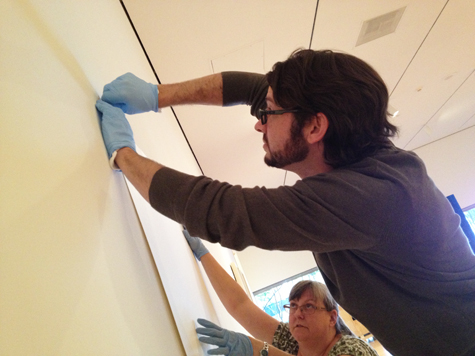
Scottish artist Karla Black will open her first solo project at a U.S. museum this Friday at the DMA. For Karla Black: Concentrations 55, the artist has created two sculptures for the DMA’s Hoffman Gallery and South Concourse. See images from the installation process below, and meet Black and see her work at our Late Night this Friday. She will discuss her exhibition at 7:00 p.m. in the Hoffman Gallery.

Community Connection: Free Association

The current Community Partner Response Installation in the Center for Creative Connections invites visitors to contemplate space in relation to the African American experience.  Titled Free Association and designed by artists associated with the South Dallas Cultural Center, the installation provides a variety of experiences that include sound, poetry, media, and movement while exploring the notion of limitations of space.

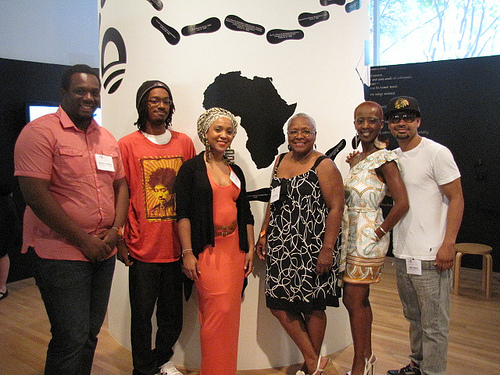
South Dallas Cultural Artists. From left: Harold Steward, Patrick Washington, Ava Wilson, Vicki Meek, Michelle Gibson, Malik Dillard.

Collaborators on this project and their areas of expertise include Malik Dillard, media; Michelle Gibson, dance; Vicki Meek, visual; Harold Steward, theater; Patrick Washington, media; and Ava Wilson, poetry.  Read their perspectives on the installation below, along with their free association responses to the words community, creativity, and art.  

Vicki – What was your vision for this project?  Free Association was created around the concept of limited space and how such limitations can either contain you or spur you to stretch beyond them. The general idea was to explore the history of African Americans within the context of this concept, paying close attention to how African Americans have used creativity to transcend societal constrictions. The more specific idea was to explore the performing, visual, literary & media arts as means of expressing the transcendence of limitations.

Inspired by the installation title Free Association, what is the FIRST word or phrase that comes to mind when you read the following terms?

Community = Essential
Creativity = Boundless
Art = Life 

Harold – How did you integrate theater with the other components of the installation?
More than theater, I was working with some of the components of performance studies. In particular, I wanted to look at the ways in which people naturally operate in “open space” and how that differs when space is confined. One of the many attributes of people of African descent is that we have historically found ways to work within the confines forced upon us when we are taken outside of the continent of Africa, and held on to some cultural traditions while creating new ones in very limited physical and sociological spaces.  The guiding question I had was, “What cultural practices and survival techniques did descendants of Africa keep or create once they arrived on the American shore, and where do they intersect?” The workshop that I offered in conjunction with the installation used Theater of the Oppressed games to cause the participants to be conscience of things that they feel, hear, and see, and the effect these things have on the individual or groups of people when they go unrecognized.

Community = Web- to destroy the community you destroy the web, to build a community you build the web
Creativity = Kuumba –The Kwanzaa principles that demands that we leave our community better than we found it
Art = Knowing what beauty to keep and what issues to call out

Ava – How did you connect poetry to the ideas of free association and space?
The written word is very powerful.  Through the use of several literary devices – metaphor, allusion, symbolism, etc. –  tethered specifically by imagery, I wanted to allow the reader to visualize what enslavement may have been like.  I wanted to create a “free association”, if you will, for the reader.  As for space, I wanted the taut nature of the language and the use of references to shape and dimension to show the vastness of the universe and in the African world in contrast to the narrowness that was the dungeons, slave ships, and realities that the African faced in the west.

Community = Family
Creativity = Spirituality
Art = Life

Patrick – How did you use media to enhance the installation?
We used digital photography, streaming video feed, and an electronic music production program to enhance our installation.

Community =  UNITY
Creativity = ART
Art = LIFE

Malik – How did the use of media enhance the installation? I feel that the media side of the installation creates interaction and gives a great visual for dance instruction.

Community = People coming together
Creativity = Music/Art
Art = Dance/Spoken Word/ Music

Explore Free Association and your own creative responses in the Center for Creative Connections through October 12.

Melissa Nelson
Manager of Teaching in the Community

Red, White, and Blue

Some visitors to the DMA may have taken our self-guided tour Seeing Red, and loyal readers of our blog may remember a post we did back in December about works in our collection that are white. So while we have not focused on the color blue yet, we thought this would be a good day to share with you a few works in our collection that feature red, white, and blue.

Striped chevron bead, Drawn glass, Dallas Museum of Art, gift of The Dozier Foundation

Childe Hassam, Flags, Fifth Avenue, 1918, Watercolor, Dallas Museum of Art, Munger Fund, in memory of Mrs. George Aldredge

Anne Vallayer-Coster, Bouquet of Flowers in a Blue Porcelain Vase, 1776, Oil on canvas, Dallas Museum of Art, Foundation for the Arts Collection, Mrs. John B. O’Hara Fund and gift of Michael L. Rosenberg

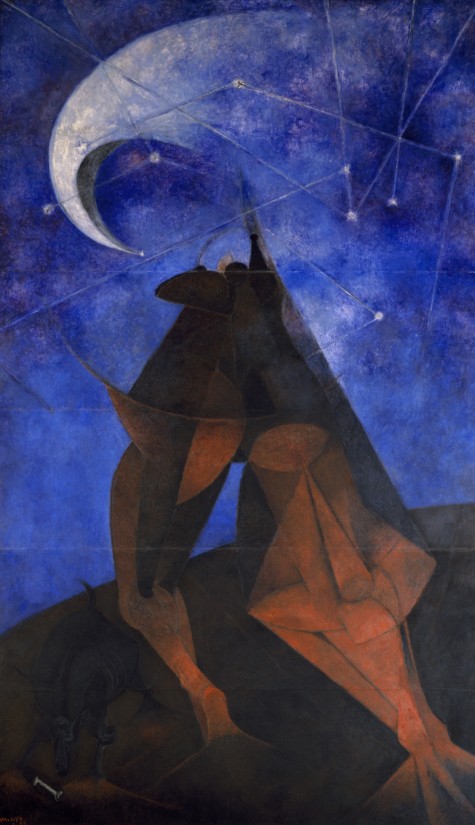
Rufino Tamayo, El Hombre (Man), 1953, Vinyl with pigment on panel, Dallas Museum of Art, Dallas Art Association commission, Neiman-Marcus Company Exposition Funds [credit line published in 1997 DMA Guide to the Collections: Dallas Museum of Art, commissioned by the Dallas Art Association through Neiman-Marcus Exposition Funds]

Piet Mondrian, Composition with Large Blue Plane, Red, Black, Yellow, and Gray, 1921, Oil on canvas, Dallas Museum of Art, Foundation for the Arts Collection, gift of Mrs. James H. Clark

Yves Tanguy, Apparitions, 1927, Oil on canvas, Dallas Museum of Art, The Eugene and Margaret McDermott Art Fund, Inc., in honor of Nancy O’Boyle

Jean Antoine Theodore Giroust, Oedipus at Colonus, 1788, Oil on canvas, Dallas Museum of Art, Foundation for the Arts Collection, Mrs. John B. O’Hara Fund

James Brooks, Quand, 1969, oil on canvas, Dallas Museum of Art, gift of the Meadows Foundation Incorporated

Wassily Kandinsky, Boating (from Sounds), 1907-1911, 1913, Volume with thirty-eight prose poems and twelve color and forty-four black-and-white woodcuts, Dallas Museum of Art, Centennial gift of Natalie H. (Schatzie) and George T. Lee

Stacey Lizotte is the Head of Adult Programming and Multimedia Services.

Our Quest for a Player Piano

Our upcoming Late Night on Friday, April 20, will celebrate our exhibition Youth and Beauty: Art of the American Twenties. As we were planning for this event, we learned that Chilton Gallery I would be empty during this time, as staff prepares the space for a new installation, so we inquired about using it for one of our programs. Once we got the green light, we immediately thought: Speakeasy!

The Speakeasy will feature 1920s-inspired cocktails and live music, with an area where visitors can “cut a rug.” But we also wanted to have music playing in-between the live acts, and what speakeasy would be complete without a player piano!

We believed the easiest thing to do would be to rent one from a local piano company, but after placing a few calls we found that they didn’t have any “older-looking” player pianos, and even if they did, it would cost a lot of money to rent one for a night. We thought we were out of luck until one of the companies suggested that it would be cheaper if we just bought one online.

Surprisingly (to us at least), there were quite a few to choose from.

Welcome to Carrollton

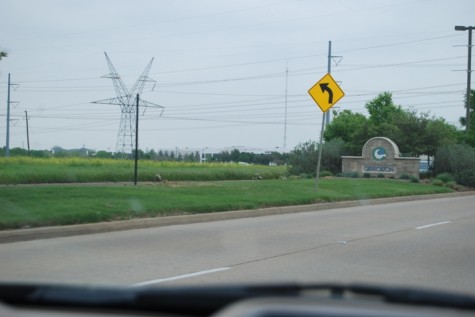
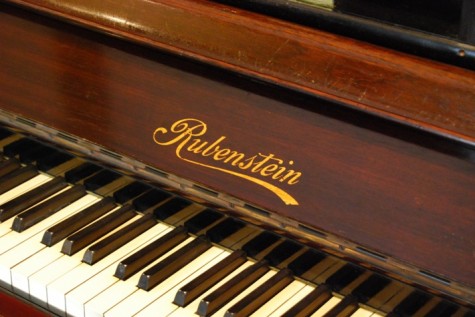
After examining all of the listings for pianos for sale we picked our favorite four. We heard back from a couple who was selling a Rubenstein player piano that fit the feel of the 1920s. So we headed to Carrollton to take a look, make sure the player part did indeed work, and check out the instrument’s overall condition.

Checking out the inner workings of the piano.

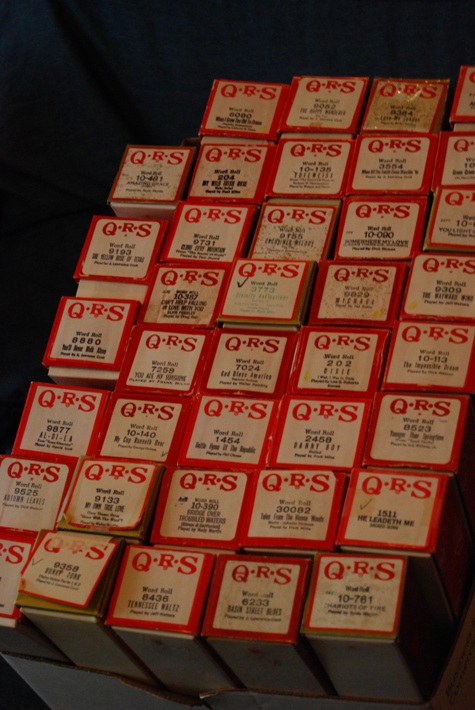
A box of music rolls for the player piano.

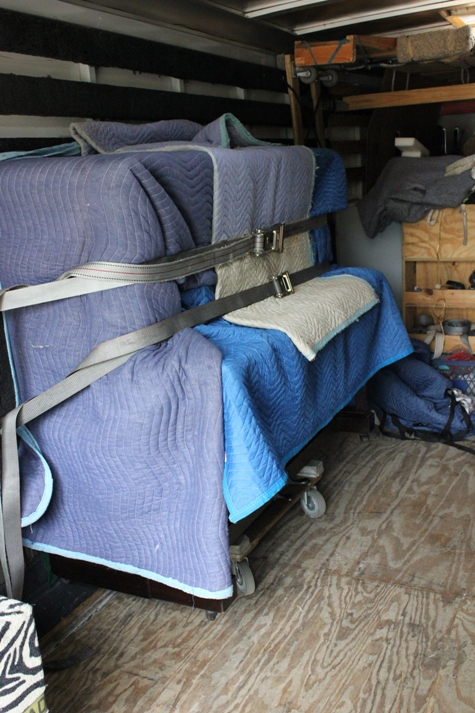
Once we agreed to buy the piano we then had to work out transport to the Museum. After a few more calls, and the brief thought of moving it ourselves with a U-Haul, we ended up working with Piano Movers of Texas.

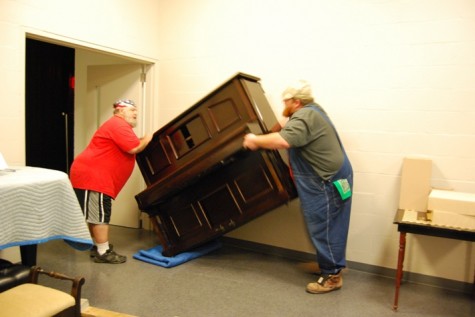
Bringing the piano into the Museum via our loading dock.

Two weeks after beginning our quest for a player piano we finally have one on-site, where it is waiting in our auditorium greenroom for its move next Friday to the Speakeasy.

Stop by during the Late Night and take a look at the newest addition to the DMA piano family, which also includes a 9-foot Steinway Concert Grand piano and a 6-foot Yamaha G Series Baby Grand white piano.

Stacey Lizotte is Head of Adult Programming and Multimedia Services.
Denise Helbing is Manager of Partner Programs.

Community Connection: STEAM, not STEM

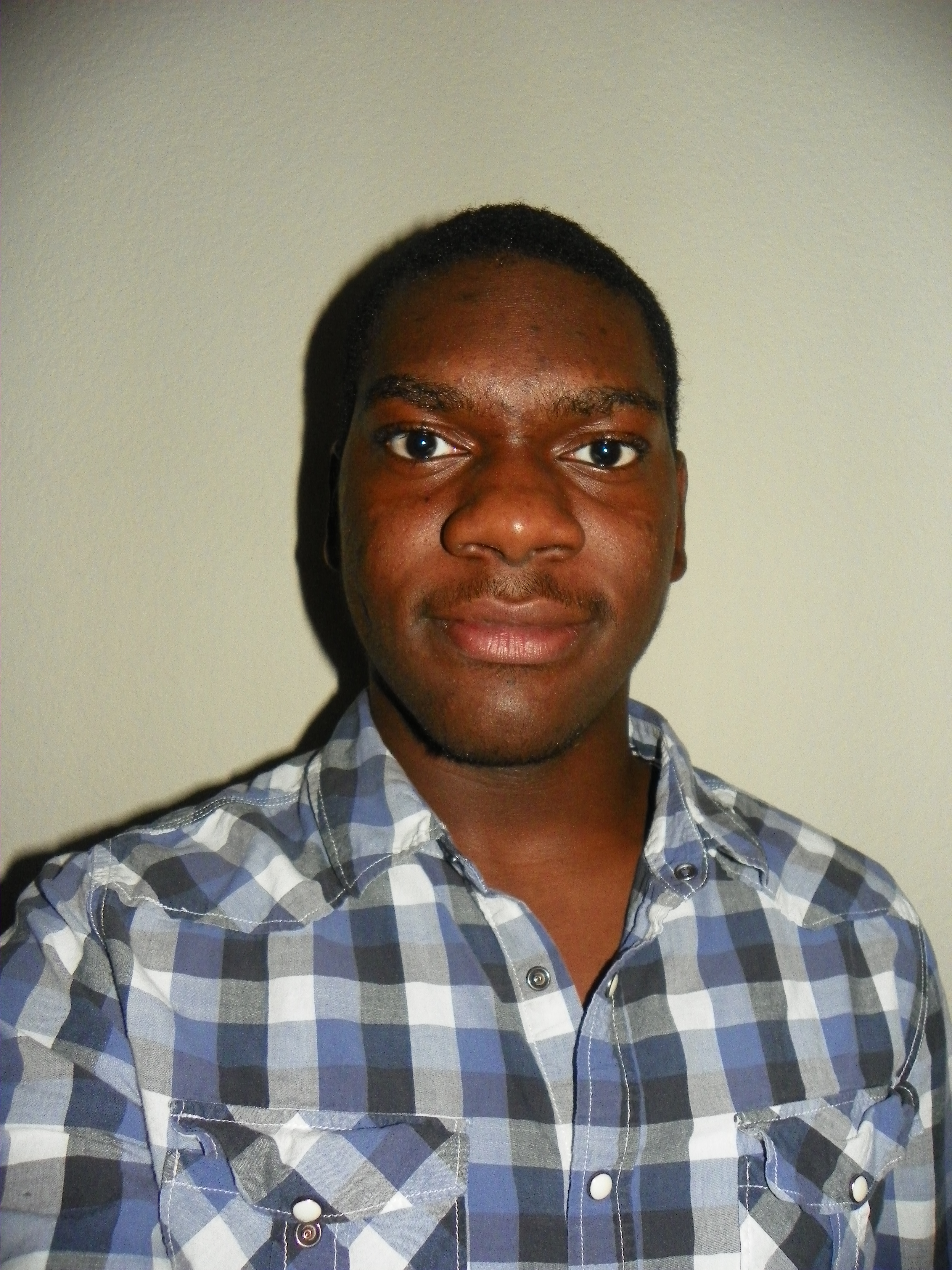
Meet Nicholas Okafor, a high school senior with big ideas about the future of education and organizer of the upcoming STEAM Through Education Festival at Townview Magnet Center.
Tell us a little about yourself.
I am a senior at TAG Townview. I like TAG because it is more liberal in comparison to other magnet schools. TAG shows you different careers and exposes you to different subjects, as opposed to having a concentration or focused view on your education. You gain a broader sense of careers to choose from.

Nicholas Okafor

How did you get involved in organizing this festival?
It started last year, when I was a junior. I applied to the Bezos Scholars Program @ The Aspen Institute. The Scholars Program funds a trip for twelve juniors nationwide, with accompanying educators, to the Aspen Ideas Festival. I heard a speaker from the Rhode Island School of Design speak about STEAM (Science, Technology, Engineering, Art, Mathematics), and how he saw it as the future of education. The Scholars Program encourages the students to come back and hold Local Ideas Festivals about a topic they feel needs to be addressed in their community.

What do you hope to achieve with the festival? What can participants expect?
I hope to broaden the minds of my community. What I’ve seen is a constant push toward STEM (Science, Technology, Engineering, Mathematics), with the arts being ignored. What I want to do is show my community that you shouldn’t focus on one or the other, but instead incorporate both into STEAM. So many times in history these ideas have blended together: the Renaissance is a perfect example of that.

For this festival, we want to break any previous misconceptions that art and STEM cannot be mixed. We want to show how art can be implemented through science for students, parents, and educators. There will be a short presentation at the beginning, followed by a keynote speaker. The senior class is sponsoring a donation lunch, then participants will go into breakout sessions for students, parents, and educators. The student session is geared at breaking misconceptions and opening their eyes to STEAM careers. The educator session is geared at teachers working together to show how they can implement art in their curriculum. The parent session shows why STEAM is important for the child, as well as STEAM activities their child may be able to participate in.

Do you do anything creative?
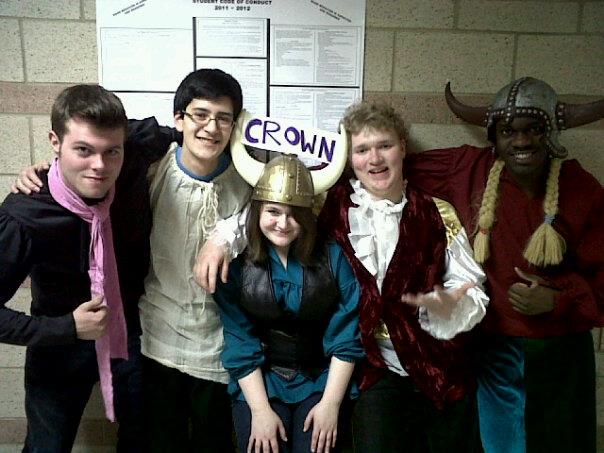
Since I started high school, I’ve been very active in theater, and I’m currently President of the International Thespian Society. My two passions are theater and physics. Even with that, I can see STEAM there; not only are there physical aspects of theater such as lighting and stage, but there is the theatricality of physics and how you can take a simple motion and turn it into a very complex, inside-out problem.

Nicholas and friends from TAG Townview's fall 2011 production Reduced Shakespeare

Where do you see yourself in ten years?
I’m still trying to figure that out. At the moment, I’m focused on college. I’ve been accepted to Texas A&M and MIT, and I’m waiting for a few others to respond. I definitely want to study Engineering for my Bachelor’s degree, and hopefully double major in something like Design, which could help me explore engineering further. Just the other day in Psychology, I learned about functional fixedness, when we no longer see objects for what they are. For example, we see a coffee can, but we can also see that it can be so many different things. Studying Design with Engineering could have the same impact on me.

One concept stressed in the Aspen Ideas Festival is the path of the social entrepreneur.  A social entrepreneur finds a problem in the community or on a global level and tries to address it. By combining Engineering and Design, I can help address problems. Hopefully, I’ll be helping people in ten years, whether in my town or across the globe.

The STEAM Through Education Festival takes place February 25 from 10:00 a.m. to 2:30 p.m. at Townview Magnet Center, 1201 E. 8th Street, Dallas, 75203.  For more information or to register, please visit the festival web site or contact Nicholas at nrokafor@yahoo.com.

Melissa Nelson
Manager of Teaching in the Community

Let it Snow, Let it Snow, Let it Snow

Wishing for a wintery holiday season filled with snowflakes and snowmen?  Even though a snow-white holiday may be wishful thinking here in Dallas, you can still get in the holiday spirit at the Museum.  Bring the whole family to enjoy the many winterscapes we have displayed in the galleries, and create your own holiday-inspired work in the Center for Creative Connections!

[slideshow]

Wishing you all a very happy holiday,

Loryn Leonard
Coordinator of Museum Visits

Images used:

  • Frederic Edwin Church, The Icebergs, c. 1861, gift of Norma and Lamar Hunt
  • Ice Bowl and Spoon, Gorham Manufacturing Company, c.1871, The Eugene and Margaret McDermott Art Fund, Inc
  • Gustave Courbet, Fox in the Snow, c. 1860, Foundation for the Arts Collection, Mrs. John B. O’Hara Fund
  • Georgia O’Keefe, Bare Tree Trunks in Snow, c. 1946, Dallas Art Association Purchase
  • Childe Hassam, Along the Seine, Winter, c. 1887, bequest of Joel T. Howard

Friday Photos: Eerie Images

October is my favorite month.  It brings the transition from summer to fall, never-ending sweets, and Halloween: a hair-raising holiday that demands a sugar rush, costumes, and scaring people.  To pay homage to my favorite holiday, today’s Friday Photos feature eerie images found in our collection.  Remember, what is considered spooky is in the eye of the beholder; many of the objects listed here also represent significant cultural beliefs. 


Don’t forget to come search for other spine-chilling subjects in the Museum on October 30th, the last day of Art in October (and it’s free!).

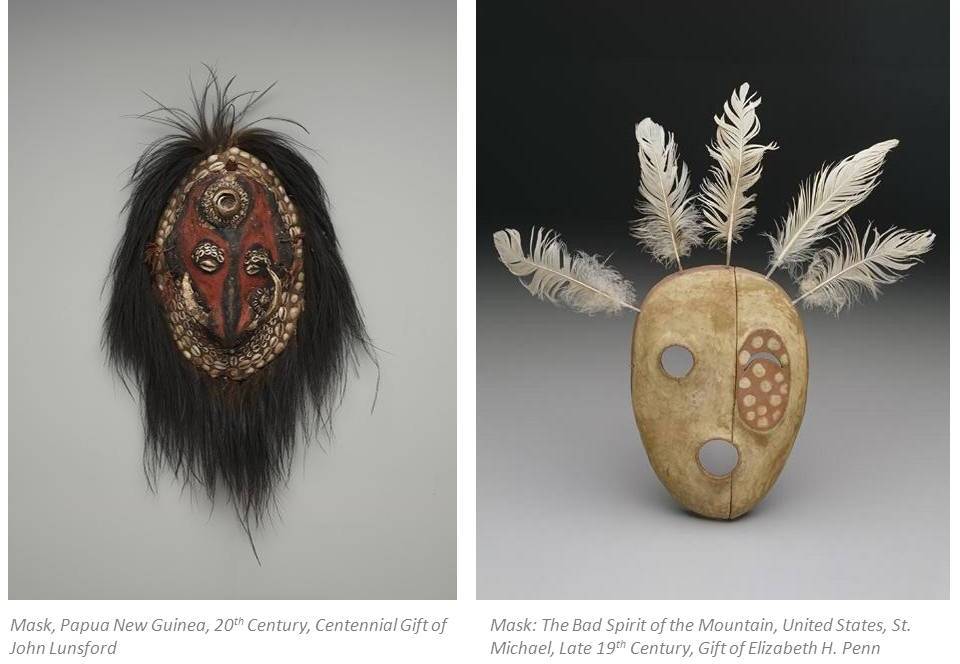
 Masks are always appropriate for Halloween.

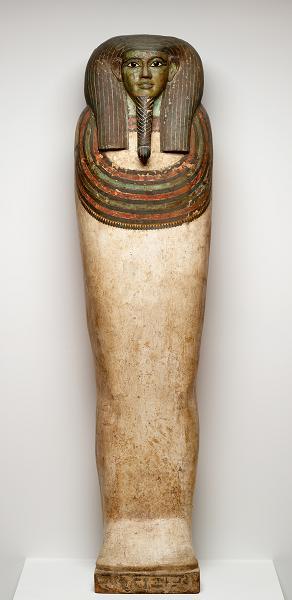
The coffin does not bother me, it’s what could be inside…

Coffin of Horankh, c. 700 B.C., Cecil and Ida Green Acquisition Fund


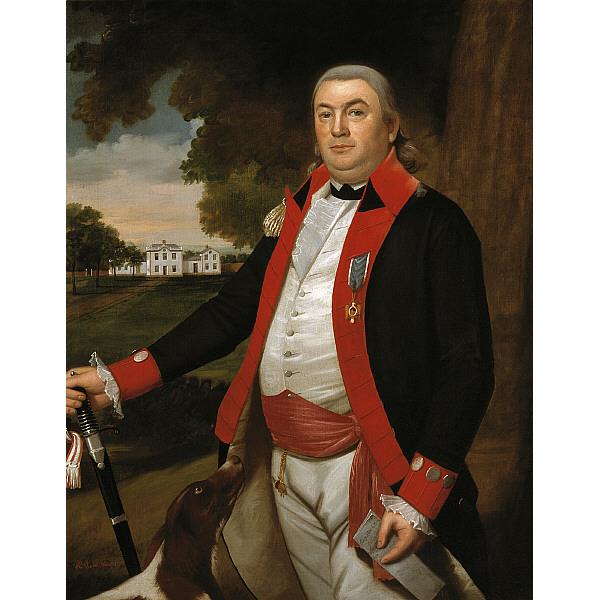
 I’m pretty sure his eyes follow me when I walk by.

Captain John Pratt (1753-1824)

Ralph Earl, Captain John Pratt (1753-1824), 1792, Gift of the Pauline Allen Gill Foundation


Wishing you all a safe, yet thrilling Halloween,

Loryn Leonard
Coordinator of Museum Visits

Community Connection: Why Is This Art?

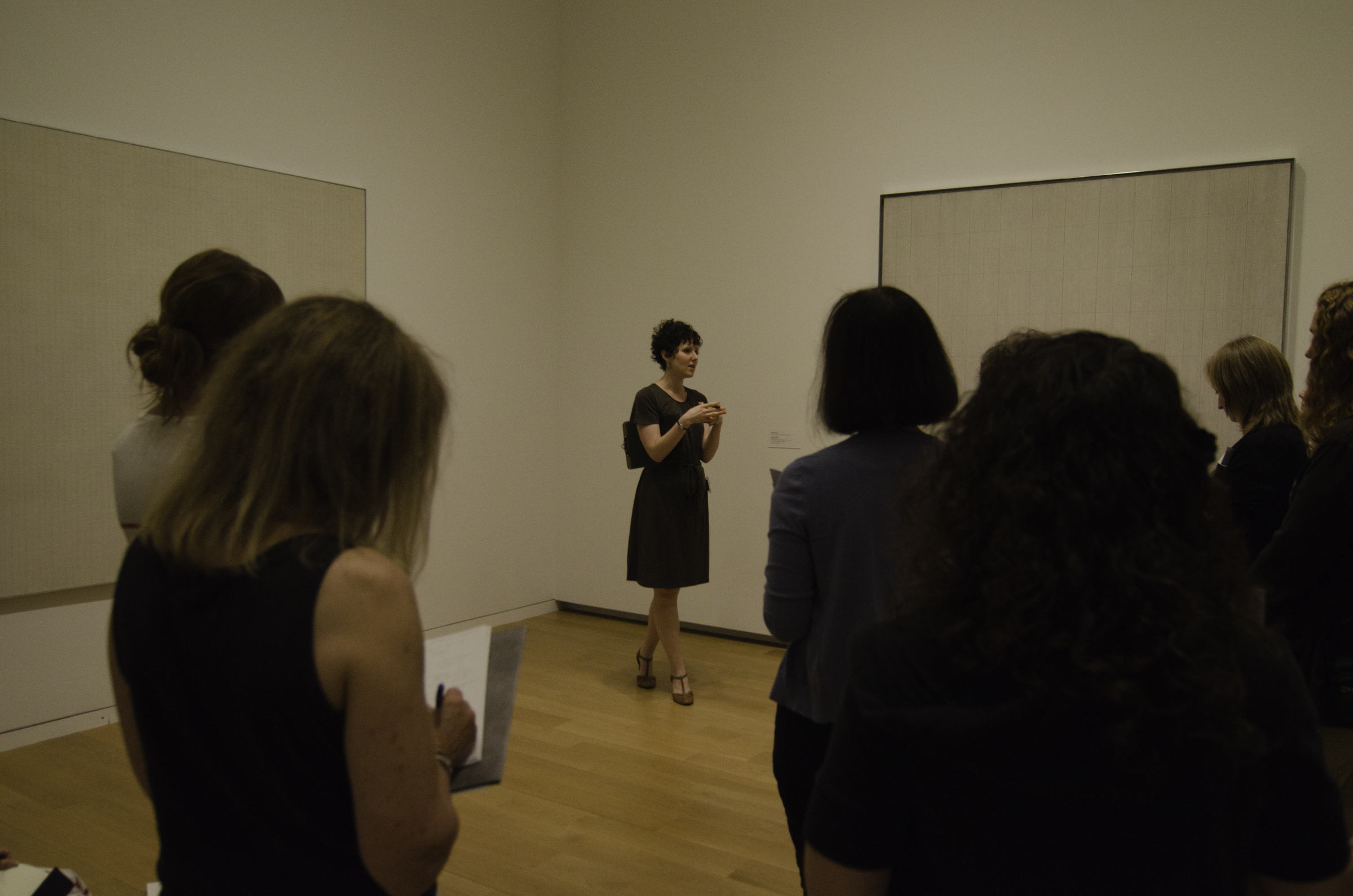
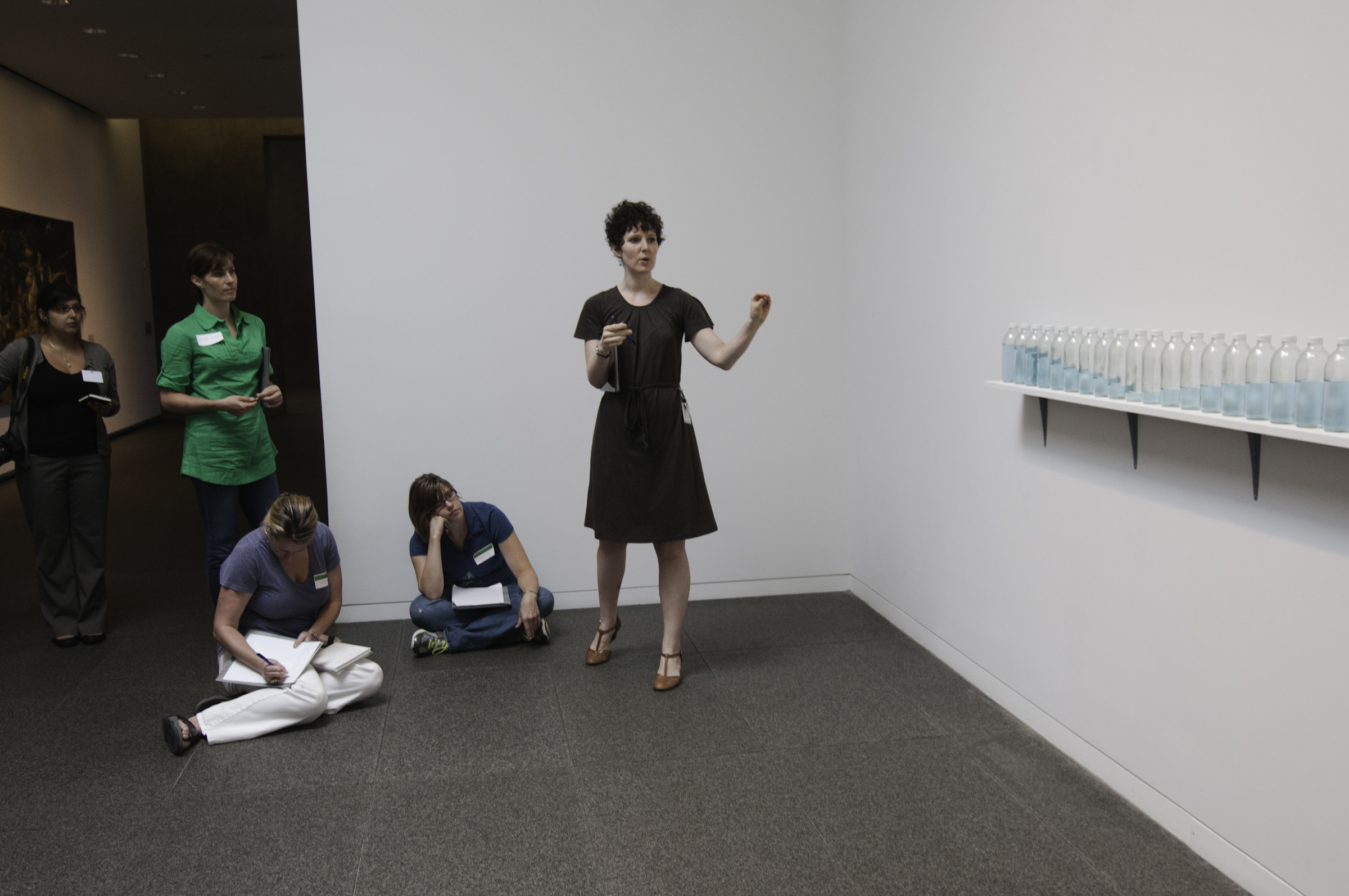
Over the past five years, the DMA has collaborated with area arts institutions in a weeklong program called Museum Forum for Teachers: Modern and Contemporary Art.  Participants spend an entire day at a different institution throughout the week, including the Kimbell Art Museum, Modern Art Museum of Fort Worth, Nasher Sculpture Center, and The Rachofsky House.  In the process, they become familiar with the Modern and Contemporary art currently on view in these spaces, as well as the programs, resources, and Education staff at each institution.  I had the pleasure of leading the discussions and activities at the DMA this past summer, which was also my first opportunity to work with Erin Starr White from the Modern (you may recognize her from an earlier blog post).

Describe your role at the Modern.

I am one of three Assistant Curators of Education.  My role is to work with the academic community.  My youngest audience is 3-4th graders, but I predominantly work with middle school and high school students as well as graduate students.  I also work with all the educators for those populations by leading workshops, speaking at career days, and speaking to teacher groups.

Erin working with educators in the galleries during this year’s Museum Forum for Teachers

What are some advantages to working in a museum that only collects Modern and Contemporary art?

It’s what I love;  it’s what I studied in grad school.  I focused on really Conceptual art from the late 60’s and early 70’s with a focus on New York artists.  I’m interested in the pluralism that occurs in Contemporary art – art is no longer just one thing; it takes a multitude of different shapes. Talking about the ideas and forms of Modern and Contemporary Art with students and teachers can bring about the very simple question, “Why is this art?”  This question often opens up a really great dialogue: “The Museum says it is; why do you think it is or is not art?”

Trace how you got to your current position at the Modern.

I studied Art History as an undergraduate student at University of Texas at Arlington. During my time there, I worked as an intern at the Dallas Contemporary.  I took over a position there as Program Coordinator for a little over a year to gain hands-on experience before going to graduate  school, and to determine if working in a museum setting was really what I wanted to do.  I then studied Art History in graduate school at Texas Christian University, while I worked as a part-time Curatorial Research Assistant at the Modern, tracking down paintings, talking to galleries, and securing loans.

After a year as a full-time Curatorial Research Assistant, I decided I wanted to do something more involved with people, more hands-on, and more fulfilling for me personally.  I wanted to work more with the public and with the art.  This job came up a little over two years ago, and it’s worked out really well so far.  I had a limited background working with kids, and I hadn’t worked with teachers at all, but it’s been a nice fit getting to work with educators of all levels and students of all ages.  Since my background is in Art History, I hire artists to come in and lead studio art projects.  I hire about twenty artists a year to come in and work with different groups, so I go on studio visits and get to know local artists to see if their work would fit well with certain exhibition.  For example, I am currently working with Michelle Mackey, an abstract painter heavily influenced by Richard Diebenkorn in conjunction with Richard Diebenkorn: The Ocean Park Series.

Erin working with educators in the galleries during this year’s Museum Forum for Teachers

What has been the most inspirational artist or exhibition for you?

We have a great lecture series called Tuesday Evenings at the Modern; for me, the most fulfilling lecture was by Lawrence Weiner.  I’ve always been a really big fan of his work – he was one of the
pioneers of Conceptual art – and he was here at the Modern!”

Also, Declaring Space: Mark Rothko, Barnett Newman, Lucio Fontana, Yves Klein (September 2007–January 2008) was one of the most fulfilling exhibitions for me.  It was wonderful to see works that don’t travel very often, all in one place.  This show was one I revisited as often as I could, taking in a room full of Rothkos hung the way he wanted, lit the way he wanted them to be lit; instances of Newman’s sculptures along with his paintings; roomfuls of Fontana’s work – canvases that have been slashed, metals that have been slashed; and  Klein’s enormous monochromatic blue  paintings.

What is your favorite work of art at the Modern, and why?

I can’t choose one favorite, but there is a gallery installed right now that is breathtaking.  It has three of Agnes Martin’s paintings and a little suite of her prints.  What I appreciate about her work, and about these in particular, is that they show her process.  They show her solution for artmaking – the grid – and all the different permutations that takes.  These works have a handmade “look” and have such expressivity and feeling.   Initially, you don’t get that sense; you have to look closely to pick it up.  These works are installed with our permanent collection and are nice to compare and contrast with other Abstract Expressionists on  view, as she considered herself an Abstract Expressionist.

Melissa Nelson
Manager of Teaching in the Community


Archives

Categories