Archive for the 'People' Category


Ordinary to Extraordinary: A Short Story about Chairs

“Success in your career begins in an ordinary classroom, in an ordinary chair.”
— Diana Maldonado, grade 11, Skyline High School (DISD)
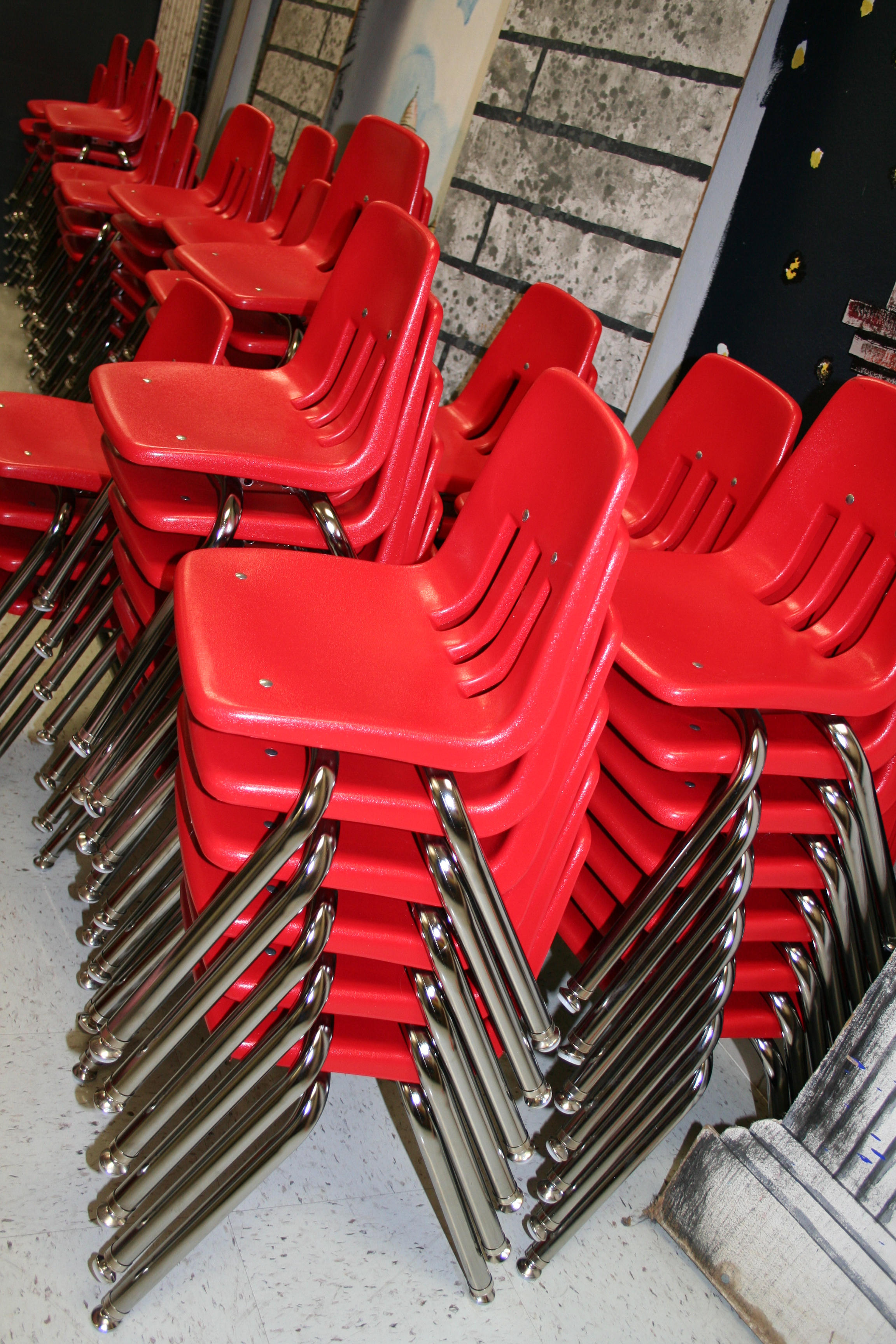
 

Standard-issue classroom chairs

It is a good thing to see the world from a different point of view every now and then.  We can stand and walk in someone else’s shoes, but what is it like to sit in someone else’s chair? What if the seat of this chair rises only fourteen inches above the ground?  I recently had the opportunity to take a seat in these small-size chairs while visiting pre-K and kindergarten classrooms at Dealey Montessori, Medrano Elementary, and Urban Park Elementary in DISD. Two 11th grade students from Skyline High School, Yvonne and Lauren, joined me during the visits to interview several young students who sit in fourteen-inch chairs every day at school.

For me, sitting in one of these chairs is a little bit magical.  The world is scaled down and tiny – chalkboards hang at a lower level, tables are shorter, and objects on the lowest bookshelf (which seem to require a further reach) are more colorful and interesting.  The chair-sitting experience  may also be magical for the students who sit in these small chairs every day as they get used to going to school, learn to write, and make new friends. Chairs are an important part of the school day.  They are a place to sit and rest, but also a place to participate in important and creative work.  Students shared with Lauren, Yvonne, and me various examples of the work they do in their chairs:

  • learning to read books
  • making a lion mask
  • practicing writing letters and words
  • drawing butterflies, ice cream cones, and hearts
  • singing with friends
  • painting
  • counting numbers

[slideshow]

Our visits to schools are part of a larger partnership project between the Dallas Museum of Art and the Architecture Cluster at Skyline High School.  Lauren and Yvonne are just two among more than eighty Skyline Architecture Cluster students who created an amazing installation now on view in the Center for Creative Connections.  The installation, Sculpting Space: 299 Chairs, features fourteen-inch, standard-issue classroom chairs in all colors as the primary material.  The Skyline students have transformed ordinary chairs into extraordinary chair assemblages that sculpt the space of one gallery.  Museum visitors move through the space, walking under and around clusters of chairs.  Look for more information in the coming weeks about Skyline’s unique installation on the blog Uncrated.
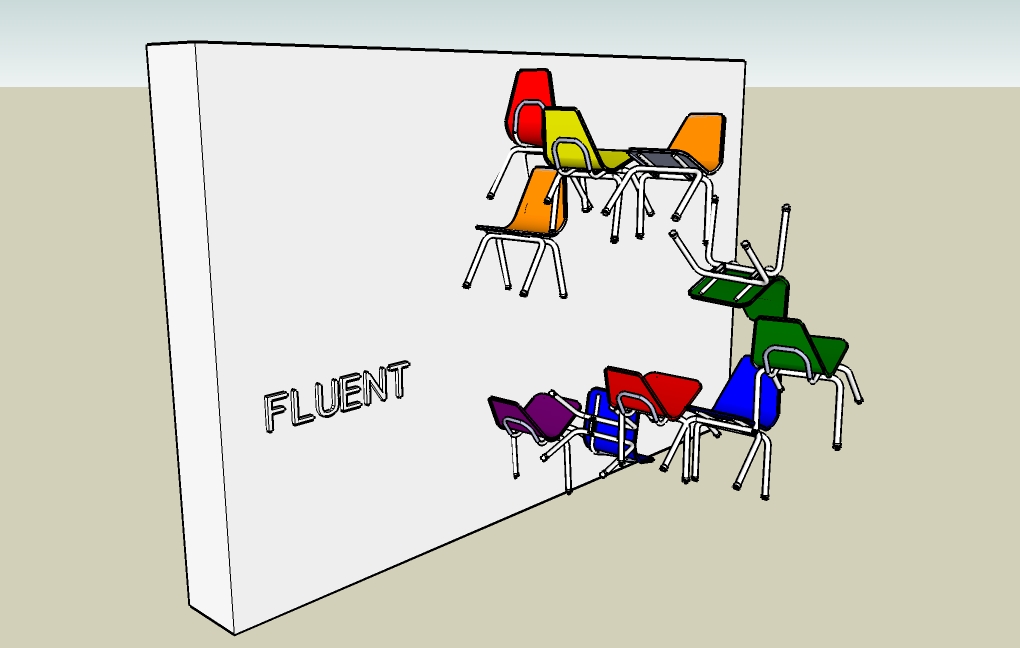
Google Sketch-Up model for a chair assemblage that reflects the spatial concept, "fluent"

Early in the partnership project, Skyline students and their teachers, Peter Goldstein and Tom Cox, had the brilliant idea to get “used” chairs from three DISD elementary schools.  They were interested in chairs with stories to tell — marked-up with years of scratches and crayon scribbles.  The DMA purchased hundreds of new chairs, and then Skyline students swapped the new chairs for old chairs at Dealey, Medrano, and Urban Park.  As part of the process, the elementary school students were invited to draw their chairs, write about them, and think about all of the many things they do while seated in the classroom.  Video interviews with pre-K and kindergarten students about their chairs are included with the DMA installation.   Special thanks to the teachers, students, and staff at Dealey Montessori, Medrano Elementary, and Urban Park in DISD for being a part of this wonderful partnership!

“The one true connection we have made was with the chairs and when we were little kids.  They bring back memories of our childhood.  We also have a connection to the students who once sat in these chairs where they did their work, and colored and painted.”
Luis Garcia, grade 10, Skyline High School (DISD)


Nicole Stutzman
Director of Teaching Programs and Partnerships
 

Playful Looking

What if the goal in looking at an artwork during a gallery experience wasn’t to learn everything about the object, or to arrive at “right ideas” about its meaning? 

Interpretive Play, one of my favorite models of gallery teaching, is based on this idea.  During an Interpretive Play experience, groups of visitors are guided by educators to look closely and make observations, “playing” with various possible interpretations and ideas about the artwork. Educators summarize, repeat, and connect visitor observations, weaving information into the conversation only as it is relevant to the group’s responses.  The goal of the experience is to provide an opportunity for visitors to look, think, and wonder together, coming to a shared and unique understanding of the artwork.

Two of our wonderful interns, Jackie Lincoln, McDermott Education Intern for Family Experiences, and Haley Berkman, McDermott Curatorial Intern for Contemporary Art, led a gallery talk last Wednesday in the current Re-Seeing the Contemporary: Selected from the Collection based in Interpretive Play.   They had a large group of participants and facilitated some meaty, dynamic conversations.  Jackie, a frequent blogger on the We Art Family! The DMA Family blog has graciously agreed to share her insights about the gallery talk with us.

See Jackie’s comments below the slideshow of gallery photos and featured artworks.

[slideshow]

Haley and I are both planners by nature, so we spent a couple of weeks preparing for our gallery talk.  We tried to prepare for all scenarios, leaving nothing up to chance.

We started our discussion with the painting Portrait and a Dream by Jackson Pollock, thinking that visitors might feel more comfortable discussing a work by an artist who might be more familiar to them. It was about two minutes into this discussion that I realized that the content of the conversation was largely out of mine and Haley’s control, and that it was up to the visitors to determine the course of the talk. It was a frightening moment for me, acknowledging that something that we spent so much time preparing for was in the hands of other people, but then, I took a deep breath and started to listen to what visitors were saying about the works of art. Many of the participants made observations about the works that Haley and I had not noticed before or brought up ideas or associations that we would have come up with on our own. I found that by listening to others’ ideas, I was gaining greater insight into the works, and I hope that the participants felt the same way.

Leading a group through an interpretive play exercise was much harder than I thought it was going to be, but it was also very rewarding. It was challenging guiding people through a new kind of gallery experience—an experience where they are actively participating instead of passively receiving information. Creating an environment where everyone feels comfortable sharing their observations and then finding a way to connect those (sometimes conflicting) observations is not an easy task for the facilitator. It was also challenging deciding when was the appropriate time to step away from a work or move on to a new topic or idea. However, I feel like with practice that many of these issues could be ameliorated.

Overall, this act should enhance their experience with a work of art and will hopefully make it more meaningful to them.  It was interesting and inspiring to me that a single piece of artwork can mean so many different things to so many people, and I definitely plan on incorporating this technique into more of my classes in the future!

Jackie Lincoln
McDermott Intern for Family Experiences

Amy Copeland
Coordinator of Go van Gogh Outreach

Staff Spotlight: Shannon Karol

Usually, I interview artists, educators, and community partners with whom we partner in various programs.  This month, I’m turning the spotlight on our own Shannon Karol.  Shannon has worked at the DMA since 2005, with the exception of a short stint back in her home state of Michigan.

Tell us about your history with the DMA.

I first came to the Museum in 2005 as a McDermott Graduate Curatorial Intern, and I worked with Dr. Roslyn Walker, our Curator of African art.  A big part of my intern responsibilities was working with scholars to gain permission to use their contextual photos in our catalog of the African collection.  I did a bit of background research for the catalog, too.

I went away for a year to work at the Kresge Art Museum at Michigan State University, and returned to the DMA in August 2007 as Tour Coordinator.

Just last month, I was promoted to Manager of Docent Teaching and Gallery Interpretation.  I’m now responsible for the Museum’s 108 docents, which includes training and helping them learn best practices for teaching in the galleries.  I’ll also continue to work with some of our partner schools and school districts on their annual museum visits.

To what part of your new position are you most looking forward?

The most immediate thing I’m looking forward to is representing the Museum at the Super Bowl on Sunday.  I’ll be there to talk about connections between the Cowboys Stadium Art Program and our Big New Field exhibition.

I’m also looking forward to training a new docent class and helping them get excited and prepared to be in the galleries with our student visitors.

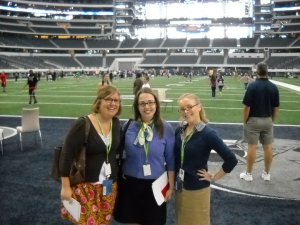
On the field at Cowboys Stadium last fall with Molly and Amy

What do you miss most about Michigan?  What do you like most about Texas?

I miss my family the most.  But I do not miss the snow.

What I like most about Texas is having a part of my family here and spending time with my three  teenage cousins, two of whom are teen docents.  I also love the Texas weather when it’s seventy degrees and sunny in January.

What do you do in your free time?

I sew.  I enjoy making purses and skirts, and I’m currently working on a dress that I plan to wear in Paris when I visit for the first time this summer.

How does your love for teaching with works of art extend outside the DMA?

Once a year, when I go home to visit my family in Michigan, I go to school with my sister to talk with her third-grade students about art.  We look at images of famous works of art, including paintings from the DMA collection.  I have them make up stories, write poems and tell me about what they see.  We end the day with a “Pollock-ing” activity, which involves dipping marbles in paint and rolling them around in a baking tray lined with paper.  Then, the kids make their own Andy Warhol-inspired self portraits.  My sister takes black and white photographs of the students, and we give them highlighters to color in their portraits.

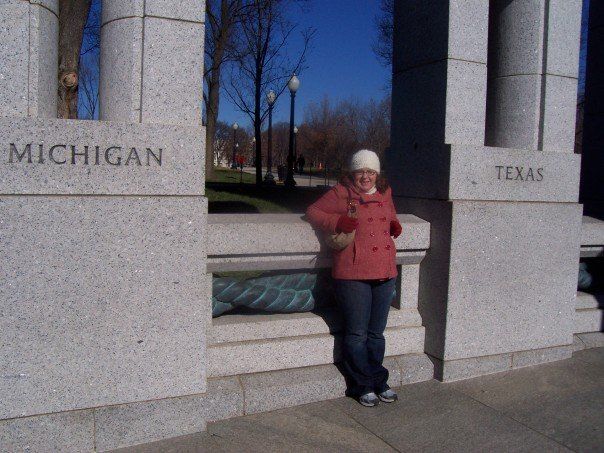
Shannon stands between the pillars of her two “home states” at the World War II Memorial in D.C.

Melissa Nelson
Manager of Teaching in the Community

Interview with Tammy Bradley

[slideshow] One of the busiest staff members in the Museum, Tammy Bradley, works in the Security department. Tammy’s job at the Museum encompasses a wide range of responsibilites. Enjoy reading about her job at the DMA!

Name and Title: Tammy K. Bradley, Gallery Attendant Manager

Years Employed at the Dallas Museum of art: Twenty-two years and two months

Describe your job here at the Museum: I ensure that galleries are properly staffed for normal operating hours and for special events. In addition to this I enforce museum policies and procedures during special events. Other responsibilities include scheduling and posting gallery attendants in the galleries.

What is your favorite part of your job: I enjoy listening to gallery attendants and working with them to better themselves in different areas.

How did you decide you wanted to work in a Museum? I had a friend that was working here at the time who asked me to put in an application and I did so. Twenty-two years later I’m still here!

If you weren’t working in a museum, what is something else you would be doing? I would be retired from the military.

Amy Wolf
Coordinator of Gallery Teaching

Community Connection: 1 month, 56 tours, and 4,300 fifth-graders

For the past four years, Garland ISD has committed to bringing every fifth-grade student to the DMA for a one-hour docent-guided visit.  Such an endeavor requires an extensive amount of time, resources, and coordination of staff, teachers, students, and docents.  This impressive undertaking is possible thanks to Brenda Hass, Fine Arts Coordinator for Garland ISD.

What is your role with Garland ISD?

I am the Fine Arts Coordinator; I work with our K-12 art and theater program and our elementary music program.

Describe your relationship with the DMA.

I began working with the DMA when I was in another school district and learned about the tour program.  When I came to Garland, one of the things I set in motion right away was to make an arrangement for all fifth-graders to come to the DMA for tours that align with social studies TEKS.  It’s been a great relationship.

How, and why, do you manage such a large task?

We do it because we feel it’s important.  Many children wouldn’t have the experience of coming to an art museum if we didn’t provide it.  The majority of our forty-seven elementary schools are considered Title 1 and are located in lower socioeconomic areas.  Whatever the students’ backgrounds are, we want to them have the opportunity to visit.  We choose to put our money and our time here.


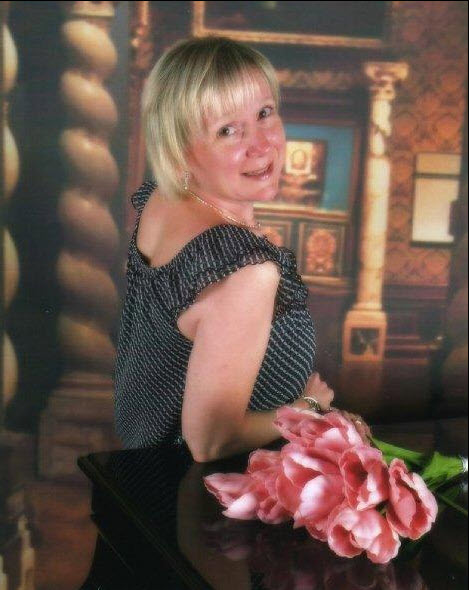
Brenda is also a talented piano player.

What is the most memorable thing that has happened during these tours?

Every year after our DMA tours in January, I always receive an email from a classroom teacher who had never visited before, wanting me to know what an amazing experience it was for his/her children and thanking me for providing the transportation.  I think a lot of people who didn’t get to visit museums as a child don’t go to museums as adults.  But once they have an opportunity, they don’t want to miss it.

What is your favorite part of your job?

Being with children.  If it’s theater, watching them perform in a show.  With art, I may be helping them organize exhibitions of their work.  In music, I’m watching a program or working with our children’s chorus.  Whatever role we have in administration, we have to continue being around the children.  That’s what keeps us fresh and keeps us on the cutting edge of education. 

Also, I am passionate about making sure our students have a museum experience.  I think that everybody, child or adult, should do the same.

Melissa Nelson
Manager of Teaching in the Community

Big New Field, Brand New Audience

Annette Lawrence, "Coin Toss," 2009, stranded cable, The Art Program at Cowboys Stadium

There’s a lot to be excited about with the new Cowboys Stadium (the architecture, the mega-TVs, the sheer size of the place and its many luxuries).  What gives all of us at the Museum goosebumps is the number of people the stadium seats, and by extension, the number of those people who will have the opportunity to experience extraordinary contemporary art while at the stadium.  It’s like the featured artists and their artworks are getting an Oprah’s Book Club level of exposure.  Not bad at all!

Next Thursday, the Museum is hosting another State of the Arts lecture, perfect for those interested in learning more about the Cowboys Stadium Art program.  The evening will feature major players in the program: Annette Lawrence, visual artist featured at the stadium; Bryan K. Trubey, architect and Principal/Director of HKS Sports & Entertainment Group; and Charles Wylie, The Lupe Murchison Curator of Contemporary Art at the Dallas Museum of Art and member of the Cowboys Stadium Art Council.  Lawrence’s work can also be seen in Big New Field.

If you’re curious to explore the stadium before next Thursday’s talk, check out the newly-released iPhone app, The Art at Cowboys Stadium.  The app features a mobile tour, interviews with the Joneses, the Cowboys Stadium Art Council, and featured artists, as well as documentation of artwork installations.

Amy Copeland
Coordinator of Go van Gogh Outreach

All I Want for X-Mas

[slideshow]

I recently asked colleagues which artwork from the DMA they would most like to take home and why they like it so much.  Below are their responses.

Melissa Nelson:
If I could take home any work of art from the Museum, I would choose Phil Collins’ the world won’t listen.  This is a three-part video installation showing ordinary people from Colombia, Indonesia, and Turkey singing their favorite songs from The Smiths’ album of the same title.  As an art-lover, it’s amazing to see the global devotion to a British band that spans three non-English speaking countries, expressed through genuinely heartfelt and uninhibited singing and dancing, shown simultaneously on large screens in a pitch-black room.  As an avid Smiths fan, it’s impossible for me to view this work of art without wanting to perform the songs myself.

Amy Wolf:
I would like to take home Aria After the Ballet, by Edgar Degas. I wrote about Degas monotypes in my graduate studies, so having this in the collection is wonderful! I like the cool build-up of pastel colors on the figures contrasting against the flat stage backdrop.

Ashley Bruckbauer:
Farm Near Duivendrecht, in the Evening, Piet Mondrian, c. 1916 (Reprise of a compositional Series from 1905-1908).  I absolutely love the juxtaposition of positive and negative space in this work and the overall painterly style.  It appears at once realistic and abstract, with blocks of warm oranges sharply contrasted by neighboring blocks of cool blues and purples.  Also, I love seeing this example of Mondrian, which is so different from the body of work for which he is most famous.  I wouldn’t mind if it appeared in my Christmas stocking this year!

Shannon Karol:
I have had such a hard time deciding which artwork I want to take home with me!  As of right now, my choice is Carousel Club by Wayne Gonzales (currently in Big New Field).  I love the ruby red background and the Kennedy connection.  Plus it will fit in my apartment much easier than Robert Rauschenberg’s Skyway (my 2nd choice).

Karen Colbert:
That Gentleman, Andrew Wyeth, 1960; I love this artwork because it exudes serenity. I am always wanting to get a glimpse of the man’s face in the artwork, and although it’s not seen by the viewer, I think the colors, the composition, and subject matter give you snapshot of the type of gentleman he was.

Nicole Stutzman:
Choosing just one work of art is so HARD!  But, I would love to share one of my favorite works from Indonesia.

Wall panel with figure of a slain shaman, Indonesia, Taileleu Village, c. 1900. Wood, paint, shell inlay, and cloth.

Why is it one of my favorites? 
1)      I love the way the maker emphasized the hands of the carved figure.  They seem a little too large and slightly out of proportion, and the texture of the hands seems really rough.  You can see gouging marks around the fingers from the tools used by the maker to create such a deep relief.  I love the physical qualities of the size and texture of the figure’s hands.

2)      I also love the stories behind this object.  The panel was carved following a headhunting ritual, which was part of festivities surrounding the creation of a new clan house, or uma.  It served as a memorial to the headhunting victim and was placed in the front room of the uma.  Seen by visitors who entered the house, the panel proved the courage and abilities of the house’s owners.  The culture that created this lived on the Mentawai Islands, and they believed that everything around them had a soul – the people, the trees, the houses they inhabited, and more.  I think this is a wonderfully powerful perspective to have about the world around you.  Part of the beliefs surrounding the creation of the panel focus on the Mentawaian people’s efforts to maintain harmony between all of the spirits and souls in the world.  Through this panel they honored the spirit of the slain victim and the materials used to make the panel, as well as the new house and its soul.

Jenny Marvel:
The “Dimension” tea and coffee set; I would love to have this coffee and tea service to have as a conversation piece while entertaining guests during the holidays! 

Amy Copeland:
My answer to this question changes all the time, but right now I would most like to take home one of the sketchbooks we have from artist Otis Dozier.  Drawings are my favorite media, and I love the bright colors, pale washes, and gestural lines Dozier uses to capture the places he traveled.  I’ve seen single pages of his sketchbooks on view before, but they’ve been enclosed in vitrines, so I would welcome the opportunity to turn the pages!

I hope the next time you visit the DMA, you’ll find a favorite artwork.

From all of us here at the DMA, warm wishes for a merry and bright holiday.

Amy Copeland
Coordinator of Go van Gogh Outreach

Community Connection: Thriving Minds

The DMA partners with Thriving Minds, a city-wide initiative to provide arts and cultural experiences for Dallas students, in the offering of an extended arts program during after school hours.  We have partnered with Thriving Minds and their umbrella organization Big Thought in several ways over many years.  The after school program is our newest partnership, which has become my focus during the past two years.  I am fortunate to work closely with Creative Specialist Laura Orange on this program: we share an excitement and enthusiasm for serving students during after school hours with programs that are educational, meaningful, and most importantly, fun.

Tell us a bit about your background and how you came to your position at Big Thought.

When I was in my early twenties, I studied with a professional company that had connections with the Paris school of Marcel Marceau.  We became the United States version of that company.  The man I studied with supported himself by being a resident artist for the state of Ohio, and he trained me on how to make a living by putting together a show and getting involved with various state arts commissions.  I ended up here in Texas in the early 80’s when Young Audiences was forming.  Young Audiences wanted a mime company, and they asked me to create one their second year.  I spent years performing through schools, doing residences and other work through Junior Players and Dallas Children’s Theater, and along the way I learned about arts administration.  As Young Audiences developed, they realized they needed in-house arts administration staff and brought me on board – that was probably ten years ago.  Young Audiences grew into Big Thought and extended into afterschool programming.  I was the representative here for 21st Century programming and was able to connect organizations with afterschool programs.  Now we staff programs at schools, and I realize I’ve almost come full circle.

What advice would you give to artists who are interested in teaching school children?

Don’t take yourself too seriously.  You’ve got to enjoy children and enjoy the journey they’ll take you.  Sometimes, something will happen that can be a really brilliant idea if you’re not stuck on what you want to do.  Some of my best adventures happened when something didn’t work right, and I decided let’s try this and see what happens?  It became a lot more fun.   

You have a performance background.  How do works of art connect with your approach toward teaching?

Works of art can be very inspirational.  From the mime background, every picture tells  a story, and there’s movement and everything.  We’ve physically recreated works of art in performances with our bodies.  You can also do a movement exercise where you take a still picture, and ask students what do you want to be in it?  A blade of glass, a tree, birds flying, part of a hill…if we were to unfreeze it, what are the little movements that would happen?   What sounds would it make?  Students can use these things to understand line, form, and shape of physical bodies.  Since mime is abstract, there is a lot to connect with abstract paintings, too.

If you could be doing anything else, what would it be?

Probably sitting on the beach and watching the ocean.

What is your favorite holiday tradition?

Our annual drive home to my parents’ house is usually pretty funny.  We rent a minivan and I call it “Operation Little Miss Sunshine”.  Me, my brother, my husband, my dogs, and whatever we can stuff in the van drive to Mississippi and back together.

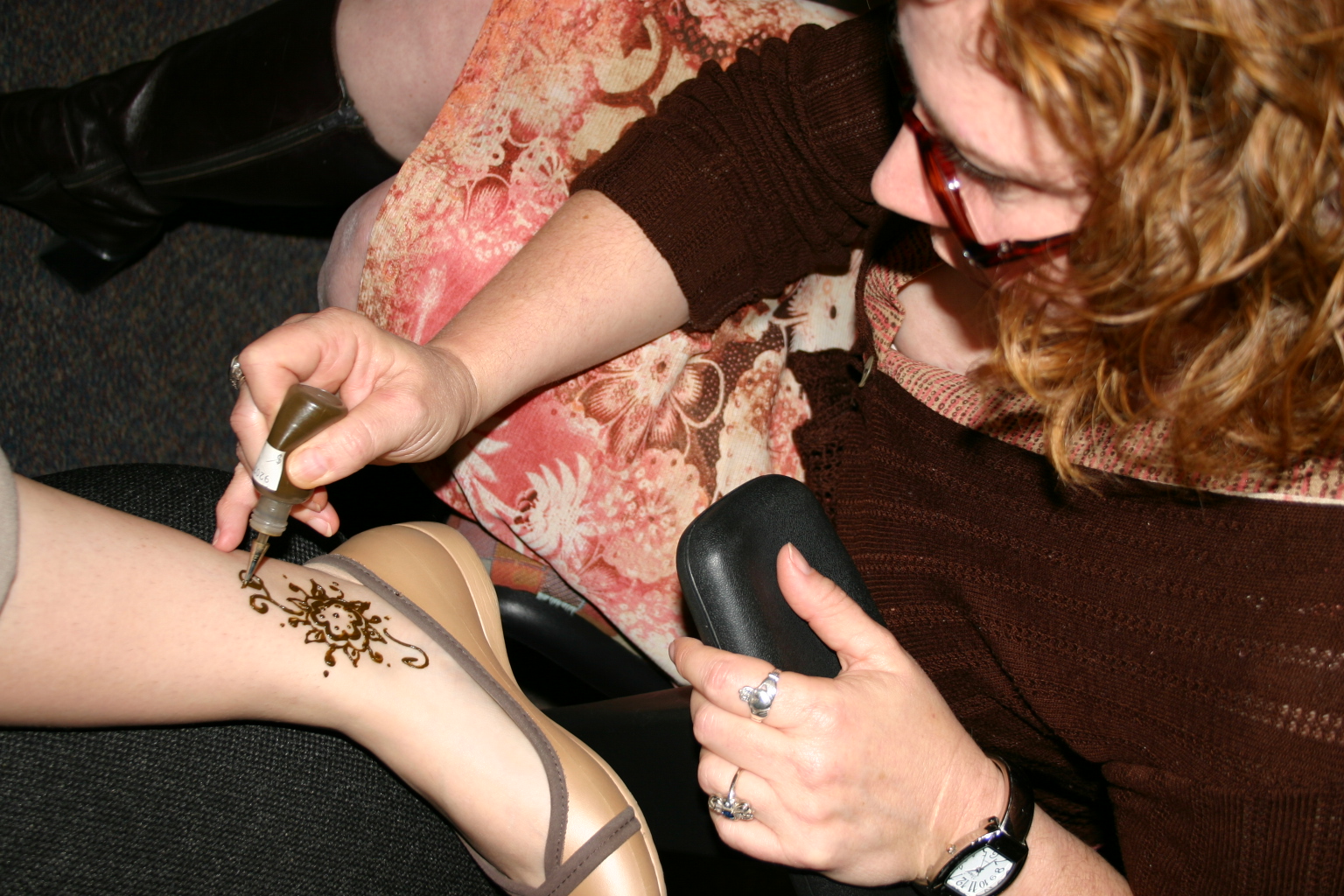
Laura paints a henna tattoo on a colleague.

Insourced: Works by Dallas Museum of Art Staff

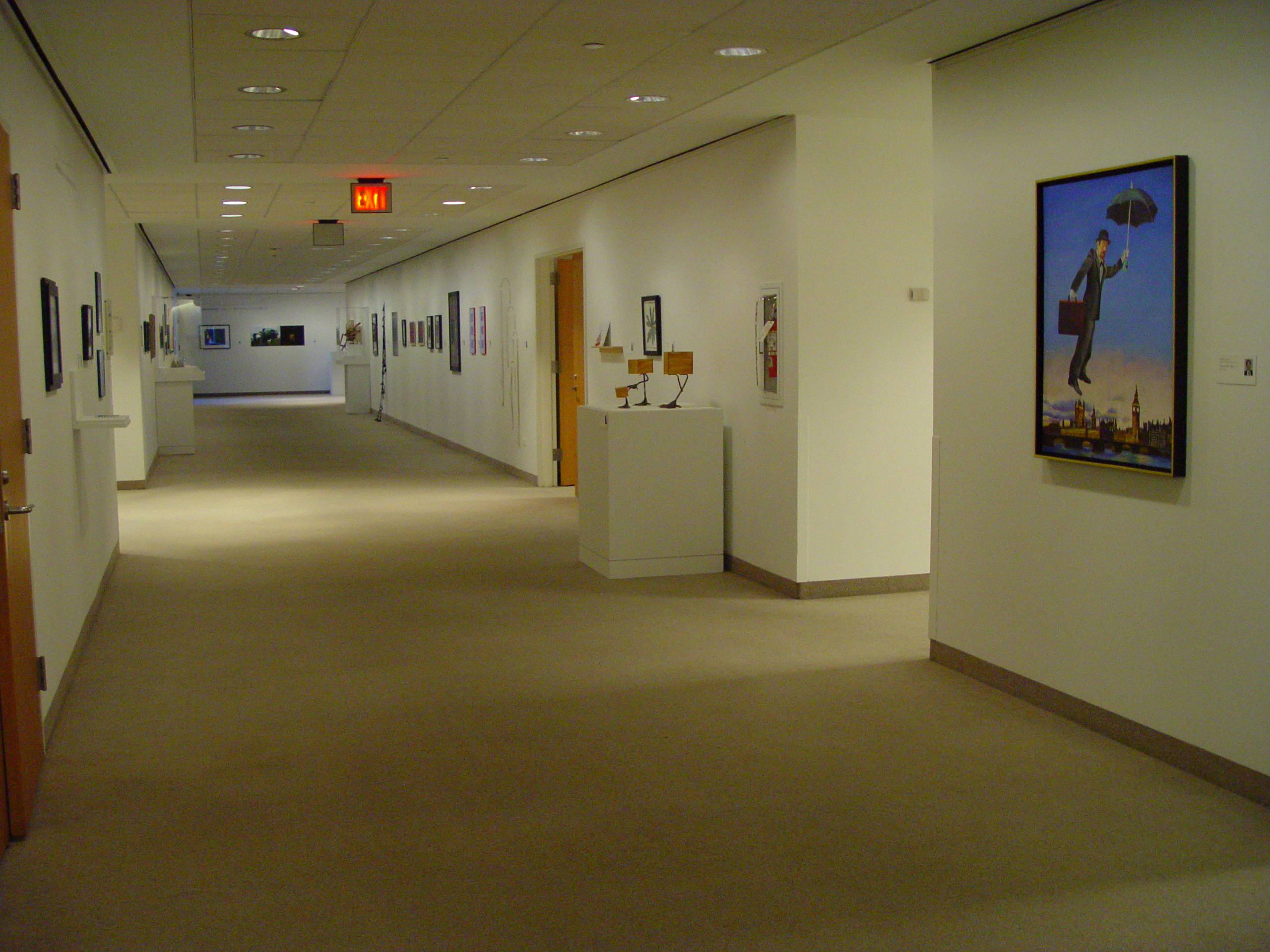
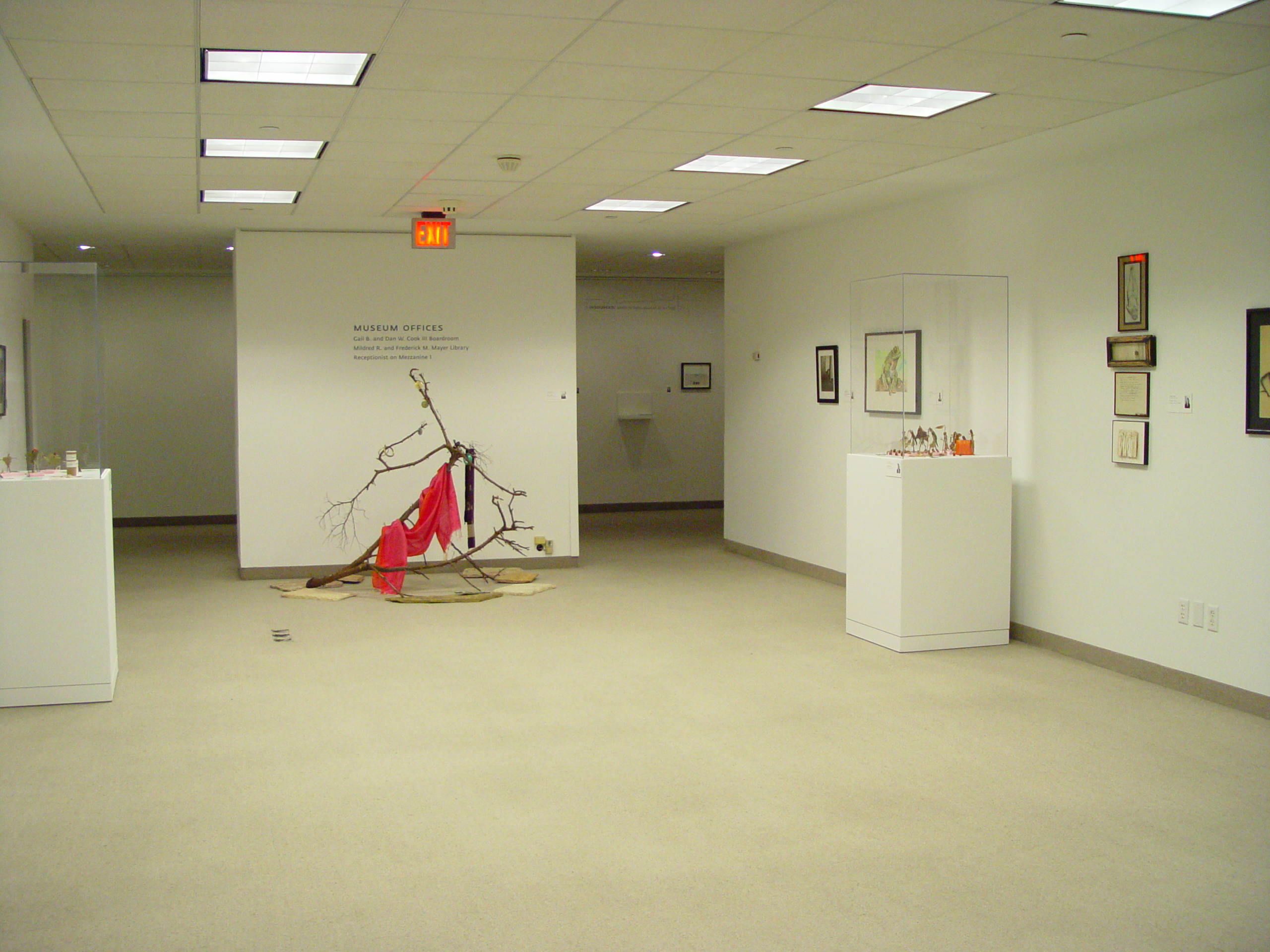
Every two years, DMA staff are invited to showcase their artistic talents.  Below are some things that make Insourced: Works by Dallas Museum of Art Staff a unique exhibition:
  • It features sixty-eight works of art submitted by forty-three DMA employees.
  • Submissions came from a variety of departments, which include Accounting, Collections Management, Curatorial, Development and Membership, Education, Exhibitions, Information Technology, Libraries and Imaging Services, Marketing,  and Security and Operations.
  • Artwork labels include a photograph of the artist, his/her position title at the DMA, and the number of years he/she has worked here.
  • The exhibition lets us see a new and, at times, previously unknown side of our colleagues.

Below are images of the overall exhibition and a few artworks by DMA educators.  View Insourced: Works by Dallas Museum of Art staff on Mezzanine 2 next to the Mildred R. and Frederick M. Mayer Library through March 13, 2011.

Melissa Nelson
Manager of Teaching in the Community

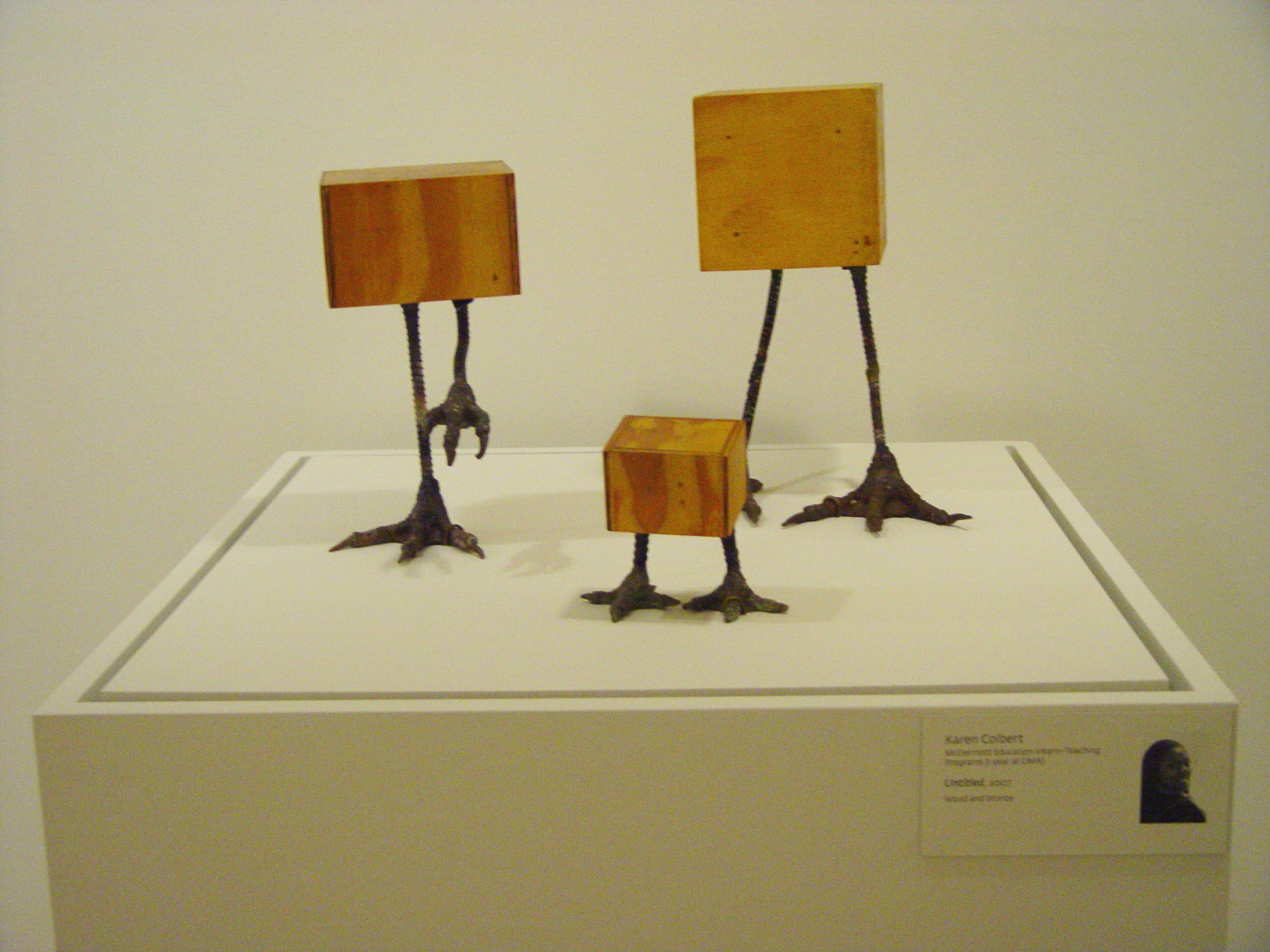
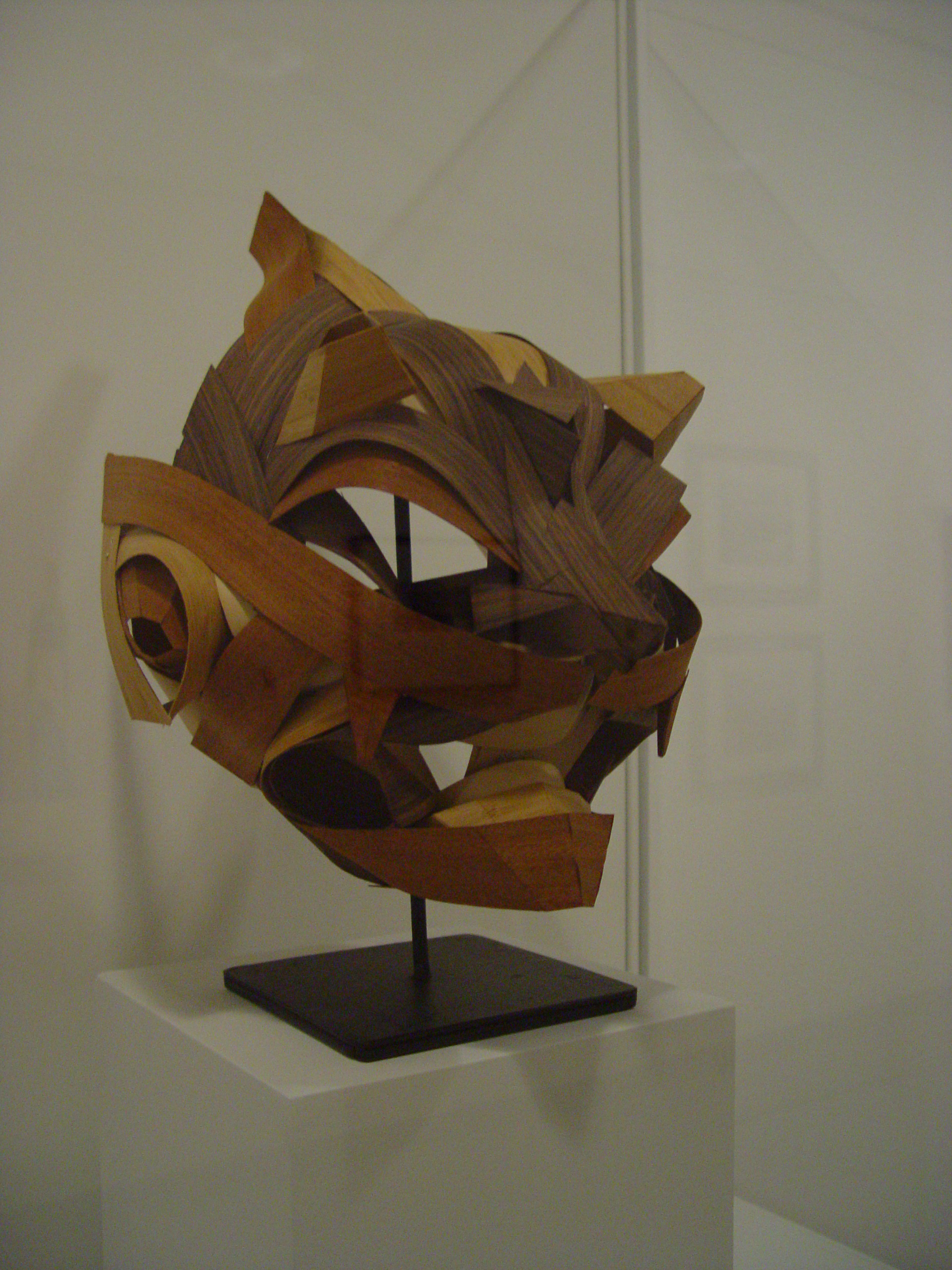
One of two submissions by Teaching Programs McDermott Intern, Karen Colbert.

Untitled/Bring Back My Saturday Morning by J.C. Bigornia, Coordinator of Family Experiences

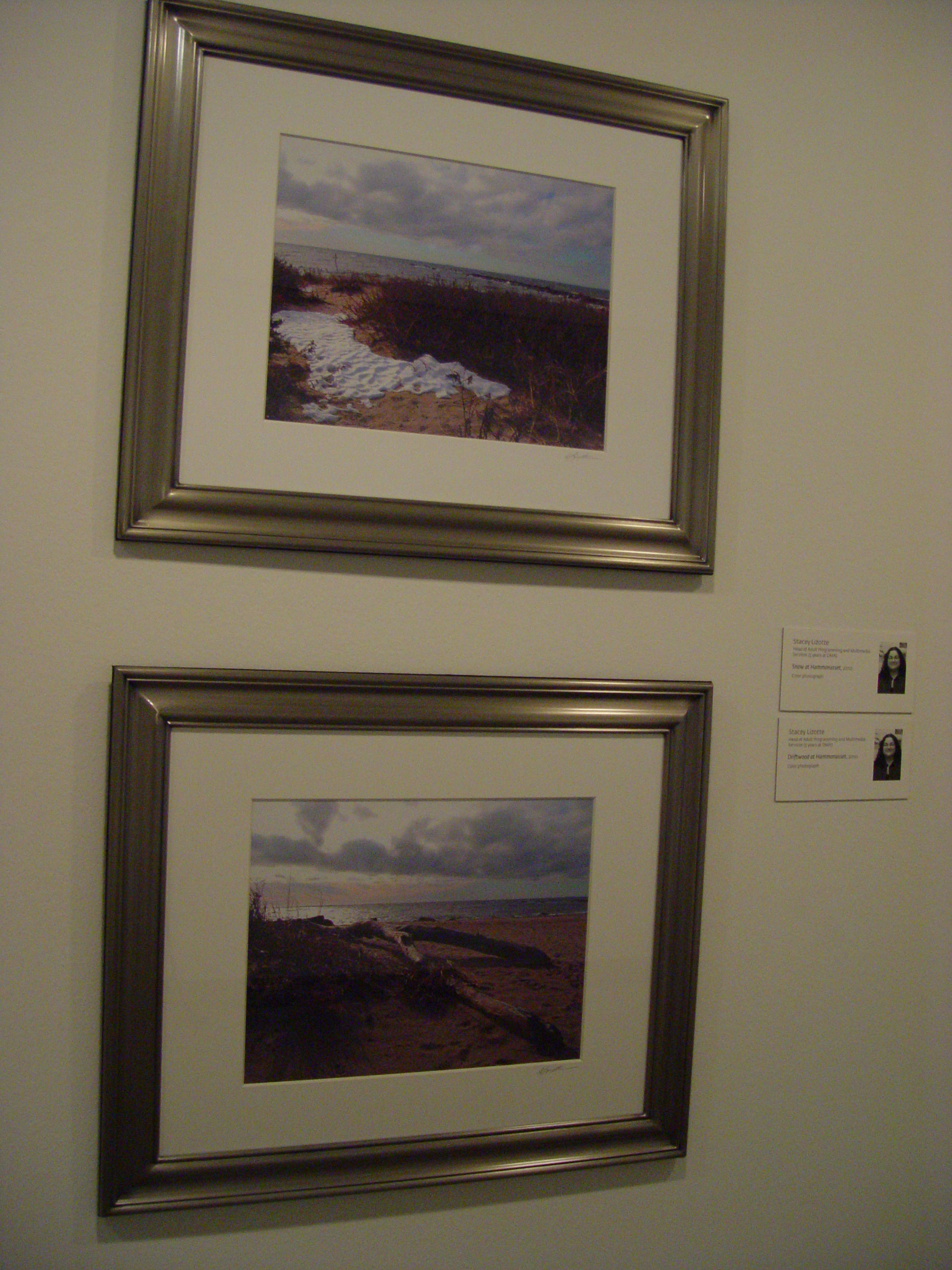
Snow at Hammonasset and Drfitwood at Hammonasset by Stacey Lizotte, Head of Adult Programming and Multimedia Services

Interview with Queta Watson

As the editor at the Dallas Museum of Art, Queta Watson is a busy lady! She recently took time out of her schedule to answer questions related to her job at the Museum.

Amy Wolf
Coordinator of Gallery Teaching


Queta Watson, Editor

Name and Title: Queta Moore Watson, Editor

Years Employed at the Dallas Museum of Art: It will be twenty years in March!

Describe your job here at the Museum: Most people are surprised to hear that a museum needs an editor, but museums produce an astonishing amount of written material! I edit exhibition labels and text panels, brochures, invitations, the members’ magazine, the annual report, flyers, ads, press releases, signage, the web site, blog posts, e-blasts, and, when time permits, books on the collection. Basically, if the public sees it, I see it first! The text comes to me from all different departments of the Museum (curatorial, development, membership, education, etc.) and I edit for content, consistency of tone and style, and, of course, good ol’ grammar and punctuation.

What is your favorite part of your job? I get to read all day long! And the subject matter is interesting and enjoyable. My first job out of college was editing Lasers & Optronics magazine, so now I can really appreciate working on material that isn’t boring.

What is a challenge you face in your job? The most challenging aspect is balancing quality and quantity. As an editor, my job is to produce an error-free product, but the heavy workload and tight deadlines make this difficult.

How did you decide you wanted to work in a museum? All those people who are dying to work in a museum will hate me for this, but it wasn’t a conscious decision. I moved here from Los Angeles, where I had been working as a book editor. I sent my résumé to any place in Dallas that might publish books. I am so thankful that the Dallas Museum of Art called!

If you weren’t working in a museum, what is something else you would be doing? I would go back to school to get a degree in library science or I would work in a bookstore. I’m the ultimate “word nerd”!


Archives

Categories