Archive for the 'Education' Category


Connect: Teachers, Technology, and Art

In September, the DMA will wrap up a two-year project called Connect: Teachers, Technology, and Art that focuses on the redesign and enhancement of web-based teaching materials available to K-12 educators on the DMA website. The end result of this project, which has been made possible by a generous grant from the Institute for Museum and Library Services (IMLS), will be a dynamic new model for the internal development and external presentation of online teaching materials.

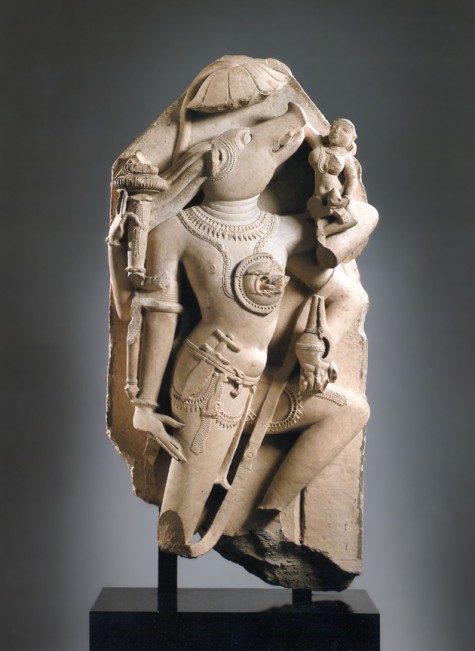
There are thirty units in total on the DMA’s teaching resources website, exploring every genre of art in our expansive collection. Over the past two years, DMA staff have been working specifically on redesigning units for African and South Asian art.

Vishnu as Varaha, India, Madhya Pradesh, 10th century, sandstone, gift of David T. Owsley via the Alvin and Lucy Owsley Foundation and the Alconda-Owsley Foundation, E. E. Fogelson and Greer Garson Fogelson Fund, General Acquisitions Fund, Wendover Fund, and gift of Alta Brenner in memory of her daughter Andrea Bernice Brenner-McMullen, 2002.25

The completed project will present over sixty artworks from the collection. Teachers will have the option to sort artworks according to religion, geography, time period, themes, and other categories.

Here’s what our teaching resource website looked like before:

 And here’s the template that will launch this fall:

We are very excited to launch this new content next month, and are extraordinary thankful for the many teachers in our community who have helped informed our work along the way. This grant truly has allowed us to transform the way we communicate with and educate our audiences.

For more information, check out our sister blog for educators.

Anne Palamara is Director of Foundation and Government Relations at the Dallas Museum of Art

Discover your DMA Art Doppelgänger!

Have you ever imagined which artist you are most like? Well now is your chance to find out with our new Artist Personality Quiz. On Friday nights during 9×9 you can stop by the Artist Personality Quiz table in the DMA’s concourse and take our 11 question quiz to find out which artist you are.

Start getting in touch with your inner artist with a sneak peek of the Artist Personality Quiz below, and stop by Friday to find your match.

My friends would most likely describe me as:
a. The brooding rebel.
b. The independent bohemian.
c. The laid-back hipster.
d. The charismatic life of the party.
e. The contemplative dreamer.
f. The detailed-oriented planner.

When I am vacationing, you can find me:
a. Renting a cottage on a secluded bluff in the Hamptons.
b. Soaking in the sun and desert landscape in Santa Fe.
c. Relaxing on the beach in Santa Monica.
d. Running with the bulls in Pamplona.
e. Taking a culinary tour of the French countryside.
f. Enjoying the hustle and bustle of Times Square.

Once you discover who your DMA Art Doppelgänger is you will receive a button proclaiming which artist you are. Then stroll through the galleries and strike up conversations with other doppelgängers to discuss how you answered the quiz questions and to find out what you have in common.

Button images (details): ClaudeMonet, Water Lilies, 1908, oil on canvas, Dallas Museum of Art, gift of the Meadows Foundation Incorporated, 1981.128; Piet Mondrian, Place de la Concorde, 1938–43, oil on canvas, Dallas Museum of Art, Foundation for the Arts Collection, gift of the James H. and Lillian Clark Foundation, 1982.22.FA, © 2004 Mondrian/Holtzman Trust, c/o hcr@hcrinternational.com

Designing Women (and the Cure for Mad Men Withdrawal)

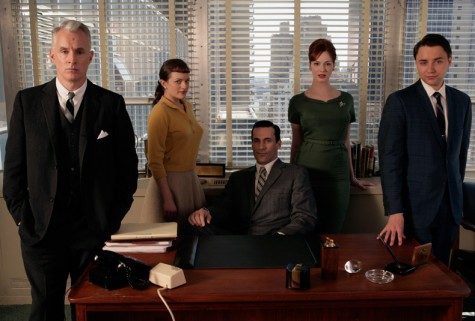
In summers past, our reward for coping with insufferably hot temperatures and an endless parade of reruns on TV has been the return of a new season of Mad Men – the exploits of Don Draper and his cohorts at Sterling Cooper Draper Price Ad Agency offer an escape to the chic and sophisticated world of 1960s New York. Alas, this year the return of Don, Joan, Peggy, Roger, and company has been delayed until later this fall.
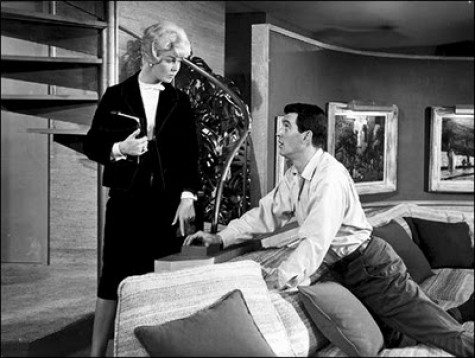
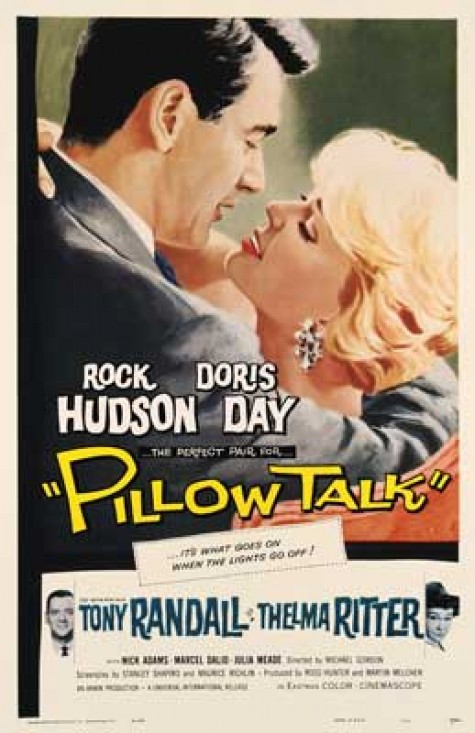
Never fear! The DMA has a cure for your Mad Men withdrawal. On Thursday we will kick off our summer film series, Pictureshow, with the classic 1959 romantic comedy Pillow Talk. Like Mad Men, the film takes place in Manhattan and is filled with stylish apartments and gorgeous clothes that would make Betty Draper swoon. The film is especially well known for its set design and is considered so “aesthetically significant” that it was added to the National Film Registry at the Library of Congress in 2009.

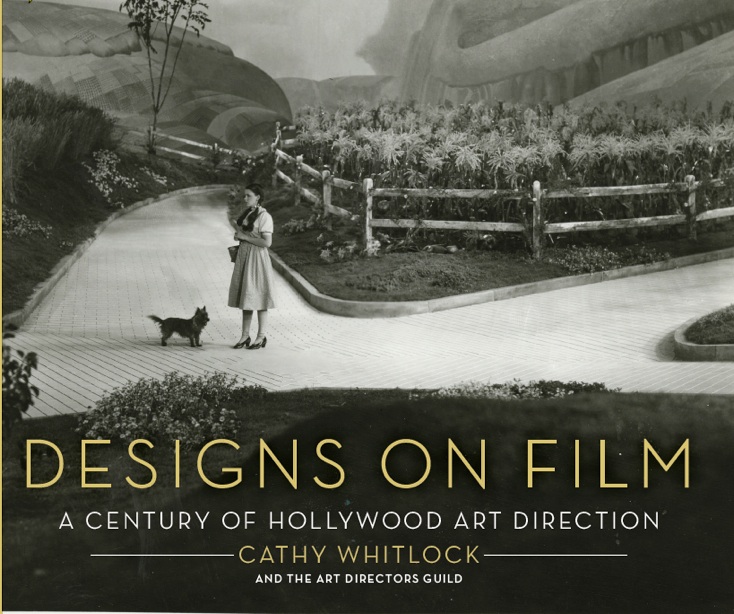
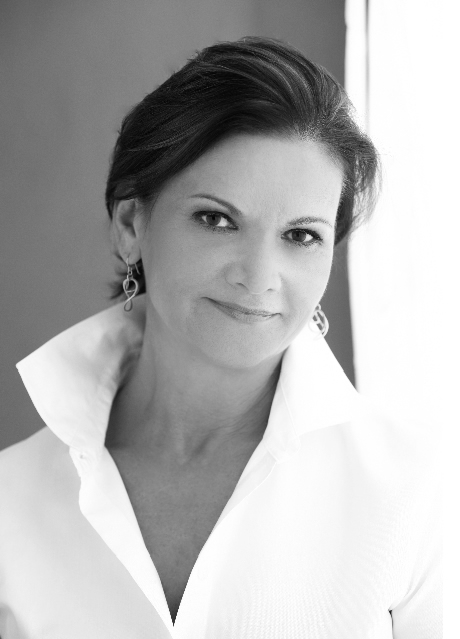
Cathy Whitlock will join us to introduce the film. Cathy is a Nashville-based interior designer, a journalist, and the author of Designs on Film: A Century of Hollywood Art Direction. Her blog Cinema Style explores the world of interior design and style in the movies. In preparation for her visit to Dallas, we asked Cathy about some of her favorite films and her own creative process.
You write about the intersection of design and film on your blog Cinema Style and in your most recent book, Designs on Film. What inspired your love of the movies? 

Ironically my first movie experience as a child was Pillow Talk and I was mesmerized with the interiors, fashion, and life in Manhattan. Apparently, the die was cast as I moved there years later and became an interior designer. I grew up in the sixties, which was such a ripe time for film – the Doris Day-Rock Hudson comedy “romps,” Cleopatra, 2001, The Graduate, and the James Bond franchise – and it left a huge imprint. Movies provide such an inspiration in so many areas as well as the ultimate two-hour escape!

Your blog and book cover films made recently as well as throughout the 20th century. Do you have a favorite era in the history of Hollywood?

Besides the sixties, I love the films of the thirties, as it was the time of big musicals (Fred Astaire and Ginger Rogers) and the “Big White Set” (such as Dinner at Eight). The decade ended with two of the biggest films of the century, The Wizard of Oz and Gone with the Wind.
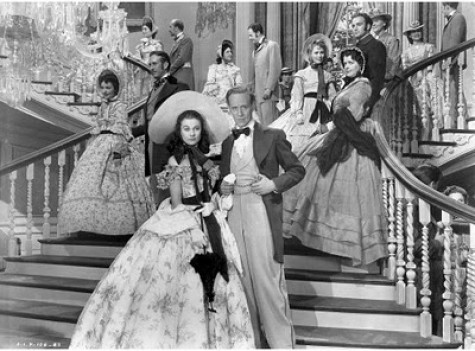
The cast of Gone with the Wind on the grand staircase of Tara
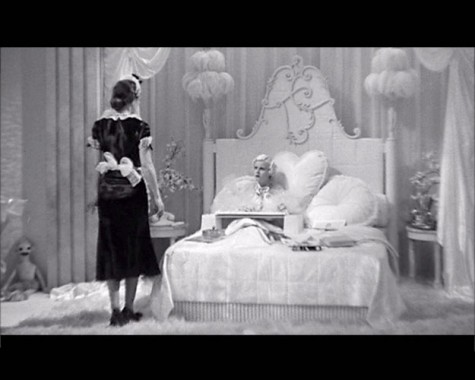
Jean Harlow's bedroom in Dinner at Eight


 How can moviegoers be inspired by the sets they see on screen? How can we translate what we see on screen to our own homes?

Often it can be something as simple as a color or a feel that inspires us. I have literally had clients pull out a DVD where they marked a certain scene and wanted to get the look. Thanks to technology, we can do that. What audiences need to remember is the rooms are almost always shot on a soundstage and on a budget and often we are responding to the overall “feel” of the scene. That being said, it’s pretty easy to pick out a few elements of a movie interior for use in our own homes.
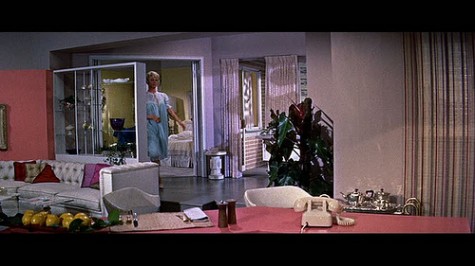
Doris Day's apartment in Pillow Talk

 Pillow Talk is a classic romantic comedy that stars Doris Day as an interior designer.  What makes this film so iconic from a design standpoint?

I think it’s the overall design of the film – the interiors, Doris Day’s wardrobe, and Manhattan is very clean and carefree. From a design standpoint, the film literally gave birth to the “bachelor pad” and I am not even sure the set decorators got credit for that. They introduced the first electronic apartment complete with buttons that turn on the stereo, turn the sofa into a bed, and dim the lights. Now we call that a “smart house” but in the sixties it was pretty radical!

Where do you find inspiration for your interior design work?

 I am a huge student of pop culture and find inspiration through a variety of places – music, museums, magazines, books – but, most importantly, film!

Join Cathy for Pillow Talk this Thursday at 7:00 p.m. She will sign copies of Designs on Film before the screening. Don’t miss the Museum’s collection of objects from the era of Mad Men and Pillow Talk – visit Form/Unformed: Design from 1960 to the Present in the Tower Gallery on Level 4.

Lisa Kays is the Manager of Adult Programming at the Dallas Museum of Art.
Expect the Unexpected!

Well, we’re getting close now: 9×9 is nearly upon us. Everyone at the Museum has been hard at work to make sure that our visitors have plenty of wonderful experiences at the DMA this July. To help you prepare for the nine nights when we will stay open until 9:00 p.m., I thought I would share some insight into the preparation.

9×9—What is that?
9×9 is simply this: nine days in July when the Museum will be open until 9 p.m. (or later!), beginning this Thursday, July 14. On these Thursday, Friday, and Saturday nights, we will bring you all kinds of new activities, tours, and performances to experience with your friends and family members. Expect the unexpected!

Planning this month’s programs at the DMA has been a huge collaborative effort between everyone at the Museum. One of my favorite alliances is between Seventeen Seventeen and the Education Department. The Education team designed several “Provocative Comparisons” tours to show us some interesting connections between works of art in our collection. Chef Coulter followed suit and created three new menus for the 9×9 evenings that were “provocatively” inspired by the collection as well. The mouth-watering offerings are inspired by American and European art and the arts of Africa, Asia, and the Pacific. Visit the Dine page on the website for more information.

Chef James Coulter showcases three of the 9x9 small plates.

Antelope Sliders inspired by the Arts of the Americas collection.

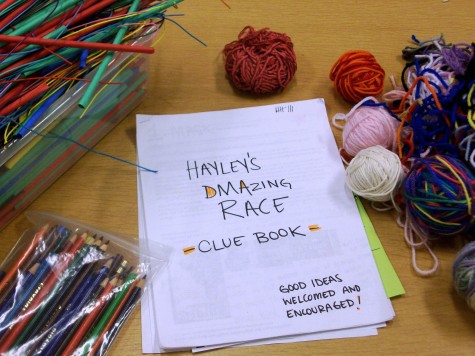
Something I’ve been working on is the new DMAzing Race. If you love scavenger hunts and problem solving, this is something you don’t want to miss! The race will take place on Friday, July 22 and July 29. Teams of two will compete in a race through the Museum’s collection, completing challenges along the way. Racers will be given a packet with clue cards and materials to complete the tasks. Along the way, they will document their race experience through photography (so after it’s all over check Facebook).

This sounds like fun! What should I expect?
Each team will be given a race packet filled with clues and materials to complete the challenges. Each clue card includes a clue in the form of pictures and riddles to guide you to a work of art in the Museum and then a challenge, which could be as simple as taking a picture of what you found to something more elaborate, like re-creating the work of art using people in the galleries. Some challenges will ask you to create something using the materials in your bag. Along the way, you and your partner will document your discoveries through photography.

My DMAzing Race Clue Book.

How do I sign up? Do I need to bring anything?
The night of the race, come by our check-in table in the Concourse anytime between 6:00 and 6:30 p.m. to sign up your team. Space is limited, so come by sooner rather than later. If you have one, you’ll want to bring your smartphone or camera so you can document the race. The race will begin at 6:30 p.m. You may take as long as you like to finish the race, but our top finishers will receive a prize. Someone’s got to win, and it might as well be you!

Two racers fighting for the win! If you join the race you too will recieve your own set of headbands and wrist bands in DMA colors.

I look forward to seeing you at the DMAzing Race and at many other programs during 9×9!

Hayley Dyer is the Audience Relations Coordinator at the Dallas Museum of Art.

The Dallas Museum of Art offers Dallas kids’ activities

The Dallas Museum of Art is a wonderful place for families to share experiences together and offers more than 700 programs for children and their families every year.  From a 2-year-old visiting the museum for the first time, or a 75-year-old showing his grandkids his favorite work of art, to a visitor with autism learning that she too can appreciate the Museum – we have something for everyone at the DMA. And if you’re under 12, you can always visit the Museum for Free! Watch the video below to see all of the different ways you can experience the DMA as a family.

[youtube http://www.youtube.com/watch?v=-n3KF_5eN1U?hl=en&fs=1]

Dallas Museum of Art Points of Access

Through Access Programs at the Dallas Museum of Art, visitors of all ages with special needs and their families can experience the Museum and spend time together. For instance, we host Art Beyond Sight programs in October that celebrate visual awareness, and four times a year we have Autism Awareness Family Celebrations.

Meaningful Moments is a monthly program at the DMA designed for someone with Alzheimer’s disease and a care partner–a devoted wife bringing her husband, a loving daughter attending with her mother, or an admiring husband bringing his wife, like John Rath, who brings his wife, Sue.

John and Sue attend the DMA program every month, including last week’s Storytelling in Art Meaningful Moments event. At every visit, they enjoy the gallery discussion and the opportunity to reminisce and share stories about their lives. Sue had a career with Susan Crane Packaging, where she designed wrapping paper that was sold at many stores, including Neiman Marcus, and John worked for thirty-seven years at Texas Instruments. Sue collects pins (always wearing a different one when she visits the Museum) and loves taking care of her plants in a back porch greenroom that her handyman husband John built just for her.

When the program moves to the studio for art-making, Sue’s artistic abilities shine as she is usually one of the last to finish her work of art. Many couples create art together during the studio time, but John prefers to admire Sue’s creations while providing support and encouragement. Clearly best friends, John and Sue have a love for one another that many dream about having.

I have been lucky to get to know this wonderful couple during Meaningful Moments throughout the year, and here is a bit more insight into the lives of John and Sue:

John and Sue, what three words would you use to describe one another?
Sue is loving, considerate, and creative. John is kind, friendly, and multitalented.

John, you and Sue have known each other for a long time (since childhood!). Will you share some favorite moments that you have had together over the years?
Riding our bicycles to Confirmation class at church together, our first date (a Boy Scout Christmas party), our wedding day, and honeymoon. Living in a number of different states and countries, some of them more than once, when I was traveling on military/government contracts for Texas Instruments. The birth of our daughter and son and their development through the years; both were achievers and kept us extremely busy with their activities. Everywhere we have lived, we’ve enjoyed the people we met and have taken advantage of the–if I may borrow a phrase–meaningful moments that were available.

What types of things do the two of you enjoy doing together?
We enjoy the Meaningful Moments program at the Dallas Museum of Art; spending quality time with family, extended family, and friends; camping, fishing, and most outdoor activities; playing games (cards, dominoes, Yahtzee, etc., especially with grandchildren); and working on creative projects together.

Why do you attend the Meaningful Moments program?
The Meaningful Moments program is an excellent extension of the informational and learning opportunities we have always enjoyed and try to take advantage of when possible. We always look forward to the monthly programs.

Amanda Blake is Manager of Family Experiences and Access Programs at the Dallas Museum of Art.

Arturo’s Kids Club at the Dallas Museum of Art

Hi! I’m Arturo, the family mascot at the Dallas Museum of Art. Have we met? I’m a bright, colorful Peruvian bird and I am based off a ceramic vessel in the DMA’s collection from Peru that is over 1,000 years old! I’m planning on heading to the next Kids Club event and thought I would tell you all about my soon-to-be adventure. The next Kids Club event is on July 23 at the Museum of Nature and Science, and it’s the perfect Dallas event for kids just like you!

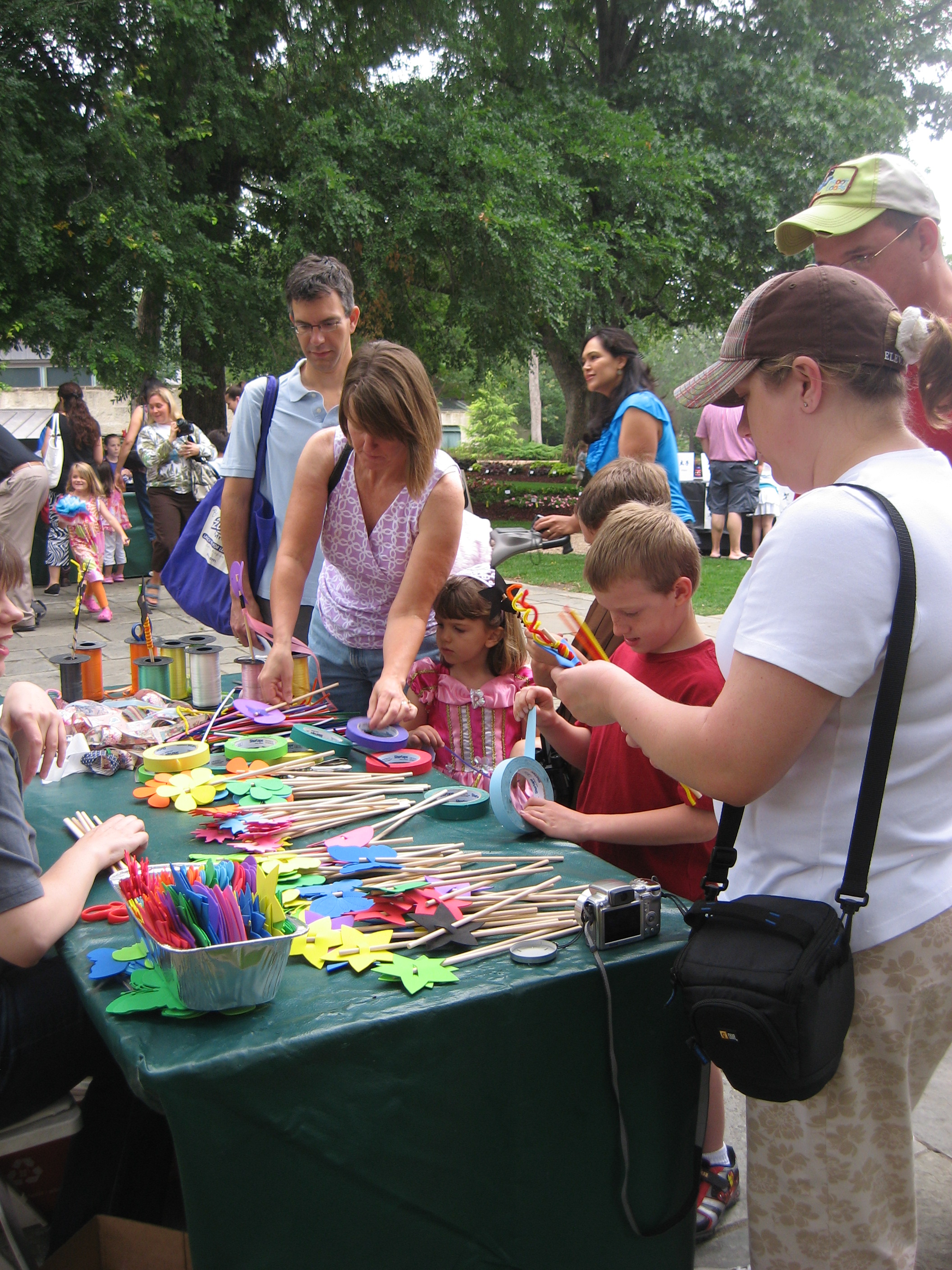
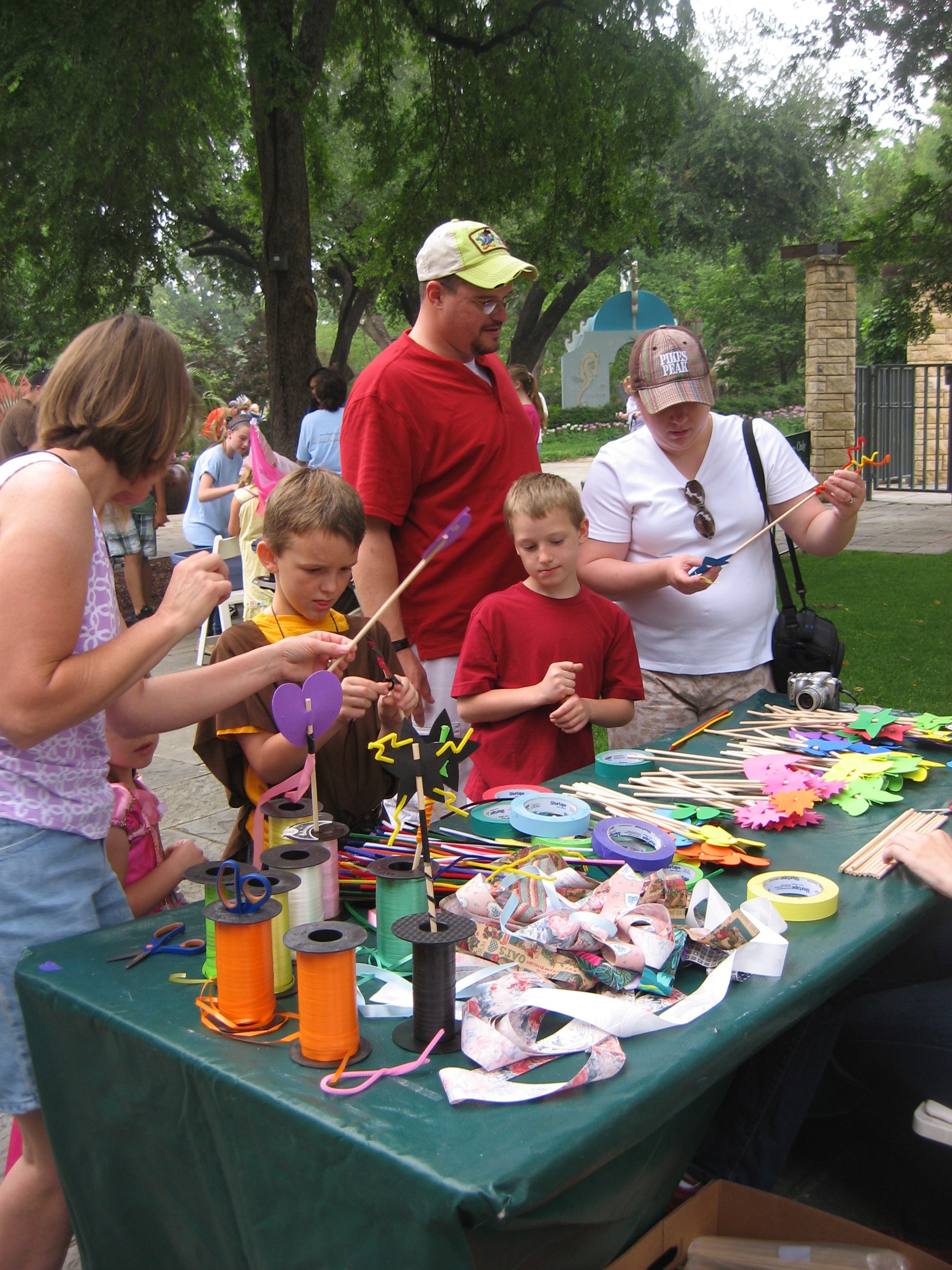
Before, I tell you about my plans for my visit, maybe I should explain Kids Club. Kids Club is a group you can join at the Sustainer level membership. We partner with the Dallas Zoo, the Museum of Nature and Science, the Trinity River Audubon Center, the Dallas Arboretum, and the Crow Collection of Asian Art. Each organization hosts an event each year. That means I fly to five off-site events and then I host one at home, here at the DMA. If I miss the event, I can still go to the Zoo or Arboretum and use my membership discount. As a bird, I don’t have much room for pocket money, so I like to save when I can!

The adventure will start with a brainstorming meeting with the DMA’s education staff. They help me with my activity. Like all the other organizations, I have to take a fun, crafty activity that will appeal to all ages. Last time, I took wands on my fairytale adventure to the Dallas Arboretum. They were really popular. I think moms and dads like to decorate as much as kids!

Once I get my materials and learn how to make the activity with my wings, I’m ready to go! I’ll get to the Museum of Nature and Science about 8:30 a.m. so I can set up for a 9:00 a.m. opening. Then, for the next two hours, I help kids make something special to take home.

By 11:00 a.m. I’m exhausted. I then have to find bird food (I like sunflower seeds) and then I’ll need a nap in Arturo’s Nest in C3!

Arturo is the mascot for all Museum family programming. He makes appearances on First Tuesdays and Late Nights; you can also find him on all family related print materials and temporary tattoos. He had a bit of help with this post from Wendi Kavanaugh, Member Outreach Manager.

Seldom Scene: Word Play

Last week was our first week of Summer Art Camps here at the DMA. Below are photos from our Word Play camp, led by David Herman, Jr. We still have six more weeks of Summer Art Camps. Click here for details.

Photography by Adam Gingrich, Marketing Assistant at the Dallas Museum of Art.

How to Throw a Block Party

Have you ever wanted to throw a block party but don’t know how to go about it? One of the interesting things about my job is that I now know a lot about what goes into making a good one.

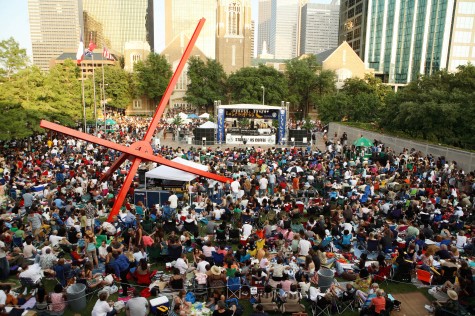
On June 17 we’ll host our third annual Summer Block Party in the Arts District, and I wanted to share a little of the “backstage” planning. The Summer Block Party has always involved the Arts District museums and Downtown Dallas Inc., and this year we are also working with the Dallas Symphony and the AT&T Performing Arts Center.

The first part of planning any big event is getting all the “players” together to discuss ideas and work out the details. Our first Arts District group meeting was the first week of April, and we have had two group meetings since then. Agenda items for these meetings included planning joint programs, discussing street closure logistics, and crafting a marketing plan.

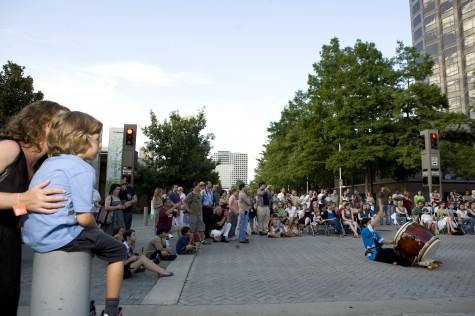
A street performance during a Summer Block Party

After these meetings, the “point person” from each institution goes back “home” to work out the specifics. Here at the DMA we had meetings with our Security, Operations, Membership, and Marketing teams to go over all the details for the DMA’s Late Night, especially the Summer Concert featuring The Polyphonic Spree. Between that first planning meeting in April and the event on June 17, I will have had fourteen internal meetings with various staff members just about this one event.

A past Late Night Summer Concert on Ross Avenue Plaza

Another aspect of throwing a block party is closing the streets between the museums. We do this so we can have programs outside and for the safety of all our visitors, who will be walking back and forth between the institutions. Closing the streets requires a permit from the City, which must be submitted forty-five days before the event. Once we get the okay from the City, we have to secure police officers, outdoor lighting, port-a-potties, and street barricades.

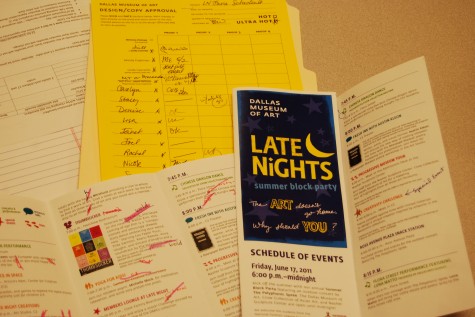
After our programs are confirmed, we then work with our graphic designers and editor to create a schedule of events, which we give to visitors when they arrive that night. We submit text three weeks in advance to give them time to edit and design the schedule, have staff review the schedule, and make any last minute changes before sending it to the printer. We then update our website with all the current information, and our PR department sends out a press release and begins posting on Facebook and Twitter.

Proof for the Late Night Schedule of Events

Lastly, to continue in the tradition of my previous blog post about Late Nights, I thought I would end this post with a new Late Nights by the Numbers list:

272 – number of emails I have sent and received about the Summer Block Party since April

52 – number of performers and artists featured during the June Late Night

7,000 – number of Late Night event schedules printed for this night

6 – number of food trucks that will serve food during the Summer Block Party

2 – number of clues the DMA will tweet for the Museum Art Challenge on Twitter

12 – number of port-a-potties on-site during the Summer Block Party

4 – number of rotating mirror balls that will be used during The Polyphonic Spree concert

Stacey Lizotte is Head of Adult Programming and Multimedia Services.

Seldom Scene: Meaningful Moments

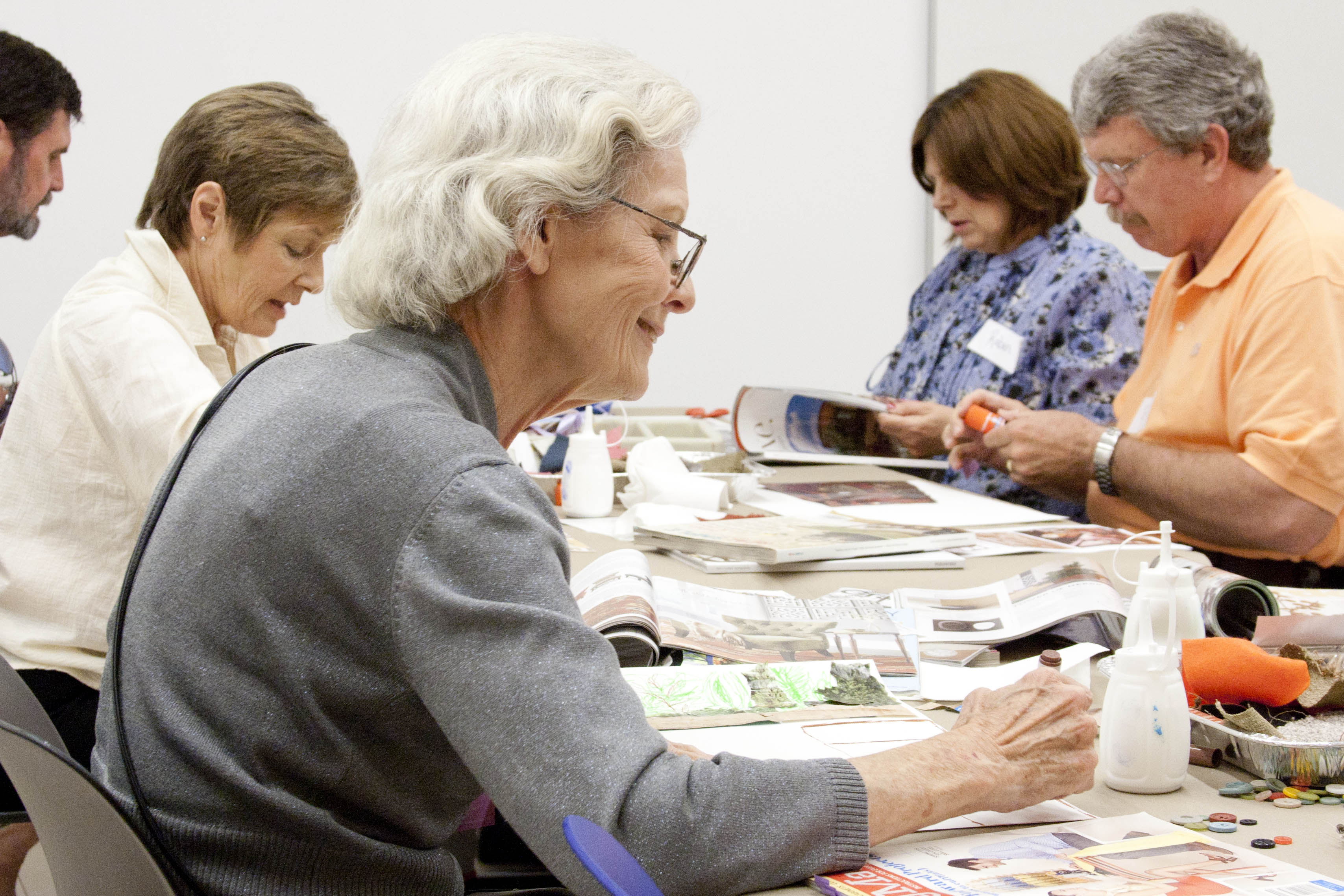
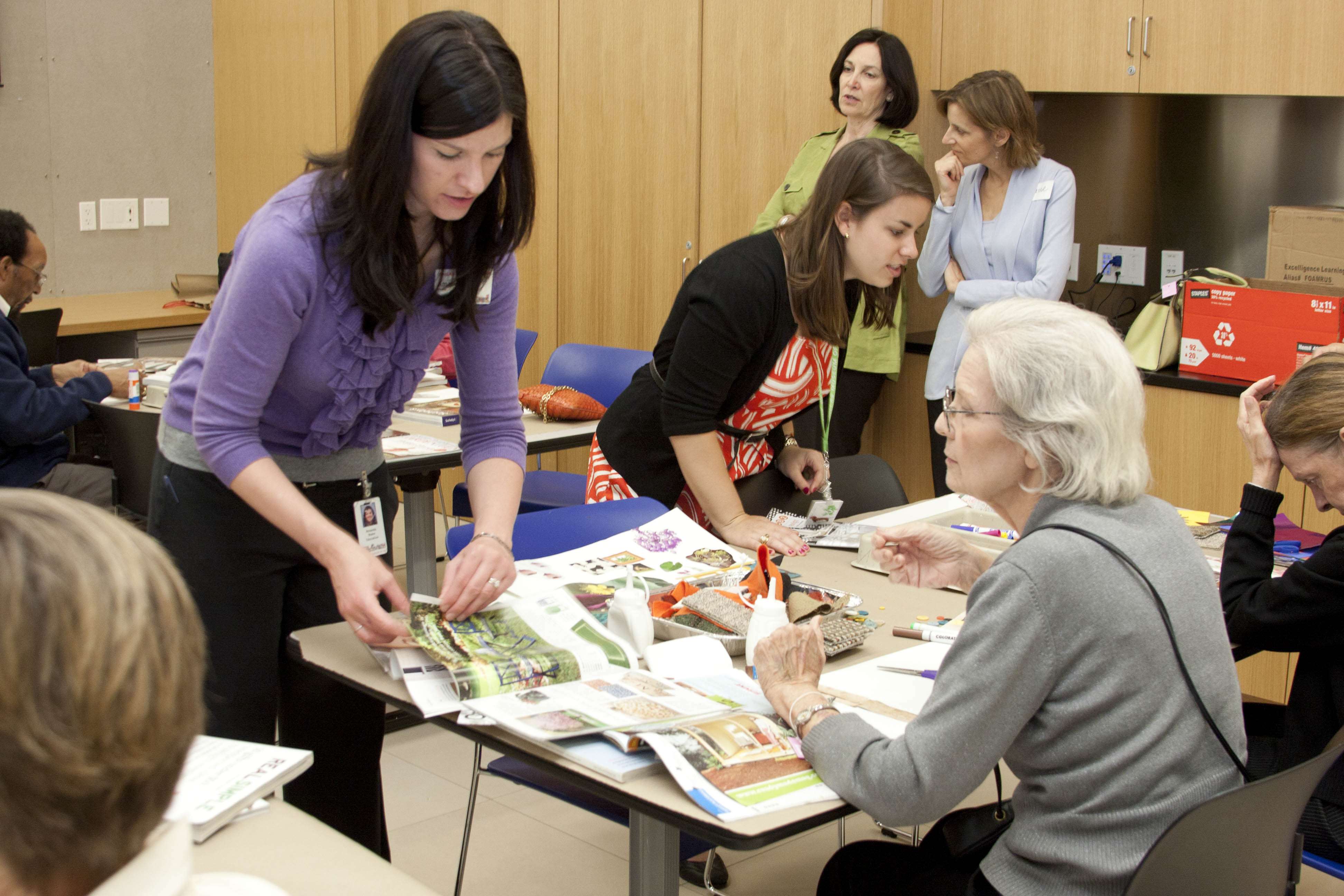
Meaningful Moments is our monthly Access Program for individuals with early stage dementia and their family members or caregivers. Here are some images from last month’s program. For information on the May 17th Meaningful Moment and other Access Programs at the DMA visit our Access Programs page on the DMA’s web site.


Archives

Categories