Posts Tagged 'DMA'


Are you ready for some Art?

It’s no secret that Super Bowl hysteria is sweeping the Dallas/Fort Worth Metroplex. On February 6, people from around the nation will be gathering in Arlington to watch the Steelers take on the Packers. But what are some of the best things to do in Dallas leading up to the Super Bowl? Below is a Dallas Museum of Art checklist for a super week for the sports fan and art critic in you. How many will you do?

Big New Field: Artist in the Cowboys Stadium Art Program

  1. Big New Field: Artists in the Cowboys Stadium Art Program is an exhibition of work by the artists featured in the Cowboys Stadium Art Program. While exploring the exhibition, try to figure out which artist’s work from the Cowboys Stadium belongs to the work at the DMA. Pick up Cowboys Stadium: Architecture, Art, Entertainment in the Twenty-First Century from the Museum Store if you need some help.
  2. See the former head coach of the 2006 World Champion Indianapolis Colts Tony Dungy and his wife, Lauren, on Saturday, February 5, at 3:00 p.m., part of Arts & Letters Live BooksmART. They will discuss their new children’s book You Can Be a Friend and you can stick around to meet the Dungys after this free event. Be sure to reserve your seats at https://www.tickets.DallasMuseumofArt.org/public/ or call 214-922-1818.
  3. Have you ever wanted to meet a room full of former NFL players? On Saturday, February 5, the NFL Players Association will hold the annual Jazz Brunch and Art Auction Smocks & Jocks in the Dallas Museum of Art’s Atrium at 10:30 a.m. Mingle with former and current NFL players while discovering their artistic talents. For more information on the event, click here.
  4. Explore the Center for Creative Connections and soak up some inspiration before you stop by the Art Studio to create your own work of art, maybe even a special football-inspired trophy sculpture.
  5. If you are looking for a break from football, travel to Europe without leaving the Museum through a bite-sized tour of four recent acquisitions in our new European galleries.
The Small Objects Collection Is Movin’ on Up!

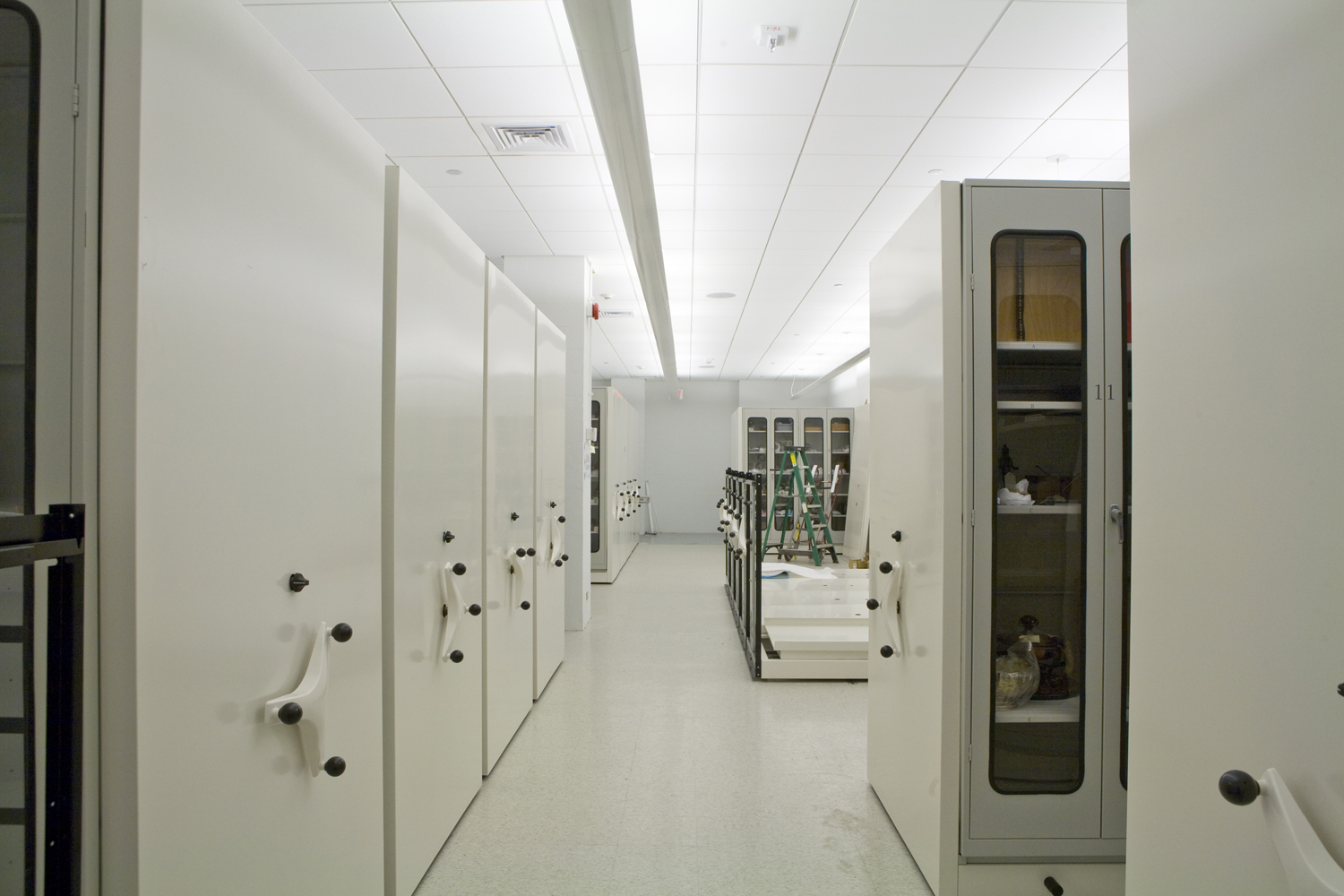
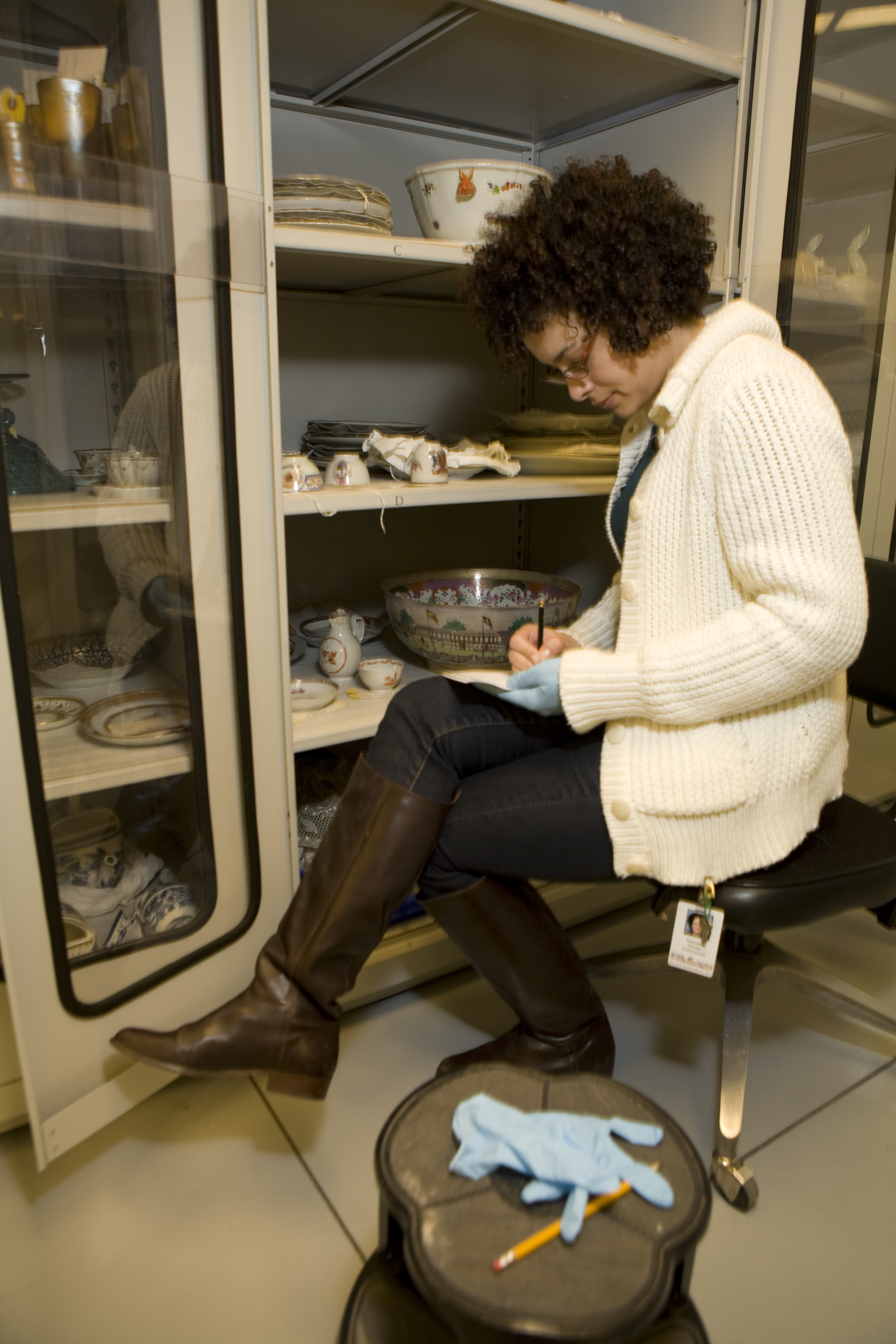
With funding provided by the National Endowment for the Humanities, the Dallas Museum of Art is currently undertaking its Museum Storage Improvement Project, which involves updating and enhancing proper storage for the Museum’s collections. A large part of this project is dedicated to the renovation of the Small Objects storage space. Small objects are works of art that are three-dimensional and small enough to fit in cabinet shelving. Our improvement project includes moving the works of art into new storage equipment and also retrofitting the older cabinets.

When we began, the Project Team decided to do an inventory of the 8,000 objects in this space. Small Objects includes works from all of the Museum’s curatorial departments–from ancient fertility figures and African beads to silver place settings and fine china. When we’re done, the new Small Objects space will have increased storage capabilities and improved environmental controls, allowing Museum staff to better care for these works of art.

Museum Storage Improvement Coordinator Danielle Flores works on the inventory by double-checking object labels.

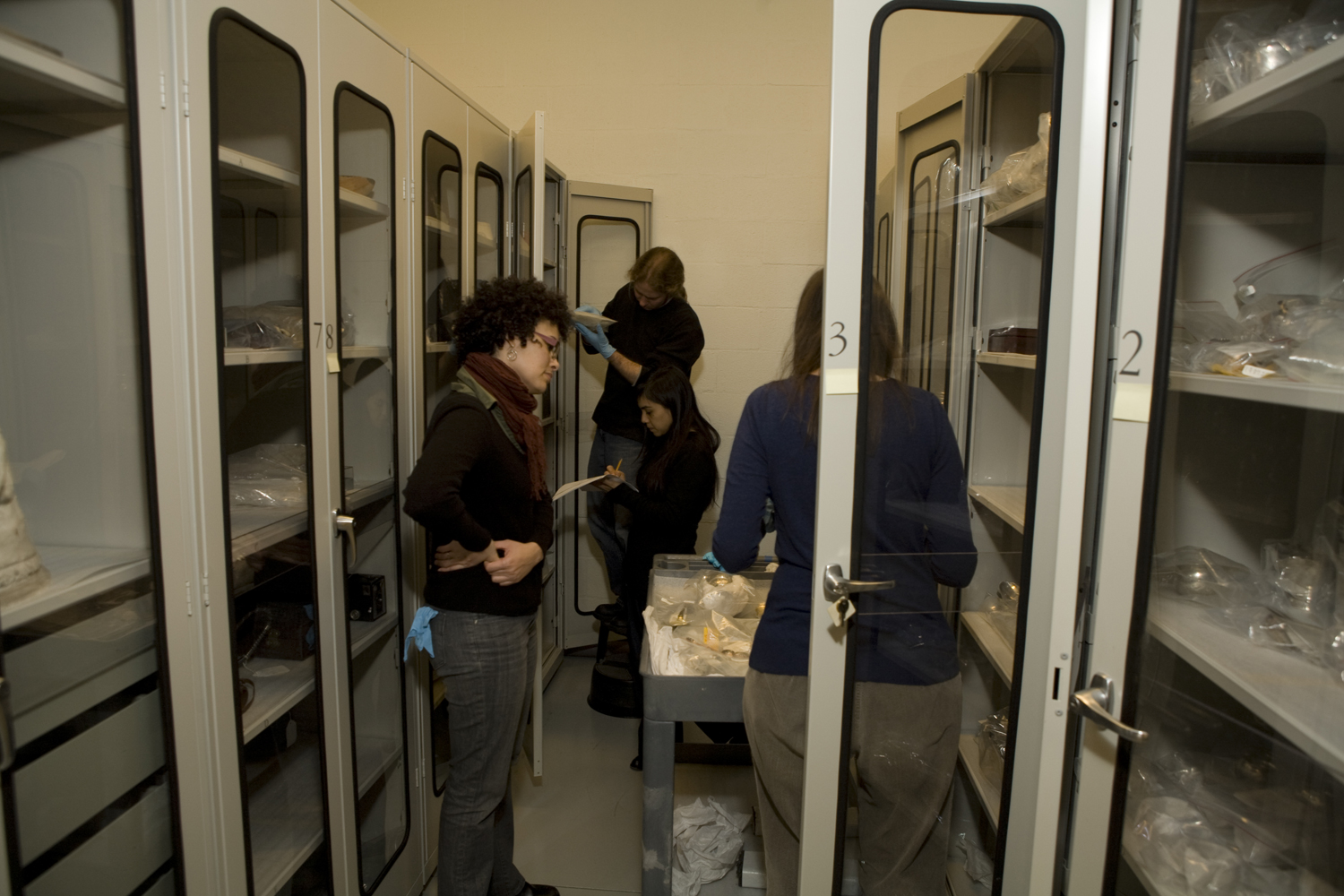
Danielle works with Collections Technicians Robert Hoot (center, standing) , Consuelo Gutierrez (center, seated), and Registrar Sarah Evans (right) to inventory objects from the Decorative Arts collection.

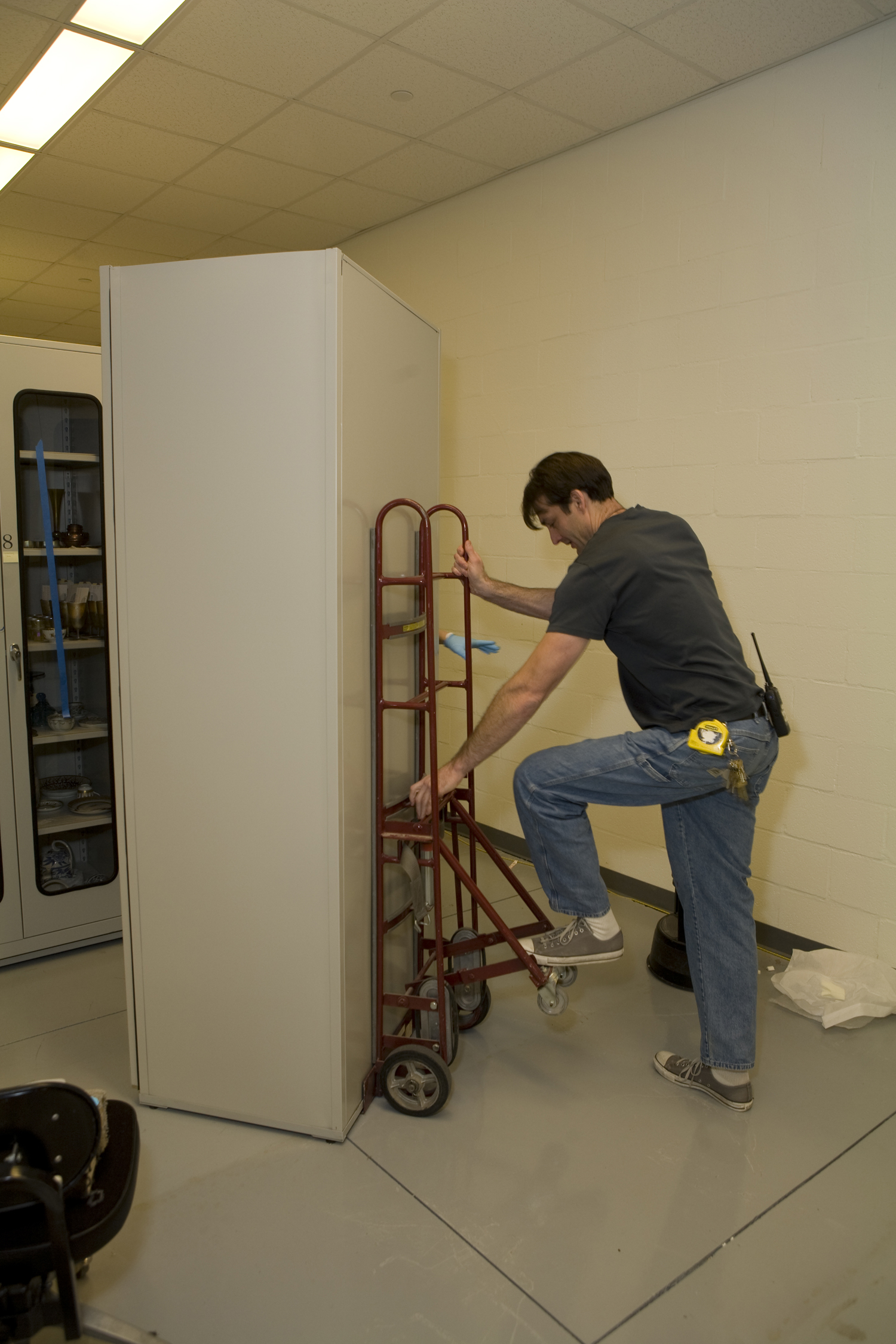
Head Preparator Vince Jones moves an older Small Objects cabinet that has been emptied.  The new Small Objects space will use retrofitted old cabinets along with newly purchased cabinets.

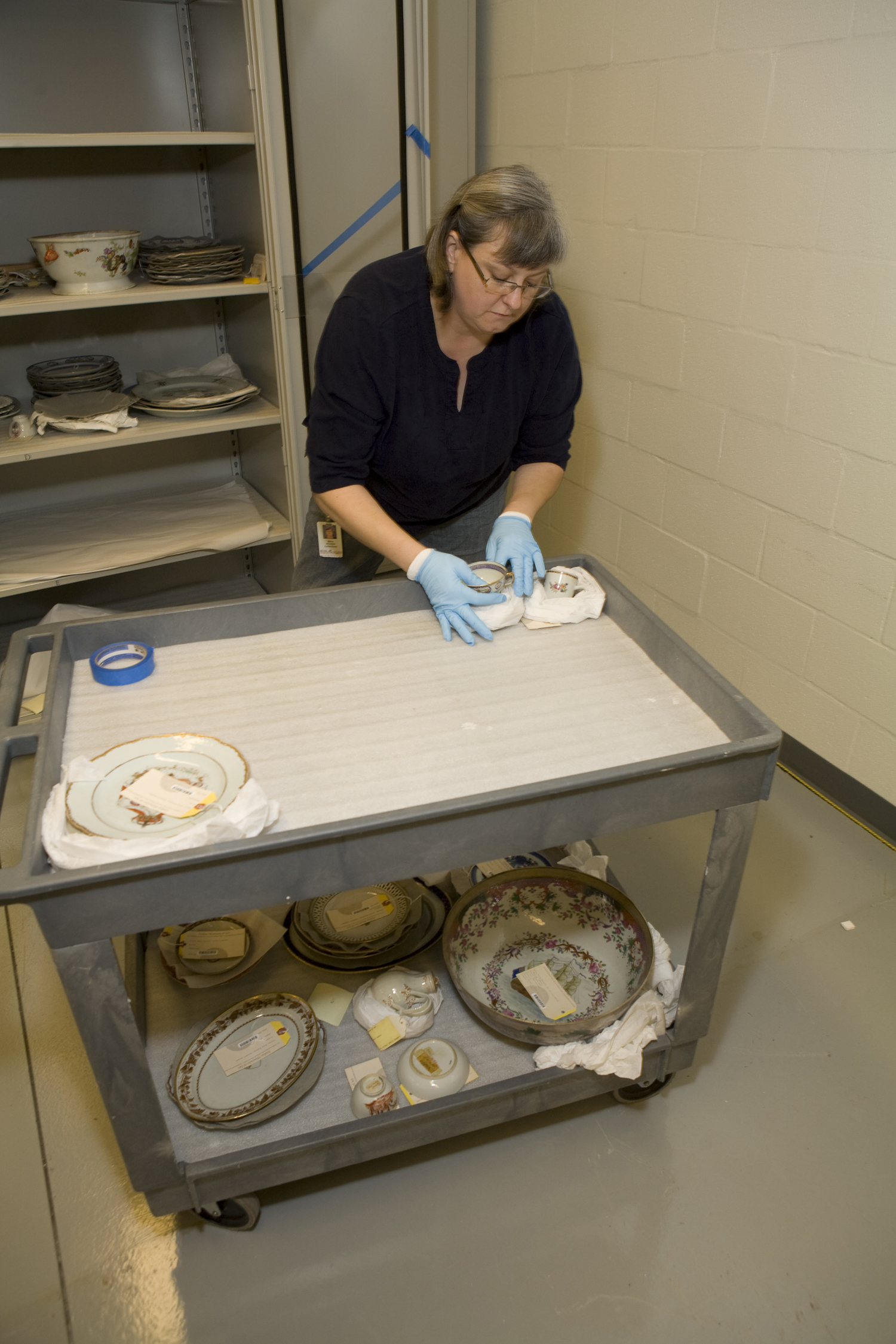
Preparator Mary Nicolett carefully fills up a cart.

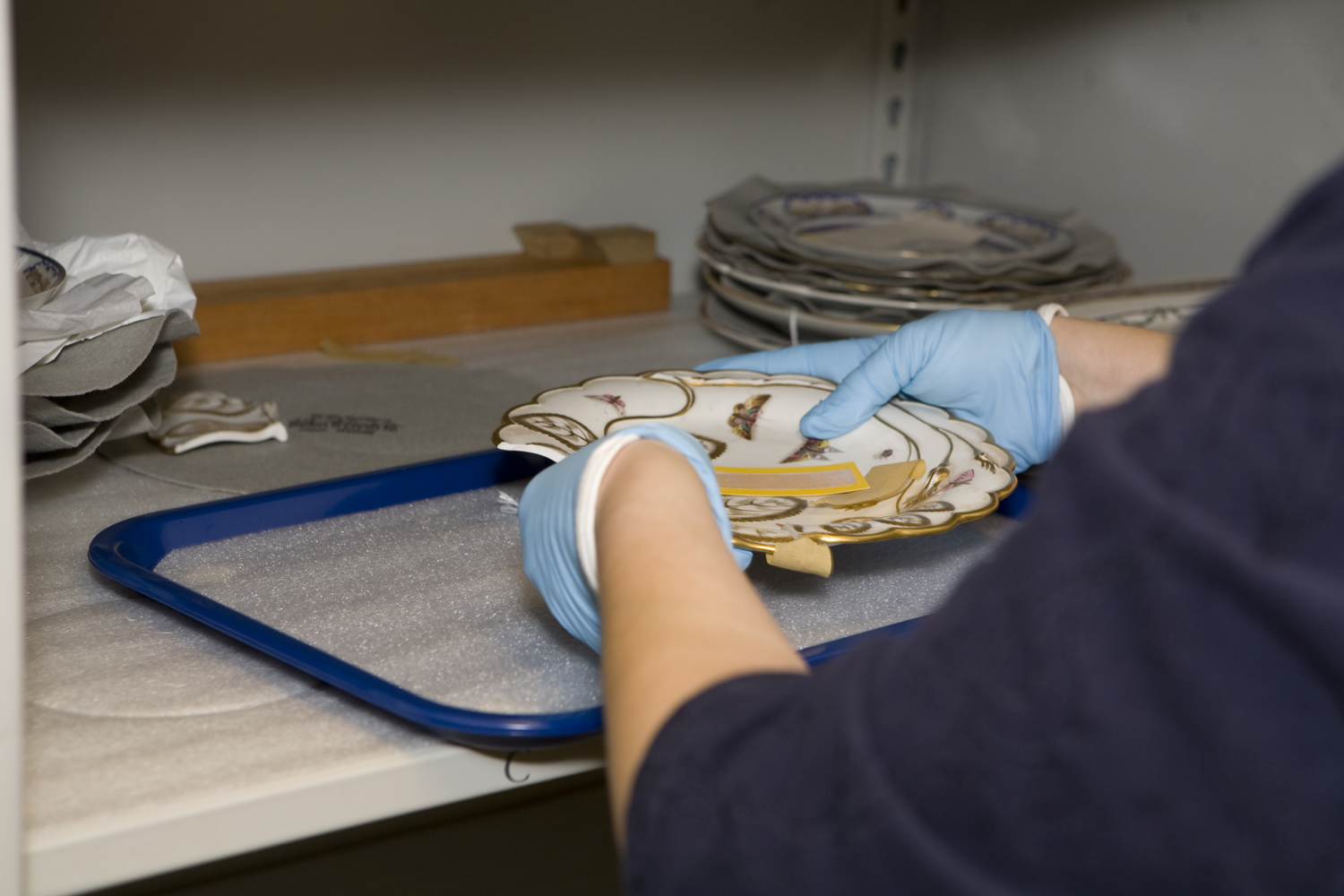
Our staff always works with gloves to protect the pieces in the collection.

Here is a sneak peek at the almost-completed Small Obejcts space. Improved lighting and new areas for study will make it easier for Museum staff and visiting scholars to access the collections.

A Curator’s Best Days

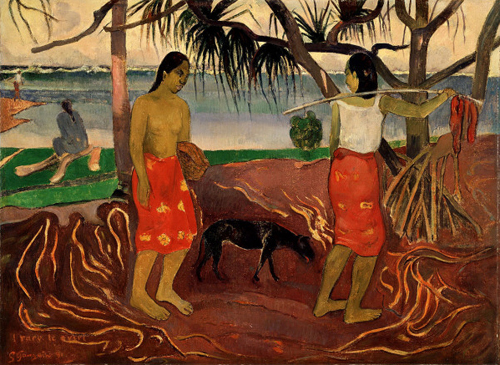
The best days in a curator’s professional life are often the days spent in the conservation lab. That’s where we get to spend quality time with works of art and talk to conservators, the fantastically knowledgeable people who can look through a microscope or infrared scope and tell you the life history of an object. I was lucky enough to spend several hours in the painting conservation lab of the Midwestern Art Conservation Center (MACC), a private conservation center housed at the Minneapolis Institute of Arts (MIA). I was there to confer with conservator David Marquis just before he begins cleaning an important painting in the DMA’s collections, Paul Gauguin’s Under the Pandanus, also known by its Maori title I Raro Te Oviri.

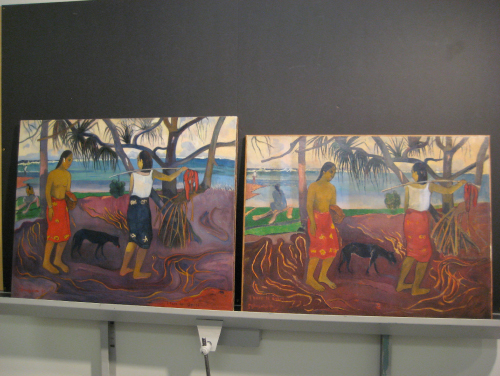
Gauguin painted Under the Pandanus in 1891, a few months after he arrived in Tahiti for the first time.  Sometime later, possibly the next year, he painted a second version of the composition, and that picture is now in the collection of the MIA. When I got to the MACC lab, they had brought both paintings to the lab and removed them from their frames so that we could do a thorough comparison. Ours is on the right, the MIA version on the left.

Last year we began to look closely at the condition of our painting, and earlier this summer we sent our painting to the MACC for technical analysis. Once the two versions of the painting were placed side by side, the differences become more and more obvious . . . and intriguing.

Though the technical study had just begun, David Marquis immediately pointed out how dirty the surface of the DMA canvas was, and how discolored the old layer of varnish had become. This yellowed varnish layer and surface layer of grime radically changed the appearance of the painting. MIA Associate Curator of Paintings, Sue Canterbury, described it as being like looking at the painting through a double-amber filter—not exactly what Gauguin had intended! The MIA version, which was cleaned within the last ten years, gives us a much better sense of what our painting must have looked like when it was first completed.

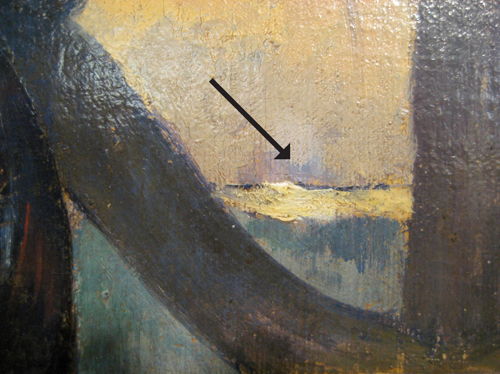
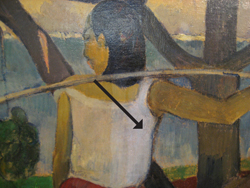
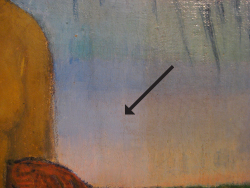
Once we decided to take off these two “amber filters,” David Marquis began by making “cleaning windows,” that is, cleaning small areas of the canvas. This is the first window he opened, in an area of the horizon near the right edge of the painting.

The results are pretty amazing! The white surf is actually so much brighter and cooler in tone than it appears in the dirty areas. Now that he knew what the cleaning might reveal, David opened some windows in other areas. When I got to the lab to take a look, several areas of the canvas had been cleaned, revealing a whole new palette of colors.

Once David’s cleaning of the varnish and grime is complete later this summer, we’ll have a much better sense of the choices Gauguin made while he was working on our painting, as well as how the painting has changed over time and the extent of work done by earlier conservators. We’re just at the beginning of this important project, so stay tuned for future updates about the results of our study of Under the Pandanus, and look for it to be back in the galleries, and looking better than ever, next year.

Heather MacDonald is The Lillian and James H. Clark Associate Curator of European Art at the DMA.


Archives

Categories