Archive for the 'People' Category


Moments of Epiphany: Talking Creativity with an Educational Psychologist

We were lucky at our last Educator Reading Group to have Dr. Magdalena Grohman as a guest facilitator.  Dr. Grohman is an associate director of the Center for Values in Medicine, Science, and Technology, a lecturer at the School of Behavior and Brain Sciences at the University of Texas, Dallas, and a frequent DMA collaborator.

Dr. Grohman recommended an article from Educational Psychologist titled “Why Isn’t Creativity More Important to Educational Psychologists?  Potentials, Pitfalls, and Future Directions in Creativity Research.”  The reading invited us to reconsider beliefs and ”myths” we might hold about creativity: that creativity is something you either have or you don’t, that there is a singular type of creative person (and they are often outsiders), and that creativity is enhanced within a group.  The article also teased out a definition of creativity based on content analysis of peer-reviewed business, education, and psychology journals.

During our discussion, we thought through our own myths about creativity and the theory and practice of creativity both in our programs and jobs.  How do we talk to students in our programs and classes about creativity and their creative abilities? And how is that different from what they hear from teachers in school?  How do we structure brainstorming sessions, and work in large groups on creative projects?  

We also learned about the science of creativity.  Dr. Grohman, sharing her expertise, helped us look behind our mysterious moments of creative insight to find what’s in play cognitively, that networks of concepts in the memory get flexible (usually as we relax) and we connect remote ideas with one another, metaphorizing, and generating something new.  This cognitive picture of creativity complements the first-person accounts and understandings of creative process we know best—the things we hear artists and writers say to explain their moments of epiphany–that flashes of brilliance come from nowhere, and creativity is something beyond our control. (For more on this, see Elizabeth Gilbert’s excellent TED Talk about creative genius.)

One of the things Dr. Grohman does is provide people with tools and techniques to jump start creative thinking.  She led us in a quick activity after our conversation.  We split into pairs and were asked to make a joint drawing, based on a simple prompt.  As part of the activity we weren’t allowed to talk or in any way communicate with our partner about what we were drawing.  After each pair finished, Dr. Grohman sequenced our artworks, and asked us to create a story to link them together.  Illustrations from our activity and images of participants are in the slideshow below.

Amy Copeland
Coordinator of Go van Gogh Outreach

[slideshow]
Friday Photos: Introducing Loryn Leonard

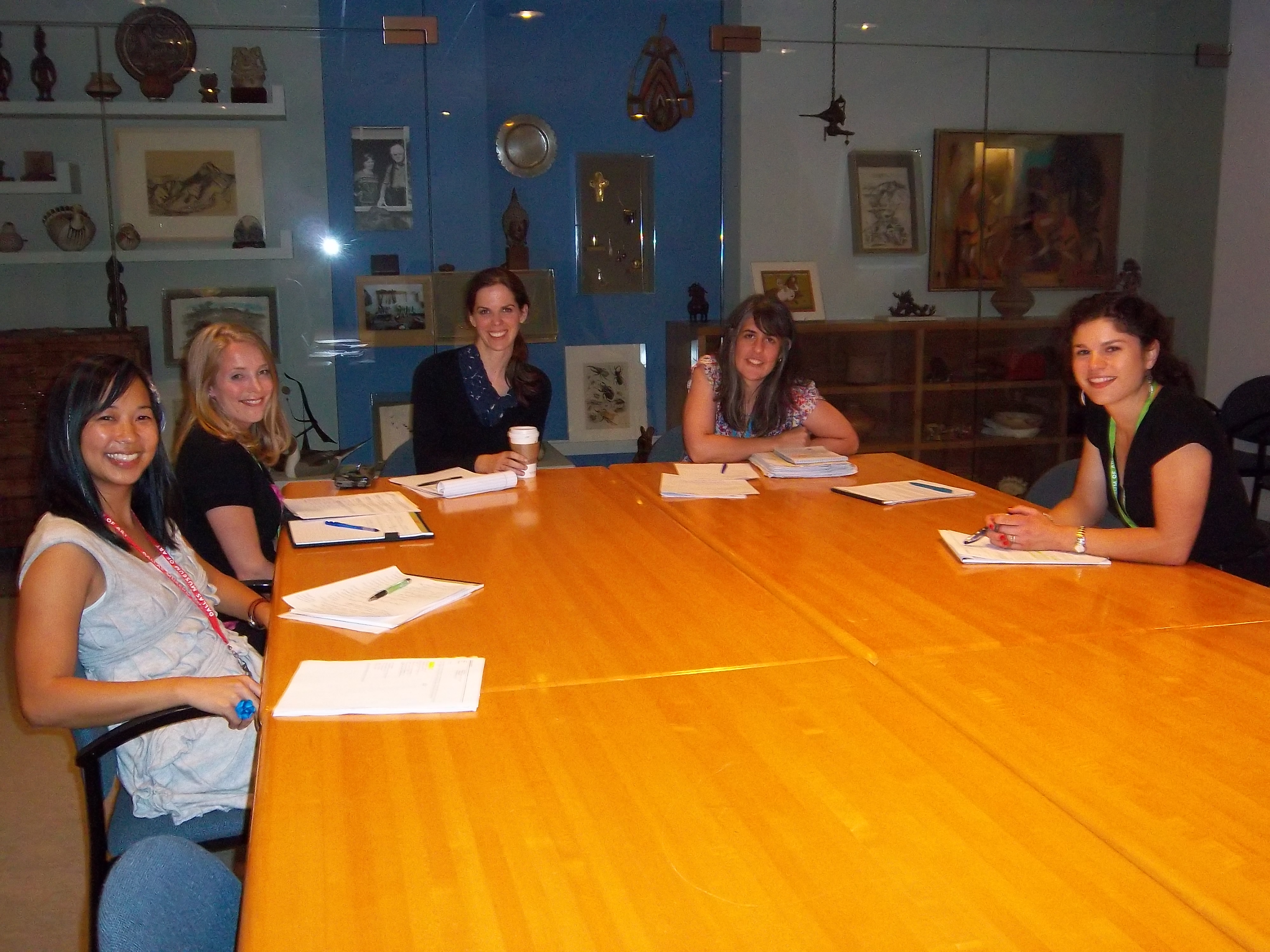
I am excited to introduce a new contributor to our blog.  Loryn Leonard is the DMA’s brand new Coordinator of Museum Visits, and will be your primary contact for scheduling student visits to the Museum.  We’ll introduce Loryn in more detail next month.  For now, I hope you enjoy this sneak peek into her first week at the DMA!

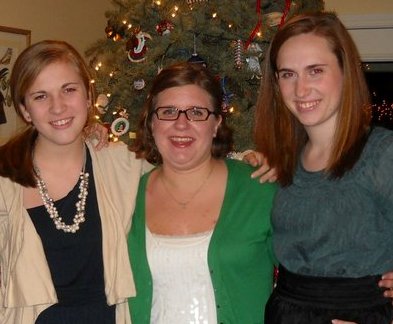
Loryn (on the right) in her first departmental meeting

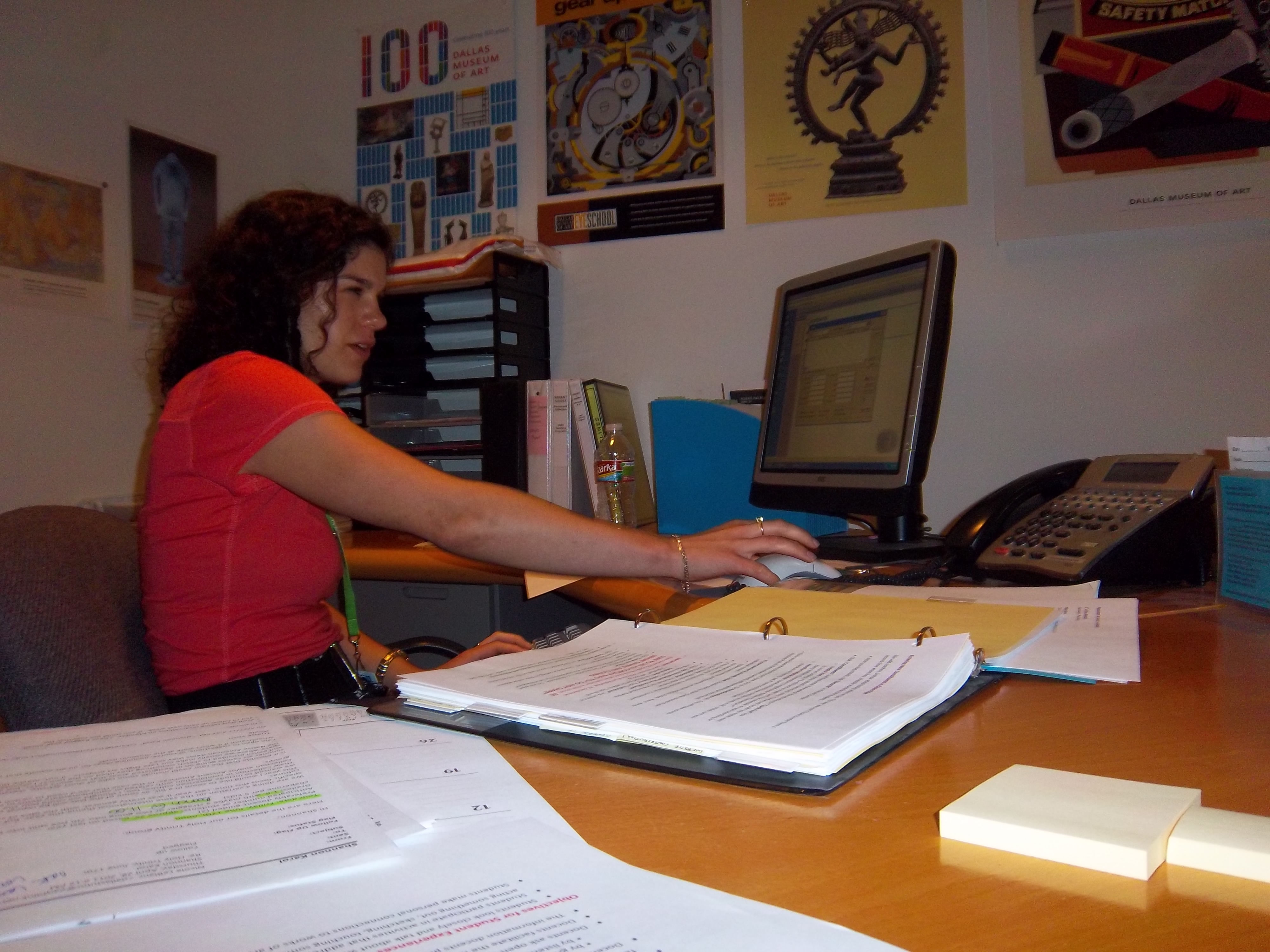
Getting settled in her new desk space

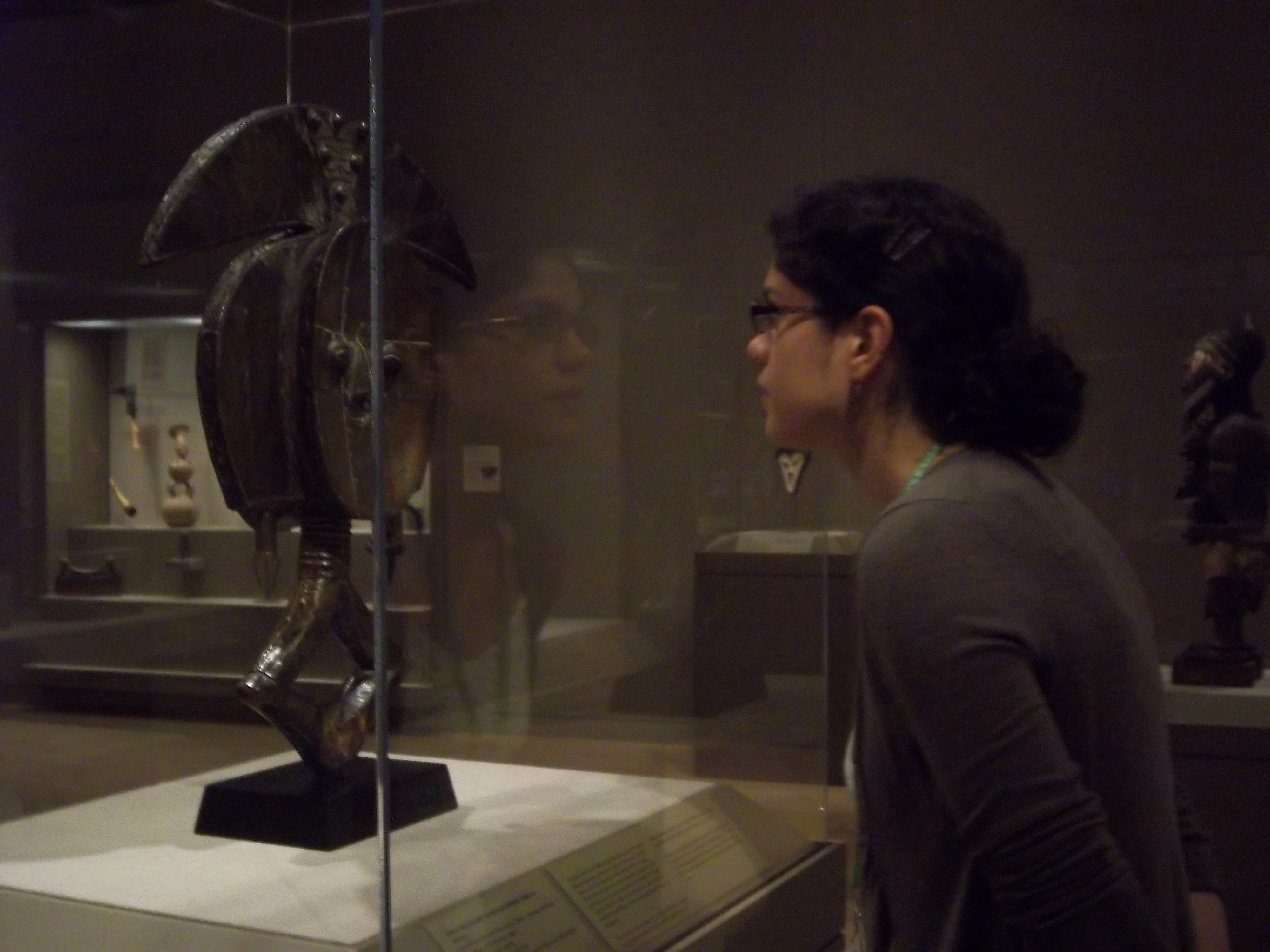
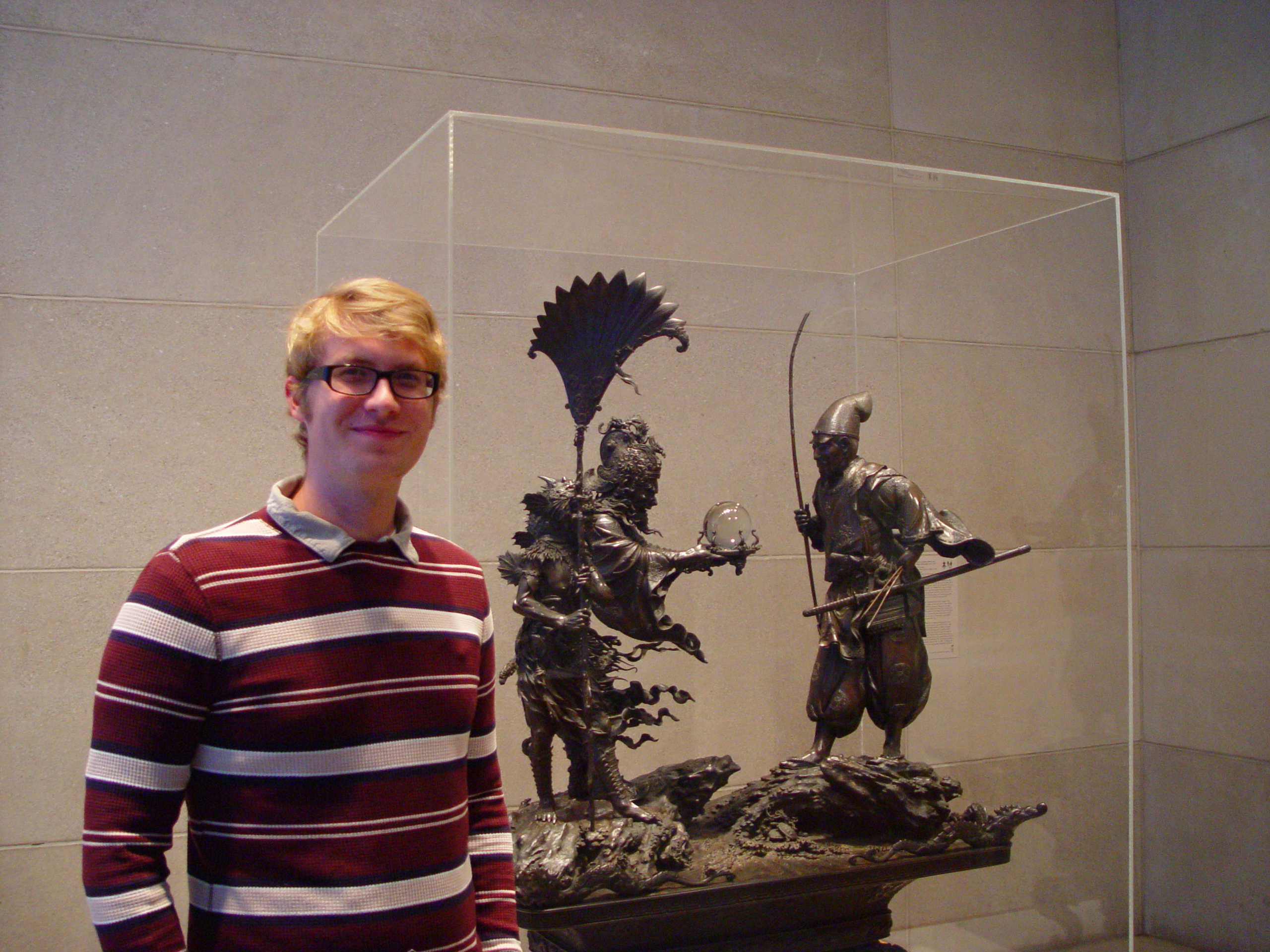
Loryn gets acquainted with the Kota reliquary in our African galleries

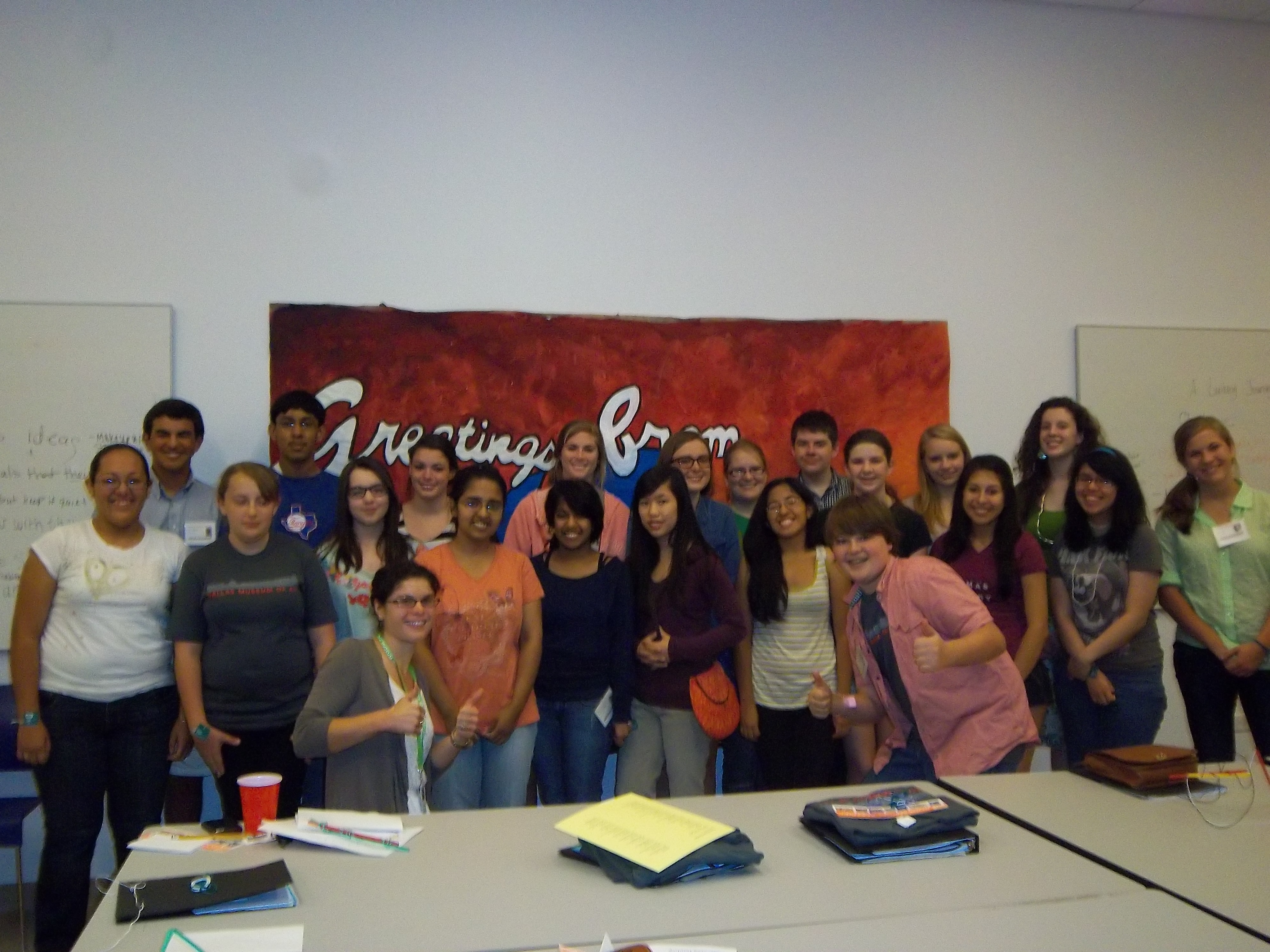
Loryn and the 2011 Teen Docents

Shannon Karol
Manager of Docent Programs and Gallery Teaching

Insights from my Experiences as a McDermott Intern

As the 2010-2011 Teaching Programs McDermott  Intern, I have had an amazing journey and wonderful experiences along the way. As it comes to an end, I want to share insights from my year as an Intern at the Dallas Museum of Art.

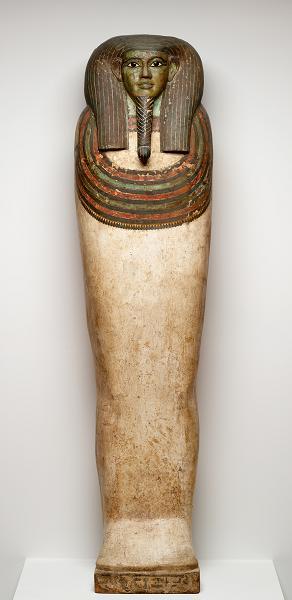
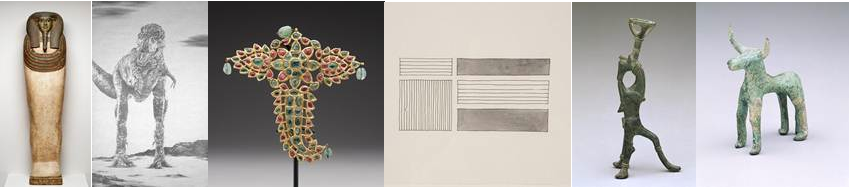
Coffin of Horankh, 700 B.C., Egypt or Thebes, wood, gesso, paint, obsidian, calcite, and bronze, Dallas Museum of Art, Cecil and Ida Green Acquisition Fund

I– I worked in the education department, leading interactive tours to K-12 students and training docents on works of art located in the Museum’s collection. I also worked with the Museum’s community outreach program, Go van Gogh, leading great discussions and art-making projects with elementary students in their classrooms.

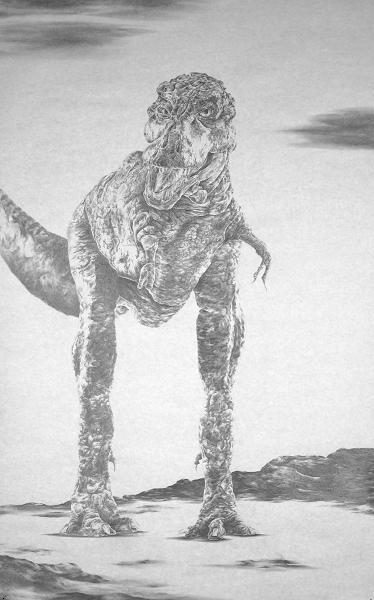
Tyrannosaurus, 2002, Robyn O'Neil, graphite on paper, Collection of Nancy and Tim Hanley and fractional gift of Mr. and Mrs. Hanley to the Dallas Museum of Art in honor of Suzanne Weaver

N– New acquisitions to research, new faces to see, and new places to travel to as I explored the galleries. I am really fortunate to have had the opportunity to encounter works of art everyday, meet people, and feel like I’ve traveled to exciting places as I learned about works of art from around the world.

Turban Ornament, 18th century, India, gold, enamel, rubies, and emeralds, Dallas Museum of Art, gift of David T. Owsley via the Alvin and Lucy Owsley Foundation

T– Thousands of artworks in our collection, hundreds of works in the galleries to view. No wonder the Museum is a fun place to visit and learn about art from the ancient world to present-day.

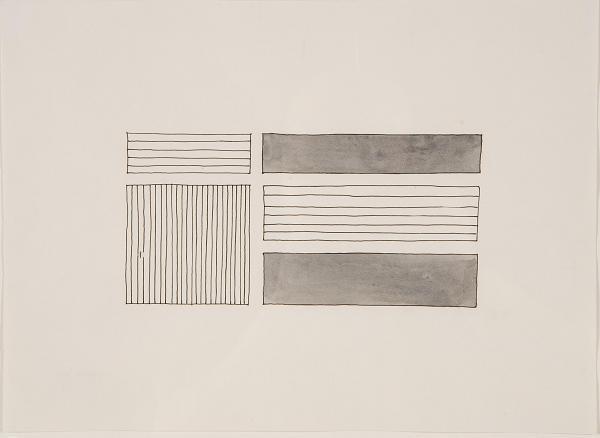
Untitled, 1988, Carlo Guaita, India ink on paper, Dallas Museum of Art, gift of Mr. and Mrs. I. C. Deal

E– Everyday was an exhilarating experience, from researching and writing materials for docents, writing for the educator blog, to creating interactive tours for students. I can’t think of a better place to have an internship that kept me on my feet and engaged at all times.

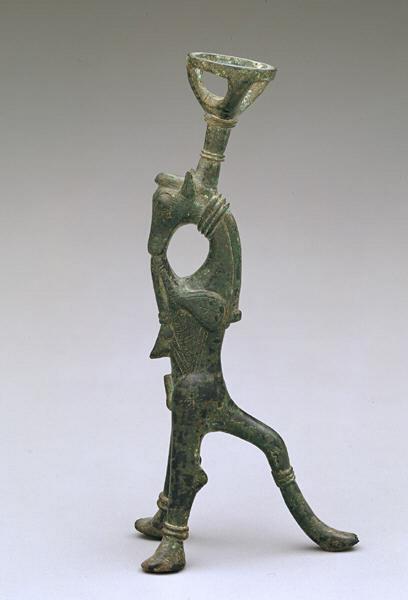
Animal Form Tripod, 7th-6th century BC, Proto-Achaemenian, bronze, Dallas Museum of Art, gift of Mr. and Mrs. Cecil H. Green

R– Small revelations always occurred in the Museum, such as watching students get excited when looking at works of art during docent-led tours, or watching our friendly staff greet visitors at the door and helping visitors navigate through the galleries.

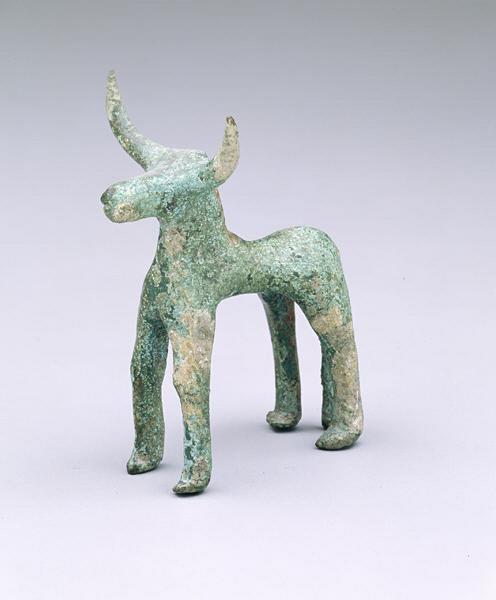
Bull, late 8th century B.C., Greek, bronze, Dallas Museum of Art, Foundation for the Arts Collection, gift of Mr. and Mrs. James H. Clark

N– As I near the end of my internship, it’s hard to say good-bye to the education staff, the docents, the curators, and those I’ve made friends with along the way. They will always have a place in my heart, and I am grateful to have worked with a talented and collaborative staff and learned from every person I came in contact with throughout my internship.

I     N     T     E     R     N

Sincerely,
Karen A. Colbert
Teaching Programs Intern

An Intern Journey

In the beginning, I was a new intern, just like any other….
 

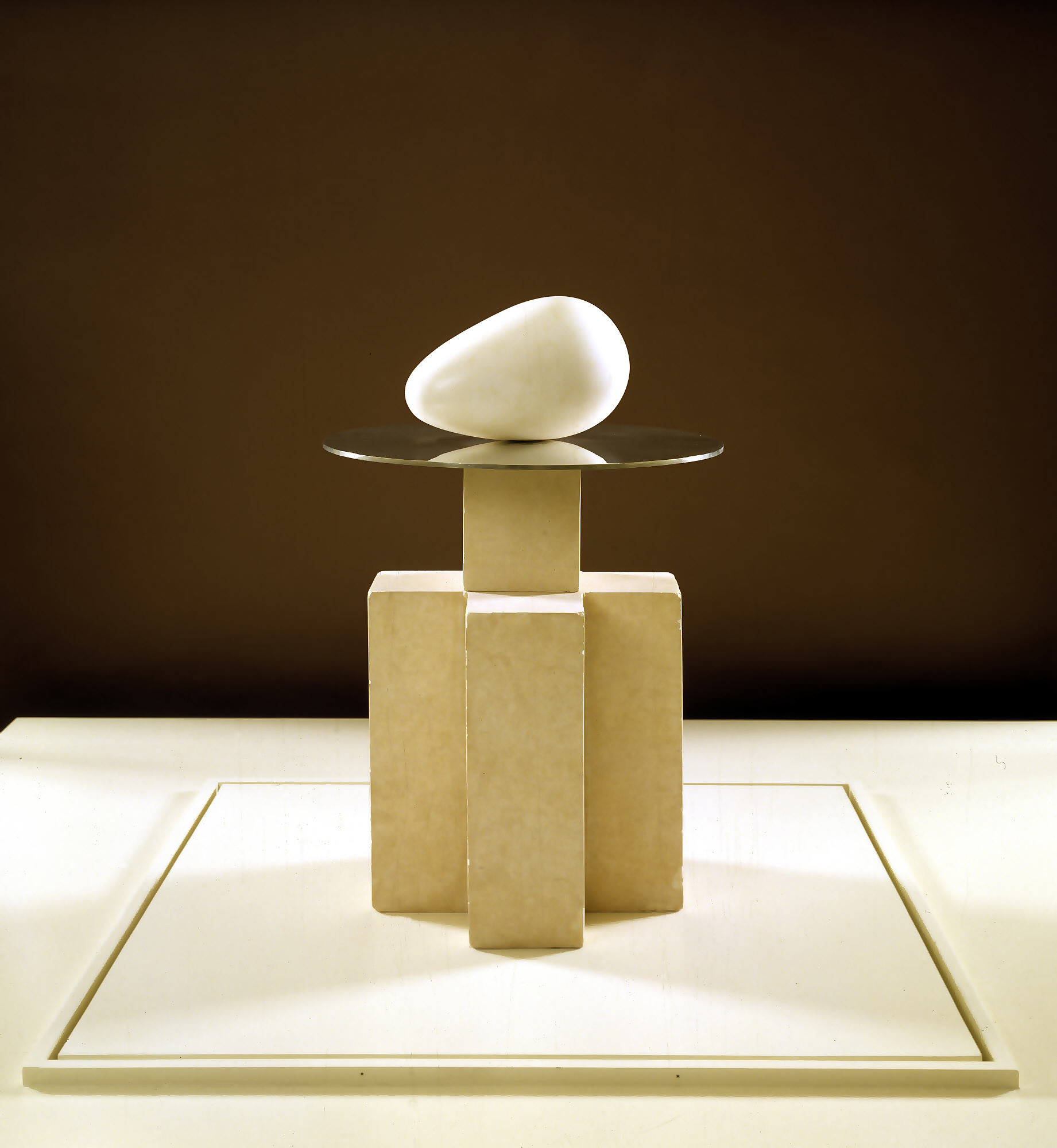
Constantin Brancusi, The Beginning of the World, c. 1920, Dallas Museum of Art, Foundation for the Arts Collection, gift of Mr. and Mrs. James H. Clark


I encountered many hardships during my internship, like dodging masses of people while leading tours in the galleries…

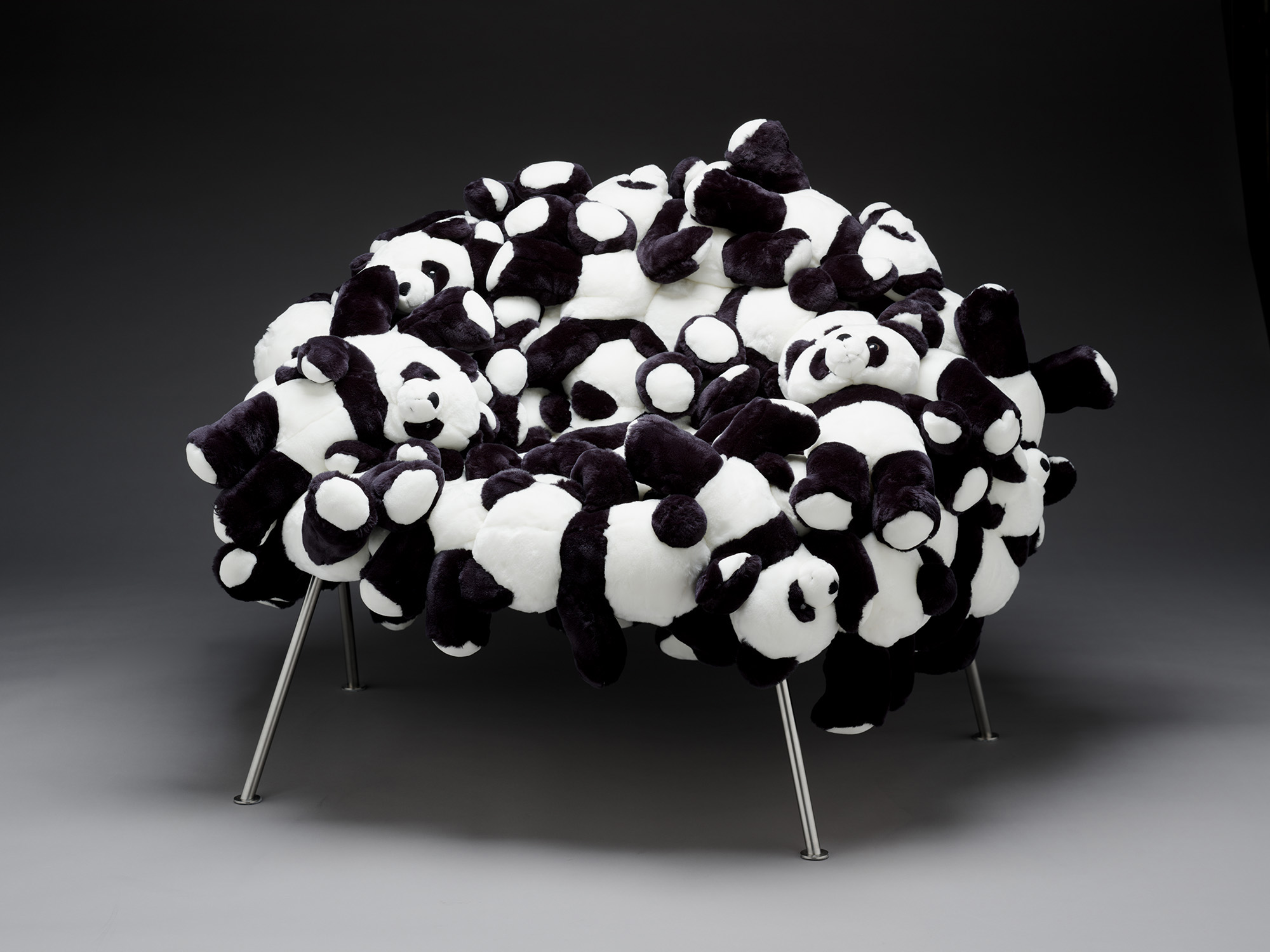
Fernando and Humberto Campana, Banquete chair with pandas, designed 2006, Dallas Museum of Art, DMA/amfAR Benefit Auction Fund


…and noon-time computer crashes.

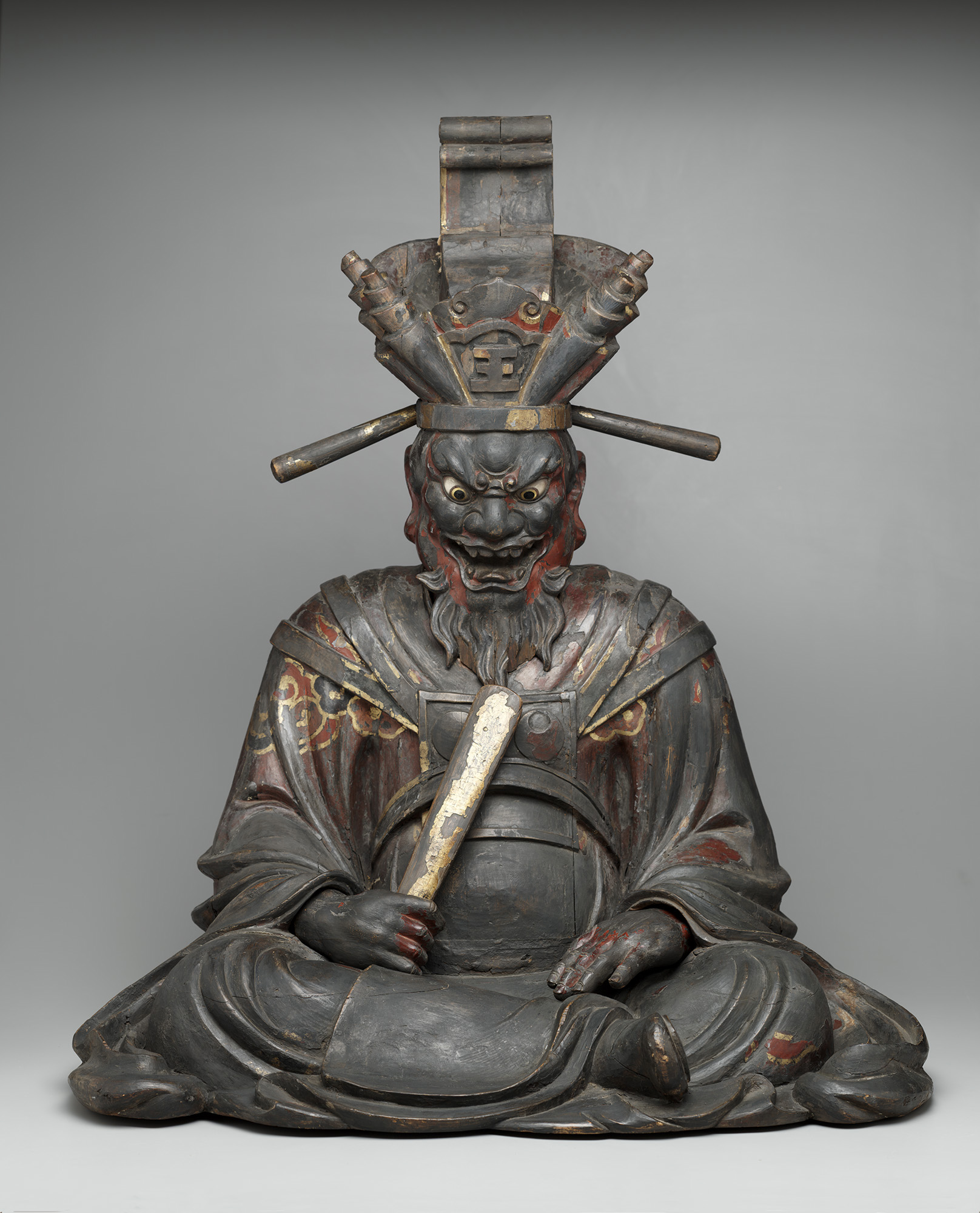
Emma-O, Japan, late 16th-early 17th century, Dallas Museum of Art, Wendover Fund in memory of Alfred and Juanita Bromberg and Cecil and Ida Green Acquisition Fund


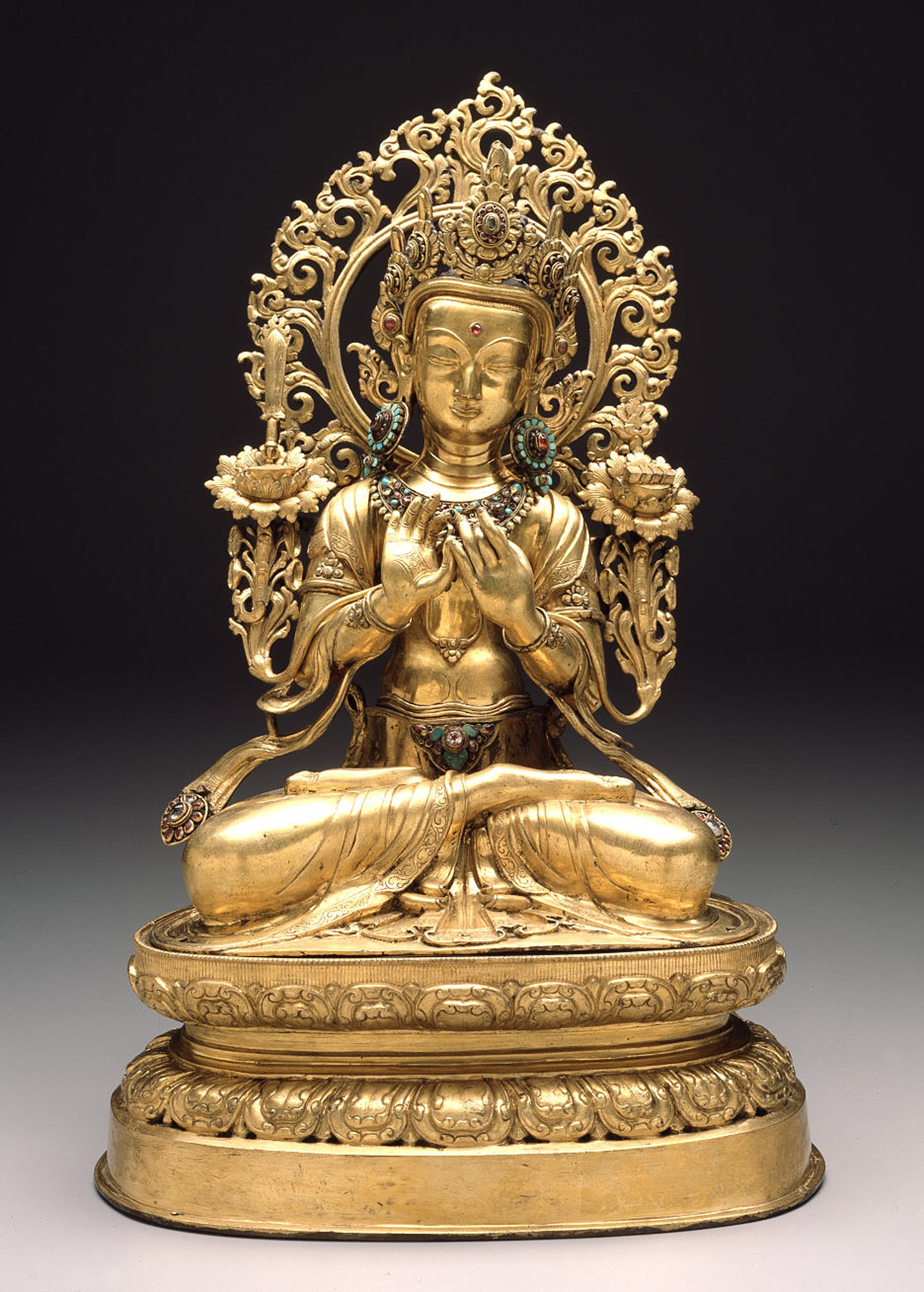
However, I soon found my bliss researching teaching materials and leading teacher workshops.

Manjusri, Nepal, 18th century, Dallas Museum of Art, bequest of Mrs. E.R. Brown


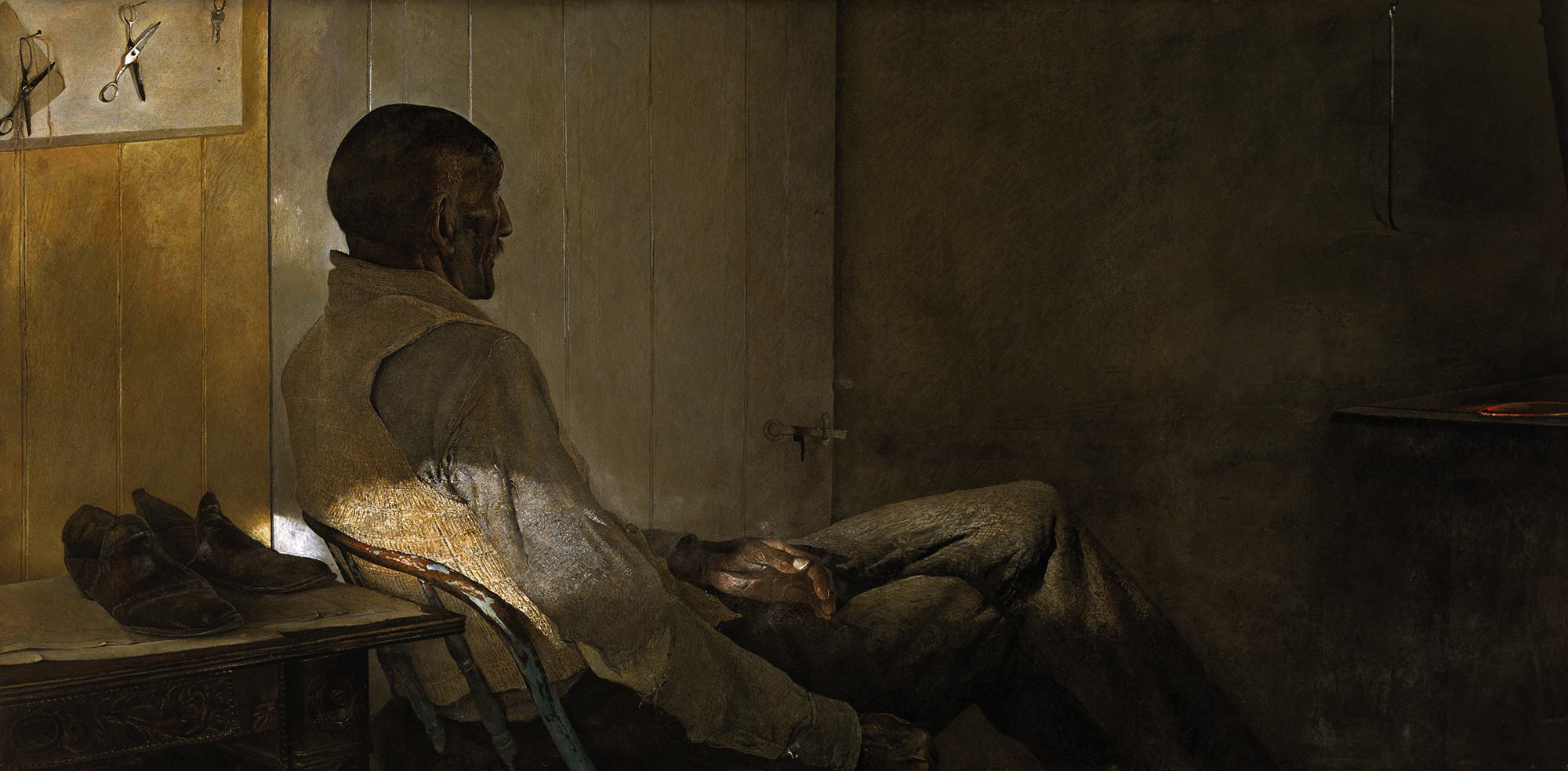
Before I knew it, the internship was coming to a close, and I became reflective of my time….

Andrew Wyeth, That Gentleman, 1960, Dallas Museum of Art, Dallas Art Association Purchase


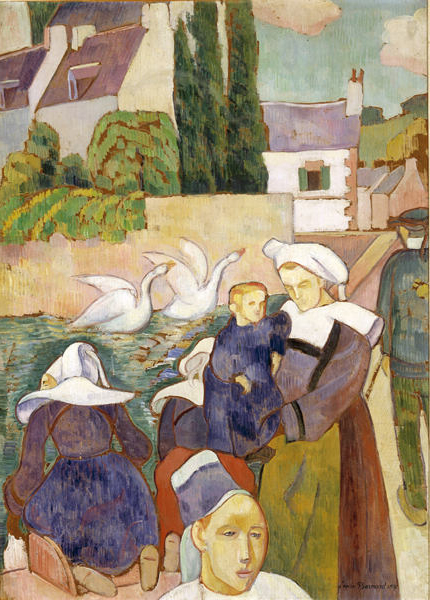
Now, I am looking forward and excited to be heading off to graduate school to study 18th- and 19th-century French art.

Emile Bernard, Bridge at Pont-Aven, 1891, Dallas Museum of Art, gift of the Estate of Ina MacNaughton


I’ve greatly enjoyed my time at the DMA and am so thankful to have been a McDermott Intern at the Museum this year!  I want to thank you too, our educator partners, who made my job so enjoyable.  Have a lovely summer!

Ashley Bruckbauer
McDermott Intern for Teaching Programs and Resources

Coming Soon: The BooksmART Festival

Growing up, I loved to read.  I looked forward to trips to the library, and the arrival of the Scholastic Book Fair was always the highlight of my school year.  I’m still an avid reader today, and I have a soft spot for children’s literature and young adult fiction (Harry Potter, and yes, even Twilight).  So imagine my delight when it was announced last month that Rick Riordan, author of the Percy Jackson and the Olympians series, was one of the featured keynote authors for the DMA’s first ever BooksmART Festival.

What exactly is the BooksmART Festival?  It is a day-long free event put together by the DMA’s Arts & Letters Live team.  On Saturday, June 11th, visitors of all ages can enjoy presentations, book signings, and hands-on demonstrations from a wide array of award winning authors and illustrators.  A complete listing of participants can be found on our Web site.  A schedule of events – including storytelling, musical performances, and tours led by our Teen Docents – will be available shortly.

In preparation for the BooksmART Festival, I interviewed my colleague and friend, Katie Hutton.  Katie is the Interim Head of Arts & Letters Live, and one of the great minds behind the festival.

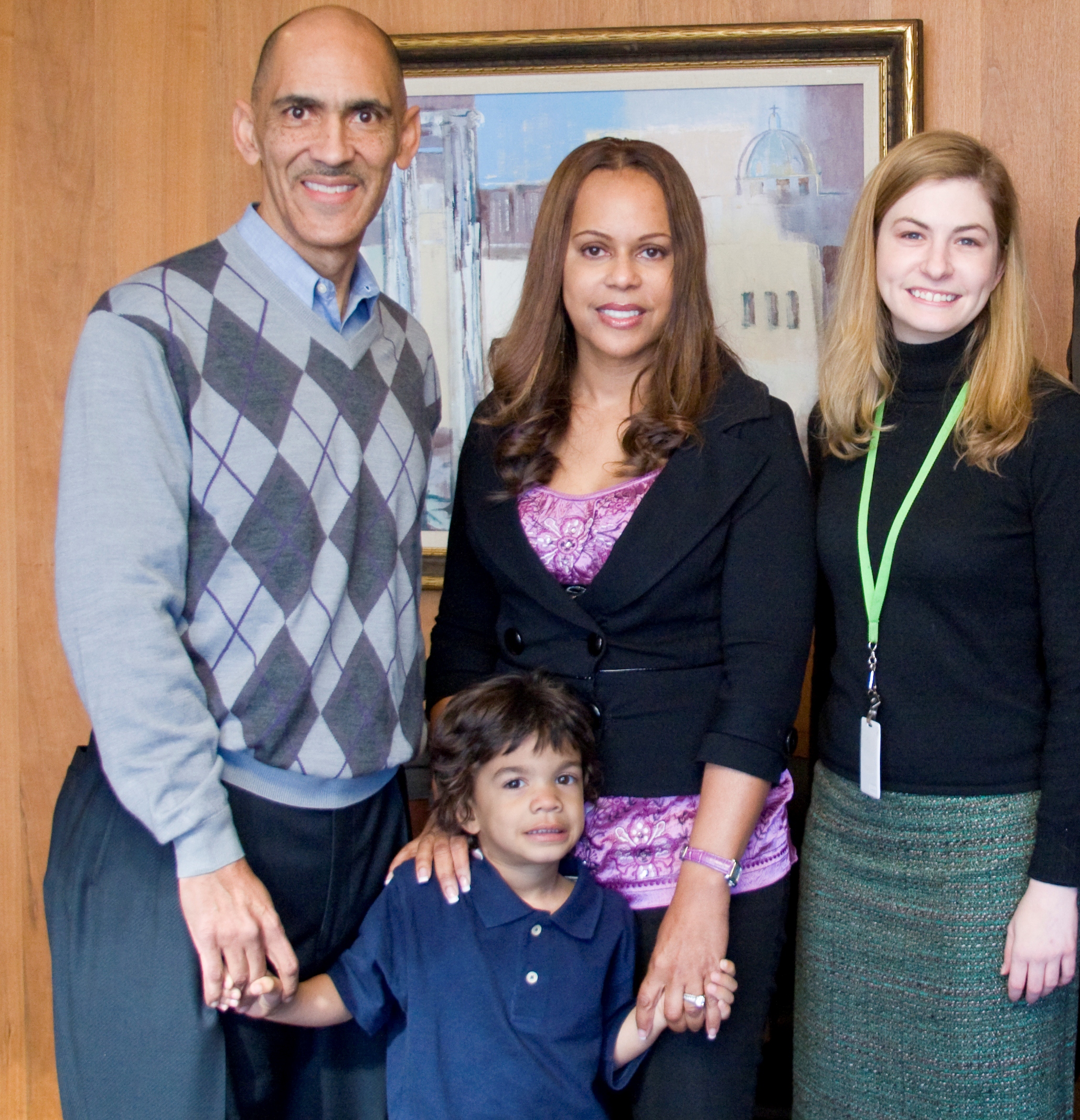
Katie Hutton (R) with Tony and Lauren Dungy at a BooksmART event earlier this year

How long have you worked at the DMA?
I have worked at the Dallas Museum of Art for almost six years.  I started as a McDermott Adult Programming Intern for a year and then worked for four years as Program Manager for Arts & Letters Live.  Last November, I took over as Interim Head of Arts & Letters Live. 

Describe your job as the Interim Head of Arts and Letters Live.
Arts & Letters Live is the literary and performing arts series at the Dallas Museum of Art.  We are celebrating our 20th anniversary season this year and have featured some of the greatest names in contemporary literature and the performing arts.

I oversee approximately thirty-five to forty Arts & Letters Live programs each season.  I work with the Director of Programming and the Arts & Letters Live team to plan each season and implement the programs.  I have found that the writers, actors and artists we bring in are some of the most thoughtful and interesting people I have ever met. 

During your five years with Arts and Letters Live, which author has left you the most star-struck?  Why?
Ooooh, that’s a good question.  I was definitely a little star-struck by Gary Paulsen, author of the children’s adventure novel, Hatchet.  I read that book more times than I can count when I was growing up, so it was a real thrill to get the chance to meet the man behind the story.

I was also definitely star-struck by Tony Kushner.  I was a drama minor in college and loved Angels in America.  Tony Kushner was so smart and funny.  Getting to have dinner with him and get a sneak peek into the next play he was working on is one of the highlights of my time with Arts & Letters. 

How did the idea for the BooksmART Festival come about?
The idea was born about a year-and-a-half ago. We have had a BooksmART series as part of Arts & Letters Live for a number of years, in which we brought in children’s and young adult authors and illustrators.  We have developed a terrific, loyal audience base for this series over the years.

What we found, however, was that these events were cost-prohibitive for some people, and we wanted to find a way to reach a broader cross-section of the Dallas community.  We decided to shift the emphasis to a day-long free festival featuring something for everyone.  We hope that our loyal BooksmART audiences will come and celebrate with us, and that we will also get new visitors to the Museum to discover and embrace all that the DMA has to offer. 

Which BooksmART Festival author are you most looking forward to hearing speak?
I am especially excited about Norton Juster, author of The Phantom Tollbooth, which celebrates its 50th anniversary this year.  I heard Norton Juster at the National Book Festival last fall.  He is in his eighties but still has this boyish zeal for life.

I am also very excited about Cynthia Leitich Smith.   A fellow Texan, she has such an incredible range to her work.  She writes for very young children right up through older teens.  I find that very admirable. I also love the ways she has incorporated her Native American heritage into her stories. 

My hope is that people will perhaps come to hear an author they are more familiar with but will stay and discover some new favorite authors while they are here.

Shannon Karol
Manager of Docent Programs and Gallery Teaching

Staff Spotlight: Tom Jungerberg

Over the past two years, we’ve shared with you our exciting work with teachers related to Connect: Teachers, Technology and Art, a project supported by an IMLS grant.  This funding made possible a grant coordinator position that assists with various tasks related to the grant.   Tom Jungerberg quickly fit in with our department, and helped tilt the very uneven ratio of male to female staff ever-so-slightly in the opposite direction.

Could you trace the path that has brought you to the DMA?

I have Bachelor’s degrees from Florida State University in art history and English, and a Master’s degree from Boston University in English.  I’m originally from Florida and I lived there for two years prior to moving to Dallas. I worked at University of South Florida as a visiting assistant professor teaching composition, mostly, and expository writing.

My girlfriend began teaching at UNT Dallas last August, and that’s what brought me here. When I got here, I was excited to see an opening for the IMLS grant coordinator position since it seemed so suitable to my skill set. 

What is your role with the IMLS grant?

I serve as the liaison between Nicole and Jenny and the teachers – I correspond with teachers and coordinate meetings with them.  I write and edit some of the new online teaching resources.  I also participate in meetings, during which we discuss how we’ll approach the artwork as we develop materials and the steps we’ll need to follow to complete the project.

What has been the most interesting aspect of your work here?

I’ve really enjoyed everything, but it’s been especially interesting to observe teachers in the classroom. It’s great to see how people take the materials we’re preparing and apply them to their own curricula and lesson plans.  I appreciate being able to see the final outcome of these things that we’re making, and to see the different ways they’ll be used when they go public.

How do you spend your free time?

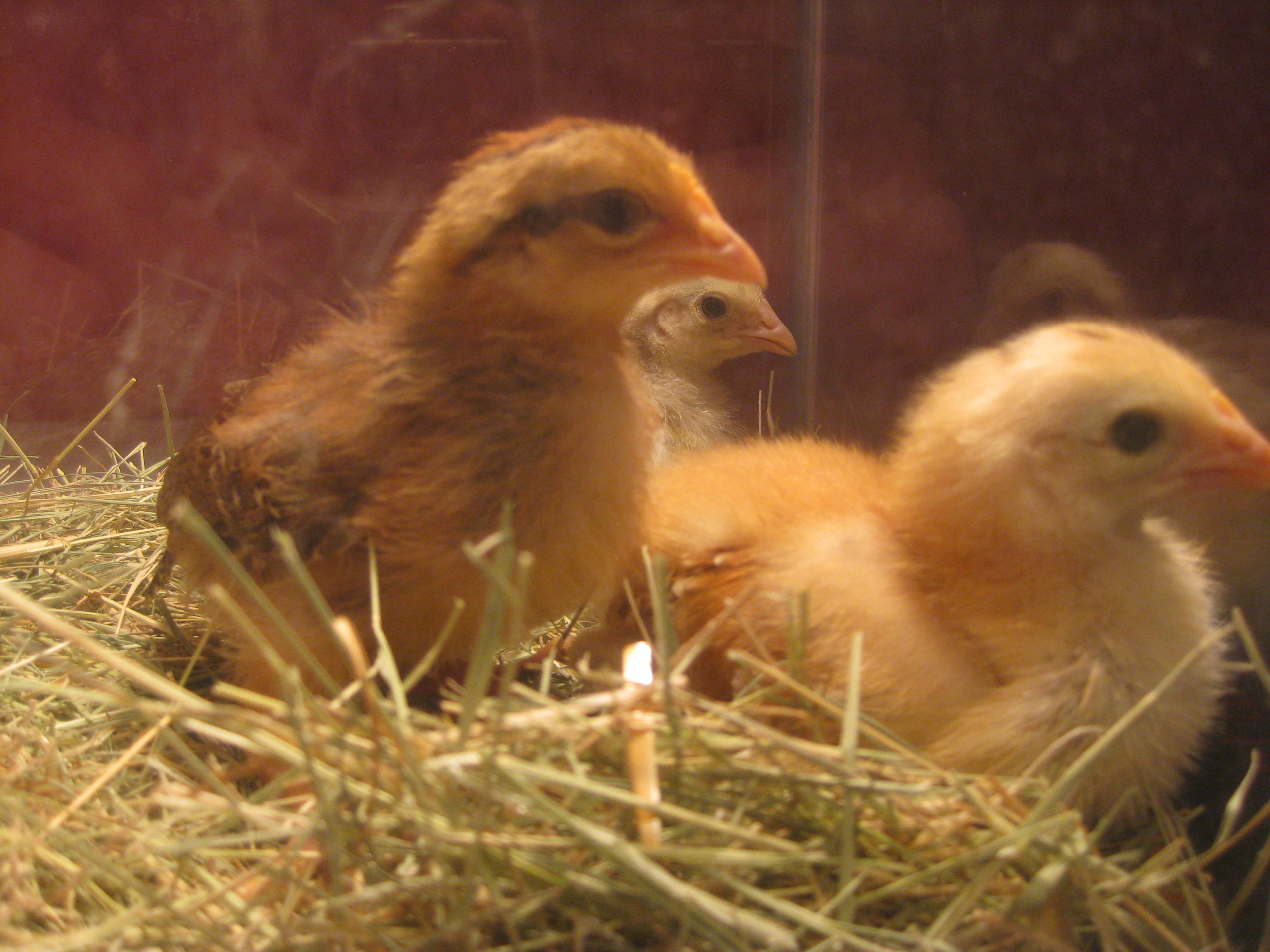
I just bought a house, so that takes a lot of my free time.  It was built in 1895, and legend has that it was built by one of the founders of TCU.  I also raise chickens, and I have a garden which I’m pretty excited about since it’s the growing season.  Yellow and green squash are coming in right now; I have also planted tomatoes, tomatillos, peppers, spinach, some lettuce, bok choy, peas, and green beans.

Where do you see yourself in five years?

That’s hard, as this job is ending in September.  I enjoyed my time at University of South Florida, so I’d like to teach.  I think teaching, but if you ask me tomorrow, I don’t know.

We’ve invited Tom to be a guest blogger; look for posts written by him in the coming months.

Melissa Nelson
Manager of Teaching in the Community

Community Connection: Combining Two Passions

One of the great things about working with volunteers is the opportunity to meet people with a wide range of interests, experiences, and passions.  Last fall, I interviewed Deborah Harvey, one of our Go van Gogh volunteers.  I am pleased to introduce Jennifer McNabb, another Go van Gogh volunteer, who has managed to combine two of her passions through our outreach program.  
 
Tell us a little about yourself.

I’m British, and I’ve been in the U.S. for twenty years, in Dallas for nineteen years.  I’m a longtime visitor to the DMA.   When my work situation opened up seven years ago, I was looking for a way to volunteer in the arts.  I have a background in community arts from the 1980’s in England, when I helped set up and run a group studio for artists called Red Herring Studios.  We took over derelict buildings that were to be demolished, converted the buildings to studio spaces, and had an exhibition space too.  Red Herring put visual arts on the map in Brighton and has given birth to other fabulous organizations like Fabrica.  

Jennifer with her father and sister at Chesworth Studios in West Sussex, England.

What do you like most about Dallas?

I think what I like most about Dallas is the very vivid cultural life here.  We have great museums (the Nasher Sculpture Center, the DMA, The Crow Collection of Asian Art), and I love the way the Arts District has been developing with the AT&T Performing Arts Center and the expansion of Booker T. Washington High School.  I don’t come from a place where you have zoning; in London, these places are all in different parts. Also, I love the fact that Ft. Worth is just a few miles away with another bunch of fabulous museums. Although Dallas is a town that tends to be on the map business-wise, it is also on the map culturally.  I live in Oak Cliff, so it’s very easy to get to these places.

Tell us about your relationship with the DMA.

I started out by coming to your office and asking what I can do to volunteer with the DMA.  At the time, I couldn’t give the amount of time necessary for the docent program, but I did like the idea of the Go van Gogh program.  I have a background in teaching, and I thought it would be nice to get back into the classroom.  I like that the DMA has this type of in-reach and does such a good job at taking art into the classroom, getting kids excited about it, and hopefully encouraging teachers to take kids to the museum more.  Teaching is something I feel passionate about along with the visual arts – I come from a family of artists and I like the fact that I can go into the classroom and do all the fun stuff, and the kids love me for it. 

I’d been doing Go van Gogh for three or four years when a friend said to me one day, “You should come to this meeting about Resolana and get involved with this organization that provides programming for incarcerated women.”  I am also passionate about prison reform.  When I saw the creativity workshops they did, I thought yes, this combines two things I feel strongly about.  I got involved almost immediately.  After I had been to the jail a few times, I spoke with you and Amy about the possibility of the DMA doing something in partnership with Resolana.  I was looking for ways I could take the DMA into the jail, and you suggested trying some of the programs we teach in the schools. 

Jennifer leads the Arts of Mexico Go van Gogh program with Resolana participants.

What are the greatest benefits and challenges to presenting Resolana programs?

I was very aware I was teaching a different population, but in some respects they’re kind of similar.  Being in the jail frees them up, and they are very good about trying anything you suggest.  They don’t have self-editing about what is right and what is wrong in a class setting.  The women are willing to try most things; I don’t get the same resistance I might get from sixth-grade students.  The difference is, these are adults, and I didn’t want to make them feel I was doing baby stuff with them.  I had to adapt the programs because certain supplies are not allowed in the jail.  I also tried to get the discussion portion much more pitched toward their level.  I would not lead too much, and tried to give them space.  I am also in the Master of Liberal Studies program at SMU, and I took a class with Carmen Smith, who worked at the DMA for twelve years before working at the Meadows Museum.  I learned a number of techniques for talking about art with groups of people that museum educators use and started to use some of those techniques.  What I learned about in class went straight to the jail, and I saw a remarkable difference in the quality of the discussions. 

What is capturing your time and attention at the moment?

I’m always reading something fascinating, but work right now is capturing a lot time and attention.  We now have a pod in the jail dedicated to women interested in attending Resolana classes – they all live together.  It means we have doubled the number of women we see every week, so I’m trying to increase our number of volunteers as quickly as I can.  I am also trying to develop a program to train volunteers, using Go van Gogh as a model.  The Meadows Museum has donated their studio for training sessions. That takes up a lot of my time.

My other big passion is learning. I get to take classes in all kinds of things in the Liberal Studies program. I’m knee-deep in anthropology at the moment, and I’m writing a paper about systems of value in the U.S. and in the western world in general, and how that compares to other value systems when looking at works of art.

Melissa Nelson
Manager of Teaching in the Community

Trade before Planes, Trains and Automobiles

Have you ever wondered how goods and services, such as spices, fabrics, and art, traveled from one part of the world to another before the use of planes, trains, and automobiles?  The Silk Road provides a great insight for understanding early trading among different countries. It is the most well-known trading route of ancient Chinese civilization that was used during the first millennium B.C.E through the middle of the second millennium C.E under the Han Dynasty. The Silk Road was a transcontinental network of land and sea trade routes that spread across Eurasia from the Mediterranean to China and Japan. Domesticated horses and cattle as well as marine vessels were used as transportation to carry such goods and services along these routes.

Dr. Anne Bromberg, The Cecil and Ida Green Curator of Ancient and Asian Art, organized The Silk Road, an installation which illustrates how this great route of trading developed.  This exhibition also describes the spread of religions from India to Central Asia during this time. One of the greatest benefits of the Silk Road that Dr. Bromberg wanted to emphasize was the spread of agriculture. Animals not only provided transportation, but they also provided food and a mechanism for cultivating crops.


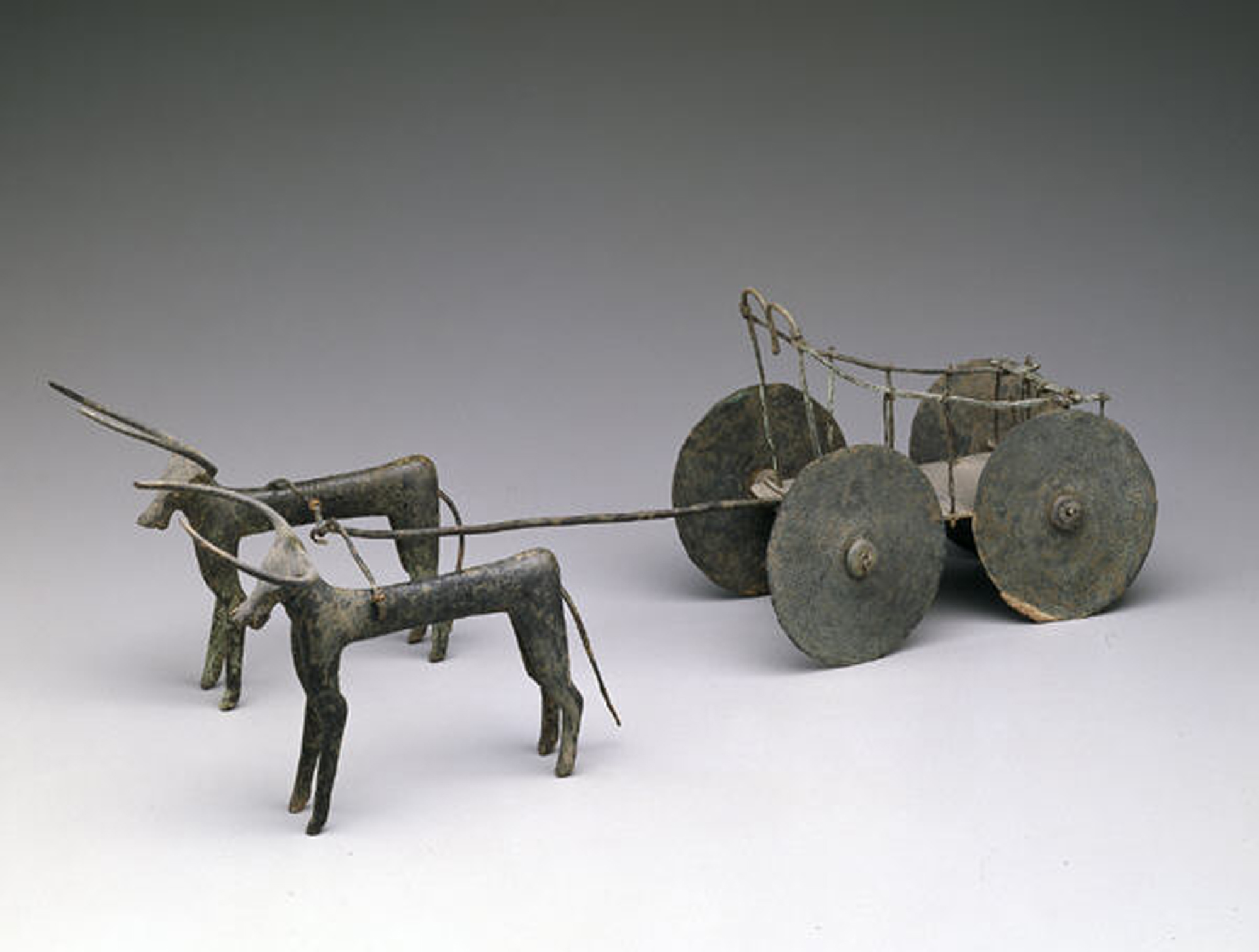
 Oxen and Cart, 2000-1800 B.C., Bronze
Dallas Museum of Art, Irvin L. and Meryl P. Levy Endowment Fund

A great deal of Near Eastern art similar to the Oxen and Cart traveled along the Silk Road. The Proto-Hittites were devoted to animals, which were vital to hunting and farming. Objects such as the Oxen and Cart were perhaps used as an offering to be left in a shrine, sacred caches or tomb. In addition,  the Oxen and Cart symbolizes the distinct moment when domesticated horses or cattle were first used as powered transportation on land.

The Silk Road provides a great opportunity to discuss with students the benefits and consequences of trading among different cultures. I’ve added a list of books and websites that will help you introduce the Silk Road to your students. These books and more can be found at the Dallas Public Library or the Museum’s Mayer Library.

Books:
Stories From The Silk Road by Cherry Gilchrist and Nilesh Mistry
The Silk Route: 7,000 Miles of History by John S. Major and Stephen Fieser
Mapping the Silk Road and Beyond by Kenneth Nebenzahl
Adventures on the Ancient Silk Road by Priscilla Galloway and Dawn Hunter
Silk Road: Monks, Warriors & Merchants by Luce Boulnois and Helen Loveday

Websites:
the Silk Road project:
http://www.silkroadproject.org/tabid/177/defaul.aspx

Silk Road Seattle:
http://depts.washington.edu/silkroad/

Enjoy,
Karen A. Colbert
Teaching Programs Intern

Teen Docents: It's a Family Affair

This summer, we celebrate the tenth anniversary of the DMA Teen Docent program!  Over the course of the last ten years, we have noticed that a lot of our new applicants have older siblings who were also teen docents.  There are even a few teen docents whose moms are DMA docents during the school year.  I’m going to turn the spotlight on two teen docents who are sisters, and who also happen to be my cousins.  For us, the teen docent program really is a family affair.

Leah is currently a junior, and this will be her third summer as a teen docent. 

Leah, what was your best tour experience from last summer?
My best teen docent experience from last summer was a tour for a group of girls who were in second, third, and fourth grade.  They really got into the tour, and we had a great time talking, sketching, and playing games inspired by works of art in the galleries.

What are the benefits (in your opinion) of being a teen docent?
Being a teen docent, you get service hours in a fun way.  You get to talk with kids, teach them about art, and meet other teens who have the same interests as you. It is also a great way to build up confidence in leadership and public speaking, as there will never be anyone quite as opinionated as a group of 20 little kids…

Abby will be a freshman in the fall, and this will be her first summer as a teen docent.

Abby, why do you want to join the teen docent program?
I was inspired to become a teen docent after going on a tour of the DMA with Shannon.  I also want to serve the community by educating young children about art.  I want to keep art alive in this community.

What are you most looking forward to when you become a teen docent?
I am looking forward to talking with kids about artworks at the DMA. I also look forward to giving tours with my older sister. I enjoy art, so getting to instill the same love for art into young visitors will be very rewarding for me.

Abby, Shannon, and Leah--three Karols with a connection to the teen docent program

This will be my second year leading the teen docent program.  I’m so excited to reconnect with our great volunteers and to welcome a new class of docents to the program.  Teachers, if you have students (grades 9-12) who you think would make great teen docents, we would love for them to apply.  Please email me (SKarol@DallasMuseumofArt.org) to request an application.

Shannon Karol
Manager of Docent Programs and Gallery Teaching

Community Connection: Dallas and Beyond

I look forward to spring for several reasons: warmer weather, hints of green and color coming out on trees and plants, and the National Art Educators Association Convention.  Held in a different city each year, the Convention provides opportunities for us to meet museum and classroom educators from all over the United States, as well as other countries, and to learn what our colleagues are doing and thinking about in their respective cities.  On the flip-side, DMA educators often lead conference sessions and share about the new and exciting programs that consume our daily lives.

The most recent Convention took place in Seattle during Spring Break.  I took part in a session with Elizabeth Gerber and Sofia Gutierrez, educators from the Los Angeles County Museum of Art.  We all work closely with afterschool programs, and evaluation and reflective practice are essential to the development and refinement of our programs.  We led a session that not only described our programs but also encouraged our audience to share their practices.  Meet our most distant Community Connections to date below:

Briefly describe your position at LACMA.

Elizabeth:  In a nutshell, I aim to connect the art at LACMA with the lives of students and teachers throughout Los Angeles County.  This includes working with multi-visit school programs where kindergarteners through high school students visit the museum multiple times; programs that take place in schools, libraries, and community centers; and professional development opportunities for classroom teachers.  These programs occur during school, after school, in the evenings, and on the weekends.  LACMA even creates an exhibition at a local elementary school each year!

Elizabeth Gerber

Sofia:  I coordinate the out-of-school afterschool component for the Art Programs with the Community: LACMA On-Site program. We have a partnership with the Los Angeles Public Library, the YMCA, and the Los Angeles Unified School District. The majority of the workshops happen at the seventeen partner libraries, where we hold weekly sixty- to ninety-minute hands-on art programs focused on developing critical thinking skills, creativity, and personal connections. I work closely with our teaching artists by mentoring, looking over lesson plans, collaborating on professional development, team teaching, and further developing best strategies for equal voicing opportunities for our participants, many who are English Language Learners. Each workshop has learning and social goals that were developed from our two-year participatory evaluation modeled after the Theory of Change.  I also work closely with the librarians and other community partners and coordinators in our programs to ensure we are meeting the educational and life-long learning needs of their community, and to extend the hospitality of LACMA as part of their community.

Sofia Gutierrez

What was your favorite part of your Seattle NAEA experience?

Elizabeth:  This year I really enjoyed the opportunity to think “big” about museums and the ways they connect with audiences and communities.  This work encompasses everything from collaborating with living artists, to evaluating the work of museums, to articulating the ways museums have an impact on their visitors and program participants.

Sofia:  I especially enjoyed hearing about all the inspiring work that is being done in the field of Museum Education and the nation’s libraries, and the call to action from our profession to ensure that the nation is aware of the crucial role and value of these public institutions, and that museums along with libraries, not just the sciences, are leading the way in developing 21st Century Skills.

If you could take any work of art from the LACMA collection home with you, what would you choose?  (I know I ask this question of all our museum colleagues, but this is a great way to learn about the treasures of their collections!)

Elizabeth:  It is tough to pick just one!  Although my background is in contemporary art, I’d love to live with Copenhagen: Roofs Under the Snow by Peter-Severin Krøyer.

Sofia:  I would choose Veiled Christ, a small 18th century Italian terracotta sculpture of Christ entombed with a shroud covering his body.  And if that wasn’t available, I would take The Magdalen with the Smoking Flame, c. 1638-1640, by Georges de La Tour.

Melissa Nelson
Manager of  Teaching in the Community


Archives

Categories